
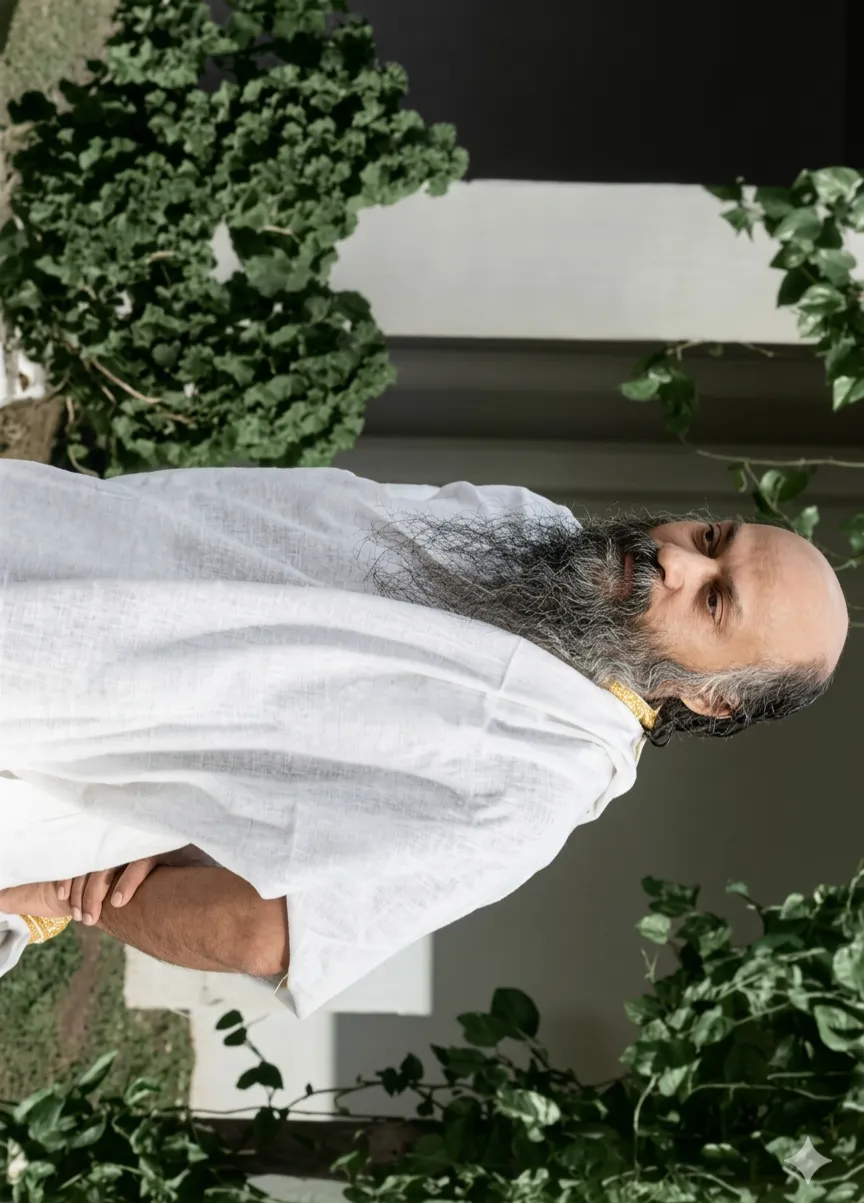
Osho's original Hindi beside Osho Live's English translation, matched passage by passage.
जीवन दो भांति जीया जा सकता है--एक मालिक की तरह, एक गुलाम की तरह। और गुलाम की तरह जो जीवन है, वह नाममात्र को ही जीवन है। उसे जीवन कहना भी गलत है। बस दिखाई पड़ता है जीवन जैसा, आभास होता है जीवन जैसा। जैसे एक सपना देखा हो। आशा में ही होता है गुलाम का जीवन। मिलेगा, मिलता कभी नहीं। आ रहा है, आता कभी नहीं। गुलाम का जीवन बस जाता है, आता कभी नहीं।
Life can be lived in two ways—like a master, or like a slave. And the life of a slave is life only in name. To call it life is a mistake. It only looks like life, gives the feeling of life—like a dream. The slave lives in hope. It will come—yet it never comes. It is arriving—yet it never arrives. The slave’s life only goes, it never comes.
गुलाम के जीवन का शास्त्र समझ लेना जरूरी है। क्योंकि जो उसे न समझ पाया, वह मालिक के जीवन को निर्मित न कर पाएगा। दोनों के शास्त्र अलग हैं। दोनों की व्यवस्थाएं अलग हैं। गुलाम के जीवन के शास्त्र का नाम ही संसार है। मालिक और मालकियत के जीवन का नाम ही धर्म है। एस धम्मो सनंतनो। वही सनातन धर्म का सूत्र है।
It is essential to understand the scripture of the slave’s life. Whoever does not understand it will never be able to create the life of a master. The two have different scriptures, different arrangements. The scripture of the slave’s life is called the world. The life of mastery, of masterhood, is called dharma. Es dhammo sanantano—this is the formula of the eternal dharma.
मालिक से अर्थ है, ऐसे जीना जैसे जीवन अभी और यहीं है। कल पर छोड़कर नहीं, आशा में नहीं, यथार्थ में। मालिक के जीवन का अर्थ है, मन गुलाम हो, चेतना मालिक हो। होश मालिक हो, वृत्तियां मालिक न हों। विचारों का उपयोग किया जाए, विचार तुम्हारा उपयोग न कर लें। विचारों को तुम काम में लगा सको, विचार तुम्हें काम में न लगा दें। लगाम हाथ में हो जीवन की। और जहां तुम जीवन को ले जाना चाहो, वहीं जीवन जाए। तुम्हें मन के पीछे घसिटना न पड़े।
Master means: to live as if life is here and now. Not postponed to tomorrow, not in hope, but in reality. The life of a master means: the mind is the slave, consciousness the master. Awareness the master; the tendencies not the masters. Use thoughts, but do not let thoughts use you. Put thoughts to work, but do not get put to work by thoughts. Keep the reins of life in your hands. Wherever you want to take life, let life go there—you are not to be dragged behind the mind.
गुलाम का जीवन बेहोश जीवन है। जैसे सारथी नशे में हो, लगाम ढीली पड़ी हो, घोड़ों की जहां मर्जी हो रथ को ले जाएं। ऊबड़-खाबड़ में गिराएं, कष्ट में डालें, मार्ग से भटकाएं, लेकिन सारथी बेहोश हो।
The slave’s life is a life of unconsciousness. Like a charioteer drunk, the reins loose, the horses take the chariot wherever they wish—down rough tracks, into suffering, off the path—while the charioteer lies senseless.
गीता में कृष्ण सारथी हैं। अर्थ है कि जब चैतन्य हो जाए सारथी, तुम्हारे भीतर जो श्रेष्ठतम है जब उसके हाथ में लगाम आ जाए। बहुत बार अजीब सा लगता है कृष्ण को सारथी देखकर। अर्जुन ना-कुछ है अभी, वह रथ में बैठा है। कृष्ण सब कुछ हैं, वे सारथी बने हैं। पर प्रतीक बड़ा मधुर है। प्रतीक यही है कि तुम्हारे भीतर जो ना-कुछ है वह सारथी न रह जाए; तुम्हारे भीतर जो सब कुछ है वही सारथी बन जाए।
In the Gita, Krishna is the charioteer. It means: when the charioteer becomes conscious, when the noblest within you holds the reins. To some it looks strange—Krishna as the charioteer. Arjuna, who as yet is a nobody, sits in the chariot; Krishna, who is everything, becomes the charioteer. But the symbol is exquisitely sweet. It says: let the nothing within you cease to be charioteer; let the all within you become the charioteer.
तुम्हारी हालत उलटी है। तुम्हारी गीता उलटी है। अर्जुन सारथी बना बैठा है। कृष्ण रथ में बैठे हैं। ऐेसे ऊपर से लगता है--मालकियत, क्योंकि कृष्ण रथ में बैठे हैं और अर्जुन सारथी है। ऊपर से लगता है, तुम मालिक हो। ऊपर से लगता है, तुम्हारी गीता ही सही है। लेकिन फिर से सोचना, व्यास की गीता ही सही है। अर्जुन रथ में होना चाहिए। कृष्ण सारथी होने चाहिए। मन रथ में बिठा दो, हर्जा नहीं है। लेकिन ध्यान सारथी बने, तो एक मालकियत पैदा होती है।
Your condition is inverted. Your Gita is upside down. Arjuna sits as charioteer; Krishna sits in the chariot. From the outside it even looks like masterhood, for Krishna sits in the chariot and Arjuna holds the reins. From the outside it seems you are the master. From the outside your Gita looks right. Think again: Vyasa’s Gita alone is right. Arjuna must be in the chariot, Krishna must be the charioteer. Seat the mind inside the chariot—no harm in that. But let attention be the charioteer—then mastery is born.
इसलिए हमने इस देश में संन्यासी को स्वामी कहा है। स्वामी का अर्थ है, जिसने अपनी गीता को ठीक कर लिया। अर्जुन रथ में बैठ गया, कृष्ण सारथी हो गए, वही संन्यासी है। वही स्वामी है।
That is why, in this land, we have called the sannyasin a Swami. Swami means: one who has set his Gita right. Arjuna sits in the chariot, Krishna becomes the charioteer—that one is a sannyasin; that one is a Swami.
और स्वामी होना ही एकमात्र जीवन है। तब तुम जीते ही नहीं, तुम जीवन हो जाते हो। तुम महाजीवन हो जाते हो। सब बदल जाता है। कल तक जहां कांटे थे, वहां फूल खिल जाते हैं। और कल तक जो भटकाता था, वही तुम्हारा अनुचर हो जाता है। कल तक जो इंद्रियां केवल दुख में ले गई थीं, वे तुम्हें महासुख में पहुंचाने लगती हैं। क्योंकि जिन इंद्रियों से तुमने संसार को पहचाना है, वे ही इंद्रियां तुम्हें परमात्मा के दर्शन दिलाने लगेंगी। उनको ही झलक मिलेगी।
And to be a Swami is the only real life. Then you do not merely live—you become life. You become Great Life. Everything changes. Where yesterday were thorns, flowers begin to bloom. What misled you till yesterday, becomes your attendant. The same senses that led you only into suffering, begin to deliver you into supreme bliss. For the very senses by which you recognized the world, those very senses will begin to grant you the vision of the Paramatma. They too will receive the glimpse.
यही आंखें--ध्यान रखना, फिर से दोहराता हूं--यही आंखें उसे देखने लगेंगी। और इन्हीं आंखों ने पर्दा किया था। इन्हीं आंखों के कारण वह दिखाई न पड़ता था। इन आंखों को फोड़ मत लेना, जैसा कि बहुत से नासमझ तुम्हें समझाते रहे हैं। ये आंखें बड़े काम में आने को हैं, सिर्फ भीतर का इंतजाम बदलना है। जो मालिक है असली में, उसे मालिक घोषित करना है। बस उतनी घोषणा काफी है। जो गुलाम है उसे गुलाम घोषित करना है।
These very eyes—remember, I repeat again—these very eyes will begin to see That. And it was these very eyes that created the veil. Because of these eyes That could not be seen. Do not gouge out these eyes, as many unknowing ones have advised you. These eyes are meant for a great work; only the inner arrangement needs to be changed. The one who is the real master must be declared master—just that declaration is enough. And the one who is the slave must be declared slave.
तुम्हारे भीतर गुलाम मालिक बनकर बैठ गया है, और मालिक को अपनी मालकियत भूल गई है। इसलिए आंखों से पदार्थ दिखाई पड़ता है, परमात्मा नहीं। कानों से शब्द सुनाई पड़ता है, निःशब्द नहीं। हाथों से केवल वही छुआ जा सकता है जो रूप है, आकार है, निराकार का स्पर्श नहीं होता। मैं तुमसे कहता हूं, जैसे ही तुम्हारे भीतर का इंतजाम बदलेगा--मालिक अपनी जगह लेगा, गुलाम अपनी जगह लेगा, चीजें व्यवस्थित होंगी, तुम्हारा शास्त्र शीर्षासन न करेगा, ठीक जैसा होना चाहिए वैसा हो जाएगा--तत्क्षण तुम पाओगे इन्हीं आंखों से निराकार की झलक मिलने लगी, पदार्थ से परमात्मा झांकने लगा।
Within you, the slave has sat as master, and the master has forgotten his masterhood. Hence through the eyes matter appears, not the Paramatma. Through the ears, only sound is heard, not the soundless. The hands touch only what has form and shape; the formless is not felt. I tell you, the moment the inner arrangement changes—master takes his place, slave takes his place, things are ordered; your scripture ceases to stand on its head, and becomes as it should be—instantly you will find these very eyes begin to glimpse the formless, and through matter the Paramatma peeps.
पदार्थ सिर्फ घूंघट है। वही प्रेमी वहां छिपा है। और इन्हीं कानों से तुम्हें शून्य का स्वर सुनाई पड़ने लगेगा। यही कान ओंकार के नाद को भी ग्रहण कर लेते हैं। कान की भूल नहीं है। आंख की भूल नहीं है। इंद्रियों ने नहीं भटकाया है, सारथी बेहोश है। घोड़ों ने नहीं भटकाया है। घोड़े भी क्या भटकाएंगे? और घोड़ों को जिम्मेवारी सौंपते तुम्हें शर्म भी नहीं आती।
Matter is only a veil. The Beloved is hidden there. And through these very ears you will begin to hear the sound of shunya. These very ears can also receive the nada of Omkar. The ear is not at fault. The eye is not at fault. The senses have not led you astray—the charioteer is unconscious. Nor have the horses gone astray. How could the horses mislead? And do you feel no shame assigning responsibility to the horses?
और तुम्हारे साधु-संन्यासी तुमसे कहे जाते हैं, घोड़ों ने भटकाया है। घोड़े क्या भटकाएंगे? और जिसको घोड़े भटका देते हों, वह पहुंच न पाएगा। जो घोड़ों को भी न सम्हाल सका, वह क्या सम्हालेगा? वह पहुंचने योग्य ही न था। उसकी कोई पात्रता ही न थी, जिसको घोड़ों ने भटका दिया।
Your sadhus and sannyasins keep telling you, the horses are at fault. What could horses do? And the one whom horses can throw off track—how will he ever arrive? The one who could not even hold his horses—what will he hold? He was not even worthy to arrive, if horses could mislead him.
नहीं, भटके तुम हो। लगाम तुम्हारी ढीली है। घोड़े तो बस घोड़े हैं। उनके पास कोई होश तो नहीं। जब तुम बेहोश हो, तो घोड़ों से होश की अपेक्षा रखते हो! जब तुम्हारा चैतन्य सोया हुआ है, तो इंद्रियों से तुम चैतन्य की अपेक्षा रखते हो! इंद्रियां तो तुम जैसे हो वैसी ही हो जाती हैं। इंद्रियां अनुचर हैं। जीवन का इंतजाम बदलना ही साधना है। और यही इंतजाम का आधार है कि मन मालिक न रह जाए, ध्यान मालिक बने।
No, you have strayed. Your reins are slack. Horses are just horses; they have no awareness. When you are unconscious, you expect awareness from the horses! When your consciousness is asleep, you ask consciousness from the senses! The senses become as you are. The senses are attendants. To change the arrangement of life—that is sadhana. And the foundation of this arrangement is simply this: let the mind cease to be master; let attention become master.
How long will you keep wandering with this vagabond pace? Become the caravan’s lord—how long the caravan’s dust?
इसी रफ्तारे-आवारा से भटकेगा यहां कब तक
अमीरे-कारवां बन जा गुबारे-कारवां कब तक
कब तक गुजरते हुए कारवां की धूल, पीछे उड़ती धूल, कब तक ऐसे भीड़ के पीछे उड़ती धूल का अनुगमन करता रहेगा? कब तक ऐसे चलेगा मन के पीछे, शरीर के पीछे, इंद्रियों के पीछे? कब तक क्षुद्र का अनुसरण होगा? अमीरे-कारवां बन जा--अब वक्त आ गया कि मालिक बन जा, इस कारवां का पथ-प्रदर्शक बन जा, सारथी बन जा। बहुत दिन अर्जुन रह लिए, कृष्ण बनने का समय आ गया।
How long will you keep following the dust raised by the passing caravan, the dust flying behind the crowd? How long will you trail behind the mind, behind the body, behind the senses? How long will you follow the petty? Become the Amir-e-Karavan—now is the time to be the master, the guide of this caravan, the charioteer. Long enough have you remained Arjuna; the time has come to become Krishna.
कृष्ण और अर्जुन दो नहीं हैं। एक ही व्यक्ति को जमाने के दो ढंग हैं। एक ही चेतना के दो ढंग हैं, दो रूप हैं। रथ तो वही रहेगा, कुछ भी न बदलेगा, कृष्ण को भीतर बिठा दो, अर्जुन को सारथी बना दो, सब डगमगा जाएगा। कुछ तुमने जोड़ा नहीं, कुछ घटाया नहीं।
Krishna and Arjuna are not two. They are two modes of the same person, two modes of the same consciousness. The chariot will remain the same—nothing changes. Seat Krishna within as charioteer, make Arjuna sit as passenger—everything steadies. Nothing added, nothing subtracted.
बुद्ध ने कुछ जोड़ा थोड़े ही है। उतना ही है बुद्ध के पास जितना तुम्हारे पास है। रत्तीभर ज्यादा नहीं। कुछ घटाया थोड़े ही है। रत्तीभर कम नहीं। न कुछ छोड़ा है, न कुछ जोड़ा है, व्यवस्था बदली है। वीणा के तार अलग पड़े थे, वीणा पर कस दिए हैं। या वीणा के तार ढीले थे, उन्हें कस दिया है। जो जहां होना चाहिए था, वहां रख दिया है। जो जहां नहीं होना चाहिए था, वहां से बदल दिया है। सब वही है बुद्ध में, जो तुममें है। अंतर क्या है? संयोजन अलग है। और संयोजन के बदलते ही सब बदल जाता है--सब। तुम भरोसा भी नहीं कर सकते कि तुम्हारा ही संयोजन बदलकर बुद्धत्व पैदा हो जाता है; कि तुम्हीं अर्जुन, तुम्हीं कृष्ण। अभी तुम भरोसा भी कैसे करो?
Buddha added nothing. He has just what you have—not a grain more. He dropped nothing—not a grain less. He neither discarded nor added—he changed the arrangement. The strings of the veena lay apart—he tightened them on the instrument. Or, the strings were loose—he tuned them. What needed to be where, he put it there. What did not belong, he shifted. Everything in Buddha is what is in you. What is the difference? The configuration. And when the configuration changes, everything changes—everything. You can scarcely believe that simply by reconfiguring, Buddhahood arises; that you yourself are Arjuna, you yourself are Krishna. For now, how can you believe?
पहले शराब जीस्त थी अब जीस्त है शराब
इतना ही फर्क है। पहले शराब जीस्त थी--पहले नशा ही जिंदगी थी। अब जीस्त है शराब--अब जिंदगी ही नशा है। पहले नशा जिंदगी थी, पहले शराब जिंदगी थी, अब जिंदगी शराब है।
First, wine was life—now life is wine.
That is all the difference. First, intoxication was life; now life itself is intoxication.
कोई पिला रहा है पिए जा रहा हूं मैं
Someone is pouring; I keep drinking.
बस इतना ही फर्क है। पहले तुम पी रहे थे, कोई पिला न रहा था। और तब शराब जिंदगी मालूम होती थी, बेहोशी जिंदगी मालूम होती थी। अब, अब जिंदगी ही शराब है। अब जीवन का उत्सव है, आनंद है, और अब तुम नहीं पी रहे हो--
Just this much. Before, you were drinking—no one was pouring. Then wine seemed life, unconsciousness seemed life. Now life itself is wine. Life is celebration, is bliss; and now you are not drinking—
कोई पिला रहा है पिए जा रहा हूं मैं
Someone is pouring; I keep drinking.
संयोजन बदला कि अहंकार गया। कृष्ण रथ में बैठ जाएं, अर्जुन सारथी बन जाए, अहंकार परिणाम होगा। अर्जुन रथ में बैठे, कृष्ण सारथी बनें, निरअहंकार परिणाम होगा। सारा गीता का संदेश इतना सा ही है कि अर्जुन, तू स्वयं को छोड़ दे, निरअहंकार हो जा। तू मत पी अपने हाथ से!
The arrangement changes and ego disappears. If Krishna sits in the chariot and Arjuna holds the reins, ego will be the outcome. If Arjuna sits and Krishna holds the reins, egolessness will be the outcome. The entire message of the Gita is only this much: Arjuna, drop yourself, become egoless. Do not drink with your own hand!
कोई पिला रहा है पिए जा रहा हूं मैं
Someone is pouring; I keep drinking.
परमात्मा जो करता है करने दे, तू निमित्त हो जा। जो निमित्त हो गया, वह मालिक हो गया। क्योंकि जो निमित्त हो गया, वह मालिक के साथ एक हो गया।
Let the Paramatma do whatever is done—be a nimitta, an instrument. Whoever becomes a nimitta becomes a master. For to be a nimitta is to become one with the Master.
बुद्ध के ये सूत्र बहुत गलत तरह से समझे गए हैं, इसे पहले कह दूं। क्योंकि जितने महासूत्र हैं, आदमी उनको गलत ही समझ सकता है। आदमी के भीतर प्रविष्ट होते ही किरणें भी अंधकार हो जाती हैं। आदमी के भीतर प्रविष्ट होते ही सुगंध दुर्गंध हो जाती है। आदमी के भीतर समझ के हीरे भी नासमझी के कंकड़-पत्थर होकर रह जाते हैं। बुद्ध ने ये सूत्र दिए हैं बड़े बहुमूल्य, लेकिन बुद्ध के पीछे चलने वालों ने उन्हें गलत ढंग से पकड़ा है। जैसा कि सभी के पीछे चलने वालों ने गलत ढंग से पकड़ा है। कुछ बात ऐसी बारीक है, और कुछ बात ऐसी भिन्न है आदमी से कि आदमी के हाथ में पड़ते ही भूल हो जाती है।
Buddha’s aphorisms have been much misunderstood—let me say this first. For with a supreme aphorism, man is almost bound to understand it wrongly. When a ray enters man, it too becomes darkness. When fragrance enters man, it too becomes stench. When diamonds of understanding enter, in man’s grasp they are reduced to pebbles of misunderstanding. Buddha gave these aphorisms of immense value; those who followed him grasped them wrongly—just as followers of all have done. The matter is so subtle, so unlike man, that the moment it falls into his hands, it gets distorted.
‘चित्त क्षणिक है, चंचल है। इसे रोक रखना कठिन है। इसका निवारण कठिन है। ऐसे चित्त को मेधावी पुरुष उसी प्रकार ऋजु, सरल, सीधा बनाता है, जिस प्रकार वाणकार वाण को।’
“The mind is momentary, restless. To restrain it is difficult; to pacify it is difficult. Such a mind the intelligent one makes straight, simple, direct—like the fletcher straightens an arrow.”
इन सूत्रों से लोगों ने समझा कि चित्त को दबाना है, कि चित्त को मिटाना है, कि चित्त से लड़ना है। बुद्ध केवल चित्त का स्वभाव समझा रहे हैं। बुद्ध कह रहे हैं, चित्त क्षणिक है, चंचल है। लड़ने की कोई बात नहीं कर रहे हैं। इतना ही कह रहे हैं कि चित्त का स्वभाव ऐसा है। तथ्य की घोषणा कर रहे हैं।
From such sutras people concluded that the mind must be suppressed, erased, fought. Buddha is merely explaining the nature of mind. He is saying: the mind is momentary, restless. He is not asking you to fight; he is announcing a fact.
लेकिन तुम्हारे मन में जैसे ही कभी कोई तुमसे कहता है चित्त क्षणिक है, जीवन क्षणभंगुर है, तुम तत्क्षण--क्षणभंगुरता को तो नहीं समझते--शाश्वत की खोज में लग जाते हो। वहीं भूल हो जाती है। और तुम्हारे महात्मागण जब भी तुमसे कहते हैं जीवन क्षणभंगुर, चित्त क्षणिक, तुम तत्क्षण सोचने लगते हो कैसे उसे पाएं जो अक्षणिक है, जो शाश्वत है, सनातन है। बस वहीं भूल हो जाती है! शाश्वत को पाना नहीं है, क्षणिक को समझ लेना है।
But the moment someone tells you: the mind is momentary, life is fleeting—you do not understand impermanence; you immediately start seeking the eternal. There the mistake happens. Whenever your so-called saints tell you life is fleeting, mind is momentary, you promptly begin to think: how to attain that which is non-momentary, the eternal, the sanatan? There the mistake occurs. The eternal is not to be sought; the momentary is to be understood.
जापान में एक बहुत बड़ा झेन कवि हुआ बासो। उसकी एक छोटी सी कविता है, एक हाइकू है। जिसका अर्थ बड़ा अदभुत है। हाइकू है कि जिन्होंने जाना, वह वे ही लोग हैं जिन्होंने इंद्रधनुष को देखकर तत्क्षण न कहा कि जीवन क्षणभंगुर है, जिन्होंने पानी के बबूले को टूटते देखकर तत्क्षण न कहा कि जीवन क्षणभंगुर है। जिन्होंने ओस की बूंद को बिखरते या वाष्पीभूत होते देखकर तत्क्षण न कहा कि हम उदास हो गए, जीवन क्षणभंगुर है, उन्होंने ही जाना।
In Japan there was a great Zen poet, Basho. A tiny haiku of his holds a wondrous meaning: Those who have known are precisely those who—on seeing a rainbow—did not instantly say, “Life is fleeting”; who—seeing a water-bubble burst—did not instantly say, “Life is fleeting”; who—seeing a dewdrop scatter or evaporate—did not instantly say, “We are sad; life is fleeting.” Those alone have known.
यह बड़ी अजीब बात है। बुद्ध के बड़े विपरीत लगती है। बासो बुद्ध का भक्त है। पर बासो समझा।
Strange—apparently against Buddha. Basho is a devotee of Buddha. Yet Basho understood.
जैसे ही तुमसे कोई कहता है जीवन क्षणभंगुर है और तुम छोड़ने को राजी हो जाते हो, तो तुम जीवन को छोड़ने को राजी नहीं होते, तुम क्षणभंगुरता को छोड़ने को राजी होते हो। तुम्हारी वासना नहीं मिटती, तुम्हारी वासना और बढ़ गई। तुम सनातन चाहते हो, शाश्वत चाहते हो। तुम कंकड़-पत्थर रखे थे, किसी ने कहा ये कंकड़-पत्थर हैं--तुम अब तक हीरे समझे थे इसलिए पकड़े थे--किसी ने कहा कंकड़-पत्थर हैं, तुम छोड़ने को राजी हो गए, क्योंकि अब असली हीरों की तलाश करनी है। हीरों का मोह नहीं गया। पहले इन्हें हीरा समझा था तो इन्हें पकड़ा था। अब कोई और हीरे हैं तो उन्हें पकड़ेंगे। लेकिन तुम वही के वही हो।
The moment someone tells you life is fleeting and you become ready to renounce, you are not ready to renounce life—you are ready to renounce fleetingness. Your craving does not die; it grows. You start wanting the eternal. You held stones thinking them diamonds; when told, “these are stones,” you agreed to drop them—because now you want real diamonds. The attachment to diamonds has not gone. Earlier you clutched these thinking them diamonds; now you will clutch something else, thinking it the real diamond. But you remain the same.
बुद्ध जब कहते हैं, मन क्षणिक है, चंचल है, जीवन क्षणभंगुर है, तो वे सिर्फ तथ्य की घोषणा करते हैं। वे सिर्फ इतना ही कहते हैं, ऐसा है। इससे तुम वासना मत निकाल लेना, इससे तुम साधना मत निकाल लेना, इससे तुम अभिलाषा मत जगा लेना, इससे तुम आशा को पैदा मत कर लेना, इससे तुम भविष्य के सपने मत देखने लगना। और मजा यह है कि जो तथ्य को देख लेता है, वह शाश्वत को उपलब्ध हो जाता है। जैसे ही तुम्हें यह दिखाई पड़ गया कि मन क्षणिक है, कुछ करना थोड़े ही पड़ता है शाश्वत को पाने के लिए। मन क्षणिक है, ऐसे बोध में मन शांत हो जाता है।
When Buddha says, the mind is momentary, restless; life is fleeting—he is merely announcing a fact. He is saying: it is so. From this, do not derive craving, sadhana, ambition, hope, dreams of future. And the wonder is: the one who sees the fact becomes available to the eternal. As soon as you see that the mind is momentary, nothing needs to be done to attain the eternal. In the very understanding that mind is momentary, the mind falls silent.
इसे जरा थोड़ा गौर से समझना।
ऐसे बोध में कि मन क्षणिक है, पानी का बबूला है, अभी है अभी न रहा, भोर की तरैया है, डूबी-डूबी, अब डूबी तब डूबी, कुछ करना थोड़े ही पड़ता है। ऐसे बोध में तुम जाग जाते हो, गेस्टॉल्ट बदल जाता है। जीवन की पूरी देखने की व्यवस्था बदल जाती है। क्षणभंगुर के साथ जो तुमने आशा के सेतु बांध रखे थे, वे टूट जाते हैं।
Understand it carefully. In the very awareness that mind is momentary—like a water bubble: now it is, now it is not; like the morning star touching the horizon, sinking—what is there to do? In such seeing, you awaken; the gestalt changes. The entire arrangement of your seeing changes. The bridges of hope you had tied to the fleeting collapse.
शाश्वत को खोजना नहीं है, क्षणभंगुर से जागना है। जागते ही जो शेष रह जाता है, वही शाश्वत है। शाश्वत को कोई कभी पाने थोड़े ही जाता है। क्योंकि शाश्वत का तो अर्थ ही है कि जिसे कभी खोया नहीं। जो खो जाए वह क्या खाक शाश्वत है! हां, क्षणभंगुर में उलझ गए हैं, बस उलझाव चला जाए, शाश्वत मिला ही है।
Do not seek the eternal; awaken from the fleeting. The moment you awaken, what remains is the eternal. No one goes to attain the eternal—because eternal means that which was never lost. That which can be lost—what eternal is that? Yes, you are entangled in the fleeting; let the entanglement dissolve—the eternal is already attained.
लेकिन तुम क्या करते हो? तुम क्षणभंगुर के उलझाव को शाश्वत का उलझाव बना लेते हो। तुम संसार की तरफ दौड़ते थे, किसी ने चेताया; चेते तो तुम नहीं, क्योंकि चेताने वाला कह रहा था: दौड़ो मत--तुम संसार की तरफ दौड़ते थे, बुद्ध राह पर मिल गए, उन्होंने कहा, कहां दौड़े जा रहे हो, वहां कुछ भी नहीं है--वे इतना ही चाहते थे कि तुम रुक जाओ, दौड़ो मत। तुमने उनकी बात सुन ली, लेकिन तुम्हारी वासना ने उनकी बात का अर्थ बदल लिया। तुमने कहा, ठीक है। यहां अगर कुछ भी नहीं है, तो हम मोक्ष की तरफ दौड़ेंगे। लेकिन दौड़ेंगे हम जरूर।
But what do you do? You convert your entanglement with the fleeting into an entanglement with the eternal. You were running toward the world—someone warned you; you did not awaken—for he said, “Do not run”—you were running toward the world; Buddha met you on the path and said, “Where are you going? There is nothing there.” He meant only that you stop, do not run. You listened, but your craving altered his meaning. You said, “Fine—if there is nothing here, then I will run toward moksha.” But run I will.
दौड़ संसार है। रुक जाते तो मोक्ष मिल जाता। संसार की तरफ न दौड़े, मोक्ष की तरफ दौड़ने लगे। क्षणभंगुर को न पकड़ा तो शाश्वत को पकड़ने लगे। धन न खोजा तो धर्म को खोजने लगे। लेकिन खोज जारी रही। खोज के साथ तुम जारी रहे, खोज के साथ अहंकार जारी रहा; खोज के साथ तुम्हारी तंद्रा जारी रही, तुम्हारी नींद जारी रही। दिशाएं बदल गयीं, पागलपन न बदला। पागल पूरब दौड़े कि पश्चिम, कोई फर्क पड़ता है? पागल दक्षिण दौड़े कि उत्तर, कोई फर्क पड़ता है? दौड़ है पागलपन।
Running is the world. If you had stopped, moksha would have been attained. You stopped running toward the world and began to run toward liberation. You stopped clutching the fleeting and began clutching the eternal. You stopped seeking wealth and began seeking religion. But the seeking continues. With the seeking, you continue—your ego continues; with the seeking, your stupor continues, your sleep continues. Directions changed; the madness did not. What difference if a madman runs east or west? North or south—what difference? Running is the madness.
ये तथ्य हैं। और इसलिए झेन में--जो बुद्ध-धर्म का सारभूत है--ऐसे उल्लेख हैं हजारों कि बुद्ध के वचन को पढ़ते-पढ़ते, सुनते-सुनते अनेक लोग समाधि को उपलब्ध हो गए हैं। दूसरे धर्मों के लोग यह बात समझ नहीं पाते हैं, कि यह कैसे होगा? सिर्फ सुनते-सुनते?
These are facts. Therefore in Zen—the very core of Buddha-dharma—there are a thousand mentions that merely reading and listening to Buddha’s words, many attained Samadhi. People of other paths do not grasp this—how could it be? Merely by listening?
बुद्ध का सर्वश्रेष्ठ शास्त्र है--भारत से संस्कृत के रूप खो गए हैं, चीनी और तिब्बती से उसका फिर से पुनर्आविष्कार हुआ--दि डायमंड सूत्रा। बुद्ध उस सूत्र में सैकड़ों बार यह कहते हैं, कि जिसने इस सूत्र की चार पंक्तियां भी समझ लीं, वह मुक्त हो गया। सैकड़ों बार--एक-दो बार नहीं--करीब-करीब हर पृष्ठ पर कहते हैं। कभी-कभी हैरानी होती है कि वे इतना क्यों इस पर जोर दे रहे हैं। बहुत बार उन्होंने उस सूत्र में कहा है। जिससे वे बोल रहे हैं, जिस भिक्षु से वे बात कर रहे हैं, उससे वे कहते हैं, सुन, गंगा के किनारे जितने रेत के कण हैं, अगर प्रत्येक रेत का कण एक-एक गंगा हो जाए--तो उन सारी गंगाओं के किनारे कितने रेत के कण होंगे? वह भिक्षु कहता है, अनंत-अनंत होंगे, हिसाब लगाना मुश्किल है। बुद्ध कहते हैं, अगर कोई व्यक्ति उतना अनंत-अनंत पुण्य करे तो कितना पुण्य होगा? वह भिक्षु कहता है, बहुत-बहुत पुण्य होगा, उसका हिसाब तो बहुत मुश्किल है। बुद्ध कहते हैं, लेकिन जो इस शास्त्र की चार पंक्तियां भी समझ ले, उसके पुण्य के मुकाबले कुछ भी नहीं।
Buddha’s supreme scripture—the Sanskrit form was lost in India; its Chinese and Tibetan versions helped rediscover it—is the Diamond Sutra. In it, hundreds of times Buddha says: Whoever even understands four lines of this sutra is liberated. Hundreds of times—almost every page. Sometimes it is puzzling—why such emphasis? Many times he says to the monk before him: Listen—if the grains of sand on the banks of the Ganga, if each grain were itself a Ganga—how many grains of sand would lie on the banks of all those Gangas? The monk says, “Countless, beyond reckoning.” Buddha says, “If someone performed charity equal to that countlessness—how great would his merit be?” The monk says, “Infinite—beyond reckoning.” Buddha says, “Yet the merit of one who understands even four lines of this scripture is beyond compare.”
जो भी पढ़ेगा वह थोड़ा हैरान होगा कि चार पंक्तियां? पूरा शास्त्र आधा घंटे में पढ़ लो, इससे बड़ा नहीं है। चार पंक्तियां जो पढ़ ले? बुद्ध क्या कह रहे हैं? बुद्ध ने एक नवीन दर्शन दिया है, वह है तथ्य को देख लेने का। बुद्ध यह कह रहे हैं, जो चार पंक्तियां भी पढ़ ले, जो मैं कह रहा हूं उसके तथ्य को चार पंक्तियों में भी देख ले, फिर कुछ करने को शेष नहीं रह जाता; बात हो गई। सत्य को सत्य की तरह देख लिया, असत्य को असत्य की तरह देख लिया, बात हो गई। फिर पूछते हो तुम क्या करें, तो मतलब हुआ कि समझे नहीं। समझ लिया तो करने को कुछ बचता नहीं है। क्योंकि करना ही नासमझी है।
Whoever reads it is a little shocked—four lines? The whole sutra can be read in half an hour; it is not big. Four lines? What is Buddha saying? He offered a new vision—the vision of seeing the fact. He is saying: If even in four lines he sees the fact I am pointing to, nothing remains to be done—the matter is settled. Truth seen as truth, false seen as false—the matter is finished. If you still ask, “What should we do?” it means you have not understood. Once understood, nothing remains to be done—for doing is the very stupidity.
वही अर्जुन पूछे चला जाता है कृष्ण से कि अगर मैं ऐसा करूं तो क्या होगा? अगर वैसा करूं तो क्या होगा? और कृष्ण कहते हैं, तू करने की बात ही छोड़ दे, तू करने की बात उस पर छोड़ दे। तू कर ही मत, तेरे करने से सभी गड़बड़ होगा। तू उसे करने दे।
That same Arjuna keeps asking Krishna, “If I do this, what will happen? If I do that, what will happen?” And Krishna says, “Drop talking of doing. Leave the doing to That. Do not do—your doing will spoil everything. Let That do.”
पहले शराब जीस्त थी अब जीस्त है शराब
कोई पिला रहा है पिए जा रहा हूं मैं
First, wine was life—now life is wine. Someone is pouring; I keep drinking.
बुद्ध कहते हैं, जान लिया, समझ लिया, हो गया। करने की बात ही नासमझी से उठती है। क्योंकि तुम बोध हो, चैतन्य हो। चित्त क्षणिक है, चंचल है, यह कोई सिद्धांत नहीं, यह केवल सत्य की उदघोषणा है। इसे सुनो, कुछ करना नहीं है। इसे पहचानो, कुछ साधना नहीं है।
Buddha says: Once known, once understood—it is done. The urge to do arises only out of unawareness. For you are bodha, chaitanya. ‘Mind is momentary, restless’—this is no theory, only a declaration of truth. Listen—nothing to do. Recognize—no discipline to perform.
‘चित्त क्षणिक है, चंचल है। इसे रोक रखना कठिन है। इसका निवारण कठिन है। ऐसे चित्त को मेधावी पुरुष उसी प्रकार ऋजु, सरल, सीधा बनाता है जिस प्रकार वाणकार वाण को।’
“The mind is momentary, restless. To restrain it is difficult; to pacify it is difficult. Such a mind the intelligent man makes straight, simple, direct—just as the fletcher straightens an arrow.”
अगर वाण तिरछा हो, आड़ा हो, तो निशाने पर नहीं पहुंचता। सीधा चाहिए, ऋजु चाहिए, सरल चाहिए, फिर पहुंच जाता है। तुम्हारा मन तिरछा है या सीधा? तुम्हारा मन जटिल है या सरल? तुम्हारा मन तुम्हारा मन है। तुम वाणकार हो, तुम्हारा मन तुम्हारे हाथ का वाण है। लेकिन तुमने कभी खयाल किया कि तुम उसे जटिल किए चले जाते हो, तुम उसे उलझाए चले जाते हो।
If an arrow is crooked, oblique, it does not reach the mark. It must be straight, direct, simple—then it reaches. Is your mind crooked or straight? Complex or simple? Your mind is your mind. You are the fletcher; your mind is the arrow in your hand. Have you noticed—you keep making it more complex, more entangled.
सीधे-सरल का क्या अर्थ है? सीधे-सरल का अर्थ है, जैसा मन हो उसे वैसा ही देख लेना। तत्क्षण मन सरल हो जाता है। यही है मन का दर्शन। कहो ध्यान, कहो अप्रमाद; या कोई और नाम दो। मन को, उसको जैसा है वैसा ही देख लेने से तत्क्षण सरल हो जाता है।
What does straight and simple mean? To see the mind as it is—just as it is. Instantly the mind becomes simple. This is the vision of mind—call it dhyana, call it apramad; give it any name. See the mind as it is and it becomes simple at once.
समझो कि तुम चोर हो, या झूठ बोलने वाले हो। अब एक झूठ बोलने वाला आदमी है, वह मेरे पास आता है, वह कहता है कि मुझे सत्य बोलने की कला सिखा दें। ऐसे ही उलझा है, झूठ से उलझा है, अब एक और सत्य की झंझट भी लेना चाहता है। अब झूठ बोलने वाले आदमी को सच बोलने की कला कैसे सिखाई जाए? क्योंकि उस कला को सीखने में भी वह झूठ बोलेगा।
Suppose you are a thief, or a liar. A man who lies comes to me and says, “Teach me the art of truth.” He is already entangled in lies; now he wants to add a new entanglement of truth. How to teach truth-telling to a liar? Even learning that art he will lie.
एक क्रोधी आदमी है, वह कहता है, मुझे अक्रोध सीखना है। अब क्रोधी आदमी को अक्रोध कैसे सिखाया जाए? अगर उससे कहो घर में शांत होकर बैठ जाना, तो वह बैठेगा कैसे? क्रोध ही उबलेगा। और अक्सर ऐसे क्रोधी अगर पूजा-पाठ, प्रार्थना करने लगते हैं, तो घरभर की मुसीबत आ जाती है। इससे तो बेहतर था कि वे नहीं करते थे। क्योंकि बच्चा अगर जरा शोरगुल कर दे तो उनका क्रोध उबल पड़ता है, कि ध्यान में बाधा पड़ गई। या अगर पत्नी के हाथ से बर्तन गिर जाए तो उनका धर्म, ध्यान नष्ट हो गया। क्रोध उनका जाएगा कैसे? वे ध्यान के आधार पर भी क्रोध करेंगे।
A man of anger says, “Teach me non-anger.” How to teach non-anger to an angry man? If you tell him to sit quietly at home—how will he sit? Anger will boil. Often when such angry people begin prayer and worship, the whole household suffers. Better they had not. If a child makes a little noise their anger erupts—“You disturbed my meditation!” If a pot slips from the wife’s hand, their religion, meditation is “ruined.” How will their anger go? They will be angry on the basis of meditation itself.
हिंसक है कोई, पूछता है, अहिंसक होना है। हिंसक चित्त कैसे अहिंसक होगा? वैसे ही जटिल था, अहिंसा और उपद्रव खड़ा कर देगी। तो वह तरकीबें खोज लेगा अहिंसक दिखने की, लेकिन हिंसक ही रहेगा। और पहले कम से कम हिंसा दिखाई पड़ती थी, अहिंसा में अगर ढक गई तो फिर कभी भी दिखाई न पड़ेगी। कामवासना से भरा हुआ आदमी, वह कहता है, ब्रह्मचर्य साधना है। तुम अपने विपरीत जाने की चेष्टा करोगे, जटिल हो जाओगे।
Someone violent asks to become non-violent. How will a violent mind become non-violent? He was already complex—non-violence will create more trouble. He will find techniques to appear non-violent and remain violent. Earlier, at least his violence was visible; if it gets covered with non-violence, it will never be seen. A man full of lust says, “Brahmacharya is my practice.” Trying to move opposite to yourself—you become complex.
बुद्ध क्या कहते हैं? बुद्ध कहते हैं, क्रोधी हो तो क्रोध के तथ्य को जानो, अक्रोधी होने की चेष्टा मत करना। क्रोधी हो, क्रोध को स्वीकार करो। कह दो सारे जगत को कि मैं क्रोधी हूं। और उसे छिपाए मत फिरो, क्योंकि छिपाने से कहीं रोग मिटा है! खोल दो उसे, शायद बह जाए। शायद नहीं, बह ही जाता है। अगर हिंसक हो तो स्वीकार कर लो कि मैं हिंसक हूं। और अपने हिंसक होने की दीनता को अस्वीकार मत करो। कहीं अहिंसक होने की चेष्टा में यही तो नहीं कर रहे हो कि हिंसक होने को कैसे स्वीकार करें, तो अहिंसा से ढांक लें। घाव है तो फूल ऊपर से चिपका दें, गंदगी है तो इत्र छिड़क दें, कहीं ऐसा तो नहीं है? ऐसा ही है।
What does Buddha say? If angry, know the fact of anger; do not attempt to become non-angry. If angry, accept anger. Announce to the whole world: I am angry. Do not go about hiding it—for when has hiding ever healed a disease! Expose it—perhaps it will flow out. Not perhaps—flow out it does. If violent, accept: I am violent. Do not reject the humility of admitting your violence. Is it not that in your attempt to be non-violent you are trying to cover the fact of being violent—put a flower over the wound, spray perfume over filth? It is so.
इसलिए तुम पाओगे कि कामुक ब्रह्मचारी हो जाते हैं। और उनके ब्रह्मचर्य से सिवाय कामवासना की दुर्गंध के कुछ भी नहीं उठता। क्रोधी शांत होकर बैठने लगते हैं। लेकिन उनकी शांति में तुम पाओगे कि ज्वालामुखी उबल रहा है क्रोध का। संसारी संन्यासी हो जाते हैं और उनके संन्यास में सिवाय संसार के और कुछ भी नहीं है। मगर तुम भी धोखे में आ जाते हो। क्योंकि ऊपर से वे वेश बदल लेते हैं। ऊपर से उलटा कर लेते हैं। भीतर लोभ है, ऊपर से दान करने लगते हैं।
Hence you will find lustful people becoming “brahmacharis”—and from their celibacy nothing rises but the stench of lust. Angry people begin to sit silently, but in their silence you will sense the volcano of anger. Worldly people become sannyasins—and their sannyas is nothing but worldliness. Yet you too are deceived, for outwardly they change their garb—turn the thing upside down. Greed inside; ostentation of charity outside.
लेकिन ध्यान रखना, लोभी जब दान करता है तब भी लोभ के लिए ही करता है। होगा लोभ परलोक का कि स्वर्ग में भंजा लेंगे। लिख दी हुंडी। हुंडियां निकाल रहा है। वह स्वर्ग में भंजाएगा। वह सोच रहा है, क्या-क्या स्वर्ग में पाना है इसके बदले में? और ऐसे लोभियों को धर्म में उत्सुक करने के लिए पंडित और पुरोहित मिल जाते हैं। वे कहते हैं, यहां एक दोगे, करोड़ गुना पाओगे। थोड़ा हिसाब भी तो रखो। सौदा कर रहे हो? यह सौदा भी बिलकुल बेईमानी का है। गंगा के किनारे पंडे बैठे हैं, वे कहते हैं, एक पैसा यहां दान दो, करोड़ गुना पाओगे। यह कोई सौदा हुआ? यह तो जुए से भी ज्यादा झूठा मालूम पड़ता है। एक पैसा देने से कैसे करोड़ गुना पाओगे? करोड़ गुने की आशा दी जा रही है, क्योंकि तुमसे एक पैसा भी छूटेगा नहीं सिवाय इसके। तुम्हारे लोभ को उकसाया जा रहा है। लोभी दान करता है, मंदिर बनवाता है, धर्मशाला बनवाता है। लेकिन यह सब लोभ का ही फैलाव है।
Remember: when the greedy give, they give for greed. The greed will be for the next world—to cash it in heaven, a promissory note. He writes drafts—he will encash them in heaven. He is calculating what returns he will get there. And to incite such greed, pundits and priests are handy: “Give one here, get a million there.” Keep accounts—are you making a deal? It is a dishonest deal. Priests on the Ganga’s banks say, “Donate one coin here—receive a million-fold.” What deal is this? Worse than gambling. How will one coin become a million? They inflate the hope to wrest even the one coin from you. Your greed is being provoked. The greedy build temples, dharmashalas—but all this is only the spread of greed.
दान तो तभी संभव है जब लोभ मिट जाए। लोभ के रहते दान कैसे संभव है? ब्रह्मचर्य तो तभी संभव है जब वासना खो जाए। वासना के रहते ब्रह्मचर्य कैसे संभव है? ध्यान तो तभी संभव है जब मन चला जाए। मन के रहते ध्यान कैसे संभव है? अगर मन के रहते ध्यान करोगे, तो मन से ही ध्यान करोगे। मन का ध्यान कैसे ध्यान होगा? मन का अभाव ध्यान है।
Dana is possible only when greed is gone. With greed, how is dana possible? Brahmacharya is possible only when lust falls away. With lust, how is brahmacharya possible? Dhyana is possible only when mind is gone. With mind, how is meditation possible? If you “meditate” while mind remains, you will meditate with mind. Meditation of mind—how can that be meditation? The absence of mind is meditation.
इसलिए बुद्ध ने एक अभिनव-शास्त्र जगत को दिया--सिर्फ जागकर तथ्यों को देखने का। बुद्ध ने नहीं सिखाया कि तुम विपरीत करने लगो। बुद्ध ने इतना ही सिखाया कि तुम जो हो उसे सरल कर लो, सीधा कर लो। उसके सीधे होने में ही हल है। तुम क्रोधी हो, क्रोध को जानो; छिपाओ मत। ढांको मत, मुस्कुराओ मत।
Therefore Buddha gifted the world with a new scripture—simply to wake up and see facts. He did not teach doing the opposite. He taught only: make what you are simple, straightforward. In that straightness lies the solution. If angry, know anger; do not hide it. Do not mask it, do not smile over it.
जीवन को झूठ से छिपाओ मत, प्रगट करो। और तुम चकित हो जाओगे! अगर तुम अपने क्रोध को स्वीकार कर लो, अपनी घृणा को, ईर्ष्या को, द्वेष को, जलन को स्वीकार कर लो, तुम सरल होने लगोगे। तुम पाओगे, एक साधुता उतरने लगी। अहंकार अपने आप गिरने लगा। क्योंकि अहंकार तभी तक रह सकता है जब तक तुम धोखा दो। अहंकार धोखे का सार है। या सब धोखों का निचोड़ है। जितने तुमने धोखे दिए उतना ही बड़ा अहंकार है। क्योंकि तुमने बड़ी चालबाजी की, और तुमने दुनिया को धोखे में डाल दिया, तुम बड़े अकड़े हुए हो। लेकिन तुम उघाड़ दो सब।
Do not hide life with lies—expose it. You will be amazed: if you accept your anger, your hate, jealousy, envy, they will begin to loosen. A certain saintliness will descend; ego will begin to fall on its own. Ego survives only so long as you deceive. Ego is the essence of deception—distilled deception. The more deception you have spread, the bigger the ego—because you have pulled off a big trick and fooled the world, so you are puffed up. Uncover everything.
जिसको जीसस ने कन्फेशन कहा है--स्वीकार कर लो। और जीसस ने जिसको कहा है कि जिसने स्वीकार कर लिया वह मुक्त हो गया, उसको ही बुद्ध ने कहा है--बुद्ध कन्फेशन शब्द का उपयोग नहीं कर सकते। क्योंकि परमात्मा की कोई जगह नहीं है बुद्ध के विचार में। किसके सामने करना है स्वीकार? अपने ही सामने स्वीकार कर लेना है। तथ्य की स्वीकृति में तथ्य से मुक्ति है। तथ्य की स्वीकृति में तथ्य के पार जाना है।
What Jesus called confession—accept. And what he said: “He who has confessed is free”—that is exactly what Buddha said, though he could not use the word confession. For in Buddha’s vision there is no God-place—before whom to confess? Accept before yourself. In the acceptance of fact lies freedom from the fact. In the acceptance of the fact lies going beyond it.
इस बहुमूल्य सूत्र का थोड़ा सा जीवन में उपयोग करोगे, तुम चकित हो जाओगे; तुम्हारे हाथ में कीमिया लग गई, एक कुंजी लग गई। तुम जो हो उसे स्वीकार कर लो। चोर हो चोर। झूठे हो झूठे। बेईमान हो बेईमान। क्या करोगे तुम? उस स्वीकृति में तुम पाआगे कि अचानक तुम जो थे वह बदलने लगा। वह नहीं बदलता था, क्योंकि तुम छिपाते थे। जैसे घाव को खोल दो खुली रोशनी में, सूरज की किरणें पड़ें, ताजी हवाएं छुएं, घाव भरने लगता है। ऐसे ही ये भीतर के घाव हैं। इन्हें तुम जगत के सामने खोल दो, ये भरने लगते हैं।
Use this priceless formula a little in life—you will be astonished: an alchemy falls into your hands, a key. Accept what you are. If a thief, a thief. If a liar, a liar. If dishonest, dishonest. What will you do then? In that acceptance you will find that suddenly what you were begins to change. It did not change because you kept it hidden. Open the wound to light, let the sun touch it, fresh air caress it—the wound begins to heal. So too these inner wounds—open them before the world, and they begin to heal.
इस स्थिति को बुद्ध कहते हैं--मेधावी पुरुष, बुद्धिमान व्यक्ति, जिसको थोड़ी भी अकल है। बाकी ये जो उलटे काम कर रहे हैं--क्रोधी अक्रोधी बनने की, हिंसक अहिंसक बनने की--ये मूढ़ हैं। ये मेधावी नहीं हैं। ये समय गंवा रहे हैं। ये कभी कुछ न बन पाएंगे। ये मूल ही चूक गए। यह पहले कदम पर ही भूल हो गई।
This is what Buddha calls: the intelligent man, the understanding one, the one with a little sense. Those who do the reverse—angry turning to non-anger, violent trying to be non-violent—these are the foolish. Not intelligent. They are wasting time. They will never become anything. They have missed the root. The mistake is at the first step.
‘मेधावी पुरुष उसी प्रकार ऋजु, सरल, सीधा बना लेता है अपने चित्त को, जिस प्रकार वाणकर वाण को।’
“The intelligent one makes his mind straight, simple, direct—like the fletcher straightens an arrow.”
जिसकी तुम आकांक्षा करोगे, उससे ही तुम वंचित रहोगे। एस धम्मो सनंतनो। जिसको तुम स्वीकार कर लोगे, उससे ही तुम मुक्त हो जाओगे। जिसको तुम मांगोगे नहीं, वह तुम्हारे पीछे आने लगता है। और जिसको तुम मांगते हो, वह दूर हटता चला जाता है। तुम्हारी मांग हटाती है दूर।
What you crave, you will be deprived of—Es dhammo sanantano. What you accept, you will be freed from. What you do not ask for begins to follow you; what you ask for withdraws. Your asking pushes it away.
The secret of attaining desire is to renounce desire. When I dropped the world, the world fell into my hands.
है हुसूले-आरजू का राज तर्के-आरजू
This is the secret of success in life—of success in aspiration: drop aspiration.
मैंने दुनिया छोड़ दी तो मिल गई दुनिया मुझे
जीवन में सफलता का राज, आकांक्षा की सफलता का राज यही है, कि आकांक्षा छोड़ दी।
है हुसूले-आरजू का राज तर्के-आरजू
मैंने दुनिया छोड़ दी तो मिल गई दुनिया मुझे
The secret of attaining desire is to renounce desire. When I dropped the world, the world fell into my hands.
तुमने अगर अक्रोध को पाने की दौड़ छोड़ दी, तुम क्रोध को स्वीकार कर लिए--था, करोगे क्या, छिपाओगे कहां? किससे छिपाना है? छिपाकर ले जाओगे कहां? अपने ही भीतर और समा जाएगा, और जड़ें गहरी हो जाएंगी। हिंसक थे, हिंसा स्वीकार कर ली! और तुम अचानक हैरान होओगे: हिंसा गई और अहिंसा उपलब्ध हो गई।
If you drop the race to become non-angry and accept anger—what else will you do? Where will you hide it? From whom? Where will you carry it hidden? It will only sink deeper within, put down roots. If you are violent, accept violence—and suddenly you will be startled: violence is gone, and non-violence is available.
जिसको भी पाने की तुम दौड़ करोगे वही न मिलेगा। अहिंसक होना चाहोगे, अहिंसक न हो पाओगे। शांत होना चाहोगे, शांत न हो पाओगे। संन्यासी होना चाहोगे, संन्यासी न हो पाओगे। जो होना है, वह चाह से नहीं होता। चाह से चीजें दूर हटती जाती हैं। चाह बाधा है। तुम जो हो बस उसी के साथ राजी हो जाओ, तुम तथ्य से जरा भी न हटो, तुम भविष्य में जाओ ही मत, तुम वर्तमान को स्वीकार कर लो--मैंने दुनिया छोड़ दी तो मिल गई दुनिया मुझे।
Whatever you run to attain, that very thing will not be attained. You want to be non-violent—you will not be. You want to be peaceful—you will not be. You want to be a sannyasin—you will not be. What is to be cannot happen through wanting. Wanting drives things away. Wanting is a barrier. Be at ease with what you are; do not budge a hair’s breadth from the fact; do not go into the future; accept the present—“When I dropped the world, the world fell into my hands.”
भागती फिरती थी दुनिया जब तलब करते थे हम
जब हमें नफरत हुई वह बेकरार आने को है
The world kept fleeing when we craved it; When we grew averse, it became eager to come.
तुम जिसके पीछे जाओगे, तुम्हारे पीछे जाने से ही तुम उसे अपने पीछे नहीं आने देते। तुम पीछे जाना बंद करो, तुम खड़े हो जाओ। और जो तुमने चाहा था, जो तुमने मांगा था, वह बरस जाएगा। लेकिन वह बरसता तभी है जब तुम्हारे भीतर भिखारी का पात्र नहीं रह जाता। मांगने वाले का पात्र नहीं रह जाता। जब तुम सम्राट की तरह खड़े होते हो। इसको ही मैं मालिक होना कहता हूं। तुम जो भी हो, वही होकर तुम मालिक हो सकते हो। तुमने कुछ और होना चाहा तो तुम कैसे मालिक हो सकते हो? तब तो मांग रहेगी और तुम भिखारी रहोगे।
Whatever you chase—by your chasing you do not allow it to come behind you. Stop chasing—stand still. And what you had wanted, what you had asked for, will shower. But it showers only when the beggar’s bowl within has vanished—when the shape of the demander is no more. When you stand like an emperor. This I call being a master. Whatever you are, being that, you can be a master. If you want to be something else—how can you be a master? Then wanting remains; you remain a beggar.
आज, अभी, इसी क्षण तुम मालिक हो सकते हो। मांग छोड़ते ही आदमी मालिक हो जाता है। और थोड़े ही मालिक होने का कोई उपाय है! तुम अगर मुझसे पूछो, कैसे? फिर तुम चूके। क्योंकि तुमने फिर मांग के लिए रास्ता बनाया। तुमने कहा कि ठीक कहते हैं, मालिक तो मैं भी होना चाहता हूं।
Today, now, this very moment you can be a master. The moment wanting drops, man becomes a master. There is no other way to be a master. If you ask me, “How?”—you have missed again. For you have created another pathway for wanting. “You are right, I too want to be a master.”
मैं तुमसे कहता हूं, तुम हो सकते हो इसी क्षण। तुम हो, आंखभर खोलने की बात है। तुम कहते हो कि होना तो मैं भी चाहता हूं। जो तथ्य है, तुम उसे चाह बनाते हो। चाह बनाकर तुम तथ्य को दूर हटाते हो। फिर तथ्य जितना दूर हटता जाता है, उतनी तुम ज्यादा चाह करते हो। जितनी ज्यादा तुम चाह करते हो, उतना तथ्य और दूर हट जाता है। क्योंकि चाह से तथ्य का कोई संबंध कैसे जुड़ेगा? तथ्य तो है। और चाह कहती है, होना चाहिए। इन दोनों में कहीं मेल नहीं होता।
I say, you can be one this instant. You are—just a matter of opening your eyes. You say, “I want to be.” You convert the fact into a want. By making it a want, you push the fact away. The farther the fact recedes, the more you desire it; the more you desire it, the farther it goes. How will wanting ever connect with fact? Fact is. Want says, “should be.” There is no meeting between these two.
बुद्ध का शास्त्र है कि तुम तथ्य को देखो। और जो है, उससे रत्तीभर यहां-वहां हटने की कोशिश मत करना। यही कृष्णमूर्ति का पूरा सार-संचय है, कि तुम जो हो उससे रत्तीभर यहां-वहां हटने की कोशिश मत करना। हो, वही हो। उससे भिन्न जाने की चेष्टा की कि भटके। उससे विपरीत जाने की चेष्टा की कि फिर तो तुमने अनंत दूरी पर कर दी मंजिल। स्वीकार में, तथाता में क्रांति है।
Buddha’s scripture is: see the fact. And do not try to move even a fraction away from what is. This is the whole essence of Krishnamurti as well: do not move a hair’s breadth away from what you are. If you try to go otherwise—you stray. Try to go the opposite—and you make the goal infinitely distant. In acceptance, in tathata, lies the revolution.
‘जिस प्रकार जलाशय से निकालकर जमीन पर फेंक दी गई मछली तड़फड़ाती है, उसी प्रकार यह चित्त मार के फंदे से निकलने के लिए तड़फड़ाता है।’
“As a fish snatched from water and flung upon the ground flounders, so does the mind flounder to escape the snare of Mara.”
यह उनकी उस दिन की भाषा है। इसको आज की भाषा में रखना पड़ेगा।
That was their language in those days. Let’s put it in today’s.
‘जिस प्रकार जलाशय से निकालकर जमीन पर फेंक दी गई मछली तड़फड़ाती है...।’
जलाशय यानी तथ्य, जो है। जो मछली का जीवन है, उससे निकालकर उसे तट पर फेंक दिया।
“As a fish taken from the reservoir and thrown onto land flounders…” The reservoir is the fact, what is—the very life of the fish—and from it, the fish is thrown onto the shore.
‘और जैसे मछली तड़फड़ाती है, उसी प्रकार यह चित्त मार के फंदे से निकलने के लिए तड़फड़ाता है।’
मार का फंदा क्या है? आकांक्षा का। मार का फंदा क्या है? आशा का। मार का फंदा क्या है? कुछ होने की आकांक्षा और दौड़।
“And just as the fish flounders, so does this mind flounder to escape the snare of Mara.” What is Mara’s snare? Aspiration. Hope. The desire to become something and the race.
जीसस के जीवन में उल्लेख है कि जब चालीस दिन के ध्यान के बाद वे परम स्थिति के करीब पहुंचने लगे, तो शैतान प्रगट हुआ। वह शैतान कोई और नहीं है, वह तुम्हारा मन है। जो मरते वक्त ऐसे ही भभककर जलता है जैसे बुझते वक्त दिया आखिरी लपट लेता है। मन का अर्थ है, वही जो अब तक तुमसे कहता था, कुछ होना है...कुछ होना है...। जो तुम्हें दौड़ाए रखता था। ध्यान की आखिरी घड़ी आने लगी जीसस की, मन मौजूद हुआ। जीसस की भाषा में शैतान, बुद्ध की भाषा में मार। मन ने कहा, तुम्हें जो बनना हो मैं बना दूं। जीसस से कहा, तुम्हें जो बनना हो मैं बना दूं। सारे संसार का सम्राट बना दूं। तीनों लोकों का सम्राट बना दूं। तुम बोलो, तुम्हें जो बनना हो मैं तुम्हें बना दूं। जीसस मुस्कुराए और उन्होंने कहा, तू पीछे हट। शैतान, पीछे हट! क्या मतलब है जीसस का? जीसस यह कह रहे हैं, अब तू और चकमे मत दे बनाने के, बनने के। अब तो जो मैं हूं, पर्याप्त है। तू पीछे हट। तू मुझे राह दे।
In the life of Jesus it is said: after forty days of meditation, as he drew near the supreme state, the devil appeared. That devil is none other than your mind. At the time of dying it flares up like the lamp’s last leap before going out. Mind means the same voice that kept saying to you all along: become something… become something…—that drove you. At the final moment of Jesus’ meditation, the mind appeared. In Jesus’ language, Satan; in Buddha’s, Mara. The mind said, “Whatever you want to become, I will make you. I will make you the ruler of the world—the three worlds. Speak—whatever you want to become, I will make you.” Jesus smiled and said, “Get behind me.” Satan, step back! What is Jesus saying? “Do not trick me anymore with becoming. Enough. What I am is sufficient. Stand aside. Give me the way.”
बुद्ध जब परम घड़ी के करीब पहुंचने लगे तो वही घटना है। मार मौजूद हुआ। मार यानी मन। और मन ने कहा, अभी मत छोड़ो आशा। क्योंकि उस सांझ...बुद्ध संसार से तो छह साल पहले मुक्त हो गए थे, छह साल से वे मोक्ष की तलाश में लगे थे, और छह साल में थक गए। क्योंकि तलाश से कभी कुछ मिला ही नहीं है। बुद्ध को नहीं मिला, तुम्हें कैसे मिलेगा? तलाश तो भटकने का उपाय है, पहुंचने का नहीं। उस दिन वे थक गए तलाश से भी, मोक्ष भी व्यर्थ मालूम पड़ा। संसार तो व्यर्थ था, आज मोक्ष भी व्यर्थ हो गया। उन्होंने सांझ, जिस वृक्ष के नीचे थोड़ी देर बाद वे बुद्धत्व को उपलब्ध हुए, अपना सिर टेक दिया और उन्होंने कहा, अब कुछ पाना नहीं है। मार उपस्थित हुआ, उसने कहा, इतनी जल्दी आशा मत छोड़ो। अभी बहुत कुछ किया जा सकता है। अभी तुमने सब नहीं कर लिया है। अभी बहुत साधन शेष हैं। मैं तुम्हें बताता हूं।
As Buddha neared the supreme hour, the same event. Mara appeared—mind—and said, “Do not drop hope so soon. At that dusk… Buddha had become free of the world six years earlier; for six years he sought moksha, and in six years he was exhausted—because by seeking, nothing is ever attained. It did not happen for Buddha—how will it for you? Seeking is a device for wandering, not arriving. That day he grew weary even of seeking; moksha too seemed futile. The world was futile; now moksha also became futile. At dusk, under the tree where a little later he would awaken to Buddhahood, he rested his head and said, ‘Now nothing is to be attained.’ Mara appeared: ‘Do not drop hope so quickly. Much can yet be done. Much means remain. I will tell you.’”
लेकिन बुद्ध ने उसकी एक न सुनी। वे लेटे ही रहे। वे विश्राम में ही रहे। मार उन्हें पुनः न खींच पाया दौड़ में। मार ने सब तरह से चेष्टा की कि अभी मोक्ष को पाने का यह उपाय हो सकता है। सत्य को पाने का यह उपाय हो सकता है। वे उपेक्षा से देखते रहे।
But Buddha did not listen. He remained lying, in repose. Mara could not drag him back into the race. Mara tried in every way: “This is a way to attain moksha; this is a way to attain truth.” Buddha watched with indifference.
जीसस ने तो इतना भी कहा था शैतान से, हट पीछे, बुद्ध ने उतना भी न कहा। क्योंकि हट पीछे में भी जीसस थोड़े तो हार गए। बुद्ध ने इतना भी न कहा। बौद्धशास्त्र कहते हैं, बुद्ध सुनते रहे उपेक्षा से। इतना भी रस न लिया कि इनकार भी करें। इनकार में भी रस तो होता ही है। स्वीकार भी रस है, इनकार भी रस है। बुद्ध ने जीसस से भी बड़ी प्रौढ़ता का प्रदर्शन किया। उससे भी बड़ी प्रौढ़ता का सबूत दिया। बुद्ध सुनते रहे। मार थोड़ी-बहुत देर चेष्टा किया, बड़ा उदास हुआ। यह आदमी कुछ बोलता ही नहीं। यह इतना भी नहीं कहता कि हट यहां से, मुझे डुबाने की कोशिश मत कर। अब मुझे और मत भटका। इतना भी बुद्ध कहते तो भी थोड़ा चेष्टा करने की जरूरत थी। लेकिन इतना भी न कहा।
Jesus at least said, “Get behind me”; Buddha did not even say that. For even in “get behind” Jesus loses a little. Buddha did not say even that. The Buddhist scriptures say: Buddha listened indifferently. He did not grant even the relish of refusal. Refusal too has its taste—acceptance has taste, refusal has taste. Buddha displayed even greater maturity than Jesus, an even greater proof of ripeness. Buddha kept listening. For a while Mara tried, then grew despondent: “This man says nothing. Not even, ‘Go away, do not try to drown me, do not mislead me anymore.’” Had Buddha said even that, Mara would have tried a little longer. But Buddha did not say even that.
कहते हैं, मार उस रात विदा हो गया। इस आदमी से सब संबंध छूट गए। यही घड़ी है समाधि की। जब तुम मन के विपरीत भी नहीं। जब तुम मन से यह भी नहीं कहते, तू जा। तुम मन से यह भी नहीं कहते कि अब बंद भी हो, अब विचार न कर, अब मुझे शांत होने दे, इतना भी नहीं कहते, तभी तुम शांत हो जाते हो। क्योंकि मन फिर तुम्हारे ऊपर कोई कब्जा नहीं रख सकता। इतना भी बल मन का न रहा कि वह तुम्हें अशांत कर सके। इतना भी बल मन का न रहा कि वह तुम्हारे ध्यान में बाधा डाल सके। तुम मन के पार हो गए। उसी रात, सुबह भोर के तारे के साथ, आखिरी तारा डूबता था और बुद्ध परम प्रज्ञा को उपलब्ध हुए।
It is said that Mara departed that night: “All ties with this man are cut.” That is the moment of Samadhi—when you are not even against mind; when you do not even say to mind, “Go!” When you do not even say, “Now stop; stop thinking; let me be quiet”—not even that; only then you become silent. For then mind has no hold over you—no strength to make you restless, no strength to disturb your meditation. You have gone beyond mind. That night, with the morning star, as the last star sank, Buddha attained supreme prajna.
जिस प्रकार जलाशय से निकालकर जमीन पर फेंक दी गई मछली तड़फड़ाती है, ऐसे ही तुम तड़फड़ा रहे हो, चित्त तड़फड़ा रहा है। क्योंकि तथ्य और सत्य के जलाशय के बाहर आशा के तट पर पड़े हो। कुछ होना है, ऐसा भूत सवार है। जो हो, उसके अतिरिक्त हो कैसे सकोगे कुछ? जो हो, वही हो सकते हो। उसके बाहर, उसके पार कुछ भी नहीं है। लेकिन मन पर एक भूत सवार है, कुछ होना है। गरीब हैं तो अमीर होना है। बीमार हैं तो स्वस्थ होना है। शरीरधारी हैं तो अशरीरधारी होना है। जमीन पर हैं तो स्वर्ग में होना है। संसार में हैं तो मोक्ष में होना है। कुछ होना है। बिकमिंग। ‘है’ से संबंध नहीं है, होने से संबंध है।
Like the fish flung onto land, so are you floundering—mind is floundering—because you lie outside the reservoir of fact and truth, upon the shore of hope. The ghost rides you—“I must become something.” Other than what you are—how will you be? You can only be what you are. Beyond, outside—it is nothing. But mind is haunted: “I must become.” Poor—become rich. Sick—become healthy. Corporeal—become bodiless. On earth—become in heaven. In the world—become in moksha. Become something. Becoming—related not to ‘is’ but to ‘should be.’
होना ही मार है। होना ही शैतान है। और होने के तट पर मछली जैसा तुम तड़फड़ाते हो। लेकिन तट छोड़ते नहीं। जितने तड़फड़ाते हो उतना सोचते हो, तड़फड़ाहट इसीलिए है कि अब तक हो नहीं पाया; जब हो जाऊंगा, तड़फड़ाहट मिट जाएगी। और दौड़ में लगते हो। तर्क की भ्रांति तुम्हें और तट की तरफ सरकाए ले जाती है। जब कि पास ही सागर है तथ्य का। उसमें उतरते ही मछली राजी हो जाती। उसमें उतरते ही मछली की सब बेचैनी खो जाती। इतने ही करीब, जैसे तट पर तड़फती मछली है, उससे भी ज्यादा करीब तुम्हारा सागर है।
Becoming is Mara. Becoming is Satan. And on the shore of becoming you flounder like a fish. But you do not leave the shore. The more you flounder, the more you think: “I am floundering because I have not yet become; when I become, the floundering will cease”—and you begin to run. Faulty logic slides you farther along the shore. While right beside you lies the ocean of fact—step into it and the fish is content, all its restlessness gone. As near as the fish floundering on the bank is to water—even nearer is your ocean.
‘जिस प्रकार जलाशय से निकालकर जमीन पर फेंक दी गई मछली तड़फड़ाती है, उसी प्रकार यह चित्त मार के फंदे से निकलने के लिए तड़फड़ाता है।’
लेकिन हर तड़फड़ाहट इसे फंदे में उलझाए चली जाती है। क्योंकि तड़फड़ाहट में भी यह मार की भाषा का ही उपयोग करता है, समझ का नहीं। वहां भी वासना का ही उपयोग करता है। दुकान पर बैठे लोग दुखी हैं--जो पाना था नहीं मिला। मंदिर में बैठे लोग दुखी हैं--जो पाना था नहीं मिला।
“As a fish flung from water onto land flounders, so does this mind flounder to escape Mara’s noose.” Yet every floundering entangles it further, because even there it uses the language of Mara—of craving—not of understanding. Shopkeepers are miserable—their gain did not come. Worshippers are miserable—their gain did not come.
जीसस के जीवन में उल्लेख है, वे एक गांव से गुजरे। उन्होंने कुछ लोगों को छाती पीटते, रोते देखा। पूछा कि क्या मामला है? किसलिए रो रहे हो? कौन सी दुर्घटना घट गई? उन्होंने कहा, कोई दुर्घटना नहीं घटी, हम नर्क के भय से घबड़ा रहे हैं।
In Jesus’ life: he passed through a village and saw people beating their chests and weeping. “What happened? What calamity?” “No calamity—we quake in fear of hell.”
कहां है नर्क? मगर मन ने नर्क के भय खड़े कर दिए हैं, उनसे घबड़ा रहे हैं।
Where is hell? Mind has conjured fears of hell; they tremble before them.
जीसस थोड़े आगे गए, उन्होंने कुछ और लोग देखे जो बड़े उदास बैठे थे, जैसा मंदिरों में लोग बैठे रहते हैं। बड़े गंभीर। जीसस ने पूछा, क्या हुआ तुम्हें? कौन सी मुसीबत आई? कितने लंबे चेहरे बना लिए हैं? क्या हो गया? उन्होंने कहा, कुछ भी नहीं, हम स्वर्ग की चिंता में चिंतातुर हैं--स्वर्ग मिलेगा या नहीं?
A little further he saw others sitting despondent, as people sit in temples—very grave. “What happened? What misfortune? Why such long faces?” “Nothing—we are anxious about heaven—will we attain it?”
जीसस और आगे बढ़े। उन्हें एक वृक्ष के नीचे कुछ लोग बड़े प्रमुदित, बड़े शांत, बड़े आनंदित बैठे मिले। उन्होंने कहा, तुम्हारे जीवन में कौन सी रसधार आ गई? तुम इतने शांत, इतने प्रसन्न, इतने प्रफुल्लित क्यों हो? उन्होंने कहा, हमने स्वर्ग और नर्क का खयाल छोड़ दिया।
Further on, beneath a tree, he found some seated utterly serene, joyous, at ease. “What stream has flowed into your life? Why so calm, so delighted, so radiant?” “We have dropped the idea of heaven and hell.”
स्वर्ग है सुख, जो तुम पाना चाहते हो। नर्क है दुख, जिससे तुम बचना चाहते हो। दोनों भविष्य हैं। दोनों कामना में हैं। दोनों मार के फंदे हैं। जब तुम दोनों को ही छोड़ देते हो, अभी और यहीं जिसे मोक्ष कहो, निर्वाण कहो, वह उपलब्ध हो जाता है।
Heaven is the pleasure you want to attain; hell is the pain you want to avoid. Both are future, both are in craving, both are Mara’s nooses. When you drop both, here-now, what is called moksha, Nirvana, becomes available.
निर्वाण तुम्हारा स्वभाव है। तुम जो हो उसमें ही तुम उसे पाओगे। होने की दौड़ में तुम उससे चूकते चले जाओगे।
Nirvana is your nature. You will find it only in being what you are. In the race to become, you keep missing it.
सुलगना और जीना यह कोई जीने में जीना है
लगा दे आग अपने दिल में दीवाने धुआं कब तक
To smolder and call it living—is that any living? Set fire to your heart, madman—how long this smoke?
यह जो होने की आकांक्षा है, इससे आग नहीं पैदा होती, सिर्फ धुआं ही धुआं पैदा होता है। बुद्ध का वचन है कि वासना से भरा चित्त गीली लकड़ी की भांति है। उसमें आग लगाओ तो लपट नहीं निकलती, धुआं ही धुआं निकलता है। लकड़ी जब सूखी होती है तब उससे लपट निकलती है। जब तक वासना है तुम्हारी समझ में, तुम्हारे जीवन में आग न होगी। तुम्हारे जीवन में रोशनी और प्रकाश न होगा। धुआं ही धुआं होगा। अपने ही धुएं से तुम्हारी आंखें खराब हुई जा रही हैं। अपने ही धुएं से तुम देखने में असमर्थ हुए जा रहे हो, अंधे हुए जा रहे हो। अपने ही धुएं से तुम्हारी आंखें आंसुओं से भरी हैं, और जीवन का सत्य तुम्हें दिखाई नहीं पड़ता है।
This urge to become does not kindle fire; it produces only smoke. Buddha says: a mind full of craving is like wet wood—put it to flame, and there is no blaze, only smoke. When wood is dry, the flame rises. As long as craving dampens your understanding and life, there will be no fire, no light—only smoke. Your own smoke is ruining your eyes. Your own smoke blinds you; your eyes fill with tears—life’s truth cannot be seen.
To smolder and call it living—is that any living? Set fire to your heart, madman—how long this smoke?
सुलगना और जीना यह कोई जीने में जीना है
लगा दे आग अपने दिल में दीवाने धुआं कब तक
लेकिन धुआं तब तक उठेगा ही जब तक कोई भी वासना का गीलापन तुम में रह गया है। लकड़ी जब तक गीली है, धुआं उठेगा। लकड़ी से धुआं नहीं उठता। गीलेपन से धुआं उठता है। लकड़ी में छिपे जल से धुआं उठता है। तुमसे धुआं नहीं उठ रहा है। तुम्हारे भीतर जो वासना की आर्द्रता है, गीलापन है, उससे धुआं उठ रहा है।
And smoke will keep rising until all dampness of craving has dried within you. Wood does not give smoke—dampness does. The water hidden in the wood gives smoke. It is not you who give off smoke—it is the moistness of desire within you that smokes.
त्यागी बुद्ध ने उसको कहा है जो सूखी लकड़ी की भांति है। जिसने वासना का सारा खयाल छोड़ दिया।
The renunciate, Buddha says, is like dry wood. He who has dropped all notions of craving.
‘जिसका निग्रह करना बहुत कठिन है और जो बहुत तरल है, हल्के स्वभाव का है और जो जहां चाहे वहां झट चला जाता है, ऐसे चित्त का दमन करना श्रेष्ठ है। दमन किया हुआ चित्त सुखदायक होता है।’
“That which is hard to restrain, very fluid, light in its nature, darting wherever it pleases—such a mind, to subdue it is best. Subdued, it is blissful.”
दमन शब्द को ठीक से समझ लेना। उस दिन इसके अर्थ बहुत अलग थे जब बुद्ध ने इसका उपयोग किया था। अब अर्थ बहुत अलग हैं। फ्रायड के बाद दमन शब्द के अर्थ बिलकुल दूसरे हो गए हैं। भाषा वही नहीं रह जाती, रोज बदल जाती है। भाषा तो प्रयोग पर निर्भर करती है।
Understand the word ‘subdue.’ In Buddha’s day it meant something else; after Freud, the word ‘repression’ has changed meanings. Language does not remain the same; it changes with use.
बुद्ध के समय में, पतंजलि के समय में दमन का अर्थ बड़ा और था। दमन का अर्थ था, मन में, जीवन में, तुम्हारे अंतर्तम में, अगर तुम क्रोध कर रहे हो या तुम अशांत हो, बेचैन हो, तो तुम एक विशिष्ट मात्रा की ऊर्जा नष्ट कर रहे हो। स्वभावतः जब तुम क्रोध करोगे, थकोगे; क्योंकि ऊर्जा नष्ट होगी; जब तुम कामवासना से भरोगे, तब भी ऊर्जा नष्ट होगी। जब तुम उदास होओगे, दुखी होओगे, तब भी ऊर्जा नष्ट होगी।
In Buddha’s and Patanjali’s time, ‘daman’—subduing—meant something else. It meant: in mind, in life, in your innermost core, whenever you are angry, or restless, or anxious, a definite quantum of energy is being wasted. Naturally, when you are angry you will be tired—energy is wasted; when lust-filled—energy is wasted; when sad—energy is wasted.
एक बड़ी हैरानी की बात है कि सिर्फ शांति के क्षणों में ऊर्जा नष्ट नहीं होती, और आनंद के क्षणों में ऊर्जा बढ़ती है। नष्ट होना तो दूर, विकसित होती है। प्रमुदित होती है। इसलिए बुद्ध कहते हैं, अप्रमाद में प्रमुदित होओ। दुख में घटती है। शांति में थिर रहती है। आनंद में बढ़ती है। और जब भी तुम कोई नकारात्मक, निषेधात्मक भाव में उलझते हो तब तुम्हारी ऊर्जा व्यर्थ जा रही है। तुममें छेद हो जाते हैं। जैसे घड़े में छेद हों और तुम उसमें पानी भरकर रख रहे हो; वह बहा जा रहा है!
A strange thing: only in moments of peace is energy not wasted; in moments of joy, energy grows—far from being spent, it blossoms. Therefore Buddha says: in apramad be promudita—let joy arise in vigilance. In sorrow, energy declines; in peace, it steadies; in joy, it increases. And whenever you are entangled in negative states, energy is being squandered. Holes open in you—like holes in a pot into which you pour water and it runs out.
बुद्ध या पतंजलि जब कहते हैं दमन--चित्त का दमन--तो वे यह नहीं कहते हैं कि चित्त में क्रोध को दबाना है। वे यह कहते हैं कि चित्त में जिन छिद्रों से ऊर्जा बहती है उन छिद्रों को बंद करना है। और जो ऊर्जा क्रोध में संलग्न होती है, उस ऊर्जा को जीवन की विधायक दिशाओं में संलग्न करना है।
So when Buddha or Patanjali say ‘daman’—subduing the mind—they do not mean: suppress anger in the mind. They mean: seal the holes through which energy leaks; redirect the energy engaged in anger toward creative directions in life.
इसे कभी खयाल कर के देखो। तुम्हारे मन में क्रोध उठा है। किसी ने गाली दे दी, या किसी ने अपमान कर दिया, या घर में किसी ने तुम्हारी कोई बहुमूल्य चीज तोड़ दी और तुम क्रोधित हो गए हो। एक काम करो। जाकर, घर के बाहर बगीचे में कुदाली लेकर एक दो फिट का गड्ढा खोद डालो। और तुम बड़े हैरान होओगे कि गड्ढा खोदते-खोदते क्रोध तिरोहित हो गया। क्या हुआ? जो क्रोध तुम्हारे हाथों में आ गया था, जो किसी को मारने को उत्सुक हो गया था, वह ऊर्जा उपयोग कर ली गई। या घर के दौड़कर तीन चक्कर लगा आओ। और तुम पाओगे कि लौटकर तुम हल्के हो गए। वह जो क्रोध उठा था, जा चुका।
Observe it. Anger surges—a slight, an insult, something precious broken at home—and anger boils. Do one thing: go outside, take a spade in the garden, dig a pit two feet deep. You will be astonished—digging, the anger dissipates. What happened? The energy that had reached your hands ready to strike got used. Or run around the house three times—and you will find you return light; anger has vanished.
यह तो क्रोध का रूपांतरण हुआ। इसको ही बुद्ध और महावीर और पतंजलि ने दमन कहा है। फ्रायड ने दमन कहा है--तुम्हारे भीतर क्रोध उठा, उसको भीतर दबा लो, प्रगट मत करो। तो खतरनाक है। तो बहुत खतरनाक है। उससे तो बेहतर है तुम प्रगट कर दो। क्योंकि क्रोध अगर भीतर रह जाएगा, नासूर बनेगा। नासूर अगर सम्हालते रहे, सम्हालते रहे, सेते रहे, तो आज नहीं कल कैंसर हो जाएगा।
This is transformation of anger. This is what Buddha, Mahavira, and Patanjali call daman. Freud calls repression: anger arises—push it inside; do not express it. That is dangerous—very dangerous. Better to express than to repress. If anger remains inside, it festers; if you nurse a boil within day after day, tomorrow or the day after it becomes cancer.
जितनी मनुष्यता सभ्य होती चली जाती है, उतनी खतरनाक बीमारियों का फैलाव बढ़ता जाता है। कैंसर बड़ी नई बीमारी है। वह बहुत सभ्य आदमी को ही हो सकती है। जंगलों में रहने वाले लोगों को नहीं होती। आयुर्वेद में तो कुछ रोगों को राजरोग कहा गया है--वे सिर्फ राजाओं को ही होते थे। क्षयरोग को राजरोग कहा है। वह हर किसी को नहीं होता था। उसके लिए बहुत सभ्यता का तल चाहिए, बहुत सुसंस्कारित जीवन चाहिए, जहां तुम अपने भावावेशों को सुगमता से प्रगट न कर सको, जहां तुम्हें झूठे भाव प्रगट करने पड़ें; जहां रोने की हालत हो वहां मुस्कुराना पड़े, और जहां गर्दन मिटा देने की, तोड़ देने की इच्छा हो रही थी, वहां धन्यवाद देना पड़े। तो तुम्हारे भीतर ये दबे हुए भाव धीरे-धीरे घाव बन जाएंगे।
The more ‘civilized’ humanity becomes, the more dangerous diseases spread. Cancer is a very new disease—befalls only the very civilized, not dwellers of the forest. Ayurveda called some ailments ‘royal diseases’—only kings suffered them. Tuberculosis was called a royal disease—not everyone got it. It required the levels of civilization where emotions cannot be expressed easily, where you must show false feelings—smile when you want to cry; offer thanks where you feel like breaking a neck. Then these suppressed emotions gradually turn into wounds.
फ्रायड का कहना बिलकुल सच है कि दमन खतरनाक है। लेकिन बुद्ध, महावीर और पतंजलि जिसको दमन कहते हैं, वह खतरनाक नहीं है। वे किसी और ही बात को दमन कहते हैं। वे कहते हैं दमन रूपांतरण को। निषेध को विधेयक में बदल देने को वे दमन कहते हैं। और उसी मन को वे कहते हैं सुख उपलब्ध होगा।
‘दमन किया हुआ चित्त सुखदायक होता है।’
Freud is right: repression is dangerous. But what Buddha, Mahavira, and Patanjali call daman is not dangerous—they mean something else: transmutation. To convert the negative into the positive—that is their daman. And such a mind becomes blissful.
वह लक्षण है। जिसको फ्रायड दमन कहता है, वह चित्त तो बड़ा दुखदायी हो जाता है, वह तो बड़े ही दुख से भर जाता है।
‘दमन किया हुआ चित्त सुखदायक होता है।’
“Subdued, the mind is blissful.” That is the sign. In Freud’s sense, repression makes the mind miserable.
तो ध्यान रखना, फ्रायड के अर्थों में दमन से बचना और बुद्ध के अर्थों में दमन को करना। क्रोध उठे तो तुम्हारे भीतर एक ऊर्जा उठी है, उसका कुछ उपयोग करो अन्यथा वह घातक हो जाएगी। अगर तुम दूसरे के ऊपर क्रोध को फेंकोगे तो दूसरे को नुकसान होगा; और क्रोध और क्रोध लाता है। वैर से वैर मिटता नहीं। उसका कोई अंत नहीं है। वह सिलसिला अंतहीन है। अगर तुम क्रोध को भीतर दबाओगे तो तुम्हारे भीतर घाव हो जाएगा, वह घाव भी खतरनाक है। वह तुम्हें रुग्ण कर देगा। तुम्हारे जीवन की खुशी खो जाएगी।
तो न तो दूसरे पर क्रोध फेंको, न अपने भीतर क्रोध को दबाओ, क्रोध को रूपांतरित करो। घृणा उठे, क्रोध उठे, ईर्ष्या उठे, इन शक्तियों का सदुपयोग करो। मार्ग के पत्थर भी, बुद्धिमान व्यक्ति मार्ग की सीढ़ियां बना लेते हैं। और तब तुम बड़े सुख को उपलब्ध होओगे। दो कारण से। एक तो क्रोध करके जो दुख उत्पन्न होता, वह नहीं होगा। क्योंकि तुमने किसी को गाली दे दी इससे कुछ सिलसिला अंत नहीं हो गया। वह दूसरा आदमी फिर गाली देने की प्रतीक्षा करेगा। अब उसके ऊपर क्रोध घिरा है, वह भी तो क्रोध करेगा। अगर तुमने क्रोध को दबा लिया तो तुम्हारे भीतर के स्रोत विषाक्त हो जाते हैं। क्रोध जहर है। तुम्हारे जीवन का सुख धीरे-धीरे समाप्त हो जाता है। तुम फिर प्रसन्न नहीं हो सकते। प्रसन्नता खो ही जाती है। तुम हंसोगे भी तो झूठ। ओंठों पर रहेगी हंसी; तुम्हारे प्राण तक उसका कंपन न पहुंचेगा। तुम्हारे हृदय से न उठेगी। तुम्हारी आंखें कुछ और कहेंगी, तुम्हारे ओंठ कुछ और कहेंगे। तुम धीरे-धीरे टुकड़े-टुकड़े में टूट जाओगे।
So beware: avoid repression in Freud’s sense; practice daman in Buddha’s sense. When anger arises, energy has arisen—use it, else it will be harmful. If you throw it at another, you harm the other—and anger begets anger; enmity does not end enmity; it has no end, the chain is endless. If you press anger inside, you poison your own sources—anger is venom; your joy fades; you can no longer be cheerful. Your laughter becomes false—on the lips only, without a ripple in your being. Your eyes will speak one thing, your lips another. You will fall apart piece by piece.
तो न तो दूसरे पर क्रोध करने से तुम सुखी हो सकते हो, क्योंकि कोई दूसरे को दुखी करके कब सुखी हो पाया! और न तुम अपने भीतर क्रोध को दबाकर सुखी हो सकते हो, क्योंकि वह क्रोध उबलने के लिए तैयार होगा, इकट्ठा होगा। और रोज-रोज तुम क्रोध को इकट्ठा करते चले जाओगे, भीतर भयंकर उत्पात हो जाएगा। किसी भी दिन तुमसे पागलपन प्रगट हो सकता है। किसी भी दिन तुम विक्षिप्त हो सकते हो। एक सीमा तक तुम बैठे रहोगे अपने ज्वालामुखी पर, लेकिन विस्फोट किसी न किसी दिन होगा। दोनों ही खतरनाक हैं।
So neither by hurling anger upon another will you be happy—no one ever became happy by making others unhappy—nor by suppressing it inside—then it gathers to erupt as madness any day. For a while you sit upon the volcano—an explosion is certain. Both paths are dangerous.
रूपांतरण चाहिए। क्रोध की ऊर्जा को विधेय में लगा दो। कुछ न करते बन सके, दौड़ आओ। क्रोध उठा है, नाच लो। तुम थोड़ा प्रयोग करके देखो। जब क्रोध उठे तो नाचकर देखो। जब क्रोध उठे तो एक गीत गाकर देखो। जब क्रोध उठे तो घूमने निकल जाओ। जब क्रोध उठे तो किसी काम में लग जाओ, खाली मत बैठो। क्योंकि जो ऊर्जा है उसका उपयोग कर लो। और तुम पाओगे कि जल्दी ही तुम्हें एक सूत्र मिल गया, एक कुंजी मिल गई--कि जीवन के सभी निषेधात्मक भाव उपयोग किए जा सकते हैं। राह के पत्थर सीढ़ियां बन सकते हैं।
Transformation is needed. Employ the energy of anger positively. If nothing else, run. When anger surges—dance. When anger surges—sing a song. When anger surges—go for a walk. When anger surges—engage in some work; do not sit idle, for the energy must be used. You will soon find a key—the negative emotions can be used; stones on the path can become steps.
जमीनो-आसमां से तंग है तो छोड़ दे उनको
मगर पहले नए पैदा जमीनो-आसमां कर ले
If earth and sky feel cramped, then drop them— But first, give birth to new earths and skies.
ध्यान रखना, जो गलत है उसे छोड़ने से पहले सही को पैदा कर लेना जरूरी है। नहीं तो गलत की जो ऊर्जा मुक्त होगी, वह कहां जाएगी?
Remember: before you drop the wrong, create the right. Otherwise, the energy released from dropping the wrong—where will it go?
तुम मेरे पास आते हो कि क्रोध हमें छोड़ना है। लेकिन क्रोध में बहुत ऊर्जा सन्निविष्ट है। तुमने बहुत सी शक्ति क्रोध में लगाई है, काफी इन्वेस्ट किया है क्रोध में। अगर आज क्रोध एकदम बंद हो जाएगा तो तुम्हारी ऊर्जा जो क्रोध से मुक्त होगी, उसका तुम क्या करोगे? वह तुम्हारे ऊपर बोझिल हो जाएगी। वह भार हो जाएगी। तुम्हारी छाती पर पत्थर हो जाएगी।
You come to me to drop anger. But much energy is invested in anger—if anger stops at once, the energy freed—what will you do with it? It will weigh heavy on you, a stone on your chest.
जमीनो-आसमां से तंग है तो छोड़ दे उनको
और जिस चीज से भी तंग हो, उसे छोड़ना ही है। लेकिन एक बात ध्यान रखनी है--
मगर पहले नए पैदा जमीनो-आसमां कर ले
If earth and sky feel cramped, then drop them— But first, give birth to new earths and skies.
अगर ये जमीन और आसमां छोड़ने हैं तो दूसरे जमीन और आसमां भीतर पैदा कर ले, फिर इनको छोड़ देना। पैदा करना पहले जरूरी है। गलत को छोड़ने से ज्यादा, अंधेरे से लड़ने की बजाय, रोशनी को जला लेना जरूरी है।
गलत से मत लड़ो, ठीक में जागो। सम्यक को उठाओ। ताकि तुम्हारी ऊर्जा जो गलत से मुक्त हो, वह सम्यक की धारा में प्रवाहित हो जाए। अन्यथा उसकी बाढ़ तुम्हें डुबा देगी। उसकी बाढ़ के लिए तुम पहले से नहरें बना लो। ताकि उनको तुम अपने जीवन के खेतों तक पहुंचा सको; ताकि तुम्हारे दबे बीज अंकुरित हो सकें; ताकि तुम जीवन की फसल काट सको।
If this earth and sky are to be dropped, first create the other earth and sky within—then drop these. Creation comes first. More important than fighting the wrong is to kindle the right. Lift up the right so that the energy freed from the wrong flows into the channel of the right; otherwise its flood will drown you. Build the canals beforehand, to carry the waters to your fields, that buried seeds may sprout and you may harvest the crop of life.
‘दूरगामी, अकेला विचरने वाला, अशरीरी, सूक्ष्म और गूढ़ाशयी, इस चित्त को जो संयम करते हैं, वे ही मार के बंधन से मुक्त होते हैं।’
“Far-roaming, solitary, bodiless, subtle, deep in hidden tendencies—this mind, those who balance it are the ones who are freed from Mara’s bonds.”
बंधन से मुक्त होने की उतनी चेष्टा मत करना, जितना संयम। संयम शब्द भी समझने जैसा है। इसका अर्थ कंट्रोल नहीं होता, नियंत्रण नहीं होता। संयम का अर्थ होता है, संतुलन।
यह शब्द विकृत हो गया है। गलत लोगों ने बहुत दिन तक इसकी गलत व्याख्या की है। तुम जो आदमी नियंत्रण करता है उसको संयमी कहते हो। मैं उसे संयमी कहता हूं जो संतुलन करता है। इन दोनों में बड़ा फर्क है। नियंत्रण करने वाला दमन करता है, फ्रायड के अर्थों में। संतुलन करने वाला दमन करता है, बुद्ध के अर्थों में। संतुलन करने वाले को नियंत्रण नहीं करना पड़ता। नियंत्रण तो उसी को करना पड़ता है जिसके जीवन में संतुलन नहीं है। जिसके जीवन में डर है, कि अगर उसने संतुलन न रखा, नियंत्रण न रखा, तो चीजें हाथ के बाहर हो जाएंगी। जो डरा-डरा जीता है।
तुम्हारे साधु-संन्यासी ऐसे ही जी रहे हैं--डरे-डरे, कंपे-कंपे, पूरे वक्त घबड़ाए हुए कि कहीं कोई भूल न हो जाए। यह तो भूल से बहुत ज्यादा संबंध हो गया। यह तो भूल से बड़ा भय हो गया। कहीं भूल न हो जाए!
Do not strive so much to be free of bondage—strive for samyam. Understand samyam: it does not mean control; it means balance. The word has been distorted by wrong expositions. You call the one who controls ‘a man of samyam’; I call the one who balances ‘a man of samyam.’ The difference is great. The controller represses in Freud’s sense; the balancer transforms in Buddha’s sense. The balancer need not control—control is needed only when there is no balance. He who lives in fear—“If I do not control, things will go out of hand”—lives trembling. Your so-called ascetics live like this—afraid, shaky, anxious lest they commit a mistake. This is too much concern with mistake. This is a bigger fear than the mistake itself.
जीवन की दिशा ठीक करने की तरफ होनी चाहिए, भूल से बचने की तरफ नहीं। ध्यान रखना, जो आदमी भूल से ही बच रहा है वह कहीं भी न पहुंच पाएगा। क्योंकि यह जो भूल से बहुत डर गया है, वह चल ही न सकेगा। उसे डर ही लगा रहेगा, कहीं भूल न हो जाए। कहीं ऐसा न हो कि प्रेम में ईर्ष्या पैदा हो जाए तो वह प्रेम ही न करेगा; क्योंकि ईर्ष्या का भय है। किसी से संबंध न बनाएगा कि कहीं संबंध में कहीं शत्रुता न आ जाए। शत्रुता का भय है; तो मित्रता से वंचित रह जाएगा। और अगर तुम शत्रु न भी बनाए और मित्र भी न बना सके, तो तुम्हारा जीवन एक रेगिस्तान होगा। तुम ईर्ष्या से बच गए, लेकिन साथ ही साथ प्रेम भी न कर पाए, तो तुम्हारा जीवन एक सूखा, रसहीन मरुस्थल होगा, जिसमें कोई मरूद्यान भी न होगा, जिसमें छाया की कोई जगह न होगी।
Life’s direction must be toward rightness, not away from error. He who only avoids error reaches nowhere—he is so afraid of error that he cannot walk; he remains in panic: “What if I err? In love, jealousy might arise”—so he does not love. “In relationship, enmity might arise”—so he forms none. Then he misses friendship. If you make neither enemies nor friends, your life is a desert. You avoid jealousy, but if you cannot love, your life is dry, juiceless—no oasis, no shade.
ईर्ष्या से बचना है, प्रेम से नहीं बच जाना है। इसलिए ध्यान प्रेम पर रखना। ईर्ष्या से मत डरे रहना, भूल से मत डरना। दुनिया में एक ही भूल है, और वह भूल से डरना है। क्योंकि वैसा आदमी फिर चल ही नहीं पाता, उठ ही नहीं पाता। वह घबड़ाकर बैठ जाता है। तो नियंत्रण तो कर लेता है, लेकिन जीवन के सत्य को उपलब्ध नहीं हो पाता। मुर्दा हो जाता है। महाजीवन को उपलब्ध नहीं होता। संसार से तुम भाग सकते हो, लेकिन वह भागना अगर नियंत्रण का है तो तुम सांसारिक से भी नीचे उतर जाओगे। तुम्हारे जीवन में मरघट की शांति होगी, शिवालय की नहीं। तुम्हारे जीवन में रिक्तता का शून्य होगा, ध्यान का नहीं।
Avoid jealousy, not love. So put your attention on love—do not tremble before jealousy, do not tremble before error. There is only one error in the world: trembling before error. Such a man cannot move; he shrinks and sits. He may manage control, but not the truth of life—he becomes a corpse. He does not attain Great Life. You can flee the world; if that flight is control, you sink below even worldliness. Your peace will be that of the cremation ground, not of the shrine. Your emptiness will be a void of depletion, not the emptiness of meditation.
और खालीपन में और ध्यान में बड़ा फर्क है। मन की अनुपस्थिति में, एबसेन्स ऑफ माइंड में, और मन के अनुपस्थित हो जाने में बड़ा फर्क है।
There is a vast difference between blankness and meditation; between absence of mind as dullness and the mind having become absent in awareness.
तो अगर तुम पीछे सिकुड़ गए, डर गए, तो यह हो सकता है कि तुम्हारे जीवन में गलतियां न हों, लेकिन ठीक होना भी बंद हो जाएगा। यह बड़ा महंगा सौदा हुआ। गलतियों के पीछे ठीक को गंवा दिया। यह तो ऐसा हुआ, जैसे सोने में कहीं कूड़ा-कर्कट न हो इस डर से सोने को भी फेंक दिया। कूड़ा-कर्कट फेंकना जरूरी है, सोने को शुद्ध करना जरूरी है। लेकिन कूड़े-कर्कट का भय बहुत न समा जाए।
If you shrink back in fear, it may be your life shows no errors—but rightness also stops. A costly bargain—losing the right for fear of its debris. Like throwing away gold for fear of the speck of dirt. Throw away the dirt; refine the gold. But let not the fear of dirt take over.
संयम का अर्थ है, जीवन संतुलित हो। संतुलन का अर्थ है, जीवन बोधपूर्वक हो, अप्रमाद का हो। तुम एक-एक कदम होशपूर्वक उठाओ, गिरने का डर मत रखो। गिरना भी पड़े तो घबड़ाने की बात नहीं है। सम्हलने की क्षमता पैदा करो। गिर पड़ो तो उठने की क्षमता पैदा करो। भूल हो जाए तो ठीक करने का बोध पैदा करो। लेकिन चलने से मत डर जाना। किनारे उतरकर बैठ मत जाना कि रास्ते पर कांटे भी हैं, भूलें भी हैं, लुटेरे भी हैं--लूट लिए जाएंगे, भटक जाएंगे, इससे तो चलना ही ठीक नहीं।
Samyam means: life in balance. Balance means: life in awareness, in apramad. Take each step with awareness; do not fear falling. If you must fall—no need to panic. Cultivate the capacity to recover. If you fall, cultivate the capacity to rise. If you err, cultivate the understanding to correct. But do not be afraid to move. Do not sit down on the roadside because the path has thorns, mistakes, robbers—“we might be looted, we might stray; better not to walk at all.”
भारत में यही हुआ। बहुत से लोग रास्ते के किनारे उतरकर बैठ गए; भारत मर गया। धार्मिक नहीं हुआ, सिर्फ मुर्दा हो गया। इससे तो पश्चिम के लोग बेहतर हैं। भूलें उन्होंने बहुत कीं--भूलों से भी क्या डरना! लेकिन जिंदा हैं। और जिंदा हैं तो कभी ठीक भी कर सकते हैं। मुर्दा हो जाना धार्मिक हो जाना नहीं है। धार्मिक हो जाना सोने से कचरे को जला डालना है। लेकिन कचरे के साथ, कचरे के डर से, सोने को फेंक देना नहीं।
This is what happened in India. Many sat down by the roadside—India died. Not religious—only dead. The West is better—they made many mistakes; but what of it? They are alive, and the living can set things right. Becoming a corpse is not becoming religious. To be religious is to burn the trash off the gold—not to throw away the gold along with the trash.
तो पश्चिम के धार्मिक होने की संभावना है। लेकिन पूरब बिलकुल ही जड़ हो गया है। सत्य के साथ भी हमने सौभाग्य नहीं उपलब्ध किया। सत्य हमें बहुत बार उपलब्ध हुआ, बहुत बुद्धों से हमें उपलब्ध हुआ, लेकिन हमने सत्य के जो अर्थ निकाले उन्होंने हमें संकुचित कर दिया, उन्होंने हमें दायरे बना दिए--मुक्त नहीं किया, असीमा नहीं दी। असीम की हमने बात की उपनिषदों से लेकर आज तक, लेकिन हर चीज ने सीमा दे दी।
So the West has a chance to become religious. The East is rigid. We were given truth many times—by many Buddhas—but we read those truths in ways that shrank us, drew boundaries around us—did not free us into the boundless. From the Upanishads to now we have talked of the infinite—but everything gave us limits.
संयम को नियंत्रण मत समझना। संयम को होश समझना।
Do not take samyam to mean control—take it to mean awareness.
‘जिसका चित्त अस्थिर है, जो सद्धर्म को नहीं जानता है और जिसकी श्रद्धा डांवाडोल है, उसकी प्रज्ञा परिपूर्ण नहीं हो सकती।’
“He whose mind is unsteady, who does not know saddrama, whose shraddha wavers—his prajna cannot become complete.”
अब मुझको है करार तो सबको करार है
दिल क्या ठहर गया कि जमाना ठहर गया
अब मुझे चैन मिल गई, तो सबको चैन मिल गई।
तुम्हारा संसार तुम्हारा ही प्रक्षेपण है। अगर तुम बेचैन हो, तो सारा संसार तुम्हें चारों तरफ बेचैन मालूम पड़ता है। अगर तुमने शराब पी ली है और तुम्हारे पैर डगमगाते हैं, तो तुम्हें रास्ते के किनारे खड़े मकान भी डगमगाते दिखाई पड़ते हैं। रास्ते पर जो भी तुम्हें दिखाई पड़ता है, वह डगमगाता दिखाई पड़ता है। जिसका चित्त अस्थिर है, वह जिस संसार में जीएगा वह क्षणभंगुर होगा, चंचल होगा। संसार चंचल नहीं है। तुम्हारे मन के डांवाडोल होने के कारण सब डांवाडोल दिखाई पड़ता है।
अब मुझको है करार तो सबको करार है
दिल क्या ठहर गया कि जमाना ठहर गया
तुम ठहरे कि सब ठहर गया। तुम रुके कि सब रुक गया। तुम चले कि सब चल पड़ता है। तुम्हारा संसार तुम्हारा ही फैलाव है। तुम ही हो तुम्हारे संसार। जिसका चित्त अस्थिर है, उसका सब अस्थिर होगा। जब भीतर की ज्योति ही डगमगा रही है तो तुम्हें सब डगमगाता दिखाई पड़ेगा।
कभी तुमने खयाल किया, घर में दीया जल रहा हो और उसकी ज्योति डगमगाती हो, तो सब तरफ छायाएं डगमगाती हैं, दीवाल पर बनते हुए बिंब डगमगाते हैं, सब चीजें डगमगाती हैं। छाया ठहर जाएगी, अगर ज्योति ठहर जाए। और छाया को ठहराने की कोशिश में मत लग जाना। छाया को कोई नहीं ठहरा सकता। तुम कृपा करके ज्योति को ही ठहराना।
लोग संसार से मुक्त होने में लग जाते हैं। कहते हैं, क्षणभंगुर है, चंचल है, आज है कल नहीं रहेगा। यह सब तुम्हारे भीतर के कारण है। तुम्हारा मन डांवाडोल है। इसलिए सारा संसार डांवाडोल है। तुम ठहरे कि सब ठहरा। तुम ठहरे कि जमाना ठहर गया।
‘जो सद्धर्म को नहीं जानता है, जिसकी श्रद्धा डांवाडोल है।’
अब यह बड़े मजे की बात है। बुद्ध कह रहे हैं, जो सद्धर्म को नहीं जानता उसकी ही श्रद्धा डांवाडोल है। सारे धर्मों ने श्रद्धा को पहले रखा है, बुद्ध ने ज्ञान को पहले रखा है। वे कहते हैं, सद्धर्म को जानोगे तो श्रद्धा ठहरेगी। और धर्मों ने कहा है, श्रद्धा करोगे तो सद्धर्म को जानोगे। और धर्मों ने कहा है, मानोगे तो जानोगे। बुद्ध ने कहा है, जानोगे नहीं तो मानोगे कैसे? जानोगे, तो ही मानोगे।
Now, a marvel: Buddha says, “He who does not know the true dharma—his faith wavers.” All religions put faith first; Buddha puts knowing first. Know the true dharma, then faith steadies. Religions say: believe, then you will know. Buddha says: if you do not know, how will you believe? Know first—then you will believe.
बुद्ध की बात इस सदी के लिए बहुत काम की हो सकती है। यह सदी बड़ी संदेह से भरी है। इसलिए श्रद्धा की तो बात ही करनी फिजूल है। जो कर सकता है, उससे कहने की कोई जरूरत नहीं। जो नहीं कर सकते, उनसे कहना बार-बार कि श्रद्धा करो, व्यर्थ है। वे नहीं कर सकते, वे क्या करें? तुम श्रद्धा की बात करो तो उस पर भी उन्हें शक आता है। शक आ गया तो आ गया। हटाने का उपाय नहीं। और शक आ चुका है। यह सदी संदेह की सदी है।
Buddha’s word suits this century. This is a century full of doubt. To talk of faith is futile. Those who can have it—no need to say anything. Those who cannot—you can harp on faith—it is useless. They cannot. Even your talk of faith arouses suspicion. Suspicion has come—what to do? This is the century of doubt.
इसलिए बुद्ध का नाम इस सदी में जितना मूल्यवान मालूम होता है, किसी का भी नहीं। उसका कारण यही है। जीसस या कृष्ण बहुत दूर मालूम पड़ते हैं। क्योंकि श्रद्धा से शुरुआत है। श्रद्धा ही नहीं जमती, तो शुरुआत ही नहीं होती। पहला कदम ही नहीं उठता। बुद्ध कहते हैं, श्रद्धा की फिकर छोड़ो, जान लो सद्धर्म को, तथ्य को; और जानने का उपाय है--थिर हो जाओ। बुद्ध ने यह कहा है कि ध्यान के लिए श्रद्धा आवश्यक नहीं है। ध्यान तो वैज्ञानिक प्रक्रिया है। इसलिए तुम ईश्वर को मानते हो, नहीं मानते हो, कुछ प्रयोजन नहीं। बुद्ध कहते हैं, तुम ध्यान कर सकते हो।
Therefore Buddha alone is close to this age. Jesus or Krishna feel too far—because they begin with faith. Faith does not take root, the first step fails. Buddha says, forget faith—know the saddrama, the fact; and the means of knowing is: become still. Buddha said: for meditation, faith is not necessary. Meditation is a scientific process. Whether you believe in God or not—it makes no difference. Buddha says: you can meditate.
ध्यान तुम करोगे, तुम भीतर थिर होने लगोगे; उस थिरता के लिए किसी ईश्वर का आकाश में होना आवश्यक ही नहीं है। ईश्वर ने संसार बनाया या नहीं बनाया, इससे उस ध्यान के थिर होने का कोई लेना-देना नहीं है। ध्यान का थिर होना तो वैसे ही है जैसे आक्सीजन और हाइड्रोजन को मिलाओ और पानी बन जाए। तो कोई वैज्ञानिक यह नहीं कहता कि पहले ईश्वर को मानो तब पानी बनेगा। ध्यान तो एक वैज्ञानिक प्रयोग है। तुम भीतर थिर होने की कला को सीख जाओ, सद्धर्म से परिचय होगा, परिचय से श्रद्धा होगी।
Meditate—and you will begin to still within. For that stillness, no God in the sky is needed. Whether God made the world or not has nothing to do with the stilling of meditation. Meditation’s stillness is like this: mix oxygen and hydrogen and water forms—no scientist says, “First accept God, then water will form.” Meditation is a scientific experiment. Learn the art of inner stillness—knowing of saddrama will happen; from knowing, faith will arise.
इसलिए बुद्ध जितने करीब हैं इस सदी के और कोई भी नहीं है। क्योंकि यह सदी संदेह की है; और बुद्ध ने श्रद्धा पर जोर नहीं दिया, बोध पर जोर दिया है।
Thus Buddha is the closest to this century of doubt. He did not insist on faith; he insisted on bodha.
‘जो सद्धर्म को नहीं जानता और जिसकी श्रद्धा डांवाडोल है’...होगी ही... ‘उसकी प्रज्ञा परिपूर्ण नहीं हो सकती।’
बुद्ध शर्तें नहीं दे रहे हैं, बुद्ध केवल तथ्य दे रहे हैं। बुद्ध कहते हैं, ये तथ्य हैं। सद्धर्म का बोध हो, श्रद्धा होगी। श्रद्धा हो, परिपूर्णता होगी। प्रज्ञा परिपूर्ण होगी। ऐसा न हो, तो प्रज्ञा परिपूर्ण न होगी। और जब तक प्रज्ञा परिपूर्ण न हो, जब तक तुम्हारा जानना परिपूर्ण न हो, तुम्हारा जीवन परिपूर्ण नहीं हो सकता।
“He who does not know saddrama, whose shraddha wavers—his prajna cannot become complete.” Buddha is not laying down conditions—he is stating facts. If there is awareness of saddrama, faith will arise; with faith, fullness will come—prajna will be complete. If not, prajna will not be complete. And until prajna is complete—until your knowing is complete—your life cannot be complete.
जानने में ही छिपे हैं सारे स्रोत। क्योंकि मूलतः तुम ज्ञान हो। ज्ञान की शक्ति हो। मूलतः तुम बोध हो। इसी से तो हमने बुद्ध को बुद्ध कहा। बोध के कारण। नाम तो उनका गौतम सिद्धार्थ था। लेकिन जब वे परम प्रज्ञा को और बोध को उपलब्ध हुए, तो हमने उन्हें बुद्ध कहा। तुम्हारे भीतर भी बोध उतना ही छिपा है जितना उनके भीतर था। वह जग जाए तो तुम्हारे भीतर भी बुद्धत्व का आविर्भाव होगा। और जब तक यह न हो, तब तक चैन मत लेना। तब तक सब चैन झूठी है। सांत्वना मत कर लेना। तब तक सांत्वना संतोष नहीं है। तब तक तुम मार्ग में ही रुक गए। मंजिल के पहले ही किसी पड़ाव को मंजिल समझ लिया।
In knowing lie all sources, for essentially you are knowing—shakti of knowing. Essentially you are bodha. That is why we called him Buddha—because of bodha. His name was Gautam Siddhartha; when he attained supreme prajna and bodha, we called him Buddha. In you too bodha lies hidden as much as in him. If it awakens, Buddhahood will arise within you. Until this happens, do not rest. Until then, all rest is false. Do not console yourself—consolation is not contentment. You have stopped on the path, taken a wayside inn for the goal.
‘जिसका चित्त अस्थिर है, जो सद्धर्म को नहीं जानता और जिसकी श्रद्धा डांवाडोल है, उसकी प्रज्ञा परिपूर्ण नहीं हो सकती।’
और प्रज्ञा परिपूर्ण न हो, तो तुम अपूर्ण रहोगे। और तुम अपूर्ण रहो, तो अशांति रहेगी। और तुम अशांत रहो, तो दो ही उपाय हैं। एक, कि तुम शांति को खोजने निकलो। और दो, कि तुम अशांति को समझो।
“He whose mind is unsteady, who does not know saddrama, whose shraddha wavers—his prajna cannot become complete.” And if prajna does not become complete, you remain incomplete. And if you remain incomplete, restlessness remains. And if restless, there are only two ways: either you go to search for peace—or you understand restlessness.
अशांति को समझना बुद्ध का उपाय है। जिसने अशांति को समझ लिया, वह शांत हो जाता है। और जो शांति की तलाश में निकल गया, वह और नई-नई अशांतियां मोल ले लेता है।
Understanding restlessness is Buddha’s way. He who understands restlessness becomes peaceful. He who sets out in search of peace takes on newer restlessnesses.
जीवन को जीने के दो ढंग हैं। एक मालिक का और एक गुलाम का। गुलाम का ढंग भी कोई ढंग है! जीना हो तो मालिक होकर ही जीना। अन्यथा इस जीवन से मर जाना बेहतर है। कम से कम मर जाना सच तो होगा। यह जीवन तो बिलकुल झूठा है। सपना है। गुलाम के ढंग से तुमने जीकर देख लिया, कुछ पाया नहीं। यद्यपि पाने ही पाने की तलाश रही। अब मालिक के ढंग से जीना देख लो। बस शास्त्र बदलना होगा, सूत्र बदलना होगा। इतना ही फर्क करना होगा। अब तक कल के लिए जीते थे, अब आज ही जीओ। अब तक कुछ होने के लिए जीते थे, अब जो हो वैसे ही जीओ। अब तक मूर्च्छा में जीते थे, अब जागकर जीओ, होश से जीओ।
There are two ways to live life: the way of the master and the way of the slave. The slave’s way—what way is that! If you must live, live as a master. Otherwise better to die from this life—at least dying is true. This life is false—dreamlike. You have lived as a slave—you found nothing, though your only search was to find. Now live as a master. Only the scripture must change, the formula must change. That is all. Until now you lived for tomorrow—now live today. Until now you lived to become—now live as you are. Until now you lived in stupor—now live awake, with awareness.
और ध्यान रखना, प्रत्येक कदम होश का बुद्धत्व को करीब लाता है। प्रत्येक कदम होश का तुम्हारे भीतर बुद्धत्व के झरनों को सक्रिय करता है। मेघ किसी भी क्षण बरस सकता है। तुम जरा संयोजन बदलो, और सब तुम्हारे पास है, कुछ जोड़ना नहीं है। और कुछ तुम्हारे पास ऐसा नहीं है जिसे हटाना है। वीणा के तार ढीले हैं, टूटे हैं, जोड़ना है, व्यवस्थित कर देना है। अंगुलियां भी तुम्हारे पास हैं, वीणा भी तुम्हारे पास है। सिर्फ अंगुलियों का वीणा पर, वीणा के तारों पर खेलने का संयोजन करना है। किसी भी क्षण संयम बैठ जाएगा, संगीत उत्पन्न हो सकता है।
And remember, each step in awareness brings Buddhahood nearer. Each step in awareness activates the springs of Buddhahood within you. The cloud can shower any moment. Change the configuration a little—and all is already with you; nothing to be added. Nor is there anything in you to be thrown away. The veena’s strings are loose or broken—fasten and tune them. The fingers are already there, the veena is already there—only the coordination of fingers on the strings is needed. Any moment the balance can set—and music can arise.
आज इतना ही।
Enough for today.