
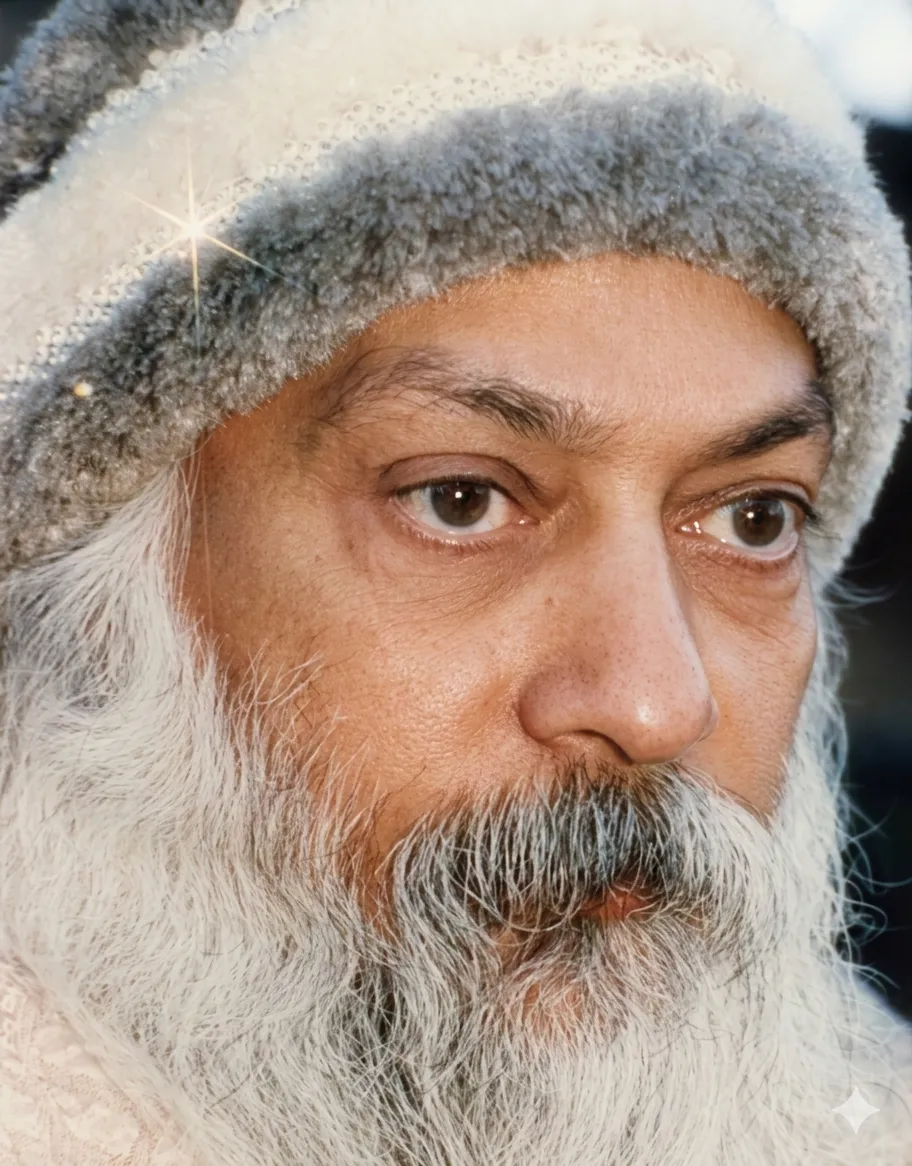
Osho's original Hindi beside Osho Live's English translation, matched passage by passage.
यह प्रश्न महत्वपूर्ण है। ठीक से समझना और याद रखना।
This question is important. Understand it rightly, and remember it.
बुद्ध ने क्षणभंगुर को ही स्वीकार किया है। जो है, क्षणभंगुर है। क्षणभंगुर से अन्य कुछ भी नहीं है। इसलिए बुद्ध के विचार को क्षणिकवाद का नाम मिला।
The Buddha has accepted only the transient. What is, is transient. There is nothing other than the transient. That’s why people called his vision “momentariness.”
प्रतिपल बदलाहट हो रही है। फूल ही नहीं बदल रहा है, पहाड़ भी बदल रहे हैं। फूल ही नहीं कुम्हला रहा है, चांद-तारे भी कुम्हला रहे हैं।
Change is happening every instant. Not only the flower is changing, the mountains are changing. Not only the flower is withering, the moon and the stars are withering.
बुद्ध ने कहा है: जो जन्मा है, वह मर रहा है। मृत्यु की प्रक्रिया जन्म के साथ ही शुरू हो गयी। कोई दिनभर जीएगा, कोई सौ वर्ष जीएगा, कोई हजार वर्ष, कोई करोड़ वर्ष, इससे कुछ फर्क नहीं पड़ता। लेकिन प्रत्येक वस्तु प्रतिक्षण गल रही है, मर रही है, विलीन हो रही है। फूल उसका प्रतीक है; और जीवंत प्रतीक है। सुबह खिलता है, सांझ मुर्झा जाता है। सुबह ऐसे प्रगट होता है, जैसे सदा रहेगा; और सांझ ऐसे खो जाता है, जैसे कभी नहीं था। ऐसा ही तो जीवन है। जब होता है, तो ऐसा भरोसा लगता है कि सदा रहेंगे। प्रत्येक को यही भ्रांति है।
The Buddha said: Whatever is born is dying. The process of death begins with birth itself. Some will live a day, some a hundred years, some a thousand, some millions—what difference does it make? Every single thing is melting away, dying, dissolving, moment to moment. The flower is its symbol—and a living symbol. It blooms in the morning; by evening it has wilted. In the morning it appears as if it will remain forever, and by evening it vanishes as if it never was. So is life. When it is, we feel certain it will always be. Everyone is under the same illusion.
जब तुम दूसरे को मरते देखते हो, तब भी यह खयाल कहां आता कि मैं भी मरूंगा! जब तुम दूसरे की लाश को चिता पर चढ़े देखते हो, तो सोचते हो: बेचारा! उस पर दया खाते हो; अपने पर दया नहीं खाते।
Even when you see another die, the thought never rises: I too will die. When you see another’s corpse being placed on the pyre, you think, “Poor fellow!” You feel compassion for him—not for yourself.
जब भी चिता जलती है, तुम्हारी ही चिता जलती है। और जब भी मौत रास्ते से गुजरती है, तुम्हारी ही मौत गुजरती है। कभी पूछने मत भेजना कि किसकी लाश निकली! हर बार तुम्हारी ही लाश निकलती है।
Whenever a funeral pyre burns, it is your pyre that burns. Whenever death passes down the road, it is your death passing. Never send someone to inquire whose corpse is going by! Each time, it is your own corpse.
लेकिन आदमी इस भ्रांति में रहता है कि मैं तो रहूंगा। सदा दूसरे मरते हैं; मैं कहां मरता हूं! और इस तर्क में थोड़ा बल भी मालूम होता है। क्योंकि कभी अ मरा, कभी ब मरा, कभी स मरा; तुम तो नहीं मरे। तुम तो अपनी मृत्यु को नहीं देख पाओगे, इसलिए तुमने तो सिर्फ अपना जीवन ही देखा। मरे तो तुम भी हो, बहुत बार मरे हो, पर मृत्यु देखने के पहले ही व्यक्ति मूर्च्छित हो जाता है। मृत्यु के भय से मूर्च्छित हो जाता है।
Yet man lives with the delusion that “I will remain.” Always the others die; when do I die? And there seems to be a little logic in it. For sometimes A dies, sometimes B dies, sometimes C dies; you haven’t died. You have never seen your own death, so you have only seen your life. You too have died many times, but before one can see death, one faints—faints from fear of death.
मृत्यु को जो देखने में समर्थ हो जाता है, वह तो मुक्त हो गया; फिर उसका कोई जन्म नहीं। जो मृत्यु में शांति से, जागरूकता से, समाधिपूर्वक लीन हो गया, फिर लौटकर नहीं आता। उसे तो जीवन का राज ही समझ में आ गया।
One who becomes capable of seeing death becomes liberated; then there is no further birth. One who dissolves into death peacefully, with awareness, in samadhi, does not return. He has understood the secret of life.
तो बुद्ध ने कहा है: सारा जीवन क्षणभंगुर है। जैसे नदी बह रही है, ऐसा जीवन बह रहा है। सब चीजें बदल रही हैं। बच्चे जवान हो रहे हैं; जवान बूढ़े हो रहे हैं; बूढ़े मर रहे हैं। सब चीज सतत धारा की तरह बह रही है। फूल उसका बड़ा उपयुक्त प्रतीक है।
So the Buddha said: All of life is transient. Life flows like a river. Everything is changing. Children become young; the young become old; the old die. Everything is flowing like a continuous stream. The flower is a most apt symbol for this.
लेकिन इस सारी क्षणभंगुरता के पीछे, इस सारी क्षणभंगुरता के पार, कुछ है जो शाश्वत है। उसी को बुद्ध ने कहा: एस धम्मो सनंतनो। धर्म शाश्वत है; शेष सब मरता है; शेष सब विनष्ट होता है।
But behind all this transience, beyond all this transience, there is something eternal. The Buddha called it: Eso dhammo sanantano. The Dharma is eternal; all else dies; all else is destroyed.
बुद्ध जिसे धर्म कहते हैं, उसे ही लाओत्सू ने ताओ कहा। बुद्ध जिसे धर्म कहते हैं, उसी को महावीर ने आत्मा कहा। बुद्ध जिसे धर्म कहते हैं, उसी को हिंदू, मुसलमान, ईसाई परमात्मा कहते हैं। ये अलग-अलग नाम हैं।
What the Buddha calls Dharma, Lao Tzu calls Tao. What the Buddha calls Dharma, Mahavira calls the soul. What the Buddha calls Dharma, Hindus, Muslims, Christians call God. These are different names.
क्षणभंगुर तभी हो सकता है, जब सबकी पृष्ठभूमि में कुछ शाश्वत हो। बैलगाड़ी चलती है, चाक घूमता है; लेकिन कील नहीं घूमती, जिस पर चाक घूमता है। अगर कील भी घूम जाए, तो फिर चाक वहीं गिर जाए; फिर चाक नहीं घूम पाए। चाक के घूमने के लिए एक कील चाहिए, जो न घूमती हो। परिवर्तन के लिए कुछ नित्य चाहिए, जिस पर परिवर्तन टंगा रहे। नहीं तो परिवर्तन किस पर टंगेगा!
The transient can be transient only because in the background of all there is something eternal. The cart moves, the wheel turns—but the axle-pin upon which the wheel turns does not turn. If the pin too were to turn, the wheel would fall; it wouldn’t turn at all. For change to be, there must be something changeless on which change can hang. Otherwise, on what would it hang?
बचपन था, जवानी आयी, बुढ़ापा आया। जीवन था, मौत आयी। तुम्हीं बच्चे थे, तुम्हीं जवान हुए। सब बदल गया। और फिर भी पीछे कोई खड़ा है। नहीं तो कैसे कहोगे कि मैं बच्चा था, मैं जवान हुआ! संबंध ही टूट जाएगा। बचपन खतम हुआ, जवानी शुरू हुई; बीच में दोनों के कोई जोड़ न रहेगा। तुम कभी न कह पाओगे कि मैं बच्चा था; अब मैं जवान हो गया। जरूर कोई एक सूत्र भीतर बह रहा है।
There was childhood; youth came; old age came. There was life; death came. You were the child; you became the young person. Everything changed, and yet someone stands behind. Otherwise how will you say, “I was a child; I became young”? The connection would break. Childhood ends, youth begins—there would be no bridge between them. You could never say, “I was a child; now I have become young.” Surely there is a single thread flowing within.
सारे परिवर्तन के बीच कुछ है, जो अपरिवर्तित है। उस कुछ को बुद्ध ने धर्म कहा है। ठीक ही कहा है। धर्म का अर्थ होता है: स्वभाव। धर्म का अर्थ होता है: सारी प्रकृति के पीछे छुपा हुआ अंतिम रहस्य।
Amidst all change there is something unchanging. That something the Buddha called Dharma—and rightly. Dharma means intrinsic nature. Dharma means the ultimate mystery hidden behind the whole of nature.
सब बदलता दिखायी पड़ रहा है; सुबह फूल खिला, सांझ मुर्झा गया। कल फिर फूल खिलेगा, फिर मुर्झाएगा। अनंत बार खिला है, अनंत बार मुर्झाया है। लेकिन फूल में कुछ सौंदर्य है, जो शाश्वत है। वह सौंदर्य फूल का धर्म है।
Everything appears to change: this morning a flower bloomed; by evening it withered. Tomorrow another will bloom, and wither again. It has bloomed endlessly, and withered endlessly. Yet there is a certain beauty in the flower that is eternal. That beauty is the Dharma of the flower.
तुमने एक गुलाब का फूल देखा; दूसरा गुलाब का फूल देखा; तीसरा गुलाब का फूल देखा। सब फूल मुर्झा जाते हैं। लेकिन फिर भी कुछ गुलाब में गुलाबीपन है। फिर भी कुछ गुलाब में पकड़ में न आने वाला सौंदर्य है। काटने जाओगे गुलाब को, विश्लेषण करोगे, नहीं पकड़ में आएगा, पकड़ के बाहर है। लेकिन हर गुलाब को तुम पहचान लेते हो: यह गुलाब का फूल है। कैसे पहचान लेते हो? दो गुलाब के बीच कुछ गुलाबीपन जरूर होगा, जो एक जैसा है; जो मूलतः एक जैसा है। नहीं तो एक गुलाब से दूसरे गुलाब का क्या संबंध!
You saw one rose, then another, then a third. All the flowers wither. Even so, there is a certain “roseness” in roses. There is a beauty in them that eludes grasp. Try to cut the rose and analyze it, it will not be caught; it is beyond the net. Yet you recognize every rose: “This is a rose.” How do you recognize it? Between two roses there must be some roseness that is the same, that is fundamentally the same. Otherwise what relation would one rose have with another?
फिर, गुलाब का फूल है, चमेली का फूल है, कमल का फूल है--इन सबके बीच भी कुछ है, जो शाश्वत है। और गहरे जाओ, तो वह जो खिलना, जिसको हम फूलना कहते हैं, वह जो फूल होने की आत्मा है, वह जो खिलाव है, वह एक ही है। जब गुलाब का फूल खिलता और कमल का फूल खिलता--उनके रूप अलग, ढंग अलग, व्यक्तित्व अलग, देह अलग, गंध अलग--सब अलग, आकार अलग, लेकिन खिलना तो एक ही जैसा है। चाहे घास का फूल खिले और चाहे कमल का फूल खिले, खिलना तो एक जैसा है। वह जो खिलावट है, वह उनका धर्म है।
Then, there is a rose, a jasmine, a lotus—among all of them too there is something eternal. Go deeper and you’ll find: that blooming which we call flowering, the very soul of becoming a flower, the blossoming—this is one. When a rose blooms and a lotus blooms—their forms differ, manners differ, personalities differ, bodies differ, fragrances differ—everything differs, shapes differ, yet blooming is the same. Whether the grass blooms or the lotus blooms, blooming is one. That blossoming is their Dharma.
फिर फूलों को छोड़ो। एक फूल खिलता है और एक सुंदर युवती खिलती है। आकाश में तारा खिलता है। ये जो इतनी अनंत अभिव्यक्तियां होती हैं, इनमें बड़ा भेद है। लेकिन इन सबके और गहरे चलो, तो तुम पाओगे: सबके भीतर खिलने की एक परम अभीप्सा है।
Leave flowers aside. A flower blooms, and a beautiful young woman blooms. In the sky, a star blooms. There are infinite expressions—there is great difference among them. But go deeper and you will find: within all, there is one supreme urge to bloom.
तुमने देखा, हमारे पास एक शब्द है--प्रफुल्लता। वह फूल से ही बना है। अर्थ तो होता है: आनंद; लेकिन बना है फुल्लता से, फूलने से। प्रफुल्लता! जब कोई आनंदित होता है, तब उसमें भी कुछ खिलता है।
We have a word—prafulllata, “blossoming.” Its meaning is joy; but it comes from phull—“to flower.” Prafulllata! When someone is joyous, something in him blooms.
तुम आनंदित आदमी में देख सकते हो, कुछ खिलता हुआ। और दुखी आदमी में देख सकते हो, कुछ बंद हो गया। दुखी आदमी बंद हो जाता है; अपने में सिकुड़ जाता है; संकुचित हो जाता है। प्रसन्न--प्रफुल्लित--खिल जाता है।
In a joyous person you can see a blossoming. In a sad person you can see something has closed. A sad person shrinks, becomes contracted into himself. One who is happy—prafulllit—opens like a flower.
प्रफुल्लित आदमी के पास तुम एक तरह की सुवास पाओगे, जैसी फूलों में होती है। एक तरह का रंग, एक तरह का निखार पाओगे, जैसा फूलों में होता है। आनंदित आदमी के पास तुम्हें गंध मिलेगी; तुम्हें वैसा ही आनंद-अहोभाव मिलेगा, जैसा फूलों में होता है।
A blossoming person carries a certain fragrance, as flowers do. A certain color, a certain radiance, as flowers have. Near a joyous person you will sense a scent; you’ll get the same ah! of delight that flowers evoke.
इसलिए फूल आनंद के प्रतीक बन गए। और इसलिए मंदिरों में लोग फूल ले जाते हैं चढ़ाने। वे प्रतीक हैं। क्योंकि परमात्मा को तुम अपना सिकुड़ापन कैसे चढ़ाओगे! अपना फूलापन चढ़ाओगे। उसके चरणों में तुम प्रफुल्लित होकर अपने को निवेदन करोगे।
Hence flowers became symbols of joy. And that is why people carry flowers to temples as offerings. They are symbols. For how will you offer your tightness to the Divine? You will offer your flowerhood. At his feet you will present yourself in a blossoming, radiant way.
ये फूल तो प्रतीक हैं, जो तुम चढ़ा आते हो। इन्हीं को चढ़ाकर तृप्त मत हो जाना। ये तो संकेत हैं। ये तो इस बात की खबर हैं कि तुम परमात्मा के चरणों में चढ़ने योग्य तभी होओगे, जब तुम फूल की तरह खिले होओगे। जब तुम फूल बन गए होओगे, तभी तुम उसके चरणों में चढ़ने की पात्रता पाओगे। तुम फूल बनो, तो ही उसके चरण पा सकोगे। फूल बनने का अर्थ है: तुम तृप्त हुए। तुम जो होना चाहते थे, हो गए।
The flowers you offer are symbols. Do not be satisfied by offering these. They are indicators. They tell you that you become worthy to be offered at the feet of the Divine only when you have bloomed like a flower. When you have become a flower, then you become eligible to be placed at his feet. Become a flower—only then can you reach his feet. Becoming a flower means: you are fulfilled. You have become what you wanted to become.
गुलाब की झाड़ी पर गुलाब नहीं होता, तो तुमने खयाल किया, कुछ खाली-खाली लगती है; कुछ खोया-खोया लगता है। जब गुलाब की झाड़ी पर फूल खिलता है, तो झाड़ी दुल्हन की तरह सजी होती है! मगन होती है! फूल के बाद फिर कुछ और नहीं है। अंतिम चरण आ गया। जहां तक आना था, वहां तक आना हो गया; मंजिल आ गयी; अपना घर आ गया।
When a rosebush has no roses, notice how empty it looks, as if something is missing. When a rose blossoms on the bush, the bush is adorned like a bride! Ecstatic! After the flower, there is nothing further. The final stage has come. One has reached where one had to reach; the destination has arrived; one is home.
ऐसा ही तो बुद्धपुरुषों में होता है: खिल गए; अब कहीं और जाने को न रहा। जो था, वह सुगंध में बिखेर दिया। पवन उसे ले चला दूर-दूर, अनंत की दिशाओं में।
So it is with enlightened ones: they have bloomed; now there is nowhere else to go. What was, has been poured out as fragrance. The winds carry it far, to the directions of the infinite.
बुद्ध को मरे पच्चीस सौ साल हो गए, लेकिन जिनको भी थोड़ी सी समझ है, उन्हें आज भी उनकी सुगंध मिल जाती है। जिन्हें समझ नहीं थी, उन्हें तो उनके साथ मौजूद होकर भी नहीं मिली। जिनमें थोड़ी संवेदनशीलता है, पच्चीस सौ साल ऐसे खो जाते हैं कि पता नहीं चलता; फिर बुद्ध जीवंत हो जाते हैं। फिर तुम्हारे नासापुट उनकी गंध से भर जाते हैं। फिर तुम उनके साथ आनंदमग्न हो सकते हो। समय का अंतराल अंतराल नहीं होता; न बाधा बनती है। सिर्फ संवेदनशीलता चाहिए।
It has been twenty-five hundred years since the Buddha died, yet those who have a little understanding still catch his fragrance today. Those who had no sensitivity did not catch it even while sitting with him. In those who have some sensitivity, these twenty-five centuries melt away; the Buddha becomes alive. Your nostrils fill with his fragrance. You can celebrate with him. The interval of time is no interval, no barrier. Only sensitivity is needed.
हालांकि ऐसे लोग भी थे, जो बुद्ध को देखने गए और जिन्होंने कहा: भाई! हमें तो कुछ दिखायी नहीं पड़ता!
There were, of course, those who went to see the Buddha and said, “Brother, we don’t see anything!”
अंधे रहे होंगे; बहरे रहे होंगे; जड़ रहे होंगे। दुख से बंद रहे होंगे। रंध्र भी नहीं होगी उनमें, जहां से बुद्ध की ज्योति प्रवेश कर जाए। सब द्वार-दरवाजे बंद करके अपने कारागृह में रहे होंगे। बुद्ध बाहर-बाहर रह गए। गंध आयी, द्वार से लौट गयी। प्रकाश आया, द्वार से लौट गया। और तुमने कहा: हमें तो भाई कुछ दिखायी नहीं पड़ता।
They must have been blind; deaf; inert. Closed by sorrow. They had not a single pore through which the Buddha’s light could enter. They remained in their prison with all doors barred. The Buddha remained outside. The fragrance came, but returned from the door. The light came, but returned from the door. And you said, “Brother, we don’t see anything.”
देखने के लिए आंखें चाहिए। देखने के लिए खुलापन चाहिए। तुम वही देख सकते हो, जो तुम थोड़े-थोड़े अर्थों में होने लगे। तुम खिलो, तो तुम खिले हुए को देख सकोगे। तुम बंद हो तो तुम बंद को ही देख पाओगे। समान समान को समझ पाता है। तुम वही जान पाते हो, जो तुम हो।
To see, eyes are needed. To see, openness is needed. You can see only that of which you have begun to be, even in tiny measure. Bloom, and you will be able to see the bloomed. If you are closed, you will see only the closed. Like recognizes like. You know only what you are.
इसलिए चोर चोर को पहचान लेता है। हजार आदमियों की भीड़ में एक चोर दूसरे चोर को पहचान लेता है। जेबकतरा जेबकतरे को पहचान लेता है। बेईमान बेईमान को पहचान लेता है। साधु ही साधु को पहचान पाएगा।
Hence a thief recognizes a thief. In a crowd of a thousand, one pickpocket recognizes another pickpocket. The dishonest recognize the dishonest. Only a saint recognizes a saint.
तुम वही पहचान सकते हो, जिसकी तुम्हारे भीतर थोड़ी अनुभूति होनी शुरू हो गयी। दीया सूरज को पहचान सकता है; हालांकि दीया बड़ा छोटा है, मगर रोशनी तो वही है; प्रकाश तो वही है; प्रकाश का गुणधर्म तो वही है। बूंद सागर को पहचान सकती है; सागर होना जरूरी नहीं है। लेकिन कम से कम बूंद तो हो जाओ! क्योंकि बूंद में भी सागर का सारा तत्व आ गया। एक बूंद को समझ लो, तो सब सागरों की कथा समझ ली।
You can recognize only that of which there is some taste within you. A lamp can recognize the sun; though the lamp is small, the light is the same; the quality of light is the same. A drop can recognize the ocean; it is not necessary to be the ocean. But at least become a drop! For in the drop is the essence of the ocean. Understand a single drop, and you have understood the tale of all the oceans.
वैज्ञानिक अगर एक बूंद का विश्लेषण कर लेते हैं, तो वे कहते हैं: हमें पानी के सारे राज पता हो गए। फिर जल कहीं भी होगा; यहां ही नहीं, चांद-तारों पर कहीं होगा, तो भी हमने उसका राज समझ लिया। जल कहीं भी होगा, तो एच टू ओ ही होगा। वह उद्जन और आक्सीजन से ही मिलकर बनेगा। कहीं भी जल होगा, ऐसा ही होगा। एक बूंद जल को समझ लिया, तो सारे अस्तित्व में जहां-जहां जल है, सब समझ में आ गया।
If scientists analyze a single drop, they say: we have come to know all the secrets of water. Wherever water is—not only here, even on the moon and stars—we have understood its secret. Wherever water is, it will be H2O. It will be made of hydrogen and oxygen. Wherever water is, it will be such. Understand one drop, and you have understood water throughout existence.
बुद्धत्व को समझना हो, तो एकाध पखुड़ी तो तुम्हारी कम से कम खुले। न सही पूरी कली फूल बने, एकाध पखुड़ी खुले, एकाध खिड़की खुले, एकाध वातायन से गंध आए।
If you want to understand Buddhahood, then at least let one or two petals of your bud open. Even if the whole bud does not become a flower, let one or two petals unfold. Let one or two windows open; through one or two vents let the fragrance enter.
तो फूल प्रतीक है परिपूर्णता का। क्षणभंगुरता का भी प्रतीक है, परिपूर्णता का भी प्रतीक है। जीवंतता का भी प्रतीक है।
So the flower is a symbol of completion. It is a symbol of transience, yes—but also a symbol of fulfillment. A symbol of aliveness.
फूल से ज्यादा जीवंत तुमने कोई चीज देखी! हालांकि सुबह खिलता, सांझ मुर्झा जाता। और उसी के पास पड़ा हुआ पत्थर, सदियों से पड़ा है, फिर भी पत्थर पत्थर है। फूल फूल है। पत्थर जीवंत नहीं मालूम होता; जड़ है; शायद इसीलिए ज्यादा देर जीता है। फूल इतना जीवंत है कि ज्यादा देर जी कैसे सकता है! जितनी जीवंतता होगी, जितनी जीवंतता की गहराई होगी, उतनी ही जल्दी स्वप्न की तरह जीवन उड़ जाएगा।
Have you seen anything more alive than a flower? Though it blooms in the morning and withers by evening. Next to it lies a stone that has been there for centuries, and it is still a stone. A flower is a flower. The stone does not seem alive; it is inert—perhaps that is why it lives so long. The flower is so alive—how can it live long? The deeper the aliveness, the more quickly life vanishes like a dream.
फूल और बातों का भी प्रतीक है। जैसे योग में मनुष्य का जो अंतिम चक्र है, उसको सहस्रार कहा है। कहा है: सहस्रदल-कमल। जैसे मनुष्य की चेतना जब परिपूर्ण रूप से प्रगट होती है, तो हजार-हजार पखुड़ियों वाला कमल खिलता है।
The flower is a symbol of other things too. In yoga, the ultimate center in a human being is called the sahasrara, the thousand-petaled lotus. When human consciousness blooms fully, it is said a thousand-petaled lotus opens.
इसलिए बुद्ध को, महावीर को, और अवतारी पुरुषों को हमने कमल पर खड़ा किया है। वह सिर्फ सूचक है। कोई ये कमल पर ही खड़े नहीं रहे। ये कोई नाटक-मंडली में नहीं थे कि कमल पर खड़े रहे! और कमल पर खड़े-खड़े करोगे भी क्या! लेकिन कमल प्रतीक है। ये पूरे खिल गए। येपूरे खिलाव पर सवार हो गए--यह मतलब है। इनके भीतर कुछ भी अनखिला न रहा।
That is why we have placed the Buddha, Mahavira, and the incarnations upon lotus thrones. It is only a pointer. No one actually stood on a lotus. They were not part of a theater troupe that they would stand on a lotus! And what would you do standing on a lotus anyway! But the lotus is a symbol. They bloomed fully. They rode the fullness of blossoming—that is the meaning. Nothing remained unblossomed within them.
तो बुद्ध का उस दिन हाथ में कमल के फूल को लेकर महाकाश्यप को दे देना, इन सब बातों की सूचना थी।
So that day, when the Buddha held the lotus flower in his hand and gave it to Mahakashyapa, it was a communication of all these things.
फिर, फूल बिना कुछ कहे बहुत कुछ कहता है। मौन है उसका वक्तव्य। हालांकि खूब बोलता है फूल; वाणी से नहीं बोलता। तुम ठिठके खड़े रह जाते हो। कभी-कभी फूल तुम्हें ऐसा आकर्षित कर लेता है; कभी-कभी फूल में तुम्हें इस जगत का सर्वाधिक सौंदर्य झलकता हुआ दिखायी पड़ जाता है। फूल की कोमलता! फूल का चुप मौन-संगीत! बोलता नहीं, फिर भी अभिव्यक्ति है!
Further, the flower says much without saying anything. Silence is its discourse. Though a flower speaks profusely, it does not speak with words. You halt, transfixed. Sometimes a flower attracts you so utterly; sometimes you glimpse in it the utmost beauty of this world. The tenderness of a flower! Its mute, silent music! It does not speak, yet there is expression.
ऐसा ही तो बुद्धपुरुष का वक्तव्य है। ऐसा ही तो उस दिन बुद्ध चुप रहे। फूल को देखते रहे। महाकाश्यप समझा कि इस घड़ी में बुद्ध फूल ही हैं, और कुछ भी नहीं। आज बोलेंगे नहीं; आज जैसे फूल चुपचाप निवेदन करता है, वैसा ही निवेदन कर रहे हैं। आज तो वे ही समझ पाएंगे बुद्ध को, जो शून्य की भाषा समझ सकते हैं। महाकाश्यप समझ पाया। वह अकेला था, जो शून्य की भाषा समझ सकता था।
Such is the discourse of the enlightened. That is why the Buddha remained silent that day. He kept gazing at the flower. Mahakashyapa understood that in this moment the Buddha is the flower, and nothing else. He will not speak today; today, as the flower makes a silent offering, so he is offering. Today only those will understand the Buddha who can understand the language of emptiness. Mahakashyapa understood. He alone could understand the language of the void.
फिर, फूल को जब तुम देखते हो...जैसा बुद्ध ने उस सुबह देखा, शायद तुमने वैसा कभी देखा ही न हो। फूल को भी देखने-देखने के ढंग हैं। देखने वाले पर निर्भर करता है।
And when you look at a flower—as the Buddha looked that morning—perhaps you have never looked that way. There are many ways of seeing a flower. It depends on the seer.
बगीचे में फूल खिले हैं; एक माली को ले आओ। वह तत्क्षण सोचने लगेगा: किन को तोड़ लूं, किन को बेच दूं बाजार में; कितने पैसे मिल जाएंगे! उसे फूल में सिर्फ पैसे दिखायी पड़ेंगे। वह रुपए गिनने लगेगा।
Flowers are blooming in the garden; bring a gardener. Instantly he thinks: which to pluck, which to sell in the market; how much money will I get? He will see only money in the flower. He will start counting rupees.
किसी वैज्ञानिक को ले आओ। वह भी फूल को देखेगा। सोचने लगेगा: किन रासायनिक द्रव्यों से मिलकर बना है? वह विश्लेषण करने में लग जाएगा। वह फूल को तोड़कर जल्दी अपनी प्रयोगशाला में भागना चाहेगा--कि देख लूं छांटकर, काटकर, विश्लेषण करके कि क्या इसका राज है!
Bring a scientist. He too will look at the flower and think: of what chemical substances is it made? He will begin to analyze. He will want to pluck the flower and rush to his lab—to dissect, to cut, to analyze, to discover its secret.
तुम एक कवि को लाओ। उसे न तो रुपए-पैसे दिखायी पड़ेंगे--उसे फूल को बाजार में बेचना नहीं है। बेचने की बात ही उसे जघन्य अपराध मालूम होगी। उसे फूल का विश्लेषण भी करना पाप मालूम होगा। फूल को तोड़ना ही पाप है। फिर फूल को खंड-खंड करना सौंदर्य की हत्या है। वह भी फूल को देखेगा और शायद उसके भीतर एक गीत उमगे। वह फूल की प्रशंसा में एक गीत गाए; स्तुति करे।
Bring a poet. He will not see money—he has nothing to sell in the market. For him, selling would be a heinous crime. Analysis would be a sin. To pluck the flower is sin; to tear it into parts is the murder of beauty. He too will look at the flower, and perhaps a song will well up in him. He will sing its praise, its hymn.
और तुम किसी नर्तक को ले आओ। शायद वह, फूल जैसे हवा में नाच रहा है, ऐसा उसके आसपास नाचने लगे।
Bring a dancer. Perhaps, as the flower dances in the breeze, he will begin to dance around it.
तुम किसी चित्रकार को ले आओ। वह अपनी रंग-तूलिका लाकर जल्दी ही केनवास पर इस फूल को उतारने में लग जाएगा। इसका प्रतिबिंब पकड़ने में लग जाएगा। क्योंकि यह फूल तो खो जाएगा। इसके पहले कि खो जाए, इसे शाश्वत कर देना है। इसके पहले कि यह खो जाए, इसके भागते हुए सौंदर्य को पकड़ लेना है।
Bring a painter. He will hurry to fetch his colors and brush, and begin to capture it on canvas. He will try to catch its reflection. For this flower will be gone. Before it disappears, it must be made eternal. Before it vanishes, its fleeting beauty must be caught.
अलग-अलग लोग अलग-अलग ढंग से एक ही फूल को देखेंगे।
Different people will look at the same flower in different ways.
बुद्ध ने कैसे देखा? बुद्ध उस दिन आए। राह पर किसी ने उन्हें कमल का फूल भेंट कर दिया था। बे-मौसम का फूल था।
How did the Buddha look? He came that day. Someone had offered him a lotus on the road. It was an out-of-season flower.
इस कथा के पीछे एक और कथा है। उस कथा को भी समझो।
There is another story behind this story. Understand that too.
एक गरीब आदमी सुबह उठा। उसने अपने मकान के पीछे पोखरे में कमल का बे-मौसम फूल खिला देखा। ऐसा कभी नहीं देखा था उसने। यह समय न था फूल खिलने का। इस समय फूल कभी खिलता ही नहीं था कमल का।
A poor man woke in the morning. In the pond behind his house, he saw a lotus blooming out of season. He had never seen that happen. It was not the time for the lotus to bloom.
उसने फूल तोड़ा और सोचा कि कौन इसके दाम दे सकेगा! सम्राट ही दे सकता है दाम। और तो कोई पहचानेगा क्या! बे-मौसम का हो कि मौसम का हो, फूल फूल है। सम्राट तक कैसे पहुंच पाएगा!
He plucked the flower and thought, “Who will value this properly? Only the emperor can. Who else will recognize? Out-of-season or in-season, a flower is a flower. But how will I reach the emperor!”
ऐसा सोचता वह राजमहल की तरफ जाता था; तब उसे राह पर वजीर का रथ आता हुआ मिला। वजीर ने उसके हाथ में बे-मौसम का फूल देखा। रथ रोका। और कहा: कितना लेगा इसका?
Thinking thus, he was heading towards the palace, when the prime minister’s chariot came by. The minister saw the out-of-season flower in his hand. He stopped the chariot and said, “How much will you take for it?”
उस गरीब आदमी की हिम्मत कितनी; उसने कहा कि सौ रुपए मिल जाएं। वजीर ने कहा कि हजार दूंगा, फूल मुझे दे। जब वजीर ने कहा: हजार रुपए दूंगा, फूल मुझे दे; तब वह गरीब आदमी थोड़ा चौंका। उसने सोचा: मामला इतने सस्ते में बेच देने जैसा नहीं लगता। और यह वजीर ही है। काश! सम्राट से मिलना हो जाए, तो पता नहीं कितना मिले! उसने कहा कि नहीं; नहीं बेचूंगा। क्षमा करें। माफ करें। बेचूंगा ही नहीं। दस हजार रुपए देने को वजीर राजी था। लेकिन उसने कहा: नहीं; अब बेचना ही नहीं है मुझे। जैसे-जैसे रुपए बढ़ाता गया वजीर, वैसे-वैसे उसने कहा: मुझे बेचना नहीं है।
How much courage can a poor man have? He said, “If I could get a hundred rupees.” The minister said, “I’ll give a thousand—give me the flower.” Hearing “a thousand,” the poor man was startled. He thought, “This doesn’t seem like something to sell so cheap. And he’s only the minister. If only I could reach the emperor—who knows how much I might get!” He said, “No, I won’t sell. Forgive me. I won’t sell.” The minister was ready to give ten thousand rupees. But the poor man said, “No, I won’t sell now.” As the minister raised the price, the man said, “I will not sell.”
वजीर जा रहा था बुद्ध के दर्शन को। उसने सोचा, बुद्ध के चरणों में बे-मौसम का फूल! चाहे कितने में ही मिल जाए, ले लेने जैसा है। बुद्ध के चरणों में रखने जैसी चीज है। लेकिन उस गरीब आदमी ने नहीं बेचा। उस आदमी का नाम था सुदास। वह एक चमार था।
The minister was on his way to see the Buddha. He thought, “An out-of-season lotus at the Buddha’s feet! Whatever it costs, I must take it. It’s worthy of the Buddha’s feet.” But the poor man did not sell. His name was Sudas. He was a cobbler by caste.
जैसे ही वजीर का रथ गया कि राजा का रथ आया। तब तो वह बड़ा प्रसन्न हो गया। सोचने लगा: आज ये सब कहां जा रहे हैं सुबह-सुबह! राजा ने भी फूल देखा; रथ रुकवाया। बोले: इसके कितने दाम लेगा? जितना मांगेगा, उससे दस गुना देंगे। अब तो सुदास बड़ी मुश्किल में पड़ गया। जितना मांगे, उससे दस गुना मिल सकता है! दस हजार मांगे, तो लाख मिल सकता है। दस लाख मांगे, तो करोड़ मिल सकता है!
As soon as the minister’s chariot went, the king’s chariot came. Now the man was delighted. He wondered, “Where are they all going so early!” The king too saw the flower and stopped. “How much will you take for it? Whatever you ask, I will give ten times that.” Now Sudas was in real difficulty. If he asked for ten thousand, he could get a hundred thousand. Ask for a million, he could get ten million!
उसने कहा: महाराज! मैं गरीब आदमी। बड़ी मुश्किल में पड़ गया हूं! एक प्रार्थना है, इतना दाम देकर आप इस फूल का करोगे क्या! वजीर भी बहुत दाम दे रहा था। मेरी तो बुद्धि चकरा गयी। मैं तो सोचकर निकला था कि कोई पांच रुपए भी दे दे, तो बहुत। बड़ी हिम्मत करके मैंने सौ मांगे थे, जानते हुए कि वजीर नाराज होगा और गुस्सा करेगा। लेकिन वह हजार देने को तैयार था। फिर दस हजार देने को तैयार था। अब आप हैं कि आपने मुझे और उलझन में डाल दिया। आप कहते हैं, जितना मांगेगा, उससे दस गुना मिलेगा; फूल मुझे दे दे। और फिर सुबह-सुबह आप सब जा कहां रहे हैं आज?
He said, “Your Majesty, I am a poor man. I’m in great confusion! A request: what will you do with a flower for such a price? The minister too was offering a huge sum. My head is spinning. I had set out thinking that if someone gives even five rupees, that’s much. With great boldness I asked for a hundred, knowing the minister would be angry. But he was ready to give a thousand—then ten thousand. Now you have thrown me into an even greater tangle. You say whatever I ask, I will receive ten times—and to give you the flower. And where are you going so early this morning?”
उस सम्राट ने कहा: तुझे पता नहीं! भगवान बुद्ध का आगमन हुआ है। शायद उनके आने से ही बे-मौसम का फूल खिला है। शायद उनकी मौजूदगी का ही परिणाम है, प्रसाद है। उन्हीं के दर्शन को जा रहा हूं। और यह फूल किसी भी कीमत पर मुझे चाहिए। बहुत लोगों ने कमल के फूल बुद्ध के चरणों में चढ़ाए होंगे, लेकिन बे-मौसम...! यह बात ही विशिष्ट है। यह मेरे ही हाथ से होनी चाहिए। तू मांग ले, जो तुझे मांगना है।
The emperor said, “You do not know? The Lord Buddha has arrived. Perhaps it is because of his coming that this out-of-season lotus has bloomed—his presence, his grace. I am going to have his darshan. And I want this flower at any price. Many have offered lotuses at the Buddha’s feet, but an out-of-season one! That is special. It should be offered by my hand alone. Ask for whatever you want.”
लेकिन तुम जानते हो, सुदास को क्या हुआ! सुदास ने कहा: प्रभु! फिर मुझे क्षमा कर दें। फिर मैं ही उनके चरणों में यह फूल चढ़ाऊंगा।
But do you know what happened to Sudas? He said, “My lord, then forgive me. Then I will offer this flower at his feet myself.”
अभी तक सुदास परेशान था, अब सम्राट परेशान हो गए। दस गुना देने की तैयारी है और यह गरीब आदमी क्या कह रहा है!
Now the emperor was in trouble. He was ready to pay ten times anything, and this poor man said what?
सुदास ने कहा कि क्षमा करें मुझे। मैं गरीब आदमी हूं। बेचने चला था। मुझे पता ही नहीं था कि भगवान का आगमन हुआ है। धन्यवाद आपका! लेकिन अब बेच न सकूंगा। जब आप इतना दाम देकर चरणों में चढ़ाने जा रहे हैं, तो चरणों में चढ़ाने में जरूर ज्यादा रस होगा, ज्यादा आनंद होगा। मैं ही चढ़ा लूंगा। गरीब तो हूं ही, तो गरीब तो रहा ही आऊंगा। क्या फर्क पड़ता है! इतने दिन गरीबी में गुजार दिए, आगे भी गुजार दूंगा। मगर फूल सुदास ही चढ़ाएगा।
Sudas said, “Forgive me. I am a poor man. I set out to sell; I did not know the Lord had come. Thank you for telling me! But now I cannot sell. If you are prepared to pay such a price just to offer it at his feet, then surely offering at his feet contains a joy far greater. I will offer it myself. I am poor already; I will return poor. What difference does it make! I have lived in poverty so long; I will live henceforth too. But the flower will be offered by Sudas.”
ऐसे उस दिन बुद्ध जब प्रवचन को आते थे, तो मार्ग पर सुदास ने उनके चरणों में फूल रख दिया था। वही फूल महाकाश्यप को दिया था।
So that day, when the Buddha came to give discourse, Sudas placed the flower at his feet on the path. The very flower the Buddha later gave to Mahakashyapa.
वह फूल भी अदभुत था। सुदास का बड़ा दान था; बड़ी कुरबानी थी; बड़ा त्याग था। फूल साधारण नहीं था। एक तो बे-मौसम खिला था। फिर एक गरीब आदमी ने सम्राट को धुतकारा था। और एक गरीब आदमी ने कह दिया था: अब फूल नहीं बिकेगा। फूल अनूठा था। बुद्ध उसी फूल को लेकर आकर प्रवचन-सभा में बैठ गए। और उस फूल को देखने लगे।
It was indeed an extraordinary flower. From Sudas came great giving, great sacrifice, great renunciation. The flower was no ordinary flower: out-of-season; a poor man had spurned the emperor; he had said, “The flower will not be sold.” The flower was unique. The Buddha took that flower and sat in the assembly, and began to look at it.
मैंने कहा: चित्रकार एक ढंग से देखेगा; वैज्ञानिक और ढंग से; कवि और ढंग से; माली और ढंग से। बुद्ध ने कैसे देखा? बुद्ध का ढंग सबसे भिन्न होगा; सबसे अनूठा और सबसे पार।
I said: a painter will look one way; a scientist another; a poet another; a gardener another. How did the Buddha look? The Buddha’s way would be the most different—the most unique, the most beyond.
जब बुद्ध उस फूल को देखते रहे, तो सिर्फ साक्षी मात्र थे। कोई विचार भी भीतर नहीं था। फूल के संबंध में कोई धारणा भी नहीं थी। फूल सुंदर है, असुंदर है; ऐसा है, वैसा है--ऐसी कोई तरंग नहीं उठ रही थी। बुद्ध निस्तरंग उस फूल को लिए बैठे थे। फूल था; बुद्ध थे। दोनों मौजूद थे। दोनों पूरी तरह मौजूद थे। दोनों की मौजूदगी का मिलन हो रहा था। लेकिन कहीं कोई शब्द, कहीं कोई विचार, कहीं कोई प्रत्यय, कहीं कोई तरंग नहीं थी।
As the Buddha looked at the flower, he was only a witness. Not a single thought within. No idea about the flower. Not, “It’s beautiful, not beautiful; this or that”—no ripple arose. The Buddha sat with the flower, without ripples. The flower was there; the Buddha was there. Both were present. The meeting of their presences was happening. But there was no word, no thought, no concept, no wave anywhere.
उस साक्षीभाव में ही बुद्ध का संदेश था। वही महाकाश्यप ने पकड़ा। महाकाश्यप को पूरा सूत्र मिल गया। झेन संप्रदाय की बुनियाद पड़ी। क्या था सूत्र? साक्षी हो जाओ। ऐसे चुप हो जाओ कि तुम्हारे भीतर कोई विचार न उठे। जब तुम कुछ देखो, तो निर्विचार देखो। चैतन्य तो हो, लेकिन विचार न हो। दर्पण बन जाओ।
In that witnessing itself was the Buddha’s message. That is what Mahakashyapa caught. He received the entire formula. The foundation of Zen was laid. What was the formula? Become a witness. Become so silent that no thought arises within you. Whatever you see, see without thought. Be conscious, but thoughtless. Become a mirror.
अगर दपर्र्ण बन जाओ, तो जो है, वही झलके। जो है, वही झलके, तो सत्य मिल गया। जब तक तुम विचार करोगे, तब तक झलक विकृत होती रहती है; कुछ का कुछ दिखायी पड़ता है। तुम्हारे विचार रंग जाते हैं। तुम सोचकर ही पहले से बैठे हो: ऐसा है, वैसा है। तो जो है, वही नहीं दिखायी पड़ता है। तुम्हारी आंख पहले ही धुएं से भरी है। तुम्हारे दर्पण पर पहले से ही धूल जमी है।
If you become a mirror, what is, is reflected. When what is, is reflected, truth is attained. As long as you think, the reflection is distorted; you see something else. Your thoughts color it. You are already sitting with conclusions: this, that. Then what is, is not seen. Your eyes are already full of smoke. Your mirror is already covered with dust.
उस सुबह संदेश क्या था बुद्ध का? दर्पण हो जाओ। वह फूल तो प्रतीक ही था। उस फूल से भी बड़ी बात जो बुद्ध कह रहे थे, वह थी साक्षीभाव। वे कह रहे थे: ऐसे देखो--जगत को ऐसे देखो--जैसे मैं इस फूल को देख रहा हूं। सिर्फ शुद्ध दृष्टि हो। इसी शुद्ध दृष्टि को बुद्ध ने सम्यक दृष्टि कहा है--ठीक दृष्टि।
What was the Buddha’s message that morning? Become a mirror. The flower was only a symbol. Beyond the flower was the greater thing the Buddha was saying: witnessing. He was saying: Look like this—look at the world as I am looking at this flower. Let there be only pure seeing. The Buddha called this pure seeing samyak drishti—right vision.
ठीक दृष्टि यानी भीतर कोई दृष्टि ही न हो; सिर्फ दर्शन हो। ठीक दृष्टि यानी तुम्हारा कोई भाव न हो, कोई मंतव्य न हो; सिद्धांत न हो, शास्त्र न हो। सूना आकाश हो भीतर। उस सूने आकाश से जगत को देखो; तब तुम वही देख लोगे, जो है। तुम वही देख लोगे, जो छिपा है, अदृश्य है। नहीं तो तुम कुछ का कुछ देखते रहोगे।
Right vision means that within there is no “vision” at all—only seeing. Right vision means you have no personal emotion in it, no intention, no doctrine, no scripture. Within, only empty sky. From that empty sky, look at the world; then you will see what is. You will see what is hidden, the invisible. Otherwise you will keep seeing something else.
फूल तो प्रतीक था। फूल तो बाहर था। बुद्ध ने उस दिन अपने भीतर का पूरा फूल भी प्रगट किया। बाहर फूल था, भीतर फूल था। बाहर कमल था, भीतर कमल था। दो कमलों का मिलन हो रहा था।
The flower was a symbol. The flower was outside. That day the Buddha also revealed his inner flower fully. Outside there was a lotus; inside there was a lotus. Two lotuses were meeting.
इन दो कमलों के मिलन को देखकर महाकाश्यप हंसा; प्रफुल्लित हुआ। यह अपूर्व घटना थी। इसलिए बुद्ध ने यह कमल महाकाश्यप को भेंट कर दिया और कहा अपने संन्यासियों को--कि जो मैं शब्द से कह सकता था, तुम्हें दे दिया; और जो शब्द से नहीं कह सकता था और नहीं कहा जा सकता था, वह मैं महाकाश्यप को दे रहा हूं। निःशब्द दे रहा हूं महाकाश्यप को।
Seeing the meeting of these two lotuses, Mahakashyapa laughed—he blossomed. It was a unique event. Therefore the Buddha offered that lotus to Mahakashyapa and said to his monks, “What I could say in words, I have given you. What cannot be said in words and has not been said, I am giving to Mahakashyapa—wordlessly.”
फिर ऐसे ही झेन की परंपरा में एक गुरु दूसरे गुरु को निःशब्द में देता रहा है।
Thus, in the Zen tradition, from then on, one master has been giving to another in silence.
एक कथा और।
One more story.
महाकाश्यप की परंपरा में हुआ बोधिधर्म। फिर बोधिधर्म चीन गया; और भारत से झेन की परंपरा चीन पहुंची। बोधिधर्म भारतीय गुरुओं में अट्ठाइसवां गुरु था।
In Mahakashyapa’s lineage there was Bodhidharma. Bodhidharma went to China, and from India the Zen tradition reached China. Bodhidharma was the twenty-eighth Indian patriarch.
चीन में बोधिधर्म नौ वर्ष तक दीवाल की तरफ मुंह किए बैठा रहा। लोग आते थे, तो उनकी तरफ देखता नहीं था। पीठ ही किए रहता था। लोग पूछते भी कि बहुत भिक्षु हमने देखे; बहुत संत देखे; मगर आप हमारी तरफ पीठ क्यों किए हैं? तो बोधिधर्म कहता: जो मेरी आंखों में पड़ने के योग्य होगा, जब उसका आगमन होगा, तब देखूंगा। अभी देखने से कुछ सार नहीं है। अभी तो दीवाल देखूं कि तुम्हें देखूं, सब बराबर है। दीवाल ही है चारों तरफ। तुम भी दीवाल हो!
In China, Bodhidharma sat facing a wall for nine years. People came, but he would not look at them. He kept his back toward them. People asked, “We have seen many monks, many saints—but why do you keep your back to us?” Bodhidharma said, “When one worthy of falling within my eyes arrives, then I will look. Right now, there is no point in looking. Whether I look at the wall or at you—it is the same. There are only walls all around. You too are walls!”
नौ वर्ष बाद वह व्यक्ति आया, जिसकी प्रतीक्षा बोधिधर्म ने की थी। बोधिधर्म को भी महाकाश्यप मिला; जैसे बुद्ध को महाकाश्यप मिला था। उस व्यक्ति ने आकर अपना एक हाथ तलवार से काटकर बोधिधर्म को भेंट किया और कहा: जल्दी से इस तरफ मुंह करो अन्यथा गरदन भी भेंट कर दूंगा! फिर क्षणभर बोधिधर्म नहीं रुका। जल्दी से घूमा। वह नौ साल जो दीवाल को देखता रहा था, वह घूमा और उसने कहा कि तो तुम आ गए! मैं तुम्हारी प्रतीक्षा में था। क्योंकि जो सब देने को तैयार हो, गरदन देने को तैयार हो, वही मेरे संदेश को झेल सकता है।
After nine years, the one for whom he had waited arrived. Bodhidharma too found his Mahakashyapa, as the Buddha had found Mahakashyapa. That man came and, with a sword, cut off his own arm and offered it to Bodhidharma, saying, “Turn your face toward me at once, or I will offer my head!” Not for a moment did Bodhidharma delay. He turned quickly. Those nine years that he sat facing the wall—he turned and said, “So you have come! I was waiting for you. Only one who is ready to give everything—even his head—can bear my message.”
इस व्यक्ति को बोधिधर्म ने अपना संदे
श दे दिया, जो बुद्ध ने महाकाश्यप को दिया था। वह क्या है संदेश? शब्द में कहने का उपाय नहीं।
To this person, Bodhidharma gave his message—the same message the Buddha had given to Mahakashyapa. What is that message? There is no way to say it in words.
यह नौ वषर्र् तक दीवाल का साक्षी रहा था। बुद्ध तो थोड़ी देर फूल के साक्षी रहे थे। बोधिधर्म नौ वर्ष तक दीवाल को देखता रहा था। यह नौ वर्ष का साक्षीभाव था, जो उसने इस व्यक्ति को दे दिया।
For nine years, he had been the witness to a wall. The Buddha had been a witness to a flower for a little while. Bodhidharma watched a wall for nine years. That nine years of witnessing he transmitted to this person.
फिर यह व्यक्ति गुरु हुआ। बोधिधर्म वापस लौट गया चीन से भारत की तरफ। भारत कभी पहुंचा नहीं। कहीं हिमालय में खो गया होगा। और खो जाने को बेहतर जगह है भी नहीं।
Then that person became a master. Bodhidharma returned from China towards India. He never arrived. He must have gotten lost somewhere in the Himalayas—and there is no better place to get lost.
फिर यह व्यक्ति, जिसको बोधिधर्म दे आया था, बूढ़ा हुआ; और इसे भी अपने शिष्य की तलाश थी। इसके आश्रम में पांच सौ भिक्षु थे। इसने एक दिन खबर की कि अब मुझे शिष्य की तलाश है। जो भी सोचता हो कि योग्य हो गया है, वह मेरे द्वार पर आकर लिख जाए धर्म का सार चार पंक्तियों में।
Then that person, whom Bodhidharma had initiated, grew old; he too sought a disciple. Five hundred monks were in his monastery. One day he announced, “Now I seek a disciple. Whoever feels he is ready, come write the essence of the Dharma in four lines on my door.”
जो सबसे बड़ा पंडित था, महापंडित था, स्वभावतः उसी ने हिम्मत की। उसी ने बड़े डरते-डरते हिम्मत की। क्योंकि वे जानते थे अपने गुरु को कि उसे धोखा नहीं दिया जा सकता। औरों ने तो हिम्मत ही नहीं की, विचार ही नहीं किया। लेकिन एक ने हिम्मत की, जो सबसे बड़ा पंडित था, जिसे शास्त्र कंठस्थ थे। वह रात चोरी से गया; वह भी दिन में नहीं; रात जाकर गुरु के द्वार पर चार पंक्तियां लिख आया। उसने पंक्तियां लिखी थीं कि--
Naturally, the greatest scholar, the most learned one, dared. He dared, trembling—knowing his master could not be deceived. Others did not even try. But the head scholar, who had memorized the scriptures, went at night in secret—he didn’t go by day—and wrote four lines on the master’s door. He wrote:
मन दर्पण की भांति है
इस पर विचारों-विकारों की धूल जम जाती है
उस विचार-विकार की धूल को पोंछ दें
यही धर्म का सार है।
The mind is like a mirror. Dust of thoughts and passions gathers upon it. Wipe away that dust— This is the essence of the Dharma.
दूसरे दिन सब में खबर पहुंच गयी कि बात तो कह दी है; बिलकुल ठीक कह दी। लेकिन गुरु प्रसन्न नहीं था। गुरु ने पढ़े वचन; लेकिन चुप रहा; कोई वक्तव्य न दिया। लोग सोचने लगे: यह ज्यादती है। इससे सुंदर और वचन क्या लिखा जाएगा! इसमें तो सारा सार आ गया।
By morning the news spread: the thing has been said; perfectly said. But the master was not pleased. He read the words and kept silent; he made no comment. People thought, “This is too much. What could be more beautiful than this? The whole essence is here.”
यह खबर चलती थी; विवाद चलता था; भिक्षु इस पर एक-दूसरे से चर्चा करते थे। ऐसे दो भिक्षु चर्चा करते भोजनालय से निकलते थे कि आश्रम के भोजनालय में जो व्यक्ति चावल कूटने का काम करता था, वह इन दोनों की बातें सुनकर हंसने लगा।
The debate went on; monks discussed it with one another. Two monks were talking as they left the refectory when the man who pounded rice there heard them and laughed.
वह बारह साल से चावल ही कूट रहा था। बारह साल पहले आया था, तब गुरु ने उससे पूछा था: तू धर्म जानना चाहता है या धर्म के संबंध में जानना चाहता है? तो उसने कहा था: संबंध में जानकर क्या करूंगा! धर्म ही जानना है। तो गुरु ने कहा था: तो फिर जा और अब चौके में चावल कूट। जब जरूरत होगी, मैं आ जाऊंगा। अब तू मेरे पास मत आना।
For twelve years he had been pounding rice. When he had first come, twelve years earlier, the master had asked him, “Do you want to know about the Dharma, or do you want to know the Dharma?” He had said, “What will I do with ‘about’? I want to know the Dharma.” The master said, “Then go and pound rice in the kitchen. When the time comes, I will come. Do not come to me until then.”
तो बारह साल से यह आदमी चुपचाप चावल कूट रहा था। बुद्ध थोड़ी देर चुप रहे थे फूल को हाथ में लेकर। बोधिधर्म नौ साल दीवाल के सामने बैठा रहा था। और यह व्यक्ति! इसका नाम था: हुईनेंग; यह बारह साल से चुपचाप चावल कूट रहा था!
So for twelve years this man silently pounded rice. The Buddha had been silent for a little while holding a flower. Bodhidharma had sat for nine years before a wall. And this man—his name was Huineng—had pounded rice silently for twelve years!
लोग जानते नहीं थे कि इसका कोई अस्तित्व है। सुबह से उठता, सांझ तक चावल कूटता रहता। रात गिर पड़ता। सुबह फिर उठकर चावल कूटता। बारह साल तक सिर्फ चावल कूटा। न अखबार पढ़ा। न किसी से बात की। न किताब पढ़ी। न कभी किसी से बोला। बारह साल में इसका सब शांत हो गया था। यह साक्षीभाव को उपलब्ध हो गया।
No one knew he even existed. He rose at dawn, pounded rice till dusk, fell over at night, rose in the morning and pounded again. For twelve years, only pounding rice. He read no newspaper. Spoke to no one. Read no book. Never talked. In twelve years, everything in him grew quiet. He had attained to witnessing.
यह बारह साल में पहला मौका था, जब किसी ने इसको हंसते देखा। वे दोनों भिक्षु चौंके। यह ऐसा ही था, जैसे कि तुम पत्थर पड़ा हो और एकदम उसको चलते हुए देखो। बारह साल! किसी ने सोचा भी नहीं था कि यह हंसता भी है, कि इसमें प्राण भी हैं, कि आत्मा भी है! इसका कोई विचार ही नहीं करता था। बड़े-बड़े सवाल थे विचारने को। कौन इसकी फिकर करता था!
This was the first time in twelve years anyone saw him laugh. The two monks were startled. It was as if you saw a stone suddenly begin to walk. Twelve years! No one had imagined he could laugh, that he had life, that he had a soul! No one thought of him. There were big questions to think about—who would care about him!
इसको जोर से हंसते देखकर वे दोनों ठिठके। उन्होंने कहा: तुम क्यों हंसे? और बारह साल से तुम्हें किसी ने हंसते नहीं देखा! बात क्या हुई आज!
Seeing him laugh aloud, they stopped. “Why did you laugh? In twelve years no one has seen you laugh! What happened today?”
जैसे महाकाश्यप हंसा था, ऐसे हुईनेंग हंसा। और हुईनेंग ने कहा कि मैं इसलिए हंसा कि ये पंक्तियां जो लिखी हैं, जिसने भी लिखी हों, महामूढ़ है।
As Mahakashyapa had laughed, so Huineng laughed. And he said, “I laughed because whoever wrote those lines is a great fool.”
अब तो और भी चौंकाने वाली बात हो गयी। उन्होंने कहा कि चावल कूटते तेरी जिंदगी बीत गयी और तू समझता है, तू ज्ञानी है! और हमारे आश्रम के सबसे बड़े महापंडित को महामूढ़ कहता है! तो तू इनसे बेहतर पंक्तियां लिख सकता है? उसने कहा: लिख तो सकता हूं, लेकिन मैं लिखना भूल गया हूं। अगर तुम लिख दो, तो मैं बोल दूंगा। चलो अभी।
Now this was even more shocking. “You have spent your life pounding rice and you think you are a knower! And you call our greatest scholar a great fool! Can you write better lines than his?” He said, “I can, but I have forgotten how to write. If you write, I will speak. Come now.”
वह गया और उसने जाकर कहा कि पोंछ दो ये पंक्तियां दूसरे की लिखी हुई। मैं जो कहता हूं, लिखो।
He went and said, “Erase those lines. Write what I tell you.”
पहली पंक्तियां थीं कि--
The first lines were:
मन दर्पण की भांति है
इस पर विचार-विकार की धूल जम जाती है
उसे पोंछ दो
यही धर्म का राज है।
The mind is like a mirror. Dust of thoughts and passions gathers upon it. Wipe it clean— This is the secret of the Dharma.
हुईनेंग ने कहा:
Huineng said:
कैसा दर्पण! कहां का दर्पण!
मन कोई दपर्र्ण नहीं है
धूल जमेगी कहां?
ऐसा जिसने जान लिया, उसने धर्म को जाना।
What mirror? Where is this mirror? Mind is no mirror at all. Where can dust collect? He who knows this has known the Dharma.
मन का कोई दर्पण ही नहीं है, धूल जमेगी कहां? जिसने ऐसा जान लिया, उसने धर्म को जाना।
Mind is no mirror—where can dust gather? One who has known this has known the Dharma.
इस व्यक्ति को मिली संपदा। जो संपदा बुद्ध ने महाकाश्यप को दी थी, वह संपदा बूढ़े गुरु ने हुईनेंग को दे दी।
To this person the treasure was given—the same treasure the Buddha had given to Mahakashyapa—the old master gave it to Huineng.
ऐसी बड़ी अनूठी घटनाओं से झेन की परंपरा चलती रही है। लेकिन सदा संवाद शून्य का है, साक्षी का है।
Through such unique happenings the Zen tradition has flowed on. But its dialogue is always of emptiness, of witnessing.
बड़ी महत्वपूर्ण कथा है।
It is a very important story.
विमलकीर्ति संन्यासी नहीं था; विमलकीर्ति गृहस्थ था। विमलकीर्ति ने कभी घर नहीं छोड़ा। क्योंकि विमलकीर्ति का भी कहना यही था: छोड़ना क्या! पकड़ना क्या! जो छोड़ता है, उसने यह बात मान ही ली कि मैंने पकड़ा था। जो त्यागता है, उसने यह बात मान ही ली कि मेरा था।
Vimalakirti was not a monk; Vimalakirti was a householder. He never left home—because Vimalakirti said: What is there to leave? What is there to hold? The very act of leaving admits you had been holding. The very word “renunciation” admits it was “mine.”
समझना। जब तुम कहते हो, मैंने धन त्याग दिया, तो तुम क्या घोषणा कर रहे हो? तुम परोक्ष से यह घोषणा कर रहे हो कि धन मेरा था। त्याग में भी घोषणा यही है कि मेरा था।
Understand this. When you say, “I have renounced wealth,” what are you declaring? Indirectly you are declaring: “The wealth was mine.” Even in renunciation the claim “mine” lingers.
विमलकीर्ति कहता था: वास्तविक त्याग तो वही है, जो जानता है, मेरा नहीं है तो त्यागूं कैसे? पकडूं कैसे? छोडूं कैसे? पकड़ना भी गया; छोड़ना भी गया। वही वास्तविक त्याग है।
Vimalakirti used to say: The real renunciation is to know, “It is not mine—so how can I renounce it? How can I hold it? Holding drops; leaving drops.” That is true renunciation.
इसलिए विमलकीर्ति ने कभी घर नहीं छोड़ा। पत्नी नहीं छोड़ी। बच्चे नहीं छोड़े। दुकान नहीं छोड़ी। काम नहीं छोड़ा। उसकी दृष्टि बड़ी पैनी थी। और जिन्होंने छोड़ा था, उन्हें वह झंझट में डालता था। रास्ते पर कहीं मिल जाता...।
So Vimalakirti never left his house—never left his wife, his children, his shop, his work. His vision was razor-sharp. And those who had “left,” he would throw into a tangle. He would meet them on the road…
मौद्गल्यायन लोगों को समझा रहा था एक रास्ते पर: कि छोड़ो; संसार असार है। आ गया विमलकीर्ति। उसने कहा: असार है, तो छोड़ें क्यों? असार है ही--इतना जानना काफी है। जब असार को कोई छोड़ता है? जब असार ही है, तो छोड़ने को बचा क्या?
Maudgalyayana was once explaining to people on a roadside: “Leave; the world is insubstantial.” Along came Vimalakirti. He said, “If it is insubstantial, why leave it? Knowing it is insubstantial is enough. Who leaves a mirage? If it is insubstantial, what is left to abandon?”
मौद्गल्यायन को उसने घबड़ा दिया। ऐसे उसने बुद्ध के सारे शिष्यों को परेशान कर रखा था। वह खुद भी बुद्ध का शिष्य था। लेकिन अनूठा था। और सब शिष्य संन्यस्त थे, दीक्षित हुए थे, भिक्षु थे। वह संसार में था। वह परम संन्यासी था।
He unnerved Maudgalyayana. In this way he kept all the Buddha’s disciples on edge. He himself was a disciple of the Buddha—but an incomparable one. All the others were renunciates, initiated monks; he lived in the marketplace. He was the supreme sannyasin.
इसलिए मैं अपने संन्यासी को संसार छोड़ने को नहीं कहता। मैं चाहता हूं: तुम विमलकीर्ति बनो। तुम जहां हो, वहीं समझो। जैसे हो, वैसे ही रहो। भीतर बोध जगे। ऊपर की क्षुद्र बातों में मत पड़ो।
That’s why I do not tell my sannyasins to leave the world. I want you to become Vimalakirti. Where you are, understand there. As you are, remain as you are—but let awareness arise within. Don’t get lost in petty outer moves.
पत्नी छूटे, यह सवाल नहीं है। पत्नी के प्रति मेरी पत्नी है, यह भाव छूट जाए; इतना काफी है। कौन किसका है? पत्नी तुम्हारी कैसे? तुम पत्नी के कैसे? सब मालकियत झूठी है। सब स्वामित्व झूठा है। इतना समझ आ जाए...।
Whether the wife is left is not the question. Let the feeling “my wife” drop; that is enough. Who belongs to whom? How can the wife be yours? How can you be hers? All ownership is false. All proprietorship is fiction. If this much is seen…
तो ध्यान रखना, यह तो समझ में नहीं आता। पहले तुम कहते हो: धन मेरा। फिर कहते हो: मैंने धन छोड़ा। मगर स्वामित्व तो कायम रहा। जब था, तब भी था। अब छोड़ा, अब भी है।
Pay attention: this is what we don’t see. First you say, “The money is mine.” Then you say, “I have given up the money.” But the proprietorship remains—before and after.
मेरे एक परिचित हैं। कई वर्ष पहले उन्होंने घर-गृहस्थी छोड़ दी; धन इत्यादि छोड़ दिया। मगर वे कहते फिरते हैं अभी भी; तीस साल हो गए, अभी भी कहते हैं: मैंने लाखों रुपए पर लात मार दी!
An acquaintance of mine left home and wealth years ago. Yet even after thirty years he still goes around saying, “I kicked away hundreds of thousands of rupees!”
मैं उनको मिलने गया एक बार, तो मैंने कहा कि लात लग नहीं पायी मालूम होता है! लग गयी होती, तो अब उसकी बकवास...! तीस साल हो गए! बात खतम हो गयी। तीस साल पहले लात चलायी थी, अब इसकी कोई चर्चा तीस साल तक करता है! और अभी भी तुम बड़े रस से कहते हो कि लाखों रुपयों पर लात मार दी! हजारों पर मारते, तो इतना मजा न आता। सैकड़ों पर मारते, तो कुछ खास बात ही न थी। करोड़ों पर क्यों नहीं मारी? करोड़ों पर मारो, तो और रस आएगा! अरबों पर मारो, तो और रस आएगा। मगर यह रस क्या खबर दे रहा है?
I once went to see him and said, “It seems the kick never really landed! If it had, why keep chattering about it? Thirty years have passed—the matter is finished. If you kicked it thirty years ago, why talk about it for thirty years? And even now you say with such relish: ‘I kicked away hundreds of thousands!’ Had it been only thousands, it wouldn’t taste so sweet. If it were millions, sweeter still; billions, sweeter yet! But what is this relish betraying?”
लाखों पर लात मार दी, यह नयी अकड़ है। लाख तुम्हारे थे? अब भी तुम मानते हो, तुम्हारे थे? तुमने यह हिम्मत की कैसे लात मारने की? जो तुम्हारा नहीं उस पर तुमने लात मारी कैसे? तुम हो कौन?
“To boast ‘I kicked away hundreds of thousands’ is a new arrogance. Were those hundreds of thousands really yours? Even now you believe they were. How did you presume to kick what was never yours? Who are you?”
लात तो हम उसी को मार सकते हैं, जो अपना हो; जिस पर मालकियत हो। तीस साल चले गए; लात चूकती ही चली गयी है। लात मारने का सवाल ही नहीं। सिर्फ समझ की बात है। यहां अपना क्या है? हम नहीं थे, तब भी सब था। हम नहीं होंगे, तब भी सब ऐसा ही होगा। इस दो दिन की जिंदगी में अपना-तेरा कर लेने का सब भ्रम है।
“We can only ‘kick’ what we own. Thirty years have gone by; the kick keeps missing. There is no question of kicking at all—only of understanding. What here is ours? Before we were, all this was; when we are gone, all this will still be. In this two-day life, this ‘mine and thine’ is sheer illusion.”
विमलकीर्ति बुद्ध के भिक्षुओं को बड़ी दिक्कत में डाल देता था। खुद बुद्ध का परम शिष्य था। लेकिन अनूठा था। अकेला था, जिसने घर-द्वार नहीं छोड़ा। और उससे सभी डरते थे। क्योंकि वह ऐसे प्रश्न उठाता था, जिनके उत्तर नहीं हो सकते थे। जैसे कोई समझा रहा है...।
Vimalakirti put the Buddha’s monks in great difficulty. He himself was a supreme disciple of the Buddha—but unique, the only one who did not leave house and home. And they were all a little afraid of him, because he would raise questions that had no answers. For example…
बुद्ध के भिक्षु जाते थे समझाने। किसी वृक्ष के नीचे सारिपुत्र बैठा है और लोगों को समझा रहा है: ध्यान करो। और आ गया विमलकीर्ति। तो पसीना छूट जाता सारिपुत्र को। क्योंकि वह खड़े होकर ऐसे सवाल उठा देता कि मुश्किल खड़ी कर देता। वह कहता: ध्यान करो! कौन करे ध्यान? करने वाला कौन? और कृत्य से कभी ध्यान हुआ है? ध्यान कृत्य है? करने में तो अहंकार है। और हर कृत्य अहंकार को मजबूत करता है।
A Buddha’s monk would be teaching. Under a tree Sariputra would be sitting, instructing people: “Meditate.” And along would come Vimalakirti. Sariputra would start sweating, because Vimalakirti would stand up and raise such questions that trouble would erupt. “Meditate! Who is to meditate? Who is the doer? Has meditation ever happened through doing? Is meditation a doing? In doing there is ego; every doing strengthens the ego.”
इसलिए विमलकीर्ति कहता: ध्यान किया नहीं जाता। ध्यान होता है। करने का शब्द वापस ले लो। कहो मत किसी से कि ध्यान करो। ध्यान कोई क्रिया है? ध्यान अक्रिया है--नान एक्शन।
Therefore Vimalakirti would say: Meditation is not done; it happens. Take back the word “do.” Do not tell anyone to “do” meditation. Is meditation an act? Meditation is nonaction—non-doing.
ध्यान में करते क्या हो? सब करना छूट जाता है। करोगे कैसे? ध्यान में तो बस होते हो। यह माला फेरनी, या घंटी बजानी, या जप करना--यह ध्यान नहीं है। क्योंकि इसमें तो करना जारी है। इसमें तो उपद्रव जारी है। इसमें तो मन का व्यापार जारी है।
What do you “do” in meditation? All doing ceases. How will you “do”? In meditation you simply are. Twirling beads, ringing bells, repeating a mantra—this is not meditation, because the doing continues. The disturbance continues; the mind’s business continues.
जब मन का सब व्यापार रुक जाता है, तो माला कैसे फिरेगी? माला का फिरना भी मन का ही व्यापार है। राम-राम, राम-राम कौन जपेगा? जब मन का व्यापार ही रुक गया, तो रामजी भी गए! फिर राम-राम जपना नहीं हो सकता। यह जपने में कुछ फर्क नहीं है। पहले काम-काम, काम-काम जपते थे। फिर राम-राम, राम-राम जपने लगे। इससे क्या फर्क पड़ता है!
When the mind’s business stops, how will the beads turn? The turning of beads is also the mind’s business. Who will chant “Ram, Ram”? When the mind’s business has stopped, even Ram is gone! Then the chanting of “Ram, Ram” cannot be. There is no real difference in chanting. First you chanted “work, work”; now you chant “Ram, Ram.” What difference does it make?
कोई आदमी बैठा रुपैया-रुपैया जपता रहता है। कोई आदमी कुछ और जपता रहता है। मगर यह सब जपने में मन का व्यवसाय है; मन की क्रिया है। और मन की क्रिया जारी रहेगी, तो मन जिंदा रहेगा।
Someone sits and chants “money, money.” Another chants something else. But all chanting is the mind’s trade, the mind’s activity. And as long as the mind’s activity continues, the mind remains alive.
तो विमलकीर्ति कहता कि वापस ले लो शब्द अपने, सारिपुत्र! क्षमा मांग लो इन लोगों से! ऐसा उसने सारे बुद्ध के शिष्यों को परेशान कर रखा था। और वह कहीं भी आ जाता मौके-बेमौके। और वह ऐसे बेबूझ प्रश्न खड़े कर देता था, जिनके उत्तर किसी के भी पास नहीं थे।
So Vimalakirti would say, “Take back your word, Sariputra! Apologize to the people!” In this way he kept all the Buddha’s disciples harried. He would appear anywhere, any time, and raise such unanswerable questions that no one could respond.
इसीलिए जब उसके पांच सौ शिष्य बुद्ध के दर्शन करने आए और उनसे खबर बुद्ध को मिली कि विमलकीर्ति बीमार है, स्वभावतः उन्होंने अपने प्रमुख शिष्यों को कहा कि तुम जाओ, विमलकीर्ति के स्वास्थ्य का समाचार पूछ आओ। मगर कोई जाने को राजी नहीं हुआ। उन्होंने कहा कि क्षमा करिए। क्योंकि हम तो स्वास्थ्य का समाचार पूछने जाएंगे; वे कोई झंझट खड़ी करेंगे। वे वहीं चार आदमियों के सामने बेइज्जती करवा देंगे।
That is why, when his five hundred disciples came for the Buddha’s darshan, and the Buddha heard that Vimalakirti was ill, he naturally told his chief disciples, “Go and inquire about Vimalakirti’s health.” But none agreed to go. They said, “Forgive us. We’ll go to ask about his health, and he’ll create some mischief. He’ll have us disgraced in front of people.”
और वही हुआ। जब मंजुश्री गया और उसने पूछा: आप बीमार! तो विमलकीर्ति ने कहा: सारा संसार बीमार है। यह कोई पूछने की बात है! यहां सभी दुख में पीड़ित हैं। जन्म बीमारी; जीवन बीमारी; जरा बीमारी; मृत्यु बीमारी। सब बीमारी है। तुम क्या पूछने आए हो? बेचारा मंजुश्री पूछा कि मेरा मतलब कि आपका स्वास्थ्य इत्यादि ठीक नहीं है! तो विमलकीर्ति ने कहा कि मैं तो सदा ठीक हूं। और जो ठीक नहीं है, वह मैं नहीं हूं।
And that is exactly what happened. When Manjushri went and asked, “You are ill?” Vimalakirti said, “The whole world is ill. Is this something to ask? Here everyone is afflicted with suffering. Birth is disease; life is disease; old age is disease; death is disease. All is disease. What have you come to ask?” Poor Manjushri tried, “I mean—your health, and so on, is not well?” Vimalakirti said, “I am always well. And that which is not well—that is not me.”
अब ऐसे आदमी से स्वास्थ्य का समाचार पूछने जाना भी मुश्किल! क्योंकि वह वहीं फजीहत हो गयी! कोई राजी नहीं था। उन्होंने कहा: क्षमा करें; हमारी योग्यता नहीं है। हमें उस आदमी के पास न भेजें। वह तो सिंह के मुंह में जाना है। वह कुछ न कुछ...वे बीमार हैं कि नहीं, हमें पक्का नहीं। हो सकता है सिर्फ बहाना हो हम को उलझाने का!
With such a man, even to ask after his health is difficult, because you are exposed on the spot! No one was willing. They said, “Forgive us; we are not equal to it. Don’t send us to that man—it is to enter a lion’s mouth. He’ll do something or other… We aren’t even sure he’s ill. It may be only a pretext to entangle us!”
और सच बात यही थी कि विमलकीर्ति बीमार नहीं था। और ऐसे ही लेट रहे थे। वह इन्हीं बोधिसत्वों की प्रतीक्षा कर रहे थे कि आ जाएं, तो इनको दुरुस्त किया जाए कि किसकी खबर पूछने आए हो? कौन बीमार? कैसा बीमार? बीमारी क्या है? देह बीमारी है, तो जो भी देह में है, वही बीमार है। देह उपाधि है और इसकी कोई औषधि कहां? तुम सोचते हो, तुम बीमार नहीं हो? अगर तुम बीमार नहीं हो, तो जगत में क्यों हो? जगत में तो आते ही वे हैं, जो बीमार हैं। जब कोई बीमार नहीं रह जाता, तो जगत से मुक्त हो जाता है। फिर उसका निवास मोक्ष में है। फिर यहां नहीं। जो स्वस्थ हो गया, जो स्वयं में स्थित हो गया, फिर यहां कहां! फिर तो गया परलोक। फिर तो खो जाता है यहां से।
And in truth Vimalakirti was not ill. He was simply lying there, waiting for these bodhisattvas to arrive so he could set them right: “Whose condition have you come to inquire about? Who is ill? What illness? If the body is illness, then whoever is in the body is ill. The body is an imposition; what medicine can there be for it? You think you are not ill? If you are not ill, why are you in the world? Only the ill are born into the world. When one is no longer ill, one is freed from the world; then one’s abode is in liberation, not here. The one who has become truly healthy—established in himself—does not remain here; he has gone beyond.”
वे सब जानते थे। विमलकीर्ति के ढंगों से वे परिचित थे। यह जैसे एक परीक्षा थी बोधिसत्वों की। सबने इनकार कर दिया। सिर्फ मंजुश्री राजी हुआ। मंजुश्री क्यों राजी हुआ? यह भी समझने जैसा है।
They all knew Vimalakirti’s ways and were wary. It was like an exam for the bodhisattvas. All refused—except Manjushri. Why did Manjushri agree? That too is worth understanding.
मंजुश्री भी अनूठा शिष्य है। वह अकेला है, जिसमें अहंकार नहीं है। इसलिए राजी हुआ। चलो, विमलकीर्ति दो-चार थपेड़े मारेंगे, तो क्या हर्जा है! चोट लगने वाला वहां भीतर कोई है नहीं, जिस पर चोट लग जाए। वहां अहंकार नहीं है। वहां अहंकार की रेखा भी नहीं है, तो चोट कैसे लगेगी?
Manjushri is a unique disciple—the only one without ego. Hence he agreed. “So Vimalakirti will slap me around a bit—what harm? There is no one inside to be hurt. There is no ego there—not even a trace on which a blow could land.”
मंजुश्री अकेला है बुद्ध के शिष्यों में, जो शून्यभाव में है। जब उससे कहा, तो वह तत्क्षण चलने को राजी हो गया। और उसने और सबको भी ले लिया साथ कि आओ भाई! जो होगा देखना। तुम डरते हो; तुम खड़े रहना। मैं चला जाऊंगा सिंह के मुंह में; और जो होगा देख लेना।
Manjushri alone, among the Buddha’s disciples, abided in emptiness. When asked, he was instantly ready to go. And he took the others along, saying, “Come, friends. Whatever happens, watch. You are afraid—stand aside. I will enter the lion’s mouth; just watch what happens.”
मंजुश्री गया और उसने सवाल किए। और हर सवाल के उत्तर में विमलकीर्ति ने चांटा मारा। लेकिन एक भी चांटा मंजुश्री को लगा नहीं। मंजुश्री खरा उतरा। विमलकीर्ति ने उसका धन्यवाद किया। ऐसे ही व्यक्ति की तलाश थी। चलो; बुद्ध के शिष्यों में एक पारस-पत्थर बना!
Manjushri went and asked his questions. And to each question Vimalakirti delivered a slap. But not a single slap landed on Manjushri. He came through pure. Vimalakirti thanked him: “I was looking for just such a person. At last, among the Buddha’s disciples, one has turned to gold.”
विमलकीर्ति ने इधर झंझोरा; उधर झंझोरा। सोचा कि किसी तरह प्रतिक्रिया हो जाए; क्रोधित हो जाए; अशांत हो जाए; सोचने लगे एक क्षण को मन में कि कहां फंस गए! हम भी मना कर दिए होते, जैसे सबने किया था। अब यह सब के सामने फजीहत हो रही है! लेकिन फजीहत का कोई सवाल ही नहीं है। अहंकार की फजीहत होती है; शून्य की क्या फजीहत! मंजुश्री वैसे ही रहा; जैसा आया था, वैसा ही रहा--एकरस। जरा भी उद्विग्नता नहीं हुई। जरा भी अशांति नहीं हुई।
Vimalakirti shook him this way and that, hoping for some reaction—for anger, for unrest, even for a flicker of regret, “Where have I gotten stuck! I, too, should have refused like the others; now I’m being shamed in front of everyone!” But there was no question of shame. Only ego is shamed; what shame can befall emptiness? Manjushri remained as he was—unruffled. Not a trace of agitation, not a ripple of unrest.
दूसरों की अकड़ क्या थी? दूसरों की अड़चन यह थी कि वे तो सब थे भिक्षु, संन्यासी; और विमलकीर्ति था गृहस्थ। पहले तो गृहस्थ के घर संन्यासी पूछने जाए कि कैसे हो! यही बात ठीक नहीं। क्योंकि संन्यासी तो ऊपर और गृहस्थ नीचे। और इसीलिए बुद्ध भेजना चाहते थे कि संन्यासी का यह अहंकार जाना चाहिए। कौन ऊपर? कौन नीचे? यह भी अहंकार ही है कि हम कैसे जाएं!
What was the stiffness in the others? Their obstacle was that they were all monks, renunciates—while Vimalakirti was a householder. For a monk to go to a householder’s house to inquire, “How are you?”—this itself felt wrong, because the monk is “higher” and the householder “lower.” Precisely for this reason the Buddha wanted to send them: the monk’s arrogance must go. Who is higher? Who is lower? Even this is ego: “How can we go?”
तुमने देखा, जैन मुनि को नमस्कार करो, तो वह हाथ जोड़कर नमस्कार नहीं करता। मुनि कैसे नमस्कार करे गृहस्थ को!
You must have noticed—if you bow to a Jain muni, he does not fold his hands in return. How can a muni bow to a householder!
एक सम्मेलन था। आचार्य तुलसी ने बुलाया। मुझे भी भूल से बुला लिया! काफी वर्ष हो गए। मोरारजी भी निमंत्रित थे; तब वे वित्तमंत्री थे।
Once there was a conference. Acharya Tulsi had invited me too—by mistake! It was many years ago. Morarji was also invited; at the time he was the finance minister.
इसके पहले कि सम्मेलन में सब लोग भाग लें, जो विशिष्ट अतिथि थे दस-पांच, उनको आचार्य तुलसी ने विशेष रूप से अलग मिलने के लिए व्यवस्था की थी। तो मैं भी गया; मोरार जी गए; और भी जो दो-चार लोग थे, वे गए। सब ने नमस्कार किया और आचार्य तुलसी ने तो आशीर्वाद दिया। वे तो नमस्कार कर नहीं सकते।
Before the conference began, Acharya Tulsi had arranged a special meeting for a handful of distinguished guests. I went; Morarji went; a couple more came. Everyone bowed; Acharya Tulsi gave blessings. He could not bow; a muni cannot bow to a householder.
किसी और को तो अखरा भी नहीं; लेकिन मोरार जी को अखर गया। मोरार जी को यह बात जंची नहीं कि मैं नमस्कार करूं और आप आशीर्वाद दें! उन्होंने तत्क्षण प्रश्न उठा दिया कि क्षमा करिए; लेकिन यह बात शोभा नहीं देती। हमने हाथ जोड़कर नमस्कार किया; आपने नमस्कार का उत्तर नहीं दिया! क्या कारण है इसका? और दूसरा सवाल, उन्होंने कहा, यह भी मैं पूछना चाहता हूं--और यह संगोष्ठी बुलायी है प्रश्नों के लिए, चर्चा करने के लिए, तो चलो इसी से संगोष्ठी शुरू हो--कि आप ऊपर चढ़कर क्यों बैठे हैं और हम सब लोग नीचे बैठे हैं! हां, सभा हो; ठीक है! कोई आदमी ऊंचाई पर बैठे; नहीं तो लोग देख न पाएं। मगर यह तो संगोष्ठी है। दस-बारह लोग तो हैं ही कुल। तो आप नीचे क्यों नहीं बैठे हैं?
No one else minded, but it pricked Morarji. He didn’t like that we folded our hands and you gave blessings! He at once said, “Forgive me, but this does not befit. We greeted you with folded hands; you did not return the greeting. Why? And another question—this meeting has been called for questions, for discussion, so let us begin with this—why are you seated up on a platform while we are all below? If it were a public assembly, fine: someone sits high so people can see. But this is a small discussion—ten or twelve in all. Why not sit down here with us?”
संगोष्ठी कैसे चले! वह तो खतम होने के करीब आ गयी शुरू में ही! तुलसी जी बेचैन होने लगे। उत्तर क्या दें! उत्तर है भी क्या! इतनी भी हिम्मत नहीं कि उतर आएं नीचे, कि कहें कि ठीक है यह बात; भूल हो गयी। ऊपर बैठने की कोई जरूरत नहीं थी। छोटी सी बैठक है। नीचे साथ-साथ बैठजाएंगे। इतनी भी हिम्मत नहीं है कि हाथ जोड़कर नमस्कार कर लें, कि क्षमा करें; भूल हो गयी। इतना ही बोले कि मुनि कैसे गृहस्थ को नमस्कार करे! शास्त्र में वर्जना है: मुनि गृहस्थ को नमस्कार न करे।
How could a symposium proceed? It was almost over before it began! Tulsi-ji grew restless. What answer could he give? There was no answer. Not even the courage to come down and say, “You are right; it was a mistake. No need to sit above in this small meeting; let’s all sit together.” Not even the courage to fold his hands and say, “Forgive me; it was a lapse.” He only said, “How can a muni bow to a householder? The scriptures forbid it: a muni must not bow to a householder.”
मगर यह कोई उत्तर है! मुनि तो विनम्र होना चाहिए। गृहस्थ को नमस्कार भी न कर सके, तो गृहस्थ की महानिंदा हो गयी।
But is that an answer? A muni should be the very embodiment of humility. If he cannot bow to a householder, he has slandered the householder.
और कहा कि मुनि को ऊपर बैठना चाहिए।
And he said, “A muni should sit above.”
तो मोरार जी भाई ने कहा कि आप तो अपने को क्रांतिकारी संत कहलवाते हैं। थोड़ी क्रांति करिए। ये तो बातें कुछ जंचती नहीं कि मुनि को ऊपर बैठना चाहिए!
So brother Morarji said, “You are called a revolutionary saint—show a little revolution! These notions don’t sit well—that a muni must sit above!”
मैंने देखा, यह तो मामला बिगड़ा ही जाता है। यह तो बातचीत अब कुछ हो नहीं सकती। यह तो विवाद हो गया। मैंने तुलसीजी को कहा कि अगर आप कहें, तो मैं मोरारजी को जवाब दूं!
I saw the matter was going to sour beyond repair; no conversation would be possible—only dispute. I said to Tulsi-ji, “If you wish, I’ll answer Morarji.”
उन्होंने सोचा: चलो, भार टला। उन्होंने कहा: बड़ी खुशी से आप जवाब दें। तो मैंने मोरार जी को कहा कि वे ऊपर बैठे हैं--एक नासमझी। आपको अखर रही है--यह दूसरी नासमझी। छिपकली देखते हैं! वह और ऊपर बैठी है! वह महामुनि है। आप छिपकली से परेशान नहीं हो रहे कि छिपकली छप्पर पर क्यों बैठी है! बैठी रहने दो। आपको अखरा क्यों? जिस कारण वे बैठे हैं, उसी कारण आपको अखर रहा है। कुछ भेद नहीं है। आपने हाथ जोड़कर नमस्कार किया; बात खतम हो गयी। दूसरा उत्तर दे ही--ऐसी अपेक्षा क्यों! इतनी स्वतंत्रता तो दूसरे को देनी चाहिए कि उसको उत्तर देना हो दे; न देना हो न दे। आपने नमस्कार किया, इससे आपकी सज्जनता प्रकट हुई। उन्होंने नहीं जवाब दिया, इससे उनकी दुर्जनता प्रगट हुई। लेकिन अब आप खड़े होकर विवाद कर रहे हैं; अदालत में मुकदमा चलाइएगा, कि हमने हाथ जोड़े...! तो आपके हाथ जोड़ने में भी हेतु था कि आपके भी हाथ जुड़ने चाहिए! प्रत्युत्तर की आकांक्षा थी।
He felt the burden lift. “With great pleasure—please answer,” he said. I said to Morarji, “He is sitting above—one foolishness. You are disturbed—another foolishness. Look at the lizard—she is sitting even higher! She is the great muni here. You are not bothered that the lizard sits on the ceiling. Let it be. Why does this pinch you? The very reason he sits above is the reason you are pinched—no real difference. You folded your hands; let the matter end there. Why expect a return? Allow the other the freedom to respond or not. Your folded hands reveal your goodness; his failure to respond reveals his ungoodness. But now you are standing to argue—will you file a case in court that ‘I folded my hands…’? Then even your folding had a motive—that his hands must also fold! There was an expectation of reciprocation.”
तो मैंने कहा: मुझे कुछ बहुत भेद नहीं दिखायी पड़ता। उनमें अगर थोड़ी समझ होती, तो उतरकर नीचे आ गए होते। और अगर आपको ज्यादा अखर रहा है, आप भी ऊपर चढ़ जाएं। हम लोग नीचे बैठे रहेंगे। कोई अड़चन नहीं है। आप दोनों ही ऊपर बैठ जाएं। झंझट खतम हुई।
“So I see no great difference. If he had a little understanding, he would have come down. And if you are so offended, you too climb up. We will remain below. No problem. Both of you sit above; the fuss is over.”
अहंकार बड़ी कठिनाइयां खड़ी करता है; बड़ी अड़चनें खड़ी करता है।
Ego creates great difficulties—great obstacles.
उस दिन से तुलसीजी भी नाराज हैं; मोरारजी भी नाराज हैं! उस दिन के बाद दोनों का रुख सख्त हो गया। स्वाभाविक!
From that day Tulsi-ji was displeased; so was Morarji! Naturally, after that both grew stiff.
बुद्ध भेजना चाहते हैं अपने बोधिसत्वों को, जो करीब-करीब बुद्धत्व के आ गए हैं। लेकिन करीब-करीब जानना--अभी बुद्ध हो नहीं गए। सिर्फ एक बुद्ध हुआ है--मंजुश्री। जब उससे कहा, तो वह खड़ा हो गया।
The Buddha wanted to send his bodhisattvas—those who had come almost to buddhahood. But “almost” means not yet. Only one was truly a buddha—Manjushri. When he was asked, he stood up.
और मंजुश्री को भी विमलकीर्ति ने बहुत झंझेड़ा है। लेकिन वह सदा आनंदित होता था। विमलकीर्ति को देखकर सभा में अकेला वही था, जो आनंदित होता था। और सोचता था: आज कुछ महत्वपूर्ण बात विमलकीर्ति जरूर कहेंगे। वही गया।
Even Manjushri was thoroughly shaken by Vimalakirti—but he was always delighted. In Vimalakirti’s presence, he alone would rejoice and think, “Today something important will certainly be said.” So he went.
और विमलकीर्ति ने सब तरह से चांटे मारे, और सब तरफ से धक्के दिए। मगर वह अकंप रहा। पूरा शास्त्र है, अदभुत शास्त्र है: विमलकीर्ति-निर्देश-सूत्र। उसमें लंबी चर्चा है। विमलकीर्ति चोट पर चोट करते हैं और मंजुश्री अकंप हैं। वह प्रश्न पूछे चला जाता है। वह विनम्र भाव से वे जो कहते हैं, उसे समझने की कोशिश करता है। अंततः विमलकीर्ति स्वीकार कर लेते हैं कि यही एक व्यक्ति है, जो शून्यभाव में जी रहा है।
Vimalakirti slapped him from every side, shoved him from every angle—but Manjushri remained unshaken. The scripture is vast, wondrous—the Vimalakirti Nirdesha Sutra. There is a long dialogue. Vimalakirti strikes blow after blow, and Manjushri remains unmoved. He keeps asking, keeps trying to understand with humility whatever Vimalakirti says. Finally Vimalakirti acknowledges, “Here is the one person who lives in the state of emptiness.”
यह परीक्षण था।
It was a test.
विमलकीर्ति-निर्देश-सूत्र पढ़ना; खूब ध्यान से पढ़ना; क्योंकि विमलकीर्ति का एक-एक वक्तव्य कोहिनूर हीरे जैसा है। उसने जो भी कहा है वह परम सत्य है। जैसे: ध्यान किया नहीं जा सकता। जब सब करना छूट जाता है, तब ध्यान। मोक्ष पाया नहीं जा सकता। जब सब पाना छूट जाता है, तब जो शेष रहता है, वही मोक्ष है। त्याग किया नहीं जा सकता। जो किया जाए, वह भोग ही होगा। जब बोध परिपूर्ण हो जाता है, तब असार असार दिखायी पड़ जाता है; सार सार। न कुछ छोड़ना पड़ता है, न कुछ पकड़ना पड़ता है। सब चुपचाप घट जाता है।
Read the Vimalakirti Nirdesha Sutra—read it with great attention—for Vimalakirti’s every utterance is like a Kohinoor diamond. Whatever he has said is the ultimate truth. For example: Meditation cannot be done. When all doing falls away, there is meditation. Liberation cannot be attained. When all attaining drops, what remains—that is liberation. Renunciation cannot be done. Whatever is “done” will be indulgence. When awareness becomes complete, the insubstantial is seen as insubstantial, the substantial as substantial. Nothing needs to be left; nothing needs to be grasped. All happens silently.
विमलकीर्ति परम संन्यासी हैं।
Vimalakirti is the supreme sannyasin.
भद्दा क्यों लगता है? किसको लगता है? विमलकीर्ति की जरूरत है तुम्हें!
Why does it feel crude? To whom does it feel so? What you need is Vimalakirti!
भद्दा! तो नया अहंकार तुम पोष रहे हो कि मैं कीर्तन करने वाला; मैं ध्यान करने वाला; मैं प्रवचन सुनने वाला; मैं सत्संग करने वाला--कैसे दुकानदारी करूं?
यह तो नया मैं हो गया! यह तो छूटे नहीं, और बंधे। इससे तो भला यही था कि न प्रवचन सुनते, न कीर्तन करते, न ध्यान करते; चुपचाप शांति से अपनी दुकान करते। कम से कम यह अहंकार तो न होता।
Crude? Then you are nurturing a new ego: “I am one who does kirtan; I am a meditator; I listen to discourses; I attend satsang—how can I keep a shop?” This is a new “I.” You are not being freed—you are getting bound. Better it would have been not to listen to discourses, not to do kirtan, not to meditate—just quietly and peacefully run your shop. At least this ego wouldn’t have arisen.
एक दिन मोहम्मद ने अपने परिवार के एक युवक को कहा कि तू पड़ा-पड़ा सोया रहता है सुबह; कभी-कभी मेरे साथ चला कर मस्जिद। सुबह की नमाज भी हो जाएगी; टहलना भी हो जाएगा। ताजी हवा; सूरज का निकलना; पक्षियों के गीत। तू पड़ा-पड़ा क्या करता है?
कई बार कहा, तो एक दिन वह युवक उनके साथ हो लिया। गया मस्जिद; मोहम्मद ने नमाज पढ़ी। वह भी खड़ा-खड़ा कुछ-कुछ गुन-गुन करता रहा होगा। जब लौटने लगे, तो उसे बड़ी अकड़ आ गयी।
One day Mohammed said to a young man of his household, “You keep lying in bed in the mornings. Come with me to the mosque sometimes. The morning prayer will happen; you’ll also get a walk. Fresh air, the rising sun, the birdsong—why lie there?” He said it many times, and one day the boy went along. They went to the mosque; Mohammed prayed. The boy must have stood there humming along a bit. On the way back he grew very haughty.
गरमी के दिन थे और लोग अभी भी अपने-अपने घरों के सामने बिस्तरों पर सोए थे। उसने मोहम्मद से कहा: हजरत! जरा इन पापियों की तरफ तो देखिए! अभी तक सो रहे हैं! यह कोई समय सोने का है! यह प्रभु-प्रार्थना का समय है! इन पापियों की क्या गति होगी हजरत? मरकर ये कहां जाएंगे?
It was summer. People were still asleep on cots outside their homes. He said to Mohammed, “Hazrat, just look at these sinners! Still asleep! Is this a time to sleep? This is the hour of prayer! What will become of these sinners, Hazrat? Where will they go after death?”
मोहम्मद तो एकदम चौंके। यह पहली दफे गया था। कल तक यह भी सोया रहा था। आज अचानक यह पुण्यात्मा हो गया! और इसकी गुन-गुन भी देखी होगी। इसको कुछ आता-वाता तो होगा नहीं; चला गया था। साथ-साथ खड़ा हो गया। देखता होगा कि मोहम्मद झुके, तो झुक जाता होगा।
Mohammed was taken aback. It was his first time. Till yesterday he too was sleeping at that hour. Today he has suddenly become a holy man! And Mohammed must have noticed his humming—he wouldn’t have known what to recite; he just stood there, copying when Mohammed bowed.
मोहम्मद रुक गए। उन्होंने कहा: तू मुझे क्षमा कर। मुझसे बड़ी भूल हो गयी, जो मैं तुझे मस्जिद ले गया। तेरी तो नमाज हुई नहीं, मेरी नमाज खराब हो गयी। तू घर जा भाई! और मैं फिर वापस मस्जिद जाकर नमाज करूं।
Mohammed stopped. He said, “Forgive me. I made a big mistake taking you to the mosque. Your prayer didn’t happen, and my prayer got spoiled. Go home, brother, and I will go back to the mosque to pray again.”
वह युवक कहने लगा: क्यों? तो मोहम्मद ने कहा कि तू न आता, वही अच्छा था। कम से कम दूसरों को पापी तो न समझता था। कम से कम यह पुण्यात्मा होने का दंभ तो तुझ में नहीं था। यह तो बड़ी गलती मुझसे हो गयी। मुझे क्षमा कर। अब ऐसी भूल दुबारा न करूंगा। अब भूलकर तुझ से न कहूंगा कि मस्जिद चल। तू घर जा; बिस्तर पर सो जा। मुझे जाने दे मस्जिद; मैं फिर नमाज करके आ जाऊं। और क्षमा मांग लूं परमात्मा से कि मुझसे बड़ी भूल हो गयी।
The youth asked, “Why?” Mohammed said, “Had you not come, it would have been better. At least you wouldn’t be judging others as sinners. At least you didn’t have this pretension of being a virtuous man. I made a grave error. Forgive me. I won’t make such a mistake again. I will never ask you to come to the mosque. You go home; go back to bed. Let me go to the mosque; I’ll pray again and ask God’s forgiveness for my mistake.”
तुम से मैं क्षमा मांगूं या क्या करूं! बड़ी गलती हो गयी, जो तुम्हें ध्यान में लगाया; कि कीर्तन में रस लेने को कहा। इसलिए नहीं कहा था कि जीवन भद्दा हो जाए।
What am I to do with you—ask your forgiveness? I made a big mistake encouraging you toward meditation, suggesting you take delight in kirtan. I did not say it so that life would become ugly.
खयाल करना। जब तुम सोचोगे कि दुकान पर बैठना भद्दा है, तो बाकी सब दुकानदार पापी हो गए। जब तुम सोचोगे कि दुकान पर बैठना भद्दा है, तो उसका मतलब हुआ कि तुम्हारा अहंकार बड़ा धार्मिक रूप ले रहा है। बड़ी भयंकर बात हो रही है!
Watch it. The moment you think that sitting in your shop is crude, everyone else who keeps a shop becomes a sinner. The moment you think shopkeeping is crude, it means your ego is taking on a very religious form. This is dangerous.
अहंकार का सांसारिक रूप तो स्थूल होता है, धार्मिक रूप बहुत सूक्ष्म होता है। तुम्हारे पास धन है बहुत; यह अहंकार बहुत स्थूल है। यह तो बुद्धू को भी दिखायी पड़ जाता है। लेकिन तुमने त्याग कर दिया धन का, यह अहंकार बड़ा सूक्ष्म है। यह तो बुद्धिमानों को भी दिखायी नहीं पड़ता। तुमने इतने उपवास कर लिए, इतने व्रत कर लिए; एक अकड़ भीतर होने लगती है। और अकड़ ही तो मारे डाल रही है। अकड़ ही संसार है।
The worldly form of ego is gross; the religious form is very subtle. If you have a lot of money, that ego is crude—any fool can see it. But if you have renounced wealth, that ego is very subtle—even the wise may not detect it. You’ve done so many fasts, so many vows; a stiffness begins within. And it is that stiffness that kills you. Stiffness itself is the world.
अब तुम कहते हो: ‘ध्यान, प्रवचन और कीर्तन--और फिर काम-धंधा! बहुत भद्दा लगता है! कैसे करते रहें?’
Now you say, “Meditation, discourses and kirtan—and then work and business! It feels so crude! How to keep doing it?”
अगर छोड़ना ही हो तो प्रवचन, कीर्तन और भजन छोड़ दो। धंधा मत छोड़ना। मेरी सारी चेष्टा यहां यही है कि तुम्हें जीवन में परमात्मा का अनुभव हो। तुम्हें जीवन की सामान्य स्थितियों में परम के दर्शन हों। तुम्हें ग्राहक में दिखायी पड़े।
If you must drop something, drop the discourses, the kirtan, the bhajan. Don’t drop your work. My whole effort here is that you experience the divine in life; that in life’s ordinary situations you have glimpses of the Ultimate; that you see the divine in your customer.
मैं यह नहीं कह रहा हूं कि तुम जैसे तराजू मारते रहे पहले, वैसे ही मारते रहना। मैं यह कह रहा हूं: तुम्हें ग्राहक में परमात्मा दिखायी पड़े। तुम सेवा कर रहे हो उसकी। अगर तुम्हारा ध्यान और कीर्तन और भजन ठीक जा रहा है, तो तुम्हारा तराजू मारना बंद हो जाएगा। तुम्हारा ध्यान, प्रवचन, कीर्तन ठीक जा रहा है, तो ग्राहक को भी तुम ऐसे नहीं देखोगे कि मछली फंसी। तुम ग्राहक में भी परमात्मा देखोगे। तुम ग्राहक को धोखा नहीं दोगे। जरूर तुम्हें भी दो पैसे चाहिए जीने के लिए, तो तुम कहोगे कि चार आने की चीज है, और दो पैसे मुझे भी चाहिए। तुम लूटोगे नहीं। तुम्हारी लूटने की वृत्ति नहीं होगी।
I am not saying, “Keep rigging the scales as before.” I am saying: see the divine in the customer. You are serving him. If your meditation and kirtan and bhajan are going rightly, your cheating on the scale will stop. If your meditation, discourse, kirtan are moving rightly, you won’t look at the customer as a fish caught on the hook. You will see God in the customer. You won’t deceive him. Certainly, you also need some money to live, so you will say, “The item is worth four, and I need a small margin as well.” You won’t loot; the tendency to plunder will not be there.
निश्चित, तुम्हें भी कुछ चाहिए; और मैं नहीं कहता कि तुम्हें कुछ भी नहीं लेना है। तुम्हें कुछ लेना है। लेकिन तुम साफ करके लोगे कि दो पैसे मुझे, मेरी सेवा के। उतना तुम्हारा हक है।
Of course you need something, and I don’t say you should take nothing. You should take your due—clearly and cleanly—for your service. That much is your right.
लेकिन काम-धंधा छोड़ने को मैं नहीं कहूंगा। जीवन रूपांतरित होना चाहिए। भगोड़ेपन से क्या होगा? तुम दुकान छोड़कर भाग भी गए, तो करोगे क्या! तुम जहां बैठोगे, जैसे रहोगे, उसमें से ही कुछ न कुछ निकल आएगा और तुम्हारी पुरानी दुनिया फिर शुरू हो जाएगी।
But I will not say to give up your work. Life has to be transformed. What will escapism do? Even if you leave the shop and run away, what will you do? Wherever you sit, however you live, something or other will sprout from the same mind, and your old world will begin again.
तुमने सुना, एक संन्यासी मर रहा था। बूढ़ा हो गया था। उनका शिष्य--एक ही शिष्य था उनका--उनके पास गया और कहा: गुरुदेव! अब जाते वक्त कुछ आखिरी संदेश! गुरु ने कहा मरते वक्त: एक ही बात खयाल रखना, बिल्ली कभी मत पालना। और इतना कहकर वे मर गए।
You’ve heard the story: a sannyasin was dying—very old. He had a single disciple. The disciple came and said, “Gurudev, now, at the time of your departure, an ultimate instruction!” The guru said, as he was dying, “Remember only one thing: never keep a cat.” And with that he died.
बिल्ली कभी मत पालना! वह युवक बड़ा हैरान हुआ कि हद्द हो गयी! बहुत वेद-पुराण-कुरान सब देखे; मगर बिल्ली मत पालना, ऐसा न तो मूसा ने कहा, न मनु ने कहा, न मोहम्मद ने, न महावीर ने, किसी ने नहीं। ये गुरुदेव का दिमाग या तो मरते वक्त खराब हो गया! कुछ शक तो होता था कि सठिया गए हैं। अब यह हद्द हो गयी! अब किसी को अगर मैं कहूं भी कि मेरे गुरुदेव यह कह गए मरते वक्त कि बिल्ली मत पालना, तो लोग मुझ पर भी हंसेंगे। सो उसने किसी से न कहा।
“Never keep a cat!” The young man was astonished. He searched the Vedas, the Puranas, the Quran—nowhere did anyone say “don’t keep a cat.” Neither Moses nor Manu nor Mohammed nor Mahavira—no one. Perhaps the guru’s mind had gone at the time of death! There had been some suspicion he had become senile, and now this is too much! And if he told anyone, “My guru’s last words were: never keep a cat,” people would laugh at him. So he told no one.
और जो होना था, सो हुआ। उसने बिल्ली पाल ली। जो गुरु के जीवन में घटा था, जिसके कारण वे कह गए थे कि ऐसा मत करना...। वह रुक नहीं सका; जो गुरु के जीवन में घटा, वैसा ही शिष्य के जीवन में घटा।
And what had to happen, happened. He kept a cat. Whatever had happened in the guru’s life—because of which he warned, “Don’t do this”—happened again in the disciple’s life; he couldn’t resist it.
गुरु के जीवन में क्या घटा था? वे सब घर-द्वार छोड़कर जंगल चले गए थे। एक लंगोटी बचायी थी।
अब लंगोटी तो बचानी ही पड़ेगी। मगर लंगोटी में ही सारा संसार भी बच सकता है। क्योंकि संसार तुम्हारे भीतर है। इससे कुछ फर्क नहीं पड़ता कि लंगोटी है तुम्हारे पास या राजमहल है। लंगोटी में ही सारा संसार हो सकता है।
What had happened in the guru’s life? He had left home and gone to the forest. He kept a single loincloth. One has to keep at least a loincloth. But in a loincloth the whole world can also be preserved—because the world is in your mind. It makes no difference whether you have a loincloth or a palace; the whole world can exist in that loincloth.
अब वे लंगोटी लटका देते थे रात में; एक थी, पहन लेते; एक धोकर डाल देते। चूहे उसको काट जाते।
He would hang the washed cloth at night; wear one, wash one. Mice would chew up the drying cloth.
तो किन्हीं समझदारों ने--समझदारों से जरा सावधान रहना--किन्हीं समझदारों ने कहा कि गुरुदेव, आप ऐसा करिए कि एक बिल्ली पाल लीजिए; तो ये चूहों को खा जाएगी। आपकी झंझट मिट जाएगी। नहीं तो लंगोटी बार-बार...। अच्छा भी नहीं मालूम पड़ता। फिर-फिर आपको गांव जाना पड़ता है कि भई लंगोटी चूहों ने काट दी, अब फिर लंगोटी चाहिए!
Some “sensible” people—be a little careful with sensible people—said, “Gurudev, keep a cat; it’ll eat the mice. Your problem will be solved. Otherwise it isn’t nice to be repeatedly asking the village for another cloth because the mice chewed it.”
यह बात जंची। यह बिलकुल तर्कयुक्त थी। यही तो मजा है मन का कि मन को तर्कयुक्त बातें जंचती हैं। बस जंच गयी बात। वे एक बिल्ली पाल लिए। चूहे तो बिल्ली खाने लगी। लेकिन चूहे जल्दी ही खतम हो गए। अब वह बिल्ली भूखी मरती बैठी वहां! अब इसके लिए क्या करना?
The suggestion made sense—reasonable. That’s the trick of the mind: it loves what seems reasonable. He kept a cat. The cat ate the mice. Soon the mice were finished. Now the cat sat there starving. What to do?
फिर समझदारों से सलाह ली। और जाओ भी कहां? समझदार ही हैं चारों तरफ! सलाह देने वाले हर जगह मौजूद हैं! उन्होंने कहा: आप ऐसा करो कि बिल्ली ने सेवा तो आपकी काफी की; आपको इसको भोजन तो देना ही चाहिए। एक गाय रख लो।
Again he consulted the sensible ones—and where else to go? Sensible advisers are everywhere. They said, “The cat has served you well; you should feed her. Keep a cow.”
सो उन्होंने एक गाय रख ली। बिल्ली को भी दूध पिला देते; खुद भी पी लेते। अब गाय का सवाल उठा कि इसके लिए घास-पात लाओ! गांव वालों ने कहा कि महाराज! घास-पात अब आप कहां रोज-रोज गांव जाओगे लेने। यह तो बड़ी झंझट होगी। इतनी तो जमीन पड़ी है यहां, इसी में घास-पात उगा लो।
So he kept a cow. He fed milk to the cat; he also drank some. Then arose the question of fodder. The villagers said, “Maharaj, are you going to go to the village every day for grass? That will be a hassle. So much land lies unused here; grow fodder on it.”
खेती-बाड़ी करने लगे! अब कभी बीमार हो जाते और पानी डालने नहीं जा पाते; और कभी ज्यादा जरूरत पड़ती काम की; काम पूरा न होता। फिर धीरे-धीरे खेती-बाड़ी बढ़ी। घास-पात पैदा करते-करते गेहूं भी पैदा किया; चावल भी पैदा किए। फिर काम बढ़ने लगा। गांव वालों ने कहा कि महाराज! ऐसा है कि आप एकाध सहयोगी रख लो। ऐसे तो नहीं चलेगा। अब यह काम काफी फैल गया। कोई...। आप भी बूढ़े हुए जाते हैं; आपकी भी सेवा कर दे।
He began farming. Sometimes he fell ill and couldn’t water the field; sometimes more labor was needed than he had. Gradually the farming grew. From fodder he started growing wheat and rice. The work kept expanding. The villagers said, “Maharaj, keep a helper. This won’t do otherwise; it’s all gotten too big. You’re getting old; someone should also serve you.”
तो गांव में एक विधवा स्त्री थी, उसको लोग ले आए कि यह खाली है; किसी काम की भी नहीं है। आपकी भी सेवा कर देगी; भोजन भी बना देगी; देखभाल भी कर लेगी।
There was a widow in the village; they brought her along. “She is free; otherwise of no use to anyone. She’ll serve you, cook for you, look after you.”
तो जो होना था हुआ। कुछ दिन बाद वह विवाह हो गया उनका! बच्चे हो गए! सो गुरुदेव बेचारे ठीक ही कहकर मरे थे कि तू एक खयाल रखना: बिल्ली भर मत पालना।
And what was bound to happen happened. After some days, they married. Children arrived. So the guru was right to say as he died: “Remember just one thing—never keep a cat.”
तुम अगर भाग भी जाओगे संसार से, कुछ होगा नहीं। मन को कहां छोड़ोगे? मन तो तुम्हारे साथ चला जाएगा। जहां जाओगे, वहीं चला जाएगा। अगर मन बेईमान है, तो तुम जहां रहोगे, वहीं बेईमानी करोगे।
Even if you run away from the world, nothing will change. Where will you leave the mind? The mind goes with you. Wherever you go, it goes with you. If the mind is dishonest, you will be dishonest wherever you are.
मैंने सुना है: एक आदमी स्वर्ग के द्वार पर दस्तक दिया। देवदूत ने द्वार खोला। पूछा: आप यहां कैसे! तीन बजे रात! यह कोई वक्त है आने का? उसने कहा: मैं क्या करूं; डाक्टर की कृपा! तीन बजे मार डाला!
I have heard: a man knocked at the gate of heaven. The angel opened the gate. “How come you are here at three in the morning? Is this any time to arrive?” The man said, “What to do—courtesy of the doctor! Killed me at three!”
देवदूत ने कहा कि देखना पड़ेगा खाते-बही में, क्योंकि किसी की यहां खबर नहीं कि इतने वक्त आना चाहिए। कोई बड़ा डाक्टर मिल गया! मैं जरा भीतर जाकर देखूं। तुम काम क्या करते थे? उस आदमी ने कहा: काम कुछ खास नहीं था। यही लोहा-लंगड़ खरीदना; कबाड़ी की दुकान थी।
The angel said, “I’ll have to check the ledgers; we had no intimation of an arrival now. Must have been a very big doctor! Wait here while I look inside. What did you do for a living?” The man said, “Nothing special—buying and selling scrap iron; I had a junk shop.”
देवदूत अंदर गए। जब लौटकर आए, तो वह आदमी भी नदारद था और लोहे का फाटक भी नदारद था। अब लोहा-लंगड़ बेचने वाला आदमी; उतनी देर मौका मिल गया, तो स्वर्ग से भी ले भागा वह। जिंदगीभर कबाड़ी का काम किया; देखा होगा, अच्छा फाटक है; और यहां क्या जरूरत है! वह ले भागा।
The angel went in. When he returned, the man was gone—and so was the iron gate. A scrap dealer given a moment—he ran off with heaven’s iron gate as well. All his life he dealt in scrap; he must have seen what a fine gate it was—and what use is it in heaven anyway! He took it.
तुम्हारा मन तो तुम्हारे साथ जाएगा, जहां तुम जाओगे। तुम्हारा मन अगर कबाड़ी है, तो तुम स्वर्ग के द्वार पर भी वही करोगे।
Your mind goes with you wherever you go. If your mind is that of a junk dealer, you’ll do the same at heaven’s door.
तुम काम-धंधे के दुश्मन न बनो। यह अकड़ न लाओ। मेरे साथ होने का अर्थ ही यही है कि तुम इस जगत को स्वीकार करो। तुम्हारी स्थिति जैसी है, उसे स्वीकार करो। तुम्हारी स्थिति जैसी है, उसको ही तुम प्रभु का भजन बनाओ; उसको ही कीर्तन बनाओ; वही तुम्हारा ध्यान बने।
Don’t become an enemy of work and business. Don’t bring in that stiffness. To be with me means only this: accept this world. Accept your situation as it is. Turn your very situation into the remembrance of the divine; make it your kirtan; let it become your meditation.
जरा करके देखो। तुम चकित होओगे। वही आदमी जो कल ग्राहक की तरह आया था, और तुम सिर्फ उसकी जेब में उत्सुक थे, और तुमने उसके साथ ऐसा भी व्यवहार नहीं किया, जैसा आदमी के साथ करना चाहिए; वही आदमी, कल तुम उसे परमात्मा की तरह देखो--है तो उसमें भी छिपा हुआ; जो तुम में छिपा है, वह उस में भी छिपा है--तुम जरा उसकी परमात्मा की तरह सेवा करो; और तुम फर्क देखना। काम-धंधा काम-धंधा नहीं रहा। काम-धंधे में ध्यान की गंध उतरने लगेगी। और यह हो तो ही कला है।
Try it a little. You will be astonished. The same person who came yesterday as a customer, whose pocket alone interested you, whom you did not even treat as a human being—tomorrow look upon him as the divine. The same that is hidden in you is hidden in him—serve him as the divine, and see the difference. Work and business will no longer remain mere work and business; the fragrance of meditation will begin to descend into them. This is the art.
भगोड़ेपन से क्या होता है! भागकर जाओगे, कुछ फर्क नहीं पड़ता। तुम वही रहोगे; और तुम्हारा व्यवहार वही रहेगा। और तुम वहां भी किसी न किसी तरह का काम-धंधा खोज लोगे।
What comes from running away? Wherever you run, nothing changes. You remain the same; your behavior remains the same. Even there, you will find some kind of work to do.
मैंने देखा, मैं छोटा था, एक बड़े प्रसिद्ध संन्यासी का प्रवचन सुनने गया। वे ब्रह्मचर्चा कर रहे हैं और बीच-बीच में कोई आ जाते...। सेठ कालूराम आ गए। तो वे कहते: आइए, सेठजी! ब्रह्मचर्चा छूट जाती। सेठजी आ गए। कौन फिकर करता ब्रह्म की। भाड़ में जाओ। पहले कालूराम सेठजी को बिठालते वे--कि आइए, बैठिए। आगे कर लेते। सेठजी पीछे बैठ रहे थे, वे उनको आगे बुला लेते। तब तक विघ्न-बाधा पड़ती। ब्रह्मचर्चा रुक जाती। सेठजी बैठ जाते, तब फिर ब्रह्मचर्चा शुरू होती।
When I was young, I went to hear a very famous sannyasin. He was discoursing on Brahman, and in between someone would arrive—Seth Kaluram, say. He would stop the discourse: “Welcome, Sethji!” Who cares for Brahman—let Brahman go to the blazes! First seat Seth Kaluramji: “Please, come forward, sit here.” Until he was settled, there was interruption. Once the Seth was seated, the discourse would resume.
जब मैंने दो-तीन बार यह देखा, तो मैंने उनसे पूछा कि ब्रह्मचर्चा काहे के लिए चला रहे हैं! आप इसमें क्षणभर भी डूबते नहीं! फिर कोई सेठजी आ गए; फिर कोई फलानेजी आ गए! इंचार्ज साहब आ गए! कलेक्टर साहब आ गए! यह चर्चा है? यह कोई धर्म-प्रवचन हो रहा है?
After I saw this two or three times, I asked him, “Why hold a discourse on Brahman at all? You don’t immerse yourself in it even for a moment. Then again a Seth arrives, or someone else, or the in-charge, or the Collector! Is this a discourse? Is this religion?”
यह आदमी दुकानदार है। यह काम-धंधे वाला आदमी है। यह दुकान पर जैसे सेठजी को बुलाकर बिठालता रहा होगा, और कलेक्टर साहब आ गए तो उनको बिठालता रहा होगा; और उनके लिए पान लाओ, और सिगरेट लाओ, और चाय बुलवाओ...। हालांकि पान, सिगरेट, चाय, अब नहीं बुलवा सकता। मगर भीतर इसके वे भी इरादे उठ रहे होंगे; जब कहता है: बैठो कालूरामजी! बिराजिए। ठीक तो हैं! ब्रह्मचर्चा रुक जाती है।
कालूरामजी में ब्रह्म बिलकुल मालूम नहीं होते। सबसे कम ब्रह्म जिनमें दिखते हों वह कालूरामजी! मगर और किसी के लिए नहीं रुकती। कालूरामजी की जेब भरी है, तो ब्रह्मचर्चा रुकती है!
This man is a shopkeeper, a businessman. Just as he would seat a Seth in his shop, or the Collector, and call for paan, cigarettes, tea—though now he cannot call for paan, cigarettes, tea, still within him the same impulses must be rising. When he says, “Please sit, Kaluramji. Are you well?”—the discourse on Brahman stops. In Kaluramji there seems to be no Brahman at all—the last person in whom Brahman appears! For no one else does he pause, but he pauses for the man with the full pocket.
तुम जाकर क्या करोगे; भागकर क्या करोगे? कहां जाओगे? तुम जहां जाओगे काम-धंधा किसी न किसी तरह पैदा होगा। हो ही जाएगा।
So where will you go, and what will you do by running away? Wherever you go, work and business will take shape in some form—they will.
इसलिए कहीं भागने की कोई जरूरत नहीं है। संसार एक अवसर है जागने का। भागो मत--जागो। जहां हो, उसी परिस्थिति में परम संतुष्ट हो जाओ। और उसी परिस्थिति में परमात्मा को तलाशने लगो।
Therefore there is no need to run anywhere. The world is an opportunity to awaken. Don’t run—wake up. Where you are, be utterly content. In that very situation, begin to seek the divine.
सब परिस्थितियां समान हैं खोजी के लिए। सब परिस्थितियां समान हैं, मैं तुमसे कहता हूं। एक बहुत प्रसिद्ध वचन है इजिप्त की एक पुरानी किताब में कि अगर तुम नर्क में हो, तो उसे स्वीकार कर लो; तुम्हारी स्वीकृति के साथ ही नर्क स्वर्ग हो जाएगा। यह बात मुझे समझ में आती है। यह बात गहरी है।
For a true seeker, all situations are equal. I tell you, all situations are equal. There is a famous saying in an old Egyptian book: If you are in hell, accept it; with your acceptance, hell will turn into heaven. This makes sense to me; it is profound.
नर्क को जिसने स्वीकार कर लिया, फिर नर्क कैसे रहेगा? अहोभाव से स्वीकार कर लिया; नर्क उसी क्षण स्वर्ग होने लगा। और तुम स्वर्ग में भी रहो; और शिकायत रहे, तो नर्क ही रहेगा।
One who has accepted hell with a sense of wonder—how can it remain hell? In that very moment it begins to become heaven. And if you are in heaven and you keep complaining, it will remain hell.
तुम कहां हो, इससे फर्क नहीं पड़ता। तुम भीतर से कैसे हो, इससे फर्क पड़ता है। और कम से कम मेरे पास तो ऐसे प्रश्न मत लाओ; क्योंकि मैं संसार-विरोधी नहीं हूं। मैं तुम्हें विमलकीर्ति बनाना चाहता हूं। मैं तुम्हें ऐसे गृहस्थ बनाना चाहता हूं, जो संन्यस्त हैं। मैं संसार और संन्यास की दूरी कम करना चाहता हूं। संन्यास आत्मा बन जाए संसार की, संसार देह रहे; तभी तालमेल बैठता है; तब महासंगीत पैदा होता है।
Where you are does not matter. How you are within—that is what matters. And at least do not bring such questions to me; for I am not anti-world. I want to make you into Vimalakirti. I want to make you householders who are sannyasins. I want to reduce the distance between the world and sannyas. Let sannyas become the soul of the world and the world its body—then the harmony comes, then the grand music arises.
भूल तो निश्चित है। कुछ नहीं; बड़ी भूल है। क्योंकि यही तो मन के जीने का ढंग है।
मन सदा नए की तलाश करता है। मन नए के लिए खुजलाहट है। पुरानी पत्नी नहीं भाती; नयी पत्नी चाहिए। पुराना मकान नहीं भाता; नया मकान चाहिए। पुराने कपड़े नहीं भाते; नए कपड़े चाहिए। हमेशा नया चाहिए। यही तो मन है, जो दौड़ाता है। नए की इस आकांक्षा से महत्वाकांक्षा पैदा होती है। और तुम सदा बेचैन रहते हो। आखिर हर नयी चीज पुरानी पड़ जाएगी, और बेचैनी ब़ढ़ती ही चली जाएगी।
पश्चिम में इतनी बेचैनी है, क्योंकि नए की बहुत पागल दौड़ है। हर चीज नयी होनी चाहिए। उपयोगिता का भी सवाल नहीं है; नए का सवाल है। हो सकता है, पुरानी चीज ज्यादा बेहतर हो; ज्यादा मजबूत हो; ज्यादा काम की हो। लेकिन इससे कोई संबंध नहीं है। नयी चीज चाहिए। नयी बदतर हो, तो भी चलेगा। टीम-टाम हो, तो भी चलेगा। मगर नयी चाहिए।
फिर नए की दौड़ पूरी करने में तुम्हारा जीवन लग जाता है। और नया कभी कुछ भी नहीं हो पाता। चीजें कहीं नयी हो सकती हैं? चीजों की दौड़ का कोई अंत नहीं है। इसी में समाप्त हो जाओगे।
हां; एक और ढंग है जीने का। जो है बाहर, ठीक है। अगर नए को ही खोजना है, तो भीतर खोजो। भीतर पुराने को काटो।
दुनिया में दो तरह के लोग हैं: बाहर पुराने को नए में बदलते रहते हैं--इनका नाम संसारी। और जो भीतर पुराने को काटते और प्रतिपल नयी चेतना को मुक्त करते रहते हैं अतीत से--इनका नाम संन्यासी।
स्मृति को जाने दो; भीतर अतीत का बोझ मत ढोओ; भीतर जो अतीत का कूड़ा-कचरा इकट्ठा हो गया है, उसे हमेशा आग लगाते रहो, जलाते रहो। भीतर नए रहो। और तुम परम आनंद पाओगे। भीतर का नयापन दिव्य में प्रवेश बन जाएगा।
बाहर के नएपन से क्या होगा? और शायद हम बाहर नयापन इसलिए खोजते हैं कि हमारे भीतर नए की तलाश है--भीतर--और हम भूल से बाहर खोजते हैं। भीतर चाहिए युवापन, नयापन, ताजगी, सुबह की ताजगी; सुबह की ओस की बूंदों की ताजगी; सुबह के सूरज की ताजगी; सुबह के फूल की ताजगी। ऐसी भीतर चाहिए दशा। भीतर तो नहीं खोजते। सोचते हैं: नयी कार ले आएं; नया मकान बना लें; नयी स्त्री मिल जाए; नयी दुकान खोल लें; नया धंधा कर लें; तो शायद हल हो जाएगा। नहीं हल होगा।
सिकंदरों का हल नहीं होता; तुम्हारा कैसे हल होगा! जिनके पास बहुत है, उनका हल नहीं होता; तुम्हारा कैसे हल होगा?
इस गलत दिशा से अपने चित्त को मुक्त करो। भीतर नए होने की कला सीखो। यह नयापन सिर्फ तुम्हें उलझाए रखता है, व्यस्त रखता है।
A mistake, certainly. Not a small one—a big mistake. Because this is precisely the way the mind lives. The mind is always in search of the new. The mind is an itch for the new. The old wife doesn’t appeal; a new wife is wanted. The old house doesn’t appeal; a new house is wanted. The old clothes don’t appeal; new clothes are wanted. Always the new. This is what the mind is—it keeps you running. From this craving for the new, ambition is born. And you remain restless. After all, every new thing will soon become old, and the restlessness will only go on increasing. There is so much restlessness in the West because there is a mad race for the new. Everything must be new. It’s not even a question of utility; it’s a question of newness. It may be that the old thing is better, stronger, more useful—but that is irrelevant. A new thing is needed. Even if the new is worse, it’s okay. Even if it’s just tinsel and show, it’s okay. But it must be new. Then your whole life is spent running after the new. And nothing ever really becomes new. Can things ever truly be new? The race for things has no end. You will be finished in it. Yes—there is another way to live. What is outside is fine as it is. If you must search for the new, search within. Cut away the old inside. There are two kinds of people in the world: those who keep changing the old into the new on the outside—these are the worldly; and those who keep cutting away the old within and, moment to moment, freeing a fresh consciousness from the past—these are the sannyasins. Let memory go; do not carry the burden of the past within. Whatever rubbish of the past has piled up inside, keep setting it on fire, keep burning it. Remain new within. Then you will find supreme bliss. Inner freshness will become an entry into the divine. What will outer novelty do? Perhaps we chase newness outside because, in fact, the search for the new is within—but by mistake we look outside. What is needed inside is youthfulness, newness, freshness—the freshness of morning, of drops of morning dew, of the morning sun, of a morning flower. Such a state is needed within. But we do not search within. We think: let’s get a new car, build a new house, find a new woman, open a new shop, start a new business—then perhaps it will be solved. It will not be solved. Even the Alexanders never find a solution—how will you? Those who have so much are not resolved—how will you be? Free your consciousness from this wrong direction. Learn the art of being new within. This outer newness only keeps you entangled, keeps you busy.
किनारे पर बैठकर
कंकड़ें फेंकते
गुजर गए हैं बहुत दिन
पर, फिर भी तो
इस मौन के समुंदर में
कोई
हलचल नहीं है
Sitting on the shore tossing pebbles— many days have passed, yet still in this ocean of silence there is no stir.
वैसे ही जड़ है यह
यातनाओं का रेगिस्तान
चलो,
शब्दों की किश्तियां
तैराएं
ख्वाबों के नखलिस्तान
उगाएं
संकरी हो आयी
Just as rigid remains this desert of torments. Come, let us float boats of words; let us grow oases of dreams.
चेतना की पगडंडियों पर
अब नहीं चला जाता
आओ,
कुछ नया ढूंढ लाएं
गुलाबी हथेलियों पर
सरसों उगाएं
जिससे
पहाड़-से ये लंबे-लंबे दिन
बीत जाएं
कुछ न कुछ करते रहो। चलो, हाथ पर सरसों उगाएं! कुछ न कुछ करते रहो!
On the narrowing footpaths of consciousness one can no longer walk. Come, let us go find something new, let us grow mustard on rosy palms, so that these long, mountain-like days may pass.
देखा तुमने: नदी के किनारे बैठ जाते हो, तो उठा-उठाकर पत्थर ही फेंकने लगते हो नदी में! कुछ न कुछ करते रहो! घर में आते हो, तो खटर-पटर करते हो। यह चीज यहां रख दो, यह चीज वहां रख दो; खिड़की खोलो, बंद करो। कुछ न कुछ करते रहो! क्यों? क्योंकि जब खाली हो जाते हो, तब घबड़ाहट लगती है।
खाली होने का रस तुम्हें नहीं है। खाली होने का मजा तुम्हें नहीं है। खाली होने का उत्सव तुमने नहीं जाना है। जब खाली हो जाते हो, तो भय लगता है। कंपने लगते। उलझाए रहो। भूले रहो। तो अपने को विस्मृत किए रहते। यह उलझाव एक तरह की शराब है।
शराबी क्या करता है? यही करता है, जो तुम कर रहे हो। शराबी यही करता है कि शराब पीकर अपने को भुला लेता है। तुम और ढंग से भुलाते हो।
अंग्रेजी में अल्कोहलिक के मुकाबले एक शब्द और अभी-अभी निर्मित हो गया है--वर्कोहलिक। एक तो वह है, जो शराब पीकर अपने को भुलाता है। और एक वह है, जो काम में अपने को भुलाए रखता है--वर्कोहलिक!
मोरारजी देसाई--वर्कोहलिक! शराब के विरोधी; शराब के दुश्मन; शराब जानी चाहिए। मगर उनको खयाल नहीं है कि शराबी भी वही कर रहा है। तुम राजनीति में उलझकर वही कर लेते हो। अपने को उलझाए हो; लगाए हो।
भागे जा रहे हैं। दौड़े जा रहे हैं! कोल्हू के बैल की तरह जुते हैं। ऐसे जुते-जुते एक दिन मर जाते हो। यह भी तुम्हारा बेहोश होने का ढंग है। अपनी याद न आए। अपने से बचने का उपाय है यह सब।
यह नए की खोज अपने से बचने का उपाय है। और अपना साक्षात्कार करना है, अपने से बचना नहीं है। अपने आमने-सामने आना है। अपने को पहचानना है। अपनी पहचान के बिना तुम्हारे जीवन का रहस्य खुलेगा ही नहीं। इस आत्मा से, जिससे तुम बचते फिर रहे हो, इसी के साथ सगाई करनी है; इसी के साथ गठबंधन करना है।
खाली बैठे हैं; रेडियो खोल लेते; अखबार पढ़ने लगते। चले, उठे, क्लब चले। कि चलो, होटल हो आएं। कि चलो, सिनेमा देख आएं। किसी तरह दिन गुजार दें। फिर पड़ जाएं बिस्तर पर, और सो जाएं। सुबह फिर दौड़-धूप शुरू हो जाएगी। ऐसे ही जिंदगी बीत जाएगी। दिन आएंगे और चले जाएंगे। कब जन्म मृत्यु बन जाएगी, तुम्हें पता भी न चलेगा। तुम बेहोशी बेहोशी में ही गुजार दोगे।
नहीं; यह नए की तलाश खतरनाक है--बाहर। बड़ी खतरनाक है। अगर भीतर इसकी दिशा मोड़ दो, तो यही साधना बन जाती है। फिर तुम नया काम नहीं खोजते; नया धंधा नहीं खोजते; नया सामान नहीं खोजते। फिर तुम नयी चेतना खोजते हो; फिर तुम नयी बोध की दशाएं खोजते हो। फिर तुम कहते हो: और ध्यान की गहराइयों में जाऊं, ताकि और नए-नए स्रोत मिलते जाएं। जितना तुम भीतर खुदाई करोगे, उतने ही ज्यादा स्वच्छ जल के स्रोत मिलने लगेंगे।
जैसे कोई कुएं को खोदता है, तो पहले तो कूड़ा-कर्कट हाथ लगता है। फिर रूखे मिट्टी-पत्थर हाथ लगते हैं। फिर धीरे-धीरे गीली भूमि हाथ आती है। फिर जल के स्रोत मिलने शुरू होते हैं। फिर और गहरे जाकर स्वच्छ जल मिलना शुरू होता है।
अपने भीतर खुदाई करो। अपने को कुआं बनाओ। और तुम्हारे भीतर परमात्मा का जल है। तुम्हारे भीतर समाधि की संभावना है।
Do something or other—keep doing. Come, let’s grow mustard on the palm! Keep doing something! Have you noticed: you sit by a river and start picking up and throwing stones into it—keep doing something! You come home and you fidget and fuss: put this here, put that there; open the window, close it. Keep doing something! Why? Because when you become empty, panic arises. You do not know the flavor of emptiness. You do not know the joy of being empty. You have not known the celebration of emptiness. When you become empty, fear arises; you begin to tremble. So you keep yourself entangled, keep yourself forgetful. This entanglement is a kind of intoxication. What does the drunkard do? Exactly what you are doing. He drinks wine to forget himself; you use other ways to forget. In English, alongside “alcoholic,” another word has been coined—“workaholic.” One forgets himself by drinking alcohol; the other keeps himself forgetful through work—a workaholic! Morarji Desai—a workaholic! An opponent of alcohol, an enemy of alcohol; alcohol must be banned. But he has no idea that the drunkard is doing the same. You do the same by getting entangled in politics. You keep yourself entangled, occupied. Running, rushing—yoked like the oxen at the oil-press. Yoked like this, one day you die. This too is your way of being unconscious. So that you do not remember yourself. All this is a device to escape from yourself. This search for the new is a device to escape from yourself. But the task is to realize yourself, not to escape from yourself—to come face to face with yourself, to recognize yourself. Without self-recognition, the mystery of your life will not open. With this very soul you keep avoiding, you must become betrothed; this is the alliance to make. Sitting idle—you switch on the radio, start reading the newspaper. Then you get up: let’s go to the club; let’s go to the hotel; let’s watch a movie. Somehow let the day pass. Then fall into bed and sleep. In the morning the running around will begin again. Life will pass like this. Days will come and go. When birth has turned into death, you will not even know. You will have spent it all in unconsciousness. No—the search for the new outside is dangerous. Very dangerous. If you turn its direction inward, the same energy becomes sadhana. Then you do not seek a new job, a new business, new possessions. You seek a new consciousness; you seek new states of awareness. Then you say: let me go deeper into meditation, so that ever-new springs keep being found. The more you dig within, the more springs of clear water you will find. Just as, when someone digs a well, at first you turn up rubbish; then rough earth and stones; then slowly the soil grows damp; then water sources begin to be found; and going still deeper, clear water begins to flow. Dig within yourself. Make yourself a well. Within you is the water of the divine. Within you is the possibility of samadhi.
यह कष्ट शुभ है। यह आंख के खुलने की शुरुआत है। इतना भी तुम्हें दिखायी पड़ने लगा कि तुम अंधे हो, तो काफी दिखायी पड़ने लगा! जिसको यह दिखायी पड़ने लगा कि मैं अंधा हूं, उसकी आंख खुलने लगी।
कहते हैं: जब पागल को यह समझ में आना शुरू हो जाए कि मैं पागल हूं, तो वह ठीक होने लगा। पागल को समझ में आता ही नहीं कि मैं पागल हूं। तुम किसी पागल को पागल कहो, वह तुम्हें पागल सिद्ध करेगा। वह कहेगा: मैं और पागल? तुम पागल हो। मुझे जो पागल कहता है, वह पागल है।
They say: when a madman begins to understand, “I am mad,” he has begun to get well. A madman never understands that he is mad. Call a madman mad and he will prove you mad. He will say, “Me, mad? You are mad. Whoever calls me mad is mad.”
पागल अपने को पागल नहीं मानता। पागलपन में इतनी बुद्धिमत्ता हो भी कैसे सकती है कि अपने को पागल मान ले! जिस दिन पागल मानने लगता है कि मैं पागल हूं; बुद्धिमत्ता की पहली किरण उतरी।
जिस दिन तुम जानते हो कि मैं अज्ञानी हूं, ज्ञान का पहला प्रकाश उतरा।
शुभ है संबोधि कि इससे पीड़ा होती है। यह पीड़ा अच्छी है। यह पीड़ा हितकर है; कल्याणदायी है।
The madman does not accept himself as mad. How could there be so much intelligence in madness that it accepts itself! The day the madman begins to admit, “I am mad,” the first ray of intelligence has descended. The day you know, “I am ignorant,” the first light of wisdom has dawned. It is auspicious, Sambodhi, that it hurts. This pain is good. This pain is beneficial; it is salutary.
और तुम पूछती हो कि हम अंधों के लिए आपके हाथ जुड़ें--यह ठीक नहीं।
तुम अंधे हो नहीं, सिर्फ आंख बंद किए बैठे हो। तुम में और बुद्धों में जो अंतर है, वह ऐसा नहीं है कि बुद्ध के पास आंख है और तुम्हारे पास आंख नहीं है। आंख तुम्हारे पास उतनी ही है, जितनी बुद्ध के पास है। लेकिन बुद्ध खोले हैं अपनी आंख; तुम बंद किए हो।
And you say, “For us who are blind, you should not fold your hands”—that this is not right. You are not blind; you are only sitting with your eyes closed. The difference between you and the buddhas is not that the buddha has eyes and you do not. You have eyes exactly as the buddha has. But the buddha has opened his eyes; you keep them closed.
हालांकि मूर्ति में उलटा दिखायी प़ड़ता है: बुद्ध की आंख बंद है और तुम्हारी खुली है। बुद्ध की आंख बाहर से बंद है, इसलिए भीतर खुली है। तुम्हारी आंख बाहर खुली है, इसलिए भीतर से बंद है। और भीतर खुले, तो ही खुले। भीतर खुलना ही असली खुलना है।
Though in the statue it appears the other way around: the Buddha’s eyes are closed and yours are open. The Buddha’s eyes are closed outwardly, therefore they are open within. Your eyes are open outwardly, therefore they are closed within. And only if they open within are they truly open. Inner opening is the real opening.
तुम अपने को देखने लगो, तो आंख वाले हुए। तुम देख तो रहे हो, औरों को देख रहे हो। अपने को नहीं देख रहे। जिस दिन अपने को देखने लगोगे, उसी दिन आंख खुल गयी।
If you begin to see yourself, then you are one with eyes. You are seeing—seeing others. You are not seeing yourself. The day you begin to see yourself, that very day the eyes have opened.
तुम अंधे नहीं हो। अंधे का तो मतलब यह होता है: आंख खुल ही नहीं सकती। अंधे का तो मतलब होता है: आंख है ही नहीं; तो खुलेगी कैसे! अंधा मत मान लेना अपने को। कहीं यह मन की तरकीब न बन जाए। मन यह कहने लगे कि तुम तो अंधे हो; यह हो ही नहीं सकता। बात खतम हो गयी। तो जैसे जी रहे हो, जीए जाओ।
You are not blind. Blind would mean: the eyes cannot open at all. Blind would mean: there are no eyes; then how could they open! Do not take yourself to be blind. Let it not become a trick of the mind. The mind may start saying, “You are blind; it cannot happen.” Then the matter is finished—go on living as you are living.
नहीं; तुम अंधे नहीं हो। सिर्फ तुम्हारी आंख गलत तरफ खुली है, इसलिए ठीक तरफ बंद है। तुम्हारी दिशा भ्रांत है। ठीक दिशा में चैतन्य बहने लगे; तुम भी आंख वाले हो जाओगे--उतने ही जितने बुद्ध हैं।
No; you are not blind. Only your eyes are open in the wrong direction, so in the right direction they are closed. Your orientation is mistaken. Let consciousness begin to flow in the right direction; you too will be one with eyes—as much as the buddhas are.
एक दिन बुद्ध भी ऐसे ही अंधे थे, जैसे तुम हो। फिर एक दिन आंख वाले बने। तुम भी एक दिन आंख वाले बन सकते हो। तुम जैसे हो, ऐसा ही मैं था। तो मैं जैसा हूं, ऐसे ही तुम भी हो सकते हो। जरा भी भेद नहीं है।
Once even the Buddha was as blind as you are. Then one day he became one whose eyes are open. You too can one day become one with eyes. As you are, so was I. So as I am, so can you be—there is not the slightest difference.
मैं जब तुम्हें हाथ जोड़ रहा हूं, तो तुम्हारी इसी संभावना को हाथ जोड़ रहा हूं। हाथ जोड़कर तुम्हें कह रहा हूं: बुद्ध तुम्हारे भीतर विराजमान हैं। तुम जरा उनकी सुध लो। हाथ जोड़कर तुम्हें इशारा कर रहा हूं कि तुम अपने को उतना ही मत मान लो, जितना तुमने अपने को जाना है। तुम बहुत बड़े हो; तुम विराट हो; तुम्हारे भीतर अनंत छिपा है--तत्वमसि। वह, जिसकी तुम खोज कर रहे हो, तुम्हारे भीतर बैठा है। तुम मंदिर हो, प्रभु के मंदिर। तुम्हें पता नहीं है, यह और बात। लेकिन तुम जिस जमीन पर बैठे हो, वहां खजाना गड़ा है।
When I fold my hands to you, I fold them to this very potential in you. With folded hands I am saying to you: the Buddha dwells within you. Just take a little care of him. With folded hands I am indicating that you should not take yourself to be only as much as you have so far known yourself to be. You are far greater; you are vast; the infinite is hidden within you—tat tvam asi, Thou art That. That which you are seeking sits within you. You are a temple—the temple of the Divine. That you do not know is another matter. But in the very ground on which you are sitting, a treasure is buried.
एक गांव में ऐसा हुआ; एक भिखारी मरा। तीस साल एक ही जगह बैठकर भीख मांगता रहा था। जब मर गया, तो पड़ोस के लोगों ने सोचा कि इसके सब चीथड़े जला दो; इसके सब बर्तन फोड़कर फेंक दो। कुछ खास थे भी नहीं। और फिर किसी को खयाल आया कि तीस साल से यह भिखारी इस जमीन को गंदी करता रहा; थोड़ी सी जमीन भी यहां की उखाड़कर नयी जमीन डाल दो। यह अशुद्ध कर गया। बुरी तरह अशुद्ध कर गया! गंदा था।
It happened in a village: a beggar died. For thirty years he had sat in the same place begging. When he died, the neighbors thought, “Burn all his rags; break and throw away all his pots.” There was nothing special anyway. And then someone thought, “For thirty years this beggar has been soiling this patch of earth; let us dig up a little of the ground here and replace it with fresh soil. He has defiled it—thoroughly defiled it! It was filthy.”
उन्होंने जमीन थोड़ी सी खोदी। चकित हो गए। उस जमीन में तो हंडे गड़े थे। वहां तो बड़ा खजाना था। और सारा गांव सोच-सोचकर हंसने लगा कि हद्द हो गयी! यह भिखारी भीख मांगता रहा जिंदगीभर और जिस जमीन पर बैठा था, वहां इतना खजाना था कि यह सम्राट हो जाता!
They dug the earth a little. They were astonished: jars were buried there. There was a great treasure. And the whole village kept laughing to itself, “What a limit! This beggar begged all his life, and on the very ground where he sat there was such a treasure that he could have become an emperor!”
गांवभर हंसा भिखारी पर। लेकिन एक फकीर उस गांव में था, वह पूरे गांव वालों पर हंसा। उसने कहा कि पागलो! तुम उस भिखारी की बात कर रहे हो! यही हालत तुम्हारी है। तुम भी जहां बैठे हो, वहां खजाना गड़ा है। तुम सम्राट हो सकते हो।
The whole village laughed at the beggar. But there was a fakir in that village; he laughed at all the villagers. He said, “Fools! You speak of that beggar—this is exactly your condition. Right where you are sitting a treasure is buried. You can be emperors.”
लेकिन कोई उसकी बात समझा हो, ऐसा दिखायी नहीं पड़ता। लोग हंसे होंगे कि यह एक और पागल देखो! या हो सकता है कुछ लोग उसकी बात समझे भी होंगे, तो घर जाकर उन्होंने थोड़ी जमीन खोदकर देखी होगी। फिर खजाना नहीं मिला होगा। उन्होंने कहा होगा कि कहां पागल की बातों में पड़े हो! कहीं ऐसा सभी जगह थोड़े ही खजाना गड़ा है। वह तो संयोग की बात थी।
But it does not seem that anyone understood him. People must have laughed, “Look, another madman!” Or perhaps a few did understand his words and, going home, dug up a little of their yard. When they did not find a treasure, they would have said, “Why get lost in a madman’s talk! It is not as if treasure is buried everywhere. That was just a coincidence.”
मगर फकीर तुम्हारे भीतर की तरफ इशारा कर रहा था। सब फकीरों के इशारे तुम्हारे भीतर की तरफ हैं। उनके सबके तीर तुम्हारे भीतर की तरफ हैं। किसी से पूछो; एक ही रास्ता बताते हैं: भीतर जाओ। अपने में आओ।
But the fakir was pointing within you. All the fakirs point within. All their arrows are aimed within. Ask any of them; they indicate only one path: go within. Come home to yourself.
बाहर भटकती आंख को जरा भीतर मोड़ो। यही आंख जो अभी संसार देख रही है; यही आंख जो अभी पदार्थ को देखती है; यही आंख परमात्मा को देख लेगी। आंख तो यही है, सिर्फ इस आंख को परमात्मा की तरफ लगाना है। उस लगाने का नाम ध्यान है।
Turn the wandering eye that looks outside a little inward. The very eye that is now seeing the world, the very eye that sees matter—this same eye will see the Divine. The eye is the same; only turn it toward the Divine. That turning is called meditation.
तुम्हारे हाथ जोड़ता हूं, ताकि तुम्हें याद आ जाए, ताकि तुम्हें भूल-भूल न जाए, तुम्हें याद बनी ही रहे; रोज-रोज याद आ जाए--कि तुम्हारे भीतर कोई परम आराध्य बैठा है। यही याद सघन होगी, तो तुम बदलोगे, रूपांतरित होओगे। तुम्हारे भीतर क्रांति इसी याद की सघनता से हो सकती है।
I fold my hands to you so that you remember, so that you do not keep forgetting, so that the remembrance remains with you—day after day remember: the supreme worshipful One sits within you. As this remembrance becomes dense, you will change, you will be transformed. The revolution within you can happen through the very intensity of this remembrance.
आदेश तो मैं कोई भी नहीं देता। क्योंकि आदेश का मतलब तो होता है: मैं तुम्हारे जीवन का नियंता हो गया। आदेश का तो अथर्र् होता है: मैं तुम्हारा मालिक हो गया। आदेश का तो अर्थ होता है: तुम मेरे गुलाम हो गए। आदेश का तो अर्थ होता है: मैंने तुम्हारी स्वतंत्रता छीन ली।
I do not give any commands. Because a command means: I have become the controller of your life. A command means: I have become your master. A command means: you have become my slave. A command means: I have taken away your freedom.
मैं तुम्हें स्वतंत्रता देता हूं, आदेश नहीं। मैं तुम्हें समझ देता हूं जरूर। मैं तुम्हें अपनी आंखें भी देने को तैयार हूं, ताकि तुम उनसे थोड़ी देर देख सको। और उस देखने से तुम अपनी आंखों की याद से भर जाओ। इसलिए तुम से बोलता हूं।
I give you freedom, not commands. I do give you understanding. I am even ready to lend you my eyes for a while, so that through them you may see; and from that seeing you will be filled with the remembrance of your own eyes. That is why I speak to you.
यह बोलने में आदेश नहीं है। यही उपदेश और आदेश का फर्क है।
In this speaking there is no command. This is the difference between guidance and command.
जैन परंपरा में यह वचन है कि तीर्थंकर आदेश नहीं देते, सिर्फ उपदेश देते हैं। क्या फर्क है दोनों में?
In the Jain tradition there is a saying: the Tirthankara does not command, he only gives upadesh—guidance. What is the difference between the two?
आदेश का मतलब होता है: ऐसा करना ही पड़ेगा; ऐसा करो। नहीं करोगे तो दंड के भागी हो जाओगे। उपदेश का अर्थ होता है: ऐसा करना शुभ है। करो तो शुभ होगा। नहीं करोगे, तो शुभ से चूकोगे। लेकिन कोई जोर-जबरदस्ती नहीं है।
A command means: you must do this; do it. If you don’t, you will be punished. Guidance means: doing this is auspicious. If you do it, there will be auspiciousness. If you don’t, you will miss the auspicious—but there is no compulsion.
उपदेश का अर्थ है: ऐसा है। देखो। आदेश का अर्थ है: देखने-वेखने की जरूरत नहीं। ऐसा करो। आदेश में करने पर जोर होता है; उपदेश में देखने पर जोर होता है। उपदेश सिर्फ दर्शन की प्रक्रिया है। और आदेश? आदेश में तुम्हारी चिंता नहीं है कि तुम्हें दिखायी पड़ता है कि नहीं दिखायी पड़ता।
Guidance means: this is how it is. Look. A command means: there is no need to look—do it. A command puts the emphasis on doing; guidance puts the emphasis on seeing. Guidance is simply the process of vision. And a command? In a command there is no concern for whether anything becomes clear to you or not.
नीति आदेश देती है; धर्म उपदेश है। नीति कहती है: चोरी मत करो, दान करो। धर्म यह नहीं कहता कि चोरी मत करो, दान करो। धर्म कहता है: देखो, समझो; उसी समझ में चोरी चली जाएगी और दान फलित होगा। और दान का अहंकार भी नहीं आएगा। और मैं चोरी नहीं करता, इसलिए कुछ विशिष्ट हूं--ऐसी अकड़ भी नहीं आएगी। धर्म आंखें खोलने की कला है।
Morality issues commands; religion is guidance. Morality says: do not steal, give in charity. Religion does not say, “Do not steal, give in charity.” Religion says: look, understand; in that very understanding, stealing will disappear and generosity will blossom. And there will be no ego about giving. Nor will there arise the stiff pride, “I don’t steal, so I am special.” Religion is the art of opening the eyes.
तो पहली तो बात, मैं कोई आदेश नहीं देता।
So first, I do not give any command.
दूसरी बात: तुम पूछते हो, ‘आपका संदेश लोगों तक पहुंचाना चाहता हूं।’
Second: you say, “I want to carry your message to people.”
यह संदेश खतरनाक है। इसे पहुंचाने में झंझट तो आएगी, अड़चन तो आएगी। विरोध तो होगा। इसलिए अगर तुम विरोध से डरते हो, तो भूल जाओ यह बात।
This message is dangerous. In carrying it, there will be trouble; there will be obstacles; there will be opposition. So if you are afraid of opposition, forget the whole idea.
लेकिन विरोध से डरना क्या? विरोध चुनौती है। और चुनौती में आदमी के प्राण उज्ज्वल होते हैं, निखार आता है। अगर तुम्हारे जीवन में कोई चुनौती नहीं है, तुम मुर्दा और नपुंसक रह जाओगे। चुनौती को चूको ही मत। जहां चुनौती आती हो, उसको झेलो। हर चुनौती तुम्हारी तलवार पर धार रखेगी। हर चुनौती तुम्हें बलशाली बनाएगी।
But why fear opposition? Opposition is a challenge. And in challenge a person’s life becomes bright, refined. If there is no challenge in your life, you will remain dead and impotent. Do not miss challenge. Wherever a challenge appears, face it. Every challenge will keep the edge on your sword. Every challenge will make you stronger.
ऐसा हुआ। एक बार एक किसान भगवान की प्रार्थना-प्रार्थना करते-करते इतना कुशल हो गया प्रार्थना में कि भगवान को अवतरित होना पड़ा। उन्होंने कहा कि तुझे मांगना क्या है! तू मांगता तो कभी कुछ नहीं। किए जाता है प्रार्थना!
It happened once: a farmer became so adept in praying—praying and praying—that God had to appear. God said, “What do you want to ask for? You never ask for anything; you just go on praying!”
उसने कहा: अब आप आ गए; अब मांगे लेता हूं। बात यह है कि मुझे ऐसा शक है कि आपको खेती-बाड़ी नहीं आती! दुनिया बनायी होगी आपने भला, मगर खेती-बाड़ी का आपको कोई अनुभव नहीं है। जब जरूरत होती है पानी की, तब धूप! जब धूप की जरूरत होती है, तब पानी! जब किसी तरह फसल खड़े होने को हो जाती है, तो अंधड़, ओले, तुषार। आपको बिलकुल अकल नहीं है। यही कहने के लिए इतने दिन से प्रार्थना करता था। एक बार मुझे मौका दो, तो मैं आपको दिखलाऊं कि खेती-बाड़ी कैसे की जाती है!
The farmer said, “Now that you’ve come, I will ask. The thing is, I suspect you don’t know farming! Perhaps you made the world, but you have no experience of agriculture. When water is needed, you send blazing sun; when sun is needed, you send rain. When somehow the crop is almost standing, you bring storms, hail, frost. You have no sense at all. This is what I’ve been wanting to tell you all these days of prayer. Give me a chance once, and I’ll show you how farming is done!”
पुरानी कहानी है; तब तक परमात्मा इतना समझदार नहीं हुआ था। वह राजी हो गया। उसने कहा: चलो, ठीक है। इस वर्ष तू जो चाहेगा, वही होगा।
It’s an old story; in those days God was not yet so wise. He agreed. He said, “All right. This year whatever you want, that will happen.”
किसान ने जो चाहा, वही हुआ। जब उसने धूप मांगी, धूप आयी। जब उसने पानी मांगा, पानी आया। और स्वभावतः, किसान तो भूलकर भी क्यों मांगता अंधड़, ओले, तुषार। वे तो कुछ आए नहीं।
Whatever the farmer wished, happened. When he asked for sunshine, there was sunshine. When he asked for rain, there was rain. And naturally, why would a farmer ever ask for storms, hail, frost? So none of those came.
खेत बड़े होने लगे। ऊंचे उठने लगे पौधे। ऐसे जैसे कभी नहीं उठे थे। सिर के पार होने लगे! किसान ने कहा: अब! अब दिखलाऊंगा कि देखो, क्या गजब की फसल हो रही है!
The fields began to grow. The plants rose higher and higher—higher than ever before, rising above his head! The farmer said, “Now! Now I’ll show you what a miraculous harvest looks like!”
पौधे तो बड़े-बड़े हो गए। फसल पकने का मौका भी आ गया। लेकिन उनमें गेहूं नहीं पके। पोचे! सिर्फ खोल! भीतर गेहूं नहीं। वह बड़ा हैरान हुआ। वह बड़ी तकलीफ में पड़ा कि अब क्या होगा!
The plants grew tall. Harvest time came. But the wheat did not ripen—only husk! Just empty shells, no grain within. He was astonished, distressed: “What has happened?”
तो फिर परमात्मा की प्रार्थना की और कहा कि मुझ से भूल कहां हो गयी?
Again he prayed to God: “Where did I go wrong?”
परमात्मा ने कहा: बिना ओलों के सत्व पैदा होता ही नहीं। चुनौती चाहिए। तूने अच्छा-अच्छा मांग लिया; मीठा-मीठा मांग लिया। खारे की भी जरूरत है। तूने सुख ही सुख मांग लिया; दुख की भी जरूरत है। दर्द निखारता है। तूने अच्छा-अच्छा मांग लिया। खूब पानी मांगा। धूप मांगी। यह सब किया। लेकिन तूने संघर्ष का मौका ही नहीं दिया पौधों को। इसलिए संघर्ष नहीं था, तो पौधों की जड़ें मजबूत नहीं हुईं। पौधे ऊपर तो उठ गए, लेकिन नीचे कमजोर हैं। जरा जड़ें तो उखाड़कर देख!
God said, “Without hail, substance does not arise. Challenge is needed. You asked only for the pleasant—the sweet. Salt is needed too. You asked only for happiness; sorrow is needed too. Pain refines. You asked for abundant water, for sun—good. But you gave the plants no chance to struggle. Without struggle their roots did not become strong. They rose high above, but below they are weak. Pull a few up and see!”
देखा, तो जड़ें बड़ी छोटी-छोटी। तो भूमि से सत्व नहीं मिला। जब पौधों को अंधड़ झेलना पड़ता है, खतरा लेना पड़ता है, तो जड़ें गहरी जाती हैं।
He looked: the roots were tiny. They had drawn no strength from the earth. When plants must endure storm, take risks, their roots go deep.
तुमने देखा, तुम चकित होओगे जानकर। अगर हवा का रुख हमेशा एक तरफ से हो, समझो कि बायीं तरफ से आती हो और वृक्ष को दायीं तरफ झुकाती हो, तो बाएं तरफ वृक्ष की जड़ें ज्यादा मजबूत हो जाती हैं। क्योंकि उस तरफ उसको जमीन को जोर से पकड़ना होता है। नहीं तो गिर जाएगा। उतनी ही गहरी जड़ें चली जाती हैं।
You have seen—and you will be surprised to know—if the wind always blows from one direction, say from the left and bends the tree to the right, then on the left side the tree’s roots become stronger. Because on that side it has to grip the ground hard—or it will fall. The roots go down that much deeper.
तुमने देखा: अफ्रीका में वृक्ष बड़े ऊंचे जाते हैं। जाना पड़ता है। क्योंकि चारों तरफ घना जंगल है। अगर ऊंचे न जाएं, तो सूरज की रोशनी न मिलेगी। इसलिए अफ्रीकन वृक्ष ऊंचा होता है। उसी को यहां ले आओ, वह यहां नीचा हो जाता है। यहां उतने ऊंचे जाने की कोई जरूरत नहीं है।
You have seen: in Africa trees grow very high. They have to—because all around is dense forest. If they do not grow tall, they won’t receive the sun’s light. So the African tree is tall. Bring the same tree here: it will grow low here. Here there is no need to go so high.
संघर्ष, परमात्मा ने कहा उस किसान को, अत्यंत जरूरी है। नहीं तो संकल्प पैदा नहीं होता। और संकल्प पैदा न हो, तो समपर्र्ण तो कभी पैदा होगा ही नहीं। चुनौती चाहिए।
“Struggle,” God said to the farmer, “is absolutely essential. Without it, resolve is not born. And if resolve is not born, surrender will never happen. Challenge is needed.”
तुम कहते हो: ‘डरता हूं विरोध से।’
You say, “I am afraid of opposition.”
डर भी स्वाभाविक है। लेकिन डर को एक किनारे रखो। होने दो विरोध।
Fear is natural. But set fear aside. Let the opposition be.
क्या कोई छीन लेगा? है क्या हमारे पास, जो कोई छीन लेगा? ज्यादा से ज्यादा जिंदगी कोई ले सकता है। लेकिन जिंदगी तो ऐसे ही चली जाएगी। कोई मार ही डालेगा न--वह भी ज्यादा से ज्यादा। कोई मारता करता नहीं। कितने लोग मारे जाते हैं! बहुत थोड़े लोग मारे जाते हैं। लेकिन ज्यादा से ज्यादा समझ लो, कोई मार डालेगा, तो भी क्या बिगड़ा! क्या खो गया? यह जिंदगी तो जाने ही वाली थी; ढंग से गयी।
What can anyone take away? What do we have that can be taken? At most someone can take your life. But life will go anyway. At most someone may kill you—so what? How many are killed? Very few. But even suppose someone kills you—what is lost? This life was going anyway; if it goes in a right way, it is well gone.
और हो सकता है, अगर मरते क्षण में भी तुम्हारा हृदय अनुकंपा से भरा हो, तो तुम मुक्त हो जाओगे। यह मृत्यु मोक्ष बन सकती है।
And it may be that even at the moment of death, if your heart is full of compassion, you will be liberated. This very death can become moksha.
लोग पत्थर मारेंगे न। लोग अपमान करेंगे। लोग प्रतिष्ठा खराब कर देंगे। तो ठीक है। इससे अहंकार को गिरने में सहायता मिलेगी। हर्जा क्या है!
People will throw stones. People will insult. People will ruin reputation. Good. It will help the ego to fall. What’s the loss!
मंजुश्री को देखा! चला गया! और डरे। उन्होंने कहा: वह विमलकीर्ति कष्ट में डालेगा! मंजुश्री चला गया और लोग डरे। मंजुश्री को कुछ डर नहीं था, क्योंकि अहंकार नहीं था।
Remember Manjushri: he went! Others were afraid. They said, “Vimalakirti will put him in a bind!” Manjushri went while the others trembled. Manjushri had no fear—because there was no ego.
यह विरोध का भय भी अहंकार का ही भय है।
This fear of opposition is also the fear of the ego.
और तुम कहते हो कि ‘मेरी सामर्थ्य अति अल्प है।’
And you say, “My capacity is very small.”
सभी की है। जितनी है, उसका उपयोग करो, तो बढ़ेगी। इस गीत पर ध्यान करना।
Everyone’s is. Use whatever you have, and it will grow. Meditate on this song.
दीपक गान:
अगर आंधियां चल रहीं तो चलें
किसी ने संजोया मुझे प्यार से
मदिर प्यार से, आज मनुहार से
संवारा मुझे जीत और हार से
किसी की अलस-आस का दीप मैं
Lamp’s song: If storms are blowing, let them blow. Someone cherished me with love, with sweet love, with tender coaxing today, adorned me with both victory and defeat. I am the lamp of someone’s languid hope, I kept burning in the dark like a fresh crescent moon.
रहा जल तिमिर में नवल चांद-सा
अगर बिजलियां गिर रहीं तो गिरें
मचलकर सभी दीप पथ के बुझे
चरण राहियों के डगर पर रुके
थके दृग सभी के मुझी पर झुके
किसी की सरस छांह में मैं पला
रहा जल विगत की मधुर याद-सा
If lightning is striking, let it strike. Flickering, all the lamps along the path went out, the travelers’ feet paused upon the road, the tired eyes of all drooped upon me. I was nurtured in someone’s lush shade, I kept burning like a sweet memory of the past.
अगर बदलियां घिर रहीं तो घिरें
नहीं डर मुझे आज तूफान से
न तूफान से और न निर्वाण से
न निर्वाण से और न अवसान से
किसी का शुचिर साधना-दीप मैं
अकंपित अचंचल जला हास-सा
If clouds are gathering, let them gather. I fear neither storm today, nor storm, nor nirvana, neither nirvana, nor the end. I am the pure lamp of someone’s long practice, burning steady and still, like a smile.
अगर छल रही चिर प्रलय, तो छले
जला मैं, जली प्राण की वर्तिका
चले जल शलभ, जल रही उर शिखा
मुझे छू हंसी, स्वर्ण-सी मृत्तिका
किसी की करुण आह का दीप मैं
रहा जल चिरंतन रुचिर फूल-सा
If the age-old deluge is raging, let it rage. I burned—the wick of life burned; let the moths come and burn; the heart’s flame burns on. Touching me, the gold-like clay smiled. I am the lamp of someone’s compassionate sigh, I kept burning like an eternal lovely flower.
अगर आंधियां चल रहीं तो चलें
If storms are blowing, let them blow.
चलने दो आंधियों को; आने दो तूफानों को। तुम छोटे दीप ही सही; मिट्टी के दीए ही सही। लेकिन तुम में भी सूरज का प्रकाश है। तुम छोटे से आंगन ही सही, मगर तुम में भी विराट आकाश है। जितनी चुनौतियां होंगी, उतने ही तुम बड़े हो जाओगे।
Let the storms blow; let the tempests come. You may be a small lamp—a clay lamp—but within you too is the light of the sun. Your courtyard may be small, but within you too is the vast sky. The more the challenges, the greater you will become.
आदेश नहीं देता हूं। यह सिर्फ समझ दे रहा हूं। तुम ऐसा करो ही, ऐसा नहीं कह रहा हूं।
I do not give commands. I only give understanding. I am not saying, “You must do this.”
और ऐसा भूलकर भी मत सोचना कि मैंने कहा, इसलिए तुम करोगे। वह तो बात बेकार हो गयी। मेरे कहे किया, तो किसी काम का न रहा। तुम्हारे आनंद से हो; तुम्हारे आनंद से निकले। सहज-स्फूर्त हो। सहज-स्फूर्त ही सुंदर है।
And do not even mistakenly think, “Because I said it, therefore you will do it.” Then it becomes useless. If you do it because I said so, it is of no worth. Let it be out of your joy; let it arise from your joy. Let it be natural, spontaneous. Only the spontaneous is beautiful.
आज इतना ही।
That is all for today.