
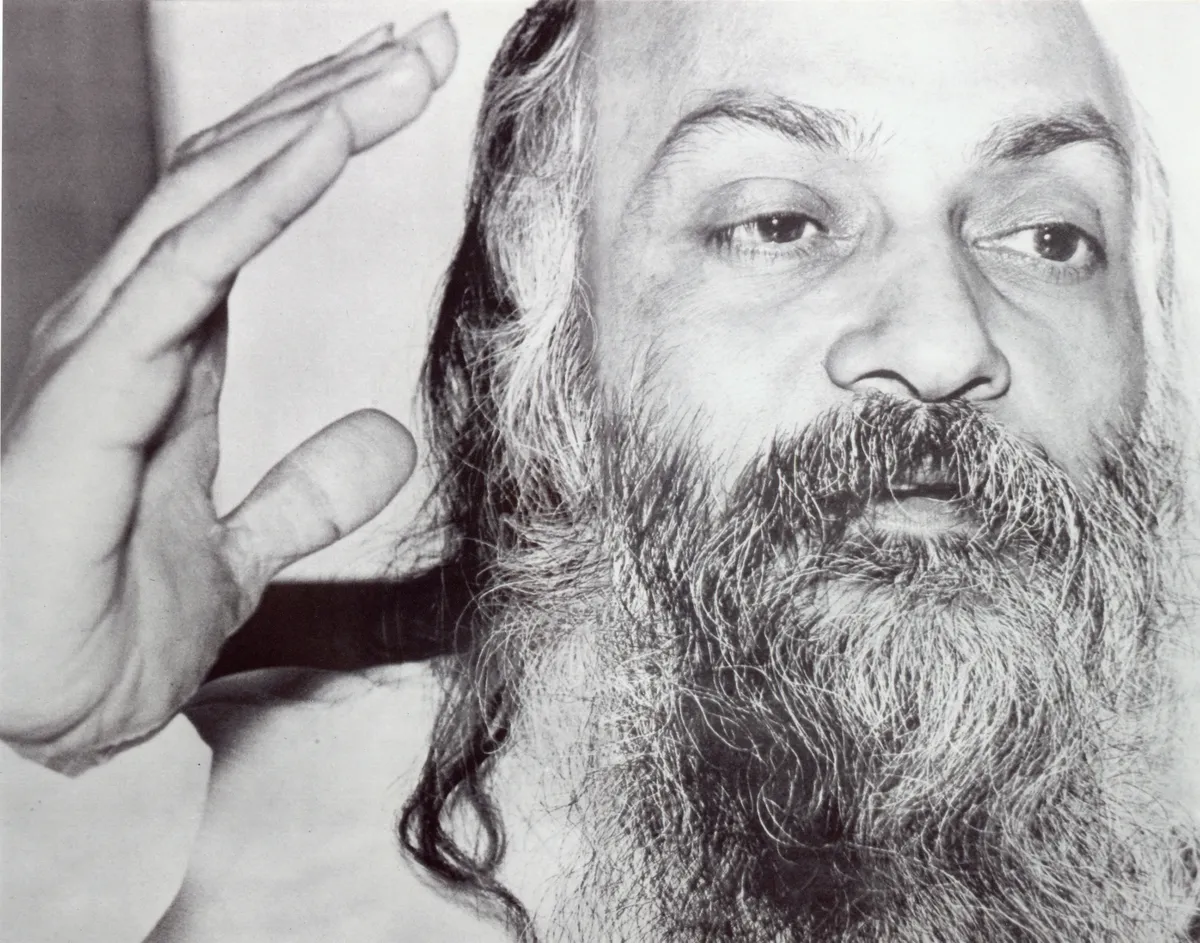
Osho's original Hindi beside Osho Live's English translation, matched passage by passage.
तुष्णा को समझा, तो बुद्ध को समझा। क्योंकि तृष्णा को समझ लेने से ही तृष्णा गिर जाती है; और फिर जो शेष रह जाता है, वही बुद्धत्व है।
To understand tṛṣṇā is to understand Buddha. For the moment tṛṣṇā is seen, tṛṣṇā drops; and what remains is Buddhahood.
बुद्ध को समझने के लिए गौतम बुद्ध को समझना जरूरी नहीं है। बुद्ध को समझने के लिए स्वयं के बुद्धत्व में उतरना जरूरी है। उसके अतिरिक्त और कोई मार्ग नहीं है। उससे अन्यथा जिसने समझने की कोशिश की, वह पंडित होकर रह जाएगा। और पांडित्य अज्ञान से भी बदतर है।
To understand Buddha it is not necessary to understand Gautama the Buddha. To understand Buddha, you must descend into your own Buddhahood. There is no other way. Whoever tried otherwise, remained a scholar. And scholarship is worse than ignorance.
अज्ञानी तो निर्दोष होता है; पांडित्य बड़े अहंकार से भर जाता है। अज्ञान के कारण कोई सत्य से नहीं वंचित है; अहंकार के कारण वंचित है। मिटाना है अहंकार को। और अहंकार मिट जाए, तो सब अज्ञान अपने से मिट जाता है।
The ignorant is innocent; scholarship swells with great ego. No one is deprived of truth because of ignorance; one is deprived because of ego. It is the ego that must be erased. If the ego dissolves, all ignorance dissolves by itself.
लेकिन, तृष्णा को समझो, इसका क्या अर्थ? भाषाकोश में अर्थ दिया है। या तृष्णा के संबंध में विचारकों ने, दार्शनिकों ने बहुत बातें कही हैं, सिद्धांत प्रतिपादित किए हैं; उन्हें समझें!
But what does it mean to ‘understand tṛṣṇā’? Dictionaries give meanings. Thinkers and philosophers have propounded many theories about it; shall we understand those?
नहीं; उन सिद्धांतों को समझने से तृष्णा के संबंध में समझ लोगे, लेकिन तृष्णा को नहीं समझ पाओगे। तृष्णा को समझने का कोई बौद्धिक उपाय नहीं है। तृष्णा को समझा जा सकता है: केवल अस्तित्वगत अर्थ में।
No. By understanding theories you may come to understand ‘about’ tṛṣṇā, but you will not understand tṛṣṇā. There is no intellectual method to understand tṛṣṇā. Tṛṣṇā can only be understood existentially.
तृष्णा में जी रहे हो; जागकर जीने लगो। चल तो रहे हो तृष्णा में; होश सम्हाल लो। अभी भी तृष्णा पकड़ती है, लेकिन तुम बेहोश हो। तुम जरा होश से भर जाओ। और जब तृष्णा पकड़े, तो समझो: कहां से उठती है? कैसे उठती है? क्यों उठती है? कहां ले जाती है? और बार-बार के परिभ्रमण में भी हाथ क्या लगता है?
You are living in tṛṣṇā; begin to live wakefully. You are walking in tṛṣṇā; gather your awareness. Even now tṛṣṇā catches hold, but you are unconscious. Fill yourself a little with watchfulness. And when tṛṣṇā grabs you, inquire: from where does it arise? how does it arise? why does it arise? where does it lead? and in this ceaseless circling, what does it finally deliver into your hands?
कोल्हू का बैल जैसे चलता रहता है, ऐसे तृष्णा में हम जुते हैं। और एक ही स्थान पर कोल्हू का बैल चक्कर काटता है! यात्रा होती भी नहीं; कहीं जा भी नहीं रहा है। बस, वहीं चक्कर काट रहा है!
Like the bull yoked to the oil-press, we are yoked to tṛṣṇā. The oil-press bull goes round and round in one place! No journey happens, he goes nowhere; only circles.
ऐसे ही तुम भी जन्मों-जन्मों में कहीं नहीं गए हो। उसी जगह चक्कर काट रहे हो! पुनरुक्ति है। जैसे-जैसे जागोगे, वैसे-वैसे यह दिखायी पड़ेगा कि यह यात्रा नहीं है, यात्रा का भ्रम है। पहुंचना तो हो नहीं रहा है; सिद्धि तो फलित नहीं हो रही है; हाथ तो कुछ आ नहीं रहा है; उलटे जा रहा है। पा तो कुछ भी नहीं रहे, अपने को गंवा रहे हो।
So too for you: through births upon births you have gone nowhere. You circle the same spot. It is repetition. As you wake up, it will become clear that this is not a journey at all, but the illusion of a journey. There is no arriving; no fruition of attainment; nothing comes into the hand; on the contrary, you are going astray. You gain nothing; you keep losing yourself.
यह जैसे-जैसे साफ होने लगेगा और तृष्णा की प्रक्रिया स्पष्ट होने लगेगी, उस स्पष्ट होने में ही तृष्णा से छुटकारा हो जाता है।
As this becomes clear, as the process of tṛṣṇā is revealed, in that very seeing tṛṣṇā drops away.
तृष्णा से छूटने के लिए कोई उपाय नहीं करने पड़ते। जो उपाय करता है, वह तृष्णा को समझा ही नहीं। जिसने तृष्णा समझी, उपाय की नहीं पूछता। समझना ही उपाय है। समझ लिया कि तृष्णा गिरी!
No ‘methods’ are needed to be free of tṛṣṇā. Whoever tries methods has not understood tṛṣṇā. One who has understood does not ask for a method. Understanding itself is the method. See, and tṛṣṇā falls.
तुम्हें दिखायी पड़ गया कि सांप रास्ते पर है। तुम छलांग लगाकर अलग हो जाते हो। तुम पूछते नहीं: कैसे छलांग लगाऊं? कैसे रास्ता छोडूं? अब क्या करूं? सांप सामने है--क्या करूं? ऐसा अगर तुम पूछ रहे हो, तो एक ही बात सिद्ध होती है कि तुम्हें सांप अभी दिखायी नहीं पड़ा। किसी ने कहा है कि सांप है, और तुमने माना है। लेकिन तुम्हें नहीं दिखायी पड़ा।
You see a snake on the path. You leap aside. You do not ask: how shall I jump? how shall I leave the path? what should I do now? The snake is right there—what should I do? If you are asking such, it proves only one thing: you have not seen the snake yet. Someone said there is a snake, and you believed it. But you have not seen.
घर में आग लगी हो तो--बुद्ध निरंतर कहते थे--घर में आग लगी हो तो आदमी छलांग लगाकर बाहर निकल जाता है। लेकिन अगर कोई पूछे कि मेरे घर में आग लगी है, मैं बाहर कैसे निकलूं, तो एक बात समझ लेना: उसने सुना है कि उसके घर में आग लगी है; अभी देखा नहीं है। किसी ने कहा है कि घर में आग लगी तेरे। लेकिन उसके अनुभव में बात नहीं उतरी। इसलिए पूछता है: कैसे? कैसे उपाय है समय को टालने का। कैसे उपाय है और थोड़ा समय इसी मकान में रह लेने का, स्थगित करने का।
If the house is on fire—Buddha said again and again—if the house is on fire, a man leaps out. But if someone asks: my house is on fire, how should I get out? understand one thing: he has only heard that the house is on fire; he has not yet seen it. Someone told him, ‘Your house is burning.’ The thing has not descended into his experience. Hence the ‘how’. ‘How’ is a device to postpone time. ‘How’ is a way to linger a little more in the same house.
जब मकान में आग लगती है, तो आग का दर्शन ही छलांग बन जाता है। दर्शन में और छलांग में इंचभर का फासला नहीं होता; तत्क्षण छलांग घट जाती है।
When the house catches fire, the very seeing becomes the leap. Between the vision and the leap there is not even an inch; the jump happens instantly.
इसलिए बुद्ध ने कहा है कि तृष्णा दिखायी पड़ जाए--दिखायी पड़ जाए कि मेरे घर में आग लगी है, तो उसी दृष्टि में, उसी दर्शन में रूपांतरण है।
Thus Buddha has said: if tṛṣṇā is seen—if it is seen that my house is on fire—then in that very vision, in that very seeing, is transformation.
आज के सूत्र इसी तृष्णा में जागने के सूत्र हैं।
Today’s sutras are sutras for awakening in the midst of tṛṣṇā.
पहला दृश्य:
First scene:
भगवान वेणुवन में विहार करते थे। उनके अग्रणी शिष्य महाकाश्यप स्थविर का एक शिष्य ध्यान में अच्छी कुशलता पाकर भी एक स्त्री के सौंदर्य को देखकर चीवर छोड़कर गृहस्थ हो गया।
The Blessed One was abiding in Veṇuvana in vihara. The foremost disciple Mahākāśyapa Sthavira had a disciple who, though skillful in dhyāna, upon seeing the beauty of a woman, cast off his robes and became a householder.
उसके परिवार ने इस स्थिति को महापतन मानकर उस युवक को घर से निकाल दिया। वह और तो कुछ जानता नहीं था, सो चोरी करके जीवन-यापन करने लगा। अंततः चोरी करते रंगे हाथों पकड़ा गया। राजा ने उसे प्राणदंड की आज्ञा दी।
His family, deeming this a great fall, expelled him from home. He knew no other art, so he began to live by theft. Eventually, caught red-handed, he was condemned to death.
जिस समय जल्लाद उसे मारने के लिए ले जा रहे थे, उस समय भिक्षाटन के लिए जाते हुए महाकाश्यप स्थविर ने उसे देखा। वह तो उन्हें भूल ही चुका था। लेकिन उन्होंने उसे पहचान लिया। महाकाश्यप उसके पास गए और अत्यंत करुणापूर्वक उससे बोले: पूर्व के उत्पादित ध्यानों का स्मरण करो। ध्यान नौका है। ध्यान एकमात्र नौका है--मृत्यु से अमृत की ओर, अंधकार से प्रकाश की ओर, असत से सत की ओर। स्मरण करो--स्मरण करो--पूर्व के उत्पादित ध्यानों का स्मरण करो।
As the executioners were leading him to be killed, Mahākāśyapa Sthavira, out on alms-round, saw him. The fallen monk had forgotten Mahākāśyapa; but Mahākāśyapa recognized him. He went near and, with profound compassion, said: Remember the dhyānas you once cultivated. Dhyāna is a boat. Dhyāna is the only boat—from death to the deathless, from darkness to light, from the unreal to the Real. Remember—remember—call back the dhyānas you produced before.
स्थविर की यह करुणासिक्त वाणी, यह शून्यसिक्त संदेश उसके श्वास-श्वास में समा गया। वह संवेग को उत्पन्न हुआ। वह रोमांचित हुआ। उसके प्राणों में ध्यान की स्मृति फिर ताजी और हरी हो गयी। वह तत्क्षण ऐसे ध्यान को उपलब्ध हो गया, जैसे कि कोई स्वप्न से जागे।
That compassion-soaked voice, that emptiness-soaked message, entered with his every breath. A surge arose. He was thrilled. The memory of meditation became fresh and green in his life-force. In the very instant he became available to that dhyāna, as if waking from a dream.
जल्लाद उसे वधस्थल पर ले जाकर मारना चाहे, तो मार न सके। वह ऐसा ज्योतिर्मय हो उठा था! उसकी प्रभा अदभुत थी। उसकी शांति ऐसी थी कि कोई चाहे, तो छू ले! उसका अहोभाव ऐसा था कि जल्लाद भी अनदेखा न कर सके। और उसे अब कोई भय भी नहीं था।
When the executioners led him to the place of slaughter and moved to kill him, they could not. He had become so luminous! His radiance was wondrous. His peace was such that one could almost touch it. His ‘ah!’—his wonder—was such that even the headsman could not ignore it. And he had no fear now.
ध्यान में भय कहां? ध्यान में मृत्यु ही कहां?
Where is fear in dhyāna? Where is death in dhyāna?
उसकी वह अपूर्व दशा, वह आनंद दशा ऐसी थी कि जल्लाद बजाय उसकी गरदन काटने के उसके चरणों में झुक गए। यह खबर राजा तक पहुंची। राजा स्वयं अपनी आंखों से देखने आया। ऐसा अलौकिक सौंदर्य देख, आश्चर्यचकित हो, उसने बंदी को छोड़ देने की आज्ञा दी।
His unique state, that bliss-state was such that the executioners, instead of cutting his throat, bowed at his feet. The news reached the king. The king himself came to see with his own eyes. Seeing such unearthly beauty, astonished, he ordered the prisoner to be released.
फिर राजा उसे लेकर बुद्ध के चरणों में उपस्थित हुआ। यह रूपांतरण कैसे हुआ? क्षणभर में! महाकाश्यप का एक वचन सुनकर! इतनी सी बात से--कि स्मरण कर, पूर्व के ध्यानों का स्मरण कर; यह जागरण फलित हो गया?
Then the king brought him to the feet of Buddha. How did this transformation happen? In a single moment! Just by hearing one sentence from Mahākāśyapa! Merely this—that ‘remember, remember the dhyānas you produced before’—and awakening flowered?
ऐसे वचन तो, राजा ने कहा, मैंने भी बहुत बार सुने हैं, फिर मुझे जागरण क्यों फलित नहीं हुआ? महाकाश्यप के प्रवचन मैं भी सुनता हूं, फिर मैं क्यों अंधा का अंधा हूं? और यह महापापी है, फिर ऐसी क्रांति! भिक्षु था पहले यह--सुना मैंने। फिर पतित हुआ; भ्रष्ट हुआ; एक स्त्री के मोह में पड़ा। फिर और पतित हुआ। फिर चोर बना। अब रंगे हाथों पकड़ा गया है। मृत्युदंड दिया था इसे। और महाकाश्यप का एक वचन सुनकर कि ध्यान को स्मरण कर, स्मरण कर पूर्व के ध्यानों को, एकदम ज्योतिर्मय हो उठा! जहां अमावस थी, वहां पूर्णिमा हो गयी।
The king said: I have heard such words many times, then why has awakening not flowered for me? I too listen to Mahākāśyapa’s discourses, then why do I remain blind? And this great sinner—so sudden a revolution! Once a bhikshu—I have heard—then he fell; he became corrupt; he fell into the lure of a woman; he fell further; he became a thief; he was caught red-handed; I had condemned him to death. And by one sentence of Mahākāśyapa—‘remember meditation’—he suddenly became luminous! Where there was new moon, a full moon arose.
राजा पूछने लगा बुद्ध को कि मैं जानना चाहता हूं प्रभु! यह कैसे हुआ? बुद्ध ने कहा: ध्यान के जादू से। और फिर बंदी की ओर उन्मुख होकर ये गाथाएं कहीं।
The king asked Buddha: I want to know, Lord! How did this happen? Buddha said: By the magic of meditation. And turning to the freed man, he uttered these gāthās.
इन गाथाओं को सुन और भगवान की सन्निधि पुनः पा वह बंदी तत्क्षण अर्हत्व को उपलब्ध हुआ अर्थात उसका ध्यान समाधि बन गया।
Hearing these gāthās and finding again the nearness of the Blessed One, that freed man in that instant attained arhatta—his dhyāna became Samadhi.
पहले इस दृश्य को ठीक से हृदय में बैठ जाने दें, फिर हम सूत्रों में जाएंगे।
Let this scene settle rightly in the heart, then we will enter the sutras.
भगवान वेणुवन में विहार करते थे।
‘The Blessed One was abiding in Veṇuvana in vihara.’
विहार शब्द विशिष्ट अर्थ वाला है। विहार का अर्थ होता है: जो मिट गया और फिर भी जी रहा है; जिसकी जीने में कोई वासना नहीं रही। जो जीने के लिए एक क्षण भी आतुर नहीं है, फिर भी जी रहा है।
Vihara is a word of a special fragrance. It means: one in whom the craving to live has vanished, yet who still lives; who is not impatient even for a moment to live, and yet is alive.
विहार का अर्थ है: जिसका जीवन-कार्य पूरा हो गया है, लेकिन अतीत की शारीरिक संपदा के कारण जी रहा है। जैसे तुम साइकिल चलाते हो, पैडल मारते हो। दो मील तक पैडल मारकर साइकिल चलायी, फिर तुम पैडल चलाना बंद कर दिए। तो भी फर्लांग दो फर्लांग साइकिल पुरानी गति के आधार पर चल जाएगी, पैडल बिना मारे चल जाएगी। ऐसी ही घटना घटती है विहार में।
Vihara means: whose life-task is complete, but who still lives because of the body’s past momentum. As when you ride a bicycle—you pedal for two miles; then you stop pedaling. Still, for a furlong or two the cycle rolls on by its previous momentum, without your pedaling. Such a thing happens in vihara.
जब कोई व्यक्ति बुद्धत्व को उपलब्ध हो जाता है, तो उसने पैडल मारने बंद कर दिए। लेकिन जन्मों-जन्मों पैडल मारे हैं, तो जन्मों-जन्मों की जो संचित शक्ति है, वह अपने आप काम करती रहती है कुछ वर्षों तक; कुछ फर्लांगों तक वह व्यक्ति और भी जीता चला जाता है। लेकिन जीने में अब उसकी कोई इच्छा नहीं।
When one attains Buddhahood, he stops pedaling. But if for births upon births you have pedaled, that stored energy, by itself, continues to function for a few years; for a few furlongs he continues to live. But now there is no will to live.
और ऐसा भी मत समझना कि उसकी मरने में कोई इच्छा है! न तो जीने में कोई इच्छा है, न मरने में कोई इच्छा है। तुम कहोगे: जब जीने में कोई इच्छा नहीं, तो मर क्यों नहीं जाता? उसकी इच्छा ही कोई नहीं; चुनाव ही कोई नहीं। जीए तो ठीक; मरे तो ठीक। जो हो, वही ठीक। उसका अपना कोई संकल्प नहीं। ऐसा हो, ऐसा ठीक। वैसा हो, वैसा ठीक। मौत आ जाए तो स्वागत। जीवन चलता रहे तो स्वागत। भीतर कोई अपेक्षा नहीं।
Nor imagine he harbors any will to die! No wish to live, no wish to die. You may ask: if there is no wish to live, why does he not die? He has no wish at all; no choice at all. If life continues—good; if death comes—good. Whatever happens is good. He has no personal resolve left. If this happens—good. If that happens—good. If death arrives—welcome. If life continues—welcome. No expectation within.
ऐसी चित्तदशा में जो आदमी जीता है, उसके जीवन का नाम विहार। यह अपूर्व घटना है। यह ऐसी घटना है, जो कभी-कभी घटती है। इसलिए तो एक प्रांत का नाम ही विहार पड़ गया। बुद्ध वहां जीए। इस ढंग से जीए। उस याद में प्रांत का नाम विहार पड़ गया। उन्हीं गांवों में, उन्हीं रास्तों पर बुद्ध ऐसे जीए कि जब जीने का कोई कारण न रह गया था; जैसे वासना का सब तेल चुक गया, फिर भी बाती थोड़ी देर जलती है। बाती ही जलती है; अब तेल नहीं बचा। वासना का तेल समाप्त हो गया; अब दीए की बाती ही जलती है। पहले तो आग ने जला दिया तेल को; अब आग जलाती बाती को।
Such a one’s way of being is called vihara. A rare phenomenon. Because of it a whole province received the name Bihar—Vihara. There Buddha lived in this way. In remembrance of that, the land was named Vihara. In those villages, on those roads, Buddha lived when there remained no reason to live; when the oil of desire was exhausted and yet, for a little while, the wick burns. Only the wick burns; no oil remains. The oil of craving is finished; now the lamp’s wick burns. First the fire consumed the oil; now it consumes the wick.
और यह प्रतीक बुद्ध के संदर्भ में और भी सार्थक है। क्योंकि बुद्ध ने परम दशा को निर्वाण कहा। निर्वाण का अर्थ होता है: दीप का बुझ जाना।
This symbol is even more meaningful with Buddha. For he called the ultimate state Nirvana—the blowing out of the lamp.
दीप में जब तक तेल है वासना का, तब तक जीवन दुख है, तब तक जीवन नरक है। तब तक जीवन जलन है--घाव और पीड़ाएं और हजार संताप और चिंताएं! जब तृष्णा का तेल चुक गया, तो जीवन एक परम शांति है। अब बाती जल रही है। जल्दी ही बाती भी बुझ जाएगी। बाती कितनी देर जलेगी? बाती तो तेल से जलती है; जब तेल समाप्त हुआ और बाती जलने लगी, तो अब ज्यादा देर न जलेगी। फिर जब बाती भी जलकर शांत हो जाएगी, तो उस स्थिति को कहते हैं: दीए का निर्वाण।
As long as the lamp holds the oil of desire, life is sorrow, life is hell. It is burning—wounds and pains, a thousand torments and anxieties! When the oil of tṛṣṇā is spent, life becomes supreme peace. Now the wick burns. Soon the wick will go out too. How long can a wick burn? The wick burns by the oil; when the oil is finished and the wick itself begins to burn, it will not burn long. When even the wick has burned out into stillness, that is called the extinction of the lamp—Nirvana.
बुद्ध ने कहा: ऐसे ही जीवन की वासना का तेल चुक जाता है, फिर आदमी थोड़े दिन जीता है--वह विहार।
Buddha said: thus the oil of life’s tṛṣṇā is spent; a man lives for a few days more—that is vihara.
विहार प्रीतिकर शब्द है। आनंदमग्न दशा में जीता--विहरता! चलता नहीं, फिर भी चलता। धारा के साथ बहता। जीवन से कोई विरोध, संघर्ष नहीं रह जाता। सब तरह समर्पित होता! न कोई योजना होती; न कोई भविष्य होता; न कोई अतीत होता। यह क्षण काफी होता। यह क्षण अपने में पूरा होता।
Vihara is a lovely word. One lives in delight—viharata. He does not move, yet moves. He floats with the stream. There remains no resistance, no struggle with life. Surrender everywhere! No plans; no future; no past. This moment is enough. This moment is complete in itself.
इस विहार के बाद एक दिन दीया बुझ जाता; बाती भी जल गयी; तब निर्वाण। तब कहां जाता व्यक्ति? तब महाशून्य में लीन हो जाता। जिस मूलस्रोत से आया था, उस मूलस्रोत में गिर जाता है। जैसे बादल समुद्र से उठते, फिर हिमालय पर बरसते। फिर गंगा बनते। फिर जाकर सागर में गिर जाते हैं। वहीं, जहां से हम आते हैं, वापस पहुंच जाते हैं; वही अस्तित्व का सागर--उसे परमात्मा कहो, कहना चाहो तो; मोक्ष कहो, निर्वाण कहो--जो मर्जी हो। लेकिन एक बात खयाल में रहे कि अंततः मूलस्रोत में गिर जाने में ही परम शांति है।
After this vihara, one day the lamp goes out; the wick too is gone—then Nirvana. Where does the person go then? He merges into the Great Void. He falls back into the source from which he came. As clouds rise from the ocean, then rain upon the Himalayas, then become the Ganga; and finally fall again into the sea—so do we return to the source whence we came. Call that ocean of existence Paramatman, if you like; call it Moksha, call it Nirvana—whatever you wish. But remember one thing: in the end, falling back into the source is supreme peace.
जब तक हम अपने मूलस्रोत से न मिल जाएं, तब तक बेचैनी रहेगी। हम अपने घर से दूर-दूर, भटके-भटके, अजनबी रास्तों पर, अजनबी लोगों के बीच...। जब हम वापस घर लौट आए, तो विश्राम।
Until we meet our source, restlessness remains. We wander far from home, on alien roads, among strangers… When we return home, there is rest.
भगवान वेणुवन में विहार करते थे। उनके अग्रणी शिष्य महाकाश्यप स्थविर का एक शिष्य ध्यान में अच्छी कुशलता पाकर भी एक स्त्री के सौंदर्य को देखकर चीवर छोड़कर गृहस्थ हो गया!
‘The Blessed One was abiding in Veṇuvana in vihara. His foremost disciple, Mahākāśyapa Sthavira, had a disciple who, though skillful in dhyāna, on seeing the beauty of a woman, cast off his robes and became a householder.’
महाकाश्यप--बुद्ध के श्रेष्ठतम शिष्यों में एक; श्रेष्ठतम भी कहो, तो भी चूक न होगी, तो भी अतिशयोक्ति न होगी। महाकाश्यप से ही झेन संप्रदाय का जन्म हुआ। और इस छोटे से दृश्य में भी तुम झेन संप्रदाय का रस पाओगे, स्वाद पाओगे, उसकी पहली झलक पाओगे।
Mahākāśyapa—among the very greatest of Buddha’s disciples; even the greatest—there is no exaggeration. From Mahākāśyapa is born the Zen lineage. In this small scene too you can taste the flavor of Zen, its very first fragrance.
मैंने तुम से बहुत बार झेन के जन्म की कथा कही है: कि एक सुबह बुद्ध फूल लेकर आए--कमल का फूल--और बैठकर उस फूल को देखते रहे!
I have told you often the story of Zen’s birth: one morning Buddha arrived with a flower—a lotus—and sitting, simply gazed at the flower.
प्रवचन सुनने भिक्षु इकट्ठे हुए थे। लेकिन वे कुछ बोले नहीं। एकटक फूल को ही देखते रहे। सन्नाटा छा गया। लोग बड़े जिज्ञासु होकर बैठे थे सुनने को। और बुद्ध बोले नहीं--बोले नहीं--बोले नहीं। फिर बेचैनी होने लगी। लोग एक-दूसरे की तरफ देखने लगे कि मामला क्या है? ऐसा कभी नहीं हुआ था कि बुद्ध चुप रहे हों। बोलने आए थे, तो बोले थे कुछ। आज क्या हुआ है?
The bhikshus had gathered to hear a discourse. But he spoke not. He gazed only at the flower. Silence descended. People sat eager to hear. But Buddha spoke not—spoke not—spoke not. Then uneasiness arose. People looked at one another: what is the matter? Never had it happened that Buddha came and remained silent. If he came to speak, he always spoke. What happened today?
लोगों की यह बेचैनी, और एक-दूसरे की तरफ देखना, और इशारे करना देखकर महाकाश्यप जोर से हंसने लगा। उसकी हंसी...। बुद्ध ने आंखें ऊपर उठायीं; महाकाश्यप को पास बुलाया; और फूल महाकाश्यप को भेंट दे दिया। और कहा: महाकाश्यप! तुझे मैं वह देता हूं, जो वाणी से नहीं दिया जा सकता। इन शेष सब को मैंने वह दिया, जो वाणी से दिया जा सकता है। तुझे वह देता हूं, जो अव्याख्य है, जो वाणी से परे है। यह फूल सम्हाल। यह प्रतीक है। यह तेरी संपदा।
Seeing their restlessness, their glances and gestures to one another, Mahākāśyapa burst into laughter. His laughter… Buddha lifted his eyes, called Mahākāśyapa near, and offered him the flower. He said: Mahākāśyapa, to you I give that which cannot be given by words. To all others I have given what can be given through words. To you I give the inexpressible, beyond words. Receive this flower. It is the symbol. It is your treasure.
यह झेन संप्रदाय का जन्म था--वाणी के परे, शास्त्र के परे। कोई नहीं जानता बुद्ध ने क्या दिया! बुद्ध ने बुद्धत्व दिया। जैसे एक दीए की ज्योति दूसरे बुझे दीए पर पहुंच जाए।
This was the birth of Zen—beyond speech, beyond scriptures. No one knows what Buddha gave. Buddha gave Buddhahood—like the flame of one lamp reaching the unlit wick of another.
बुझा दीया कोई जले दीए के करीब ले आए। एक क्षण आता है, जब छलांग लग जाती है। दोनों दीए जल उठते हैं। जो जल रहा था दीया, उसका तो कुछ भी नहीं खोता; जो बुझा था, उसे सब कुछ मिल जाता है।
Bring an unlit lamp near a lit one; a moment arrives when the jump happens. Both lamps are aflame. The lamp that was already lit loses nothing; the lamp that was unlit gains all.
बुद्ध के पास से कुछ भी नहीं गया और महाकाश्यप को सब मिल गया! फिर इसी ढंग से झेन एक गुरु के द्वारा दूसरे गुरु को दिया गया है।
Nothing leaves Buddha, and Mahākāśyapa receives the All. In this way Zen has been transmitted—from master to master.
महाकाश्यप का एक शिष्य ध्यान में अच्छी कुशलता पाकर भी...।
‘Mahākāśyapa had a disciple who, though skillful in dhyāna…’
ध्यान रखना: ध्यान में अच्छी कुशलता पाकर भी पतन हो जाता है। जब तक ध्यान समाधि न बन जाए, तब तक पतन की संभावना है। सच तो यह है कि जैसे-जैसे ध्यान गहरा होगा, वैसे-वैसे पतन की संभावना बढ़ती है।
Remember: even after becoming skillful in dhyāna, one can fall. Until dhyāna becomes Samadhi, the possibility of falling remains. Truly, as dhyāna deepens, the possibility of falling increases.
तुम कहोगे: यह तो बात उलटी हुई! यह बात उलटी नहीं है। जैसे-जैसे तुम पहाड़ की चोटी के करीब पहुंचने लगते हो, वैसे-वैसे गिरने का खतरा बढ़ता है। रास्ते संकरे होने लगते हैं। ऊंचाई तुम्हारी बढ़ गयी होती है; खाई-खड्ड गहरे होने लगते हैं। क्योंकि जितने तुम ऊंचे होते हो, उतनी खाई गहरी होती है। जरा फिसले कि गिरे। और जरा फिसले, तो बुरी तरह गिरे। जितनी ऊंचाई से गिरोगे, उतनी भयंकर चोट होगी। कोई सीधे-सपाट रास्ते पर गिर जाता है, तो उठकर खड़ा हो जाता है। लेकिन कोई पहाड़ की ऊंचाई से गिरता है, तो शायद समाप्त ही हो जाए! उठकर खड़े होने की क्षमता ही न बचे! हड्डी-पसलियां टूट जाएं। या प्राणांत ही हो जाए।
You will say: this seems inverted. It is not. As you approach the mountain’s peak, the danger of falling grows. The paths grow narrow. Your height has increased; precipices deepen. The higher you are, the deeper the abyss. A slight slip—and you fall; and from such heights, the injury is terrible. On a flat path, one may fall and easily rise again. From a mountain’s height, one may be finished. Bones crushed, ribs broken; even life may end.
तब तक खतरा रहता है, जब तक कि तुम पहाड़ के शिखर पर पहुंचकर बैठ नहीं गए। उस पहाड़ के शिखर पर बैठ जाने का नाम समाधि। समतल भूमि से शिखर तक पहुंचने के बीच का मार्ग ध्यान। और जैसे-जैसे ध्यान बढ़ता है, वैसे-वैसे खतरा बढ़ता है।
The danger remains until you sit secure upon the peak. Sitting upon the peak is Samadhi. From plain land to the summit—between lies the path of dhyāna. And as dhyāna grows, danger grows.
तो मत सोचना मन में ऐसा कि ध्यान में अच्छी कुशलता पाकर और पतित हो गया! तभी कोई पतित होता है।
So do not be surprised that ‘he became skillful in dhyāna and still fell’. Only such a one can fall.
तुम तो पतित हो ही नहीं सकते। तुम्हारे पतित होने का अर्थ क्या होगा? तुमने कभी भोगभ्रष्ट ऐसा शब्द सुना? योगभ्रष्ट शब्द सुना होगा। भोगभ्रष्ट तो कोई होता ही नहीं! भोग में तो जो है, वह भ्रष्ट है ही। वह तो खाई-खड्ड में जी ही रहा है। और गिरने का उपाय नहीं है।
You cannot ‘fall’—what would your falling even mean? Have you ever heard the word ‘corrupted by indulgence’? You have heard ‘yogabhraṣṭa’—fallen from yoga. No one falls from indulgence! In indulgence one is already fallen. One already lives in the abyss, and there is nowhere further to fall.
तुमने नर्क से किसी को गिरते सुना? और कहां गिरोगे? और गिरने को जगह कहां है? स्थान कहां है? आखिरी जगह तो पहले ही पहुंच गए!
Have you heard of anyone falling from hell? Where would he fall to? There is no place left. The last place has already been reached!
स्वर्ग से लोग गिरते हैं; नर्क से नहीं गिरते। जिन्हें गिरने से डर लगता हो, उन्हें नर्क जाना चाहिए। नर्क में बड़ी सुविधा है, बड़ी सुरक्षा है। वहां कोई गिरता ही नहीं! वहां से कभी कोई भ्रष्ट नहीं होता।
From heaven people fall; not from hell. Those who fear falling should go to hell—it is very safe. There no one falls! There is never any corruption from hell.
स्वर्ग में खतरा है। जैसे-जैसे ऊंचे बढ़े, खतरा बढ़ा। जितनी ऊंचाई आयी, उतना खतरा भी बढ़ा। खतरा भी बढ़ता है, साथ ही साथ शिखर भी करीब आ रहा है। दो बातें एक साथ होने लगती हैं। शिखर करीब आ रहा है; अगर मिल गया, तो सदा के लिए मुक्त हो जाओगे। समाधान हो जाएगा। फिर कहीं जाने को न बचा। जब जाने को न बचा, फिर भी नहीं गिर सकते। क्योंकि अब जाते ही नहीं; चलते ही नहीं; उठते ही नहीं। ठहर गए, थिर हो गए। समाधि यानी थिरता।
Heaven has danger. The higher you climb, the greater the danger. As height comes, the risk grows. Yet the summit draws nearer. Two things happen together: danger increases—and with it, the peak. If you reach it, you are free forever. Rest is attained. Then there is nowhere to go. When there is nowhere to go, there is no falling. For you neither go nor rise; you are at rest, unmoving. Samadhi is unmoving.
इसलिए कृष्ण ने समाधिस्थ को कहा: स्थितप्रज्ञ, जिसकी प्रज्ञा स्थिर हो गयी, थिर हो गयी। अकंप हो गयी। जब अकंप हो गए, चलते ही नहीं, तो फिर गिरोगे नहीं। ध्यान में गति है; समाधि में गति का अंत है। पहुंच गए मंजिल पर। ध्यान यात्रा है; भटकने का उपाय है। और जैसे-जैसे ध्यान की ऊंचाई बढ़ती है, वैसे-वैसे भटकने की, गिरने की संभावना बढ़ती है। ज्यादा से ज्यादा सावधानी की जरूरत पड़ती है।
Thus Krishna called the one established in Samadhi ‘sthita-prajña’—whose wisdom is steady, unwavering. When you are unmoving, you cannot fall. In dhyāna there is movement; in Samadhi, movement ends. The goal is reached. Dhyāna is journey; there is the possibility of wandering, of slipping. As the height of dhyāna grows, the possibility of wandering grows. Ever-increasing care is needed.
फिर एक कारण से और भी गिरने का खतरा बढ़ता है। अगर बाहर की ही बात होती कि खाई-खड्ड बड़े हो गए, तो थोड़े सम्हलकर चलने से चल जाता। लेकिन भीतर भी एक खतरा है। क्योंकि तुम्हारी वासनाएं इसके पहले कि समाधि मिल जाए, तुम पर आखिरी हमला करेंगी। कोई भी जल्दी हार नहीं जाना चाहता!
There is another reason for danger. If it were only the outer, with deeper ravines and narrower paths, then a little caution would do. But there is danger within. Your vāsanās will make their final assault before Samadhi is reached. No one yields easily.
जब तुम ध्यान के शुरू-शुरू कदम उठाते हो, तो वासना बहुत चिंता नहीं लेती। कोई खतरा नहीं है। लेकिन जब तुम शिखर के करीब पहुंचने लगते हो, तो वासना को साफ होने लगता है कि अब मेरी मौत करीब आयी। दो-चार कदम और कि मैं मरी! इस आदमी का पहुंचना और मेरा मरना एक ही है।
When you take your first steps in meditation, desire is not much worried. No danger yet. But as you near the summit, desire sees, ‘My death is coming. A few steps more and I die! His arrival is my death.’
तृष्णा का मरना और तुम्हारा पहुंचना एक ही है। तृष्णा मरे, तो तुम पहुंचो। तुम पहुंचे, तो तृष्णा मरी। तो तृष्णा आखिरी जोर मारेगी।
The death of tṛṣṇā and your arrival are one. When tṛṣṇā dies, you arrive. If you arrive, tṛṣṇā is dead. So tṛṣṇā will make a last effort.
इसलिए तुम कहानियां पढ़ते हो ऋषि-मुनियों की--कि नग्न अप्सराएं उनके आसपास नाचने लगीं। ये अप्सराएं कहां से आती हैं? स्वर्ग से नहीं आतीं। उर्वशियां स्वर्ग में नहीं बसतीं। उर्वशियां तुम्हारे उर में बसती हैं, इसलिए उनका नाम उर्वशी है। वे तुम्हारे हृदय में बसी हैं। वे तुम्हारी ही कामवासना से उठती हैं। वे तुम्हारी ही तृष्णा का आखिरी हमला हैं। तृष्णा आखिरी चेष्टा कर रही है। आखिरी जाल फेंक रही है। इसके पहले कि पराजय हो जाए, पूरा जोर मारती है।
Hence those stories you read of seers—heavenly nymphs dancing naked around them. Where do these nymphs come from? Not from heaven. Urvashis do not dwell in heaven; they dwell in your ur—the heart—thus the name Urvashi. They arise from your own lust. They are the last assault of your own tṛṣṇā. Tṛṣṇā makes a final attempt, casts its last net, and before defeat, throws everything into it.
तो यह जो महाकाश्यप का शिष्य है, ध्यान में अच्छी कुशलता पा लिया था, फिर एक स्त्री के सौंदर्य को देखकर चीवर छोड़कर गृहस्थ हो गया। त्याग कर दिया उसने भिक्षुवेष का। संन्यास त्याग दिया और गृहस्थ हो गया।
Thus this disciple of Mahākāśyapa, though skillful in dhyāna, on seeing a woman’s beauty, cast off his robe and became a householder. He renounced the bhikshu’s robe, abandoned sannyas, and became a householder.
भूला ध्यान। भूला मार्ग। तृष्णा जीती, वह हारा। तृष्णा जीती, चेतना हारी।
He forgot meditation. He forgot the path. Tṛṣṇā won; he lost. Tṛṣṇā won; consciousness lost.
बड़े घर का बेटा था। कुलीन घर का बेटा था। समृद्ध घर का बेटा था। तो कभी कुछ कमाया तो था नहीं। कमाना जानता नहीं था। फिर हो गया था भिक्षु, सो कमाने का प्रश्न ही न बचा था।
He was the son of a great house, an aristocrat, brought up in wealth. He had never earned, never learned to earn. Then as a bhikshu, the question of earning had not arisen.
ध्यान रखना: अगर राजा का बेटा साम्राज्य खो दे, तो सिवाय भिखारी होने के और कोई उपाय नहीं रह जाता। या चोर हो जाए। दो ही उपाय बचते हैं। सम्राट के बेटे ने कभी कुछ किया तो था नहीं, जो कर सके। सम्राट ही हो सकता था। एक ही कला जानता था--सिंहासन पर बैठने की। अब सिंहासन गया। तो अब दो ही विकल्प बचते हैं: या तो भिखारी हो जाए, या चोर हो जाए। और जिसमें थोड़ा भी सम्मान है, वह भिखारी होने की बजाय चोर होना पसंद करेगा।
Remember: if a king’s son loses the kingdom, there remain only two ways—become a beggar, or a thief. He knows only one art—sitting on the throne. When the throne goes, two options remain: beg, or steal. And whoever retains even a little pride will prefer becoming a thief to becoming a beggar.
यह युवक जब घर आया, तो उसके परिवार ने इसे महापतन मानकर उसे घर से निकाल दिया।
When the youth returned home, his family, considering it a great fall, expelled him.
वे दिन बड़े अदभुत थे। अब दुनिया बदली है। अब तो तुम संन्यस्त हो जाओ, तो घर के लोग समझेंगे: महापतन हो गया! वे दिन और थे। संन्यस्त कोई होता था, तो घर के लोग सौभाग्य मानते थे। चलो! एक व्यक्ति तो संन्यस्त हुआ घर में! एक दीया तो जला! एक फूल तो खिला! लोग सम्मानित होते थे। और जब कभी कोई संन्यास से भ्रष्ट होता था, तो घर के लोगों की पीड़ा का अंत नहीं रह जाता था।
घर के लोगों ने इसे महापतन मानकर उसे घर से निकाल दिया।
Those were different days. Now the world has changed. Today if you take sannyas, the family thinks it a great fall! Those were other times. If someone took sannyas, the family felt blessed. ‘At least one person has become a renunciate in our home! One lamp is lit! One flower has bloomed!’ They were honored. And if someone fell from sannyas, the family’s grief knew no end.
यह अपमानजनक था परिवार के गौरव के लिए। यह परिवार के स्वाभिमान के लिए भयंकर चोट थी--कि उनका बेटा बुद्ध के पास जाकर, महाकाश्यप जैसे अदभुत व्यक्ति के शिष्यत्व को स्वीकार करके, और पतित हो जाए! यह उनकी चेतना-धारा पर बड़ा लांछन था। उन्होंने बेटे को निकाल बाहर कर दिया।
They expelled him from home.
It was a disgrace to the family’s honor. A grievous wound to their pride—that their son went to Buddha, became a disciple of a wondrous being like Mahākāśyapa, and then fell! It was a blot upon their stream of consciousness. They cast him out.
वह और कुछ तो जानता नहीं था, सो चोरी करके जीवन-यापन करने लगा।
He knew nothing else, so he stole for a living.
ध्यान रहे: एक भूल हो, तो उसके पीछे हजार भूलें आती हैं। इस दुनिया में न तो गुण अकेले आते, न दुर्गुण अकेले आते। एक गुण जीवन में आए, तो उसके पीछे कतार बंधे हुए और गुण आ जाते हैं। और एक दुर्गुण जीवन में आए, तो उसके पीछे कतार बंधे हुए और दुर्गुण आ जाते हैं!
Remember: one mistake invites a thousand. Neither virtue nor vice comes alone. If one virtue enters, a line forms behind it. If one vice enters, a queue of vices comes!
इसलिए बहुत सोच-सोचकर चुनाव करना। क्योंकि जब तुम एक का चुनाव करते हो, तब तुमने एक का चुनाव नहीं किया; उसके साथ अनजाने अनेक का चुनाव कर लिया, जिनका तुम्हें पता भी नहीं, जो कतार बांधे पंक्तिबद्ध पीछे खड़े हैं!
Therefore choose with great awareness. When you choose one, you are not choosing one, but many unknown companions standing behind.
जिस आदमी ने एक झूठ बोला, उसे हजार झूठ बोलने पड़ेंगे! एक झूठ बोलते वक्त ठीक से समझ लेना कि तुम हजारों झूठ बोलने का निर्णय ले रहे हो--सिर्फ एक झूठ बोलने का निर्णय नहीं।
One who tells a single lie will have to tell a thousand. When you speak one lie, know well—you are deciding to speak innumerable lies.
अक्सर मन कहता है कि जरा सा झूठ है, बोल देने से क्या बनता है? एक दफा बोले, खतम हुई बात; फिर गंगा स्नान कर आएंगे, या मंदिर दान दे देंगे, या ब्राह्मणों को बुलाकर भोजन करवा देंगे, या यज्ञ-हवन करवा लेंगे! कुछ कर लेंगे इसका प्रतिकार, पश्चात्ताप। जरा सा झूठ है, इसके पीछे क्यों झंझट में पड़ना!
The mind often says: it is a small lie, what harm can it do? I will bathe in the Ganga, donate at the temple, feed Brahmins, conduct a yajña—something to compensate—why get into a tangle over a small lie!
जब भी कोई बोलता है, जरा सा झूठ बोलता है। लेकिन जरा सा झूठ और बड़े झूठ को लाता है। और बड़ा झूठ और बड़े झूठ को लाता है। सिलसिला शुरू हो जाता है! तुम एक झूठ बोलो: तुम पाओगे कि तुम्हें अनंत झूठ बोलने पड़ रहे हैं। क्योंकि एक झूठ की रक्षा के लिए उससे बड़ा झूठ बोलना पड़ता है, नहीं तो उसकी रक्षा कैसे होगी?
But every lie is small when spoken; then it calls greater lies. A chain begins. To protect one lie, you need a bigger lie.
एक छोटा सा सत्य बोलो, और तुम पाओगे: उसके साथ गुणों की श्रृंखला आती है। एक सत्य दूसरे सत्य को बोलने में समर्थ बनाता है। सत्य बोलो; प्रामाणिकता, निष्ठा, ईमानदारी, आस्था चुपचाप तुममें पैदा होने लगती हैं। एक सत्य का आघात तुम्हारे भीतर न मालूम कितनी सुगंधियों को बिखेर जाता है! और ऐसा ही असत्य का आघात दुर्गंधों को बिखेर जाता है।
Speak a small truth, and a garland of virtues arrives. One truth empowers another truth. Speak truth; authenticity, integrity, trust begin to bloom silently. A stroke of truth scatters untold fragrances within you. Likewise, untruth brings stench.
इस युवक ने सुंदर स्त्री को चुनते समय सोचा भी न होगा कि चोरी करनी पड़ेगी। कौन सोचता है? चोरी करते वक्त सोचा भी न होगा कि प्राणदंड मिलेगा। कौन सोचता है? ऐसे ही तो आदमी बेहोश चल रहा है; इसी का नाम बेहोशी है!
When this youth chose a beautiful woman, he could not have imagined he would have to steal. Who imagines! While stealing he could not have imagined he would be condemned to death. Who imagines! Thus man walks in sleep. This is what I call unconsciousness.
जब मैं तुम से कहता हूं: होश, तो मतलब समझ लेना। जो भी तुम करो, बहुत होश से सोचकर, विचारकर, ध्यानपूर्वक करना। क्योंकि प्रत्येक कदम किसी दिशा में तुम्हें अग्रसर कर रहा है। कहीं ऐसा न हो कि तुम जाल में उलझते चले जाओ। ऐसे ही बहुत उलझ गए हो। ऐसे ही जन्म-जन्म उलझ गए हैं। ऐसे ही सारा यात्रा-पथ कांटों से भर गया है! अब थोड़ा फूंक-फूंककर चलो।
When I say to you: be aware, understand the meaning. Whatever you do, do with great awareness, carefully, attentively. For each step leads you in some direction. Beware lest you get entangled. You are already entangled enough. Birth after birth entangled. The whole path has become full of thorns. Now tread carefully.
अंततः चोरी करते वह रंगे हाथों पकड़ा गया।
Eventually, stealing, he was caught red-handed.
और ध्यान रखना: निन्यानबे दफा धोखा दे दो, सौवीं बार पकड़े ही जाओगे। मन यह भी कहता है--कि अगर कुशलता से धोखा दिया, तो कौन पकड़ेगा? कैसे पकड़ेगा!
Remember: cheat ninety-nine times and you will be caught the hundredth. The mind whispers: if you deceive skillfully, who will catch you?
लेकिन चाहे कितनी ही देर लगे, चोरी पकड़ ही जाएगी; देर-अबेर हो सकती है, अंधेर नहीं हो सकता है। जीवन का शाश्वत नियम है। और ऐसा ही पुण्य के संबंध में समझना। आज पुण्य का फल न मिले; कल पुण्य का फल न मिले; कितनी ही देर हो जाए, लेकिन फल मिलता है। आज नहीं कल; कल नहीं परसों; परसों नहीं और आगे। मगर एक न एक दिन तुमने जो बीज बोए हैं, उनकी फसल पकती है। और जो तुमने बोया है, वही तुम्हें काटना पड़ता है। जैसा बोया है, वैसा ही काटना पड़ता है। जहर बोया, तो जहर काटना पड़ता है। अमृत बोया, तो अमृत। नीम को पानी देते रहोगे, तो कड़वे फल हाथ लगेंगे। आम को पानी दोगे, तो मीठे फल हाथ लगेंगे।
But however long it may take, theft will be exposed; it may be delayed, but there is no darkness without dawn. This is a law. Likewise with merit. Today the fruit may not come; tomorrow it may not; but come it does. Today, or tomorrow, or later—but the seeds you sow ripen. You harvest only what you sowed. Sow poison, reap poison; sow nectar, reap nectar. Water the neem tree, you will get bitter fruit; water the mango, you will get sweet fruit.
यह सीधा सा गणित है। लेकिन इस गणित को भी हम समझ नहीं पाते, क्योंकि देर-अबेर लगती है। आज चोरी की और दस साल बाद पकड़े जाओगे। भूल ही चुकोगे तब तक, कि चोरी की थी। दोनों में संबंध जोड़ना मुश्किल हो जाएगा!
This is simple arithmetic. But we fail to understand because of delay. Today you steal, ten years later you are caught. By then you have forgotten. Hard to link the two!
तुम्हें पता है, अफ्रीका में ऐसी आदिम जातियां हैं अभी भी, जिनको इस सदी के आने तक इस बात का पता नहीं था कि बच्चे संभोग से पैदा होते हैं! क्योंकि नौ महीने का वक्त निकल जाता है। उनके पास समय को नापने का कोई माध्यम नहीं। उनको पता ही नहीं था कि बच्चे संभोग से पैदा होते हैं। फिर हर संभोग से बच्चा पैदा होता भी नहीं। फिर बच्चा तो आज प्रवेश करेगा गर्भ में, पैदा तो नौ महीने बाद होगा। नौ महीने का हिसाब! नौ महीने बाद! तो बात ही भूल गयी।
वे आदिम जातियां ऐसा ही मानती रही हैं सदियों से कि परमात्मा की देन है बच्चा; इसका संभोग से कुछ लेना-देना नहीं! जब पहली दफे उन्हें यह कहा गया, तो उन्हें भरोसा ही न आया। उन्हें बड़ी कठिनाई हुई।
There are tribes in Africa who, until this century, did not know that children are born through intercourse. Nine months pass; they have no way to measure time. Not every intercourse leads to conception. And the child enters the womb today but is born nine months later. Nine months—the matter is forgotten. They believed for centuries: children are a gift of God, nothing to do with sex. When told otherwise they could not believe it; it was difficult.
ऐसी ही हमारी जीवन-दशा है। तुमने कभी कोई काम किया था; दस साल बीत गए। तुम भूल-भाल चुके। और बुरे काम हम जल्दी भूल जाते हैं। बुरे काम कौन याद रखना चाहता है! क्योंकि बुरे काम को याद रखने से भी कांटा चुभता है। मन को पीड़ा होती है। बुरे काम को तो हम पोंछ देना चाहते हैं; दूर अंधेरे में फेंक देते हैं। अचेतन की गर्त में डाल देते हैं।
Such is our state. You once did something; ten years pass—you forget. And we quickly forget the bad. Who wants to remember the bad? Remembering it pricks like a thorn. We want to wipe it off—throw it into the dark, into the cellar of the unconscious.
तो हर आदमी ने अपने मन के नीचे गहरे में तलघरा बना रखा है, वहां हम फेंकते जाते हैं। जो भी हमें नहीं जंचता कि करना था, नहीं करना था; ठीक नहीं हुआ; हो गया किसी तरह; उसे हम उस तलघरे में डालते जाते हैं। उस तलघरे में सब तरह के सांप-बिच्छू, सब तरह के जहर इकट्ठे होते रहते हैं। एक न एक दिन वे निकलेंगे। एक न एक दिन उठेगा धुआं। एक न एक दिन तुम्हारे बैठकखाने में धुआं भरेगा; तब तुम बड़े हैरान होओगे कि यह कहां से आता है!
Everyone has made a cellar beneath the mind; we throw there whatever we feel should not have been done. There, all kinds of serpents and scorpions, poisons accumulate. One day they will emerge. One day smoke will rise. One day your living room will fill with smoke; you will be astonished—where from?
जब तुम्हें दुख झेलने पड़ते हैं, तब तुम सोचते भी नहीं कि तुमने कभी बीज बोए थे इनके। कर्म के सिद्धांत का बस, इतना ही अर्थ है कि जो तुमने पाया है आज, वह कभी किया था। और जो तुम आज कर रहे हो, वह कभी पाओगे।
When sorrows befall you, you do not think you once sowed their seeds. This is all the law of karma means: what you receive today, you once did; what you do today, you will one day receive.
चोरी करते वह युवक रंगे हाथ पकड़ा गया। राजा ने उसे प्राणदंड की आज्ञा दी। जिस समय जल्लाद उसे मारने को ले जा रहे थे, उस समय भिक्षाटन के लिए जाते हुए महाकाश्यप स्थविर ने देखा।
Caught stealing, he was condemned to death. As the executioners led him to be killed, Mahākāśyapa was out begging.
बुद्ध की ऐसी व्यवस्था थी; उनके हजारों संन्यासी थे। स्वभावतः, इसके अतिरिक्त और कोई उपाय न था कि प्रत्येक नया युवक, नया संन्यासी, नया दीक्षित, किसी पुराने दीक्षित संन्यासी का शिष्य बन जाता था। बुद्ध दीक्षा देते थे, लेकिन उसे सौंप देते थे किसी को।
Buddha’s order was large—thousands of sannyasins. Naturally, each new novice became a disciple under some elder bhikshu. Buddha gave initiation, but entrusted the novice to a guardian.
यह युवक महाकाश्यप को सौंपा गया था। बुद्ध ने जब इसे महाकाश्यप को सौंपा था, इसका अर्थ ही साफ है कि इसमें बड़ी संभावना दिखी होगी ध्यान की। महाकाश्यप सबसे बड़े ध्यानी शिष्य थे बुद्ध के। इसीलिए तो झेन संप्रदाय का जन्म उनसे हुआ।
This youth was entrusted to Mahākāśyapa. For Buddha to entrust him to Mahākāśyapa means he saw great potential for meditation in him. Mahākāśyapa was Buddha’s greatest meditator; hence Zen is born from him.
झेन ध्यान शब्द का ही रूपांतरण है। ध्यान है संस्कृत। पाली में ध्यान हो जाता है झान। जब झान चीन पहुंचा, तो हो गया चान। और जब चीन से जापान पहुंचा, तो हो गया झेन। मगर ध्यान का ही रूपांतरण है।
‘Zen’ is simply a transformation of the word ‘dhyāna’. In Sanskrit—dhyāna. In Pali—jhana. In China—Chan. In Japan—Zen. Only the form shifts; the essence is dhyāna.
सबसे बड़े ध्यानी शिष्य थे महाकाश्यप। अलग-अलग शिष्य थे, अलग-अलग गुणवत्ताएं थीं। महाकाश्यप की गुणवत्ता एक थी कि उनका ध्यान अदभुत था; उनका ध्यान निर्मलतम था; उनका ध्यान शुद्धतम था। वे पारस पत्थर थे। जो उनके पास आ जाता, सोना हो जाता; ध्यानी हो जाता।
Mahākāśyapa was the great meditator. Disciples had many qualities; his was a pure, crystalline meditation. He was a philosopher’s stone; whoever came near became gold—became a meditator.
जब बुद्ध ने इस युवक को महाकाश्यप को सौंपा था कि सम्हालो इसे, इसी में सूचना है कि इस युवक की बड़ी संभावनाएं थीं। यह समाधिस्थ हो सकता था, तभी बुद्ध ने सौंपा था। और शायद तीव्रता से बढ़ा होगा ध्यान में; गति से गया होगा।
जो गति से जाता है, उसके गिरने की संभावना भी ज्यादा होती है। जो धीरे-धीरे जाता है, वह सम्हल-सम्हलकर जाता है। एक-एक कदम, धीरे-धीरे, मजबूत करके जाता है। जो धीरे-धीरे जाता है, उसके गिरने की संभावना कम होती है। देर से पहुंचता है। जो जल्दी जाता है, वह जल्दी पहुंच सकता है, लेकिन बहुत खतरा यह है कि वह जल्दी ही गिर भी जाए।
Buddha entrusting this youth to Mahākāśyapa is itself an indication: the youth had great possibilities; he could attain Samadhi. Likely he advanced swiftly—and whoever flies fast faces greater risk. Slow ones go with care; step by step, firmly. The slow fall less; they arrive late. The swift may arrive quickly—or fall quickly.
जिस समय जल्लाद उसे मारने ले जा रहे थे, महाकाश्यप भिक्षा मांगने निकले थे। महाकाश्यप ने देखा: जल्लाद उसे जंजीरों में बांधे वधस्थल की तरफ ले जा रहे हैं। वह तो उन्हें भूल ही चुका था।
As the executioners led him in chains, Mahākāśyapa saw him. The youth had forgotten Mahākāśyapa.
वह भूलता नहीं, तो चूकता ही क्यों? जिसको एक साधारण सी स्त्री में ज्यादा सौंदर्य दिखायी पड़ा महाकाश्यप की बजाय, वह उसी क्षण भूल गया। वह उसी क्षण चूक गया। कहां महाकाश्यप का सौंदर्य! सदियों से लोग, जिन्होंने ध्यान साधा है, महाकाश्यप की याद करते हैं। आज तो बीते ढाई हजार साल हो गए। लेकिन अब भी चीन में, जापान में, थाईलैंड में, बर्मा में--जहां-जहां बौद्धों की अभी भी परंपरा जीवित है--लोग पूछते हैं महाकाश्यप के संबंध में। अब भी विचार करते हैं, अब भी पूछते हैं: महाकाश्यप को बुद्ध ने क्या दिया था?
Had he not forgotten, how could he have missed? One who sees greater beauty in an ordinary woman than in Mahākāśyapa has already forgotten. What is the beauty of Mahākāśyapa! Centuries have remembered him. Two and a half millennia have passed; still in China, Japan, Thailand, Burma—where Buddhist tradition lives—people ask of Mahākāśyapa, wonder still: what did Buddha give him?
ढाई हजार साल में भी यह प्रश्न अभी जीवंत है कि महाकाश्यप को जो फूल दिया था, उसमें क्या दिया था? महाकाश्यप को क्या दिया था बिना शब्दों के? जो किसी को नहीं दिया, वह महाकाश्यप को दिया था; तो उसका अर्थ हुआ: असली चीज महाकाश्यप को मिली। औरों के हाथ शब्द लगे, सिद्धांत लगे, ज्ञान लगा। महाकाश्यप के हाथ ध्यान लगा। और ध्यान तो आखिरी संपदा है। क्या दिया था महाकाश्यप को?
In these two and a half millennia the question remains alive: what was given when he was given the flower? What was given beyond words? The real treasure went to Mahākāśyapa; to others went words, doctrines, knowledge. To Mahākāśyapa went meditation—the ultimate wealth. What did he receive?
महाकाश्यप उज्ज्वलतम शिष्य हैं बुद्ध के। महाकाश्यप दूसरे बुद्ध हैं बुद्ध की परंपरा में। और इस युवक को महाकाश्यप में सौंदर्य न दिखायी पड़ा! और एक स्त्री में सौंदर्य दिखायी पड़ा!
Mahākāśyapa is Buddha’s brightest disciple. He is the other Buddha in the lineage. And this youth could not see beauty in Mahākāśyapa; he saw beauty in a woman.
मूल कथा में जो बात कही है, वह मैंने छोड़ दी है।
There is a detail in the original I have left out.
कल किसी ने पूछा था कि आप मूल कथा में से कभी-कभी कुछ छोड़ देते हैं, कभी कुछ जोड़ देते हैं।
Yesterday someone asked why I sometimes omit or sometimes add.
कारण से ऐसा करता हूं। मूल कथा में तो कहा है: किसी स्त्री के गुह्य स्थान को देखकर...। मैंने उसे छोड़ दिया। वह अभद्र मालूम होता है।
I do so with reasons. The original says: ‘seeing a woman’s private parts…’ I left it out; it felt coarse.
जो किसी स्त्री के गुह्य स्थान को देखकर महाकाश्यप को छोड़ दिया, वह भूल ही गया महाकाश्यप को। जैसे कोई मल-मूत्र के कीड़े को सोने के सिंहासन पर बिठा दे, और फिर मल-मूत्र को देखकर वह सोने के सिंहासन से सरक जाए, वापस गिर जाए अपनी नाली में, अपने कीचड़ में--ऐसा कुछ हुआ।
One who, seeing a woman’s secret parts, abandons Mahākāśyapa, has indeed forgotten him. Like seating a dung-worm on a golden throne; it sees excrement and slips off the throne—back to its drain and muck. So it happened.
वह भूल ही चुका था। शिष्य भूल सकता है, लेकिन गुरु नहीं भूल सकता। जन्मों-जन्मों के बाद भी गुरु पहचान लेगा।
He had forgotten. A disciple may forget; the master does not. Even after many births the master recognizes.
जीसस ने कहा है: जन्मों-जन्मों के बाद भी मैं तुम्हें पहचान लूंगा। उस आखिरी दिन भी मैं तुम्हें पहचान लूंगा, जिस दिन परमात्मा के सामने निर्णय होगा। जो मेरे हैं, उन्हें मैं पहचान लूंगा।
Jesus said: even after many births I will recognize you; on the last day, before the Father, I will recognize those who are mine.
ठीक कहा है। शिष्य भूल सकता है। शिष्य की स्मृति कितनी! गुरु कैसे भूल सकता है? गुरु की स्मृति पूर्ण हो गयी है। शिष्य पर तो जो खिंचता है, वह पानी पर खींची लकीर जैसा है। अभी बना, अभी गया! बना भी नहीं और गया। एक कान से गया, दूसरे कान से निकल गया। गुरु तो जैसे हीरे पर खींची गयी लकीर है।
Rightly said. The disciple may forget; his memory is poor. How can the master forget? His remembrance is total. What is etched upon the disciple is like a line on water—made now, gone now. One ear hears, the other releases. The master’s memory is like a line carved upon a diamond.
वह तो उन्हें भूल ही चुका था। महाकाश्यप को आते देखकर उसे कुछ दिखायी ही न पड़ा। वह तो अपनी जंजीरों में बंधा, अपनी भवतृष्णा से परेशान; सोचता जा रहा होगा कि अब फांसी लगने वाली है। कैसे बचूं? क्या करूं? कैसे भाग जाऊं? रिश्वत खिलाऊं? या कि मरना ही पड़ेगा? वह तो हजार चिंताओं में घिरा होगा। उसके आस-पास तो बहुत बादल रहे होंगे। उसका सूरज तो बिलकुल ढंका रहा होगा। उसे कहां फिक्र कि कौन रास्ते पर गुजर रहा है!
The youth had forgotten. Seeing Mahākāśyapa, he noticed nothing. Bound in chains, tormented by the thirst to be, he was likely thinking: now the noose is coming. How to escape? What to do? Shall I bribe? Or must I die? Clouds surrounded him. His sun was veiled. How could he care who passed on the road?
तुम भी समझो: तुम्हें फांसी लग रही हो, तो तुम रास्ते पर देख पाओगे कि कौन गुजरा, किसने जयरामजी की? कुछ नहीं दिखायी पड़ेगा। कोई तुम्हें कह दे कि तुम्हारे घर में आग लगी है, फिर तुम भागोगे दुकान से। फिर रास्ते में कौन मिला, कौन नहीं मिला--तुम फिर फिकर न करोगे। याद भी न आएगी। दूसरे दिन अगर कोई पूछे कि कल कहां भागे जाते थे? मैंने जयरामजी की, तो आपने उत्तर भी न दिया! तुम कहोगे: छोड़ो भी भाई! घर में आग लगी थी। जयरामजी का उत्तर देने के लिए वहां था कौन! मेरे प्राण तो घर में पहुंच चुके थे, देह ही थी। मुझे कुछ दिखायी नहीं पड़ा।
Understand: if the noose is around your neck, will you see who passes by? If someone tells you your house is on fire, you run. Will you remember who greeted you on the way? If asked the next day, you say: leave it! The house was on fire. Who was there to answer greetings! My life had already reached home; only the body was running. I saw nothing.
यह तो भिक्षु--पतित भिक्षु--फांसी के लिए ले जाया जा रहा है। लेकिन महाकाश्यप ने उसे पहचान लिया। महाकाश्यप उसके पास गए।
This was a fallen bhikshu being led to death. But Mahākāśyapa recognized him. He went to him.
शिष्य कितना ही भटके और कितना ही दूर चला जाए, गुरु की करुणा में कोई अंतर नहीं पड़ता। पड़ जाए अंतर, तो वह गुरु गुरु नहीं। फिर वह साधारणजन है। वह नाता फिर साधारण था। उसमें कुछ बड़ी महत्ता की बात न थी। अगर गुरु की करुणा अपार न हो, उसकी क्षमा अपार न हो, तो वह गुरु नहीं। यही तो उसकी गुरुता है।
However far a disciple may wander, the master’s compassion does not diminish. If it does, he is no master. Then the relationship is ordinary, lacking the sacred. A master’s hallmark is boundless compassion.
अगर कोई और होता, कोई अहंकारी जीव होता, कोई तुम्हारे तथाकथित धर्मगुरुओं और तुम्हारे तथाकथित महात्माओं जैसा महात्मा होता, तो मुंह फेरकर निकल जाता--कि लगने दो फांसी। अच्छा हुआ! यही होना ही चाहिए। और शायद जल्लादों से कहता कि फांसी देने के पहले कुछ कोड़े भी लगा देना मेरी तरफ से। यह इस योग्य है। यह नरक में सड़ेगा। और अपने दूसरे शिष्यों से कहा होता कि देखो, क्या गति होती है मुझे छोड़ने पर! यह गति होती है। सावधान! कभी मुझे छोड़कर कहीं जाना मत। औरों को डरवाता। शायद जाकर उस मरणासन्न युवक के घाव पर थोड़ा नमक छिड़कता--कि देख! अब भोग। चेताया था; नहीं चेता। जो कहा था, नहीं सुना। अब परिणाम भोग। और एक तरह की प्रसन्नता अनुभव करता। आह्लादित होता कि पहले ही कहा था, जो मेरी नहीं सुनेगा, उसको यह फल मिलने ही वाला है।
Had it been an egoist, a so-called religious leader, he would have turned his face away—‘Let him hang. Good! As it should be.’ Perhaps he would have told the executioners, ‘Lay a few lashes before the noose, from me. He deserves it. He will rot in hell.’ To his other disciples he would have said: ‘See what becomes of those who leave me! Be warned! Never leave me.’ He would have used the occasion to frighten others; perhaps sprinkled salt on the dying man’s wounds—‘Now suffer. You were warned; you did not heed. Bear the consequences.’ A secret satisfaction would arise—‘I told you so.’
नहीं; लेकिन महाकाश्यप ने उसके पास जाकर अत्यंत करुणा से उसे कहा: पूर्व के उत्पादित ध्यानों का स्मरण करो।
Not so with Mahākāśyapa. He went near and with great compassion said: Remember the dhyānas you once cultivated.
गुरु वही, जिसकी क्षमा अपार हो। अपार अर्थात जिस पर कोई सीमा और शर्तबंदी न हो। क्षमा जिसका स्वभाव हो। क्षमा उससे ऐसे ही बहती है, जैसे फूल से गंध बहती है; दीए से रोशनी बहती है। क्षमा उससे ऐसे ही बहती है, जैसे पहाड़ों से जल उतरता है। जैसे मेघों से वर्षा होती है। क्षमा उसे करना नहीं पड़ता; क्षमा उसका स्वभाव है। सहज है, बेशर्त होती है।
A master is one whose forgiveness is boundless—without limit or conditions; forgiveness that flows like fragrance from a flower, like light from a lamp; like water down the mountains; like rain from the clouds. He does not ‘forgive’—forgiveness is his nature; spontaneous, unconditional.
सोचा नहीं महाकाश्यप ने कि इसको क्षमा करना ठीक? इस जघन्य अपराधी को, इस भ्रष्ट संन्यासी को? नहीं; यह क्षमा का पात्र नहीं।
जो गुरु पात्र-अपात्र का भेद करे, वह गुरु नहीं। गुरु के लिए तो सभी पात्र हैं। और चूकना स्वाभाविक है, मनुष्य के लिए क्षम्य है। इसलिए चूकने पर कोई इतना नाराज होने की बात नहीं है।
He did not ponder: is it right to forgive this heinous sinner, this corrupt monk? He is not worthy of forgiveness. A master makes no distinction of worthy and unworthy. For him, all are worthy. And to err is natural, forgivable; therefore no cause for great anger.
ध्यान रखना फर्क। गुरु ने यह याद नहीं दिलाया कि तूने क्या-क्या पाप किए, जिसका फल भोग रहा है! गुरु ने याद दिलाया: पूर्व के उत्पादित ध्यानों का स्मरण करो। गुरु सदा विधायक की याद दिलाता है, निषेधात्मक की नहीं।
Mark the difference. The master did not remind him of the sins for which he now suffers. He reminded him of the dhyānas he had cultivated. The master always calls you to the affirmative, not the negative.
जो तुम्हें निषेधात्मक की याद दिलाएं, उनसे सावधान रहना। वे गुरु नहीं हैं। वे हत्यारे हैं। वे तुम्हारी हत्या कर रहे हैं। और वही किया जा रहा है। तुम्हारे तथाकथित गुरु तुम्हें याद दिलाते हैं तुम्हारे पापों की, तुम्हारे भ्रष्टाचरण की, तुम्हारे जघन्य अपराधों की। तुम नर्क में सड़ोगे--इसकी याद दिलाते हैं। तुम्हें भयभीत करते हैं। तुम्हें डराते हैं। तुम्हारे तथाकथित मंदिर और मस्जिद तुम्हारे डर से जीते हैं। तुम्हारा भगवान, तुम्हारे भय का ही सघन रूप है और कुछ भी नहीं। तुम्हें डरा दिया गया है। तुम कंपते हुए, घुटने टेके हुए भगवान की प्रार्थना करते हो!
Beware of those who remind you of the negative—they are not masters; they are murderers, killing your spirit. Your so-called gurus remind you of your sins, corruptions, heinous crimes. They threaten you with hell. They frighten you. Your temples and mosques live off your fear. Your God is only fear intensified. You have been terrorized. Trembling, on your knees, you pray.
जरा भीतर झांककर देखना: प्रार्थना में भय के अतिरिक्त कुछ और है? अगर भय के अतिरिक्त कुछ और नहीं, तो यह प्रार्थना कैसी! क्योंकि प्रार्थना में भय तो हो ही नहीं सकता। प्रार्थना में तो सिर्फ प्रेम होता है। और जहां प्रेम है, वहां भय नहीं। और जहां भय है, वहां प्रेम नहीं।
Look within: is there anything in your prayer besides fear? If only fear, what kind of prayer is this? In prayer there can be no fear; only love. Where love is, fear is not. Where fear is, love is not.
महाकाश्यप ने उसके पापों का स्मरण नहीं दिलाया। न तो कहा: देख, एक साधारण सी स्त्री को देखकर दीवाना हो गया! और शरीर में रखा क्या है पागल? मल-मूत्र की गठरी है। ऐसा कुछ भी नहीं कहा। यह भी नहीं कहा कि तूने चोरी की! थोड़ा तो सोच! किस कुलीन घर से आता है? संन्यासी रह चुका है! ठीकरों के लिए चोरी करने गया!
नहीं, यह बात ही याद नहीं दिलायी। यह बात याद दिलाने की
है ही नहीं। क्योंकि जो बात याद दिलायी जाती है, वह मजबूत हो जाती है। क्योंकि उस पर ध्यान जाता है। ध्यान पोषण है। ध्यान जल सींचना है।
Mahākāśyapa did not remind him of his sins. He did not say: ‘You went mad over a mere body! What is in it but a bundle of filth!’ He did not say: ‘You stole! Think a bit! From what noble family you came! You were a monk—stealing for bits of clay!’ He said none of that. Those things are not to be remembered. Whatever you give attention to grows. Attention is nourishment; attention is watering.
सदगुरु याद दिलाता है तुम्हारे भीतर पड़े हुए शुभ की, तुम्हारे भीतर पड़े हुए परमात्मा को आह्वान करता है। तुम्हारे पाप को विचार में भी नहीं लाता। वह विचारने योग्य नहीं, उपेक्षा के योग्य है। उस पर ध्यान भी देने की जरूरत नहीं है। क्योंकि अगर उस पर ज्यादा ध्यान दोगे, तो ऐसा ही होगा, जैसे कोई अपने घाव को बार-बार उघाड़-उघाड़कर, पट्टी खोल-खोलकर देखे। घाव भरेगा नहीं। जैसे कोई घाव को कुरेद-कुरेदकर देखे कि अभी भरा कि नहीं भरा? तो कैसे भरेगा? घाव को भूल जाना जरूरी है, तो ही भरता है।
The true master reminds you of the auspicious within—he invokes the Paramatman hidden in you. Your sin he does not even bring to thought; it is unworthy of thought; it deserves neglect. If you give it attention, it is like picking at a wound; it will not heal. To heal, the wound must be forgotten.
गुरु ने कहा: पूर्व के उत्पादित ध्यानों का स्मरण करो। गुरु ने कहा: देख, कैसी ऊंचाई पर उड़ा जाता था; कैसे पंख तुझे लग गए थे! मंजिल बड़े करीब थी। शिखर आया ही आया था। स्वर्ण शिखर परमात्मा के मंदिर के चमकते हुए दिखायी पड़ने लगे थे। याद कर! उस घड़ी की याद कर!
The master said: Remember the dhyānas you once cultivated. Remember how you flew so high, how wings had grown. The goal was near. The golden spires of the temple of God had begun to shine. Remember!
पूर्व के उत्पादित ध्यानों का स्मरण करो। ध्यान नौका है। ध्यान एकमात्र नौका है: मृत्यु से अमृत की ओर, अंधकार से प्रकाश की ओर, असत से सत की ओर।
Remember—the dhyāna is a boat; the only boat—from death to the deathless, from darkness to light, from asat to sat.
जैसे उपनिषद कहते हैं: असतो मा सदगमय--मुझे असत से सत की ओर ले चलो। मृत्योर्मा अमृतंगमय--मुझे मृत्यु से अमृत की ओर ले चलो। तमसो मा ज्योतिर्गमय--मुझे अंधकार से प्रकाश की ओर ले चलो।
As the Upanishads pray: asato ma sad-gamaya—lead me from the unreal to the Real. Mrityor ma amritam gamaya—lead me from death to the deathless. Tamaso ma jyotir-gamaya—lead me from darkness to light.
हिंदू प्रार्थना करते हैं परमात्मा से। बुद्ध के जगत में कोई परमात्मा नहीं है। बुद्ध कहते हैं: ध्यान नौका है। प्रार्थना से क्या होगा? बैठो इस नाव में, और चलो असत से सत की ओर। आओ इस नाव में, करो यह निमंत्रण स्वीकार, और चलो अंधकार से प्रकाश की ओर। चलो ले चलते हैं तुम्हें। बुद्ध कहते हैं: बनाओ मुझे मांझी अपना। ले चलते हैं तुम्हें उस पार, जहां कोई मृत्यु नहीं।
Hindus pray to God. In Buddha’s world there is no God. Buddha says: dhyāna is the boat. What will prayer do? Sit in this boat and cross—from the unreal to the Real; accept this invitation and come—from darkness to light. Make me your boatman, says Buddha; I will take you to the other shore where there is no death.
ऐसी याद दिलायी महाकाश्यप ने: स्मरण करो--स्मरण करो--पूर्व के उत्पादित ध्यानों का स्मरण करो। इतने जोर से कि एक क्षण को भूल ही गया होगा कि कैदी के हाथ में जंजीरें हैं। एक क्षण को भूल ही गया होगा कि मृत्यु प्रतीक्षा कर रही है। एक क्षण को भूल ही गया होगा कि मेरे चारों तरफ सिपाही खड़े हैं। यह महाकाश्यप की उज्ज्वल, भव्य उपस्थिति, यह महाकाश्यप का दिव्यरूप, यह महाकरुणा! बरस गयी होगी उस पर! नहा गया होगा इसमें।
So Mahākāśyapa reminded him: Remember—remember—the dhyānas you once cultivated. So emphatically that for a moment he forgot the chains in his hands, forgot that death awaited him, forgot the soldiers around him. The radiant, majestic presence of Mahākāśyapa, that divine form, that great compassion—poured over him. He was bathed in it.
एक क्षण को भूल ही गए बीच के जो वर्ष आए--स्त्री के साथ भाग जाना, संन्यास छोड़ देना, चोरी करना, पाप करना, पकड़े जाना--जैसे कोई दुख-स्वप्न समाप्त हो गया। आंख खुल गयी। एक क्षण को यह दस-पंद्रह वर्षों का जो समय रहा होगा, पुछ गया, अलग हो गया। फिर लौट गया उस घड़ी में जहां से गिरा था। फिर उस घड़ी में थिर हो गया।
For a moment the years in between vanished—the elopement with the woman, the abandonment of sannyas, the theft, the sin, the capture—like a bad dream ending with the dawn. He returned to the point from where he had fallen, and settled there.
और ध्यान रखना, आदमी के संबंध में यह समझ लेना बहुत-बहुत जरूरी है। आदमी ऐसा ही है, जैसा तुम्हारा रेडियो। सब स्टेशन उपलब्ध हैं। सिर्फ जो स्टेशन तुम्हें पकड़ना हो, उस पर कांटे को ले जाना जरूरी है। पाप का स्टेशन भी उपलब्ध है। तुम उसमें संलग्न हो जाओ, तो पापी हो जाते हो। पुण्य का स्टेशन भी उपलब्ध है; एक क्षण में कांटा हट जाए और पुण्य पर लग जाए, तो तुम पुण्य को उपलब्ध हो जाते हो।
Understand something very essential about man. He is like your radio. All stations exist. Only the dial must be turned to the station you want. The station of sin is available; tune into it, you become a sinner. The station of virtue is available; a slight turn—and you are with virtue.
मनुष्य में सारी संभावनाएं हर समय मौजूद हैं। जिस संभावना की तरफ तुम्हारी चेतना बह उठे, वही वास्तविक हो जाती है। इसे खूब गहरे पकड़ लो। पापी से पापी व्यक्ति एक क्षण में पुण्यात्मा हो सकता है।
All possibilities are present in man at all times. The one toward which your consciousness flows becomes the real. Hold this well: the worst sinner can become a saint in a single instant.
कुछ ऐसा नहीं कि तुमने दिल्ली लगा दिया रेडियो पर, तो अब गोवा नहीं लग सकता। कुछ ऐसा नहीं कि गोवा लग गया, तो अब काबुल नहीं लग सकता। सारी दुनिया की ध्वनि तरंगें तुम्हारे रेडियो के पास से गुजर रही हैं; तुम जिसे पकड़ लोगे, तुम्हारा रेडियो उसी को प्रतिध्वनित करने लगेगा। ऐसा ही मनुष्य है।
When you tune to Delhi, it is not that Goa cannot be tuned. When Goa is tuned, Kabul cannot be tuned—it is not so. All the world’s waves pass by your radio; whatever you catch, it will echo. So it is with man.
ध्यान क्या है? ध्यान है परम सत्य की तरफ तुम्हारी तरंगों को जोड़ देना। होश क्या है? वह जो है--वस्तुतः जो है--उसके साथ अपना संबंध जोड़ लेना। बेहोशी क्या है? जो नहीं है, उसमें खो जाना। मूर्च्छा क्या है? नींद में पड़ जाना, यंत्रवत हो जाना।
What is meditation? To attune your waves to the Supreme. What is awareness? To relate yourself to that which is—essentially is. What is unawareness? To be lost in what is not. What is stupor? To fall into sleep, to function mechanically.
न तो कोई पापी है, न कोई पुण्यात्मा है। अगर तुम पापी बने हो, यह तुम्हारा चुनाव है। अगर तुम पुण्यात्मा हो, यह तुम्हारा चुनाव है। न कोई संसारी है, न कोई संन्यासी। तुम्हारे भीतर दोनों मौजूद हैं। तुम जिससे जुड़ जाओ, वही हो जाते हो। तुम जैसा संकल्प कर लो, वही हो जाते हो। तुम संसारी हो जाते हो। तुम संन्यासी हो जाते हो।
No one is inherently sinner or saint. If you became a sinner, it is your choice. If a saint, your choice. No one is essentially worldly or sannyasin. Both are within you. Whichever you join, that you become. As you resolve, so you become.
और तुम कभी विचार करके देखना; कभी खोजबीन करना। दुकान पर बैठे-बैठे कभी तुम संन्यासी हो जाते हो। एक क्षण को सब असार दिखने लगता है। एक क्षण को कुछ सार नहीं दिखता--इस धंधे में, इस गोरखधंधे में, इन ग्राहकों में; इस रुपए इकट्ठे करने में; इस तिजोड़ी के भरने में--एक क्षण कुछ भी नहीं दिखायी पड़ता। और कभी-कभी ऐसा हो जाता है: मंदिर में बैठे थे प्रार्थना करने और दुकानदार हो जाते हो! प्रार्थना तो भूल जाती है, किसी ग्राहक से झंझट करने लगते हो। सोचने लगते हो, मोल-तोल करने लगते हो।
Investigate and see: sitting at your shop you sometimes become a sannyasin. For a moment, everything seems valueless—the trade, the haggling, the customers, the collection of money, the filling of the safe—nothing seems substantial. And sometimes, sitting in the temple to pray, you become a shopkeeper. Prayer is forgotten and you haggle within.
मैंने सुना है: एक स्त्री मंदिर जाती थी रोज और मंदिर के पुजारी को कहती थी, कभी मेरे पति को भी समझाओ; वे बड़े अधार्मिक हैं!
I have heard: a woman went daily to the temple and told the priest, ‘Please, sometimes counsel my husband; he is very irreligious.’
अक्सर ऐसा हो जाता है। अगर तुम थोड़ी पूजा-पाठ कर लेते हो, तो तुम समझते हो सारी दुनिया अधार्मिक है, क्योंकि तुम धार्मिक हो गए! तुम अगर कभी प्रवचन सुन आते हो किसी का, तो तुम बड़ी अकड़ से लौटते हो सारी दुनिया की तरफ देखते हुए--कि बेचारे! अब गए नरक ये सब। इधर मुझे देखो!
Often it happens: if you do a little prayer, you think the whole world is irreligious because you have become religious. You go to a discourse and return with great conceit, looking at the world: poor fellows—now all bound for hell; look at me!
तो वह स्त्री सोचती थी--क्योंकि नियम से मंदिर जाती; फूल चढ़ाती; आरती उतारती--तो सोचती थी: पति भ्रष्ट है। पति किसी काम का नहीं है। अज्ञानी है! समझा-बुझाकर एक दिन पुरोहित को ले आयी अपने घर।
That woman thought so—because she went regularly, offered flowers, waved the lamp—her husband was unworthy, ignorant. She brought the priest to her house.
पति बगीचे में टहल रहा था। सुबह पांच बजा होगा। पत्नी अपने पूजागृह में घंटी बजाकर पूजा कर रही थी। पुरोहित ने पूछा: आपकी पत्नी ने मुझे निमंत्रण दिया है। वह कहां है? पति ने कहा: अब आप न पूछें तो अच्छा। इस समय वह सब्जी वाली से लड़-झगड़ रही है।
The husband was strolling in the garden, near five in the morning. The wife was ringing the bell in the shrine. The priest asked: where is your wife who invited me? The husband said: it is best you do not ask. At this time she is fighting with the vegetable seller.
सब्जी वाली से! पांच बजे सुबह! कौन सब्जी वाली पांच बजे सुबह मिल गयी! यहां कोई दिखायी तो पड़ता नहीं, पुजारी ने कहा। तो उसने कहा: यहां नहीं, बाजार में। बहुत झंझट हो रही है। एक-दूसरे की गरदन पकड़ने को जूझी जा रही हैं!
With the vegetable seller! At five in the morning! Where is a vegetable seller at five! ‘Not here,’ said the husband, ‘in the market. They are on the verge of seizing each other’s throats!’
यह पत्नी अपने पूजागृह में बैठी सुन रही है। वह तो क्रोध से बाहर निकल आयी। उसने कहा कि हद्द हो गयी झूठ की! मैं यहां पूजा कर रही हूं। तुम्हें पता है। और तुम पुजारी से इस तरह की झूठी बातें बोल रहे हो!
The wife heard this from her shrine. She rushed out in anger: ‘This is the limit of lying! I am worshipping here; you know it. And you are telling falsehoods to the priest!’
उसके पति ने कहा: अब तू सच कह। घंटी तो तू बजा रही थी, वह मुझे भी सुनायी पड़ रही थी, पुजारी को भी सुनायी पड़ रही थी। लेकिन सच तू बता। मैंने जो कहा, वह झूठ है?
The husband said: ‘Now you speak truth. The bell you ring is audible to me and to the priest. But tell the truth—was what I said false?’
पत्नी एक क्षण चौंकी। झूठ तो नहीं था। हाथ में तो घंटी बज रही थी, लेकिन भीतर-भीतर वह चली गयी थी बाजार। आज मेहमान घर आने वाले थे और वह उसी विचार में लगी थी: क्या सब्जी खरीद लाना! क्या नहीं खरीद लाना! कैसे स्वागत करना मेहमानों का! बेटी को देखने आते थे, इसलिए स्वागत की पूरी तैयारी करनी जरूरी थी। और वहां बाजार में, इसी मन के हिसाब में, पहुंच गयी थी दुकान पर सब्जी खरीदने और एक सब्जी वाली बड़े ज्यादा दाम बता रही थी। बात बिगड़ गयी थी। हालत ऐसी आ गयी थी कि एक-दूसरे की गरदन पर झपटने ही वाली थीं! तभी इस पति ने कहा था।
For a moment she was startled. It was not false. The hand was ringing the bell, but within she had gone to the market. Guests were to come that day; she was planning what vegetables to buy, how to welcome the guests. Suitors were coming to see her daughter; much preparation was needed. In the mind she had reached the shop; one woman was quoting high prices; the quarrel had flared; they were about to seize each other’s throats. Just then the husband had spoken.
तुम्हारा मन मंदिर में बैठकर भी संसारी हो सकता है। संसार में होकर भी संन्यासी हो सकता है। तुम पर सब निर्भर है। तुम किस लोक के लिए अपने को खुला छोड़ते हो...।
Your mind can be worldly sitting in the temple. And sitting in the world you can be a sannyasin. It depends on you—toward which world you open yourself.
इसलिए मैं अपने संन्यासी को नहीं कहता कि छोड़कर भागो कहीं। भागकर कहां जाना है? सिर्फ चित्त का नया सरगम बिठाओ; सिर्फ चित्त का नया संगीत बनाओ। सिर्फ चित्त को परमात्मा की तरफ मोड़ने की कला सीखो। सिर्फ उस तरफ बहो। रहो कहीं भी, बहो उस तरफ। जीओ कहीं भी, याद उसकी रहे। उठो-बैठो कहीं भी, श्वास उसके साथ जुड़ी रहे; फिर सब हो जाएगा।
That is why I do not tell my sannyasins to run away somewhere. Where will you go? Only a new music is needed in the heart; a new tuning. Learn the art of turning the mind toward the Divine. Flow in that direction—wherever you live. Let the remembrance remain. While rising and sitting, let the breath be linked to That—and all will happen.
स्थविर की यह करुणासिक्त वाणी, यह शून्यसिक्त संदेश, उस युवक की श्वास-श्वास में समा गया।
The Sthavira’s compassion-laden voice, that emptiness-laden message, entered his every breath.
समा ही जाएगा। ऐसी क्षमा कौन न पी जाएगा! शायद डरा होगा देखकर स्थविर को पहले तो--कि अब शायद कुछ और दुर्वचन सुनने पड़ेंगे! अब मरते वक्त ये और दुख देने आ गए! अब शायद निंदा होगी। लेकिन निंदा नहीं हुई। याद दिलायी गयी ध्यानों की। कोई निषेधात्मक बात नहीं कही गयी; विधेय की तरफ पुकारा गया।
How could one not drink such forgiveness! Perhaps at first he was afraid on seeing the elder—‘Now he will abuse me more; they have come to give pain as I die.’ But there was no condemnation—only a call toward meditation. Nothing negative; the affirmative was invoked.
फिर सामने खड़े इस बुद्धपुरुष को देखकर, इस शंाति, इस करुणा को देखकर, इस शून्य से उठता हुआ जो प्रसाद है, उसको अनुभव करके वह संवेग को उत्पन्न हो गया।
Seeing the Buddha-man standing before him, that peace, that compassion, the grace arising from emptiness—he was swept by a surge.
संवेग का अर्थ होता है: वह वहां नहीं रहा सिपाहियों के बीच घिरा हुआ, संवेग को उपलब्ध हो गया, मतलब वह वहां पहुंच गया, जहां पंद्रह-बीस साल पहले भिक्षु था; महास्थविर का शिष्य था; महाकाश्यप के चरणों में बैठता था। बीच के दिन मिट गए; जैसे पुछ गए; जैसे हुए ही नहीं; जैसे किसी कहानी में पढ़े थे; किसी और की जिंदगी का हिस्सा थे; अपनी जिंदगी का हिस्सा ही न थे।
‘Surge’ means: he was no longer there among the soldiers; he reached that place twenty years before where he had been a monk, a disciple at Mahākāśyapa’s feet. The intervening days vanished; as if they had never happened; as if they were someone else’s story, not his own.
He was swept by the surge; thrilled. Just a moment before he was full of anxieties; now full of ecstasy.
वह संवेग को उत्पन्न हुआ; रोमांचित हुआ। कहां अभी चिंताओं से भरा था, कहां अब उमंग से भर गया!
वही ऊर्जा जो चिंता बन रही थी, उमंग बन गयी। रोआं-रोआं रोमांचित हो गया। ध्यान का शब्द फिर जगा गया। उसके प्राणों में ध्यान की स्मृति फिर ताजी और हरी हो गयी। वह तत्क्षण ऐसे ध्यान को उपलब्ध हो गया, जैसे कोई स्वप्न से जागे। एक दुखस्वप्न देखा था--किसी स्त्री के मोह में पड़ने का, फिर चोरी करने का, फिर पकड़े जाने का--एक दुखस्वप्न देखा था। आंख खुल गयी। सुबह हो गयी।
The same energy that had become worry, turned into delight. Every hair thrilled. The word ‘meditation’ was rekindled. The remembrance became fresh and green. In an instant, he was in meditation again—as one who wakes from a nightmare. He had seen a sorrowful dream—falling into a woman’s infatuation, then stealing, then being caught. The eyes opened; morning came.
जल्लाद उसे वधस्थल पर ले जाकर मारना चाहे, तो मार न सके।
When the executioners took him to kill, they could not kill.
फिर तुम्हें याद दिला दूं। मूल कथा कहती है कि उन्होंने मारा, तलवारें उठायीं। लेकिन तलवार व्यर्थ हो गयी। शस्त्र उसे काट न सके। उसे मैंने बदल दिया है। क्योंकि वह बात अवैज्ञानिक मालूम होती है। नहीं तो जीसस को सूली कैसे लगती? नहीं तो सुकरात को जहर कैसे काम करता? खुद बुद्ध विषाक्त भोजन से मरे। महावीर पेचिश की बीमारी से मरे। रामकृष्ण कैंसर से मरे। रमण भी कैंसर से मरे। मंसूर की गरदन कैसे काटी जा सकती थी?
Let me remind you: the original says they struck him; swords were raised; but the weapons were ineffective. I have altered this; it sounds unscientific. If it were so, how was Jesus crucified? How did poison work on Socrates? Buddha himself died from poisoned food. Mahavira from dysentery. Ramakrishna from cancer. Raman from cancer. How was Mansoor’s neck cut?
नहीं; वह बात योग्य नहीं है। इसलिए मैंने उसे बदला है। मैं फिर भी कहता हूं: जल्लाद उसे वधस्थल पर ले जाकर मारना चाहे, तो मार न सके। वह ऐसा ज्योतिर्मय हो उठा था--इसलिए। इसलिए नहीं कि उन्होंने तलवारें चलायीं और तलवारें काम नहीं कीं। तलवारें किसको देखती हैं! तलवारें अंधी हैं। तलवारें जड़ हैं। तलवारें कैसी रुक सकती हैं! तलवारें कब रुकीं! किसके लिए रुकीं! तलवारों पर इतना भरोसा मत करो। मैं चेतना पर भरोसा करता हूं, इसलिए इतना फर्क किया।
No, that is not right. Hence I changed it. Still, I say: they could not kill him. He had become so luminous—therefore. Not because the swords failed. Swords are blind, inert; why would they stop? Swords never stop for anyone. Do not trust swords; I trust consciousness; hence I changed the story.
मैं कहता हूं: जल्लाद नहीं मार सके। तलवारें! तलवारें तो काट डालतीं। जल्लाद नहीं मार सके। जल्लाद चैतन्य हैं। जल्लादों के भीतर भी तो परमात्मा उतना ही छिपा है, जितना किसी और के भीतर। और अगर चोर एक क्षण में रूपांतरित हो सकता है, तो जल्लाद क्यों नहीं रूपांतरित हो सकते?
I say: the executioners could not kill him. The swords—swords would have cut; but the executioners did not. They are conscious beings. In them too the Divine hides as much as in anyone. If a thief can transform in an instant, why not executioners?
इस चोर की क्रांति उन्होंने अपनी आंखों से देखी। इन्होंने यह घटना अपनी आंख से देखी। एक क्षण पहले यही आदमी चिंताओं से भरा हुआ, आंसुओं से दबा हुआ, डरता, कंपता हुआ चल रहा था। और फिर महाकाश्यप का मिलन और इस आदमी का रूपांतरण देखा, मेटामारफोसिस देखी। देखा: यह कुछ का कुछ हो गया। यह और का और हो गया। उसके बाद जैसे इसके हाथ पर जंजीरें नहीं थीं। उसके बाद जैसे कोई मौत नहीं थी। यह मस्ती से चलने लगा। इसमें एक सुगंध फूटने लगी। यह जल्लादों ने देखा अपनी आंख से--कि कुछ हो गया। उन्होंने भी गौर से देखा होगा: क्या हुआ? उनकी भी आंखें टिक गयी होंगी इसकी ज्योति पर।
They saw the revolution with their own eyes. A moment before this man was full of anxiety, tears, fear, trembling. Then Mahākāśyapa met him—and this metamorphosis. They saw: he became something else. After that it was as if there were no chains on his hands, no death ahead. He walked in a carefree grace. A fragrance burst from him. The executioners saw with their own eyes: something happened. Their eyes were fixed upon his radiance.
तुमने देखा: जब तुम चिंता से भरे होते हो, तो तुम्हारे
पास एक कालिमा होती है; तुम्हारे चेहरे के पास एक काला मंडल होता है। और जब तुम आनंद से भरे होते हो, तो तुम्हारे पास एक रोशन प्रभामंडल होता है, एक रोशनी होती है।
You have seen: when you are full of worry, a dark aura surrounds you. When you are full of joy, there is a luminous halo.
और यह तो बड़ी क्रांति थी। यह अपने पुराने ध्यान को अचानक उपलब्ध हो गया। ये बीच के दिन आए कि नहीं, ऐसे समाप्त हो गए। यह फिर उसी ऊंचाई पर उड़ने लगा। जल्लादों ने अपनी आंख से देखा था: इसके पंख लग गए, अचानक पंख लग गए! इसकी ज्योतिर्मय दशा को देखकर वे इसे न मार सके।
This was a great revolution. He suddenly soared on wings. The executioners saw: wings had grown! Seeing his luminous state, they could not kill.
मैं तलवारों पर भरोसा नहीं करता। मेरा भरोसा आदमी पर है। इसलिए इतना फर्क करता हूं कहानी में। वह बात मुझे नहीं जमती कि उन्होंने मारा और तलवारें काम नहीं आयीं।
हालांकि कृष्ण कहते हैं: नैनं छिंदंति शस्त्राणि, नैनं दहति पावकः। मुझे शस्त्र नहीं छेद सकते, मुझे आग नहीं जला सकती। मगर वे किस मुझ की बात कर रहे हैं? वे शरीर की बात नहीं कर रहे हैं; वे आत्मा की बात कर रहे हैं। नहीं तो कृष्ण खुद भी तो शस्त्र के छिद जाने से मरे। लेटे थे विश्राम करने एक वृक्ष के नीचे और किसी ने धोखे से, भूल से तीर चला दिया। उनके पैर में लगा। उससे मरे।
नैनं छिंदंति शस्त्राणि? कृष्ण खुद तो मरे तीर के छिद जाने से! तो ये कृष्ण किसी और की बात कर रहे हैं। ये अंतरतम की बात कर रहे हैं। वहां शस्त्र नहीं छिदते। और कृष्ण को भी जलाया गया होगा। जब मर गए होंगे तो चिता पर रखा गया होगा। देह तो जलती है। देह तो कटती है। देह तो मरणधर्मा है। देह के भीतर छिपा हुआ अमृत है।
I do not trust swords; I trust man. Hence I change the tale. Krishna says, ‘Weapons do not cut the Self, fire does not burn it.’ But of which ‘me’ does he speak? Not the body—the Atman. Yet Krishna too died of an arrow. His body was burned on the pyre. The body is mortal. Within is the deathless.
तो मैं यह नहीं मान सकता कि इस कैदी की स्थिति बुद्ध और कृष्ण और क्राइस्ट से ऊपर हो गयी थी। यह मैं नहीं मान सकता। जल्लादों ने मारा ही नहीं--यह मैं मान सकता हूं। जल्लाद ठिठक गए; उनके हाथ से तलवारें गिर गयीं--यह मैं मान सकता हूं। वे मारने के योग्य हिम्मत न जुटा पाए--यह मैं मान सकता हूं। इसलिए इतना फर्क किया।
I cannot accept that this prisoner rose above Buddha, Krishna, Christ in that way. I can accept that the executioners did not strike. Their hands froze; the swords fell—this I can accept. They could not muster the courage—this I can accept. Hence the change.
तुमने कल पूछा था कि आप फर्क क्यों कर देते हैं कभी?
You asked yesterday: why do you make changes?
फर्क इसलिए कर देता हूं कि ये कहानियां ढाई हजार साल पहले लिखी गयी थीं। ढाई हजार साल बीत गए; इन ढाई हजार सालों में आदमी के चित्त ने बड़ी क्रांतियां देखीं, बड़े रूपांतरण देखे। आदमी प्रौढ़ हुआ है।
बच्चों की कहानी में एक बात लिखी जा सकती है। जवानों की कहानी में वही बात नहीं लिखी जा सकती। बच्चों की कहानियां बच्चों की कहानियां हैं। ये जब लिखी गयी थीं, तब आदमी की चित्त-दशा इतनी प्रौढ़ नहीं थी।
Because these stories were written two and a half millennia ago. Since then, man’s consciousness has matured; great transformations have happened. What can be said in a children’s story cannot be said in the story of youth. When these were told, man’s consciousness was not so mature.
जल्लाद उसे वधस्थल पर ले जाकर मारना चाहे, तो मार न सके, वह ऐसा ज्योतिर्मय हो उठा। और उसे तो अब कोई भय था ही नहीं। ध्यान में भय कहां! ध्यान में मृत्यु कहां! उसकी वह अपूर्व दशा, वह आनंद दशा--जल्लाद भी उसके चरणों में झुक गए! यह खबर राजा तक पहुंची। राजा स्वयं अपनी आंखों से देखने आया। ऐसा अलौकिक सौंदर्य देख, आश्चर्यचकित हो, उसने बंदी को छोड़ देने की आज्ञा दे दी।
They led him to the place of execution; they could not kill—he had become so luminous. And now there was no fear in him. Where is fear in meditation! Where is death in meditation! His unprecedented state, that bliss— even the executioners bowed to his feet. The news reached the king. He came to see with his own eyes. Seeing such superhuman beauty, astonished, he released the prisoner.
ध्यान में सौंदर्य है। समाधि में परम सौंदर्य है। ध्यान के अतिरिक्त और कोई सौंदर्य नहीं है। सौंदर्य चाहते हो, तो ध्यान को चाहो। प्रसाधन के साधनों से कोई सुंदर नहीं हो जाएगा। और यह देह तो अभी सुंदर, अभी कुरूप हो जाती है। यह देह अभी जवान है, अभी बूढ़ी हो जाएगी। इस देह पर भरोसा मत करो। भीतर के सौंदर्य पर भरोसा करो, क्योंकि वही सदा साथ रहने वाला है।
There is beauty in meditation. In Samadhi is supreme beauty. There is no other beauty. If you desire beauty, desire meditation. No cosmetics can make you beautiful. This body—now young, soon old. Do not trust it. Trust the beauty within—that alone abides.
लेकिन राजा भी चकित था। कैसे यह हुआ! तो वह बुद्ध के चरणों में कैदी को लेकर उपस्थित हुआ। पूछा उसने: यह रूपांतरण कैसे हुआ? मैं जानना चाहता हूं। यह क्रांति कैसे घटी? बुद्ध ने कहा: ध्यान के जादू से।
But the king too was amazed: how did this happen! He brought the prisoner to Buddha’s feet. He asked: how did this transformation happen? Buddha said: by the magic of meditation.
और तो कोई जादू जगत में है ही नहीं। ध्यान का ही एकमात्र जादू है।
There is no other magic in this world—only the magic of meditation.
जादू! क्यों जादू कहें इसे? क्योंकि यही तुम्हें मृत्यु से अमृत में ले जाता है। और बड़ा जादू क्या होगा? मृण्मय को चिन्मय बना देता है! और बड़ा जादू क्या होगा? क्षणभंगुर को शाश्वत बना देता है! और बड़ा जादू क्या होगा? नर्क को महाआनंद में रूपांतरित कर देता है! और बड़ा जादू क्या होगा?
Why call it magic? Because it alone leads you from death to the deathless—what greater magic? It turns clay into consciousness—what greater magic? It turns the fleeting into the eternal—what greater magic? It transforms hell into supreme bliss—what greater magic?
बुद्ध ने कहा: ध्यान के जादू से। और तब उन्होंने बंदी की ओर उन्मुख होकर ये गाथाएं कहीं।
तसिणाय पुरक्खता पजा परिसप्पन्ति ससो’व बाधितो।
Buddha said: by the magic of meditation. Then he turned toward the prisoner and uttered these gāthās:
सञ्ञोजनसंगसत्ता दुक्खमुपेन्ति पुनप्पुनं चिराय।।
‘तृष्णा के पीछे पड़े प्राणी बंधे खरगोश की भांति चक्कर काटते हैं। संयोजनों में फंसे लोग पुनः-पुनः चिरकाल तक दुख पाते हैं।’
‘Chasing after tṛṣṇā, beings circle like a tethered hare; bound in their fetters, again and again, for long, they suffer.’
यो निब्बनथो वनाधिमुत्तो वनमुत्तो वनमेव धावति।
तं पुग्गलमेव पस्सथ मुत्तो बंधनमेव धावति।।
‘जो सांसारिक बंधनों से छूटकर एकांत में वास करता है और फिर एकांत को छोड़कर संसार तृष्णा के वन की ओर दौड़ता है, उसके लिए क्या कहा जाए! यही कहा जाए कि वह मुक्त होकर भी बंधन की ओर जा रहा है!’
‘One who, released from worldly bonds, inclines to solitude—and then, leaving solitude, runs back into the forest of tṛṣṇā—what can be said of him? Only this: being free, he runs back to bondage.’
ये उस कैदी से कहे गए वचन हैं।
These words were addressed to the prisoner.
न तं दल्हं बंधनमाहु धीरा यदायसं दारुजं बब्बजञ्च।
सारत्तरत्ता मणिकुण्डलेसु पुत्तेसु दारेसु च या अपेक्खा।।
‘जो लोहा, लकड़ी या रस्सी का बंधन है, उसे बुद्धिमान पुरुष दृढ़ बंधन नहीं कहते हैं। वस्तुतः दृढ़ बंधन तो मणि, कुण्डल, पुत्र और स्त्री के प्रति इच्छा का होना है।’
‘The wise do not call iron, wood or rope a firm bond. Truly, the firm bond is the longing for jewels, earrings, sons and wife.’
इच्छा ही बांधती है। इच्छा ही बंधन है। जो तृष्णा में है, वह कारागृह में है। जो कहता है: यह मुझे मिल जाए, यह मुझे मिल जाए; यह मिलेगा, तो मैं सुखी होऊंगा; यह नहीं मिलेगा, तो मैं दुखी होऊंगा--ऐसी जिसकी अपेक्षा है, वह बंधन में है; वह सदा दुख में ही रहेगा।
It is desire that binds. Desire is the prison. Whoever says: let me have this, let me have that; when I get this I will be happy; if I don’t, I will be miserable—one who lives in such expectation is bound and will remain in sorrow.
तृष्णा का अर्थ है: जैसा मैं हूं, जो मैं हूं, इससे मेरी तृप्ति नहीं। कुछ और चाहिए। सदा कुछ और चाहिए! और ऐसा नहीं कि कुछ और मिलने से तृप्ति हो जाएगी! जो भी तुम्हारे पास होगा, उसी से तृप्ति नहीं होती। जो पास हो गया, उसी से अतृप्ति हो जाती है। जो दूर है, उसमें तृप्ति दिखायी पड़ती है। दूर के ढोल सुहावने। वह सदा दूर मालूम पड़ता है सुख। जैसे-जैसे पास आते जाते हो, दुख होता जाता है। जो मुट्ठी में आ जाता है, वही व्यर्थ हो जाता है। यह तृष्णा की आदत है। जो मिल जाए, व्यर्थ; और जो नहीं मिला है, वही सार्थक।
Tṛṣṇā means: as I am, with what I am—I am not content. Something else is needed. Always something else! And it is not that attaining the ‘else’ will bring contentment. Whatever you have does not satisfy; what is far appears satisfying. The drum in the distance sounds sweet. Happiness always appears far; as you approach, it turns into sorrow. Whatever comes into your fist becomes meaningless. Such is the habit of tṛṣṇā—what is obtained is trivial; what is not obtained appears meaningful.
ऐसा आदमी कैसे सुखी होगा? ऐसे आदमी ने तो दुख का बिलकुल पूरा इंतजाम कर रखा है। जब मिलेगा, तो अर्थहीन हो जाएगा; और जब तक नहीं मिला है, तब तक उसमें सुख मिलता है! जब तक नहीं मिला है, सुख कैसे मिल सकता है? सिर्फ आशा, कल्पना, सपना! और जब मिलता है, तब सब सुख समाप्त हो जाता है।
How will such a man be happy? He has arranged for sorrow perfectly. When it is obtained, it becomes meaningless; until it is obtained, it gives ‘happiness’—which is only hope, imagination, dream. When it is obtained, all delight ends.
एतं दल्हं बंधनमाहु धीरा ओहारिनं सिथिलं दुप्पमुञ्च।
एतम्पि छेत्त्वान परिब्बजन्ति अनपेक्खिनो कामसुखं पहाय।।
‘धीरपुरुष इसी को दृढ़ बंधन कहते हैं, जो शिथिल होकर भी मनुष्य को गिराता है और जिसे तोड़ना कठिन है। धीरपुरुष अपेक्षारहित होकर तथा काम-सुखों को छोड़कर इस बंधन को तोड़ते हैं और प्रव्र्रजित होते हैं।’
‘This the wise call the firm bond—though loose, it drags one down; hard to cut. The wise, without expectation, abandoning the pleasures of desire, cut it and go forth.’
जो समझदार है, धीर है, जो बुद्धिमान है, वह इस सत्य को देख लेता है कि तृष्णा की दौड़ में सिर्फ नए-नए नर्क निर्मित होते हैं। जो धीर है, जो बुद्धिमान है, वह इस सत्य को देख लेता है कि मैं जैसा हूं, जहां हूं, उसी में तृप्त हो जाऊं, तो यहीं स्वर्ग बरस जाता है।
The wise, the steadfast, see this truth: the race of tṛṣṇā builds only new hells. The wise see: as I am, where I am—if I am content, heaven showers here.
तुम जरा प्रयोग करके देखो। ये बातें प्रयोग की हैं। तुम जो हो, जैसे हो, जहां हो, एक क्षण को समग्र स्वीकार कर लो कि इससे अन्यथा की मेरी कोई चाह नहीं। अचानक तुम पाओगे: आकाश खुल गया, बादल छंट गए। अचानक तुम पाओगे: दुख नहीं रहा। दुख हो कैसे सकता है फिर! उस संतुष्टि में दुख समाप्त हो जाता है।
Experiment. These words are for practice. As you are, where you are—accept totally for one moment that there is no other wanting. Suddenly the sky opens; clouds scatter. Suddenly, no sorrow. How can sorrow be? In that contentment, sorrow disappears.
स्वर्ग तुम बनाते, नर्क तुम बनाते। नर्क तुम बनाते तृष्णा से; तृष्णा से मुक्त होकर स्वर्ग बन जाता है। तुम्हारी मर्जी; तुम अगर नर्क ही चाहते हो, तो बनाते रहो, लेकिन फिर रोओ मत। फिर कहो मत कि मैं दुखी क्यों हूं! फिर तुम्हारा संकल्प है। फिर तुम्हारी स्वतंत्रता है। फिर कहो मत कि दुखी क्यों हूं!
You create heaven; you create hell. Hell you create through tṛṣṇā; free of tṛṣṇā, heaven happens. It is your choice. If you insist on hell, keep making it—but then do not weep. Do not ask why you are unhappy! It is your decision. Your freedom is absolute.
लेकिन मजा यह है कि दुख तुम निर्मित करते हो और फिर रोते-चिल्लाते हो कि मैं दुखी क्यों हूं! जैसे कि कोई और का जिम्मा है तुम्हें सुखी करने का! मंदिर में जाकर भगवान को कहते हो कि मुझे सुखी बनाओ। मैं दुखी क्यों हूं? मुझे दुखी क्यों बनाया? जैसे उसका जिम्मा है!
The strange thing is: you manufacture sorrow, then cry that you are unhappy—as if someone else is responsible for your happiness. You go to the temple and tell God to make you happy. ‘Why am I unhappy? Why did you make me unhappy?’ As if it were His responsibility!
कोई जिम्मेवार नहीं है। बुद्ध के इस वचन को स्मरण रखना: तुम्हारे अतिरिक्त और कोई जिम्मेवार नहीं है। तुम जो हो, तुम्हीं जिम्मेवार हो। यह सत्य तुम्हारे हृदय में बैठ जाए, तो इसी क्षण क्रांति शुरू हो जाए। तब तुम दुख के जिम्मेवार हो। अगर तुम दुख ही चाहते हो, दुख बनाए चले जाओ। कोई तुम्हें रोकता नहीं। तुम्हारी स्वतंत्रता परम है।
No one else is responsible. Keep Buddha’s word in remembrance: you alone are responsible. Let this truth settle in your heart and the revolution begins this moment. Then you are responsible for sorrow. If you want sorrow, keep producing it—no one stops you. Your freedom is final.
अगर तुम सुख चाहते हो, तो इस सत्य को समझो कि दुख कैसे पैदा होता है! तृष्णा से पैदा होता है। तुम्हारे पास दस हजार रुपए हैं, तो तुम दुखी। क्योंकि तुम कहते हो, जब तक लाख न हो जाएं, कोई कैसे सुखी हो सकता है! लाख हो जाएंगे, तुम सोचते हो, सुखी हो जाओगे! जब लाख हो जाएंगे, तब दस लाख मन मांगेगा, क्योंकि मन का अनुपात वही रहेगा। दस हजार था, तो लाख मांगता था--दस गुना। जब लाख हो जाएंगे, मन दस लाख मांगेगा। फिर तुम दुखी रहोगे।
If you want joy, understand how sorrow arises—through tṛṣṇā. You have ten thousand rupees and you are unhappy. Because you say: until I have a hundred thousand, how can I be happy? When you have a hundred thousand, you think you will be happy. But with a hundred thousand, the mind will demand a million. The ratio remains the same. With a million, ten million. You remain unhappy.
तुम्हारे और मन की अपेक्षा में कभी तालमेल होने वाला नहीं है। दस लाख हो जाएंगे, तो फिक्र मत करना तुम कि कुछ फर्क पड़ने वाला है। करोड़ मांगेगा मन। मन का अंतर उतना ही रहेगा। मन तुम से आगे छलांग लगाता हुआ चलता है। तुम जहां हो, वहां से दस कदम आगे होगा। वह कहेगा: यहां आ जाओ, तो सुख हो जाएगा।
मन तुम्हारे दुख को बनाए चला जाता है। तुमसे दस कदम आगे होता है, तुम हमेशा लक्ष्य से दस कदम पीछे होते हो, इसलिए दुख है। दस कदम पीछे का दुख! अब क्या करें?
You and the mind’s expectation will never match. With ten million, do not think anything will change—the mind will want a hundred million. The mind is always ten steps ahead; you trail ten steps behind—hence sorrow.
एक ही उपाय है कि तुम जहां हो, वहीं उसी अवस्था को स्वीकार कर लो। बुद्ध उसे कहते हैं--तथाता। स्वीकार कर लो। जैसा है, ठीक है।
There is only one way: accept where you are. Buddha calls it tathata—suchness. As it is, it is good.
और यह ठीक है--ऐसा किसी जबर्दस्ती से मत कर लेना, नहीं तो कुछ फायदा नहीं। भीतर तो मन जाल बुनता ही रहेगा। इसलिए धीरता से, समझ से, बुद्धि से, प्रज्ञा से, समझकर रुकना।
Do not force this into yourself; otherwise it is useless. The mind will keep weaving. So with patience, understanding, intelligence—see and stop.
नहीं तो अक्सर लोग सांत्वना कर लेते हैं कि ठीक है। अब जो नहीं मिलता, जाने दो। अपनी सामर्थ्य भी नहीं है। अब ज्यादा झंझट में कौन पड़े? जितना है, इतने से राजी हो जाओ। मगर यह सांत्वना है, संतोष नहीं। सांत्वना में तुम सुखी न हो जाओगे। तुम असंतोष के नए रास्ते खोज लोगे।
Often people console themselves: ‘All right, what is not coming, let it go. I lack the capacity; why bother? Let me be content with what I have.’ But this is consolation, not contentment. It will not bring happiness. You will find new ways for discontent.
मेरे पास लोग आते हैं, वे कहते हैं कि हम सब तरह से संतोष में जीते हैं, फिर भी सुख नहीं है!
People come and say: we live contentedly in every way, yet there is no joy.
अब यह हो ही नहीं सकता। यह असंभव है। जैसे आग गरम है, उसका स्वभाव है। ऐसे संतोष का स्वभाव सुख है। यह हो ही नहीं सकता।
It cannot be. It is impossible. As fire is hot by nature, so the nature of contentment is joy. It cannot be otherwise.
वे कहते हैं: हम संतोष में जीते हैं, लेकिन फिर भी सुख नहीं है। और बेईमान सुखी हैं। और चोर, और तस्कर, और राजनेता, सब तरह के बेईमान मजा कर रहे हैं, और हम संतोषी! और हम भगवान की पूजा भी करते हैं, भजन भी करते हैं। चोरी नहीं करते। झूठ नहीं बोलते। बेईमानी नहीं करते। किसी को धोखा नहीं देते। किसी से झंझट नहीं लेते। अपने रास्ते आते, अपने रास्ते जाते। और हम सुखी नहीं हैं? तो क्या कारण होगा?
They say: we live contentedly, yet there is no joy; and the dishonest are happy—thieves, smugglers, politicians; all manner of rogues enjoy, and we who are content—and we who worship—we do not steal; we do not lie; we cheat no one; we quarrel with none; we mind our path—yet we are not happy! Why?
सांत्वना को ये संतोष समझ रहे हैं। इनका इरादा यह है कि बेईमान को जो बेईमानी करने से मिल रहा है, वह इनको संतुष्ट होने से मिलना चाहिए! तो फिर बेचारा बेईमान इतना कष्ट मुफ्त ही भोग रहा है! तुम कष्ट भी नहीं भोगना चाहते, उपलब्धि भी वही करना चाहते हो जो बेईमान कर रहा है।
तुम चाहते हो कि हम अपने घर में भजन-कीर्तन करते हैं, हम को लोग प्रधानमंत्री क्यों नहीं बनाते! मोरारजी भाई को क्यों बनाते हैं? तो बयासी साल हजार तरह की झंझटें भी झेलनी पड़ती हैं। कितनी धक्का-मुक्की! कहां-कहां से खींचे जाते! कहां-कहां से निकाले जाते! कहीं कामराज योजना; कहीं कुछ; कहीं कुछ!
They mistake consolation for contentment. Their intention is that what the dishonest get by dishonesty, they should get by contentment—thus the rogue undergoes all that trouble for nothing, and you want the same result without any cost. You want to sit before Shiva ringing the bell, and be made prime minister! Why Morarji Bhai? Then comes eighty-two years of a thousand troubles—push and pull from all sides; Kamraj plan here, something else there…
मगर कुछ लोग जिद्द ही कर लेते हैं। वे कहते हैं: चाहे सौ-सौ जूते खाएं, तमाशा घुसकर देखेंगे; पर देखेंगे। चाहे कितनी पिटाई हो, मगर जाकर बीच में ही तमाशा देखना है।
तुम चाहते हो कि तुम अपने घर में बैठे रहो और शंकरजी के सामने घंटी बजाते रहो और तुम को लोग प्रधानमंत्री बना दें। नहीं बनाते, तो तुम कहते हो, बड़ा धोखा हो रहा है। मुझ जैसा सीधा-सादा आदमी, विनम्र चित्त, निरअहंकारी और ये मगरूरजी भाई देसाई! ये प्रधानमंत्री? और मैं विनम्र, निरअहंकारी, अपने घर में बैठा हनुमान चालीसा पढ़ता हूं और कुछ करता भी नहीं हूं। मुझे लोग प्रधानमंत्री क्यों नहीं बना रहे हैं?
Some insist: ‘Even if we must take a hundred shoes on our heads, we will go to the fair; we will see the show.’ You want to sit at home and read the Hanuman Chalisa and yet be made prime minister. If not, you say: great injustice! I, simple and humble; and Morarji—prime minister? I, humble, egoless, reading my Chalisa—why am I not made prime minister?
अब तुम परेशान हो। तुम्हारी परेशानी...तुम ने सांत्वना को संतोष समझा। इरादे तुम्हारे भी अच्छे नहीं हैं। हनुमान चालीसा भी तुम गलत इरादे से पढ़ रहे हो। तुम सोचते हो कि शायद हनुमानजी कंधे पर बिठाकर तुम को दिल्ली ले जाएं!
You are upset. Your upset arises because you mistook consolation for contentment. Your intentions are not pure. Even your Chalisa is read with wrong intentions—you hope Hanuman will carry you to Delhi on his shoulders!
संतोष बड़ी और बात है। संतोषी दुख जानता ही नहीं। क्योंकि संतोषी की अपेक्षा नहीं है। अपेक्षा की छाया है दुख। अपेक्षा गयी, तो दुख गया।
Contentment is a great thing. The contented knows no sorrow—for he has no expectation. The shadow of expectation is sorrow. When expectation goes, sorrow goes.
संतोषी केवल सुख ही जानता है। और जैसे-जैसे संतोष बढ़ने लगता है, वैसे-वैसे सुख महासुख होने लगता है।
The contented know only joy. And as contentment deepens, joy becomes supreme joy.
‘धीरपुरुष इसी को दृढ़ बंधन कहते हैं--तृष्णा को--जो शिथिल होकर भी मनुष्य को गिराती है, जिसे तोड़ना कठिन है। धीरपुरुष अपेक्षारहित होकर तथा काम-सुखों को छोड़कर इस बंधन को तोड़ते और प्रव्रजित होते हैं।’
ये रागरत्तानुपतन्ति सोतं सयं कतं मक्कटक्को’व जालं।
‘This, say the wise, is the firm bond—tṛṣṇā—which, though loose, drags one down, and is hard to break. The wise, without expectation and abandoning the delights of desire, break this bond and go forth.’
एतम्पि छेत्त्वान बजन्ति धीरा अनपेक्खिनो सब्बदुक्खं पहाय।।
‘जो राग में अनुरक्त हैं, वे अपने बनाए स्रोत में वैसे ही फंस जाते हैं, जैसे मकड़ी अपने बनाए जाले में फंस जाती है। धीरपुरुष इस स्रोत को छेदकर और सब दुखों को छोड़कर आकांक्षारहित हो प्रव्रजित होते हैं।’
‘Those drunk with passion become entangled in the stream of their own making—like the spider in the web it weaves. The wise, cleaving this stream, abandoning all sorrow, expectationless, go forth.’
दूसरा दृश्य:
Second scene:
राजगृह में प्रतिवर्ष एक विशेष समारोह में नटों के खेलों का आयोजन होता था। एक बार जब नटों का खेल हो रहा था, तब राजगृह नगर के श्रेष्ठी का उग्गसेन नामक पुत्र एक नट-कन्या के खेल को देखकर उस पर मोहित हो उसी से अपना विवाह कर नटों के साथ हो लिया। वह उनके साथ घूमते हुए थोड़े ही वर्षों में नट-विद्या में निपुण हो गया। फिर एक उत्सव में भाग लेने वह भी राजगृह आया। उसका खेल देखने स्वभावतः हजारों लोग इकट्ठे हुए। वह नगर के सब से बड़े सेठ का बेटा था--नगरसेठ का बेटा था।
उस दिन जब भगवान भिक्षाटन को निकले, तो श्रेष्ठीपुत्र उग्गसेन साठ हाथ ऊंचे दो भवनों के बीच में बंधी रस्सी पर चलकर अपना खेल दिखाना शुरू करने ही वाला था। लेकिन भगवान को देखकर सभी दर्शक उग्गसेन की ओर से मुख मोड़कर भगवान को देखने लग गए! उग्गसेन उदास हो बैठ रहा।
In Rājagṛha, every year a special festival of acrobats was held. Once, during the show, the son of the city’s chief financier—a youth named Uggasena—was enchanted by the performance of an acrobat girl. He married her and joined the troupe. Wandering with them, in a few years he became adept in their art. Later, to perform in a festival, he too came to Rājagṛha. Naturally, thousands came to see his display. He was the son of the city’s greatest merchant—the Nagarseth.
That day, as the Blessed One went on alms-round, Uggasena was about to begin his act—walking a rope stretched sixty cubits high between two buildings. But seeing the Buddha, all the spectators turned their faces from Uggasena and gazed upon the Blessed One. Uggasena sat down, dejected.
भगवान ने उसे उदास देख महामौद्गल्यायन स्थविर से कहा: मौद्गल्यायन। उग्गसेन को कहो कि अपना खेल दिखाए। बेचारा उदास और दुखी होकर बैठ गया!
Seeing him sad, the Blessed One said to Mahāmaudgalyāyana: ‘Maudgalyayana, tell Uggasena to show his art. The poor fellow is dejected.’
फिर भगवान ने उसे प्रसन्न करने को कहा: मैं भी देखूंगा उग्गसेन! तू खेल दिखा।
Then the Blessed One, to cheer him, said: ‘I too will watch, Uggasena. Show your art.’
फिर उग्गसेन खूब प्रसन्न होकर साठ हाथ ऊंची बंधी रस्सी पर स्वयं को सम्हालने के नाना प्रकार के खेल दिखाने लगा। तब शास्ता ने कहा: उग्गसेन, ये खेल अच्छे हैं। लोगों का मनोरंजन भी करेंगे। लेकिन मनोरंजन से होता क्या! जब तक मनोभंजन न हो! सार तो इनमें जरा भी नहीं है। मनोरंजन में ही तो जीवन व्यर्थ गए। और यह जीवन भी व्यर्थ चला जाएगा। तू तमाशा दिखाते-दिखाते तमाशे में ही समाप्त हो जाएगा? सार इनमें जरा नहीं उग्गसेन!
Delighted, Uggasena began to display many ways of balancing himself upon the rope sixty cubits high. Then the Master said: ‘Uggasena, these are good; they will entertain people. But what comes of entertainment—unless it becomes the destruction of the mind? There is no essence in it. Entire lives are lost in entertainment. Will this life also be wasted in the spectacle? There is no substance in it, Uggasena.
जितने समय में तूने स्वयं को रस्सी पर सम्हालना सीखा, इतने समय में तो तू ध्यान पर अपने को सम्हाल लेता। और रस्सी पर सम्हलकर कहां पहुंचेगा? चेतना में सम्हल। वह तुझे जीवन-मरण के पार ले जाता, अगर ध्यान में सम्हल जाता।
‘In the time it took you to learn to balance upon a rope, you could have learned to balance in meditation. And where will balancing on a rope take you? Balance in consciousness; that takes you beyond life and death—if you gain balance in meditation.
उग्ग्सेन बुद्धिमान व्यक्ति को समय से मुक्त हो परम सत्य में लीन होना सीखना चाहिए। तू मेरे पास आ। मैं तुझे वह परम कला और परम कीमिया सिखाऊंगा।
‘Uggasena, a wise man learns to be free of time and merge into the Supreme. Come to me. I will teach you the supreme art and the supreme alchemy.’
और तब भगवान ने यह गाथा कही:
मुञ्च पुरे मुञ्चपच्छतो मज्झे मुञ्च भवस्स पारगू।
Then the Blessed One uttered this gāthā:
सब्बत्थ विमुत्तमानसो न पुन जातिजरं उपेहिसि।।
‘भूत को छोड़ो, भविष्य को छोड़ो और वर्तमान को भी छोड़ो--इस तरह इन्हें छोड़कर संसार के पार हो और मुक्त-मानस होकर तुम फिर जन्म और जरा को नहीं प्राप्त होओगे।’
‘Drop the past, drop the future, drop even the present. Dropping all three, cross beyond becoming. With a mind free everywhere, you will no longer come to birth and decay.’
उग्गसेन मेरे पास आओ, मैं तुम्हें परम कीमिया सिखाऊंगा।
‘Uggasena, come to me; I will teach you the supreme alchemy.’
पहले हम इस दृश्य को समझें।
First, let us understand this scene.
राजगृह में प्रतिवर्ष एक विशेष समारोह में नटों के खेल का आयोजन होता था। एक बार जब नटों का खेल हो रहा था, तब राजगृह नगर के श्रेष्ठी का उग्गसेन नामक पुत्र एक नट-कन्या के खेल को देखकर उस पर मोहित हो उसी से अपना विवाह कर नटों के साथ हो लिया।
In Rājagṛha each year there was a festival of acrobats. One time, during the show, Uggasena—the son of the chief financier—fell in love with an acrobat girl. He married her and joined the troupe.
आदमी जिससे प्रेम करता है, वैसा ही हो जाता है। प्रेम सावधानी से करना। प्रेम अपने से श्रेष्ठ से करना। अपने से निकृष्ट से प्रेम करोगे, तो वैसे ही हो जाओगे। प्रेम रसायन है। जिससे प्रेम करोगे, वैसे ही हो जाओगे।
A man becomes like that which he loves. Love carefully. Love those higher than yourself. If you love one lower than yourself, you will become like that. Love is an alchemy; you become like what you love.
तुमने देखा: जो लोग धन को प्रेम करते हैं, उनके चेहरे पर वैसा ही घिसा-घिसापन दिखायी पड़ने लगता है, जैसे घिसे सिक्कों पर दिखायी पड़ता है। जो लोग नोटों को प्रेम करते हैं, उनके चेहरे पर देखा! वैसे ही घिसे-पिटे नोट की हालत हो जाती है। गंदा! न मालूम कितने हाथों से गया! न मालूम कितने-कितने हाथों से उतरा।
Have you seen those who love money—their faces acquire the rubbed-out, worn look of old coins. Those who love banknotes—look at their faces; they become like dirty, crumpled notes—passed through countless hands.
जो आदमी जिसको प्रेम करता है, वैसा ही हो जाता है। कहानियां तुमने पढ़ी होंगी कि जब कोई धनी मरता है, तो सांप होकर अपने खजाने पर बैठ जाता है। वह पहले ही से सांप था। तुम मरने के बाद की बात कर रहे हो! वह पहले ही से सांप बना बैठा था फन मारे। उसका कोई और काम नहीं था।
धनी धन को भोगता थोड़े ही है, धन की रक्षा करता है। भोगने की क्षमता ही खो जाती है! भोगने के लिए तो धन को छोड़ने की कला चाहिए।
Stories say that when a rich man dies, he becomes a snake and coils upon his hoard. He already was a snake; you speak of after death! He was seated with hood raised long ago. He does not enjoy wealth; he guards it. The capacity to enjoy is lost. To enjoy, one must know the art of letting go.
दो फकीर एक नदी के पास आकर रुके। उनमें एक फकीर सदा कहता था कि धन में कुछ सार नहीं। धन बिलकुल बेकार है। और कभी धन पास नहीं रखता था। और दूसरा फकीर कहता था: वक्त पर जरूरत पड़ सकती है। कभी बीमारी है, कभी झंझट है, कभी अड़चन है, कभी यात्रा है, कभी भोजन की जरूरत है। थोड़ा साथ रखना चाहिए। धन काम का है।
Two fakirs came to a river’s edge. One always said: wealth is worthless. He never kept any. The other said: one never knows—there may be illness, travel, hunger; it is wise to keep a little; money is useful.
दोनों नदी के किनारे आकर रुके। सांझ होने के करीब है। और उस पार जाना जरूरी है। और जो मांझी है, वह कहता है कि एक रुपए से कम नहीं लूंगा। क्योंकि मैं थका-मांदा हूं और यह मैं आखिरी बार जा रहा हूं। फिर अब मैं दुबारा आऊंगा नहीं। दिनभर हो गया मेहनत करते-करते।
तो जिस फकीर के पास रुपए थे, उसने एक रुपया दिया। वे दोनों फकीर नदी पार कर लिए। जब नाव से उतरे तो जिसके पास रुपया था, उसने कहा: अब कहो! अब अपने विवाद का निर्णय कर लो। अगर आज यह रुपया मेरे पास न होता, तो हम उसी तरफ रह गए होते। वहां जंगली जानवरों का भय है। रात बचना मुश्किल था। नदी पार उतर गए, तो अब बच जाएंगे। अब धर्मशाला पहुंच जाएंगे। गांव आ गया। अब निश्चिंत होकर रात सो लेंगे। तुम क्या कहते हो?
It was evening; they needed to cross. The boatman said: not less than one rupee. I am tired—this is my last trip today.
The one who had coins paid the rupee. They crossed. On the far bank he said: now decide our dispute. Had I not had the rupee, we would have stayed on that dangerous shore with beasts at night. We have crossed because of money. What do you say now?
वह फकीर हंसने लगा। उसने कहा: हम धन के कारण नहीं उतरे। तुम धन दे सके उसको, एक रुपया दे सके, इस कारण उतरे। रुपया होने से नहीं उतरे, क्योंकि होने से क्या होता था! अगर तुम देने को राजी न होते। उतर सके देने के कारण। विवाद फिर अपनी जगह खड़ा हो गया!
The other laughed: we crossed not because of money, but because you gave the rupee. If you had not given, what would your having have done? We crossed because of giving—the dispute stands as before.
धनी तो अक्सर धन को भोग नहीं पाता। क्योंकि धन भोगना हो, तो धन को भी देना पड़ता है। उपनिषदों में परम वचन है: तेन त्यक्तेन भुंजीथाः, जिन्होंने छोड़ा, उन्होंने भोगा। संसार में भी धन छोड़ो, तो ही भोग सकते हो। यहां छोड़ना ही भोगने का सूत्र है।
The rich seldom enjoy wealth; to enjoy you must also spend. The Upanishads say: tena tyaktena bhuñjīthā—by renunciation, enjoy. In the world too—only by letting go can you enjoy. Here, letting go is the secret of enjoyment.
मगर ध्यान रखना: जो धन इकट्ठा करने लगता है, वह खुद ही धन जैसा जड़ हो जाता है। जो पद की आकांक्षा में रहता है, उसका अहंकार घना होता चला जाता है। तुम जो चाहोगे, वही हो जाओगे।
But mark this: one who hoards becomes himself inert like the hoard. One who craves status grows a dense ego. You become what you desire.
अब यह उग्गसेन नगरश्रेष्ठी का पुत्र था, सब से बड़े धनी का पुत्र था। राजगृह बिहार की सब से धनी नगरी थी। उस सब से धनी नगरी के सब से बड़े धनी का बेटा था। लेकिन एक नट-कन्या, एक मदारी की लड़की के प्रेम में पड़ गया, तो मदारी हो गया।
Uggasena was the son of the greatest banker of the richest city—Rājagṛha. But falling for a juggler’s daughter, he became a juggler.
ये छोटी-छोटी कहानियां बड़ी सूचक हैं, बड़ी मनोवैज्ञानिक हैं। इनको तुम ऐसे ही पढ़ लोगे, तो इनका मजा, इनका स्वाद तुम्हें नहीं आएगा। इनमें धीरे-धीरे उतरना। तुम जरा गौर करना। तुमने जिससे दोस्ती की है, आखिर में तुमने पाया नहीं कि तुम उसी जैसे हो गए?
These small tales are deeply psychological. Read them slowly. Have you not found that you become like those with whom you keep company?
दोस्ती की तो बात छोड़ो, किसी से दुश्मनी भी अगर कर ली, तो भी उस जैसे हो जाओगे। क्योंकि उसी का चिंतन करोगे। उसी का हिसाब रखोगे। वह कैसी चालें चल रहा है, वैसी चालें तुम चलोगे। उस से कैसे रक्षा करनी, इसका विचार करते रहोगे। सदा उसका विचार करते-करते तुम भी उस जैसे हो जाओगे। दुश्मन भी एक जैसे हो जाते हैं। क्योंकि दुश्मनी भी एक ढंग की दोस्ती है।
Even enmity makes you alike—for the enemy occupies your mind; you think of his moves and mirror them. Enmity is a kind of friendship.
नट-कन्या के खेल को देखकर उस पर मोहित हो उससे विवाह कर नटों के साथ हो लिया।
Enchanted by the acrobat girl, he married her and joined the troupe.
सुसंस्कृत परिवार का बेटा, ऐसे गांव-गांव घूमने वाले सड़क-छाप मदारियों के साथ हो गया!
The son of a cultured family joined roadside performers.
मोह गिराता है। मोह उठा भी सकता है। अगर बुद्ध जैसे व्यक्ति से मोह हो जाए, तो तुम्हारी आंखें आकाश की तरफ उठने लगीं। तुमने जमीन पर सरकना बंद कर दिया। बुद्ध को देखने के लिए ऊपर देखना पड़ेगा, चांद-तारों की तरफ देखना पड़ेगा।
Infatuation pulls down. It can also lift up—if you fall in love with one like Buddha, your eyes rise to the sky; you cease crawling upon the ground. To see Buddha, you must look up—toward the moon and the stars.
जब मंसूर को सूली हुई, वह खिलखिलाकर हंसने लगा। और किसी ने भीड़ में से पूछा कि मंसूर! तुम्हारे हंसने का कारण? क्योंकि तुम मर रहे हो!
When Mansoor was being crucified, he burst into laughter. Someone asked: why do you laugh while dying?
ऊंचे खंभे पर उसे सूली लगायी जा रही थी। मंसूर ने कहा कि मैं इसलिए खुश हूं कि एक लाख आदमी मुझे देखने इकट्ठे हुए हैं। और एक लाख आदमियों की आंखें पहली दफे थोड़ी ऊपर उठीं, क्योंकि मुझे देखने के लिए इस ऊंचे खंभे की तरफ देखना पड़ रहा है। यही क्या कम है कि तुम्हारी आंखें जमीन में गड़ी-गड़ी रही हैं सदा, आज चलो मेरे बहाने ऊपर उठीं! और हो सकता है कि मुझे देखकर तुम्हें परमात्मा की थोड़ी याद आए! और मेरे आनंद को देखकर तुम्हें याद आए कि परमात्मा जिसके साथ हो जाता है, वह मरने में भी खुश है। और परमात्मा जिसके साथ नहीं, वह जीवन में भी दुखी है। यह तुम भूल न सकोगे। तुम्हें मेरी मुस्कुराहट याद रहेगी; कभी-कभी तुम्हें चौंकाएगी। कभी-कभी तुम्हारे सपनों में उतर आएगी। कभी-कभी शांत बैठे क्षणों में मेरी तस्वीर तुम्हें फिर-फिर याद आएगी। चलो, यही क्या कम है! मेरा इतना ही उपयोग हो गया! मरना तो सभी को पड़ता है। एक लाख आदमियों के दिल में मेरी तस्वीर टंगी रह जाएगी। शायद उन्हें परमात्मा की याद दिलाएगी।
He said: I am happy because a hundred thousand people have gathered to look at me, and for the first time their eyes have risen a little above the earth—to see me they must look up at this high post. Is it not enough that your eyes, always stuck in the soil, have lifted today? Perhaps seeing me you will remember God; seeing my joy you will remember that one with God rejoices even in death; and without Him one suffers even in life. You will not forget my smile; it will haunt you; in quiet moments my image will return. Let that be my use. All must die anyway. My picture will hang in a hundred thousand hearts and remind them of God.
जब तुम बुद्ध के प्रेम में पड़ते हो, तो धीरे-धीरे तुम में बुद्धत्व छाने लगता है। इसलिए साधु-संग की बड़ी महिमा है। उसका मतलब इतना है कि उनके प्रेम में पड़ जाना, जो तुम से आगे गए हैं। जो तुम से दो कदम भी आगे हैं, उनके प्रेम में पड़ जाना। कम से कम दो कदम तो तुम्हें आगे जाने में सहायता मिल जाएगी।
If you fall in love with Buddha, slowly Buddhahood pervades you. Hence the glory of satsaṅg—company of the awakened. It means: fall in love with those ahead of you; even two steps ahead will help you move two steps.
अपने से पीछे लोगों के प्रेम में मत पड़ना, नहीं तो तुम गिरोगे।
Do not fall in love with those behind—else you will fall.
वह उनके साथ घूमते-घूमते थोड़े ही वर्षों में नट-विद्या में निपुण हो गया। और तो सीखता भी क्या! नट से प्रेम करोगे, नट हो जाओगे। नट हो गया।
Wandering with them, he soon mastered the art. What else could he learn? Love a juggler—you become a juggler.
फिर एक उत्सव में भाग लेने वह भी राजगृह आया।
Then he returned to Rājagṛha to perform.
लोक-लाज भी खो दी होगी। संकोच भी खो दिया होगा। यह भी फिकर न की कि उस गांव में मेरा पिता सब से बड़ा धनी है, प्रतिष्ठित है। राजा के बाद उसी का नंबर है। उस गांव में मैं मदारियों के खेल दिखाऊंगा--यह उचित है?
लेकिन एक समय आता है, जब तुम धीरे-धीरे बेशर्मी में भी ठहर जाते हो। वह भी जड़ हो जाता है। शर्म भी नहीं उठती; लज्जा भी नहीं उठती!
Shame had vanished. No compunction remained—that in the town where my father is the greatest, honored next to the king, I will perform tricks. But a time comes when shamelessness becomes a habit; even shame goes inert.
उसका खेल देखने स्वभावतः हजारों लोग इकट्ठे हुए।
खेल से ज्यादा तो उसको देखने इकट्ठे हुए--कि यह भी कैसा दुर्भाग्य! इतनी बड़ी संपत्ति, इतनी सुविधा, इतने संस्कार, इतनी सभ्यता में पैदा हुआ आदमी और इस तरह गिरेगा!
Thousands gathered to see—not so much for the show, but to see this strange fate: born to such wealth, culture, civilization—and fallen so far.
उस दिन जब भगवान भिक्षाटन को निकले, तो श्रेष्ठीपुत्र उग्गसेन साठ हाथ ऊंचे दो भवनों के बीच में बंधी रस्सी पर चलकर अपना खेल दिखाना शुरू करने वाला ही था--सब तैयारी हो गयी थी--लेकिन भगवान को देखकर सभी दर्शक उग्गसेन की ओर से मुख मोड़कर भगवान को ही देखने लगे।
As Buddha came on alms-round, Uggasena was ready to perform—rope stretched sixty cubits high between two buildings—but on seeing Buddha, all turned from Uggasena to Buddha. Uggasena sat dejected.
बुद्ध की मौजूदगी! एक क्षण को लोग भूल गए तमाशा। एक क्षण को लोग भूल गए उग्गसेन को। एक क्षण को लोग भूल गए मनोरंजन को। यहां आ रहा है कोई, जिसका मन समाप्त हो गया। यहां आ रहा है कोई, जो दूसरे लोक की खबर लाता। यह प्रसादपूर्ण बुद्ध का आगमन, यह उनके पीछे भिक्षुओं का आगमन! यह बुद्ध का आकर अचानक वहां खड़े हो जाना! एक क्षण को लोग भूल ही गए। जहां इतना विराट घट रहा हो, वहां क्षुद्र की कौन चिंता करता!
Buddha’s presence! For a moment people forgot the show, forgot Uggasena, forgot entertainment. Someone had come whose mind had ended; someone who brings news of the other shore. This grace-laden arrival of Buddha; the procession of bhikshus behind him! Where such vastness happens, who cares for the trivial!
उग्गसेन उदास हो बैठ रहा। भगवान ने उसे उदास देख अपने एक शिष्य महामौद्गल्यायन से कहा, मौद्गल्यायन! उग्गसेन को कहो, अपना खेल दिखाए। और मैं भी उसका खेल देखूंगा, प्रसन्न होकर दिखाए।
Uggasena sat sad. Buddha said to Maudgalyayana: tell him to perform, and I too will watch.
सदगुरु इस तरह के उपाय भी करता है। तुम्हें उठाना हो तुम्हारी भूमिका से, तो तुम्हारी भूमिका तक उसे आना पड़ता है। तुम्हें तुम्हारे खाई-खड्ड से निकालना हो, तो उसको भी अपने शिखर को छोड़कर तुम्हारे गड्ढे में आना पड़ता है।
A master uses such devices. To raise you from your role, he comes down into your role. To draw you from the pit, he steps down from his peak into your pit.
उग्गसेन का पिता बुद्ध का शिष्य था। शायद बहुत बार रोया होगा बुद्ध के पास। शायद बहुत बार कहा होगा कि क्या होगा मेरे बेटे का! यह कैसा पतन हुआ!
Uggasena’s father was a disciple of Buddha; he must have wept before Buddha again and again: what will become of my son! Only you can do something now.
और ध्यान रखना, उन दिनों के धनपति और आज के धनपतियों में बड़ा फर्क है। तुम जानते हो: सेठ शब्द उन दिनों के श्रेष्ठी शब्द से आया है। अब तो सेठ एक तरह की गाली है। उन दिनों श्रेष्ठी...। जो व्यक्ति बड़े श्रेष्ठ थे, वे ही कहे जाते थे श्रेष्ठी। जिनके भीतर एक आत्मिक संपन्नता थी। बाहर का धन तो ठीक था; जिनके पास भीतर का धन भी था।
Remember, those days the wealthy and today’s wealthy differ greatly. ‘Seth’ today is an insult; ‘shreshthi’ then meant the truly noble—outwardly rich with inner wealth.
इस उग्गसेन के पिता ने बुद्ध के लिए सारा धन बहाया था। कहते हैं: एक बार तो ऐसा हुआ था कि बुद्ध गांव आए। उनके ठहरने के लिए एक बगीचे को खरीदना था। लेकिन बगीचे को बेचने वाला दुष्ट और जिद्दी प्रकृति का था। उसने कहा, उतने रुपए में बेचूंगा, जितने रुपए मेरी जमीन पर बिछाओगे। पूरी जमीन ढंक जाए रुपयों से, उतने रुपयों में बेचूंगा।
Uggasena’s father poured out wealth for Buddha. Once, Buddha needed a garden. The seller was stubborn and wicked. He said: I will sell for as many coins as will cover my land—spread coins over the entire ground; that many coins.
यह हजार गुना मूल्य मांग रहा था; या लाख गुना मूल्य मांग रहा था। लेकिन उग्गसेन के पिता ने फिर भी वह बगीचा खरीद लिया। जमीन पर रुपए बिछाकर! जितने रुपए जमीन पर बिछे, उतने रुपए देकर।
He demanded a thousand times the price, even a million times. Yet Uggasena’s father bought it by covering the land with coins.
एक महिमाशाली व्यक्ति रहा होगा। बुद्ध के पास रोया होगा बहुत बार इस बेटे के लिए। कहा होगा: कुछ करें। आप कुछ करें, तो ही अब कुछ हो सकता है। अब हमारे हाथ के बाहर की बात है।
शायद इसीलिए बुद्ध उस दिन गए। गए ताकि उग्गसेन को खींच लें। उग्गसेन का तमाशा देखा, सिर्फ इसीलिए कि उग्गसेन के भीतर बुद्ध के प्रति थोड़ा भाव पैदा हो जाए। जैसे कोई मछली को पकड़ने के लिए कांटे में आटा लगाता है न, ऐसे बुद्ध ने थोड़ा सा आटा लगाया कांटे में। उग्गसेन फंस गया। बुद्ध जैसा व्यक्ति बंसी डाले, फंसो न तो क्या हो!
A man of great soul! He must have begged Buddha often for his son. Perhaps that is why Buddha went that day—to fish Uggasena out. He watched Uggasena’s show only to create a bridge of feeling. As bait is placed on the hook to catch a fish, Buddha placed a little bait. Uggasena was hooked. When one like Buddha casts the line, how will you not be caught!
इसीलिए तो बुद्धपुरुषों के संबंध में यह बात लोक प्रचलित हो गयी कि उनसे लोग सम्मोहित हो जाते हैं; कि लोग उनके मेस्मेरिज्म में आ जाते हैं; कि लोग उनके हाथ में बंध जाते हैं। उनसे सावधान रहना, जरा दूर-दूर रहना। उनसे जरा बचकर रहना!
Hence it is said people are mesmerized by such beings; beware—keep your distance!
बुद्ध ने कहा: मैं भी तेरा खेल देखने आया उग्गसेन।
Buddha said: I too have come to watch your show, Uggasena.
अब बुद्ध को क्या इस खेल में हो सकता है? सारे संसार का खेल जिसके लिए व्यर्थ हो गया, उसको किसी के रस्सी पर चलने में क्या सार हो सकता है?
लेकिन अगर उग्गसेन को अपनी तरफ लाना है, तो उग्गसेन की तरफ जाना होगा। तो गुरु कई बार शिष्य की भूमिका में उतरता है। कई बार उसका हाथ पकड़ने वहां आता है, जहां शिष्य है। अगर शिष्य वेश्यागृह में है, तो गुरु वहां आता है। और अगर शिष्य कारागृह में है, तो गुरु वहां आता है। इसके सिवाय कोई उपाय भी नहीं।
What in this show could interest Buddha, for whom the whole world’s play has become meaningless? Yet to bring Uggasena to himself, Buddha goes to Uggasena. Often the master steps into the disciple’s role, comes to take his hand where he is. If the disciple is in a brothel, the master comes there; if in prison, he comes there—there is no other way.
उग्गसेन अति आनंदित हो उठा। उसने तो यह सोचा भी नहीं था। ऐसा धन्यभाग कि बुद्ध और उसका तमाशा देखने आएंगे! इसका तो सपना भी नहीं देखा था! यह तो सोच भी नहीं सकता था। बुद्ध ने तो किसी का खेल कभी नहीं देखा। किसी का तमाशा कभी नहीं देखा।
उसने बहुत तरह के खेल दिखाए; बड़ी उमंग, बड़े उत्साह से।
Uggasena rejoiced. He could not have dreamed of such grace—that Buddha would watch his show. He performed with great zeal.
तब शास्ता ने उससे कहा: उग्गसेन, ये खेल बड़े अच्छे हैं; लोगों का मनोरंजन भी करेंगे। लेकिन तमाशा आखिर तमाशा है। तमाशे में ही जिंदगी गंवा देगा? मनोरंजन तो ठीक है। असली बात तो तब घटती है, जब मनोभंजन होता है।
Then the Master said: Uggasena, these arts are good; they entertain. But a show is a show. Will you waste your life in spectacle? Entertainment is alright, but the real thing happens when the mind is demolished.
मनोरंजन तो मन की खुशामद है। वही तो अर्थ है मनोरंजन शब्द का--मन की खुशामद। मन पर मक्खन लगाना। वही मनोरंजन है--मन जो कहे, वैसा ही करते रहना। मन जहां ले जाए, उसके साथ चले जाना। मन कहे शराबघर; मन कहे वेश्याघर; मन कहे सिनेमा; मन कहे यह, मन कहे वह; उसी के पीछे चलते रहना।
इसी तरह तो संसार है। संसार का अर्थ होता है: मन के पीछे चलना। चैतन्य को मन के पीछे चलाना अर्थात संसार।
Entertainment is flattery of the mind—this is the very meaning of ‘entertainment’: buttering the mind, doing as the mind demands. The mind says: tavern; the mind says: brothel; cinema—this and that—and you follow. This is the world: to follow the mind; to make consciousness obey the mind.
मनोभंजन चाहिए, बुद्ध ने कहा। और यह भी कोई कला है! अगर कला ही दिखानी है, तो आ मैं तुझे सिखाऊं। रस्सी पर चलने में क्या रखा है? यह तो साठ हाथ ऊंची बंधी है न, मैं तुझे शिखरों पर चलना सिखाऊं, बादलों पर चलना सिखाऊं। मैं तुझे ध्यान में सधना सिखाऊं।
उससे ऊपर और कुछ भी नहीं है। कोई रस्सी उतने ऊपर नहीं बांधी जा सकती। और जो ध्यान में चलता है, उससे बड़ा कुशल कोई कलाकार नहीं है। क्योंकि ध्यान में अपने को साधना, ठीक रस्सी पर चलने जैसा ही है। बाएं गिरे, दाएं गिरे; पूरे वक्त सम्हालना पड़ता है। अब गिरे, तब गिरे। और खतरा हर वक्त! लेकिन ध्यान में जो सम्हल जाता है, एक दिन समाधिस्थ हो जाता है, फिर कोई गिरना नहीं है।
What is needed is the demolition of the mind, said Buddha. And if you want art, come—I will teach you to walk upon the summits, on the clouds; I will teach you to steady yourself in dhyāna. That is higher than any rope; and one who walks in meditation is the greatest artist—for steadying oneself there is like walking upon a rope: fall to the left, fall to the right; every moment balance is needed; danger at every step. But one who steadies in dhyāna becomes established in Samadhi; then there is no falling.
तूने स्वयं को रस्सी पर सम्हालना सीखा, इतने समय में तो उग्गसेन, तू ध्यान भी सम्हाल सकता था!
In the time you learned to balance on the rope, you could have learned to balance in meditation.
जितनी देर में तुम धन कमाते हो, ध्यान भी कमाया जा सकता है। जितनी देर तुम संसार में लगाते हो, उतनी देर में परमात्मा भी पाया जा सकता है। इसी ऊर्जा से, इसी क्षमता से परम मिल सकता है। तुम क्षुद्र में गंवाते हो। कंकड़-पत्थर बीनते रहते हो, जब कि हीरे की खदानें बिलकुल पास थीं।
As long as you took to amass wealth, you could attain the Divine. With the same energy and capacity, the Supreme is possible. You fritter it on pebbles while diamond mines lie close by.
उग्गसेन! बुद्धिमान व्यक्ति को जीवन-मरण के पार जाने की कला सीखनी चाहिए। तू आ। मेरे पास आ। मैं तुझे वह परम कला और परम कीमिया सिखाऊंगा।
Uggasena! A wise man learns the art of going beyond life and death. Come. I will teach you the supreme art and the supreme alchemy.
क्या है वह परम कीमिया? वही इस सूत्र का अर्थ है।
What is that supreme alchemy? The sutra says it:
‘भूत को छोड़ो, भविष्य को छोड़ो, वर्तमान को भी छोड़ो।’
Drop the past; drop the future; drop even the present.
क्योंकि मन को छोड़ना हो--मनोभंजन करना हो--तो समय को छोड़ना जरूरी है। मन है क्या? भूत की स्मृतियां; जो हो चुका उसकी स्मृतियों का जाल, स्मृति। और भविष्य की योजनाएं, भविष्य की कल्पनाएं, आकांक्षाएं। वर्तमान की चिंता, फिकर।
Because to demolish the mind—to do manobhanga—time must be dropped. What is mind? Memories of the past—its net; and plans of the future—projections, desires; and worries of the present—concerns.
अगर ठीक से समझो, तो मन और समय पर्यायवाची हैं। इसलिए जो भी ध्यान को उपलब्ध हुए, उन्होंने कहा: कालातीत है ध्यान; समय के पार है ध्यान। मनातीत और कालातीत एक ही अर्थ रखते हैं।
Rightly understood, mind and time are synonyms. Hence all who attained say: meditation is beyond time; beyond mind.
तो बुद्ध ने कहा है: ‘भूत को छोड़, भविष्य को छोड़, वर्तमान को छोड़--यह है असली कला--इस तरह इन्हें छोड़कर संसार के पार हो जा। मुक्त-मानस होकर, मन से मुक्त होकर, तू फिर जन्म और जरा को प्राप्त नहीं होगा।’
Thus Buddha says: drop past, drop future, drop present—this is the art. Dropping them, cross the world. Be mind-free; then you will not come to birth and old age again.
उग्गसेन को ऐसे वचन सुनकर बोध हुआ। और जैसे बिजली कौंधी, ऐसे भगवान के वचन उसके प्राणों में कौंधे। फिर उसने क्षण भर भी न खोया। वह रस्सी से उतर भगवान का भिक्षु हो गया। और जब मरा तो अर्हत्व को पाकर मरा। वह सच ही परम नट-विद्या को उपलब्ध होकर मरा। भगवान ने वचन पूरा किया।
Hearing such words, Uggasena was awakened. Like a flash of lightning, Buddha’s words flashed through his life-force. Without wasting a moment, he climbed down from the rope and became a bhikshu. And when he died, he attained arhatta—his meditation flowered as Samadhi. He truly mastered the supreme acrobatics. Buddha fulfilled his promise.
इसमें एक बात, अंतिम बात समझ लेनी चाहिए।
There is one final thing to see in this.
यह आदमी था तो जुआरी। इसलिए मैं अक्सर कहता हूं: धर्म व्यवसायियों के लिए नहीं, जुआरियों के लिए है। यह आदमी था तो जुआरी। बाप की बड़ी संपत्ति, बाप का बड़ा उत्तराधिकार छोड़कर एक मदारी की बेटी के साथ हो लिया था। था तो आदमी हिम्मत का। गलत भी गया था, तो डरा नहीं था जाने में। दांव पर सब लगा दिया था। इस साधारण सी युवती के लिए, झोली टांगे हुए मदारी, गांव-गांव भटकते होंगे, इनके साथ हो लिया था राजमहल छोड़कर। था तो आदमी जुआरी, दांव पर लगा दिया था सब।
ऐसे आदमी बड़े काम के भी होते हैं! अगर कभी बुद्धपुरुषों से मिलना हो जाए, तो फिर वे देर नहीं करते। अगर नीचे जाने में सब दांव पर लगा सकते हैं, तो ऊपर जाने में क्यों दांव पर नहीं लगा सकेंगे!
दुकानदार हमेशा डरता रहता है। न नीचे जाता, न ऊपर जाता। जाता ही नहीं कहीं। यहीं कोल्हू के बैल की तरह घूमता रहता है। सोचता ही रहता है: करूं कि न करूं? इसमें फायदा कितना, हानि कितनी, लाभ कितना? इतना धन लगेगा! ब्याज भी मिलेगा कि नहीं मिलेगा? इससे सार क्या होगा? चिंता-फिकर में ही, हिसाब-किताब में ही, गणित बिठालने में ही समय बीत जाता है।
यह आदमी था तो जुआरी, बाप की सारी संपत्ति को लात मार दी। बाप ने कहा भी होगा शायद कि देख, तू क्या कर रहा है! दाने-दाने को मुहताज हो जाएगा! उसने कहा होगा: कोई फिकर नहीं; जिससे लगाव हो गया, उसके साथ जाता हूं। आप अपनी संपत्ति सम्हालो। आपकी प्रतिष्ठा सम्हालो। मैं प्रतिष्ठा खोता हूं। धन खोता हूं। सब खोता हूं। लेकिन जिससे मोह हो गया, उसके साथ जाता हूं। मैं सब दांव पर लगाता हूं।
था तो आदमी हिम्मतवर, था तो साहसी। इसीलिए दूसरी घटना भी घट सकी। जब बुद्ध ने उसे पुकारा...रस्सी पर खड़ा था। और जब बुद्ध ने कहा कि यह भी कोई कला है उग्गसेन! तू मेरे साथ आ, मैं तुझे असली कला सिखाता हूं। तू ध्यान में सम्हल जा। तू जीवन-मरण के पार हो जा।
बुद्ध ने फांस लिया। किया सम्मोहन! फेंका जाल। बुद्ध देखने क्या रुके, उग्गसेन को सदा के लिए अपने साथ ले गए।
He was a gambler by nature. That is why I say: religion is not for shopkeepers; it is for gamblers. This man had staked his inheritance—left his father’s immense wealth for a juggler’s daughter. He had courage. Even if he went wrong, he did not hesitate—he put everything on the line. For this ordinary girl he left the palace to wander with beggars. He was a gambler, a brave soul; hence the second event could happen. When Buddha called him—he was standing on the rope—and said: ‘Is this any art, Uggasena! Come with me; I will teach you the real art. Steady yourself in meditation; go beyond death.’ Buddha cast the net; hypnotized him. He stopped to watch—but took Uggasena forever.
उग्गसेन के मन में जैसे बिजली कौंध गयी। बात तो सच है। और उसे समझ में भी आ गयी यह बात--कि नटी के प्रेम में पड़ा, तो नट हो गया। काश! बुद्ध के प्रेम में पड़ जाऊं, तो बुद्धत्व मेरा है।
Lightning struck in Uggasena’s heart. ‘It is true—falling in love with a juggler made me a juggler; if I fall in love with Buddha, Buddhahood is mine.’
और दांव लगाने में तो कुछ था ही नहीं। अब दांव को कुछ था भी नहीं। यह तमाशागिरी थी, यह दांव पर लगती थी, लग जाए। और यह भी वह देख चुका था कि जो हजारों लोग देखने इकट्ठे हुए थे; जब बुद्ध आए, तो उसकी तरफ पीठ करके खड़े हो गए। तो मनोरंजन से मनोभंजन बड़ा है, इसका प्रत्यक्ष साक्षात्कार हो गया।
And there was nothing to lose—what was there to stake? This was mere showmanship—let it be staked. He had also seen that the thousands who had gathered to watch him, turned their backs when Buddha came. He witnessed directly that manobhanga is greater than manoranjan.
और उसने भी देखी होगी, बुद्ध की यह महिमा; बुद्ध का यह रूप; बुद्ध का यह प्रसाद; बुद्ध के साथ चलती यह शांति की हवा, यह आनंद की लहर, यह सुगंध! क्षण में बुद्ध का हो गया। उसी क्षण भिक्षु हो गया। सोचा भी नहीं। यह भी न कहा कि कल आऊंगा। कल कभी आता भी नहीं। यह भी न कहा कि सोचने का थोड़ा मौका दें।
He too saw Buddha’s glory, his grace, the peace that walked with him—the fragrance! In an instant he became Buddha’s; in that very instant a bhikshu. He did not say: I will come tomorrow. Tomorrow never comes. He did not say: give me time to think.
नहीं; उतरा रस्सी से और चरणों में गिर गया। उस गिरने में ही क्रांति घट गयी।
No; he climbed down from the rope and fell at the feet. In that very falling the revolution happened.
ऐसा जो समर्पण कर सकता है--एक क्षण में--बुद्धि को बिना बीच में लाए, उसका हृदय से हृदय का संबंध जुड़ जाता है।
One who can surrender in a single instant—without bringing in the calculating mind—his heart joins heart with the master.
वह बुद्ध का हो गया। बुद्ध उसके हो गए। जब मरा तो अर्हत्व को पाकर मरा।
He became Buddha’s, and Buddha became his. When he died, he died an arhat.
अर्हत्व का अर्थ होता है: जिसका ध्यान समाधि बन गया, अर्हत हो गया जो। जिसके सारे शत्रु नष्ट हो गए। काम, क्रोध, मोह, लोभ, तृष्णा--सब समाप्त हो गए। जिसके सब शत्रु समाप्त हो गए, जो सब के पार आ गया। ऐसे व्यक्तित्व को अर्हत्व कहा जाता है। अर्हत परम दशा है।
Arhatta means: one whose meditation has become Samadhi; whose enemies are destroyed—lust, anger, delusion, greed, tṛṣṇā—finished; one who has gone beyond all. Arhatta is the supreme state.
शास्त्र कहते हैं: वह सच ही परम नट-विद्या को उपलब्ध होकर मरा। बुद्ध ने जो वचन दिया था, वह पूरा किया गया था।
The scriptures say: he truly attained the supreme acrobatics. Buddha fulfilled his promise.
बुद्ध के वचन खाली नहीं जाते हैं। जिनमें हिम्मत है उनके साथ चलने की, वे निश्चित पहुंच जाते हैं।
A Buddha’s word never goes empty. Those who have the courage to walk with him will surely arrive.
आज इतना ही।
Enough for today.