
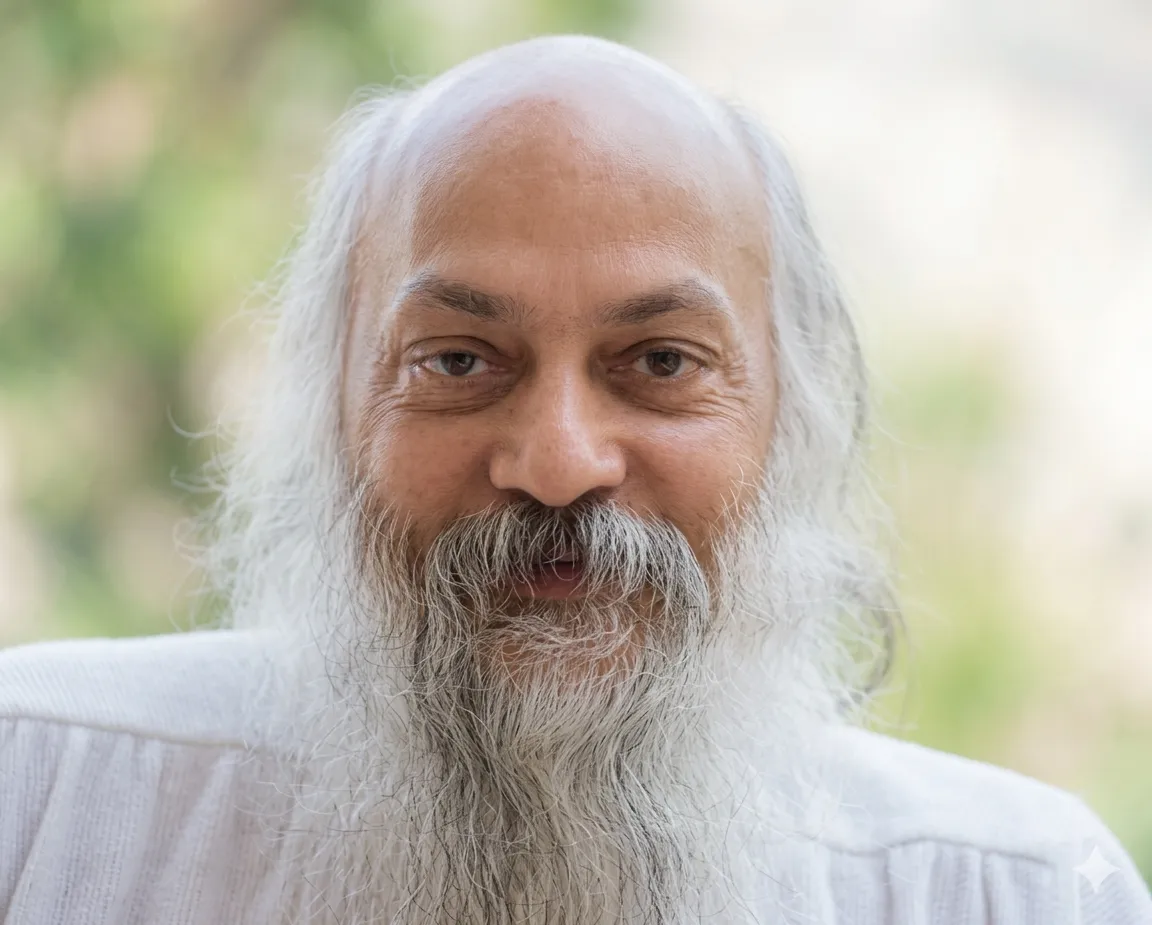
Osho's original Hindi beside Osho Live's English translation, matched passage by passage.
नित्य की तरह शिष्यों को उपदेश देने के निमित्त,
भगवान बुद्ध सुबह-सुबह सभागृह में पधारे। श्रोताओं की भीड़ इकट्ठी थी पहले से ही।
As on any other day, to offer his teaching to the disciples, Lord Buddha came to the assembly hall in the early morning. The audience had already gathered.
इसके पहले कि वे बोलने के लिये अपना मौन तोड़ दें,
एक पक्षी कक्ष के वातायन पर आ बैठा;
परों को फड़फड़ाया, चहका, और फिर उड़ गया।
भगवान बुद्ध ने वातायन की तरफ नजर उठाकर कहा,
‘आज का प्रवचन समाप्त हुआ!’ और वे सभा से चले गए।
Before he broke his silence to speak, a bird alighted on the window. It fluttered its wings, chirped, and then flew away. Buddha lifted his eyes toward the window and said, “Today’s discourse is over!” and walked out of the hall.
कृपापूर्वक बतायें कि यह कैसा प्रवचन था और इसमें क्या कहा गया?
Kindly tell us what kind of discourse that was, and what was said in it?
जिन्होंने जाना है, वे कहना भी चाहें तो अपने अनुभव को कह नहीं पाएंगे। उसे कहने का कोई उपाय नहीं है। फिर भी उसे व्यक्त किया जा सकता है, इशारे किए जा सकते हैं, इंगित किए जा सकते हैं। और जो समझ सकता हो, तो इशारों को समझ लेगा। और जिसने जिद्द कर रखी हो ना समझने की, तो उसके सामने सूरज भी ऊगा हो तो भी वह आंखें बंद कर लेगा।
Those who have known cannot say it—even if they wish to, they cannot put their experience into words. There is no way to say it—and yet it can be expressed, gestures can be made, indications can be given. And whoever has the sensibility will understand the hints; while one who is stubborn about not understanding will close his eyes even if the sun is rising before him.
मैं एक और कहानी से शुरू करता हूं। एक सम्राट हुआ; बड़ा विचारशील, चिंतन-मनन का प्रेमी, सत्य का खोजी। उसे खबर मिली कि दूर किसी गांव में कोई बड़ा दार्शनिक है, बड़ा तार्किक है, बड़ा बुद्धिमान है। तो उसने अपना संदेशवाहक भेजा। अपने हाथों पत्र लिखा, मोहर लगाई, लिफाफा बंद किया।
Let me begin with another story. There was an emperor—deeply thoughtful, a lover of contemplation, a seeker of truth. He heard that in a distant village lived a great philosopher, a fierce logician, a very intelligent man. So he sent his messenger. He wrote a letter with his own hand, sealed it, and closed the envelope.
संदेशवाहक सम्राट का पत्र लेकर उस दूर की यात्रा पर निकला। जाकर उस दार्शनिक के द्वार पर दस्तक दी, हाथ में पत्र दिया और कहा, सम्राट ने पत्र भेजा है। दार्शनिक ने पत्र को बिना देखे नीचे रख दिया और कहा, पहले तो यह सिद्ध होना जरूरी है, कि सम्राट ने ही पत्र भेजा है या किसी और ने? तुम्हारे पास क्या प्रमाण है कि तुम सम्राट के संदेशवाहक हो?
The messenger set out on that long journey with the emperor’s letter. He reached the philosopher’s door, knocked, handed him the letter, and said, “The emperor has sent this.” The philosopher, without even looking at the letter, put it aside and said, “First it is necessary to establish whether the emperor himself has sent this letter—or someone else. What proof do you have that you are the emperor’s messenger?”
उस आदमी ने कहा, इसके भी प्रमाण की कोई जरूरत है? मेरे वस्त्र देखें। मैं संदेशवाहक हूं सम्राट का।
The man said, “Is proof needed for that too? Look at my uniform. I am the emperor’s messenger.”
दार्शनिक ने कहा, वस्त्रों से क्या होगा? वस्त्र तो कोई भी पहन सकता है, धोखा दे सकता है। क्या सम्राट ने स्वयं ही तुम्हें अपने हाथों यह पत्र दिया है?
The philosopher said, “What good are clothes? Anyone can dress up, anyone can deceive. Did the emperor himself place this letter in your hands?”
संदेशवाहक भी थोड़ा संदिग्ध हुआ। उसने कहा, यह तो नहीं संभव है क्योंकि मैं और सम्राट तो बहुत दूर हैं। प्रधान वजीर को पत्र दिया होगा सम्राट ने, वजीर से प्रधान अधिकारी के पास आया, फिर मुझे मिला। सीधा तो मुझे नहीं मिला है।
The messenger also began to feel a little unsure. “That’s not possible,” he said, “because the emperor and I are far apart. The emperor must have given it to the prime minister, from the minister it went to a chief officer, and from him to me. I did not receive it directly.”
वह दार्शनिक हंसा। उसने कहा, कि तुमने कभी सम्राट को देखा है?
The philosopher laughed. “Have you ever seen the emperor with your own eyes?” he asked.
संदेशवाहक ने कहा, मैं बहुत छोटा नौकर हूं, सेवक हूं, सम्राट को देखने का अवसर मुझे नहीं आया।
The messenger replied, “I am a very minor servant. I have never had the chance to see him.”
उस दार्शनिक ने कहा, जिसे तुमने न देखा, जिसने तुम्हें न संदेश दिया, तुम उसके संबंध में कैसे अधिकार से कह सकते हो कि वह है?
“So,” said the philosopher, “the one whom you have never seen, who has not entrusted you with the message—how can you speak with authority about his existence?”
इतनी चर्चा होते-होते तो संदेशवाहक भी संदिग्ध हो गया। पत्र की तो जैसे बात ही भूल गई। दोनों निकल पड़े कि जब तक यह प्रमाणित न हो जाए कि सम्राट है, तब तक पत्र को खोलने की जरूरत भी क्या है? दोनों खोजने लगे। अनेक लोगों से पूछा। रास्ते पर एक सिपाही मिला; पूछा, तुम कौन हो? उसने कहा, मैं सम्राट का सैनिक हूं। क्या मेरे वस्त्रों को देखकर तुम नहीं पहचानते? उस दार्शनिक ने कहा, वस्त्रों के धोखे में तो यह भी था, यह जो मेरे साथ खड़ा है। वस्त्रों से क्या होता है? तुमने सम्राट को अपनी आंखों से देखा?
By the time they had argued that much, the messenger himself was riddled with doubt. The letter was almost forgotten. The two set out together, saying, “Until it is proven that the emperor exists, what is the point of opening the letter?” They began to inquire of many people. On the road they met a soldier. “Who are you?” they asked. “I am the emperor’s soldier,” he said. “Can’t you tell from my uniform?” The philosopher replied, “This man with me was already deceived by a uniform. What do uniforms prove? Have you seen the emperor with your own eyes?”
वह सैनिक भी थोड़ा डगमगाया। उसने कहा कि नहीं मैंने तो नहीं देखा; लेकिन मेरे सेनापति ने देखा है। उस दार्शनिक ने पूछा कि तुमने सेनापति को अपनी आंख से देखा है?
The soldier wavered. “No, I haven’t; but my general has,” he said. “Have you seen your general with your own eyes?” the philosopher asked.
उसने कहा, यह भी खूब! मैंने सेनापति को तो नहीं देखा, सुना है कि सेनापति सम्राट से मिलता है। मैं एक छोटा सैनिक हूं। उतनी पहुंच मेरी नहीं। महल के दरवाजे मेरे लिए बंद हैं। दोनों खिलखिलाकर हंसे--संदेशवाहक और दार्शनिक। और कहा, तुम भी हमारे साथ सम्मिलित हो जाओ। जब तक यह सिद्ध न हो जाए कि सम्राट है, तब तक यह सब झूठ का जाल फैला हुआ है।
“That’s rich!” the soldier answered. “No, I haven’t even seen the general. I’ve only heard he meets the emperor. I am a lowly soldier. I have no such access. The palace gates are closed to me.”
Both the messenger and the philosopher burst out laughing and said, “Then you too should join us. Until it is established that the emperor exists, all this is a web of lies.”
यह कभी सिद्ध न हो सका, क्योंकि जो भी मिला, उसका प्रत्यक्ष कोई अनुभव न था। और बड़े आश्चर्य की बात तो यह थी, कि यह सिद्ध हो सकता था बड़ी आसानी से; क्योंकि सम्राट ने स्वयं निमंत्रण दिया था कि तुम आओ मेरे महल में, अतिथि बनो। और मैं तुम्हें राज्य का महागुरु बना देना चाहता हूं। लेकिन वह पत्र तो पढ़ा ही नहीं गया। किसी से पूछने की कोई जरूरत न थी। सीधा सम्राट का निमंत्रण था। महल के द्वार खुले थे, स्वागत था।
It could never be proven—because whomever they asked had no direct experience. The great irony is that it could have been proven very easily, because the emperor himself had sent an invitation: “Come to my palace as my guest, and I will make you the grand teacher of the realm.” But the letter was never opened. There was no need to ask anyone anything. It was a direct invitation from the emperor. The palace gates were open—there was a welcome waiting.
जिनके मन में संदेह है, बुद्ध के वचन उनके लिए संदेशवाहक की तरह हैं। ये वचन के पत्र बंद ही पड़े रह जाएंगे। वे उन्हें खोलेंगे ही नहीं। क्योंकि पहले तो यह सिद्ध होना चाहिए कि बुद्ध बुद्धत्व को उपलब्ध हुए। और यह सिद्ध होना करीब-करीब असंभव है। कौन सिद्ध करेगा? कैसे यह सिद्ध होगा? शब्द बंद पड़े रह जाते हैं। कितना कहा गया है! लेकिन तुमने उसे सुना नहीं। कितना शब्दों में भरा गया है, लेकिन वे शब्द तुमने कभी खोले नहीं। उनकी कुंजियां भी साथ ही लटकी थीं, लेकिन तुम्हारा संदेह से भरा चित्त बुद्धत्व की कोई भी झलक को खोल नहीं पाता। तुम सूरज को उगा देखकर आंख बंद कर लेते हो और पूछते हो, सूरज कहां है?
For those whose minds are full of doubt, Buddha’s words are like that messenger with the unopened letter. The words will remain sealed. They will not open them—because first it must be proven that Buddha attained Buddhahood. And that is almost impossible to prove. Who will prove it? How will it be proven? So the words stay closed. How much has been said! But you have not listened. How much has been poured into words! But you never opened them. The keys were hanging right there, and yet your doubt-sodden mind could not open a single glimpse of Buddhahood. You shut your eyes at the sunrise and demand, “Where is the sun?”
बुद्ध रोज बोलते रहे। जो उन्होंने रोज बोला, वही उन्होंने इस सुबह के प्रवचन में भी बोला। आकर बैठे। सुननेवाले लोग आये थे। एक पक्षी वातायन पर आकर बैठ गया। उसने पंख फड़फड़ाये। उसने गीत गुनगुनाया और उड़ गया। बुद्ध उस पक्षी को देखते रहे--बैठते, फड़फड़ाते, गीत गाते, उड़ जाते। और फिर उन्होंने कहा, ‘आज का प्रवचन पूरा हुआ।’ उस दिन वे कुछ भी न बोले। पर उन्होंने कहा कि ‘आज का प्रवचन पूरा हुआ।’
Buddha spoke daily. What he said every day, he said that morning too. He came and sat. People had gathered to listen. A bird came and sat on the window. It fluttered its wings. It hummed its song and flew away. Buddha watched that bird—sitting, fluttering, singing, taking flight. Then he said, “Today’s discourse is complete.” That day he did not say a single word—but he said, “Today’s discourse is complete.”
और यह उनके गहरे से गहरे प्रवचनों में से एक है। इतना ही तो बुद्ध कहते हैं कि संसार तुम्हारा वातायन है। उस पर तुम बैठो, पर उसे तुम घर मत बना लो। वहां तुम थोड़ी देर विश्राम कर लो, लेकिन वह मंजिल नहीं है। बैठकर कहीं पंखों का फड़फड़ाना मत भूल जाना, नहीं तो खुला आकाश सदा के लिये खो जाएगा। पक्षी भी बहुत देर बैठा रह जाए, तो पंखों की क्षमता खो जाती है। पक्षी भी बहुत देर बैठा रह जाए, तो शायद भूल ही जाए कि उसके पास पंख भी हैं। क्योंकि क्षमताएं हमें वही याद रहती हैं, जिनका हम उपयोग करते हैं।
And it is among his deepest discourses. This is exactly what Buddha says: the world is your windowsill. Sit upon it, but don’t make it your home. Rest there for a little while, but it is not the destination. And don’t, while sitting there, forget the fluttering of your wings—otherwise the open sky will be lost forever. If a bird lingers too long on the ledge, it loses the capacity of its wings. If it lingers too long, it may even forget that it has wings—because we remember only those capacities we use.
जिनका हम उपयोग नहीं करते, वे विस्मरण हो जाती हैं। और जिनका हम उपयोग नहीं करते, वे धीरे-धीरे निष्क्रिय हो जाती हैं। और उनकी क्षमता खो जाती है। तुम अगर चलो न, थोड़े ही दिन में पैर पंगु हो जाएंगे। तुम अगर अंधेरी कोठरियों में ही रहो और देखो न, तो आंखें जल्दी ही अंधी हो जाएंगी। तुम अगर शब्द ही न सुनो, अगर तुम्हारे कान पर कोई ध्वनि तरंगित ही न हो, तो जल्दी ही तुम बहरे हो जाओगे। तुम जो नहीं करोगे, उसकी करने की क्षमता खो जाएगी।
What we do not use sinks into oblivion. And what we do not use gradually becomes inactive—the power is lost. If you stop walking, in a few days your legs will go lame. If you confine yourself to dark rooms and stop looking, your eyes will soon go blind. If you never hear words, if no sound waves ever strike your ears, you will soon go deaf. Whatever you do not do, you lose the capacity to do.
कितने जन्म हुए, जब से तुम उड़े नहीं! तुमने पंख नहीं फड़फड़ाए। कितना समय बीता, जब से तुम खिड़की पर बैठे हो और तुमने खिड़की को घर समझा; जब से तुम द्वार को ही महल समझकर रुक गए! पड़ाव के लिए रुके थे इस वृक्ष के नीचे, लेकिन कितना समय बीता, तब से तुमने इसे ही घर मान लिया है! पंख फड़फड़ाओ। अगर बुद्धों के पास तुम पंख फड़फड़ाना न सीखो तो और कुछ सीखने को वहां है भी नहीं।
How many births have passed since you last flew! You have not fluttered your wings. How long since you took your place on the window and mistook it for home—since you stopped at the doorway and thought it a palace! You halted under this tree for a night’s halt, and how much time has passed since you declared it your house! Flutter your wings. If you do not learn to flutter your wings in the presence of Buddhas, there is nothing else to learn there.
यही तो प्रवचन है: यही उनका संदेश है, कि तुम उड़ सकते हो मुक्त आकाश में। तुम मुक्त गगन के पक्षी हो। तुम व्यर्थ ही डरे हो। तुम भूल ही गए हो कि तुम्हारे पास पंख हैं। तुम पैरों से चल रहे हो। तुम आकाश में उड़ सकते थे। थोड़ा फड़फड़ाओ ताकि तुम्हें भरोसा आ जाए।
This is the discourse: this is their message—that you can fly in the free sky. You are birds of the boundless heavens. Your fear is pointless. You have simply forgotten that you have wings. You trudge on your feet. You could have been flying. Flutter a little—so that trust can be born.
ध्यान फड़फड़ाहट है पंखों की; उन पंखों की जो उड़ सकते हैं, दूर आकाश में जा सकते हैं।
Meditation is the fluttering of the wings—those wings that can fly, that can go far into the sky.
ध्यान सिर्फ भरोसा पैदा करने के लिए है ताकि विस्मृति मिट जाए; स्मृति आ जाए। संतों ने, कबीर ने, नानक ने शब्द का उपयोग किया है--सुरति। सुरति का अर्थ है, स्मरण आ जाए। जो भूला है, उसका खयाल आ जाए। तुमने कुछ खोया नहीं है, तुम सिर्फ भूले हो। खो तो तुम सकते भी नहीं। पक्षी भूल सकता है कि उसके पास पंख हैं, खो कैसे सकेगा? और कितने ही जन्मों तक न उड़े, तो भी अगर उड़ने का खयाल आ जाए, तो पुनः उड़ सकता है।
Meditation is only to create trust, so that forgetfulness dissolves and remembrance returns. The saints—Kabir, Nanak—have used the word surati. Surati means remembrance: let what you have forgotten come back to mind. You have not lost anything—you have only forgotten. In truth you cannot lose it. A bird may forget that it has wings; how can it lose them? And even if it has not flown for many lifetimes, if the thought of flying returns, it can fly again.
विवेकानंद एक छोटी-सी कहानी कहा करते थे। वे कहते थे, ऐसा हुआ कि एक सिंहनी एक पहाड़ी से छलांग लगा रही थी। गर्भवती थी और छलांग के बीच में ही उसे बच्चा हो गया। वह तो छलांग लगाकर चली गई। बच्चा नीचे से गुजरती हुई भेड़ों की एक भीड़ में गिर गया; फिर भेड़ों ने उसे बड़ा किया। वह सिंह का तो बच्चा था, लेकिन उसे याद कौन दिलाए? उसे पहचान कौन करवाए? सुरति कैसे मिले? वह भेड़ों के साथ ही बड़ा हुआ। और उसने समझा कि मैं भी भेड़ हूं; यही स्वाभाविक है।
Vivekananda used to tell a little story. A lioness was leaping from a cliff. She was pregnant, and in mid-leap her cub was born. She bounded away; the cub fell among a flock of sheep passing below. The sheep raised him. He was a lion’s child, but who was there to remind him? Who would give him recognition? Where would remembrance come from? He grew up among sheep. Naturally he assumed, “I am a sheep.”
तुम जिनके बीच बड़े होते हो, वही तुम अपने को समझ लेते हो। हिंदुओं के बीच तो हिंदू, मुसलमानों के बीच तो मुसलमान, सिक्खों के बीच तो सिक्ख। जिन के बीच पैदा होते हो, तुम वही अपने को समझ लेते हो। जो भूल तुम्हारी है, वही उस शेर के बच्चे की थी। शेर का बच्चा तुमसे ज्यादा बुद्धिमान तो नहीं था! उसने समझा कि मैं भेड़ हूं। वह भेड़ों के बीच ही चलता, भेड़ों जैसा ही भयभीत होता, घास-पात खाता।
You take yourself to be those among whom you grow. Among Hindus you become a Hindu; among Muslims, a Muslim; among Sikhs, a Sikh. You take yourself to be what your surroundings say you are. That was exactly the lion cub’s mistake; he was not smarter than you! He concluded, “I am a sheep.” He walked with the flock, feared as sheep fear, grazed on grass.
एक दिन एक सिंह ने देखा। ये भेड़ों की कतार गुजरती थी, इनके बीच में एक सिंह! सिंह बड़ा हैरान हुआ। यह असंभव घट रहा है। न तो भेड़ें उससे घबड़ा रही हैं, न वह भेड़ों को खा रहा है। ठीक भेड़ों की भीड़ में घसर-पसर--जैसे और सब भेड़ें चली जा रही हैं, ऐसे ही वह भी चल रहा है। वह सिंह इस भेड़ों की भीड़ में आया। भेड़ें भागीं, चीख-पुकार मच गई। वह सिंह भी भागा चीख-पुकार मचाता। उसकी आवाज भी भेड़ों की हो गई थी।
One day a lion saw them: a line of sheep passing—and among them a lion! The lion was astonished. This was impossible. The sheep were not frightened of him, nor was he eating them. He was slipping along right in the middle of the flock—walking as they walked. The lion entered the flock. The sheep scattered, shrieking. The lion-cub also ran, bleating as he fled. Even his voice had become a sheep’s.
क्योंकि भाषा भी तो तुम उनसे सीखते हो, जिनके तुम पास होते हो। भाषा कोई जन्म के साथ लेकर तो पैदा नहीं होता। भाषा भी सीखी जाती है, वह भी पाठ है। तुम हिंदी बोलते हो, मराठी बोलते हो, अंग्रेजी बोलते हो, तुम वही सीख लेते हो जो तुम्हारे चारों तरफ बोला जा रहा है। पैदा तो तुम खाली स्लेट की तरह होते हो।
Because you learn language, too, from those you live with. No one is born with a language. Language is learned; it is a lesson. You speak Hindi, Marathi, English—whatever is spoken around you. You are born like a blank slate.
उसने भेड़ों की भाषा ही जानी थी, वही सुनी थी, वही सीखी थी। वह भी मिमियाने लगा, रोने लगा, भागने लगा। यह नया सिंह भागा, बामुश्किल उसको पकड़ पाया। पकड़ा तो वह गिड़गिड़ाने लगा, छूटने की आज्ञा चाहने लगा। घबड़ा गया, जैसे मौत सामने खड़ी हो। लेकिन यह सिंह उसे घसीटा। इसने बहुत उसे कहा कि ‘नासमझ! तू भेड़ नहीं है!’ लेकिन वह कैसे माने? इसमें कुछ जालसाजी दिखाई पड़ी। यह सिंह कुछ ऐसी बात समझा रहा है, जो सच हो नहीं सकती। उसके जीवन भर के अनुभव के विपरीत है।
He had known only the language of sheep—heard it, learned it. So he bleated, cried, ran. The wild lion chased him down and, after a struggle, caught him. The cub begged and pleaded to be released, terrified, as if death stood before him. But the lion dragged him along. He told him many times, “Fool! You are not a sheep!” But how could he believe it? It smacked of trickery. This lion was saying something that could not be true. It contradicted his lifelong experience.
जब तुमसे कोई कहता है, तुम शरीर नहीं हो, क्या तुम्हें भरोसा आता है? जब तुमसे कोई बुद्ध पुरुष कहता है तुम आत्मा हो, तो क्या तुम्हें भरोसा आता है? और अगर उस सिंह को भी भरोसा न आया तो आश्चर्य तो नहीं। लेकिन यह दूसरा सिंह भी जिद्दी रहा होगा। और बुद्ध बड़े जिद्दी हैं। तुम जागो या न जागो, वे तुम्हें जगाए जाते हैं। तुम कितना ही भागो, वे तुम्हें घसीटते हैं।
When someone tells you, “You are not the body,” do you trust it? When a Buddha tells you, “You are the soul,” do you believe it? It is no wonder the cub did not. But the other lion must have been stubborn—and Buddhas are stubborn. Whether you wake or not, they keep trying to wake you. However much you run, they drag you back.
उसने इसे घसीटा एक सरोवर के किनारे। छोड़ा नहीं; कितना ही रोया, चिल्लाया, आंख से आंसू झरने लगे, लेकिन वह सिंह उसे घसीटता ही ले गया उसकी इच्छा के विपरीत।
He dragged the cub to the edge of a lake. He would not let go. However much the cub sobbed and screamed, tears streaming, the lion pulled him along against his will.
बहुत बार गुरु शिष्य को उसकी इच्छा के विपरीत दर्पण के निकट ले जाता है। शायद बहुत बार नहीं, हर बार। क्योंकि शिष्य तो दर्पण के निकट जाने से डरता है, क्योंकि दर्पण के सामने जाकर उसकी अब तक की सारी मान्यताएं छिन्न-भिन्न हो जाएंगी। जो भी उसने समझा-बूझा है, वह सब व्यर्थ हो जाएगा। जो भी उसकी धारणाएं हैं; टूटेंगी, खंडित होंगी। सब जीवन की प्रतिमा बिखर जाएगी। दर्पण के सामने जाने से सभी डरते हैं; अपना चेहरा देखने से सभी डरते हैं। क्योंकि तुम सब ने कुछ और चेहरे बना रखे हैं, जो तुम्हारे नहीं हैं।
Often the master takes the disciple to the mirror against the disciple’s will. Not often—every time. Because the disciple is afraid to come near the mirror: before the mirror all his beliefs will be shattered. Whatever he has understood will prove futile. All his assumptions will break and crumble. Everyone fears going before the mirror, fears seeing his true face—because you have all fashioned faces that are not yours.
तो वह सिंह भी डर रहा था। लेकिन गुरु माना नहीं। गुरु सिंह ने उसे खींचा और सरोवर के किनारे ले जाकर खड़ा किया और कहा, कि देख नासमझ! मेरे और तेरे चेहरे पानी में देख, कोई फर्क है? जो मैं हूं, वही तू है। ‘तत्वमसि’।
So the cub trembled. But the master did not relent. The master-lion pulled him to the lakeside and said, “Look, fool! Look into the water at my face and yours—do you see any difference? What I am, you are. Tat tvam asi.”
यही बुद्ध कह रहे हैं कि जो मैं हूं, वही तू है। यही उपनिषद कह रहे हैं कि जो मैं हूं, वही तू है। जरा भी भेद नहीं--लुक, देख!
This is what Buddha says: What I am, you are. This is what the Upanishads say: What I am, you are. Not a hair’s breadth of difference—look, see!
डरते-डरते उस सिंह ने देखा। लगा, जैसे कोई सपना देखता हो। क्योंकि हम उसी को यथार्थ कहते हैं, जिसको हमने बहुत बार पुनरुक्त किया है। नया तो सपना ही मालूम पड़ता है। भरोसा न आया, आंख मीड़ी होंगी, पुनः देखा होगा। जीवन भर का अनुभव तो यह था कि मैं भेड़ हूं। लगा होगा, यह सिंह कोई तरकीब तो नहीं करता! कोई जादूगर तो नहीं है! कोई हिप्नोटिस्ट तो नहीं है!
Trembling, the cub looked. It was like a dream. We call “real” only what has been repeated many times; the new seems like a dream. He could not trust it; he must have squinted, looked again. His lifelong experience said, “I am a sheep.” He must have wondered: “Is this lion playing a trick? Is he a magician? A hypnotist?”
जब तुम गुरु के पास पहली दफा जाओगे तो तुम्हें अनेक बार लगेगा कि कोई सम्मोहित तो नहीं कर रहा है? कोई तुम्हें धोखा तो नहीं दे रहा है? कोई तुम्हें ऐसी बात तो नहीं समझा रहा है, जो सच नहीं है? क्योंकि तुम्हारे अनुभव के प्रतिकूल है।
When you first go to a master, you too will suspect many times: “Am I being hypnotized? Deceived? Is he trying to make me believe what is not true?”—because it contradicts your experience.
लेकिन सिंह ने कहा कि ‘तू देख गौर से।’ और फिर उस सिंह ने गर्जना की। उसकी गर्जना सुनते ही, दर्पण में...सरोवर के दर्पण में अपने चेहरे को ठीक से देखते ही, दूसरे सिंह का भीतर सोया हुआ सिंह भी जाग गया। भेड़ तो ऊपर ही ऊपर थी, ऊपर ही ऊपर हो सकती थी।
But the lion said, “Look carefully.” Then he roared. Hearing his roar, and seeing his own face reflected in the lake, the sleeping lion within the cub awoke. The sheep had only been on the surface; it could only ever be on the surface.
संस्कार तुम्हारी आत्मा तो नहीं बन सकते। तुम कुछ भी उपाय करो, तुम हिंदू न हो सकोगे। तुम लाख उपाय करो, मुसलमान होने का कोई उपाय नहीं है। तुम रहोगे तो आत्मा ही। तुम कितनी ही चेष्टा करो जन्मों-जन्मों तक, तो भी तुम शरीर न हो सकोगे। शरीर ऊपर ही ऊपर है। विचार ऊपर ही ऊपर है। मन ऊपर ही ऊपर है। और किसी भी दिन, जिस दिन गुरु तुम्हें दिखा देगा सरोवर में और जिस दिन तुम गुरु की हुंकार सुनोगे...।
Conditionings cannot become your soul. Try whatever you like, you cannot truly become a Hindu. Try as you may, you cannot truly become a Muslim. You remain a soul. Try for lives on end, you cannot become the body. The body is on the surface, thought is on the surface, mind is on the surface. And any day the master shows you the mirror of the lake, and any day you hear the master’s roar…
उस हुंकार के साथ ही इस भटके सिंह के भीतर की भी आवाज जाग गई। रोआं-रोआं झाड़ दिया भेड़ होने का। हुंकार उठा। सारा जंगल, पहाड़, पर्वत, हुंकार से गूंज उठे। एक क्षण में भेड़ खो गई--वह सिंह था!
With that roar the inner voice of the lost lion also awakened. Every hair shook off its sheepishness. A roar burst forth. The forest, the hills, the mountains resounded. In a single instant the sheep vanished—he was a lion!
वापिस उसने पानी में झांककर देखा। मुस्कुराया होगा; सोचा होगा कैसा खेल हुआ! कैसी वंचना! कैसा अपने को धोखा दिया!
He must have looked again into the water, smiled to himself: “What a play! What a deception! How I fooled myself!”
बुद्धों के पास दर्पण के अतिरिक्त और कुछ भी नहीं है।
Buddhas have nothing but a mirror.
और जब इस पक्षी को बुद्ध ने देखा पंख फड़फड़ाते, तब वे यही कह रहे थे कि तुम भी स्मरण करो पंखों को। तुम जहां बंद हो, वहां किसी ने तुम्हें बंद नहीं किया; वहां तुम अपनी ही विस्मृति के कारण बंद हो। तुम भेड़ नहीं हो, तुम सिंह हो। देखो इस पक्षी को, इस मुक्त आकाश में उड़ते पक्षी को!
And when Buddha saw that bird flutter its wings, he was saying exactly this: remember your wings. Wherever you are confined, no one has confined you; you are confined by your own forgetfulness. You are not a sheep—you are a lion. Look at this bird, this bird flying in the free sky!
और पक्षी गीत गाया और उड़ गया।
And the bird sang its song and flew away.
गीत केवल उन्हीं के जीवन में हो सकते हैं, जिनके जीवन में स्वतंत्रता की संभावना है। परतंत्रता के कैसे गीत? पक्षी गाते हैं, गा सकते हैं, क्योंकि उड़ सकते हैं।
Songs can exist only in those lives where there is a possibility of freedom. What song in bondage? Birds sing—they can sing—because they can fly.
आदमी का गीत खो गया, नृत्य खो गया। परतंत्रता में कैसा गीत? कैसा नृत्य? कैसी खुशी? कैसा आनंद? आदमी उदास है। उदासी का पत्थर उसकी छाती पर रखा ही रहता है। तुम मुस्कुराते भी हो तो भी तुम्हारी मुस्कुराहट सिर्फ उदासी की खबर देती है। तुम्हारे ओंठ मुस्कुराते हैं, लेकिन कोई उनमें गहरे देखे तो वहां भी आंसू छिपे हैं। तुम चलते हो लेकिन ऐसे, जैसे न मालूम कितनी जंजीरें तुम्हारे पैरों में बंधी हों। नृत्य नहीं है वहां। तुम नाच तो सकते ही नहीं; क्योंकि नाच तो वही सकता है, जिसे भीतर की परम स्वतंत्रता का अनुभव हुआ हो। नृत्य तो एक उत्सव है, एक धन्यवाद है। मीरा ने कहा है, ‘पग घुंघरू बांध मीरा नाची रे।’ लेकिन पैरों में घुंघरू तभी बांधे जा सकते हैं, जब आत्मा की भनक पड़ी हो। उसके बिना कोई गीत नहीं। उसके बिना जीवन एक बोझ है, एक संताप, एक दुख, एक...एक दुखस्वप्न है; और बड़ा लंबा दुखस्वप्न है। जिससे जागने का कोई उपाय नहीं दिखाई पड़ता; जिससे हटने का कोई मार्ग नहीं दिखाई पड़ता।
Man has lost his song, lost his dance. What song can there be in slavery? What dance? What joy? What celebration? Man is sad. A stone of gloom rests upon his chest. Even when you smile, your smile only reports your sadness. Your lips smile, but if someone looks deep there are tears hidden there. You walk as if chains are fastened to your feet. There is no dance there. You cannot dance—because only one who has tasted inner freedom can dance. Dance is a festival, an act of thanksgiving. Meera says, “With anklets on her feet Meera danced.” But you can tie anklets to your feet only when there has been a hint of the soul. Without that, there is no song. Without that, life is a burden, a torment, a sorrow, a long nightmare of sorrow—from which no way to wake seems visible, no path to step aside appears.
पक्षी ने गीत गाया।
The bird sang its song.
खुला आकाश सामने था, पंख पास थे। गीत गाने में और चाहिए क्या? पंख हों और खुला आकाश हो। अंतहीन आकाश हो और अंतहीन उड़ने की क्षमता हो; और गीत के लिए चाहिए क्या? तुम्हारे भीतर भी गीत उस दिन उठेगा, जिस दिन तुम भी पंख फैलाओगे और खुले आकाश में उड़ जाओगे।
The open sky was before it, and wings were at hand. What more is needed to sing? Wings—and the open sky. An endless sky, and an endless capacity to soar—what more does song require? The day you too spread your wings and fly into the open sky, a song will arise within you.
कभी तुमने देखा है सांझ को, आकाश में उड़ते हुए अबाबील? उड़ते भी नहीं, पंखों तक को ठहराकर तिरते हैं। उनके तिरने में ही ध्यान है। सांझ को आज देखना, जब अबाबील अपनी ऊंचाइयों से उतरने लगें, तब वे तैरते तक नहीं; तब वे उड़ते ही नहीं। तब श्रम बिलकुल नहीं है, सिर्फ हवा पर पंख फैलाकर ठहरे होते हैं। उस क्षण में, जिसको गीता स्थितप्रज्ञ कहती है, वैसी उनकी चित्त-दशा होती होगी।
Have you ever watched at dusk the swallows in flight? They don’t even fly—they float with their wings held still. In their floating there is meditation. Watch them this evening: when swallows descend from their heights, they are scarcely even floating; there is no effort at all. They simply hold their wings in the wind. In that moment, their state of consciousness must be what the Gita calls sthitaprajna—steadfast in wisdom.
जिस दिन तुम भी खुले आकाश में बिना किसी प्रयत्न के उड़ पाओगे, उस दिन नृत्य पैदा होगा। उस दिन गीत का जन्म होगा। उस दिन तुम धन्यवाद दे सकोगे।
The day you too can fly in the open sky without any effort, that day dance will be born. That day song will be born. That day you will be able to give thanks.
पक्षी ने गीत गाया, पंख फैलाये, और खुले आकाश में उड़ गया।
The bird sang, spread its wings, and flew into the open sky.
बुद्ध ने कहा, ‘आज का प्रवचन पूरा हुआ।’
Buddha said, “Today’s discourse is complete.”
और कुछ कहने को है भी क्या?
What more is there to say?
कठिन हुआ होगा सुननेवालों को समझना, क्योंकि वे शब्द सुनने आए थे। और जो शब्द सुनने आता है, वह अकसर बहरा होता है। वे सिद्धांत सुनने आए थे। और जो सिद्धांत सुनने आता है, अकसर बुद्धिहीन होता है। सिद्धांतों में रस बुद्धिहीनों को होता है। बुद्धिमान का रस सत्य में होता है, सिद्धांत में नहीं। सिद्धांत को क्या खाओगे, पीओगे? क्या करोगे?
It must have been hard for the listeners to understand, because they had come to hear words. And the one who comes to hear words is usually deaf. They had come for doctrines—and the one who comes for doctrines is usually unintelligent. Doctrines attract the unintelligent; the intelligent are drawn to truth, not doctrine. What will you do with doctrines? Will you eat them, drink them?
तुम्हें प्यास लगी हो और कोई जल का सिद्धांत तुम्हें समझाए--एच-टू-ओ--तुम क्या करोगे? तुम्हें प्यास लगी हो, तो एच-टू-ओ से प्यास तो नहीं बुझती। यह सूत्र बिलकुल सही होगा, लेकिन इस सूत्र को तुम क्या करोगे? इसे गर्दन से बांधे घूमते रहो, कंठ इससे ठंडा न होगा, शीतल न होगा। तुम कहोगे पानी चाहिए, एच-टू-ओ नहीं। पानी प्यास को बुझाएगा। पानी कोई सिद्धांत नहीं है।
If you are thirsty and someone explains the doctrine of water—H2O—what will you do? If you are thirsty, H2O does not quench thirst. The formula may be perfectly correct, but what will you do with it? Hang it around your neck? Your throat will not grow cool. You will say, “I need water, not H2O.” Water is not a doctrine.
सत्य कोई सिद्धांत नहीं है। सत्य एक अनुभव है, जैसे जल कंठ से उतरता है, तब जो अनुभव होता है; वह अनुभव बड़ा अलग है।
Truth is not a doctrine. Truth is an experience—like the sensation when cool water slips down your throat. That experience is altogether different.
बुद्ध के पास जो लोग सिद्धांत सुनने आए होंगे, वे चौंके होंगे। बुद्ध के दिये गए पानी को वे न समझे होंगे। वे सुनने आए थे एच-टू-ओ के संबंध में कोई खबर, कोई सिद्धांत, कोई विश्लेषण, कोई प्रत्यय, कोई कन्सेप्ट, कोई बौद्धिक धारणा। उन्हें बड़ा बेबूझ लगा होगा। ये बुद्ध थोड़े विक्षिप्त लगे होंगे। यह व्यवहार समझ में न आया होगा। यह कैसा प्रवचन?
Those who came to Buddha for doctrines must have been shocked. They could not understand the water he offered. They had come for news about H2O—some doctrine, some analysis, some proposition, some concept, some intellectual construct. They must have felt utterly baffled. Buddha must have seemed a little deranged. Unreasonable. “What kind of discourse is this?”
हम सुनने आए थे और बुद्ध ने दिखाने की कोशिश की।
We came to hear—and Buddha tried to show.
हम समझने आए थे और बुद्ध ने जीवंत प्रतीक सामने खड़ा कर दिया।
We came to understand—and Buddha placed a living symbol before us.
बुद्ध प्रतीकों में न बोले, उन्होंने इशारा किया। उन्होंने कहा, ‘देखो! यह पक्षी वातायन पर बैठा, इसे घर न बनाया। ऐसे ही तुम संसार पर बैठना और घर मत बना लेना। पंख फड़फड़ाना। कहीं भूल न जाओ, विस्मृति न हो जाए। सुरति बनी रहे। गीत गाना, क्योंकि गीत ही प्रार्थना है।’
Buddha did not speak in symbols; he pointed. He said, “Look! This bird sat on the windowsill—do not make it your home. In just this way, sit upon the world, but do not make it your house. Flutter your wings. Don’t forget them—don’t let forgetfulness overtake you. Keep remembrance alive. Sing—for song is prayer.”
तुम गा सको तो ही तुम भक्त हो सकते हो। तुम गा सको तो ही तुम परमात्मा से किसी तरह का संबंध जोड़ सकते हो। तुम्हारे उदास चेहरों से मंदिरों की तरफ कोई रास्ता नहीं जाता। तुम्हारे बोझिल मन से परमात्मा की तरफ कोई स्वर नहीं उठता। तुम दुख से भरे, थके-मांदे, हारे-पराजित! तुम्हारे हृदय से ऐसी कोई गंध नहीं उठती, जो परमात्मा के चरणों को छू ले। तुम जब गाओगे, तब ही तुम्हारा हृदय पूरा का पूरा खिलता है।
Only if you can sing can you be a devotee. Only if you can sing can you build any bridge to the Divine. From your desolate faces no road leads to the temple. From your heavy hearts no note rises toward God. You are full of sorrow, weary, defeated! From your heart no fragrance rises that could touch the feet of the Divine. Only when you sing does your heart fully blossom.
गीत पक्षियों के फूल हैं। वृक्षों में फूल लगते हैं, पक्षियों में गीत। तुम्हारा गीत कहां है? और जब तक तुम्हारा गीत नहीं लगा, तब तक तुम अधूरे हो, पंगु हो! तुम्हारा वृक्ष अपनी पूर्णता पर नहीं पहुंचा।
Songs are the flowers of birds. Trees bear flowers; birds bear songs. Where is your song? Unless your song has blossomed, you are incomplete, crippled. Your tree has not reached its fullness.
क्या है तुम्हारा गीत?
What is your song?
धर्म उसी गीत की तलाश है। उसे धर्मों ने प्रार्थना कहा है, पूजा कहा है, अर्चना-आराधना कहा है, ध्यान कहा है, स्तुति कहा है, सामायिक कहा है, नमाज कहा है। ये सारे नाम हैं, लेकिन बात एक ही है।
Religion is the search for that song. Religions have called it prayer, worship, adoration, meditation, praise, samayik, namaz—so many names, but the matter is one.
जिस दिन तुम्हारे भीतर से अस्तित्व के प्रति आभार और अहोभाव का गीत उठता है, जिस दिन तुम कह पाते हो, मैं धन्यभागी हूं क्योंकि मैं हूं। बस मेरा होना पर्याप्त तृप्ति है, कुछ और नहीं चाहिए। जब तक तुम कुछ और मांगते हो, तब तक शिकायत उठती है। क्योंकि तुम्हारी मांग में ही छिपा है कि जो तुम्हें मिला है, वह काफी नहीं है। तुम्हारी मांग कहती है और चाहिए, तब मैं धन्यवाद दे सकता था। जो मुझे मिला, वह कम है। प्रार्थना कहती है, जो मुझे मिला है वह ज्यादा है। जितना मुझे मिलना था, मेरी पात्रता थी, उससे बहुत ज्यादा है। मैं हर हालत में धन्यवाद दे रहा हूं। मेरा होना ही पर्याप्त तृप्ति है।
The day a song of gratitude and wonder rises within you toward existence—the day you can say, “I am blessed, because I am”—that day your very being becomes sufficient fulfillment; nothing more is needed. As long as you ask for more, complaint persists—because in your asking is the hidden message: what you have is not enough. Your asking says, “Give me more, then I could give thanks. What I have is too little.” Prayer says, “What I have is more.” What I have received exceeds what my capacity deserved. In every circumstance I give thanks. My being is sufficient contentment.
थोड़ा सोचो! एक क्षण के होने को भी तुम किस तरह पा सकोगे? यह श्वास का भीतर जाना और बाहर आना, यह तुम्हारा होना, यह तुम्हारा होश! एक क्षण को भी तुम्हारा होना काफी नहीं है? अगर तुम्हें एक क्षण का भी होना मिलता हो, तो क्या तुम सारे जगत का साम्राज्य उसके बदले में दे देने को राजी न हो जाओगे?
Just think a little. How would you obtain even a single instant of being? This breath going in and out, this your being, this your awareness—if you were granted even a single instant of being, would you not be ready to give in exchange the empire of the entire world?
लेकिन तुम्हें याद नहीं पड़ता। सरोवर के किनारे बैठे तुम्हें समझ में नहीं आता कि मरुस्थल में पानी की कितनी कीमत होगी! मरते वक्त समझ में आता है कि होने का कितना मूल्य था! जब श्वास आखिरी टूटती होगी, तब तुम चीखोगे, चिल्लाओगे कि एक क्षण को होना और हो जाए, मैं सब देने को तैयार हूं। लेकिन अभी? अभी तुम हो, लेकिन तुम्हारे मन में कोई धन्यवाद नहीं।
But you do not remember. Sitting on the shore of the lake, you cannot understand how precious water is in the desert. At the time of dying it becomes clear how valuable being was. When the last breath breaks, you will scream and cry, “If only I could be for one more moment—I will give everything.” But now? Now you are—and there is no gratitude in your heart.
प्रार्थना अहोभाव है। जैसे धूप उठती है आकाश की तरफ सुगंध को लेकर, ऐसे तुम्हारे हृदय से जो भाव उठता है अनंत की तरफ, तुम्हारी सारी सुगंध को लेकर, वही प्रार्थना है। उस पक्षी का गीत गाना...।
Prayer is wonder and gratitude. As incense rises to the sky carrying its fragrance, so from your heart rises a feeling toward the Infinite carrying all your fragrance—that is prayer. The song that bird sang…
बुद्ध ने काफी कह दिया, जरूरत से ज्यादा कह दिया। जितना समझना जरूरी हो, उससे ज्यादा कह दिया। जितने से पूरी यात्रा हो सकती है, उतना कह दिया। पूरा सेतु निर्मित कर दिया, रास्ता पूरा साफ कर दिया। औैर पक्षी ने गीत गाया और उड़ गया खुले आकाश में।
Buddha said enough—more than enough. Enough to see you through the journey. He built the entire bridge, laid out the path completely. And the bird sang its song and flew into the open sky.
जिस दिन तुम प्रार्थना कर सकोगे, उसी दिन मोक्ष का आकाश तुम्हें उपलब्ध हो जाएगा। जिस दिन तुम गा सकोगे, धन्यवाद जिस दिन तुम्हारा पूरा तन-मन, तुम्हारे पूरे प्राण, अहोभाव को प्रगट कर सकेंगे, और तुम कह सकोगे, ‘धन्यभाग’! उसी दिन मोक्ष तुम्हारा है। गीतों को कोई बंधन में नहीं रख सकता। प्रार्थनाओं को कारागृह में रखने का कोई उपाय नहीं।
The day you can pray, that very day the sky of liberation will be available to you. The day you can sing, the day your whole body-mind, your entire life-breath can express gratitude and you can say, “Blessed am I!”—that day liberation is yours. Songs cannot be kept in chains. There is no way to imprison prayers.
जर्मनी में एक बहुत कीमती विचारक अभी-अभी हुआ, दूसरे महायुद्ध में--बोन हायफर, ईसाई फकीर। उसे हिटलर ने कारागृह में डाल दिया था। अनेक वर्ष कारागृह में बिताए। कारागृह से उसने जो पत्र लिखे हैं, उसमें एक वचन भूलने जैसा मुझे नहीं लगा। एक वचन उसने लिखा है, कि मुझे तो कारागृह में डाल दिया लेकिन मेरी प्रार्थना को कौन कारागृह में डाल सकेगा? मेरी प्रार्थना उतनी ही स्वतंत्र है, जितनी बाहर थी। मैं परमात्मा को उतने ही आनंद से पुकारता हूं, जितना बाहर पुकारता था; रत्ती भर फर्क नहीं पड़ा। मुझे तुम कारागृह में डाल सकते हो, लेकिन मेरी प्रार्थना को कैसे कारागृह में डालोगे?
In Germany there was a very precious thinker in the Second World War—Bonhoeffer, a Christian fakir. Hitler put him in prison. He spent many years there. In the letters he wrote from prison there is a sentence I can never forget. He wrote, “They have put me in prison—but who can imprison my prayer? My prayer is as free as it was outside. I call upon God with the same joy as I did outside; not a whit of difference. You can put me in prison, but how will you imprison my prayer?”
प्रार्थना तुमसे बहुत बड़ी है। तुम्हारे ऊपर बंधन डाले जा सकते हैं। तुम्हारी प्रार्थना विराट है, उस पर बंधन डालने का कोई उपाय नहीं। और जिसके पास प्रार्थना है उसके पास आत्मा है। आत्मा को बंधन में कोई नहीं डाल सकता। और जो उड़ सकता है उसके लिए मोक्ष पूरा खुला है। तुम पूछते हो, मोक्ष कहां है? तुम्हें पूछना चाहिए, मेरे पंख कहां हैं? तुम पूछते हो, ईश्वर है या नहीं? तुम्हें पूछना चाहिए, मेरे पंख उड़ सकते हैं या नहीं? ईश्वर और मोक्ष पूछने की बातें नहीं हैं। तुम उड़ सकते हो तो तुम उन्हें जान ही लोगे। तुम उड़ सकते हो तो वे यहीं मौजूद हैं। वे दूर दिखाई पड़ते हैं क्योंकि तुम उड़ नहीं सकते।
Prayer is far greater than you. Chains can be placed upon you. Prayer is vast; there is no way to bind it. Whoever has prayer has a soul. No one can imprison the soul. And for one who can fly, the sky of liberation stands wide open. You ask, “Where is moksha?” You should ask, “Where are my wings?” You ask, “Is there God or not?” You should ask, “Can my wings fly or not?” God and liberation are not things to be asked about. If you can fly, you will know them. If you can fly, they are here and now. They appear far only because you cannot fly.
एक यहूदी फकीर हुआ, मजीद उसका नाम था। उसने रात एक सपना देखा कि कोई आवाज उससे कह रही है कि मजीद! तू क्यों भूखा मरता है? क्यों प्यासा, क्यों दुख-पीड़ा में? तेरी पत्नी उदास है सदा, तेरे बच्चे भीख मांगते हैं। तू जा वार्सा, राजधानी की तरफ। वार्सा के पुल के पास इतने कदम चलने पर, एक सिपाही खड़ा है। बस ठीक उसके पीछे एक वृक्ष है। उस वृक्ष के पीछे बड़ा धन गड़ा है। सुबह मजीद उठा, मन में वासना भी जगी पर उसने कहा, सपनों का क्या भरोसा? और सपना ही है यह। कैसा वार्सा? कैसा धन?
There was a Jewish fakir named Majid. One night he dreamt a voice saying, “Majid! Why do you starve? Why do you thirst? Why do you suffer? Your wife is always sad; your children beg. Go to Warsaw, the capital. Near the bridge in Warsaw, after so many steps, a sentry stands; exactly behind him is a tree; behind that tree a great treasure is buried.” In the morning Majid woke, desire stirred in him, but he said, “Who can trust dreams? It’s only a dream. What Warsaw? What treasure?”
लेकिन दूसरी रात फिर सोया कि फिर सपना आया और उसने कहा कि मजीद! चूक मत, हम बार-बार न चेताएंगे। फिर उसे दिखाई पड़ा वार्सा का पुल, सिपाही खड़ा है, उसके पीछे एक
वृक्ष, वृक्ष के पीछे धन गड़ा है। दूसरे दिन भी उसने अपने को संतुष्ट कर लिया, समझा-बुझा लिया कि सपनों में पड़ना उचित नहीं है। लेकिन तीसरी रात, फिर वही सपना और वही आवाज, कि यह आखिरी चेतावनी है। अब बहुत हो गया। तू जा, खजाना खोदकर ले आ।
The second night the same dream returned, the same voice: “Majid! Don’t miss it; we will not warn you again and again.” He saw the Warsaw bridge, the sentry, the tree, the treasure behind. The next day he again pacified himself: it is not wise to chase dreams. But the third night, the same dream—and the same voice: “This is the last warning. Enough! Go—dig up the treasure.”
तब तीसरे दिन रुकना मुश्किल हो गया। मजीद ने कहा, हो न हो सपना भी साधारण नहीं है। क्योंकि तीन बार निरंतर कोई सपना लौटे तो करीब-करीब सत्य मालूम पड़ने लगेगा। और वही आवाज, वही पुल, सब पड़ता है। तो मजीद गया। सैकड़ों मील की यात्रा थी, पहुंचा।
On the third day it was hard to resist. Majid thought, “Perhaps this is no ordinary dream. If a dream returns three times, it begins to feel almost true. The same voice, the same bridge—everything matches.” He set out. It was a journey of hundreds of miles. He arrived.
जब वार्सा के करीब पहुंचा तो उसे लगा कि यह तो मामला सपने का नहीं दिखता। वही पुल, जो सपने में देखा था। हाथ-पैर कंपने लगे कि मैं फिर से सपना तो नहीं देख रहा हूं? मैं सो तो नहीं गया हूं? वही वृक्ष! सिपाही सामने खड़ा, वही सिपाही। उसने कहा कि अब बड़ा मुश्किल है, खजाना होगा ही। मगर खजाने को खोदना कैसे? सिपाही खड़ा है, रास्ता चलता है, कहीं संदिग्ध न हो जाऊं! तो भी उसने वृक्ष के आसपास चक्कर लगाकर देखा। ठीक वही स्थान, जो सपने में दिखाई पड़ा था। तीन बार देखा था, बिलकुल साफ था।
As he neared Warsaw he felt: this is no mere dream. The bridge was exactly as in the dream. His hands and feet trembled: “Am I dreaming again? Have I fallen asleep?” The tree was there; the sentry was the same. “The treasure must be here,” he thought, “but how to dig it up with the sentry standing guard, the road busy—what if I am suspected?” Still, he circled the tree and looked. The exact spot from the dream—clear as day.
और तभी पुलिसवाले ने उसे पकड़ लिया। और कहा, कि ‘तू संदिग्ध मालूम पड़ता है। तू यहां क्या खोज रहा है? यहां तू क्या कर रहा है। और अजनबी है। सच-सच बोल।’ पुलिसवाला उसे अपने घर ले गया और कहा कि सच बोल दे तो तुझे छोड़ दूंगा। मजीद ने सोचा कि सच बोल देना ही उचित है। तो उसने सारी बात कह दी कि ऐसा-ऐसा तीन बार सपना आया। और मैं चला आया। और बड़ी मुश्किल की बात तो यह है कि सब ठीक वैसा ही है, जैसा सपने में था।
Just then a policeman seized him. “You look suspicious,” he said. “What are you looking for here? What are you doing? And you are a stranger. Speak the truth.” The policeman took him home. “Tell the truth,” he said, “and I’ll let you go.” Majid thought it best to be honest. He told the whole story: three times the dream had come, and he had come here; the strangeness was that everything was just as in the dream.
वह पुलिसवाला हंसने लगा। उसने कहा, ‘पागल! अगर मैं भी तेरे जैसा पागल होता, तो आज मैं क्राका नाम के गांव में होता। मजीद ने कहा, ‘क्या मतलब?’ क्योंकि क्राका गांव से वह आया था। उस पुलिसवाले ने कहा कि ‘तीन बार सपना आ चुका है, कि तू यहां खड़ा-खड़ा क्या कर रहा है वृक्ष के नीचे? क्राका गांव में मजीद नाम का एक फकीर है, उसके घर के भीतर जहां उसका चूल्हा है, उसके बिलकुल बगल में खजाना गड़ा है। और आवाज कहती है, ‘जा, चूक मत!’ और मैंने सोचा, सपने-सपने हैं। अगर मैं भी तेरे जैसा पागल होता, तो आज क्राका गांव में होता। और फिर कहां खोजो मजीद को? मजीद नाम के न मालूम कितने आदमी हों। फिर उसके घर में कैसे घुसोगे? उसके चूल्हे के बगल में खजाना गड़ा है।
The policeman laughed. “Fool!” he said. “If I were as crazy as you, today I would be in a village named Krakow.” “What do you mean?” asked Majid—because he had come from Krakow. The policeman said, “I have also dreamt three times: ‘What are you doing standing here under this tree? In the village of Krakow there is a fakir named Majid; inside his house, right beside his stove, a treasure is buried. Go—don’t miss it!’ And I thought, dreams are dreams. If I were as mad as you, today I would be in that village. And then how would I find Majid? How many people must be named Majid! And even if I found him, how could I enter his house? The treasure is buried beside his stove!”
मजीद तो और भी मुश्किल में पड़ गया। लेकिन पुलिसवाले ने उसे छोड़ दिया कि तू पागल है, कोई अपराधी नहीं। वह भागा घर। जाकर चूल्हे के बगल में खोदा; खजाना वहां गड़ा था।
Majid was in even more of a fix. But the policeman released him: “You are mad, not a criminal.” Majid ran home, dug beside his stove—there the treasure was buried.
सपने बड़े अजीब हैं। तुम्हें वहां खजाना दिखलाते हैं, जहां बहुत फासला है। और खजाने तुम्हारे पास गड़े हैं। दूर दिखाता है सपना सदा--वार्सा में, राजधानी में; और खजाना तुम्हारे पास गड़ा है। वहां भी कोई देखता है लेकिन उसे भी खजाना दूर...सभी खजाने दूर दिखाई पड़ते हैं।
Dreams are strange. They show you the treasure far away—while it is buried right by your hearth. Dreams always point into the distance—to Warsaw, to the capital—while the treasure is beside you. Someone there also sees, but to him too the treasure appears far away. Everyone’s treasure appears far away.
परमात्मा बहुत दूर दिखाई पड़ता है। उससे ज्यादा पास और कोई भी नहीं, लेकिन पास तुम देख नहीं पाते। पास के प्रति तुम अंधे हो गए हो। इशारे करते हैं बुद्ध पुरुष, कि खजाने तुम्हारे पास हैं।
God appears very far. None is nearer—and yet you cannot see the near. You have grown blind to the near. Buddhas make gestures to say: the treasures are at hand.
पक्षी बिलकुल पास ही बैठा था वातायन पर। और उसने उस ढंग से बात कह दी, जिस ढंग से बुद्ध भी न कह पाते। लेकिन शायद किसी ने भी न देखा।
The bird sat right there on the window. And it spoke in a way even Buddha could not have spoken. But perhaps no one saw it.
पक्षी फड़फड़ाया, गीत गाये, पंख खोले, उड़ गया।
The bird fluttered, sang, opened its wings, and flew away.
किसी ने भी न देखा। वे सब बुद्ध की तरफ नजर लगाए थे--बहुत दूर, जहां से शब्दों के संदेश आएंगे। शब्द तो बहुत दूर हो जाते हैं, क्योंकि शब्द तो फीकी खबर है, प्रतिबिंब है। और बुद्ध एक जीवंत प्रतीक की तरफ इशारा कर रहे थे। वे देख रहे थे पक्षी की तरफ।
No one saw. All eyes were fixed on Buddha—far away, where the messages of words would come from. Words go very far, because they are a pale report, a reflection. And Buddha was pointing to a living symbol. He was looking at the bird.
काश! सुनने वालों में थोड़ी भी समझ होती, तो वहीं देखते जिस तरफ बुद्ध देख रहे हैं। बुद्ध क्या कहते हैं, यह समझना जरूरी नहीं है। बुद्ध कहां देखते हैं, वहां देखना जरूरी है। बुद्ध क्या बोलते हैं, यह व्यर्थ है। बुद्ध कैसे हैं, वही सार्थक है। बुद्ध की आंखों में क्या झलक रहा है, वह हमें खोजना चाहिए। बुद्ध के शब्दों में क्या झलक आ रही है, वह तो बहुत दूर की है। बुद्ध की आंखें बिलकुल खजाने के पास हैं।
If only the listeners had had a little understanding, they would have looked where Buddha was looking. It is not necessary to understand what Buddha says. It is necessary to see where Buddha looks. What Buddha speaks is secondary. How Buddha is—that is essential. What is shining in Buddha’s eyes—that we must seek. What glimmers through his words is very far. Buddha’s eyes are right at the treasure.
ठीक कहते हैं बौद्ध, कि उस दिन का प्रवचन पूरा हो गया। और बुद्ध ने कहा, ‘आज का प्रवचन पूरा हुआ।’ ऐसा मधुर प्रवचन उन्होंने दुबारा दिया भी नहीं।
The Buddhists are right: that day’s discourse was complete. And Buddha said, “Today’s discourse is complete.” Such a sweet discourse he never gave again.
तुम्हारी भी तकलीफ वही है, जो बुद्ध के सुननेवालों की थी। मेरी अड़चन भी वही है, जो बुद्ध की है। अगर मैं चुप बैठूं, तुम चूक जाओ। अगर मैं बोलूं, तुम सुन लो; फिर भी समझ नहीं पाओगे। बोलने से कौन-कब सुना और समझा है?--इशारे! लेकिन इशारों के लिए तुम्हारी तैयारी चाहिए। शब्द तो कोई भी सुन लेता है। शब्द सुनने के लिए तुम्हें कुछ तैयार होने की जरूरत तो नहीं है, बच्चे भी सुन लेते हैं। लेकिन इशारे देखने के लिए तुम्हारी तैयारी चाहिए, तुम्हारी चेतना तैयार होनी चाहिए। होश चाहिए, एक जागरूकता चाहिए।
Your difficulty is the same as Buddha’s listeners’. My difficulty is the same as Buddha’s. If I sit silently, you will miss. If I speak, you will hear—and still not understand. Who has ever understood by words? Hints! But hints require your preparation. Anyone can hear words. To hear words you need no preparation—children can hear. But to see the hints you must be prepared; your consciousness must be ready. You need awareness, a wakefulness.
उस दिन लोग हंसते हुए लौटे होंगे। उन्होंने कहा, ‘बुद्ध ने भी खूब मजाक किया! यह भी कोई बात थी? अगर ऐसा ही प्रवचन सुनना था, अपने ही घर सुन लेते। पक्षी वहां भी बैठते हैं वातायन पर और फड़फड़ाते हैं और उड़ जाते हैं। ऐसा बुद्ध ने नया क्या किया?’
That day people must have gone home laughing. “Buddha has played a fine joke! Was that any way to teach? If that was the discourse, we could have stayed home. Birds sit on our windows too, flutter, and fly away. What new thing did Buddha do?”
तुम्हारे वातायन पर भी पक्षी बैठते हैं, लेकिन तुमने कब उन्हें देखा? फड़फड़ाते हैं पंख, तुमने कब अपने पंखों की स्मृति उनसे पाई? उड़ते हैं आकाश में, कब उड़ने की आकांक्षा तुम्हें पकड़ी? कब तुम्हें आकाश दिखाई पड़ा?
Birds sit on your windows too. But when did you look? They flutter their wings; when did you retrieve the memory of your own wings from them? They fly into the sky; when did the longing to fly seize you? When did the sky reveal itself to you?
बुद्ध जैसे लोगों की जरूरत है उसको दिखाने की, जो बिलकुल प्रगट है। जो बिलकुल तुम्हारे पास ही गड़ा है। तुम्हारे चूल्हे के बगल में जो खजाना है, उसके लिए ही तुम्हें आवाजें देनी पड़ती हैं।
People like Buddha are needed to show you what is utterly obvious. The treasure buried right next to you—the treasure by your stove—still requires a call from beyond.
और ध्यान रहे, यह मजीद को भरोसा भी आ गया तीन दिन सपना देखकर, कि जा वार्सा और वहां खजाना खोद। अगर सपने में आवाज ने कहा होता, तेरे चूल्हे के बगल में खजाना गड़ा है, मजीद को भरोसा न आता, यही मैं तुमसे कहता हूं। यह कहता, ‘छोड़ो भी बकवास! कहां मजीद का घर, और कहां खजाना!’ सपना सपना है। वह तो वार्सा बहुत दूर था, इसलिए भरोसा भी आ गया।
And remember, even Majid gained faith only after three dreams, to go to Warsaw and dig for the treasure. If the voice had said in his dream, “The treasure is beside your stove,” he would not have believed it. That is what I am telling you. He would have said, “Nonsense! What do dreams know? Treasure in my house?” Warsaw was far away, therefore faith was possible.
तुम्हें पास भी खोजना हो, तो दूर के रास्ते से लाना पड़ता है। तुम्हें निकट भी बताना हो तो बड़ी यात्रा करवानी पड़ती है। क्योंकि दूर को तुम थोड़ा-सा समझ भी लेते हो, वासना दूर को समझ पाती है। ध्यान पास को समझ पाता है। ध्यान निकट की खोज है, वासना दूर की खोज है।
To help you find what is near, you must be led by a road that seems far. To show you the nearest, a long journey must be prescribed—because your desire can make sense of the distant; only meditation can make sense of the near. Desire seeks the far; meditation seeks the near.
तीन बार सपना आया तो मजीद को भरोसा आ गया कि हो न हो--शायद! जाने में हर्ज भी क्या है? खोऊंगा क्या, अगर न भी मिला? चला जाऊं। लेकिन अगर यह चूल्हे के बगल में ही आवाज ने कहा होता, कि तेरे बगल में ही खजाना गड़ा है, तो मजीद सुबह दिल खोलकर हंसता और कहता, ‘खूब मजाक हो रही है। सपने मजाक कर रहे हैं। मेरे ही घर में कैसा खजाना?’
After three dreams, Majid thought, “Perhaps—why not go? What do I have to lose if I find nothing?” But if the voice had said, “It is beside your stove,” he would have laughed freely in the morning: “What a joke! Dreams are teasing me. A treasure in my own house?”
अगर में तुमसे कहूं कि तुम्हारे भीतर ही परमात्मा बैठा है, तुम सुन लोगे, लेकिन भरोसा न करोगे। इसलिए सारे धर्म कहते हैं, परमात्मा आकाश में, सात आकाशों के पार बैठा है। तब तुम्हारे हाथ जुड़ते हैं; तुम्हारा सिर झुकता है। परमात्मा दूर हो तो शायद हो भी! तुम्हारे भीतर परमात्मा? तुम मान ही नहीं सकते। तुम्हारे भीतर और परमात्मा हो सकता है? यह बात भरोसे की ही नहीं।
If I tell you that God dwells within you, you will hear—but you will not believe. Therefore most religions say: God dwells in the heavens, beyond seven skies. Then your hands fold, your head bows. If God is far, perhaps he exists! But God within you? You simply cannot accept it. Within you—and God? Not just beyond belief—beyond imagination.
इसलिए दुनिया में आत्मवादी धर्मों का बहुत प्रचार नहीं हुआ, परमात्मवादी धर्मों का बहुत प्रचार हुआ। इस्लाम है, ईसाइयत है, हिंदू हैं, ये परमात्मवादी धर्म हैं। परमात्मा आकाश में बैठा है। जैन हैं, आत्मवादी हैं, इनका बहुत प्रचार नहीं हो सका। क्योंकि उन्होंने कहा, ‘परमात्मा तुम्हारे भीतर है।’ महावीर ने सपने को उल्टा करके तुम्हें आवाज दी, कि तुम्हारे चूल्हे की बगल में ही गड़ा हुआ है धन। इसलिए तुम राजी भी न हुए खोदने को। धन दूर हो सकता है, तुम्हारे पास कैसे होगा? तुम्हारे पास होता तो तुम खोद ही लेते। तुम्हारे भीतर होता, तो तुमने अब तक पा ही लिया होता।
That is why religions centered on the inner self have never spread much, while God-centered religions have. Islam, Christianity, Hinduism are God-centered—God in the sky. The Jains are self-centered; their religion did not spread widely. Because they said, “The Divine is within you.” Mahavira reversed the dream and called to you: “The treasure is buried beside your stove.” And you were unwilling to dig. Treasure can be far, you think—how can it be near? If it were near, you would already have found it. If it were within you, you would have had it by now.
और बुद्ध जैसे पुरुष निरंतर कोशिश कर रहे हैं तुम्हें जगाने की उसकी, जो तुम्हारे बिलकुल पास है। जैसे मछली के पास सागर है, वैसे तुम्हारे पास सब कुछ है। और शास्त्र, कहीं वेद, गीता और कुरान में नहीं है, शास्त्र तो प्रतिपल जीवित है चारों तरफ; पक्षियों के उड़ने में, फूलों के खिलने में, आकाश में बादलों के तैरने में, तुम्हारी आंखों में, बच्चे के हंसने में, सब तरफ मौजूद है।
Buddha-like beings try unceasingly to wake you to that which is right beside you. As the ocean is to the fish, so is everything to you. Scripture is not in the Vedas, the Gita, the Koran alone; scripture is alive at every moment all around you—in birds flying, in flowers blossoming, in clouds drifting across the sky, in your eyes, in a child’s laughter—everywhere.
मैं एक यहूदी फकीर का जीवन पढ़ता था। उसे लोग पागल समझते थे क्योंकि वह बातें ऐसी करता था। बातें उसकी बड़ी कीमती थीं। अकसर संतों की और पागलों की बातें एक जैसी हो जाती हैं। क्योंकि दोनों तुम्हारी बुद्धि के पार पड़ जाते हैं। वह फकीर से किसी ने कहा कि बाइबिल के संबंध में कुछ कहो। तो उसने कहा, ‘मैं क्या कहूं बाइबिल के संबंध में, सभी बाइबिलें मेरे संबंध में कहती हैं।’ यह आदमी पागल मालूम पड़ेगा।
I was reading the life of a Jewish fakir. People thought him mad because he spoke in such a way. His sayings were very precious. Often the sayings of saints and madmen sound alike—because both go beyond your intellect. Someone asked this fakir to say something about the Bible. He replied, “What can I say about the Bible? All Bibles speak about me.” You would call such a man mad.
‘आने वाले मसीहा के संबंध में कुछ कहो’--किसी ने कहा।
“Say something about the coming Messiah,” someone said.
तो उसने कहा, कि ‘आने वाला मसीहा मेरे संबंध में कुछ कहेगा। वह मेरे जीवन की व्याख्या करेगा। सब मसीहा मेरी सेवा में नियुक्त हैं।’
He answered, “The coming Messiah will say something about me. He will interpret my life. All messiahs are appointed to my service.”
यह निश्चित आदमी पागल है। अगर कोई कहे कि कृष्ण, राम मेरी सेवा में नियुक्त हैं, तो तुम उसे पागल समझोगे ही। अगर कोई कहे कि वेद, गीताएं, उपनिषद सब मेरी व्याख्या करते हैं, तुम उसे पागल कहोगे ही। पर यह ठीक कह रहा था। यह बिलकुल ही ठीक कह रहा था। यह बिलकुल इसने तीर ठीक निशाने पर मारा है। सभी कुरान, सभी बाइबिल, सभी गीताएं, सभी वेद तुम्हारी व्याख्या करते हैं। और तुम उनमें अपनी ही खोज के लिए जाते हो। बेहतर होता तुम अपने भीतर जाते।
Surely, you say, the man is crazy. If someone were to say, “Krishna and Rama are appointed to my service,” you would call him mad. If someone were to say, “The Vedas, the Gitas, the Upanishads all interpret me,” you would call him mad. Yet he was speaking exactly the truth. He hit the bull’s-eye. All Qurans, all Bibles, all Gitas, all Vedas interpret you—and you turn to them seeking yourself. It would be better to turn within.
बुद्ध और क्या बोलेंगे?
What else is Buddha to say?
यह निशब्द प्रवचन, यह बुद्ध का बिना बोले बोल दिया जाना...!
This wordless discourse—Buddha speaking without speaking…!
सोचना, इस पक्षी के प्रतीक को। तुम्हारे सपनों में उतर जाने देना। जब दुबारा तुम किसी पक्षी को वातायन पर बैठा हुआ देखो, रुकना; गौर से देखना, जैसा बुद्ध ने उस सुबह देखा होगा। प्रतीक्षा करना जब पक्षी गीत गाए, पंख फड़फड़ाए, और उड़े। अगर तुम ध्यानपूर्वक देख सके, अगर तुमने बिना सोचे इस प्रत्यक्ष को किया तो जब पक्षी पर फड़फड़ाएगा, तुम पाओगे कि तुम भी पर फड़फड़ा रहे हो। जब पक्षी गीत गाएगा तो तुम पाओगे, तुम्हारे हृदय में भी कोई धुन गूंजने लगी। और जब पक्षी उड़ेगा तो तुम पाओगे कि तुम भी उड़े।
Reflect on the symbol of that bird. Let it descend into your dreams. The next time you see a bird sitting on your window, stop; look closely—just as Buddha must have looked that morning. Wait for the bird to sing, to flutter its wings, to fly. If you can look attentively, if you can meet the immediate without thinking, then when the bird flutters, you will find your own wings fluttering. When the bird sings, you will find a melody resonating in your heart. And when the bird flies, you will find you too have flown.
जीवन तो एक है। फासले तो बहुत ऊपरी हैं। पक्षी और तुम में कोई फासला है? ऊपर की रेखाओं का भेद है। अगर तुम समग्र मनन भाव से पक्षी को उड़ते देख लो तो तुम उड़ गए। अगर तुम समग्र मनन भाव से एक फूल को खिलते देख लो तो तुम खिल गए। अस्तित्व एक है। तुम नाहक अपने में बंद सड़ रहे हो। तुम नाहक ही अपने को सब तरफ से बंद किए तोड़े हुए हो। अपने ही हाथों सब जड़ें तुमने काट डाली हैं।
Life is one. Distances are only on the surface. Is there distance between you and the bird? Only the lines drawn on the surface divide. If, with total attention, you watch a bird fly—you have flown. If, with total attention, you watch a flower blossom—you have blossomed. Existence is one. Uselessly you rot within your self-made walls. Uselessly you have severed all your roots with your own hands.
संदेश चारों तरफ लिखा है।
Messages are written everywhere.
Scriptures are inscribed all around.
शास्त्र सब तरफ खुदे हैं।
द्वार-द्वार, गली-गली, कूचे-कूचे, पत्थर-पत्थर पर वेद है। बस, तुम्हें रुककर देखने की जरूरत है।
At every door, every lane, every courtyard, on every stone—the Veda is present. You only need to stop and look.
उस सुबह बुद्ध रुके, चुपचाप उस पक्षी की तरफ देखते रहे, पक्षी उड़ गया, और उन्होंने कहा, ‘प्रवचन आज का पूरा हुआ।’
That morning Buddha stopped. Silently he looked at the bird. The bird flew away, and he said, “Today’s discourse is complete.”
कुछ और?
Anything more?
मिलन तो संभव नहीं है। वही दुविधा है। अंधकार और प्रकाश का कभी कोई मिलन नहीं होता। हो भी नहीं सकता क्योंकि प्रकाश ‘है’, और अंधकार ‘नहीं है।’ तो जो है, उसका जो नहीं है--कैसे मिलन होगा? अंधकार तो सिर्फ अभाव है, अनुपस्थिति है, प्रकाश की गैर-मौजूदगी है। अंधकार अपने आप में कुछ भी नहीं है। इसलिए तुम अंधकार के साथ सीधा कुछ करना चाहो तो न कर पाओगे। कमरे में अंधेरा भरा है और तुम चाहो कि अंधेरे को हटाना है, तो तुम क्या करोगे? धक्के दोगे? पोटलियां बांधोगे? अंधेरे को बाहर उलीचकर फेंकोगे? क्या करोगे? नहीं, कुछ भी न किया जा सकेगा सीधा। तुम्हें कुछ भी करना हो तो तुम्हें दीया जलाना होगा। कुछ करना है, तो प्रकाश के साथ करना होगा। अंधेरे के साथ कुछ भी नहीं कर सकते।
Union is not possible. That is the dilemma. Darkness and light never meet. They cannot, because light is, and darkness is not. So how can that which is meet that which is not? Darkness is only lack, absence, the non-presence of light. Darkness is nothing in itself. Therefore, if you want to do something directly with darkness, you will not be able to. A room is filled with darkness and you want to remove it—what will you do? Give it a push? Tie it up in bundles? Scoop it out and throw it away? What will you do? No, you can do nothing directly. If anything is to be done, you will have to light a lamp. Whatever is to be done must be done with light. With darkness you can do nothing.
प्रकाश है, अगर तुम्हें अंधेरा लाना हो तो तुम क्या करोगे? बाजार से खरीदकर अंधेरा ला सकते हो? क्या तुम अंधेरे को दीये के ऊपर गिराकर दीये को बुझा सकते हो? कोई उपाय नहीं। तुम दीया बुझा दो, अंधेरा वहां आ जाएगा। अंधेरा सिर्फ अभाव है। इसलिए अंधेरे और प्रकाश का कभी कोई मिलना नहीं होता।
And if there is light and you want to bring darkness, what will you do? Can you buy darkness in the market and bring it home? Can you pour darkness onto a lamp and snuff it out? There is no way. Blow out the lamp and darkness will be there. Darkness is only absence. Hence darkness and light never meet.
फिर बुद्ध तुम्हें क्या समझाते हैं? बुद्ध तुम्हारे अंधेरे से अपने प्रकाश को नहीं मिलाते, न मिला सकते हैं। बुद्ध तुम्हें यही समझाते हैं कि तुम्हारी भ्रांति है कि तुमने समझा कि तुम अंधेरे में हो। तुम भी बिन बाती बिन तेल जलने वाले दीये हो, तुम भी प्रकाश हो। बुद्ध केवल तुम्हें यह स्मरण दिलाते हैं, तुम कौन हो इसका। अगर तुम अंधेरे हो तब तो बुद्ध से तुम्हारा मिलना कभी भी न हो पाएगा। लेकिन तुम नहीं हो। यह सिर्फ तुम्हारा खयाल है, यह सिर्फ तुम्हारी धारणा है।
Then what do the Buddhas explain to you? They do not mix their light with your darkness, nor can they. The Buddha simply shows you that your belief is mistaken—that you have assumed you are in darkness. You too are a lamp that burns without wick and oil; you too are light. The Buddha only reminds you of who you are. If you were darkness, you could never meet the Buddha. But you are not. It is only your notion, your belief.
तो बुद्ध तुम्हारी धारणा भर को तोड़ते हैं। तुमने तादात्म्य कर रखा है अंधेरे से, कि मैं अंधेरा हूं। तुमने मान लिया है, कि तुम अज्ञान हो। तुमने मान लिया है, कि तुम भटक गए हो। तुमने मान लिया है, कि तुम पापी हो। ये तुम्हारी मान्यताएं हैं। बुद्ध इन मान्यताओं को तोड़ सकते हैं। और जिस दिन ये मान्यताएं टूटेंगी, उस दिन तुम पाओगे कि तुम तो चैतन्य प्रकाश हो, तुम तो चिन्मय प्रकाश हो, तुम तो सदा-सदा जलने वाले प्रकाश हो। क्षण भर को भी तुम अंधेरा नहीं थे। अंधेरा तुम हो भी नहीं सकते।
So the Buddha breaks only your belief. You have identified with darkness—“I am darkness.” You have assumed you are ignorant, that you are lost, that you are a sinner. These are your beliefs. The Buddha can break these beliefs. And the day they break, you will discover that you are conscious light, pure light, an ever-burning light. Not even for a moment were you darkness. You cannot be darkness.
एक छोटी कहानी से तुम समझो। एक सम्राट को उसके ज्योतिषी ने कहा कि इस वर्ष जो फसल आएगी उसे जो भी खाएगा, पीएगा, वह पागल हो जाएगा। तो तुम कुछ बचाने का उपाय कर लो। सम्राट ने कहा, ‘तो पिछले वर्ष की फसल हम बचा लें।’ लेकिन ज्योतिषी ने कहा, ‘वह इतनी काफी नहीं है कि तुम्हारे पूरे राज्य के लोग उससे एक साल तक जी सकें। इतना हो सकता है कि महल में रहने वाले लोग; तुम, मैं, तुम्हारी रानी, तुम्हारे बच्चे, थोड़े-से लोग बच जाएं।’
Understand with a small story. An emperor’s astrologer told him that the year’s harvest would be such that whoever ate or drank of it would go mad. “So make some arrangement to save yourselves.” The emperor said, “Then let us preserve last year’s grain.” But the astrologer said, “It is not enough for your entire kingdom to live on for a year. At most the people in the palace—you, me, your queen, your children, a few others—can be saved.”
सम्राट ने कहा, ‘इन थोड़े-से लोगों को बचाकर क्या सार होगा? और जब मेरा पूरा साम्राज्य ही पागल हो जाएगा, तो उनके बीच न-पागल होने में और भी अड़चन होगी। तो तुम एक काम करो, सिर्फ तुम पुरानी फसल को बचा लो, पुराने अनाज को; और हम सब को पागल हो जाने दो। एक ही बात पक्का रखना, तुम पागल नहीं रहोगे। तो तुम एक-एक व्यक्ति को जो भी तुम्हें मिलें, उसे हिलाकर कहना कि ‘तू भी पागल नहीं है। बस, इतनी तुम कसम खा लो।’
The emperor said, “What is the point of saving a few? And when my whole kingdom goes mad, remaining sane among them will create even more difficulty. Do this: only you preserve the old grain; let the rest of us go mad. Keep one thing certain—you will not go mad. And you must shake every person you meet and tell him, ‘You too are not mad.’ Take just this oath.”
तो सम्राट ने ठीक कहा। अगर पागल को स्मरण दिला दिया जाए, होश हिला दिया जाए पागल का, तो जो अन्न से गया है, वह तो शरीर पर ही होगा; आत्मा तक नहीं पहुंच सकता। वह जो बेहोशी है, बाहर-बाहर होगी; भीतर नहीं पहुंच सकती।
यह कहानी सूफियों की है, और बड़ी प्यारी है।
The emperor spoke well. If a madman is reminded—if his awareness is shaken—then what has come from the grain concerns only the body; it cannot reach the soul. That unconsciousness is on the outside; it cannot penetrate within. This is a Sufi story, and a very lovely one.
ऐसा ही हुआ। सारा साम्राज्य पागल हो गया। सिर्फ ज्योतिषी बचा। बड़ी कठिन उसकी यात्रा थी, क्योंकि पागलों को हिलाना बड़ा मुश्किल था। कितना ही उनको कहो, वे सुनते न थे। कितना ही चेताओ, चेतते न थे। कितना ही हिलाओ, जमे थे, हिलते न थे। लेकिन फिर भी कुछ लोग हिले, कुछ लोगों को याद आई। और जिनको याद आई, वह ज्योतिषी कहता, ‘तुम भी यही करो, दूसरों को हिलाओ।’ क्योंकि जो अन्न है, वह भीतर तक नहीं जा सकता; वह आत्मा नहीं बन सकता। ऊपर-ऊपर बेहोशी, तंद्रा ऊपर-ऊपर है।
It happened so. The whole kingdom went mad. Only the astrologer remained sane. His journey was very difficult, because it is hard to shake the mad. However much he told them, they would not listen. However much he warned them, they would not awaken. However much he shook them, they were fixed, unmovable. Yet some were shaken; some remembered. And to those who remembered the astrologer said, “You do the same—go shake others.” Because food cannot go within; it cannot become the soul. The stupor, the drowsiness, is only on the surface.
जैसे कोई आदमी सो गया हो, तुम हिलाओ और वह जग जाए। तो जागरण कभी खोता नहीं; सिर्फ भीतर छिप जाता है। वासना ने, आकांक्षा ने, चाह ने तुम्हें विषाक्त किया है। तुम्हें धुएं से भर दिया है। लेकिन बस तुम्हारी देह पर ही है वह धुएं का आवरण।
As when someone has fallen asleep—shake him and he wakes up. Awakening is never lost; it is only hidden within. Passion, ambition, desire have poisoned you; they have filled you with smoke. But that smoky sheath is only on your body.
प्रकाश से तुम्हारा मिलन अगर तुम अंधेरे होते तो कभी भी नहीं हो सकता था। तुम अंधेरा नहीं हो, तुम भी प्रकाश हो। तुम्हारे दीये की लौ चाहे कितनी ही मद्धिम जलती हो, उसके चारों तरफ चाहे कितना ही अंधेरा हो, वह स्वयं अंधेरा नहीं है। कोई चाहिए, जो तुम्हें हिलाए, कोई तुम्हें जगाए, कोई तुम्हें होश दे। बस, उतना होश! तत्क्षण तुम पाओगे, एक क्षण में क्रांति घट सकती है। और एक क्षण में तुम बुद्ध पुरुष हो जाओगे। तुम स्वयं बुद्ध हो जाओगे।
Had you been darkness, your meeting with light would never have been possible. You are not darkness; you too are light. However dim the flame of your lamp may be, however much darkness surrounds it, the flame itself is not darkness. Someone is needed to shake you, to wake you, to give you awareness. Just that much awareness! Instantly you will see: revolution can happen in a single moment. In a single moment you become a buddha. You yourself become a buddha.
तुम अगर अंधेरे होते तो तुम्हारी मुक्ति का कोई उपाय नहीं था। अंधेरे की कोई मुक्ति नहीं हो सकती। क्यों? अंधेरा है ही नहीं। तुम्हारी मुक्ति हो सकती है क्योंकि तुम अंधेरा नहीं हो। बिन बाती बिन तेल तुम जल रहे हो। तुम्हारे भीतर एक दीया है, जो सदा से जल रहा है। सदा जलता रहेगा। कितना ही ढंक जाए, जैसे बादल आ जाते हैं, आकाश में सूरज ढंक जाता है। इससे कोई सूरज मिटता नहीं। जरा बादलों की परतों को हटाओ, सूरज फिर प्रगट हो जाता है। थोड़ी-सी हवाएं चाहिए बुद्ध पुरुषों की, कि तुम्हारे बादल छितर-बितर हो जाएं और तुम्हें स्मरण आ जाए कि तुम कौन हो!
If you were darkness, there would be no way to be liberated. Darkness cannot be liberated. Why? Because darkness is not. Your liberation is possible because you are not darkness. Without wick and oil you are already burning. Within you there is a lamp that has been burning since the beginning. It will burn forever. However much it is covered—just as clouds cover the sun in the sky—the sun is not destroyed. Remove the layers of cloud and the sun appears again. A little breeze from the awakened ones is enough for your clouds to scatter, and you remember who you are.
आत्मबोध--कोई आत्मा को पैदा करना नहीं है, सिर्फ भूली आत्मा की पुनः स्मृति है, सुरति है।
Self-realization is not the creation of a soul; it is simply the remembrance of the forgotten soul.
तो मैं जो कर रहा हूं चेष्टा, वह तुम्हें हिलाने की है। उस हिलाने में तुम नाराज भी होते हो। क्योंकि किसी को हिलाओ, कोई सोता है उसे जगाओ, कोई मजे में विश्राम कर रहा है, उसकी तंद्रा तोड़ो, वह नाराज होता है। शिष्य सदा गुरुओं पर नाराज होते हैं, जब तक कि वे जाग न जाएं। गुरुओं को छोड़ भी नहीं सकते क्योंकि कहीं न कहीं गहरे तल में सरकती हुई उनको भी यह बात तो समझ में आती ही रहती है कि गुरु जो कह रहा है, ठीक ही कह रहा है।
So what I am attempting is to shake you. In that shaking you also become angry. For when someone is sleeping comfortably and you awaken him, break his drowsiness, he becomes angry. Disciples are always angry with the masters—until they awaken. And yet they cannot leave the master, because somewhere deep down they keep sensing that what the master says is right.
शिष्य में दो तल होते हैं। एक तल पर तो वह जानता है, गुरु जो कह रहा है, बिलकुल ठीक कह रहा है। लेकिन एक तल पर वासनाएं मन को पकड़े हैं, और वह सोचता है, थोड़ी देर और सो लेते तो क्या हर्ज था? सपना बड़ा मधुर था, मीठा था और सपना बीच में तोड़ दिया। थोड़ी देर सो लेते तो क्या हर्ज था, इसलिए नाराज भी होता है।
There are two layers within the disciple. On one layer he knows the master is absolutely right. But on another layer desires hold the mind, and he thinks, “What harm would there be in sleeping a little longer? The dream was sweet, and you broke it in the middle.” So he becomes angry.
शिष्य का एक तल गुरु से लड़ता है, और शिष्य का एक तल गुरु को छोड़ भी नहीं सकता।
One layer of the disciple fights the master; another layer cannot leave him.
इसलिए जब भी तुम सदगुरु के पास पहुंच जाओगे, बड़ा संघर्ष पैदा होगा। आधे से तुम भागना चाहोगे, हटना चाहोगे, बचना चाहोगे। तुम सब उपाय खोजोगे कि कैसे निकल भागें? और आधे से तुम रुके रहोगे, वापिस बार-बार लौट जाओगे। भागोगे तो भी वापिस आ जाओगे। क्योंकि आधा कहेगा, कहीं और जाने का कोई अर्थ नहीं। वह मंजिल आ गई, जिसकी तलाश थी।
Therefore, whenever you come to a true master, a great conflict is born. With half of yourself you will want to run away, withdraw, escape. You will search for ways to slip out. And with the other half you will remain; you will keep returning. Even if you run, you will come back. Because one half says, “There is no point in going anywhere else. The destination long sought has been found.”
गुरु पूरा एक है; शिष्य आधा-आधा है। शिष्य दो है, द्वैत है।
The master is whole; the disciple is split. The disciple is two—dual.
पर तुम्हारे भीतर जो व्यर्थ है, उससे ही छुटकारा दिलाना है। तुम्हारे भीतर जो सार्थक है, ताकि वह अपनी पूर्णता में, स्वच्छता में, प्रगट हो जाए। तुम्हें आग में डालना ही होगा, ताकि कचरा जल जाए और तुम्हारा स्वर्ण निखर आए। स्वर्ण तो जलता नहीं, सिर्फ निखरता है। तुम्हारा प्रकाश तो प्रगट होगा, तुम्हारा अंधेरा भर खो जाएगा।
What is useless in you must be discarded, so that what is essential in you can manifest in its fullness and clarity. You must be put into the fire so the dross burns away and your gold is refined. Gold does not burn; it only becomes more radiant. Your light will be revealed; your darkness will simply vanish.
जीसस ने कहा है, ‘तुम जो नहीं हो, वही मैं तुमसे छीन लूंगा, और तुम जो हो, वही मैं तुम्हें दे दूंगा।’ वचन विरोधाभासी लगता है, पर यही सत्य है: वही तुम से छीन लूंगा, जो तुम नहीं हो। तुमसे मैं भी वही मांगता हूं, जो तुम नहीं हो। क्योंकि उससे तुम्हारा छुटकारा हो जाए, तो वह प्र्रगट हो सके, जो तुम हो। और इस क्षण ही अभी, यहीं, वह बाती, वह दीया तुम्हारे भीतर जल रहा है जो अकारण है। जिसका तेल कभी चुकेगा नहीं क्योंकि तेल नहीं है। जिसकी बाती कभी बुझेगी नहीं क्योंकि बाती नहीं है। सिर्फ ज्योति है, सिर्फ प्रकाश है। वह शुद्ध प्रकाश तुम्हारा स्वभाव है।
Jesus said, “What you are not, that I will take away from you; and what you are, that I will give to you.” The saying seems contradictory, but this is the truth: I will take from you only what you are not. I too ask you only for what you are not, so that you are freed of it and that which you are can be revealed. And right now—here and now—the wickless, oilless lamp is burning within you, without cause. Its oil will never be exhausted, because there is no oil. Its wick will never be extinguished, because there is no wick. There is only the flame, only light. That pure light is your nature.
अंधेरे से प्र्रकाश का मिलना कभी नहीं होता।
Darkness and light never meet.
क्या तुम सोचते हो उस सिंह से, उस दूसरे सिंह की भेड़ का मिलना कभी हुआ? उस दूसरे सिंह की जो भेड़ थी, झूठी थी; थी ही नहीं, मिलने का कोई सवाल ही न था। मिलन तो दो सिंहों का हुआ। भेड़ का, सिंह का मिलन कैसा? भेड़ तो वहां थी भी नहीं। लेकिन इस सिंह ने क्या किया? उस भेड़ बन गए सिंह को जगाया, चौंकाया, हिलाया, डुलाया।
Do you think the sheep of that lion ever met the other lion? That “sheep” of the second lion was false; it did not exist—so where is the question of meeting? The meeting was between two lions. How can a sheep meet a lion? There was no sheep there at all. But what did this lion do? He awakened the lion who had become a sheep—startled him, shook him, stirred him.
सूफी फकीर बायजीद अपने शिष्यों से कहता था, जब तक तुम्हें जगा ही न दूं तब तक मैं तुम्हें सताए ही चला जाऊंगा। और तुम भाग न सकोगे। मैं तुम्हारा पीछा करूंगा। मैं प्रेत की तरह तुम्हारे चारों तरफ घूमूंगा, जब तक तुम जग ही न जाओ! और जिस दिन तुम जग जाओगे, तुम्हें दूसरों के पीछे लगा दूंगा, तुम इनको जगाओ।
The Sufi fakir Bayazid used to say to his disciples: “Until I wake you up, I will go on tormenting you. And you will not be able to escape. I will pursue you. I will circle you like a ghost until you awaken! And the day you awaken, I will set you after others—go, wake them.”
सारी पृथ्वी ने वह फसल खा ली, क्योंकि वे बेहोश हैं। कभी-कभी कोई एकाध आदमी उस फसल के विषाक्त भोजन से बच जाता है। उन्हीं को हम बुद्ध कहते हैं, कृष्ण कहते हैं, क्राइस्ट कहते हैं। वह तुम्हें जगाए चला जाता है। वह तुम्हें कुछ देने वाला नहीं है, जो तुम्हारे पास है, उसी के प्रति तुम्हें सजग कर देने वाला है।
The whole earth has eaten that harvest, for people are unconscious. Once in a while someone escapes that poisonous food. Such a one we call Buddha, Krishna, Christ. He goes on waking you. He has nothing to give you; he only makes you aware of what you already have.
आज इतना ही।
That’s all for today.