
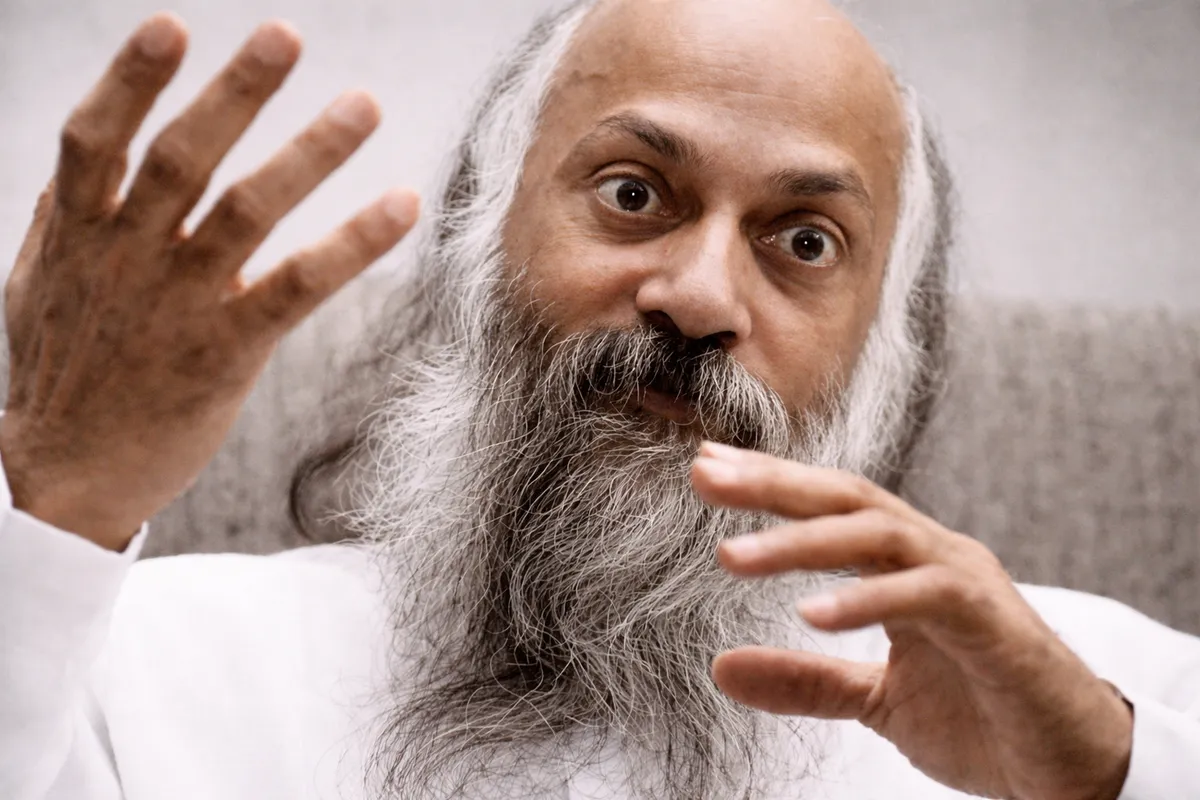
"Bin Bati Bin Tel" is a profound exploration by Osho, delving into the spiritual journey of awakening and the role of the master in this transformative process. Using the metaphor of sleep, Osho illustrates the pervasive unconsciousness that envelops human beings, suggesting that true enlightenment is akin to waking from a deep slumber. The series emphasizes the challenging yet vital role of the master who, despite seeming a disturbance, fiercely shakes the disciple from the comfort of ignorance and dreams. Osho challenges conventional desires for comfort and consolation, pointing out that most seekers inadvertently seek false masters who merely provide superficial solace rather than genuine liberation. He critiques the tendency of the mind toward laziness and resistance to awakening, advocating for a relentless pursuit of awareness over illusion. This discourse lays bare the economics of spiritual demand and supply, where false masters thrive on the misguided desires of the masses. Ultimately, Osho's discourse serves as a beacon for sincere seekers, urging them to transcend the comfort of dreams and embrace the often tumultuous path to truth and self-realization, spearheaded by the truly enlightened master.
-
Chapter 1
An inner, causeless lamp—pure awareness—burns without wick or oil; through discernment, fasting, witnessing pain and nonattachment you recognize eternal Self.
-
Chapter 2
Inner eye, not borrowed lamps; reliance on others' light breeds false security and anger—seek self-kindled awareness; ask a master for sight, not rules.
-
Chapter 3
Meditation is beyond words: like a man hanging by his teeth asked why Bodhidharma went to China—the answer is a third, wordless silence: meditation.
-
Chapter 4
How to attain supreme bliss? Become the master's robe: renounce 'mine', let ego vanish; readiness (mumuksha), not mere curiosity, reveals the present truth
-
Chapter 5
A Sufi tale shows life as an interlinked circle: you are both thief and dyer—karma means you alone are responsible; trace causes inward to find freedom.
-
Chapter 6
Love, not knowledge, is the only door to the divine; true devotion is unconditional and proven by death—only love that survives death reaches God
-
Chapter 7
Cut from the Divine at birth, we live like a felled branch—green but dead; reasoning can't wake us; only trust, a Master or an inner awakening restores roots.
-
Chapter 8
Scoundrels prosper by exploiting simple minds; true innocence arises from lived experience, not ignorance, so greed and half-wisdom ultimately self-destruct.
-
Chapter 9
Desire shapes many worlds: conflicts arise from differing wants; only when desire falls does truth appear—understand opposing viewpoints to stop quarreling.
-
Chapter 10
Joy and suffering arise together; true devotion is inward fulfillment amid outer pain. Moses’ test asks whether faith is genuine surrender or mere desire.
-
Chapter 11
Death is the doorway to freedom: become as if dead, drop desire and self so the mind’s cage opens; a guru who was bound and escaped can show the way.
-
Chapter 12
Integrate roots in the earth and wings in the sky: transform kama, artha, dharma into a ladder to moksha, dissolving duality through rooted consciousness.
-
Chapter 13
Truth is offered only to the thirsty: readiness, not entitlement, makes one a vessel. Ego repels grace; gratitude and dissolution invite prasad and liberation.
-
Chapter 14
A master's purposeless, repeated call breaks the deep sleep of illusion; trust answers Yes, patience ripens awakening and true transformation
-
Chapter 15
When the last desire is tasted and life’s banquet ends, wash the bowl—true meditation is the effortless stillness after desire’s futility is realized.
-
Chapter 16
A sadhu who renounces yet suppresses appetite differs from a saint who transcends duality; tested by a prostitute, true sainthood shows compassion beyond lust.
-
Chapter 17
Ego's invisible tail keeps you half-free: freedom fails when you cling to prestige; drop thought-made identity, stop craving praise and live unbound.
-
Chapter 18
Desire projects a false world through impure senses; purify hearing and seeing so ears and eyes become doors to the unstruck Om and the true source of forms.
-
Chapter 19
Silence as teaching: the bird at the window reminds us to remember our innate wings—meditation rekindles forgotten freedom; darkness cannot meet light.