
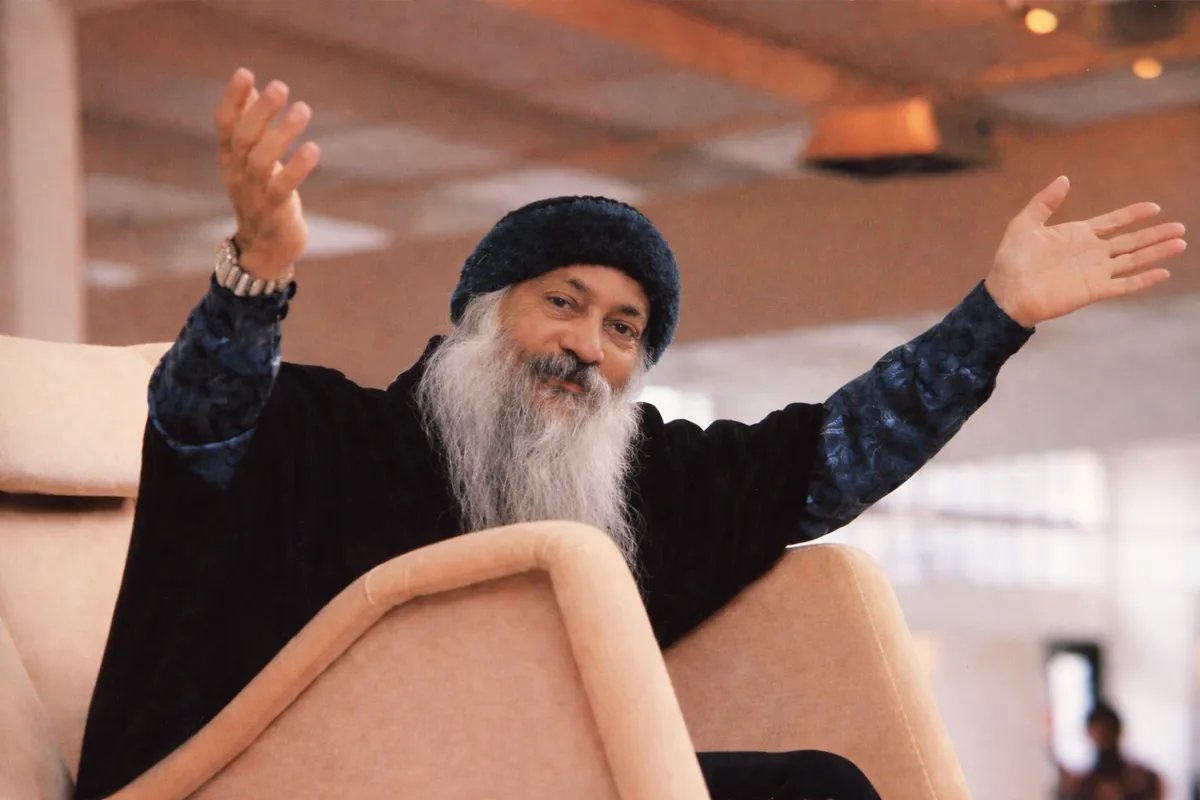
Osho's original Hindi beside Osho Live's English translation, matched passage by passage.
पहली बात: अकेला होना मनुष्य का स्वभाव है। अकेला होना मनुष्य की नियति है। और जब तक अकेले होने को स्वीकार न करोगे, तब तक बेचैनी रहेगी। लाख उपाय करो कि अकेलापन मिट जाए, नहीं मिटेगा, नहीं मिटेगा। क्योंकि अकेलापन तुम्हारे भीतर की आंतरिक अवस्था है, तुम्हारा स्वभाव है। ऊपर-ऊपर होता, निकाल कर अलग कर देते।
First thing: to be alone is the nature of the human being. To be alone is man’s destiny. And until you accept your aloneness, restlessness will persist. Try a thousand ways to get rid of loneliness—it will not go, it will not go. Because aloneness is your inner state; it is your very nature. If it were something on the surface, we could strip it off and throw it away.
अकेलापन सांयोगिक नहीं है; अलग किया ही नहीं जा सकता। अगर तुम्हारा अकेलापन तुमसे अलग हो जाए, उसी दिन तुम्हारी आत्मा खो जाएगी। आत्मा का होने का ढंग ही अकेला होना है। और जब तक तुम अकेलेपन को मिटाने की चेष्टा करोगे, तब तक हार और पराजय ही हाथ लगेगी। क्योंकि स्वभाव का अर्थ है, जो न मिटाया जा सके। कोई उपाय नहीं है। मित्र बनाओ, परिवार बसाओ, बच्चे हों, पति-पत्नी हों, समाज हो--सब थोड़ी देर को धोखा भला दे जाएं कि तुम अकेले नहीं हो, पर अकेला होना मिटता नहीं है। जब भी थोड़ी आंख भीतर करोगे, पाओगे: अरे! परिवार कहां दूर पड़ा रह गया; मित्र-प्रियजन, कितना बड़ा फासला है! आंख बंद की कि पाया कि अकेले हो गए। आंख खोल कर तुम अपने को भुलाए रहो भरमों में, डुबाए रहो हजार काम-धंधों में, व्यस्तता को ओढ़े रहो--लेकिन बार-बार क्षण भर को, घड़ी भर को तो विश्राम करोगे! क्षण भर को तो घर आओगे, भीतर प्रवेश करोगे! फिर वही स्वाद, फिर वही एकाकीपन!
Aloneness is not accidental; it cannot be separated from you. If your aloneness could be taken away, that very day your soul would be lost. The very mode of the soul’s being is aloneness. And as long as you try to erase aloneness, only defeat and frustration will come to your hands. For nature means that which cannot be erased. There is no way. Make friends, build a family, have children, husband or wife, a society—at best they may give you a brief illusion that you are not alone, but aloneness does not end. Whenever you turn your eyes inward even a little, you will find: Ah! the family is far off; friends and loved ones—what a great distance there is! Close your eyes and you find you are alone. Keep your eyes open and you can keep forgetting yourself in delusions, drown yourself in a thousand occupations, wrap yourself in busyness—but again and again, for a moment, for an hour, you will rest. For a moment you will come home, enter within—and the same taste returns, the same solitude!
गृहस्थ का अर्थ ही यही है: वह व्यक्ति जो संबंध बना कर अपने भीतर के अकेलेपन को मिटाने की चेष्टा में संलग्न है। गृहस्थ की यह परिभाषा है। संन्यस्त की यह परिभाषा है कि जिसने यह जान लिया कि यह मेरा स्वभाव है, मिटाने में व्यर्थ समय न खोऊं; और जिसने अपने एकाकीपन को भोगना शुरू कर दिया--रस ले-ले कर; जो अपने एकाकीपन को दुश्मन की तरह नहीं देखता, बल्कि एकाकीपन को ही जिसने अपनी शरण बना ली; संसार की धूप से, बेचैनी से बचने के लिए सदा अपने एकाकीपन में चला गया; जब भी थका बाहर, भीतर डूब गया; जब भी बाहर उलझा, उपद्रव हुआ, तब भीतर डूब गया; जब पाया कि बाहर जीवन गंदा हुआ जाता है, भीतर स्नान कर लिया एकाकीपन में, फिर ताजा हो गया!
A householder means: one who is engaged in trying to erase his inner aloneness by making relationships. That is the definition of a householder. And the definition of a sannyasin is: one who has realized “This is my nature; let me not waste time trying to erase it,” and who has begun to relish his solitude—savoring it; who does not look at aloneness as an enemy, but has made aloneness his very refuge; to escape the scorching sun of the world and its restlessness, he moves into his aloneness; whenever tired outside, he dives within; whenever entangled outside, when there is turmoil, he dives within; when he finds life outside has become soiled, he bathes within his aloneness and becomes fresh again!
ध्यान अर्थात एकाकीपन में रमने की कला।
Meditation is the art of delighting in aloneness.
एकाकीपन परम सुंदर है। तुमने नाहक के भय पाल रखे हैं। उन भयों के लिए कोई वास्तविक कारण नहीं है--सांयोगिक कारण हैं।
Aloneness is supremely beautiful. You have been nursing fears unnecessarily. There is no real cause for these fears—only circumstantial causes.
बच्चा पैदा होता है, असहाय होता है। मनुष्य का बच्चा पृथ्वी पर सबसे ज्यादा असहाय है। जानवरों के बच्चे पैदा होते हैं, उठे और चल पड़े, जिंदगी की यात्रा शुरू हो गई। जंगली जानवरों के बच्चे परिवार में नहीं पलते, बड़े होते, जन्म होते से मां-बाप भी मुक्त हो गए, वे भी मुक्त हो गए। आदमी के बच्चे को इतना मुक्त होने में कम से कम पच्चीस वर्ष लग जाते हैं। बच्चा तो असहाय पैदा होता है। आदमी के बच्चे को अगर छोड़ दो, कोई सहारा न हो, कोई परिवार न हो, कोई प्रेम करने वाला, देख-रेख करने वाला न हो, तो बच्चा मर जाएगा, बच नहीं सकता। अगर आदमी के लिए परिवार न मिले तो आदमी इस पृथ्वी से समाप्त हो जाएगा। और सब जानवर रहेंगे--पक्षी रहेंगे, पशु रहेंगे, आदमी भर नहीं रहेगा।
A child is born helpless. The human child is the most helpless on earth. Animals’ young are born, they get up and start walking—the journey of life begins. Wild animals’ young do not grow up in families; from birth, parents are free and they too are free. For a human being to become that free takes at least twenty-five years. The child is born helpless. If the human child is left alone, if there is no support, no family, no one to love and care, the child will die; he cannot survive. If there were no family for human beings, humanity would disappear from the earth. Birds would remain, animals would remain—only man would be gone.
आदमी का बच्चा बहुत असहाय है। मां-बाप की जरूरत है--वर्षों तक! आठ-दस साल का भी हो जाएगा, तब भी स्वतंत्र नहीं हो पाता। पढ़ाना है, पढ़ना है, शिक्षा पानी है--तब भी मां-बाप पर निर्भर होगा। तो करीब पच्चीस साल लगते हैं आदमी के बच्चे को उस जगह आने में, जहां जानवरों के बच्चे पैदा होते से ही होते हैं।
The human child is deeply helpless. He needs mother and father—for years! Even at eight or ten he cannot be independent. He must be taught, must study, must be educated—he will still depend on his parents. So it takes about twenty-five years for the human child to come to the place where animals’ young are from the very beginning.
इस असहाय अवस्था के कारण ही परिवार का जन्म हुआ। इसलिए पशुओं ने परिवार नहीं बनाए, सिर्फ आदमी ने बनाए। पच्चीस साल तक बच्चा निर्भर रहता है--मां पर, पिता पर, भाई पर, परिवार पर--यह निर्भर रहने की आदत बन जाती है। छोटा बच्चा बहुत डरता है; अगर मां घर के बाहर जा रही हो तो वह बहुत भयभीत हो जाता है। उसका भय स्वाभाविक है। कौन उसकी चिंता करेगा! भूख लगेगी तो कौन दूध देगा! प्यास लगेगी तो कौन पानी देगा! कपड़े गीले कर लेगा अपने, तो कौन बदलेगा! सर्दी लगेगी तो कौन कंबल डालेगा! मां घड़ी भर को बाहर जाती है तो बच्चे को मृत्यु जैसा अनुभव होता है, यह तो मैं मरा! मां अगर ऐसे ही गुस्से में कह देती है कि मैं मर जाऊंगी, अगर तुम चुप न हुए, ऊधम बंद न किया, तो मां को पता नहीं है कि बच्चे को कितना भारी धक्का पहुंचाया है उसने; क्योंकि मां की मृत्यु का अर्थ है उसकी भी मृत्यु। वह कैसे बचेगा!
Because of this helplessness the family was born. That is why animals didn’t make families; only man did. For twenty-five years the child remains dependent—on mother, father, siblings, family—and this habit of dependence forms. A small child is very frightened; if the mother is going out of the house, he is terrified. His fear is natural. Who will care for him? If hunger comes, who will give milk? If thirst comes, who will give water? If he wets his clothes, who will change them? If it gets cold, who will cover him with a blanket? If the mother goes out for even an hour, the child feels something like death: “Now I am dead!” If in anger the mother says, “I will die if you don’t be quiet, if you don’t stop this mischief,” she doesn’t know what a jolt she has given—because the mother’s death means his death. How will he survive!
पच्चीस साल तक इस तरह पर-निर्भर रहने के कारण, सदा दूसरे के साथ जीने के कारण, अकेलेपन की सामर्थ्य खो जाती है। फिर तुम अकेले होने में समर्थ भी हो जाते हो, लेकिन पुरानी आदतें पीछा करती हैं, छाया की तरह पीछे लगी रहती हैं। सत्तर साल के भी हो जाते हो, तब भी मुक्त नहीं हो पाते कि अकेले हो सको। मरते दम तक भी आंखें दूसरों को खोजती रहती हैं।
Because of living dependent on others for twenty-five years, forever living with somebody else, the capacity to be alone is lost. Later you even become capable of being alone, but old habits haunt you; they follow like a shadow. You become seventy and still cannot be free enough to be alone. Even to the last breath the eyes keep searching for others.
मरते हुए बूढ़े आदमी को देखो: खोजता रहता है, मेरा बेटा कहां है? अभी तक आया नहीं!
अनेक बार ऐसा होता है कि बेटा दूर गांव है, आने में देर लगती है, तो बाप जिंदा बना रहता है जब तक बेटा नहीं आ जाता; जैसे ही वह आया, समाप्त होने की सुविधा बनी; अटका रहता है, पकड़े रहता है जीवन को, जद्दोजहद करता रहता है। जन्म से लेकर मृत्यु तक... जन्म में तो समझ में आता है, फिर तो आदत की बात है।
Look at an old man dying: he keeps searching—“Where is my son? He still hasn’t come!” Many times it happens that the son is in a distant village, and it takes time to come, so the father stays alive until the son arrives; as soon as he comes, the convenience to end appears; he had been stuck, holding on to life, struggling. From birth to death… At birth one can understand, but after that it’s just habit.
ध्यान का अर्थ है: इन संस्कारों को जो बचपन से पड़ गए हैं, यह दूसरे का सहारा खोजने की जो गलत आदत पड़ गई है--ध्यान का अर्थ है, इस आदत से ऊपर उठ जाना, और एक नये सूत्रपात को उदघाटन करना: ‘मैं अकेला हो सकता हूं! और मैं अकेला हूं!’
Meditation means: to go beyond these imprints that have been laid down since childhood—the wrong habit of seeking another’s support; meditation means to rise above this habit and inaugurate a new beginning: “I can be alone! And I am alone!”
तुम जितनी चेष्टा करोगे कि कहीं अकेला न रह जाऊं, उतना ही ज्यादा तुम अकेलापन अनुभव करोगे। जिस दिन तुम राजी हो जाओगे, स्वीकार कर लोगे कि यह तो स्वभाव है; मैं भी कैसा मूढ़ हूं, स्वभाव से लड़ने चला! स्वभाव से लड़ कर कभी कोई जीता! हारता है बस! जिस दिन तुम स्वीकार कर लोगे, और तुम कहोगे, ‘यह तो मेरी नियति है, तो इससे परिचय तो बना लूं! यह कौन है मेरे भीतर जो एकाकी है, जरा इसमें गहरे जाऊं, डुबकी लगाऊं, तलहटी तक खोजूं! यह कौन है जो भीतर अकेला है!’ और जैसे ही तुम भीतर की यात्रा पर चलोगे, तुम पाओगे कि मैं भी खूब पागल था, जो मैं खोजता था भीड़ में, वह मेरे हृदय में था; जो मैं खोजता था संग में, साथ में, संबंध में, वह असंगता में था; जिसको मैंने दूसरों के सामने झोली फैला कर मांगा था, वह मेरे ही भीतर खजाना छिपा था!
The more you try, “Let me not be left alone,” the more you will experience loneliness. The day you consent, accept that this is your nature—“What a fool I am, trying to fight nature! Who has ever won fighting nature? One only loses!”—the day you accept it and say, “This is my destiny, so let me at least become acquainted with it! Who is this within me that is solitary? Let me go deeper into it, dive in, search to the bottom! Who is this within that is alone?” And as soon as you set out on the inner journey, you will find, “How mad I was! What I was seeking in the crowd was in my own heart; what I sought in company, in togetherness, was in nonrelatedness; what I begged with outstretched bowl before others was a treasure hidden within me!”
एकाकीपन परम सुंदर है। इसलिए जैनों ने अपने मोक्ष का नाम रखा: कैवल्य। बड़ा प्यारा शब्द चुना। कैवल्य का अर्थ है: बस अकेले; बस अकेलापन बचा, शुद्ध अकेलापन बचा; इतना अकेलापन बचा कि दूसरे तो हैं ही नहीं वहां, तुम भी नहीं हो; दूसरे तो गए ही, साथ-साथ तुम्हें भी ले गए। क्योंकि तुम जो अपने को समझते हो तुम हो, यह दूसरों का दान है; यह तुम हो नहीं। किसी ने कहा, सुंदर हो बड़े, सम्हाल कर रख लिया इस बात को, सुंदर हो गए! किसी ने कहा, बड़े बुद्धिमान हो, सम्हाल ली, गठरी बांध ली भीतर कि मैं बुद्धिमान हूं! यह भी सब दूसरों का दिया हुआ है।
Aloneness is supremely beautiful. That is why the Jains named liberation: Kaivalya. They chose a very lovely word. Kaivalya means: simply alone; only aloneness remains—pure aloneness remains; such aloneness remains that not only are others not there, even you are not there. Others have gone—and taken you along with them. Because what you take yourself to be is a donation from others; it is not you. Someone said, “You are very beautiful,” and you carefully kept that inside—became beautiful! Someone said, “You are very intelligent,” and you tied up a bundle within: “I am intelligent!” All of it is given by others.
थोड़ी देर को सोचो तो, अगर तुम उस सबको छोड़ दो जो दूसरों ने तुम्हें दिया है, तुम्हारी प्रतिमा ही बिखर जाएगी। इसमें मित्रों का भी दान है, शत्रुओं का भी दान है; अपनों का भी दान है, परायों का भी दान है। तुम गठरी बांधते चले गए हो। और इसलिए तो तुम्हारी जो आत्म-प्रतिमा है, बड़ी उलझी है, विरोधाभासी है, उसमें कोई संगति नहीं है, संगीत नहीं है, लयबद्धता नहीं है। क्योंकि कितने लोगों से तुमने इकट्ठा कर लिया है!
Just think for a moment: if you drop all that others have given you, your image will fall apart. There are gifts from friends and from enemies; from your own people and from strangers. You have been tying up bundles upon bundles. That is why your self-image is so tangled, contradictory; there is no harmony in it, no music, no rhythm—because you have collected from so many.
यह ऐसे ही है जैसे कि एक कार बनाई जाए, और तुम एक-एक पुर्जा जगह-जगह से इकट्ठा कर लाओ--कोई फोर्ड का होगा, कोई फियट का होगा, कोई रॉल्स रॉयस का होगा, ऐसे तुम कबाड़खानों से इकट्ठा कर लाओ सब कल-पुर्जे--और फिर उसको जोड़ कर तुम कार बना लो, दिखाई पड़ेगी कि यह बन गई, चलेगी नहीं। और भूल कर उसमें चढ़ना मत!
It is as if a car were to be built and you collected each part from here and there—one from Ford, one from Fiat, one from Rolls-Royce—picking up parts from junkyards, you put them all together and made a car. It may look as if it is assembled, but it will not run. And don’t, by mistake, sit in it!
मुल्ला नसरुद्दीन के बेटों ने इस तरह की एक कार बना ली थी, और उन्होंने कहा: पापा! अब हम जा रहे हैं सैर को, तुम भी आ जाओ। रंग-रोगन देख कर गाड़ी का वह भी बैठ गया। पर गाड़ी कोई रंग-रोगन से थोड़े ही चलती है! बोनट के नीचे जो छिपा है, उससे चलती है; वह तो दिखाई पड़ता नहीं है। रंग-रोगन से कहीं गाड़ी चली है! बैठ गया। गाड़ी दो-चार-दस कदम चली होगी कि हड्डी-हड्डी थरथरा गई। रास्ते के बगल में जाकर गिर गई खेत में, कलपुर्जे बिखर गए। मुल्ला अपने सिर से हाथ लगा कर बैठ गया। उसके बेटे ने कहा: पिताजी! चोट लगी है, तकलीफ हुई है? डॉक्टर के पास ले चलूं? उसने कहा: डॉक्टर के पास क्या होगा ले जाने से! वेटेरिनरी डॉक्टर के पास ले चलो! अगर अक्ल ही होती मुझमें तो तुम्हारी कार में बैठता? पशु-चिकिल्सालय में भरती कर दो। मेरा इलाज वहीं होगा।
Mulla Nasruddin’s sons had made just such a car, and they said, “Papa! Now we’re going for a drive—come along too.” Seeing the paint and polish, he also sat in. But a car doesn’t run on paint and polish! It runs on what is hidden under the bonnet; that cannot be seen. When has a car ever run on paint! He sat in. The car went two, four, ten steps and every bone rattled. It veered off the road into a field, parts scattered everywhere. Mulla sat holding his head. His son said, “Father! Are you hurt, in pain? Shall I take you to a doctor?” He said, “What will happen by taking me to a doctor! Take me to a veterinary! If I had any brains, would I have sat in your car? Admit me to the animal hospital. My treatment will only be there.”
यही तुम्हारी प्रतिमा है। कुछ कहीं से, कुछ कहीं से तुमने इकट्ठा कर लिया है। और इसलिए तो तुम्हारे जीवन में संवाद नहीं है। मित्रों ने जो बातें कही थीं, वे भी भीतर पड़ी हैं; शत्रुओं ने जो कह दी थीं, वे भी भीतर पड़ी हैं। किसी ने कह दिया, बहुत सुंदर हो; किसी ने कहा कि तुम जैसा कुरूप आदमी नहीं देखा; किसी ने कहा कि तुम बड़े दाता हो, बड़े दानी हो; किसी ने कहा, कृपण, आखिरी दर्जे के कंजूस! यह सब पड़ा है भीतर। अब तुमको खुद भी समझ में नहीं आता कि तुम हो कौन। तुम्हारी अपनी कोई पहचान सीधी-सीधी नहीं है, सब उधार है।
This is your image. A bit from here, a bit from there—you have collected it. And that is why there is no inner dialogue, no harmony, in your life. What friends said is lying within; what enemies said is lying within. Someone said, “You are very handsome”; someone said, “I’ve never seen anyone as ugly as you.” Someone said, “You are very generous, a great giver”; someone said, “A miser, a last-degree skinflint!” All this lies within. Now even you don’t understand who you are. You have no clear, straightforward recognition of yourself—everything is borrowed.
परम एकांत के क्षण में दूसरे तो होते ही नहीं, दूसरों ने तुम्हें जो धारणा दी थी तुम्हारे संबंध में, वह भी नहीं होती। तभी तुम्हारा स्वभाव प्रकट होता है।
In the moment of utter solitude, there are no others; and the notions others gave you about yourself are not there either. Only then does your nature reveal itself.
एकांत में ही मंदिर है। एकांत में ही, परम एकांत में ही आत्म-साक्षात्कार है।
In solitude is the temple. In solitude—utter solitude—is self-realization.
तो पहली बात तो यह खयाल रखो...।
So the first thing, keep this in mind...
बिलकुल ठीक लगता है, शुभ लगता है, सत्य लगता है। मगर चेष्टा इससे विपरीत चल रही होगी। चेष्टा यह चल रही होगी कि किसी तरह यह एकाकीपन मिट जाए; वस्तुतः कोई मेरा हो! बहुत लोग तुम्हें भरोसा भी दिला देंगे, हम तुम्हारे हैं; लेकिन वह बस भरोसा है, सांत्वना है; तुम्हें संतोष बंधाया जा रहा है। जो अपने नहीं हैं वे तुम्हारे क्या हो सकेंगे? और कोई किसी का हो कैसे सकता है? कितना ही बेटा कहे मां से कि मैं तुम्हारा हूं, कल मां चल बसेगी, बेटा साथ नहीं जाएगा। कितना ही पति कहे कि सदा-सर्वदा को तुम्हारा हूं, पत्नी मर जाएगी तो पति साथ नहीं मर जाएगा। कौन किसके साथ जाता है! ये सब बातें हैं--जरूरी हैं, क्योंकि आदमी बड़ा बेचैन है। उसे संतोष की शराब चाहिए; उसे अफीम चाहिए, ताकि वह सोया रहे; उसे ऐसा खयाल भर बना रहे कि सब अपने हैं। कितना भरा-पूरा घर है, लोग कहते हैं। सब भरे-पूरे घर पड़े रह जाते हैं, जब विदा का क्षण आता है।
It feels perfectly right, auspicious, true. But chances are your efforts are running in the opposite direction: you’re trying somehow to get rid of this aloneness; in fact, you want someone to truly be yours. Many will even reassure you, “We are yours,” but that’s only reassurance, consolation; you’re being lulled. Those who are not yours—how could they ever be? And how can anyone truly belong to anyone? However much a son tells his mother, “I am yours,” tomorrow the mother will die—the son won’t go with her. However much a husband says, “I am yours forever,” when the wife dies, the husband will not die with her. Who goes with whom? These are just words—necessary perhaps, because man is very restless. He needs the liquor of consolation; he needs an opium so he can sleep, so he can keep the notion that all are his. “What a full, brimming household,” people say. Yet all those full houses lie abandoned when the hour of departure arrives.
कोई अपना नहीं है, यह इतना बड़ा सत्य है कि इससे लड़ना मत। यही तो दुर्दशा है साधारण जन की, जो नहीं हो सकता उसे करने की चेष्टा करता है; जो हो सकता है, मात्र निर्णय लेने से जो हो सकता है, उसकी चेष्टा नहीं करता।
No one is yours—this is such a great truth, don’t fight it. This is the common man’s misfortune: he strives to do what cannot be done, and does not strive for what can be done by a simple decision.
कितनी बार तुम सबको नहीं लगा है कि कितने अकेले हो, मगर फिर-फिर तुमने अपने को भुलाने की कोशिश की है! क्यों इतने डरे हो अपने से? जो भी तुम भीतर हो उसे जानना ही होगा! सुखद-दुखद, कुछ भी हो, अपने स्वरूप से परिचय बनाना ही होगा, क्योंकि उसी परिचय के आधार पर तुम्हारे जीवन के फूल खिलेंगे।
How many times have you not felt utterly alone? Yet again and again you tried to forget it. Why are you so afraid of yourself? Whatever you are within, you will have to know it—pleasant or painful, you will have to be introduced to your own nature, because on that very knowing the flowers of your life will bloom.
देखो! जिनके जीवन के भी फूल खिले हैं, वे सब किसी न किसी रूप में एकांत की तलाश में चले गए थे। खिल गए फूल, तब लौट आए बाजार में। लेकिन जब फूल खिलेनहीं थे--चाहे महावीर, चाहे बुद्ध, चाहे मोहम्मद, चाहे क्राइस्ट--सब चले गए दूर एकांत में। बाहर का एकांत तो भीतर के एकांत की खोज का ही सहारा है। बाहर का एकांत तो भीतर के एकांत को बनाने के लिए सुविधा जुटा देता है बस। असली एकांत तो भीतर है। लेकिन अगर बाहर भी एकांत हो तो भीतर के एकांत में डूबने में सुविधा मिलती है। जरूरी नहीं है कि कोई भाग कर जाए, ठेठ बाजार में भी अकेला हो सकता है।
Look: whoever’s life has blossomed went, in one way or another, in search of solitude. When the flowers bloomed, they returned to the marketplace. But before the flowering—whether Mahavira, Buddha, Mohammed, or Christ—they all went away into aloneness. Outer solitude is only a support for the discovery of inner solitude; it merely provides the convenience to create inner aloneness. The real solitude is within. If outer solitude is there too, it makes immersion into the inner aloneness easier. It isn’t necessary to run away; one can be alone even in the marketplace.
वस्तुतः तुम्हें हर बार लगता है कि अकेले हो, मगर उस अंतर्दृष्टि को तुम पकड़ते नहीं। वह अंतर्दृष्टि तुम्हारा जीवंत सत्य नहीं बन पाती, उलटे तुम उसे झुठलाते हो। तुम कहते हो, कौन कहता है मैं अकेला हूं? पत्नी है, बच्चे हैं, घर-द्वार है, सब भरा-पूरा है! भीतर तो देखो, पात्र खाली का खाली पड़ा है। ये प्रवंचनाएं हैं। इन प्रवंचनाओं से जागो!
In fact, you feel alone again and again, but you don’t seize that insight. It doesn’t become your living truth; instead you deny it. You say, “Who says I am alone? I have a wife, children, a house—the place is full!” Look within—the vessel lies empty. These are deceptions. Wake from them!
तो मैं तुमसे यह नहीं कहता...। मैं तुम्हें कोई तरकीब नहीं बताता कि कैसे तुम्हारा अकेलापन मिट जाए--मैं तुमसे कहता हूं, कैसे तुम अकेलेपन को उत्सव बना लो, कैसे तुम्हारा अकेलापन तुम्हारे जीवन की संपदा बन जाए, कैसे तुम्हारा अकेलापन आत्मसाक्षात्कार का द्वार बन जाए।
So I’m not telling you... I’m not giving you some technique to remove your loneliness—I’m telling you how to turn aloneness into a celebration, how to make it your life’s wealth, how to turn it into the doorway to self-realization.
छोड़ो बचना! जीवन भर बहुत दौड़े; कहां पहुंचे? अब वही हो रहो जो अपने आप होता मालूम पड़ता है। राजी हो जाओ। और राजी भी बे-मन से नहीं, थके मन से नहीं; राजी भी विषाद और हार में नहीं--राजी, सत्य को समझ कर। क्या करोगे, दीवाल से अगर निकलने की कोशिश करते हो, सिर टकराता है। बहुत करके देख ली, सिर लहूलुहान हो गया है, अब दरवाजे से निकलो! तुम यह तो न कहोगे कि दरवाजे से जो निकलता है, वह कमजोर है, कायर है; हम तो दीवाल से ही निकलेंगे; हम कोई कायर नहीं हैं! मगर तुम दरवाजे से निकलने वाले आदमी को कायर नहीं कहते, बुद्धिमान कहते हो। और दीवाल से टकराने वाले को साहसी कहने की कोई जरूरत नहीं--मूढ़ है, बुद्धिहीन है। दीवाल से कभी कोई निकला? निकलने के लिए द्वार है।
Stop trying to escape! You’ve run your whole life—where did you reach? Now be what seems to be happening of itself. Consent to it. And not reluctantly, not from tiredness; not consent out of gloom and defeat—consent by understanding the truth. What will you gain by trying to pass through a wall? Your head keeps hitting it. You’ve tried often enough; your head is bleeding. Now go by the door! You wouldn’t say that one who leaves by the door is weak or cowardly—“We will go through the wall; we are no cowards!”—no, you call the one who goes by the door wise. And the one who keeps ramming the wall—there’s no need to call him brave; he’s foolish. Has anyone ever got through a wall? To get out, there is a door.
अकेलेपन से लड़ कर कभी कोई नहीं जीता। जीतने वाले अकेलेपन पर सवार हो गए; उन्होंने अकेलेपन का घोड़ा बना लिया; अकेलेपन को रथ बना लिया, उस पर सवार हो गए। और तब अकेलापन कैवल्य तक पहुंचा देता है; उस परम दशा तक, जिसको भगवान कहें, परमात्मा कहें, मोक्ष कहें, निर्वाण कहें--उस परम दशा तक पहुंचा देता है। अकेले ही तुम पहंचोगे।
No one ever wins by fighting aloneness. Those who win ride upon it; they make aloneness their horse, their chariot, and mount it. Then aloneness carries you to kaivalya—to that ultimate state you may call God, Paramatma, moksha, nirvana. Aloneness carries you there. You will reach there alone.
तो मैं जब तुमसे कहता हूं, अकेलेपन को स्वीकार कर लो, तो ध्यान रखना, स्वीकार करने का मजा तो तभी होगा जब तुम स्वागत से स्वीकार करोगे। ऐसे बे-मन से कर लिया कि ठीक है, चलो, नहीं होता तो चलो यही कर लेते हैं, तो कुछ भी न होगा। तब तुम्हारे इस बेमन के पीछे तुम्हारी पुरानी आकांक्षा अभी भी सक्रिय है। तुम कोई न कोई उपाय खोज कर फिर अपने अकेलेपन को भरोगे।
So when I say, “Accept aloneness,” remember, acceptance is bliss only if you welcome it. If you accept half-heartedly—“All right, since nothing else works, I’ll settle for this”—nothing will happen. Your old longing is still active behind that reluctant acceptance; you’ll find some way again to stuff your aloneness.
गृहस्थ का अर्थ है: जो अपने अकेलेपन को भरने की कोशिश में लगा है। संन्यस्त का अर्थ है: जो इस सत्य को अंगीकार किया है कि अकेलापन है, भरा नहीं जा सकता--तो जीएंगे; तो हम इसे भोगेंगे, इसका स्वाद लेंगे; अगर है भीतर तो जरूर कुछ कारण होगा! और कारण यही है कि अकेलेपन की सीढ़ी परमात्मा से लगी है; उसी पर चढ़-चढ़ कर एक-एक सोपान तुम परमात्मा तक पहुंच जाओगे।
“Householder” means: one engaged in trying to fill his aloneness. “Renunciate” (sannyasin) means: one who has embraced the truth that aloneness is—and cannot be filled—so I will live it, savor it. If it is within, there must be a reason: the stairway of aloneness is leaning against the Divine; step by step, climbing it, you will reach the Supreme.
जब तक तुम अपने अकेलेपन से बचोगे तब तक तुम संसार में उतरते जाओगे; और परमात्मा से दूर होते जाओगे। क्योंकि जितना तुम दूसरों से जुड़ोगे, उतने ही अपने से दूर हो जाओगे। और वह जोड़ वास्तविक नहीं है; वह जोड़ सिर्फ जोड़ का धोखा है, जोड़ का आभास है।
As long as you flee your aloneness, you will descend deeper into the world and move away from God. For the more you hook onto others, the more you become distant from yourself. And that linking is not real; it’s only the illusion of linking.
एक महिला मुझे मिलने आई। पति से परेशान है। मगर पुरानी धारणाओं की है, तलाक भी नहीं दे सकती। पति दुष्ट है, मारता-पीटता भी है। जब आई तो उसने अपने हाथ, पीठ बताई। सब निशान पड़ गए हैं। लहूलुहान कर देता है पति जब मारता है। मैंने कहा: तू अलग क्यों नहीं हो जाती? उसने कहा: कैसे होऊं? गठबंधन हो गया है!... गठबंधन! उसने कहा: हां, सात फेरे लग गए! तो मैंने कहा: यह कोई बड़ी बात है? पति को ले आ, सात उलटे फेरे लगवा देंगे। और क्या मामला है? सात फेरे ही लगे हैं न! उलटे लगवा देंगे! मामला खत्म! गांठ कहां बंधी है? आंचल से बंधी थी? खोल देंगे! किसी ने बांधी थी, हम खोल देंगे, तू ले आ। गांठ, है क्या मामला इसमें इतना?
A woman came to see me, tormented by her husband. Of old beliefs, she couldn’t consider divorce. The husband was vicious, even beat her. She showed me her hands and back—bruised all over. “Why don’t you separate?” I asked. She said, “How can I? There is a bond!...” A bond! “Yes,” she said, “seven rounds around the fire!” I said, “Is that such a big thing? Bring your husband; we’ll have you take seven rounds in reverse. That’s all! Wasn’t it just seven rounds? Take them backward—the matter ends! Where is this knot tied? In the end of the sari? We’ll untie it! If someone tied it, we can untie it—bring him!” How big a matter is this?
लेकिन झूठे गठबंधन भी बड़े वास्तविक मालूम होने लगते हैं। सात चक्कर लगा लिए, अब क्या करें! चक्कर में पड़ गए। उलटे लगा लो!
But false bonds begin to feel utterly real. “Seven rounds—now what can we do!” You got caught in the rounds. Take them in reverse!
हम सारी व्यवस्था ऐसी करते हैं कि बंधन वास्तविक मालूम पड़ने लगें। इसलिए तो शादी का इतना शोरगुल मचाया जाता है--बैंड-बाजे, घोड़ा, दूल्हा, फूल-हार, मेहमान, उत्सव, मंत्र, पूजा, हवन-यज्ञ--ये सब उपाय हैं ताकि पुरुष और स्त्री को यह पक्का हो जाए कि यह घटना कुछ ऐसी है कि इसको उलटाया नहीं जा सकता। कोई बड़ी महान घटना घट रही है! यह मनोविज्ञान है। अगर शादी ऐसे ही कर दी जाए तो ज्यादा टिकेगी नहीं।
We set up the whole institution so the bonds feel real. That’s why marriage has such commotion—band, horse, groom, flowers, garlands, guests, festivities, mantras, worship, fire-sacrifice—these are all devices so that the man and woman feel this event is so huge it cannot be undone. Some grand event is happening! It’s psychology. If marriage were done simply, it wouldn’t last long.
मैंने सुना है, एक युवक और युवती एक चर्च में अमरीका में भागे हुए अंदर पहुंचे। पादरी से उन्होंने कहा: जल्दी करो। ये जो दो आदमी खड़े हैं, ये गवाह हो जाएंगे। और यह तुम्हारी फीस लो, विवाह करवा दो।
पादरी ने कहा: देखो, तुमने कभी सुना नहीं कि जल्दबाजी का काम शैतान का!
उन्होंने कहा: होगा, हमें फुरसत नहीं, तुम जल्दी करो!
तो पादरी ने कहा: ठीक है...। उसने जल्दी उनकी शादी कर दी। उनके जाते वक्त उसको उत्सुकता हुई कि मामला क्या है? इतनी जल्दी क्या है? उन्होंने कहा: बाहर हम गलत जगह कार पार्क कर आए हैं!
अब ऐसी शादी कोई ज्यादा देर टिकेगी! इतनी जल्दबाजी में की गई है, तो बंधन का आभास ही गहरा नहीं होता। इसलिए तो पश्चिम में तलाक बढ़ता जाता है। शादी का पूरा मनोविज्ञान टूट गया है। उसके आस-पास की सारी व्यवस्था उखड़ गई है। तो सच्चाई साफ हो गई है कि हम दोनों का दिल था साथ होने का, तो साथ हो गए; अलग होने का, तो अलग हो गए--बंधन कहां है?
I have heard: a young man and woman in America ran into a church. “Hurry!” they said to the priest. “These two men standing here can be the witnesses. Here is your fee—marry us.” The priest said, “Haven’t you heard—haste is the devil’s work?” They said, “Maybe—but we have no time. Hurry!” The priest rushed through it. As they were leaving he got curious: “What’s the urgency?” They said, “We parked our car in a no-parking zone outside!” Will such a marriage last? Being done in such haste, the sense of bond doesn’t deepen. That’s why divorce keeps rising in the West—the full psychology of marriage has collapsed, the arrangements around it uprooted. So the truth has become visible: “We felt like being together, so we were; felt like separating, so we did—where’s the bond?”
ध्यान रखना, जिन-जिन बंधनों को तुमने बंधन माना है, वे मान्यता के हैं। मैं नहीं कहता कि सब बंधन तोड़ कर भाग खड़े होओ। जाना कहां है भाग कर? लेकिन जानते रहो कि बंधन सब खेल हैं। पति रहो, पत्नी रहो, जहां पाया है अपने को, जहां खड़े हो वहीं रहो--लेकिन एक बात मन में साफ हो जाए कि सब बंधन व्यस्तता का खेल है। इससे हम अपने को भरते और भुलाते हैं। लेकिन अकेला होना हमारा स्वभाव है। साथ होना संयोग है; अकेला होना स्वभाव है। संसार संयोग है; कैवल्य स्वभाव है।
Remember: the bonds you have taken as bonds are all matters of belief. I’m not saying, “Break every bond and run away.” Where would you go? But do keep knowing that bonds are play. Be a husband, be a wife; stay where you find yourself—but let one thing be clear within: all bonds are games of busyness. We stuff ourselves with them and forget ourselves. But being alone is our nature. Togetherness is a coincidence; aloneness is nature. The world is a coincidence; kaivalya is nature.
‘घर-परिवार में होते हुए भी मुझे लगता है, कोई अपना नहीं, मैं बिलकुल अकेली हूं।’
इस शुभ घड़ी का उपयोग कर लो। अकेली हो या अकेले हो, आनंद-भाव से छाती से लगा लो इस बात को। सब अशांति मिट जाएगी, सब बेचैनी मिट जाएगी। कौन अपना है! अपेक्षा मिट जाएगी। कोई भी अपना नहीं है, फिर भी लोग जो कुछ कर देते हैं तो अनुग्रह है।
“Even while living in family I feel no one is mine; I am utterly alone.” Use this auspicious hour. Alone—embrace it to your heart with joy. All restlessness will dissolve. Who is one’s own! Expectation will fall away. No one is anyone’s—and yet, whatever people do for you will be grace.
तुमने कभी खयाल किया, जिससे अपेक्षा होती है उसके प्रति अनुग्रह का भाव पैदा नहीं होता। राह पर तुम जा रहे हो, तुम्हारा रुमाल गिर गया और एक राहगीर ने उठा कर दे दिया, तुम बड़ा अनुग्रह अनुभव करते हो; तुम कहते हो, धन्यवाद! शुक्रगुजार हूं! बड़ी आपने कृपा की! लेकिन यही रुमाल तुम्हारी पत्नी उठा कर दे-दे या तुम्हारा पति उठा कर दे-दे, तो तुम शुक्रगुजारी करोगे? तुम कहोगे, धन्यवाद? कोई कारण ही नहीं, क्योंकि यह तो तुम कहते हो अपनी है, अपना है; यह तो करना ही था; यह किया तो कौन सी बड़ी बात की!
Have you noticed: toward those you expect from, gratitude never arises. You’re walking down the road, your handkerchief falls; a passerby picks it up for you—you feel grateful: “Thank you! Much obliged! How kind of you!” But if the same handkerchief is picked up by your wife, or your husband, will you be grateful? Will you say thank you? You feel there is no reason—“She is mine; he is mine; this is what they should do. What’s the big deal?”
जिसको तुम अपना मान लेते हो, उससे अपेक्षाएं हो जाती हैं। तो उसके कारण तुम दुखी तो होते हो, सुखी कभी नहीं होते। उसके कारण दुख होता है। जहां-जहां अपेक्षा टूटती है, वहां-वहां दुख होता है। लेकिन जहां-जहां अपेक्षा पूरी होती है, सुख नहीं होता! तुम कहते हो, यह तो अपना है। इसमें कौन सी बड़ी भारी बात हो गई कि रुमाल उठा कर दे दिया?
The one you call “mine,” you begin to expect from. Because of that you suffer; you never become happy. Wherever expectation breaks, there is sorrow. But where expectation is fulfilled, there is no joy—you say, “It’s my own—what’s so great about picking up a kerchief?”
अकेला जो जीने लगा, वह धीरे-धीरे अनुभव करेगा सारे संसार के प्रति अनुगृहीत है। कोई यहां अपना नहीं है; फिर भी लोग बड़े प्यारे हैं, हाथ में हाथ दे देते हैं; कहते हैं, चलो, अंधेरे में साथ हैं! कोई अपना यहां नहीं है, फिर भी लोग ढांढस बंधाते हैं, साहस बंधाते हैं! कहते हैं, घबड़ाओ मत, हम तो हैं!
One who starts living alone slowly experiences gratitude toward the whole world. “No one here is mine—and yet people are so tender; they give me their hand and say, ‘Come, we are with you in the dark.’ No one is mine—and still they console me, give me courage: ‘Don’t be afraid, we are here.’”
मुल्ला नसरुद्दीन की पत्नी मरी तो वह खूब छाती पीट-पीट कर रोने लगा। पास-पड़ोग के लोग आए, उन्होंने कहा: रोओ मत! मगर वह चुप ही न हो। लोगों ने कहा कि मामला क्या है? हमें तो यह पता भी न था कि तुम्हारा इतना प्रेम था इस स्त्री से, जिस तरह तुम रो रहे हो! वह कहने लगा: इसलिए थोड़े ही रो रहे हैं...। अब पूछते हो तो बताए देते हैं। जब मेरी मां मरी, तो अनेक स्त्रियां आईं और कहने लगीं, हम तुम्हारी मां हैं, कोई फिकर न करो! जब मेरे पिता मरे, अनेक बूढ़े आ गए; कहने लगे, कोई फिकर न करो, हम तुम्हारे पिता हैं! अब कोई नहीं आता। रो रहा हूं इसलिए।
Mulla Nasruddin’s wife died; he beat his chest and wept loudly. Neighbors came, “Don’t cry!” But he wouldn’t stop. They said, “What’s the matter? We never knew you loved this woman so much, the way you’re crying!” He said, “I’m not crying for that... Since you ask, I’ll tell you. When my mother died, many women came and said, ‘We are your mother, don’t worry!’ When my father died, many elderly men came and said, ‘Don’t worry, we are your father!’ Now no one will come.” That’s why he cried.
अनुभव करोगे तुम, अगर तुम्हारी अपेक्षा गिर जाए, कि जो भी थोड़ा-बहुत किसी ने कर दिया, वह भी न करता तो क्या करते? कोई जबरदस्ती तो न थी। कोई मांग और दावा तो नहीं हो सकता था। कोई कोर्ट-कचहरी तो नहीं की जा सकती थी।
If your expectation drops, you’ll see: whatever little anyone does—had they not done even that, what would you have done? There was no compulsion; no claim can be made; no court case could be filed.
‘मैं बिलकुल अकेली हूं’--इस भाव को गहन होने दो। यही तुम्हारा मंत्र हुआ। इसे दोहराओ, गदगद होकर दोहराओ कि मैं अकेली हूं। और धीरे-धीरे इसका रस आने लगेगा, स्वाद जमेगा। इससे बड़ी स्फुरणा होगी। जिन-जिन से दुख मिलता था, उन-उन से दुख मिलना बंद हो जाएगा। और जिनसे कभी भी सुख मिलने की कोई आशा न थी, उनसे भी सुख मिलने लगेगा। दृष्टि की बात है। लोग चारों तरफ बड़े प्रीतिपूर्ण मालूम होने लगेंगे, एक बार तुम्हारी अपेक्षा गिर जाए। तुम देखोगे, लोग भले हैं, साधु हैं। और जैसे ही तुम्हारे यह बात गहरी बैठ जाए भीतर कि अकेलापन स्वभाव है, द्वार खुला! क्योंकि तुम विश्राम की अवस्था में आ जाओगे--लड़ाई बंद हो गई। तुम नदी की धार में बहने लगे--तैरना बंद किया अब! और तुम पाओगे कि नदी की धार कितनी प्यारी है! कंधे पर बिठाए तुम्हीं ले जा रही है सागरों तक!
“I am utterly alone”—let this feeling deepen. Let it be your mantra. Repeat it—overwhelmed—“I am alone.” Slowly its juice will come, its taste will settle. A great illumination will arise. Those from whom you used to feel hurt—you’ll stop feeling hurt. And joy will come even from where there was never any hope of joy. It’s a matter of vision. People all around will start to seem deeply loving once your expectation falls. When it settles deep within that aloneness is your nature, the door opens: you fall into rest; the fight is over. You begin to flow in the current of the river—stop swimming now! And you’ll find how sweet the current is; it carries you on its shoulders to the seas.
यह अकेलेपन की लहर परमात्मा तक ले जाती है, यह अनंत सागर तक ले जाती है। लेकिन अभागे हैं लोग! जिससे जीवन में प्रकाश उतर आता है, उसी द्वार को बंद किए बैठे हैं! रोते-चिल्लाते हैं झूठे खिलौनों के लिए!
This wave of aloneness carries you to God, to the infinite ocean. But people are unfortunate! The very gate by which light enters life—that gate they keep closed! They cry and wail for false toys.
‘साथ ही पाती हूं कि बुढ़ापा आने लगा है और में रिक्त हूं, रूखी-सूखी हूं; प्रेम की एक बूंद भी मुझमें नहीं है।’
“At the same time I find old age arriving, and I am empty—dry; not a single drop of love in me.”
प्रेम को हम कुछ गलत ही ढंग से देखते रहे हैं। प्रेम कुछ ऐसा थोड़ी है जैसे कि बालटी में पानी भरा रखा है, कि हो तो पी लो, न हो तो क्या पीओगे! प्रेम कोई वस्तु थोड़े ही है, जैसे तिजोड़ी में धन रखा है; खोल लो, धन हाथ में आ जाता है। नहीं, प्रेम वस्तु नहीं है-- प्रेम भाव है। यह कोई भरा थोड़े ही रखा है कि देने की मर्जी हुई तो दे दिया और न मर्जी हुई तो न दिया, और है ही नहीं तो देंगे कैसे! नहीं, प्रेम तो करने से आता है।
We have been seeing love in a wrong way. Love is not something like water stored in a bucket—if it’s there, drink; if not, what can you drink? Love is not a thing like money locked in a safe—open it and it’s in your hands. No—love is not a thing; love is a feeling, a process. It doesn’t sit there filled up: “If I feel like, I’ll give; if I don’t, I won’t; if it isn’t there, how can I give?” No—love comes by loving.
तुम अभी बैठे हो, चल नहीं रहे हो। अगर मैं तुमसे पूछूं कि तुम्हारी चलने की शक्ति का क्या हुआ, तुम कहोगे, संभावना है, शक्ति थोड़े ही है! अभी चलेंगे, चल पड़ेंगे! चलने लगेंगे तो चलने की शक्ति आ जाएगी। बैठे रहेंगे तो चलने का कोई कारण नहीं उठता। तुम बैठे-बैठे यह तो नहीं कहते कि अब हम कैसे उठें; अब चलें कैसे, चलने की शक्ति कहां है, पहले इसका पक्का हो जाए।
चलना तो प्रक्रिया है। तुम चलो, उसी में पैदा होती है।
You are sitting now, not walking. If I ask, “What happened to your capacity to walk?” you will say, “It’s a possibility, not a stored power. If I get up and walk, walking happens.” If you keep sitting, there’s no reason for walking to arise. You don’t say while sitting, “How can I get up? I don’t have walking-power; let me be sure I have it first.” Walking is a process. You walk—and in the very walking it is born.
ऐसा ही प्रेम है; तुम प्रेम करो, उसी से पैदा होता है। ऐसा तो कोई है ही नहीं, जिसमें प्रेम की संभावना न हो। लेकिन तुम प्रेम करते ही नहीं। हम प्रेम मांगते हैं, देते नहीं। हमको लगता है, भीत
र तो हम खाली हैं, दूसरों से ले-ले कर भर लें अपनी मटकी। मगर दूसरे भी तुम्हारी ही दशा में हैं; वे भी तुमसे अपनी मटकी भर लेना चाहते हैं। यह होगा कैसे? मटकियां टकराएंगी, खटर-पटर शोरगुल मचेगा--जो हर घर-गृहस्थी में मचा है। मटकियां टकरा रही हैं, कहते हैं कि बहुत बर्तन एक जगह रखो तो आवाज होगी ही।
So is love: love—and it is born. There is no one without the possibility of love. But you don’t love: we demand love, we don’t give it. We feel empty inside, so we want to fill our pot by taking from others. But others are in the same condition; they too want to fill their pot from you. How will this happen? Pots will bang together—clatter and commotion, which is what blares in every household. People say, “Put many utensils together and there will be noise.”
प्रेम दान है। प्रेम कोई भिक्षा नहीं है कि किसी से मांग ली। और प्रेम कोई आज्ञा भी नहीं है कि किसी को दे दी कि करो प्रेम। और प्रेम कोई ऐसी चीज थोड़ी है कि तुम भीतर झांक कर देखोगे तो वहां लबालब भरा हुआ मिलेगा। दो--उस देने में ही जगता है, देने में ही पैदा होता है, करने से ही आता है।
Love is a giving. Love is not a beggary to snatch from someone. Nor is it a command you can hand to someone: “Do love!” Nor is it a thing you’ll find inside, brimful, if you peek within. Give—and in that very giving it awakens; in that very doing it arises.
अगर मैं तुमसे कहूं कि चलो, नदी पर तैरना सीख लो, तुम कहोगे कि मेरे पास तैरना तो है ही नहीं। तो मैं तुमसे कहूंगा, तुम घबड़ाओ मत! कौन तैरना है, किसके पास तैरना है! बड़े से बड़े तैराक से कहो कि निकालो दिखाओ तुम्हारा तैरना, तो वह भी कहेगा, चलो नदी, तैर कर ही बताया जा सकता है। ऐसा कोई रखा हाथ में नहीं है, संदूक में बंद नहीं किया हुआ है कि गए और तुम्हें दर्शन करवा दिए।
If I tell you, “Come, learn to swim in the river,” you say, “But I don’t have any swimming.” I will say, “Don’t worry! Who has ‘swimming’? Ask the greatest swimmer to take out his ‘swimming’ and show it—he too will say, ‘Let’s go to the river; it can only be shown by swimming.’ It’s not kept in a box.”
प्रेम तैरने जैसा है। उतरो नदी में! और कभी भी देर नहीं हुई है। आखिरी क्षण तक, जब तक आखिरी श्वास आ रही है, तब तक भी प्रेम हो सकता है। हाथ-पैर पंगु हो गए हों, खाट पर लग गए हो, आखिरी श्वास आ रही है, आंख खोल कर तुम प्रेम से देख तो सकते हो किसी की तरफ। उसी में प्रेम पैदा हो जाएगा।
Love is like swimming. Enter the river! And it’s never too late. Until the last moment, as long as the last breath is coming, love can arise. Even if hands and feet are paralyzed, you’re confined to bed, the last breath is arriving—you can open your eyes and look at someone with love; love will be born in that very looking.
प्रेम की कला सीखो! यह कोई संपत्ति नहीं है, कला है। वृक्ष को देखो तो प्रेम से देखो, कैसा हरा है! कैसे फूल खिले हैं! जरा पास जाओ, वृक्ष को छुओ--और तुम पाओगे, भीतर कोई सोया था, जगने लगा! चांद-तारों को देखो, पत्थर-पहाड़ों को देखो! सरोवर, सागरों को देखो! मगर प्रेम से! प्रेम तुम्हारी शैली हो जाए!
Learn the art of love! It isn’t a possession; it’s an art. Look at a tree—with love. How green it is! How the flowers have bloomed! Go closer, touch the tree, and you’ll find someone sleeping within has begun to awaken. Look at the moon and stars, stones and mountains, lakes and seas—but with love! Let love become your style.
बहुत बड़ा कवि हुआ, मिल्टन। किसी ने उसके संस्मरणों में लिखा है कि वह वस्तुओं को भी छूता था तो ऐसे जैसे उनमें व्यक्तित्व हो; जूता भी उतारता तो ऐसे प्रेम से भरपूर, जूते को भी धन्यवाद देता। देना चाहिए। कितने कांटों से नहीं बचा लिया है! जूते का बड़ा उपकार है! तुम आते हो, जूता ऐसा फेंकते हो जैसे एक झंझट मिटी। तुम्हारी दृष्टि में, तुम्हारे होने के ढंग में भूल है। अब तुम कहोगे, प्रेम है ही नहीं तो हम कैसे जूते को प्रेम से उतारें। मैं कहता हूं, तुम प्रेम से उतार कर देखो, तुम प्रेम को पाओगे! तुम कहते हो, प्रेम होगा तो हम प्रेम करेंगे! मैं कहता हूं, प्रेम करोगे तो प्रेम होगा! शुरू करके देखो! किसी का भी हाथ, हाथ में लेकर देखो!
There was a great poet, Milton. In someone’s reminiscences it is written that even when he touched objects, he touched them as if they had a personality; when he took off his shoes he did it full of love, he even thanked his shoes. He should—how many thorns have they saved him from! The shoe has a great favor upon you. You come and fling your shoes as if a nuisance is over. The error is in your vision, in your way of being. Now you’ll say, “We don’t have love—how can we take off our shoes lovingly?” I say: take them off lovingly, and you will find love. You say, “If love comes, we will love.” I say, “If you love, love will come.” Begin! Take anyone’s hand in your hand for a moment.
एक एअर होस्टेस, एक परिचारिका मुझे कह रही थी। एक बूढ़ी महिला हवाई जहाज पर चढ़ी, पहली दफा! और उस परिचारिका ने देखा कि वह बहुत घबड़ा रही है, नर्वस है, कंप रही है। पहली दफा अनुभव था। बूढ़ी महिला! तो वह परिचारिका उसके पास गई, उसकी कुर्सी पर बैठ गई, उसके सिर को अपने हृदय से लगा लिया। तब तक जहाज ऊपर उठ गया, सब व्यवस्थित हो गया। धक्के आने बंद हो गए। इंजन संगीतपूर्ण रूप से चलने लगे। सब थिर हो गया। तो वह परिचारिका उठी। और जब वह जाने लगी तो बूढ़ी ने कहा: बेटी! जब तुझे फिर डर लगे तो आ जाना!
An air hostess once told me: an old lady boarded a plane for the first time; the hostess saw she was very nervous, trembling. First experience—and old. The hostess went to her seat, sat beside her, and pressed the old woman’s head to her heart. By then the plane had taken off, everything settled; the bumps stopped, the engines began to hum musically, all was still. The hostess got up to go, and the old woman said, “Daughter! When you get scared again, come to me!”
जब तुम किसी को प्रेम देते हो, तब अनायास दूसरी तरफ से भी प्रेम बहने लगता है। सुलगाओ, कहीं से भी सुलगाओ चिनगारी। लपटें फिर दूसरों में फैलती चली जाती हैं! तुमने कभी किसी मकान में आग लगी देखी! एक मकान में आग लगती है, सारा पड़ोस घबड़ा जाता है, क्योंकि लपटों का क्या भरोसा, फैलने लगती हैं। हवा पर सवार होकर छलांग लेती है लपट और दूसरे मकान को पकड़ लेती है।
प्रेम भी आग है। तुम जरा जलाओ! तुम जरा चिनगारी उठाओ! और सब तरफ से तुम्हारी लपट को बढ़ाने के उपाय होने लगेंगे। तुम जो करते हो, संसार उसी में तुम्हारा साथी हो जाता है। अब अगर तुम्हीं थके-मांदे बैठे हो कि कैसे चलना होगा, कैसे प्रेम करना होगा--है ही नहीं! कौन लेकर आया है? जन्म के साथ कोई प्रेम की तिजोड़ी साथ लेकर आता है? संभावना लेकर आता है। संभावना सभी की है और आखिरी श्वास तक है।
When you give someone love, love begins to flow back from the other side. Light the spark anywhere; the flame spreads to others. Have you seen a house on fire? One house catches fire, the whole neighborhood gets restless—what guarantee with flames! Riding the wind, the flame leaps and catches the next house. Love is also a fire. Just ignite it a little! Lift a spark! And all around, things begin to conspire to increase your flame. The world becomes your companion in what you do. But if you sit weary, “How will I walk? How will I love? I don’t have it!” Who brought a safe of love at birth? We come with the possibility. The possibility is everyone’s—until the last breath.
मैंने सुना है, एक आदमी राह से गुजरता था और एक भिखमंगे ने उसके सामने हाथ फैलाए। बूढ़ा, अंधा, दुर्बल! उस आदमी ने जल्दी से खीसे में हाथ डाले, लेकिन वह अपना बटुआ तो घर ही भूल आया था। तो वह बड़ा मुश्किल में पड़ गया। वह पास बैठ गया, उसने बूढ़े का हाथ अपने हाथ में ले लिया और कहा: बाबा! खीसे में कुछ है नहीं, बटुआ मैं घर भूल आया। उस बूढ़े ने कहा: छोड़ो भी! बटुए और खीसे की बात क्या? तुमने मुझे इतना दिया हाथ हाथ में लेकर, जितना कभी किसी ने मुझे नहीं दिया। जब कभी यहां से गुजरो, क्षण भर को अपना हाथ मेरे हाथ में दे देना, बस बहुत है!
कौन किसी भिखमंगे का हाथ हाथ में लेता है! कोई पैसे ही देने की थोड़ी बात है--भाव की बात है!
I heard: a man was passing on the road; a beggar stretched out his hand—old, blind, frail. The man quickly put a hand in his pocket, but he had forgotten his wallet at home. He felt awkward; he sat down, took the old man’s hand in his own, and said, “Baba! There’s nothing in my pocket—I forgot my wallet at home.” The old man said, “Let it be! What of wallets and pockets? You have given me more by putting your hand in mine than anyone ever gave me. Whenever you pass here, give me your hand for a moment—that is enough!” Who holds a beggar’s hand? It’s not a matter of coins; it’s a matter of feeling.
जहां तुम्हें प्रेम करने का अवसर मिले, चूकना मत; नहीं तो चूकने की आदत मजबूत हो जाती है। अगर ज्यादा चूकते रहे तो चूकना तुम्हारा ढंग हो जाता है। प्रेम का रास्ता तब असंभव है। और हम जगह-जगह चूकते हैं।
प्रत्येक घड़ी को प्रेम की घड़ी बनाओ! कोई प्रेम के लिए परमात्मा ही उतरेगा आकाश से तब तुम प्रेम करोगे! तो जिस दिन परमात्मा उतरेगा उस दिन पाओगे कि प्रेम करना तो तुम जानते ही नहीं। इसका अभ्यास करो! जो मिल जाए, घड़ी भर का साथ हो जाए रास्ते पर किसी से, फिर तो रास्ते अलग हो जाएंगे, कोई गीत आता हो, गीत गुनगुना कर सुना दो! कुछ न आता हो, आंख तो तुम्हारे पास है, प्रेम से गीली आंख से उसे देख लो! तुम उसके सपनों के हिस्से हो जाओगे। वह तुम्हारी याद करेगा, लौट-लौट कर तुम्हारी याद करेगा। और जब-जब तुम्हारी याद करेगा, भीतर तुम्हारे प्राणों में भी अज्ञात तार कंपेंगे; क्योंकि हम सब जुड़े हैं। हम अलग-अलग नहीं हैं।
Wherever an opportunity arises to love, don’t miss it; otherwise missing becomes a strong habit. If you keep missing, missing becomes your way; then the path of love becomes impossible. Make every moment a moment of love! Will God descend from the sky for you to love? On that day you’ll find you don’t know how. Practice it! If you meet someone for a few moments on the road, then your paths will part—if you have a song, hum it and let them hear! If nothing else, at least you have eyes—look at them with eyes moist with love! You will become part of their dreams; they will remember you again and again; and whenever they remember you, in your own life unknown strings will vibrate—because we are all connected, not separate.
प्रेम को फैलाओ!
Spread love!
प्रेम के संबंध में तुम बहुत कंजूस हो। लेकिन लोग समझते हैं, शायद यह कंजूसी बड़ी कीमत की है।
You are very stingy about love. People think this stinginess is a valuable thing.
मैंने सुना है, एक बहुत धनवान स्त्री एक होटल में पहुंची। पांच-सात कारें सामान लदा हुआ। सब सामान नौकर-चाकरों ने उतारा। लेकिन एक कार में उसका बेटा बैठा है, उम्र होगी कोई तेरह-चौदह साल। और तब उसने कुलियों को और बुलाया कि उतारो मेरे बेटे को। तो एक कुली ने पूछा कि क्या अपंग है बेटा? यह तो बिलकुल स्वस्थ मालूम पड़ता है। चल नहीं सकता? उस बूढ़ी ने कहा: चल सकता है, लेकिन उसे चलने की जरूरत नहीं, हमारे पास सब सुविधा है। चल सकता है, चलने की कोई जरूरत नहीं। हम कोई गरीब नहीं हैं।
दो कुली उस स्वस्थ लड़के को कंधे पर उठा कर ले गए।
चलना भी गरीबों का काम है! कोई अमीर कहीं चलते हैं!
I heard: a very wealthy lady arrived at a hotel with five or seven cars piled with luggage. Servants unloaded everything. But in one car sat her son, about thirteen or fourteen. She called more porters: “Unload my son.” A porter asked, “Is the boy crippled? He looks healthy. Can’t he walk?” The lady said, “He can walk, but he doesn’t need to; we have every convenience. We are not poor.” Two porters carried the healthy boy on their shoulders. Walking is for the poor? Do the rich ever walk?
ऐसी ही भ्रांतियां हैं। प्रेम--हम सोचते हैं, कभी करेंगे! लेकिन जब तक प्रेम न करोगे तब तक क्या करोगे? कुछ तो करोगे! उस करने का अभ्यास प्रगाढ़ हो जाएगा। प्रेम में न होने की आदत मजबूत अगर हो गई, तो मुश्किल होगी। प्रेम कोई रूखा-सूखा नहीं होता; सिर्फ गलत आदतें...।
Such are our delusions. Love—we think we’ll do it someday! But until you love, what will you do? You’ll do something else, and that doing will become deeply ingrained. If the habit of not-being-in-love becomes strong, you’re in trouble. Love is never dry; only the wrong habits are.
अभी भी देर नहीं हुई।
Even now it’s not too late.
‘...पाती हूं, बुढ़ापा आने लगा और मैं रिक्त हूं।’
अभी भी देर नहीं हुई। अभी भी आंख को गीला करो। अभी भी गीत को उठने दो। हमेशा प्रेम का उपाय है। और इतने लोग प्रेम के लिए भूखे और प्यासे हैं...! दो, कोई भी अवसर मिले, एक बात ध्यान रखो कि कैसे उसे हम प्रेम देने का अवसर बनाएं।
“I find old age is coming and I am empty.” Even now it’s not too late. Moisten your eyes. Let the song rise. There is always a way to love. So many are hungry and thirsty for love... Give. Whenever there’s an opportunity, keep one thing in mind: how can we turn this into an opportunity to give love?
बुढ़ापा आता है, सभी का आता है। उससे घबड़ाओ मत! बुढ़ापे को समझ का समय बनाओ। क्योंकि बच्चे अबोध हैं, उन्हें कोई अनुभव नहीं, भोले-भाले हैं, लेकिन अनुभव-रिक्त हैं। उनका भोला-भालापन तो खत्म होगा, खराब होगा। वे तो उठेंगे, जिंदगी में जाएंगे। और जिंदगी व्यभिचारी है। वे बिगड़ेंगे। बिगड़ना ही पड़ेगा। वह बिगड़ना जरूरी पाठ है।
Old age comes; it comes to everyone. Don’t be afraid of it! Make old age a time of understanding. Children are innocent, yes, but they have no experience; they are simple-hearted yet empty of insight. Their innocence will end, be spoiled—they will rise and go into life, and life is wayward; they will be spoiled. That spoiling is a necessary lesson.
फिर जवान हैं। जवानों का मन तो बहुत सी उत्तेजनाओं से भरा है। बहुत कुछ कर लेने का उनके दिमाग में फितूर है। जवानी एक फितूर है। जवानी एक विक्षिप्तता है, एक जोश, एक जुनून। तो अभी तो वे आकाश में उड़ रहे हैं, जवान हैं, अभी उनके पैर जमीन से नहीं लगते। लगेंगे उनके पैर। क्योंकि जल्दी ही पता चलेगा, जवानी तो एक बुखार थी, आई और गई; एक उत्तेजना थी, एक उत्ताप था; हम नाहक ही उसमें भूल बैठे; अपने को कुछ का कुछ समझ लिया।
Then there are the young. Youth is full of excitations; their heads are aflame with doing a thousand things. Youth is a fever, a frenzy, a madness—flying in the sky, feet not touching the ground. Their feet will touch down soon enough, because it will quickly be known: youth was a fever, it came and went; an excitation, a heat—we were unnecessarily elated; we mistook ourselves for something else.
मैंने सुना है कि एक लोमड़ी सुबह-सुबह निकली, सूरज के उगते प्रकाश में उसकी बड़ी छाया बनी--लंबी छाया! उसने छाया की तरफ देखा और कहा, आज तो नाश्ते के लिए कम से कम एक ऊंट की जरूरत पड़ेगी--इतनी बड़ी हूं! दिन भर खोजती रही, दोपहर हो गई, कुछ मिला नहीं। सूरज सिर पर आ गया। उसने फिर देखा अपनी छाया की तरफ, वह सिकुड़ कर बड़ी छोटी हो गई थी। उसने कहा, अब तो एक चींटी भी मिल जाए तो भी काम चलेगा!
I have heard: a fox went out early morning; in the rising sun her shadow grew long. She looked at it and said, “Today, for breakfast I’ll need at least a camel—I am so big!” She searched all day—by noon found nothing. The sun was overhead; she looked again—her shadow had shrunk very small. She said, “Now even an ant will do!”
जवानी तो एक नशा है; छाया बड़ी लंबी मालूम होती है। हर आदमी सिकंदर होना चाहता है। हर जवान सिकंदर होने के सपने देखता है। वह सपनों का समय है।
Youth is a drunkenness; the shadow looks very long. Every young man dreams of being an Alexander.
बुढ़ापा बड़ा बहूमूल्य है; बच्चों जैसा अनुभव हीन नहीं है, सारा अनुभव हो गया; जवानों जैसी विक्षिप्तता नहीं है! वह जोश-खरोश, वह पागलपन गया! चीजें ज्यादा थिर हो गई हैं। दृष्टि ज्यादा थिर हो गई है। समझ गहरी हुई है। इसका उपयोग करो।
बुढ़ापा सुंदर है--जवानी से ज्यादा। तभी तो परमात्मा जवानी के बाद बुढ़ापा देता है; वह ऊपर की सीढ़ी है। जवानी के अनुभव के बाद बुढ़ापा देता है; उसकी श्रेणी बहुत ऊंची है। बुढ़ापे के लिए तैयार होओ। उसका उपयोग करो।
Old age is very precious: not unexperienced like children; not the madness of youth. Things become steadier, vision settles, understanding deepens. Use it. Old age is beautiful—more so than youth. Only then does God give it after youth; it is a higher step. Prepare for it; use it.
लेकिन तकलीफ क्या खड़ी होती है, कि बूढ़े तुम हो जाते हो, लेकिन खोपड़ी में जवानी के सपने भरे रहते हैं। तो अड़चन होगी। अब अगर एक बूढ़ा व्यक्ति ऐसे प्रेम की आशा करता हो जैसा एक जवान को मिलता है, तो वह अड़चन में पड़ेगा। बूढ़े आदमी को और सौम्य प्रेम के मार्ग खोजने पड़ेंगे। उत्तेजना से भरे हुए नहीं। उसे वात्सल्य को जगाना पड़ेगा। उसका प्रेम वात्सल्य होगा। उसके प्रेम में करुणा होगी, शीतलता होगी; शोरगुल नहीं होगा, शांति होगी। उसका प्रेम करुणा जैसा होगा।
What creates trouble is this: you grow old, but in your skull youthful dreams still float. Then there is a clash. If an old person craves the kind of love a youth gets, he will suffer. The old must find gentler paths of love—not excitations—but vatsalya (tender affection). His love will be compassionate, cool; not noisy, but quiet—love like compassion.
बुढ़ापे से घबड़ाओ मत। वह तो इस जिंदगी का आखिरी सोपान है; उसके बाद ही तो परम घड़ी आती है मृत्यु की।
Don’t fear old age. It is life’s last step—after which the supreme moment of death arrives.
घबड़ाओ मत कि बुढ़ापा आ गया, अब क्या होगा! क्योंकि इस जीवन का नियम कुछ ऐसा है--
Don’t panic, “Old age has come—now what?” Because the law of life is something like this—
मत बन सांस अधीर, सहारा
कोई और मिलेगा
रो मत मृदुल समीर, दुआरा
कोई और खुलेगा
प्रभु-पूजा कर का दीप, देह का
यह उपमान बहुत है
Do not make your breath impatient—another support will come. Do not cry, gentle breeze—another door will open. Offer your hands in worship—this body as a lamp; that image is enough. Let your tears be called Ganges-water—such is their honor. Sing the song of dawn—fearfully or timidly—the darkness will melt.
गंगाजल कहलाएं आंसू
यह सम्मान बहुत है
गा प्रभात का गीत, भीत हो
अंधियारा पिघलेगा।
मत बन सांस अधीर, सहारा
कोई और मिलेगा
रो मत मृदुल समीर, दुआरा
कोई और खुलेगा।
Do not make your breath impatient—another support will come. Do not cry, gentle breeze—another door will open.
एक दरवाजा बंद हुआ नहीं कि दूसरा खुला नहीं! जवानी गई तो बुढ़ापा आया! बचपन गया तो जवानी आई! एक दरवाजा बंद होता है, दूसरा खुल जाता है। यह जन्म गया, दूसरा जन्म आया! यह जीवन गया, दूसरा जीवन आया! अंत तो है ही नहीं--यात्रा अनंत है। घबड़ाओ मत! मौत भी दरवाजों को बंद नहीं करती, नये दरवाजे खोलती है। और अगर तुम बुढ़ापे से राजी हो गए, तो तुम मौत से भी राजी हो जाओगे। बुढ़ापे से तुम राजी इसीलिए नहीं होते कि बुढ़ापा मौत की पगध्वनि है। बुढ़ापा कहता है, मौत आने लगी! बुढ़ापा कहता है, सम्हलो; कब्र पास आने लगी! बुढ़ापा कहता है, अब मौत के सिवाय कुछ भी न बचा, बस अब मौत ही है, मौत ही है।
One door does not close without another opening! Childhood goes, youth comes; youth goes, old age comes. One door closes, another opens. This life goes, another life arrives. There is no end—the journey is infinite. Don’t be afraid. Even death does not close doors; it opens new ones. And if you become content with old age, you will become content with death too. You resist old age only because it’s the footfall of death. Old age says death is approaching! Old age says, “Be alert— the grave draws near!” Old age says, “Now nothing remains but death—death, death.”
लेकिन मृत्यु एक द्वार है: इस तरफ बंद होता है जीवन, उस तरफ खुलता है। घबड़ाओ मत, जीवन की यात्रा अनंत है। इस अनंत यात्रा में बहुत बार तुम बच्चे हुए, बहुत बार जवान हुए, बहुत बार बूढ़े हुए, बहुत बार मरे--मर-मर कर भी कहां मर पाते हो! जीवन बचता ही चला जाता है। हजारों मौतें पार कर लेता है और बचता चला जाता है। जीवन शाश्वत है, अमृत है।
But death is a door: on this side life closes; on the other, it opens. Don’t be afraid. Life’s journey is endless. In this endless journey you have been a child many times, a youth many times, old many times, died many times—and you never really die! Life keeps surviving. It crosses a thousand deaths and goes on surviving. Life is eternal, immortal.
ध्यान रखो, तुम न बूढ़े होते हो, न तुम जवान होते हो, न तुम बच्चे होते हो। तुम्हारे भीतर कोई समयातीत है, कालातीत है। तुम्हारे भीतर कोई अशरीरी है। ये सारे लक्षण तो शरीर के हैं--बचपन, जवानी, बुढ़ापा! यह तो सब मन का और तन का ही जाल है, और इसके भीतर छिपे तुम हो--निष्कलुष! निराकार! निस्सीम! निर्गुण!
Remember: you are not old, not young, not a child. Within you is something timeless, beyond time. Within you is something bodiless. Childhood, youth, old age—these are signs of the body; they belong to the web of mind and flesh. You are hidden within—stainless, formless, boundless, without attributes.
एकांत को साधो! ताकि तुम्हें अपना पता चलने लगे, तुम कौन हो! अमृत! और घबड़ाओ मत। ऐसे बहुत घर पहले छोड़े हैं।
यह एक और घर
Cultivate aloneness—so that you begin to know who you are: the immortal. And don’t be afraid. You have left many houses before.
पीछे छूट गया
एक और भ्रम
जो जब तक था मीठा था
टूट गया
कोई अपना नहीं है कि
केवल सब अपने हैं;
हैं बीच-बीच में अंतराल
जिनमें हैं झीने जाल
मिलाने वाले कुछ, कुछ दूरी और दिखाने वाले
पर सच में
सब सपने हैं।
One more house has been left behind; one more illusion which, while it lasted, was sweet— has broken. No one is “mine”, yet all are mine; there are intervals between, with fine meshes— some that bring us close, some that show distance. But in truth, all are dreams.
यह एक और घर
पीछे छूट गया
एक और भ्रम
जो जब तक था मीठा था
टूट गया!
पर घबड़ाओ मत!
One more house has been left behind; one more illusion which, while it lasted, was sweet— has broken. But do not be afraid! Do not cry, gentle breeze—another door will open.
रो मत मृदुल समीर, दुआरा
कोई और खुलेगा।
दुआरा कोई और खुलेगा!
“Another door will open!”
‘मैं पैर से थोड़ी अपाहिज हूं और शिविर में नृत्य करना कठिन होता है।’
“I am a little handicapped in my legs, and it is hard to dance in the camp.”
नृत्य कोई शरीर की बात ही तो नहीं है--नृत्य तो आंतरिक घटना है। आत्मा तो कभी भी अपाहिज नहीं। तुमने कोई आत्मा देखी जो अपाहिज हो? नहीं शरीर नाच सकता, फिकर छोड़ो--आंख बंद करो, तुम तो नाचो! तुम्हारे नाचने में शरीर क्या बाधा डालेगा? तुम्हारे होने में शरीर क्या बाधा डालेगा?
Dance is not a matter of the body at all—it is an inner event. The soul is never crippled. Have you ever seen a crippled soul? If the body cannot dance, forget the worry—close your eyes and you dance! How can the body obstruct your being? How can it obstruct your celebration?
नृत्य तो एक भाव-भंगिमा है--प्रफुल्लता की, उत्सव की! जब कोई भक्त चलता है तो उसके चलने में भी नृत्य होता है। अभक्त नाचे भी, तो भी नृत्य कहां, शरीर की ही उछल-कूद होती है। उछल-कूद थोड़े ही नृत्य है।
Dance is a posture of feeling—of joy, of festivity. When a devotee walks, there is dance in his very walking. A non-devotee may caper and hop, but that isn’t dance; it’s mere jumping about.
माना, शरीर वृद्ध हुआ, अब नाच न सकोगे, छोड़ो! लेकिन भीतर कौन रोक सकता है?
Suppose the body is aged and cannot dance—let it be! Who can stop you within?
अलबर्ट कामू ने लिखा है कि तुम मुझे कारागृह में डाल सकते हो, मेरे हाथों में जंजीरें पहना सकते हो--लेकिन तुम मुझे बंदी न बना सकोगे। जंजीरें हाथ पर ही होंगी, मुझ पर न होंगी।
Albert Camus wrote: “You can put me in prison, you can put chains on my hands—but you will not be able to imprison me. The chains will be on the hands, not on me.”
तुम पर कौन जंजीर डाल सकता है? यह शरीर के साथ तादाम्य बहुत ज्यादा है, इसलिए ऐसी अड़चन आती है। तुम सोचते हो, नाचेंगे कैसे, शरीर तो अपाहिज है!
Who can put chains on you? This strong identification with the body creates such obstacles. You think, “How will I dance—my body is handicapped!”
मेरी एक संन्यासिनी लंदन के अस्पताल में पड़ी है। भयंकर कार दुर्घटना हुई। कोई पैंतीस फ्रैक्चर सारे शरीर में हुए। चिकित्सकों का खयाल है कि ठीक भी हो जाएगी, तो भी अब सामान्य न हो पाएगी। सभी कुछ टूट-फूट गया है भीतर। सिर्फ सिर को छोड़ कर--सिर भर साबित है--बाकी सारा शरीर खंड-खंड हो गया है। सारे शरीर पर पलस्तर बंधा हुआ है। उसने मुझे लिखा कि मैं क्या करूं। उसे नटराज ध्यान बड़ा प्यारा था। जब वह यहां आई थी तो दिल खोल कर नाची थी। तो मैंने उसे लिखा कि इससे क्या फर्क पड़ता है, यह तो एक और सुगम अवसर मिला। चौबीस घंटे बिस्तर पर हो, आंख बंद कर लो--और नाचो! नाचने का भाव करो। स्वप्न देखो नाचने का।
One of my sannyasins is in a London hospital—a terrible car accident: some thirty-five fractures in the whole body. Doctors think even if she recovers she won’t be normal again. Everything is shattered inside—only the head is intact; the rest of the body is in pieces, all in casts. She wrote to me: “What should I do?” She loved the Nataraj meditation. When she was here she danced with her heart flung open. I wrote back: “What difference does it make? This is an even more favorable opportunity. You’re in bed twenty-four hours. Close your eyes—and dance! Take the posture of dance. Dream the dance.”
वही चकित नहीं हुई, उसके चिकित्सक भी चकित हुए हैं। क्योंकि जिस दिन से उसने भीतर का नृत्य शुरू किया है, उसकी बाहर की शिकायतें भूल गई हैं। वह उस अस्पताल में सबसे ज्यादा शांत हो गई है। और उसने खबर भेजी है कि बड़े आश्चर्य की बात है कि शरीर जल्दी भर रहा है, ठीक हो रहा है।
Not only she, even the doctors were surprised. From the day she began the inner dance, her external complaints have been forgotten. She has become the most serene patient in that hospital. And news has come that her body is healing faster.
वह जो कल्पना का आंतरिक नाच है, वह सहयोगी बनेगा। भीतर जो घटता है उसके परिणाम शरीर पर आते हैं। शरीर पर जो घटता है, जरूरी नहीं है कि परिणाम भीतर जाएं। तुम नाच सकते हो बाहर से, भीतर कुछ भी न हो! लेकिन अगर भीतर नाच हो तो बाहर परिणाम होते हैं; क्योंकि केंद्र पर जो घटता है उसकी तरंगें परिधि तक पहुंच जाती हैं। केंद्र मूल है।
That inner dance of imagination becomes an ally. What happens at the center sends waves to the periphery. What happens at the periphery doesn’t necessarily reach the center. You can dance outwardly with nothing happening within. But if the dance happens within, effects appear outside—because what happens at the center spreads to the circumference. The center is the source.
नाचो! नाचने में शरीर से कोई बाधा नहीं है। गाओ! गूंगा भी गा सकता है। दूसरे न सुन पाएंगे, यह बात जरूर सच है; लेकिन इससे गाने में क्या बाधा पड़ती है? नाचो, लंगड़ा भी नाच सकता है। दूसरे न देख सकेंगे तुम्हारा नाच, लेकिन तुम तो देख ही सकोगे। असली बात वही है।
Dance! No bodily limitation can block it. Sing! Even a mute can sing—others may not hear, but how does that obstruct singing? Dance— even the lame can dance. Others may not see it, but you will. And that is the essential thing.
तुम्हारा जीवन के प्रति दृष्टिकोण उत्सव का हो जाए। तुम इस जीवन को बोझ की तरह न ढोओ। इस जीवन में तुम ऐसे न चलो जैसे जबरदस्ती किसी ने पत्थर तुम्हारे सिर पर रख दिए हैं। बस नाच का इतना ही अर्थ है।
Let your outlook toward life become festive. Don’t carry it like a burden. Don’t walk in life as if someone has forced stones upon your head. That is all “dance” means.
‘घरवाले आपको विशेष पसंद भी नहीं करते हैं।’
“The family doesn’t particularly like you.”
कैसे करेंगे? क्योंकि यह नाता कुछ ऐसा है, बाकी सब नातों को पोंछ डालता है। इसलिए घर वाले किसी के भी पसंद नहीं करेंगे। एक प्रतियोगी आ गया! और कुछ ऐसा प्रतियोगी कि अब उनके बस चलाए न चलेगा। मेरे प्रेम में अगर तुम पड़े तो तुम्हारा पूरा परिवार बेचैनी अनुभव करेगा। क्योंकि हम सबका दृष्टिकोण ऐसा गलत है...।
How could they? For this bond is such that it wipes out other bonds. So families won’t like any master. A competitor has arrived—and one against whom they have no power. If you fall in love with me, your whole family will feel uneasy—“This person is out of our hands, no longer ours.” The more my music sounds in your heart, the more they will feel the distance widening. They will create obstacles, disturbances. They will say a thousand things, argue; I will begin to look like an enemy to them. But this is natural. Don’t be anxious about it.
समझो! कामवासना का एक अर्थशास्त्र है--वह अर्थशास्त्र यह है कि प्रेमी-प्रियजन नहीं चाहते कि प्रियजनों की संख्या बढ़ती जाए, क्योंकि फिर प्रेम बंटेगा तो भाग कम-कम पड़ेंगे। एक ही बेटा हो तो पूरी मां उसे उपलब्ध है; फिर दस बेटे हों तो मां दस हिस्से में बंट जाती है। एक ही बेटा हो तो पूरा प्रेम का मालिक था। दस बेटे हैं--प्रेम कट जाता है। लेकिन यह प्रेम ही नहीं है। इसको मैं कामवासना कहता हूं; यह कामवासना का अर्थशास्त्र है। क्योंकि जितने ज्यादा दावेदार होंगे उतनी ही पूंजी बंटती चली जाएगी। एक बाप के दस लड़के हैं, पंद्रह लड़के हैं, जब मरेगा तो संपत्ति टुकड़ों में बंट जाएगी, खेत के पंद्रह टुकड़े हो जाएंगे। अगर एक ही बेटा होता, सबका मालिक हो जाता।
Understand: lust has an economics—it says lovers don’t want the number of beloveds to grow, because if love is divided, the shares shrink. If there is only one son, the mother is entirely his; if there are ten, the mother is divided into ten parts. One son is the sole owner; ten sons, the love is cut up. But this is not love; I call it sex-mind’s economics. The more claimants, the more the capital must be divided. One father with ten or fifteen sons—when he dies, the property is cut into pieces; the field split into fifteen plots. If there were just one son, he’d be master of all.
यह काम का अर्थशास्त्र है कि बांटने से चीजें कम होती हैं। इसलिए जितने भी काम के संबंध हैं वे हमेशा भयभीत होते हैं कि कहीं और नये संबंध न बन जाएं। पत्नी देखती रहती है कि पति किसी स्त्री से कुछ दोस्ताना तो नहीं बढ़ा रहा है, कोई दोस्ती तो नहीं बढ़ा रहा है! झांकती रहती है किनारों से कि रास्ते पर किसी को देख कर हंसा तो नहीं!
This is lust’s economics: by dividing, things lessen. Hence all relations based in lust are constantly afraid new relations might form. The wife keeps watching lest the husband cultivate friendship with some woman; she peeks from the corners: did he smile at someone on the road?
मुल्ला नसरुद्दीन अपनी पत्नी के साथ बाजार से गुजर रहा था। एक बड़ी सुंदर युवती ने हाथ हिला कर मुल्ला को कहा: हलो! घबड़ा गया मुल्ला! वह तो देख ही नहीं रहा था उस तरफ! पत्नी के साथ पति जब चलता है, इधर-उधर नहीं देखता। तब वह ऐसे चलता है जैसे बुद्ध ने अपने भिक्षुओं को कहा था कि बस, चार कदम... जमीन चार कदम देख कर चलना, इससे ज्यादा में खतरा है!
पत्नी तो ठिठक कर खड़ी हो गई। उसने कहा: क्या मामला है? यह कौन है स्त्री? इससे क्या नाता है? नसरुद्दीन ने कहा: कोई नाता नहीं है, व्यावसायिक संबंध है। पत्नी ने कहा: किसका व्यवसाय--तुम्हारा या उसका?
Mulla Nasruddin was walking in the bazaar with his wife. A very pretty young woman waved and said, “Hello!” Mulla panicked; he wasn’t even looking that way! When a husband walks with his wife he doesn’t look here and there. He walks as Buddha told his monks: “Keep your eyes four steps ahead on the path—beyond that lies danger!” The wife stopped dead. “What’s this? Who is that woman? What relationship?” Mulla said, “No relationship—just professional.” The wife said, “Whose profession—yours or hers?”
पत्नी घबड़ाई है, कहीं कोई सौत न जन्म जाए, कहीं कोई प्रतियोगी न आ जाए! पति घबड़ाया हुआ है कि कहीं पत्नी किसी और के प्रति भी प्रेम को न बहाने लगे! अन्यथा, धारा कटेगी तो मेरे पल्ले कम पड़ेगा।
यह कामवासना का अर्थशास्त्र है। प्रेम का इससे कोई संबंध नहीं है, क्योंकि प्रेम की तो खूबी यह है कि जितना बांटो उतना बढ़ता है। प्रेम का अर्थशास्त्र तो यह है कि तुम जितना ज्यादा प्रेम करोगे उतना ही तुम्हारा प्रेमियों को ज्यादा मिलेगा।
Wife is frightened a co-wife might be born; husband is frightened the wife might pour her love elsewhere. Otherwise the stream would be cut and his share would be less. But this is lust’s economics—love’s is entirely different: the more you share, the more it grows; and the more it grows, the more those near you receive.
अब इसे थोड़ा समझना।
अगर कोई व्यक्ति अपनी पत्नी को ही प्रेम करता है, और संसार में उसके कोई प्रेम-संबंध नहीं हैं, न मित्रों से, न किसी से, कोई नाता नहीं है मैत्री का, तो पत्नी के पास तुम कितनी देर बैठोगे? चौबीस घंटे? दुकान भी करनी है, बाजार भी करना है। पत्नी के लिए हीरे-जवाहारात भी चाहिए, वे भी लाने हैं, बड़ा मकान भी बनाना है। घड़ी आधा घड़ी तुम पत्नी के लिए निकाल पाते हो, साढ़े तेईस घंटे तो तुम कहीं और रहोगे। और उन उस साढ़े तेईस घंटों में तुम न तो किसी की तरफ प्रेम से देखते, न किसी का हाथ प्रेम से हाथ में लेते, तो अप्रेम की तुम्हारी आदत हो जाएगी। और आधा घंटा जब तुम पत्नी के पास रहोगे, तब भी तुम पास रहोगे नहीं। तुम्हें प्रेम करना ही भूल गया। यह तो ऐसे ही हुआ जैसे कि पत्नी कहे कि जब तुम मेरे पास रहो तभी श्वास लेना, साढ़े तेईस घंटे कहीं श्वास मत लेना; यह तो हद हो गई कि मेरे बिना और तुम श्वास ले रहे थे! तो जब पति घर तक आएगा, आएगा नहीं, कंधों पर लाया जाएगा, अर्थी सज जाएगी! यही हो रहा है।
Understand a little. If a man loves only his wife and has no loving relationships with anyone else—not even friends—then how long will he sit with his wife? Twenty-four hours? He has to run a shop, do business. For his wife he must bring jewels and a big house. He can extract half an hour—twenty-three and a half hours he’ll be elsewhere. And in those twenty-three and a half hours, if he never looks with love at anyone—never holds a hand with love—then the habit of non-love will develop. In the half hour with his wife, he will be physically present, but he will not be there; he will have forgotten how to love. It’s like the wife saying, “Breathe only when you are with me; for twenty-three and a half hours don’t breathe—how dare you breathe without me!” Then when the husband comes home he won’t come—he’ll be carried on shoulders; the bier will be decorated! That is what is happening.
फिर जब तुम किसी को भी प्रेम नहीं कर पाते, जब तुम्हारा प्रेम सहज स्वभाव नहीं होता तो पत्नी से भी प्रेम होता नहीं, सिर्फ दिखावा होता है--और एक दुष्चक्र पैदा होता है। क्योंकि पत्नी अनुभव करती है कि प्रेम मुझसे नहीं तो जरूर कहीं और होगा। वह और भी जाल फैलाती है, और पुलिस सिपाही लगाती है। वह सब तरफ से तुम्हें बंद कर लेना चाहती है, कहीं तुम और न दे आओ। और जितना ये पुलिस, पहरे लगते हैं, उतनी ही तुम्हारी श्वास घुटने लगती है, प्रेम मरने लगता है।
When you cannot love anyone, when love is not your natural state, then even with the wife there is no love—only pretension—and a vicious circle begins. The wife feels, “If there isn’t love for me, there must be love elsewhere.” She casts more nets, posts more police. She tries to bind you from all sides lest you give your love elsewhere. The more these sentries are posted, the more your breath is suffocated, and love begins to die.
प्रेम का अर्थशास्त्र काम के अर्थशास्त्र से बिलकुल उलटा है। प्रेम कहता है: बांटो। तुम जितना बांटोगे उतना ही तुम जो तुम्हारे पास है, उनको ज्यादा दे सकोगे।
Love’s economics is the opposite of lust’s: share, and it grows. The more you share, the more those around you receive.
मेरे पास जब तुम आते हो तो तुम्हारे लिए जो एक महाघटना है, तुम्हारे परिवार की दृष्टि में दुर्घटना होगी। होगी ही। क्योंकि यह कोई साधारण प्रेम भी नहीं है। यह प्रेम कुछ ऐसा है कि तुम्हारा सारा परिवार बेचैन हो जाएगा, कि यह तो व्यक्ति हाथ से गया, अपना न रहा। जितना तुम्हारे मन में मेरी धुन बजेगी उतना ही वे पाएंगे कि फासला बढ़ा जा रहा है। वे सब बाधा खड़ी करेंगे, सब तरह का उपद्रव खड़ा करेंगे। वे हजार तरह की बातें करेंगे, तर्क देंगे। मैं उन्हें दुश्मन जैसा मालूम होने लगूंगा। लेकिन यह स्वाभाविक स्थिति है। इससे चिंता मत लेना।
When you come to me, what for you is a great happening is, in your family’s eyes, a calamity. Because this isn’t ordinary love; it’s such that your whole family will feel you slipping from their hands. They will do all they can to hinder it. That is natural—don’t worry.
एक ही बात खयाल रखना कि जब से मेरे प्रेम में पड़ो, तब से अपने प्रियजनों को और भी ज्यादा प्रेम करना, बस इतना ही तुम कर सकते हो। मेरे प्रेम के कारण कमी मत पड़ने देना कहीं, अन्यथा उनका भय सच हो जाएगा। मेरे प्रेम के कारण तुम्हारा प्रेम बढ़े तो कितनी देर तक वे अपने भय को पाल कर रख सकेंगे, आज नहीं कल उनकी आंख खुलेगी; आज नहीं कल वे देखेंगे कि यह मां थी, और भी ज्यादा प्यारी हो गई है, पत्नी थी और भी ज्यादा प्यारी हो गई; इतनी तो इसने देखभाल कभी न की थी। संबंध तुम्हारा और भी रसपूर्ण हो जाए तो वही प्रमाण होगा कि वे गलती पर थे, तुम ठीक थे। लेकिन कहीं ऐसा न हो कि तुम भी उनकी भूल को सही सिद्ध करने वाले बन जाओ, ताकि वे पीछे कहें, हमने पहले ही कहा था!
Keep one thing in mind: from the day you fall in love with me, love your near ones even more. Don’t let there be any lack because of me, else their fear will come true. If my love increases your love, how long can they keep their fear alive? Sooner or later they’ll see: “She was a mother—she’s become even more loving. She was a wife—she’s become even dearer. She never cared so much before.” If your relationships grow more and more juicy, that will be the proof they were wrong and you were right. Don’t become someone who proves them right—so they can say later, “We told you so!”
मैं किसी को किसी से तोड़ने को यहां नहीं हूं। मेरा तो सारा पाठ ही प्रेम का है--और प्रेम यानी जोड़ना। तो तुम अगर पति हो, तो और भी प्रेमपूर्ण पति हो जाना। तुम्हारा संन्यास तुम्हारे पति होने में किसी तरह की कमी न करे। तुम अगर पत्नी हो तो तुम पति के प्रति और भी लगाव से भर जाना। अपने स्नेह को चारों तरफ बरसा देना। अपने प्रेम के फूल पति के चारों तरफ उगा देना। तो तुम पति को भी ले आओगी मेरे पास। क्योंकि तब उसे एक नया अर्थशास्त्र दिखाई पड़ेगा जो प्रेम का है, काम का नहीं।
I’m not here to break anyone from anyone. My whole teaching is love—connection. If you’re a husband, become an even more loving husband. Let your sannyas bring no deficiency to your being a husband. If you’re a wife, be even more devoted to your husband. Shower your affection in all directions. Grow a garden of love around your husband. Then you will bring him to me as well—because he will see a new economics, the economics of love, not of lust.
कामवासना वही प्रेम है जो क्षुद्र है और बांटे बंट जाता है, छोटा हो जाता है। प्रेम की संपदा तो अपार है।
Lust is that petty thing which, when distributed, gets smaller and smaller. Love’s wealth is inexhaustible.
उपनिषद कहते हैं: उस पूर्ण से हम पूर्ण को भी निकाल लें, तो भी पूर्ण ही पीछे शेष रह जाता है। यह प्रेम का ही वक्तव्य है। प्रेम घटता ही नहीं, बांटे-बांटे बढ़ता है; जितना उलीचो, बढ़ता है! कबीर ने कहा है: दोनों हाथ उलीचिए! कंजूसी उलीचने में मत करना।
The Upanishads say: From the Full, even if the full is taken, the Full remains. This is the statement of love. Love never diminishes; shared and shared, it grows. Kabir said: “Pour with both hands.” Don’t be miserly.
‘और आपको सुन कर आंसू बहते हैं।’
“And when I hear you, tears flow.”
अच्छा है। कुछ लोग हैं जिनको मुझे कुछ सुन कर विचार चलते हैं। उससे यह लाख गुना बेहतर है कि मुझे सुन कर आंसू गिरते हैं। साफ है कि मेरी बात तुम्हारे हृदय तक पहुंची, तुमने मुझे सुना। चिंता मत करो। आंसुओं के कारण हम चिंतित हो जाते हैं, क्योंकि हमें सिखाया ही यह गया है कि आंसू तो दुख में आते हैं। तो किसी को तुम रोता देखते हो, तुम्हें यही खयाल आता है कि बेचारा, बड़ा दुखी! अन्यथा रोएगा क्यों?
Good. Some people listen to me and thoughts arise—tears are a million times better than thoughts. It’s clear my words reached your heart—you listened to me. Don’t worry. Tears make us uneasy because we’ve been taught tears mean sorrow. If you see someone weeping, you think, “Poor thing, so sad! Why else would she cry?”
तुम्हें पता ही नहीं है कि आनंद में भी आंसू आते हैं। आंसुओं का कोई संबंध दुख-सुख से नहीं है; आंसुओं का संबंध तो किसी भी ऐसी भाव-दशा से है, जो इतनी ज्यादा हो जाती है कि तुम बरस पड़ते हो, तुम उसे सम्हाल नहीं पाते। जैसे मेघ भर गया जल से तो बरसेगा। फूल भर गया सुगंध से तो सुगंध फैलेगी। दीया जलेगा तो रोशनी बंटेगी।
You don’t know tears come in bliss too. Tears are unrelated to sorrow or joy; they belong to any state of feeling that becomes so full you overflow and cannot contain it. When the cloud fills with water, it must rain. When the flower is full of fragrance, the fragrance spreads. When the lamp is lit, the light diffuses.
ध्यान रखना, आंसू तो तुम्हारे भीतर के किसी अतिरेक की खबर लाते हैं; दुख हो कि सुख, इससे कोई संबंध नहीं है। लेकिन चूंकि आदमी दुख में ही रोता है--खुशी में तो रोने की बात दूर, लोग खुशी में हंस तक नहीं पाते। खुश होना भूल ही गए हैं हम। प्रसन्न होने की भाषा ही भूल गई है।
Remember: tears announce some overflowing within—sorrow or joy, it doesn’t matter. But since people only cry in sorrow—and we can’t even laugh in joy; we’ve forgotten the language of rejoicing—tears get a bad name.
आंसू अगर मुझे सुन कर आते हैं--मंगलदायी है! प्रभु की कृपा है! प्रसाद है! उन आंसुओं को रोकना मत! उनको बहने देना! उन आंसुओं में बहुत कुछ कूड़ा-करकट तुम्हारा बह जाएगा। तुम पीछे ताजा अनुभव करोगे; जैसे स्नान हो गया हो। आंखों से कंजूसी मत करना। बहने दो आंसुओं को। ये आंसू भीतर उठती किसी रसधार की खबर हैं। बस इतना ही खयाल रहे कि इन आंसुओं को अपनी मस्ती बनाना, आनंद और अहोभाव से। यही तुम्हारी प्रार्थना है। अगर कोई ठीक से रोना ही सीख ले तो कुछ और नहीं चाहिए; क्योंकि रोते-रोते ही हंसना आ जाता है।
If tears come listening to me—auspicious! God’s grace! Prasad! Don’t stop them; let them flow. In those tears much rubbish will be washed away. You’ll feel fresh afterward—like having bathed. Don’t be stingy with your eyes. Let tears flow. Let them be your intoxication, your wonder, your prayer. If one learns to weep rightly, nothing else is needed; for in weeping one learns to laugh.
‘और कुछ सूझता नहीं, क्या करूं?’
“And nothing else occurs—what should I do?”
रोओ! आंसू से बड़ी और प्रार्थना कहां है! हृदयपूर्वक रोओ! आंसू निखारेंगे तुम्हें, बुहारेंगे तुम्हें; जो व्यर्थ है वह फिंक जाएगा, जो सार्थक है वह स्फटिक मणी की भांति स्वच्छ होकर भीतर जगमगाने लगेगा।
Weep! What greater prayer is there than tears? Weep wholeheartedly. Tears will polish you, sweep you; the futile will be thrown out, and what is essential will shine within like a crystal jewel.
पूरा सूरज देने की यहां तैयारी है, किरणों की बात ही नहीं है। मुझको कंजूस समझा है?
Here we are ready to give you the whole sun—why talk of mere rays? Do you think I’m stingy?
नास्तिकता ठीक-ठीक तैयारी है आस्तिकता की। जो नास्तिक न हुआ वह कभी आस्तिक भी न हुआ। जो ठीक से नास्तिक हुआ वह आस्तिक हुए बिना रह न सकेगा। जहां नास्तिकता पूर्ण होती है वहीं आस्तिकता शुरू होती है।
Atheism is the precise preparation for theism. One who has not been an atheist has never been a theist. One who becomes a true atheist cannot remain without becoming a theist. Where atheism is complete, theism begins.
इसलिए पहली बात: ऐसा मत सोचो कि पहले तुम नास्तिक थे और अब तुम कुछ विपरीत दिशा में जा रहे हो। नहीं, तुम्हारी नास्तिकता ही तुम्हें मेरे पास ले आई है। यह मेरा अनुभव है हजारों लोगों पर काम करने के बाद, कि जो अपने को आस्तिक समझते हैं, वे करीब-करीब थोथे लोग हैं। और उनके साथ बड़ी मुश्किल होती है। उनका विकास बड़ा कठिन होता है। क्योंकि जो वे नहीं हैं वह उन्होंने अपने को मान रखा है, एक झूठ को पकड़ रखा है। यह तो ऐसे ही है जैसे बीमार आदमी समझता हो कि मैं स्वस्थ हूं। अब इसका इलाज कैसे करोगे? वह हाथ ही न रखने देगा। वह नाड़ी भी न पकड़ने देगा। वह कहेगा, मैं बीमार ही नहीं हूं। बीमार अगर जान ले कि मैं बीमार हूं तो ही इलाज हो सकता है।
So, first: don’t think that earlier you were an atheist and now you are going in the opposite direction. No—your atheism itself has brought you to me. This is my experience after working with thousands of people: those who consider themselves theists are almost hollow people. And with them it is very difficult. Their growth is very hard, because they have assumed themselves to be what they are not; they are clinging to a lie. It is like a sick person believing, “I am healthy.” How will you treat him? He won’t even let you touch him. He won’t let you take his pulse. He will say, “I am not ill.” Only if the sick person recognizes, “I am sick,” can treatment begin.
करोड़ों आस्तिक हैं जो सोचते हैं कि आस्तिक हैं, पर आस्तिकता का अभी उन्हें कोई पता ही नहीं चला है। उधार आस्तिकता है--और धर्म उधार नहीं है। धर्म बड़ी नगद घटना है।
There are millions who think they are theists, yet they have not even had a glimpse of theism. It is a borrowed theism—and religion is not borrowed. Religion is a cash phenomenon.
तो जिनको मैं पाता हूं कि वे नास्तिक हैं, मेरे पास आते हैं तो मैं प्रसन्न होता हूं। उन्होंने आधी यात्रा तो खुद ही पूरी कर ली है। थोड़े ही धक्के की जरूरत है, वे आगे निकल जाएंगे।
So when I find atheists coming to me, I am happy. They have already completed half the journey by themselves. Only a small push is needed, and they will go beyond.
आस्तिक की भूल यह है कि वह अपने को आस्तिक बिना हुए आस्तिक समझता है। और नास्तिक की अगर कोई भूल हो सकती है तो वह एक कि वह नास्तिकता में ही अटक जाए, और सोचने लगे कि बस सब जान लिया, अब कुछ जानने को नहीं है।
The believer’s mistake is that he thinks himself a believer without having become one. And if the atheist has any possible mistake, it is only this: that he gets stuck in atheism and starts thinking, “I have known everything; now there is nothing more to know.”
इतने गैरिक वस्त्रों में लोग--निश्चित ही एक परिवेश बनता है। उनकी मस्ती, उनका नाचना, उनके जीवन में आई ताजगी, तुम्हें भी लुभायमान करने लगती है, लुभाती है। फिर ध्यान, फिर मुझे सुनना--ये सतत चोटें हैं! तो मन कहेगा कि कहीं ऐसा तो नहीं कि सम्मोहित हो गए हो!
So many people in ochre robes—surely a certain atmosphere is created. Their ecstasy, their dancing, the freshness that has entered their lives—all this begins to entice you, it attracts you. Then meditation, then listening to me—these are constant blows! So the mind says, “Isn’t it possible you’ve been hypnotized?”
लेकिन जरा इस मन से पूछो, जब यह मन नास्तिक हुआ था और जब यह कम्युनिस्ट हुआ था, तब इसने तुमसे कहा था कि कहीं ऐसा तो नहीं कि सम्मोहित हो गए हो, परिवेश से! इसने तब न कहा था। क्योंकि तब इसको कोई खतरा न था। नास्तिकता में मन मजे से जी सकता है। नास्तिकता मन के लिए ठीक-ठीक खाद है, चूंकि ‘नहीं’ कहना है। ‘नहीं’ कहना मन के लिए बड़ा सुगम है। ‘हां’ कहने में अड़चन आती है। ‘नहीं’ में संघर्ष है। संघर्ष से अहंकार मजबूत होता है। ‘हां’ समर्पण है। ‘हां’ कहने से अहंकार गिरता है।
But ask this same mind: when it became atheist, when it became communist, did it ever warn you, “Perhaps you’re being hypnotized by the environment”? It said nothing then—because then it was in no danger. The mind can live comfortably in atheism. Atheism is good fertilizer for the mind, because it only has to say “no.” Saying “no” is very easy for the mind. In saying “yes,” difficulty arises. “No” means conflict; conflict strengthens the ego. “Yes” is surrender; saying “yes” makes the ego fall.
तो मन अब हजार-हजार सवाल उठाएगा: कहीं सम्मोहन तो नहीं है! मन यह कह रहा है, रुको! जल्दी मत करो! लेकिन ध्यान रहे, अगर जल्दी न की, तो मन कभी भी न करने देगा। वह कहेगा, कल! कल कभी आता नहीं।
So now the mind will raise a thousand questions: “Isn’t this hypnosis?” The mind says, “Wait! Don’t be in a hurry!” But remember—if you don’t move quickly, the mind will never let you move. It will say, “Tomorrow.” And tomorrow never comes.
और फिर मैं तुमसे यह पूछता हूं, इतने दिन नास्तिक रहे, आस्तिकता इतनी जल्दी सम्मोहित कर लेगी? हां, साधारण आस्तिक, जिन्होंने नास्तिकता जानी ही नहीं है, हो सकता है आसानी से सम्मोहित हो जाएं। लेकिन नास्तिक...। तुम तो लड़ रहे हो पूरी तरह मुझसे, फिर भी बाजी हारते चले जा रहे हो। तो मन कहता है, उलट दो बाजी, बंद ही करो खेल! हार तो निश्चित हुई चली जाती है!
And then I ask you: after being an atheist for so long, can theism hypnotize you so quickly? Yes, a conventional theist who has never known atheism may be easily hypnotized. But an atheist… You’re fighting me with all your might—and still you keep losing ground. So the mind says, “Reverse the game. Stop playing altogether! Defeat seems certain!”
सम्मोहन का क्या अर्थ होता है? दूसरे जो कह रहे हैं, उनकी देखा-देखी कुछ करने लगो तो सम्मोहन है। दूसरों की देखा-देखी करने की कोई जरूरत नहीं है। तुम्हारा ध्यान तुम्हें सुख दे रहा हो, मुझे सुन कर तुम्हें प्रकाश का कोई झरोखा दिखाई पड़ रहा हो, मेरे पास बैठ कर तुम्हारे हृदय का कोई वातायन खुलता हो, हवा का ताजा झोंका आता हो--तो अपने सुख की सुनो, मन की मत सुनो।
What does hypnosis mean? If you begin to imitate others just because they do something, that is hypnosis. There is no need to imitate. If your meditation gives you joy, if in listening to me some window of light opens, if sitting near me a ventilator opens in your heart and a fresh breeze comes in—then listen to your joy, not to the mind.
मैं तुमसे यह कहता हूं, वस्तुतः दुखी रहने की बजाय सम्मोहित होकर सुखी रहना बेहतर है।
I say to you: in fact, better to be happy in hypnosis than miserable without it.
सम्मोहन यह है नहीं, अनुभव तुम्हें बताएगा। सजगता से, होशपूर्वक उतरो। अगर तुम्हारा आनंद बढ़ता जाए, तुम्हारा जीवन अनुभव सुस्पष्ट होने लगे, धुंधली-धुंधली छायाएं हटने लगें और प्रकाश पास आने लगे--तो अपने अनुभव की ही सुनना। लेकिन मुझे एक मौका दो। फिर तुम्हें लौट जाना हो, अनुभव के बाद, मजे से लौट जाना। यह इसलिए कहता हूं कि कोई कभी लौटता ही नहीं अनुभव के बाद। अनुभव के पहले सीढ़ियों पर ही सारी बातचीत है कि कहीं संदेह, सम्मोहन, कोई धोखा, पता नहीं क्या मामला है! ये लोग नाच रहे हैं, कहीं ये सब बने-बनाए न हों, सिखे-पढ़ाए न हों! कहीं ये सिर्फ तुम्हारे लिए ही नाच रहे हों कि अब तुम आ रहे हो, तो अब फांसने का इंतजाम किया हो!
But this is not hypnosis; experience will tell you. Enter with awareness, with wakefulness. If your bliss goes on growing, if your life-experience becomes clearer, if the dim shadows begin to lift and light comes near—then listen to your experience. But give me a chance. If afterward you wish to go back, go back by all means—after the experience. I say it this way because no one ever goes back after the experience. All the talk happens on the steps before experience: maybe doubt, maybe hypnosis, maybe deception—who knows what it is! “These people are dancing—perhaps they’re all coached and rehearsed! Maybe they’re dancing just for you, now that you’re arriving—to ensnare you!”
नहीं, इनको तुम्हारा कोई पता भी नहीं है। ये अपने भीतर नाच रहे हैं। तुम भी नाच कर देखो! स्वाद लो!
No—they don’t even know you. They are dancing within themselves. You too, try dancing! Taste it!
मैं नहीं कहता, मुझ पर विश्वास करो! नहीं, मैं कहता हूं, मेरे साथ प्रयोग करो--सिर्फ प्रयोग! हाइपोथेटिकल! मुझ पर भरोसा करने की अभी जरूरत ही नहीं है। तुम्हारा अनुभव ही अगर भरोसा ले आए, तब बात दूसरी। जब अपनी ही आंख से देखोगे और जब अपने ही हृदय में अनुभव करोगे, तभी तुम्हारा मन छोड़ेगा--यह भाव, तर्क, विरोध कहीं सम्मोहन तो नहीं है।
I don’t say, “Believe in me.” No. I say, “Experiment with me—just experiment!” Hypothetically! There is no need yet to trust me. If your own experience brings trust, that’s different. When you have seen with your own eyes and felt within your own heart, only then will your mind drop this sense that emotion, argument, and opposition might just be hypnosis.
मन तुम्हें दुख में रखना चाहता है।
The mind wants to keep you miserable.
मेरे पास लोग आते हैं। वे कहते हैं, बड़ा आनंद आ रहा है। एक बात पूछने आए हैं आपसे, यह सच तो है? आनंद उन्हें आ रहा है मगर शक है! शक यह है कि मन मान ही नहीं सकता कि तुम और आनंदित! असंभव है! कहीं कोई भूल हो रही है!
People come to me and say, “Great bliss is arising. I’ve come to ask one thing—is it real?” Bliss is arising in them, yet there is suspicion! The suspicion is that the mind cannot accept that you—and blissful! Impossible! Something must be wrong!
मन मान ही नहीं सकता, क्योंकि तुम्हारे सारे जीवन का अनुभव तो दुख का है; अचानक तुम्हें सुख मिल रहा है, कभी न मिला था, कहीं किसी ने सम्मोहित तो नहीं किया। कहीं कोई जालसाजी, कोई षडयंत्र तो नहीं चल रहा है।
The mind cannot accept it, because your whole life-experience has been of suffering; suddenly you are receiving joy—a joy you never had. Perhaps someone has hypnotized you. Perhaps there is some trick, some conspiracy.
लोग इतने भयभीत हैं; और पास कुछ भी नहीं है सिवाय दुख के!
People are so afraid; and they have nothing in their hands except misery.
मेरे एक संन्यासी ने किसी बड़े राजनेता को मेरी एक किताब दी। तो उन्होंने किताब हाथ में न ली। वे कहने लगे, रुको, पहले दो-तीन बातों का जवाब दो। मैंने सुना है कि यह आदमी खतरनाक है और सम्मोहित करता है। यही नहीं, एक सज्जन ने तो यहां तक कहा है कि किताब भी मत पढ़ना, क्योंकि पढ़ते-पढ़ते कई लोग पागल हो गए हैं। और फिर उन्होंने कहा कि यहां तक मैंने सुना है कि किताब छूने में भी खतरा है। किताब हाथ में नहीं ली और कहा कि बाबा बख्शो! बाल-बच्चे हैं। घर-द्वार है। इसमें न उलझाओ!
One of my sannyasins gave a big politician one of my books. He wouldn’t even take it in his hand. He said, “Wait—answer two or three questions first. I’ve heard this man is dangerous and hypnotizes people. Not only that—someone even told me not to read his books, because some people have gone mad while reading. In fact, I’ve heard there’s danger even in touching the book. I won’t take it; spare me! I have a family, children, a home—don’t entangle me in this!”
तुम्हारा संदेह सदा सुख पर आता है, दुख पर नहीं! जब तुम्हारे सिर में दर्द होता है, तब तुम किसी से आकर नहीं कहते कि सुनो भाई, सिर में दर्द हो रहा है, सच है या झूठ? तब तुम बिलकुल मान लेते हो। सिरदर्द को तुम बिलकुल मान लेते हो। क्योंकि दर्द का तुम्हारा अनुभव है। यह सुख बिलकुल ही अपरिचित है। इससे कभी मुलाकात ही न हुई थी। यह ताजी हवा का झोंका बिलकुल अजनबी है।
Your doubt always targets happiness, never suffering. When you have a headache, you don’t come and ask someone, “Listen, my head is aching—do you think it’s true or false?” You accept it completely. A headache you accept without question—because pain you have known. This joy is utterly unfamiliar. This fresh breeze is a total stranger.
मैंने सुना है, स्वीडन का एक राजा दिन भर सोता था। अक्सर राजे यह करते रहे अतीत में। रात भर नाच-गान चलता, पीना-पिलाना चलता और दिन भर सोना चलता। एक दिन कोई पांच बजे रात, छह बजे रात, महफिल समाप्त हुई। नींद उसे आ नहीं रही थी, तो वह अपने बगीचे में बाहर निकल आया। उसे बड़ी हैरानी हुई। उसने पूछा अपने पहरेदार को कि यह किस तरह की गंध हवा में है? उसके पहरेदार ने कहा: महाराज! यह गंध नहीं है, सुबह की ताजी हवा है। जिंदगी भर तो कभी निकले नहीं; बस शराब की ही गंध को जानते थे। महफिल--उसी बंद दुनिया को जानते थे। सुबह की ताजी हवा...!
I have heard: a king of Sweden used to sleep all day—often kings have done this. Nights went in song and dance, drinking and revelry; days in sleep. One night around five or six the revelry ended. Sleep didn’t come, so he stepped out into his garden. He was amazed. He asked his guard, “What sort of fragrance is this in the air?” The guard said, “Your Majesty, this isn’t a fragrance—it’s the fresh air of morning.” All his life he had never gone out; he knew only the smell of wine, only the closed world of the revel. The fresh air of dawn…!
पहली दफा जब अनुभव होगा तो तुम बिगूचन में पड़ोगे, यह स्वाभाविक है। लेकिन एक ही उपाय है, और वह उपाय यह है कि थोड़ा हिम्मत करो और प्रयोग करो। नास्तिक रह कर देख लिया, अब आस्तिक रह कर भी देख लो। गृहस्थ रह कर देख लिया, संन्यस्त होकर भी देख लो। गृहस्थ होकर कुछ भी न पाया। इतना तो मौका दो कि शायद किसी और आयाम पर संपदा पड़ी हो। नास्तिक रह कर कुछ न पाया। इतना ही क्या काफी नहीं है कि तुम अब आस्तिकता की तरफ भी प्रयोग कर लो? प्रयोग के लिए लेकिन साहस चाहिए। और प्रयोग से ही संदेह जाएंगे। मैं विश्वास करने को कहता ही नहीं हूं। मैं तो कहता हूं कि सत्य इतने करीब है, टटोल कर स्पर्श करके देख लो। आंख खोलो, सूरज निकल आया है। रोशनी सामने पड़ी है।
The first time the experience happens, you will feel perplexed—naturally. But there is only one remedy: gather a little courage and experiment. You’ve tried being an atheist; now try being a theist. You’ve tried being a householder; now try being a renunciate. As a householder you found nothing; at least allow for the possibility that on another dimension the treasure lies. As an atheist you found nothing; isn’t that enough to try the experiment of theism as well? Experiment requires courage. And only through experiment will doubts fall away. I do not tell you to believe. I say, truth is so near—grope for it, touch it. Open your eyes: the sun has risen, the light is upon you.
इस अंगीठी तक गली से कुछ हवा आने तो दो
जब तलक खिलते नहीं, ये कोयले देंगे धुआं।
Let a little air from the lane reach this brazier; until the coals catch, they will keep giving smoke.
तब तक संदेह चलता ही रहेगा। धुएं से ही घिरे रहोगे। एक मौका दो सुबह की हवा को। खोलो खिड़की-द्वार-दरवाजे! आने दो हवा को! शीघ्र ही अंगारे जब भभक उठेंगे, धुआं विलीन हो जाएगा।
Until then the doubt will continue. You will remain shrouded in smoke. Give the morning air a chance. Open windows and doors! Let the breeze in! Soon, when the embers blaze, the smoke will vanish.
धुआं आग से पैदा नहीं होता, धुआं तो पैदा होता है गीले ईंधन से। तो जब तक पूरी तरह आग पकड़ न लेगी, तब तक धुआं पैदा होता रहेगा। जब आग पूरी तरह पकड़ लेगी और लकड़ियां बिलकुल सूख जाएंगी उस आग में, तब धुआं नहीं पैदा होता; तब शुद्ध आग, स्वर्ण जैसी शुद्ध, निर्धूम...।
Smoke is not born of fire; smoke is born of damp fuel. So until the fire takes fully and the wood is completely dry in that fire, smoke will keep arising. When the fire is full and the wood utterly dry, there is no smoke—only pure flame, pure as gold, smokeless.
जब तक तुम्हारे मन की लकड़ी गीली-गीली है, सूखी नहीं, तब तक शक-संदेह का धुआं उठता ही रहेगा। और प्रयोग के अतिरिक्त कोई और उपाय नहीं है।
As long as the wood of your mind is damp, not dry, the smoke of suspicion will keep rising. And there is no remedy other than experiment.
मुझे सुन-सुन कर तुम कहीं भी न पहुंच पाओगे। मैं जो कहता हूं, वह प्यारा लगता है। लेकिन इतने से ही कुछ भी न होगा। मैं जो कहता हूं, वह तुम्हें सुख देता लगता है। लेकिन उससे तो तुम सिर्फ इशारा लो और आगे चलो। मैं तुम्हें जहां की खबर दे रहा हूं, जब तक तुम वहीं न पहुंच जाओगे, तब तक तुम शब्दों को इकट्ठा कर लोगे, लेकिन सत्य की प्रतीति न होगी।
By listening to me alone you will reach nowhere. What I say feels lovely—but that alone will not do. What I say may give you pleasure—but take it only as a pointer, and move on. I am telling you of a place; until you reach there yourself, you may gather words, but you will not have the taste of truth.
गर मुझे इसका यकीं हो मेरे हमदम मेरे दोस्त
गर मुझे इसका यकीं हो कि तेरे दिल की थकन
तेरी आंखों की उदासी, तेरे सीने की जलन
मेरी दिलजोई मेरे प्यार से मिट जाएगी
गर मुझे इसका यकीं हो मेरे हमदम मेरे दोस्त
रूजो-शब शामो-शहर मैं तुझे बहलाता रहूं
मैं कुछ गीत सुनाता रहूं हलके शीरीं
आबशारों के, बहारों के, चमनजारों के गीत
If only I were certain, my companion, my friend— if only I were certain that the weariness of your heart, the sadness in your eyes, the burning in your chest, would be erased by my consolation, by my love— if only I were certain, my companion, my friend— then through day and night, from dusk to dawn, I would go on soothing you. I would sing you light, sweet songs— songs of waterfalls, of springtimes, of gardens. I would keep singing, singing for your sake, weaving songs, sitting by your side. But my song is no cure for your sorrow; a melody is not a surgeon—though it can be a companion and sharer of grief.
यूं ही गाता रहूं, गाता रहूं तेरी खातिर
गीत बुनता रहूं, बैठा रहूं तेरी खातिर
पर मेरे गीत तेरे दुख का मुदावा ही नहीं
नग्मा जर्राह नहीं, मूनिसो गमखार सही
मेरा गीत तुम्हारे जख्म न भर सकेगा, मलहम-पट्टी भला हो जाए। मेरा गीत तुम्हारी बीमारी की औषधि नहीं है। सांत्वना भले मिल जाए, सत्य न मिलेगा उससे। मेरे गीत में तुम सो मत जाना। यह कोई लोरी नहीं है। यह तुम्हें सुलाने के लिए नहीं, तुम्हें जगाने के लिए पुकार है, आवाज है।
My song cannot heal your wounds; at best a little balm and bandage may happen. My song is not the medicine for your illness. Consolation may be found; truth will not be found through that. Do not fall asleep to my song. It is no lullaby. It is a call to awaken you, a summoning.
मेरी बातें तुम्हें अच्छी लगती हैं--अच्छा है कि अच्छी लगती हैं, मगर इसे काफी मत मान लेना। जरूरी है; काफी नहीं है। थोड़ा और चलो! मेरी बात अच्छी लगी है--मेरे जैसे होकर भी देखो! तब असली द्वार खुलेंगे।
It is good that my words please you—but don’t take that as sufficient. Necessary; not sufficient. Go a little further. If my words have pleased you—then also try being like me! Then the real doors will open.
Life is an opportunity to know; do not be afraid. Footpaths lead through wild darks, but whoever arrives arrives by footpaths; there is no royal road. The royal road is where the crowd walks. What I am explaining is the path of walking alone. On it, slowly you will attain the ultimate solitude. There you will know what is true and what is false. So do not decide in haste. Do not decide while still sitting at the outer gate. My invitation is—come inside the palace!
जीवन अवसर है जानने के लिए, घबड़ाओ मत। पगडंडियां अंधेरे बीहड़ में ले जाती हैं। लेकिन जिसको भी पहुंचना हो, पगडंडियों से ही पहुंचता है, राजपथ नहीं है। राजपथ पर भीड़ चलती है। यह तो जो मैं तुम्हें समझा रहा हूं, अकेले चलने का मार्ग है। इसमें तुम धीरे-धीरे परम एकांत को उपलब्ध हो जाओगे। वहीं तुम्हें पता चलेगा, क्या सत्य है, क्या झूठ है। इसलिए जल्दी निर्णय मत लेना। बाहर द्वार पर बैठे-बैठे निर्णय मत ले लेना। मेरा निमंत्रण है--महल के भीतर आओ!
अपने को पाने का अवसर
यूं ही न कहीं खो देना!
चुन लो सुर के सुमन, समय का
राग नहीं दब जाए
वर्तमान के लिए न गूंथो
Do not lose the chance to find yourself for nothing at all. Pluck the blossoms of melody, lest the music of time be smothered. Do not string, for the present, a garland of the past’s dry flowers. The lamp’s light is not for hunting darkness. Do not tread so slowly that the moment of union slips away. Be it full moon or new, night remains the mother of the sun. Touching thorn and flower alike, the sandal-breeze will blow. Do not cover your hearth, lest the heart’s fire go out. Do not lose the chance to find yourself for nothing at all. Pluck the blossoms of melody, lest the music of time be smothered.
गत की सूखी माला
तिमिर खोजने के लिए न है
दीपक का उजियारा
करो न धीमे चरण, मिलन का
क्षण न कहीं टल जाए
पूनम हो या अमा, सूर्य का
जननी रात रहेगी
शूल-फूल दोनों को छूकर
मलय बयार बहेगी
ढंको न अपने अयन, हृदय की
आग नहीं बुझ जाए
अपने को पाने का अवसर
यूं ही न कहीं खो देना
चुन लो सुर के सुमन, समय का
राग नहीं दब जाए!
मैं यहां हूं। जब तक हूं तब तक डूब लो! जब तक हूं तब तक एक द्वार खुला है। हिम्मत कर लो! शास्त्र तो सदा रहेंगे। मैं जो कहता हूं वह तुम फिर आगे भी पढ़ लोगे। किताबें रहेंगी। सोच-विचार खूब कर लेना पीछे। लेकिन अभी स्थगित मत करो। इतना क्या भय है? इतनी क्या घबड़ाहट है? क्या अपने पर भरोसा बिलकुल भी नहीं है कि जब संन्यास का भाव उठे तो तुम्हें यह भी पक्का नहीं है कि यह तुम्हारा भाव है कि दूसरों को देख कर उठ आया है? तुम्हें क्या अपनी इतनी भी पहचान नहीं है?
श्रद्धा जगे, तो भी तुम संदिग्ध हो?
I am here. While I am here, dive in! While I am here, a door is open. Take courage! Scriptures will always remain. What I say—you can read later as well. Do all the thinking afterward. But do not postpone now. Why so much fear? Why so much trembling? Have you no trust in yourself at all—that when the feeling of sannyas arises you aren’t even sure whether it is yours or just caused by seeing others? Do you not have even this much recognition of yourself?
संदेह मिट जाएगा एक क्षण में, ऐसा मैं नहीं कहता हूं। और यह भी मैं नहीं कहता कि श्रद्धा तभी होगी जब संदेह मिट जाएगा। अगर ऐसा कहता तो असंभव थी बात। मैं कहता हूं, संदेह है, माना। संदेह के बावजूद श्रद्धा का जो नया अंकुर उठ रहा है उसे मौका दो! फिर तुम तौल लेना बाद में। अगर तुम्हें लगे कि नास्तिक की ‘नहीं’ ज्यादा मुक्तिदायी थी आस्तिक की ‘हां’ से, वापस लौट जाना। पीछे तुम्हें लगे कि श्रद्धा से तो अश्रद्धा ही बेहतर थी--लौट जाना! लेकिन दोनों का अनुभव तो कर लो, ताकि तुलना कर सको, ताकि विचार कर सको!
Even when trust arises—you are still suspicious?
I do not say that doubt will vanish in a single instant. Nor do I say that faith will come only when doubt disappears. If I said that, it would be impossible. I say: doubt is there—granted. In spite of doubt, give the new sprout of trust a chance! Then weigh later. If you find that the atheist’s “no” was more liberating than the theist’s “yes,” go back. If irreverence seems better than reverence—go back! But experience both, so that you can compare, so that you can truly consider.
एक का तो तुमने अनुभव किया है--संदेह का, नास्तिकता का; अब दूसरे का अनुभव बिना किए निर्णय मत करो।
You have experienced one—doubt, atheism; now do not decide without experiencing the other.
मुल्ला नसरुद्दीन गांव का काजी हो गया था। पहला ही मुकदमा आया, तो उसने एक पक्ष का वक्तव्य सुना और कहा: ठीक, बिलकुल ठीक! कोर्ट का जो क्लर्क था, वह उठा, उसने पास आकर कहा कि महानुभाव! अभी तो आपने एक का ही वक्तव्य सुना है। अभी विरोधी को भी तो कुछ मौका दें। आप तो निर्णय ही देने लगे कि बिलकुल ठीक है!
नसरुद्दीन ने कहा: लेकिन उसमें तो मैं जरा भ्रम में पड़ जाऊंगा। अगर दोनों की सुनी तो कनफ्यूजन पैदा हो जाएगा।
मगर उसने कहा: यह तो नियम है कोर्ट का।
उसने कहा कि चलो, ठीक। दूसरे से भी सुन ली। दूसरे की सुनी तो बोला कि बिलकुल ठीक, बिलकुल सत्य कह रहे हो।
वह क्लर्क बोला: आप यह कर क्या रहे हैं? पहले को भी ठीक कह दिया, दूसरे को भी ठीक कह दिया!
नसरुद्दीन ने कहा: बिलकुल ठीक कह रहे हो।
Mulla Nasruddin became the village qazi. The first case came. He heard one party’s statement and said, “Right—absolutely right!” The court clerk stood up and whispered, “Sir! You’ve only heard one side. At least give the other side a chance. You are already giving your verdict that it’s absolutely right!” Nasruddin said, “But then I will get a bit confused. If I hear both, confusion will arise.” The clerk said, “But that’s the rule of the court.” “All right,” said Nasruddin. He heard the second side and said, “Right—absolutely right!” The clerk exclaimed, “What are you doing? You told the first he was right, and now the second is right too!” Nasruddin said, “You are absolutely right.”
मौका दो! फिर शांत निश्चिंत मन से निर्णय करना। आज तक ऐसा कभी नहीं हुआ नहीं कि जिसने नास्तिकता और आस्तिकता के दोनों अनुभव किए, उसने दुबारा नास्तिकता चुनी हो। यह हुआ ही नहीं। यह अपवाद भी नहीं हुआ एक। यह हो ही नहीं सकता। एक दफा परख आ जाए हीरों की, फिर कौन कंकड़-पत्थरों को ढोता है!
Give it a chance! Then decide with a quiet, untroubled mind. It has never happened that someone who has experienced both atheism and theism has chosen atheism again. It has not happened—not even as an exception. It cannot happen. Once you have learned the assay of diamonds, who will go on hauling pebbles?
कंत के नैन में ध्यान धर्यो
ब्रह्मानंद सुनो सखि कानन को
गुरुअन की शरणन्में कबहूं न गई
मंदिर न चढ़ी नाही जोग लियो
पर जोग को भान भयो री सखी
जब प्यारे पिया संग भोग कियो!
I fixed my meditation in the Beloved’s eyes, listen, sister-friend, my ears drank Brahman-bliss. Never did I take refuge with gurus, I climbed no temple steps, nor took up yoga— yet, O friend, the meaning of Yoga dawned when I knew delight in union with my dear Beloved!
कृपया बताएं कि यह भी क्या कोई मार्ग है?
इसी की चर्चा चल रही है। यही तो परम मार्ग है। यही तो नारद के भक्ति-सूत्रों का सार है। कुछ भी जरूरत नहीं है--न वेद की, न कुरान की, न जोग की, न तप की। किसी की कोई जरूरत नहीं है--न मंदिर की, न मस्जिद की। जरूरत है तो बस इतनी ही कि परमात्मा के प्रति समर्पण हो जाए, उस प्रेमी से नाता जुड़ जाए।
Please tell me, is this also a path? This is exactly what we have been speaking of. This is the supreme path. This is the very essence of Narada’s Bhakti Sutras. Nothing else is needed—neither the Vedas nor the Qur’an, neither yoga nor austerity. Nothing is needed—neither temple nor mosque. What is needed is simply this: surrender to the Divine, a living bond with the Lover.
पर जोग को भान भयो री सखी
जब प्यारे पिया संग भोग कियो!
तभी योग का अनुभव होता है जब उस परम प्यारे के साथ भोग हो जाता है।
Yet, O friend, the meaning of Yoga dawned when I knew delight in union with my dear Beloved! Only then is yoga experienced—when union with the Supreme Beloved happens.
सब-कुछ मौजूद है तुम्हारे भीतर, जरा सी चिनगारी चाहिए।
एक चिनगार कहीं से ढूंढ लाओ दोस्तो
इस दिल में तेल से भीगी हुई बाती तो है!
तैयार है सब, बस जरा प्रेम की चिनगार पड़ जाए!
Everything is present within you; only a small spark is needed. Find a spark from somewhere, friends— in this heart the wick is already soaked in oil! All is prepared; let just a tiny spark of love fall!
कुरान, वेद, पुराण--कितने लोग उन्हें पढ़ रहे हैं, क्या पाया है? उनको गौर से देखोगे तो तुम्हें समझ में आ जाएगा कि शास्त्रों से कुछ भी होता नहीं। होता होता तो सारा संसार कभी का रूपांतरित हो गया होता! कितने शास्त्र हैं!
Qur’an, Veda, Purana—so many read them; what has been gained? Look closely and you will see that scriptures by themselves do not do anything. If they did, the whole world would long ago have been transformed—so many scriptures!
गजब है सच को सच कहते नहीं वो
कुरानो-उपनिषद खोले हुए हैं!
गौर से देखो जरा, कुरान और उपनिषद की छाया में कितना पाखंड चल रहा है। शब्दों के पीछे कितना धोखा पड़ा हुआ है!
How strange: they do not call the truth “truth,” though the Qur’an and the Upanishads lie open before them! Look closely: in the shadow of the Qur’an and the Upanishads, how much hypocrisy goes on; how much deception hides behind words!
भक्ति का शास्त्र इतना ही है कि उस परमात्मा के प्रेम में पड़ जाना ही सब-कुछ है। जिसने प्रेम जाना, उसने सब जाना। और बाकी सब जानने में जो अपने को उलझाए रहा, उस सबको तो जान ही न पाएगा, प्रेम को भी न जान पाएगा।
The scripture of devotion is simply this: to fall in love with the Divine is everything. Whoever has known love has known all. And the one who busies himself knowing everything else neither knows that “everything,” nor does he come to know love.
प्रेम की कठिनाई यह है कि उसके संबंध में कुछ कहा नहीं जा सकता; इसलिए प्रेम का कोई शास्त्र भी नहीं बन सकता।
नारद के सूत्र भी बड़े तुतलाते-तुतलाते हैं। कहो कैसे।
The difficulty with love is that nothing can truly be said about it; hence no scripture of love can ever be made. Even Narada’s sutras stammer—how to utter it?
एक खंडहर के हृदय सी, एक जंगली फूल सी
आदमी की पीर गूंगी ही सही, गाती तो है!
बस इतना ही समझ लेना कि प्रेम गीत से प्रकट हुआ है, नृत्य से प्रकट हुआ है। और कुछ कहने का उपाय नहीं है; इसलिए नारद कहते हैं, ‘रोते हैं भक्त, कंठावरोध हो जाता है; आंखों से आंसू झरते हैं; एक-दूसरे से संभाषण करते हैं, उनके कारण ही यह पृथ्वी स्वर्ग की तरह पूज्य हो गई है।’
Like the heart of a ruin, like a wild flower, man’s pain may be mute—yet it sings! Understand only this: love is revealed in song, in dance. There is no other way to say it; therefore Narada declares: Devotees weep; their throats choke; tears stream from their eyes; they converse with one another—and because of them this earth has become as worship-worthy as heaven.
भक्तों का सत्संग करो। तलाश करो उनकी जो ‘उसके’ प्रेम में पगे हों, ताकि तुम्हें भी वह प्रेम छू ले, तुम भी उसमें पग जाओ!
Keep the company of devotees. Seek out those who are dyed in “His” love, so that their love may touch you too, and you, too, may be dyed in it!
वस्तुतः आना अपने पर ही है। कितना बड़ा चक्कर लगा कर आते हो, यह तुम्हारी मर्जी। शास्त्रों से गए तो बहुत बड़ा चक्कर है; जब कि परमात्मा द्वार पर खड़ा था, सीधे ही तुम जा सकते थे।
In truth, the return is to oneself. How large a circle you take before returning—that is your choice. To go by scriptures is a very long detour—while the Divine stood at your very door; you could have gone straight in.
हमीं थे क्या जूस्तजू का हासिल
हमीं थे क्या आप अपनी मंजिल
वहीं पर आ कर ठहर गया दिल
चले थे जिस राहगुजर से पहले!
Were we not ourselves the fruit of the search? Were we not ourselves the destination? There, upon arriving, the heart stood still— by the very path from which we first set out!
तुम्हीं हो मंजिल; तुम्हीं हो मार्ग; तुम्हीं हो खोजने वाले; तुम्हीं हो खोज; तुम्हीं हो खोजा जाने वाला सत्य!
You are the destination; you are the path; you are the seeker; you are the seeking; you are the truth to be found!
नारद कहते हैं, त्रिभंग के जो ऊपर उठ गया--ज्ञाता, ज्ञेय, ज्ञान; सेवक, सेवा, सेव्य--जो त्रैत के ऊपर उठ गया...। कौन उठता है उसके ऊपर? जो भी प्रेम में डूब जाता है, वही ऊपर उठ जाता है। तुम प्रेम में डूबो, प्रेम में मिटो!
Narada says: the one who rises beyond the triple division—knower, known, knowledge; servant, service, the served—who goes beyond the triad… Who rises beyond it? Whoever is drowned in love rises beyond it. Drown in love; be dissolved in love!
प्रेम का शास्त्र ही एकमात्र धर्मशास्त्र है।
आज इतना ही।
The scripture of love is the only scripture of religion. That is all for today.