
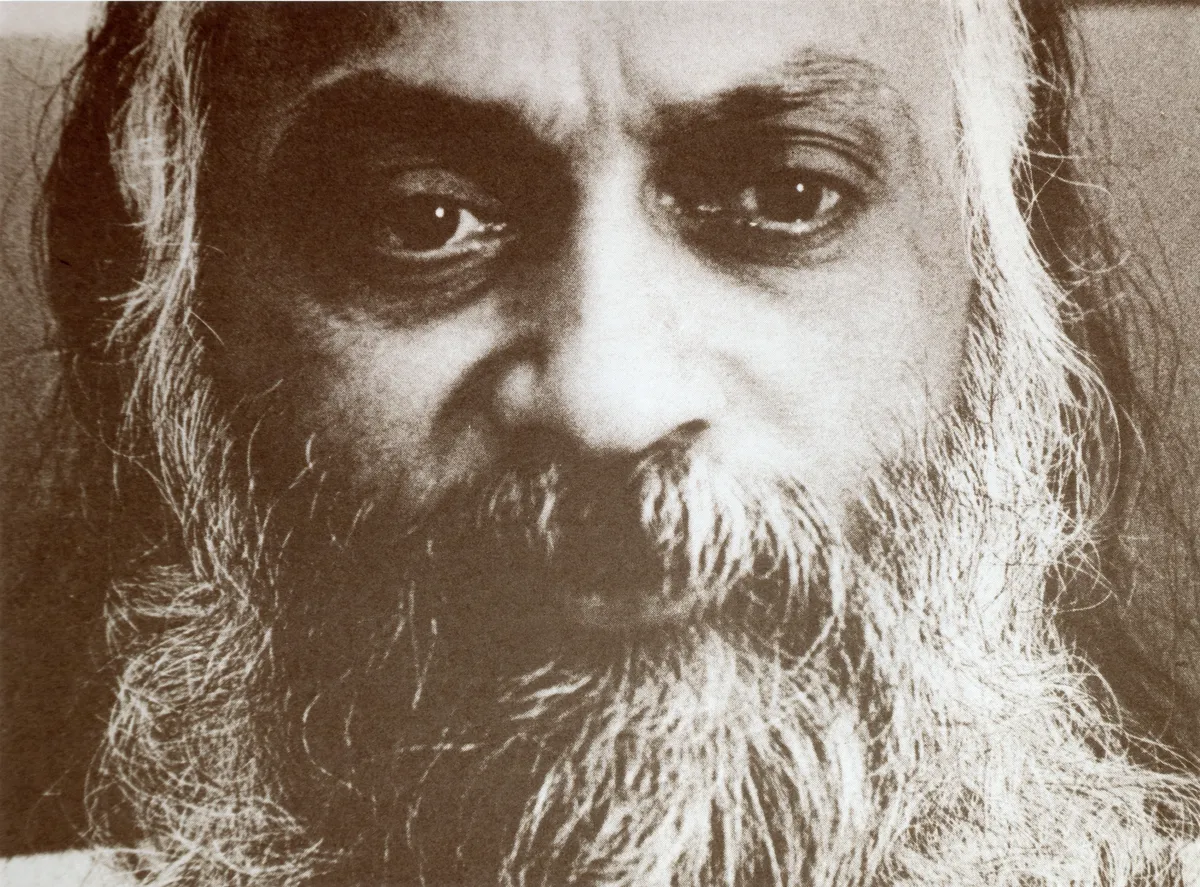
"Bhakti Sutra" is a profound exploration of the essence of devotion and divine love as articulated by Osho. In this series, Osho delves into the concept of "bhog," transcending its conventional interpretations as mere worldly enjoyment or sensory pleasure. He presents bhog as an ineffable communion with the divine, accessible only through the heart's profound surrender. According to Osho, this state of union between the devotee and God transcends intellectual pursuits or disciplined practices inherent in "yoga." Instead, it requires a complete dissolution of the self into divine rhythm, a total offering of one's being to experience the divine taste. Osho further elaborates on this taste as an all-encompassing mindfulness where worldly tastes become mere illusions. Devotion, in this sense, becomes a path of total absorption rather than renunciation; it's an effortless relinquishment when the divine has been truly tasted. Osho's unique perspective compels us to reconsider common spiritual paradigms, emphasizing the transformative power of love and the heart's innate ability to forge a direct connection with the divine, bypassing the formalities of ritualistic disciplines. Through "Bhakti Sutra," Osho invites seekers to experience the divine as an intimate, indescribable presence that transcends all worldly cravings.
-
Chapter 1
Life unfolds from lust to love to devotion; devotion is nameless, formless supreme love toward That, attained by losing the ego and dying to the self.
-
Chapter 2
You are not ordinary; the 'athato' arrives when you face pain awake, drop craving, recognize your divine nature, and surrender into love and the guru's decisive push.
-
Chapter 3
When desire ceases naturally (nirodha), worldly craving falls away and the heart's single-pointed longing becomes prayer; true devotion is waking into oneness.
-
Chapter 4
Seeing life’s futility can ignite the quest for the divine or cause despair; transcend ego by surrendering into egolessness to find true meaning.
-
Chapter 5
Experience of the Vast cannot be fully spoken; true devotion is offering all to God; love ripens into worship when the beloved is seen as the Divine.
-
Chapter 6
Enlightenment cannot be hidden yet is seen only by receptive hearts; scriptures remove obstacles, not create love; open your doors to receive the Vast.
-
Chapter 7
Devotion is fruit-form: God's grace seeks and finds you; surrender, lowliness and emptiness - not effort, knowledge or yoga - open the door to union.
-
Chapter 8
Love must be a ladder: lust roots love, love can be transcended into devotion, devotion births God; guard love's freedom and transform desires.
-
Chapter 9
Devotion is song, not discourse: inward renunciation, unbroken remembrance (akhanda bhajan), and a living master's grace awaken union with the Divine.
-
Chapter 10
Receiving divine grace deepens longing: true spirituality lives midstream between satisfaction and dissatisfaction, a perpetual movement not a final shore
-
Chapter 11
Mind lives on what is not; renounce the mind's company, become present and serve the great-hearted; reach God by waking from the dream of absence.
-
Chapter 12
God, devotion and bhog are already united: surrender, not practice, yields immediate divine taste; remembrance transforms worldly illusion into ecstatic joy.
-
Chapter 13
Love is ineffable — a creative void to be lived, not told; words are courtyards beneath the sky and only rare devotees manifest what language cannot capture.
-
Chapter 14
Sita's cry of unworthiness becomes the path: surrender and helpless thirst, not ego-strength, draw the Infinite. Love is a sacred death that dissolves the ego.
-
Chapter 15
Desireless devotion is supreme: surrender everything, ask for nothing; trust the heart, not logic or ritual. True bhakti discovers God beyond worldly gains.
-
Chapter 16
Disbelief births devotion: Prahlad's tale shows faith arises from doubt; surrender, single-pointed longing and fearless, creative 'Yes' conquer destructive 'No'.
-
Chapter 17
Break the three-seer, seen, seeing-and cross the triveni by falling into total, single-pointed love as servant or consort; surrender yourself to meet the One.
-
Chapter 18
Aloneness is humanity’s nature; accept and savour it—meditation turns solitude into the doorway to the Divine. Love is an art that awakens by giving.
-
Chapter 19
Devotion requires losing the ego: weeping, trust, surrender, and experiential praise open the heart; reason and argument obstruct God’s arrival.
-
Chapter 20
Cherish sacred longing: true devotion loves the Beloved even in absence, surrenders the 'I' instead of seizing God, making longing the path to union.