
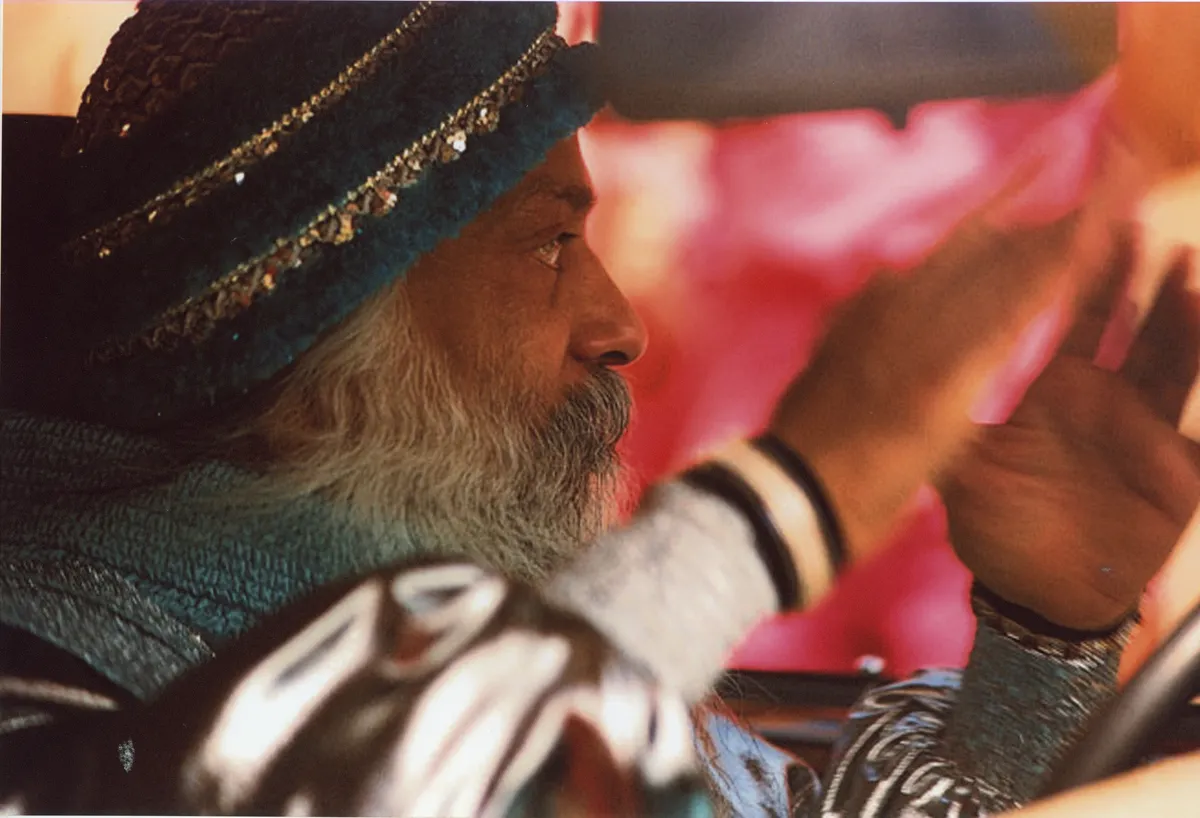
Osho's original Hindi beside Osho Live's English translation, matched passage by passage.
ज्ञान निषेधात्मक है, भक्ति विधायक। ज्ञान ऐसा है जैसे कोई भूमि तैयार करे, घास-पात अलग करे, खाद डाले; और भक्ति ऐसी है जैसे कोई बीज बोए।
Knowledge is negating; devotion is affirmative. Knowledge is like preparing the soil—removing weeds, adding manure; devotion is like sowing the seed.
ज्ञान अपने में अधूरा है। उससे सफाई तो हो जाती है, लेकिन बीज आरोपित नहीं होते। जरूरी है, काफी नहीं है। क्योंकि ज्ञान तो है बुद्धि का, भक्ति है हृदय की। परमात्मा के मार्ग पर जितनी बाधाएं हैं, वे तो ज्ञान से काटी जा सकती हैं; लेकिन जो सीढ़ियां हैं, वे भक्ति से चढ़ी जाती हैं।
Knowledge by itself is incomplete. It clears the field, but it does not implant the seeds. It is necessary, not sufficient. For knowledge belongs to the intellect; devotion belongs to the heart. On the path to the divine, all the obstacles can be cut away by knowledge; but the steps are climbed by devotion.
इसलिए ज्ञान निषेधात्मक है; व्यर्थ को तोड़ने में बड़ा कारगर है, सार्थक को जन्माने में नहीं।
So knowledge is negating; it is very effective in breaking the futile, not in giving birth to the meaningful.
शंकर ज्ञान की बात कर रहे हैं, ताकि तुम्हारे भीतर अज्ञान की जो पर्त दर पर्त भीड़ लगी है, कट जाए। और जब एक बार मन की भूमि साफ हो गई, व्यर्थ का कचरा न रहा, कूड़ा-करकट न रहा, तो फिर भक्ति के बीज बोए जा सकते हैं; फिर भज गोविन्दम् की संभावना है। विरोध नहीं है दोनों में; भक्ति ज्ञान की ही पराकाष्ठा है और ज्ञान भक्ति की ही शुरुआत है। क्योंकि मनुष्य के भीतर हृदय भी है, बुद्धि भी है। दोनों को छूना होगा। दोनों का रूपांतरण चाहिए।
Shankara speaks of knowledge so that the layers upon layers of ignorance within you are cut away. And once the ground of the mind is clear—no useless rubbish, no trash—then the seeds of devotion can be sown; then “bhaj Govindam” becomes possible. There is no opposition between the two; devotion is the culmination of knowledge, and knowledge is the beginning of devotion. Because within a human being there is both heart and intellect. Both must be touched. Both need transformation.
अगर तुम सिर्फ ज्ञान में ही उलझ गए, तो कोरे रेगिस्तान की भांति हो जाओगे--साफ-सुथरे, पर कुछ भी ऊगेगा नहीं; स्वच्छ, पर निर्बीज; विस्तीर्ण, पर न तो कोई ऊंचाई, न कोई गहराई। ज्ञान शुष्क है, अकेला। और अगर तुम अकेले भक्त हो गए, तो तुम्हारे जीवन में वृक्ष तो उगेंगे, फूल तो फलेंगे, हरियाली होगी, लेकिन उस हरियाली को बचाने के तुम्हारे पास उपाय न होंगे। तुम उन पौधों की रक्षा न कर पाओगे। अगर कोई संदेह जगाने आ गया, तो तुम्हारी उर्वर भूमि में संदेह के बीज भी पड़ जाएंगे, उनमें भी अंकुर आ जाएंगे।
If you get entangled only in knowledge, you will become like a barren desert—spotless, but nothing will grow; clean, but seedless; vast, but with neither height nor depth. Knowledge is dry, alone. And if you become a devotee alone, then in your life trees will grow, flowers will bloom, there will be greenery, but you will have no means to protect that greenness. You will not be able to safeguard those plants. If someone comes to sow doubt, then in your fertile soil the seeds of doubt too will be sown and they too will sprout.
भक्त अगर ज्ञान की प्रक्रिया से न गुजरा हो, तो उसका भवन सदा डगमगाता रहेगा। कोई भी संदेह डाल सकता है। और भक्त तो विश्वास करना जानता है। वह उन पर भी विश्वास कर लेता है जो उसे ले जा रहे हैं; वह उन पर भी विश्वास कर लेता है जो उसे भटका रहे हैं। वह गलत को भी पकड़ लेता है उसी तरह, जिस तरह ठीक को पकड़ता है। उसके पास सोचने-समझने की क्षमता नहीं; उसके पास विवेक नहीं।
If a devotee has not passed through the process of knowledge, his house will always be shaky. Anyone can plant doubt. And a devotee knows how to trust—he trusts even those who are leading him; he also trusts those who are misleading him. He grasps the false just as he grasps the true. He lacks the capacity to think and understand; he lacks discrimination.
तो भक्त ऐसे है, जैसे अंधा हो; ज्ञान ऐसे है, जैसे लंगड़ा हो; और दोनों मिल जाएं तो परम संयोग घटित होता है।
So the devotee is as if blind; knowledge is as if lame; and when the two meet, the supreme union happens.
तुमने कहानी सुनी है कि जंगल में लग गई आग और एक अंधा और एक लंगड़ा बड़ी मुश्किल में पड़े। अंधे को दिखाई नहीं पड़ता, कहां जाए! पैर हैं उसके पास स्वस्थ, भाग सकता है, बच सकता है; लेकिन दिशा नहीं है। लंगड़े को दिखाई पड़ता है--कहां है मार्ग; अभी जंगल का कौन सा हिस्सा अग्नि से नहीं घिरा है; लेकिन लंगड़ा है, दौड़ नहीं सकता; निकलने का उपाय नहीं।
You have heard the story: a forest caught fire, and a blind man and a lame man were in great trouble. The blind man could not see where to go. His legs were healthy—he could run, he could be saved—but he had no direction. The lame man could see—where the path was, which part of the forest was not yet engulfed by fire—but he was lame, he could not run; he had no means to get out.
कथा कहती है, दोनों मिल गए; अंधे ने लंगड़े को कंधे पर ले लिया। फिर दोनों की कमियां भर गईं। वे जैसे एक ही व्यक्ति बन गए; अंधे के पैर, लंगड़े की आंखें जुड़ गईं। वे दोनों जंगल से सुरक्षित बाहर आ गए। अग्नि उन्हें नष्ट न कर पाई।
The tale says they joined together: the blind man lifted the lame man onto his shoulders. Then their shortcomings were filled in. As if they became a single person—the blind man’s legs and the lame man’s eyes came together. They both came safely out of the forest. The fire could not destroy them.
बुद्धि और हृदय जब तक न मिल जाएं, तुम जीवन की अग्नि से बच न पाओगे।
Until intellect and heart meet, you will not escape the fire of life.
बुद्धि अंधी है। अकेले, हृदय भी पंगु है, बुद्धि भी पंगु है; जुड़ कर दोनों पूर्ण हो जाते हैं। और दोनों तुम्हारे पास हैं; दोनों का उपयोग कर लेना है।
The intellect is blind. Alone, the heart is crippled, the intellect is crippled; joined, the two become whole. And you have both; you must use both.
तो ज्ञान को भक्ति का सहारा बनाओ, भक्ति को ज्ञान का सहारा बनाओ; दोनों तुम्हारे पंख बन जाएं, तुम आकाश में उड़ सकोगे। न तो एक पंख से कभी कोई पक्षी उड़ा है, न एक पैर से कोई प्राणी चला है, न एक पतवार से नाव चलती है; दोनों पतवार चाहिए। कोई विरोध नहीं है। और जिन्होंने तुमसे कहा है विरोध है, उन्होंने गलत कहा है। और गलत कहने का कारण यही है कि उन्होंने भी इस महासमन्वय को नहीं जाना। या तो वे बुद्धि से घिरे हुए लोग होंगे, जिनके पास कोरे विचार हैं, शुष्क विचार हैं, तर्क हैं, लेकिन हृदय का कोई नृत्य घटित नहीं हुआ है; और या फिर वे हृदय के लोग होंगे, सीधे-सादे; नाच तो सकते हैं, समझ नहीं है।
Let knowledge support devotion, and devotion support knowledge; let both become your wings, and you will be able to fly in the sky. No bird has ever flown with one wing, no creature has ever walked with one leg, and no boat moves with a single oar; both oars are needed. There is no opposition. And those who told you there is opposition have spoken wrongly. The reason they spoke wrongly is that they too did not know this great harmony. Either they were people of the intellect, surrounded by mere ideas—dry ideas, logic—but with no dance of the heart; or they were people of the heart—simple and guileless—able to dance, but without understanding.
उस घड़ी को परम सौभाग्य की घड़ी मानना, जब तुम समझपूर्वक नाच सको। उस घड़ी को परम सौभाग्य मानना, जब तुम विवेकपूर्वक प्रेम कर सको। और परमात्मा ने तुम्हें जो भी दिया है, उसमें किसी का भी अस्वीकार मत करना; क्योंकि उतने ही अंश में तुम पंगु हो जाओगे। तुम पूरे हो, सिर्फ संयोग बिठाना है। वीणा रखी है, तार पड़े हैं; लेकिन तारों को वीणा पर जोड़ना है, तारों को कसना है, साज बिठाना है। तुम्हारे भीतर सब मौजूद है, सिर्फ संयोग मौजूद नहीं है। उस संयोग का नाम ही साधना है कि तुम्हारे भीतर की वीणा और तार मिल जाएं।
Count it the hour of supreme good fortune when you can dance with understanding. Count it supreme good fortune when you can love with discrimination. And do not reject anything that the divine has given you; otherwise by that much you will become crippled. You are whole; only a union is to be brought about. The veena is there, the strings are there; but the strings must be set on the veena, tightened, tuned. Everything is present within you; only the union is missing. The name of that union is sadhana—where the inner veena and its strings come into accord.
सूफी कहते हैं, एक आदमी भूखा मर रहा था। आटा था घर में, जल भी था, चूल्हा भी था, ईंधन भी था; लेकिन उस आदमी को पता नहीं कि कैसे आटा गूंथे, कैसे आग जलाए, कैसे आग पर रोटी सेंके। सब था--भूख भी थी, भोजन भी था--संयोग न बन सका। वह आदमी भूखा ही मर गया!
The Sufis say a man was dying of hunger. There was flour in the house, water too, a stove, fuel; but the man did not know how to knead the dough, how to light the fire, how to bake bread on it. Everything was there—hunger as well as food—but the conjunction could not be made. The man died hungry!
यह सभी आदमियों की कथा है। तुम्हारे पास सब संयोग है और तुम भूखे हो! ऐसा कुछ भी नहीं है जो तुम्हारे पास मौजूद नहीं है। परमात्मा किसी को इस तरह भेजता ही नहीं; सब साधन देकर भेजता है। लेकिन साधनों को बिठाना पड़ेगा। उनका ठीक अनुपात, ठीक समन्वय, ठीक संगीत बन जाए, तो तुम्हारे भीतर परमात्मा का प्रकाश हो जाएगा। न तो बुद्धि से घिरना, न हृदय से; दोनों तटों के बीच तुम्हारी चेतना बह सके नदी की धार की भांति; तुम गंगा बन जाना; फिर सागर दूर नहीं है। और जिद मत करना कि एक ही किनारे के सहारे बहेंगे; अन्यथा गंगा बह ही न पाएगी; दोनों ही किनारों का सहारा चाहिए। और अंत में दोनों किनारे छूट जाएंगे। लेकिन ध्यान रखना, वह अंत सहारे से ही आएगा।
This is the story of all human beings. You have every means, and yet you are hungry! There is nothing that you do not have. The divine sends no one into the world empty-handed; you are sent with all the means. But you must set them in order. Their right proportion, right coordination, right music must happen; then the light of the divine will dawn within you. Do not get hemmed in by the intellect, nor by the heart; let your consciousness flow like a river between both banks; become the Ganges; then the ocean is not far. And do not insist that you will flow with the support of only one bank; otherwise the Ganges cannot flow at all; both banks are needed. And in the end both banks will be left behind. But remember, that end will come only with their support.
परम अवस्था में, परम सिद्धावस्था में, न तो भक्ति रह जाती है, न ज्ञान। जब नदी सागर में गिरती है तो फिर कोई भी किनारा नहीं रह जाता, फिर तो नदी सागर हो गई।
In the supreme state, the state of perfect attainment, neither devotion remains nor knowledge. When the river falls into the ocean, then no bank remains; the river has become the ocean.
इसलिए तीन तरह के लोग संसार में हैं।
एक, जिन्होंने बुद्धि को पकड़ लिया--दार्शनिक, तात्विक। वे बाल की खाल ही निकालते रहते हैं। तर्क की सूखी रेत उनके जीवन में भर जाती है; सोचते बहुत हैं, पहुंचते कहीं भी नहीं।
दूसरे हार्दिक लोग हैं--गाते बहुत हैं, नाचते बहुत हैं। लेकिन सब गाना-नाचना विवेकरहित है; विक्षिप्तता के करीब ज्यादा है, विमुक्ति के करीब नहीं। एक तरह का पागलपन है, एक तरह का नशा है। जिनके पास विवेक नहीं, होश नहीं, उनके लिए धर्म, हृदय एक तरह की शराब है।
फिर तीसरे तरह के लोग हैं, जिन्होंने दोनों का उपयोग कर लिया; और उपयोग करके दोनों के पार हो गए।
Therefore there are three kinds of people in the world. 1) Those who have clutched the intellect—philosophers, metaphysicians. They go on splitting hairs. The dry sand of logic fills their lives; they think a lot, but arrive nowhere. 2) Those who are of the heart—they sing a lot, dance a lot. But all their singing and dancing is without discrimination; nearer to derangement than to liberation. A kind of madness, a kind of intoxication. For those who lack discrimination, who lack awareness, religion and the heart become a kind of wine. 3) Then there are those who have used both; and by using both, have gone beyond both.
उस महा अतिक्रमण की आकांक्षा रखो। उस महा अतिक्रमण की अभीप्सा करो। उस तीसरे बिंदु पर पहुंच जाने का लक्ष्य रखो।
Yearn for that great transcendence. Aspire to that great surpassing. Set your goal on reaching that third point.
सागर में गिरना है गंगा को, तट दोनों छोड़ देने हैं। लेकिन जल्दी मत करना; सागर तक तो तट के सहारे ही पहुंचना होगा; पहुंचते ही फिर तटों का त्याग हो सकता है।
The Ganges has to merge into the ocean; both banks have to be left. But do not be in a hurry; till the ocean, you must reach with the support of the banks; only upon arriving can the banks be renounced.
निश्चित ही, ऐसा ही है; क्षणभंगुरता ही आकर्षण का कारण है। और धर्म जीवन को क्षणभंगुर बता कर वैराग्य पैदा नहीं करते हैं। धर्म तो कहते हैं: जो भी क्षणभंगुर है उसके पीछे दुख आएगा। क्षणभंगुरता नहीं है कारण वैराग्य का, क्षणभंगुरता के पीछे दुख छाया की तरह आता है। दुख कारण है वैराग्य का। क्षणभंगुरता तो आकर्षित करती है, बुलाती है। जितना जल्दी जीवन भागा जाता है, उतना ही मन होता है--भोग लो जल्दी! अब गया, अब गया। कब उठ जाएंगे, पता नहीं। तो भोग लो। जितना ज्यादा भोग सको, भोग लो। जितनी त्वरा से जी सको, जी लो। एक क्षण भी खाली न जाए, चूस लो। एक-एक क्षण की पूरी संभावना को भोग लो।
Certainly, it is so; transience itself is the cause of attraction. And religions do not create dispassion by merely declaring life transient. Religion says: wherever there is transience, suffering will follow like a shadow. Transience is not the cause of dispassion; the suffering that comes in its wake is. Transience attracts, it beckons. The faster life runs away, the more the mind says—Enjoy, quickly! Now it’s here, now it’s gone. Who knows when the curtain will fall? So enjoy as much as you can; live with the utmost urgency. Let not even a single moment go idle—suck it dry. Exhaust the full possibility of each moment.
क्षणभंगुरता आकर्षण है। मौत आ रही है, इसीलिए तो जीवन को हम पकड़ते हैं। अगर मौत आती ही न हो, कौन जीवन को पकड़ेगा? अगर सुख आते हों और कभी जाते ही न हों, कौन चिंता करेगा? आकर्षण का कारण क्षणभंगुरता है। जो चीज जितने जल्दी विलीन हो जाती है, उतनी कीमती मालूम होती है। पत्थर पड़ा है, उसकी उतनी कीमत नहीं है; पास ही फूल खिला है, फूल की बड़ी कीमत है। सुबह खिला है, सांझ खो जाएगा। देख लो, रस ले लो; आंखों को भर लो, तृप्त कर लो। क्योंकि जो खिला है वह मुरझाने की राह पर चल ही पड़ा है। देर नहीं लगेगी, सूरज मध्य आकाश में आ गया है। आधा जीवन तो फूल का जा ही चुका है, कुम्हलाना शुरू हो गया है। इसीलिए तो सौंदर्य में इतना आकर्षण है। अगर सौंदर्य सदा रहता हो, कौन चिंता करेगा?
Transience is attraction. Death is approaching; that is precisely why we cling to life. If death did not come, who would cling to life? If pleasures came and never left, who would worry? The cause of attraction is transience. The faster a thing dissolves, the more precious it appears. A stone lies there—of little value; nearby a flower blooms, and it seems priceless. It opened in the morning; by evening it will be gone. Look at it, savor it; fill your eyes, be satisfied. For what has blossomed has already set out on the road to withering. It won’t be long; the sun sits in mid-sky. Half the flower’s life has passed; it has begun to fade. That is why beauty attracts so much. If beauty were everlasting, who would be concerned?
एक मजे की बात है: कुरूपता ज्यादा स्थायी है सौंदर्य से। कुरूप व्यक्ति जीवन भर कुरूप बना रहता है, सुंदर व्यक्ति जीवन भर सुंदर नहीं होता। कुछ क्षण होते हैं जीवन के, युवा अवस्था के, जब सुंदर होता है; फिर कुम्हला जाता है। और क्या तुमने खयाल किया--जितना सुंदर व्यक्ति हो, उतने जल्दी कुम्हला जाता है! जितना कोमल फूल होगा, उतने जल्दी कुम्हला जाएगा।
A curious fact: ugliness is more lasting than beauty. An ugly person remains ugly for life; a beautiful person is not beautiful for life. There are a few moments—youth—when beauty flowers; then it withers. And have you noticed— the more beautiful a person is, the more quickly they fade! The more delicate the flower, the sooner it wilts.
दौड़ो, भागो, जल्दी करो! कहां मंदिरों में बैठे भजन-कीर्तन कर रहे हो। भोग लो! भजन-कीर्तन पीछे भी हो जाएगा। और दूसरा ही नहीं बदल रहा है, तुम्हारी भोगने की क्षमता भी प्रतिपल क्षीण होती चली जा रही है। जल्दी करो, मन कहे चला जाता है।
Run, rush, hurry! Why sit in temples with hymns and kirtan? Indulge! The singing can wait. And not only is the other changing; your capacity to enjoy is thinning with every moment. Hurry, the mind keeps saying.
निश्चित ही क्षणभंगुरता आकर्षण का कारण है। अगर चीजें शाश्वत होतीं, कौन चिंता करता?
शायद इसीलिए तो तुमने परमात्मा की चिंता नहीं की है--शाश्वत है, जल्दी भी क्या है? आज नहीं कल, कल नहीं परसों, इस जन्म में नहीं तो अगले जन्म में, अगले जन्म में नहीं तो और आगे--परमात्मा खो न जाएगा, जल्दी क्या है? जब भी जाओगे, उसे अपने घर में ही पाओगे। लेकिन ये जीवन के क्षणभंगुर फूल, यह आंखों का सौंदर्य, ये चेहरों की लालिमा, यह युवावस्था, यह तुम्हारे भोगने की क्षमता--यह सब टूटी जा रही है, भागी जा रही है। देर मत करो, मन कहता है।
Certainly, transience is the cause of attraction. If things were eternal, who would care? Perhaps that is why you have not bothered about God—He is eternal; what’s the hurry? Not today, then tomorrow; not this life, then the next; not the next, then later still—God won’t be lost. What’s the rush? Whenever you go, you will find Him at home. But these fleeting flowers of life, this beauty of eyes, these flushed faces, this youth, this capacity in you to enjoy— all this is cracking, rushing away. Don’t delay, says the mind.
निश्चित ही क्षणभंगुरता आकर्षण का कारण है। जो भी शाश्वत है, उसमें आकर्षण नहीं रह जाता। जो है ही, और सदा ही है, उसमें आकर्षण का क्या कारण है! सपने ज्यादा सुंदर लगते हैं। अभी आंख खुलेगी और टूट जाएंगे।
Certainly, transience is the cause of attraction. Whatever is eternal loses its charm. That which simply is—and forever is—why should it entice? Dreams look more beautiful; in a moment the eyes will open and they will shatter.
धर्म जब तुमसे कहता है कि क्षणभंगुर है जीवन, तो क्षणभंगुर बता कर तुम्हें वैराग्य नहीं लाना चाहता। क्षणभंगुर कह कर यह इशारा करना चाहता है कि क्षण भर के बाद फिर क्या करोगे? क्षण भर नाच लोगे, फिर रोओगे। क्षणभंगुर है अगर जीवन; भोग लोगे क्षण भर, फिर पीछे पछताओगे। चुक जाओगे व्यर्थ की दौड़ में। तितलियों के पीछे जैसे बच्चे दौड़ रहे हैं, ऐसे छोटे-छोटे भोगों के पीछे दौड़ते-दौड़ते थकोगे, गिर जाओगे, मौत समा लेगी तुम्हें। और यह समय जो तुमने क्षणभंगुर की तलाश में गंवाया, उसमें तुमने पाया तो कुछ भी नहीं। क्योंकि पाने के पहले ही चीजें कुम्हला जाती हैं; हाथ में आते-आते ही फूल मुर्दा हो जाते हैं; घर लाते-लाते ही सुख दुख में रूपांतरित हो जाता है।
When religion tells you life is transient, it does not intend to make you dispassionate by that alone. The word “transient” points to this: after this fleeting moment, then what? You will dance for a moment—and then you will weep. If life is transient, you will enjoy for a moment—and then repent. You will be spent in a futile chase. Like children running after butterflies, you will race after little pleasures, tire, fall, and death will absorb you. And the time you wasted chasing the transient—what did you gain? Before you can grasp them, things wither; by the time the flower reaches your hand, it is dead; by the time you bring pleasure home, it has turned into pain.
वैराग्य का उदबोधन दुख के कारण है। धर्म कहता है, देखने की कोशिश करो कि जहां तुम्हें एक क्षण को सुख दिखाई पड़ता है, उसके पीछे अनंत दुख भरा है। और तुम भी इसे भलीभांति जानते हो। जब भी तुमने सुख पाया, पीछे दुख आया है; जब भी तुम प्रसन्न हुए, पीछे आंख आंसुओं से भरी है; जब भी तुम इतराए, तभी तुम गिरे हो; और जब भी तुमने सोचा था सौभाग्य का क्षण आ गया, उसके पीछे ही दुर्भाग्य की रात्रि शुरू हो गई है।
Dispassion is awakened by suffering. Religion says: try to see that wherever you glimpse a moment of pleasure, behind it lies an infinity of pain. And you know this well. Whenever you have had pleasure, pain has followed; whenever you have rejoiced, your eyes later filled with tears; whenever you strutted, you fell; whenever you thought the moment of good fortune had arrived, just behind it the night of misfortune began.
धर्म कहता है, अगर ऐसा सुख चाहिए हो जो कभी खोता नहीं और कभी दुख में रूपांतरित नहीं होता, तो सनातन को खोजो, शाश्वत को खोजो; क्षणभंगुर से जागो। सपनों में खोया गया समय, खोया गया समय है। सत्य को खोजो।
Religion says: if you want a bliss that is never lost and never turns into suffering, seek the eternal, seek the imperishable; awaken from the transient. Time lost in dreams is lost time. Seek truth.
सत्य की परिभाषा क्या है? सत्य की इतनी ही परिभाषा है कि जो सदा था, जो सदा है और सदा रहेगा। असत्य की इतनी ही परिभाषा है कि जो कल नहीं था, अभी है, कल फिर नहीं हो जाएगा। असत्य का अर्थ है, दो नहीं के बीच थोड़ी देर को होना है; दो न होने के बीच थोड़ी देर को होने का भ्रम है। थोड़ा सोचो, जब दोनों तरफ नहीं है, तो बीच में हो कैसे सकेगा!
What is the definition of truth? Only this: that which always was, always is, and always will be. And untruth? That which was not yesterday, is today, and will not be tomorrow. Untruth means being for a brief while between two not-beings; a momentary illusion of being between two non-existences. Think: when on both ends it is not, how can it be in the middle?
इसलिए शंकर संसार को माया कहते हैं।
माया का मतलब यह है: कल नहीं थी, आज है, कल फिर नहीं हो जाएगी। तो जो दो कोनों पर नहीं है, वह बीच में हो नहीं सकती, सिर्फ दिखाई पड़ती होगी, भास होता होगा। क्योंकि ‘नहीं’ से ‘है’ कैसे पैदा हो सकता है? और जो ‘है’, वह फिर ‘नहीं’ में कैसे खो सकता है?
Therefore Shankara calls the world maya. Maya means: it was not yesterday, it is today, it will not be tomorrow. That which is not at the two ends cannot truly be in the middle; it only appears to be. How can “is” arise out of “is not”? And what truly “is,” how can it vanish back into “is not”?
तुम नहीं थे एक दिन। जन्म के पहले तुम कहां थे? मृत्यु के बाद तुम कहां रहोगे? थोड़ी सी देर का सपना है। आंख लगी, सपना देख लिया है; आंख खुलते ही खो जाएगा।
There was a time you were not. Where were you before birth? Where will you be after death? It is a brief dream. The eyes close and a dream appears; the moment they open, it vanishes.
सहजो ने कहा है: जगत तरैया भोर की। जैसे सुबह का तारा होता है, आखिरी--अब डूबा, तब डूबा। डबडबाता है। तुम देखते ही रहोगे और देखते ही देखते खो जाएगा।
Sahajo has said: The world is the morning star of dawn—the very last: now it sets, now it sets. It quivers on the verge. You keep watching, and as you watch, it disappears. The world is like the star of dawn—such is the whole of life.
जगत तरैया भोर की--ऐसा सारा जीवन है।
महावीर ने कहा है: जैसे घास के पत्ते पर ओस की बूंद--ऐसा जीवन है।
घास के पत्ते पर ओस की बूंद को कभी गौर से देखा? अब ढलकी, तब ढलकी। तुम्हारे देखते-देखते ही ढल जाएगी; हवा का जरा सा झोंका काफी है। सूरज का निकलना--भाप बन जाएगी--काफी है। जरा सा धक्का, और गई। जब होती है, तब तो मोतियों को ईर्ष्या होती है। जब होती है बूंद ओस की, तब तो मोती भी शरमाते होंगे, झेंप जाते होंगे, ऐसी चमकती है। पर उसका होना क्या है? न जैसा है; हुई, न हुई, बराबर है।
Mahavira said: Life is like a drop of dew on a blade of grass. Have you ever watched a dewdrop closely? Now it hangs, now it slips. Before your very eyes it will fall; a slight gust of wind is enough. The sun’s rising—enough to turn it into vapor. The slightest nudge—and it is gone. When it is there, even pearls might grow jealous; when the dewdrop is, pearls themselves blush at its brilliance. But what is its being? As if it were not; whether it happened or not—it is the same.
जीवन क्षणभंगुर है तो सत्य नहीं हो सकता। तुमने जो भी जाना है, अगर वह जाना और फिर खो जाता है, वह सत्य नहीं हो सकता। वह मन की ही भावना रही होगी; वह मन की ही कल्पना रही होगी; वह तुम्हारा ही प्रक्षेपण रहा होगा। वैसी सच्चाई नहीं है, तुमने मान लिया होगा। वह तुम्हारी मान्यता है। मान्यता माया है। तुम्हारे भीतर की कामना को तुम जीवन के पर्दे पर आरोपित करके देखते चले जाते हो।
If life is transient, it cannot be truth. Whatever you have known—if you know it and then it is lost—it cannot be truth. It must have been a mood of the mind, a fantasy of the mind, your own projection. It is not reality; you assumed it. It is your belief. Belief is maya. You project your inner desires onto the screen of life and keep seeing them there.
तुमने कभी खयाल किया--एक स्त्री बहुत सुंदर लगती है या एक पुरुष बहुत सुंदर लगता है; चार दिन बाद वही स्त्री सुंदर नहीं लगती, वही पुरुष सुंदर नहीं लगता! क्या हो गया? वही स्त्री है, वही पुरुष है! चार दिन पहले तुमने अपनी कोई कामना आरोपित कर ली थी, वह कामना टूट गई--पर्दा खाली है, अब उस पर कोई चित्र नहीं रहा।
Have you noticed? A woman looks very beautiful, or a man very handsome; four days later, the same woman no longer looks beautiful, the same man no longer handsome. What happened? She is the same woman; he is the same man. Four days ago you had projected some desire; that projection has broken—the screen is bare; no picture remains on it.
तुम जो देखते हो अपने चारों तरफ, जब तक तुम मन में भरी कामनाओं से देखते हो, तब तक तुम वही नहीं देख सकते जो है; तब तक तुम वही देखते रहोगे जो तुम देखना चाहते हो। शुद्ध आंख वही देखती है जो है, अशुद्ध आंख वही देख लेती है जो देखना चाहती है। तुम सौंदर्य की तलाश में हो, तो तुम सौंदर्य देख लोगे। अपनी-अपनी व्याख्या है जीवन। व्याख्या के कारण जीवन माया है।
So long as you look through the desires crowding your mind, you cannot see what is; you see what you want to see. The pure eye sees what is; the impure eye sees what it wants. If you are in search of beauty, you will see beauty. Everyone’s interpretation is their own. Because of interpretation, life is maya.
मुल्ला नसरुद्दीन दवाएं बनाता है और बेचता है। एक पैकेट पर उसने लिख रखा था: फायदा न होने पर दाम वापस। मैं उसकी दुकान पर बैठा था। एक आदमी आया, वह बड़ा नाराज था। उसने कहा, महीना भर हो गया दवा फांकते-फांकते, कोई फायदा नहीं हुआ। दाम वापस चाहिए!
नसरुद्दीन ने कहा कि पैकेट पर लिखा है: फायदा न होने पर दाम वापस। तुम्हें न हुआ हो, हमें तो फायदा हुआ है।
Mulla Nasruddin makes medicines and sells them. On one packet he had written: “Money back if no benefit.” I was sitting in his shop. A man came, very angry. He said, It’s been a month swallowing this medicine—no benefit at all. I want my money back! Nasruddin said, The packet does say: money back if no benefit. You may not have benefited—but we have.
अपनी-अपनी व्याख्या है। जीवन को तुम वैसा ही करके देखते हो, जैसा तुम देखना चाहते हो। शब्दों के अर्थ बदल जाते हैं; सत्यों के अर्थ बदल जाते हैं। तुम अपने आस-पास अपनी ही मान्यताओं का एक संसार खड़ा कर लेते हो, फिर तुम उसी संसार में जीते हो। और आदमी अपने ही कारण खोजता चला जाता है, और कारणों के थेगड़े लगाए चला जाता है, ताकि मान्यताएं टूट न जाएं, फूट न जाएं; जोड़-तोड़ बिठाता रहता है।
Each has his own interpretation. You make life appear as you wish to see it. Words change meaning; truths change meaning. You erect around you a world of your own beliefs, and then you live in it. And a person keeps searching for his own supporting reasons, patching on arguments so that his beliefs don’t crack; he keeps contriving and fixing.
मुल्ला नसरुद्दीन का बाजार में किसी से झगड़ा हो गया। वह आदमी बहुत नाराज था और उसने कहा, एक ऐसा झापड़ा मारूंगा--नसरुद्दीन को कहा--कि बत्तीसों दांत जमीन पर गिर जाएंगे, बत्तीसी नीचे गिर जाएगी।
मुल्ला नसरुद्दीन और जोश में आ गया, उसने कहा कि तूने समझा क्या है! अगर मैंने झापड़ा मारा तो चौंसठों दांत नीचे गिर जाएंगे।
एक तीसरा आदमी पास में खड़ा था, उसने कहा, भई बड़े मियां, इतना तो खयाल रखो कि चौंसठ दांत आदमी के होते ही नहीं।
मुल्ला नसरुद्दीन ने कहा, मुझे पता था कि तू भी बीच में कूद पड़ेगा, इसलिए चौंसठ। एक ही झापड़े में दोनों के गिरा दूंगा।
Mulla Nasruddin had a quarrel with someone in the market. The man was furious and said to Nasruddin, I’ll slap you so hard that all thirty-two of your teeth will hit the ground—your whole set will drop out. Nasruddin, even more heated, said, What do you think! If I slap you, all sixty-four teeth will fall out. A third man standing nearby said, Come now, elder, at least remember that a man doesn’t have sixty-four teeth. Nasruddin said, I knew you’d butt in— that’s why I said sixty-four. With one slap I’ll knock out both of yours!
आदमी अपनी...तुमसे भूल भी हो जाए, तो भी तुम भूल स्वीकार नहीं करते। तुम अपनी भूल के लिए भी कारण खोज लेते हो, तर्क खोज लेते हो।
Even if you make a mistake, you won’t admit it. You find reasons for your mistake, arguments for it.
भूल को स्वीकार करना बड़ा साहस है। और जिसने भूल को स्वीकार कर लिया, धीरे-धीरे भूलें तिरोहित हो जाती हैं।
To admit a mistake takes great courage. And the one who admits it—slowly, his mistakes begin to dissolve.
एक स्त्री के तुम प्रेम में हो। तुम बड़ा सपना बांधते हो, स्वर्ग निर्मित करते हो, बड़ी कविताएं पैदा होती हैं--और तुम सोचते हो, बस, अब स्वर्ग मिल गया। चार दिन में स्वर्ग उजड़ जाता है! तब तुम यह नहीं देखते कि मैंने कोई भूल की थी। तब तुम देखते हो--यह स्त्री धोखा दे गई। तुम यह नहीं देखते कि मेरी मन की धारणा टूटी! तुम यह नहीं देखते कि मन की धारणा टूटती ही, सुबह की ओस थी, भोर की तरैया थी, तुम यह नहीं देखते। तुम देखते हो--यह स्त्री धोखा दे गई; यह स्त्री ही गलत थी; दूसरी स्त्री खोजेंगे। फिर दूसरी स्त्री खोजते हो! फिर वही आरोपण! फिर वही भूल! फिर वही नशा! फिर वह भी चार दिन में टूट जाता है, तब भी तुम जागते नहीं।
You are in love with a woman. You weave great dreams, build a heaven, poetry arises—and you think, now heaven is attained. In four days the heaven is in ruins! Then you don’t see that you made a mistake. You say—this woman deceived me. You don’t see—my mind’s projection broke. You don’t see—mind’s projection must break; it was the dew of dawn, the star of morning. You don’t see this. You say—this woman deceived me; the woman herself was wrong. We’ll look for another woman. Then you seek another woman—the same projection; the same mistake; the same intoxication. In four days that, too, breaks—yet you do not wake up.
महाभारत में बड़ी प्राचीन, बड़ी मीठी कथा है कि जब पांडव जंगल में अज्ञातवास पर हैं, भटकते रहे हैं दिन में--दोपहरी--पानी नहीं मिला। सांझ एक भाई खोजने निकला, झील मिल गई। लेकिन जब वह झील में पानी भरने को झुका, तो आवाज आई--रुको! जब तक मेरे प्रश्न का उत्तर न दो, तब तक पानी न भर सकोगे। कोई यक्ष उस झील पर कब्जा किए था। पूछा, क्या है तुम्हारा प्रश्न? यक्ष ने कहा, अगर उत्तर न दिया या उत्तर गलत हुआ, तो तत्क्षण मृत हो जाओगे। अगर उत्तर दिया, तो जल भी मिलेगा और अनंत भेंट भी दूंगा। प्रश्न था कि मनुष्य के जीवन का सबसे बड़ा सत्य क्या है? जो उत्तर दिया--जो भी दिया हो--वह ठीक नहीं था। एक भाई गिरा, मृत हो गया। ऐसे चार भाई एक के बाद एक गए। अंत में युधिष्ठिर गए कि हो क्या रहा है! चारों भाइयों को मरे हुए पाया। यक्ष की आवाज आई--सावधान! पहले मेरे प्रश्न का उत्तर, अन्यथा वही होगा जो इनका हुआ है। पानी एक ही शर्त पर भर सकते हो, वह मेरा ठीक उत्तर मिल जाए। क्योंकि उसी उत्तर पर मेरी मुक्ति निर्भर है। जिस दिन मुझे ठीक उत्तर मिल जाएगा, उस दिन मैं भी मुक्त हो जाऊंगा; यह मेरा बंधन यक्ष होने का टूट जाएगा। प्रश्न है: मनुष्य के जीवन का सबसे बड़ा सत्य क्या है? युधिष्ठिर ने कहा, यही कि चाहे कितने ही अनुभव मिलें, मनुष्य सीख नहीं पाता। यक्ष मुक्त हो गया। चारों भाई पुनरुज्जीवित हो गए। उसकी प्रसन्नता में, मुक्ति की प्रसन्नता में उसने चारों को पुनरुज्जीवन दिया।
In the Mahabharata there is an ancient, sweet tale. When the Pandavas were in the forest in concealment, they wandered through the day—no water. In the evening one brother went in search and found a lake. As he bent to draw water, a voice came—Wait! Until you answer my question, you cannot take water. A yaksha had claimed that lake. What is your question? he asked. The yaksha said, If you do not answer, or your answer is wrong, you will die instantly. If you answer, you will get water—and I will grant you an endless boon. The question was: What is the greatest truth of human life? Whatever answer he gave was not right. One brother fell, dead. Thus, four brothers went, one after another. At last Yudhishthira went to see what was happening, and found all four brothers dead. The yaksha’s voice came—Beware! First answer my question, or what happened to them will happen to you. You can draw water only on one condition—that I get the right answer. My liberation depends on that very answer. The day I receive the right answer, I too will be freed; my bondage as a yaksha will break. The question is: What is the greatest truth of human life? Yudhishthira said: This—that no matter how many experiences he gathers, man does not learn. The yaksha was liberated. The four brothers were revived. In the joy of his freedom he restored them to life.
मनुष्य को कितने ही अनुभव हो जाएं, सीख नहीं पाता। एक स्त्री से छूटता है, दूसरी! दूसरी से छूटता है, तीसरी! एक उपद्रव िमटता है, दूसरा! एक सफलता का मार्ग अवरुद्ध हो जाता है, तो दूसरा! एक दौड़ बंद नहीं हो पाती कि दूसरी शुरू कर देता है, दौड़ से नहीं मुक्त होता। एक वासना गिर नहीं पाती कि दस खड़ी कर लेता है। वासना की भ्रांति नहीं दिख पाती। और हर चीज के पीछे अपने तर्क खोज लेता है, अपने कारण खोज लेता है। और कभी यह नहीं देखता कि भूल मेरी होगी। सदा भूल किसी और पर थोप देता है। निश्चिंत होकर फिर भूल करने में लग जाता है।
However many experiences a person has, he does not learn. He breaks with one woman—then another; from the second—then the third. One trouble ends—another begins. One road to success is blocked—he starts another. One race does not end before he begins the next; he cannot free himself from racing. One passion has not fallen before he raises ten more. He cannot see through the delusion of desire. And he always finds his own reasons, his own causes. He never looks to see: the mistake must be mine. He always shifts the mistake onto someone else, and, reassured, proceeds to repeat it.
दूसरे पर भूल थोपना, भूल को और-और करने की व्यवस्था है। जब भी तुम किसी को कहते हो कि तुम जिम्मेवार हो, तभी तुम अपनी जिम्मेवारी से इनकार कर रहे हो। और वही जिम्मेवारी तुम्हें जगा सकती थी; क्योंकि उसी जिम्मेवारी के क्षण में तुम्हें दिखाई पड़ सकता था कि मैं भूल कर रहा हूं।
To lay the blame on another is to arrange to repeat the mistake. Whenever you say to someone, You are responsible, in that very moment you deny your own responsibility. And it was precisely this responsibility that could have awakened you; in that very moment you might have seen: I am making the mistake.
भूल किसी स्त्री में नहीं है, न किसी पुरुष में है; भूल उस कामना और कल्पना में है जो तुम किसी स्त्री या पुरुष पर आरोपित करते हो। वह क्षणभंगुर है; वह कामना टूटेगी।
The mistake is not in some woman or some man; the mistake lies in the desire and imagination you project onto that person. That is transient; that desire will break.
जरा सोचो तो, मन का एक विचार तुम कितनी देर तक थिर रख सकते हो? भोर की तरैया भी थोड़ी ज्यादा देर टिकती है। ओस का कण भी कभी-कभी देर तक टिक जाता है। लेकिन तुम अपने मन में एक विचार को कितनी देर टिका सकते हो? क्षण भर है, और गया। पकड़ो तो भी पकड़ में नहीं आता, मुट्ठी खाली रह जाती है। दौड़ो तो भी कहीं खबर नहीं मिलती--कहां गया। हवा के झोंके की तरह आता है और खो जाता है। ऐसे मन के आधार पर तुम जो संसार में जीते हो, वह जीवन क्षणभंगुर है।
Just think: how long can you keep a single thought steady? Even the morning star lingers a little longer. Even a dewdrop sometimes stays awhile. But how long can you keep one thought fixed in your mind? It is there for a moment and gone. Try to grasp it—it slips away; your fist remains empty. Run after it—there is no trace: where did it go? It comes like a gust of wind and is gone. On the basis of such a mind, the life you live in the world is transient.
संसार क्षणभंगुर है, ऐसा मत समझ लेना। वह तो सिर्फ कहने का एक ढंग है। संसार क्षणभंगुर नहीं है। संसार तो तुम नहीं थे, तब भी था; तुम नहीं रहोगे, तब भी रहेगा। संसार तो शाश्वत है। लेकिन तुम जो संसार बना लेते हो अपने ही मन के आधार पर, वह क्षणभंगुर है। वस्तुतः संसार तो है ही नहीं, परमात्मा है। परमात्मा के पर्दे पर तुम जो अपनी कामना के चित्र बना लेते हो, वे संसार हैं। और उस संसार में दुख ही दुख है।
Do not conclude that the world itself is transient; that is only a way of speaking. The world is not transient. The world was there when you were not; it will be there when you are gone. The world is eternal. But the world you construct on the basis of your mind—that is transient. In truth there is no “world”; there is God. On the screen of the Divine you paint the pictures of your desires—those pictures are “the world.” And in that world there is nothing but sorrow.
रोज तुम्हें दुख मिलता है, फिर भी तुम कल के सुख की आशा में जीए चले जाते हो। कितनी बार तुम गिरते हो, फिर उठ-उठ कर खड़े हो जाते हो। कितनी बार जीवन तुम्हें कहता है कि तुम जो खोज रहे हो वह मिलेगा नहीं, लेकिन तुम कोई न कोई बहाना खोज लेते हो--कोई और भूल हो गई, कोई और गलती हो गई--अब की बार सब ठीक कर लेंगे, अब ऐसी भूल न हो पाएगी।
Every day you meet suffering, yet you go on living in the hope of tomorrow’s pleasure. However many times you fall, you rise again. However many times life tells you that what you seek will not be found, you invent some excuse—some other mistake happened, some other error occurred. This time everything will be fine; now such a mistake will not occur.
मैंने सुना है, कारागृह से एक कैदी मुक्त हुआ। तेरहवीं बार कारागृह में बंद हुआ था। मुक्त करते क्षण में जेलर को भी दया आ गई। उसकी आधी जिंदगी ऐसे ही जेल में बीत गई। उसने कहा, अब तो समझो! अब तो कुछ ऐसा करो कि जेल आना न हो!
उसने कहा, कोशिश तो हर बार करते हैं, फिर-फिर आना हो जाता है। मगर अब की बार--आप ठीक कह रहे हैं--अब की बार फिर न आऊंगा।
जेलर बहुत प्रसन्न हुआ, उसने कहा कि हम प्रसन्न हैं।
लेकिन वह कैदी बोला कि आपकी प्रसन्नता से लगता है आप समझे नहीं। मैं यह कह रहा हूं कि अब तक जो भूलें करके मैं पकड़ जाता था, अब न करूंगा। चोरी न करूंगा, यह मैं नहीं कह रहा हूं। लेकिन जिन कारणों से मैं पकड़ जाता था, वे कारण अब न दोहराऊंगा। और तेरह बार अनुभव होते-होते अब ऐसा कोई कारण नहीं बचा है, जिसे मैंने समझ न लिया हो। चोरी तो करूंगा, लेकिन अब भूल-चूक बिलकुल न होगी।
I have heard: a prisoner was released from jail. It was his thirteenth imprisonment. At the moment of release even the jailer felt pity. Half his life had been spent in prison. The jailer said, Now understand! Do something so you don’t come back. The man said, We try every time, yet we end up back. But this time—you are right—this time I won’t return. The jailer was pleased: We are happy to hear that. The prisoner said, Your happiness shows you haven’t understood. I am saying that the mistakes because of which I used to get caught, I will not commit now. I’m not saying I won’t steal. But the reasons I used to get caught—those I won’t repeat. And after thirteen rounds of experience, there is no reason left I haven’t learned. I will steal—but now there will be no slips.
चोरी भूल-चूक नहीं है, भूल-चूक तो उन भूलों में है जिनके कारण चोरी पकड़ जाती है। जेल तुम जिनको भेजते हो, वे वहां से और निष्णात अपराधी होकर वापस आ जाते हैं। क्योंकि वहां और दादा-गुरु मिल जाते हैं, और भी पुराने घाघ। उनसे काफी सोच-समझ कर, विचार-विमर्श करके, अनुभव से सीख कर, शिक्षा लेकर, गुरुमंत्र पाकर वापस लौट आते हैं। फिर वही करते हैं। चोरी भूल नहीं है, ऐसा लगता है; भूल पकड़े जाने में है।
तुम भी सोचो--अगर तुम कुछ ऐसी तरकीब पा जाओ कि तुम पकड़े न जा सको, फिर तुम चोरी करोगे या नहीं? तुम्हारा मन साफ कहेगा: फिर करने में कोई बुराई ही नहीं है। चोरी में थोड़े ही बुराई है, पकड़े जाने में बुराई है। और जब तक तुम ऐसा समझ रहे हो, तब तक तुम दुख में जीओगे।
It seems stealing is not the mistake; the mistake is in getting caught. Those whom you send to prison return as more expert criminals—meeting grandmasters there, old foxes. After much consultation and learning, taking instruction and mantra from the gurus, they return—and do the same again. It seems the theft is not the mistake; being caught is. As long as you think like this, you will live in misery.
पकड़े जाने में दुख नहीं है, चोर होने में दुख है। चोरी करने में दुख है, पकड़े जाने में दुख नहीं है। मगर जब तुम्हें दिखाई पड़ेगा कि मेरे होने के ढंग में भूल है, तब तुम पाओगे कि दुख मेरे होने के गलत ढंग से पैदा होता है। यही अर्थ है सारे कर्म के सिद्धांत का, और कुछ अर्थ नहीं है। इतना ही अर्थ है कि तुम दुख पाते हो तो तुम्हारे अपने ही कर्मों के कारण; तुम सुख पाते हो तो भी अपने ही कर्मों के कारण।
The misery is not in being caught; it is in being a thief. The misery is in stealing, not in being caught. When it becomes visible that the error lies in your very way of being, you will find that misery arises out of that wrongness. This is the meaning of the whole doctrine of karma—nothing more. Simply this: if you receive suffering, it is by your own actions; if you receive happiness, that too is by your own actions.
और अगर तुम आनंद पाना चाहते हो, तो अकर्म की दशा चाहिए--जहां न सुख रह जाए, न दुख; जहां परम शांति हो जाए; जहां तुम दोनों के पार हो जाओ; जहां तुम्हारे भीतर का संतुलन परिपूर्ण हो जाए, जैसे कि तराजू के दोनों पलड़े बराबर एक रेखा में आ जाएं--ऐसा तुम्हारे भीतर जब सुख और दुख दोनों के पार होने की क्षमता आ जाए, तब तुम महा आनंद को उपलब्ध होते हो।
And if you want bliss, then a state of nonaction is needed—where neither happiness remains nor suffering; where supreme peace happens; where you go beyond both; where the balance within you becomes perfect, like the two pans of a scale coming into one line. When within you the capacity to go beyond both pleasure and pain arises, then you attain the great bliss.
क्षणभंगुर कह कर धर्म तुम्हें संसार से वैराग्य पैदा नहीं करवाता, क्षणभंगुर कह कर तो इतना ही कहता है कि पीछे दुख आ रहा है। क्षण भर के सुख में मत भूलो--यह दुख आया, यह आया। इधर सुख प्रवेश किया कि दूसरे दरवाजे से दुख प्रवेश कर ही गया है; देर-अबेर दुख से मिलन हो जाएगा।
By calling things transient, religion does not try to instill dispassion toward the world; by saying “transient” it says only this: suffering follows behind. Do not be deluded by a moment of pleasure—suffering has arrived with it. No sooner does pleasure enter by one door than suffering slips in by the other; sooner or later you will meet it.
क्षणभंगुर का तो आकर्षण है, दुख का आकर्षण तो नहीं है। अगर तुम्हें दुख दिखाई पड़ने लगे हर सुख के पीछे, तो एक क्रांति घटित होगी--तुम दुख से ही मुक्त न होना चाहोगे, तुम सुख से भी मुक्त होना चाहोगे। यदि हर सुख के पीछे दुख अनिवार्यतया आता ही है, तो फिर दुख से क्या छूटना है, सुख से छूटना है!
Transience has allure; suffering has none. If you begin to see the suffering behind every pleasure, a revolution will occur—you will want to be free not only from suffering but from pleasure as well. If suffering inevitably follows every pleasure, then it is not suffering you must escape, but pleasure!
इतना ही फर्क है संन्यासी में और गृहस्थ में। गृहस्थ दुख से छूटना चाहता है और सुख को पकड़ना चाहता है; संन्यासी समझ लिया कि हर सुख के पीछे दुख है। वह अब दुख से ही नहीं छूटना चाहता, सुख से भी छूटना चाहता है।
This is the difference between the householder and the renunciate. The householder wants to escape suffering while clutching pleasure. The renunciate has understood that behind every pleasure is suffering. He now wants to be free not only of suffering but of pleasure too.
और जो दोनों से छूटना चाहता है, वह छूट सकता है; जो एक से छूटना चाहता है, वह नहीं छूट सकता। यह तो ऐसे ही है जैसे कि तुम्हारे हाथ में एक सिक्का है और तुम उसके एक पहलू से छूटना चाहते हो और दूसरे पहलू को बचाना चाहते हो। तुम जो बचाओगे, उसमें पूरा सिक्का बच जाएगा। या तो पूरा बचेगा या पूरा छोड़ना पड़ेगा। या तो सुख-दुख दोनों जाएंगे या सुख-दुख दोनों रहेंगे। ऐसी स्पष्टता जब तुम्हारे जीवन में फलित हो जाएगी--तो वैराग्य; तो संन्यास।
And the one who wants to be free of both can be free; the one who wants to be free of only one cannot. It is as if you had a coin in your hand and wished to discard one face while keeping the other. Whatever you keep, the whole coin will remain. Either the whole remains, or it must be dropped wholly. Either both pleasure and pain go, or both remain. When such clarity bears fruit in your life—that is dispassion; that is sannyas.
हत्या तुम्हें दिखाई पड़ती है, उसे दिखाई नहीं पड़ी थी। और तुम्हें दिखाई पड़ती है, क्योंकि तुम भ्रांत हो। उसे तो यही दिखाई पड़ा कि उस भाले में परमात्मा आया। उसे तो यही दिखाई पड़ा कि वह मृत्यु परमात्मा का साक्षात्कार है। अस्तित्व ने उसकी इतनी रक्षा की कि मृत्यु भी उसे मृत्यु न रही, मृत्यु भी उसे परम आनंद का द्वार हो गई। तुम्हें लगता है वह मिट गया।
The killing is what you see; he did not see it. And you see it because you are deluded. He saw that it was God who came in that spear. He saw that that death was a direct encounter with the Divine. Existence protected him so totally that even death ceased to be death for him; death itself became a doorway to supreme bliss. To you it seems he was extinguished.
जैसे गंगा सागर में गिरती है तो तुम्हें लगता है कि मिट गई। गंगा से पूछो। गंगा कहेगी: मिट गई? सागर हो गई! गंगा कहेगी: मिटने का इसके पहले भय था, वह भय मिट गया। इसके पहले दो किनारों में बंधी बड़ी संकीर्ण थी। मिटना हो सकता था। सीमा थी; तो मृत्यु हो सकती थी। अब असीम हो गई हूं, अब कोई मृत्यु नहीं है। गंगा सागर हो गई।
As when the Ganges merges into the ocean, it seems to you that she has vanished. Ask the Ganges. She will say: Vanished? I became the ocean! She will say: Before, there was the fear of vanishing; that fear is gone. Earlier I was bound between two banks, very narrow. There were limits; so death was possible. Now I have become boundless; now there is no death. The Ganges has become the ocean.
उस संन्यासी से पूछो। उसने तो उस सिपाही में भी, उस हत्यारे में भी परमात्मा को देखा। उस भाले में भी परमात्मा का तीर ही हृदय में आया और लगा। मौत तुम्हें दिखाई पड़ी, उस संन्यासी को दिखाई नहीं पड़ी। उसने तो परम जीवन को ही पाया।
Ask that sannyasin. He saw God even in that soldier, even in that killer. In that spear it was God’s own arrow that came and struck his heart. Death appeared to you; it did not appear to the sannyasin. He attained the supreme life.
तुम पूछते हो कि आपने कहा, स्व को विसर्जित कर देने पर समूचा अस्तित्व रक्षा करने लगता है...।
You ask: you said that when the self is dissolved, the whole existence begins to protect one...
तुम्हारी रक्षा नहीं करेगा। और रक्षा पाने के लिए ही अगर तुमने स्व को विसर्जित करने की कोशिश की, तो वह विसर्जन भी सच्चा नहीं होगा--हो नहीं पाएगा। विसर्जन का अर्थ ही यह होता है कि अब रक्षा करने को हमारे पास कोई भी न बचा जिसकी रक्षा की जानी चाहिए। अगर तुमने सोचा कि मेरी रक्षा करे परमात्मा, इसलिए मैं समर्पण करता हूं, तो तुम समर्पण नहीं कर रहे, सिर्फ परमात्मा को सेवा में नियुक्त कर रहे हो।
It will not protect your “you.” And if you try to dissolve the self in order to be protected, that dissolution will not be genuine—it cannot happen. Dissolution means there remains nothing on your side to be protected. If you think, “Let God protect me, therefore I surrender,” you are not surrendering; you are merely appointing God to your service.
समर्पण का तो अर्थ ही यह होता है कि अब मैं नहीं हूं, तू है। अब मेरी रक्षा का क्या सवाल है! अब तो मैं एक कोरा आकाश हूं, एक सूना गृह हूं। अब तो मिटने को कुछ बचा ही नहीं, मिटेगा कैसे? मैं पहले ही मिट गया हूं। समर्पण का अर्थ होता है: मैं मिटा, अब तुझे मिटाने की जरूरत न पड़ेगी; वह कष्ट मैं तुझे न दूंगा, वह मैं अपने ही हाथ से कर लेता हूं।
Surrender means: I am no more; You are. What question of my protection remains now! I am an open sky, an empty house. Now there is nothing left to be destroyed—how will it be destroyed? I have already disappeared. Surrender means: I efface myself—let it not be necessary for You to erase me; I will not give You that trouble, I will do it with my own hands.
समर्पण वास्तविक अर्थों में आत्महत्या है--वास्तविक अर्थों में। जिसको तुम आत्महत्या कहते हो वह आत्महत्या नहीं है, वह तो केवल शरीरघात है। आत्मा थोड़े ही मरती है, शरीर भर गिर जाता है, नया शरीर मिल जाता है। लेकिन समर्पण वस्तुतः आत्मघात है। तुम अपने स्व को ही मिटा देते हो। तुम उससे कहते हो, अब मैं हूं ही नहीं, तू ही है। अब तुम्हारी रक्षा का क्या सवाल है? अब तुम हो कौन? तुम किसकी रक्षा चाहते हो?
In the real sense surrender is suicide—truly so. What you call suicide is not suicide; it is merely killing the body. The soul does not die; only the body falls, and a new body is obtained. But surrender is truly self-slaughter: you erase your very “I.” You say to it, “I am no more; only You are.” Now what question of your protection remains? Who are you, to be protected?
और जब तुम बचे ही नहीं, तभी सारा अस्तित्व तुम्हारी रक्षा करता है। अब मिटाने का मजा भी कहां! अब मिटाने में सार भी क्या! जब तुम खुद ही मिट गए, तो मौत व्यर्थ हो गई।
And when you are no more, only then does the whole existence protect you. Where is the fun in destroying you now! What point is there in annihilating you! When you have already dissolved, death becomes futile.
उस दिन उस संन्यासी की छाती में जब छुरा भोंका गया, तो सिपाही को लगा होगा कि मारा, देखने वालों को लगा होगा कि मर गया; संन्यासी से पूछो। उसने तो यही उदघोष किया: तत्वमसि श्वेतकेतु! तू भी वही है! उसने तो यही कहा कि तू किसी भी रूप में आए, मुझे धोखा न दे पाएगा; मैं तुझे पहचान ही लूंगा। तू आज भाला लेकर आया; आज तूने मौत का स्वांग रचा; मगर मैं तुम्हें पहचानता हूं; मैं तुझे देख रहा हूं। तू शत्रु होकर आए या मित्र होकर आए, मैं हर हालत में तुझे पहचान लूंगा। संन्यासी मरा नहीं, उसकी गंगा सागर हो गई।
On the day that knife was plunged into that sannyasin’s chest, the soldier must have felt he had killed; the onlookers must have felt he had died. Ask the sannyasin. He proclaimed: Tat tvam asi, Shvetaketu! Thou too art That! He said: In whatever form You come, You will not deceive me; I will recognize You. Today You have come with a spear; today You have donned the mask of death; but I know You, I am seeing You. Whether You come as enemy or as friend, in every guise I shall recognize You. The sannyasin did not die; his Ganges became the ocean.
लेकिन तुम्हारी तकलीफ मैं समझता हूं। तुम ठीक काम भी करते हो तो गलत कारणों के लिए करते हो; तुम्हारे कारण ठीक नहीं होते। तुम अगर मंदिर भी जाते हो तो गलत कारण से जाते हो। कोई जा रहा है नौकरी मांगने, कोई जा रहा है धन मांगने, कोई जा रहा है पत्नी मांगने, कोई जा रहा है बेटा मांगने। तुम कभी सोचते ही नहीं कि तुम बाजार के बाहर जा ही कहां रहे हो! यह कोई मंदिर में जाने का ढंग हुआ? यह तो बाजार पूरा तुम्हारे साथ मंदिर में जा रहा है। अगर तुम ऐसे हो तो मंदिर तुम्हें पवित्र न कर पाएगा, तुम मंदिर को अपवित्र करके लौट आओगे।
But I understand your difficulty. Even when you do the right thing, you do it for the wrong reasons; your reasons are not right. Even when you go to a temple you go for the wrong reason. One goes to ask for a job, another for money, another for a wife, another for a son. You never even notice that you are going nowhere beyond the marketplace! Is this any way to go to a temple? You are taking the entire marketplace along with you into the temple. If you are like this, the temple will not purify you; you will return having defiled the temple.
मंदिर कोई स्थान थोड़े ही है, भाव-दशा है। जब तक मांग है, तब तक कैसा मंदिर! जब तक क्षुद्र वस्तुएं जो बाजार में बिक रही हैं, उन्हीं को मांगने तुम परमात्मा के पास जाते हो, तो तुम शायद समझते हो कि परमात्मा कोई सुपर मार्केट है; छोटी-मोटी दुकानों में चीजें नहीं मिलीं, चलो मंदिर में मिल जाएंगी! संसार में नहीं मिलीं तो मोक्ष में मिल जाएंगी! लेकिन तुम मांगते क्या हो?
A temple is not a location; it is a state of feeling. As long as there is demand, what temple can there be! As long as you go to God to ask for petty things that are sold in the market, perhaps you think God is a supermarket: you didn’t get it from small shops, so maybe you’ll get it in the temple; you didn’t get it in the world, so maybe you’ll get it in liberation! But what are you asking for?
मंदिर वही पहुंचता है, जिसने समझ लिया कि मांगना व्यर्थ है; जिसने समझ लिया कि मांगने से मिलता ही नहीं कुछ सिवाय दुख के; जिसने समझ लिया कि कितनी ही चेष्टा करो, भिखमंगे का पात्र खाली ही रह जाता है, भरता नहीं।
The one who reaches the temple is the one who has understood that asking is futile; who has understood that by asking nothing is obtained except sorrow; who has understood that however much you try, the beggar’s bowl remains empty, it never fills.
मंदिर वही पहुंचता है जो धन्यवाद देने जाता है, मांगने नहीं। जिस दिन तुम्हारे भीतर से अहर्निश धन्यवाद उठने लगे--फूल खिलें और तुम्हारे भीतर से धन्यवाद उठे, आकाश से बादल बरसें और तुम्हारे भीतर धन्यवाद उठे, एक बच्चा किलकारी मारे और तुम्हारे भीतर धन्यवाद उठे, तुम श्वास लो और तुम्हारा होना ही इतना शांति का हो कि धन्यवाद उठे।
अहर्निश उठता हुआ धन्यवाद ही भज गोविन्दम् है।
The one who reaches the temple goes to give thanks, not to ask. The day thanksgiving begins to arise within you day and night—flowers bloom and gratitude rises within you; clouds pour from the sky and gratitude arises within; a child laughs and gratitude arises within; you breathe, and your very being is so peaceful that gratitude arises—
भजने की थोड़े ही जरूरत है। भज कर थोड़े ही कोई भज पाया है। अहर्निश भाव की बात है। जितना दिया है परमात्मा ने, वह तुम्हारी पात्रता से ज्यादा है--जिस दिन तुम ऐसा समझोगे, उस दिन मांगने जाओगे कि धन्यवाद देने जाओगे? जो तुम्हें मिला है, उसमें तुमने क्या अर्जित किया है? सब बरसा है प्रसाद की भांति। सब उसने बांटा है अपने अतिरेक से। उसके पास है, इसलिए दिया है; तुम्हारी पात्रता थी, इसलिए नहीं।
Thanksgiving rising day and night is Bhaj Govindam.
There is hardly any need to “do” devotion. By “doing” devotion, has anyone ever found the Beloved? It is a matter of a continuous feeling. What God has given is far beyond your worthiness—when you see this, that day will you go to ask, or will you go to give thanks? In what you have received, what have you actually earned? It has all showered like prasad, as grace. He has distributed it out of His abundance—He gave because He has, not because you deserved.
मुझसे लोग पूछते हैं कि परमात्मा ने संसार क्यों बनाया?
People ask me, “Why did God create the world?”
उनको लगता है कि बनाने के पीछे जरूर कोई आकांक्षा होगी। क्योंकि हम तो कुछ नहीं बनाते बिना आकांक्षा के। साधारण आदमी छोटा सा घर भी बनाता है तो कारण से बनाता है। परमात्मा ने संसार क्यों बनाया? और ऐसा छोटे-छोटे लोगों की बात हो, ऐसा ही नहीं। जर्मनी का एक बहुत बड़ा संगीतज्ञ, वेजनर, किसी ने उससे पूछा कि तुमने इतना अनूठा संगीत पैदा किया--क्यों? उसने कहा, मैं दुखी था; मैंने मन बहलाने को, अपने को उलझाने को, अपने को व्यस्त रखने को यह सारा संगीत पैदा किया है। और वेजनर ने कहा कि मैं तुमसे कहता हूं, परमात्मा भी दुखी रहा होगा, इसलिए उसने संसार पैदा किया--उलझाने को।
They feel there must have been some desire behind creation. Because we do nothing without desire. An ordinary man builds even a small house for a reason. Why did God create the world? And it is not only small people who say such things. A very great German musician, Wagner—someone asked him, “You have created such unique music—why?” He said, “I was unhappy; to amuse myself, to distract myself, to keep myself occupied, I created all this music.” And Wagner said, “I tell you, God too must have been unhappy; therefore He created the world—to keep Himself busy.”
वेजनर आदमी के संबंध में जो कह रहा है, वह सच है। आदमी कविता लिखता है घावों को ढांक लेने के लिए; गीत गाता है आंसुओं को छिपा लेने के लिए; मुस्कुराता है कि कहीं रोने न लगे; सड़क पर मस्ती से चलता है, क्योंकि भीतर की दीनता काटती है। भीतर तो कुछ नहीं है, कहीं दूसरों को पता न चल जाए; कहीं दूसरे इस रिक्तता को न जान लें, अन्यथा बड़ी बदनामी होगी। तो तुम हरेक को धोखा देने में लगे हो; मुस्कुराते हो। कोई तुमसे पूछता है--कहो, कैसे हो? तुम कहते हो, बड़े आनंद में हैं! तुमने कभी सोचा, तुम क्या कह रहे हो? बड़े आनंद में, और तुम?
What Wagner says is true regarding man. Man writes poetry to cover his wounds; he sings songs to hide his tears; he smiles lest he begin to weep; he struts down the street in gaiety because the inner wretchedness bites. Inside there is nothing—lest others come to know it; lest others discover this emptiness, for then there will be great disgrace. So you are busy deceiving everyone; you smile. Someone asks you—“How are you?” You say, “In great bliss!” Have you ever thought what you are saying? Great bliss—and you?
मगर न कहो, ठीक नहीं मालूम पड़ता। कहना शिष्टाचार है। सच्चाई थोड़े ही कही जाती है; जो कहना चाहिए वही कहा जाता है; जो उचित है वही कहा जाता है, सत्य नहीं। हर आदमी मुखौटे लगाए हुए है, और इसके पीछे बड़े गहरे दुख और नरक को छिपाए हुए है। उस नरक को भुलाने के लिए हजार काम करने पड़ते हैं। कोई चित्र बनाता है।
But if you don’t say it, it seems improper. Saying it is etiquette. Truth is hardly ever spoken; only what should be said is spoken; what is proper is said, not what is true. Everyone wears masks, hiding deep sorrow and hell behind them. To forget that hell, a thousand activities are needed. Someone paints pictures.
पिकासो के चित्र देखो, जैसे दुख फैला है। पिकासो का बहुत प्रसिद्ध चित्र है--गोएर्निका। अगर तुम उसे आधा घंटा बैठ कर देखते रहो तो तुम पागल हो जाओ। जैसे पागलपन फैला हुआ है। जो भीतर है, वही तो बाहर फैल जाता है।
Look at Picasso’s paintings—how sorrow spreads. Picasso has a very famous painting—Guernica. If you sit before it for half an hour, you will go mad. Madness seems to pervade it. What is within spills without.
वेजनर ठीक कहता है आदमी के संबंध में कि दुख है, इसलिए आदमी सृजन करता है। लेकिन परमात्मा के संबंध में बात बिलकुल गलत है; परमात्मा ने सृजन किसी कारण से नहीं किया है। इसलिए तो हम इस देश में इस सृजन को लीला कहते हैं।
Wagner is right about man: there is suffering, therefore man creates. But regarding God it is utterly wrong; God did not create for any reason. That is why in this land we call creation His leela.
लीला का अर्थ है: अकारण। लीला का अर्थ है: बस खेल। लीला का अर्थ है कि ऊर्जा इतनी ज्यादा है कि करो भी क्या! आनंद इतना ज्यादा है कि न बांटो तो करोगे क्या! ओवरफ्लो है। पानी इतना भर गया है झील में कि बाहर बह रहा है। कोई कारण से नहीं, इतना ज्यादा है कि बांटना ही पड़ेगा! फूल सुगंध से भरा है तो खुल जाता है, गंध लुट जाती है। ऐसे ही परमात्मा लुटा है संसार में। ऐसे ही परमात्मा बहा है संसार में। इतना अतिरिक्त है उसके पास कि और कोई उपाय नहीं है।
Leela means: without cause. Leela means: just play. Leela means the energy is so overflowing—what else to do! Bliss is so abundant—if it is not shared, what will you do! It is an overflow. The lake is so full that water pours out—not for any reason, but because there is so much that it must be given away. A flower is full of fragrance, so it opens; the fragrance is squandered. Just so God has been lavished into the world. Just so He has flowed into existence. He has such excess that there is no other way.
सृजन आनंद है, दुख नहीं। लेकिन तुम धन्यवाद देने तक में कंजूस हो। तुम में वह इतना बहा है, तुम्हें उसने ऐसे-ऐसे अनूठे संभावनाओं के द्वार दिए हैं--तुम्हें आंख दी है कि तुम रूप देख सको, तुम्हें कान दिए हैं कि तुम संगीत सुन सको, तुम्हें हाथ दिए हैं कि तुम जीवन का स्पर्श कर सको, तुम्हें बुद्धि दी है कि तुम समझ सको, तुम्हें हृदय दिया है कि तुम हर्षोन्मत्त हो सको, तुम्हें जीवन दिया है ताकि तुम्हारा जीवन एक महोत्सव बन सके--लेकिन तुम धन्यवाद देने में भी कंजूस हो! तुम मंदिर में जाकर इतना भी नहीं कह सकते कि तूने इतना दिया है और बिना कारण! न देता तो हम शिकायत भी तो नहीं कर सकते थे। न बनाता तो हम किस अदालत में जाते कि हमें बनाया क्यों नहीं गया! तूने जो दिया है वह बहुत है, हमारी पात्रता कुछ भी नहीं।
Creation is joy, not sorrow. But you are miserly even in giving thanks. He has poured so much into you; He has given you gateways to such unique possibilities—He gave you eyes to behold form, ears to hear music, hands to touch the pulse of life, intelligence to understand, a heart to be enraptured, life so that your life might become a festival—and still you are miserly in thanksgiving! You cannot even go into the temple and say: You have given so much, and without cause! Had You not given, we would not even have had grounds to complain. Had You not created us, to what court could we have gone to protest why we were not created! What You have given is vast; our worthiness is nothing.
प्रार्थना का अर्थ यही है, भज गोविन्दम् का अर्थ यही है कि तुम अपने आनंद से भज रहे हो। तुम कह रहे हो, तूने इतना दिया कि हम तुझे धन्यवाद भी न दे सकें, तो बड़ी अशिष्टता होगी।
This is the meaning of prayer; this is the meaning of Bhaj Govindam—that you worship out of your joy. You say: You have given so much that if we do not even thank You, it will be great discourtesy.
लेकिन तुम जब भी मंदिर जाते हो, तुम शिकायत करने जाते हो--कि लड़का बीमार है, अभी तक ठीक क्यों नहीं हुआ? कि नौकरी नहीं लग रही है लड़के की; और हम तेरी भक्ति करते रहे इतने दिन तक, सब बेकार गई? तू बहरा है? सुनता नहीं? तुम जब भी जाते हो मंदिर, शिकायत लेकर जाते हो। और जो शिकायत लेकर गया, वह कभी मंदिर नहीं पहुंचा; मांग लेकर गया, वह मंदिर के बाहर ही रहा। मांग के साथ भीतर जाने का उपाय ही नहीं है। भीतर तो केवल वे ही गए, जो धन्यवाद देने गए। तुम अगर समर्पण भी करोगे तो इसीलिए ताकि तुम्हारी रक्षा हो। तुम हो कौन, जिसकी रक्षा की जरूरत है? तुम परमात्मा को भी बॉडीगार्ड बनाना चाहते हो--कि वह भी एक बंदूक लिए तुम्हारे आस-पास खड़ा रहे, तुम्हारी रक्षा करे।
But whenever you go to the temple, you go to lodge a complaint—“The boy is ill; why is he not yet cured?” “My son has not got a job; and we have been Your devotees for so long—was it all in vain? Are You deaf? Do You not hear?” Whenever you go to the temple, you go with a grievance. And whoever goes with a grievance never reaches the temple; whoever goes with a demand remains outside the temple. With demand there is no way to enter within. Only those entered who went to give thanks. Even if you surrender, you do it so that you may be protected. Who are you, that needs protection? You even want to make God your bodyguard—that He should stand around you with a gun and protect you.
समर्पण का अर्थ ही यही है--कि बचाने योग्य मेरे पास है क्या? कुछ भी नहीं है! मैं अपनी शून्यता को तेरे चरणों में रखता हूं।
Surrender means precisely this: What have I that is worth saving? Nothing at all! I lay my emptiness at Your feet.
और जब तुम समर्पण करते हो, तब तुम्हारे मन में ऐसा भाव नहीं उठता कि मैंने कोई गजब का काम कर दिया। क्योंकि गोविन्द को तुम वही लौटाते हो जो उसने तुम्हें दिया था। तेरी वस्तु तुझे वापस। और तुम क्या करते हो? थोड़ा गंदा करके लौटाते होओगे, हो सकता है। क्योंकि बहुत धन्यभागी लोग ही हैं कबीर जैसे, जो कह सकते हैं कि ज्यों की त्यों धरि दीन्हीं चदरिया, बहुत मुश्किल से। चादर पर थोड़े-बहुत दाग लग ही जाएंगे। तो जब तुम रखते हो परमात्मा के चरणों में अपने को, तो तुम कुछ यह थोड़े ही आशा रखते हो कि वह बड़ा प्रसन्न होगा और बड़े धन्यवाद देगा कि आपकी बड़ी कृपा कि आप आए। नहीं, उलटे तुम बड़ी दीनता अनुभव करोगे कि चादर मैली हो गई है। और जो तूने दिया था, वही तुझे लौटा रहे हैं; कुछ जोड़ तो पाए नहीं; कुछ हीरे-जवाहरात न भर पाए उस चादर में। इस घड़ी में सारा अस्तित्व तुम्हारी रक्षा करता है।
And when you surrender, you do not feel within that you have done something tremendous. For you are only returning to Govind what He had given you. What is Yours we return to You. And what do you do? Perhaps you return it a little soiled. Only very blessed ones like Kabir could say, “I have returned the cloth just as You gave it”—that is very difficult. A few stains will have appeared on the sheet. So when you place yourself at God’s feet, you do not expect that He will be very pleased and thank you, saying your coming is a great favor. No—on the contrary, you feel great humility that the sheet is stained. And what You gave, that alone we are returning; we could add nothing to it; we could not stud that sheet with a few jewels. In this very moment the whole existence protects you.
रक्षा मांगने के लिए समर्पण मत करना; समर्पण का अनिवार्य परिणाम है रक्षा।
Do not surrender in order to obtain protection; protection is the inevitable consequence of surrender.
‘मेरे भीतर शून्यता इतनी सघन हो गई है कि अपनी ही दृष्टि में धूल से भी तुच्छ मालूम होता हूं।’
अगर शून्यता सघन हो जाएगी तो मेरे होने का भाव ही विसर्जित हो जाएगा। फिर तुम ऐसा न कह सकोगे कि मेरे भीतर शून्यता सघन हो गई है; तुम इतना ही कहोगे कि शून्यता हो गई है, मेरे भीतर तुम न कह सकोगे। क्योंकि जब तक तुम हो, तब तक शून्यता नहीं हो सकती। तो तुम ही तो भरे हुए हो स्वयं को। और तुम कहते हो कि अपनी ही दृष्टि में धूल से भी तुच्छ मालूम होता हूं।
“My emptiness has become so dense within that in my own eyes I seem more insignificant than dust.” If emptiness truly becomes dense, the sense of “I am” dissolves. Then you will not be able to say, “Emptiness has become dense within me”; you will only be able to say, “Emptiness has happened.” You will not be able to say “within me,” because as long as you are, emptiness cannot be. It is you who are filling yourself with yourself. And you say, “In my own eyes I seem more insignificant than dust.”
किसने तुम्हें कहा कि धूल तुच्छ है? यह निंदा तुम्हें किसने सिखाई?
धूल से ही बने हो, धूल में ही गिरोगे--और धूल तुच्छ है! आदमी का अहंकार अदभुत है। धूल को आदमी तुच्छ मानता है, क्योंकि वह पैरों में है।
Who told you that dust is insignificant? Who taught you this condemnation? You are made of dust, and into dust you will fall—and dust is insignificant! Man’s ego is astonishing. He regards dust as insignificant because it is under his feet.
लेकिन धूल ही तुम्हारा हृदय भी है और तुम्हारा मस्तिष्क भी। धूल ही तुम्हारे कण-कण में है, रोएं-रोएं में है। मिट्टी से ही आना हुआ है, मिट्टी में वापस लौट जाना होगा। मिट्टी मां है।
But that very dust is your heart and your brain too. That dust is in every particle of you, in every hair. You came from the earth; you will have to return to the earth. The earth is mother.
धूल से तुच्छ! यह तुच्छ और श्रेष्ठ की भाषा ही अहंकार की भाषा है। जिस दिन तुम शून्य हो जाओगे, उस दिन तुम्हें धूल के कण-कण में परमात्मा दिखाई पड़ेगा; धूल तुच्छ है--ऐसा नहीं। तब तो तुम्हें तुच्छ दिखाई ही न पड़ेगा, क्योंकि वही विराट, वही महिमावान सब तरफ मौजूद है, सब ढंगों में मौजूद है। तब तुम धूल को भी चूम लोगे और तुम उसी के चरण वहां पाओगे।
“More insignificant than dust!” The language of inferior and superior is the language of the ego. The day you are truly empty, that day you will see God in every speck of dust; not that dust is insignificant. Then you will not see anything as insignificant at all, because the same Vastness, the same Glory is present everywhere, in every way. Then you will even kiss the dust and find His feet there.
धूल तुच्छ है? यह कहीं न कहीं तुम्हारे भीतर का अहंकार बोल रहा है। शून्यता वगैरह कुछ अभी हुई नहीं, तुमने सोच लिया होगा। आदमी विचार करने में बड़ा कुशल है। शून्य ही हो जाए तो फिर कुछ बचता ही नहीं करने को।
“Dust is insignificant?” Somewhere your ego is speaking. Emptiness and all that has not yet happened; you have only thought it. Man is very skillful at thinking. If one really becomes empty, nothing remains to be done.
और तुम पूछते हो: ‘और जब कोई योग्यता ही न रही...’
योग्यता हो भी क्या सकती है? परमात्मा को पाने में योग्यता का कोई सवाल ही नहीं है। अगर परमात्मा भी योग्यता से मिलता हो, तो वह भी कोई सरकारी नौकरी हो गई। तो कबीर को न मिलता। बेपढ़े-लिखे, एक सर्टिफिकेट भी नहीं बता सकते। तो मोहम्मद को न मिलता। लिखना-पढ़ना भी मोहम्मद को नहीं आता। जब पहली दफे परमात्मा की गूंज मोहम्मद ने सुनी तो वे घबड़ा गए। वे कंपने लगे, बुखार आ गया। क्योंकि मोहम्मद ने कहा कि मैं और मेरे ऊपर परमात्मा की वर्षा! असंभव! कितने योग्य लोग पड़े हैं दुनिया में। मुझको चुना है--यह हो ही नहीं सकता! कोई भ्रांति हो गई मेरी। आवाज गूंजी--पढ़! मोहम्मद ने कहा, यह भी क्या पागलपन की बात! मैं पढ़ा-लिखा ही नहीं हूं! घर आ गए, कंबल ओढ़ कर सो रहे। पत्नी ने पूछा, क्या हुआ? सुबह भले-चंगे गए थे! कहा कि मुझे कोई भ्रांति हो गई है कि परमात्मा की आवाज गूंजी; नहीं, यह हो नहीं सकता, मेरी कोई योग्यता नहीं है।
And you ask: “And when there is no qualification left…” What qualification could there be? In realizing God, there is no question of qualification. If God were attained by qualification, it would be like a government job. Then Kabir would not have found Him—illiterate, not a single certificate to show. Then Muhammad would not have found Him—Muhammad too could not read or write. When Muhammad first heard God’s resonance he was frightened. He began to tremble; he developed a fever. Muhammad said, “Me—and upon me God’s shower! Impossible! There are so many worthy ones in the world. That I have been chosen—this cannot be! I must be deluded.” A voice resounded: “Read!” Muhammad said, “What madness! I am not literate!” He came home and lay down under a blanket. His wife asked, “What happened? You left fine in the morning!” He said, “I must be deluded to think God’s voice resounded. No, this cannot be; I have no qualification.”
यही योग्यता थी। जब तक तुम समझते हो तुम्हारी कोई योग्यता है, तब तक अयोग्य हो; तब तक बाधा है; तब तक अहंकार खड़ा है। योग्यता यानी अहंकार। तुम परमात्मा के मंदिर के सामने खड़े हो, न कि किसी एंप्लायमेंट एक्सचेंज के आगे। सर्टिफिकेट वगैरह काम नहीं आएंगे। वस्तुतः जितने सर्टिफिकेट लेकर जाओगे, भीतर प्रवेश मुश्किल हो जाएगा। वहां तो सिर्फ अयोग्य ही प्रवेश करते हैं।
That was precisely the qualification. As long as you think you have some qualification, you are unqualified; there is a barrier; the ego still stands. Qualification means ego. You are standing before the temple of God, not before an employment exchange. Certificates will not work there. In fact, the more certificates you take along, the harder it will be to enter within. There only the unqualified are admitted.
मेरी बात को ठीक से समझ लेना। क्योंकि तुम इतनी भ्रांति में हो कि तुम अयोग्यता को भी योग्यता बना सकते हो। तुम कहोगे, तो मैं अयोग्य हूं--अभी तक परमात्मा नहीं मिला। तुम अयोग्यता को भी योग्यता बना सकते हो। नहीं, योग्यता को इनकार करने का अर्थ है--परमात्मा का दावा नहीं किया जा सकता कि तू क्यों नहीं मिला अब तक। दावेदारी में अहंकार है। नहीं मिला तो तुम जानोगे कि मिलने का कोई कारण भी नहीं है कि मुझे मिले। मिलेगा तो तुम नाचोगे अहोभाव से कि अकारण मिला, प्रसाद-रूप मिला।
Understand me rightly. You are so prone to delusion that you can turn unqualification into a qualification. You will say, “But I am unqualified—yet God has not come to me.” You can make even unqualification into a qualification. No—the denial of qualification means: one cannot lay a claim upon God, “Why have You not come to me yet?” In laying claim there is ego. If He has not come, you will understand there is no reason He should come to me. If He comes, you will dance in grateful wonder that He came causelessly, as grace, as prasad.
योग्यता का तो अर्थ है: तुम्हें अपने पर भरोसा है, परमात्मा पर नहीं। योग्यता का तो अर्थ है कि तुम उसे भी खरीदने को तत्पर हो। योग्यता का तो अर्थ है कि तुम कहते हो, मैंने अर्जित कर लिए हैं गुण, अब देर क्यों हो रही है? कितनी प्रार्थनाएं कीं, कितनी पूजा की, कितने दीप जलाए, कितनी ऊदबत्तियां फूंक डालीं, कितने फूल तेरे चरणों पर रखे, कितने उपवास किए, कितने ध्यान किए, कितना तप--सब कर चुका, अब तक तू नहीं आया?
Qualification means: you trust yourself, not God. Qualification means you are ready to purchase Him as well. Qualification means you say, “I have acquired the virtues; why the delay now? How many prayers I offered, how many worships I performed, how many lamps I lit, how many incense sticks I burned, how many flowers I placed at Your feet, how many fasts I kept, how many meditations I did, how much austerity—everything I have done; why have You not come yet?”
बस ‘अब तक तू नहीं आया’, उसमें ही तुम्हारा अहंकार घोषणा कर रहा है कि मैंने अर्जित कर लिया है और अन्याय हो रहा है। और ऐसों को भी मिल रहा है तू जिन्होंने कुछ भी नहीं किया। जिनका कोई दावा नहीं था उनको तू मिल गया और हमें नहीं मिल रहा है।
In that very “Why have You not come yet?” your ego is declaring, “I have earned it, and injustice is being done. You are coming even to those who have done nothing. Those who had no claim have received You, and we are not receiving You.”
यह दावे में ही बाधा है। परमात्मा को पाने वाले वे ही लोग हैं, जिन्होंने सारे दावे छोड़ दिए हैं। जो कहते हैं, हम कुछ भी करेंगे, हमारे करने में क्या रखा है! हम जो भी करेंगे वह बहुत छोटा-मोटा होगा, हम छोटे-मोटे हैं। हम जो भी करेंगे वह साधारण होगा, हम साधारण हैं। हम जो भी करेंगे, उससे तुझे पाने का क्या संबंध बन सकेगा! यह तो ऐसा ही है हमारा करना, जैसे कोई मुट्ठी में आकाश को बांधना चाहे। छोटी मुट्ठी, विराट आकाश--बात ही फिजूल है।
This very claim is the obstacle. Those are the people who find God who have dropped all claims. Who say, “Whatever we do—what is there in our doing! Whatever we do will be small and petty; we are small and petty. Whatever we do will be ordinary; we are ordinary. Whatever we do, how could it possibly relate to attaining You! Our doing is like trying to bind the sky in a fist. A tiny fist, the vast sky—futile talk.”
परमात्मा तो तभी मिलता है, जब तुम अपनी व्यर्थता को, अपनी असहाय अवस्था को उसकी समग्रता में स्वीकार कर लेते हो। तब तुम एक खाली पात्र रह जाते हो जिसका कोई दावा नहीं है। जो परमात्मा के पीछे नहीं पड़ा है कि मिलो, मिलो! जो सिर्फ प्रतीक्षा करता है। क्योंकि यह कहना भी कि तू मिल, बड़ा अहंकार है।
God is found only when you accept your futility, your helpless state, in its totality. Then you remain a hollow vessel with no claim at all. You are not hounding God, saying, “Come, come!” You simply wait. For even to say, “Come,” is great ego.
तुम पूछते हो: ‘और जब कोई योग्यता न रही तो भरोसा नहीं आता...’
अगर योग्यता न रही हो तो भरोसा तत्क्षण आ जाएगा। अभी भी थोड़ी योग्यता बाकी है। असल में यही जिसको तुम सोच रहे हो कि शून्यता सघन हो गई है, इसको तुमने योग्यता समझ लिया है। कि अब मैं धूल से भी तुच्छ हो गया--इसको तुमने योग्यता समझ लिया है। अब तुम बस राह देख रहे हो कि मिल जा, अन्यथा अन्याय हो रहा है! इतना मैं कर चुका और अभी तक तू नहीं आया, ज्यादती हो रही है।
You ask: “And when there is no qualification left, trust does not arise…” If no qualification truly remained, trust would arise instantly. A little qualification still lingers. In fact, what you are thinking of as “dense emptiness,” you have mistaken for a qualification. “Now I have become more insignificant than dust”—you have turned even this into a qualification. And now you are simply waiting: “Come now, otherwise injustice is being done! So much I have already done, and still You have not come—this is unfair.”
ध्यान रखना, परमात्मा उतरता है केवल तुम्हारी शून्यता में। और यही प्रतीक है, लक्षण है। जब तुम परिपूर्ण शून्य हो जाओगे, तो क्षण भर की देर नहीं होती। शून्य हुए यहां और परमात्मा उतरा। ये दोनों युगपत घटती हैं घटनाएं।
Remember, God descends only into your emptiness. That is the very sign and symbol. When you are perfectly empty, there is not even a moment’s delay. Empty here—and God descends. These two events occur simultaneously.
इसलिए जिसे तुमने शून्यता समझा है, वह मन का ही खयाल होगा। मन के खयालों से जरा सावधान रहना। मन बड़ा चालाक है; बड़ा कुशल है; बड़ा हिसाबी-किताबी है। वह जो भी करता है, बड़े गणित से करता है; खाता-बही रखता है--धर्म का भी। इस मन से थोड़े सावधान रहना।
Therefore, what you have taken to be emptiness is only a notion of the mind. Be a little wary of the mind’s notions. The mind is very cunning, very skillful, very calculating. Whatever it does, it does with great arithmetic; it keeps a ledger—even of religion. Be a little cautious of this mind.
यही मन तुमसे कहता है कि लगता है, न घर के रहे, न घाट के।
जरूरत भी क्या है कि घर के रहो कि घाट के? बीच में कौन सी बुराई है? लेकिन लगता है कि न घर के रहे, न घाट के--क्योंकि तुम सोचते हो: न तो संसार मिला, न परमात्मा। यह मतलब है तुम्हारा। मतलब हम समझ गए। संसार पाने की आकांक्षा अभी भी भीतर दबी पड़ी है, इसलिए न घर के, न घाट के। अन्यथा बीच में ही स्वतंत्रता है। घर में भी बंधोगे, घाट पर भी बंधोगे। फिर गधा घर पर रहे कि घाट पर, इससे क्या फर्क पड़ता है? बीच में ही थोड़ी स्वतंत्रता है, वहीं से भागने का उपाय है; क्योंकि धोबी घाट पर भी बैठा है, घर में भी बैठा है।
This same mind tells you, “It seems I am neither of the home nor of the ghat.” And what need is there to be of the home or of the ghat? What is wrong with being in between? But it feels like “neither of the home nor of the ghat” because you think: neither the world has been attained nor God. That is your meaning; I understand it. The desire to get the world is still buried inside; hence “neither of the home nor of the ghat.” Otherwise, only in the middle is there freedom. In the home you will be bound; on the ghat you will be bound. Then whether the donkey stays at home or at the ghat, what difference does it make? Only in the middle is there a little freedom; only there is the chance to escape—because the washerman sits at the ghat and at the home as well.
नहीं लेकिन, मन में लगता है कि देखो इतना ध्यान किया, इतनी देर दुकान ही कर लेते तो कुछ पैसा ही कमा लेते; कि इलेक्शन ही लड़ लेते तो कुछ नेता ही हो जाते; कि सारी दुनिया कुछ किए जा रही है और हम ध्यान कर रहे हैं! और परमात्मा मिल नहीं रहा है और संसार खोया जा रहा है!
But the mind says, “See, I have meditated so much; in that time I could have run a shop and earned some money; I could have fought an election and become some kind of leader. The whole world is up to something, and I am meditating! God is not being found, and the world is being lost!”
यह विचार ही इसलिए उठता है कि संसार में अभी लगाव बाकी है। अच्छा है लौट जाओ, बाजार में लौट जाओ। क्योंकि तुम्हारा संन्यास झूठा रहेगा; तुम्हारा ध्यान सच्चा नहीं हो सकता; अभी तुम धन से चुके नहीं, ध्यान सच्चा नहीं हो सकता। अभी धन में रस कायम है। अभी तुम ध्यान में उत्सुक हो गए हो, प्यासे नहीं हो। जिज्ञासा आ गई होगी, कौतूहल पैदा हुआ होगा--मुमुक्षा नहीं है।
This very thought arises because attachment to the world still remains. Better go back—return to the marketplace. Because your renunciation will remain false; your meditation cannot be true. As long as you have not had your fill of wealth, meditation cannot be true. The taste for wealth still remains. You have become interested in meditation, but you are not thirsty. Curiosity may have come, a certain fascination, but there is no mumuksha—no burning longing to be free.
इसलिए मैं इसी पक्ष में हूं कि बेहतर है तुम बजाय खाली बैठ कर और परमात्मा के प्रति अन्याय की धारणा तुम्हारे मन में पैदा हो, इससे बेहतर है तुम बाजार में लौट जाओ। अभी शायद ठीक समय नहीं आया। अभी पके नहीं तुम, अभी कच्चे हो। अभी तुम्हें और दुख झेलने पड़ेंगे, ताकि पको। अभी तुमने काफी दुख नहीं झेले।
Therefore I am of the view that rather than sitting idle and letting the idea take root in you that injustice is being done by God, it is better you return to the market. Perhaps the right time has not come yet. You are not ripe yet; you are still unripe. You will have to suffer more sorrow, so that you ripen. You have not yet suffered enough.
जब कोई व्यक्ति जीवन में दुख ही दुख झेल लेता है और दुख के अतिरिक्त कुछ भी नहीं पाता, तब फिर उसे फिक्र नहीं रह जाती; वह कहता है, परमात्मा मिले या न मिले, संसार में तो कुछ मिलने को नहीं है। एक बात तो तय हो गई कि संसार में कुछ पाने को नहीं है। रही दूसरी बात कि परमात्मा मिले या न मिले। लेकिन अब मिले या न मिले, इससे कोई फर्क नहीं पड़ता। संसार में लौटने का कोई सवाल नहीं रह गया है। वहां बात खत्म हो गई; वह द्वार बंद हुआ; वह सेतु हमने तोड़ दिया; वह सीढ़ी गिरा दी; अब उससे उतरने का कोई सवाल नहीं है।
When a person has endured nothing but sorrow in life and finds nothing except sorrow, then he has no worries left. He says, “Whether God is found or not, in the world there is nothing to be found.” One thing becomes certain: in the world there is nothing to attain. The second matter remains—whether God is found or not. But now whether He is found or not makes no difference. There is no question of returning to the world. That chapter is finished; that door is closed; that bridge we have broken; that ladder we have kicked away; now there is no question of climbing down by it.
इसीलिए ताकि तुम पक सको। मैं संसार से तुम्हें तोड़ना नहीं चाहता; मैं संसार से तुम्हें मुक्त करना चाहता हूं, तोड़ना नहीं चाहता। और तोड़ना और मुक्त होना, बड़ी अलग बातें हैं।
Precisely so—so that you can ripen. I don’t want to break you away from the world; I want to free you from it—not break you. Breaking and being free are very different things.
तोड़ना ऐसा है जैसे कच्चे फल को तोड़ो; और मुक्त होना ऐसा है जैसे पका फल गिर जाए। दोनों घटनाएं ऊपर से एक सी लगती हैं कि दोनों में ही फल वृक्ष से अलग होता है। लेकिन दोनों में बड़ा मौलिक अंतर है। कच्चे फल को तोड़ते हो--फल में भी टीस रह जाती है और वृक्ष में भी घाव छूट जाता है। पका फल तोड़ने की जरूरत ही नहीं होती--पका फल अपने से गिरता है, सहजता से गिरता है; न तो टीस रहती कोई, न पीछे वृक्ष की याद आती कि थोड़ी देर और रह जाते वृक्ष के साथ। पक ही गया, बात ही समाप्त हो गई; वृक्ष का काम पूरा हो गया। और न वृक्ष में कोई पीड़ा रह जाती। पका फल वृक्ष को पूरी तरह भूल जाता है, पीछे लौट कर नहीं देखता। और वृक्ष भी पके फल के गिरने पर निर्भार हो जाता है, घाव नहीं छूटता।
Breaking is like plucking an unripe fruit; freedom is like a ripe fruit falling of its own accord. From the outside both events look the same—the fruit separates from the tree. But there is a fundamental difference. When you pluck an unripe fruit, a sting remains in the fruit and a wound in the tree. A ripe fruit needs no plucking—it falls by itself, effortlessly. There is no sting, and there is no backward glance at the tree as if to say, “If only I could have stayed a little longer.” Ripeness completes the matter: the tree’s work is done. Nor does the tree feel any hurt. The ripe fruit forgets the tree completely and never looks back; and the tree becomes lighter when the ripe fruit falls—no wound is left.
संसार से तोड़ने की मेरी तुम्हें आकांक्षा नहीं है; क्योंकि जिन-जिन को संसार से तोड़ा गया, वे बड़े गहरे में संसार से जुड़े रहे हैं।
I have no desire to break you from the world, because those who were forcibly broken remained deeply connected to it within.
संसार से मुक्त होना है, टूटना नहीं है। टूट कर जाओगे भी कहां? पत्नी है, बच्चे हैं, परिवार है, दुकान है--उसको छोड़ कर तुम जाओगे कहां?
Become free of the world; don’t be broken from it. Even if you break away—where will you go? There is a wife, children, family, a shop—leave them and go where?
और तुम कहीं भी जाओ, अगर दुकानदार मन में रह गया, तो तुम नई दुकान बना लोगे, उससे कोई फर्क नहीं पड़ने वाला। अगर स्त्री का रस मन में रह गया--पत्नी को छोड़ कर भाग जाओगे, इससे कोई अंतर न आएगा; कोई और स्त्री तुम्हारे मन को लुभा लेगी। अगर धन में रस है, और धन छोड़ दिया, तो क्या अंतर पड़ेगा? तुम किन्हीं और अर्थों में सिक्के जुटाने लगोगे। हो सकता है सिक्के त्याग के हों, तपश्चर्या के हों। लेकिन सिक्के सिक्के ही हैं। तुम दूसरा धन जोड़ने लगोगे। पहले तुम घोषणा करते फिरते थे--इतने रुपये हैं मेरे पास! अब तुम घोषणा करोगे--इतना त्याग है मेरे पास! मगर अकड़ वही रहेगी। रस्सी जल भी जाती है तो भी अकड़ नहीं जाती।
And wherever you go, if the shopkeeper remains in your mind, you will open a new shop; nothing will change. If the relish for woman remains in the mind—you may run away from your wife, it will make no difference; another woman will entice you. If you still have a taste for wealth and you renounce wealth, what will change? You will start collecting coins of another kind—perhaps the coins of renunciation, of austerity. But a coin is a coin. You will begin hoarding another kind of wealth. Earlier you boasted, “I have so much money!” Now you will proclaim, “I have so much renunciation!” But the swagger remains the same. Even if the rope is burnt, its kinks do not straighten.
मैं तुम्हें संसार से मुक्त करना चाहता हूं, तोड़ना नहीं चाहता।
I want to free you from the world, not break you from it.
इस आश्रम में मैं तुम्हें जीवन से मुक्त करने की चेष्टा में संलग्न हूं। जीवन में रहते हुए जो मुक्त हो सकता है, वही मुक्ति है। पानी में तुम चलो और तुम्हारे पैर जल में न भीगें। कमल के पत्ते की भांति तुम हो जाओ; छुओ पानी को, लेकिन पानी तुम्हें न छू पाए।
In this ashram I am engaged in freeing you while you live. Freedom that happens while living is true freedom. Walk in water and let your feet not get wet. Become like the lotus leaf: touch the water, but let the water not touch you.
पानी में ही रहो, फिर भी पानी से मुक्त--संन्यास की यह परम धारणा है। संन्यास राग के विपरीत वैराग्य नहीं है; संन्यास राग और विराग दोनों के पार वीतरागता है।
Live in water and yet be free of water—this is the supreme vision of sannyas. Sannyas is not vairagya (dispassion) opposed to raga (attachment); sannyas is vitaragata—beyond both attachment and aversion.
शंकर तुमसे जिस संन्यास की बात कर रहे हैं, वह वैराग्य है। मैं तुमसे जिस संन्यास की बात कर रहा हूं, वह वीतरागता है। शंकर का संन्यास तुम्हें बहुत दूर न ले जाएगा। शंकर के संन्यास के बाद भी, जिस संन्यास की मैं बात कर रहा हूं, वह तुम्हें खोजना ही पड़ेगा। शंकर का संन्यास यात्रा का प्रारंभ हो सकता है, अंत नहीं। मैं तुमसे जो कह रहा हूं, वह अंत है।
The sannyas Shankar speaks of is vairagya. The sannyas I am speaking of is vitaragata. Shankar’s sannyas will not take you very far. Even after Shankar’s sannyas, the sannyas I speak of will still have to be found. Shankar’s sannyas can be the beginning of the journey, not the end. What I am telling you is the end.
मैं नहीं कहता कि तुम भागो स्त्री से--जागो स्त्री से! मैं नहीं कहता, धन छोड़ो--धन को समझो! उस समझ में ही मुक्ति है। धन ने तुम्हें पकड़ा कब है? तुमने ही पकड़ा है। तुमने ही पकड़ा है, वह तुम्हारी भाव-दशा है; वह तुम्हारा रस है। उस रस से मुक्त होने का एक ही उपाय है कि जीवन का अनुभव तुम्हें बता दे कि वह रस संभव नहीं है, व्यर्थ है।
I do not say, “Run away from woman”—I say, “Awaken through woman!” I do not say, “Give up wealth”—I say, “Understand wealth!” In that understanding lies freedom. When has money ever held you? You are the one holding it. It is your inner state, your taste. There is only one way to become free of that taste: life’s experience must show you that such relish is not possible, that it is futile.
अगर जीवन के अनुभव से यह पता न चला, तो तुम सोचते रहोगे मन में--कि सब व्यर्थ है, संसार में क्या रखा है। लेकिन तुम जानते रहोगे मन के किसी कोने में कि कौन जाने, कुछ रखा ही हो। मैं तो छोड़ कर भाग आया। पता नहीं, मैंने भूल तो नहीं की!
If this does not become clear through experience, you will keep on thinking in the mind, “All is futile, what is there in the world?” But some corner of the mind will still whisper, “Who knows—there may be something in it. I ran away. Perhaps I made a mistake!”
मेरे पास संन्यासी आते हैं, जो जीवन भर से संन्यासी हैं, सत्तर-अस्सी साल की उम्र के हैं; वे कहते हैं, पीछे कभी-कभी शक भी आता है कि हमने जिंदगी ऐसे ही तो नहीं गंवा दी? क्योंकि परमात्मा तो मिला नहीं, और संसार भी हमने छोड़ दिया। एक संदेह मन को डिगाता है; डगमगाता है।
Sannyasins come to me who have been renunciates all their lives—seventy, eighty years old—and they say, “Sometimes doubt arises: did we waste our lives? God we did not find, and we left the world too.” A doubt shakes the mind; it wavers.
यह संदेह इसीलिए उठता है कि संसार का रस कायम था और छोड़ भागे। प्रभाव में आ गए। अनुभव से नहीं छूटा संसार, किसी के प्रभाव से छूट गया।
This doubt arises because the taste for the world remained and they ran away. They came under someone’s influence—the world did not drop by understanding; it dropped under influence.
अब बुद्ध और शंकर जैसे लोग जब संसार में खड़े होते हैं, तो उनके प्रभाव की महिमा अनंत है। उनका आकर्षण व्यापक है, चुंबक की तरह वे हजारों लोगों को खींच लेते हैं। उनके जीवन में तो वीतरागता है। वे जब तुमसे कहते हैं, कुछ सार नहीं है स्त्री में या पुरुष में, या बच्चों में, या संसार में, तो वे ठीक ही कहते हैं। वे तो वृक्ष के पके फल हैं। लेकिन कच्चे फलों में उमंग आ जाती है। कच्चे फल सोचने लगते हैं, कोई सार नहीं है--छोड़ो! टूट कर गिर जाते हैं। तब शक पैदा होता है। क्योंकि पके फल की जो सुगंध है, वह भी उनसे नहीं उठती। पके फल की एक सुगंध है, एक सुवास है--वह भी दूर, और वृक्ष से भी टूट गए। संबंध भी टूट गया पृथ्वी से और आकाश से जुड़े भी नहीं। त्रिशंकु की अवस्था हो गई।
When people like Buddha or Shankar stand in the world, the power of their influence is immense. Their magnetism is vast; like a magnet they draw thousands. In their lives there is vitaragata. When they say there is no essence in woman or man, or in children, or in the world, they are right. They are ripe fruits on the tree. But the unripe fruits get excited. The unripe think, “There is no essence—leave!” and they break off and fall. Then doubt arises. The fragrance of a ripe fruit does not arise from them either. A ripe fruit has a sweet scent—now that too is far, and they are also broken from the tree. The bond with the earth is cut, and they are not yet connected with the sky—this is Trishanku’s state, hanging in between.
यही तो पिछले प्रश्न का सवाल था: न घर के, न घाट के। ऐसा बीच में अटक गए। यह बीच में अटकने की दशा बड़ी दुखदायी है। इसलिए मैं तुमसे कहता हूं, यह बात ही छोड़ो। कहीं भागने की जरूरत नहीं--जहां हो, वहीं जागो। संसार को छोड़ने की फिक्र छोड़ो--परमात्मा को बुलाओ; परमात्मा को उतरने दो तुम्हारे अंतरतम में। जैसे ही उसकी किरणें तुममें उतरने लगेंगी, वैसे ही तुम पाओगे--पकना शुरू हो गए तुम। सूरज पकाता है फलों को, परमात्मा पकाएगा तुम्हें।
This is exactly the previous question: neither of the home nor of the beyond—stuck in the middle. This in-between state is very painful. That is why I say: drop this whole idea. There is no need to run anywhere—awaken where you are. Stop bothering about leaving the world—invite the Divine; let the Divine descend into your innermost core. As soon as its rays begin to enter you, you will find you have begun to ripen. The sun ripens the fruit; God will ripen you.
और जीवन से भागो मत, क्योंकि उसने जीवन दिया है तो जरूर इसके पीछे कुछ कारण होंगे। यह सिर्फ संयोग नहीं है, इसके पीछे पूरा संयोजन है; क्योंकि जीवन के अनुभव से गुजरे बिना, कभी कोई व्यक्ति मुक्त नहीं होता।
And do not run away from life, for if life has been given, there must be reasons behind it. It is not a mere accident; there is a whole design behind it. Without passing through the experiences of life, no one has ever become free.
उपनिषदों का महावचन है: तेन त्यक्तेन भुंजीथाः।
इससे ज्यादा क्रांतिकारी वचन मुझे दुनिया के किसी शास्त्र में नहीं मिला। यह वचन बड़ा अनूठा है। इसके दो अर्थ हो सकते हैं।
The Upanishads have a great dictum: tena tyaktena bhunjithah. I have not found a more revolutionary statement in any scripture of the world. It is unique. It can bear two meanings.
तेन त्यक्तेन भुंजीथाः। जिन्होंने त्यागा, उन्होंने ही केवल भोगा। एक अर्थ।
दूसरा अर्थ: तेन त्यक्तेन भुंजीथाः। जिन्होंने भोगा, उन्होंने ही त्यागा।
Tena tyaktena bhunjithah: Those who renounced were the only ones who truly enjoyed. One meaning. Second: Tena tyaktena bhunjithah: Those who enjoyed are the very ones who renounced.
और दोनों ही अर्थ बड़े बहुमूल्य और कीमती हैं। और दोनों अर्थ एक ही सिक्के के दो पहलू हैं।
Both meanings are precious, and they are two sides of the same coin.
जिन्होंने भोगा, उन्होंने ही त्यागा। क्योंकि जब तक तुमने भोगा ही नहीं, तुम त्यागोगे कैसे? त्याग की समझ कहां से आएगी? भोग की कीचड़ से ही उठेगा त्याग का कमल, कोई और उपाय नहीं है। इसलिए भोग की निंदा मत करना, क्योंकि कमल उसी से आएगा। भोग की निंदा मत करना, कीचड़ को छोड़ कर मत भागना, अन्यथा कमल से भी वंचित रह जाओगे। कीचड़ से ही कमल जागेगा, उठेगा। और कितना भिन्न है कमल कीचड़ से!
Those who enjoyed are the ones who renounced. Because unless you have truly enjoyed, how will you renounce? From where will the understanding of renunciation arise? The lotus of renunciation can grow only from the mud of enjoyment—there is no other way. So do not condemn enjoyment, for the lotus comes from it. Do not condemn the mud, do not run away from it; otherwise you will miss the lotus too. It is from the mud that the lotus awakens and rises. And how different the lotus is from the mud!
तुम्हारे बीच ही परमात्मा उठेगा, उसका कमल खिलेगा। कितना भिन्न है परमात्मा तुमसे!
Out of you, God will arise; His lotus will bloom. How different God is from you!
पत्नी, बच्चे, दुकान, बाजार--इसी के बीच में किसी दिन उसकी अमृतधारा उतर आती है। तुम अपने को बस उसकी अमृतधारा के लिए शून्य करो।
Wife, children, shop, market—right in the midst of all this, one day His nectar descends. Make yourself empty for His nectar.
छोड़ने की फिक्र छोड़ो, पाने की चेष्टा करो। छोड़ने पर जोर मत दो, पाने पर जोर दो। जब तुम्हारे हाथ में हीरे-जवाहरात उतरने लगेंगे, कंकड़-पत्थर तुम खुद ही फेंक दोगे। कंकड़-पत्थर फेंक देने से हीरे-जवाहरात उतर आएंगे, यह पक्का नहीं है। लेकिन हीरे-जवाहरात उतरने पर कौन पागल कंकड़-पत्थर लिए फिरता है? अपने आप छूट जाते हैं। और उस छूटने का सौंदर्य ही अलग है; उसका संगीत ही अलग है। क्यों? क्योंकि जब तुम ऐसे छोड़ देते हो कि तुम्हें पता ही नहीं चलता, तो छूटने की कोई रेखा भी तुम्हारे भीतर नहीं रह जाती, त्याग का कोई दावा भी पैदा नहीं होता।
Drop the obsession with leaving; make the effort to receive. Don’t put your energy on giving up; put it on attaining. When diamonds and jewels begin to fall into your hands, you will throw away the pebbles by yourself. Throwing away pebbles does not guarantee that diamonds will descend. But once diamonds have descended, who but a madman will keep carrying pebbles? They fall away on their own. And the beauty of such falling away is unique; its music is different. Why? Because when you let go in such a way that you hardly notice it, no trace of renunciation remains within you—no claim of sacrifice arises.
तुम रोज सुबह कचरा झाड़ते हो घर का और बाहर फेंक देते हो। क्या तुम जाते हो कि जाकर अखबार वालों को खबर करें कि आज इतने कचरे का त्याग कर दिया? कचरे का कोई त्याग करता है? तुम जाओगे तो लोग हंसेंगे। वे कहेंगे, पागल हो गए? अगर कचरा ही था तो त्याग का क्या सवाल है! और अगर कचरा न था तो तुम पागल हो--त्यागा ही क्यों?
Every morning you sweep the house and throw the trash out. Do you go to inform the newspapers that today you have performed such a great renunciation of garbage? Who renounces garbage? If you did, people would laugh: “Have you gone mad? If it was garbage, what question of renunciation?” And if it wasn’t garbage, then you are mad—why renounce it at all?
जब तुम त्याग की घोषणा करते हो, तब तुम यह कह रहे हो कि था तो धन, किसी के प्रभाव में आकर त्याग दिया। अभी तुम राजी न हुए थे; पके नहीं थे, अभी तुम कच्चे थे; जल्दबाजी कर ली। इस जल्दबाजी से कभी कोई व्यक्ति रूपांतरित नहीं होता।
When you proclaim your renunciation, you are in fact saying: “It was wealth indeed, but under someone’s influence I renounced it.” You were not yet willing; you were unripe; you acted in haste. No one ever transforms through such haste.
मैं तुम्हें किसी जल्दबाजी में लगाना नहीं चाहता। अगर स्त्री में रस है, तो अनुभव से गुजर ही जाओ। तेन त्यक्तेन भुंजीथाः। तुम भोग लोगे, उसी भोग से त्याग का जन्म होगा। जब तुम भोग-भोग कर देखोगे कि कुछ भी नहीं मिलता; जब तुम भोग-भोग कर देखोगे, दुख ही हाथ आता है; जब तुम भोग-भोग कर देखोगे कि सिर्फ राख से भर जाता है जीवन, कहीं कोई फूल नहीं खिलते, तब तुम्हारे भोग ने तुम्हें कुंजी दे दी त्याग की।
I do not want to put you in any hurry. If there is still a taste for woman, then pass through the experience. Tena tyaktena bhunjithah. Enjoy—and from that very enjoyment renunciation will be born. When you enjoy and enjoy and see that nothing is gained; when you enjoy and see that only suffering comes into your hands; when you enjoy and see that life fills only with ash and no flowers bloom—then your enjoyment has handed you the key to renunciation.
भोग दुश्मन नहीं है, भोग तुम्हारा मित्र है। जाग कर भोगो, बस इतनी मेरी शर्त है; होशपूर्वक भोगो, इतनी मेरी शर्त है। ऐसा न हो कि अनुभव भी गुजरता जाए और सीख भी पैदा न हो; बस, सीख दे जाए अनुभव। अनुभव करने योग्य है। नरक से भी गुजरना उपयोगी है, अगर तुम जागे हुए गुजर जाओ; क्योंकि उसी जागने में स्वर्ग का रास्ता मिलेगा।
Enjoyment is not the enemy; enjoyment is your friend. Enjoy, but with awareness—that is my only condition. Be conscious in your enjoyment—my only condition. Do not let it happen that experience passes and no learning arises. Let experience give you learning. Experience is to be had. Even passing through hell is useful if you pass through it awake; because in that very awakening the path to heaven is found.
इसलिए मैं तुम्हें जीवन के किसी तल से तोड़ना नहीं चाहता; तुम जहां हो, वहीं रहो; वहीं तुम्हारे हृदय में नये होश का बीजारोपण करो। इसलिए मेरा त्याग पर जोर नहीं है, ध्यान पर जोर है।
Therefore I do not want to break you away from any layer of life. Wherever you are, remain there; sow within your heart the seed of new awareness right there. That is why my emphasis is not on renunciation but on meditation.
संसार के विरोध में मैं कुछ भी नहीं कहता, परमात्मा के पक्ष में बहुत कुछ कहता हूं। शंकराचार्य का जोर संसार के विरोध में ज्यादा है। पुराने संन्यास की वही धारणा थी कि लोगों को संसार से छुड़ाओ, ताकि वे परमात्मा को पा सकें; मेरी धारणा यह है कि लोगों को परमात्मा के निकट लाओ, ताकि संसार उनसे छूट सके।
I say nothing against the world; I say much in favor of the Divine. Shankaracharya’s emphasis is more on opposition to the world. The ancient conception of sannyas was to detach people from the world so that they might attain God. My view is to bring people near to God so that the world drops away from them.
समझें!
‘मेरा मन घोर संदेहवादी है।’
संदेहवादी होगा, घोर संदेहवादी नहीं। क्योंकि घोर संदेहवादी को संदेह पर भी संदेह हो जाता है। वह संदेह अभी तुम्हें नहीं हुआ। संदेह अभी तुम्हारा लंगड़ा है, नपुंसक है। अभी तुमने संदेह किया है, लेकिन संदेह की पराकाष्ठा नहीं। संदेह की पराकाष्ठा ही आस्था है। क्योंकि जब संदेह करते-करते सब चीजों पर संदेह हो जाता है, तो आखिरी संदेह संदेह पर होता है--कि मैं यह जो संदेह कर रहा हूं, इससे कुछ मिलेगा? संदेह से कुछ पाऊंगा? संदेह से कभी किसी ने कुछ पाया है?
जब तुम संदेह पर भी संदेह कर लेते हो, तब घोर संदेह है। लेकिन उस दिन संदेह संदेह को काट देता है और एक कुंआरी आस्था का जन्म होता है।
Understand! ‘My mind is a thoroughgoing skeptic.’ It may be skeptical, but not thoroughgoing. Because a thoroughgoing skeptic even doubts doubt. That doubt has not happened to you yet. Your doubt is lame, impotent. You have doubted, yes—but not to the limit. The culmination of doubt is faith. For when, doubting and doubting, you have come to doubt everything, the final doubt is about doubt itself—“Will this doubting give me anything? Will I gain anything by doubt? Has anyone ever attained anything by doubting?” When you doubt even doubt, then the skepticism is total. But that very day doubt cuts doubt, and a virgin faith is born.
तो तुम संदेहवादी हो, लेकिन लंगड़े; पूरी यात्रा नहीं की। लंगड़े तुम होओगे ही, नहीं तो मेरे पास किसलिए आए? संदेह करना था तो सारी दुनिया पड़ी है, उसके लिए यहां मेरे पास आने की कोई जरूरत नहीं है। संदेह तुमने पूरा नहीं किया और तुम थक गए हो, और तुम आस्था करना चाहते हो, इसलिए मेरे पास आए हो।
So you are a skeptic, but a lame one; you have not completed the journey. Of course you are lame—otherwise why come to me at all? If you only wanted to doubt, the whole world is available; you need not come here. You did not complete the doubt and you got tired, and now you want faith—that is why you have come to me.
जल्दी आ गए, थोड़ा और रुकना था। थोड़ा और संदेह करो। और ध्यान रखो: संदेह ही संदेह को काट देता है, जैसे कांटे से कांटा निकाल लिया जाता है।
You came too soon; you should have waited a little more. Doubt a little more. And remember: only doubt cuts doubt, as one removes a thorn with another thorn.
‘मेरा मन घोर संदेहवादी है, इसलिए प्रयास के बाद भी ध्यान कहीं टिकता नहीं।’
टिकेगा ही नहीं। संदेहवादी कभी त्याग को उपलब्ध हुआ है? या ध्यान को उपलब्ध हुआ है? या परमात्मा को उपलब्ध हुआ है? क्योंकि संदेहवादी कुछ भी नहीं कर सकता; वह एक हाथ से रखता है, दूसरे हाथ से मिटाता है।
‘My mind is a thoroughgoing skeptic, so even after effort the meditation doesn’t settle anywhere.’ It won’t. Has a skeptic ever attained renunciation? Or meditation? Or God? The skeptic can do nothing; with one hand he writes, with the other he erases.
मैंने सुना है कि एक बड़ा विचारक पहले महायुद्ध में भरती हो गया। अनिवार्य भरती थी; सभी को युद्ध पर जाना था, वह भी गया। लेकिन बड़ी मुसीबत आ गई, क्योंकि वह संदेहवादी था-- विचारक, चिंतक, दार्शनिक। जब उसका कमांडर कहे--बाएं घूम! तो सारी दुनिया बाएं घूम जाए, वह वहीं का वहीं खड़ा है। वह सोच रहा है कि घूमना कि नहीं घूमना! आखिर उसके कमांडर ने कहा कि इतनी देर क्या लगती है, क्या तुम बहरे हो? सारी पंक्ति घूम गई, तुम वहीं खड़े हो!
उसने कहा कि क्षमा करें, मैं बिना सोचे-विचारे कुछ भी नहीं करता। और सोच-विचार में समय लगता है। और पहले तो सवाल उठता है कि बाएं घूमना ही क्यों? जरूरत क्या है घूमने की? फिर दाएं घूमने में क्या हर्ज है? फिर तुमने कह दिया बाएं घूम, बस इसीलिए घूम जाएं? और कोई प्रयोजन भी समझ में नहीं आता--बाएं घूम, दाएं घूम--व्यर्थ की कवायद! आखिर में जहां हम खड़े हैं, फिर वैसे के वैसे ही खड़े हैं। तो हम पहले से वहीं खड़े हैं, ये सब घूम-घाम कर फिर ऐसे ही खड़े हो जाएंगे।
I have heard: a great thinker was conscripted in the First World War. It was compulsory service; everyone had to go, so he went too. But there was trouble, because he was a skeptic—a thinker, a philosopher. When his commander shouted, “Left turn!” the whole line turned left, but he stood where he was. He was thinking, “Should I turn or not?” At last the commander said, “What takes so long? Are you deaf? The entire line turned and you are still standing!” He said, “Forgive me, I don’t do anything without thinking it through—and thinking takes time. First, why turn left at all? What is the necessity to turn? And what harm is there in turning right? And just because you say ‘left turn,’ should we turn—just like that? I see no purpose in it—left turn, right turn—futile drill! In the end we stand exactly where we started. We are already standing here; after all this turning we will again be standing here.”
जाहिर आदमी था, बड़ा विचारक था, कमांडर को भी दया आई कि पुरानी आदत है, ये मिलिट्री के काम का नहीं है। तो उसको मिलिट्री का जो चौका था, उसमें रख दिया कि कुछ दूसरे काम करे। पहले ही दिन उसको मटर के दाने दिए और कहा कि बड़े दाने एक तरफ कर लेना, छोटे दाने एक तरफ। घंटे भर बाद जब कमांडर आया, तो वह बड़ी विचार की मुद्रा में वैसा का वैसा ही बैठा था, दाने अपनी जगह थे! उसने पूछा, क्या यह भी नहीं कर सके?
उसने कहा कि एक बड़ी उलझन आ गई। बड़े एक तरफ, छोटे एक तरफ--कुछ मझोल हैं, उनको कहां रखना? और जब बात पहले से साफ न हो तो मैं शुरू ही नहीं करता; मैं तुम्हारी राह देखता था कि मझोल का क्या करना?
It was obvious—he was a big thinker. The commander took pity: “Old habits die hard; he is useless for military drill.” So they put him in the army kitchen to do other work. On the first day they gave him peas and said, “Put the big ones to one side and the small ones to the other.” An hour later the commander came; the man sat exactly as before, deep in thought. The peas were untouched. “You couldn’t even do this?” He said, “A great confusion arose. Big to one side, small to the other—but there are some medium ones; where should I put them? And when things aren’t clarified in advance, I don’t even begin. I was waiting for you to tell me what to do with the medium ones.”
यह, इस तरह का जो व्यक्तित्व है, यह कुछ भी नहीं कर पाता; कृत्य इससे हो ही नहीं सकता। संदेह जहर की तरह कृत्य को घेर लेता है। ध्यान तो बड़ा दूर है; क्योंकि ध्यान तो परम कृत्य है; वह तो आखिरी बात है। जब तुम अभी डांवाडोल हो, और बाएं घूमने में भी तुम्हें संदेह होगा, तो भीतर घूमने में तो बड़ी मुश्किल आएगी।
A person of this sort cannot do anything; action cannot happen through him. Doubt encircles action like poison. Meditation is far away, because meditation is the supreme act, the ultimate. When you are still wavering, when turning left raises doubts, then turning within will be far more difficult.
‘जन्म से अभी तक सिर्फ पदार्थ ही जाना है।’
यह भी तुम गलत कहते हो। अगर संदेहवादी सच में होते, तो तुम यह भी नहीं कह सकते कि पदार्थ ही जाना है। असली संदेहवादी तो यह भी कहते हैं--पता नहीं, पदार्थ भी है या नहीं?
‘From birth till now I have known only matter.’ Even this you state wrongly. If you were truly a skeptic you could not even say that you know matter. A real skeptic says, “Who knows whether there is matter at all?”
क्योंकि क्या पक्का? मैं यहां बैठा हूं, तुम मुझे सुन रहे हो। हो सकता है तुम एक सपना देख रहे होओ। जरूरी क्या है कि मैं यहां हूं ही और तुम वहां बैठे हो? तुमने सपने में भी बहुत बार लोग देखे हैं; हो सकता है यह भी एक सपना हो। क्या पक्का है?
What is certain? I sit here and you are listening. It may be that you are seeing a dream. Why must it be that I am really here and you are really there? In dreams you have seen many people; this may also be a dream. What is certain?
और तुमने पदार्थ देखा है कभी? तुम तो खोपड़ी के भीतर छिपे हो, पदार्थ खोपड़ी के बाहर है। कभी तुम खोपड़ी के भीतर पदार्थ को ले गए हो? तुमने पदार्थ तो कभी नहीं देखा; सिर्फ पदार्थ के चित्र जाते हैं भीतर। सामने वृक्ष लगा है। वृक्ष तो तुमने कभी नहीं देखा। वृक्ष से कुछ किरणें आती हैं, आंख पर पड़ती हैं, वे किरणें भीतर एक चित्र को ले जाती हैं। जैसे फोटो के कैमरे में चित्र जाता है, ऐसे ही तुम्हारे मस्तिष्क में चित्र जाता है। उस चित्र को ही तुमने देखा है। पक्का नहीं है कि उस चित्र से मिलता हुआ वृक्ष बाहर है भी। इसका कोई सबूत भी नहीं है; कोई सबूत नहीं है इसका कि बाहर है भी।
And have you ever seen matter? You are hidden inside the skull; matter is outside the skull. Have you ever brought matter inside your skull? You have never seen matter; only images of matter travel within. A tree stands in front of you. You have never seen the tree. Rays come from the tree, strike the eyes, carry an image inward. As in a camera a photograph is formed, so an image is formed in your brain. You have seen only that image. It is not certain that there is any tree outside corresponding to that image. There is no proof; there is no proof at all.
संदेहवादी तो पदार्थ पर भी भरोसा नहीं कर सकता, परमात्मा की तो बात अलग।
A skeptic cannot rely even on matter—God is a different matter altogether.
लेकिन मैं तुमसे कहता हूं कि पदार्थ को जानना मुश्किल है, परमात्मा को जानना आसान। क्योंकि पदार्थ बाहर है और परमात्मा भीतर; परमात्मा निकट है, पदार्थ दूर; परमात्मा तुम स्वयं हो, पदार्थ संसार। परमात्मा कोई वस्तु नहीं है जिसे जानना है। वह कोई जानने का विषय नहीं है, वह जानने वाला है। वह तुम हो स्वयं, वह तुम्हारा चैतन्य है। वह जो संदेह कर रहा है, वही परमात्मा है।
But I tell you: to know matter is difficult; to know God is easy. Because matter is outside and God is within; God is near, matter far; God is your very self, matter is the world. God is not an object to be known. He is not an object of knowledge; he is the knower. He is you yourself—your consciousness. The one who is doubting—that one is God.
अब तुम थोड़ा समझो। अगर वही परमात्मा है जो संदेह कर रहा है, तो तुम उस पर कैसे संदेह करोगे? क्योंकि संदेह करने वाला तो कम से कम है ही भीतर। संदेह करो तो भी है; क्योंकि संदेह करने के लिए भी उसकी जरूरत है। अगर वह हो ही न तो संदेह कौन करेगा? समझो।
Now understand a little. If the one who doubts is God, how will you doubt him? Because the doubter is at least there within. Even to doubt, he must be. If he were not, who would doubt? Understand.
मुल्ला नसरुद्दीन अपने मित्रों को लेकर एक दिन सांझ घर आया। होटल में बैठे-बैठे जोश चढ़ गया। ऐसे ही कुछ बात चल रही थी, किसी ने कह दिया कि तुम बड़े कंजूस हो। उसने कहा, कौन कहता है? मेरा जैसा दानी नहीं! लोगों ने जोश पर चढ़ा दिया। उन्होंने कहा कि अगर ऐसा है, तो आज हम सबको निमंत्रण करवा दो तुम्हारे घर। उसने कहा, आओ, जितने लोग यहां मौजूद हैं। कोई तीस-पैंतीस का जत्था आ गया। घर पहुंचते-पहुंचते होश आया कि यह क्या कर लिया! क्योंकि अब तक तो भूल ही गए थे जोश में कि पत्नी घर बैठी है। अब वह मुश्किल हो जाएगी। तीस-पैंतीस! एक आदमी ले आओ घर में तो मुसीबत खड़ी होती है। तो उसने कहा कि देखो भई, तुम भी सब घर-द्वार वाले हो, तुम भी जानते हो आदमी की असलियत। मैं भी एक साधारण पति हूं, पत्नी घर में बैठी है। तुम जरा बाहर रुको, पहले मैं उसे राजी कर लूं, समझा-बुझा लूं, फिर तुम्हें भीतर बुला लूंगा।
Mulla Nasruddin once brought some friends home at dusk. Sitting in a hotel, he’d been carried away in enthusiasm. In the talk someone said, “You’re a great miser.” He said, “Who says so? No one more generous than me!” They egged him on. “If so, invite all of us to your house tonight.” He said, “Come, all who are here.” Some thirty or thirty-five set off. On the way home his senses returned: “What have I done!” In his excitement he had forgotten that his wife was at home. Now there would be trouble—thirty or thirty-five! Bringing even one man home can cause trouble. He said, “Look, you are all householders; you know a man’s reality. I’m an ordinary husband; my wife is at home. You wait outside while I persuade her; then I’ll call you in.”
वह सबको बाहर छोड़ कर दरवाजा बंद करके भीतर गया। पत्नी तो एकदम पागल हो गई, गुस्से में आ गई कि हद्द हो गई, पूरा गांव लिवा लाए! और घर में खाना भी नहीं, सब्जी भी नहीं। दिन भर से कहां थे? आटा पिसा ही नहीं है। सब्जी तुम लाए नहीं--आ कहां से जाएगी? कोई आकाश से टपकती है?
He left them outside, shut the door, and went in. His wife went wild with anger: “This is the limit—you’ve brought the whole village! And there’s no food in the house, no vegetables. Where were you all day? The flour hasn’t been ground. You didn’t bring vegetables—how will they appear? Do they fall from the sky?”
तो मुल्ला ने कहा, अब तू ही बता, क्या करें? अब तो रात भी हो गई, बाजार भी बंद हो गया। इनसे किस तरह निपटारा हो?
उसने कहा, अब तुम ही समझो; जो निपटारा करना हो, करो! मैंने मुसीबत बुलाई भी नहीं, तुम्हीं लेकर आए हो।
तो उसने कहा, एक काम कर, तू जाकर उनसे कह दे कि मुल्ला घर पर नहीं है।
Mulla said, “Now you tell me—what shall we do? It’s night, the market’s closed. How do we get rid of them?” She said, “You figure it out; do whatever you must! I didn’t invite this trouble—you did.” He said, “Do one thing: go tell them Mulla is not at home.”
वह बाहर आई पत्नी, उसने उनसे कहा कि किसकी राह देख रहे हो? वे घर पर नहीं हैं।
यह कैसे हो सकता है--उन लोगों ने कहा--वे हमारे साथ ही आए थे, और हमने उनको बाहर जाते भी नहीं देखा, भीतर ही गए हैं।
वे पत्नी से जिरह करने लगे, दलीलबाजी करने लगे। आखिर मुल्ला को भी जोश आ गया। भीतर सुन रहा है दलील, वह भूल ही गया जोश में फिर, खिड़की से झांक कर बोला कि सुनो जी, पीछे के दरवाजे से बाहर निकल गया हो, यह भी तो हो सकता है।
The wife went out: “Whom are you waiting for? He is not at home.” They said, “How can that be? He came with us, and we haven’t seen him go out—he went inside.” They began to argue with the wife. Hearing the debate, Mulla too got worked up. Forgetting himself, he peeped from the window and shouted, “Listen, it could be I slipped out the back door—that’s possible too!”
आप अपना ही खंडन नहीं कर सकते। पीछे का दरवाजा या बाहर का दरवाजा, आप यह नहीं कह सकते कि मैं नहीं हूं। कोई तुम्हारे द्वार पर दस्तक दे, तुम यह नहीं कह सकते कि मैं घर पर नहीं हूं। इसका क्या मतलब होगा? इसका सिर्फ इतना मतलब होगा कि तुम हो; क्योंकि इनकार करने के लिए भी तुम्हारी जरूरत पड़ जाएगी।
You cannot refute yourself. Back door or front door, you cannot say, “I am not.” If someone knocks at your door, you cannot say, “I am not at home.” What would it mean? It would only mean that you are—because even to deny, you are needed.
परमात्मा कोई वस्तु नहीं है, पदार्थ नहीं है; वह तुमसे बाहर नहीं है; वह तुम्हारे भीतर होने का, तुम्हारा ही स्वभाव है; वह तुम्हारा भीतरीपन है, वह तुम्हारा स्वरूप है।
God is not a thing, not matter; he is not outside you. He is your very being, your inwardness, your own nature.
नहीं, मैं कहूं इसलिए तुम उस पर विश्वास मत करना। क्योंकि वह तो झूठा होगा, बेईमानी होगी। मेरे कहने से नहीं। तुम खोजना। और तुम जानते हो...
No—do not believe because I say so. That would be false, dishonest. Not on my word. You must search. And you know…
कल मैं किसी एक कवि की पंक्तियां पढ़ रहा था, मुझे प्रीतिकर लगीं।
मुद्दतें गुजरीं तेरी याद भी आई न हमें
और हम भूल गए हों तुझे ऐसा भी नहीं
मुद्दतें गुजरीं तेरी याद भी आई न हमें, और हम भूल गए हों तुझे ऐसा भी नहीं--बस परमात्मा ऐसा ही है। कितनी ही मुद्दतें गुजर गई हों, तुम्हें याद भी न आई हो--लेकिन हम भूल गए हों तुझे ऐसा भी नहीं।
Yesterday I was reading a poet’s lines; I found them endearing: Ages have passed—your remembrance did not even visit us, and yet it is not that we have forgotten you. Ages have passed—your remembrance did not even visit us, and yet it is not that we have forgotten you. God is just like that. However many ages may have passed, you may not even have remembered—but it is not that you have forgotten.
थोड़ा भीतर शांत होकर बैठने की बात है, इतना ही ध्यान है। ध्यान का इतना ही अर्थ है कि थोड़ा तुम शांत हो जाओ भीतर और उसे जान लो जो सब कुछ जानता है। तुम अपनी चेतना के प्रति चेतन हो जाओ।
It is only a matter of sitting quietly within—that is all meditation is. Meditation simply means: become a little quiet inside and know that which knows everything. Become conscious of your consciousness.
परमात्मा कहीं आकाश में नहीं बैठा है, तुम्हारे अंतर-आकाश को घेरे हुए है। तुम परमात्मा हो--यही उदघोषणा है। इसी उदघोषणा का सूत्र तुम्हें अपने भीतर खोजना है, मुझ पर विश्वास करके नहीं। तुम जब इसे खोज लोगे, तब तुम्हें मुझ पर आस्था आएगी। तुम्हारा अनुभव आस्था देगा। मुझ पर आस्था से अनुभव पैदा नहीं हो सकता। जब तुम भीतर उसकी थोड़ी सी गंध पा लोगे, थोड़ा सुराग, बस फिर तुम्हें मुझ पर आस्था आ जाएगी; क्योंकि फिर तुम समझ पाओगे मैं क्या कह रहा हूं।
God is not sitting somewhere in the sky; he pervades your inner sky. You are God—this is the proclamation. You have to discover this sutra within yourself, not by believing me. When you discover it within, then faith in me will arise. Your experience will give birth to faith. Faith in me cannot produce experience. When you catch a little fragrance within, a little hint—then faith in me will come, because then you will understand what I am saying.
मुद्दतें गुजरीं तेरी याद भी आई न हमें
और हम भूल गए हों तुझे ऐसा भी नहीं
Ages have passed—your remembrance did not even visit us, and yet it is not that we have forgotten you.
आज इतना ही।
That is all for today.