
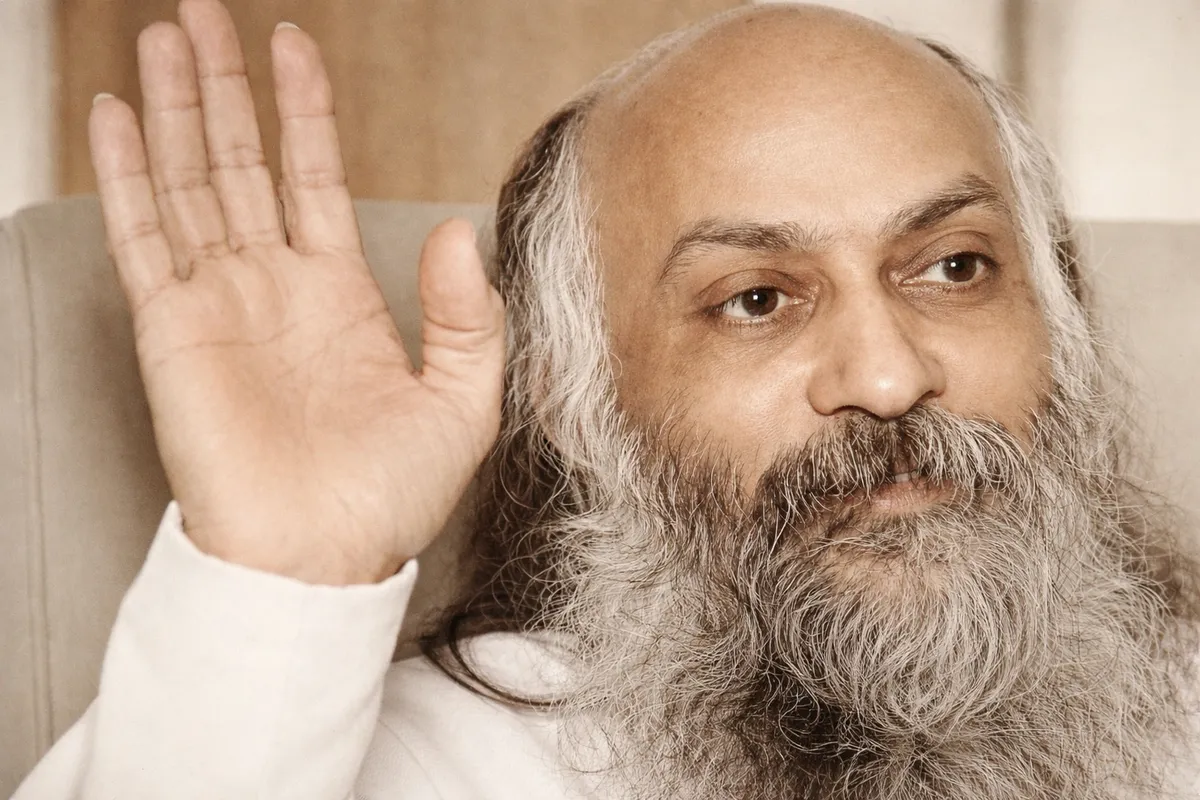
Osho's original Hindi beside Osho Live's English translation, matched passage by passage.
लो प्यारे पलटू की अमृतवाणी का अंतिम दिन भी आ गया। ये वचन प्यारे थे। ये वचन हीरों जैसे चमकदार थे। ये वचन मात्र सुनने के लिए नहीं थे--गुनने के लिए थे। और गुनने के लिए ही नहीं, जीने के लिए थे। इन सीधी-साफ बातों में धर्म का सारा सार पलटू ने कहा है। कुछ भी बचाया नहीं। मुट्ठी बंधी नहीं रखी--मुट्ठी पूरी खोली है। खूब लुटाया! धन्यभागी हैं वे जो अपनी झोली भर लें। अभागे हैं वे जो वंचित रह जाएं।
Well then, beloveds, the final day of Palatu’s nectar-words has come. These words were dear. They shone like diamonds. They were not meant merely to be heard—they were meant to be absorbed. And not only absorbed, but lived. In these plain, simple sayings Palatu has poured out the very essence of religion. He has held nothing back. He didn’t keep his fist closed—he opened it wide. He scattered treasures! Blessed are those who fill their begging bowl; unfortunate are those who remain deprived.
सदगुरु देते हैं। लेने वाले ले लेते हैं। नहीं लेने वाले चूक जाते हैं। और सदगुरु से चूक जाना इस जगत में सबसे बड़ा दुर्भाग्य है। क्योंकि सदगुरु से जो चूका, वह साहिब से चूका। साहिब से जोड़ने के लिए और कोई सेतु भी तो नहीं है। लेकिन आदमी का अहंकार ऐसा है--ऐसा मजबूत, ऐसा जहर से भरा, ऐसी पत्थर की दीवाल जैसा--कि जब भी कभी कोई अमृत वचन कान पर पड़े, तो अहंकार उसे झुठलाने की कोशिश करता है। अहंकार सब तर्क खोजता है उसके विपरीत। अहंकार अपने को बचाता है।
The true Master gives. Those who are ready, receive. Those who won’t receive, miss. And to miss the true Master is the greatest misfortune in this world—because the one who misses the Master misses the Lord. There is no other bridge to the Lord. But man’s ego is such—so strong, so poisonous, like a wall of stone—that whenever a word of nectar touches the ear, the ego rushes to deny it. The ego searches out all arguments against it. The ego protects itself.
और जिसने अपने को बचाया, उसने अपने को बुरी तरह खो दिया। जन्मों-जन्मों भटकेगा। अपने को बचाने में ही हम भटक गए हैं। अपने को बचाने से ही यह सारा संसार फैलता है। अपने को मिटाने से परमात्मा से मिलन होता है।
And whoever protects himself, loses himself utterly. He will wander birth after birth. Our very protecting of ourselves has become our wandering. From protecting ourselves this whole world spreads. By effacing oneself, one meets the Divine.
इन वचनों को तुम तर्कजाल में मत ले जाना। ये एक सीधे-सादे आदमी के वचन हैं। इनमें पांडित्य नहीं है--प्रज्ञा के स्वर हैं। इनमें शास्त्रीय विश्लेषण, तर्कजाल, सिद्धांत, धारणाएं, उनका विस्तार नहीं है। इनमें सीधी हृदय पर चोट है। ये तीर हैं। अगर तुमने द्वार खोला तो चुभ जाएंगे सीधे हृदय में, बैठ जाएंगे तुम्हारे अंतस्तल में। बीज की तरह डूब जाएंगे तुम्हारे प्राणों में। और जल्दी ही तुम पाओगे: वसंत आता है। जल्दी ही तुम पाओगे: बीज अंकुरित होता है, बढ़ता है। हजार-हजार फूल लगते हैं और तुम्हारा जीवन सुवासित हो जाता है।
Don’t drag these sayings into the net of argument. They are the words of a simple, straightforward man. There is no pedantry in them—there is the voice of wisdom. No scriptural analysis here, no web of logic, no theories and their elaborations. Here is a direct blow to the heart. These are arrows. If you open the door, they will pierce straight into your heart, lodge in your innermost core. They will sink like seeds into your very life-breath. And soon you will find: spring arrives. Soon you will find: the seed sprouts, grows. Thousands upon thousands of flowers bloom, and your life becomes fragrant.
ये सिद्धांत नहीं हैं, जो पलटू ने कहे। ये बीज हैं। ये क्रांति-बीज हैं। ये तुम्हें आमूल बदल दे सकते हैं। तुम इन्हें विचार मत समझना। विचार तो मुर्दा होते हैं। विचारों से कौन कब बदला है! विचारों से थोड़ी सजावट भला हो जाए, तुम्हारे ज्ञान का दंभ थोड़ा बढ़ जाए...। विचार वस्त्रों से ज्यादा नहीं हैं। सुंदर वस्त्रों में तुम्हें सुंदर होने का भ्रम पैदा हो सकता है। विचार आभूषण हैं। ये विचार नहीं हैं; ये क्रांति हैं। ये आग हैं। इनमें तुम जलोगे। और जो हिम्मतवर हैं वे ही इनमें प्रवेश कर सकेंगे। इसलिए पलटू ने राजपूतों को ललकारा है, साहसियों को पुकारा है।
What Palatu has spoken are not doctrines. They are seeds—seeds of revolution. They can transform you from the roots. Do not take them as thoughts. Thoughts are dead. Who has ever been transformed by thoughts? Thoughts can give you a little decoration, they can inflate your pride of knowledge a bit… Thoughts are no more than garments. In beautiful clothes you can fall into the illusion that you are beautiful. Thoughts are ornaments. But these are not thoughts; they are revolution. They are fire. You will burn in them. And only the courageous will dare to enter. That is why Palatu has challenged the Rajputs, called the brave.
खयाल रखना, कमजोर--निर्बल के अर्थ में नहीं है। निर्बल तो कमजोर होता ही नहीं। निर्बल के बल राम। निर्बल को तो राम का बल मिल जाता है। उससे ज्यादा शक्तिशाली तो कोई भी नहीं। कमजोर मैं कह रहा हूं: भयभीत, भीरु, डरे हुए लोग। एक कदम अज्ञात में नहीं ले सकते। अंधेरे रास्ते पर जरा नहीं बढ़ सकते। ऐसे डरे हुए लोग। और परमात्मा तो अज्ञात है।
Remember, by “weak” I don’t mean powerless. The powerless is never weak—“the strength of the powerless is Rama.” The powerless receives the strength of God; none is stronger than that. By weak I mean the fearful, the timid, the frightened. They cannot take a single step into the unknown. They cannot venture a little way along a dark path. Such frightened people—and the Divine is unknown.
सूफियों की कहानी है: लैला-मजनू। कहानी से तुम परिचित हो। लेकिन उसमें जो सूफियाना माधुर्य भरा है, उससे तुम परिचित नहीं हो। मजनू है साधक, लैला है भगवान। वह सूफियों का प्रतीक है। क्योंकि सूफी परमात्मा को स्त्री के रूप में देखते हैं, प्रेयसी के रूप में देखते हैं। पुरुष के रूप में नहीं। लैला प्रतीक है परमात्मा की। लैला शब्द का अरबी में अर्थ होता है: रात्रि, घनी रात्रि। परमात्मा बड़ी अंधेरी रात जैसा है।
The Sufis tell the story of Laila and Majnun. You know the story—but not the Sufi sweetness it carries. Majnun is the seeker; Laila is God. It is a Sufi symbol—for the Sufis see the Divine as the Beloved, as feminine, not masculine. Laila is a symbol for God. In Arabic, “Laila” means night—dense night. God is like a great dark night.
अंधेरी रात में उतरने का साहस है, तो ही तुम मजनू हो सकोगे। और मजनू हो तो ही अंधेरी रात में उतर सकोगे। मजनू ही लैला को खोज सकता है। मजनू का अर्थ होता है: दीवाना, पागल। कौन जाता है अंधेरी रात में! कौन जाता है--अपने आंगन की साफ-सुथरी दुनिया को छोड़ कर घने जंगलों में भटकने! कौन जाता है--व्यवस्था को छोड़ कर अराजकता में उतरने! कौन जाता है नक्शों की दुनिया को छोड़ कर, नक्शे-रहित अस्तित्व में प्रवेश करने! कौन छोड़ता है सुरक्षा!
Only if you have the courage to enter the dark night can you become a Majnun. And only if you are a Majnun can you enter the dark night. Only a Majnun can seek Laila. “Majnun” means mad, crazed. Who goes into the dark night? Who leaves the neat, ordered yard of home to wander in the thick forest? Who leaves order to descend into chaos? Who abandons the world of maps to enter an existence without maps? Who abandons security?
जो सुरक्षा छोड़ देता है--वही संन्यासी। जो सुरक्षा को पकड़ कर जीता है, वही गृहस्थ है। घर यानी सुरक्षा का प्रतीक। अपनी जमीन है, अपना मकान है, अपनी दीवाल है, अपना द्वार, अपना दरवाजा। रात ताला मार कर सो जाते हैं। सुरक्षा है। धन जमीन में गड़ा है; पत्नी-बच्चे निकट हैं, अपने पास हैं। दूसरों का क्या भरोसा है! बाहर कौन अपना है! सब अजनबी हैं। कौन धोखा दे जाए, किसको पता है!
The one who drops security—that one is a sannyasin. The one who clings to security—that one is a householder. “House” is the symbol of security. One’s own land, one’s own house, one’s own wall, one’s own gate, one’s own door. At night you lock up and sleep: security. Money is buried in the ground; wife and children are near, at hand. And what trust is there in others? Who outside is “ours”? All are strangers. Who knows who will betray?
गृहस्थ का अर्थ इतना ही नहीं होता कि जो घर में रहता है। वह तो ऊपरी प्रतीक है। गृहस्थ का अर्थ होता है: जो सुरक्षा में रहता है; जो असुरक्षा में जरा नहीं जाता; जहां देखता है अंधेरा है, वहां से लौट आता है; जहां देखता है यहां खतरा है, वहां कदम नहीं मारता; जहां देखता है यहां जीवन दांव पर लगाना पड़ेगा, उस तरफ तो फिर कभी नहीं जाता; जहां कुछ भी दांव पर लगाना हो, जाता ही नहीं। फिर स्वभावतः अगर तुम कोल्हू के बैल की तरह जीते हो तो कुछ आश्चर्य नहीं है। उसी रास्ते पर बार-बार परिक्रमा काटते रहते हो--कोल्हू के बैल! जाना-माना रास्ता। जाने-माने ढंग। सब सुरक्षित, सब व्यवस्थित। कोई खतरा नहीं, कोई भय नहीं। घूमते रहते हो, घूमते-घूमते मर जाते हो। यह कोई जीवन नहीं है।
“Householder” doesn’t only mean one who lives in a house—that is just the outer symbol. A householder is one who lives in security; who never enters insecurity; who, seeing darkness, turns back; seeing danger, will not step; seeing life must be risked, never goes that way; where anything must be staked, he does not go. Then, if you live like the oil-press bullock, going round and round the same path, what wonder is there? The same well-worn route. The familiar ways. Everything safe, everything arranged. No danger, no fear. You go on circling—and die circling. This is no life.
जीवन तो अभियान में है। जीवन तो वहां है जहां तुम रोज जाने-माने को छोड़ देते हो, जहां तुम रोज नये हो जाते हो। जीवन तो वहां है जहां तुम अपने बालक मन के आश्चर्य को खोते ही नहीं; तुम सदा युवा बने रहते हो; तुम्हारी आंखें सदा तलाशती रहती हैं, खोजती रहती हैं; तुम चुनौती की प्रतीक्षा करते हो--जीवन वहां है। सुरक्षा की नहीं--चुनौती की। कोई चुनौती आए। कोई कठिनाई उठे। क्योंकि कठिनाइयों की सीढ़ियों पर ही चढ़ कर कोई जीवन के उत्तुंग शिखर पर चढ़ता है।
Life is in the adventure. Life is where you leave the known behind each day, where you become new each day. Life is where you never lose the child-mind’s sense of wonder; where you remain forever young; your eyes keep seeking, searching; you wait for challenge—life is there. Not in security—in challenge. Let some challenge come! Let some difficulty arise! For only by climbing the steps of difficulties does one reach the high summits of life.
I go, laughing and at play, upon the waves of calamity. If everything were easy, life would become hard.
चला जाता हूं हंसता खेलता मौज-ए-हवादिस से
अगर आसानियां हों, जिंदगी दुशवार हो जाए।
अगर सब आसान ही आसान हो, जिंदगी दुश्वार हो जाए, फिर जीना मुश्किल है। यह संन्यासी का भाव है।
If everything were only easy, life would become difficult—then living is hard. This is the mood of the sannyasin.
I go, laughing and at play, upon the waves of calamity—
चला जाता हूं हंसता खेलता मौज-ए-हवादिस से
ये जो तूफान उठते हैं, ये जो अंधड़ आते हैं, यह जो सागर में बड़ी हलचल हो जाती है, नाव अब डूबी तब डूबी होने लगती है, यह मौजे हवादिस, यह जो दरिया का तूफानी रूप है, यह जो दरिया का तांडव नृत्य है, इसमें अपनी छोटी सी डोंगी को लेकर--चला जाता हूं हंसता। जो हंसता हुआ चलता जाए...।
These storms that rise, these gales that blow, the sea churning into upheaval, the boat now sinking, now afloat—these waves of havoc, the river’s stormy mood, the river’s tandava dance—and with my little dinghy I go, laughing. The one who can walk laughing…
हर नया तूफान एक नया अभियान है। हर नया तूफान एक नई चुनौती है। हर नया तूफान परमात्मा की तरफ से एक आमंत्रण, कि उठ, इसके भी ऊपर ऊपर उठ।
Each fresh storm is a fresh adventure. Each fresh storm is a new challenge. Each fresh storm is an invitation from God: Rise—rise above this as well.
चला जाता हूं हंसता खेलता मौज-ए-हवादिस से
अगर आसानियां हों, जिंदगी दुशवार हो जाए।
I go, laughing and at play, upon the waves of calamity. If everything were easy, life would become hard.
यह चित्त है संन्यासी का। असुरक्षा ही जो जीवन बना ले, अज्ञात ही जिसकी धुन हो जाए--ऐसा मजनू। अंधेरी रात जिसकी प्रेयसी हो जाए। लैला जिसकी प्रेयसी हो जाए।
This is the sannyasin’s mind. One who makes insecurity itself into life, whose song is the unknown—such a Majnun. For whom the dark night becomes the Beloved. For whom Laila is the Beloved.
तुमने अक्सर सुना है: परमात्मा प्रकाश है। तुमने बहुत ही मुश्किल से कभी सोचा होगा कि परमात्मा परम अंधकार है। क्यों आदमी बार-बार कहता है परमात्मा प्रकाश है? इसलिए नहीं कि आदमी को पता है कि परमात्मा प्रकाश है, आदमी को कुछ भी पता नहीं। आदमी को परमात्मा का पता हो तो आदमी आदमी बचता ही नहीं; आदमी आदमी रह ही नहीं जाता, परमात्मा को जानते ही परमात्मा हो जाता है। जिसने उसे जाना, वही हो गया, वैसा ही हो गया। जानने में ही आदमी विसर्जित हो जाता है।
You have often heard: God is light. You have hardly ever thought that God is Supreme Darkness. Why do people keep saying God is light? Not because they know God is light—they know nothing. If man knew God, he would not remain man; knowing God, he himself becomes divine. The one who knows Him becomes Him. In knowing, the one who knows dissolves.
आदमी ने परमात्मा को तो जाना नहीं, लेकिन आदमी दोहराता है बार-बार: परमात्मा प्रकाश है। अंधेरी रात को तो कोई नमस्कार नहीं करता--न हिंदू न मुसलमान, न ईसाई। सूर्योदय को लोग नमस्कार करते हैं। सुबह को लोग नमस्कार करते हैं। सूर्य-नमस्कार! क्यों? अंधेरी रात उसकी नहीं? सूरज उसका है, माना; अंधेरी रात किसकी है? रोशनी उसकी है, माना; अंधेरा किसका है? और खयाल करना, रोशनी की सीमा होती है, अंधेरे की कोई सीमा नहीं। अंधेरा ज्यादा परमात्मा का प्रतीक बन सकता है, क्योंकि अंधेरा अनंत है। रोशनी आती है, जाती है; अंधेरा रहता है। दीया जला लो, जलाना पड़ता है; बुझा दो, बुझाना पड़ता है। तुम दीया जलाओ, बुझाओ; अंधेरे को न जलाते, न बुझाते हैं--अंधेरा है। अंधेरा बस है। दीया जल जाता है तो थोड़ी देर को छिप जाता है, दिखाई नहीं पड़ता; दीया बुझा कि फिर मौजूद है। अंधेरा शाश्वत है।
Man has not known God, yet he repeats: God is light. No one bows to the dark night—neither Hindu nor Muslim nor Christian. People bow to the sunrise, to the morning. “Sun-salutation.” Why? Is the night not His? The sun is His, agreed; whose is the dark night? Light is His, agreed; whose is the darkness? And remember, light has a limit; darkness has none. Darkness can be a greater symbol for God because darkness is infinite. Light comes and goes; darkness remains. You light a lamp—it must be lit; you blow it out—it must be blown out. You light, you extinguish; but you neither light nor extinguish darkness—darkness is. The lamp lights, and darkness hides for a while, is not seen; the lamp goes out, and darkness is present again. Darkness is eternal.
और तुमने अंधेरे की शांति देखी! शांति ही अंधेरे में है। इसीलिए तो रात अंधेरे में तुम सो जाते हो, दिन में सोना मुश्किल हो जाता है। विश्राम अंधेरे में है। इसलिए तो आंख बंद कर लेते हो, दीया बुझा देते हो, पर्दे डाल देते हो, अंधेरा कर लेते हो--सो जाते हो। अंधेरे में कहीं तुम भीतर अपनी गहराइयों में डूब जाते हो।
And have you seen the peace of darkness? Peace is in darkness. That is why at night, in the dark, you sleep; by day, sleep is difficult. Rest is in darkness. That is why you close your eyes, extinguish the lamp, draw the curtains, make it dark—and you sleep. In the dark, you sink within, into your depths.
रात निद्रा के अंधेरे में कहां जाते हो? जहां जाते हो, वहीं परमात्मा है। इसलिए पतंजलि ने कहा है: सुषुप्ति और समाधि कुछ-कुछ एक जैसे हैं। गहरी नींद और समाधि कुछ-कुछ एक जैसे हैं। जहां स्वप्न भी खो जाता है, वह समाधि जैसा ही है। क्योंकि परमात्मा में डुबकी मार दी। इसलिए सुबह जाग कर तुम कहते हो: ताजा हो गया! पुनरुज्जीवन मिला! जिस रात गहरी नींद सो गए, जिस रात ऐसी नींद सो गए कि सपनों ने भी पंख न मारे और सपनों ने भी चहल-पहल न की और सपनों की भी गतिविधि न हुई और सपनों का शोरगुल न मचा और सपनों की भीड़ न रही--जिस रात ऐसे सो गए, थोड़ी देर को ही सही, उस सुबह तुम कितने ताजे होकर लौटते हो! कितने जीवंत! कितने ज्योतिर्मय! जैसे फिर जगत नया हुआ! जैसे फिर से जन्म हुआ! और जब किसी रात ऐसा नहीं हो पाता और सपने अपनी भीड़ मचाए रखते हैं और तुम्हारे चारों तरफ उछलते-कूदते ही रहते हैं, उनकी बंदरों जैसी जमात तुम्हें रात भर नहीं छोड़ती--उस सुबह तुम थके-मांदे उठते हो--उससे भी ज्यादा थके-मांदे, जितने तुम तब थे जब तुम बिस्तर पर सोने गए थे। क्या हुआ? समाधि की वह जो थोड़ी सी घटना घटनी थी, नहीं घटी। परमात्मा से जो थोड़ा सा प्रसाद नींद में मिल जाता, वह भी न मिला।
In the dark of deep sleep—where do you go? Wherever you go, there God is. Hence Patanjali said: sushupti and samadhi are somewhat alike. Deep sleep and samadhi are somewhat alike. Where even dream is lost—it is like samadhi. For you have dived into the Divine. That is why, in the morning, you say, “I am fresh! Renewed!” The night you have slept deeply, when even dreams didn’t flap their wings and stir, when dream-activity ceased, when dream-noise didn’t arise, when the crowd of dreams was absent—even if for a little while—how fresh you return in the morning! How alive! How luminous! As if the world is new again. As if rebirth has happened. And when one night it doesn’t happen, when dreams mill around you like a troop of monkeys that won’t leave you alone, you rise more weary than when you went to bed. What happened? That slight event of samadhi did not occur. The prasad from God that deep sleep brings—you missed even that.
अंधेरा, गहरा अंधेरा--विश्राम का प्रतीक है।
Darkness—deep darkness—is a symbol of rest.
और भी खयाल करना: गहरे अंधेरे में ही सृजन का आविर्भाव होता है। बीज फूटता है--जमीन के अंधकार में। बीज को ऐसे जमीन के ऊपर रख दो, न फूटेगा। उसे दबाना पड़ता है जमीन के अंधकार में। जहां रात हो जाती है, अंधेरा हो जाता है--वहां बीज फूटता है, वहां जन्म होता है।
And note this too: creation emerges only in deep darkness. A seed sprouts—in the earth’s darkness. Leave a seed on the surface; it won’t sprout. It must be pressed into the darkness of earth. Where night falls, where it grows dark—there the seed bursts forth; there birth happens.
ऐसे ही बच्चे का जन्म होता है मां के गर्भ में; वहां गहन अंधकार है। वहां कोई रोशनी नहीं जाती। वहां जन्म होता है। गहरे अंधकार में जन्म, जीवन का आविर्भाव होता है।
In the same way a child is born in the mother’s womb; there is deep darkness. No light reaches there. There, birth takes place. In deep darkness, life emerges.
बहुत कम लोगों ने लेकिन परमात्मा को अंधकार की तरह सोचा। लोगों ने सदा सोचा प्रकाश की तरह। क्यों? इसलिए नहीं कि परमात्मा प्रकाश ही है। परमात्मा प्रकाश भी है। लेकिन लोगों ने इसलिए सोचा कि लोग भयभीत हैं अंधेरे से। लोग ग्रस्त हैं। इसलिए लोगों ने सोचा परमात्मा प्रकाश है। इसलिए शास्त्र दोहराते हैं: परमात्मा रोशनी है, परमात्मा प्रकाश है। क्योंकि प्रकाश में तुम्हें भय कम लगता है, अंधेरे में भय ज्यादा लगता है। यही जगह, यही स्थान, अगर रोशनी है, तुम कम भयभीत; और अंधेरा हो जाए, तो तुम ज्यादा भयभीत। अकेले भी हो, दीया जलता हो तो तुम कम भयभीत; दीया बुझ जाए तो तुम बहुत भयभीत। क्यों? अंधेरे में कुछ दिखाई नहीं पड़ता--क्या क्या है? अंधेरे में कुछ दिखाई नहीं पड़ता--कौन-कौन है? अंधेरा सब सीमाओं को मेट देता है और सभी चीजों को गड्डमड्ड कर देता है। और अंधेरे में सीमाओं का जो भेद है वह विलीन हो जाता है। अंधेरे में सब चीजें असीम में लीन हो जाती हैं, सीमाएं खो जाती हैं। घबड़ाहट पैदा होती है।
But very few have conceived of God as darkness. People have always thought of Him as light. Why? Not because He is only light—He is that too—but because people are afraid of the dark. They are afflicted by it. So scriptures keep repeating: God is light. In light you feel less fear; in darkness more. The same place—if there is light, you are less afraid; if it goes dark, you are more. Even if you are alone—if a lamp is lit, less fear; if it goes out, much fear. Why? In darkness nothing is seen—what is where? Nothing is seen—who is where? Darkness erases boundaries, muddles everything. The distinctions of limit dissolve in darkness; everything is absorbed in the limitless; boundaries are lost. It creates panic.
अंधकार से जो दोस्ती बनाने में समर्थ है--वही संन्यासी।
One who can befriend darkness—that one is a sannyasin.
इसलिए लैला का अर्थ बड़ा प्यारा है: अंधेरी रात! अंधेरी रात की तलाश! अज्ञात की तलाश!
So Laila’s meaning is very sweet: dark night—seeking the dark night; seeking the unknown.
और खयाल रखना कि सूरज भी उसका है, रोशनी भी उसकी है। मैं यह नहीं कह रहा हूं कि रोशनी उसकी नहीं है। सब उसका है। रोशनी भी उसकी है। लेकिन आदमी क्यों जोर देता है कि रोशनी है परमात्मा। आदमी अपने भय के कारण जोर देता है। घबड़ाहट के कारण। और जो घबड़ाता है, उसका ईश्वर से कोई संबंध नहीं हो पाता।
And remember: the sun too is His; light too is His. I am not saying light is not His. All is His. Light is His too. But why does man insist God is light? Out of fear. Out of panic. And the panic-stricken never come into relationship with God.
पलटू के ये प्यारे वचन तुमने सुने! थोड़ी हिम्मत करो। थोड़ा पलटू के साथ अज्ञात की यात्रा में उतरो।
You have heard Palatu’s sweet words. Be a little courageous. Step with Palatu into the journey of the unknown.
सच्चे साहिब से मिलने को
मेरा मन लिहा बैराग है, जी।
“To meet the true Lord, my heart has embraced renunciation.”
पलटू कहते हैं: मैं संन्यस्त हो गया। सच्चे साहिब को मिलने को!
Palatu says: I have become a renunciate—to meet the true Lord!
फर्क समझो।
Understand the difference.
कुछ लोग संसार इसलिए छोड़ते हैं कि संसार बुरा है; इसलिए छोड़ते हैं कि संसार पाप है; इसलिए छोड़ते हैं कि संसार में दुख ही दुख है। यह नकारात्मक संन्यास हुआ। कुछ लोग इसलिए संन्यास लेते हैं और संसार छोड़ते हैं कि संसार में सुख है, पर क्षणभंगुर। चख लिया। जितना संसार में मिल सकता था, जान लिया। उतने से मन भरता नहीं। उससे प्यास मिटती नहीं--और बढ़ती है। उससे आग में और घी पड़ता है। संसार में देख लिए, सुख के थोड़े से कण बरसते हैं, कभी-कभी कोई बूंद पड़ जाती है, संसार के रेगिस्तान में भी कभी-कभी वर्षा होती है--ज्यादा नहीं, इंच-दो-इंच, कभी-कभी बूंदाबांदी हो जाती है--लेकिन उन बूंदों से एक बात समझ में आ गई कि जल होता है और जल के सरोवर भी कहीं होंगे, जहां से ये बादल उठते हैं। और अगर एकाध बूंद गिर सकती है, तो फिर कहीं जल के अखंड स्रोत भी होंगे। उनकी तलाश में निकलता है साधक।
Some leave the world because it is bad; because it is sin; because it is full of suffering. That is negative renunciation. Some become renunciants because there is pleasure in the world, but it is fleeting. They have tasted all it offers; it does not satisfy; it only inflames the thirst further—it pours ghee on the fire. In the desert of the world, now and then a drop falls—now and then a drizzle, an inch or two of rain—but those drops bring a message: water exists somewhere; there must be lakes from which these clouds rise. And if a few drops can fall, there must be inexhaustible sources. The seeker sets out to find them.
फर्क समझो।
Understand the difference.
एक तो साधक ऐसा होता है, जो संसार में दुख पाया। दुख पाया, इसलिए संसार छोड़ देता है, क्योंकि यहां दुख ही दुख हैं, क्या रखा है इसमें! इसका छोड़ना नकारात्मक है। इसके छोड़ने में उदासी होगी। इसके छोड़ने में बड़ी निराशा होगी। इसके छोड़ने में बड़ी हताशा होगी। यह छोड़ कर प्रसन्नचित्त नहीं होगा। दुख को छोड़ कर क्या कोई प्रसन्नचित्त होगा। और इसने संसार में कोई सुख तो जाना नहीं, इसलिए यह भरोसा भी कैसे करे! इसने एक बूंद भी तो नहीं जानी इस मरुस्थल में, यह भरोसा भी कैसे करे कि कहीं दूर हिमालय में छिपा मानसरोवर भी होगा। इसका भरोसा भी डगमगाता होगा।
One seeker found suffering in the world; therefore he leaves it: there is nothing here but misery—what is the point! His leaving is negative. There will be sadness in it, deep despair, dejection. He will not be cheerful in his leaving. Who becomes cheerful by leaving sorrow? He has not known any joy here—how will he trust? He has not known even a drop in this desert; how to trust that somewhere, far away, hidden in the Himalayas, there is a Manasarovar? His trust will wobble.
यही भक्त और साधारण धार्मिक व्यक्ति में भेद है। भक्त छोड़ता है संसार को--इसलिए नहीं कि यहां दुख ही दुख है, बल्कि इसलिए कि यहां सुख तो है, पर क्षणभंगुर है। यहां सुख तो है, लेकिन बस बूंदाबांदी होती है। अब बूंदाबांदी में कब तक बैठे रहें। नहाना भी नहीं हो पाता, हृदय की प्यास भी नहीं बुझती, आत्मा निर्मल भी नहीं हो पाती। मगर बूंदों ने इतना भरोसा दे दिया कि सुख कहीं होता है, सुख का भी कोई अस्तित्व है। अब हम उसकी तलाश में चलें, जहां से ये बादल उठ कर आते हैं, जहां से यह बूंदाबांदी आती है--उस सागर की खोज में निकलें।
This is the difference between the devotee and the ordinary religious person. The devotee leaves the world not because it is only sorrow, but because there is joy here—yet it is momentary. There is joy, but only drizzle. How long to sit in a drizzle? You cannot bathe; the heart’s thirst is not quenched; the soul is not purified. Yet the few drops give enough faith: that bliss exists; that joy has reality. So let me seek the ocean from which these clouds arise, from which this drizzle descends.
तो भक्त बड़ी आस्था से जाता है। ज्ञानी बड़ी निराशा से जाता है। ज्ञानी सोचता है: हो न हो, भगवान है या नहीं! संसार तो देख लिया, व्यर्थ पाया; अब देख लें, यह भी खोज करके देख लें, शायद हो, शायद न हो। ज्ञानी के भीतर एक संदेह बना ही रहता है। भक्त बड़ी आस्था से जाता है। वह कहता है: इस संसार में भी था। थोड़ा था। भगवान कभी-कभी झांका था। कहीं-कहीं खिड़की खुल गई थी। और क्षण भर को। ताजी हवा आई थी। कभी-कभी सुवास नासापुटों में भर गई थी। भगवान यहां भी था, लेकिन बड़े पर्दों में था, पर्दानशीन था, घूंघट और घूंघट, और घूंघट...। मगर कभी-कभी घूंघट उठे थे और उसकी आंख में आंख मिल गई थी। अब हम बिना घूंघट के परमात्मा को पाना चाहते हैं। उसमें आस्था है। उसमें भरोसा है। उसमें उमंग है। वह इतनी बात जान कर ही चलता है कि परमात्मा है। संसार में उसने परमात्मा की थोड़ी सी झलक पा ली, दूर से सही, बहुत दूर से सही, हजार कोस से सही, मगर थोड़ी सी झलक पाई है। जैसे कि हजारों मील से भी तुम चाहो, किसी खुले दिन में जब आकाश में बादल न हों और सूरज साफ-साफ हो, तो हिमालय के उत्तुंग शिखर दिखाई पड़ जाते हैं। उन पर जमी हुई कुंवारी बर्फ, पड़ती हुई सूरज की किरणें और बिखरती चांदी बहुत दूर से दिखाई पड़ जाती है। सपना जैसा ही है, मगर खोज शुरू होती है।
The devotee goes with great trust. The “knower” goes with great despair. The knower thinks: who knows whether God is or is not? The world I have seen—futile; now let me search that too—maybe, maybe not. In the knower, doubt remains. The devotee goes with deep faith: He was here too. A little. God peeped now and then. Sometimes a window opened—for a moment. Fresh air touched me. A fragrance filled my nostrils. God was here too—but veiled, behind curtains, veil upon veil upon veil… Yet sometimes the veil lifted and eyes met eyes. Now I want God unveiled. He has faith. He has trust. He has ardor. He walks already knowing this much: God is. In the world he has caught a slight glimpse—distant, very distant, a thousand miles away—but a glimpse. As from thousands of miles, on a cloudless day, when the sun is clear, the Himalayan peaks can be seen: the virginal snow, the scattered silver—it is almost like a dream, but the quest begins.
फर्क समझना।
Understand the difference.
एक आदमी फूलों की तलाश में निकला, क्योंकि संसार में कांटे ही कांटे पाए; अब सोचता है: चलो परमात्मा में खोज कर देख लें, शायद फूल वहां हों। एक आदमी फूलों की तलाश में निकला, क्योंकि संसार में कुछ फूल पाए; कांटे बहुत थे, मगर कभी-कभी कोई गुलाब भी खिला था कांटों पर। इसके लिए परमात्मा ‘शायद’ नहीं है। अब यह एक ऐसे गुलाब की तलाश में निकला है, जहां फूल ही फूल खिलते हों। और जहां कांटे न हों। ऐसे गुलाब भी होते हैं, जिनमें कांटे नहीं होते। इन दोनों की खोज में फर्क होगा। वही पलटू कह रहे हैं:
One man sets out to find flowers because he found only thorns in the world; perhaps God has flowers. Another sets out to find flowers because he found a few flowers here—though there were many thorns, now and then a rose bloomed among them. For him God is not a “perhaps.” He goes seeking a garden where flowers only bloom, where there are no thorns. Such roses exist, without thorns. The two quests differ. Palatu says:
सच्चे साहिब से मिलने को
मेरा मन लिहा बैराग है, जी।
मैंने जो वैराग्य लिया, जो संन्यास लिया, उसमें संसार को छोड़ देने का उतना सवाल नहीं है, जितना परमात्मा को खोजना है। संसार के प्रति विरक्ति है, ऐसा नहीं, परमात्मा के प्रति अनुरक्ति है, ऐसा।
“To meet the true Lord, my heart has embraced renunciation. It is not so much about rejecting the world as it is about seeking God.”
बड़ा फर्क है। थोड़ा सा दिखाई पड़ता है शब्दों में, फर्क जमीन-आसमान जैसा है। यह संसार भी उसका है।
There is a vast difference. It looks small in words, but it is the difference between earth and sky. This world too is His.
ऐसा ही समझो कि तुमने किसी संगीतज्ञ का रिकॉर्ड सुना, ग्रामोफोन पर सुना। रिकॉर्ड रिकॉर्ड है। रिकॉर्ड में भरा हुआ संगीत भी बस कामचलाऊ संगीत है। लेकिन इससे खबर तो मिली कि संगीतज्ञ कहीं है। किसी की वाणी पकड़ी गई है, वह वाणी कहीं होगी। तुमने रिकार्ड सुना, अब तुम संगीतज्ञ की खोज में चले। तुम्हारे पैरों में बल होगा।
Imagine you heard a musician’s record. A record is a record; the music it holds is provisional. But it brings news—the musician is somewhere. A voice has been captured; that voice must exist. You hear the record and set out to find the musician. Strength comes to your steps.
इसलिए पलटू कहते हैं: जैसे बारात चली उमंगिकै!
उमंग से भरी बरात चली। हम दुल्हा बने और दुल्हनिया की खोज में निकले।
So Palatu says: “As a wedding procession sets out buoyant with joy.” The procession moves in high spirits. We are the groom and we go to seek the bride.
कबीर ने कहा है: राम मेरी दुल्हनिया! बड़ी उमंग से बरात चल रही है। पक्का भरोसा है: दुल्हन है। दूर से देखी थी झलक, या कि तस्वीर देखी थी, या कि दर्पण में देखी थी, मगर दुल्हन है। उसके होने में कोई रत्ती भर संदेह नहीं है। उसका होना सुनिश्चित है। उसका होना इतना सुनिश्चित है कि भक्त अपने को गंवाने को तैयार है--उसे पाने को। उसका होना अपने होने से ज्यादा सुनिश्चित है। यह जीवन को देखने की विधायक दृष्टि।
Kabir said: “Ram is my bride.” The wedding procession moves with great exuberance. There is firm trust: the bride is. Perhaps I saw her from afar, or in a picture, or in a mirror; but she is. Not a grain of doubt. Her being is more certain than my own. The devotee is ready to lose himself to gain her. Her being is more certain than his being. This is a creative way of seeing life.
एक नकारात्मक दृष्टि है--निगेटिव। दुख है। संसार में दुख ही दुख है। छोड़ दो। संसार को छोड़ोगे तो परमात्मा मिलेगा। ऐसा आश्वासन समझो। संदेह तो रहेगा। जब यहां सुख नहीं है, उसके बनाए हुए संसार में सुख नहीं है, तो उसमें भी पता नहीं हो या न हो। और जब उसने ऐसा दुख-भरा संसार बनाया है, तो वह सुख-भरा कैसे होगा! ये सब सवाल उठेंगे ही: सुखी आदमी इतना दुखी संसार बनाता है? जिसके भीतर आनंद बरस रहा हो, वह ऐसी कहानी लिखेगा, दुख भरी? ऐसा नाटक रचेगा दुख भरा? संदेह तो यही होता है कि कोई परमात्मा नहीं है, यह सिर्फ दुर्घटना है। दुर्घटना ही इतनी दुख भरी हो सकती है। इसके पीछे कोई चलाने वाला नहीं है; कोई हाथ नहीं है इस विराट उपद्रव के पीछे। दुख है, उपद्रव है। इसके पीछे कोई संयोजक नहीं है। या कभी रहा होगा तो अब मर चुका है।
There is a negative way: “Only sorrow is here; leave the world; then God will be found.” At best, a promise. Doubt remains. If there is no joy in His creation, will He be joy? If He made such a sorrowful world, how will He be bliss? Questions will arise: would a blissful being create so much suffering? One suspects there is no God; it is all an accident. An accident can be this full of pain. No director behind it; no guiding hand behind this vast turmoil. Or if there ever was, he is dead now.
जैसा नीत्शे ने कहा कि ईश्वर मर गया है, कभी रहा होगा। चलो मान लेते हैं, कभी रहा होगा; क्योंकि यह सब है तो किसी ने बनाया होगा। लेकिन बनाने वाला मर चुका है। यह सब इतनी अव्यवस्था, इतना दुख, इतनी पीड़ा! यहां पीड़ा पर पीड़ा उठती आती है, दुख पर दुख लगता जाता है। यहां कभी सुख की एक किरण दिखाई नहीं पड़ती। तब भी कोई आदमी वैराग्य लेता है। उसका वैराग्य नकारात्मक होगा। उसके वैराग्य में परमात्मा का अनुराग नहीं है। उसके वैराग्य में सिर्फ संसार की उपेक्षा, संसार का निषेध है। उसके वैराग्य में सिर्फ संसार का विरोध है। संसार के प्रति द्वेष है उसके वैराग्य में; परमात्मा के प्रति प्रेम नहीं।
As Nietzsche said, God is dead—maybe He once was. Fine, let us grant it; since this is, someone must have made it. But the maker has died. So much disorder, so much anguish upon anguish! Here, sorrow heaps upon sorrow. Not a ray of joy is seen. Still, if someone renounces, it will be negative. In his renunciation there will be no love for God—only rejection of the world. There is resentment toward the world, not love toward God.
परमात्मा के प्रति प्रेम तो तभी संभव है जब संसार को भी तुमने सहज भाव से स्वीकार किया हो, अंगीकार किया हो; इसमें भी कुछ फूल मिले हों। नहीं चलो फूल तो फूल की पंखुरी ही, कुछ मिला हो--तो भरोसा आए। दूर की ध्वनि सुनाई पड़ी हो, छाया दिखाई पड़ी हो जल में, मगर कुछ दिखाई पड़ा हो, कुछ अनुभव हुआ हो। और अनुभव यहां हो सकता है, क्योंकि कृत्य में कर्ता मौजूद होता है। नृत्य में नर्तक मौजूद होता है।
Love toward God becomes possible only when you have also accepted the world with ease, embraced it; when here too you have found some flowers—if not a flower, at least a petal—something that gives you trust. A distant sound heard, a shadow seen in the water—some hint. And such hinting is possible here because the doer is present in the deed; the dancer is present in the dance.
सच्चे साहिब से मिलने को
मेरा मनु लिहा बैराग है, जी।
मोह निसा में सोइ गई,
चौंक परी उठि जाग है, जी।।
“To meet the true Lord, my heart has embraced renunciation. In the night of delusion I fell asleep, startled, I awoke.”
मोह निसा में मैं सोइ गई! इस संसार में मैं सो गया था, खो गया था, मूर्च्छित हो गया था, प्रमाद से भर गया था, झपकी लग गई थी। मेरा संन्यास सिर्फ आंख का खुल जाना है। अब मैं जाग पड़ा हूं। अब मैं ऐसा आंख बंद किए-किए नींद-नींद में न चलूंगा; अब मेरी आंखें खुल गई हैं। बस इतना ही फर्क है।
“In the night of attachment I slept!” In this world I fell asleep, was lost, became unconscious, filled with negligence; I dozed. My sannyas is simply that my eyes have opened. Now I am awake. Now I will not stumble along with closed eyes. My eyes are open. That is all.
संसारी में और संन्यासी में इतना ही फर्क है कि एक आंख बंद किए चल रहा है और एक आंख खोल कर चल रहा है। जगह तो यही है। यही मकान, यही बाजार, यह मंदिर-मस्जिद, यही लोग, यही पत्नी, पति, बच्चे, परिवार--सब यही है। फर्क इतना है कि संन्यासी आंख खोल कर चल रहा है। और आंख खोलना इतना बड़ा फर्क है कि और फर्क क्या मांग सकते हो! और ज्यादा फर्क होता ही नहीं। बस पलक खुलने और बंद होने का फर्क है। जरा सा फर्क है।
मोह निसा में सोइ गई,
चौंक परी उठि जाग है, जी।
The difference between the worldly and the sannyasin is only this: one walks with eyes closed, the other with eyes open. The place is the same—house, market, temple, mosque; the same people, wife, husband, children, family—all the same. The difference is that the sannyasin walks with eyes open. And opening the eyes is such a great difference—what more could you ask? No greater difference exists. Just the difference between eyelids closed and open. A small difference.
तो पलटू कहते हैं: कुछ और खास नहीं हो गया, एक नींद लग गई थी, एक सपना देखा था। एक मोह की तंद्रा पकड़ गई थी। मेरे-तेरे का भाव पकड़ गया था। मैं हूं, मेरा है--ऐसे संसार का जन्म हो गया था। ‘मोह-निसा’ में स्मरण न रहा था कि क्या वस्तुतः है। अपनी कल्पना को ही सच मानने लगा था।
“In the night of delusion I fell asleep. Startled, I awoke.”
Palatu says: nothing else happened; a sleep had come, a dream was being seen; a trance of attachment had taken hold: I am, this is mine—a world was born. In the night of delusion I lost remembrance of what truly is; I began to take my imagination as reality.
तुम रोज तो करते हो यही। रात सपना देखते हो, सपने में भूल जाते हो कि यह सपना है। सपने में याद ही नहीं आती कि यह सपना है। सपने में लगता है कि यही सच है--सब सचों का सच। सुबह जाग कर फिर हंसते हो, अपने पर हंसते हो। हैरानी होती है, भरोसा नहीं आता कि मैं भी कैसा मूढ़, रात सपना देखा और मान लिया कि सच है! अब कभी ऐसा न करूंगा। अब ऐसी भूल न करूंगा।
You do this every day. At night you dream, and in the dream you forget it is a dream. You don’t remember that it is a dream; it appears to be the truth—the truest of truths. In the morning you wake and laugh at yourself. You are amazed, you cannot believe: how foolish—I saw a dream and took it for real! Never again will I do this. I won’t make this mistake.
और ऐसा कितनी बार नहीं हो चुका! हजारों बार हो चुका। हजारों बार सुबह जाग कर हंसे हो, अपनी मूढ़ता को पाया है, तय किया है कि अब दुबारा ऐसी भूल न होगी--और फिर रात सोओगे, और फिर सपना सच हो जाएगा। नींद में सपने सच मालूम होने लगते हैं।
Yet how many times has it happened? Thousands of times. Thousands of times you woke and laughed at your stupidity, decided never again—and again at night you slept, and again the dream became true. In sleep, dreams appear true.
जब आदमी सोया हो तो फर्क कैसे करे कि क्या झूठ और क्या सच? जागरण में कसौटी है। जागरण में, सार-असार का स्पष्ट भेद हो जाता है। कुछ करना नहीं पड़ता; जागे हुए आदमी को सीधा दिखाई पड़ने लगता है कि क्या है और क्या नहीं है। जो नहीं है, वह अपने आप तिरोहित हो जाता है; और जो है, वही शेष रह जाता है।
When a man sleeps, how can he distinguish true and false? In awakening there is a touchstone. In awakening, the distinction between essence and non-essence becomes clear. Nothing needs to be done; the awakened one simply sees what is and what is not. What is not, disappears of its own accord; what is, remains.
सोया हुआ आदमी प्रक्षेपण करता है। जो उसके मन की कामनाएं हैं, वासनाएं हैं, दमित इच्छाएं हैं, अधूरी अपूरित तृष्णाएं हैं--वे फैल जाती हैं। वही तो सपना बनती हैं। तुमने दिन में उपवास किया, रात भोजन करने लगे सपने में। दिन भर दबाया था भूख को, रात भूख उबली। भूख इतनी जोर से उठी कि भूख ने अपना भोजन निर्मित कर लिया। भूख ने एक सपना बना लिया कि राजमहल में तुम्हारा निमंत्रण हुआ है और सुस्वादु भोजन का ढेर लगा है और तुम दिल खोल कर खा रहे हो।
The sleeping man projects. His cravings, passions, suppressed wishes, unfulfilled thirsts—they spread out; they become the dream. You fasted by day, and at night in a dream you feast. By day you suppressed hunger; at night it surged. So strong that it produced its own food. Hunger created a dream: an invitation to the palace, a mountain of delicacies, and you eat to your heart’s content.
यह सपना पैदा कैसे हो रहा है? पहली तो नींद जरूरी है। दूसरी कोई दमित वासना जरूरी है। कोई टूटी-फूटी वासना जरूरी है, जो भर न पाई हो जागने में। बस ये दो बातें मिल जाएं तो सपना पैदा हो जाएगा। यह सपने का यंत्र है: दबी हुई वासना, अधूरी वासना, अपूरित वासना और तंद्रा, बेहोशी।
How does the dream arise? First, sleep is needed. Second, some suppressed desire is needed—some half-fulfilled wish. With these two, the dream will come. This is the mechanism: the suppressed, the unfulfilled, and the trance of unawareness.
इसलिए जो आदमी शराब पी लेता है, उसे कुछ का कुछ दिखाई पड़ने लगता है।
That is why one who drinks sees things that aren’t there.
मुल्ला नसरुद्दीन अपने बेटे को लेकर शराब घर में बैठा था। फिर अचानक बोला कि बस अब रुक जाओ, अब ज्यादा मत पीओ। तुम्हें मैं यह पाठ सिखाता हूं। यह पीने वालों का अनिवार्य पाठ है। देखो उस किनारे पर दो लोग बैठे हैं। उस लड़के ने पीछे लौट कर देखा। वहां कोई नहीं, एक आदमी बैठा है। मुल्ला कह रहा है कि देखो वहां पीछे दो लोग बैठे हैं, जब ये चार दिखाई पड़ने लगें, तब पीना बंद कर देना।
Mulla Nasruddin was in a tavern with his son. Suddenly he said, “Stop now. Don’t drink more. I must teach you this essential lesson of drinking. Look there, at the far end—two men are sitting.” The boy turned—there was no one; one man was sitting. Mulla was saying, “See those two? When they look like four, stop drinking.”
उसके बेटे ने कहा: पिताजी, वहां एक ही है। आप पहले ही काफी पी चुके हैं, अब बंद करने का कोई मतलब नहीं है।
The boy said, “Father, there’s only one. You’ve already drunk enough; stopping now makes no sense.”
जब चार दिखाई पड़ने लगें--मुल्ला कह रहा है--तब पीना बंद कर देना, यह सूत्र है घर लौटने का, नहीं तो फिर घर नहीं लौट पाओगे। जैसे ही चार दिखाई पड़ें, जल्दी से बंद करके अपने घर चले जाना, ताकि घर पहुंच जाओ सुरक्षित, बिस्तर में लेट जाओ, नहीं तो किसी नाली में पड़े रहोगे।
“When they look like four,” Mulla said, “stop—that’s the rule if you hope to get home; otherwise you’ll never make it back. The moment you see four, stop and head home at once—so you reach your bed safely, otherwise you’ll be found in a gutter.”
मगर वह पहले ही पी चुका है काफी। जहां एक है, वहां दो तो दिखाई पड़ ही रहे हैं। अब थोड़ी और पीएगा तो चार भी दिखाई पड़ेंगे। थोड़ी और पी लेगा तो आठ भी दिखाई पड़ने लगेंगे। और आदमी की जगह सिंह और भालू दिखाई पड़ सकते हैं, हाथी और घोड़े दिखाई पड़ सकते हैं।
But he had already drunk a lot. Where there was one, two were already appearing. A little more and he would see four; a little more and eight. And instead of people, he might see lions and bears, elephants and horses.
एक दिन मुल्ला अपने सिर पर एक टोकरी लिए घर की तरफ आ रहा है और किसी ने पूछा: इसमें क्या है? तो उसने कहा: इसमें एक नेवला लाया हूं पकड़ कर। ‘नेवला!’ उस आदमी ने पूछा: नेवला किसलिए पकड़ कर लाए हो? उसने कहा कि जब मैं शराब पी लेता हूं ज्यादा तो मुझे सांप दिखाई पड़ते हैं। तो नेवले को कमरे में रखूंगा। यह निपट लेगा सांपों से। कहते हैं न कि नेवला तो सांप को टुकड़े-टुकड़े कर देता है! इसलिए ला रहा हूं।
One day Mulla, carrying a basket on his head, was returning home. Someone asked, “What’s in it?” He said, “I’ve caught a mongoose.” “A mongoose? What for?” “When I drink too much, I see snakes. I’ll keep this in the room; it will deal with the snakes. They say a mongoose tears snakes to pieces. So I’m bringing it.”
वह आदमी हंसा। वह बोला: लेकिन शराब पीकर जो सांप दिखते हैं, वे सच थोड़े ही होते हैं, वे झूठ होते हैं। मुल्ला हंसा और बोला: तुम क्या समझते हो, इसमें नेवला सच है? खाली टोकरी, सिर्फ खयाल।
The man laughed: “But the snakes you see when drunk are not real.” Mulla laughed: “And what makes you think this mongoose is real? The basket is empty—just an idea.”
आदमी मूर्च्छा में ‘जो नहीं है’ वैसा देखने लगता है। इसे उलटा करके समझो। इसको कसौटी समझो मूर्च्छित होने की: अगर तुम्हें जो नहीं है, वैसा दिखाई पड़ता हो तो समझो कि तुम मूर्च्छित हो। रात तुम्हें सपना दिखाई पड़ता है, यह सबूत है कि तुम मूर्च्छित हो। बुद्धपुरुषों को सपना नहीं दिखाई पड़ता। और जिसको रात सपना दिखाई पड़ता है, दिन में वह कोई दूसरा थोड़े ही हो जाएगा। है तो वही का वही। भीतर तो सपने बहते ही रहेंगे। दिन में भी तुम्हें कुछ का कुछ दिखाई पड़ता है।
In stupor one sees what is not. Turn this around—it is the touchstone of stupor: if you see what is not, know that you are unconscious. At night you see dreams—that proves your stupor. The awakened ones do not dream. And the one who dreams at night is not another man by day. He is the same. Inside the dreams keep flowing; even by day you see things that are not.
एक राह से तुम गुजरते हो, एक मकान तुम्हें दिखाई पड़ता है बहुत सुंदर, मन होता है खरीद लें, अपना हो। मगर यह मकान इतना सुंदर है, या कि तुम्हारी तृष्णा के कारण दिखाई पड़ रहा है? जिस दिन तुम्हारे भीतर तृष्णा न रहेगी उस दिन यह मकान इतना सुंदर दिखाई पड़ेगा? इसी मकान के पास से बुद्ध गुजरेंगे, उनकी नजर जाएगी इस मकान पर? यह मकान में सौंदर्य है, या तुम्हारी तृष्णा इस मकान को सुंदर बना रही है?
You walk by a house—it looks very beautiful; you feel like buying it, owning it. Is the house truly beautiful—or does your craving make it so? The day craving leaves you, will this house look so beautiful? Buddha will pass—will his eyes even linger on it? Is the beauty in the house—or is your craving painting it?
एक स्त्री तुम्हें सुंदर दिखाई पड़ती है। इस स्त्री में सौंदर्य है, या तुम्हारी वासना तुम्हें सौंदर्य दिखा रही है? बुद्ध गुजरेंगे तो उन्हें तो सौंदर्य दिखाई नहीं पड़ेगा।
A woman appears beautiful to you. Is beauty in her—or is your lust making you see beauty? Let Buddha pass; he will not see beauty.
तुम्हें जब किसी आदमी में कुरूपता दिखाई पड़ती है, तो कुरूपता वहां है, या यह भी तुम्हारा प्रक्षेपण है? एक आदमी बैठा है राह के किनारे, कोढ़ी, शरीर गला हुआ, बदबू निकल रही है। तुम नाक बंद करके दूसरी तरफ मुंह फेर कर एकदम तेजी से निकल जाते हो--इतना कुरूप आदमी! लेकिन यह आदमी कुरूप है, या यह भी तुम्हारा प्रक्षेपण है? यह तुम्हारा भय है। तुम डरते हो कि कहीं किसी दिन ऐसी मेरी हालत न हो जाए। उसी भय के कारण तुम भाग रहे हो।
When someone appears ugly to you—is ugliness there—or is it your projection? A leper sits by the road, body rotting, stench rising. You hold your nose, turn your face, and hurry past—“How ugly!” But is he ugly—or is this too your projection? It is your fear: that such a fate could be yours. Out of that fear you flee.
जो तुम चाहते हो मुझे मिले, वह सुंदर दिखाई पड़ता है। और जो तुम चाहते हो कभी मुझे न मिले, कभी ऐसा न हो मुझे, वह तुम्हें कुरूप दिखाई पड़ने लगता है। कुरूप और सौंदर्य वस्तुओं में नहीं होते--तुम्हारी तृष्णाओं में, तुम्हारी धारणाओं में, तुम्हारे भयों में, तुम्हारी कामनाओं में छिपे होते हैं।
Whatever you desire to have appears beautiful; whatever you pray may never be yours appears ugly. Beauty and ugliness are not in things; they hide in your cravings, your ideas, your fears, your wants.
जिस दिन किसी व्यक्ति की मूर्च्छा टूट जाती है: न कुछ सुंदर है न कुछ असुंदर है। बस वैसा ही है जैसा है। कुछ कहने का अर्थ ही नहीं होता। ये वृक्ष वृक्ष हैं। आदमी आदमी हैं। स्त्रियां स्त्रियां हैं। पत्थर पत्थर हैं। नदियां नदियां हैं। जो जैसा है वैसा है। तुम्हारी कोई धारणा नहीं बनती।
The day someone’s stupor breaks—nothing is beautiful, nothing is ugly. It is as it is. Nothing need be said. Trees are trees. Men are men. Women are women. Stones are stones. Rivers are rivers. What is, is. No idea forms in you.
जागा हुआ आदमी गुजर जाता है, उसकी कोई धारणा नहीं होती। उसे सब जैसा होना चाहिए वैसा है। चूंकि उसके भीतर कोई आकांक्षा नहीं है कि यह मुझे मिले और ऐसी भी कोई आकांक्षा नहीं है कि मिल जाए तो मेरा दुर्भाग्य होगा, इसलिए कोई धारणा सिर नहीं उठाती। उसके भीतर कोई सपना नहीं पैदा होता। जिस दिन जो है वैसा ही तुम्हें दिखाई पड़ने लगे, उस दिन जानना कि जागरण हुआ है।
The awakened one passes by—no opinion arises. It is as it should be. Since he has no craving that “this should be mine,” and no fear that “if this comes to me it will be my misfortune,” no notion lifts its head. No dream is produced within him. The day what-is appears to you just as it-is, know that awakening has happened.
“In the night of delusion I slept; startled, I awoke.”
मोह निसा में सोइ गई,
चौंक परी उठि जाग है, जी।
पलटू कहते हैं: कुछ और नहीं हुआ, वह जो मोह-निशा थी, टूट गई है, मैं जाग गया। यही मेरा संन्यास। यही मेरा वैराग्य। जागरण--वैराग्य।
Palatu says: nothing else happened—delusion’s night broke, I awoke. This is my sannyas. This is my vairagya. Awakening—dispassion.
सुनते हो! त्याग नहीं--जागरण। छोड़ना नहीं--जागरण। छोड़ने में तो नींद बनी ही हुई है। जब कोई आदमी कहता है मैं छोड़ता हूं, तो उसका मतलब यह होता है कि अभी भी पकड़ने का मन था, नहीं तो छोड़ने की भी इतनी क्या चिंता! जब कोई आदमी कहता है: मैंने छोड़ा, तो उसका मतलब होता है कि अभी भी पकड़े हुए हैं, नहीं तो छोड़ता भी क्यों! छूट जाता। जागरण!
Listen! Not renunciation—awakening. Not giving up—awakening. In giving up the sleep still remains. When someone says, “I renounce,” it means he still wishes to hold on; otherwise why this concern with renouncing? If someone says, “I have given up,” it means he is still holding—otherwise why would he “give up”? It would simply drop. Awakening!
दोउ नैन बने गिरि के झरना,
भूषन बसन किया त्याग है, जी।
“My two eyes have become mountain streams; I have set aside ornaments and clothes.”
पलटू कहते हैं आंखें तो झरने हो गई हैं। आंसू ऐसे बह रहे हैं, जैसे झरना हो, जैसे कभी न रुकेगा।
Palatu says the eyes have become waterfalls. Tears are flowing like a cascade that will never stop.
“My two eyes have become mountain streams”—
दोउ नैन बने गिरि के झरना,
क्योंकि जो छोटी सी झलक इस संसार में दिखाई पड़ गई है, अब वह तड़फाती है। अब उस प्राणप्यारे की खोज के लिए बड़ी आकांक्षा पैदा हुई है। विरह उठा है। स्वाद लग गया है।
For a little glimpse has appeared in this world—that now torments. A great longing has arisen to seek the Beloved of my soul. The pang of separation burns. A taste has been had.
कहते हैं एक आदमी ने एक सिंह पाला था। बचपन से पाला था और उसे शाकाहारी बना लिया था। शाकाहारी बनना पड़ा था सिंह को; बचपन से उसे मांस मिला नहीं, उसने मांस का स्वाद नहीं जाना। शाक-सब्जी, फल इत्यादि खाकर ही जीता था, जानता था यही भोजन है। उस आदमी के पैर में एक दिन चोट लग गई और सिंह उसके पास ही बैठा था, जैसा वह सदा बैठता था। पैर में से खून बह रहा था। और उस सिंह ने अपनी जीभ से वह खून चाट लिया। बस फिर मुश्किल हो गई। स्वाद लगा कि जैसे सोया हुआ सिंह, जिसे पता ही नहीं था कि मैं सिंह हूं, एकदम उठ कर खड़ा हो गया। हुंकार निकल गई, जो उसके मुंह से कभी नहीं निकलती थी। शाकाहारी सिंह कहीं हुंकार देते हैं! एकदम हुंकार निकल गई। वह आदमी भी घबड़ा गया। उस आदमी ने भी अपनी बंदूक उठा ली। अब यह सिंह खतरनाक था। अब इसको घर में रखना खतरे से खाली नहीं था। उसे जंगल में छोड़ देना पड़ा। स्वाद लग गया!
They say a man raised a lion from cubhood and made him vegetarian. He had to be; from childhood he never received meat, never knew its taste. He lived on vegetables and fruits; he knew “this is food.” One day the man’s foot was cut; blood flowed. The lion was sitting beside him, as always. The lion licked the blood with his tongue. Then the trouble began. A taste touched the tongue—like a sleeping lion who didn’t know he was a lion suddenly stood up. A roar burst out—one that had never come. Do vegetarian lions ever roar? The man panicked, reached for his gun. Now the lion was dangerous; he could not be kept at home. He had to be released into the forest. A taste had been had.
ऐसी ही दशा हो जाती है भक्त की। संसार में परमात्मा का थोड़ा सा स्वाद मिल गया। थोड़ा सा! बस जरा सा! जीभ पर लगा ही लगा। मगर बस बात बदल गई। अब संसार में कोई रस न रहा। अब तो इस परम प्यारे को खोजना है।
दोउ नैन बने गिरि के झरना,
भूषन बसन किया त्याग है, जी।
Such is the devotee’s state. A slight taste of the Divine in the world—just a hint on the tongue—and everything changes. Now the world holds no savor. Now the only quest is for the Beloved.
“My two eyes have become mountain streams; I have set aside ornaments and clothes.”
समझना, यह बड़ी प्यारी बात है। पलटू कहते हैं: अब कहां याद कपड़े-लत्तों की, भूषण-आभूषण की! यह उन दिनों की बात है जब हिंदुस्तान में पुरुष भी आभूषण पहनते थे। तो तुम थोड़ा चौंकोगे कि पुरुष और आभूषण की बात कर रहे हैं पलटूदास! यह पहनते थे पुरुष उन दिनों।
Understand this well—it’s a lovely thing. Palatu says: what remembrance is left now for clothes and ornaments! This was a time when men in India wore ornaments too—so you may be surprised that Palatu speaks of men and ornaments. They did.
सच तो यह है कि आभूषण सबसे पहले पुरुषों ने ही पहनने शुरू किए, बाद में धीरे-धीरे स्त्रियां सीखीं। और यह ज्यादा प्राकृतिक लगता है कि पुरुष आभूषण पहने। स्त्रियां वैसे ही सुंदर हैं। तो यह तकलीफ पुरुष को उठी होगी कि वह स्त्रियों जैसा सुंदर नहीं है। तो उसने आभूषण बनाए होंगे। ये आभूषण दीनता से उठे होंगे, हीनता से उठे होगे।
In truth, it was men who first wore ornaments; later women learned. It even seems natural that men would. Women are already beautiful; men, feeling less so, perhaps invented ornaments out of a sense of lack.
तुम प्रकृति में भी देखोगे तो यही पाओगे। मुर्गे को देखते हो, सिर पर कलगी का आभूषण! मुर्गी को कुछ नहीं। मोर को देखते हो! पुरुष को तो कितना सुंदर आभूषण है--पंख! मोरनी को कुछ भी नहीं। सिंह को देखते हो! तुम चारों तरफ देख डालो प्रकृति में--पुरुष को तुम पाओगे आभूषणों से लदा हुआ। स्त्री के तो स्त्री के होने में ही इतना माधुर्य है कि अब और किसी बात की जरूरत नहीं है। इसलिए प्रकृति ने स्त्रियों को सुंदर आभूषण नहीं दिए हैं। पुरुष ने खोजे हैं। और इसकी कभी वैज्ञानिक खोज होगी तो यह पाया जाएगा कि यह जो कलगी है मुर्गे के ऊपर, यह भी प्रकृति ने नहीं दी है, मुर्गे ने पैदा की होगी, खोजी होगी। आदमी को चिंता लगी रहती है। उसे स्त्री से ज्यादा सुंदर होना चाहिए। उसे कुछ न कुछ परिपूरक करना पड़ता है। कुछ खोजना पड़ता है।
Look into nature, you’ll see: the rooster with his crest—an ornament; the hen has nothing. The peacock’s glorious plumes; the peahen—plain. The lion with his mane. All around in nature, the male is more adorned. Woman has such intrinsic grace that nothing more is needed; nature has not given her showy ornaments. Man has searched for them. Someday, if there is scientific inquiry, it will be found that the rooster’s crest was not given by nature; the rooster evolved it. Man is restless; he wants to be more beautiful than woman; he seeks to compensate, to embellish.
वैज्ञानिक तो कहते हैं कि आदमी ने जो इतने आविष्कार किए हैं, इतने चित्र बनाता, मूर्ति बनाता, संगीत का निर्माण करता, विज्ञान की खोज करता, चांद-तारों पर जाता--इन सबके पीछे एक ही दंश है कि वह बच्चे पैदा नहीं कर सकता। स्त्री से हारा हुआ है। स्त्री जन्म दे पाती है जीवित बच्चे को। और यह पुरुष को काटता है। वह भी कुछ जन्म देने की कोशिश करता है, तो सब्स्टीट्यूट, परिपूरक खोजता है। वह कहता है: देखो, मैंने एक चित्र बनाया! आदमी तो बना नहीं सकता, चित्र बनाया। कविता लिखी, संगीत रचा। हिमालय पर चढ़ गया। देखते हो, चांद पर पहुंच गया। यह पुरुष के भीतर कुछ थोड़ी सी एक बेचैनी है। बेचैनी इस बात की है कि एक काम स्त्री कर लेती है, जो वह नहीं कर पाता: जीवन को जन्म दे लेती है।
Scientists even say: man’s many inventions—painting, sculpture, music, science, going to the moon—all spring from one sting: he cannot give birth. He is defeated by woman. She gives birth to living children; this gnaws at man. He too tries to “give birth”—as a substitute. “See, I have made a painting.” He cannot make a child, so he makes a painting, a poem, music; he climbs Everest, he reaches the moon. Behind it is a slight disquiet: there is one thing a woman does that he cannot—she gives life.
और इसका ही दूसरा अंग है: इसलिए स्त्रियां कविता इत्यादि नहीं लिखतीं, मूर्ति भी नहीं बनाती, संगीत की भी चिंता नहीं करतीं। चांद-तारों पर जाने में उनको हंसी आती है कि किसलिए, क्या फायदा, क्या फायदा, क्या सार! हिमालय पर किसलिए चढ़ रहे हो? स्त्री की समझ में ही नहीं आता। वह तृप्त है।
The other side is: women do not, as a rule, write poetry, carve statues, worry about music, or traveling to the stars—they laugh: “For what? To what end? What meaning?” Climbing Everest—for what? She doesn’t understand. She is content.
स्त्री को गौर से देखो तो उसमें एक तृप्ति मालूम पड़ती है। और जब कोई स्त्री मां बन जाती है, तो बड़ी तृप्त हो जाती है। उसमें एक गोलाई है। पुरुष में थोड़े से कोने निकले हैं, जिनको वह घिसता रहता है कि किसी तरह गोलाई आ जाए। सृष्टा बनने की, सुंदर होने की--एक स्पर्धा है।
Look closely at woman and you feel a fullness; when a woman becomes a mother, she is deeply fulfilled. There is a roundness in her being. Man has rough edges; he keeps sanding them, trying to become round. The competition to be creator, to be beautiful.
तो पुरुष ने ही सबसे पहले आभूषण खोजे हैं। फिर धीरे-धीरे रोग स्त्रियों को लगा। खोजता पुरुष है, फिर रोग लग जाता है स्त्रियों को। फिर जब स्त्रियां उन आभूषणों का उपयोग करने लगीं, तो पुरुष ने छोड़ दिया। वह भी उसके अहंकार को नहीं सोहता, वह भी उसके अहंकार को नहीं जंचता कि अब स्त्रियों ने पहन लिए आभूषण, अब मैं पहनूं, तो स्त्रैण जंचता हूं! तो उसने छोड़ दिए। अब स्त्रियां भी छोड़ रही हैं। इस बात की बहुत संभावना है कि आने वाली सदी में पुरुष फिर आभूषण पहनने लगें। अगर स्त्रियां छोड़ दें तो पुरुष फिर पहन लेगा। स्त्रियां छोड़ रही हैं आभूषण। पश्चिम में तो स्त्रियां छोड़ रही हैं। पूरब में भी कम होता जाता है। अभद्र मालूम होने लगा है आभूषणों से लदा होना, फूहड़ मालूम होने लगा है। कोई आवश्यकता नहीं है।
So men first discovered ornaments; then slowly the contagion passed to women. When women began to use them, men dropped them—it offended their ego to appear effeminate. Now women too are dropping them. It may well happen that in the coming century men begin wearing ornaments again—if women discard them. In the West, women are letting go; in the East too it is reducing. Being laden with ornament looks vulgar, gaudy, unnecessary.
तो पलटू उस समय की बात कर रहे हैं, जब पुरुष भी आभूषण पहनते थे।
Palatu speaks of a time when men wore ornaments.
दोउ नैन बने गिरि के झरना,
भूषन बसन किया त्याग है, जी।
“My two eyes have become mountain streams; I have set aside ornaments and clothes.”
यह त्याग हो गया। आंखें रो रही हैं विरह में, झरने बह रहे हैं आंखों के। आंसू ही आंसू हैं। अब किसको फिकर रही आभूषण पहनने की! अब कौन सजावट करे! यह सजावट तो स्त्रियों को लुभाने के लिए थी; अब तो परम प्यारे को लुभाने चले, अब वहां आभूषण काम न आएंगे। वहां तो कुछ आत्मिक आभूषण चाहिए--सरलता चाहिए, सादगी चाहिए, ईमान चाहिए, श्रद्धा चाहिए, प्रेम चाहिए, अनन्य भक्ति चाहिए, प्रार्थना चाहिए, पूजा चाहिए, अर्चना चाहिए। वहां तो कुछ दूसरे आभूषण चाहिए। ये सोने-चांदी की बातें परमात्मा को न लुभा सकेंगी। ये तो बातें बाहर की हैं; अब भीतर के आभूषण चाहिए। अब बाहर के वस्त्र मैले-कुचैले भी रहे तो चल जाएगा; अब तो अंतरात्मा स्वच्छ होनी चाहिए। अब तो सफाई वहां करनी है। अब तो स्नान वहां करना है। और जब आंख झरने बन जाती हैं, तो आत्मा शुद्ध होने लगती है।
This has been relinquished. The eyes weep in separation—the waterfalls flow. Tears upon tears. Who now cares to put on ornaments? Who will adorn? All that was to attract women; now I go to charm the Beloved—these won’t work there. There, other ornaments are needed—simplicity, innocence, integrity, trust, love, single-pointed devotion, prayer, worship, adoration. Inner ornaments. Gold and silver cannot charm the Divine. These are outer things; now inner adornment is needed. If the outer garments are soiled, it will do—now the inner being must be cleansed. Bathe there. And when the eyes become streams, the soul begins to be purified.
उम्र कैसे कटेगी सैफ यहां
रात कटती नजर नहीं आती।
“How will this age pass, Saif? The night refuses to end.”
एक-एक पल भक्त का मुश्किल में कटने लगता है। एक तरफ भक्त बड़ा आह्लादित है कि प्रभु की तरफ चल पड़ा और दूसरी तरफ बड़ी पीड़ा है कि मिलन कब होगा!
Each moment becomes hard to pass for the devotee. On the one hand he is elated—he has set out toward the Lord. On the other, in pain—when will the union be?
उम्र कैसे कटेगी सैफ यहां
रात कटती नजर नहीं आती।
“How will this age pass, Saif? The night refuses to end.”
और सब लुटा देता है। सब लुटा देता है! भूषन-बसन, जो कुछ भी है, सब धीरे-धीरे लुट जाता है।
He gives everything away. Everything! Ornaments and clothes, whatever he has—little by little it is all squandered.
बहारें लुटा दीं, जवानी लुटा दी
तुम्हारे लिए जिंदगानी लुटा दी।
“I squandered the springs, I squandered my youth, for you I spent my whole life.”
वह कुछ भी रोक नहीं रखता। रोक रख सकता ही नहीं। जो भी दे सकता है, दे ही देता है। रोकने का पाप कर ही नहीं सकता। क्योंकि वह उसी को काटेगा। वही अपराध बन जाएगा उसका। अगर उसने सब उसके लिए नहीं छोड़ दिया है तो वह खुद ही सोचेगा: मैं खुद ही कुछ पकड़े बैठा हूं अभी, और अगर प्यारा न आए तो शिकायत क्या! सब छोड़ कर न आए तो शिकायत हो सकती है। तो हम गुहार मचा सकते हैं। तो हम चीख-पुकार मचा सकते हैं कि तेरे लिए सब लुटा दिया।
He holds nothing back. He cannot. Whatever he can give, he gives. He cannot commit the sin of withholding—he would only wound himself, only create his own guilt. If he has not left everything for the Beloved, he himself will think: I am still clinging to something—if the Beloved does not come, how can I complain? Only if I have dropped all can I cry out:
बहारें लुटा दीं, जवानी लुटा दी
तुम्हारे लिए जिंदगानी लुटा दी।
अब तो आओ! अब क्या कमी बची है? अब तो सुधि लो।
“I squandered the springs, I squandered my youth; for you I spent my whole life. Now come! What is left? Now take heed of me.”
पलटू जीयत तन त्याग दिया,
उठी विरह की आगि है, जी।
“Palatu gave up the body while alive— the fire of separation has been lit.”
पलटू कहते हैं: ये जो गैरिक वस्त्र पहन लिए मैंने, यह जो संन्यस्त हो गया, यह जो विराग ले लिया--इसे कुछ ऐसा ही मत समझना...। आग लगी है! आग उठी है! विरह की आग जन्मी है!
ये गैरिक वस्त्र तो अग्नि के प्रतीक हैं।
पलटू जीयत तन त्याग दिया,
Palatu says: these ochre robes—don’t take them as anything special. A fire has arisen—the fire of separation has been born. The ochre robe is a symbol of fire.
पलटू कहता है: मैंने तो छोड़ ही दिया अपनी तरफ से तन। उस प्यारे को पाना है तो अब क्या पकडूं तन को! यह जीवन तो मेरी तरफ से गया; मेरे हाथ में अब इस जीवन की कोई पकड़ नहीं है। अब तो सारी ऊर्जा उसी की तरफ जा रही है। और एक लपट उठी है विरह की। अब उसके बिना एक पल नहीं कटता।
“Palatu gave up the body while alive”—
I have already dropped my body. To gain the Beloved, what would I hold onto the body for? This life is gone from my side; I no longer hold it in my hands. All energy is flowing toward Him. A flame of separation has been lit. Without Him, a moment does not pass.
दोउ नैन बने गिरि के झरना,
उठी विरह की आगि है, जी।
“My two eyes have become mountain streams; the fire of separation has been lit.”
साहिब के दास कहाय यारो,
जगत की आस न राखिए, जी।
“Call yourselves the Lord’s servants, friends, then do not keep hopes in the world.”
कहते हैं कि मित्रो, साहिब के दास कहाय! कहते तो हो कि प्रभु के चरणों की आशा लगाए हैं; और फिर भी संसार में भी तुम्हारी आशा उलझी हुई है! कहते हो प्रभु को पाना है; और संसार को भी पाने में लगे रहते हो! कहते हो प्रभु की तरफ ही सारा जीवन बह रहा है; फिर भी संसार पर पकड़ बनी रहती है, पकड़ नहीं छूटती!
He says: Friends, you say you are servants of the Lord—you say you long for His feet—and yet your hopes are tangled in the world! You say you want only God, and you keep trying to attain the world! You say your whole life is flowing to Him, yet your grip on the world remains!
साहिब के दास कहाय यारो,
जगत की आस न राखिए, जी।
“Call yourselves the Lord’s servants, friends— do not keep hopes in the world.”
अब तो आशा जगत से छोड़ो। सारी आशा उसी पर आरोपित करो। जब सारी इच्छाएं और सारी आशाएं और सारी तृष्णाएं और सारी चाहत एक प्रबल धार बन जाती है वेगवान और परमात्मा की तरफ बहने लगती है, तभी मिलन है। ऐसे खंड-खंड रहोगे, एक हाथ यहां जा रहा है, एक हाथ वहां जा रहा है, एक धार यहां बह रही है, एक धार पूरब, एक पश्चिम; एक उत्तर, एक दक्षिण--तो तुम पहुंच न पाओगे सागर तक। सागर तक जाना हो तो एकजुट हो जाओ, एकाग्र हो जाओ। सारी आशाओं को उसी पर टिका दो। सारी आशाएं, जैसे किरणों को इकट्ठा एक जगह डाल दो तो आग पैदा हो जाती है, ऐसे ही जब सारी आशाएं समग्रीभूत रूप से परमात्मा पर आरोपित हो जाती हैं तो अग्नि पैदा होती है। अग्नि--जिसमें तुम जल जाओगे।
Drop hopes from the world; place all hope upon Him. When all desires and hopes and thirsts and longings become one powerful stream, surging toward God—then union is. If you remain fragmented—one hand here, one there; one stream east, one west, one north, one south—you will not reach the ocean. To reach the sea, become one, become concentrated. Anchor all your hopes in Him. Like gathering sunrays to a single point creates fire, so when all hopes converge on God, fire is born—the fire in which you will burn.
तुम, जो कि झूठे हो।
तुम, जो कि मिथ्या हो।
तुम, जो कि माया हो।
You—the false you. You—the illusory you. You—the maya.
और फिर जो तुम्हारी राख में पड़ा हुआ जो शेष रह जाएगा--वही परम धन है, वही परमात्मा है, या कहो कि वही तुम्हारा असली रूप है। वही तुम असली हो।
And whatever remains as ash—there lies the supreme treasure: the Divine; or say, your true form. That is your real self.
एक नकली मैं है तुम्हारा और एक असली मैं। नकली मैं संसार में आशा रखता है; असली मैं परमात्मा में आशा रखता है।
You have a false “I” and a real “I.” The false “I” hopes in the world; the real “I” hopes in God.
साहिब के दास कहाय यारो,
जगत की आस न राखिए, जी।
समरथ स्वामी को जब पाया,
जगत से दीन न भाखिए, जी।।
“Call yourselves the Lord’s servants, friends— do not keep hopes in the world.”
जब प्रभु की तरफ चल पड़े, जब सम्राटों का सम्राट तुम्हारी आंखों में आ गया, तो अब तुम संसार के सामने भीख मांगते हो! अभी भी संसार से आशा रखते हो कि कुछ मिल जाए! अभी भी कौड़ियां बटोरने का मन है! अभी भी सपने देख रहे हो!
“When the Almighty Master is found, do not beg from the world.”
Once your eyes have turned to the Emperor of emperors, why still beg from the world? Do you still hope the world will give you something? Still gather pebbles? Still dream?
समरथ स्वामी को जब पाया,
जगत से दीन न भाखिए, जी।
“When the Almighty Master is found, do not beg from the world.”
अब छोड़ो यह दीनता। अब यह भिखमंगापन छोड़ो। यहां मांग तो लिया जन्मों-जन्मों तक, क्या पाया? भिक्षापात्र खाली का खाली है; जरा भी भरा नहीं। जितना मांगा, उतनी ही मांग बढ़ती गई। जितना चाहा, उतनी ही चाह प्रगाढ़ होती गई। यहां कोई भी चीज तो कभी तृप्त नहीं हुई। कभी कोई संतुष्ट नहीं हुआ।
Drop this beggary. How long have you begged? What did you gain? The begging bowl remains empty; not even a little is filled. The more you ask, the more asking grows. Here nothing ever truly satisfies. No one has ever been content.
साहिब के घर में कौन कमी,
किस बात को अंते आखिए, जी।
क्या तुम सोचते हो कि साहिब के घर में कुछ कमी है, कि तुम्हें इधर-उधर भी मांगना पड़ेगा? संसार के सामने भी भिक्षापात्र फैलाना पड़ेगा? तो तुम्हारा भरोसा ही नहीं है। तो तुम्हारे भीतर अभी श्रद्धा की परम घटना नहीं घटी। जब श्रद्धा की परम घटना घटती है तो साहब काफी है। वह देने वाला--आखिरी देने वाला--मिल गया। जिसने जीवन दिया, वही मिल गया। जिसने तुम्हें प्राण दिए, वही मिल गया उसके घर में सब है।
“In the Lord’s house, what lack is there? Why knock at any other door?”
Do you think the Lord’s house lacks anything—that you must beg elsewhere too? Then you have no trust. The supreme event of trust has not happened in you. When it does, the Lord is enough. The ultimate Giver has been found—the one who gave you life has been found. In His house, everything is.
साहिब के घर में कौन कमी,
किस बात को अंते आखिए, जी।
पलटू जो दुख सुख लाख परै,
वही नाम सुधा-रस चाखिए, जी।।
“In the Lord’s house, what lack is there? Why knock at any other door? Palatu, whether a thousand joys or sorrows come, keep tasting the nectar of His Name.”
और अगर सुख आएं, दुख आएं, तो डांवाडोल मत होना। तुम तो उसके नाम-रस को ही चखते जाना। तुम तो उसके नाम-रस में ही डुबकी मारते जाना। तुम तो पीए जाना प्याले पर प्याले उसके ही नाम-रस के। सुख आए तो भी रुकना मत। यह मत कहना कि अभी सुख आया, थोड़ा सुख भोग लूं, फिर राम को याद कर लूंगा। और दुख आए तो भी रुकना मत, कि जरा इस दुख से लड़ लूं, फिर राम को याद कर लूंगा। सुख आएं, आने दो; दुख आएं, आने दो। आने दो, जाने दो। तुम डूबे रहो--अपने रस में विमुग्ध।
And if pleasures come or sufferings come, do not be shaken. Keep tasting only the wine of His Name. Keep immersing yourself in that nectar. Don’t pause, saying, “A joy has come; let me enjoy it, then I’ll remember God.” And when sorrow comes, don’t say, “Let me fight this sorrow; then I’ll remember God.” Let joy come; let sorrow come. Let them come and go. You stay drowned—enchanted in your own taste.
पलटू जो दुख-सुख लाख परै,
वही नाम सुधा-रस चाखिए, जी।
“Palatu, whether a thousand joys or sorrows come, keep tasting the nectar of His Name.”
वे सुख-दुख भी सब परीक्षाएं हैं। उनसे गुजर-गुजर कर आदमी निखरता है। उनसे गुजर-गुजर कर आदमी सुघड़ता है। उनसे गुजर-गुजर कर आदमी के भीतर जो सही है, जो सच है, बचता है; और जो झूठ है, वह गिरता है।
Joy and sorrow are tests. Passing through them, one is refined. Passing through, what is true in you remains; what is false falls away.
सुख और दुख परीक्षाएं हैं। तुमने यह तो सुना होगा कि दुख परीक्षा है; तुमने यह नहीं सुना होगा कि सुख भी परीक्षा है। मैं तुमसे वह भी कह देता हूं। सुख भी परीक्षा है। लोग दुख को तो कहते हैं परीक्षा; और सुख को कहते हैं--फल, पुरस्कार। यह झूठी बात है। दुख को परीक्षा कहना अपने को समझाना है; सांत्वना देना है कि भगवान परीक्षा ले रहा है; गुजार दो, थोड़ी देर की बात है; अभी सुबह हुई जाती है; देखो ज्यादा देर नहीं है, थोड़ा और। दुख परीक्षा है, लोग कहते हैं, ताकि दुख की व्याख्या, परीक्षा हो जाए, तो झेलना आसान हो जाए। लेकिन सुख को नहीं कहते कि परीक्षा है। सुख को क्यों कहो परीक्षा? सुख को तो वे कहते हैं: पुण्यों का फल है; जो पीछे पुण्य किए थे, राम-नाम जपा था इतने दिन, उसका फल मिल रहा है, पुरस्कार मिल रहा है। सुख को तो पकड़ो जोर से।
You’ve heard that sorrow is a test; you haven’t heard that joy is a test too. I tell you: joy is also a test. People call sorrow a test to console themselves—“God is testing us; it’s for a while; dawn is near; just a little more.” But they don’t call joy a test; they call it a reward, the fruit of virtue—“We chanted God’s Name, and this is the prize.” So they cling to joy.
लेकिन पलटू ठीक बात कहते हैं। वे कहते हैं: ‘पलटू जो दुख-सुख लाख परै!’
But Palatu speaks right: “Whether joy or sorrow a hundredfold…”
दुख आए कि सुख, दोनों को परीक्षा जानना। सुख भी परीक्षा है--और मेरे हिसाब से दुख से बड़ी परीक्षा है। क्योंकि दुख को तो कोई पकड़ना नहीं चाहता; सुख को लोग पकड़ना चाहते हैं। इसलिए सुख परीक्षा है। और जब तुम सुख को भी पकड़ते नहीं, तुम परमात्मा की धुन में लीन ही रहते हो, तुम सुख से कहते हो तू अपनी राह पर आ और जा, ऐसे सुख आते-जाते रहते हैं, मुझे अब रस नहीं है...। जब कोई गाली दे, तब शांत रह जाना इतना कठिन नहीं है--जितना तब कठिन है जब कोई प्रशंसा कर जाए। गाली देते वक्त शांत रहने का तो अभ्यास करवाया गया है; कहा गया है कि गाली कोई दे, शांत रहना, अपने पर संयम रखना, यह सज्जन का लक्षण है। लेकिन जब कोई प्रशंसा कर जाए, फूलमाला पहना जाए, तब? तब तो किसी ने नहीं कहा है कि शांत रहना। क्योंकि शांत रहने की बात तो इसीलिए कही गई है कि गाली के कारण कोई झंझट खड़ी न हो, तुम गाली न दे दो, कोई झगड़ा-फसाद न हो जाए--तो सामाजिक व्यवस्था बिगड़ती है; इसलिए गाली कोई दे तो शांत रहना। यह सामाजिक शिक्षण है।
Call both tests. Joy too—and by my reckoning, joy is the greater test. No one wants to cling to sorrow; everyone wants to cling to joy. That is why joy tests you. And when even joy cannot tempt you—when you remain absorbed in God, saying to joy, “Come and go; such joys always come and go; I have no taste left for you”—then you are free. When someone abuses you, staying quiet is not as difficult as when someone praises you. About abuse we have been trained: “If someone insults you, remain calm—that is the mark of a gentleman.” Why? To avoid social trouble. But when someone praises you, garlands you—then? No one tells you to remain calm then. Because the teaching about abuse is social; it prevents conflict.
धार्मिक शिक्षण है: कोई गाली दे कि कोई प्रशंसा करे, तुम्हारे भीतर तरंग पैदा न हो। कोई प्रतिक्रिया पैदा न हो। तुम निस्तरंग ही रहना। फूल कोई चढ़ा गया तो ठीक; कांटे कोई पहना गया तो ठीक। तुम दोनों हालत में वैसे के वैसे रहना जैसे इस घटना के पहले थे--फूल चढ़ाने के पहले, कांटे चढ़ाने के पहले; गाली के पहले, स्तुति के पहले। तुम जैसे थे उसमें कुछ भेद न आए। तुम संतुलित रहना। तुम थिर रहना।
The spiritual teaching is: whether abuse or praise, let no ripple arise within. No reaction. Be unrippled. If someone places flowers—fine; if someone puts thorns—fine. Remain as you were before either event—before flowers or thorns, before abuse or praise. Let nothing alter you. Stay in balance; stay still.
पलटू जो दुख-सुख लाख परै,
वही नाम सुधा-रस चाखिए, जी।
“Palatu, whether a thousand joys or sorrows come, keep tasting the nectar of His Name.”
तुम तो एक ही बात करना--उस प्रभु के रस में ही लीन रहना। धीरे-धीरे न दुख आएंगे, न सुख आएंगे। एक दिन तुम पाओगे: अब कोई भी नहीं आता; सिर्फ परमात्मा आता है। अब तुम्हारे दरवाजे और कोई आता ही नहीं; सिर्फ परमात्मा ही आता है। प्रतिपल नित नये रूप में आता है। मगर परमात्मा ही आता है।
Do one thing: remain drowned in the wine of the Beloved. Slowly, neither sorrow nor joy will come. One day you will find: none comes—only God comes. At your door none else arrives—only God; every moment, in ever-new forms, yet only God.
घर-घर से चुटकी मांगिके, जी
छुधा को चारा डारि दीजै।
पलटू कहते हैं: शरीर को दो रोटी चाहिए, मांग लेना।
घर-घर से चुटकी मांगिके, जी
क्षुधा को चारा डारि दीजै।
फूटा इक तुम्बा पास राखौ,
ओढ़न को चादर एक लीजै।।
“Beg a pinch from door to door, and throw some fodder to hunger. Keep a cracked gourd by your side, take a single sheet for covering.”
पलटू कहते हैं: इतना काफी है--एक चादर हो ओढ़ने को, एक फूटा तुंबा हो पास। दो रोटी की जब भूख लगे तो किसी से भी मांग लेना, कोई भी दे देगा।
Palatu says: the body needs two loaves—go ahead and ask.
“Beg a pinch from door to door, and throw some fodder to hunger. Keep a cracked gourd by your side, take a single sheet for covering.”
That’s enough—a sheet to cover, a cracked gourd at hand. When hungry, ask anyone—someone will give.
हाट-बाट महजित में सोए रहौ,
फिर बाजार हो, मंदिर हो कि मस्जिद, फिर कहीं भी सोए रहो।
हाट-बाट महजित में सोए रहौ,
दिन-रात सतसंग का रस पीजै।
“Sleep in the market or the mosque; day and night drink the nectar of satsang.”
पर एक बात खयाल रखना कि सत्संग का रस चलता रहे। ये तो गौण बातें हैं। दो रोटी किसी से भी मांग लेना और डाल देना पेट में, भूख मिटा देना। चादर ओढ़ लेना कोई भी, शरीर की सुरक्षा हो जाएगी। सोने को पूछते हो तो कहीं मस्जिद में ही सो जाना, कि हाट-बाजार में सो जाना। इन छोटे से कामों के लिए सारे जीवन को संलग्न करने की जरूरत नहीं है। यह काम इतने महत्वपूर्ण नहीं।
Sleep anywhere—bazaar or mosque. But keep one thing in mind: that the nectar of satsang flows on. These are secondary matters—two loaves can be begged anywhere; a sheet will protect the body; sleep where you can. For such small tasks, why employ your whole life? They are not that important.
लोग क्या करते हैं? लोग सारा जीवन एक ही बात में लगाते हैं कि कैसे मकान बनाएं, कैसे दुकान लगाएं। और आखिर में करते क्या हो? आखिर में एक चादर ओढ़ कर रात सो रहते हो। दो रोटी पेट में डाल कर क्षुधा मिट जाती है। फिर चाहे तुम सोने के पात्र में पानी पिओ या एक फूटे तुंबे में, न तो तुंबे से पानी और प्यास का कोई संबंध है, न सोने का पानी और प्यास से कोई संबंध है। प्यास का संबंध तो पानी से है। अब पानी तुंबे में है कि सोने के पात्र में, क्या फर्क पड़ता है! लेकिन लोग पानी की कम फिकर करते हैं, सोने के पात्र की ज्यादा फिकर। जीवन लगा देते हैं। प्यासे, भूखे दौड़ते रहते हैं कि सोने का पात्र चाहिए। सोने का पात्र मिलेगा, तब उनकी प्यास बुझेगी। अब, सोने के पात्र से प्यास के बुझने का संबंध क्या है? प्यास पानी से बुझती है। एक फूटा तुंबा काफी है।
What do people do? They spend their lives building houses and shops. In the end, what do you do? You lie down at night covered by a sheet, and you put two loaves into your belly. Whether you drink from a gold cup or a cracked gourd—it doesn’t matter. Thirst relates to water, not to the vessel. Yet people worry less about water, more about the golden cup. They devote their lives to it. Thirsty and hungry, they run after golden cups, thinking only then will their thirst be quenched. What is the relation between a golden cup and thirst? Thirst is quenched by water. A cracked gourd is enough.
पलटू यह कह रहे हैं कि जीवन में जो जरूरी है, उसे पूरा कर लेना। मगर जरूरत के पीछे दीवाने होकर सदा मत दौड़ते रहना। कहीं ऐसा न हो कि परमात्मा को बिसार ही दो। तुंबे को सोने का पात्र बनाना है। छप्पर पर चांदी की छड़ें लगाना है। वस्त्रों में हीरे-जवाहरात टांकने हैं।...तो तुम मतलब की बात ही भूल गए। तुम असली बात ही भूल गए कि वस्त्र तन को ढांकने को हैं; छप्पर वर्षा धूप से बचा लेने को है।
Palatu is saying: take care of what is necessary, but do not become mad chasing needs. Lest you forget God altogether—turning the gourd into gold, plating the thatch with silver, stitching jewels into your clothes. You forget the essential: clothes are to cover the body; a roof is to shelter from sun and rain.
तुम अपने जीवन में झांकना। तुम्हारे जीवन में अक्सर यही होता है कि असार के लिए तुम ज्यादा शक्ति लगाए रखते हो। सार पर कोई शक्ति लगती ही नहीं। फिर अगर जीवन में विषाद आता है तो कौन जिम्मेवार है!
Look into your own life. You pour your strength into the non-essential; none into the essential. If gloom comes, who is responsible?
ओढ़न को चादर एक लीजै।
छुधा को चारा डारि दीजै।
“A single sheet to cover, throw some fodder to hunger.”
ये तो बातें गौण हैं। असली बात है: ‘दिन-रात सतसंग का रस पीजै।’
These are peripheral. The essential is: “Day and night drink the nectar of satsang.”
उसकी तलाश करो। वही है सोना। सत्संग है सोना। उसकी तलाश करो। जहां कोई जाग गया हो, उसकी खोज करो। जहां वाणी प्रभु की बरसती हो, उन चरणों को गहो। जहां उस प्यारे का नाम चलता हो, जहां उस प्यारे की कथा होती हो, जहां चार दीवाने बैठ कर गुनगुनाते हों, जहां चार मस्त नाचते हों प्रभु के रस में डूब कर--वहां खोजो। वहां जाओ। क्योंकि अंततः उसी से असली क्षुधा मिटेगी, असली प्यास बुझेगी। और उसी से असली चादर मिलेगी, जिसको तान कर तुम सदा के लिए विश्राम में डूब जाओगे। गिरह हमारा सुन्न में, अनहद में बिसराम!
Seek that. That is the gold. Satsang is gold. Seek it. Wherever someone has awakened, seek him. Where the Beloved’s words shower, hold those feet. Where His Name is sung, His story told—where a few mad ones hum and dance drowned in the Beloved—seek that place. Go there. For only that will quench the real hunger, slake the real thirst. Only there will you receive the real sheet you can spread and sink into rest forever—our knot untied in the Void, our rest in the Unstruck.
पलटू उदास रहौ जक्त से ती,
पहिले बैराग यहि भांति कीजै।
“Palatu, remain disenchanted with the world; this is the first step in renunciation.”
पलटू कहते हैं: वैराग्य का पहला कदम है कि संसार में अब आशा नहीं रही। देख लिया; जो मिलता था मिल गया, जान लिया, पहचान लिया। अब आशा संसार की तरफ नहीं बहती है। एक बात साफ हो गई कि यहां कुछ-कुछ मिल सकता है, लेकिन कुछ-कुछ से मन नहीं भरता। यहां क्षणभंगुर मिल सकता है, लेकिन क्षणभंगुर से तृप्ति नहीं होती। यहां सपने मिलते हैं, छायाएं बिकती हैं, प्रतिबिंब बिकते हैं; लेकिन असली का पता नहीं चलता।
Palatu says: the first step of vairagya is that there is no hope left in the world. I have seen what it offers—what can be got has been had, known, recognized. Now hope no longer flows toward the world. It is clear: here you get a little—but the little does not satisfy. Here the fleeting is found but doesn’t fulfill. Here dreams are sold, shadows and reflections—but you never find the real.
संसार ऐसे है जैसे चांद झील में प्रतिबिंब बनाता है। सुंदर लगता है। अगर झील के किनारे बैठ कर देखते रहो तो बड़ा सुंदर लगता है चांद। फिर अगर उतर जाओ झील में और डुबकी मारो चांद को पकड़ने को तो मुश्किल में पड़ोगे। और ऐसा भी नहीं है कि वह जो झील में चांद दिखाई पड़ता है, उसका असली चांद से कोई संबंध नहीं है--असली चांद से संबंध है। असली चांद के बिना वह प्रतिबिंब बन ही नहीं सकता।
The world is like the moon reflected in a lake. Beautiful, if you sit on the shore and watch. But jump in to grasp it and you’ll be in trouble. And it is not that the reflection has no relation to the real—without the real moon, there would be no reflection.
जब किसी स्त्री के चेहरे पर तुम्हें कोई चमक दिखाई पड़ी है तो वह झील में पड़ी चांद की चमक है। और जब किसी पुरुष की आंखों में तुम्हें ओज दिखाई पड़ा है तो वह असली चांद की झील में पड़ी हुई चमक है। जब किसी की वाणी में तुम्हें सत्य का स्वर मालूम पड़ा है तो वह चांद की पानी में पड़ी झलक है। झलक को समझ कर चांद की खोज में निकलो। डुबकी लगा कर झील में डूबने से चांद न मिलेगा। चांद मिलना तो दूर, वह जो चांद का प्रतिबिंब बन रहा था, वह भी खो जाएगा। डुबकी मारोगे तो पानी हिल जाएगा, सब गड़बड़ हो जाएगा।
इसलिए संसार में जो जितने भागते हैं उतने ही दूर निकलते जाते हैं--झील में डुबकी मार रहे हैं। बड़ा अभ्यास करते हैं डुबकी मारने का। नीचे जाकर कुछ नहीं पाते हैं; रेत हाथ लगती है। चांद तो मिलता ही नहीं; लोग डुबकी मार-मार कर श्वास रोके हुए झीलों में चले जा रहे हैं। प्राण संकट में पड़े हैं। मगर सोचते हैं कि शायद थोड़ा और खोज लें, कहीं चांद पड़ा हो। वह चांद जो चमकता हुआ दिखाई पड़ा था किनारे से, वह चांद कहीं है। लेकिन वह चांद झील में नहीं है।
When you see a certain radiance on a woman’s face—that is the moonlight on the water. When you see a glow in a man’s eyes—that too is the moon’s reflection. When a voice carries the ring of truth—that is a glint of the moon in water. Understand the glint—and set out to find the moon. Diving into the lake will not give you the moon; you will stir the water and even the reflection will be lost. So the more people chase in the world, the farther they go—diving and diving, holding their breath; finding only sand. The moon is not there.
परमात्मा कहीं है। और परमात्मा की झलक संसार में पड़ती है। संसार झील है।
God is somewhere—and His glints fall in the world. The world is the lake.
तो पलटू कहते हैं: पलटू उदास रहौ जक्त सेती। यह जगत के प्रति अब आशा छोड़ दो--यह पहला पाठ वैराग्य का। पहले बैराग यही भांति कीजै!
छुधा को चारा डारि दीजै।
ओढ़न को चादर एक लीजै।
दिन-रात सतसंग का रस पीजै।
पहिले बैराग यहि भांति कीजै।।
So Palatu says: “Remain disenchanted with the world—this is the first step. Feed hunger a little, take a single sheet, and drink satsang day and night. Begin with this.”
शुरू-शुरू इतना भी हो जाए तो बहुत।
If even this much begins, it is a lot.
दिल दिल से मिल सके, ये बड़ी बात है मगर
फिलहाल यह दुआ है नजर से नजर मिले।
“For hearts to meet hearts is a great thing; for now, may at least eyes meet eyes.”
एकदम दिल से दिल मिलाने की बातें मत करो।
Don’t talk at once of heart meeting heart.
दिल से दिल मिल सके, ये बड़ी बात है मगर
फिलहाल यह दुआ है नजर से नजर मिले।
“For hearts to meet hearts is a great thing; for now, may at least eyes meet eyes.”
अभी तो आंख से आंख मिल जाए तो बहुत। अभी तो क्षण भर को आंख से आंख मिल जाए तो बहुत। फिर आंख से आंख मिल गई तो दिल से दिल भी मिलेगा। ज्यादा दूर नहीं है। दिल आंख के बहुत पास है। दिल आंख से जुड़ा है।
If for a moment eyes meet, it is much. If eyes meet, hearts will meet too—the heart is not far from the eyes; it is connected.
इसलिए तो हम साधारणतः अजनबियों से आंख नहीं मिलाते। अजनबी से हम दिल ही नहीं मिलाना चाहते तो आंख क्यों मिलाएंगे! आंख से आंख तो हम उसी से मिलाते हैं जिससे गहरा प्रेम हो--उसी की आंख में झांकते हैं। क्योंकि आंख के ठीक पीछे हृदय है। अगर दो आंखें शांत भाव से मिल जाएं तो दोनों हृदयों के द्वार खुल जाते हैं। वह अगला कदम है।
That is why we do not meet the eyes of strangers. We do not want heart to meet; so why meet eyes? Eyes we meet only with those we love—because behind the eyes is the heart. If two pairs of eyes meet in silence, the doors of both hearts open. That is the next step.
“Drink the nectar of satsang day and night.”
What is it? A place where remembrance of the Beloved arises easily; where no other talk goes on; where the very air sings of Him; where the pangs of separation are spoken; where madmen weep; where people sway in His intoxication.
दिन-रात सतसंग का रस पीजै।
क्या है सत्संग का रस? सत्संग का रस है: जहां बैठ कर उस परम प्यारे की याद आए, सहज आए। जहां और दूसरी बात ही न चलती हो। जहां की हवा में उसी का गुणगान हो। जहां उसी की विरह की बातें होती हों। जहां दीवाने रोते हों। जहां लोग उसी की मस्ती में डोलते हों।
सत्संग का अर्थ है: विरह की रात्रि। अकेले में तुम भूल जाओ, भूल जाने की संभावना है। जन्मों-जन्मों से सोए रहे हो, अकेले में शायद सो जाओ। संग साथ में सो न पाओगे। तुम सोओगे तो कोई दूसरा जागेगा। कोई दूसरा जागेगा तो तुम्हें जगाए रखेगा। वह दूसरा सोने लगेगा तो तुम जागोगे, तुम उसे जगाए रखोगे। ऐसे जागते-जागते यह विरह की रात गुजर जाए। फिर जिस दिन परमात्मा से मिलन होता है, उस दिन पता चलता है कि वे विरह की रातें भी बड़ी अदभुत थीं, बड़ी प्यारी थीं। लौट कर देखने पर पता चलता है, क्योंकि उनकी विरह की रातों में यद्यपि परमात्मा नहीं था, लेकिन परमात्मा की याद तो थी! परमात्मा दूर रहा हो, लेकिन हृदय तो उसी के लिए पुकारता था। जैसे चातक पुकारता, स्वाती की बूंद के लिए प्रतीक्षा करता। जैसे पपीहा चिल्लाता--पी कहां, पी कहां, पी कहां!
तेरे फिराक की रातें कभी न भूलेंगी
मजे मिले इन्हीं रातों में उम्र भर के मुझे।
Satsang is the night of longing. Alone, you may forget—you have slept for lives; alone you might fall asleep. In company you will not. When you sleep, someone else will be awake and will keep you awake; when he dozes, you will wake and keep him awake. Keeping each other awake, let this night of longing pass. Then, when the meeting comes, you discover even those nights of separation were wondrous, sweet. Looking back, you see—though He was not there, His remembrance was. Though He remained far, the heart cried for Him. Like the chatak bird awaiting the swati drop; like the papiha calling, “Pi kahan?—Beloved, where?”
मगर यह लौट कर ही पता चलता है जब फिराक की रात होती है, जब विरह की रात होती है, तब तो आंसू ही बहते हैं। यह तो लौट कर पता चलता है कि तेरी याद में भी जो दिन गुजरे, वे भी बड़े प्यारे थे। तेरी याद में गुजरे, तो प्यारे ही थे! तुझे जिन दिनों याद न किया, वे ही दिन बेकार गए। जब तुझे भूले रहे, वे ही दिन बेकार गए। कभी धन में भूले, कभी पद में भूले, कभी कुछ और में भूले--जो दिन तेरी याद में न गुजरे वे बेकार गए। जो तेरे रोने में बीते, जब तेरे लिए आंसू गिरे और जब हृदय तेरे लिए ़जार-़जार हुआ...।
“The nights of separation from you I will never forget; in those nights I received the joy of a lifetime.”
But you see this only afterward; while separation lasts there are only tears. Later you realize: the days spent in your remembrance were sweet. The days I forgot you—those were wasted. The days I lost myself in wealth, status, something else—wasted. The days spent weeping for you—when tears fell for you, when the heart was rent for you…
तेरे फिराक की रातें कभी न भूलेंगी
मजे मिले इन्हीं रातों में उम्र भर के मुझे।
“The nights of separation from you I will never forget; in those nights I received the joy of a lifetime.”
जब मैं नाही तब वह आया,
मैं, ना वह, यह कौन मानै।
गूंगे ने गुड़ खाइ लिया,
जबान बिना क्या सिकत आनै।।
“When I was not, He came; ‘I’ not—He is—who will believe this? A mute has tasted jaggery— without a tongue how can one describe the sweetness?
दरियाव और लहर तो दोय नाहीं।
समा और रोशनी कौन छानै।
पलटू भगवान की गति न्यारी,
भगवान की गति भगवान जानै।।
The ocean and its wave are not two. Who will sift the lamp from its light? Palatu, God’s way is unique— God alone knows God’s way.”
इस अंतिम वचन पर हम पूरा करते हैं। यह अपूर्व वचन है।
On this final utterance we complete. It is incomparable.
समझो: जब मैं नाहीं तब वह आया! जब मैं-भाव जाता है तभी वह आता है। असल में यह कहना ठीक नहीं कि वह आता है। मैं-भाव के कारण छिपा पड़ा रहता है; मैं-भाव गया कि प्रकट हो जाता है। मैं-भाव ऐसे ही है, जैसे बीज पर चढ़ी खोल। खोल टूटती है तो बीज उमगने लगता है। मैं-भाव के जाने पर वह आता है, यह तो कहना पड़ता है भाषा में। यह भाषा की मजबूरी है। कहां उसका आना, कहां उसका जाना! कहां आएगा, कहां से आएगा, कहां जाएगा? सब जगह वही है। बस वही है; और तो कुछ भी नहीं है। तुम्हारे भीतर भी वही बैठा है--इस क्षण भी वही बैठा है। मगर तुम्हारा मैं-भाव आंखों में चढ़ा है। तुम मैं के मद में डूबे हो। तुम कहते हो: मैं, मैं, मैं! इस मैं की गुहार के कारण जो तुम्हारे भीतर पड़ा है, दिखाई नहीं पड़ता। इस मैं की धुंध में खो गया है। सूरज तो निकला है, लेकिन मैं के बादलों में खो गया है। मिट नहीं गया। और जब मैं के बादल चले जाएंगे तो कहीं से आएगा भी नहीं, था ही।
Understand: “When I was not, He came!” Only when the I-sense disappears does He appear. Truly, even to say “He comes” is not right. Because of the I-sense He remains hidden; when the I is gone, He is revealed. The I is like the shell on a seed; when the shell cracks, the sprouting begins. In language we must say, “When the I goes, He comes.” But where would He come from? Where would He go? He is everywhere—only He is. He sits within you even now. But your I-sense clouds the eyes. You are drunk on “I, I, I!” Because of this cry, He within is unseen. He’s lost in the fog of I. The sun has risen, but is lost in the clouds of ego. It has not been destroyed. When the clouds pass, He will not come from anywhere—He was.
परमात्मा का अर्थ ही वही होता है जो सदा है; शाश्वत है; नित्य है; न आता, न जाता; न आ सकता, न जा सकता। उसके अतिरिक्त कोई स्थान भी नहीं जहां चला जाए। लेकिन हमारी आंखें धुंध से भरी हो सकती हैं, हम भीतर देखें ही न।
“God” means that which always is—eternal, timeless; neither coming nor going; neither can He come nor go; there is no “elsewhere” to go to. But our eyes can be fogged; we do not look within.
मैं-भाव बाहर देखता है। मैं-भाव बहिर्गामी है। क्योंकि मैं की तृप्ति बाहर है। मैं की आकांक्षा बाहर है। मैं कहता है: धन चाहिए, ज्यादा धन चाहिए! जितना ज्यादा धन होगा, उतना ही मैं मजबूत हो सकेगा। गरीब का मैं कैसे मजबूत हो?
पास क्या है उसके? अमीर का मैं ज्यादा मजबूत हो जाता है।
मैं कहता है: बड़ा पद चाहिए। यह क्या--चपरासी बने रहे! राष्ट्रपति होना है!
मैं-भाव कहता है: कुछ खोजो। कहीं चलो।
मैं-भाव में महत्वाकांक्षा छिपी है। महत्वाकांक्षा तो बाहर ही पूरी होगी। और बाहर भी कहां पूरी होती है; बस पूरी होती लगती है, पूरी कभी नहीं होती। एक जगह पहुंचे, आगे दिखाई पड़ने लगता है कि वहां चलें, शायद वहां हो। ऐसे दौड़ता आदमी मृग-मरीचिका में। महत्वाकांक्षा यानी मृग-मरीचिका। और जिसकी तलाश चल रही है, वह भीतर मौजूद है। कस्तूरी कुंडल बसै! वह जो भाग रहा है हरिण, पागल होकर भाग रहा है कस्तूरा, उसके नाभि में कस्तूरी पड़ी है। इसीलिए तो उसका नाम कस्तूरा है। उसकी नाभि में कस्तूरी पड़ी है। उसी की नाभि से उठती है कस्तूरी की गंध। उसी की नाक से उठती है कस्तूरी की गंध। उसी की श्वास से उठती है कस्तूरी की गंध। चारों तरफ फैलती है वह दीवाना हो जाता है। वह खोजता है--कहां से आ रही है, कहां से आ रही है! भागता है।
The I looks outward; it is extravert. Its satiation is outward. The I says: wealth—more and more! The more wealth, the stronger the I. How can the poor ego be strong? With what? The rich ego grows fat. The I says: I must have high position. What is this—being a peon? I must be president! It says: Go search for something. Go somewhere. In the I there lurks ambition—and ambition is fulfilled only outside. And even there, it never really is—only seems to be. You reach one place; another appears. You run after mirages. Ambition is a mirage. And what you seek is within. “Kasturi kundal basai”—the musk deer runs mad searching for the fragrance rising from its own navel. That is why it is called kastura. From its own navel musk’s scent rises; from its nose, from its breath; it spreads all around and he goes mad. He searches: where is it coming from? He runs.
ऐसी ही दशा आदमी की है। जिसकी तुम तलाश कर रहे हो, वह तुम्हारे घर में बैठा है। जिसे तुम खोजने निकले हो, उसे खोजने जाने की जरूरत ही नहीं है। जिसे तुम खोजने निकले हो, वह खोजने वाले में छिपा है। तो जब तक यह खोजने वाला रहेगा और खोज रहेगी, तब तक तुम उसे न पा सकोगे। जब तक यह मैं रहेगा, तब तक तुम चूकते चले जाओगे। यह मैं चुकाता है।
Such is man’s state. The one you seek sits in your house. No need to go searching for Him. The one you seek is hidden in the seeker. So long as the seeker remains, and the seeking, you will not find. So long as this I remains, you will miss.
पलटू कहते हैं: मेरी कौन मानेगा!
पलटू कहते हैं:
Palatu says: “Who will believe me!”
जब मैं नाही तब वह आया,
मैं, ना वह, यह कौन मानै।
“When I was not, He came; ‘I’ not—He is—who will believe this?”
कौन मेरी मानेगा कि जब तक मैं था, तब तक वह नहीं था; और अब वह है मैं नहीं हूं।
हमारा मन कहेगा: यह तो फिर कुछ बड़ा मिलन न हुआ, यह तो बड़ा अजीब सा मिलन हुआ। यह तो बड़ी विचित्र स्थिति हुई। हम तो खोजने निकले थे। अगर हम खो ही गए तो फायदा भी क्या!
बुद्ध से लोग आकर बार-बार पूछते थे कि आप कहते हैं उस परम दशा में सब शून्य हो जाएगा, मैं भी शून्य हो जाऊंगा? बुद्ध कहते: निश्चिय ही वहां सब शून्य हो जाएगा, तुम भी नहीं रहोगे, वहां सन्नाटा होगा। तो लोग कहते: फिर ऐसे सन्नाटे को खोजने की जरूरत क्या! यह भी आप अजीब सी बात बताते हैं। इसको ही खोजने में जीवन लगाना है? अपने को गंवाने के लिए? इससे तो यहां क्या बुरे हैं? कुछ तो हैं! बुरे भले जैसे हैं, हैं तो!
Who will accept that as long as I was, He was not; and now He is and I am not? Our mind says: then what kind of union is this? We set out to find—and if we are lost, what is gained? People asked Buddha, “You say that in the ultimate state all becomes shunya—void—I too become shunya?” Buddha said: “Surely—all is silent; there is a great emptiness.” People said: “Then why seek such emptiness? Strange—spend life seeking to lose oneself? Better to remain here—at least we are. Good or bad, we are.”
आदमी की जीवेषणा बड़ी गहरी है। आदमी कहता है: नरक में भी रह लेंगे, मगर होना चाहिए। कम से कम बचूं। स्वर्ग की भी आकांक्षा नहीं है, अगर मिट कर मिलता हो। और अड़चन यही है, गणित यही है जीवन का: यहां जो भी मिलता है, मिट कर मिलता है। जब तुम खो जाते हो।
मगर समझना, खो जाने का मतलब यह नहीं होता कि तुम न ही हो गए, नकार हो गए। नहीं; खो जाने का इतना ही अर्थ होता है: शोरगुल न रहा। खो जाने का इतना ही अर्थ होता है: अस्तित्व तो रहा, मैं-भाव न रहा। खो जाने का इतना ही अर्थ होता है जैसे नदी सागर में उतर जाती है, तो खो थोड़ी गई है। है तो अब भी। अब विराट हो गई। अब सागर के साथ एक हो गई।
Man’s love of life is deep—he says, “We will live in hell, but let me be. Let me at least exist. I don’t need heaven if it means being annihilated.” And herein lies the calculation: whatever is truly attained here is attained by losing yourself. But understand: losing yourself doesn’t mean you are negated, that you become a zero. It only means the noise is gone. Existence remains; the I-sense is gone. Like a river entering the ocean—it has not ceased to be; now it is vast, one with the ocean.
खो जाने में विराट हो जाना छिपा है। छोटापन खो गया। सरितापन खो गया, सागरपन आ गया। अहंकार खो जाता है, ब्रह्मभाव आ जाता है।
In losing, the vastness is found. Smallness is lost. Riverhood is lost; oceanhood arrives. Ego is lost; Brahmanhood arrives.
वही तो मंसूर ने कहा: अनलहक! मैं परमात्मा हूं। वही उपनिषदों ने कहा: अहं-ब्रह्मास्मि! मैं ब्रह्म हूं!
लेकिन खयाल रखना, इस मैं का अर्थ तुम्हारे मैं जैसा नहीं है। यह केवल भाषा में कहने की बात है। ब्रह्म हूं मैं, ऐसा कहने वाला ऋषि केवल इतना ही कह रहा है: अब मैं नहीं हूं, ब्रह्म है। वही ‘अनलहक’ कह रहा है। वही अनलहक में कहा गया है। सत्य है, हक है, परमात्मा है--मैं नहीं हूं।
This is what Mansoor meant: “Anal Haqq”—I am the Truth, the Divine. This is what the Upanishads said: “Aham Brahmasmi”—I am Brahman. But remember, this “I” is not like your “I.” It is only a way of speaking. The rishi who says “I am Brahman” is saying, “I am no more—only Brahman is.” That is what “Anal Haqq” says: Truth is; I am not.
मंसूर की बात लोग समझ न पाए। सूली पर चढ़ा दिया। मंसूर हंसता हुआ मरा। मंसूर था ही नहीं, नहीं तो चिंता पैदा होती। मंसूर को जब सूली लगी तो मंसूर ने यही कहा कि तुम जिसे मार रहे हो, वह तो बहुत पहले मर चुका है। तुम किसे मार रहे हो? और जो अब है उसे तो मारा नहीं जा सकता। वह तो अमृतधर्मा है। मगर कौन सुने! लोग बहरे हैं। और लोग अंधे हैं। और लोग बहरे और अंधे ही होते तो भी ठीक था--लोग हृदयहीन हैं।
People could not understand Mansoor; they crucified him. He died laughing. There was no Mansoor—otherwise worry would arise. When he was nailed to the cross, he said, “The one you are killing died long ago. Whom are you killing? And the One that is now cannot be killed; He is deathless.” But who would listen? People are blind and deaf—and, worse, heartless.
जब मैं नाहीं तब वह आया,
मैं, ना वह, यह कौन मानै।
गूंगे ने गुड़ खाई लिया,
जबान बिना क्या सिकत आनै।।
“When I was not, He came; ‘I’ not—He is—who will believe this? A mute has tasted jaggery— without a tongue how can one describe the sweetness?”
और पलटू कहते हैं: मेरी भी बड़ी मुश्किल है। लोग मुझसे पूछते हैं कि कुछ कहो, कुछ समझाओ, हमारी समझ में नहीं आता: अब मैं कैसे समझाऊं! गूंगे ने गुड़ खा लिया। गुड़ तो मैंने खा लिया, स्वाद भी मैंने जान लिया। लेकिन जबान कहां है जो उस स्वाद को कह दे! शब्द कहां हैं जो उस निःशब्द को बांध ले! भाषा कहां है जो उस अनिर्वचनीय को प्रकट करे! जबान नहीं है।
And Palatu says: I am in a great difficulty. People ask me: say something, explain—we do not understand. How can I explain! The mute has tasted jaggery. I have tasted the sweetness, but where is the tongue to tell it? Where are the words to bind the wordless? Where the language to express the inexpressible? The tongue is no more.
परमात्मा को जान कर सभी गूंगे हो जाते हैं। और ऐसा नहीं कि वे नहीं बोलते--बोलते हैं। लेकिन जो भी बोलते हैं, वह बस करीब-करीब आता है, लेकिन पूरा-पूरा सत्य नहीं होता। हो नहीं सकता। थोड़ी-थोड़ी उसमें झलक हो सकती है। इशारे!
Knowing God, all become mute. Not that they do not speak—they do—but whatever they say comes close, not quite. It cannot be the whole truth. At best, a glimpse. Hints.
ज्यादा से ज्यादा क्या है संतों का कहना? संत ने गुड़ खा लिया। वह मस्त हो रहा है। वह उस मधु-रस में डूब रहा है। वह नाच रहा है। तुम उससे पूछते हो कि कुछ कहो। वह कुछ कहता भी है। करुणा है तो कहता है। तुम्हें समझाने की कोशिश करता है। लेकिन वह जानता है कि तुम समझ न पाओगे। क्योंकि वह जानता है कि अगर किसी और ने भी उसे जानने के पहले जनाया होता, तो वह भी नहीं मानता। क्योंकि वह जानता है कि दूसरों ने यही बातें पहले उससे भी कही थीं और उसकी भी समझ में न पड़ी थीं। वह भलीभांति जानता है कि वह भी संदेह से भरा रहा था।
जब तक स्वाद न आए, संदेह जाता ही नहीं। इसलिए एक बात तो साफ है कि लोग मानेंगे नहीं। या तो लोग समझेंगे पागल हो गया या लोग समझेंगे धूर्त है, धोखा दे रहा है।
At most, what do saints do? The saint has eaten the jaggery; he is intoxicated, drowned in the honey-nectar; he dances. You ask him to speak. Out of compassion, he tries. But he knows you will not understand—he knows that had someone told him before he knew, he would not have believed. Others had told him, but he had remained skeptical. Till the taste comes, doubt doesn’t go. So one thing is clear: people will not accept. They will call him mad, or a fraud.
संतों के बाबत लोगों की दो ही धारणाएं होती हैं--या तो धूर्त, कि धोखा दे रहा है; या पागल, दीवाना हो गया, होश खो दिया। कुछ भी बक रहा है--अनर्गल, असंगत। अब इसमें कुछ अर्थ नहीं है। और लोग भी मजबूर हैं। ऐसा कहना उन्हें पड़ता है। क्योंकि जो संत कहता है, वह भाषा में नहीं आता। फिर भी भाषा में कहने की कोशिश करता है। समाता नहीं, अटता नहीं, शब्द छोटे पड़ जाते हैं, ओछे पड़ जाते हैं। जैसे कोई छोटी सी मुट्ठी में सारे आकाश को रखने चला हो। अब मुट्ठी छोटी पड़ जाए तो आश्चर्य क्या! आकाश इतना विराट, शब्द तो मुट्ठी से भी छोटे हैं।
About saints people have only two opinions: either a cheat—he is deceiving—or mad, insane, unhinged, raving nonsense. They too are helpless; they must say this. Because what the saint says cannot be contained in language. He still tries to put it into words—words are too small. It is like trying to hold the whole sky in a tiny fist. If the fist proves too small, what surprise is there? The sky is vast; words are smaller than the fist.
गूंगे ने गुड़ खाई लिया,
जबान बिना क्या सिकत आनै।।
“A mute has tasted jaggery— without a tongue how can one describe the sweetness?”
और जबान खो गई। गुड़ क्या खाया, उसी में जबान खो गई। जब तक तुम जानते नहीं, तब तक बोलना बहुत आसान है। जिस दिन जानोगे, उस दिन बड़ी मुश्किल हो जाती है। जिस दिन जानोगे उस दिन पाओगे कि अरे, जब तक पता नहीं था, तब तक कितनी सुविधा से बोल लेते थे! एक संगति थी बोलने में, एक तर्क, एक व्यवस्था थी, बल था, जरा भी झिझक न थी। जानने के बाद एक-एक शब्द पर झिझकने लगते हो। जानने के बाद एक-एक शब्द को तौलते हो--यह शब्द काम देगा कि नहीं देगा! और हर शब्द का उपयोग करके पाते हो; चूक गए। फिर चूक गए। फिर-फिर कहने की कोशिश होती है।
संत अगर इतना दोहराते हैं तो उसका कारण तुम समझ लेना। उसका कारण केवल इतना ही है: एक बार चूक जाते हैं, फिर से कहते हैं; फिर भी चूक जाते हैं, फिर से कहते हैं। कहना तो वही है, और चूकते ही चले जाते हैं। संतों को वही समझ पाते हैं जो अपनी जबान खोने को तैयार हैं--जो खुद भी गूंगे होने को तैयार हैं; जो खुद भी चुप होने को तैयार हैं; जो कहते हैं, हम भी शून्य हो जाएंगे, हम शून्य से ही शून्य को जोड़ेंगे। लेकिन जिनकी जिद्द है कि जब तक भाषा के द्वारा हमें समझाया न जाएगा और जब तक भाषा के द्वारा सिद्ध न किया जाएगा, जब तक भाषा के और तर्क के प्रमाण न दिए जाएंगे, तब तक हम इंच भर न सरकेंगे--उन पर वर्षा होती रहती है संतों की, वे उलटे घड़े की तरह पड़े रहते हैं। वे कभी नहीं भरते हैं।
And the tongue is lost—lost in the very sweetness. Before knowing, speaking was easy. After knowing, it is difficult. Once you know, you find: when I didn’t, how fluently I could speak—with coherence, logic, order, force, without hesitation. After knowing, you hesitate over each word; you weigh it—will it serve? With each word you find—you missed again. Again you missed. So you try again. If saints repeat themselves, understand why: they miss, and try again; again miss, try again. The message is the same; they keep missing. Only those can understand saints who are ready to lose their own tongue—ready to be silent; who say, “We will become shunya and join shunya.” But those who insist they must be convinced by language and logic, by proofs, will remain like upturned pitchers in a rain of grace—never filling.
गूंगे ने गुड़ खाई लिया,
जबान बिना क्या सिफत आनै।।
दरियाव और लहर तो दोय नाहीं,
सागर और सागर की लहर दो तो नहीं हैं। ऐसे पलटू कहते हैं: अब मैं और वह परमात्मा दो नहीं हैं। मैं तो गया। मैं तो पिघल गया। मैं तो खो गया। मैं तो अब नहीं हूं--सागर ही है।
दरियाव और लहर तो दोय नाहीं,
समा और रोशनी कौन छानै।
“A mute has tasted jaggery— without a tongue how can one describe the sweetness? The ocean and its wave are not two. Who can sift the lamp from its light?”
और अब छानो भी कैसे कि शमा कौन और रोशनी कौन! कहां रोशनी समाप्त होती है, कहां शमा शुरू होती है! कहां शमा समाप्त होती है, कहां रोशनी शुरू होती है! दोनों जुड़े हैं, संयुक्त हैं, इकट्ठे हैं। इतने इकट्ठे हैं कि अलग-अलग होते ही नहीं।
Now how to separate—where does light end and lamp begin? Where does lamp end and light begin? They are joined, one, inseparable.
इसलिए पलटू कहते हैं: अब मैं क्या कहूं! मैं कौन और परमात्मा कौन! अब भक्त और भगवान दो न रहे।
So Palatu says: what can I say now—who am I and who is God? The devotee and God are no longer two.
अगर ज्ञान के मार्ग से चलते हो तो ज्ञानी बचा। क्योंकि भगवान ज्ञानी में डूब गया, भगवान ध्यानी में लीन हो गया। अगर भक्ति के मार्ग से चलते हो तो भगवान बचा, भक्त भगवान में डूब गया। मगर क्या फर्क पड़ता है, बात एक ही है।
If you walk the path of knowledge, the knower remains—God dissolves in the knower. If you walk the path of devotion, God remains—the devotee dissolves in God. What difference is there? Both are one.
कबीर ने कहा है:
हेरत हेरत हे सखी, रह्या कबीर हिराई।
बुंद समानी समुंद में, सो कत हेरी जाई।।
Kabir said: “Searching and searching, dear friend, Kabir vanished. A drop merged in the ocean—how can it be found?”
बूंद सागर में खो गई, अब उसे वापस कैसे निकालें! और कबीर ने दूसरा वचन भी कहा है कि-हेरत हेरत हे सखी, रह्या कबीर हिराई। समुंद समाना बुंद में, सो कत हेरी जाई।।
And again: “Searching and searching, dear friend, Kabir vanished. The ocean merged in the drop—how can it be found?”
और समुद्र बूंद में समा गया, अब उसको कैसे निकालें! ये दोनों वचन भक्ति और ज्ञान के प्रतीक-वचन हैं। भक्ति का अर्थ होता है: बूंद सागर में समा गई।
भक्त खो गया, भगवान बचा। ज्ञान का अर्थ होता है: सागर बूंद में समा गया। भगवान खो गया, ध्यानी बचा।
इसलिए महावीर और बुद्ध ने भगवान की बात नहीं की। वे ध्यानी हैं। मीरा, चैतन्य, पलटू, कबीर, नानक, भगवान की बात कहे। वे भक्त हैं। मगर दोनों की बात में जरा भी फर्क नहीं। जरा भी फर्क नहीं है! क्या फर्क पड़ता है! एक बूंद सागर में गिरा दो, फिर तुम जो चाहो कहो--तुम कहो कि बूंद सागर में समा गई या चाहो तो कहो कि सागर बूंद में समा गया। ये तो कहने के ही फर्क हुए।
The first is devotion: the drop fell into the sea. The second is knowledge: the sea entered the drop. Mahavira and Buddha did not speak of God—they are meditators. Meera, Chaitanya, Palatu, Kabir, Nanak spoke of God—they are lovers. Yet there is not a hair’s breadth of difference. Let a drop fall into the ocean; say what you like—“the drop merged into the sea,” or “the sea merged into the drop.” It is just a difference of saying.
अंतिम स्थिति में ध्यान और प्रेम एक ही जगह ले आते हैं। मगर चूंकि जीवन भर एक खास ढंग की भाषा का अभ्यास किया, यह अंतिम अनुभव भी अलग-अलग ढंग से कहा जाता है। महावीर कहते हैं: आत्मा ही बची, कोई परमात्मा नहीं। यह आत्मा की परम दशा ही परमात्मा है; कोई और परमात्मा नहीं।
पलटू कहते हैं: तू ही बचा, अब मैं नहीं।
दरियाव और लहर तो दोय नाहीं,
समा और रोशनी कौन छानै।
पलटू भगवान की गति न्यारी,
In the final state, meditation and love bring you to the same place. But because all life you have used a certain language, even the final experience is expressed in that idiom. Mahavira says: only the soul remains—no God. The supreme state of the soul is what people call God—there is no other God. Palatu says: You alone remain—now I am not.
“The ocean and its wave are not two. Who can sift the lamp from its light? Palatu—God’s way is unique; God alone knows God’s way.”
फिर पलटू कहते हैं कि फिर मैं सीधा-सादा आदमी। पलटू निरगुन बनिया! मैं राम का मोदी। मेरी कोई ज्यादा पकड़ भी शब्दों पर नहीं है; भाषा का कोई बहुत बड़ा ज्ञाता भी नहीं हूं। सीधा-सादा सामान्य सा आदमी हूं। यह परमात्मा की परमगति मैं कैसे कहूं!
पलटू भगवान की गति न्यारी,
और यह वचन इतना प्यारा है:
Then Palatu adds: I am a simple man—Palatu the nirgun baniya, Rama’s shopkeeper. Words are not my great domain. I am a plain, ordinary fellow. How shall I speak of God’s supreme way?
“Palatu—God’s way is unique; God alone knows God’s way.”
भगवान की गति भगवान जानै।
पलटू कहते हैं: उन्हीं से पूछ लेना। उन्हीं से मिल लेना। और ज्यादा जानकारी चाहिए हो तो मालिक से, साहिब से ही मिल लेना। मुझ चौकीदार को ज्यादा मत सताओ। मैं तो दरवाजे पर पहरा दे रहा हूं। जितना जानता था कह दिया।
This is so sweet: Ask Him. Meet Him. If you want more, meet the Master Himself. Don’t trouble the watchman. I stand at the door on guard. I have said as much as I knew.
मैंने सुना एक घर में नई-नई एक नौकरानी रखी गई। बुहारी लगाती थी कि तभी फोन आया। फोन आया तो उसने फोन उठाया और कहा: हल्लो। दूसरी तरफ से पूछा गया: कौन है? डॉक्टर साहब घर में हैं, नहीं हैं? मैं फलां-फलां बोल रहा हूं। लेकिन सन्नाटा रहा। उसने पूछा: भाई बोलते क्यों नहीं? बात क्या है? चुप क्यों हो गए?
I heard of a house where a new maid had been hired. She was sweeping when the phone rang. She picked it up and said, “Hello.” The other side asked, “Who is this? Is the doctor home or not? I’m so-and-so.” Silence. He asked, “Brother, why don’t you speak? What is it? Why are you quiet?”
उस नौकरानी ने कहा कि जितना मैं जानती थी उतना बोल चुकी--हल्लो! इससे ज्यादा मुझे कुछ पता नहीं है। नई-नई हूं। इस भाषा से भी परिचित नहीं हूं, फोन भी पहली दफे पकड़ा है। इस घर के बाबत भी मेरी कोई ज्यादा जानकारी नहीं।
उसने कहा: जितना मैं जानती थी बोल ही चुकी--हल्लो! बस उतना ही जानती थी।
The maid said, “As much as I knew, I’ve already said—‘hello.’ Beyond that I know nothing. I’m new. I don’t know this language; it’s the first time I’ve held a phone. I don’t know much about this house either. As much as I knew, I’ve spoken—‘hello.’”
ऐसा पलटू कहते हैं कि अब मुझे मत पूछो। साहिब से ही मिल लो। स्वाद ही ले लो। यह मालिक का दरवाजा खोल दिया; मैं तो चौकीदार हूं, यह दरवाजा खोल कर खड़ा हूं, निमंत्रण दे दिया कि आ जाओ। ज्यादा पूछताछ में समय मत गंवाओ। मालिक भीतर है।
So Palatu says: Don’t ask me more—go meet the Lord Himself. Taste it yourself. I have opened the Master’s door; I am but the watchman. I stand with the door open and have invited you—come in. Don’t waste time in further questioning. The Master is within.
पलटू भगवान की गति न्यारी,
भगवान की गति भगवान जानै।।
“Palatu—God’s way is unique; God alone knows God’s way.”
आज इतना ही।
Enough for today.