
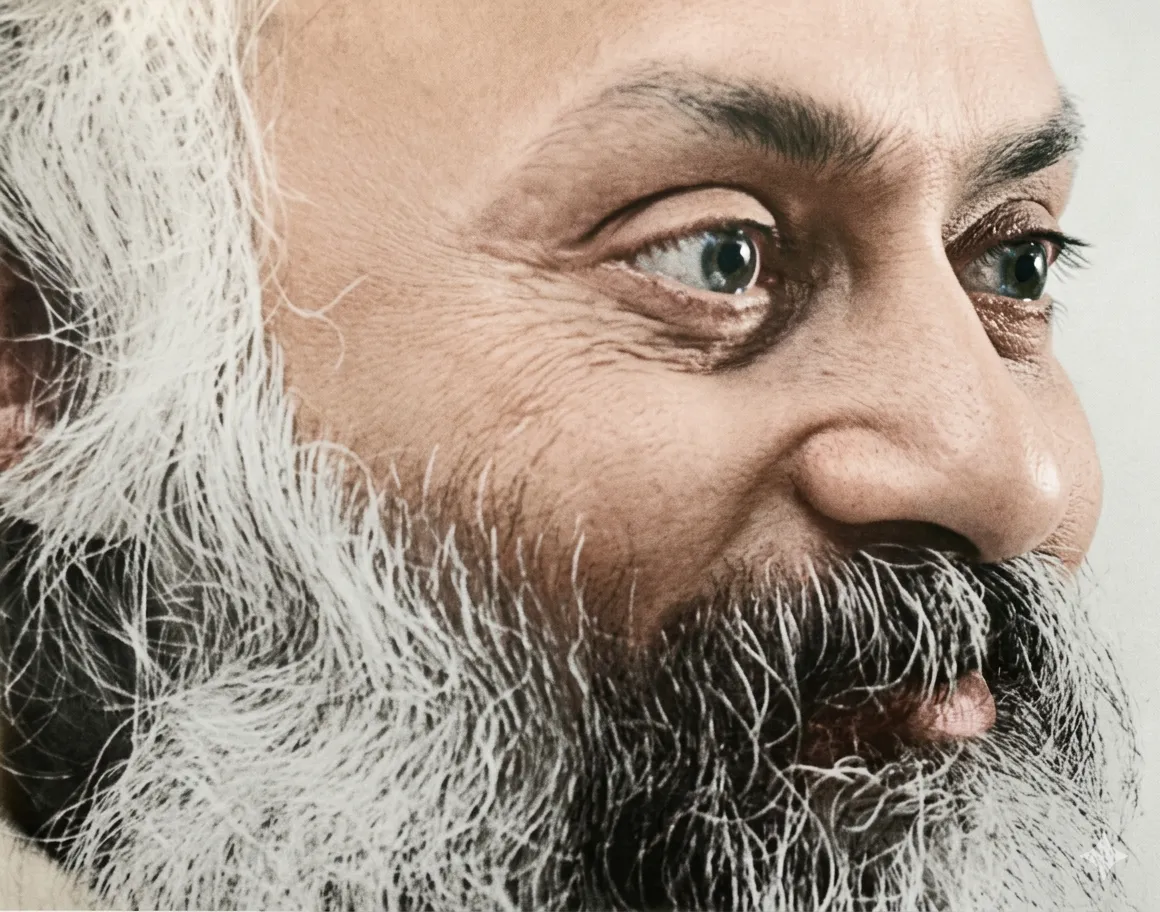
"Ajhun Chet Ganwar" explores the intricate dynamics of spiritual remembrance (surati) as elucidated by Osho. At its core, the discourse confronts the transient nature of the mind's engagement with divinity, contrasting the ephemeral, mind-driven meditation with a deeper, unwavering state of being that is akin to breathing — effortless and natural. Osho reinterprets the ancient concept of smriti, aligning it with an innate awareness that transcends linguistic limitations and mental distractions. This series underscores the limitations of a mind that juggles worldly concerns, often recalling the divine only amidst suffering. Osho critiques this situational spirituality as fundamentally transactional and self-serving. Instead, he champions a continual, joyful remembrance of the Divine, one that is most potent when it emanates from a place of contentment rather than desperation. Through his discourse, Osho invites seekers to foster a holistic remembrance that pervades every breath, facilitating a genuine, unbroken connection with the Divine. In doing so, he challenges individuals to transcend utilitarian spirituality and cultivate a state of being where remembrance exists beyond conscious effort, achieving a form of spiritual permanence.
-
Chapter 1
Wake up now: only the living Satguru and the True Name can ferry you beyond scriptures and cleverness to inner wealth, samadhi and contentment.
-
Chapter 2
The single ignorance is not knowing who you are; light the inner lamp through meditation and sannyas—turn inward to claim the limitless inner treasure now.
-
Chapter 3
Suffering invites two choices—forgetting or awakening; remembrance lights the inner palace. Why suffering? Because God refines us; surrender dissolves ego.
-
Chapter 4
True master finds the disciple by love, not intellect; surrender empties the head and fills the heart, motive blocks prayer and real transformation follows.
-
Chapter 5
Turn worldly love into bhakti: wake before spring slips away, invite the Beloved inward, lose the separate self and die into God to find lasting bliss.
-
Chapter 6
Know, don't believe: drop fear-born faith and taste truth through direct experience and love as the sutra to God; dissolve ego and test reality yourself.
-
Chapter 7
True love demands total surrender, lose the ego and die while living; devotion reverses worldly arithmetic: squander to receive when the Name remembers you.
-
Chapter 8
Solitude births religion: meditation and devotion arise by shedding the crowd—either erasing the self or erasing the other—leading to the same One.
-
Chapter 9
Devotion is burning love: surrender utterly, remember the Beloved until ego dissolves; transform worldly longing into God and settle your case first.
-
Chapter 10
Surati - ajapa japa - arises when bhajan's doing ripens into effortless, unbroken remembrance; surrender the doer and let the Divine be the Doer.
-
Chapter 11
Love requires dying to the 'I'—surrender the ego to become empty so the Beloved appears; renunciation of self, not the world, is the only price.
-
Chapter 12
Inner and outer are one: drop the ego's boundary; live from inner rhythm or in outer suchness; either doorway breaks the pot and reveals boundless existence.
-
Chapter 13
Truth is one; its expressions are many: sects are bathing steps, not the river. Use forms as means, drop attachments, and let the living stream lead you home.
-
Chapter 14
Kali Yuga is not an excuse: Satya and Kali coexist; realization depends on choice, responsibility and an inner lamp—God can be realized even now.
-
Chapter 15
Man clings to suffering while bliss is his birthright; drop craving and ego, be present in satsang and let the Name and guru's presence lead to liberation.
-
Chapter 16
Risk the wine of devotion: surrender ego to move from intoxication into unconsciousness, where true awareness and union with the Beloved are born.
-
Chapter 17
Life is fleeting; use this moment to awaken, turn love upward, master the body through devotion not suppression, and seek the eternal before death arrives.
-
Chapter 18
Only the unknown can be loved; true devotion springs from a pre-verbal inner thirst, not knowledge—ego and false surrender block the way, and divine love leads to blessed madness.
-
Chapter 19
Love is the essence of religion: grow sheela (awakened character) and sneh (selfless affection), unite inner male-female, and live in joyful truthful steadiness.
-
Chapter 20
Know your weakness: when the ego dies, Ram's strength fills the emptiness; surrender the 'I', not by groveling but by true letting-go and be free.
-
Chapter 21
Renounce the sleep of ego and enter the dark night like Majnun: drop worldly hopes, drink satsang, lose the 'I' so the Beloved appears at last.