
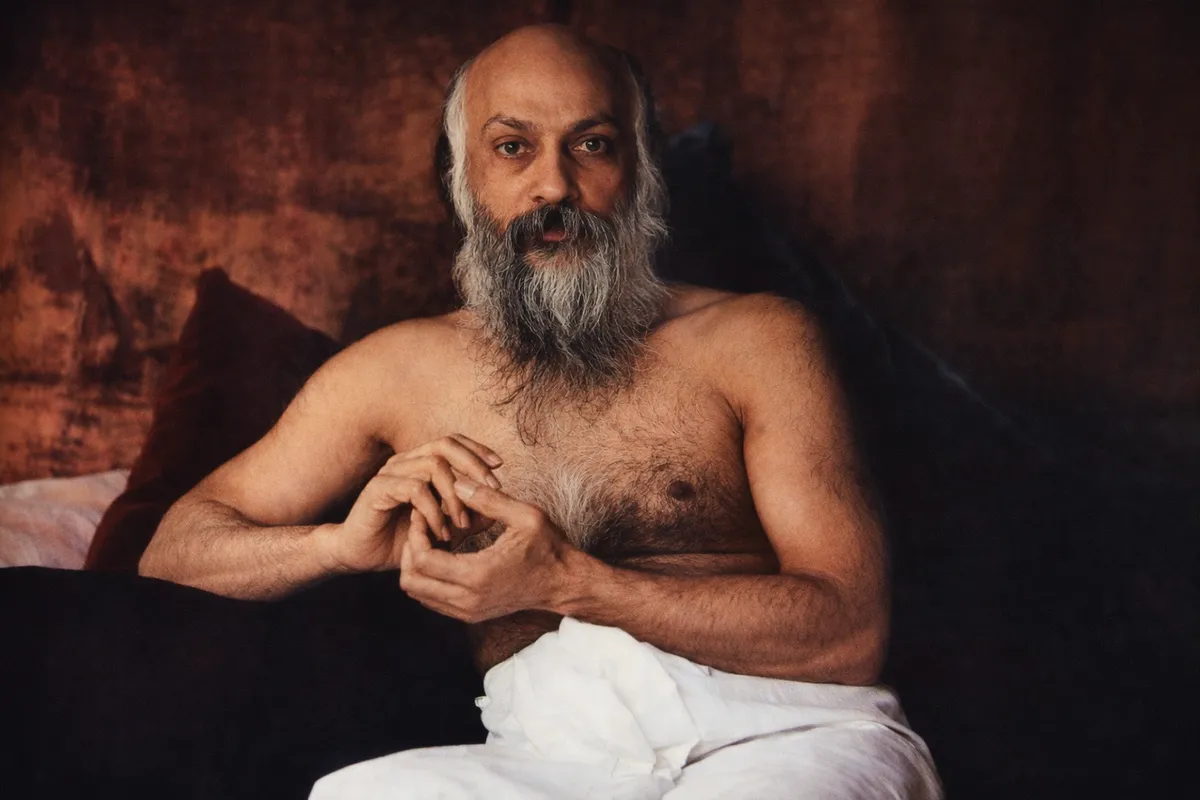
Osho's original Hindi beside Osho Live's English translation, matched passage by passage.
योग एक विज्ञान है, कोई शास्त्र नहीं है। योग का इस्लाम, हिंदू, जैन या ईसाई से कोई संबंध नहीं है।
Yoga is a science, not a scripture. Yoga has nothing to do with Islam, Hindu, Jain or Christian.
लेकिन चाहे जीसस, चाहे मोहम्मद, चाहे पतंजलि, चाहे बुद्ध, चाहे महावीर, कोई भी व्यक्ति जो सत्य को उपलब्ध हुआ है, बिना योग से गुजरे हुए उपलब्ध नहीं होता। योग के अतिरिक्त जीवन के परम सत्य तक पहुंचने का कोई उपाय नहीं है। जिन्हें हम धर्म कहते हैं वे विश्वासों के साथी हैं। योग विश्वासों का नहीं है, जीवन सत्य की दिशा में किए गए वैज्ञानिक प्रयोगों की सूत्रवत प्रणाली है।
But whether it is Jesus, Mohammed, Patanjali, Buddha, Mahavira—any person who has attained truth has not attained it without passing through Yoga. Apart from Yoga there is no way to reach the ultimate truth of life. What we call religions are companions of beliefs. Yoga is not of beliefs; Yoga is a sutra-like system of scientific experiments directed toward the truth of life.
इसलिए पहली बात मैं आपसे कहना चाहूंगा वह यह कि योग विज्ञान है, विश्वास नहीं। योग की अनुभूति के लिए किसी तरह की श्रद्धा आवश्यक नहीं है। योग के प्रयोग के लिए किसी तरह के अंधेपन की कोई जरूरत नहीं है। नास्तिक भी योग के प्रयोग में उसी तरह प्रवेश पा सकता है जैसे आस्तिक। योग नास्तिक-आस्तिक की भी चिंता नहीं करता है।
Therefore, the first thing I would like to say to you is: Yoga is science, not belief. No kind of faith is necessary for the realization of Yoga. No kind of blindness is needed for the practice of Yoga. The atheist can enter the practice of Yoga just as the theist can. Yoga does not bother about atheist or theist.
विज्ञान आपकी धारणाओं पर निर्भर नहीं होता; विपरीत, विज्ञान के कारण आपको अपनी धारणाएं परिवर्तित करनी पड़ती हैं। कोई विज्ञान आपसे किसी प्रकार के बिलीफ, किसी तरह की मान्यता की अपेक्षा नहीं करता है। विज्ञान सिर्फ प्रयोग की, एक्सपेरिमेंट की अपेक्षा करता है। विज्ञान कहता है, करो, देखो। विज्ञान के सत्य चूंकि वास्तविक सत्य हैं, इसलिए किन्हीं श्रद्धाओं की उन्हें कोई जरूरत नहीं होती है। दो और दो चार होते हैं, माने नहीं जाते। और कोई न मानता हो तो खुद ही मुसीबत में पड़ेगा; उससे दो और दो चार का सत्य मुसीबत में नहीं पड़ता है।
Science does not depend upon your assumptions; on the contrary, because of science you have to transform your assumptions. No science expects beliefs or creeds from you. Science expects only one thing: experiment. Science says, do, see. Because the truths of science are real truths, they do not need any faith. Two and two are four, they are not to be believed. If someone does not believe, he will fall into trouble; two and two being four will not fall into trouble because of him.
विज्ञान मान्यता से शुरू नहीं होता; विज्ञान खोज से, अन्वेषण से शुरू होता है। वैसे ही योग भी मान्यता से शुरू नहीं होता; खोज, जिज्ञासा, अन्वेषण से शुरू होता है। इसलिए योग के लिए सिर्फ प्रयोग करने की शक्ति की आवश्यकता है, प्रयोग करने की सामर्थ्य की आवश्यकता है, खोज के साहस की जरूरत है; और कोई भी जरूरत नहीं है।
Science does not begin with belief; science begins with search, with inquiry. So too, Yoga does not begin with belief; it begins with search, with curiosity, with exploration. Therefore, for Yoga only the capacity to experiment is needed, the strength to experiment is needed, the courage to inquire is needed; and nothing else is needed.
योग विज्ञान है, जब ऐसा कहता हूं, तो मैं कुछ सूत्र की आपसे बात करना चाहूं, जो योग-विज्ञान के मूल आधार हैं। इन सूत्रों का किसी धर्म से कोई संबंध नहीं है, यद्यपि इन सूत्रों के बिना कोई भी धर्म जीवित रूप से खड़ा नहीं रह सकता है। इन सूत्रों को किसी धर्म के सहारे की जरूरत नहीं है, लेकिन इन सूत्रों के सहारे के बिना धर्म एक क्षण भी अस्तित्व में नहीं रह सकता है।
When I say Yoga is a science, I would like to say a few sutras to you, which are the fundamental bases of the science of Yoga. These sutras have no relation to any religion, although without these sutras no religion can stand alive. These sutras need no support from any religion, but without support from these sutras a religion cannot exist for even a moment.
योग का पहला सूत्र: योग का पहला सूत्र है कि जीवन ऊर्जा है, लाइफ इज़ एनर्जी। जीवन शक्ति है।
The first sutra of Yoga: Life is energy. Life is shakti.
बहुत समय तक विज्ञान इस संबंध में राजी नहीं था; अब राजी है। बहुत समय तक विज्ञान सोचता था: जगत पदार्थ है, मैटर है। लेकिन योग ने विज्ञान की खोजों से हजारों वर्ष पूर्व से यह घोषणा कर रखी थी कि पदार्थ एक असत्य है, एक झूठ है, एक इल्यूजन है, एक भ्रम है। भ्रम का मतलब यह नहीं कि नहीं है। भ्रम का मतलब: जैसा दिखाई पड़ता है वैसा नहीं है और जैसा है वैसा दिखाई नहीं पड़ता है। लेकिन विगत तीस वर्षों में विज्ञान को एक-एक कदम योग के अनुरूप जुट जाना पड़ा है।
For a long time science was not ready to agree; now it has agreed. For a long time science thought: the world is substance, matter. But thousands of years before science arrived at its discoveries Yoga had declared that matter is untrue, a false appearance, an illusion, a maya. Illusion does not mean it is not; illusion means: as it appears it is not, and as it is, it does not appear. In the last thirty years science has had to fall into step with Yoga, one step at a time.
अठारहवीं सदी में वैज्ञानिकों की घोषणा थी कि परमात्मा मर गया है, आत्मा का कोई अस्तित्व नहीं है, पदार्थ ही सब कुछ है। लेकिन विगत तीस वर्षों में ठीक उलटी स्थिति हो गई है। विज्ञान को कहना पड़ा कि पदार्थ है ही नहीं, सिर्फ दिखाई पड़ता है। ऊर्जा ही सत्य है, शक्ति ही सत्य है। लेकिन शक्ति की तीव्र गति के कारण पदार्थ का भास होता है।
In the eighteenth century scientists declared that God is dead, the soul has no existence, matter is everything. But in the last thirty years the situation has reversed. Science has had to say that matter is not, it only appears. Energy is the truth, shakti is the truth. But because of the intense speed of energy, matter appears.
दीवालें दिखाई पड़ रही हैं एक, अगर निकलना चाहेंगे तो सिर टूट जाएगा। कैसे कहें कि दीवालें भ्रम हैं? स्पष्ट दिखाई पड़ रही हैं, उनका होना है। पैरों के नीचे जमीन अगर न हो तो आप खड़े कहां रहेंगे?
Walls are visible—if you try to pass through, your head will break. How to call walls an illusion? They are clearly seen, they have being. If there were no ground under your feet, where would you stand?
नहीं, इस अर्थों में नहीं विज्ञान कहता है कि पदार्थ नहीं है। इस अर्थों में कहता है कि जो हमें दिखाई पड़ रहा है, वैसा नहीं है।
No, not in that sense does science say matter is not. It says that what appears to us is not as it appears.
अगर हम एक बिजली के पंखे को बहुत तीव्र गति से चलाएं तो उसकी तीन पंखुड़ियां तीन दिखाई पड़नी बंद हो जाएंगी। क्योंकि पंखुड़ियां इतनी तेजी से घूमेंगी कि उनके बीच की खाली जगह, इसके पहले कि आप देख पाएं, भर जाएगी। इसके पहले कि खाली जगह आंख की पकड़ में आए, कोई पंखुड़ी खाली जगह पर आ जाएगी। अगर बहुत तेज बिजली के पंखे को घुमाया जाए तो आपको टीन का एक गोल वृत्त घूमता हुआ दिखाई पड़ेगा, पंखुड़ियां दिखाई नहीं पड़ेंगी। आप गिनती करके नहीं बता सकेंगे कि कितनी पंखुड़ियां हैं। अगर और तेजी से घुमाया जा सके तो आप पत्थर फेंक कर पार नहीं निकाल सकेंगे, पत्थर इसी पार गिर जाएगा। अगर और तेज घुमाया जा सके, जितनी तेजी से परमाणु घूम रहे हैं, अगर उतनी तेजी से बिजली के पंखे को घुमाया जा सके, तो आप मजे से उसके ऊपर बैठ सकते हैं, आप गिरेंगे नहीं। और आपको पता भी नहीं चलेगा कि पंखुड़ियां नीचे घूम रही हैं। क्योंकि पता चलने में जितना वक्त लगता है, उसके पहले नई पंखुड़ी आपके नीचे आ जाएगी। आपके पैर खबर दें आपके सिर को कि पंखुड़ी बदल गई, इसके पहले दूसरे पंखुड़ी आ जाएगी। बीच के गैप, बीच के अंतराल का पता न चले तो आप मजे से खड़े रह सकेंगे।
If we run an electric fan at very high speed, its three blades will stop appearing as three. Because they move so fast that the empty gap between them, before you can perceive it, is filled. Before the empty space can be caught by the eye, another blade arrives there. If a fan is run very fast, you will see a single circular sheet of tin spinning, not the blades. You will not be able to count how many blades there are. If it can be run even faster, you will not be able to throw a stone through; the stone will fall on this side. And if it can be run at speeds like atoms revolve, you could sit on it comfortably; you would not fall. And you would not even know that blades are moving underneath—because before the time it takes for your feet to inform your head that the blade has changed, the next blade will have come under you. If the gaps, the intervals, cannot be detected, you can stand quite at ease.
ऐसे ही हम खड़े हैं अभी भी। अणु तीव्रता से घूम रहे हैं, उनके घूमने की गति तीव्र है इसलिए चीजें ठहरी हुई मालूम पड़ती हैं। जगत में कुछ भी ठहरा हुआ नहीं है। और जो चीजें ठहरी हुई मालूम पड़ती हैं, वे सब चल रही हैं।
So it is. We are standing like this even now. Atoms are spinning with tremendous speed; because of their speed things seem stationary. Nothing is stationary in this world. And all that appears stationary is moving.
अगर वे चीजें ही होती चलती हुई तो भी कठिनाई न थी। जितना ही विज्ञान परमाणु को तोड़ कर नीचे गया तो उसे पता चला कि परमाणु के बाद तो फिर पदार्थ नहीं रह जाता, सिर्फ ऊर्जा कण, इलेक्ट्रांस रह जाते हैं, विद्युत कण रह जाते हैं। उनको कण कहना भी ठीक नहीं है, क्योंकि कण से पदार्थ का खयाल आता है। इसलिए अंग्रेजी में एक नया शब्द उन्हें गढ़ना पड़ा, उस शब्द का नाम क्वांटा है। क्वांटा का मतलब है: कण भी, कण नहीं भी; कण भी और लहर भी, एक साथ। विद्युत की तो लहरें हो सकती हैं, कण नहीं हो सकते। शक्ति की लहरें हो सकती हैं, कण नहीं हो सकते। लेकिन हमारी भाषा पुरानी है, इसलिए हम कण कहे चले जाते हैं। ऐसे कण जैसी कोई भी चीज नहीं है। अब विज्ञान की नजरों में यह सारा जगत ऊर्जा का, विद्युत की ऊर्जा का विस्तार है।
Even if things themselves were merely moving, that would not be the difficulty. The deeper science went breaking the atom, it found that after the atom there remains no matter, only energy-packets, electrons, electric units. To call them particles is not right, because ‘particle’ suggests matter. A new word had to be coined in English: quanta. Quanta means: both particle and not-particle; both particle and wave together. Electricity can have waves, not particles. Energy can have waves, not particles. But our language is old, so we keep saying particle. There is nothing like a particle. In the eyes of science this entire universe is an expansion of energy—of electrical energy.
योग का पहला सूत्र यही है: जीवन ऊर्जा है, शक्ति है।
The first sutra of Yoga is this: life is energy, shakti.
दूसरा सूत्र योग का: शक्ति के दो आयाम हैं--एक अस्तित्व और एक अनस्तित्व; एक्झिस्टेंस और नॉन-एक्झिस्टेंस।
The second sutra of Yoga: energy has two dimensions—existence and non-existence; existence and non-existence.
शक्ति अस्तित्व में भी हो सकती है और अनस्तित्व में भी हो सकती है। अनस्तित्व में जब शक्ति होती है तो जगत शून्य हो जाता है और जब अस्तित्व में होती है तो सृष्टि का विस्तार हो जाता है। जो भी चीज है, योग मानता है, वह नहीं है भी हो सकती है। जो भी है, वह न होने में भी समा सकती है। जिसका जन्म है, उसकी मृत्यु है। जिसका होना है, उसका न होना है। जो दिखाई पड़ती है, वह न दिखाई पड़ सकती है।
Shakti can be in existence and it can be in non-existence. When shakti moves into non-existence, the world becomes void; when it moves into existence, creation expands. Whatever is, Yoga says, can also not be. Whatever is can dissolve into not-being. That which has birth has death. That which has being has non-being. What appears can also disappear.
योग का मानना है, इस जगत में प्रत्येक चीज दोहरे आयाम की है, डबल डायमेंशन की है। इस जगत में कोई भी चीज एक-आयामी नहीं है।
Yoga holds that in this world every phenomenon is two-dimensional. Nothing here is one-dimensional.
हम ऐसा नहीं कह सकते कि एक आदमी पैदा हुआ और फिर नहीं मरा। हम कितना ही लंबाएं उसके जीवन को, फिर-फिर कर हमें पूछना पड़ेगा कि कभी तो मरा होगा, कभी तो मरेगा। ऐसा कंसीव करना, ऐसी धारणा भी बनानी असंभव है कि एक छोर हो जन्म का और दूसरा छोर मृत्यु का न हो। दूर हो, कितना ही दूर हो, अंतहीन मालूम पड़े दूरी, लेकिन दूसरा छोर अनिवार्य है। एक छोर के साथ दूसरा छोर वैसे ही अनिवार्य है, जैसे एक सिक्के के दो पहलू अनिवार्य हैं। अगर एक ही पहलू का कोई सिक्का हो सके...तो असंभव मालूम होता है, यह नहीं हो सकता है। दूसरा पहलू होगा ही! क्योंकि एक पहलू होने के लिए ही दूसरे पहलू को होना पड़ेगा।
We cannot say that a man is born and he never dies. We may extend his life, yet again and again we will have to ask: at some point he must have died, or he will die. It is impossible even to conceive a notion that there is one pole called birth and the other pole called death is not. Far it may be, infinitely far it may appear—but the other pole is inevitable. With one pole the other is as inevitable as the two sides of a coin are inevitable. If a coin could have only one side... it seems impossible. The other side will be there! For one side to be, the other must be.
विज्ञान का, योग-विज्ञान का दूसरा सूत्र है: प्रत्येक चीज दोहरे आयाम की है। होने का एक आयाम है, एक्झिस्टेंस का; नॉन-एक्झिस्टेंस का दूसरा आयाम है, न होने का।
The second sutra of the science of Yoga is: everything has a double dimension. One dimension of being—existence; another of non-being—non-existence.
जगत है, जगत नहीं भी हो सकता है। हम हैं, हम नहीं भी हो सकते हैं। जो भी है, वह नहीं हो सकता है। नहीं होने का आप यह मतलब मत लेना कि कोई दूसरे रूप में हो जाएगा। बिलकुल नहीं भी हो सकता है। अस्तित्व एक पहलू है, अनस्तित्व दूसरा पहलू है।
The world is, and the world can also not be. We are, and we can also not be. Whatever is, can also not be. Do not take ‘not being’ to mean that it will be in some other form. No—absolutely not be. Existence is one aspect, non-existence is the other.
सोचना कठिन मालूम पड़ता है कि नहीं होने से होना कैसे निकलेगा? होना, नहीं होने में कैसे प्रवेश कर जाएगा? लेकिन अगर हम जीवन को चारों ओर देखें तो हमें पता चलेगा कि प्रतिपल, जो नहीं है, वह हो रहा है; जो है, वह नहीं होने में खो रहा है।
It seems difficult to conceive: how can being arise from non-being? How can being enter into not-being? But if we look around, we will see that each moment that which is not is becoming, and that which is is dissolving into not-being.
यह सूर्य है हमारा। यह रोज ठंडा होता जा रहा है। इसकी किरणें शून्य में खोती जा रही हैं। वैज्ञानिक कहते हैं कि चार हजार वर्ष तक और गरम रह सकेगा। चार हजार वर्षों में इसकी सारी किरणें शून्य में खो जाएंगी, तब यह भी शून्य हो जाएगा।
This sun of ours—each day it cools a little. Its rays are being lost into the void. Scientists say it can keep hot for another four thousand years. In four thousand years all its rays will be lost into the void, then it too will be void.
अगर शून्य में किरणें खो सकती हैं तो फिर शून्य से किरणें आती भी होंगी, अन्यथा सूर्यों का जन्म कैसे होगा? विज्ञान कहता है कि हमारा सूर्य मर रहा है, लेकिन दूसरे सूर्य दूसरे छोरों पर पैदा हो रहे हैं। वे कहां से पैदा हो रहे हैं? वे शून्य से पैदा हो रहे हैं।
If rays can be lost into the void, then from the void rays must also be coming; otherwise how would suns be born? Science says our sun is dying, but other suns are being born elsewhere. From where are they being born? They are being born out of the void.
वेद कहते हैं कि जब कुछ नहीं था। उपनिषद भी बात करते हैं उस क्षण की जब कुछ नहीं था। बाइबिल भी बात करती है उस क्षण की जब कुछ नहीं था, ना-कुछ ही था, नथिंगनेस ही थी। उस ना-कुछ से होना पैदा होता है और होना प्रतिपल ना-कुछ में लीन होता चला जाता है। अगर हम पूरे अस्तित्व को एक समझें तो इस अस्तित्व के निकट ही हमें अनस्तित्व को भी स्वीकार करना पड़ेगा।
The Vedas say: when there was nothing. The Upanishads speak of that moment when there was nothing. The Bible too speaks of that moment when there was nothing—only nothingness. From that nothingness, being is born; and being, moment to moment, merges back into nothingness. If we take the totality of existence as one, then alongside it we must accept non-existence.
योग का दूसरा सूत्र है: प्रत्येक अस्तित्व के पीछे अनस्तित्व जुड़ा है।
The second sutra of Yoga is: behind each existence, non-existence is joined.
तो शक्ति के दो आयाम हैं: अस्तित्व और अनस्तित्व। शक्ति हो भी सकती है, नहीं भी हो सकती है, न में भी खो सकती है। इसलिए योग मानता है, सृष्टि सिर्फ एक पहलू है, प्रलय दूसरा पहलू है। ऐसा नहीं है कि सब कुछ सदा रहेगा; खोएगा, शून्य भी हो जाएगा। फिर-फिर होता रहेगा, खोता रहेगा। जैसे एक बीज को तोड़ कर देखें, तो कहीं किसी वृक्ष का कोई पता नहीं चलता। कितना ही खोजें, वृक्ष की कहीं कोई खबर नहीं मिलती। लेकिन फिर इस छोटे से बीज से वृक्ष आता जरूर है। कभी हमने नहीं सोचा कि बीज में जो कभी भी नहीं मिलता है, वह कहां से आता है? और इतने छोटे से बीज में इतने बड़े वृक्ष का छिपा होना?
So shakti has two dimensions: existence and non-existence. Energy can be, and it can not be; it can be lost in the ‘no’. Therefore Yoga holds: creation is only one aspect; dissolution—pralaya—is the other. It is not that all will remain forever—things will be lost, become void. Again and again existence will happen, again and again it will be lost. Break a seed and nowhere will you find a trace of a tree. Search as much as you like, you will find no news of the tree. Yet from this tiny seed the tree surely comes. Have we never wondered from where that which is never found in the seed comes? And how so huge a tree can be hidden in so small a seed?
फिर वह वृक्ष बीजों को जन्म देकर फिर खो जाता है। ठीक ऐसे ही पूरा अस्तित्व बनता है, खोता है। शक्ति अस्तित्व में आती है और अनस्तित्व में चली जाती है।
Then that tree gives birth to seeds and disappears again. Exactly so the whole existence comes to be and is lost. Energy comes into existence and slips into non-existence.
अनस्तित्व को पकड़ना बहुत कठिन है। अस्तित्व तो हमें दिखाई पड़ता है। इसलिए योग की दृष्टि से, जो सिर्फ अस्तित्व को मानता है, जो समझता है कि अस्तित्व ही सब कुछ है, वह अधूरे को देख रहा है। और अधूरे को जानना ही अज्ञान है। अज्ञान का अर्थ न जानना नहीं है, अज्ञान का अर्थ अधूरे को जानना है। जानते तो हम हैं ही, अगर हम इतना भी जानते हैं कि मैं नहीं जानता, तो भी मैं जानता तो हूं ही। जानना तो हममें है ही। इसलिए अज्ञान का अर्थ न जानना नहीं है। अज्ञानी से अज्ञानी भी कुछ जानता ही है। अज्ञान का अर्थ--योग की दृष्टि में--आधे को जानना है।
Non-existence is very hard to grasp. Existence we can see. Therefore, in the eyes of Yoga, the one who believes only in existence, who thinks existence is all, is seeing only the half. And to know the half is ignorance. Ignorance does not mean not knowing; ignorance means knowing in fragments. We all know something—if I know even that I do not know, still I know. Knowing is intrinsic to us. Therefore ignorance is not the absence of knowing; even the most ignorant person knows something. In the vision of Yoga, ignorance means knowing only the half.
और ध्यान रहे, आधा सत्य असत्य से बदतर होता है। क्योंकि असत्य से छुटकारा संभव है, आधे सत्य से छुटकारा बहुत मुश्किल होता है। क्योंकि वह सत्य भी मालूम पड़ता है और सत्य होता भी नहीं। प्रतीत भी होता है कि सत्य है और सत्य होता भी नहीं। अगर असत्य हो पूरा का पूरा, निखालिस असत्य हो, तो उससे छूटने में देर नहीं लगेगी। लेकिन अधूरा, आधा सत्य हो, तो उससे छूटना बहुत मुश्किल हो जाएगा।
And remember, a half-truth is worse than untruth. Because from untruth one can be freed; from half-truth it is very difficult to be freed. It looks like truth and yet it is not. It appears to be truth and yet it is not. If it were a total untruth, sheer untruth, there would be no delay in dropping it. But when it is fragmentary, half truth, dropping it becomes very difficult.
और भी एक कारण है कि सत्य जैसी चीज आधी नहीं की जा सकती, आधी करने से मर जाती है। क्या आप अपने प्रेम को आधा कर सकते हैं? क्या आप ऐसा कह सकते हैं किसी से कि मैं तुम्हें आधा प्रेम करता हूं?
There is another reason: a thing like truth cannot be halved; by halving it you kill it. Can you make your love half? Can you tell someone, I love you half?
या तो प्रेम करेंगे या नहीं करेंगे। आधा प्रेम संभव नहीं है।
Either you love or you do not. Half-love is impossible.
क्या आप ऐसा कह सकते हैं कि मैं आधी चोरी करता हूं? हो सकता है, आधे रुपये की चोरी करते हों। लेकिन आधे रुपये की चोरी पूरी ही चोरी है। लाख रुपये की चोरी भी पूरी चोरी है। आधे पैसे की चोरी भी पूरी चोरी है। चोरी आधी नहीं की जा सकती। आधी चीजों की की जा सकती है। लेकिन चोरी आधी नहीं हो सकती।
Can you say, I steal half? You might steal half a rupee. But theft of half a rupee is whole theft. Theft of a lakh of rupees too is whole theft. Theft cannot be halved. Things can be halved; theft cannot be.
आधा! आधे का अर्थ ही यह है कि आप किसी भ्रम में हैं।
Half—half means you are in a delusion.
तो योग कहता है, जो लोग सिर्फ अस्तित्व को देखते हैं, वे आधे को पकड़े हैं। और आधे को जो पकड़ता है, वह भ्रम में जीता है, वह अज्ञान में जीता है। उसका दूसरा पहलू भी है। जो आदमी कहता है कि मैं जन्म तो लिया हूं, लेकिन मरना नहीं चाहता। वह आदमी आधे को पकड़ रहा है। दुख पाएगा, अज्ञान में जीएगा। और कुछ भी करे, मौत आएगी ही, क्योंकि आधे को काटा नहीं जा सकता है। जन्म को स्वीकार किया है तो मौत उसका आधा हिस्सा है, वह साथ ही जुड़ा है। जो आदमी कहता है, मैं सुख को ही चुनूंगा, दुख को नहीं। वह फिर भूल में पड़ रहा है। योग कहता है, तुम आधे को चुन कर ही गलती में पड़ते हो। दुख सुख का ही दूसरा हिस्सा है। वह आधा हिस्सा है। इसलिए जो आदमी सुखी होना चाहता है, उस आदमी को दुखी होना ही पड़ेगा। जो आदमी शांत होना चाहता है, उसे अशांत होना ही पड़ेगा। कोई उपाय नहीं है।
So Yoga says: those who see only existence are holding the half. And the one who holds the half lives in delusion, lives in ignorance. It has another aspect too. The man who says, I have been born but I do not want to die—he is holding the half. He will suffer, he will live in ignorance. Do whatever you do, death will come—because the half cannot be cut. If you have accepted birth, then death is its other half; it is joined to it. The man who says, I will choose only happiness, not misery—he again falls into mistake. Yoga says: by choosing the half you fall into error. Misery is happiness’s other half. Therefore the man who wants to be happy will have to be miserable. The one who wants silence will have to be restless. There is no way otherwise.
योग कहता है, आधे को छोड़ देना ही अज्ञान है। वह उसका ही हिस्सा है।
Yoga says: to drop the half is ignorance. It is its own other half.
लेकिन हम देखते नहीं पूरे को! जो पहलू हमें दिखाई पड़ता है उसे हम पकड़ लेते हैं और दूसरे पहलू को इनकार किए चले जाते हैं। बिना यह समझे कि जब हमने आधे को पकड़ लिया है तो आधा पीछे प्रतीक्षा कर रहा है, मौजूद है, अवसर की खोज कर रहा है, जल्दी ही प्रकट हो जाएगा।
But we do not see the whole! The aspect which appears to us—we catch hold of it and go on denying the other aspect. Not understanding that if we have caught the half, the other half is waiting behind, present, finding an opportunity; it will reveal itself soon.
योग कहता है कि ऊर्जा के दो रूप हैं। और जो दोनों ही रूप को समझ लेता है, वह योग में गति कर पाता है। जो एक रूप को, आधे को पकड़ लेता है, वह अयोगी हो जाता है। जिसको हम भोगी कहते हैं, वह आधे को पकड़े हुए आदमी का नाम है। जिसे हम योगी कहते हैं, वह पूरे को पकड़े हुए का नाम है।
Yoga says: energy has two forms. And the one who understands both forms moves in Yoga. Whoever catches one form, the half, becomes a-non-yogi. The one we call a bhogi is simply the man who clings to the half. The one we call a yogi is the one who holds the whole.
योग का मतलब ही होता है--दि टोटल। योग का मतलब होता है--जोड़। गणित की भाषा में भी योग का मतलब जोड़ होता है। अध्यात्म की भाषा में भी योग का मतलब होता है--इंटीग्रेटेड, दि टोटल, पूरा, समग्र।
Yoga means the total. Yoga means union. Even in mathematics yoga means ‘addition’. In the language of the inner, Yoga means integrated, the total, the whole, the entire.
भोगी हम उसे नहीं कहते जो योग का दुश्मन है; भोगी हम उसे कहते हैं जो आधे को पकड़ता और आधे को पूरा मान कर जीता है। योगी पूरे को जान लेता है, इसलिए फिर पकड़ता ही नहीं।
We do not call bhogi the enemy of Yoga; we call bhogi the one who catches the half and takes it for the whole and lives by it. The yogi comes to know the whole—hence he does not cling at all.
यह भी बड़े मजे की बात है! पकड़ने वाले सदा आधे को ही पकड़ने वाले होते हैं, पूरे को जान लेने वाला पकड़ता नहीं। जिसको यह दिखाई पड़ गया कि जन्म के साथ मृत्यु है, अब वह किसलिए जन्म को पकड़े? और वह मृत्यु को भी क्यों पकड़े? क्योंकि वह जानता है मृत्यु के साथ जन्म है। जो जानता है कि सुख के साथ दुख है, वह सुख को क्यों पकड़े? और वह दुख को भी क्यों पकड़े, क्योंकि वह जानता है दुख के साथ सुख है। असल में वह जानता है, सुख और दुख एक ही सिक्के के दो पहलू हैं। दो चीजें नहीं, एक ही चीज के दो आयाम हैं, दो डायमेंशन हैं। इसलिए योगी, पकड़ने के बाहर हो जाता है, क्लिंगिंग के बाहर हो जाता है।
This is a great wonder: the clingers always cling to the half; the one who has known the whole does not cling. The one who has seen that birth is together with death—why should he cling to birth? And why should he cling to death either? Because he knows birth is together with death. The one who knows that happiness is together with misery—why should he cling to happiness? And why should he cling to misery either? He knows that happiness and misery are two sides of the same coin. Not two things—two dimensions of one thing. Therefore the yogi goes beyond clinging.
दूसरा सूत्र ठीक से समझ लेना जरूरी है कि ऊर्जा, शक्ति के दो रूप हैं। और हम सब एक रूप को पकड़ने की कोशिश में लगे होते हैं। कोई जवानी को पकड़ता है, तो फिर बुढ़ापे का दुख पाता है। वह जानता नहीं कि जवानी का दूसरा हिस्सा बुढ़ापा है। असल में जवानी का मतलब है, वह स्थिति जो बूढ़ी हुई जा रही है। जवानी का मतलब है, बुढ़ापे की यात्रा। बूढ़ा आदमी उतने जोर से बूढ़ा नहीं होता, ध्यान रखना, जितने जोर से जवान बूढ़ा होता है। बूढ़ा आदमी धीरे-धीरे बूढ़ा होने लगता है, जवान तेजी से बूढ़ा होता है। जवानी का मतलब ही बूढ़े होने की ऊर्जा है। बूढ़े का मतलब बीत गई जवानी की ऊर्जा है, चुक गई जवानी की ऊर्जा है। एक ही सिक्के के दो पहलू हैं। एक घर के बाहर का दरवाजा है, एक घर के पीछे का दरवाजा है।
Understand the second sutra rightly: energy, shakti, has two forms. And we all are engaged in trying to grasp one form. Someone clings to youth, then suffers old age. He does not know that youth’s other half is old age. In truth, youth means that state which is becoming old. Youth means the journey toward old age. An old man does not become old as intensely—remember—as a young man becomes old. The old man begins to become old slowly; the young man becomes old fast. Youth is the energy of becoming old. Old age is the energy of youth that has been spent. Two sides of the same coin. One is the front door of the house, the other the back door.
जन्म और मृत्यु, सुख और दुख; जीवन के सभी द्वंद्व--अस्तित्व-अनस्तित्व, आस्तिक-नास्तिक। वे भी आधे-आधे को पकड़ते हैं। इसलिए योग की दृष्टि में दोनों ही अज्ञानी हैं। आस्तिक कहता है कि भगवान बस है। आस्तिक सोच भी नहीं सकता कि भगवान का न होना भी हो सकता है। लेकिन यह बड़ा कमजोर आस्तिक है, क्योंकि यह भगवान को नियम के बाहर कर रहा है। नियम तो सभी चीजों पर एक सा लागू है। भगवान अगर है तो उसका न होना भी होगा।
Birth and death, happiness and misery; all the dualities of life—existence and non-existence, theist and atheist. They too both hold the halves. Therefore, in the vision of Yoga, both are ignorant. The theist says: God is. He cannot even conceive that God’s not-being could also be. But this is a very weak theist, because he is placing God outside the law. The law applies equally to all things. If God is, his not being also must be.
नास्तिक उसके दूसरे हिस्से को पकड़े है। वह कहता है, भगवान नहीं है।
The atheist holds the other half. He says: God is not.
लेकिन जो चीज नहीं है, वह हो सकती है। और इतने जोर से कहना कि नहीं है, इस डर की सूचना देता है कि उसके होने का भय है। अन्यथा, नहीं है कहने की कोई जरूरत नहीं है। जब एक आस्तिक कहता है कि नहीं, भगवान है ही, और लड़ने को तैयार हो जाता है, तब वह भी खबर दे रहा है कि भगवान के भी न हो जाने का डर उसे है। अन्यथा क्या बिगड़ता है! कोई कहता है नहीं है तो कहे।
But that which is not can be. And to insist so strongly that he is not betrays the fear that he might be. Otherwise, what is the need to insist? When a theist says: God certainly is—and is ready to fight—he too is betraying the fear that God might not be. Otherwise what is the problem if someone says he is not?
आस्तिक लड़ने को तैयार है, क्योंकि वह भगवान का एक हिस्सा पकड़ रहा है। वह वही की वही बात है, चाहे अपना जन्म पकड़ो और चाहे भगवान का होना पकड़ो, लेकिन दूसरे हिस्से को इनकार किया जा रहा है।
The theist is ready to fight because he is clutching one half of God. Whether you clutch your own birth or clutch God’s being, it is the same—denial of the other half.
योग कहता है: दोनों हैं, होना और न होना साथ ही साथ हैं।
Yoga says: both are—being and not-being together.
इसलिए योगी नास्तिक को भी कहता है कि तुम भी आ जाओ, क्योंकि आधा सत्य है तुम्हारे पास; आस्तिक को भी कहता है, तुम भी आ जाओ, क्योंकि आधा सत्य ही है तुम्हारे पास और आधे सत्य असत्य से भी खतरनाक हैं।
Therefore the yogi says to the atheist: you too come, because you have half a truth; and to the theist too he says: you also come, because you have only half a truth—and half-truths are more dangerous than untruths.
दूसरा सूत्र है: द्वंद्व के बीच शक्ति का विस्तार है।
The second sutra is: between the opposites energy expands.
अंधेरे और प्रकाश के बीच एक ही चीज का विस्तार है, दो चीजें नहीं हैं। लेकिन हमें लगता है दो चीजें हैं। वैज्ञानिक से पूछें! वह कहेगा, दो नहीं हैं। वह कहेगा, जिसे हम अंधेरा कहते हैं, वह सिर्फ कम प्रकाश का नाम है। और जिसे हम प्रकाश कहते हैं, वह कम अंधेरे का नाम है। डिग्रीज का फर्क है।
Between darkness and light there is only one thing expanding—not two things. But to us it seems there are two. Ask a scientist! He will say: not two. He will say: what we call darkness is only less light, and what we call light is only less darkness. The difference is of degrees.
इसलिए रात में, पक्षी हैं जिनको दिखाई पड़ता है। अंधेरा है आपका, उनके लिए अंधेरा नहीं है। क्यों? उनकी आंखें उतने धीमे प्रकाश को भी पकड़ने में समर्थ हैं।
Therefore, in the night there are birds who can see. It is darkness for you—not for them. Why? Their eyes can catch even such slow light.
ऐसा नहीं है कि धीमा प्रकाश ही पकड़ में नहीं आता, बहुत तेज प्रकाश भी आंख की पकड़ में नहीं आता। अगर बहुत तेज प्रकाश आपकी आंख पर डाला जाए, आंख तत्काल अंधी हो जाएगी, देख नहीं पाएगी। देखने की एक सीमा है। उसके नीचे भी अंधकार है, उसके ऊपर भी अंधकार है। बस एक छोटी सी सीमा है, जहां हमें प्रकाश दिखाई पड़ता है। लेकिन जिसे हम अंधकार कहते हैं, वह भी प्रकाश की तारतम्यताएं हैं, वे भी डिग्रीज हैं। उनमें जो अंतर है, क्वालिटेटिव नहीं है, क्वांटिटेटिव है। गुण का कोई अंतर नहीं है, सिर्फ परिमाण का अंतर है।
It is not only slow light that slips out of the eye’s grasp—too much light also slips out. If very intense light is thrown into your eyes, you will be blinded immediately. There is a limit for seeing. Below that also is darkness; above that also is darkness. Only a small band is there within which we perceive light. But what we call darkness is also gradations of light—degrees. The difference there is not qualitative, it is quantitative. No difference of quality; only of measure.
गरमी और सर्दी पर कभी खयाल किया है? हम समझते हैं, दो चीजें हैं। नहीं, दो चीजें नहीं हैं। गरमी-सर्दी से समझना बहुत आसान पड़ेगा। लेकिन हम कहेंगे, दो चीजें नहीं हैं? जब गरमी बरसती है सूरज की तब हम कैसे मान लें कि यह वही है? जब शीतल छाया में बैठते हैं, तो शीतल छाया को हम कैसे सूरज की गरमी मान लें?
Have you ever reflected on heat and cold? We think they are two things. No, not two things. Heat-cold will make it easy to understand. But we say: not two things? When the sun pours heat upon us how can we take it as the same? When we sit in a cool shade, how can that coolness be the sun’s heat?
नहीं, मैं नहीं कह रहा हूं कि आप एक मान कर शीतल छाया में बैठना छोड़ दें। मैं इतना ही कह रहा हूं कि जिसे आप शीतल छाया कह रहे हैं, वह गरमी की ही कम मात्रा है। और जिसे आप सख्त धूप कह रहे हैं, वह शीतलता की ही कम हो गई मात्रा है।
I am not saying: treat them as one and stop sitting in the shade. I am only saying: what you call cool shade is only a lesser quantity of heat. And what you call scorching sun is only a lesser quantity of coolness.
कभी ऐसा करें कि एक हाथ को स्टोव के पास रख कर गरम कर लें और एक को बर्फ पर रख कर ठंडा कर लें और फिर दोनों हाथों को एक बाल्टी भरे पानी में डाल दें। तब आप बड़ी मुश्किल में पड़ जाएंगे कि बाल्टी का पानी गरम है या ठंडा! एक हाथ कहेगा, ठंडा है। एक हाथ कहेगा, गरम है।
Try a small experiment: warm one hand near a stove and keep the other hand on ice; then put both hands into a bucket of water. You will be in difficulty—whether the water is hot or cold! One hand will say cold; the other will say hot.
अब एक ही बाल्टी का पानी दोनों नहीं हो सकता। और आपके दोनों हाथों में से दो खबरें आ रही हैं! जो हाथ ठंडा है उसे पानी गरम मालूम होगा, जो हाथ गरम है उसे पानी ठंडा मालूम होगा। ठंडक और गरमी रिलेटिव हैं, सापेक्ष हैं।
Now one and the same bucket cannot be both. Yet two messages are coming! The hand cooled by ice will feel the water warm; the hand warmed at the stove will feel it cool. Hot and cold are relative.
योग का दूसरा सूत्र है: जीवन और मृत्यु, अस्तित्व-अनस्तित्व, अंधकार-प्रकाश, बचपन-बुढ़ापा, सुख-दुख, सर्दी-गरमी, सब रिलेटिविटीज हैं, सब सापेक्षताएं हैं। ये सब एक ही चीज के नाम हैं। बुराई-भलाई...।
The second sutra of Yoga is: life and death, existence and non-existence, darkness and light, childhood and old age, happiness and misery, heat and cold—all are relativities. They are names of one and the same thing. Good and bad...
यहां जरा कठिनाई हो सकती है। क्योंकि ठंडक और गरमी को मान लेना बहुत आसान है, एक सी होंगी, कुछ हर्ज भी नहीं होता। लेकिन राम और रावण, तो जरा अड़चन हो सकती है। मन कहेगा, ऐसा कैसा हो सकता है? लेकिन राम और रावण भी तारतम्यताएं हैं, वे भी दो विरोधी चीजें नहीं हैं, एक ही चीज का कम-ज्यादा होना है। राम में रावण जरा कम है, रावण में राम जरा कम है, बस इतना ही। इसलिए जो रावण को प्रेम करे, उसमें उसे राम दिखाई पड़ सकता है। और जो राम की दुश्मनी करे, उनमें भी रावण दिखाई पड़ सकता है। वे तारतम्यताएं हैं। तो जिसे हम प्रेम करते हैं उसमें राम दिखाई पड़ने लगता है, जिसे हम नहीं प्रेम करते उसमें रावण दिखाई पड़ने लगता है। राम में भी बुरा देखने वाले लोग मिल जाएंगे, रावण में भी भला देखने वालों की कोई कमी नहीं है। तारतम्यताएं हैं। आपके हाथ पर निर्भर करेगा। राम और रावण को अगर एक ही बाल्टी में रखा जा सके तो आसानी हो। लेकिन रखना मुश्किल है। अच्छाई और बुराई भी योग की दृष्टि में एक ही चीज के भेद हैं।
Here a difficulty may arise. To agree about heat and cold as one is easy—no harm. But Ram and Ravan—there a snag appears. The mind will say: how can that be? But Ram and Ravan too are gradations; they are not two opposing entities, they are more or less of one thing. In Ram, Ravan is a little less; in Ravan, Ram is a little less—this much only. Therefore the one who loves Ravan will see Ram in him, and the one who is an enemy of Ram will see Ravan even in him. These are gradations. What you love looks like Ram; what you do not love looks like Ravan. You can find people who see bad in Ram, and no shortage of those who see good in Ravan. Gradations. It will depend on your hand. If Ram and Ravan could be placed in one bucket, it would be easy—but they cannot. Good and evil too, in the vision of Yoga, are differentiations of one thing.
इसका यह मतलब नहीं कि आप बुरे हो जाएं। इसका यह मतलब नहीं है कि आप अच्छाई छोड़ दें। योग का कुल कहना इतना है कि अगर अच्छाई को जोर से पकड़ा, तो ध्यान रखना, दूसरे पहलू पर बुराई भी पकड़ में आ जाएगी। अच्छा आदमी बुरा होने से नहीं बच सकता। और बुरा आदमी अच्छे होने से नहीं बच सकता।
This does not mean you should become bad. It does not mean you should abandon goodness. Yoga’s entire statement is: if you grasp goodness strongly, remember—the other side, evil, will also come into your grasp. A good man cannot avoid being bad; and a bad man cannot avoid being good.
इसलिए अच्छे से अच्छे आदमी को अगर थोड़ा उधेड़ कर देखेंगे तो बुरा आदमी भीतर बैठा मिल जाएगा। और बुरे से बुरे आदमी को जरा तलाश करेंगे तो अच्छा आदमी भीतर बैठा मिल जाएगा। यह बड़े मजे की बात है कि अगर हम अच्छे आदमियों के सपनों की जांच-पड़ताल करें तो वे बुरे सिद्ध होंगे। सब अच्छे आदमी आमतौर से बुरे सपने देखते हैं। जिसने दिन में चोरी से अपने को बचाया, वह रात में चोरी कर लेता है। कंपनसेशन करना पड़ता है न! वह जो दूसरा हिस्सा है वह कहां जाएगा? जिसने दिन में उपवास किया, वह रात राजमहल में निमंत्रित हो जाता है, भोजन कर लेता है। जो दिन भर सदाचारी था, रात में वासना के स्वप्न उसे घेर लेते हैं।
Therefore if you slightly prod a good man, you will find a bad man sitting inside. And if you search a bad man a little, you will find a good man sitting inside. A great wonder: if we examine the dreams of good men, they will prove bad. Almost all good men dream bad dreams. The one who saved himself from stealing in the day, steals at night—compensation! Where will the other half go? The one who fasted in the day is invited at night to the royal palace and feasts. The one who was virtuous all day is besieged at night by dreams of lust.
इसलिए अगर भले आदमी को शराब पिला दें, तब आपको पता चलेगा कि भीतर कौन बैठा है! शराब किसी को बुरा नहीं बना सकती है। शराब में वैसा कोई गुण नहीं है बुरा बनाने का। शराब में सिर्फ एक गुण है कि वह जो दूसरा पहलू है उसे उघाड़ देती है। इसलिए अक्सर शराब पीने वाले लोग शराब पीने के बाद अच्छे मालूम पड़ेंगे।
Therefore if you pour wine into a good man, then you will know who is sitting inside! Wine cannot make anyone bad; wine has no such property. Wine only has one property: it uncovers the other side. Often those who drink seem better after drinking.
मैंने सुना है एक आदमी के बाबत कि एक दिन वह सांझ अपने घर लौटा। उसकी पत्नी बहुत हैरान हुई। उसकी पत्नी ने कहा कि मालूम होता है तुम आज शराब पीकर आ गए हो!
I have heard of a man: one evening he returned home. His wife was very surprised. She said: it seems you have come home drunk today!
उस आदमी ने कहा कि कैसी बातें कर रही हो! मैंने शराब बिलकुल नहीं पी है।
The man said: what are you saying? I haven’t drunk at all.
उसकी पत्नी ने कहा कि तुम्हारा व्यवहार बता रहा है कि तुम पीकर आ गए हो।
She said: your very behavior says you are drunk.
उस आदमी ने कहा, हे परमात्मा, कैसी अजीब दुनिया है!
The man said: O Paramatma, what a strange world!
वह रोज शराब पीकर आता था, आज पीकर नहीं आया है। लेकिन शराब पीकर आता था, उसके भीतर का अच्छा आदमी प्रकट होता रहा। आमतौर से जिन्हें हम बुरे आदमी कहते हैं, उनके भीतर अच्छे आदमी छिपे रहते हैं। और जिनको हम अच्छे आदमी कहते हैं, उनके भीतर बुरे आदमी छिपे रहते हैं। हालांकि जब अच्छे आदमी के भीतर का बुरा आदमी काम करता है बुरा, तो भी अच्छे का बहाना लेकर करता है। अगर अच्छा बाप अपने बेटे की गर्दन दबाता है, तो सीधी नहीं दबा देता; सिद्धांत, नीति, शिष्टाचार, अनुशासन, इन सबका बहाना लेकर दबाता है। अगर अच्छा शिक्षक दंड देता है, तो जिसको दंड देता है उसी के हित में देता है। अच्छा आदमी अगर बुरा भी करता है, तो अच्छी खूंटी पर ही टांगता है बुराई को। और बुरा आदमी अगर अच्छे काम भी करता है, तो स्वभावतः उसके पास बुराई की खूंटी ही होती है, वह उसी पर टांगता है। लेकिन जो भी एक पहलू को पकड़ेगा, उसके भीतर दूसरा पहलू सदा मौजूद रहेगा।
He used to come home drunk every day; this day he had not drunk. But when he came drunk, his inner good man would appear. Generally the people we call bad have good men hidden in them. And those we call good have bad men hidden in them. However, when the good man’s bad acts, even his badness is hung on a good peg—principle, morality, etiquette, discipline are taken as excuses for strangling his son’s neck. If a good teacher punishes, he says he does it for the punished one’s benefit. Even when a good man does bad, he hangs the bad on a good peg. And when a bad man does good, naturally he has only bad pegs, so he hangs the good there. But whoever clings to one side, the other remains present within him.
योग कहता है: दोनों को समझ लो और पकड़ो मत।
Yoga says: understand both—and do not cling.
इसलिए जब पहली बार योग की खबर पश्चिम में पहुंची तो वहां के विचारक बहुत हैरान हुए। क्योंकि उन विचारकों ने कहा, इस योग में नीति की, मॉरेलिटी की तो कोई जगह ही नहीं है! ये सारे योग में कुछ नैतिकता का स्थान नहीं मालूम पड़ता! जिन लोगों ने पश्चिम में पहली बार योग की खबरें सुनीं, उन्होंने कहा कि इसमें कहीं भी नहीं लिखा हुआ है--जैसा कि टेन कमांडमेंट्स हैं ईसाइयों के--यह मत करो, यह मत करो, यह मत करो! यह बुरा है, यह बुरा है, यह बुरा है! डोंट्स की कोई बात ही नहीं है इसमें। यह कैसा योग!
Therefore, when the news of Yoga first reached the West, thinkers there were very puzzled. They said: in this Yoga there seems no place at all for morality! There seem to be, unlike the Ten Commandments of the Christians—no ‘don’ts’: this is bad, that is bad. No talk of don’ts. What kind of Yoga is this!
लेकिन विज्ञान कभी भी पक्ष की बात नहीं करता। विज्ञान तो निष्पक्ष दोनों बातों को खोल कर रख देता है। योग कहता है: यह बुराई है, यह अच्छाई है। और दोनों एक ही सिक्के के पहलू हैं। अगर तुम एक को भी पकड़ोगे तो दूसरा तुम्हारे भीतर छिपा हुआ मौजूद रहेगा। तुम दोनों को समझ लो और पकड़ो मत।
But science never takes sides. Science opens both sides impartially. Yoga says: this is evil, this is good—and both are the two sides of one coin. If you grasp even one, the other will remain hidden within you. Understand both—and do not cling.
इसलिए योग अच्छे और बुरे का ट्रांसेनडेंस है। दोनों के पार हो जाना है।
Therefore, Yoga is the transcendence of good and evil. Going beyond both.
योग सुख और दुख का अतिक्रमण है।
Yoga is the transcendence of joy and sorrow.
योग जन्म और मृत्यु का अतिक्रमण है।
Yoga is the transcendence of birth and death.
योग अस्तित्व-अनस्तित्व का अतिक्रमण है, दोनों के पार है, बियांड है।
Yoga is the transcendence of existence and non-existence—beyond both.
यह दूसरा सूत्र ठीक से समझ लें तो आगे बहुत सी बातें समझनी आसान हो जाएंगी। प्रत्येक चीज का दूसरा पहलू सदा मौजूद है। इसलिए जब भी आप एक चीज पकड़ते हों, ध्यान में ले लेना, उससे उलटा भी आपने पकड़ लिया है।
If this second sutra is understood well, many things ahead will become easy to understand. The other side of each thing is always there. Therefore, whenever you grasp one, know well—you have grasped its opposite too.
जब आपने किसी को प्रेम से कहा है कि अब मैं तुमसे मिल गया, अब मैं कभी बिछुड़ना न चाहूंगा, तब आप ठीक से समझ लेना कि आपके मिलन में विरह मौजूद है, वह घटित होकर रहेगा। असल में, मिलते वक्त भी प्रेमी यही कहता है कि मुझे बहुत डर लग रहा है कि कहीं हम बिछुड़ न जाएं! वह दूसरा पहलू उसको भी पता चल रहा है। नहीं तो मिलते क्षण में विरह की क्या बात है? जब मिले हैं तो मिले हैं। लेकिन मिलते क्षण में विरह पीछे छाया की तरह खड़ा है।
When you say to someone in love, Now that I have met you, I never want to part—know well that separation is present in your union; it will happen. In truth, even while meeting the lover says: I am very afraid that we may not be separated! He too senses the other side. Otherwise, why talk of separation at the very moment of meeting? When we have met, we have met. But in the moment of meeting, separation stands behind like a shadow.
जब किसी को मित्र बनाएं, तब समझ लेना कि एक आदमी और पोटेंशियल एनिमी, एक आदमी और शत्रु पैदा कर लिया। यह तो पक्का है कि बिना मित्र बनाए शत्रु नहीं बनाया जा सकता। सीधा शत्रु बनाने का अब तक कोई उपाय नहीं खोजा गया। शत्रु को भी मित्र होने की प्रक्रिया से गुजरना पड़ता है। अगर शत्रु भी बनना हो तो मित्र होने के रास्ते से ही जाना पड़ता है। तो जब मित्र बनाएं, तब योग कहता है, जानना कि शत्रु छाया की तरह पीछे खड़ा है।
When you make someone a friend, know that you have also created a potential enemy. It is certain that without making a friend one cannot make an enemy. No direct way of making an enemy has yet been found. Even to be an enemy, one has to pass through friendliness. So when you make a friend, Yoga says: know that the enemy stands behind like a shadow.
जीवन के प्रत्येक भाग में विपरीत को सदा स्मरण रखना, तो क्लिंगिंग, पकड़ छूट जाएगी। तब सुख आपके द्वार पर दस्तक देगा, तो आप उसके पीछे झांक कर देख लेंगे कि दुख को जरूर साथ लाया होगा। लाता ही है। वह उसकी छाया है। वह उसके बिना कभी आता नहीं। और जब दुख आए...तो योग में प्रविष्ट व्यक्ति के लिए, सुख आता है तो आ जाने देता है, बहुत स्वागत नहीं करता, क्योंकि वह जानता है कि पीछे तुम किसको लिए हो; और जब दुख आता है, तब उसे भी स्वागत से बिठा देता है, क्योंकि वह जानता है कि तुम किसे पीछे लिए हो। सुख और दुख में वह सम हो जाता है। सम का सिर्फ एक ही आधार है कि प्रत्येक चीज अपने विरोधी से अनिवार्य रूप से जुड़ी है। विरोध के बिना अस्तित्व नहीं है। जिसे हमने प्रेम किया है, उससे हमने घृणा के बीज बो दिए। जिससे हम मिले हैं, उससे हमने विरह का मार्ग तय किया। जिसे हमने अपना बनाया, उसे हमने पराया बनाने के सूत्र सिखा दिए। जो यशस्वी हुआ, उसने अपने अपमान के लिए बीज बोए। जो जीता, उसने हार को निमंत्रण दिया।
In every part of life, remember the opposite, then clinging will fall. When happiness knocks on your door, you will peer behind it and see that it must have brought sorrow with it. It does—sorrow is its shadow. It never comes without it. And when sorrow comes... for one who has entered Yoga—when happiness comes, he lets it come, but does not welcome it much, for he knows whom it carries behind; and when sorrow comes, he seats it also with welcome, because he knows whom it brings behind. He becomes equal in happiness and misery. The only basis for equanimity is this: every phenomenon is necessarily linked to its opposite. Without opposition there is no existence. The one you have loved—you have sown the seeds of hatred in that very place. The one you have met—you have walked the path of separation with him. The one you have made your own—you have taught him the formulas of becoming a stranger. The one who becomes famous sows the seeds for his humiliation. The victor invites defeat.
लाओत्से ने एक दिन अपने मित्रों को कहा था कि मुझे जिंदगी में कोई हरा नहीं सका। स्वभावतः उसके मित्र चुप हो गए। उन्होंने पूछा, हमें भी बताओ वह राज, वह सीक्रेट कि तुम्हें कोई हरा क्यों नहीं सका? हम भी किसी से हारना नहीं चाहते हैं। तब लाओत्से खिलखिला कर हंसने लगा और उसने कहा, गलत लोगों को मैं सूत्र न बताऊंगा। उन्होंने कहा, कैसे गलत लोग? हमें जरूर बताओ वह मार्ग जिससे हम भी न हार सकें। लाओत्से ने कहा, तुम तो हारोगे ही, क्योंकि जो हारना नहीं चाहता, उसने हार को निमंत्रण दे दिया। हमारा सूत्र यही है कि हमें कोई कभी हरा न सका, क्योंकि हमने कभी जीतना ही न चाहा। क्योंकि जो जीतना चाहेगा वह हारेगा।
One day Lao Tzu said to his friends: no one has ever been able to defeat me. Naturally his friends fell silent. They asked: tell us the secret too—how is it that no one could defeat you? We too do not want to be defeated. Then Lao Tzu laughed and said: I will not tell the sutra to the wrong people. They said: what do you mean wrong people? Tell us the path by which we too may not be defeated. Lao Tzu said: you will certainly be defeated, because the one who does not want to be defeated has already invited defeat. My sutra is this: no one could defeat me, because I never wanted to win. The one who wants to win will be defeated.
लाओत्से एक जंगल से गुजरता था अपने शिष्यों को लेकर। सारा जंगल कट रहा है। हजारों कारीगर वृक्षों को काटते हैं। सिर्फ एक वृक्ष है जो कि खड़ा है, उसे कोई छूता भी नहीं। लाओत्से ने कहा कि जाओ, इस वृक्ष से पूछो कि इसके बेचने का राज क्या है? क्या इसे योग के सूत्र पता चल गए? क्या यह ताओ को जान गया? जब सारा जंगल कटता है, तो यह वृक्ष क्यों नहीं कटता?
Lao Tzu was passing through a forest with his disciples. The whole forest was being cut. Thousands of carpenters were felling trees. Only one tree stood untouched; no one was even touching it. Lao Tzu said: go and ask this tree the secret of its survival. Has it come to know the sutras of Yoga? Has it known the Tao? When the whole forest is being cut, why is this tree not cut?
लाओत्से ने कहा था तो उसके शिष्य गए। मुश्किल में तो पड़े कि वृक्ष से क्या पूछेंगे? वृक्ष के चारों तरफ घूमे, लेकिन वृक्ष से क्या पूछें? बात सच थी, एक पत्ता भी किसी ने नहीं तोड़ा था, एक शाखा भी नहीं कटी थी। एक हजार बैलगाड़ियां ठहर सकें, इतने दूर तक उसकी शाखाओं का फैलाव था, बड़ी घनी छाया थी! फिर उन्होंने सोचा कि चल कर हम इन कारीगरों से ही पूछ लें जो पड़ोसी वृक्षों को काट रहे हैं। उन कारीगरों से उन्होंने पूछा कि इस वृक्ष के बचने का राज क्या है? इसे क्यों नहीं काटा?
The disciples went. They were at a loss about what to ask a tree. They circled around it. The fact was clear: not even a leaf had been plucked, not a single branch cut. Its branches spread so far that a thousand bullock-carts could stand in its shade, dense and vast. They thought: let us ask the carpenters who are cutting the neighboring trees. They asked: what is the secret of this tree’s survival? Why don’t you cut it?
उन कारीगरों ने कहा कि यह वृक्ष बहुत अजीब है। इसकी लकड़ियां इतनी इरछी- तिरछी हैं कि वे फर्नीचर के काम में न आ सकेंगी।
The carpenters said: this tree is very strange. Its wood is so crooked that it cannot be used for furniture.
तो उन्होंने कहा, काट कर कम से कम ईंधन तो बना सकते हो!
They said: at least cut it for fuel!
उन्होंने कहा, यह वृक्ष बड़ा अजीब है, इससे इतना धुआं फिंकता है कि इसका कोई ईंधन नहीं बना सकता। उन्होंने कहा, यह वृक्ष बिलकुल बेकार है। इसको काटना बेकार मेहनत खराब करनी है।
They said: this tree is very strange—its wood throws so much smoke that no one can use it as fuel. This tree is absolutely worthless. To cut it would be useless labor wasted.
उन्होंने लौट कर लाओत्से से कहा कि राज यह है कि यह वृक्ष बिलकुल बेकार है। लकड़ियां सीधी नहीं, धुआं छोड़ती हैं। पत्ते किसी दवा के काम नहीं आते। कोई जानवर पत्ते खाने को राजी नहीं है। यह वृक्ष बड़ा बेकार है।
They returned and told Lao Tzu: the secret is that the tree is absolutely useless. Its wood is not straight, it smokes too much, its leaves have no medicinal use, no animal eats them. The tree is utterly useless.
लाओत्से ने कहा कि धन्य है यह वृक्ष! इसकी शाखाओं ने सीधे होने की कोशिश नहीं की, इसलिए वे कटने से बच गईं। जो वृक्ष सीधे होने की कोशिश में हैं, देखते हो, कटे जा रहे हैं। इस वृक्ष के पत्तों ने कुछ होने की कोशिश नहीं की, स्वादिष्ट होने की कोशिश नहीं की, इसलिए कोई तोड़ने नहीं आया। यह वृक्ष कुछ होने की कोशिश नहीं किया, इसलिए है--और अपने पूरे आनंद में मग्न है।
Lao Tzu said: blessed is this tree! Its branches did not try to be straight—hence they were saved from being cut. See those trees striving to be straight—they are being cut down. This tree’s leaves did not try to be something, to be tasty—hence no one came to pluck them. This tree did not try to be anything—therefore it is, and is immersed in its own bliss.
लाओत्से ने कहा, यही तरकीब मेरी है। मुझे कभी कोई हरा नहीं सका, क्योंकि हम जीतने ही नहीं गए। मैं सदा से हारा ही हुआ हूं, इसलिए मुझे हराना मुश्किल है।
Lao Tzu said: this is my trick too. No one could defeat me because I never went to win. I have always been already defeated—hence to defeat me is difficult.
एक बार, लाओत्से ने कहा, एक आदमी ने सुन कर यह कि लाओत्से को कोई हरा नहीं सका, एक गांव में मुझे चुनौती कर दी थी। गांव में लाओत्से रुका था। किसी से कहा होगा कि मुझे कभी कोई हरा नहीं सका। गांव में खबर पहुंच गई। किसी पहलवान ने समझा कि यह चुनौती है! उस पहलवान ने आकर लाओत्से के दरवाजे पर झंडा गाड़ दिया और कहा कि मैं तुम्हें हराऊंगा! लाओत्से ने कहा, नहीं हरा सकोगे। उसने कहा कि मैं अभी हरा कर दिखाऊंगा।
Once, Lao Tzu said, on hearing that no one could defeat me, a wrestler in a village challenged me. I was staying there. Someone must have heard me say that no one could defeat me. News spread in the village. A wrestler took it as a challenge. He came and planted a flag at my door and said: I will defeat you! Lao Tzu said: you will not be able to. He said: I will defeat you now.
वहां भीड़ इकट्ठी हो गई। वह पहलवान अपनी लंगोटी बांध कर कूद पड़ा ताकत लगा कर, भगवान का नाम लेकर। लेकिन लाओत्से उसके सामने चित्त लेट गया और उससे कहा कि आ, मेरे ऊपर बैठ!
A crowd gathered. The wrestler tied his loincloth, invoked God, and jumped into the arena. Lao Tzu lay down on his back in front of him and said: come, sit on me!
पहलवान ने कहा कि तुम आदमी कैसे हो? तुम्हें तो हराने का मजा ही चला गया।
The wrestler said: what kind of a man are you? You have destroyed the very pleasure of defeating you.
लाओत्से ने कहा, मैंने पहले ही कहा कि मुझे अब तक कोई हरा नहीं सका, क्योंकि हम पहले से ही हारे हुए हैं। हम जीतना नहीं चाहते। आओ, हमारी छाती पर बैठ जाओ और गांव में डुंडी पीट कर कह दो कि हरा आए, चित्त कर दिया।
Lao Tzu said: I told you already—no one could defeat me till now because I am already defeated. I do not want to win. Come, sit upon my chest and beat the drum in the village that you defeated me—pinned me down.
उस पहलवान ने कहा कि ऐसे आदमी के ऊपर बैठना बेकार है। वह पहलवान उसके पैर छूकर अपने घर चला गया। उसने कहा कि झगड़ा व्यर्थ है।
The wrestler said: it is useless to sit on the chest of such a man. He touched Lao Tzu’s feet and went home. He said: the quarrel is meaningless.
योग कहता है, द्वंद्व में चुनाव व्यर्थ है। योग कहता है, वे जो दो दिखाई पड़ते हैं जीवन में सदा, उनमें चुनना ही मत। वे दोनों एक ही दूसरे के रूप हैं। सिर्फ धोखा है। चेहरा और है, पीछे कुछ और है। अस्तित्व-अनस्तित्व, जीवन-मृत्यु, सुख-दुख, अच्छा-बुरा, नीति-अनीति, धर्म-अधर्म, सब एक ही चीज के विस्तार हैं। साधु-चोर, सब एक ही चीज के विस्तार हैं। इनको चुनना ही मत, इनको समझ लेना। इनको समझ लेने से अतिक्रमण, ट्रांसेनडेंस उपलब्ध हो जाता है।
Yoga says: in the dualities, choice is futile. Yoga says: those two that always appear in life—do not choose between them. They are both forms of one and the same. It is only a deception. The face is different; behind, something else. Existence–non-existence, life–death, happiness–misery, good–bad, morality–immorality, religion–irreligion are all expansions of the same thing. Saint–thief—expansions of the same. Do not choose, understand. By understanding, transcendence happens.
योग का दूसरा सूत्र: शक्ति, ऊर्जा, अस्तित्व और अनस्तित्व में डोलती रहती है। और जहां पहाड़ उठते हैं शक्ति के, वहां शक्ति की खाइयां भी बन जाती हैं। और जहां अस्तित्व निर्मित होता है, वहां अनस्तित्व भी मौजूद होता है। जहां सृष्टि होती है, वहां प्रलय भी होती है।
The second sutra of Yoga: energy oscillates between existence and non-existence. Where mountains of energy rise, there valleys of energy also form. Where existence is created, there non-existence is present too. Where creation is, there dissolution is.
इसलिए इस देश ने सृजन को अकेला नहीं, साथ में प्रलय को भी एक साथ सोचा है। सृष्टि के साथ प्रलय, होने के साथ न होना। सब चीजें जो होती हैं, न होने की यात्रा पर हैं। और जो नहीं हो गई हैं, वे होने की यात्रा पर वापस लौट रही हैं।
Therefore this land has not thought of creation alone; along with srishti it has thought of pralaya simultaneously. With being, not-being. All that comes to be is already on a journey toward not-being; and what has not-been comes again on the journey of being.
सागर में आपने लहर देखी है? जो लहर ऊपर उठी है, वह गिरने की यात्रा पर है। और जो खाई उसके नीचे बन गई है, वह उठने की यात्रा पर है। सब चीजें प्रतिपल अपने से विपरीत में प्रवेश कर रही हैं। सब चीजें अपने से विपरीत में प्रवेश कर रही हैं। जिसे यह दिखाई पड़ जाता है, उसकी आकांक्षा, उसकी कामना, उसकी वासना तिरोहित हो जाती है। छोड़ता नहीं है वह वासना, वासना तिरोहित हो जाती है। क्योंकि वासना चुनाव, च्वाइस का नाम है।
Have you seen a wave in the ocean? The wave that has risen is on a journey to fall. The hollow that forms below it is on a journey to rise. Every moment all things enter into their opposite. All things are entering their opposites. The one who sees this—his craving, his desire, his lust disappear. He does not drop desire; desire dissolves—because desire is the name of choice.
योग का तीसरा सूत्र: अस्तित्व के दो रूप हैं।
The third sutra of Yoga: existence has two forms.
मैंने कहा: ऊर्जा--एक सूत्र।
I said: energy—the first sutra.
दूसरा: ऊर्जा के दो रूप--अनस्तित्व, अस्तित्व।
Second: energy has two forms—non-existence and existence.
फिर तीसरा सूत्र: अस्तित्व के दो रूप हैं--एक जिसे हम चेतन कहें और एक जिसे हम अचेतन कहें। लेकिन दो रूप ही हैं, दो चीजें नहीं हैं। जिन्हें हम धार्मिक लोग कहते हैं, वे भी दो चीजें सोच लेते हैं। वे भी समझ लेते हैं कि चेतना अलग, अचेतना अलग; शरीर अलग, आत्मा अलग! ऐसी अलगता नहीं है। ठीक से समझें, तो आत्मा का जो हिस्सा इंद्रियों की पकड़ में आ जाता है उसका नाम शरीर है और शरीर का जो हिस्सा इंद्रियों की पकड़ में नहीं आता उसका नाम आत्मा है।
Third: existence has two forms—what we call conscious and what we call unconscious. But they are only two forms, not two things. Those whom we call religious people also think of them as two separate things—they conceive consciousness separate and unconsciousness separate; body separate, soul separate. Such separateness is not. Properly understood, that part of Atman which can be grasped by the senses is called body, and that part of the body which cannot be grasped by the senses is called Atman.
चेतन और अचेतन, अस्तित्व के दो रूप हैं। एक पत्थर पड़ा है। वह है, लेकिन अचेतन है। आप उसके पड़ोस में खड़े हैं। आप भी हैं। होने में कोई फर्क नहीं है, दोनों एक्झिस्टेंट हैं, दोनों का अस्तित्व है, लेकिन एक चेतन है और एक अचेतन है।
Conscious and unconscious are two forms of existence. A stone lies there. It is, but it is unconscious. You stand beside it. You are too. In being there is no difference: both are existent. But one is conscious and one is unconscious.
लेकिन पत्थर चेतन बन सकता है और आप पत्थर बन सकते हैं। कनवर्टिबल हैं। इसलिए तो आप गेहूं खा लेते हैं और खून बन जाता है। इसलिए तो आपके शरीर में लोहा जाता है और जीवंत हो जाता है। अगर हम आदमी के शरीर का सब सामान निकाल कर बाहर टेबल पर रखें, तो कोई पांच रुपये से ज्यादा का सामान नहीं निकल सकता। थोड़ा सा लोहा है, अल्युमिनियम है, फास्फोरस है, तांबा है, ये सब चीजें निकलेंगी। और बड़ा हिस्सा तो पानी का है। कोई पांच रुपये का सामान है आदमी के भीतर। लेकिन आदमी के भीतर होकर वे चेतन और जीवित हैं। हाथ को चोट लगती है तो पीड़ा उठती है। और यही हाथ का हिस्सा कल बाहर था और पीड़ा नहीं उठती थी। कल फिर बाहर हो जाएगा।
Yet the stone can become conscious, and you can become stone-like. They are convertible. That is why you eat wheat and it turns into blood. Iron enters your body and becomes living. If we take out all the material of the human body and lay it on a table, it will not fetch more than five rupees. A little iron, aluminum, phosphorus, copper—such things will come out; and the major part is water. Hardly five rupees’ worth. But within a living body they are conscious and alive. If the hand is hurt there is pain; the same portion of the hand, yesterday outside, had no pain. Tomorrow it will be outside again.
जिस जगह आप बैठे हैं, उस जगह कम से कम दस आदमियों की कब्र बन चुकी है, एक-एक आदमी की जगह। पूरी पृथ्वी पर जितने लोग अब तक हुए हैं, उन सबका अनुपात इतना है कि जहां भी हम खड़े हैं, उस जमीन की मिट्टी में, उस छोटे से एक वर्गफीट के हिस्से में कम से कम दस आदमियों का शरीर मिट्टी हो चुका है। वे दसों आदमी कभी जीवित थे, आज आपके पैर में धूल की तरह पड़े हैं। आज आप जीवित हैं, कितनी देर तक? कल आप धूल की तरह पड़े होंगे।
Where you sit, at least ten graves have been made since—one per square foot. On the whole earth, of all the people who have ever been, the proportion is such that wherever we stand, in that small one square foot of soil at least ten human bodies have turned to dust. Those ten were once alive; today they lie beneath your feet like dust. Today you are alive—how long? Tomorrow you too will be dust.
चेतन और अचेतन, अस्तित्व के दो रूप हैं। दो अस्तित्व नहीं हैं, अस्तित्व के ही दो रूप हैं। इसलिए कनवर्टिबल हैं, रूपांतरित हो सकते हैं। इसलिए चेतन से अचेतन आ सकता है, अचेतन चेतन में जा सकता है। रोज हो रहा है। रोज हम यही कर रहे हैं। रोज हम जड़ अचेतन को भोजन बना रहे हैं और हमारे भीतर वह चेतन बनता जाता है। और रोज हमारे भीतर से मल निष्कासित हो रहा है बहुत रूपों में और जड़ होता जा रहा है। आदमी इधर से चेतन होता है, उधर से अचेतन होता है। इधर से अचेतन को लेता है, और भीतर चेतन होता जाता है। चेतन और अचेतन भी दो चीजें नहीं हैं।
Conscious and unconscious—two forms of existence. Not two existences—two forms of the one existence. Therefore convertible, transformable. Consciousness can become unconscious; the unconscious can become conscious. Each day it is happening. Each day we do this: the inert, the unconscious we make into food, and within us it becomes conscious; and each day wastes are expelled and become inert. From here man becomes conscious; from there he becomes unconscious. From here he takes in the unconscious, and within he becomes conscious. Conscious and unconscious are not two different things.
इसमें भी बड़ी भूल होती रही है। नास्तिक कहते हैं, सिर्फ अचेतन ही है। लेकिन उनको बड़ी मुश्किल पड़ती है समझाने में। उनको मुश्किल पड़ती है कि अगर सिर्फ अचेतन ही है तो फिर चेतन कहां से आता है?
Here great mistakes have happened. The atheist says only the unconscious is. But then he is in great difficulty: if only the unconscious is, how does consciousness arise?
तो फिर मार्क्स जैसे नास्तिकों को कहना पड़ता है कि एपि-फिनामिनन है, यह बाइ-प्रॉडक्ट है। चेतना कोई असली चीज नहीं है। यह तो पदार्थ के मिलने-जुलने से पैदा हो गई घटना है। यह कोई वस्तु नहीं है, ईवेंट है।
Marx-like atheists are compelled to say: it is an epiphenomenon, a by-product. Consciousness is not a real thing—it is an event that arises when matter comes together. Not a substance—an event.
चार्वाक को कहना पड़ता है कि यह आदमी की चेतना वैसे ही है, जैसे पानवाला पान बनाता है, कत्था और चूना को लगाता है, और फिर जब आप पान खाते हैं तो लाल रंग पैदा हो जाता है। वह लाल रंग न तो अकेले चूने में है, न अकेले कत्थे में है, न अकेले पान में है। उन सबके मिलने से पैदा हो जाता है। वह संघट परिणाम है, वह बाइ-प्रोडक्ट है, वह एपि-फिनामिनन है। जैसे कि शराब बनती है, जिन-जिन चीजों से बनती है उनको अलग-अलग ले लें तो नशा नहीं आता, इकट्ठा करके ले लें तो नशा आ जाता है।
Charvaka has to say: human consciousness is like this: the betel seller makes pan, applies lime and catechu; when you chew it, a red color appears. That red is not in the lime alone, nor in the catechu alone, nor in the leaf alone. It arises from the combination. It is a result of the aggregate, a by-product, an epiphenomenon. As with alcohol: if you take separately the ingredients, no intoxication; together, intoxication.
तो नास्तिक को, चाहे चार्वाक हो या चाहे मार्क्स हो, उनकी भाषा में थोड़ा फर्क पड़ता है, बाकी उनकी कठिनाई यही है कि चेतना दिखाई तो पड़ती है, इसे समझाएं कैसे? तो एक ही रास्ता है उनके पास कि वे यह कहें कि अचेतन चीजों से मिल कर चेतना पैदा हो जाती है। लेकिन यह बड़ी अवैज्ञानिक बात है। और मार्क्स जैसे वैज्ञानिक होने का दावा करने वाले आदमी के मुंह में बिलकुल शोभा नहीं देती। क्योंकि जिससे जो चीज पैदा होती है, वह उसमें कहीं न कहीं छिपी होनी चाहिए, अन्यथा पैदा नहीं हो सकती।
So the atheist—whether Charvaka or Marx—their language differs a little, their difficulty is the same: consciousness is evident—how to explain it? They have only one way: say that from unconscious things consciousness somehow arises. But this is very unscientific. For a man like Marx, claiming to be scientific, it does not befit the mouth. Because that from which a thing arises must contain it in some hidden way; otherwise it cannot arise.
अगर पान में लाल रंग आ जाता है, तो माना कि एक-एक चीज में अलग वह नहीं था, लेकिन वह लाल रंग इन सबमें छिपा था, जुड़ कर प्रकट हुआ, अलग-अलग में दिखाई नहीं पड़ता था। आक्सीजन और हाइड्रोजन को अलग-अलग अगर हम पी लें तो प्यास नहीं बुझेगी। न हाइड्रोजन में पानी है और न आक्सीजन में पानी है। लेकिन दोनों को मिला कर पानी बन जाएगा और फिर प्यास बुझ जाएगी। यह पानी कहां से आया? यह पानी आक्सीजन और हाइड्रोजन में था, लेकिन दोनों मिलें तो ही प्रकट हो सकता था।
If the pan produces red, we accept that it was not present in each separately; yet that redness was hidden in all of them, and revealed on union—separately it could not be perceived. If we drink oxygen and hydrogen separately, thirst will not be quenched. There is no water in hydrogen, none in oxygen. But when combined, water is formed and thirst is quenched. From where did water come? It was in oxygen and hydrogen, but could be manifest only when both joined.
आप अकेले कमरे में बैठे हुए थे। मैं आपके कमरे में आ गया। और हम दोनों ने बातचीत शुरू कर दी। यह बातचीत आसमान से नहीं आ गई, मेरे भीतर भी थी, आपके भीतर भी थी। लेकिन अगर आप अकेले कमरे में बोलते तो पागल समझे जाते, मैं आ गया तो अब आप पागल नहीं समझे जाते, अब प्रकट होने की सुविधा हो गई।
You were sitting alone in a room. I came into your room. We began to talk. This conversation did not fall from the sky; it was in me too, and in you too. But if you had talked alone, you would have been called mad; I came, now you are not called mad—the possibility of manifestation arose.
जो भी चीज प्रकट होती है, वह जिनसे प्रकट होती है, उनमें गुप्त होती है, छिपी होती है। इसलिए नास्तिकों के ये दावे--कि चेतना पदार्थ से ऐसे ही प्रकट हो गई, है नहीं, थी नहीं--अत्यंत अवैज्ञानिक हैं। योग मानने को तैयार नहीं है।
Whatever manifests is hidden in that from which it manifests. Therefore the claims of atheists—that consciousness arises out of matter though it was not and is not—are extremely unscientific. Yoga does not accept.
आस्तिक भी इससे उलटी बातें करते हैं। उनकी भी तकलीफ यही है--उलटे हिस्से से। वे कहते हैं, पदार्थ है ही नहीं, जड़ कुछ है ही नहीं, सब परमात्मा ही परमात्मा है। तो फिर सवाल उठता है कि यह सब जो चारों तरफ दिखाई पड़ रहा है, कहां से पैदा होता है? तो शंकर कहते हैं, माया है, इल्यूजन है; है नहीं। वे कहते हैं, यह भी एपि-फिनामिनन है। यह भी शैडो एक्झिस्टेंस है। यह है नहीं।
The theists, on the other hand, take the opposite stand. Their difficulty is the same—from the other end. They say: matter is not; the inert is not; all is Paramatma. Then the question arises: from where does all this which appears around us arise? Shankara says: it is maya, illusion; it is not. He says: it too is an epiphenomenon, a shadow-existence. It is not.
वही तकलीफ जो नास्तिक की है, वही तकलीफ आस्तिक की है। तकलीफ यह है कि दूसरे को कैसे समझाओगे? वह भी है! तो उसके लिए फिर चक्करदार तर्क खोजने पड़ते हैं। और वे तर्क कभी भी कुछ सिद्ध नहीं कर पाते।
The same difficulty that besets the atheist besets the theist. The difficulty is: how will you explain the other? That too is. Then one has to search for circuitous logic. And such logic never proves anything.
योग कहता है, दोनों हैं। इसलिए योग किसी चक्करदार तर्क में नहीं पड़ता। वह कहता है, दोनों हैं। और वह यह भी कहता है, दोनों दो नहीं हैं। अन्यथा फिर दोनों को जोड़ने का उपद्रव होगा कि दोनों को जोड़ें कैसे? दोनों एक ही के दो रूप हैं। जैसे मेरे दोनों हाथ हैं--बाएं और दाएं। ये दो दिखाई पड़ते हैं, ये मेरे लिए दो नहीं हैं। ये आपको दिखाई पड़ते दो मालूम होंगे। मेरे लिए एक ही शक्ति दोनों पर फैली है। हालांकि मजे की बात है, मैं चाहूं तो दोनों हाथों को लड़ा सकता हूं! और दोनों एक ही ऊर्जा हैं।
Yoga says: both are. Therefore Yoga enters no circular arguments. It says: both are. And it also says: both are not two. Otherwise the trouble of joining two would arise—how to join? Both are two forms of one. Like my two hands—left and right. They appear two; they are not two for me. For you they appear two; for me one energy spreads through both. Although, amusingly, if I want I can make both hands fight! And yet both are the same energy.
चेतन और अचेतन, अस्तित्व के--एक ही अस्तित्व के--दो छोर हैं। चेतन अचेतन हो सकता है, अचेतन चेतन होता रहता है। यह तीसरा सूत्र है योग का।
Conscious and unconscious are two ends of the one existence. The conscious can become unconscious; the unconscious goes on becoming conscious. This is the third sutra of Yoga.
ये सूत्र समझ लेने जरूरी हैं, क्योंकि फिर इन्हीं सूत्रों के ऊपर योग की सारी साधना का भवन खड़ा होता है।
These sutras must be understood, because upon them the entire edifice of Yoga’s sadhana is raised.
चेतन-अचेतन, अब विज्ञान को राजी हो गई है यह बात भी। अब विज्ञान एक नये शब्द का प्रयोग करता है, वह मैं आपसे कहूं।
Conscious–unconscious—science has agreed to this too. Now science uses a new word; let me share it with you.
नई मेडिसिन, अब किसी बीमारी को...पहले बीमारियां दो तरह की समझी जाती थीं--फिजिकल और मेंटल--कि एक मानसिक बीमारी है और एक शारीरिक बीमारी है, क्योंकि मन अलग है और शरीर अलग है। अब चिकित्साशास्त्र एक नये शब्द का प्रयोग करता है--साइकोसोमेटिक या सोमेटोसाइकिक। अब चिकित्साशास्त्र कहता है, कोई बीमारी न तो अकेली मानसिक है और न अकेली शारीरिक है। बीमारी मनोशारीरिक, साइकोसोमेटिक है। दोनों ही छोर उसके हैं।
New medicine no longer sees diseases as of only two kinds—physical and mental—as if mind is separate and body separate. Now medical science uses a new term: psychosomatic or somatopsychic. Medicine says: no disease is purely mental or purely physical; disease is psychosomatic—both ends are involved.
अगर आपका मन बीमार हो जाए तो आपका शरीर भी बीमार हो जाता है। और अगर आपका शरीर बीमार हो जाए तो आपका मन भी बीमार हो जाता है। जब हम आपको शराब पिलाते हैं, तो आपके मन को नहीं पिलाते। शराब तो आपके पेट में जाती है। आपके लीवर में जाती है, आपके पाचन यंत्र में जाती है। आपके मन में नहीं जाती शराब। लेकिन जैसे ही शराब शरीर में जाती है कि मन अनर्गल बातें बकने लगता है। नहीं बोलना चाहिए, वह बकने लगता है। तो शराब तो शरीर में गई, लेकिन मन तक प्रभाव पहुंच गया। और जब मन रुग्ण होता है, चिंतित होता है, दुखी होता है, तो शरीर तत्काल उदास, बीमार और रुग्ण हो जाता है। अगर मन में बीमारी डाल दी जाए तो शरीर बीमार हो जाता है।
If your mind falls ill, your body falls ill. If your body falls ill, your mind falls ill. When we pour alcohol into you, we do not pour it into your mind. Alcohol goes into your stomach, into your liver, into your digestive system—not into your mind. But as soon as alcohol enters the body, the mind begins to babble nonsense. It should not speak; it begins to babble. Alcohol went into the body, yet the effect reached the mind. And when the mind is sick, anxious, unhappy, the body at once becomes dull, diseased. If disease is put into the mind, the body becomes diseased.
दस या बारह वर्ष पहले अमेरिका को एक कानून बनाना पड़ा, एंटी-हिप्नोटिक एक्ट बनाना पड़ा। एक कानून बनाना पड़ा सम्मोहन के विरोध में। क्योंकि एक छोटे से कालेज के हॉस्टल में एक अनूठी घटना घट गई, दुर्घटना घट गई। चार लड़के हिप्नोटिज्म की एक किताब पढ़ रहे थे। और उसमें लिखा था कि मन जो भी मानने को राजी हो जाए, वह हो जाता है। तो उन चारों ने कहा कि हम प्रयोग करके देखें। और अपने पांचवें साथी को उन्होंने लिटाया और जो उस किताब में लिखा था उस भांति बेहोशी के सुझाव दिए। दस मिनट तक वे चारों लड़के कमरे में अंधेरा करके जोर-जोर से उस लड़के से कहते रहे कि तुम बेहोश हो रहे हो, तुम बेहोश हो रहे हो, तुम बेहोश हो रहे हो...।
Ten or twelve years ago America had to pass a law: the Anti-Hypnotic Act—against hypnosis. Because a strange accident occurred in a small college hostel. Four boys were reading a book on hypnosis. It said: whatever the mind agrees to accept, becomes. The four decided to experiment. They laid their fifth friend down and gave suggestions of sleep as the book instructed. For ten minutes they darkened the room and all four said loudly: you are going unconscious, you are going unconscious...
वह लड़का दस मिनट में गहरी नींद में सो गया और बेहोश हो गया। जब उन्होंने उसके हाथ पर आलपिन चुभाई और उसे पता न चला, और जब उन्होंने उसके मुंह में मिट्टी रख दी और कहा कि यह तुम मिठाई खा रहे हो और उसने मिठाई की तरह स्वाद से उस मिट्टी को खाया, तब तो उनकी गति बढ़ती चली गई। उन्होंने उस लड़के को उठाया, नाचने के लिए कहा कि तुम नृत्यकार हो, तो वह नाचने लगा। और उसको उन्होंने कहा कि तुम पागल हो गए हो, तो वह पागल हो गया। फिर उन्हें आखिरी बात सूझी, उन्होंने उस लड़के से कहा कि अब तुम मर गए, और वह लड़का मर गया।
In ten minutes the boy fell into deep sleep—unconscious. When they pricked his hand with a pin, he did not feel it. They put soil in his mouth and said: you are eating sweets—and he ate the soil with relish. Then they became more adventurous. They made him dance—he danced. They said: you have gone mad—he became mad. Lastly, they said: now you are dead—and the boy died.
इससे एक कानून बनाना पड़ा कि अब कोई व्यक्ति किसी को उसकी आज्ञा से या सरकारी आज्ञा से या किसी यूनिवर्सिटी में रिसर्च करते समय या किसी हॉस्पिटल में डाक्टर के निरीक्षण में प्रयोग करते समय ही सम्मोहित कर सकता है। हर कोई हर किसी को सम्मोहित नहीं कर सकता।
Hence a law had to be made: no person can hypnotize another except with his consent, or with governmental consent, or for university research, or under a doctor’s supervision in a hospital. Not anyone can hypnotize anyone.
वह लड़का मर ही गया। फिर उन्होंने बहुत कहा कि अब तुम जिंदा हो जाओ! लेकिन अब वहां सुनने वाला कोई नहीं था, नहीं तो वह जिंदा हो जाता। वह मर ही चुका था। उन्नीस सौ बावन में घटी इस घटना ने सारी दुनिया को चकित कर दिया। जब आपको कोई ज्योतिषी बता देता है कि आप फलां दिन मर जाएंगे, तो मर सकते हैं। इसलिए नहीं कि ज्योतिषी सही कहता है, बल्कि इसलिए कि अगर यह खयाल आपके मन में बैठ जाए कि फलां दिन मर सकते हैं तो जरूर मर जाएंगे। ज्योतिषी सही कहता है, ऐसा नहीं है। लेकिन यह विचार अगर मन में गहरे बैठ जाए तो मृत्यु घटित हो सकती है। सब तरह की बीमारियां पैदा की जा सकती हैं मन में विचार डाल कर। और सब तरह की बीमारियों को प्रभावित किया जा सकता है ठीक होने की दिशा में, मन में विचार डाल कर।
The boy actually died. Then they pleaded much: now become alive! But there was no listener; otherwise he would have revived. He had died. The event of 1952 shocked the world. When a fortune teller tells you that you will die on such-and-such date, you may indeed die—not because the fortune teller is right, but because if the idea settles in your mind, you may die. It is not that the astrologer is right; but if this thought settles deeply, death can happen. All kinds of diseases can be created by planting ideas; and all kinds can be affected toward healing by planting ideas.
एक आदमी के घर में आग लग गई थी। वह दो साल से लकवे से बीमार पड़ा था। उठ नहीं सकता था। सब इलाज हो गए थे। घर में आधी रात आग लगी तो सारे घर के लोग बाहर निकल गए। जब बाहर निकले तब उन्हें खयाल आया कि घर के बूढ़े का क्या हुआ? उनको तो लकवा है, वे तो आ नहीं सकते। लेकिन तभी उन्होंने देखा कि बूढ़ा अकेला नहीं आ रहा, अपनी पैसों की पेटी लिए बाहर चला आ रहा है! तब तो वे बड़े चकित हुए, क्योंकि वह आदमी तो उठ भी नहीं सकता था। जब वह बीच में आकर खड़ा हो गया तब उन सबने कहा कि आप और चले! उस आदमी ने कहा, मैं और कैसे चल सकता हूं! वह वापस वहीं गिर पड़ा। लकवा वापस लौट आया।
At a man’s house there was a fire. He had been paralyzed for two years—could not get up. All treatments had been tried. In the middle of the night the house caught fire; all the family ran out. On reaching outside they remembered the old man with paralysis could not come. But then they saw the old man coming out—carrying his cash box! They were amazed, because the man could not even rise. When he reached the middle, they said: go on! He said: how can I go on? He fell then and there—the paralysis returned.
यह क्या हुआ? इस आदमी को लकवा नहीं है, इस आदमी को मानसिक लकवा है। इसके मन के छोर पर लकवा पकड़ गया है, शरीर उसका अनुगमन कर रहा है।
What happened? This man does not have bodily paralysis; he has mental paralysis. Paralysis has taken hold at the mind’s end; the body follows.
इससे उलटा भी हो सकता है कि किसी आदमी के शरीर को लकवा पकड़ा हो और उसका मन अगर इनकार कर दे तो शरीर को लकवा चलाना मुश्किल हो जाए। इसलिए जो लोग संकल्पवान हैं, वे कैसी भी बीमारी से जूझ सकते हैं। और जो लोग संकल्पहीन हैं, वे कैसी भी झूठी बीमारी से परेशान हो सकते हैं।
The reverse can also happen: if paralysis has taken hold of the body, and the mind refuses it, the body will find it hard to continue the paralysis. Therefore those with strong will can confront any disease; and those without will can be troubled by even false diseases.
योग का कहना है कि हमारे भीतर शरीर और मन, ऐसी दो चीजें नहीं हैं। हमारे भीतर चेतन और अचेतन, ऐसी दो चीजें नहीं हैं। हमारे भीतर एक ही अस्तित्व है, जिसके ये दो छोर हैं। और इसलिए किसी भी छोर से प्रभावित किया जा सकता है।
Yoga says: within us body and mind are not two things. Within us conscious and unconscious are not two things. Within us there is one existence with two ends. Therefore you can be affected from either end.
तिब्बत में एक प्रयोग है, जिसका नाम हीट-योग है, उष्णता का योग। वह तिब्बत में सैकड़ों फकीर हैं ऐसे जो नंगे बर्फ पर बैठे रह सकते हैं और उनके शरीर से पसीना चूता रहता है। इस सबकी वैज्ञानिक जांच-परख हो चुकी है। इस सबकी डाक्टरी जांच-परख हो चुकी है। और चिकित्सक बड़ी मुश्किल में पड़ गए हैं कि यह क्या हो रहा है? एक आदमी बर्फ पर बैठा है नंगा, चारों तरफ बर्फ पड़ रही है, बर्फीली हवाएं बह रही हैं, और उसके शरीर पर पसीना बह रहा है! क्या हुआ है इसको?
In Tibet there is a practice called heat-yoga—Tummo. Hundreds of sadhus can sit naked on ice, and sweat trickles from their bodies. All this has been scientifically examined. Doctors have investigated and are in trouble: what is happening? A man sits naked on ice, snow is falling all around, icy winds are blowing—yet sweat flows from his body! What has happened?
यह आदमी योग के सूत्र का प्रयोग कर रहा है। इसने मन से मानने से इनकार कर दिया कि बर्फ पड़ रही है। यह आंख बंद करके यह कह रहा है, बर्फ नहीं पड़ रही है। यह आंख बंद करके कह रहा है कि सूरज तपा है और धूप बरस रही है। और यह आदमी आंख बंद करके कह रहा है कि मैं गरमी से तड़पा जा रहा हूं। शरीर उसका अनुसरण कर रहा है, वह पसीना छोड़ रहा है।
He is applying the sutra of Yoga. He has refused, with his mind, to accept that it is snowing. With eyes closed he says: it is not snowing. With eyes closed he says: the sun is blazing and sunlight is pouring. With eyes closed he says: I am burning with heat. The body follows; it begins to sweat.
दक्षिण में एक योगी थे--ब्रह्मयोगी। उन्होंने कलकत्ता यूनिवर्सिटी, रंगून यूनिवर्सिटी और आक्सफोर्ड, तीनों जगह कुछ प्रयोग करके दिखाया। वे किसी भी तरह का जहर पी लेते थे और आधा घंटे के भीतर उस जहर को शरीर के बाहर पेशाब से निकाल देते थे। किसी भी तरह का जहर उनके खून में कभी मिश्रित नहीं होता था। सब तरह के एक्सरे परीक्षण हुए। और मुश्किल में पड़ गई बात कि क्या मामला है? और वह आदमी इतना ही कहता था कि मैं सिर्फ इतना जानता हूं कि मैं मन को कहता हूं कि मैं स्वीकार नहीं करूंगा जहर। बस इतना मेरा अभ्यास है।
In the South there was a yogi—Brahmayogi. He demonstrated experiments at Calcutta University, Rangoon University, and Oxford. He would drink any poison and within half an hour expel it through urine. No poison mixed with his blood. All X-ray tests were performed. The puzzle deepened: what is the matter? He would only say: I know only this much—that I tell the mind I will not accept the poison. That is my only practice.
लेकिन रंगून यूनिवर्सिटी में प्रयोग करने के बाद वे मर गए, जहर खून में पहुंच गया। आधा घंटे तक ही उनका संकल्प काम कर पाता था। इसलिए आधा घंटे के पहले जहर को शरीर के बाहर कर देना जरूरी था। आधा घंटे के बाद उनको भी शक होने लगता था कि कहीं जहर मिल ही न जाए। आधा घंटे तक वे अपने संकल्प को मजबूत रख पाते थे। आधा घंटे के बाद शक उनको भी पकड़ने लगता था कि कहीं जहर मिल न जाए। शक बड़ी अजीब चीज है। जो आदमी आधा घंटे तक जहर को अपने खून से दूर रखे, उसको भी पकड़ जाता है कि कहीं पकड़ न जाए जहर।
But after the experiment at Rangoon University he died—the poison entered the blood. His will worked only for half an hour. So the poison had to be expelled before thirty minutes. After that he too would fall into doubt that the poison might get absorbed. For thirty minutes he could keep his resolve strong; after that doubt would catch him too: perhaps the poison will mix. Doubt is strange. Even the man who kept poison out for half an hour was seized by doubt that the poison might catch him.
वे रंगून यूनिवर्सिटी से, जहां ठहरे थे वहां के लिए कार से निकले, और कार बीच में खराब हो गई और वे अपने स्थान पर तीस मिनट की बजाय पैंतालीस मिनट में पहुंच पाए, लेकिन बेहोश पहुंचे। वे पंद्रह मिनट उनकी मृत्यु का कारण बने।
He left Rangoon University for his place by car; the car broke down on the way, and instead of reaching in thirty minutes he reached in forty-five—unconscious. Those fifteen minutes caused his death.
सैकड़ों योगियों ने खून की गति पर नियंत्रण घोषित किया है। कहीं से भी कोई भी वेन काट दी जाए, खून उनकी आज्ञा से बहेगा या बंद होगा।
Hundreds of yogis have declared control over the flow of blood: cut any vein anywhere, and the blood will flow or stop by their command.
यह तो आप भी छोटा-मोटा प्रयोग करें तो बहुत अच्छा होगा। अपनी नाड़ी को गिन लें। और गिनने के बाद पांच मिनट बैठ जाएं और मन में सिर्फ इतना सोचते रहें कि मेरी नाड़ी की रफ्तार तेज हो रही है, तेज हो रही है, तेज हो रही है। और पांच मिनट बाद फिर नाड़ी को गिनें। तो आप पाएंगे, रफ्तार तेज हो गई है। कम भी हो सकती है। लंबा प्रयोग करें तो बंद भी हो सकती है। हृदय की धड़कन भी, अति सूक्ष्मतम हिस्से तक बंद की जा सकेगी, खून की गति भी बंद की जा सकेगी।
You can try a small experiment; it will be good. Count your pulse. Then sit for five minutes and keep thinking only this: my pulse is going faster, faster, faster... and after five minutes count again. You will find it faster. It can also be made slower. With longer practice it can even be stopped. The heartbeat too—down to the subtlest—can be stopped; the flow of blood can be stilled.
शरीर और मन, ऐसी दो चीजें नहीं हैं; शरीर और मन एक ही चीज का विस्तार हैं, एक ही चीज के अलग-अलग वेवलेंथ हैं। चेतन और अचेतन एक का ही विस्तार हैं।
Body and mind are not two things; they are extensions of one thing, different wavelengths of one. Conscious and unconscious are one continuum.
योग के सारे के सारे प्रयोग इस सूत्र पर खड़े हैं। इसलिए योग मानता है, कहीं से भी शुरू किया जा सकता है। शरीर से भी शुरू की जा सकती है यात्रा और मन से भी शुरू की जा सकती है। बीमारी भी, स्वास्थ्य भी, सौंदर्य भी, शक्ति भी, उम्र भी--शरीर से भी प्रभावित होती है, मन से भी प्रभावित होती है।
All the experiments of Yoga stand on this sutra. Therefore Yoga holds: you can begin from anywhere. The journey can be begun from the body or from the mind. Disease, health, beauty, power, age—they are affected by body and by mind.
बर्नार्ड शॉ लंदन से कोई बीस मील दूर एक गांव को चुना था अपनी कब्र बनाने के लिए। और मरने के कुछ दिन पहले उस गांव में जाकर रहने लगा। उसके मित्रों ने कहा कि कारण क्या है इस गांव को चुनने का? तो बर्नार्ड शॉ ने कहा, इस गांव को चुनने का एक बहुत अजीब कारण है। बताऊं तो तुम हंसोगे। लेकिन फिर कोई हर्ज नहीं, तुम हंसना, मैं तुम्हें कारण बताता हूं। ऐसे ही एक दिन इस गांव में घूमने आया था। इस गांव के कब्रिस्तान पर घूमने गया था। वहां एक कब्र पर मैंने एक पत्थर लगा देखा। उसको देख कर मैंने तय किया कि इस गांव में रहना चाहिए। उस पत्थर पर लिखा था--किसी आदमी की मौत का पत्थर था--लिखा था: यह आदमी सोलह सौ दस में पैदा हुआ और सत्रह सौ दस में बहुत कम उम्र में मर गया। तो बर्नार्ड शॉ ने कहा कि जिस गांव के लोग सौ वर्ष को कम उम्र मानते हैं, अगर ज्यादा जीना हो तो उसी गांव में रहना चाहिए।
Bernard Shaw chose a village twenty miles from London for his grave, and a few days before death he went to live there. His friends asked: what is the reason for choosing this village? Bernard Shaw said: the reason is strange; if I tell you, you will laugh. Still there is no harm—laugh. I will tell you. One day I had come to this village for a walk. I went to the graveyard. On one grave I saw a stone. Seeing it, I decided I should live in this village. The stone read—on a man’s grave: This man was born in 1610 and in 1710 died very young. Bernard Shaw said: in a village whose people consider a hundred years a short life—if one wants to live long, he should live in that village.
यह तो उसका मजाक ही था, लेकिन बर्नार्ड शॉ काफी उम्र तक जीया भी। उस गांव की वजह से जीया, यह तो कहना मुश्किल है। लेकिन उस पत्थर को बर्नार्ड शॉ ने चुना, यह तो उसके मन का चुनाव है, यह ज्यादा जीने की आकांक्षा का हिस्सा तो है ही। यह हिस्सा उसके ज्यादा जीने में कारण बन सकता है।
That was his joke. Yet Bernard Shaw did live long. Was it because of that village? Hard to say. But that he chose that stone was certainly the choice of his mind; it was part of his aspiration to live long. That part can become a cause for longer life.
जिन मुल्कों में उम्र कम है, उन मुल्कों में सभी लोग कम उम्र की वजह से मर जाते हैं, ऐसा सोचना जरूरी नहीं है। उन मुल्कों में कम उम्र होने की वजह से हमारी उम्र की अपेक्षाएं भी कम हो जाती हैं। हम जल्दी बूढ़े होने लगते हैं, हम जल्दी मरने का विचार करने लगते हैं, हम जल्दी तय करते हैं कि अब वक्त आ गया। जिन मुल्कों में उम्र की अपेक्षाएं ज्यादा हैं, उनमें जल्दी कोई तय नहीं करता, क्योंकि अभी वक्त आया नहीं। तो मरने का खयाल अगर जल्दी प्रवेश कर जाए तो जल्दी परिणाम आने शुरू हो जाएंगे। मन मरने को राजी हो गया। अगर मन मरने को राजी न हो तो देर तक लंबाया जा सकता है।
In countries where life span is short, it is not necessary to think that people die because the span is short. Because the span is short, our expectation of age also becomes short. We begin to grow old sooner, think of death sooner, decide that the time has come sooner. In countries where expectations are longer, no one decides quickly; the time has not come yet. If the idea of dying enters the mind early, results begin to arrive early. The mind agrees to die. If the mind does not agree, it can be prolonged for long.
सारी बात इस पर निर्भर करती है कि हमारे व्यक्तित्व के दो हिस्से हैं--चेतन और अचेतन। और जगत के भी दो हिस्से हैं--चेतन और अचेतन। जिसे हम पदार्थ कह रहे हैं वह जगत का अचेतन हिस्सा है, जिसे हम जीवन कह रहे हैं वह जगत का चेतन हिस्सा है। इस सारे चेतन और इस सारे अचेतन में कोई विरोध नहीं है। ये दोनों एक-दूसरे से संबंधित हैं।
The whole matter depends on this: our personality has two poles—conscious and unconscious. And the world also has two poles—conscious and unconscious. What we call matter is the world’s unconscious pole; what we call life is the world’s conscious pole. Between this total conscious and total unconscious there is no antagonism. They are interrelated.
मैंने आपसे कहा कि नाड़ी पर हाथ रखें तो नाड़ी पर फर्क पड़ जाएगा। जब डाक्टर भी आपकी नाड़ी जांचता है तब भी फर्क पड़ जाता है, उतनी ही नहीं रहती जितनी थी। इसलिए कोई डाक्टर कभी आपकी नाड़ी की ठीक जांच नहीं कर सकता; क्योंकि डाक्टर के हाथ लगाने से ही आपके आब्जर्वेशन में, आपके निरीक्षण में, आपकी अपेक्षा में फर्क पड़ जाता है। फौरन फर्क पड़ जाता है। और अगर लेडी डाक्टर हो तो फर्क और थोड़ा ज्यादा पड़ेगा। आपकी अपेक्षाएं और घबड़ाती हैं। आपकी अपेक्षाएं, आपका मन, वहां तंतुओं को हिला देता है। इसलिए समझदार डाक्टर दो-चार कम करके सोचेगा कि इतना होगा ठीक। क्योंकि दो-चार तो आपने अभी बढ़ा लिए होंगे, जो नहीं रहे होंगे।
I told you: put your hand on the pulse and it will change. Even when a doctor examines your pulse it changes; it is no longer what it was. Hence no doctor can ever measure your pulse exactly—his touch itself changes your observation and expectation. Immediately there is a change. If the doctor is a lady, the change will be a little greater! Your expectations, your mind, stir the nerves there. Therefore an intelligent doctor will subtract two or four counts and infer the right figure, because you may have increased two or four just now which were not there.
लेकिन हमारी नाड़ी तो हमसे जुड़ी है, इसलिए प्रभावित हो जाती हो। लेकिन मैं कह रहा हूं, बाहर के जगत में जो अचेतन पदार्थ हमें दिखाई पड़ता है, वह भी हमारे चित्त से इतना ही जुड़ा हुआ है। जो माली अपने बगीचे के फूलों को प्रेम करता है, क्या आप सोच सकते हैं कि उसके फूल बड़े हो जाते होंगे? आप कहेंगे, पागलपन की बात है! लेकिन अगर माली ही यह कहते तो हम पागलपन की बात मानते। आक्सफोर्ड यूनिवर्सिटी में एक छोटी सी लेबोरेट्री है, डेलाबार लेबोरेट्री। उसमें फूलों पर अभी बहुत से प्रयोग हुए हैं और घबड़ाने वाले हैं प्रयोग।
But our pulse is connected to us—so it is influenced. I am saying: even the outer world, the unconscious matter that appears to us, is as connected to our consciousness. Would the flowers of a gardener who loves them grow bigger? You will say: this is madness! But if gardeners themselves said so, we would call it madness. In Oxford University, in a small laboratory—Delabar Laboratory—experiments on plants have been conducted, and the results are startling.
एक ईसाई फकीर ने यह कहा कि मैं जिस बीज को आशीर्वाद दे दूं, उसमें बड़े फूल आएंगे। उस प्रयोगशाला में इस पर बहुत से प्रयोग हुए। एक ही पैकेट के बीज एक गमले में डाले गए और दूसरे गमले में डाले गए। एक गमले को उस फकीर से आशीर्वाद दिलाया गया। उस फकीर ने उस गमले के सामने खड़े होकर परमात्मा से प्रार्थना की और कहा कि इसके बीज बड़े हों, इसके फूल बड़े हों, इसके अंकुर जल्दी आएं! और दूसरे गमले को आशीर्वाद नहीं दिया गया। और वैज्ञानिकों ने पूरी कोशिश की कि दोनों गमलों को एक सी सुविधा, एक सा पानी, एक सी धूप, एक सा खाद, सब एक सा मिले। लेकिन बड़ी मुश्किल हुई। आशीर्वाद दिए गए गमले पर बड़े फूल आए! आशीर्वाद दिए गए गमले पर बीज जल्दी अंकुर बने! आशीर्वाद दिए गए गमले पर ज्यादा फूल आए! आशीर्वाद दिए गए गमले के फूल ज्यादा देर टिके! और एकाध गमले पर होता तो समझते कि कोई चालबाजी होगी। फिर यह अनेक गमलों पर प्रयोग किया गया और हर बार यही हुआ।
A Christian mystic said: the seed I bless will bear bigger flowers. Many experiments were done. Seeds from one packet were sown in two pots. One pot was blessed by the mystic—standing before it, he prayed to God: let these seeds be large, let their flowers be large, let them sprout quickly. The other was not blessed. Scientists tried to keep both in identical conditions—same water, same sunlight, same fertilizer. Yet a great difficulty arose: the blessed pot had larger flowers! The blessed pot sprouted earlier! The blessed pot bore more flowers! The blessed pot’s flowers stayed longer! If this had happened with one or two pots, one might suspect trickery. It was repeated on many pots, and each time the same happened.
क्या कारण होगा? क्या मनुष्य का चित्त उन बीजों को भी प्रभावित करता है?
What could be the reason? Does the human consciousness influence the seeds too?
असल में, चेतना और अचेतना के बीच कहीं भी दीवाल नहीं है। और जो इस हृदय में प्रतिध्वनित होता है, वह जगत के सब कोनों तक पहुंच जाता है। और जो जगत के किसी भी कोने में प्रतिध्वनित होता है, वह इस हृदय के कोने तक आ जाता है। हम सब इकट्ठे हैं, संयुक्त हैं।
In truth there is no wall anywhere between consciousness and unconsciousness. What resounds in this heart reaches to the corners of the universe, and what resounds in any corner reaches into this heart. We are all together—interconnected.
इसलिए योग का चौथा सूत्र--फिर बाकी सूत्र मैं कल आपसे बात करूंगा--योग का चौथा सूत्र: कि जगत में कुछ भी असंबंधित नहीं है, एवरीथिंग इज़ रिलेटेड, दि वर्ल्ड इज़ ए फेमिली। यह जो जगत है, एक परिवार है। यहां असंबंधित कुछ भी नहीं है, यहां सब जुड़ा है, यहां टूटा कुछ भी नहीं है। यहां पत्थर से आदमी जुड़ा है, जमीन से चांद-तारे जुड़े हैं, चांद-तारों से हमारे हृदय की धड़कनें जुड़ी हैं, हमारे विचार सागरों की लहरों से जुड़े हैं, पहाड़ों के ऊपर चमकने वाली बर्फ हमारे मन के भीतर चलने वाले सपनों से जुड़ी है। यहां टूटा हुआ कुछ भी नहीं है, यहां सब संयुक्त है, यहां सब इकट्ठा है। यहां अलग-अलग होने का उपाय नहीं है, क्योंकि यहां बीच में गैप नहीं है, जहां से चीजें टूट जाएं। टूटा होना सिर्फ हमारा भ्रम है।
Therefore the fourth sutra of Yoga—then I will speak of the remaining sutras tomorrow—the fourth sutra: in this world nothing is unrelated; everything is related; the world is a family. This world is a family. Here nothing is unrelated; everything is connected. Here nothing is broken. Here stone is connected with man, earth with moon and stars, moon and stars with our heartbeat, our thoughts with the waves of the oceans, the snows glittering on the peaks with the dreams moving within our minds. Nothing is broken here; everything is joined, everything is together. There is no way to be separate here, because there is no gap in between where things could fall apart. Brokenness is only our illusion.
इसलिए योग का चौथा सूत्र आपसे कहता हूं: ऊर्जा संयुक्त है, ऊर्जा एक परिवार है। न चेतन अचेतन से टूटा है, न अस्तित्व अनस्तित्व से टूटा है, न पदार्थ मन से टूटा है, न शरीर आत्मा से टूटा है, न परमात्मा पृथ्वी से टूटा है, प्रकृति से टूटा है। टूटा होना शब्द ही झूठा है। सब जुड़ा है, सब इकट्ठा है, संयुक्त है। संयुक्त और इकट्ठा शब्दों से गलती मालूम पड़ती है, क्योंकि ये शब्द हम उनके लिए लाते हैं जो टूटे हुए हैं। यह एक ही है। जैसे एक ही सागर में अनंत लहरें हैं। हर लहर दूसरी लहर से जुड़ी है। आप जिस किनारे पर बैठे हैं, वहां जो लहर आकर टकराती है, वह लहर अंतहीन किनारों से जुड़ी है जो आपको दिखाई भी नहीं पड़ते। यहां सब जुड़ा है।
Therefore the fourth sutra of Yoga says to you: energy is united; energy is a family. Neither the conscious is cut off from the unconscious, nor existence from non-existence; neither matter from mind, nor body from soul; neither Paramatma from earth, from nature. ‘Cut-off’ is a false word. All is joined, gathered, one. Even the words joined and gathered are misleading, because we use them for that which has been broken and then put together. Here it is one. Like one ocean with endless waves. Every wave is connected to every other wave. The wave that strikes the shore where you sit is connected to endless shores that you cannot even see. Everything is connected here.
यहां से, पृथ्वी से दस करोड़ मील दूर पर सूरज है। सूरज ठंडा हो जाए, हम सब ठंडे हो जाएं। हम यह न कह सकेंगे कि दस करोड़ मील दूर जो सूरज है, उससे हमारा क्या लेना-देना? हो जाओ ठंडे! हम अपने घर का दीया जला रखेंगे, क्या फिकर है! नहीं लेकिन, आप ठंडे हो जाएंगे। क्योंकि सारी जीवन-ऊर्जा उस सूरज से आपको मिल रही है। लेकिन वह सूरज भी दूसरे सूरजों से जुड़ा है, महासूर्यों से जुड़ा है। वैज्ञानिक कहते हैं कि अब तक उन्होंने जो गणना की है, वह करीब दस करोड़ सूर्यों की है। और वे सब संयुक्त हैं। और यह गणना पूरी नहीं है, यह गणना पूरी कभी नहीं होगी, क्योंकि इससे आगे, और आगे, और आगे विस्तार है। वह अंतहीन है।
The sun is one hundred million miles from earth. If the sun cools, we will all cool. You cannot say: what have we to do with a sun so far away? We will light our lamp at home—why worry! No—if the sun cools you will be cold. All your life-energy comes from the sun. But that sun is connected to other suns—to great suns. Scientists say that their count so far is nearly one hundred million suns. All are interrelated. And this count is not complete; it will never be complete—beyond it lies more, and more, and more. It is infinite.
इस अनंत विस्तार में सब संयुक्त है। यहां एक फूल भी खिला है, तो वह भी हमसे जुड़ा है; और सड़क के किनारे एक कंकड़ पड़ा है, तो वह भी हमसे जुड़ा है। जब इस संयुक्तता को समझेंगे, तो मैंने कहा कि आपकी नाड़ी तो प्रभावित होगी ही, जो चीजें आपके बिलकुल खयाल में नहीं आतीं, वे भी प्रभावित हो सकती हैं।
In this infinite expanse all is connected. If a single flower blooms, it too is connected with us; if a pebble lies by the roadside, it too is connected with us. When this interrelatedness is understood—your pulse will be affected, yes—but even those things which never come into your thought can be affected.
एक छोटी सी सुई पर एक प्रयोग करें। एक छोटे से बर्तन में पानी भर लें, एक गिलास में पानी भर लें। और उस पानी पर कोई भी चिकनी चीज फैला दें--ग्रीस फैला दें, थोड़ा सा घी डाल दें या थोड़ा सा तेल फैला दें--और एक पतली आलपिन को उस तेल पर तैरा दें। फिर उस गिलास के ऊपर दोनों आंखें गड़ा कर बैठ जाएं, दो मिनट तक आंखें न झपकें। और फिर उस पिन को कहें कि बाएं घूम जाओ! और आप हैरान होंगे कि सुई बाएं घूमती है। और उससे कहें, दाएं घूम जाओ! तो आप हैरान होंगे कि दाएं घूमती है। और आप कहें कि रुक जाओ! तो वह रुकती है। और आपके इशारे पर चलती है।
Try a small experiment with a needle. Fill a glass with water. Spread a thin film of something oily over the surface—grease, a little ghee, or a few drops of oil—and float a fine pin on it. Then fix both your eyes upon the glass; do not blink for two minutes. Then say to the pin: turn left. You will be surprised—the pin turns left. Say: turn right. You will be surprised—it turns right. Say: stop—and it stops. It moves on your signal.
सुई इसलिए कि आपके पास संकल्प बहुत छोटा है, अन्यथा पहाड़ भी घुमाए जा सकते हैं। सुई इसलिए है। लेकिन सुई घूमती है तो पहाड़ के घूमने में कोई बाधा नहीं रह जाती। क्योंकि सुई और पहाड़ में क्या फर्क है? क्वांटिटी का फर्क होगा, लेकिन सिद्धांत का कोई फर्क नहीं पड़ता है।
The needle—because your resolve is still small. Otherwise even a mountain could be moved. The needle is for practice. But if the needle moves, there is no barrier left to the mountain’s moving. What is the difference between a needle and a mountain? Quantitative. No difference in principle.
योग कहता है, हम सब जुड़े हैं। इसलिए योग कहता है, जब एक आदमी बुरा विचार करता है तो आस-पास के लोग तत्काल बुरे होने शुरू हो जाते हैं। उस विचार को प्रकट करने की जरूरत नहीं है। जब एक आदमी अच्छा विचार करता है तो आस-पास एक अच्छे विचार की तरंगें फैलनी शुरू हो जाती हैं। अच्छे विचार को प्रकट करने की जरूरत नहीं है। अचानक किसी आदमी के सामने जाकर आपको लगता है कि शांति आ गई। अचानक किसी आदमी के सामने जाकर लगता है कि अशांति फैल गई। किसी रास्ते से गुजरते हैं, लगता है कि जैसे मन हलका हो गया। किसी रास्ते से गुजरते हैं, लगता है कि जैसे मन भारी हो गया। किसी घर में बैठते हैं और लगता है कि भय पकड़ लेता है। किसी घर में बैठते हैं और लगता है कि हृदय प्रफुल्लित हो जाता है। ये सब चारों तरफ से आ रही तरंगों के परिणाम हैं। ये चारों तरफ से घेर रही तरंगें आपको छू रही हैं।
Yoga says: we are all connected. Therefore Yoga says: when one person thinks an evil thought, people nearby begin to become evil immediately. No need to express the thought. When one person thinks a good thought, waves of goodness begin to spread around. No need to express it. Suddenly before some person you feel peace descends; before another you feel restlessness spreads. Passing through some street, the mind feels light; through another, it feels heavy. You sit in a home and feel fear grips you. You sit in another and feel your heart bloom. These are effects of waves coming from all around. They surround you and touch you.
ऐसा नहीं है कि यही आपको छू रही हैं, आप भी छू रहे हैं, आप भी इन तरंगों को छू रहे हैं। यह पूरे वक्त चल रहा है। इस समस्त के विस्तार के बीच, हम भी ऊर्जा के एक पुंज हैं। और चारों तरफ डायनामिक सेंटर्स हैं ऊर्जा के, वे सब काम में लगे हैं। ये सारे जगत की नियति हम सबकी इकट्ठी नियति है।
It is not only that they touch you—you too are touching, you too are sending waves. This is happening all the time. Amidst this vastness we too are a cluster of energy. Dynamic centers of energy are all around. The destiny of this whole world is the collected destiny of us all.
योग के इस चौथे सूत्र का अर्थ है कि अपने को अलग देखना पागलपन है, अपने को अलग मानना नासमझी है, अपने को अलग समझ कर जीना अपने हाथ से अपने सिर पर बोझ ढोना है।
The meaning of this fourth sutra of Yoga is: to see oneself as separate is madness; to think oneself separate is foolishness; to live as if separate is to carry a load on your own head by your own hand.
एक छोटी सी कहानी, और अपनी बात मैं पूरी करूं। फिर अगले सूत्र कल आपसे कहूंगा।
A small story, then I will complete today’s talk. Tomorrow I will speak of the next sutras.
मैंने सुना है, एक योगी एक ट्रेन में सवार हुआ, एक फकीर। थर्ड क्लास के डिब्बे में जाकर बैठा। अपनी पेटी सिर पर रख ली, पेटी के ऊपर अपना बिस्तर रख लिया, बिस्तर के ऊपर अपना छाता रख रहा था। पर पास-पड़ोस के लोगों ने कहा, यह क्या कर रहे हो? नीचे रख दो सामान, आराम से बैठो। उस योगी ने कहा कि मैं सोचता हूं, टिकिट तो सिर्फ मैंने अपने लिए ली है। इसलिए ट्रेन पर ज्यादा वजन डालना अनैतिक होगा। इसलिए वजन अपने सिर पर रख रहा हूं। उन लोगों ने कहा, पागल हो गए हैं! आपके सिर पर रखिए तो भी ट्रेन पर तो वजन पड़ेगा ही। इसलिए नाहक अपने सिर को और वजन क्यों दे रहे हैं? नीचे रखिए और आप आराम से बैठिए। ट्रेन तो वजन ढोएगी ही--चाहे सिर पर रखिए और चाहे नीचे रखिए। उस फकीर ने कहा कि मैं तो समझता था अज्ञानी होंगे इस कमरे में, यहां ज्ञानी हैं। नीचे वजन रखा। उन लोगों ने कहा, हम समझे नहीं। तो उस फकीर ने कहा कि जिंदगी में मैंने सभी लोगों को अपने सिर पर वजन रखे देखा, जो वजन परमात्मा पर छोड़ा जा सकता था। मैंने हर आदमी को सारी चिंताओं का बोझ अपने सिर पर लिए हुए चलते देखा, पहाड़ के पहाड़, जो कि चांद-तारों पर छोड़े जा सकते हैं, जिन्हें कि हवाएं उठा लेतीं। लेकिन हर आदमी को मैंने इतनी उदासी और परेशानी से भरा देखा, जो कि फूल उठा लेते, हवा के झोंके उठा लेते, चांद-तारे उठा लेते, सारा जगत उठा लेता। लेकिन हर आदमी अपना बोझ लिए चल रहा है। तो मैंने सोचा कि इस डिब्बे में कहीं आप लोग नाराज न हों, तो मैंने सामान ऊपर रखा था। लेकिन आप तो ज्ञानी हैं। पर उन्होंने कहा कि इस डिब्बे में ही हम ज्ञानी हैं, जहां तक जिंदगी की गाड़ी का सवाल है, वहां तो हम अपना बोझ अपने सिर पर ही रखते हैं। उन्होंने कहा कि अपने सिर पर रखना ही पड़ेगा, क्योंकि हमारे अतिरिक्त और हम किसके सिर पर रखेंगे?
I have heard: a yogi boarded a train—a fakir. He sat in a third-class compartment. He placed his box on his head, his bedding on the box, and his umbrella on top. People nearby said: what are you doing? Put the luggage down and sit at ease. The yogi said: I think I have bought a ticket only for myself, so putting more weight on the train would be unethical. Therefore I am keeping the weight on my head. People said: you have gone mad! Whether you keep it on your head or put it down, the weight will be on the train. Why add unnecessary weight to your head? Put it down and rest. The fakir said: I thought the people in this compartment were ignorant—here are the wise. He put the weight down. People said: we don’t understand. The fakir said: in life I have seen everyone carrying on his head the weight which could have been left to God. I have seen everyone walking heavy with sorrows which could be left to the moon and the stars, which the winds would carry away. But I have seen everyone so full of sadness and anxiety—weights that flowers could have lifted, breezes could have lifted, the moon and stars could have lifted, the whole universe could have borne. Yet each person carries his own load. So I thought—in this compartment you might be annoyed, so I placed it above. But you are wise. They said: in this compartment we may be wise; but as far as life’s train is concerned, there we keep our load on our own heads. They said: we have to keep it on our heads—on whose head other than ours can we put it?
योग कहता है, किसी के सिर पर बोझ नहीं रखना है। बोझ किसी के सिर पर है ही नहीं। सिर्फ उन्हीं के सिर बोझिल हो जाते हैं जो इस सत्य को नहीं जान पाते कि जीवन संयुक्त है, जीवन इकट्ठा है। श्वास हवाओं पर निर्भर है। प्राण की गरमी तारों पर, सूर्यों पर निर्भर है। जीवन का होना सृष्टि के क्रम पर निर्भर है। मृत्यु का होना जन्म का दूसरा पहलू है। यह सब हो रहा है। हम इस सबको सिर पर उठा कर रख लेते हैं।
Yoga says: do not put your load on anyone’s head. There is no load on anyone’s head at all. Only those heads become burdened who do not know this truth—that life is interconnected, life is together. Breath depends on the winds. The warmth of prana depends on the stars, on the suns. Life’s being depends on the order of creation. Death is the other aspect of birth. All this is happening. We pick it all up and place it on our heads.
योग कहता है, अगर हम इसे देख पाएं कि हम एक बड़े जाल के बीच एक छोटे से तंतु से ज्यादा नहीं हैं...।
Yoga says: if we can see that in the great net we are nothing but a tiny filament...
एक नदी में दो तिनके बहे जाते थे। तेज थी धार नदी की और एक तिनका नदी की धार से लड़ने की कोशिश कर रहा था। उसने नदी की धार में अपने को आड़ा डाल रखा था और नदी में बांध बांधने की कोशिश कर रहा था कि रोक दूंगा नदी को। कुछ फर्क न पड़ता था, बहा जा रहा था। तिनका ही था। नदी को खबर भी न थी कि किसी तिनके को बांध बांधने का खयाल आ गया है। नदी को यह भी पता न था कि कोई तिनका लड़ रहा है। कहां होता पता नदी को? नदी भागी जा रही थी सागर की तरफ। वह तिनका बहा जा रहा है, लड़ा जा रहा है। उसके साथ एक दूसरा तिनका है, उसने नदी में अपने को सीधा छोड़ रखा है। और वह सोच रहा है कि नदी को सहयोग दूं। और सोचता था कि नदी मेरे सहारे कितनी तेजी से बही जा रही है। इससे भी कोई फर्क न पड़ता था, नदी को कोई सहारा न मिलता था। नदी को उन दोनों तिनकों से कोई फर्क न पड़ता था--जो नदी को रोकता था उससे, जो लड़ता था उससे; जो नदी को सहयोग देता था, नदी को बहाता था उससे। लेकिन तिनकों को फर्क पड़ता था। जो लड़ रहा था वह व्यर्थ ही मरा जा रहा था, जो बह रहा था। वह आनंद से धारों पर नाच रहा था। दोनों बहे जा रहे हैं--एक लड़ता हुआ, मरता हुआ, परेशान; एक आनंद से पुलकित।
Two straws were being carried by a river. The current was strong. One straw tried to fight the current, laying itself crosswise to become a dam. It made no difference; it kept being carried—after all, it was a straw. The river did not even know a straw had decided to dam it. How would the river know someone was fighting? The river rushed toward the ocean. The straw was swept along as it struggled. Another straw with it had yielded itself straight to the current. It thought: let me cooperate with the river. It thought: how swiftly the river flows with my support! It made no difference either; the river got no help from straws. The river was unaffected by both—the fighter and the helper. But to the straws it made a difference. The one fighting was dying unnecessarily; the one flowing was dancing joyously upon the waves. Both were being carried—one fighting, dying, anxious; one ecstatic and thrilled.
लेकिन योग कहता है कि दोनों तिनके ही मत बनो, क्योंकि दोनों का भ्रम एक-दूसरे से जुड़ा है। तुम तो समझो कि नदी बह रही है, न तुम्हें बहाना है; नदी बह रही है, न तुम्हें रोकना है। और तुम नदी के एक हिस्से हो जाओ। तिनके भी मत रहो, एक लहर बन जाओ। और तब निर्भार हो जाओगे, वेटलेस हो जाओगे। तब कोई भार नहीं रह जाएगा।
But Yoga says: be neither straw, because both delusions are related to each other. Know that the river flows; it is not for you to make it flow, nor to stop it. Become a part of the river. Do not remain a straw; become a wave. Then you will become weightless—without burden. No weight will remain.
चौथा सूत्र: सारा जगत एक प्रवाह है ऊर्जा का। उसमें हम एक लहर से ज्यादा नहीं हैं। सब जुड़ा है। इसलिए जो यहां होता है वह सब जगह फैल जाता है और जो सब जगह होता है वह यहां सिकुड़ आता है।
The fourth sutra: the whole world is a flux of energy. In it we are no more than a single wave. Everything is connected. Therefore what happens here spreads everywhere, and what happens everywhere condenses here.
इस जगत में जो-जो हो रहा है, हम साझीदार हैं, संयुक्त हैं, पार्टनरशिप है, उसमें कोई अलग-अलग नहीं है। अगर कहीं कोई चोर है तो मैं जिम्मेवार हूं। जरूर मेरी बुराइयों ने भी उसे चोर बनाने में सहयोग दिया होगा। और कहीं अगर कोई हत्यारा है तो मैं जिम्मेवार हूं। अगर कहीं कोई साधु है तो भी मैं जिम्मेवार हूं। इसका मतलब यह हुआ कि जिम्मेवारी की कोई जरूरत ही नहीं है, कहीं भी जो हो रहा है, उसमें मैं भागीदार हूं। और तब कोई दोष नहीं है, तब हम अकेले नहीं हैं।
Whatever is happening in the world—we are participants, partners; there is no separateness. If somewhere there is a thief, I am responsible. Surely my evils too must have helped in making him a thief. If somewhere there is a murderer, I am responsible. If somewhere there is a saint, I am responsible too. Which means: the very notion of responsibility becomes irrelevant—whatever is happening anywhere, I am a participant. Then there is no blame, no guilt—and we are not alone.
पश्चिम में एक नया शब्द ‘एलइनेशन’ पकड़ रहा है--अकेलापन, अजनबीपन। स्ट्रेंजर की तरह एक-एक आदमी हो गया है। हर आदमी को लग रहा है कि मैं अकेला हूं, कोई साथी नहीं।
In the West a new word has taken hold: alienation—aloneness, strangerhood. Each person has become a stranger. Everyone feels: I am alone, there is no companion.
कभी पतियों को भ्रम होता था कि पत्नी साथी है। कभी पत्नियां भ्रम पालती थीं कि पति साथी है। अब सब भ्रम टूटे जा रहे हैं। पत्नी को पक्का नहीं है कि पति साथी है, पति को पक्का नहीं है कि पत्नी साथी है। जब पति प्रेम कर रहा है, तब भी पक्का नहीं है कि मन में डायवोर्स का फार्म भर रहा हो। कुछ पक्का नहीं है। बेटे को पक्का नहीं है बाप का। बाप को पक्का नहीं है कि बेटे बहुत दिन साथ देंगे। कुछ पक्का नहीं है। सब अनिश्चित है। और एक-एक आदमी अकेला हो गया है, एलइन हो गया है सबसे। इसलिए पश्चिम में इतनी चिंता और इतना बोझ है और एक-एक आदमी दबा जा रहा है पहाड़ों से। और एक-एक आदमी पागल हुआ जा रहा है। यहां भी वही हुआ जा रहा है।
Once husbands had the illusion that the wife is a companion; wives had the illusion the husband is a companion. Now all illusions are breaking. The wife is no longer sure the husband is a companion; the husband is no longer sure the wife is a companion. Even while loving, he is not sure whether in his mind he is not filling out divorce papers. Nothing is certain. The son is not sure of the father. The father is not sure that the sons will stay. Nothing is sure. Everything uncertain. Each person has become alone—alienated from all. Hence the heavy anxiety, the burden—each is being crushed under mountains. Each is going mad. The same is happening here too.
योग कहता है, नासमझी है। तुम अकेले हो, यह तुम्हारी नासमझी है। यह जगत इकट्ठा है। जिस दिन कोई आदमी ऐसा समझ लेता है कि मैं सबके साथ इकट्ठा हूं, उसी दिन उसके ऊपर चिंता के सारे बोझ तिरोहित हो जाते हैं। उसी दिन वह मुक्त हो जाता है भीतर। सब बंधन गिर जाते हैं।
Yoga says: it is foolishness. Your aloneness is your misunderstanding. This world is together. The day a person understands that he is together with all, that day all burdens of anxiety vanish. That day he becomes free within. All bonds drop.
यह चौथा सूत्र! ऐसे कुछ और सूत्रों की मैं आपसे रोज बात करूंगा। इस संबंध में जो भी प्रश्न हों, वे कल आप मुझे लिख कर दे देंगे। उनकी चर्चा कल की चर्चा के साथ मैं करूंगा। रोज जो भी आपके सवाल हों, वे लिख कर देते जाएंगे। ध्यान के संबंध में एक सवाल किसी मित्र ने पूछा है, वह मैं सुबह ध्यान की जो बैठक होगी उसमें बात कर लूंगा।
This is the fourth sutra. I will speak to you of a few more sutras each day. Whatever questions you have in this connection, give them to me in writing tomorrow. I will discuss them together with tomorrow’s talk. Each day, whatever your questions, keep writing them. A question has been asked about meditation; I will speak about it in the morning session of meditation.
एक और बात आपसे कर लूं, फिर ध्यान की एक चित्र है वह आप देखें। जो मित्र सुबह ध्यान में आना चाहें--और मैं चाहूंगा कि सभी आना चाहें, क्योंकि जो योग के सूत्र की मैं बात कर रहा हूं, वह सिर्फ बौद्धिक, इंटलेक्चुअल समझ जाएं, अगर उस पर प्रयोग ही करना है, एक्सपेरिमेंट ही करना है, लगे उसमें ही प्रवेश करना है, तो सुबह आना जरूरी होगा। सांझ मैं आपसे बात करूंगा और सुबह उसी बात के लिए हम प्रयोग करेंगे। तो सांझ आप समझ लें और सुबह आप कर लें, तो आपको समझ पूरी आ जाएगी। अन्यथा अकेली समझ आधी समझ हो जाती है और आधी समझ नासमझी से बुरी होगी।
One more word, then you will watch a picture of meditation. Those friends who wish to come in the morning for meditation—and I would wish that all should come—because the sutras of Yoga that I am speaking, if they remain only intellectual, if you do not experiment, if you do not enter—then coming in the morning will be necessary. In the evening I will speak to you, and in the morning we will experiment upon the same. So in the evening understand, and in the morning do—then your understanding will be complete. Otherwise understanding alone remains half—half understanding is worse than non-understanding.
मेरी बातों को इतने प्रेम से सुना, उससे अनुगृहीत हूं। अंत में आप सबके भीतर बैठे परमात्मा को प्रणाम करता हूं, मेरे प्रणाम स्वीकार करें।
You have listened to my words with such love; I am obliged. In the end I bow to the Paramatma seated within you all—please accept my pranam.