
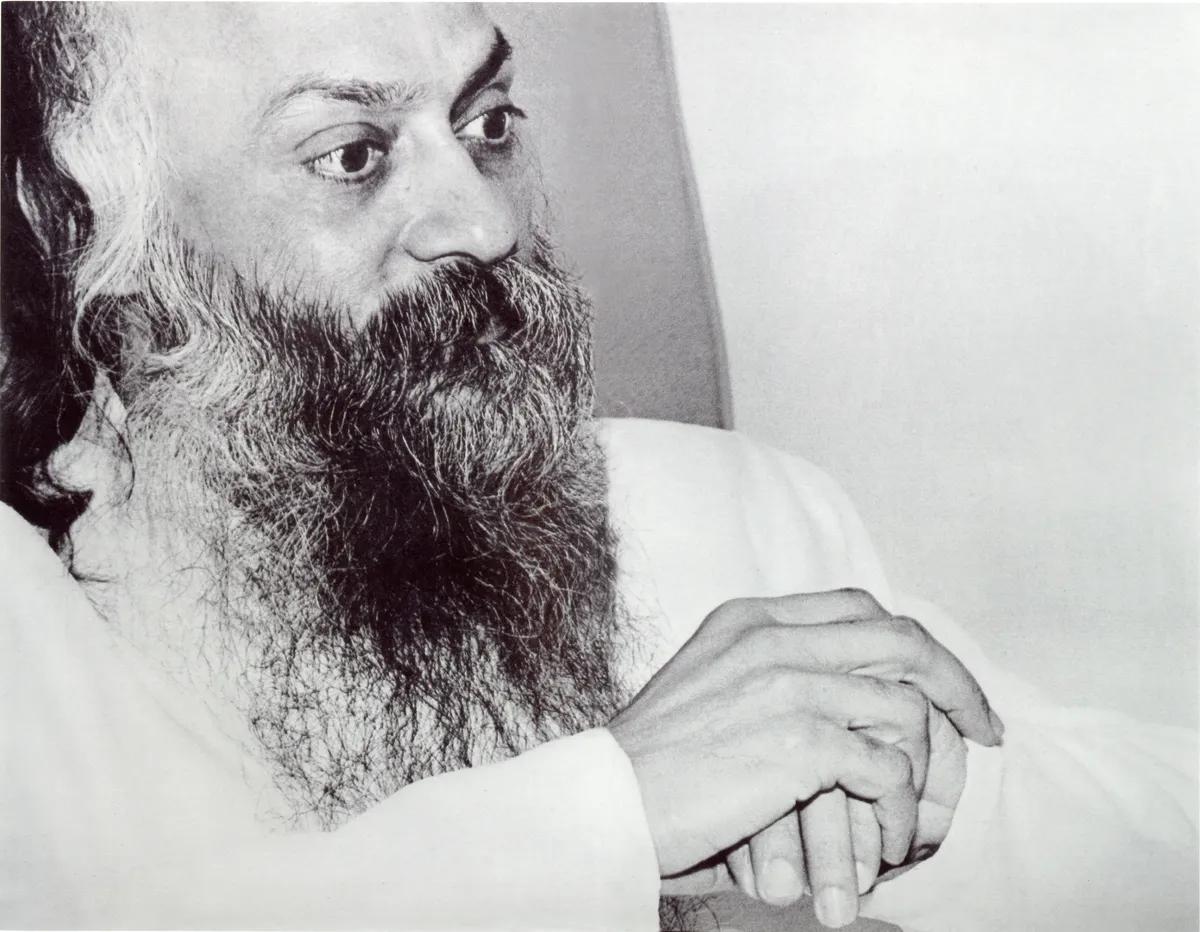
Osho's perspective on Self-Surrender
When Osho Spoke About Self-Surrender
Passages from the discourses where this theme comes alive.
No, but you made this distinction: one path is of self-surrender, the other of masculine effort. Then breaking the sleep would be the same in both. So why are you calling it something particular to the masculine path?
No, no, no. The sleep will break by entirely different routes. If the one who surrenders carries even a little of masculine will, it will not break. Because surrender demands a purely feminine attitude, sheer passivity. That is to say, in surrender the only “manliness” is that there is none at all—and in the one of will, the “manliness” is precisely that there is not even the slightest trace of surrender in him. You cannot get Mahavira to fold his hands before anyone. You cannot even imagine Mahavira standing anywhere with folded hands.
प्रश्न: नहीं, पर जो आपने यह भेद किया कि एक का मार्ग आत्म-समर्पण का है, दूसरा पौरुष का है, तो नींद तोड़ना तो दोनों में बराबर रहेगा। फिर इसे आप पौरुष का विशेष क्यों कह रहे हैं?
नहीं, नहीं, नहीं। बिलकुल ही अलग-अलग रास्ते से नींद टूटेगी। समर्पण करने वाले की नींद में अगर थोड़ा भी पौरुष होगा तो नहीं टूट सकेगी। क्योंकि समर्पण में एकदम स्त्री-भाव चाहिए, एकदम पैसिविटी चाहिए। यानी समर्पण करने में यही पौरुष होगा कि पौरुष बिलकुल न हो और पौरुष करने वाले में यही पौरुष होगा कि उसमें समर्पण का भाव ही न हो जरा भी।
Without the other her being becomes almost non-being. All her juice and life reverberate from the other. If her son is happy, she is happy. A man does not live in the other; he lives in himself, self-centered. A woman lives other-centered. Paramatma is other-centered. Therefore as the science created by men triumphed in the world, the forms of bhakti were shattered. Science is the search of man, not of woman. One Madam Curie may get a Nobel Prize — an exception. And Madam Curie had a masculine mind, not a feminine one. Science is the search of man. As science triumphed, the fundamental stones of religion were broken — because their paths are different. If you have the capacity to surrender, any feet can become the feet of Paramatma for you. Therefore women could say, the husband is God.
पुरुष स्वयं में जीता है; स्त्री सदा दूसरे में जीती है। कभी वह बेटे में जीती है, कभी पति में जीती है, पर सदा दूसरे में जीती है। दूसरे के बिना उसका होना न होने के बराबर हो जाता है। स्त्री का सारा रस, सारा जीवन दूसरे से प्रतिध्वनित होता है। उसका बेटा प्रसन्न है, और वह प्रसन्न है। पुरुष दूसरे में नहीं जीता, अपने में जीता है, स्व-केंद्रित जीता है। स्त्री पर-केंद्रित जीती है। परमात्मा पर है। इसलिए जैसे-जैसे दुनिया में पुरुष द्वारा निर्मित विज्ञान विजयी हुआ, वैसे-वैसे भक्ति के रूप खंडित हुए। क्योंकि विज्ञान पुरुष की खोज है, स्त्री की खोज नहीं है। कोई एक मैडम क्यूरी नोबल प्राइज पा लेती हो; अपवाद है। और मैडम क्यूरी के पास पुरुष जैसा चित्त था, स्त्री जैसा नहीं। विज्ञान पुरुष की खोज है। इसलिए जैसे-जैसे विज्ञान जीतता गया, वैसे-वैसे धर्म की बहुत बुनियादी शिलाएं आदमी तोड़ता चला गया। क्योंकि उसके मार्ग ही अलग हैं। अगर आपके पास समर्पण करने की क्षमता है, तो आपके लिए कोई भी चरण परमात्मा के चरण बन सकते हैं। …
So on Mahavira’s path it is not, as the question suggests, that women are neglected; it is the feminine consciousness that is set aside. The feminine consciousness will indeed be set aside—just as on Meera’s path the masculine consciousness will be set aside.
Meera went to Vrindavan. There was a great sadhu there—a priest, a saint—and she went for his darshan, standing at his door. He sent word: “I do not look at women, I do not meet women.” Meera sent back a reply: “I had thought there is only one Man in the world; I did not know there was a second! Are you also a man?” He too was a devotee of Krishna. So Meera sent word: “I had thought Krishna alone is the Man—and you, being a devotee of Krishna, are also a man?” The priest came running, saying, “Forgive me, I was mistaken. Come inside.” There is great meaning in this. First, the priest said a wrong thing. If he is a devotee of Krishna, he himself should be feminine. For with Krishna, none but the sakhis—the intimate companions—can be in harmony; there is no other way there. There…
तो महावीर के मार्ग पर स्त्रियां--जैसा प्रश्न में पूछा है--उपेक्षित हैं, ऐसा नहीं, स्त्री-चित्त उपेक्षित है। स्त्री-चित्त उपेक्षित होगा ही। जैसा कि मीरा के मार्ग पर पुरुष-चित्त उपेक्षित होगा।
मीरा गई वृंदावन और एक बड़ा साधु है, पुजारी है, संत है, वह उसके दर्शन के लिए जाकर उसके द्वार पर खड़ी हो गई। उसने खबर भेजी कि मैं तो स्त्रियों को देखता नहीं, तो स्त्रियों से मिलता नहीं हूं! मीरा ने उत्तर भिजवाया कि मैं तो सोचती थी कि एक ही पुरुष है जगत में, दूसरा पुरुष भी है इसका मुझे पता न था! तुम दूसरे पुरुष भी हो? वह भी कृष्ण का भक्त है। तो मीरा ने खबर भिजवाई कि मैं तो सोचती थी कृष्ण एक ही पुरुष हैं और तुम कृष्ण के भक्त होकर तुम भी एक पुरुष हो! वह पुजारी भागा हुआ आया और उसने कहा कि माफ करना, भूल हो गई। भीतर चलो। …
Osho, up to the fourth body there remains an electrical difference between woman and man. Therefore, does the effect of shaktipat on a female seeker and on a male seeker differ when the conductor is a woman or a man who has reached the fourth body? And why?
In a spiritual land, a predominance of feminine personality When the history of the world is written spiritually—and when we cease to take only material events as history, and take events in consciousness as true history—we shall understand that whenever a country becomes spiritual, it becomes feminine; and whenever it becomes feminine, civilizations far cruder than itself will defeat it. It is a striking fact that those who defeated India were far behind India—practically wild and barbaric. Be they Turks, Mughals, or Mongols—any of them; they had no civilization to speak of. But in one sense they were men—wild men—and we had become receptive. We could only assimilate them; there was no way to fight. Thus, the female body assimilates, needs a medium; the male body can give and can also receive grace directly. For this reason, someone like Mahavira even had to say that for the ultimate attainment a…
प्रश्न: ओशो, चौथे शरीर तक स्त्री और पुरुष का विद्युतीय भेद रहता है। अतः चौथे शरीर वाले स्त्री कंडक्टर या पुरुष कंडक्टर द्वारा महिला साधक को और पुरुष साधक को होनेवाले शक्तिपात का प्रभाव क्या भिन्न-भिन्न होता है? और क्यों?
आध्यात्मिक मुल्क में स्त्रैण व्यक्तित्व की अधिकता यह कभी जब दुनिया का इतिहास आध्यात्मिक ढंग से लिखा जाएगा, और जब हम सिर्फ भौतिक घटनाओं को इतिहास नहीं समझेंगे, बल्कि चेतना में घटी घटनाओं को इतिहास समझेंगे--असली इतिहास वही है--तब हम इस बात को समझ पाएंगे कि जब भी कोई मुल्क आध्यात्मिक होगा, तो स्त्रैण हो जाएगा; और जब भी स्त्रैण होगा, तब अपने से बहुत साधारण सभ्यताएं उसको हरा देंगी। अब यह बड़े मजे की बात है कि हिंदुस्तान को जिन लोगों ने हराया, वे हिंदुस्तान से बहुत पिछड़ी हुई सभ्यताएं थीं; एक अर्थ में बिलकुल ही जंगली और बर्बर सभ्यताएं थीं। चाहे तुर्क हों, चाहे मुगल हों और चाहे मंगोल हों--कोई भी हों; उनके पास कोई सभ्यता ही न थी। लेकिन एक अर्थ में वे पुरुष थे, जंगली पुरुष थे बिलकुल; और हम रिसेप्टिव हो गए थे; हम उनको आत्मसात ही कर सके, लड़ने का कोई उपाय न था।
Profound Quotes on Self-Surrender
Explore our structured collection of meaning-mapped quotes regarding Self-Surrender.