
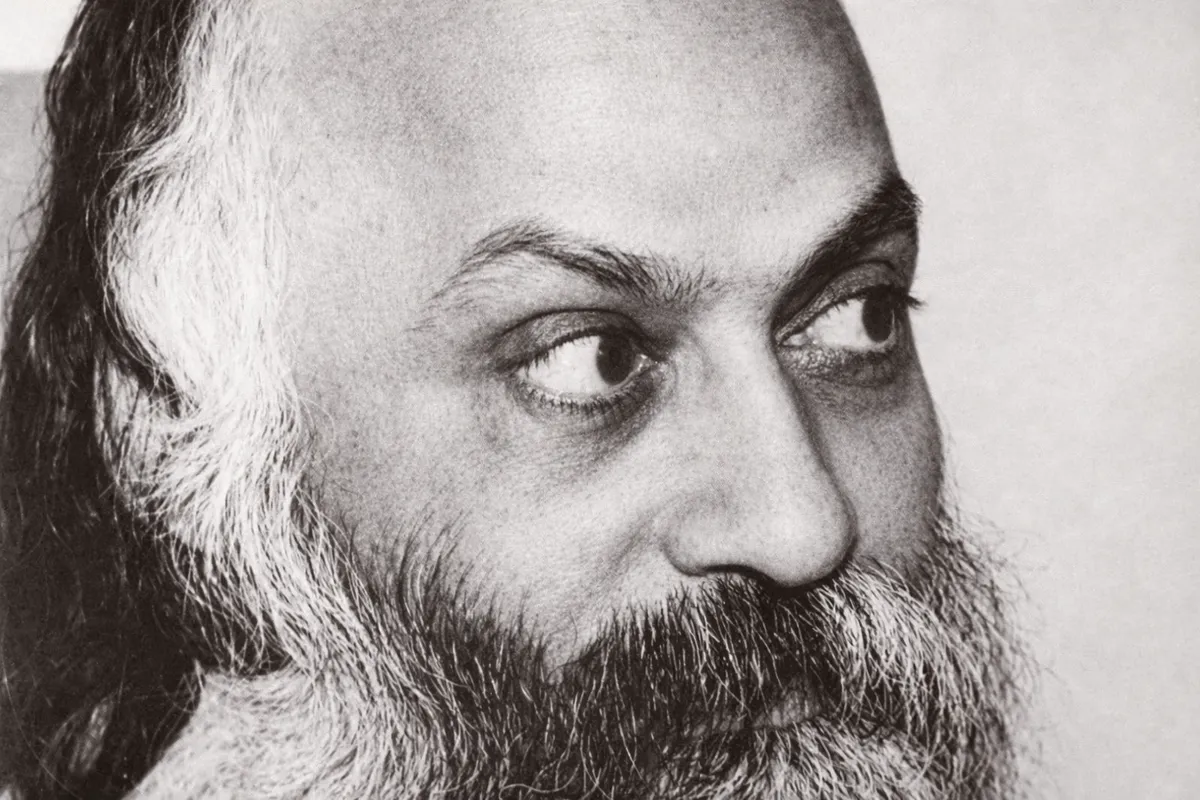
Osho's perspective on Self-Care
When Osho Spoke About Self-Care
Passages from the discourses where this theme comes alive.
Beloved Osho, you teach your sannyasins to take care of themselves before they try to take care of others. This seems to go against many of the religions in the world that teach service to humanity and it must appear a very selfish attitude to them. Can you speak on this?
Nobody is ready to get married to a widow. She is a used woman. Woman is a thing, used by somebody else -- how can you use it? Man is not used; he always remains fresh, pure. He can get remarried. In India for thousands of years the woman has suffered so much because of this idea that she has to remain a widow. Millions of widows... they cannot use any other color than white. They have to shave their heads, they cannot use any ornament. In every possible way it has been made clear to them that they have to live almost a dead life. They cannot move in the society as other women do -- particularly in festivals they are not supposed to. At marriages they are not supposed to be present, because their very presence, their very shadow, is a calamity. And the widow is told that…
Osho, the other day you lovingly told me to be more concerned about myself and less about others. Thank you Osho. I got the point. And yet I must ask one more question not to do with me but with you. What exactly is happening with you? Every month your body is becoming more sensitive in every way and the phenomenon. Even to my state of unawareness, is awesome. Can you say something about your changes?
This is from Chaitanya Sagar. Good that he says this is the last question that he is asking not about himself! I can understand your worry, your concern. The fact is simple. After the age of thirty-five life starts declining. Thirty-five is the peak: if you are going to live for seventy years, thirty-five is the peak. After thirty-five you start declining. It is now downhill. If somebody becomes enlightened after thirty-five -- as Buddha became at forty, Mahavir became at forty -- then he can live a little longer, because he was already downhill. Enlightenment will not disturb the body more than it was already disturbed. If you become enlightened before the age of thirty-five then there is danger. Shankara became enlightened before the age of thirty-five. He died at thirty-three. When you are going uphill and life is moving strong -- and you become enlightened -- the connection…
I say to you that to be selfish is to be healthy. There is nothing sinful about it. In my vision, men like Mahavira, Buddha and Christ are the most selfish men on this earth. Why? -- because they live purely for themselves, seeking their self, their soul, their bliss, their freedom, their God. And, curiously enough, they happen to be the most altruistic people who walked this planet. The reason is that when a man discovers himself and finds his enlightenment and bliss, he immediately begins to share it with others. He is now on a new journey -- a journey of sharing his joy, his benediction. What else can he do? When clouds are full they rain; when bliss is full it overflows, it shares itself with others. And this too, is selfishness. The same is true with misery.
Osho, yesterday you said that jealousy is included in respect. I have immense respect for you, but the jealousy inherent in it keeps poisoning it, and I feel guilt and pain. Does reverence transcend this poison-laced respect?
It needs a little explaining—it's a delicate point. Whenever you respect someone, you do so because you see in that person something you do not have. You respect because you glimpse in the other something you would also like to possess. A beggar respects an emperor because he, too, longs to be an emperor. So on the one hand he respects, and inside he also envies. Because he is not yet an emperor but wants to be. You have attained what he wants to attain. He respects you as skillful, successful: “I stand far back in the line; you have gone ahead to where I should have been.” So you are powerful, clever, intelligent, strong—he respects you. But inside a fire of jealousy also burns—if he gets the chance, he would like to be in your place and push you aside. And if the beggar gets that chance, he will…
तीसरा प्रश्न: ओशो, आपने कल कहा, आदर में ईर्ष्या सम्मिलित है। आपके प्रति मुझमें अपार आदर है, लेकिन उसमें निहित ईर्ष्या उसमें जहर घोलती रहती है और मैं ग्लानि और पीड़ा का अनुभव करता हूं। क्या श्रद्धा इस विष-भरे आदर का अतिक्रमण करती है?
भिखारी सम्राट का आदर करता है, क्योंकि उसकी भी आकांक्षा है कि सम्राट हो। तो एक तरफ आदर भी करता है, भीतर ईर्ष्या भी करता है। क्योंकि सम्राट अभी वह है नहीं, सम्राट होना चाहता है। तुम हो गए हो, तुमने वह पा लिया है जो वह पाना चाहता है। इसलिए तुम्हें आदर भी करता है कि तुम कुशल हो, सफल हो, मैं पंक्ति में बहुत पीछे खड़ा हूं, तुम आगे पहुंच गए हो, तुम उस जगह पहुंच गए हो जहां मुझे होना चाहिए था। इसलिए तुम शक्तिशाली हो, होशियार हो, बुद्धिमान हो, बलशाली हो, तुम्हारा आदर करता हूं। लेकिन एक भीतर ईर्ष्या की आग भी जलती है--अगर मुझे मौका मिले तो उस जगह मैं होना चाहूंगा, तुम्हें हटाना चाहूंगा। और जब मौका मिल जाएगा इस भिखारी को तो यह सम्राट को हटा कर धक्का दे देगा, सिंहासन पर बैठ जाएगा।
What is happening with you?
definitionProfound Quotes on Self-Care
Explore our structured collection of meaning-mapped quotes regarding Self-Care.