
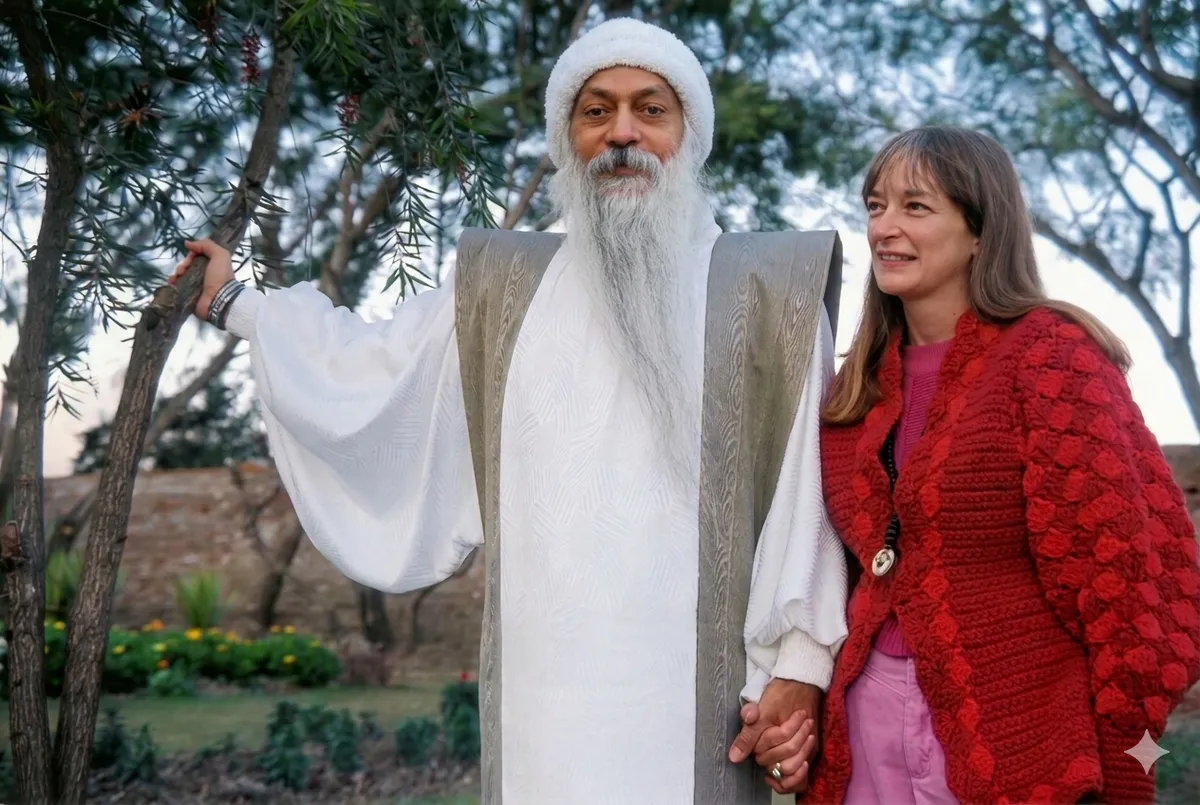
Osho's perspective on Satguru
When Osho Spoke About Satguru
Passages from the discourses where this theme comes alive.
Osho, if one meets the Satguru—how does the seeker recognize him?
If you are a seeker, it won’t take even a moment. If you are not a seeker, there is no way to recognize. If you are thirsty and you find water—do you need to go ask someone about it? The very thirst becomes the recognition. The cooling of the throat is the proof. But if there is no thirst—if a lake is brimming and your throat has never known thirst—you will not recognize water. Water is known through thirst, not through definitions written in scriptures. If someone is a seeker—what does “seeker” mean? It means one who is searching, aspiring, filled with longing; one who is thirsty for truth. Out of a hundred, ninety-nine are not seekers, yet they descend into the world of sadhana. From this the whole confusion arises. You have never felt thirst, but someone who has known the pangs of thirst and the satisfaction of drinking…
पहला प्रश्न: ओशो, सदगुरु मिल गए--साधक को इसकी प्रत्यभिज्ञा, पहचान कैसे हो?
साधक हो, तो क्षण भर की देर नहीं लगती। साधक ही न हो, तो प्रत्यभिज्ञा का कोई उपाय नहीं। प्यासा हो, तो पानी मिल गया--क्या इसे किसी और से पूछने जाना पड़ेगा? प्यास ही प्रत्यभिज्ञा बन जाएगी। कंठ की तृप्ति ही प्रमाण हो जाएगी। लेकिन प्यास ही न हो, जल का सरोवर भरा रहे और तुम्हारे कंठ ने प्यास न जानी हो, तो जल की पहचान न हो सकेगी। पानी तो प्यास से पहचाना जाता है, शास्त्रों में लिखी परिभाषाओं से नहीं। अगर साधक है कोई--साधक का अर्थ क्या है? साधक का अर्थ है कि खोजी है, आकांक्षी है, अभीप्सा से भरा है। साधक का अर्थ है कि प्यासा है सत्य के लिए। सौ साधकों में निन्यानबे साधक होते नहीं, फिर भी साधना की दुनिया में उतर जाते हैं। इससे सारी उलझन खड़ी होती है।
Osho, if everything heard by the ear is false, then what significance remains in the Satguru’s teaching?
Falsehood is truth’s shadow. Understand it rightly: falsehood is the shadow of truth. That is why it can deceive; otherwise how could it? If falsehood were nothing like truth—not even a little—who would be fooled? A counterfeit coin deceives because it looks at least like a real coin—whether it is or not, it looks like it. Falsehood looks like truth—only looks. The outline of falsehood is exactly like the outline of truth. Only one thing is missing: in truth there is life; in falsehood there is no life. Your shadow has your shape, your outline. Your photograph is called yours for this very reason—everything looks like you. But a photograph is a photograph; you are you. What is the difference? Only this much: in you there is life; a photograph has none. It looks like you—how can it be you? Falsehood is truth’s photograph. You often think falsehood is the…
पहला प्रश्न: ओशो, अगर कान से सुना सब झूठ है तो फिर सदगुरु के उपदेश का महत्व क्या रह जाता है?
… अगर तुम ठीक समझ पाओ तो झूठ सच की छाया है। इसलिए तो धोखा दे पाता है नहीं तो धोखा भी कैसे देगा? अगर झूठ बिलकुल ही सच जैसा न हो, जरा भी सच जैसा भी न हो तो कौन धोखे में पड़ेगा? झूठे सिक्के से तुम धोखे में आ जाते हो क्योंकि वह सच्चे सिक्के जैसा लगता है कम से कम; हो या न हो, लगता तो है। बिलकुल सच्चे सिक्के जैसा लगता है। झूठ सच जैसा लगता है, बस लगता है। रूपरेखा बिलकुल सच की ही होती है झूठ में भी। एक ही बात की कमी होती है, सच में प्राण होते हैं, झूठ में प्राण नहीं होते। तुम्हारी छाया का ढंग तुम्हारे जैसा ही होता है। रूपरेखा तुम्हारे जैसे ही होती है। तुम्हारी तस्वीर इसीलिए तो तुम्हारी कहलाती है। सब ढंग तुम जैसा होता है। लेकिन तस्वीर तस्वीर है, तुम तुम हो। फर्क क्या है? फर्क इतना ही है कि तुम्हारे भीतर प्राण हैं और तस्वीर के भीतर प्राण नहीं हैं। तस्वीर तुम्हारे जैसी लगती है लेकिन कैसे तुम्हारे जैसी हो सकती है?
Osho, you say the same thing in countless ways. But when I listen to you, it feels as if I am hearing it for the first time. And I feel so much joy that I don’t feel like going back home. What should I do—what can I do—so that I can just keep listening to you!
You will feel as if you have been made to rise out of season, before time—as if you were not yet to go and yet had to go. And if you go in that way, your home will become even more desolate than before. I do not want to make your home desolate; I want to make your home a temple. I want that when you go home, your home’s new form is revealed. I do not want to tear you away from home, from the world, from family life. That is the newness of my sannyas: I do not want to sever you from the world; I want to join you to the world in such a way that your connection with the world becomes a connection with the Divine. Let the world no longer be a barrier between you and the Divine; let it become a means. If…
पहला प्रश्न: ओशो, आप एक ही बात कहते हैं अनेक-अनेक ढंगों से। पर जब आपको सुनता हूं तो उस समय यही लगता है कि पहली बार सुन रहा हूं। और इतना आनंद मिलता है कि वापस घर लौटकर जाने का जी नहीं करता। क्या करूं, मैं क्या करूं कि आपको सुनता ही रहूं!
… ऐसा लगेगा जैसे अभी जाना न था और जाना पड़ा। और अगर ऐसे तुम गये, तो घर और भी उदास हो जाएगा। जितना पहले था, उससे भी ज्यादा। मैं तुम्हारे घर को उदास नहीं करना चाहता। मैं तुम्हारे घर को मंदिर बनाना चाहता हूं। मैं चाहता हूं कि तुम जब घर जाओ, तो तुम्हारे घर का अभिनवरूप प्रकट हो। मैं तुम्हें घर से, संसार से, गृहस्थी से तोड़ नहीं लेना चाहता। वही मेरे संन्यास का अभिनवपन है कि मैं तुम्हें संसार सेे तोड़ नहीं लेना चाहता। …
Osho, if a seeker finds the true Master, does the search come to an end?
Only then does the search begin. Before that, what you called a search was mere, futile coming and going. Before that it was groping in the dark. There was no path, no direction, no vision. With the meeting of the true Master, the search begins. The pointless running around ends. That was never a real search. The real search begins. And once the real search begins, it is already half fulfilled. Very little remains after the Master. Whoever has found the Master has, in essence, bowed down, effaced himself a little, stepped aside from the ego. Only then could he find the Master; otherwise he could not. And on this very path the Master will take you further: “Don’t just lessen yourself—disappear utterly.” A little effacement brings you to the Master; total effacement brings you to the Divine. Now the way is clear. Step aside a little—you meet the Master.…
दूसरा प्रश्न: ओशो, साधक सदगुरु को खोज ले, तो क्या खोज मिट जाती है?
… सदगुरु के मिलते ही खोज शुरू होती है। व्यर्थ दौड़-धूप समाप्त हो जाती है। वह खोज थी ही नहीं। असली खोज शुरू होती है। और असली खोज शुरू हो जाए, तो आधी तो पूरी ही हो गई। बहुत थोड़ा ही बचता है गुरु के बाद। गुरु को जिसने खोज लिया, उसका अर्थ है, वह झुका, मिटा, अहंकार से थोड़ा हटा। तभी तो गुरु को खोज पाया, नहीं तो गुरु को नहीं खोज पाएगा। और इसी मार्ग पर तो गुरु और आगे ले जाएगा कि बिलकुल मिट जाओ, थोड़े क्या मिटे! जब मिटे, तो बिलकुल ही मिट जाओ। थोड़े से मिटने से गुरु मिलता है, पूरे मिटने से परमात्मा मिल जाता है। अब तो मार्ग साफ है। थोड़े से हटे, गुरु मिला। बिलकुल ही हट जाओ बीच से, परमात्मा मिल जाता है।
How does a seeker recognize the Satguru?
definitionWhat is the significance of the Satguru's teaching if everything heard by the ear is false?
definitionProfound Quotes on Satguru
Explore our structured collection of meaning-mapped quotes regarding Satguru.