
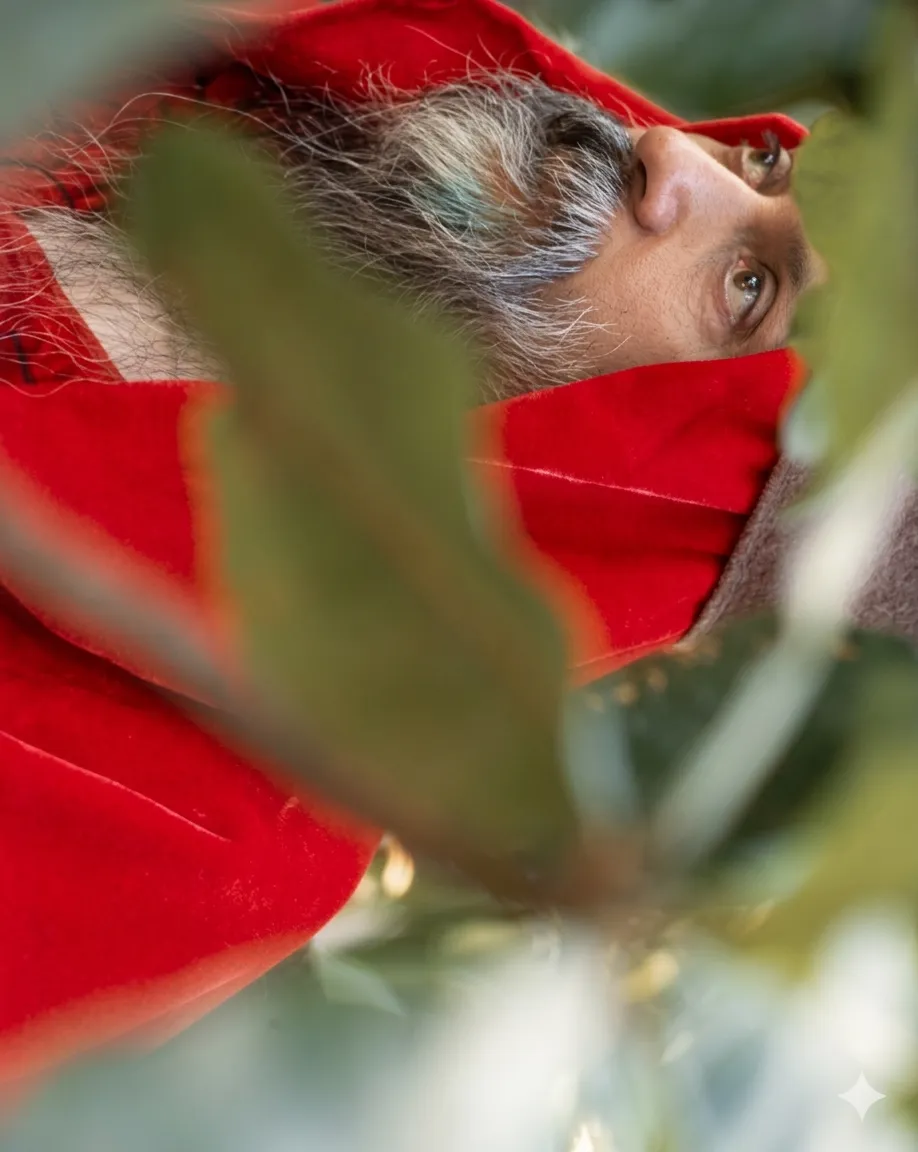
Osho's perspective on Samyama
When Osho Spoke About Samyama
Passages from the discourses where this theme comes alive.
Dharana, concentration, is confining the mind to the object being meditated upon.
DHYAN, CONTEMPLATION, IS THE UNINTERRUPTED FLOW OF THE MIND TO THE OBJECT. SAMADHI IS WHEN THE MIND BECOMES ONE WITH THE OBJECT. THE THREE TAKEN TOGETHER -- DHARMA, DHYAN, AND SAMADHI -- CONSTITUTE SAMYAMA. BY MASTERING IT, THE LIGHT OF HIGHER CONSCIOUSNESS. ... And the way in the West you are looking for causes, for ways and means how to help humanity, seems to have from the very beginning gone wrong. You are still looking for causes outside -- and the causes are within. The causes are not outside, not in relationship, not in the world; they are deep in your unconsciousness. They are not in your thinking: they are not in your dreams. The analysis of dreams and the analysis of thoughts is not going to help much. At the most it can make you normally abnormal, not more than that. The basic cause is that you are not aware
Thus, through the statements like tattvamasi, that art thou, to pursue the meanings such as oneness of jiva, the embodied soul, and brahma, the absolute reality, is shravana, the listening. And to reasonably pursue the meaning of whatever has been listened to is manan, contemplation. Establishing your mind in the indubitable meaning attained through this listening and contemplation, attunement with it is nididhyasan, assimilation. Dropping the meditator and the meditation respectively, when the meditated-upon, the goal, remains as the only objective and the mind becomes still like the flame of
But no, people make simultaneous claims from both sides. If you are right, if you think you know, then there is nothing left to seek, the matter is over. Every person moves with the presumption of "I am right" and then says, "I want to seek the truth." If one is to seek the truth, the decision must be clear before the consciousness that "I don't know." Only then is the search possible. When I don't know, my entry into some truth is possible; if I know from the very beginning, the truth itself will appear to be wrong, because when a person who does not know believes that he knows, he can never see the truth as it is. The very working of the mind is to move with the assumption that "I am right" -- my idea, my viewpoint, my religion, my scripture. If you have to begin…
During samadhi, the objects of the experiences are not separate from the soul, hence they are not experienced. But these glorified experiences of the seeker who has come out of samadhi are inferred through recollections of the mind.
IN THIS BEGINNINGLESS WORLD, MILLIONS AND MILLIONS OF KARMA, ACTION-IMPRESSIONS, ARE ACCUMULATED. THEY ARE ALL DESTROYED BY THIS SAMADHI AND PURE DHARMA, THE SELF-NATURE, GROWS. THE KNOWERS OF YOGA CALL IT DHARMAMEGHA -- THE RAINCLOUD OF DHARMA -- SAMADHI, BECAUSE IT SHOWERS A THOUSAND NECTAR-STREAMS OF DHARMA, THE SELF-NATURE, LIKE A RAINCLOUD. IN THIS SAMADHI, THE NETWORK OF DESIRES DISSOLVES COMPLETELY AND THE THICKETS OF ACCUMULATED KARMA CALLED VIRTUE AND SIN ARE ALL UPROOTED AT THEIR VERY SOURCE. AT FIRST, THIS BOUNDLESS STATEMENT -- TATTVAMASI, THAT ART THOU -- BEING TRUE, IS ONLY REALIZED INDIRECTLY; THEN THE DIRECT KNOWLEDGE, LIKE A MYROBALAN FRUIT KEPT ON ONE'S OWN PALM, IS BORN. ... Dharmamegha is a lovely word. Clouds we have seen. When Ashadh, the first month of monsoon comes, clouds gather in the sky. But we are not aware of the whole phenomenon. Those clouds gather in the sky in Ashadh, and
Osho, the samadhi you speak of—an attainment of which body is it?
In truth, there are many kinds of samadhi. One samadhi happens between the fourth and the fifth bodies. And remember, samadhi always occurs between two bodies; it is a twilight. Samadhi is never the event of a single body—it's an event between two bodies; it is the dusk. If someone asks, “Is dusk an event of the day or of the night?” we would say: dusk is neither of the day nor of the night; it is the happening between day and night. In the same way, one samadhi—the first—happens between the fourth and the fifth bodies. From the samadhi that happens between the fourth and the fifth, self-realization (atma-jnana) becomes available. Another samadhi happens between the fifth and the sixth bodies. From the samadhi between the fifth and the sixth, God-realization (brahma-jnana) becomes available. Another samadhi occurs between the sixth and the seventh. From what happens between the sixth…
प्रश्न: ओशो, जिसे आप समाधि कहते हैं, वह किस शरीर की उपलब्धि है?
असल में, बहुत तरह की समाधि हैं। इसलिए एक समाधि तो चौथे शरीर और पांचवें शरीर के बीच में घटेगी। और यह भी ध्यान रहे कि समाधि जो है, वह सदा दो शरीरों के बीच में घटती है; वह संध्याकाल है। समाधि जो है वह किसी एक शरीर की घटना नहीं है, दो शरीरों के बीच की घटना है; वह संध्याकाल है। जैसे अगर कोई पूछे कि संध्या, सांझ दिन की घटना है कि रात की? तो हम कहेंगे कि सांझ न दिन की घटना है, न रात की; रात और दिन के बीच की घटना है। ऐसे ही समाधि जो है, एक समाधि, पहली समाधि चौथे और पांचवें शरीर के बीच में घटती है। चौथे-पांचवें शरीर के बीच में जो समाधि घटती है, उसी से आत्मज्ञान उपलब्ध होता है। एक समाधि पांचवें और छठवें शरीर के बीच में घटती है। पांचवें और छठवें शरीर के बीच में जो समाधि घटती है, उससे ब्रह्मज्ञान उपलब्ध होता है। एक समाधि छठवें और सातवें के बीच में घटती है। छठवें और सातवें के बीच में जो घटती है, उससे निर्वाण उपलब्ध होता है। तो तीन समाधियां हैं साधारणतः। …
Profound Quotes on Samyama
Explore our structured collection of meaning-mapped quotes regarding Samyama.