
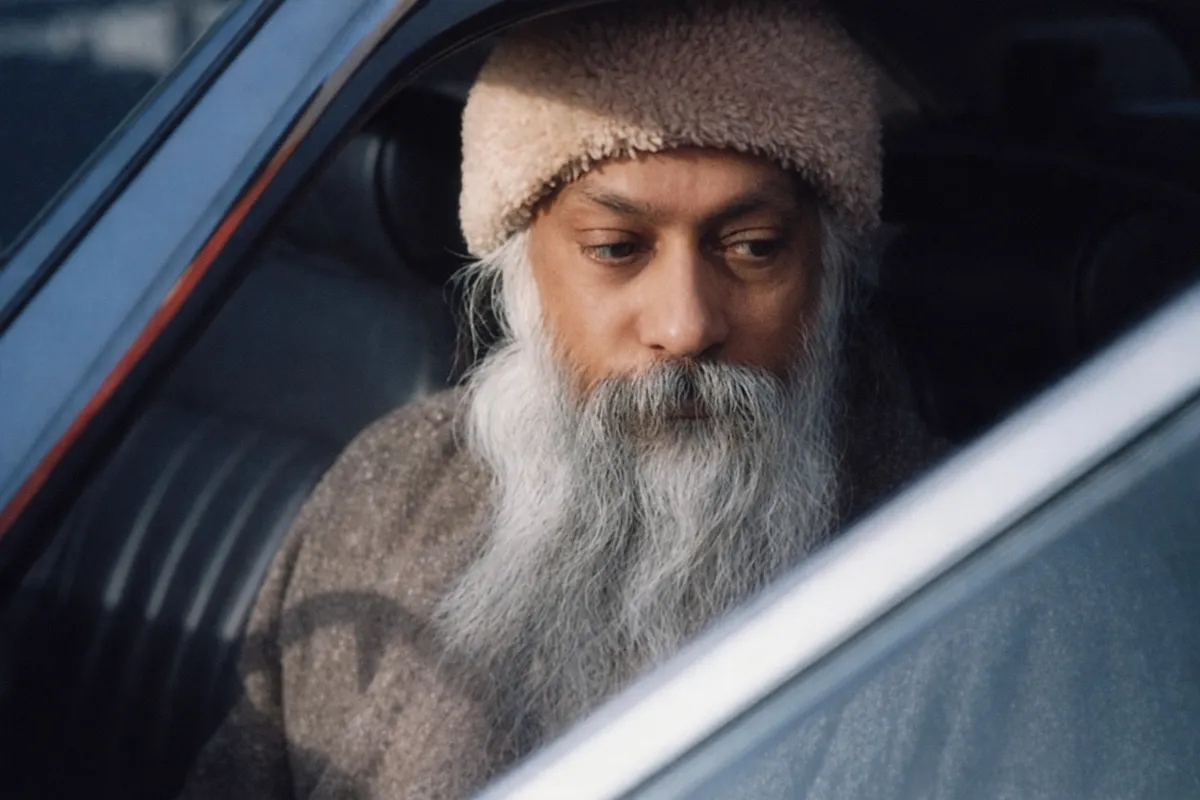
Osho's perspective on Restraint
When Osho Spoke About Restraint
Passages from the discourses where this theme comes alive.
Several other friends have, in many forms, asked a second question in various ways. That too needs to be talked over with you. They have asked: Osho, is there any place in life for restraint, rules, celibacy? Because you never speak of them!
Man will create anew. If the mind demands, you cannot stop it. The works of great poets like Kalidasa and Bhavabhuti are full of eros—what will you do? Obscene to the core! Why has this entire sickness arisen—this literature, music, dance, painting, sculpture all clustering around sex? Because a basic error has occurred in man’s life. If a village is kept hungry for some days, do you know what they’ll dream of—women? No—bread, feasts, palaces where the king has invited them to dine. If a village is kept chronically hungry, what will its poets sing of—women? No—bread. The whole village will circle around bread; its consciousness will be seized by bread. The German poet Heine wrote: once I had to go hungry for three days. As long as my belly was full, the moon looked to me like my beloved’s face. After three days of hunger, the moon seemed like…
कुछ और मित्रों ने अनेक रूपों में एक दूसरा प्रश्न भी बहुत तरह से पूछा है। वह भी आपसे बात कर लेनी जरूरी है। उन्होंने पूछा है कि ओशो, जीवन में संयम, नियम, ब्रह्मचर्य, इनका कोई स्थान है कि नहीं? क्योंकि आप तो इनकी कोई बात ही नहीं कहते हैं!
पोस्टर मिटाने से कुछ भी नहीं होगा और खजुराहो के मंदिर गिरा देने से कुछ भी नहीं होगा। फिर आदमी नया तैयार कर लेगा। अगर मन की मांग है, तो आप कुछ रोक नहीं सकते। कालिदास और भवभूति जैसे बड़े-बड़े साहित्यकारों का सारा साहित्य सेक्स से भरा हुआ है। क्या करोगे? ऐसे अश्लील कि पता न चले! यह जो सारा का सारा रोग पैदा हुआ है, यह हुआ क्यों है? यह सारा साहित्य, यह सारा संगीत, ये सारे नृत्य, ये सारे चित्र, ये सारी मूर्तियां, ये क्यों सेक्स के आस-पास खड़ी हो गई हैं? यह आदमी के बुनियादी जीवन में कोई भूल हो गई है, इसलिए। अगर एक गांव को कुछ दिनों तक भूखा रखा जाए, तो उस गांव में आपको पता है, सपने लोग किस चीज के देखेंगे--औरतों के? नहीं! रोटी के, राजभोज के, महलों के, जहां राजा ने बुलाया है भोजन के लिए। अगर एक गांव को निरंतर भूखा रखा जाए, तो उस गांव के साहित्यकार किस चीज के गीत गाएंगे--स्त्रियों के? नहीं, रोटी के। वह गांव रोटी ही रोटी के पास घूमने लगेगा। उस सारे गांव की चेतना रोटी से ही पकड़ जाएगी। …
Osho! From your talks it seems you are against celibates, against rules, codes, and ideals. You also keep criticizing rishis and monks. You even say we should be free of the scriptures. In the end, what do you mean? What is your religion? For society, will you lay down any rules?
The poor emperor went. They say he took a chariot filled with gold and jewels. He overturned it before Raikva and said, “Gurudev, this is my offering at your feet.” Raikva said, “Hey Shudra, take it away! I have no taste for wealth.” Vinoba Bhave loved to tell this story—but only up to here. He would say: since Raikva said, “Hey Shudra, take this away! I have no faith in wealth,” it means that one who has faith in wealth is a Shudra. During his Bhoodan movement he repeated this often. No one objected. When he came to Jabalpur, I was there. I said, “The story is incomplete. Please tell it whole.” He said, “Whole? I’ve always told it like this.” I said, “It’s not a matter of how you tell it. The story is incomplete; tell it whole and the meaning changes.” And I narrated the rest: “The emperor…
छठवां प्रश्न: ओशो! आपके प्रवचनों से यह लगता है कि आप ब्रह्मचारियों के विरोध में हैं, नीति-नियमों और आदर्शों के विरोध में हैं। ऋषि-मुनियों और साधु-संतों की भी आलोचना आप निरंतर करते रहते हैं। शास्त्रों से भी मुक्त होने को आप कहते हैं। आखिर आपका अभिप्राय क्या है? आपका धर्म क्या है? समाज के लिए क्या कुछ नीति-नियमों का आप विधान करेंगे?
गाड़ीवाले रैक्व ने कहा, अरे शूद्र, ले जा! मुझे धन में कोई रस नहीं। इस कहानी को विनोबा भावे कहना अक्सर पसंद करते हैं, मगर यहीं तक। क्योंकि उसने कहा कि अरे शूद्र, ले जा! मुझे धन में कोई रस नहीं। मगर यह कहानी अधूरी है। अब तुम देखते हो कि कहानी भी अगर पूरी न कही जाए तो झूठ हो सकती है। विनोबा इसमें से यह अर्थ निकालते हैं कि उसने धन के कारण, धन लाने के कारण सम्राट को शूद्र कहा कि जिसकी धन में श्रद्धा है वह शूद्र। जब वे भूदान यज्ञ के आंदोलन में लगे थे तो इस कहानी को बहुत बार उन्होंने जगह-जगह कहा है। और किसी ने एतराज नहीं उठाया। जब वे जबलपुर आए, मैं जबलपुर में था। मैंने कहा कि यह कहानी अधूरी है। कहानी पूरी कहिए।
A friend has asked: If Mahavira were passing along a road and a creature were being killed, what would he do? If a rape were occurring, what would Mahavira do? Would he behave as if he were absent? And if someone were groaning in unbearable pain, what would Mahavira do?
Mulla listened a long while and said, “This is nothing. Once I too went to war; I cut off so many people’s legs!” The warrior said, “Sir, it would have been better if you had cut off heads.” Nasruddin said, “Someone had already cut off the heads. We came home after cutting many legs—didn’t even get a scratch. You look quite beaten up.” So there too you will do economy: if it is a question of your head or your leg, you will have the leg cut off—what else will you do? “I am the center of the whole world. To save myself I can stake the whole world.” That is violence, that is killing. Mahavira sees so vast a perspective. In that perspective, will what you call killing appear to him as it appears to you? Certainly not. And it is obvious you cannot see as Mahavira sees. Therefore…
एक मित्र ने पूछा है कि महावीर रास्ते से गुजरते हों और किसी प्राणी की हत्या हो रही हो तो महावीर क्या करेंगे? किसी स्त्री के साथ बलात्कार की घटना घट रही हो तो महावीर क्या करेंगे? क्या वे अनुपस्थित हैं, ऐसा व्यवहार करेंगे? और कोई असह्य पीड़ा से कराह रहा हो तो महावीर क्या करेंगे?
मुल्ला नसरुद्दीन ने कहा कि सिर कोई पहले ही काट चुका था। न मालूम कितनों के पैर काट कर हम घर आ गए, कोई जरा सी खरोंच भी नहीं लगी। तुम तो काफी पिटे-कुटे मालूम पड़ते हो। तो आपको इकोनामी वहां भी करनी पड़ेगी, अगर सिर और पैर का सवाल आपके कटने का उठे तो पैर को कटवा डालिएगा और क्या करिएगा! मैं हूं केंद्र सारे जगत का। अपने को बचाने को मैं सारे जगत को दांव पर लगा सकता हूं। यही हिंसा है, यही हत्या है। महावीर इतना व्यापक देखते हैं, उस पर्सपेक्टिव में, उस परिप्रेक्ष्य में, आपको जो हत्या दिखाई पड़ रही है, वह महावीर को दिखाई पड़ेगी? ऐसी ही दिखाई पड़ेगी? इतना तो तय है कि ऐसी दिखाई नहीं पड़ेगी। और यह तो साफ ही है कि आपको वैसी नहीं दिखाई पड़ सकती जैसी महावीर को दिखाई पड़ेगी। इसलिए महावीर के लिए यह प्रश्र्न बहुत जटिल है। किसको आप बलात्कार कहते हैं? रास्ते पर बलात्कार हो रहा है... किसको आप बलात्कार कहते हैं? पृथ्वी पर सौ में निन्यानबे मौके पर बलात्कार ही हो रहा है। लेकिन किसको आप बलात्कार कहते हैं? …
A friend has asked whether I am opposed to restraint.
He reached the capital. His reputation had preceded him. An old friend living there was amazed to hear that his hot-tempered companion had become a monk—Muni Shantinath! He could not believe it and went to see him. The monk was seated on a high platform. Thousands had come for his darshan. Those who sit upon high platforms do not recognize the ones below. Whether the platform is a minister’s or a monk’s makes no difference—the platform should be high; then no one below counts. For the pleasure of not having to recognize anyone, people climb to high platforms. The world should recognize them, and they should not have to recognize anyone—that is the ego’s delight. The monk saw his friend, but did not acknowledge him. The friend understood that he had been recognized, yet the monk was pretending otherwise. He thought, “It is unlikely this man has conquered anger, because…
एक मित्र ने पूछा है कि क्या मैं संयम का विरोधी हूं?
वह देश की राजधानी में पहुंचा। देश की राजधानी में उसकी ख्याति पहुंच गई थी। उसका एक मित्र राजधानी में रहता था। वह बहुत चकित हुआ यह जान कर कि उसका क्रोधी दोस्त साधु हो गया है, मुनि शांतिनाथ हो गया है! यह कैसे हो गया? यह उसे विश्र्वास नहीं पड़ा। वह आदमी अपने मित्र को, संन्यासी को देखने आया। संन्यासी बड़े मंच पर आसीन था। हजारों लोग उसके दर्शन करने को आए थे। जो आदमी बड़े मंचों पर आसीन हो जाते हैं, वे नीचे बैठने वालों को नहीं पहचानते। वह मंच चाहे मिनिस्टर का हो और चाहे संन्यासी का हो, इससे कोई फर्क नहीं पड़ता। मंच ऊंचा होना चाहिए। फिर कोई किसी नीचे वाले को नहीं पहचानता। इसी मजे के लिए कि किसी को पहचानना न पड़े, आदमी बड़े मंचों की यात्रा करता है। दुनिया उसको पहचाने और वह किसी को न पहचाने, यही तो मजा है अहंकार का। मित्र को देख तो लिया संन्यासी ने, लेकिन पहचाना नहीं। मित्र को भी समझ में तो आ गया कि वह पहचान गया है, फिर भी पहचानना नहीं चाह रहा है। …
Profound Quotes on Restraint
Explore our structured collection of meaning-mapped quotes regarding Restraint.