
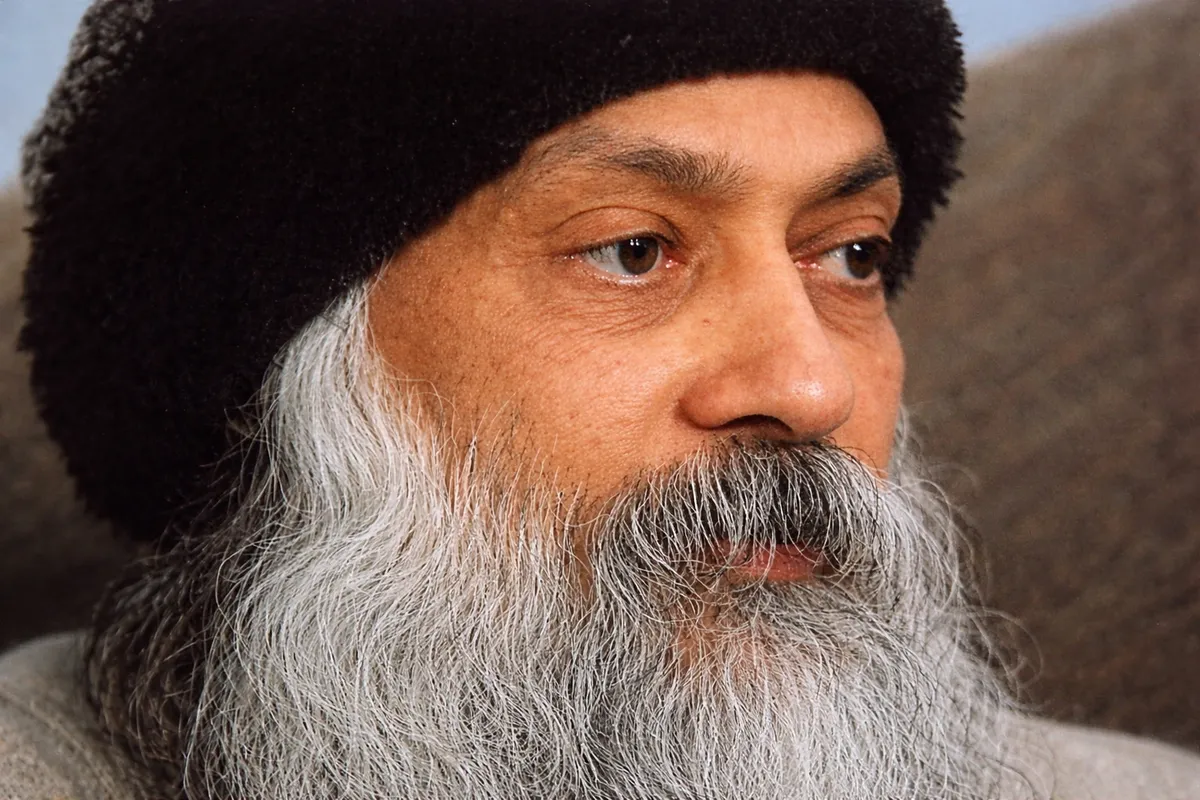
Osho's perspective on Reformers
When Osho Spoke About Reformers
Passages from the discourses where this theme comes alive.
Osho, Lao Tzu has said that the sage reforms no one. But Krishna’s words are that he takes birth precisely to diminish evil and increase good. And our experience too is that whoever has come near you has begun to change from the roots. It feels as if your compassion pours so that a total transformation may happen in each life. So it seems it is the sage who brings about the true reform.
Both statements are the same. It is the sage who brings about reform; Lao Tzu has no quarrel with that. But the sage does not want to reform. From the one who does not want to do it, reform flowers. The one who wants to do it is precisely the one who cannot. Lao Tzu is saying only this: if you want to reform someone, what does it mean? First, it means you have put yourself above. “I am the reformer!” Pride has arisen. In a sage there is nowhere any pride. A sage cannot place himself above. The sage is not—so where would he place himself? And when you say, “I want to reform,” you have placed the other below—condemned, sinful, wrong, bad. Can a sage ever condemn anyone? Could such a thought ever arise in a sage’s mind? And where there is condemnation, there is no possibility of…
ओशो, लाओत्से ने कहा कि संत किसी में कोई सुधार नहीं करता। लेकिन कृष्ण के वचन हैं कि वे जन्म ही बुराई को कम करने और भलाई को बढ़ाने के लिए लेते हैं। और हमारा अनुभव भी है कि जो भी आपके निकट आया है उसमें आमूल परिवर्तन शुरू हुआ। लगता है, आपकी करुणा इसलिए बरसती है कि हरेक के जीवन में संपूर्ण परिवर्तन हो। तो लगता है, संत ही पूरा सुधार करता है।
दोनों ही बातें एक हैं। संत ही सुधार करता है, लाओत्से को इससे कोई विरोध नहीं। लेकिन संत सुधार करना नहीं चाहता। जो नहीं करना चाहता उसी से सुधार फलित होता है। जो करना चाहता है वही नहीं कर पाता। लाओत्से इतना ही कह रहा है कि अगर तुमने किसी का सुधार करना चाहा तो इसका क्या अर्थ होता है? इसका पहला तो अर्थ होता है कि तुमने अपने को ऊपर रख लिया। मैं सुधार करने वाला! अकड़ छा गई। संत में कहीं कोई अकड़ नहीं। संत अपने को ऊपर रख ही नहीं सकता। संत है ही नहीं, रखेगा कहां? और जब तुमने कहा, मैं सुधार करना चाहता हूं, तब तुमने दूसरे को नीचे रख दिया--निंदित, पापी, गलत, बुरा। संत कहीं किसी की निंदा कर सकता है? संत के मन में कभी किसी को नीचे रखने का सवाल उठ सकता है?
Therefore teachers, idealists, saints, sannyasins, leaders, revolutionaries, social reformers cannot change society; they distort it. And the shadow that trails them is of great degeneration. Whenever a great man tries to change people, a stream of darkness is inevitably born behind him. Lao Tzu says: do not change the other. Live in your swabhava—your intrinsic nature. If anything of value is present in your swabhava, the other will begin to change in your presence. That change will not be your insistence; it will not be your effort; you will not even be consciously active in it. The other will act, the other will strive; you will be only a silent presence, a silent inspiration. In that inspiration, no device comes from you. And when one is merely a presence—of joy, of celebration, of Samadhi, of meditation—others begin to flow toward him. In this flowing, they take the initiative.
तो शिक्षक, आदर्शवादी, महात्मा, साधु-संन्यासी, नेता, क्रांतिकारी, समाज-सुधारक समाज को बदल नहीं पाते, और विकृत कर जाते हैं। और उनके पीछे जो छाया आती है वह अत्यंत पतन की होती है। जब भी कोई महापुरुष लोगों को बदलने की कोशिश करता है तो उसके पीछे एक अंधकार की धारा अनिवार्यरूपेण पैदा हो जाती है। लाओत्से कहता है कि तुम दूसरे को बदलना मत। तुम अपने स्वभाव में जीना। और अगर तुम्हारे स्वभाव में कुछ भी मूल्यवान है तो दूसरे उसकी उपस्थिति में बदलना शुरू हो जाएंगे। यह बदलाहट तुम्हारा आग्रह न होगी; इस बदलाहट में तुम्हारी चेष्टा न होगी; इस बदलाहट में तुम सचेतन रूप से सक्रिय भी नहीं होओगे। दूसरा ही सक्रिय होगा, दूसरा ही यत्न करेगा; लेकिन तुम सिर्फ एक मौन उपस्थिति, एक मौन प्रेरणा रहोगे। उस प्रेरणा में कोई उपाय तुम्हारी तरफ से नहीं है। और जब कोई सिर्फ उपस्थिति होता है--एक आनंद की, एक उत्सव की, एक समाधि की, एक ध्यान की--तो दूसरे भी उसकी तरफ बहने शुरू हो जाते हैं। इस बहाव में वे दूसरे ही पहल करते हैं। …
Osho, from your talks we get a fairly clear sense of what ought to be done. But how should it be done? And not so much on an individual basis—please tell us, in more detail, what should be done as a community and as a society.
That would be easier if I came again and stayed a day or two. But for now, there is only one thing before the country: do not be in a hurry to do anything, and spread a climate of thought. Do not rush into action right now. Until the country has a right clarity, any attempt at doing will more likely lead to mistakes and upheaval. The country does not yet have a clear mind; haste for action will drop us into a ditch and take us nowhere. So I say: for the next five to ten years, the nation should strive to create a mind. Then action follows that mind the way a shadow follows you. Action in itself is not the main issue. Once the country’s mind is clear, what to do and how to do it both become easy. The real difficulty is: who is the doer,…
ओशो, आपकी स्पीच से, क्या करना चाहिए, ऐसा कुछ ज्यादा समझ में आता है। मगर कैसे करना चाहिए? और खासतौर से इंडिविजुअल बेस पर नहीं, मगर एज ए कम्युनिटी और एज ए सोसाइटी क्या करना चाहिए, वह जरा ज्यादा डिटेल में आप बताएं।
वह तो मैं दुबारा आऊं और दिन या दो दिन रुकूं, तो आसान पड़ेगा। लेकिन अभी तो मुल्क के सामने करने की एक ही बात है कि कुछ भी करने की जल्दी नहीं करनी चाहिए और विचार की एक हवा फैलानी चाहिए। करने की बहुत जल्दी नहीं करनी चाहिए अभी। क्योंकि जब तक मुल्क के पास ठीक विचार न हो, हम जो भी करने की कोशिश करेंगे, उससे गलत और उपद्रव ही होने का डर ज्यादा है। तो मुल्क के पास ठीक-ठीक माइंड नहीं है, इसलिए एक्शन की बहुत जल्दी गड्ढे में ले जाने वाली है और कहीं नहीं ले जाने वाली है। तो मेरा कहना है, अभी एक पांच-दस साल तो मुल्क को एक माइंड क्रिएट करने की कोशिश करनी चाहिए। फिर उस माइंड के पीछे एक्शन तो आता है, जैसे छाया आपके पीछे आती है। एक्शन बहुत कीमत का है ही नहीं। एक बार स्पष्ट दिमाग हो मुल्क के पास, तो क्या करना है, वह तो बहुत आसानी से आ जाता है; कैसे करना है, वह भी बहुत आसानी से आ जाता है। लेकिन करने वाला कौन है, कैसा है, यह बहुत मुश्किल बात हो गई है! …
Osho, in the Gita Krishna forbids conduct that goes against society and scripture. But by that rule society will become a mere line-follower. Perhaps that is why Hindu society has been stuck in the status quo and rotting for centuries. This tendency will only increase obscurantism, making reform, change, and revolution impossible! Please shed light on this.
What thousands of revolutionaries cannot effect in society, a single self-realized person can. But it is not his wish; he is not trying for it. His very presence, the light of his life, transforms many. But that transformation is very gentle. It is not a “revolution.” It is a very gentle evolution. There is no noise. It happens quietly. It happens in silence. Buddha does not make a social revolution, yet after Buddha the world becomes different. The presence of Buddhas, the happening of their knowing, transforms human consciousness somewhere deep within; no one even notices. It is like a flower opening silently and its fragrance spreading in the air. No band plays, no drums beat; there is no hullabaloo; silently the fragrance fills the breeze. The flower may wither, but the fragrance continues to drift. For centuries people are bathed in that perfume and transformed by it. But these…
What is the role of reformers in society?
definitionProfound Quotes on Reformers
Explore our structured collection of meaning-mapped quotes regarding Reformers.