
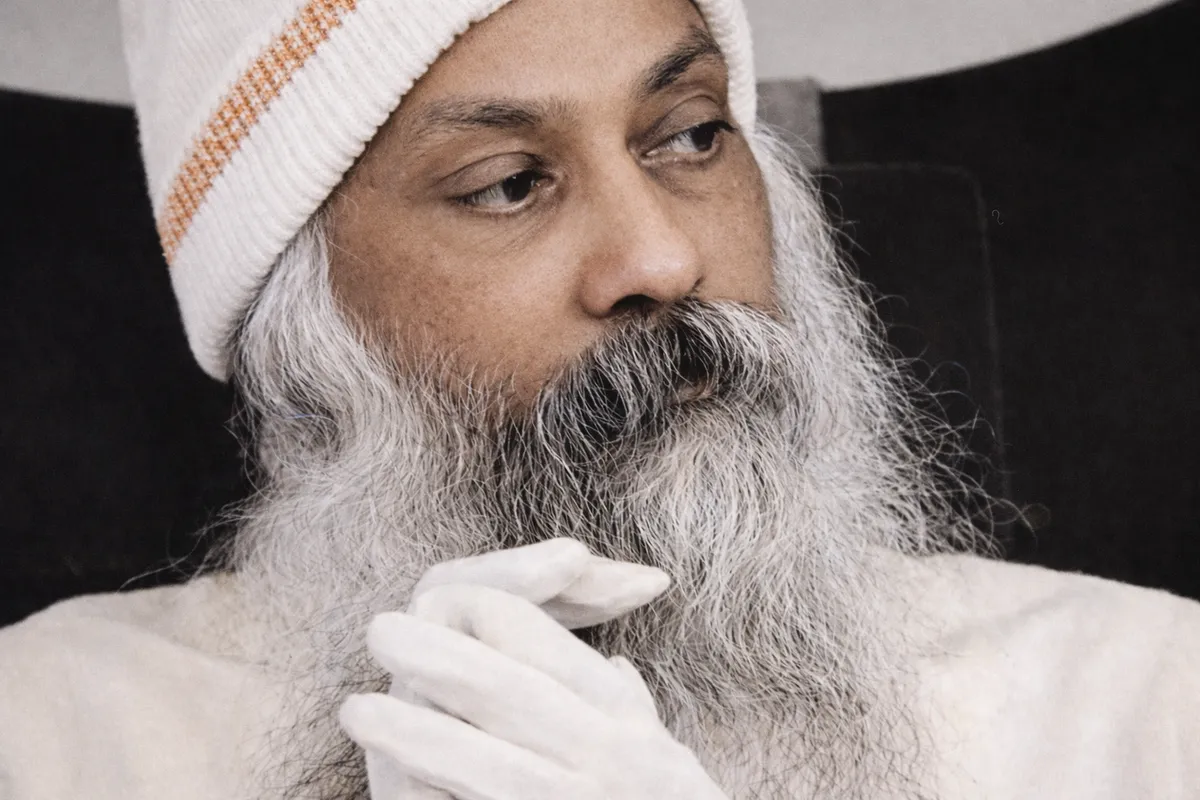
Osho's perspective on Purushartha
When Osho Spoke About Purushartha
Passages from the discourses where this theme comes alive.
It is asked: “Among those who claim certainty, some declare destiny (daiva) to be supreme, some human effort (purushartha), and some say both are predominant.”
That is why all great painters have said: we do not know who takes hold of the brush in our hand! All great poets have said: we do not know who begins to hum the song within us! We are only carriers. We only bring its news out—messengers! As when you write with a pen, the pen does not write; you write; the pen is only steadied in your hand. Just so, the great painter or great poet or great dancer becomes only a pen in the hand of the Divine. Not that writing does not happen—writing happens profusely now. Only now can writing truly happen! But now God writes. No tension remains. There was a great poet: Coleridge. He died leaving forty thousand poems incomplete. Before he died someone asked, “You have piled up such a mountain—why did you not complete them? And they are wondrous poems! Some are…
पूछा है: ‘जो निश्चयपूर्वक जानते हैं उनमें से कोई दैव को, कोई पुरुषार्थ को, कोई दोनों को प्रबल बताते हैं।’
इसलिए सभी महाचित्रकारों ने कहा है कि हमें पता नहीं कौन हमारे हाथ में तूलिका सम्हाल लेता है! सभी महाकवियों ने कहा है: हमें पता नहीं, कौन हमारे भीतर गीत को गुनगुनाने लगता है! हम तो केवल वाहक होते हैं। हम तो केवल ले आते हैं उसकी खबर बाहर तक। संदेशवाहक! जैसे कि तुम कलम से लिखते हो तो कलम थोड़े ही लिखती है! लिखने वाले तुम हो; कलम तो सिर्फ तुम्हारे हाथ में सधी होती है। ऐसा ही महाचित्रकार या महाकवि या महानर्तक सिर्फ कलम की तरह हो जाता है परमात्मा के हाथ में। नहीं कि लिखना नहीं होता, लिखना तो खूब होता है अब। अब ही लिखना हो पाता है! लेकिन अब परमात्मा लिखता है! कोई तनाव नहीं रह जाता।
Is it all just one’s own purushartha (self-effort)?
Yes, yes—decisions one has made become prarabdha (destiny). For example, suppose I decide that I will sit in this room—then only one thing can happen, right? Either I sit in the room or I sit outside. The very moment you decide, prarabdha begins. Decision means I am creating prarabdha. Now I can do only one thing: either sit outside or sit inside. If I sit inside, that becomes my prarabdha. With the decision, the process has begun. Along with this I cannot be outside. I cannot be in both at once. If I go outside, I will not be inside. So the pleasures and pains of being inside will be inside; the pleasures and pains of being outside will be outside. That then will be my prarabdha, because I made the decision and I will undergo it. Now a man decides, “I will sit in the sun.” Fine—then whatever result…
प्रश्न: सब अपने ही पुरुषार्थ हैं?
हां, हां, अपने किए हुए निर्णय प्रारब्ध बन जाते हैं। जैसे कि समझो कि मैंने एक निर्णय किया कि इस कमरे में बैठूंगा, तो एक ही हो सकता है न! या तो कमरे में बैठूं या बाहर बैठूं। निर्णय करते ही से प्रारब्ध शुरू हो जाता है। निर्णय का मतलब है कि मैं प्रारब्ध निर्मित कर रहा हूं। अब मैं एक ही काम कर सकता हूं, या तो बाहर बैठूं या भीतर। भीतर बैठता हूं तो यह प्रारब्ध हो गया मेरा। निर्णय, काम शुरू हो गया। अब मैं बाहर नहीं हो सकता इसी के साथ। एक ही साथ बाहर नहीं हो सकता। अगर बाहर जाऊंगा तो भीतर नहीं होऊंगा। तो भीतर के सुख-दुख भीतर मिलेंगे, बाहर के सुख-दुख बाहर मिलेंगे। अब वह फिर मेरा प्रारब्ध होगा, क्योंकि मैंने निर्णय किया और वह मैं भोगूंगा।
Is this difference -- the difference in their stages -- due to their own choice, or is it their destiny?
To me, the solution to the whole problem takes on a different shape. Do not divide them. They are not two, they are already one -- they have always been one. When the energy becomes conscious it is soul, when it becomes unconscious it becomes body. Sometimes you are more a soul and less a body, sometimes you are more a body and less a soul. This flickering back and forth between one and the other goes on continuously. In the morning you may be more a soul, in the evening you are more a body. When you are in anger you are more a body, when you are in love you are more a soul. The degrees change continuously. When you meditate your consciousness expands and your body shrinks; when you take an intoxicant your consciousness shrinks and your body expands. Body and consciousness are two poles of one…
A friend has asked: Osho, even before the Mahabharata war began, Arjuna saw that within the Divine’s cosmic form all the warriors were entering the jaws of death. Then was that great war, in that very moment, an unavoidable destiny that everyone was compelled to fulfill?
In trying to drive the future, man becomes disordered. After many experiences India decided: leave the future to God. It is inevitable. What is to be will be. You are nothing in between. Its direct result is that you are instantly freed from the future. No worries remain. Whether happiness comes or sorrow, good or bad, whether you survive or not—it is no longer in your hands. You can live in the present—here and now. Many teachers—Krishnamurti, for instance—go on saying, “Live in the present.” But man cannot live in the present so long as he believes the future can be made. How can he? The teaching is correct but incomplete. How can he live in the present if he knows that, should he wish, tomorrow could be different—and if he does nothing, something else will happen? The notion that tomorrow can be changed will agitate today. If tomorrow cannot…
एक मित्र ने पूछा है कि ओशो, महाभारत युद्ध शुरू होने के पहले ही अर्जुन देखता है कि परमात्मा के विराट स्वरूप के अंदर सब योद्धा मृत्यु-मुख में प्रविष्ट हो रहे हैं। तो क्या यह महायुद्ध उस क्षण एक अपरिहार्य नियति थी, जिसे संपन्न करने के लिए सब मजबूर थे?
भविष्य को चलाने में आदमी अस्तव्यस्त हो जाता है। यह बहुत बार के अनुभव के बाद भारत ने यह निर्णय लिया कि भविष्य को छोड़ दो परमात्मा पर। वह अपरिहार्य है, इनएविटेबल है। जो होना है, वह होकर रहेगा। आप बीच में कुछ भी नहीं हैं। इसका चुकता परिणाम यह होता है कि आप तत्क्षण मुक्त हो गए भविष्य से। अब कोई चिंता न रही। सुख आएगा कि दुख आएगा, अच्छा होगा कि बुरा होगा, बचेंगे कि नहीं बचेंगे, अब आपके हाथ में कोई बात नहीं है। आप वर्तमान में जी सकते हैं--अभी और यहीं। बहुत-से शिक्षक हैं, कृष्णमूर्ति हैं, जो निरंतर कहते हैं, वर्तमान में जीयो। लेकिन आदमी वर्तमान में जी नहीं सकता, जब तक उसको यह खयाल है कि भविष्य बनाया जा सकता है। कैसे जी सकता है? इसलिए शिक्षा ठीक होकर भी अधूरी है। …
What is purushartha?
definitionProfound Quotes on Purushartha
Explore our structured collection of meaning-mapped quotes regarding Purushartha.