
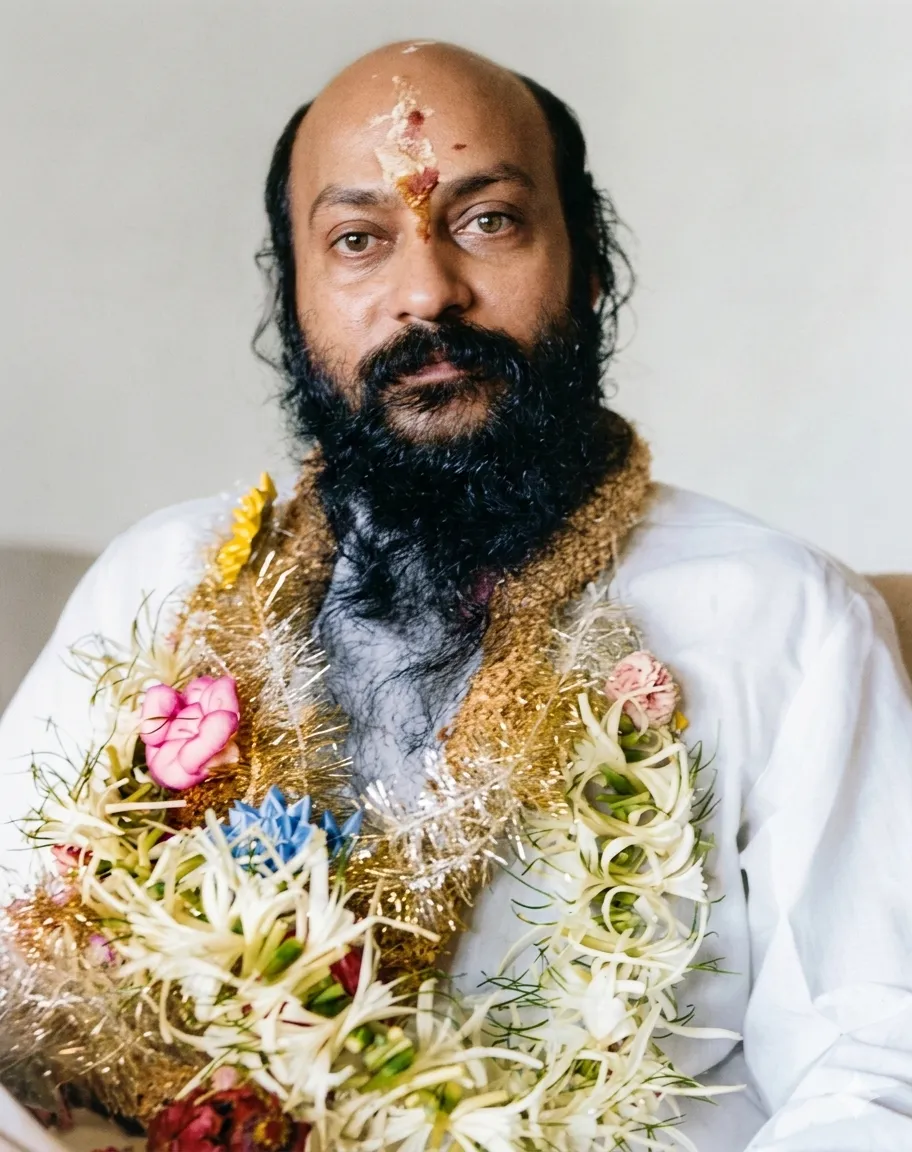
Osho's perspective on Pratyahar
When Osho Spoke About Pratyahar
Passages from the discourses where this theme comes alive.
Beloved Osho, your meditation techniques include yoga and bhakti. Are both of these necessary for pratyahar?
Look at existence. The divine does not agree with having only what is absolutely necessary. He does not stop at the necessary, he goes on flowing into the unnecessary. Birds are singing, it is not necessary; trees are flowering, it is not necessary; fragrance is flowing from the flowers, it is not necessary. Rivers are flowing rapidly towards the sea, and the sea goes on roaring and its waves go on dashing against the shore. It is not necessary. Just think over what is necessary. If God had been an economist then he would have made only the necessary things in this world. Then this world would not have been fit for living; it would have been good for committing suicide only. There would have been no pleasure in living in a world which had only necessary things. You will attain by knowledge, you will attain by bhakti, but it…
Osho, in the meditation experiments you lead, there is a synthesis of yoga and devotion. So, are both necessary for pratyahara?
Life can be of two kinds: one life is built only on what is necessary; and one life is built on excess, on overflow. Watch the peacock dancing. Are those feathers, spread with the colors of the rainbow, necessary? If you cut off the feathers, would the peacock face any difficulty or hindrance in life? He would still live. Feathers are connected neither with the stream of life, nor with food, nor will they obstruct procreation. The feathers are surplus; they are a sign of more-than-needed, not of need. These birds are singing—stitch their beaks shut; will anything be lost? What difference would it make? The birds would still live. The songs would cease, because songs were never necessary—they were a flood, an exuberance. You dance—don’t dance; run your shop, come home. You sing—don’t sing. Will there be any obstacle? You love—don’t love; doing business is enough. If you don’t…
पांचवां प्रश्न: ओशो, आप जो ध्यान प्रयोग कराते हैं, उसमें योग और भक्ति का समावेश है। तो क्या प्रत्याहार के लिए दोनों आवश्यक हैं?
मोर को नाचते हुए देखो। क्या पंखों में जो इंद्रधनुषों के रंगों का फैलाव है वह आवश्यक है? पंख अगर काट दो तो मोर के जीवन में क्या कोई कठिनाई और अड़चन आ जाएगी? मोर फिर भी जी लेगा। क्योंकि पंखों से न तो कोई जीवन की धारा का संबंध है, न भोजन का संबंध है, न बच्चे पैदा करने में कोई बाधा पड़ेगी। पंख तो अतिरेक हैं; वे तो जरूरत से ज्यादा की खबर हैं, जरूरत की खबर नहीं हैं। ये पक्षी गीत गा रहे हैं, इनके ओंठ सी दो, कुछ हर्ज हो जाएगा? क्या फर्क पड़ेगा? पक्षी फिर भी जी लेंगे। गीत बंद हो जाएंगे, क्योंकि गीत आवश्यक थोड़े ही थे--बाढ़ थी; अतिरेक था। तुम नाचते हो, मत नाचो; दुकान करो, घर आ जाओ। गीत गाते हो, मत गाओ। कोई बाधा आ जाएगी? प्रेम करते हो, मत करो; दुकान करना काफी है। प्रेम न करोगे तो क्या अड़चन आ जाएगी? क्या मर जाओगे? नहीं जो प्रेम करते, वे भी जी रहे हैं; नहीं जो गीत गाते, वे भी जी रहे हैं। …
Osho, just as the sage Shandilya calls knowledge (jnana) and yoga the helpers of devotion (bhakti), do the exponents of knowledge and yoga likewise regard devotion as their helper, or not?
The devotee’s vision is more generous than the vision of the knower and the yogi. Because the source of devotion is the heart. The heart is vast; it can include even what is opposed to it. The heart does not worry about coherence; the heart cares about music. Jnana and yoga are not the ways of the heart; they are the ways of the intellect. The intellect is very narrow. The intellect chooses. Then the intellect worries about coherence, not about music—there must be logical consistency. So in Mahavira’s utterances there can be no room for devotion. His is the path of pure thought: samyak jnana, right knowledge. There only what exactly suits knowledge will be accepted. Knowledge selects, sifts; it is orderly; it has a blueprint. The devotee is not so narrow. He does not get flustered by a little inconsistency. The logician, the philosopher, is consistent—but the poet…
दूसरा प्रश्न: ओशो, जैसे शांडिल्य ऋषि ज्ञान और योग को भक्ति का सहायक बताते हैं, वैसे ही ज्ञान और योग के प्रस्तोता भक्ति को अपना सहायक मानते हैं या नहीं?
भक्त की दृष्टि ज्ञानी और योगी की दृष्टि से ज्यादा उदार होती है। चूंकि भक्ति का स्रोत है हृदय। हृदय विराट है, अपने से विरोधी को भी समा लेता है। हृदय संगति की चिंता नहीं करता, हृदय संगीत की चिंता करता है। ज्ञान और योग हृदय के मार्ग नहीं हैं, बुद्धि के मार्ग हैं। बुद्धि बड़ी संकीर्ण है। बुद्धि चुनाव करती है। फिर बुद्धि संगति की चिंता करती है, संगीत की नहीं--तर्कयुक्त संगति होनी चाहिए। तो महावीर के वचनों में भक्ति की गुंजाइश नहीं हो सकती। शुद्ध विचार का मार्ग है, सम्यक ज्ञान, ठीक ज्ञान का मार्ग है। वहां तो जो ज्ञान को एकदम अनुकूल है वही अंगीकार होगा। ज्ञान चुनाव कर लेता है, छांट लेता है; सुसंबद्ध होता है; रूपरेखा होती है ज्ञान की। भक्त इतना संकीर्ण नहीं होता। भक्त को असंगति में कुछ घबड़ाहट नहीं होती। जैसे तार्किक, दार्शनिक असंगत नहीं होता, लेकिन कवि असंगत होता है।
Osho, what attitude should a seeker of absorption and devotion (leenata and bhakti) have toward the Buddha’s insistence on awareness and the saying Appa Deepo Bhava—be a light unto yourself?
The bhakta does not worry about sin and merit. This does not mean he commits sins. The bhakta becomes so absorbed in the Divine that sins do not happen. One who has remembered God with such a heart—how will sins arise from him? Understand it this way: the bhakta does not drop sin; he takes hold of God, and sins drop by themselves. The seeker drops sin, and through the dropping of sin he finds God. The seeker must strive, grain by grain. The seeker is effort and resolve. The bhakta is surrender. The bhakta says, “Your compassion is so boundless—why should we be needlessly crushed, ‘this mistake happened, that mistake happened’? Will You really be concerned with such mistakes? Will You keep accounts of our faults? We are so small—we cannot even manage great faults!” What great wrong have you done—just think. And if God keeps accounts, then He…
पांचवां प्रश्न: ओशो, लीनता व भक्ति के साधक को बुद्ध के होश की और अप्प दीपो भव की बातों के प्रति क्या रुख रखना चाहिए?
भक्त पाप-माप की फिकर नहीं करता। इसका यह मतलब नहीं है कि पाप करता है। भक्त परमात्मा में ऐसा लीन हो जाता है कि पाप होते नहीं। जिसने परमात्मा को इतने हृदय से याद किया हो, उससे पाप कैसे होंगे? इसे तुम समझ लो। भक्त पाप छोड़ता नहीं। परमात्मा को पकड़ता है, पाप छूट जाते हैं। साधक पाप छोड़ता है। पाप के छूटने से परमात्मा को पाता है। साधक को चेष्टा करनी पड़ती है, रत्ती-रत्ती। साधक संघर्ष है, संकल्प है। भक्त समर्पण है। भक्त कहता है, तेरी करुणा इतनी अपार है कि हम क्यों नाहक दीन हुए जाएं कि यह भूल हो गई, वह भूल हो गई? …
Profound Quotes on Pratyahar
Explore our structured collection of meaning-mapped quotes regarding Pratyahar.