
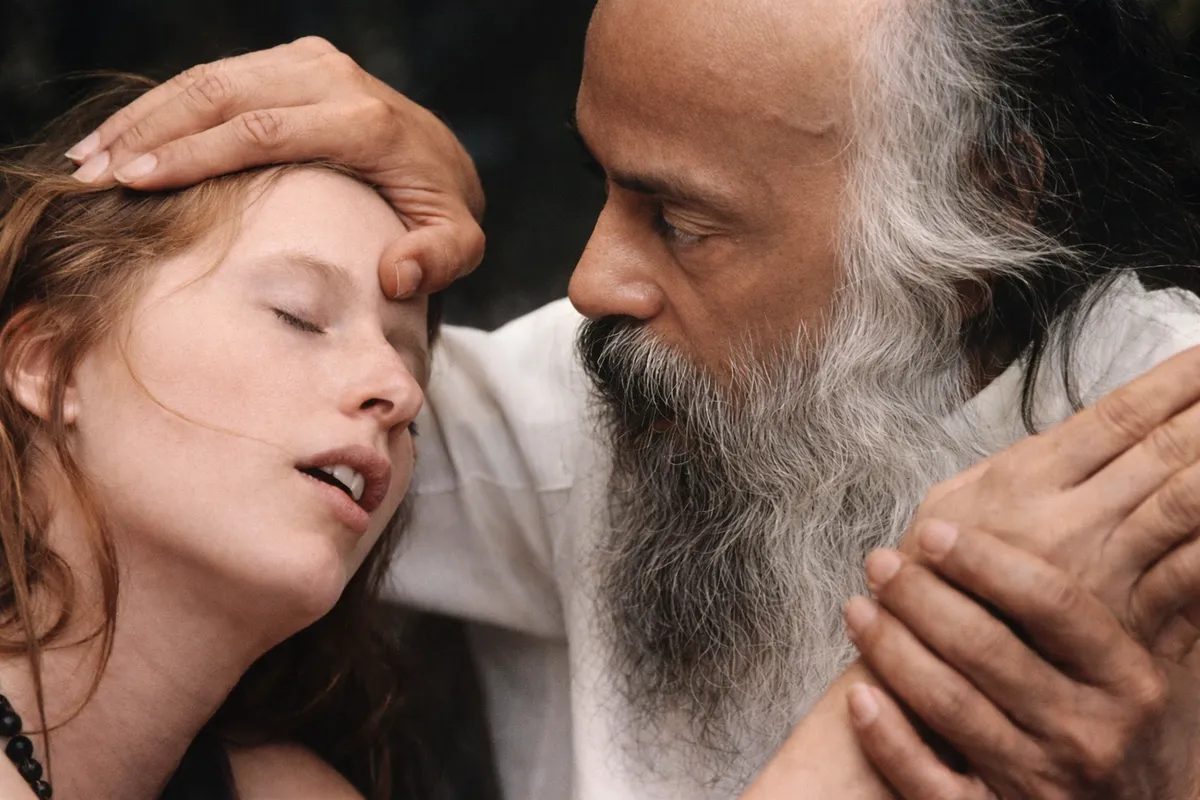
Osho's perspective on Passions
When Osho Spoke About Passions
Passages from the discourses where this theme comes alive.
You say that the suppression of one's passions is harmful. Do you then mean to say that indulging them is the proper course?
Are you ever in your own company like this? This is satsang. This is prayer. This is meditation. When I am all alone within myself and when there is no thought, no thought of anyone, I am in the company of my self. When the outer world is absent, inside there is the company of one's self. In that companionlessness and solitude, in your pure being the truth is realized because in your innermost being you yourself are that truth. It is therefore a question of being religious, not of appearing religious. Whenever anyone asks me about being religious the first question I ask him is, "do you want to appear religious or to become religious?" The two paths are quite different. Being religious is a sadhana, a process of self-realization; appearing religious is just self-adornment. The garbs of the sadhus and saints, their stereotyped, conventional robes, their books, the…
Osho, yesterday you described the cathartic practice of pillow‑beating to release anger. In the same way, what practices should be done for the cessation of lust, greed, attachment, and ego? Please shed some light on these.
The friend I mentioned yesterday—today his companion told me he actually pulled out a knife and ripped the pillow to shreds. I hadn’t even suggested that! It makes us laugh: how can someone stab a pillow? But when we can rip a living person apart, we don’t laugh—so what’s the difficulty in slicing a pillow? When someone tears a living person, the “juice” is in the tearing itself; the person is incidental. That same juice can arise with a pillow. In fact, more so—because with a pillow you need impose no limits at all. So shut yourself in your room, and when your root “disease” wants to show itself, let it show. Consider this meditation. Let it come out in every pore of your being. Shout, jump, do whatever is happening—let it happen. And watch from behind—you will even feel like laughing. You will be surprised: “I can do this?”…
प्रश्न: ओशो, जैसे कल आपने कैथार्सिस, फुट पिलो बीटिंग के जरिए क्रोध-निवृत्ति का प्रयोग बताया, वैसे काम, लोभ, मोह और अहंकार की निवृत्ति के लिए कौन से प्रयोग किए जाएं, कृपया इन बातों पर दृष्टि डालिए।
जिस मित्र का मैं कल कह रहा था, आज उसके साथी ने मुझे आकर खबर दी है कि आज तो चाकू निकाल कर उसने तकिए को चीर-फाड़ डाला है। यह तो मैंने कहा भी नहीं था। हमें एकदम हंसी आएगी कि तकिए को कोई चाकू से कैसे चीरेगा-फाड़ेगा? लेकिन जब जिंदा आदमी को चीर-फाड़ सकते हैं हम, तब हंसी नहीं आती, तो तकिए को चीरने-फाड़ने में कौन सी कठिनाई है? और जब एक आदमी जिंदा आदमी को भी चीरता-फाड़ता है, तब भी जो रस है वह चीरने-फाड़ने का है, आदमी से कुछ लेना-देना नहीं है। वह तकिए में भी उतना ही रस आ जाता है। और तकिए में रस ज्यादा आ जाता है, क्योंकि तकिए पर कोई भी सीमा बांधने की जरूरत नहीं है। तो अपने कमरे में बंद हो जाएं और अपने मूल, जो आपकी बीमारी है, उसको जब प्रकट होने का मौका हो, तब उसे प्रकट करें। इसको मेडिटेशन समझें, इसको ध्यान समझें। उसे पूरा निकालें। उसको आपके रोएं-रोएं में प्रकट होने दें। चिल्लाएं, कूदें, फांदें, जो भी हो रहा है उसे होने दें। और पीछे से देखें, आपको हंसी भी आएगी। हैरानी भी होगी। …
A second friend has asked: Osho, in the practice of awakening, of awareness, fear arises, and there is a constant worry that the routine of life may fall into disorder. It also seems that when anger, sex, etc., arise, if one acts on them, they are finished in five to seven minutes—one feels free of them. If you don’t act, their after-echo, their waves, keep resounding within for days. Then it feels as if it would have been better to have done it and been done with it. So what should one do? Is such awakening not repression?
Two things. First, if through “awakening” your anger—which would otherwise be over in five minutes—goes on for two days, understand it is not awakening; it is repression. Repression makes things spread. It creates even more disturbance than indulgence. If sexual desire arises and is over in a moment, but with your so-called awakening it drags on for days, grows dense, and becomes a burden on the mind, know that it is not awakening, it is repression. Many of us don’t rightly understand the difference between awakening and repression. Understand it. Repression means: what has arisen inside, you press it down inside; you don’t allow it to come out. Indulgence means: you let it out on someone. Get the difference clear. Repression means: you force it down upon yourself; indulgence means: you unload it onto the other. Awakening is a third thing—letting it out into the void: neither pressing it down…
एक दूसरे मित्र ने पूछा है: ओशो, जागृति की, होश की साधना में भय का जन्म हो जाता है, और हर समय डर लगता रहता है कि जीवन-चर्या अस्त-व्यस्त न हो जाए। फिर ऐसा भी लगता है कि क्रोध, काम आदि उठते हैं, तो कर लेने से पांच-सात मिनट में निपट जाते हैं। उनसे मुक्ति हो जाती मालूम पड़ती है। न करो तो दिनों तक उनकी प्रतिध्वनि, उनकी तरंगें भीतर गूंजती रहती हैं। और तब ऐसा लगता है कि इससे तो कर ही लिया होता तो निपट गए होते। तो क्या करें? ऐसी जागृति दमन नहीं है?
दो बातें हैं, एक तो, अगर, जागृति से क्रोध--जो पांच मिनट में निपट जाता है, दो दिन चल जाता है, तो समझना कि वह जागृति नहीं है, दमन ही है। क्योंकि दमन से ही चीजें फैल जाती हैं। भोग से भी ज्यादा उपद्रव खड़ा हो जाता है। अगर कामवासना उठती है और क्षण भर में निपट जाती है। और जागृति से दिनों सरकती है और सघन होने लगती है और मन पर बोझ बन जाती है, तो समझना कि जागृति नहीं है, दमन ही है।
A friend asked me this afternoon: Osho, unless we suppress our vices, we cannot rise above the animal. We will become animals. If we follow what you say and do not suppress our mind—do not repress our anger, do not repress our sex—then we will become animals.
But I want to tell you: as man is today, animals are better than him. It hurts to know this; it hurts me too. But animals are far better than man—in a thousand ways. What has happened to man is astonishing. Animals do not seem so anxious, nor so miserable. Have you ever heard of an animal or a bird committing suicide? You haven’t. I don’t think such a thing has yet occurred. If it ever does, every newspaper in the world will carry it in big letters on the front page: A dog has committed suicide. So far it has not happened. Only man takes his own life. What does this mean? Man’s life has reached such a condition that man himself wants to end it. Has it become so bad that we ourselves finish it? So meaningless? So filled with sorrow and pain? Yet this is what has…
एक मित्र ने दोपहर में पूछा कि ओशो, जब तक हम अपनी बुराइयों का दमन न करेंगे, सप्रेशन न करेंगे, तब तक तो हम पशु के ऊपर उठ ही नहीं सकते। हम तो पशु हो जाएंगे। अगर हम आपकी बातें मान लें और दमन न करें अपने मन का, अपने क्रोध को न दबाएं, अपने सेक्स को न दबाएं, तो हम तो पशु हो जाएंगे।
लेकिन मैं आपसे कहना चाहता हूं, जैसा आदमी आज है उससे तो पशु बेहतर हैं। बड़ी चोट लगती है इस बात को जान कर, मुझे भी चोट लगती है। लेकिन आदमी से पशु बहुत बेहतर हैं। हजार-हजार अर्थों में बहुत बेहतर हैं। आदमी के साथ क्या हो गया है, बड़ी हैरानी की बात है! पशु न तो इतने चिंतित मालूम पड़ते हैं, न इतने दुखी। क्या आपने कभी किसी पशु और पक्षी को आत्महत्या करते सुना है, स्युसाइड करते? नहीं सुना होगा। मैं समझता हूं ऐसी घटना अभी तक नहीं घटी है। जिस दिन घटेगी, सारी दुनिया के अखबार पहले पेज पर बड़े-बड़े अक्षरों में छापेंगे कि एक कुत्ते ने आत्महत्या कर ली। अभी तक तो की नहीं है। यह घटना अभी तक घटी नहीं है। आदमी भर आत्महत्या करता है। मतलब क्या हुआ? आदमी भर का जीवन इस हालत में पहुंच गया है कि खुद आदमी उसको समाप्त करना चाहता है। इतना बदतर जीवन हो गया है क्या कि हम खुद उसे समाप्त करें? इतना अर्थहीन हो गया? …
Profound Quotes on Passions
Explore our structured collection of meaning-mapped quotes regarding Passions.