
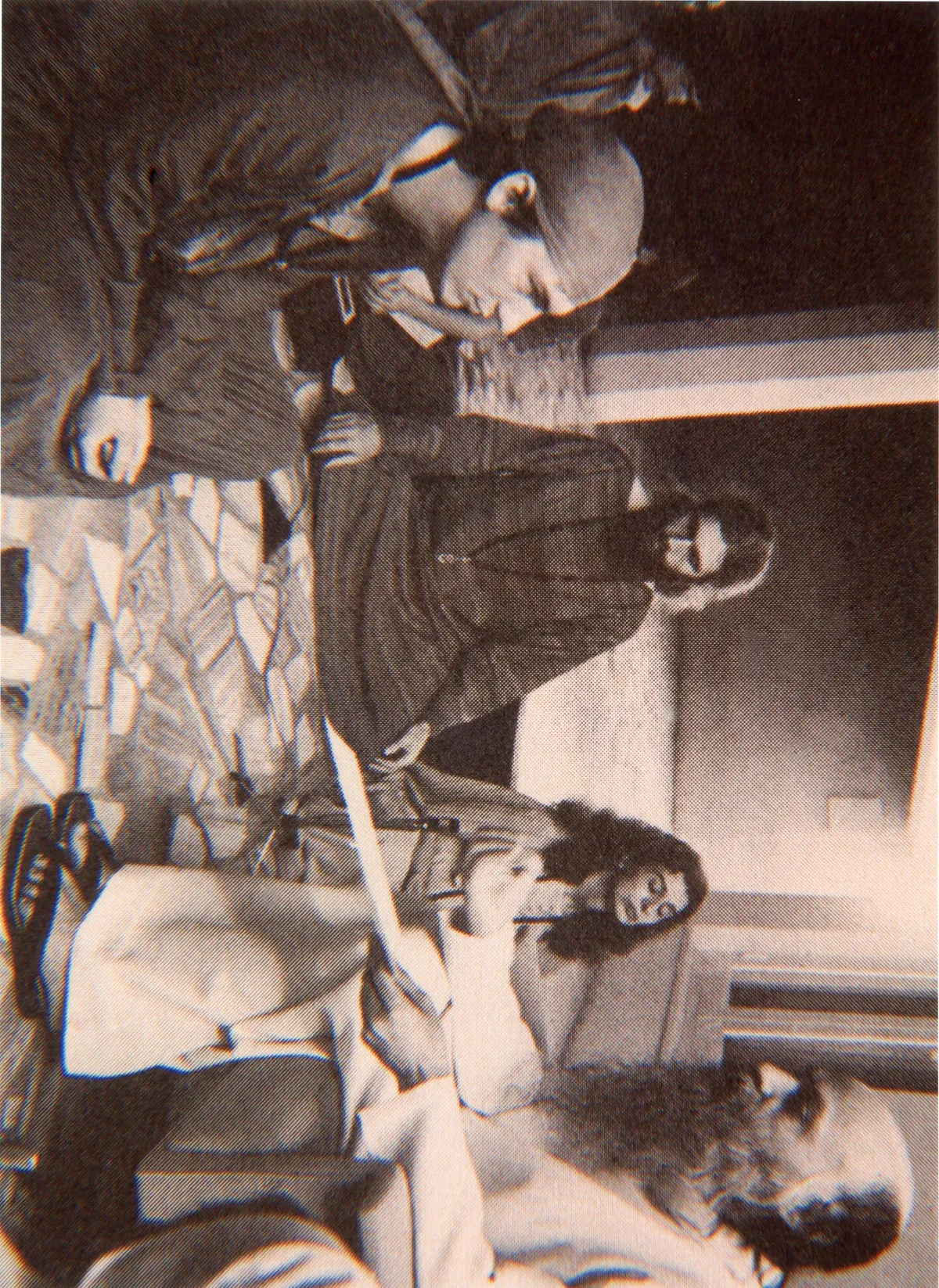
Osho's perspective on Indulgence
When Osho Spoke About Indulgence
Passages from the discourses where this theme comes alive.
So this too was indulgence then? Was nakedness and the plucking of hair also a form of indulgence?
Yes, it was very much indulgence. For them it is indulgence—nothing but indulgence. And for them there is complete enjoyment in nakedness; for them it is entirely a part of their indulgence. It is not that they have left clothes; rather, nakedness has come. That is to say, the emphasis is not on having discarded clothes but on nakedness arising. A simplicity has come, and life has become so simple that, like the life of a child, of an animal or a bird—simple and innocent—they stand like that. But such a person will be utterly simple in the other parts of life too—simple in every way, guileless, innocent. In the other areas of his life there will be no signs of madness. Whereas the person who is an exhibitionist, who is naked only so that others will see him naked—this is his illness. Such a person will not be simple…
प्रश्न: यह भी भोग हुआ फिर? नग्नता और बाल उखाड़ना भी भोग हुआ?
… उनके लिए भोग ही है। और नग्नता का आनंद है उनके लिए पूरा। उनके लिए पूरा आनंद है, उनके लिए भोग का ही हिस्सा है। उनके लिए कपड़े छोड़े गए हैं ऐसा नहीं, नग्नता आई--ऐसा। यानी जोर इस पर नहीं है कि कपड़े छोड़े, नग्नता आई। एक सरलता आई और जीवन इतना सरल हो गया कि जैसे एक बच्चे का, एक पशु-पक्षी का जीवन जैसा सरल, निर्दोष है, वैसा वे खड़े हो गए। लेकिन यह आदमी जीवन के और हिस्सों में एकदम सरल होगा, सब हिस्सों में सरल होगा; सब तरह से सरल होगा, निष्कपट होगा, निर्दोष होगा। और इसके जीवन के और हिस्सों में कहीं पागलपन के लक्षण नहीं होंगे। …
Osho, while listening to yesterday’s discourse I felt as if in you both Charvaka—“live happily”—and Ashtavakra—“move happily”—were speaking together. And for some reason I found that likable. But if, to become disenchanted with indulgence—that is, to be liberated—it is necessary to pass through indulgence completely, wouldn’t it be better to give Charvaka’s philosophy full scope in place of the huge hocus‑pocus of religious practice?
You eat; hunger had been there, there was torment—you ate, there was satiety. In that moment of satiety there is the flavor of fasting. For that short while, no memory of food remains. And the meaning of fasting is precisely this: that food does not preoccupy you. When the body is utterly healthy, when it is vibrant, then for a little while a glimpse of the bodiless arises. Ask athletes, runners, swimmers. Sometimes while swimming—in the sunlight, with the waves—there comes a moment when the body begins to throb with such aliveness, such a sense of well‑being showers in the body, that the body is forgotten—you become bodiless. That joy is of the bodiless. Sometimes while running, there comes a moment when the inner climate and the outer weather become harmonious; you are running, drenched in sweat, but the mind becomes silent, thoughts have stopped. Standing beneath a tree in…
तीसरा प्रश्न: ओशो, कल का प्रवचन सुनते हुए मुझे लगा कि आपमें ‘चार्वाक--सुखं जीवेत’ और ‘अष्टावक्र--सुखं चर’ एक साथ बोल रहे हैं। और जाने क्यों वह मुझे प्रीतिकर भी लगा। लेकिन यदि भोग से विरस होने के लिए यानी मुक्ति के लिए भोग से पूरी तरह गुजर जाना जरूरी है तो क्या अच्छा नहीं होगा कि धर्म- साधना के इतने बड़े गोरखधंधे की जगह चार्वाक-दर्शन को भरपूर मौका दिया जाए?
तुम भोजन कर लेते हो, भूख लगी थी, पीड़ा हो रही थी--भोजन कर लिया, तृप्ति हो गई। उस तृप्ति के क्षण में उपवास का रस है। उतनी थोड़ी-सी देर के लिए फिर भोजन की कोई याद नहीं आती। और उपवास का अर्थ ही यह है कि भोजन की याद न आए। जब देह बिलकुल स्वस्थ होती है, जब देह तरंगित होती है, तब थोड़ी देर को विदेह की झलक मिलती है। तुम कभी खिलाड़ियों से पूछो, दौड़ाकों से पूछो, तैराकों से पूछो। तैरने वाले को कभी-कभी ऐसी घड़ी आती है, सूरज की रोशनी में, लहरों के साथ तैरते हुए, एक क्षण को देह ऐसी तरंगित होने लगती है, ऐसा आनंद-भाव उठता है देह में, ऐसा सुख बरसता है कि देह भूल जाती है, विदेह हो जाता है। वह सुख विदेह का है। …
Osho, religions call worldly pleasures unstable and fleeting and thereby try to create dispassion in us. But isn’t it precisely their fleetingness that is also the reason for their attraction?
Certainly, it is so; transience itself is the cause of attraction. And religions do not create dispassion by merely declaring life transient. Religion says: wherever there is transience, suffering will follow like a shadow. Transience is not the cause of dispassion; the suffering that comes in its wake is. Transience attracts, it beckons. The faster life runs away, the more the mind says—Enjoy, quickly! Now it’s here, now it’s gone. Who knows when the curtain will fall? So enjoy as much as you can; live with the utmost urgency. Let not even a single moment go idle—suck it dry. Exhaust the full possibility of each moment. Transience is attraction. Death is approaching; that is precisely why we cling to life. If death did not come, who would cling to life? If pleasures came and never left, who would worry? The cause of attraction is transience. The faster a thing dissolves,…
दूसरा प्रश्न: ओशो, धर्म सांसारिक सुखों को अस्थिर और क्षणभंगुर बता कर उसके प्रति हममें वैराग्य पैदा करते हैं। लेकिन क्या उनकी वही क्षणभंगुरता उनके आकर्षण का कारण भी नहीं है?
निश्चित ही, ऐसा ही है; क्षणभंगुरता ही आकर्षण का कारण है। और धर्म जीवन को क्षणभंगुर बता कर वैराग्य पैदा नहीं करते हैं। धर्म तो कहते हैं: जो भी क्षणभंगुर है उसके पीछे दुख आएगा। क्षणभंगुरता नहीं है कारण वैराग्य का, क्षणभंगुरता के पीछे दुख छाया की तरह आता है। दुख कारण है वैराग्य का। क्षणभंगुरता तो आकर्षित करती है, बुलाती है। जितना जल्दी जीवन भागा जाता है, उतना ही मन होता है--भोग लो जल्दी! अब गया, अब गया। कब उठ जाएंगे, पता नहीं। तो भोग लो। जितना ज्यादा भोग सको, भोग लो। जितनी त्वरा से जी सको, जी लो। एक क्षण भी खाली न जाए, चूस लो। एक-एक क्षण की पूरी संभावना को भोग लो। क्षणभंगुरता आकर्षण है। मौत आ रही है, इसीलिए तो जीवन को हम पकड़ते हैं। अगर मौत आती ही न हो, कौन जीवन को पकड़ेगा? अगर सुख आते हों और कभी जाते ही न हों, कौन चिंता करेगा? आकर्षण का कारण क्षणभंगुरता है। जो चीज जितने जल्दी विलीन हो जाती है, उतनी कीमती मालूम होती है। …
Gurdjieff wrote: as a child he loved a certain fruit in the Caucasus; delicious, but it caused stomach pain. Yet the taste—irresistible. Children are children, and old people too. Doctors forbid ice‑cream—but you eat; this they forbid—but how to leave! Then you suffer. His father forbade him many times; he wouldn’t listen, ate in secret. One day his father brought a whole basket of the fruit, sat him down with a stick in hand and said, “Eat.” Gurdjieff didn’t understand. First he was delighted—what happened to father! Always forbidding; and now a basket! But the father sat with a stick—so he had to eat. At first he relished—two, four, eight, ten; then the pain began; but father, stick in hand, said, “You must finish the basket.” Tears flowed; vomiting began; still the father said, “If you refuse I will break your limbs. Empty the basket!” He made him finish it.
गुरजिएफ ने लिखा है कि जब वह छोटा था तो उसे एक खास तरह के फल में बहुत रस था। काकेशस में होता है वह फल। लेकिन वह फल ऐसा था कि उससे पेट में दर्द होता है। लेकिन स्वाद उसका ऐसा था कि छोड़ा भी नहीं जाता था। बच्चे बच्चे हैं। बूढ़े तक बच्चे हैं तो बच्चों का क्या कहना! बूढ़ों तक को दिक्कत है। डॉक्टर कहता है, आइसक्रीम मत खाओ; मगर खा लेते हैं! डॉक्टर कहता है, फलानी चीज मत खा लेना; लेकिन कैसे छोड़ें, नहीं छोड़ा जाता। फिर खा लेते हैं। फिर तकलीफ उठा लेते हैं। छोटा बच्चा था, उसको फल में रस था। और फल रसीला था। लेकिन पेट के लिए दुखदायी है। उसके बाप ने क्या किया? उसने कई बार उसे मना किया। वह सुनने को राजी न था। वह चोरी से खाने लगा। तो बाप एक दिन एक टोकरी भर कर फल ले आया और उसने इसे बिठा लिया अपने पास और रख लिया हाथ में डंडा और कहा: ‘तू खा!’ गुरजिएफ तो समझा नहीं कि मामला क्या है। पहले तो बड़ा प्रसन्न हुआ कि बाप को हुआ क्या, दिमाग फिर गया है! क्योंकि हमेशा मना करते हैं, घर में फल आने नहीं देते हैं। …
Profound Quotes on Indulgence
Explore our structured collection of meaning-mapped quotes regarding Indulgence.