
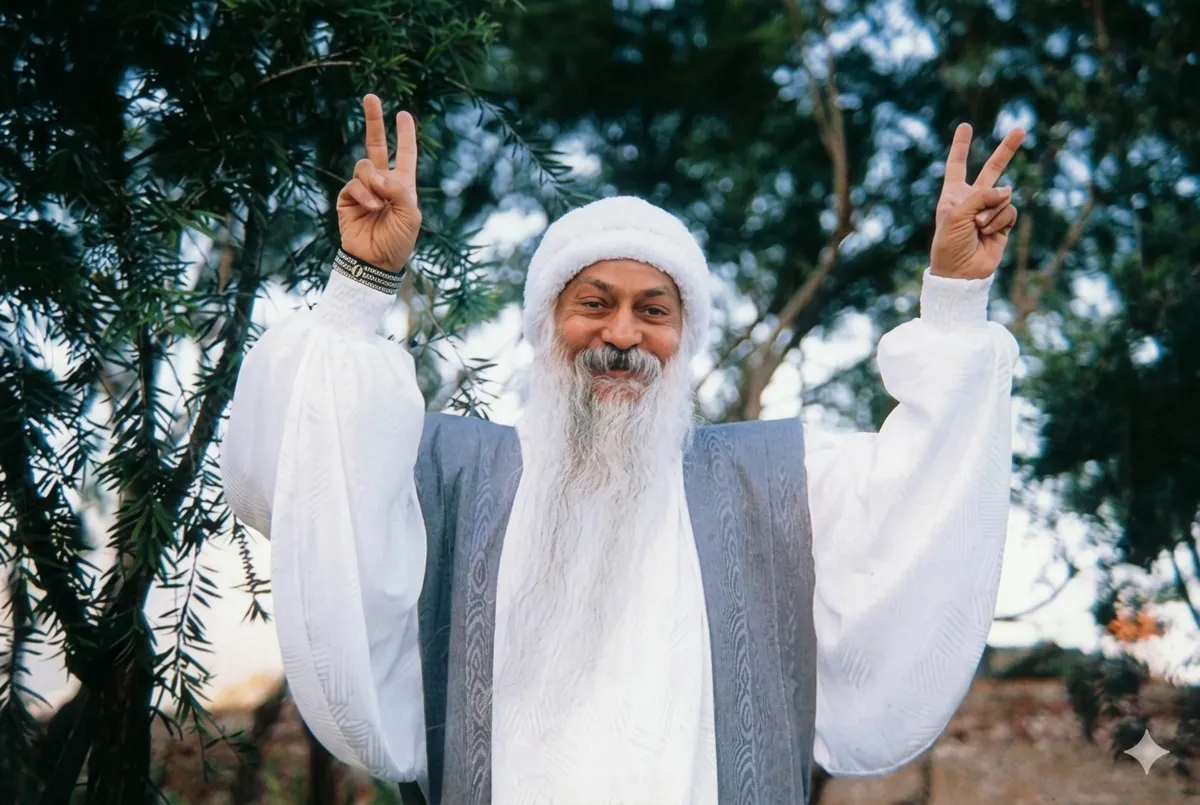
Osho's perspective on Iconoclast
When Osho Spoke About Iconoclast
Passages from the discourses where this theme comes alive.
Osho, all right—my first question is: doesn’t the iconoclast end up having his own image established in the popular mind—as an iconoclast?
If he is truly an iconoclast, he will try to save people even from his own image. But if he only wants to smash others’ idols and, deep down, relishes the idea that his own idol be installed, then such iconoclasts, by the back door, turn into idol‑worshipers and the initiators of idol‑worship. In my view, if the iconoclast is really an iconoclast, he will not let his own effigy be set up; he will keep up that struggle too. For his fight is not with someone’s particular idol; his fight is with the very making of idols. The moment an idol is made, it becomes opposed to truth. And the danger you point to is always there, because the statues of all the past iconoclasts have been made. Jesus is an iconoclast, and Buddha is an iconoclast. But so many images of Buddha were created that the very word…
ओशो, अच्छा, मेरा पहला सवाल यह है कि मूर्तिभंजन करने वाला, क्या खुद अपनी मूर्ति को प्रजा-मानस में मूर्तिभंजक के रूप में प्रस्थापित नहीं करेगा?
अगर वह सच में मूर्तिभंजक है, तो वह अपनी मूर्ति से भी प्रजा को बचाने की कोशिश करेगा। और अगर वह सिर्फ दूसरों की मूर्तियों का भंजन करना चाहता है और अंततः भीतर रस इसमें है कि उसकी मूर्ति स्थापित हो जाए, तब तो सब मूर्तिभंजक पीछे से मूर्तिपूजक और मूर्तिपूजा को शुरू करने वाले बन जाते हैं। लेकिन मेरी दृष्टि यह है कि मूर्तिभंजक अगर सच में मूर्तिभंजक है, तो अपनी प्रतिमा को स्थापित नहीं होने देगा। वह यह संघर्ष भी जारी रखेगा। क्योंकि उसकी लड़ाई किसी की मूर्ति से नहीं है, उसकी लड़ाई मूर्ति के बन जाने से है। जैसे ही मूर्ति बनती है कि वह सत्य-विरोधी हो जाती है। और वह जो आप कहते हैं, यह खतरा है हमेशा। क्योंकि दुनिया के पिछले सारे मूर्तिभंजकों की मूर्तियां बन चुकी हैं। जीसस मूर्तिभंजक हैं और बुद्ध भी मूर्तिभंजक हैं। लेकिन बुद्ध की तो इतनी मूर्तियां बनीं कि बुत शब्द जो है वह बुद्ध का ही रूपांतरण है, वह बुद्ध का ही बिगड़ा हुआ रूप है। …
Osho, right before our eyes you painted the images of Buddha, Mahavira, and Krishna in enchanting colors. You filled us with devotional awe for them. And now you are mercilessly dismantling those very images. Why are you doing both—creating idols and breaking them? Has the journey to the formless through these forms become impossible now, or are you forcing us to return to ourselves?
You too take your own meanings. And your meanings compelled me to change. So now I have begun to pull back the colors, because I want it to be clear that you must not fix your gaze on Buddha but on yourself. Too many garlands have already been heaped upon Krishna; too many heads have already bowed at the feet of Mahavira. But all that is the dead past. You have to recognize the principle of life within yourself. So, just as I once filled in colors, I have begun to remove them. Even while coloring, the purpose was the same. My purpose has not changed. My goal is exactly the same. But the method has changed. I colored so that you would look at yourself. If you could not, then now I am removing the colors so that the canvas becomes empty and you are forced to look at…
दूसरा प्रश्न: ओशो, हमारे सामने ही आपने बुद्ध, महावीर और कृष्ण की प्रतिमाओं में मनोहारी रंग भरे थे। उनके प्रति अहोभाव से हमें भर दिया था। और अभी-अभी आप उन्हीं प्रतिमाओं का बड़ी बेरहमी से खंडन कर रहे हैं। मूर्तियां बनाने एवं तोड़ने के दोनों कृत्य आप क्यों कर रहे हैं? क्या इन मूर्तियों द्वारा अमूर्त की यात्रा अब असंभव हो गई है या कि आप हमें अपने आप के प्रति लौटने पर मजबूर कर रहे हैं?
मतलब तो तुम लोगे। और तुम्हारे मतलबों ने मुझे बदलाहट के लिए मजबूर कर दिया। इसलिए अब मैंने रंग खींचने शुरू कर दिए, क्योंकि मैं चाहता हूं कि तुम्हें साफ हो जाए कि बुद्ध पर नजर नहीं गड़ानी, अपने पर नजर लानी है। कृष्ण पर बहुत चढ़ चुके पूजा के फूल और महावीर के चरणों में बहुत सिर झुकाए जा चुके। मगर ये सब मुर्दा अतीत हैं। तुम्हें अपने भीतर के जीवन-तत्व को पहचानना है। इसलिए जैसे मैंने रंग भरे थे, वापस निकालने शुरू कर दिए। रंग भरने में भी यही प्रयोजन था। मेरा प्रयोजन नहीं बदला है। मेरा लक्ष्य वही का वही है। लेकिन प्रक्रिया बदल गई। रंग भी इसलिए भरे थे कि तुम अपने को देखो। …
Osho, Somewhere you have said that you are an iconoclast, a breaker of illusions. It seems to me that beyond that you are a great breaker of concepts. Would you kindly say something about this?
Sahajanand! Whether idols, delusions, or concepts—these are all different facets of the mind. With these very bricks the prison of the mind is constructed. Only by removing the bricks one by one can you enter the state of no-mind. Whatever you believe, whatever you worship—everything will have to be taken away from you. It feels harsh. It hurts. Wounds happen. The cowardly run away; only the courageous can remain with me. And it is not a question of whether your concept is right or wrong. No concept is right. Concept means wrong. Concept means: you have believed what you have not known. What you have not experienced, not encountered, not realized—you have adopted it: out of fear, out of greed, out of conditioning, out of society, out of convenience, out of consolation. Because it was taught since childhood. Because it was repeated again and again. Because it has had centuries…
पहला प्रश्नः ओशो, आपने कहीं कहा है कि मैं मूर्तिभंजक हूं, भ्रमभंजक हूं। मुझे लगता है कि उससे बढ़ कर आप महान धारणाभंजक हैं। क्या इस पर कुछ कहने की अनुकंपा करेंगे।
सहजानंद! मूर्तियां हों या भ्रम हों या धारणाएं हों, सब मन के अलग-अलग पहलू हैं। इन्हीं ईंटों से मन का कारागृह निर्मित होता है। और एक-एक ईंट खिसकानी होगी तो ही तुम अ-मनी दशा में प्रवेश कर सकते हो। तुम जो भी मानते हो, जो भी पूजते हो, उस सबको तुमसे छीन लेना होगा। कठोर लगता है यह। चोट पड़ती है इससे। घाव हो जाते हैं। जो कायर हैं, वे तो भाग ही जाते हैं। जो साहसी हैं, वे ही मेरे पास टिक सकते हैं। और यह सवाल नहीं है कि तुम्हारी धारणा सही है या गलत। कोई धारणा सही नहीं होती। धारणा अर्थात गलत। धारणा का अर्थ होता है: जो नहीं जाना है, उसे मान लिया। जिसका नहीं अनुभव किया है, जिसका नहीं साक्षात्कार हुआ है, जिसकी प्रतीति नहीं हुई है, उसे अंगीकार कर लिया है--किसी भय के कारण, किसी लोभ के कारण, संस्कारों के कारण, समाज के कारण, सुविधा के कारण, सांत्वना के कारण। बचपन से सिखाया गया है, इसलिए। बार-बार दोहराया गया है, इसलिए। सदियों का प्रचार है, इसलिए। …
Osho, how could the iconoclast Mahavira accept himself as the twenty-fourth Tirthankara of the most ancient Jina tradition? Please explain!
Within this revolutionary tradition, Mahavira is the most glorious, the most brilliant. Therefore his words are worth understanding and contemplating. He must have been uniquely revolutionary; for the Jainas have two sects—Digambara and Shvetambara. The Digambaras hold that not a single word of Mahavira remains, no scripture remains. That too is part of the revolution. They say, no scripture is Mahavira’s word. The words we have are from the Shvetambara compilations. The Digambaras have no compilations. It is astonishing that the Digambaras did not preserve! But that too belongs to their deep revolt: if you preserve words, today or tomorrow they become scripture; preserve them, and soon they become Veda. Hence the Digambaras did not preserve Mahavira’s words. It is an extraordinary rebellion against scripture. They revere Mahavira, but preserved no texts—only what was passed personally from master to disciple; they did not write it down. Therefore, for the Digambaras,…
पहला प्रश्न: ओशो, परंपरा-भंजक महावीर ने स्वयं को प्राचीनतम जिन-परंपरा का चौबीसवां तीर्थंकर क्योंकर स्वीकार किया होगा? कृपया समझाएं!
महावीर इस क्रांतिकारी परंपरा में सबसे ज्यादा महिमावान, सबसे बड़े मेधावी व्यक्ति हुए। इसलिए उनके शब्द समझने जैसे हैं, विचार करने जैसे हैं, क्रांतिकारी तो अनूठे रहे होंगे; क्योंकि जैनों के दो संप्रदाय हैं--दिगंबर और श्वेतांबर। दिगंबर तो मानते हैं, महावीर का कोई भी वचन बचा नहीं, कोई शास्त्र बचा नहीं। यह भी क्रांति का हिस्सा है। वे कहते हैं, कोई शास्त्र महावीर का वचन नहीं। ये जो वचन हैं, यह श्वेतांबरों के संग्रह से लिये गये हैं। दिगंबरों के पास कोई संग्रह नहीं है। यह बड़े आश्चर्य की बात है कि दिगंबरों ने बचाया क्यों नहीं! यह भी उसी गहरी क्रांति का हिस्सा है। क्योंकि अगर बचाओ शब्दों को, तो आज नहीं कल वे शास्त्र बन जाएंगे। बचाओ तो शास्त्र आज नहीं कल वेद बन जाएंगे। इसलिए दिगंबरों ने तो महावीर के वचन बचाए ही नहीं। …
What is an iconoclast?
definitionProfound Quotes on Iconoclast
Explore our structured collection of meaning-mapped quotes regarding Iconoclast.