
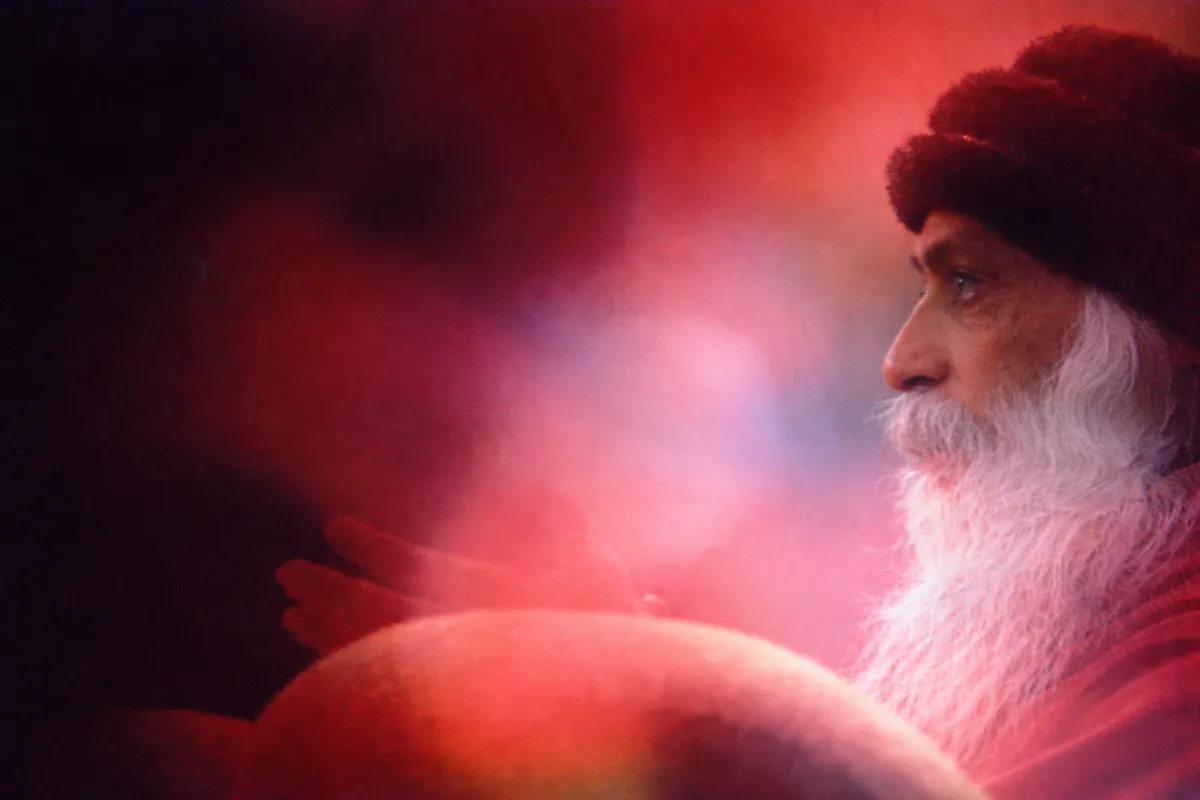
Osho's perspective on Dhyan
When Osho Spoke About Dhyan
Passages from the discourses where this theme comes alive.
Why do you emphasize that one should jump directly into the seventh step, that is dhyan, and then finish the other steps so as to be total to realize samadhi?
For a specific reason. I insist first to jump into dhyan, into meditation, and then complete all the other steps because you have lost the taste of dhyan. of meditation, so completely that unless you regain the taste you will not take the trouble of fulfilling all other things. In Patanjali's time meditation was an accepted fact. Everybody was meditating. Every child was to be sent to gurukul, into a forest monastery. There the basic teaching was of meditation; everything else was secondary. When he is twenty-five he will come back to the society, but he has learned meditativeness. He will live in the marketplace, but live meditatively. By the age of fifty, he is again ready to go back to the forest. And by the age of seventy-five he will not do anything else other than meditation. So if you just look at the whole span of life, if…
Dharana, concentration, is confining the mind to the object being meditated upon.
DHYAN, CONTEMPLATION, IS THE UNINTERRUPTED FLOW OF THE MIND TO THE OBJECT. SAMADHI IS WHEN THE MIND BECOMES ONE WITH THE OBJECT. THE THREE TAKEN TOGETHER -- DHARMA, DHYAN, AND SAMADHI -- CONSTITUTE SAMYAMA. BY MASTERING IT, THE LIGHT OF HIGHER CONSCIOUSNESS. ... And the way in the West you are looking for causes, for ways and means how to help humanity, seems to have from the very beginning gone wrong. You are still looking for causes outside -- and the causes are within. The causes are not outside, not in relationship, not in the world; they are deep in your unconsciousness. They are not in your thinking: they are not in your dreams. The analysis of dreams and the analysis of thoughts is not going to help much. At the most it can make you normally abnormal, not more than that. The basic cause is that you are not aware
Osho, you have spoken of the four steps of meditation; please explain the full meaning of all four.
First, understand this clearly: three are only steps, not meditation; meditation is the fourth. The gateway is the fourth; the first three are only steps. Steps are not the door; they lead to the door. The fourth alone is the door—rest, pause, emptiness, surrender, dying, dissolving—that is the door. And the three steps lead you to that door. The fundamental basis of those three steps is one: if you want to enter rest, it becomes very easy after going into total tension. Just as a person who labors all day can sleep at night. The more the labor, the deeper the sleep. Someone may ask, “But labor and sleep are opposites; how can labor lead to sleep? The one who has worked all day should not be able to sleep!” And the one who has lazed on the bed all day should sleep! But the one who stayed in bed…
ओशो, ध्यान की चार सीढ़ियों की बात की है; उन चारों का पूरा-पूरा अर्थ बताएं।
पहली बात तो यह समझ लें कि तीन सिर्फ सीढ़ियां हैं, ध्यान नहीं; ध्यान तो चौथा ही है। द्वार तो चौथा ही है, तीन तो सिर्फ सीढ़ियां हैं। सीढ़ियां द्वार नहीं हैं, सीढ़ियां द्वार तक पहुंचाती हैं। चौथा ही द्वार है--विश्राम, विराम, शून्य, समर्पण, मर जाना, मिट जाना, द्वार तो वही है। और तीन जो सीढ़ियां हैं वे उस द्वार तक पहुंचाती हैं। वे तीन सीढ़ियों का मौलिक आधार एक है कि यदि विश्राम में जाना हो तो पूरे तनाव में जाने के बाद बहुत आसान हो जाता है। जैसे कोई आदमी दिन भर श्रम करता है तो रात सो पाता है। जितना श्रम, उतनी गहरी नींद। अब कोई पूछ सकता है कि श्रम करने से नींद तो उलटी चीज है। तो जिसने दिन भर श्रम किया है उसे तो नींद आनी ही नहीं चाहिए, क्योंकि श्रम और विश्राम उलटी चीजें हैं। विश्राम तो उसे आना चाहिए जो दिन भर बिस्तर पर पड़ा रहा और विश्राम करता रहा! लेकिन दिन भर जो बिस्तर पर पड़ा रहा, वह रात सो ही न सकेगा। इसलिए दुनिया में जितनी सुविधा बढ़ती है, जितना कम्फर्ट बढ़ता है, उतनी नींद विदा होती जाती है। …
Profound Quotes on Dhyan
Explore our structured collection of meaning-mapped quotes regarding Dhyan.