
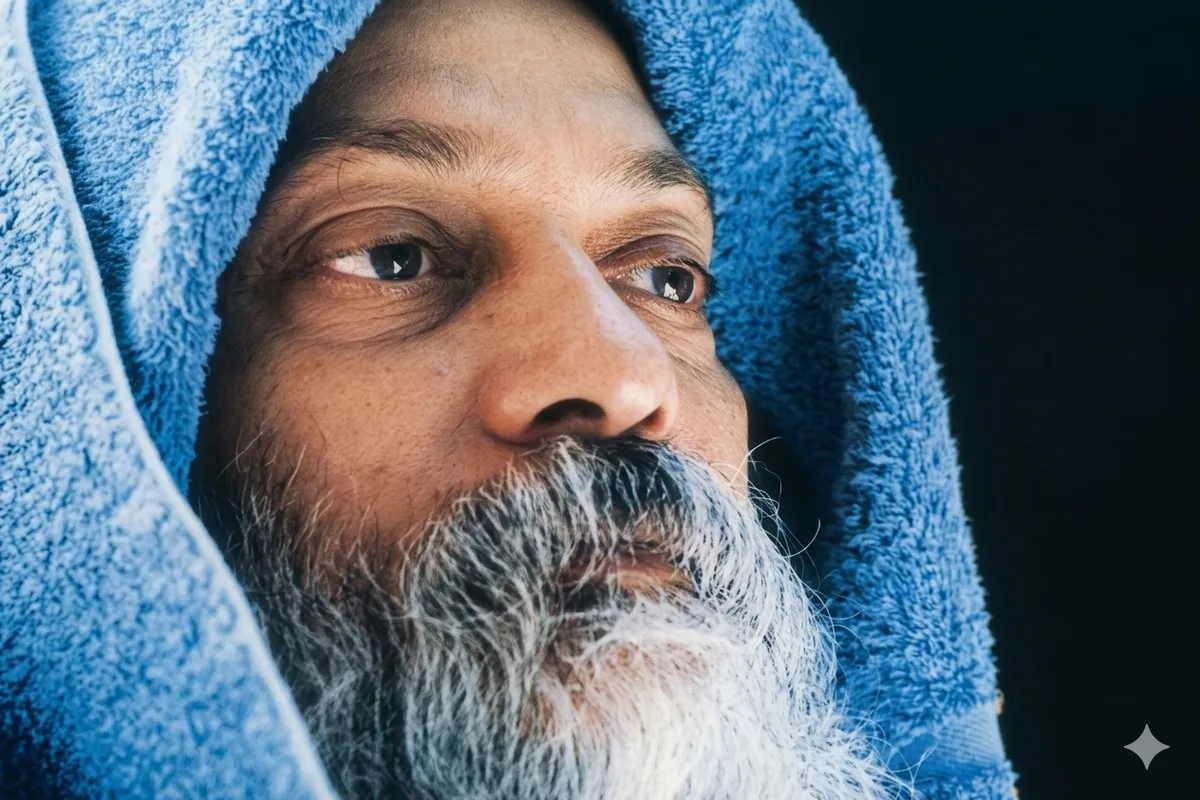
Osho's perspective on Delhi
When Osho Spoke About Delhi
Passages from the discourses where this theme comes alive.
Osho, could you say something about what is going on in Delhi?
I’ll tell a little story. When Lanka’s former ruler Ravana was on his deathbed, Rama sent Lakshman to learn statecraft from him—saying, “Son, we may have won, but we have no experience of running the administration here; go and ask him how to run things.” Lakshman went there and said to Ravana, “You are dying now—tell us how to govern here.” Ravana said, “Half the politics I handled, half Kumbhakarna did. Had you gotten in touch with Kumbhakarna as well?” Lakshman said, “Yes—he said: eat to your heart’s content and then sprawl on the sofa with your eyes closed. This is the best method.” “Tell me,” Ravana asked, “are you going to unleash dictatorship, or will you run things by democracy? Which method will be suitable?” “What will go down well with the people?” “Nothing,” said Ravana. “When you impose dictatorship, the people will yearn for democracy; and when you…
अंतिम प्रश्न: ओशो, दिल्ली में जो चल रहा है, उसके संबंध में कुछ कहें?
एक छोटी कहानी कहूंगा। लंका का पिछला शासक रावण जब मरने लगा, तो राम ने लक्ष्मण को उसके पास राजनीति की शिक्षा लेने के लिए भेजा--यह कह कर कि तात, अपन जीत तो गये हैं, मगर अपने को यहां शासन चलाने का कोई अनुभव नहीं है; इससे पूछ कर आओ कि कैसे क्या चलाना है। लक्ष्मण वहां गया, रावण से कहा कि अब तू तो मर ही रहा है, यहां शासन कैसे चलाएं, यह बताता जा? रावण ने कहा कि आधी राजनीति मैं करता था, आधी कुंभकर्ण; तुमने कुंभकर्ण से भी संपर्क साधा था क्या? लक्ष्मण ने कहा: हां, वह कह गया है कि आनंद से जमकर खाना पेलो और सोफे पर आराम से आंखें मूंदकर डले रहो। यह पद्धति सर्वश्रेष्ठ है। …
Osho, why does politics have so much prestige? Why are politicians sitting on everyone’s chest today?
Not just today—they’ve always been sitting on your chest. The fault isn’t the politician’s; the fault lies with those who let someone sit on their chest. If you allow it, someone will climb up—if not A then B, if not B then C. Man wants to remain a slave; that’s why. He wants a master. He doesn’t want to stand on his own feet, to find his own direction. He wants to follow, to be a follower. He doesn’t want to open his own eyes. He wants to walk holding someone’s hand. Because man is not yet a complete man, politics becomes important. And politics is important also because much animality still remains within man; as long as that animality remains, politics will remain significant. It is because of the animal in man that brute force seems valuable. What is a politician’s power? Only as long as he holds office…
तीसरा प्रश्न: ओशो, राजनीति की इतनी प्रतिष्ठा क्यों है? राजनेता सबकी छाती पर आज क्यों चढ़ बैठे हैं?
आज ही चढ़ बैठे, ऐसा नहीं--सदा से चढ़े बैठे हैं। कसूर राजनेता का नहीं है, कसूर उनका है जो छाती पर चढ़ जाने देते हैं। जब तुम छाती पर किसी को चढ़ने दोगे तो कोई न कोई चढ़ेगा--अ चढ़ेगा, अ नहीं चढ़ेगा तो ब चढ़ेगा, ब नहीं चढ़ेगा तो स चढ़ेगा। आदमी गुलाम रहना चाहता है, इसलिए। उसे मालिक चाहिए। आदमी खुद अपने पैर पर खड़ा नहीं होना चाहता। आदमी खुद अपनी दिशा नहीं खोजना चाहता। अनुगमन करना चाहता है, इसलिए। अनुयायी होना चाहता है, इसलिए। अपनी आंख नहीं खोलना चाहता। किसी का सहारा पकड़ कर चलना चाहता है, इसलिए। आदमी पूरा आदमी नहीं है, इसलिए राजनीति महत्वपूर्ण है। और इसलिए भी राजनीति महत्वपूर्ण है कि आदमी के भीतर बहुत सी पशुता शेष है। और जब तक पशुता शेष है, तब तक राजनीति महत्वपूर्ण रहेगी। …
Osho, what is the first experience of samadhi like?
You will know only when it happens. It cannot be said; at most a few hints can be given. It is as if, in the dark, a lamp is suddenly lit. Or as if a dying patient, right at the edge of death, suddenly finds a medicine that works; life’s wave, life’s thrill spreads again—so it is. As if a corpse becomes alive—such is the first experience of samadhi. It is the taste of nectar. The experience of the ultimate music. But it will be only when it happens; and only then will you understand. You will not understand by my saying it. It is as with love. How can anyone explain it? To someone who has never loved, never known love, no matter how many explanations you offer—he will hear it all and still ask, “I haven’t understood; please explain a little more.” It is like explaining light to…
तीसरा प्रश्न: ओशो, समाधि का पहला अनुभव कैसा होता है?
होगा तो ही जानोगे। कहा जा सके, ऐसा नहीं है। कुछ-कुछ इशारे किये जा सकते हैं। जैसे अंधेरे में अचानक दीया जल जाये, ऐसा होता है। या जैसे बीमार मरता हो और अचानक कोई दवा लग जाये...मरते-मरते कोई दवा लग जाये; और जीवन की लहर, जीवन की पुलक फिर फैल जाये--ऐसा होता है। जैसे कोई मुर्दा जिंदा हो जाये--ऐसा होता है समाधि का पहला अनुभव। अमृत का अनुभव है। परम संगीत का अनुभव है। पर होगा तो ही होगा। और होगा तो ही तुम समझ पाओगे; मेरे कहने से समझ में न आ सकेगा। प्रेम में जैसा होता है। अब कोई किसी को कैसे समझाये? …
Osho, where are this country’s politicians taking the nation? What became of socialism?
This country can be healthy, prosperous, abundant. It has everything, and its people have great talent. But our assumptions are wrong. Then you weep and worry and ask: where are politicians taking the country? Ask yourself: whom did you choose? From that, you’ll know where they’ll take you. Politics should be in the hands of the young—fresh minds who still have the courage to experiment, the capacity to try, even the guts to make mistakes. But whom do you send into politics? Seventy-five-year-olds, eighty-year-olds, eighty-four-year-olds. Everywhere else retirement rules apply—at fifty-five, fifty-eight, or sixty. Why? Because after sixty, people generally go senile—everywhere else. But in politics? After sixty, suddenly they’re deemed wise. What a joke. Until you’re senile, you’re nobody; who will even recognize you? First question: have you gone senile? If yes, you’re fit to be a leader. Morarji Desai left the university sixty years ago. Whatever he learned…
तीसरा प्रश्न: ओशो, इस देश के राजनेता देश को कहां लिए जा रहे हैं? समाजवाद का क्या हुआ?
यह देश स्वस्थ भी हो सकता है, समृद्ध भी हो सकता है, संपन्न भी हो सकता है। इसके पास सब है। और मनुष्यों की इतनी संपदा है, इतनी प्रतिभा है। मगर हमारी धारणाएं गलत हैं। और फिर तुम रोते हो, और फिर तुम परेशान होते हो। फिर तुम पूछते हो: इस देश के राजनेता देश को कहां लिए जा रहे हैं? तुमने राजनेता किसको चुना है? तुमने जिसको चुना है, समझ लो उससे कि वह तुम्हें कहां ले जाएगा। राजनीति युवकों के हाथ में होनी चाहिए, ताजे मस्तिष्कों के हाथ में होनी चाहिए--जिनके पास अभी प्रयोग करने का साहस है, क्षमता है, जो अभी भूल-चूक करने की भी हिम्मत कर सकते हैं। लेकिन तुम राजनीति में लोगों को ले जाते हो--पचहत्तर साल हैं कोई, कोई अस्सी साल, कोई चौरासी साल। और सब जगह रिटायरमेंट के नियम लागू होते हैं--कहीं पचपन साल में, कहीं अट्ठावन साल में, कहीं साठ साल में आदमी को हम रिटायर कर देते हैं। क्यों? क्योंकि साठ साल के बाद और सब जगह आदमी सठिया जाते हैं। और राजनीति में? साठ साल के बाद ही समझदार होते हैं। बड़ा मजा है। जब तक सठियाओ नहीं, तब तक तो कोई तुम्हारी प्रतिष्ठा ही नहीं है। तब तक कौन तुम्हें पूछता है! पहली बात तो लोग यह पूछते हैं कि सठियाए कि नहीं? सठिया गए तो नेता होने के योग्य हो।
What is going on in Delhi?
definitionProfound Quotes on Delhi
Explore our structured collection of meaning-mapped quotes regarding Delhi.