
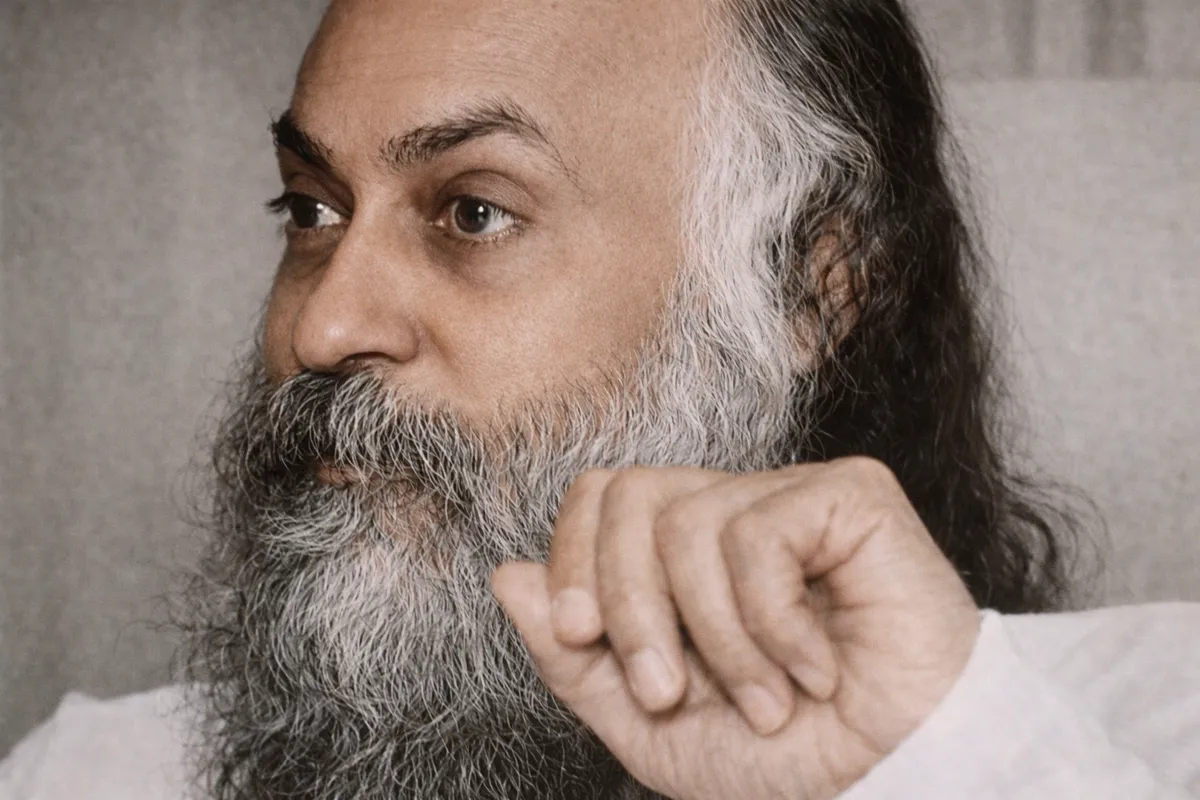
Osho's original Hindi beside Osho Live's English translation, matched passage by passage.
सहजानंद! दुख है आत्म-मूर्च्छा; अपने प्रति बेहोशी; स्वयं को न जानना। आनंद है स्वयं को जानना; आत्म-परिचय। जैसे प्रकाश जले तो अंधकार अपने से तिरोहित हो जाता है, वैसे ही आत्म-ज्ञान की ज्योति जले तो दुख विसर्जित हो जाता है।
Sahajanand! Suffering is self-stupor; unconsciousness toward oneself; not knowing oneself. Bliss is knowing oneself; self-recognition. Just as when light is lit darkness disappears on its own, so when the lamp of self-knowledge is lit, suffering dissolves.
इसलिए बुद्धों को छोड़ कर और सभी को दुख सताएगा--कभी कम, कभी ज्यादा। जिसे तुम सुख कहते हो, वह भी दुख की ही न्यून मात्रा है। तुमने सुख कभी जाना ही नहीं है। जब दुख कम होता है तो तुम उसे सुख कहते हो। जब दुख अतिशय हो जाता है, सहने के बाहर, असह्य--तब तुम उसे दुख कहते हो। तुम्हारे सुख और दुख में कोई गुणात्मक भेद नहीं है, सिर्फ मात्रा का भेद है, परिमाण का भेद है।
Therefore, except for the buddhas, suffering will harry everyone—sometimes less, sometimes more. What you call happiness is only a lesser dose of suffering. You have never known happiness. When suffering decreases, you call it happiness. When it grows excessive, beyond endurance—then you call it suffering. Between what you call happiness and suffering there is no qualitative difference, only a difference of quantity, of degree.
जिन्होंने सुख जाना है, उनके लिए दुख बचता ही नहीं--बच सकता ही नहीं! और फिर ऐसा नहीं है कि तुम्हें कभी-कभी दुख धर दबाता है। दुख तुम्हारी छाती पर ही सवार है। पुराना दुख होता है तो तुम उसके आदी हो जाते हो। पुरानी चोट होती है तो तुम धीरे-धीरे उसे भूल जाते हो, तुम उसे अंगीकार कर लेते हो, आत्मसात कर लेते हो। नई चोट होती है तो तिलमिलाती है।
For those who have known true happiness, suffering simply does not remain—it cannot remain! Nor is it that suffering pounces on you only once in a while. Suffering is riding on your chest. When pain becomes old you grow accustomed to it. When a wound has been there a long time you slowly forget it; you accept it, you assimilate it. A new wound stings.
दुख जब पहली बार घटता है, कोई दुख, तो तुम्हें झकझोरता है। फिर घटता ही रहे, घटता ही रहे, तो कब तक झकझोरेगा? तुम उससे न केवल परिचित हो जाते हो, बल्कि तुम्हारी उससे मैत्री भी हो जाती है। किसी दिन छोड़ कर चला जाए तो तुम दुखी होओगे।
The first time a particular pain occurs it shakes you; but if it keeps occurring, keeps occurring—how long can it keep shaking you? Not only do you become familiar with it, you even make friends with it. If someday it were to leave you, you would feel miserable.
मेरे एक मित्र रेलवे-स्टेशन पर काम करते थे। रेलवे-स्टेशन पर सोना मुश्किल है: दिन भर ट्रेनों का आना और जाना और यात्रियों का उतरना और खोंमचे वालों का शोरगुल और कुलियों की आवाजें...। मगर वे इतने आदी हो गए तीस साल की नौकरी में कि घर पर उन्हें नींद नहीं आती थी, नींद आती स्टेशन पर थी। छुट्टी के दिन भी सोने के लिए स्टेशन ही जाते थे। मैंने उनसे पूछा: पागल हो तुम?
उन्होंने कहा: पागल नहीं हूं। जब तक यह शोरगुल न मचे, तब तक ठीक वातावरण मेरी नींद का बनता नहीं है।
A friend of mine worked at a railway station. It is hard to sleep at a station: trains coming and going all day, passengers getting on and off, hawkers shouting, porters calling… But in thirty years of service he became so used to it that he couldn’t sleep at home; sleep came only at the station. Even on holidays he went to the station to sleep. I asked him, “Are you mad?” He said, “Not mad. Until this hubbub rises, the right atmosphere for my sleep doesn’t form.”
ऐसी घटना अमरीका में शिकागो नगर में घटी। शिकागो नगर से वर्षों से एक ट्रेन सुबह पांच बजे गुजरती थी, बीच नगर से। फिर रेलवे के अधिकारियों ने सोचा कि पांच बजे लोगों की नींद खराब होती होगी। यद्यपि कोई शिकायत न आई थी, लेकिन खुद ही सोच कर कि इस महानगरी में से पांच बजे ट्रेन को गुजारना, नाहक इतने लोगों की नींद खराब करना है। तो उन्होंने समय में रद्दोबदल कर दी। जो ट्रेन पांच बजे गुजरती थी, वह सात बजे गुजरने लगी। पहले दिन जब वह सात बजे गुजरी, तब शिकागो में बहुत से लोग पांच बजे चौंक कर जग गए। वे आदी हो गए थे पांच बजे उस ट्रेन के गुजरने के। और दूसरे दिन कई फोन आए कि ट्रेन का क्या हुआ? वह जो ट्रेन पांच बजे गुजरती थी, गुजरी नहीं! आखिर ट्रेन का हुआ क्या? हमारी नींद में बड़ी खलल पड़ी।
A similar thing happened in Chicago, America. For years a train used to pass through the middle of Chicago at five in the morning. Railway officials thought people’s sleep must be disturbed at five. Even though no complaint had come, they reasoned that running a train through a metropolis at 5 a.m. needlessly disturbs so many people’s sleep. So they changed the time; the train that used to pass at five started passing at seven. The first day, when it passed at seven, many people in Chicago woke with a start at five. They had become accustomed to the train passing at five. And the next day the railway received several phone calls: “What happened to the train? The one that used to pass at five didn’t pass! What on earth happened? Our sleep was badly disturbed.”
आदमी दुख से भी समायोजित हो जाता है। दुख को भी फिर छोड़ नहीं सकता। इसलिए तुम कहते हो कि हमें दुख से मुक्त होना है, मगर वस्तुतः तुम अगर विचार करोगे तो तुम दुख से मुक्त होना नहीं चाहते। होना चाहो तो दुख तुम्हें नहीं पकड़े हुए है, तुम दुख को पकड़े हुए हो। अभी मुक्त हो सकते हो, इसी क्षण! दुख की क्या सामर्थ्य है? लेकिन बस तुम बातें करते हो दुख से मुक्त होने की। बातचीत करनी अच्छी लगती है। लेकिन तुम अपने घावों से भी लगाव बना लेते हो।
Man even adjusts to suffering; then he cannot let it go. That’s why you say you want to be free from suffering, but if you really look you don’t want to be free of it. If you wanted to, suffering is not holding you—you are holding suffering. You could be free right now, this very moment! What power does suffering have? But you just talk about being free from suffering. Talking feels good. You even grow attached to your wounds.
बैस्तिले में, फ्रांस में क्रांति हुई, तो बैस्तिले का किला तोड़ दिया क्रांतिकारियों ने। वह किला फ्रांस के सबसे ज्यादा जघन्य अपराधियों को बंद रखता था--ऐसे अपराधियों को, जो या तो आजीवन सजा पाए थे, या जिन्हें फांसी की सजा होनी थी। बस दो ही तरह के कैदी वहां होते थे। इसलिए उन कैदियों को जो जंजीरें पहनाई जाती थीं, उनके खोलने का कोई उपाय नहीं होता था। उनमें ताले नहीं होते थे, चाबी नहीं होती थी। वे खुलेंगी ही नहीं। आदमी मरेगा, तभी जंजीरें हाथ तोड़ कर निकाल ली जाएंगी, पैर तोड़ कर बेड़ियां निकाल ली जाएंगी, या फांसी लगेगी। जीते-जी तो जंजीरों और बेड़ियों का टूटना होने वाला नहीं था। इसलिए ताले-चाबी की कौन झंझट में पड़े!
In the Bastille, when the revolution came in France, the revolutionaries broke the Bastille. That fortress held France’s most heinous criminals—prisoners serving life or under sentence of death. Only two kinds were kept there. The chains they wore had no locks, no keys. They were not made to be opened. The chains would come off only when the man died—by breaking the hands to remove the shackles, breaking the legs to remove the fetters—or at the gallows. While alive, those chains were not going to open; so why bother with locks and keys!
क्रांतिकारियों ने सोचा कि बैस्तिले को पहले मुक्त कर दें। उन्होंने जाकर किले का द्वार तोड़ दिया, कैदियों को मुक्त किया। कोई पांच हजार कैदी वहां बंद थे। पहले तो कैदियों ने इनकार किया कि हमें मुक्त होना नहीं है। हम जैसे हैं, भले हैं। हम जैसे हैं, मजे में हैं। हमें बाहर जाना नहीं। हम बाहर जाकर करेंगे क्या? यहां सब सुख-सुविधा है, उन्होंने कहा। सोने को जगह है। ठीक वक्त पर खाने को मिलता है। ठीक समय पर सोने को मिलता है। बीमार हों तो चिकित्सा मिलती है। और आदमी को चाहिए क्या? हमारे मित्र यहां हैं, हमारे प्रियजन यहां हैं। बाहर तो सब अजनबी हैं।
The revolutionaries thought, “First, free the Bastille.” They broke open the gates and freed the prisoners. Some five thousand were confined there. To begin with, the prisoners refused to leave. “We don’t want to be freed. As we are, we are fine. As we are, we’re comfortable. We don’t want to go out. What would we do outside? Here we have all amenities,” they said. “There is a place to sleep. We get food on time. We sleep on time. If we fall ill, we get treatment. What else does a man need? Our friends are here, our loved ones are here. Outside all are strangers.”
अब कोई आदमी बीस साल से बंद था, कोई तीस साल से बंद था। ऐसे भी व्यक्ति थे वहां जो चालीस साल और पचास साल से बंद थे। उन्होंने कहा: पचास साल के बाद हम कहां कमाएंगे? हम तो भूल ही भाल गए कमाना। अब हम कहां खोजेंगे अपने परिवार के लोगों को? वे भी हमें क्या पहचानेंगे? हम जाना नहीं चाहते। हमें क्षमा करो।
Some had been confined twenty years, some thirty; there were even those who had been inside forty and fifty years. They said, “After fifty years, where would we earn a living? We’ve forgotten how to earn. Where would we find our families? Would they even recognize us? We don’t want to go. Please forgive us.”
मगर क्रांतिकारी तो जिद्दी होते हैं। वे तो माने ही नहीं, उन्होंने तो जबर्दस्ती उनकी बेड़ियां और हथकड़ियां तुड़वा दीं और उनको धक्के दे कर मुक्त कर दिया। दुनिया में किसी को धक्के देकर मुक्त किया नहीं जा सकता। मुक्ति थोपी नहीं जा सकती। थोपी गई मुक्ति, मुक्ति नहीं होगी, वह नये तरह का बंधन होगा। और चकित तो क्रांतिकारी तब हुए जब सांझ होते-होते कैदी वापस लौटने लगे। उन्होंने कहा: दिन भर के भूखे हैं, कोई भोजन देता नहीं।
But revolutionaries are stubborn. They would not listen. They had their chains and handcuffs broken by force and pushed them out into freedom. No one in the world can be freed by being pushed. Freedom cannot be imposed. Imposed freedom is not freedom; it will be a new kind of bondage. And the revolutionaries were astonished when, by evening, prisoners began to return. “We’ve been hungry all day; no one gives us food,” they said.
रात हुई तो और कैदी वापस लौटे। उन्होंने कहा: हमें नींद नहीं आती बाहर, हमें हमारी अंधेरी कोठरी की शांति चाहिए। बाहर बहुत शोरगुल है।
By night more prisoners came back. “We can’t sleep outside; we need the quiet of our dark cell. Outside there is too much noise.”
कुछ ने तो यह भी कहा कि जब तक हमारी जंजीरें और बेड़ियां वापस न दोगे, हम सो ही न सकेंगे। हम उनके आदी हो गए हैं। जब तक उतना वजन हमारे हाथ-पैर में न हो, हम नंगे-नंगे मालूम होते हैं, उखड़े-उखड़े मालूम होते हैं। जैसे जड़ें खो गई हों किसी वृक्ष की।
Some even said, “Until you give us back our chains and fetters, we won’t be able to sleep. We’ve grown accustomed to them. Without that weight on our hands and feet, we feel naked, uprooted—like a tree whose roots are gone.”
यह एक अपूर्व अनुभव था। यह बड़ा मनोवैज्ञानिक अनुभव था कि आदमी अपनी बेड़ियों को भी छोड़ने को राजी नहीं होगा। इसलिए अक्सर जो व्यक्ति एक बार कारागृह चला जाता है, वह फिर बार-बार जाता है। यह पूरी की पूरी दंड की व्यवस्था अमनोवैज्ञानिक है। सोचा तो यही जाता है, न्यायवेत्ता यही सोचते हैं कि जिनको हम दंड दे रहे हैं, उनको हम अपराधों से रोक लेंगे। वे गलती में हैं। उन्हें मनोविज्ञान का कोई बोध नहीं है। उन्हें मनुष्य की अंतर्व्यवस्था का भी कोई अंदाज नहीं है। उन्हें मनुष्य के जीवन के संबंध में कोई सूझ-बूझ नहीं है। वे सिर्फ अंधी लकीरें पीट रहे हैं।
It was a remarkable experience, a profound psychological revelation: a man will not be ready to drop his chains. That is why someone who once goes to prison often goes again and again. The entire system of punishment is unpsychological. Legalists think that by punishing we will deter crime; they are mistaken. They have no sense of psychology, no understanding of man’s inner mechanics, no insight into human life. They just beat on a blind track.
जो आदमी एक दफा जेल चला गया, सारे कारागृहों का इतिहास यह बताता है कि वह आदमी फिर वापस लौटेगा, बार-बार वापस लौटेगा। वह कारागृह का आदी हो जाता है। उसे फिर बाहर अच्छा नहीं लगता। उसके मित्र वहां, उसके संबंध वहां, उसकी सारी दुनिया वहां। वह बाहर करे तो क्या करे!
The history of prisons shows that a man who once enters jail tends to return, repeatedly. He becomes habituated to prison; the world outside no longer feels good. His friends are there, his ties are there, his whole world is there. What is he to do outside?
यह न्याय की पूरी व्यवस्था मूढ़तापूर्ण है। ऐसे आदमी नहीं बदले जाते। यूं आदमी बिगाड़े जाते हैं। यूं पहले अपराधी को हम सदा के लिए अपराधी बना देते हैं। अपराधी को कारागृह में डालने की जरूरत नहीं है; उसे मनोचिकित्सा की जरूरत है। वह विक्षिप्त है। उसके साथ वही व्यवहार होना चाहिए जो हम बीमार के साथ करते हैं। उसका इलाज होना चाहिए। इलाज नहीं, उसको हम दंड देते हैं। दंड से क्या संबंध है? दंड से किसी को बोध आया है? वह दंड का ही आदी हो जाता है। वह दंड में ही मजा लेने लगता है।
This whole justice system is foolish. People are not reformed this way; they are ruined. Thus, the first-time offender is made a lifelong criminal. A criminal need not be thrown into prison; he needs psychotherapy. He is deranged. He should be treated as we treat the sick. He needs healing; instead we give him punishment. What has punishment to do with awakening? He becomes habituated to punishment; he even learns to enjoy it.
कारागृह में कैदी एक-दूसरे से इस बात का भी अहंकारपूर्वक दावा करते हैं कि मैंने कितनी सजा काटी, तुमने कितनी काटी? तुम अभी सिक्खड़ हो, तुम्हारी हैसियत ही क्या?
In prison, inmates boast arrogantly to each other about how much time they have served. “How much have you done? You’re still a novice. What’s your standing?”
कारागृह में भी दादा होते हैं! कोई तीस दफा जेल आया है; उसके सामने तुम्हारी क्या हैसियत, दो ही दफा आए जेल!
There are top dogs in prison too! Someone has been in thirty times—what is your standing before him if you’ve only been twice?
एक कारागृह में एक आदमी प्रविष्ट हुआ। जो कोठरी में आदमी पहले से बंद था, अपना कंबल ओढ़े लेटा हुआ था दोपहरी में, इस नये आगंतुक से उसने पूछा कि भाई, कितने दिन रहोगे? इसने कहा कि दस साल की सजा हुई है। तो उसने कहा कि दरवाजे पर ही बिस्तर लगाओ, क्योंकि तुम्हें जल्दी निकलना पड़ेगा। हमें बीस साल यहां रहना है! तुम दरवाजे पर ही अपना बिस्तर लगाओ। ज्यादा भीतर घुसने की जरूरत नहीं है। तुम्हारी हैसियत क्या है? अरे दस साल! हमें बीस साल यहां रहना है। और यह कोई पहला मौका नहीं है हमारा।
A man entered a cell. The inmate already there was lying under a blanket in the afternoon. He asked the newcomer, “Brother, how long are you staying?” He said, “I got ten years.” The man said, “Spread your bedding by the door; you’ll have to leave soon. We have twenty years here! Lay your bed by the door; no need to come further in. What’s your standing? Ten years! We have twenty here. And this is not our first time.”
अनुभवी होते हैं वहां भी।
They are experienced there too.
संसार में इतना दुख है, इसका निन्यानबे प्रतिशत कारण तो यही है कि तुम दुख को पकड़ते हो, तुम छोड़ नहीं सकते। तुम छोड़ दो तो तुम्हें खालीपन लगेगा। तुम रिक्त हो जाओगे। तुम घबड़ाओगे, जैसे अधर में लटक गए। त्रिशंकु हो जाओगे। कांटे तो कांटे सही, मगर कुछ तो हाथों में चाहिए ही। खाली हाथ से तो कचरे से भरे हाथ को भी हम पसंद करेंगे। खाली होने से आदमी सर्वाधिक डरता है। कुछ भी हो, कंकड़-पत्थर ही हों, मगर कुछ भी हो! एक तरह का भराव हो।
There is so much suffering in the world; ninety-nine percent of the reason is that you cling to suffering. You cannot let go. If you drop it you will feel emptiness. You will become vacant. You will panic, as if hanging in mid-air—like Trishanku. Thorns are thorns, granted, but one wants something in the hands. Faced with empty hands, we prefer hands full of trash. What man fears most is emptiness. Let it be anything—pebbles and stones—but something! Some kind of stuffing.
मनोवैज्ञानिक कहते हैं कि जो लोग अपने जीवन में अर्थहीनता अनुभव करते हैं, वे ज्यादा भोजन करने लगते हैं। भोजन से ही भरने लगते हैं। कुछ नहीं तो भोजन से ही भरो! एक सीमा के बाद भोजन जहर हो जाता है। जब तुम्हारी जरूरत से ज्यादा तुम भोजन करोगे तो वह जहर है। वही तुम्हें मारेगा। और जो मारे वह जहर। मगर लोग भोजन से भरते चले जाते हैं। खालीपन से घबड़ाहट लगती है।
Psychologists say that people who feel meaninglessness in their lives start eating more. They start filling themselves with food. If nothing else, then fill with food! Beyond a point, food becomes poison. When you eat more than you need, it is poison; it will kill you. And that which kills is poison. Yet people keep filling with food. Emptiness creates panic.
लोग घर में क्या-क्या लक्कड़-पत्थर इकट्ठे करते रहते हैं। कुछ भी! चोर-बाजार में चले जाएंगे, वहां से कुछ भी व्यर्थ की चीजें खरीद लाएंगे। घर को भरे रखेंगे। खाली घर काटता है। खाली घर में डर लगता है। तो भर रखो। बाहर घर भरा है तो यूं भ्रांति पैदा होती है कि भीतर भी हम भरे हैं। फिर किस चीज से भरा है, इसकी क्या फिकर! हीरे-जवाहरात तो सभी को मिलते नहीं, कंकड़-पत्थरों से ही भर लेते हैं।
People pile up all sorts of junk in their homes. Anything! They’ll go to the flea market and buy useless things, just to keep the house full. An empty house gnaws at you. In an empty house there is fear. So keep it full. When the house outside is full, an illusion arises that inside we too are full. And then, who cares with what it’s filled! Diamonds and jewels are not available to everyone; so they fill with pebbles and stones.
तुमने अपने को दुख से भरा हुआ है।
You have filled yourself with suffering.
सहजानंद, तुम पूछते हो: ‘दुख क्या है?’
Sahajanand, you ask: “What is suffering?”
दुख है आत्म-अज्ञान। तुम्हें इस बात का पता नहीं कि तुम्हारे भीतर कौन विराजमान है। इसलिए तुम्हें एक भ्रांति है कि तुम भीतर खाली हो। भीतर खाली हो, इसलिए किसी भी चीज से भरो। और तुम जिससे भी अपने को भरोगे, वह व्यर्थ ही है। वह दुख ही है। जिस दिन तुम अपने भीतर की ज्योति को जानोगे, किसी चीज से भरने की कोई जरूरत नहीं है।
Suffering is self-ignorance. You don’t know who abides within you. Therefore you labor under the illusion that you are empty inside. Feeling empty within, you try to fill yourself with anything whatsoever. And whatever you fill yourself with is futile—it is suffering. The day you know the inner flame, there is no need to fill yourself with anything.
एक सम्राट बूढ़ा हुआ। उसके तीन बेटे थे। उसे तय करना था किसको राज्य दे। तीनों साथ-साथ पैदा हुए थे, जुड़वां थे। तीनों समान योग्य थे, समान सुंदर थे, समान शिक्षित थे। एक ही उम्र के थे। नहीं तो कोई रास्ता निकाल लेता: जो बड़ा होता, उसे राज्य दे देता, जो ज्यादा बुद्धिमान होता, ज्यादा बलशाली होता...। मगर तीनों साथ-साथ पैदा हुए थे। तीनों एक जैसे थे, हर हालत में एक जैसे थे, पहचानना तक मुश्किल होता था कि कौन कौन है। उसने एक सूफी फकीर को पूछा कि मैं क्या करूं? पुराना कोई नियम काम नहीं आता। किसको राज्य दे दूं?
An emperor grew old. He had three sons. He had to decide to whom he would give the kingdom. The three were born together—triplets. Equally capable, equally handsome, equally educated. Same age. Otherwise there would be a way out: give it to the eldest, or to the cleverest, or the strongest. But they were born together, alike in every respect—so alike it was hard to tell who was who. He asked a Sufi fakir, “What should I do? No old rule applies. To whom shall I give my kingdom?”
फकीर ने कहा: तुम एक काम करो। सबको समान राशि धन दे दो और कहना...उन सबके अपने-अपने महल हैं...कि इतने धन से तुम अपने महल को भर कर बताओ। मगर महल भरा हुआ होना चाहिए। और फलां दिन मैं देखने आऊंगा। जिसका महल सर्वाधिक भर गया होगा, जो अपने महल को पूरा भर देगा, वही मेरे साम्राज्य का मालिक होगा।
The fakir said, “Do this: give each the same sum of money and tell them—each has his own palace—‘With this money, fill your palace.’ But the palace must be full. On such-and-such day I will come to see. Whoever has filled his palace most completely, whoever fills it to the brim, will be the owner of my empire.”
पहले लड़के ने सोचा: किस चीज से महल को भरना है? सोना-चांदी इतने से धन में आ नहीं सकता। और सोना-चांदी के बिना भरने का क्या मतलब है! मगर भरना तो पड़ेगा ही, किसी न किसी चीज से भरना होगा। कोई न कोई उपाय करना होगा। क्या करूं, क्या न करूं?
सस्ती चीजें, जो भी मिल सकता था, कूड़ा-करकट, वह खरीद लाया। घर को भर दिया। मगर कूड़ा-करकट! सम्राट देखने आया। ऐसी दुर्गंध उठ रही थी घर में से कि वह तो घबड़ा कर बाहर निकल आया। उसने कहा: यह भी कोई भरना हुआ? सूफी फकीर भी साथ आया था, उसने कहा कि यह तुम्हारा बेटा ठीक संसारी बेटा है। यही तो संसार भर के लोग कर रहे हैं। खाली जगह है, खाली जगह काटती है।
The first son wondered, “With what to fill the palace? Gold and silver can’t be bought with so little money. And without gold and silver, what is the point of filling! But fill it I must—one way or another.” He bought cheap things, whatever was available—trash and junk. He filled the house. But it was garbage! When the emperor came to see, such a stench rose from the house that he panicked and stepped out. He said, “Is this called filling?” The Sufi, who had come along, said, “This son of yours is a perfect worldly son. This is what the worldly people are doing. There is empty space, and emptiness hurts.”
तुमने देखा न, एकाध दांत तुम्हारा गिर जाए तो दिन भर जीभ वहीं-वहीं जाती है। यूं कभी न गई थी। दांत जब था, कभी न गई थी। दांत क्या गिर गया है, वहीं-वहीं जाती है। जीभ पगला जाती है बिलकुल। वह खाली जगह एकदम चुभने लगती है।
Have you seen—when one of your teeth falls out, your tongue goes there again and again the whole day? It never went there before. While the tooth was there, it never went. Once the tooth falls, the tongue goes there incessantly; it goes crazy. That empty spot starts pricking.
जो तुम्हारे पास होता है, उसकी तुम्हें याद ही नहीं आती; जो खो जाता है, फिर याद आती है।
What you have, you never remember; what you lose, you remember.
फकीर ने कहा: यह बेटा तुम्हारा सांसारिक है। यूं नाराज न होओ, यही तो दुनिया भर के लोगों ने किया है। इसलिए हर आदमी की जिंदगी में दुर्गंध उठ रही है।
The fakir said, “This son of yours is worldly. Don’t be annoyed; this is what people everywhere have done. That’s why a stench rises from every life.”
वे दूसरे बेटे के द्वार पर पहुंचे। उसने क्षमा मांगी। उसने कहा कि मैंने भरने की तो कोशिश की, मगर इतने से धन से कैसे भरूं! लाया--सोना-चांदी लाया हूं; मगर वे तो एक कोने में भी नहीं भर पाए; एक कोने को भी नहीं भर पाया। हार गया। बहुत सोचा, मगर कोई रास्ता पाया नहीं। इसलिए मकान खाली है। थोड़ा-सा भरा है ।
They came to the second son’s door. He apologized. “I tried to fill it, but how could I with so little money? I brought gold and silver—but they didn’t even fill a corner, not even one corner. I failed. I thought hard but found no way. So the house is empty—only a little bit filled.”
फकीर से पूछा बादशाह ने: क्या करना?
फकीर ने कहा: यह बेटा पहले बेटे से तो ज्यादा होशियार है, लेकिन बहुत होशियार नहीं है। अभी तीसरे को हम और देख लें, फिर तय करेंगे।
The emperor asked the fakir, “What to do?” The fakir said, “This son is more intelligent than the first, but not very intelligent. Let’s see the third, then decide.”
तीसरे ने कुछ अदभुत ही काम किया था। जैसे ही उसके घर के पास पहुंचे, चकित हो गए। दूर से ही उसके घर से ऐसी सुगंध उठ रही थी! उसने घर को फूलों से सजाया था, धूप जलाई थी और घर में दीयों से रोशनी की थी। दीपमालिका बनाई थी। घर खाली था। फूलों के बंदनवार थे, धूप जल रही थी, दीये जले थे। मगर घर तो खाली था। सम्राट भीतर गया। उसने कहा कि घर भरा नहीं है, इस लड़के ने शर्त पूरी नहीं की।
The third had done something marvelous. As they approached his house, they were surprised. From afar a fragrance rose from his house! He had adorned it with flowers, lit incense, and filled it with the light of lamps. Rows of lamps were burning. The house was empty. There were garlands of flowers, incense was burning, lamps were lit—but the house was empty. The emperor entered and said, “The house is not filled; he has not met the condition.”
फकीर ने कहा: जल्दी न करो। यह लड़का सच में बुद्धिमान है। जरा गौर से देखो। सम्राट ने फिर गौर से देखा। मकान खाली था। उसने कहा: मकान खाली है!
The fakir said, “Don’t be hasty. This boy is truly wise. Look closely.” The emperor looked again. The house was empty. He said, “It is empty!”
फकीर ने कहा कि तुम भी असल में सांसारिक आदमी हो। तुम इस बेटे को न समझ पाओगे। यह देखो, इसने घर को रोशनी से भर दिया है! रोशनी एक-एक कोने में पहुंच गई है। घी के दीये जलाए हैं। मगर तुम्हारी आंखें अंधी हैं। रोशनी से घर भरा है और तुम इसे खाली कहते हो। और फूलों की गंध से घर भरा है और तुम इसे खाली कहते हो! और धूप की सुवास से घर भरा है और तुम इसे खाली कहते हो!
The fakir said, “You are in truth a worldly man; you won’t understand this son. See—he has filled the house with light! The light has reached every corner. He has lit ghee lamps. But your eyes are blind. The house is filled with light and you call it empty. It is filled with the fragrance of flowers and you call it empty. It is filled with the sweet smoke of incense and you call it empty!
और उसने एक बांसुरीवादक को भी बुलाया था, जो बगीचे में बैठ कर बांसुरी बजा रहा था। उसके बांसुरी के स्वर महल में गूंज रहे थे। और उस फकीर ने कहा: और देखो! बांसुरी के स्वरों से घर भरा है। इस लड़के ने चार तरह से शर्त पूरी की है, एक तरह से भी नहीं! रोशनी से घर भर दिया, उतना ही काफी था। फूलों की गंध से घर भर दिया, वह भी काफी था। धूप की सुगंध और धुएं से घर भर दिया, वह भी काफी था। फिर बांसुरी के स्वरों से घर भर दिया, संगीत से घर भर दिया, उत्सव से घर भर दिया--वह भी काफी था। तुमने तो एक ही चीज से चाहा था घर भरना; इसने चार-चार तरह से घर भर दिया। एक घर! और चमत्कार कर दिया है, जैसे चार घर हों। इसने चार घर भर दिए हैं, एक घर में! इसने चारों आयाम भर दिए। यही बेटा सम्राट होने के योग्य है। मगर यह सांसारिक नहीं है। इसके पास अंतर्दृष्टि है पार की, दूर की, परलोक की।
“And he has also called a flautist, who sits in the garden playing his flute. The notes of the flute are resonating in the palace. And look—he has filled the house with sound! This boy has fulfilled the condition in four ways, not just one. He filled it with light—that alone was enough. He filled it with the fragrance of flowers—that too was enough. He filled it with the aroma and smoke of incense—that too was enough. Then he filled it with the notes of the flute, with music, with celebration—that too was enough. You asked to fill the house with one thing; he has filled it in four ways. One house—and he has created a miracle, as if there were four houses. He has filled four houses in one! He has filled all four dimensions. This son is worthy to be emperor. But he is not worldly; he has inner sight—beyond, far, otherworldly.”
तुम्हारे जीवन में दुख है, उसका कारण यह है कि तुमने अपने भीतर का दीया नहीं खोजा। वहां जल रहा है दीया, कभी बुझा नहीं। बुझ जाए तो तुम जी ही नहीं सकते। तुम्हारा जीवन ही तो वह दीया है। वहां बज रही है बांसुरी, एक क्षण को बंद नहीं होती। वही तो अनाहत नाद है। उसी नाद की तो संतों ने चर्चा की है। वहां प्रतिपल सुवास उठ रही है, धूप जल रही है। उसी धूप के प्रतीक के अर्थों में तो मंदिरों में धूप जलाते हैं। मजारों पर धूप जलाते हैं। वह बाहर की धूप, भीतर की धूप के लिए सिर्फ प्रतीक है। और वहां भीतर सुगंध ही सुगंध है फूलों की। सहस्रदल कमल खिले हैं! हजारों पंखुड़ियों वाले कमल खिले हैं! तुम्हारी चेतना की झील में चमत्कारी फूल खिले हैं! मगर तुम वहां देखो तब न! वहां तुम देखते नहीं। वहां तुम पीठ किए हो। नजरें तुम्हारी बाहर अटकी हैं।
There is suffering in your life because you have not found the lamp within. It is burning there; it has never gone out—if it went out you could not live. Your very life is that lamp. The flute is playing there; it does not stop for a moment—that is the anahata nad, the unstruck sound the saints speak of. At every moment fragrance arises there; incense is burning there. In that sense we light incense in temples and at shrines—the outer incense is only a symbol of the inner. And there within is only fragrance upon fragrance, the blossoms of the thousand-petaled lotus! In the lake of your consciousness miraculous flowers are in bloom! But you must look there! You do not look there—you have turned your back. Your eyes are fixed outside.
और स्वभावतः तुम बाहर देखोगे तो अंधेरे में जीओगे--अंधेरे में जीना दुख है। तुम बाहर देखोगे तो खाली अनुभव करोगे--खाली होना दुख है। तुम बाहर रहोगे तो अर्थहीन पाओगे--अर्थहीनता दुख है। फिर इस अर्थहीनता को, खालीपन को, इस रिक्तता को किसी तरह भरोगे--धन से, पद से, प्रतिष्ठा से। मगर कभी भर न पाओगे। इस तरह भरोगे तो तुम्हारे जीवन में दुर्गंध उठेगी। इसलिए राजनीतिज्ञों के जीवन में जैसी दुर्गंध उठती है, कम ही लोगों के जीवन में उठती है, क्योंकि पद की दौड़ अत्यंत निम्न दौड़ है। वह अहंकार की दौड़ है। धन के पागलों के जीवन में जैसी गंदगी हो जाती है, वैसी गंदगी और किसी के जीवन में नहीं होती। क्योंकि धन की दौड़ विक्षिप्तता है।
Naturally, if you look outside you will live in darkness—living in darkness is suffering. Looking outside you will feel empty—emptiness is suffering. Remaining outside you will find life meaningless—meaninglessness is suffering. Then you will try to fill this meaninglessness, this emptiness, this void with something—money, position, prestige. But you will never fill it. Filling it that way, a stench will arise in your life. That is why there is a stench in the lives of politicians like in few others—the race for position is an extremely low race; it is the race of ego. And the filth that accumulates in the lives of money-mad people—there is nothing like it, because the race for wealth is derangement.
लेकिन जो अपने भीतर उतरेगा, उसके जीवन में एक नये लोक के द्वार खुलते हैं। नये रहस्य के द्वार खुलते हैं। वहां फिर रोशनी है। और वहां ऐसा भराव है कि फिर और कुछ मांग नहीं रह जाती। जहां मांग गई वहां दुख गया।
But the one who goes within finds the doors of a new world opening. Doors of mystery open. There is light there. And there is such fullness that nothing more is to be asked for. Where asking ends, suffering ends.
तुम पूछते हो सहजानंद: ‘दुख क्या है?’
चाह दुख है। मांग दुख है। वासना दुख है। तृष्णा दुख है। और जिस दिन तुम अपने को जानोगे, सब तृष्णा गिर जाएगी, सब चाह गिर जाएगी। क्योंकि मालिकों का मालिक वहां विराजमान है, सम्राटों का सम्राट वहां विराजमान है! तुम्हारे भीतर इस जगत की सबसे बड़ी संपदा है--प्रभु का राज्य है!
You ask, Sahajanand: “What is suffering?” Desire is suffering. Demanding is suffering. Lust is suffering. Craving is suffering. And the day you know yourself, all craving will drop, all wanting will fall away—because the Lord of lords abides there, the Emperor of emperors abides there! Within you is the greatest treasure of this existence—the kingdom of God!
इसलिए सिर्फ बुद्धों पर दुख हमला नहीं कर पाता। कारण? बस एक ही है, छोटा सा कारण है, सीधा-साफ कारण है: वे अपने भीतर के आनंद से परिचित हो गए हैं। अब कैसे दुख उन पर हमला करे?
Therefore only the buddhas cannot be attacked by suffering. Why? There is just one small, simple reason: they have become acquainted with their inner bliss. How can suffering attack them?
तुमने कभी अंधेरे को दीये पर हमला करते देखा? चाहो भी तो भी नहीं उपाय जुटा सकते। अंधेरे को कितना ही समझाओ कि कर दे हमला, लग छू, कितना ही समझाओ-बुझाओ, रिश्वत दो, अंधेरे से कहो कि देख मालपुआ खिलाएंगे, रबड़ी पिलाएंगे, सदा तेरी सेवा करेंगे, एक दफा कर दे हमला इस दीये पर, जरा सा तो दीया है, दे-दे पछाड़, कर दे इसको चारों खाने चित्त! मगर अंधेरा कुछ नहीं कर सकता। अंधेरा तो दीये से दूर ही दूर रहेगा। न तो तुम अंधेरे को दीये पर हमला करने के लिए राजी कर सकते हो, न अंधेरे में सामर्थ्य है कोई।
Have you ever seen darkness attack a lamp? Even if you wanted to, you could not contrive a way. Explain to darkness as much as you like: “Attack! Go on, lay hold of it!” Bribe it, tell darkness, “We’ll feed you malpua, give you rabri, serve you forever—just once, attack this lamp. It’s only a tiny flame; push it down, throw it flat!” But darkness can do nothing. Darkness will remain far away from the lamp. You cannot persuade darkness to attack a lamp, nor has darkness any capacity.
अंधेरे की कोई सत्ता ही नहीं है। ऐसे ही दुख की भी कोई सत्ता नहीं है।
Darkness has no existence of its own. In the same way, suffering has no existence of its own.
बुद्ध का अर्थ होता है: जो जाग गया; जो अपने भीतर होश से भर गया; जो आत्मवान हुआ; जो ध्यानस्थ हुआ; जिसने समाधि को चखा, अनुभव किया; जिसने पहचान लिया कि मेरे भीतर परमात्मा है। बस फिर बात समाप्त हो गई। सब दुख समाप्त हो गए। फिर कभी कोई हमला नहीं होगा। फिर दुबारा संसार में आगमन नहीं होगा। तुम्हारी पकड़ ही छूट जाएगी।
Buddha means one who has awakened; who is filled with awareness; who has become self-possessed; who is meditative; who has tasted samadhi; who has recognized that “the Divine is within me.” Then the matter is finished. All suffering ends. No attack will ever happen again. There will be no return to the world. Your very grip will loosen.
तृष्णा ही तुम्हें लाती है संसार में। जब तृष्णा ही न होगी, आने का कोई कारण न रह जाएगा। तुम विराट में लीन हो जाओगे। उस लीनता को हमने मोक्ष कहा है, निर्वाण कहा है।
It is craving that brings you into the world. When there is no craving, there remains no reason to come. You will dissolve into the Vast. That dissolving we have called moksha, nirvana.
प्रेम विक्रम! इस सत्संग में बैठो और कविता न उठे, यह असंभव है। इस सत्संग में बैठो और तुम्हारे भीतर घूंघर न बजने लगें, यह असंभव है। हां, इस सत्संग में सिर्फ शरीर की तरह बैठे रहो और आत्मा की तरह कहीं और, तो तुम यहां बैठे ही नहीं, तो तुम यहां आए ही नहीं। जो यहां आ गया, जो सच में आ गया, जिसका मुझसे तालमेल बैठा, उसके भीतर गीतों पर गीत जन्मेंगे। जन्मने ही चाहिए। और पहले-पहले ऐसा ही लगेगा कि जैसे पागल हो गया हूं। तुम्हें ही लगता है, ऐसा नहीं; खुद मोहम्मद को ऐसा लगा था।
Prem Vikram! Sit in this satsang and poetry does not arise—this is impossible. Sit in this satsang and the anklets within you do not begin to jingle—this is impossible. Yes, if you sit here only like a body while your soul is somewhere else, then you are not sitting here at all; then you have not come here. Whoever truly comes here, whose tuning aligns with me, within him songs upon songs will be born. They must be born. And at first it will feel exactly as if you have gone mad. It is not only you who feel this; even Muhammad felt the same.
जब पहली दफा मोहम्मद के भीतर कुरान जगी तो मोहम्मद को भी ऐसा ही लगा था कि कहीं मैं पागल तो नहीं हो गया हूं। वे वचन मोहम्मद के बड़े प्रीतिकर हैं, जो उन्होंने घर आकर अपनी पत्नी को कहे थे। पहाड़ पर थे, जब पहली दफा उनको ध्यान की अवस्था में कुरान की आयतें उतरनी शुरू हुईं। घबड़ा गए। बेपढ़े-लिखे आदमी थे। काला अक्षर भैंस बराबर था उनको। और ऐसे अदभुत गीत उतरने लगे, जाहिर था कि ये उनके तो नहीं हैं। अस्तित्व उनके भीतर से जैसे बोल रहा है। ये बोल उनके अपने तो नहीं हैं। ये कहीं और से आ रहे हैं। ये किसी और लोक से अवतरित हो रहे हैं। यह रोशनी उनकी अपनी तो नहीं है। उनके पास तो यह रोशनी कभी भी न थी। न ये शब्द थे, न ये गीत थे, न कभी गाया था, न शब्दों के वे धनी थे। यह हुआ क्या है!
When, for the first time, the Qur’an arose within Muhammad, he too felt, “Perhaps I have gone mad.” His words then are very endearing—the words he spoke to his wife when he came home. He had been on the mountain when, in his first state of meditation, the verses of the Qur’an began to descend. He was frightened. He was an unlettered man—black letters were all the same as a buffalo to him, as we say. And such astonishing songs began to pour down; it was obvious they were not his. Existence seemed to be speaking from within him. These utterances were not his own. They were coming from somewhere else; they were descending from another realm. This light was not his own; he had never had such light. Nor these words, nor these songs; he had never sung, nor was he a master of words. What was happening!
वे घबड़ा गए। उन्हें लगा कि कहीं मैं पागल तो नहीं हो गया हूं? वे भागे हुए घर आए, बिस्तर पर लेट गए और पत्नी से कहा कि मेरे ऊपर जितने घर में कंबल-रजाइयां हों सब डाल दो, मुझे बड़ी ठंड लग रही है। और वे जरूर कंप रहे थे, जैसे कि कोई तेज बुखार चढ़ा हो। पत्नी ने सब उनके ऊपर रजाइयां डाल दीं। मगर कंपन है कि छूटे ही न। दांत किटकिटा रहे थे! पत्नी ने पूछा कि अचानक, घर से ठीक-ठाक गए थे, हुआ क्या? बात क्या है?
He got scared. He thought, “Have I gone mad?” He ran home, lay down on the bed and said to his wife, “Pile on me all the quilts and blankets there are in the house; I feel very cold.” And surely he was trembling, as if a high fever had come on. His wife covered him with quilts, but the trembling would not stop. His teeth were chattering. She asked, “All of a sudden—you left the house perfectly fine—what has happened? What is it?”
मोहम्मद ने कहा: तुझसे कैसे छिपाऊं! तुझे कह दूं तो शायद मन हलका हो। कुछ अजीब हो रहा है। अदभुत गीत मेरे भीतर उतर रहे हैं। या तो मैं पागल हो गया हूं या कवि हो गया हूं।
Muhammad said, “How can I hide it from you? If I tell you, perhaps my heart will feel lighter. Something strange is happening. Wondrous songs are descending within me. Either I have gone mad or I have become a poet.”
और जब उन्होंने पहली आयतें अपनी पत्नी को सुनाईं...उनकी पत्नी पढ़ी-लिखी भी थी, उनसे उम्र में बड़ी भी थी, चौदह साल बड़ी थी। अनुभवी भी थी, सुसंस्कृत भी थी। उसने कहा: तुम भय छोड़ो। परमात्मा ने तुम्हें चुना। तुम उसके वाहन बने। तुम्हारे भीतर पैगाम आया है। तुम्हें इलहाम हुआ है। यह कोई सन्निपात नहीं है। फेंको यह कंबल, हटाओ ये दुलाइयां! तुम्हें कोई बुखार नहीं। तुम पगला नहीं गए हो। तुम्हारे भीतर तुम्हारे हृदय की वीणा को परमात्मा ने छेड़ दिया है। मैं स्पष्ट देख रही हूं। ये वचन तुम्हारे नहीं हैं और पागल ऐसे वचन नहीं बोल सकते हैं। महाकाव्य तुम्हारे भीतर पैदा हो रहा है।
And when he recited the first verses to his wife… she was educated, older than him—older by fourteen years—experienced and cultured. She said, “Drop your fear. God has chosen you. You have become his vehicle. A message has come within you. You have received ilhām, revelation. This is no derangement. Throw off these blankets, remove these quilts! You have no fever. You have not gone mad. Within you, God has plucked the strings of your heart’s veena. I can see it clearly. These words are not yours, and a madman cannot speak such words. An epic is being born within you.”
कुरान के वचन अदभुत हैं। उनकी तरन्नुम! उन्हें जो गा सके तो उनकी चोट बड़ी गहरी है। उन्हें कोई गुनगुना सके प्राणों से, हृदय से, तो उसकी वीणा भी झंकृत हो जाए।
The verses of the Qur’an are wondrous—their melody! One who can sing them finds their stroke very deep. If someone can hum them with his very life, with his heart, his own veena will begin to resonate.
नहीं; यह बात किसी और शास्त्र की है। और शास्त्र तो शास्त्रीय हैं, लेकिन कुरान अनूठा है। और अनूठेपन का कारण है, क्योंकि मोहम्मद पढ़े-लिखे नहीं थे, नहीं तो कुछ न कुछ अपना ज्ञान कचरा उसमें मिला देते। मिलाने को उनके पास कुछ था ही नहीं। कोरे आदमी थे, सीधे-साफ आदमी थे। पंडित होते तो बात कभी सीधी-सादी बह नहीं सकती थी। उसमें व्याख्या जुड़ जाती। लेकिन अपनी तो कोई बात थी ही नहीं उनके पास। जैसे कोई कोरा कागज होता है, ऐसे आदमी थे। इसलिए जो परमात्मा ने लिखना चाहा, वही लिखा गया है। जो परमात्मा बोलना चाहा, वही बोला गया है। और इसलिए आयतें...कोई महीने में दो महीने में पूरा कुरान नहीं लिखा गया, वर्षों लगे। कभी एक आयत उतरी, कभी दस आयतें उतरीं। जब जितनी उतरीं, उतरीं। खयाल रखना शब्द--‘उतरना।’ जितनी अवतरित हुईं, उतनी अवतरित हुईं। फिर कभी महीनों के लिए सब खो जाता। लोग पूछते भी मोहम्मद से: बहुत दिन से कोई आयत नहीं कही?
No, this is a matter of a different kind of scripture. Other scriptures are scholastic, but the Qur’an is unique—and the reason for its uniqueness is that Muhammad was not learned; otherwise he would have mixed into it some of his own knowledge-rubbish. He had nothing to mix. He was a blank man, simple and straight. Had he been a pundit, things would never have flowed so plainly; commentary would have crept in. But he had nothing of his own to add. He was like a blank sheet of paper. So whatever God wanted to write was written; whatever God wanted to speak was spoken. And therefore the verses… the whole Qur’an was not written in a month or two; it took years. Sometimes a single verse descended, sometimes ten. Whenever and as many as came, came. Mind the word: “descended.” As many as were revealed, that many were revealed. Then, for months, everything would fall silent. People would even ask Muhammad, “It’s been long; no verse has been said?”
वे कहते: क्या करूं? बहुत दिन से उसने नहीं कही। वह कहे तो मैं बोल दूं। वह कहेगा तो बोल दूंगा।
He would say, “What can I do? For a long time he has not said. When he speaks, I will speak. When he says, I will speak.”
इसलिए कुरान बड़े लंबे समय में उतरी। कुरान गीता जैसी नहीं है कि कुछ थोड़े से समय में कृष्ण ने पूरी गीता कह डाली। कुरान को वर्षों लग गए उतरते-उतरते। इसलिए कुरान में तारतम्य नहीं है, एक व्यवस्था नहीं है। कुरान बिलकुल अव्यवस्थित है। उसमें कोई श्रृंखला नहीं है। कोई फूल आज खिला, कोई कल खिला, कोई महीनों बाद खिला, कोई वर्षों बाद खिला--तारतम्य हो तो कैसे हो; एक अराजकता है कुरान में। मगर उस अराजकता में एक सौंदर्य है। आदमी का हाथ नहीं है उसमें, बिलकुल हाथ नहीं है!
Hence the Qur’an descended over a very long time. It is not like the Gita, which Krishna spoke in a short span. The Qur’an took years in descending. Therefore, the Qur’an has no continuous sequence, no system. It is completely unsystematic. There is no chain in it. One flower bloomed today, another tomorrow, another after months, another after years—how can there be sequence? There is a kind of anarchy in the Qur’an. Yet in that anarchy there is a beauty. Man’s hand is not in it—not at all!
तुम कहते हो प्रेम विक्रम कि ‘मुझे कभी कविता करनी नहीं आई, मगर आपके मिल जाने से मैं पगला गया हूं शायद।’
You say, Prem Vikram, “I never knew how to compose poetry, but having met you, perhaps I have gone mad.”
शुभ हुआ। काव्य जन्मेगा।
Good. Poetry will be born.
मेरा संन्यास कोई त्यागवादी संन्यास नहीं है, कोई जीवन से पलायन नहीं है। मैं तो ईश्वर की एक ही परिभाषा मानता हूं: रसो वै सः। परमात्मा रस है, रस-रूप है। और जब रस तुम्हारे भीतर झरेगा, जब रस तुम्हारे भीतर लहरें लेगा, तो गीत उठेंगे, नाच उठेगा।
My sannyas is not a renunciate sannyas, not an escape from life. I accept only one definition of God: “Raso vai sah”—God is rasa, essence, juice. And when that rasa begins to trickle within you, when it surges in waves, songs will arise, dance will arise.
शुभ हुआ है। रोकना मत। दुनिया शायद पागल ही कहे, चिंता न लेना। मेरे तुम्हारे लिए आशीर्वाद हैं। और जरूरी नहीं है कि कविता शब्दों का ही रूप ले। जीवन बन सकती है कविता। तुम्हारा उठना-बैठना कविता हो सकती है। तुम्हारा चलना, तुम्हारा व्यवहार महाकाव्य हो सकता है। कविता कितने ही रूप ले सकती है!
This is good. Do not hold it back. The world may perhaps call you mad; pay it no mind. My blessings are with you. And it is not necessary that poetry take the form of words. Life itself can become poetry. Your getting up and sitting down can be poetry. Your walking, your conduct can be a mahakavya, a great epic. Poetry can take many forms.
और संन्यासी का पूरा व्यक्तित्व काव्यमय हो जाना चाहिए। चेष्टा से नहीं, आरोपित नहीं, अभ्यास से नहीं--स्वस्फूर्त।
And the whole personality of a sannyasin should become poetic—not by contrivance, not imposed, not by practice—spontaneously.
संसार में तो कुछ मिलने को नहीं है, मगर संसार ही सब-कुछ थोड़े ही है। संसार से भी बड़ा संसार, संसार में छिपा है। संसार तो केवल आवरण है, पर्दा है। इस पर्दे के पीछे असली राज छिपा है। जो पर्दे में ही उलझ गए, जो पर्दे की ही चिंता में लगे रहे और जिन्होंने पर्दा उठा कर ही न देखा, वे पागल हैं, वे निपट पागल हैं। वे ऐसे पागल हैं जैसे गए थे चित्रों को देखने और देखते रहे चित्रों में लगी चौखट को। फ्रेम कितनी ही सुंदर हो, चौखट कितनी ही सुंदर हो, उससे क्या लेना-देना है! असली सवाल तो चित्र का है। लेकिन बहुत ऐसे पागल हैं जो चौखटों में उलझ गए हैं; जो गए थे सत्य को खोजने, उलझ गए शब्दों में, शास्त्रों में।
There is nothing to get from the world—but the world is not all there is. A greater world is hidden within this world. The world is only a covering, a curtain. Behind this curtain the real secret lies concealed. Those who get entangled in the curtain, who keep worrying about the curtain and never lift it to look—are mad, utterly mad. Like going to see a painting and staring only at the frame. However beautiful the frame, what has it to do with the real thing? The question is the painting. Yet many such mad ones have become caught in frames; they went to seek truth and got tangled in words and scriptures.
संसार में तो कुछ भी नहीं है। लेकिन इसका यह अर्थ नहीं है कि कहीं भी कुछ नहीं है। संसार तो केवल परिधि है। लेकिन परिधि में अगर कुछ नहीं है तो इसका यह मत समझ लेना अर्थ कि केंद्र में कुछ नहीं है। परिधि के भीतर छिपा है केंद्र। जरा खुदाई करनी पड़ती है रंजन, और तब रस के झरने फूट पड़ते हैं।
There is nothing in the world. But that does not mean there is nothing anywhere. The world is only the circumference. If the circumference seems empty, do not conclude that the center is empty too. Hidden within the circumference is the center. Dig a little, Ranjan, and fountains of nectar will burst forth.
दोनों अनुभूतियां तेरी ठीक हो रही हैं। तू कहती है: जब यह अनुभव होता है कि संसार में कुछ मिलने को नहीं है तो फिर एक प्रकार की विरक्ति उठती है। कोई संबंध बनाने का मन नहीं होता। फिर भी दिन ढलते-ढलते नाच कर उत्सव मना लेती हूं।
Both your experiences are moving rightly. You say: When I feel there is nothing to gain in the world, a kind of dispassion arises. I don’t feel like forming relationships. And yet by evening I dance and celebrate.
शुरू-शुरू में ये दोनों बातें होंगी। एक तरफ जो व्यर्थ है उससे विरक्ति उठेगी और जो सार्थक है उसका उत्सव जगेगा। फिर धीरे-धीरे व्यर्थ दिखाई पड़ना ही बंद हो जाएगा; तब एक नई दृष्टि आएगी कि व्यर्थ भी सार्थक की सुरक्षा है। जैसे बागुड़ लगा देते हैं हम बगीचे को बचाने के लिए। बागुड़ में फूल नहीं लगते, सो सच है। कांटों की बागुड़ बनाते हैं। बागुड़ में क्या फूल लगेंगे! लेकिन बागुड़ की भी जरूरत तो है ही। बागुड़ ही बगीचा नहीं है, लेकिन बागुड़ के बिना भी बगीचा नहीं हो सकता है।
In the beginning both will happen. On one side, dispassion toward what is futile; on the other, the stirring of celebration for what is meaningful. Then gradually, even the “futile” will stop appearing futile; a new vision will come—that the futile is a protection for the meaningful. As we fence a garden to keep it safe. A fence bears no flowers; it is made of thorns. How will flowers bloom on a fence? But the fence is needed. The fence is not the garden, but without the fence there can be no garden.
इसलिए यह विरक्ति जो अभी उठ रही है, प्राथमिक है। यह विरक्ति भी चली जाएगी। धीरे से तुझे दिखाई पड़ेगा कि वह जो नृत्य है, जो उत्सव है, उसको बचाने के लिए, उसकी सुरक्षा के लिए चारों तरफ एक बागुड़ है। वह बागुड़ ही संसार है।
So this dispassion now arising is preliminary. It too will pass. Slowly you will see that to protect that dance, that celebration, there is a fence all around; that fence is the world.
संसार परमात्मा का घर है। घर में ही मत उलझ जाना। मालिक को पहचानना। और मालिक को पहचान लोगे तो घर से विरक्ति की क्या जरूरत है? न तो घर से आसक्ति की कोई जरूरत है, न विरक्ति की कोई जरूरत है।
The world is God’s house. Do not get entangled in the house. Recognize the Owner. And once you recognize the Owner, what need is there for dispassion toward the house? Neither attachment to the house is needed, nor renunciation.
दुनिया में दो तरह की मूढ़ताएं हैं। एक--जो घर में आसक्त हो गए हैं; जो दीवालों से प्रेम कर रहे हैं; जो ईंटों को छाती से लगाए बैठे हैं। और दूसरे--जो दीवालों से विरक्त हो गए हैं, जो दीवालों से डर कर भाग गए हैं; जो ईंटों से अपने को मुक्त करने में लगे हैं। दोनों एक से पागल हैं, कुछ फर्क नहीं है। दोनों का उलझाव ईंटों से है। मालिक को न पहले ने देखा है, न दूसरे ने देखा है। जो मालिक को देख लेगा, वह तो फिर इन ईंटों को भी स्वीकार कर लेगा। आखिर यह उस मालिक का ही भवन है! फिर तो इस भवन की ईंट-ईंट भी प्यारी लगेगी। आसक्ति तो नहीं, न विरक्ति; क्योंकि मालिक ने जिसे रहने को चुना है वह जगह भी तो पवित्र हो गई!
There are two kinds of foolishness in the world. One—those who are attached to the house; who love the walls; who clutch bricks to their chest. The other—those who have become disenchanted with the walls; who, frightened of the walls, run away; who are busy freeing themselves from bricks. Both are equally mad; there is no difference. Both are entangled with bricks. Neither has seen the Owner. The one who sees the Owner will accept these bricks too: after all, it is the Owner’s dwelling! Then every brick of this house will seem dear. Neither attachment nor aversion; for the place the Owner has chosen to dwell in has become sacred.
मूसा के जीवन में यह उल्लेख है कि मूसा जब पर्वत पर परमात्मा के दर्शन करने को गए, तो उन्होंने अदभुत दृश्य देखा। एक हरी झाड़ी--रही होगी गुलाब की झाड़ी, गुलाब की ही होनी चाहिए--जिसमें फूल खिले थे। और हरी थी, लेकिन उसके भीतर से लपट उठ रही थी आग की। लेकिन लपट अदभुत थी! आग बड़ी रहस्यपूर्ण थी! झाड़ी जल नहीं रही थी। जलना तो दूर, पत्ते कुम्हला भी नहीं रहे थे। फूल ताजे के ताजे थे, नाच रहे थे लपटों में। आग की लपटों ने फूलों को और रंग दे दिया था; पत्तों की हरियाली को और चमक दे दी थी, एक आभा दे दी थी। मूसा तो थोड़े घबड़ाए भी, थोड़े डरे भी, लेकिन एक अदम्य आकर्षण से खिंचे हुए उस झाड़ी की तरफ बढ़े। झाड़ी से एक आवाज आई, जैसे लपट बोली, जैसे आग बोली: मूसा, जूते उतार दो क्योंकि तुम पवित्र भूमि पर हो! जहां भी मैं हूं, वह भूमि पवित्र है।
It is said in the life of Moses that when he went up the mountain to behold God, he saw a wondrous sight: a green bush—likely a rose bush—with flowers in bloom. It was green, yet from within it flames were rising. But the flame was extraordinary! The fire was mysterious! The bush was not burning. Far from burning, the leaves were not even withering. The flowers were fresh, dancing in the flames. The tongues of fire had deepened the color of the flowers and given the greenery a brighter sheen, an aura. Moses trembled a little, felt a little fear, yet, drawn by an irresistible pull, moved toward the bush. From the bush a voice came—as if the flame spoke, as if the fire spoke: Moses, remove your sandals, for you are on holy ground! Wherever I am, that ground is sacred.
तत्क्षण मूसा ने जूते उतार दिए और जब वे पास गए झाड़ी के तो उन्होंने देखा, वह आग की लपट परमात्मा थी, परमात्मा का स्वरूप थी। आग तो थी, मगर ठंडी थी, शीतल थी।
At once Moses removed his sandals. When he went near, he saw that the flame was God, the very form of God. It was fire, yet cool and soothing.
परमात्मा शीतल आग है। उसमें फूल और खिल जाते हैं, जलते नहीं। लेकिन जो वचन उन्होंने सुने उस आग से--मूसा, जूते उतार दो, क्योंकि तुम पवित्र भूमि पर हो। जहां भी मैं हूं, वह भूमि पवित्र है। लेकिन परमात्मा कहां नहीं है? परमात्मा सब जगह है। सब झाड़ियों में वही है। तुम्हें दिखाई पड़े, न दिखाई पड़े--यह और बात है; यह तुम्हारी आंख की बात है। मैंने तो उसे हर झाड़ी में देखा है। मैंने तुम में उसे देखा है। मैं तुममें उसे देख रहा हूं। मैं झाड़ी-झाड़ी में उसे देख रहा हूं। हर फूल में उसकी लपट है। जीवन उसकी लपट है। और कैसी ठंडी लपट है--आग है, और जलाती नहीं! आग है और जिलाती है, जलाना तो दूर। यह सारी पृथ्वी, यह सारा जीवन पवित्र है, तीर्थ है। न जाओ काबा, न जाओ काशी, न जाओ कैलाश। तुम जहां हो वहीं इस परमात्मा की उपस्थिति को अनुभव करो। वही काबा है, वही काशी है, वही कैलाश है। जहां भी कोई व्यक्ति शांत, मौन, आनंदमग्न हो, रंजन, उत्सव में लीन हो जाता है--वहीं तीर्थ निर्मित हो जाते हैं।
God is a cool fire. In that fire, flowers bloom more; they do not burn. The words Moses heard from that fire—Moses, remove your sandals, for you are on holy ground. Wherever I am, that ground is sacred. But where is God not? God is everywhere. He is in every bush. Whether you see him or not is another matter; it depends on your eyes. I have seen him in every bush. I have seen him in you. I am seeing him in you now. I am seeing him in bush after bush. In every flower his flame is. Life itself is his flame. And what a cool flame—fire that does not burn! Fire that, far from burning, gives life. This whole earth, this whole life is sacred, a place of pilgrimage. Do not go to Kaaba, do not go to Kashi, do not go to Kailash. Wherever you are, experience the presence of this God. That is Kaaba, that is Kashi, that is Kailash. Wherever someone becomes silent, still, blissful, Ranjan, absorbed in celebration—there a shrine is born.
नाचना मेरे पास होने के उपायों में एक है, उत्सव मेरे निकट आने की विधि है। यह तो मधुशाला है, मयखाना है, मयकदा है।
Dancing is one of the ways of being with me; celebration is a method of coming near me. This is a madhushala, a tavern, a wine-house.
पहली घटना घट रही है अभी तेरे जीवन में। संसार व्यर्थ मालूम पड़ता है। यह स्वाभाविक है। पहली दफा जब सार्थक दिखाई पड़ेगा तो व्यर्थ दिखाई पड़ेगा। पर जल्दी ही यह भी दिखाई पड़ेगा, दूसरे कदम में, कि वह जो सार्थक है, वह व्यर्थ को ही तो अपने चारों तरफ बसाए हुए है। उसमें भी कारण है, राज है। व्यर्थ के बिना सार्थक नहीं हो सकता। तब संसार भी सम्मान के योग्य हो जाता है। तब न आसक्ति, न विरक्ति। जहां परमात्मा का वास है, वह प्रत्येक वस्तु पवित्र है।
The first happening is taking place now in your life: the world appears futile. This is natural. The first time the meaningful is glimpsed, the futile stands out. But soon, in the second step, it will be seen that the meaningful has the futile arranged all around it. There is a reason, a secret in this. Without the futile, the meaningful cannot be. Then the world too becomes worthy of respect. Then neither attachment nor renunciation. Wherever God dwells, every single thing is sacred.
फिर, अभी तू कहती है: ‘संबंध बनाने का मन नहीं होता।’
And now you say, “I don’t feel like forming relationships.”
स्वभावतः, संबंध यानी संसार--मित्रता बनाओ, प्रीति बनाओ, प्रेम करो। यह सब संसार का निर्माण होता है। स्वभावतः देख कर की संसार में कुछ मिलने को नहीं है, क्या प्रीति बनाओ, क्या संबंध बनाओ! रंजन सब संबंध, प्रीति, परिवार छोड़ कर यहां आ गई है। पति तो अमरीका में हैं। प्रतिष्ठित हैं, ठीक, अच्छे व्यवसाय में हैं। रंजन यहां आई सो आई, गई नहीं फिर लौट कर। जैसे फिर उसे याद ही नहीं आई परिवार की। पति ने बहुत प्रतीक्षा की कि क्या हुआ पत्नी को! साल भर प्रतीक्षा करने के बाद बेचारे स्वयं आए--देखने कि मामला क्या है। और यहां आए तो, भले आदमी हैं, आए तो डूब गए, आए तो संन्यस्त हो गए। आए तो अब गए हैं वहां सब काम निबटा कर समाप्त करके चले आने को। प्यारे आदमी हैं।
Naturally—relationship means the world: make friendships, weave affections, fall in love—this is how the world is constructed. Seeing that there is nothing to gain in the world, naturally one thinks: what friendships, what bonds? Ranjan left all relationships, affections, family, and came here. Her husband is in America—established, respected, in a good business. Ranjan came here and simply did not go back; as if she forgot the family altogether. The poor fellow waited long to see what had happened to his wife. After a year of waiting, he himself came—to see what the matter was. He came—and being a good man—he was swept away; he took sannyas. He has now gone back to settle everything and will return. A lovely man.
लेकिन रंजन को दिखाई पड़ गया कि कुछ सार नहीं है। बने-बनाए संबंध थे जब उनमें सार नहीं दिखाई पड़ा, तो अब नये संबंध बनाने में क्या सार दिखाई पड़ेगा! लेकिन जब उत्सव पैदा होगा जीवन में, आनंद पैदा होगा, तो एक नये तरह के संबंध बनने शुरू होते हैं। वे बिलकुल ही गुणात्मक रूप से भिन्न होते हैं। उनको संबंध कहना ठीक नहीं है, क्योंकि संबंध से भ्रांति हो सकती है। वे संबंध नहीं होते। तब आदमी प्रेम को बांटता है। तब प्रेम बंधन नहीं बनता। तब प्रेम मुक्तिदायी होता है। तब आदमी बांटता है: इतना है भीतर कि करेगा क्या! इतना उठता है भीतर कि करेगा क्या! फूल खिलेंगे ही, गीत जगेंगे ही। उनको बांटना ही पड़ेगा। और जो भी अपनी झोली फैला कर उनको प्रीति से ले लेगा, उसका धन्यवाद भी मानना पड़ेगा।
But Ranjan has seen there is no essence there. When the ready-made relationships showed no essence, what essence will new relationships have? However, when celebration arises in life, when joy arises, a new kind of relating begins—qualitatively different. It is not right to call them relationships, because that word misleads. They are not relationships. Then one simply shares love. Love no longer becomes a bondage; love liberates. One begins to share: there is so much within—what to do with it! So much wells up within—what to do! Flowers will blossom, songs will arise. They will have to be shared. And whoever opens their bag and receives them with love, you will even feel grateful to them.
प्रेम की दो स्थितियां हैं: एक तो संबंध, संबंध से संसार बनता है; और फिर एक प्रेम की और भी स्थिति है, वह है आत्म-दशा, संबंध नहीं। व्यक्ति प्रेमपूर्ण हो जाता है। फिर जिससे भी जुड़ता है, बैठता है, जिसके पास भी, वृक्ष के पास कि चट्टान के पास, उसके प्रति भी उसके भीतर से प्रेम विकीर्णित होता रहता है। जैसे फूल से गंध उड़ती रहती है और दीये से किरणें झरती रहती हैं, ऐसे प्रेमपूर्ण व्यक्ति से प्रेम बहता रहता है; संबंध नहीं बनते।
Love has two states: one is relationship—out of which the world is made. And there is another: a state of being, not a relationship. A person becomes loveful. Then whomever he is with, wherever he sits—beside someone, by a tree or by a rock—love radiates from within toward them. As fragrance flows from a flower and light streams from a lamp, so love flows from a loveful person; relationships do not form.
मेरे तुमसे क्या संबंध हैं? लेकिन इसका यह अर्थ नहीं है कि मेरा तुमसे कोई प्रेम नहीं है। मेरा ही तुमसे प्रेम है। बुद्धों ने ही प्रेम किया है, और दूसरे तो प्रेम क्या करेंगे! और दूसरों के पास तो प्रेम है ही क्या देने को! वे तो भिखारी हैं; खुद ही मांगने बैठे हैं, देंगे क्या? वे तो झोली फैलाए बैठे हैं कि कोई दे दो। और जहां झोली फैलाते हैं, वहीं कहा जाता है: आगे बढ़ो! क्योंकि जिनके सामने झोली फैलाते हैं, वे खुद भी भिखमंगे हैं। सारी दुनिया भिखमंगों से भरी है।
What relationship do I have with you? But that does not mean I do not love you. It is my love for you. Only the awakened have truly loved; who else can love! What do others have to give! They are beggars; they themselves are asking—what will they give? They sit with their bowls outstretched, begging that someone give. And wherever a bowl is stretched out, one says: move along! For those before whom you spread your bowl are beggars too. The whole world is full of beggars.
रंजन, जल्दी ही सम्राट पैदा होगा। ये पहली-पहली किरणें हैं। यह सुबह का पहला-पहला आगमन है। अभी लगेगी विरक्ति सी संबंधों में। ठीक लग रहा है। मगर उत्सव पैदा हो रहा है, वह ज्यादा महत्वपूर्ण बात है। उत्सव पैदा हुआ तो संबंध तो विदा हो जाएंगे और प्रेम रह जाएगा। संबंध-मुक्त प्रेम। संबंध को अतिक्रमण करने वाला प्रेम। तेरी एक आत्म-दशा। तेरे भीतर अहर्निश बजने वाला एक नाद। फिर जो तेरे पास बैठेगा, सुनेगा; जैसे कि नदी का कलकल नाद! नदी कोई बैठे पास तो भी नाचती रहती है, गाती रहती है; कोई न बैठे पास, तो भी नाचती रहती है, गाती रहती है। इसको ही मैं कहता हूं: जीवन को कविता की तरह जीना। मेरा संदेश यही है।
Ranjan, soon an emperor will be born. These are the very first rays, the first arrival of dawn. For a while you will feel dispassion toward relationships. That is fine. But the birth of celebration is the more important thing. When celebration is born, relationships will bid farewell and love will remain—love free of relationship, love that transcends relationship. Your own state of being. A sound humming day and night within you. Whoever sits near you will hear it—like the gurgling song of a river. Whether anyone sits near or not, the river dances and sings. This is what I call living life as poetry. This is my message.
शीला! चिन्मय भी बेचारा ठीक ही कहता है। स्त्रियों को ही सम्मान देने के लिए और प्रेम देने के लिए बुद्धपुरुष नहीं चाहिए; वह आधी बात है। चिन्मय को दूसरी बात भी कह देना। पुरुषों को भी प्रेम देने के लिए और सम्मान देने के लिए कोई बुद्धपुरुष ही चाहिए। प्रेम ही कोई बुद्धपुरुष दे सकता है, या कोई बुद्धत्व को उपलब्ध स्त्री। प्रेम होगा तो ही तो दे सकोगे न!
Sheela! Chinmaya, the poor fellow, is also right. But it’s not that only to give respect and love to women you need an enlightened man; that’s only half the story. Tell Chinmaya the other half as well: to give love and respect to men too, an enlightened person is needed. Only a buddha can give love—or a woman who has attained buddhahood. Only if there is love within you can you give it, isn’t it!
वायदे तो सब करते हैं, मगर वायदे पूरे कहां होते हैं, कैसे हो सकते हैं? स्वर्ग कौन नहीं बनाना चाहता! सभी आशा से भरे हुए चलते हैं कि स्वर्ग बनाएंगे, मगर बनता नरक है। असली सवाल यह नहीं है कि तुमने क्या चाहा था: असली सवाल यह है कि अंततः परिणाम क्या हुआ? फलों से वृक्ष जाने जाते हैं। तुम्हारे जीवन का अंतिम परिणाम क्या होता है? उससे ही तो पता चलता है, तुम किस आशा से चले थे। तुम्हारी आशाओं का क्या मूल्य है? आशाएं तो सभी सुंदर करते हैं।
Everyone makes promises, but where are promises ever fulfilled—and how could they be? Who doesn’t want to create heaven! Everyone walks along brimming with hope that they will create heaven, but what gets created is hell. The real question is not what you intended; the real question is what ultimately happened. Trees are known by their fruits. What is the final outcome of your life? From that alone it is known what hope you were actually moving with. What value have your hopes? Everyone beautifies their hopes.
कहावत है कि नरक का रास्ता शुभाकांक्षाओं से भरा पड़ा है, पटा पड़ा है। नरक का रास्ता बना ही शुभाकांक्षाओं से है। जैसे पत्थरों से रास्ता बनाया जाता है, ऐसे ही शुभाकांक्षाओं से नरक का रास्ता बना है। उन्हीं पर चल-चल कर लोग नरक तक पहुंच जाते हैं।
There is a saying that the road to hell is paved with good intentions—indeed, it is made of good intentions. Just as roads are laid with stones, so the road to hell is laid with good intentions. Walking along them, people reach hell.
एक टैक्सी वाले ने टैक्सी रोक कर राहगीर से पूछा: कहां चलिएगा?
राहगीर कुछ भन्नाया हुआ था। घर से झगड़ कर आ रहा था। पत्नी से झड़प हो गई थी। अभी किसी से कुछ बात भी करने की इच्छा नहीं थी। और यह दुष्ट टैक्सी रोक कर पूछता है, कहां चलिएगा! तो राहगीर ने गुस्से में कहा: जहन्नुम!
टैक्सी वाला बोला: तो फिर ऐसा करो भैया, शादी कर लो! टैक्सी वहां तक नहीं जाती। टैक्सी की एक सीमा है। अगर जहन्नुम जाना है तो शादी ही ले जा सकती है।
A taxi driver stopped his cab and asked a passerby, “Where to?” The passerby was a bit irritable. He was coming from a quarrel at home—a spat with his wife. He had no desire to talk to anyone. And this pesky taxi driver stops and asks, “Where to!” So in anger he said, “To hell!” The taxi driver said, “Then do one thing, brother—get married! The taxi doesn’t go that far. A taxi has its limits. If you want to go to hell, only marriage can take you there.”
चिन्मय भी बेचारा ठीक कहता है कि स्त्रियों को प्रेम और सम्मान देने के लिए कोई बुद्धपुरुष ही चाहिए। मगर शीला, तू भी चिन्मय को कहना कि पुरुषों को सम्मान देने के लिए भी कोई बुद्ध स्त्री चाहिए। नहीं तो पुरुषों को कैसे सम्मान दो? मैं तो किसी स्त्री में अपने पति के प्रति सम्मान का भाव नहीं देखता। हो भी तो कैसे हो? और न मैं किन्हीं पतियों में उनकी पत्नियों के प्रति सम्मान का भाव देखता हूं। हां, दिखावा करते हैं। हर तरह से दिखावा करते हैं।
Chinmaya, the poor fellow, is right that to give love and respect to women an enlightened man is needed. But Sheela, you tell Chinmaya that to give respect to men too, an enlightened woman is needed. Otherwise, how will you respect men? I do not see in any woman a feeling of respect for her husband. And even if it were there, how could it be? Nor do I see in husbands any feeling of respect toward their wives. Yes, they put on a show. In every possible way they put on a show.
रंजन भारती! तू सोचती है मैं अभी भी बदल गया हूं? मुझे तो कुछ भेद दिखाई पड़ता नहीं।
Ranjan Bharati! Do you think I’ve changed now? I don’t see any difference at all.
वह झेन-कथा तो मैंने बहुत बार तुमसे कही है, आज फिर कहता हूं कि एक आदमी झेन सदगुरु रिंझाई से मिलने गया था। उसने रिंझाई से पूछा कि आप जब ज्ञान को उपलब्ध नहीं हुए थे, बुद्धत्व को उपलब्ध नहीं हुए थे, तो क्या करते थे?
रिंझाई ने कहा: कुएं से पानी भर कर लाता था, लकड़ियां जंगल से काटता था। भूख लगती थी तब खाना खाता था। नींद आती थी तब सो जाता था।
उस आदमी ने कहा कि ठीक, फिर जब आप बुद्धत्व को उपलब्ध हुए, उसके बाद आप क्या करते हैं?
उसने कहा: कुएं से पानी भर कर लाता हूं, जंगल से लकड़ी काटता हूं। जब भूख लगती है, खाना खाता हूं। जब नींद आती है तब सो जाता हूं।
उस आदमी ने कहा: यह तो बड़ी हैरानी की बात हुई? इन दोनों में भेद क्या?
रिंझाई ने कहा: वही तो मैं सोचता हूं कि भेद क्या! इतना ही भेद है कि तब जो हो रहा था, सब नींद में था; अब सब जाग कर है।
I’ve told you the Zen story many times; let me tell it again. A man once went to the Zen Master Rinzai and asked, “Before you attained enlightenment, before you became a buddha, what did you do?” Rinzai said, “I drew water from the well, I chopped wood in the forest. When I was hungry, I ate; when I was sleepy, I slept.” The man said, “Fine—and after you attained buddhahood, what do you do?” Rinzai said, “I draw water from the well, I chop wood in the forest. When I’m hungry, I eat; when I’m sleepy, I sleep.” The man said, “That’s astonishing. What is the difference between the two?” Rinzai said, “That’s exactly what I have wondered—what is the difference! The only difference is: back then everything happened in sleep; now everything happens in wakefulness.”
यूं बाहर से तो सब वही का वही है। बचपन में भी जो उपद्रव मैं कर रहा था, वे उपद्रव नहीं थे; आज जो कर रहा हूं, उसकी पूर्व-भूमिका थी। नींद में टटोलना था। अब जो कर रहा हूं, वह रोशनी में कर रहा हूं, मगर वही कर रहा हूं। स्वभावतः अब विस्तार बड़ा हुआ है। जो भी कर रहा हूं, परिपूर्ण रूप से सजग हूं। लेकिन आज जब लौट कर देखता हूं तो ऐसा मुझे नहीं लगता कि बचपन में भी मैंने कोई उपद्रव किए। आज तो लौट कर देखता हूं तो मुझे उनमें भी एक अंधेरे में टटोलती हुई अन्वेषक की दृष्टि ही मालूम पड़ती है। आज लौट कर देखता हूं तो जरूर अस्त-व्यस्त था उपक्रम, अराजक था; लेकिन तलाश ठीक दिशा में ही चल रही थी।
Outwardly, it all looks the same. Even in childhood, what I was doing were not “mischiefs”; what I do today were the preliminaries back then—groping in sleep. Now I do it in the light—yet it is the same thing. Naturally, the expanse has grown. Whatever I do today, I do it with total awareness. And when I look back, it doesn’t feel as if I did any mischief in childhood. Even there I see the probing gaze of an explorer feeling his way through the dark. Yes, looking back I can see the approach was messy, chaotic—but the search was moving in the right direction.
जैसे उदाहरण के लिए तुझे कहूं: हाई स्कूल के दिनों में मुझे सबसे बड़ी तकलीफ टोपी से रही। टोपी लगाना मुझे कभी रास न आया। यूं टोपी से मुझे कुछ दुश्मनी न थी। ऐसे तरह-तरह की टोपियों से मुझे लगाव है। मेरे पास करीब-करीब दुनिया भर से टोपियां आती हैं, मित्र ले आते हैं, क्योंकि उनको पता है कि मुझे टोपियां पसंद हैं। तब भी पसंद थीं। मगर एक कारण से मुझे अड़चन थी कि स्कूल में टोपी जबर्दस्ती लगवाई जाती थी। टोपी लगानी ही पड़ेगी, बस वहां मेरा विरोध था। स्वभावतः मेरे अध्यापक, मेरे प्रधान अध्यापक, मेरे परिवार के लोग, मेरे गांव के लोग समझते: यह उपद्रव है। और कोई भी कहेगा उपद्रव है। मैंने लेकिन बहुत सहा उसके लिए, मगर टोपी नहीं लगाई तो नहीं लगाई। कितने दिनों कक्षाओं के बाहर ही खड़ा रखा गया। कितनी बार कहा कि जाओ स्कूल के सात चक्कर लगा आओ। मैं सात चक्कर की जगह सत्रह चक्कर लगा आया। शिक्षक सिर पीट लेते कि हमने तुम से सात कहे, तुमने सत्रह क्यों लगाए?
मैंने उनसे कहा कि व्यायाम करने में कोई हर्ज नहीं है। और बाहर रहना मुझे ऐसे भी पसंद है। शुद्ध हवा भी मिलती है, पशु-पक्षियों, पौधों से भी दोस्ती बनती है और भीतर तुम जो हजार तरह की व्यर्थ की बकवास करते हो, उससे भी बचना हो जाता है।
Let me give you an example. In high school my biggest irritation was the cap. Wearing a cap never suited me. I had no enmity with caps as such. In fact, I have a fondness for caps of all kinds. These days they come to me from almost all over the world—friends bring them because they know I like caps. I liked them then too. But there was one snag: at school a cap was enforced. You had to wear it. That’s where my opposition was. Naturally, my teachers, the headmaster, my family, my village—everyone thought: this is mischief. Anyone would say so. I took a lot for it, but I simply wouldn’t wear the cap. Many days I was made to stand outside the class. Many times they said, “Go take seven rounds of the school.” I took seventeen instead of seven. The teachers would hold their heads: “We told you seven, why did you take seventeen?” I said, “There’s no harm in extra exercise. I also like being outside. You get fresh air, you make friends with animals, birds, and plants—and you’re spared the thousand kinds of useless chatter you people do inside.”
सो अंततः उन्होंने मुझे भीतर बिठालना शुरू कर लिया--ऐसे आदमी को बाहर बिठालने से क्या फायदा! मुझे सजा में डंड-बैठक लगाने को कहते थे, तो मैं लगाए ही चला जाऊं। वे कहें: अब रुको भी!
मैंने कहा कि जरा और लगा लेने दें, आज सुबह मैंने व्यायाम किया ही नहीं है।
वे कहते कि तुम आदमी कैसे हो! तुम्हें इस बात की भी समझ नहीं है कि हम दंड दे रहे हैं!
तुम दे रहे होओगे दंड, मगर हम दंड लें तब! हम तो हर चीज से जो भी लाभ ले सकते हैं, लेते हैं। टोपी नहीं लगाएंगे--जब तक कि सिद्ध न कर दो कि टोपी लगाने की वैज्ञानिकता क्या है। इससे बुद्धि बढ़ेगी? अगर बुद्धि बढ़ती हो तो टोपी क्यों लगाएं, फिर सरदारों जैसा साफा क्यों न बांधें? अगर बुद्धि ही बढ़ती हो तो फिर साफे से तो और भी बढ़नी चाहिए। तो फिर सरदारों के पास जैसी बुद्धि होनी चाहिए, किसी के पास होनी ही नहीं चाहिए। तो टोपी क्यों, साफा बांध कर आएंगे।
In the end they started letting me sit inside: what’s the point of keeping such a fellow outside! When they punished me with squats and push-ups, I would just keep going. They would say, “Now stop!” I’d say, “Let me do a few more; I didn’t exercise this morning.” They’d say, “What kind of man are you! Don’t you understand we’re punishing you!” “You may be giving punishment,” I’d say, “but we accept it only if we take it as punishment. We take whatever benefit we can from everything. We won’t wear the cap—unless you can prove its scientific basis. Will it increase intelligence? If it does, why a cap—why not a turban like the Sardars? If it truly increases intelligence, then a turban should increase it even more. Then Sardars should possess an intelligence unmatched by anyone. So why a cap? We’ll come wearing a turban.”
मेरे प्रधान अध्यापक अपने सिर से हाथ लगा कर बैठ जाते थे। कहते: कौन तुमसे बकवास करे! या तो साफा बांधोगे या टोपी भी न लगाओगे!
मैंने कहा कि मैं सीधा-सीधा विचारपूर्वक उत्तर चाहता हूं। अगर बुद्धि बढ़ती हो तो फिर साफे से ज्यादा बढ़ेगी और जितना लंबा साफा होगा, उतनी ज्यादा बढ़ेगी। तो सरदार तो गजब कर देते। फिर तो सरदारों के संबंध में सब जो मजाक हैं, वे गलत हैं।
My headmaster would clutch his head. He’d say, “Who can argue with you! Either wear a turban, or don’t wear anything at all!” I said, “I want a straightforward, reasoned answer. If the cap increases intelligence, the turban will increase it more—and the longer the turban, the greater the intelligence. Then Sardars would perform miracles! All the jokes about Sardars would be wrong.”
स्कूल में सिर्फ बंगालियों को आज्ञा थी कि वे टोपी चाहें तो लगाएं, चाहें न लगाएं; क्योंकि बंगाली टोपी लगाना पसंद नहीं करते। और मैं उनसे कहता कि तुम देखते हो कि इस देश में बंगालियों के पास जितनी बुद्धि होती है, उतनी सरदारों के पास तो नहीं होती। जरूर टोपी न लगाने से बुद्धि को कुछ खुलापन मिलता है, खिड़कियां खुलती हैं।
वे कहते: क्या बकवास लगा रखी है?
मैंने कहा: फिर आखिर बंगालियों के पास बुद्धि कैसे है? और सरदार जो कस कर बांध हुए हैं साफा, उसका परिणाम स्वभावतः यह होता है कि लड़ने-झगड़ने को तत्पर...। साफा इतना बंधा हुआ है कि वे तैयार ही बैठे हुए हैं कि आ जा, हो जाएं दो हाथ, कि कुछ तो राहत मिले। वाहे गुरुजी की फतह, वाहे गुरुजी का खालसा! हो जाने दो। साफा बंधवाया ही इसीलिए था कि उनका तत्क्षण हाथ कृपाण पर चला जाए।
मैंने कहा: मुझे कोई कृपाण चलानी नहीं है, टोपी मैं लगाऊं क्यों? कोई कारण मेरे सामने साफ कर दो।
Only Bengalis had permission in our school to wear a cap or not as they wished—because Bengalis don’t like wearing caps. And I’d say to them, “You see—Bengalis in this country have much more intelligence than Sardars. Surely not wearing a cap gives intelligence some openness; it lets the windows open.” They would say, “What nonsense is this!” I said, “Then how is it that Bengalis have such intelligence? And the Sardars, with their tightly wound turbans, are always ready to fight. The turban is wound so tight they’re sitting ready—come on, let’s have a go; at least it will give some relief. Wahe Guruji ka Khalsa, Wahe Guruji ki Fateh—let’s get it done! The turban was wound precisely so that the hand instantly goes to the kirpan.” I said, “I don’t want to wield a sword—why should I wear a cap? Make the reason clear to me.”
कारण वे मुझको समझा नहीं पाए, सजा मुझको जितनी दे सकते थे, दिए। मैंने कहा: सजा मैं झेलूंगा, लेकिन कारण जब तक नहीं बताओगे, तब तक तुमको भी सजा देने की अंतःकरण में पीड़ा रहेगी।
और उन सबको पीड़ा थी, क्योंकि वे अकारण सजा दे रहे हैं। फिजूल की बात है--टोपी। मगर यह भी जिद्दी है। और एक को अगर आज्ञा दें कि टोपी मत लगाओ तो सब गड़बड़ खड़ी हो जाए। और जो टोपी के संबंध में मेरा हिसाब था, वही मेरा हर चीज के संबंध में हिसाब था। कवायद करना--क्यों घूमें बाएं, क्यों घूमें दाएं? क्या फायदा बाएं-दाएं घूमने से?
They couldn’t explain a reason, so they gave me as much punishment as they could. I said, “I’ll endure the punishment, but until you give me a reason, you too will carry the pang in your conscience for punishing without cause.” And they did have that pain—because it was a silly thing, this cap. But then, this one is obstinate. If they allowed one person to go without a cap, the whole order would collapse. And whatever my stance was about the cap, the same stance I had about everything. Drill—why turn left, why turn right? What’s the point of left-right?
मुझे रोज करीब प्रधान अध्यापक के कमरे में जाना पड़ता था--बेंत खाने के लिए। मैं अभ्यस्त हो गया था। वे भी अभ्यस्त हो गए थे। पहले-पहले तो पूछते थे कि क्या किया इसने, फिर आज क्या किया? फिर धीरे-धीरे उन्होंने सोचा पूछने से सार क्या, यह कुछ न कुछ रोज करता ही है। तो मैं पहुंचूं, मैं हाथ आगे करूं, वे बेंत मारें, मैं विदा। एक दिन यूं हुआ, संयोग से हुआ कि जो विद्यार्थी कक्षा में सबसे ज्यादा तगड़ा था, जिस पर कक्षा के शिक्षक को भरोसा था कि मुझे ले जा सकेगा प्रधान अध्यापक के कमरे तक, जो मुझे हमेशा ले जाता था, उसने कुछ गड़बड़ की। और शिक्षक ने कहा कि अच्छा, आज अच्छा मौका है! मुझसे कहा कि आज तुम इसे ले जाओ। यह रोज तुम्हें ले जाता है, तुम इसे आज ले जाओ।
मैं भी बड़ा खुश। उसको लेकर पहुंचा। मैं अंदर पहुंचा कि उन्होंने उठाया बेंत और बस मेरे हाथ पर बेंत जड़ दिया। मैंने उनसे कहा कि आज आपको माफी मांगनी पड़ेगी। उन्होंने कहा: क्यों?
मैंने कहा कि आज मैं इसको लाया हुआ हूं, मैं नहीं आया हुआ हूं। बेंत मुझे दो आप। आज बेंत मैं आपको मारूंगा। कम से कम पूछा तो होता, इतना शिष्टाचार तो होना ही चाहिए कि कौन किसको लाया है!
मैंने कहा: मैं यहां से हटूंगा नहीं, वह बेंत आप मुझे दे दो। धीरे से मारूंगा, हालांकि तुमने मेरे साथ कभी कोई रियायत नहीं की है।
Almost daily I had to go to the headmaster’s room—to be caned. I got used to it. He got used to it too. In the beginning they would ask, “What has he done?” Then, “What now today?” Slowly they thought, “What’s the point of asking? He does something or other every day.” So I would arrive, hold out my hands, he would cane me, I would take leave. One day, by chance, the strongest boy in the class—the one the teacher trusted to take me to the headmaster—he was the one who had done something wrong. The teacher said, “Good, here’s a fine opportunity. Today you take him. He takes you every day; today you take him.” I was delighted. I took him along. I entered the room and the headmaster, as usual, swung the cane and brought it down on my hands. I said, “Today you’ll have to apologize.” He said, “Why?” I said, “Today I’ve brought him here; I haven’t come for punishment. Give me the cane. Today I will cane you. At least you should have asked—basic courtesy demands you ask who has brought whom!” I said, “I won’t move from here. Hand me the cane. I will strike you gently, though you have never shown me any leniency.”
वे प्रिंसिपल मुझे बाद में भी मिल जाते थे तो वे कहते थे: याद है कि तूने मुझे बेंत मारा था? किसी ने मेरी जिंदगी में मुझे बेंत नहीं मारा। विद्यार्थी और अध्यापक को बेंत मारे! मगर मुझे भी बात तो जंची कि तू ठीक तो कह रहा है कि मुझे कम से कम पूछ तो लेना चाहिए। मैंने पूछना ही बंद कर दिया था। यह बात इतनी तय हो गई थी कि तुझे रोज आना है, मुझे रोज मारना है; फायदा क्या है पूछने से कि कसूर क्या है, होगा ही कुछ न कुछ कसूर।
Later, whenever that principal met me he would say, “Remember—you once caned me? No one in my life has ever caned me! A student caning a headmaster!” And he’d add, “But it did strike me you were right—that I should at least have asked. I had stopped asking altogether. It had become a fixed routine—you come every day, I cane you every day. What was the point of asking what the offense was—there would be some offense or other.”
टोपी लेकिन मैंने नहीं लगाई। ऐसे कभी-कभी स्कूल के बाहर मैं टोपी लगा कर निकलता था। एक दिन हेड मास्टर मुझे रास्ते पर मिल गए। टोपी लगाए चला जा रहा था। उन्होंने कहा: सुनो! यह टोपी क्यों लगाए हुए हो?
मैंने कहा: मैं अपना मालिक हूं। जहां लगाना है, वहां लगाएंगे और जहां नहीं लगाना है, वहां नहीं लगाऐंगे। इधर कोई हमसे लगवा नहीं रहा, खुद लगाए हुए हैं।
Still, I never wore the cap. Sometimes outside the school I did wear one. One day the headmaster met me on the road. I was walking with a cap on. He said, “Listen! Why are you wearing a cap now?” I said, “I am my own master. Where I wish to wear it, I will; where I don’t, I won’t. There, no one is forcing me; I’m wearing it by myself.”
आज लगता है कि उपद्रव था, लेकिन मैं जानता हूं कि उपद्रव नहीं था। मैं अपनी निजता की तलाश में था। वही खोज बढ़ती रही। उस खोज में कोई फर्क नहीं आया। किसी को परेशान करने के लिए भी मैं नहीं कर रहा था। मैं सिर्फ यह देखना चाहता था कि जिस समाज में पैदा होना पड़ा है, वह समाज कितनी स्वतंत्रता देता है, कितनी बुद्धिमत्ता देता है, कितने बुद्धि को विकास के अवसर देता है? मगर नहीं, यह समाज मारता है बुद्धि को, मिटाता है बुद्धि को, नष्ट करता है बुद्धि को।
Today it may seem like mischief, but I know it wasn’t. I was in search of my ownness, my individuality. That same search has only grown. That search has not changed. I never did it to harass anyone. I simply wanted to see how much freedom the society I was born into gives, how much intelligence it fosters, how many opportunities it gives intelligence to grow. But no—this society beats intelligence down, erases it, destroys it.
जब मैं स्नातक हुआ और एम. ए. में प्रथम श्रेणी में प्रथम आया, तो मेरे अध्यापक, मेरे प्रोफेसर, मेरे विभागाध्यक्ष, मेरे वाइस चांसलर सब बड़े गौरवान्वित थे। फिर जब दीक्षांत समारोह हुआ तो स्वभावतः मैं प्रथम खड़ा किया गया था। वह मौका मैंने नहीं छोड़ा। मैंने खड़े होकर कहा कि मैं कुछ बातें पूछना चाहता हूं--इसके पहले कि आप आशीर्वाद दें, क्योंकि अब मैं विदा हो रहा हूं, यह आखिरी दिन है मेरा इस विश्वविद्यालय में--यह काला चोगा मुझे क्यों पहनाया गया है? और ये आप सब डीन और चांसलर और वाइस चांसलर और मेहमान जो बुला गए हैं और जिनको डी. लिट्. दी जाने वाली है, ये सब काले चोगे क्यों पहने हुए हैं? क्योंकि यह काला रंग तो मातम का रंग है। क्या आप समझ रहे हैं हम लोग मर गए?
When I graduated and stood first in my M.A., my teachers, professors, the head of my department, the vice-chancellor—they were all very proud. Then came convocation. Naturally, I was placed first. I didn’t miss the occasion. I stood and said, “Before you give me your blessings, I want to ask a few things—because I’m taking leave; this is my last day in this university. Why have you draped me in this black gown? And all you deans and the chancellor and the vice-chancellor and the honored guests who have been invited and are to receive D.Litt.—why are all of you wearing black gowns? Black is the color of mourning. Are you declaring that we are dead?”
वे बहुत चौंके। एक क्षण को सन्नाटा छा गया पूरे दीक्षांत भवन में, कि उपद्रव इसने कुछ किया। उनको लगा ही होगा कि यह उपद्रव है। लेकिन मैं कोई उपद्रव नहीं कर रहा, मैं सिर्फ यह पूछ रहा था कि काला रंग तो हमेशा लोग मातम के समय पहनते हैं। यह उत्सव मनाया जा रहा है कि मातम मनाया जा रहा है, यह मैं जानना चाहता हूं। ये काले कपड़े, यह काला रंग, यह तो मौत का लक्षण है। आज के दिन तो कम से कम हमारे साथ शिष्टता का व्यवहार किया होता। और ये सब भूत-प्रेत बन कर तुम खड़े हुए हो, शर्म नहीं आती? क्या तुम आशीर्वाद दोगे! तुम मर गए, अब तुम घोषणा हमारी कर रहे हो कि हम भी मर गए! मैं जिंदा हूं!
They were startled. For a moment, a hush fell across the hall—a disturbance, they thought: he has done something again. But I wasn’t creating a disturbance; I was only asking: black is always worn for mourning. Is this a celebration or a funeral—that’s what I wanted to know. These black robes, this black color, this is the sign of death. At least today you could have treated us with courtesy. And here you stand dressed like ghosts and goblins—aren’t you ashamed? Are you going to bless us? You are dead, and now you proclaim that we too are dead? I am alive!” And I took off the gown and flung it aside, and I flung the cap too.
और मैंने वह चोगा निकाल कर फेंक दिया और वह टोपी निकाल कर फेंक दी। मुझे जल्दी से भवन के बाहर ले जाया गया कि आओ, बाहर चलो! तुम बाहर आओ, फिर पीछे बात करेंगे। उत्तर तुम्हें बाद में दिया जाएगा।
मैं बाद में रोज वाइस चांसलर के घर पहुंचता था कि उत्तर? वे कहते: क्या उतर दें तुम्हें! यूं तुम बात ठीक भी कह रहे हो। मानते हैं भई कि तुम बात ठीक कर रहे हो। मगर ऐसे वक्त पर तो उपद्रव खड़ा नहीं करना था। सबके सामने फजीहत करवा दी। हमारे पास कोई उत्तर नहीं है; बात तो ठीक है कि काला रंग मातमी रंग है। सारी दुनिया में मातमी रंग है।
They quickly escorted me out of the hall: “Come, step outside. We’ll talk later. You will be given an answer later.” Afterward I went daily to the vice-chancellor’s house: “The answer?” He said, “What answer can we give you! You are, in fact, right. We admit it—you are right. But this was not the occasion to raise it. You embarrassed us in front of everyone. We have no answer; indeed black is the color of mourning—the world over.”
काला रंग भूत-प्रेतों का रंग है, यमदूतों का रंग है। यमदूत भी बिलकुल काले और काले भैंसे पर बैठ कर आते हैं। तो ये तुम क्या रंग बना रखे हो, मैंने कहा। मगर मैं समझता हूं इसका अर्थ। इसके भीतर, चाहे तुम्हें पता हो या न हो, इस बात की सूचना है कि विश्वविद्यालय इतने लोगों को मारने में, हत्या करने में सफल हो गया, इनकी जिंदगी खराब करने में सफल हो गया, इनकी बुद्धि मटियामेट कर डाली गई। मैं घोषणा करना चाहता हूं कि मैं मरा नहीं हूं, मैं अभी जिंदा हूं और मैं जिंदा रहूंगा! और मैं यह तुम्हारा काला चोगा डाले जाता हूं इस घोषणा की तरह।
Black is the color of ghosts and goblins, the color of the messengers of death. The messengers of Yama also come clad in black and ride a black buffalo. “So what is this color you have chosen?” I said. “But I understand its meaning. Whether you know it or not, within it is the message that the university has succeeded in killing these people, in ruining their lives, in flattening their intelligence. I want to declare: I am not dead; I am alive—and I will remain alive! And I throw away your black gown as a declaration of that.”
वह तो यह उपद्रव ही समझा जाएगा, स्वभावतः। लेकिन उपद्रव यह था नहीं। यह सब नकलपट्टी है। चूंकि पश्चिम में चलता है काला चोगा, भारत में भी चलता है काला चोगा। न पश्चिम के पास कोई दलील है, न भारत के पास कोई दलील है। यह काला चोगा किसलिए? अगर दीक्षांत समारोह में कोई रंग ही पहनाने का हो तो शुभ्र सफेद होना चाहिए, क्योंकि सफेद सारे रंगों का प्रतीक है। सफेद रंग का अर्थ होता है: सारे रंगों का जोड़, इंद्रधनुष। अगर सारे रंगों को हम इकट्ठा मिलाएं तो सफेद रंग बनता है।
सफेद रंग जीवन का प्रतीक है और सफेद रंग निर्दोषता का भी प्रतीक है, बुद्धिमत्ता का भी प्रतीक है। सफेद रंग सरलता का भी प्रतीक है, स्वच्छता का भी प्रतीक है। काला रंग तो गंदगी का प्रतीक है--मौत का, मातम का। इसको क्यों लादे हुए हो सिर पर?
Naturally, it will be called mischief. But it was not mischief. It is all imitation. Because the West uses the black gown, India does too. Neither the West has any argument for it, nor India. What is the black gown for? If any color is to be worn at convocation, it should be pure white—because white is the symbol of all colors. White means the sum of all colors, the rainbow. If you mix all colors together, you get white. White is a symbol of life, a symbol of innocence, a symbol of intelligence, a symbol of simplicity, of cleanliness. Black is the symbol of dirt—of death, of mourning. Why are you loading it on our heads?
मैं सिर्फ जवाब चाहता था, लेकिन स्वभावतः समझा गया कि यह उपद्रव है। यह उपद्रव नहीं था। आज भी मैं कहता हूं कि यह उपद्रव नहीं था; कहीं किसी को परेशान करने की कोई आकांक्षा नहीं थी। कभी जीवन में वैसी आकांक्षा नहीं रही। लेकिन स्वभावतः मैं उनकी भी स्थिति समझ सकता हूं, जो पदों पर बैठे हैं, प्रतिष्ठित हैं। उनको लगेगा कि मैं परेशान कर रहा हूं, मैं हैरान कर रहा हूं।
I only wanted an answer, but naturally it was taken as mischief. It was not mischief. Even today I say it was not mischief; I had no wish to harass anyone. I can, of course, understand the situation of those who sit in positions of power and prestige. They will feel that I am harassing, that I am making trouble.
रंजन, तू पूछती है कि ‘आप बचपन में बहुत उपद्रवी रहे होंगे।’
हां, औरों की तरफ से उपद्रव कहा जा सकता है; मेरी तरफ से कभी उपद्रव मैंने किया नहीं। और जो मैं तब करता था, वही मैं अब भी कर रहा हूं। सिर्फ उसका आयाम गहरा हुआ है, उसका विस्तार हुआ है। उस बात में और बल आया है। वही बगावत आज भी सिखा रहूं। वही जीवन आज भी सिखा रहा हूं। वही अन्वेषण सत्य का, वही खोज आज भी हजारों लोगों के हृदय में जलाने की चेष्टा में संलग्न हूं।
Ranjan, you ask, “You must have been very troublesome in childhood.” Yes, from others’ point of view it can be called trouble; from my side, I have never done mischief. And what I did then, I am doing now—the same thing. Only its dimension has deepened, its expanse widened. That thing has gained more force. I am still teaching the same rebellion. I am still teaching the same life. I am still engaged in trying to kindle the same search for truth in thousands of people’s hearts.
संन्यास मेरे लिए विद्रोह है, बगावत है। संन्यास मेरे लिए अन्वेषण है, आज्ञाकारिता नहीं। संन्यास सबसे बड़ी क्रांति है इस पृथ्वी पर। मगर क्रांति तो उपद्रव मालूम होगी न्यस्त स्वार्थों को।
For me, sannyas is rebellion, it is revolt. For me, sannyas is exploration, not obedience. Sannyas is the greatest revolution on this earth. But revolution will appear as mischief to vested interests.
मैं जो बचपन से करता रहा हूं, वह भी क्रांति ही थी, यद्यपि एक बच्चे के द्वारा की गई क्रांति थी। तो इतना तो मानना ही होगा कि वह अंधेरे में टटोलने जैसी क्रांति थी। वे कदम स्पष्ट नहीं थे। स्पष्ट हो नहीं सकते थे। मगर धीरे-धीरे स्पष्ट होते चले गए।
What I was doing since childhood was also revolution—though done by a child. So one must concede it was revolution groping in the dark. Those steps were not clear; they could not be clear. But slowly they became clearer.
मुझे न मालूम कितने विश्वविद्यालय, कालेजों से निकाला गया--सिर्फ इसीलिए कि मैं अध्यापकों में बेचैनी पैदा कर रहा था। मैं किसी को बेचैन नहीं करना चाहता था। मैं सिर्फ चैन की तलाश में था। मैं चाहता था कि जीवन के जो प्रश्न हैं, उनके उत्तर मिलने चाहिए। आखिर विश्वविद्यालय किसलिए हैं? तुम्हारी बुद्धिमत्ता पर जंग मार देने को? तुम्हारी बुद्धिमत्ता की धार को खत्म करने को, बोथला कर देने को या तुम्हारी बुद्धिमत्ता को धार देने को? अगर धार देने को हैं तो मैं जो कर रहा था, वह उपद्रव नहीं था। वही होना चाहिए। और अगर तुम्हारी तलवार की धार को मारने को यह सब उपाय चल रहा है, तो स्वभावतः उपद्रव था। लेकिन तब मैं मानता हूं कि वह उपद्रव आदरणीय है, सम्मान-योग्य है।
I don’t know from how many universities and colleges I was expelled—simply because I created restlessness in teachers. I did not want to make anyone restless. I was only in search of peace. I wanted answers to life’s questions. After all, what are universities for? To rust your intelligence? To dull the edge of your intelligence, to make it blunt—or to sharpen it? If they are to sharpen it, what I was doing was not mischief. That is exactly what should happen. And if the measures are to kill the edge of your sword, then naturally it was mischief—but in that case I maintain that such mischief is honorable, worthy of respect.
मैंने कभी भी एक क्षण को भी ऐसा कोई काम नहीं किया जीवन में, जिसके लिए मैं पछताया होऊं। आज भी कोई पछतावा नहीं मुझे किसी बात का। जो मैंने किया, जैसा मैंने किया, वह मैंने, उस समय जितनी मुझमें सूझ-बूझ थी, उसके अनुसार ही किया है। उसमें जरा भी मुझे पछतावा नहीं है। उससे ज्यादा सूझ-बूझ उस समय थी भी नहीं, इसलिए उससे ज्यादा कुछ कर भी नहीं सकता था। मगर कभी अपनी सूझ-बुझ के विपरीत नहीं गया। कभी अंधानुकरण नहीं किया। और उस सबका ही यह फल है कि आज जो मैं हूं, हूं; जैसा हूं, वैसा हूं। उस सबने मेरे जीवन को एक बल दिया है, एक केंद्र दिया है, जड़ें दी हैं।
I have never done a single thing in life for which I have had to repent—not for a moment. Even today I have no regret about anything. Whatever I did, the way I did it—I did it according to whatever understanding I had at the time. I have no regret at all. I had no more understanding then, so I could not have done more. But I never went against my understanding. I never followed blindly. And the fruit of all that is that I am what I am today; as I am, so I am. All that has given my life a force, a center, roots.
मेरी आस्तिकता थोथी नहीं है। मेरी आस्तिकता, नास्तिकता की आग से गुजरी है। मेरे उत्तर किताबी नहीं हैं, शास्त्रीय नहीं हैं। मैंने खुद पूछे हैं वर्षों तक। मैंने खुद खोजा है, सब तरफ से परखा और जांचा है। और उस परख और जांचने में जो भी मुझे सहना पड़ा है, उसे सहने में मैंने कभी कोई किसी तरह का समझौता नहीं किया, सदा सहने को राजी रहा हूं। किसी विश्वविद्यालय से मुझे निकाल दिया गया तो मैंने कोई समझौता नहीं किया। मैं चुपचाप निकल गया हूं। शान से निकल गया हूं। गौरव से निकल गया हूं। जिन्होंने मुझे निकाला है, उनके भीतर अपराध भाव रहा । उन्होंने मुझसे कहा कि हमें दुख है कि हमें तुम्हें विश्वविद्यालय से अलग करना पड़ रहा है, क्योंकि इतनी शिकायतें हैं कि हम क्या करें! और हम जानते हैं कि शायद तुम जो कहते हो ठीक ही कहते हो, कि विश्वविद्यालय में तो प्रतिभा पर निखार रखने की चेष्टा होनी चाहिए। मगर हम क्या करें, संस्था चलानी है।
मैंने कहा: तुम संस्था चलाओ। मुझे समझौता नहीं करना है। मैं शान से विदा हो रहा हूं। मैं गौरवान्वित हूं कि तुमने मुझे निकाला।
My theism is not hollow. My theism has passed through the fire of atheism. My answers are not bookish, not scriptural. I have asked for myself, for years. I have searched for myself, tested and examined from all sides. And whatever I had to endure in that testing and examining, I never compromised. If a university expelled me, I did not compromise. I left quietly—proudly, with dignity. Those who expelled me carried a sense of guilt. They said to me, “We are sorry we have to separate you from the university because there are so many complaints—what can we do! And we know that perhaps what you say is right: that the university should try to bring out the best in talent. But what can we do—we have an institution to run.” I said, “Run your institution. I will not compromise. I am taking leave with pride. I’m honored that you have expelled me.”
जब मेरी बात लाखों-हजारों लोगों को प्रीतिकर लगने लगीं और जब लाखों लोग उत्सुक होकर मेरी बात सुनने लगे और मेरे अध्यापक, मेरे वाइस चांसलर, पुराने मेरे शिक्षक मुझे मिल जाते थे कभी तो वे कहते थे: हमने कभी सोचा भी न था। हम कभी मान भी न सकते थे कि तुम जैसा व्यक्ति धार्मिक हो सकता है!
मैंने कहा: मैं उस दिन भी धार्मिक था। वह बीज था, आज फूल खिले हैं। न तुम उस दिन धार्मिक थे, न आज तुम धार्मिक हो। तुममें बल ही नहीं है। तुम निर्वीर्य हो।
When my words began to appeal to hundreds of thousands, and when crowds came eagerly to listen, my old teachers, my vice-chancellor, my former professors would sometimes meet me and say, “We never imagined—we could never have believed—that someone like you could be religious!” I said, “I was religious even then. It was the seed—today the flowers have blossomed. You were not religious then, nor are you religious now. You have no strength. You are emasculated.”
मैं अध्यापक हुआ एक विश्वविद्यालय में। वहां के कुलपति थे: पंडित कुंजीलाल दूबे। न तो बुद्धिमत्ता थी कुलपति होने की, न शिक्षण था ऐसा उनका। राजनीतिज्ञ थे--होशियार राजनीतिज्ञ थे। सारा प्रदेश उनको पंडित चाबीलाल दूबे कहता था। कुंजीलाल दूबे तो उनका नाम था, मगर लोग कहते थे चाबीलाल दूबे। क्योंकि उनके हाथ में बड़े-बड़े नेताओं की चाबी थी। वे खुशामद में बड़े कुशल थे। वे किसी का भी ताला खोल लेते थे। और खुशामद के बल वे चढ़ते-चढ़ते...वकालत उनकी चली नहीं। वकील की भी योग्यता नहीं थी उनमें, वकालत चली नहीं, कभी कोई मुकदमा जीते नहीं। धीरे-धीरे कोई उनके पास आता भी नहीं था मुकदमा लड़ने के लिए, लड़वाने के लिए। फिर वे राजनीति में घुस गए और वहां उन्होंने अच्छी सफलता पाई। वे मध्यप्रदेश में विधानसभा के अध्यक्ष हो गए। फिर उपकुलपति हो गए विश्वविद्यालय के। न उनकी योग्यता थी, न कोई क्षमता थी।
I became a professor in a university. The vice-chancellor there was Pandit Kunji Lal Dubey. He had neither the intelligence to be a vice-chancellor nor the learning. He was a politician—a clever one. The whole state called him Pandit Chabilal Dubey. Kunji Lal was his name, but people called him Chabilal—because he held the keys of big leaders in his hands. He was highly skilled at flattery. He could open anyone’s lock. Riding on flattery he climbed and climbed. His law practice had never taken off—he didn’t even have the competence of a lawyer; he never won a case. Slowly no one came to him with cases. Then he entered politics and found success. He became Speaker of the Assembly in Madhya Pradesh. Then a vice-chancellor—without qualification, without any capacity.
एक सभा में मैं उनके साथ बोल रहा था। वे मुझसे पहले बोले, मैं उनके पीछे बोला। मैंने कहा कि अभी आपने पंडित चाबीलाल दूबे को सुना। एकदम सन्नाटा फैल गया, लोग घबड़ा गए। मैंने कहा: घबड़ाएं मत, भूल से सच्ची बात मेरे मुंह से निकल गई है। चाबीलाल तो बहुत नाराज हो गए। वे उठ कर जाने लगे। मैंने कहा बैठिए! उठ कर कहीं जाना नहीं। मैं जो कह रहा हूं, इस प्रदेश का एक-एक आदमी कहता है, सिर्फ आपके सामने नहीं कहते ये लोग। इसमें मेरा कोई कसूर नहीं है। यही आपका नाम है और यही आपका काम है। आप भी भलीभांति जानते हो। जाते कहां हो? बैठ जाओ!
वे वहां तो घबड़ा कर बैठ गए, क्योंकि एकदम से जाएं भी कहां! और जनता ने एकदम तालियां पीटीं और लोगों ने कहा कि बात तो सच्ची है। मैंने कहा: इतने लोग हैं। मैं पूछता हूं लोगों से कि लोग हाथ उठा दें कि मैंने भूल से सच्ची बात कही है या नहीं? तो लोगों ने हाथ उठा दिए कि बात तो सच्ची है। सब इनको चाबीलाल ही कहते हैं। इनको कोई कुंजीलाल तो कहता ही नहीं।
Once we were speaking at the same function. He spoke before me; I spoke after. I said, “You have just heard Pandit Chabilal Dubey.” There was instant pin-drop silence—people were alarmed. I said, “Don’t be alarmed, the truth slipped out of my mouth by mistake.” Chabilal was furious. He stood to leave. I said, “Sit down! Don’t get up and go anywhere. What I am saying is what every person in this state says—they just don’t say it in front of you. It isn’t my fault. This is your real name—and your real work. You know it very well too. Where are you going? Sit down!” He, flustered, sat—where could he go? And the audience burst into applause. People said, “It is true.” I said, “So many people—let me ask for a show of hands: did the truth slip out of my mouth by mistake or not?” And hands went up: “It’s true—everyone calls him Chabilal; no one calls him Kunji Lal.”
उन्होंने मुझे घर बुलवाया और कहा कि मुझसे कुछ नाराज हो, क्या बात है? क्यों ऐसा उपद्रव किया?
मैंने कहा: मैंने कोई उपद्रव नहीं किया। मैं नाराज नहीं हूं। और आप खयाल रखना, आपकी चाबी मुझ पर काम नहीं करेगी। वह आप राजनेताओं को मनाते रहें।
तो उन्होंने कहा: फिर यह विश्वविद्यालय तुम्हें छोड़ना पड़ेगा।
मैंने कहा: मैं गौरव से छोड़ सकता हूं। यह दो कौड़ी की नौकरी है, इसका कोई मूल्य नहीं है। नौकरी की कीमत पर जो सच है उसको मैं छिपा नहीं सकता। और जो मैंने वहां कहा है, उसको मैं वापस नहीं ले सकता। आप ही चाबीलाल नहीं हो, इस देश के सारे राजनीतिज्ञ चमचे हैं। उनका सबका धंधा यही है। सच तो यह है कि आपमें अगर थोड़ी भी अकल हो तो आपको उपकुलपति से इस्तीफा दे देना चाहिए।
He summoned me home and asked, “Are you angry with me? Why did you create such a disturbance?” I said, “I made no disturbance. I’m not angry. And keep in mind—your ‘keys’ won’t work on me. Reserve them for politicians.” He said, “Then you will have to leave this university.” I said, “I can leave with honor. This is a two-penny job; it has no value. I cannot hide the truth for a salary. And I cannot take back what I said there. Not only you—every politician in this country is a chamcha, a hanger-on. That is their trade. In truth, if you had even a little sense you would resign from the vice-chancellorship.”
इन सज्जन ने एक दफा टूर्नामेंट का उदघाटन किया, तो उनके बाबत कहानी प्रचलित थी पूरे गांव में कि उन्होंने टूर्नामेंट का उदघाटन करते वक्त कहा कि आप सब जानते ही होंगे कि तीन तरह के खेल होते हैं--फुटबॉल, वॉलीबॉल और टूर्नामेंट।
A story was current in the whole town about this gentleman: once, inaugurating a tournament, he said, “You all must know there are three kinds of games—football, volleyball, and tournament.” This was the vice-chancellor of a university!
ये उपकुलपति हैं विश्वविद्यालय के। उनकी हिम्मत तो पड़ी नहीं कि मुझे निकाल सकें विश्वविद्यालय से, क्योंकि उनको पता था कि मैं शोरगुल मचाऊंगा, कुछ और उपद्रव हो जाएगा। और आए दिन यह हो जाता कि सभाओं के मंच पर संयोगवशात वे मुझे मिल जाते--धार्मिक सभाओं के मंच पर--जहां मैं भी बोल रहा, वे भी बोल रहे। वे मेरी खुशामद के लिए मुझको पंडित जी कहने लगे--आइए पंडित जी!
मैंने कहा कि देखिए, पंडित शब्द मेरे लिए गाली है। भूल कर आप मुझसे पंडित जी मत कहना। अरे--उन्होंने कहा--आप आदमी कैसे हैं! यह तो मैं आदर में कह रहा हूं।
मैंने कहा: यह मेरे लिए आदर नहीं है।
इस देश में लोग पंडित जी तो आदर में ही कहते हैं।
मैंने कहा: मैं पंडित हूं ही नहीं और मैं इसको अनादर मानता हूं। आप मुझको और कुछ भी कहें, पंडित भूल कर मत कहना। आप सोचते होंगे ऐसे मेरी खुशामद करेंगे कि आइए पंडित जी!
He did not have the courage to expel me, because he knew I would make an uproar; something more would happen. Often we would end up on the same platforms by coincidence—religious gatherings—where I was speaking and he too. To flatter me, he began calling me “Panditji—do come, Panditji!” I said, “Listen: the word ‘pandit’ is an insult to me. Don’t you dare call me ‘Panditji.’” “Arrey,” he said, “what kind of man are you! I say it out of respect.” I said, “It is not respect for me. I am not a pandit, and I regard it as disrespect. Call me anything else, but don’t call me ‘pandit.’ You think you’ll flatter me by saying, ‘Please come, Panditji!’”
एक बार तो वे इतने क्रुद्ध हो गए कि माइक पर वे बैठे थे, बोल रहे थे और तभी बीच में मैं पहुंचा। बस उन्होंने मुझे देखा, होश-हवास खो दिया। अब वे भूल ही गए कि माइक मुंह के सामने है। कहा कि हम दो में से कोई एक ही इस सभा में हो सकता है। या तो मैं बोलूंगा या ये बोलेंगे। बाद में उनको समझ में आया कि माइक था, सारी जनता ने सुन लिया। मैंने कहा कि मुझे अकेले में मिलते हो तो कहते हो पंडित जी! मुझे अकेले में मिल कर खुशामद करते हो और यहां भूल से सत्य निकल गया, जो तुम्हारे हृदय में छिपा हुआ है। खयाल तुम्हें न रहा कि माइक है।
वे असल में कह रहे थे संयोजक से कि अगर ये सज्जन बोलेंगे तो मैं नहीं बोलूंगा, हम दोनों साथ नहीं बोल सकते, हमारा मेल बैठता नहीं। मगर यह सारी बात माइक से पूरी सभा में विस्तीर्ण हो गई। मैंने कहा: जो सच्ची बात है, कहो।
Once he was so enraged he was speaking at the microphone and, seeing me arrive, lost his wits. He forgot the microphone was on and blurted, “Only one of us two can be at this meeting. Either I will speak or he will.” Later he realized the mic was on—the whole audience had heard! I said, “In private you call me ‘Panditji.’ You flatter me. And here, by mistake, the truth slipped out—the truth hidden in your heart. You forgot there was a mic.” He was actually telling the organizer, “If this gentleman speaks, then I won’t. We two can’t speak together; we don’t match.” But it all went out over the loudspeaker. I said, “Speak the truth.”
वे मुझे देखते से ही एकदम थर्राने लगते थे, एकदम कंपने लगते थे। एकदम उनको ज्वर-ताप चढ़ आता था। बड़े नेता थे। मैंने उनसे कहा कि आप जैसे लोग इस देश को नेतृत्व दे रहे हैं, कहां किस गड्ढे में गिराएंगे! सो गिराया इस तरह के लोगों ने। घसिट रहा है यह मुल्क गड्ढों में। चार कौड़ी के लोग छाती पर सवार हैं--जिनकी कोई न योग्यता है, न क्षमता है।
Just seeing me, he would start trembling; he’d be feverish. A great leader! I told him, “People like you are leading this country—into which pits will you hurl it!” And hurled it has been—this is how such people have dragged this nation into ditches. Two-bit people sit on the country’s chest—people with neither qualification nor capacity.
लेकिन हमारी आदतें गलत हैं। हमारे सोचने-समझने के ढंग गलत हैं।
But our habits are wrong. Our ways of thinking and understanding are wrong.
मेरी बात उपद्रव लग सकती है। मगर मैं सीधा-साफ आदमी हूं। मुझे जो कहना है, जैसा कहना है, ठीक वैसा ही कह देता हूं । शिष्टाचार के कारण झूठ नहीं बोल सकता। सभ्यता और औपचारिकता के नाम पर झूठ नहीं बोल सकता। शिष्टाचार अगर सत्य के साथ मेल खाता हो तो ठीक, अगर नहीं मेल खाता हो तो शिष्टाचार जाए भाड़ में। सत्य अपनी जगह रहेगा और अपनी बात कहेगा।
My words may feel like troublemaking. But I am a straightforward man. What I have to say, I say exactly as it is. I cannot lie in the name of etiquette. In the name of civility and formality, I cannot lie. If etiquette aligns with truth, fine; if not, etiquette can go to hell. Truth will remain where it is and speak its word.
और हमें जरूरत है, ऐसे लोग पृथ्वी पर अधिक संख्या में हों तो ही हम इस पाखंडी समाज को बदलने में सफल हो सकेंगे, अन्यथा बदलने में सफल न हो सकेंगे।
And we need this: that more people like this exist on earth. Only then will we be able to change this hypocritical society; otherwise we won’t.
रंजन, दूसरों की दृष्टि में तो वह भी उपद्रव था; आज भी जो मैं कर रहा हूं, वह भी उपद्रव है। पुरी के शंकराचार्य से पूछो तो वे यही कहेंगे कि जो मैं कर रहा हूं, वह उपद्रव है। मेरा संन्यास उनके लिए उपद्रव है। उनको लगता है मैं संन्यास देकर संन्यास की सारी परंपरा को भ्रष्ट कर रहा हूं। उनको लगता है कि मैं भारतीय संस्कृति को नष्ट कर रहा हूं। वे भारतीय संस्कृति के पोषक, रक्षक--और मैं भा
रतीय संस्कृति को नष्ट करने वाला! उनको लगता है कि मैं लोगों को नास्तिक बना रहा हूं। मैं लोगों को भौतिकवादी बना रहा हूं। मैं लोगों को भोगवादी बना रहा हूं। स्वभावतः वे मुझे पर नाराज हैं।
Ranjan, in others’ eyes, what I did then was troublemaking; what I am doing now is also troublemaking. Ask the Shankaracharya of Puri—he will say exactly that. My sannyas is troublemaking for him. He feels that by giving sannyas I am corrupting the entire tradition of sannyas. He feels I am destroying Indian culture. He is the protector and nurturer of Indian culture—and I, the destroyer of Indian culture! He feels I am making people atheists, materialists, hedonists. Naturally he is angry with me.
कुछ आश्चर्य नहीं कि कोई धर्मांध आकर यहां छुरा फेंक कर मुझे मार डालने की कोशिश करे। यह बिलकुल स्वाभाविक है। उनको कुछ नहीं सूझ रहा है। जवाब उनके पास नहीं है। जवाब मैं बचपन से नहीं पा रहा हूं किसी के पास। अब तो बहुत मुश्किल है उनके पास जवाब होना। जब मैं छोटा था, तब भी मैंने जवाब नहीं पाए, तब भी मैं चकित हुआ, हैरान हुआ कि किस तरह के लोग छाती पर सवार हैं--जिनके पास कोई जवाब नहीं हैं! मगर लोगों को उन्होंने ऐसी गुलामी का पाठ पिलाया है, ऐसा जहर पिलाया है कि आज अगर स्वतंत्रता की बात करो तो उपद्रव मालूम होती है; अगर सत्य की बात करो तो बगावत मालूम होती है।
It would not be surprising if some fanatic came and threw a knife to kill me. It is entirely natural. They can’t think of anything else. They have no answers. I haven’t found answers from anyone since childhood. Now it is even less likely that they have any answers. Even when I was young I did not find answers; even then I was astonished, bewildered—what kind of people are riding on our chests—people who have no answers! But they have drugged people with such lessons in slavery, such poison, that today if you speak of freedom it appears to be troublemaking; if you speak of truth it appears to be rebellion.
मगर मुझे विद्रोह से प्रेम है। मैं तो विद्रोह को ही धर्म मानता हूं।
But I love rebellion. I call rebellion my religion.
रश्मि भारती! सवाल तो जरूर महत्वपूर्ण है, क्योंकि मुल्ला नसरुद्दीन के लड़के फजलू के संबंध में तो काफी चर्चा हो चुकी। और तेरी बात भी ठीक है कि लड़की भी होगी मुल्ला नसरुद्दीन की तो गजब की ही होगी। गजब की ही है!
Rashmi Bharti! The question is certainly important, because we have talked quite a bit about Mulla Nasruddin’s son, Fazlu. And you are right that if Mulla has a daughter, she too must be something extraordinary. She is indeed extraordinary!
मुल्ला नसरुद्दीन एक दिन फरीदा से पूछ रहा था...फरीदा उसका नाम है। तुकबंदी रखनी पड़ती है न बच्चों के नामों में--फजलू, फरीदा।...फरीदा से पूछ रहा था कि अच्छा बताओ, ढब्बू जी ने चोरी की, इसका भविष्यकाल क्या होगा?
One day Mulla Nasruddin was asking Farida... Farida is her name. You have to keep a rhyme in children’s names—Fazlu, Farida. ...He was asking Farida, “All right, tell me, ‘Dhabbu-ji stole’—what will be its future tense?”
फरीदा बोली: इसका भविष्यकाल होगा कि ढब्बू जी जेल जाएंगे।
Farida replied, “Its future tense will be: Dhabbu-ji will go to jail.”
रमजान ने अपनी प्रेमिका फरीदा से कहा: फरीदा, माफ करना। कल मैंने तुमसे मिलने का वायदा किया था, परंतु मैं यह बिलकुल भूल गया कि कहां मिलने का वायदा किया था।
Ramzan said to his beloved Farida, “Farida, forgive me. Yesterday I promised to meet you, but I completely forgot where I had promised to meet.”
कोई बात नहीं। मैं भी भूल गई थी। मुझे इतना तो याद था कि किसी ने मिलने का वायदा किया है, परंतु यह भूल गई थी कि किसने मिलने का वायदा किया है। फरीदा ने जवाब दिया।
“No problem. I also forgot. I only remembered that someone had promised to meet me, but I forgot who had promised,” Farida replied.
फरीदा ने अपने पति से तलाक लेने के लिए अदालत में बयान देते हुए यह दलील दी: मुझे विश्वास है कि मेरे पति मेरे प्रति वफादार नहीं हैं। मेरे एक बच्चे की शक्ल भी उनसे नहीं मिलती।
While giving her statement in court to obtain a divorce from her husband, Farida argued: “I am convinced my husband is not faithful to me. One of my children does not even resemble him.”
रमजान अपनी प्रेमिका फरीदा से पूछ रहा था कि क्या मैं ही वह पुरुष हूं, जिसका चुंबन तुमने सबसे पहले लिया है?
Ramzan was asking his beloved Farida, “Am I the man whose kiss you took first?”
फरीदा बोली: हां-हां, तुम्हारा ही चुंबन मैंने सबसे पहले लिया है और तुम ही वह पुरुष हो जिसने मेरा चुंबन सबसे पहले लिया है। और यह भी मैं तुम्हें बता दूं कि यही चुंबन मुझे सबसे ज्यादा मधुर भी लगा।
Farida said, “Yes, yes, it was your kiss that I took first, and you are the man who took my kiss first. And let me also tell you that this very kiss felt the sweetest to me.”
रमजान का फरीदा से गाढ़ा प्रेम हो गया था। वह फरीदा को नई-नई वस्तुएं भेंट करता था--जैसे, मूल्यवान कपड़े, कीमती साड़ियां, इत्र, शैम्पू, रिस्ट-वॉच इत्यादि-इत्यादि। आखिर उसने फरीदा को शादी करने का वचन दिया। तिथि भी निश्चित कर ली। दुर्दैववशात् फरीदा अचानक बीमार हो गई और उसको अस्पताल में भर्ती करना पड़ा। बीमारी की जांच-पड़ताल शुरू हो गई। डॉक्टरों ने कहा कि उसको रक्त देना जरूरी होगा, तब वह जल्दी सुधर जाएगी। उसका प्रेमी रमजान रक्त देने को तैयार हो गया। रक्त दे दिया गया और आहिस्ता-आहिस्ता उसको आराम पड़ने लगा। इसके पश्चात क्या हुआ, पता नहीं। लेकिन दोनों का प्रेम घटता चलता गया। झगड़े-झांसे शुरू हो गए। एक दिन रमजान इतना बिगड़ गया कि उसने फरीदा से कहा: कैसी बेईमान लड़की है तू! मैंने इतना तुझसे प्यार किया, कीमती वस्तुएं दीं! वे सब वस्तुएं मुझको वापस कर दो।
Ramzan fell deeply in love with Farida. He would present her with new things—such as expensive clothes, costly saris, perfume, shampoo, wristwatches, and so on. In the end he promised to marry Farida. Even the date was fixed. Unfortunately, Farida suddenly fell ill and had to be admitted to the hospital. The tests began. The doctors said she would need blood; then she would recover quickly. Her lover Ramzan agreed to donate blood. The blood was given, and gradually she began to improve. What happened thereafter, who knows? But their love kept waning. Quarrels and squabbles started. One day Ramzan got so angry that he said to Farida, “What a dishonest girl you are! I loved you so much, gave you valuable things! Return all those things to me.”
बेचारी ने सारी चीजें लौटा दीं। फिर भी रमजान बोला: मैंने तुमको मेरा रक्त भी दिया है, उसको भी वापस कर दो।
The poor girl returned everything. Still Ramzan said, “I also gave you my blood—return that too.”
फरीदा जरा मुश्किल में पड़ी। फिर थोड़ी देर बाद सोच कर बोली: हर महीना थोड़ा-थोड़ा रक्त चुका दूंगी।
Farida was a little nonplussed. Then after a short while she thought and said, “Every month I will repay you a little blood.”
आज इतना ही।
That’s all for today.