
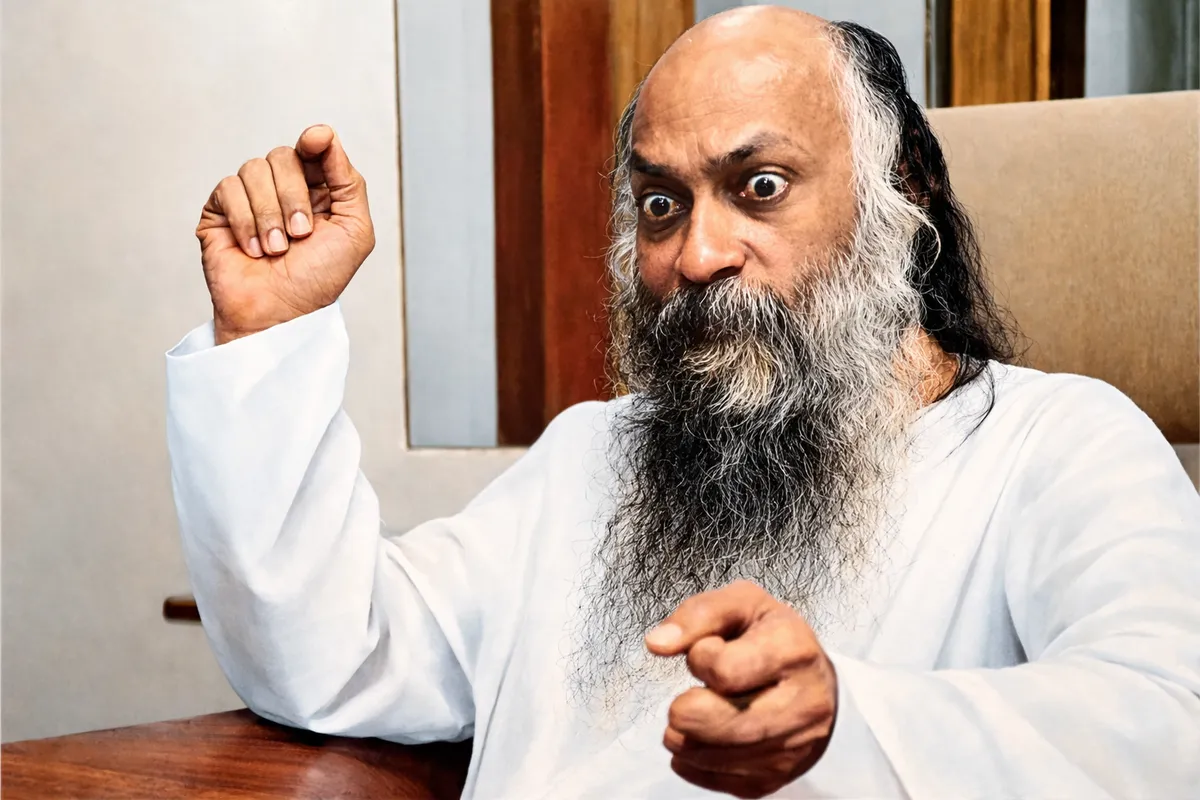
Osho's original Hindi beside Osho Live's English translation, matched passage by passage.
दसवां सूत्र, ‘पूछो पृथ्वी से, वायु से, जल से--उन रहस्यों को, जो वे तुम्हारे लिए छिपाए हुए हैं। तुम अपनी आंतरिक इंद्रियों के विकास के कारण यह कार्य कर सकोगे।’
The tenth sutra: “Ask of the earth, of the air, of the water—the secrets they hold for you. Through the development of your inner senses you shall be able to do this.”
दसवां सूत्र बहुत विचारणीय है। लंबी यात्रा के बाद, जिन सूत्रों की हमने बात की है, उनको समझ कर और उनको जीने के बाद, दसवें सूत्र पर प्रयोग किया जा सकता है, उसके पहले नहीं। उसके पहले तो यह बात ही बड़ी अजीब लगेगी, यह सूत्र बेबूझ मालूम पड़ेगा। कोई बहुत ही ज्यादा समझने की कोशिश करेगा, तो सोचेगा कि काव्य की बात है, सुंदर है, प्रतीक है। लेकिन यह काव्य नहीं है और न ही प्रतीक है। यह एक वैज्ञानिक तथ्य है। पर यह तथ्य विज्ञान का, सारे प्रयोग कर चुके हैं तो ही खयाल में आ सकता है।
The tenth sutra is well worth pondering. After a long journey—having understood and lived the earlier sutras—one may experiment with the tenth; not before. Earlier it will seem strange, incomprehensible, perhaps poetic, symbolic. But it is not poetry or symbol; it is a scientific fact—one that becomes apparent only after all the inner experiments are complete.
‘पूछो पृथ्वी से, वायु से, जल से--उन रहस्यों को, जो वे तुम्हारे लिए छिपाए हुए हैं।’
“Ask of the earth, of the air, of the water—the secrets they hold for you.”
यह अध्यात्म की गुह्य विद्या के कुछ बुनियादी आधारों में से एक है। इसे हम समझें।
This is among the basic foundations of the esoteric science of spirituality. Let us understand it.
इस जगत में जो भी श्रेष्ठतम सत्य की उदघोषणा होती है, वह शास्त्रों में तो संगृहीत होती ही है, लेकिन वह अस्तित्व में भी संगृहीत हो जाती है। शास्त्रों में तो भूल भी हो सकती है, क्योंकि आदमी संगृहीत करता है। लेकिन अस्तित्व में कोई भूल नहीं हो सकती, क्योंकि कोई संगृहीत करता नहीं, संगृहीत होती है।
Whatever supreme truths are proclaimed in this world are preserved in scriptures—and also in existence itself. In scriptures there can be error, because man compiles them. In existence there can be no error, because no one compiles it; it compiles itself.
बुद्ध बोले। पहला वचन बोधि-वृक्ष के नीचे प्रकट हुआ। उसके भी पहले बुद्ध को जो ज्ञान की परम-अवस्था हुई, वह बोधि-वृक्ष के नीचे घटित हुई। बौद्धों ने उस बोधि-वृक्ष को बचाने की कोशिश की है। वही बोधि-वृक्ष अब भी जीवित है। उसकी एक शाखा अशोक ने अपनी बेटी संघमित्रा और अपने बेटे महेन्द्र के हाथ लंका भेजी। बौद्ध भिक्षुओं ने, जो भविष्य में झांक सकते थे, उनको यह प्रतीति थी कि भारत में बौद्ध-धर्म बचेगा नहीं। बुद्ध ने भी घोषणा की थी कि मेरा धर्म अब पांच सौ वर्ष से ज्यादा भारत में न बच सकेगा। कारण? कारण था स्त्रियों का संघ में प्रवेश।
Buddha spoke. His first utterance manifested under the Bodhi tree. Before even that, the supreme state of knowing dawned to Buddha under that tree. The Buddhists have tried to preserve that very Bodhi tree; it is alive even now. A branch of it was sent by Ashoka with his daughter Sanghamitra and his son Mahendra to Lanka. The monks, who could peer into the future, felt that Buddhism would not survive in India. Buddha too had declared that his dharma would not last more than five hundred years in India. The reason? The entry of women into the order.
बुद्ध ने बहुत समय तक, स्त्रियों को संन्यास न दिया जाए, इसकी जिद्द पकड़े रखी। बहुत समय तक, वर्षों तक बुद्ध टालते रहे, कि स्त्रियों को संन्यास न दिया जाए। बौद्ध भिक्षुओं का संघ सिर्फ पुरुषों के लिए हो। लेकिन इसमें थोड़ी ज्यादती मालूम पड़ती थी। थी भी। और अनेकों, लाखों स्त्रियां भिक्षुणी होने को तैयार थीं, और उनकी प्रार्थना बढ़ती चली गई। और आखिर उनके दबाव में, और उनके प्रति करुणा के वश, बुद्ध राजी हुए। और बुद्ध ने स्त्रियों को संन्यास दिया। जिस दिन उन्होंने स्त्रियों को दीक्षा दी, उसी दिन उन्होंने कहा कि अगर मैं स्त्रियों को संघ में दीक्षा न देता, तो जो धर्म हजारों वर्ष चल सकता था, वह अब केवल पांच सौ वर्ष चलेगा।
For a long time Buddha insisted that women not be given sannyas. For years he postponed it; the sangha should be only for men. It seemed somewhat excessive. It was. Innumerable women were ready to become nuns; their petitions grew. At last, under their pressure and out of compassion for them, Buddha relented and gave initiation to women. The very day he did so, he said: if I had not admitted women, my dharma could have lasted thousands of years; now it will last only five hundred.
मैं भी बहुत सोचता था कि बुद्ध ने थोड़ी ज्यादती की, इतनी देर तक स्त्रियों को रोकना उचित न था। लेकिन जैसे-जैसे स्त्रियों से मेरा संपर्क बढ़ रहा है, वैसे-वैसे मुझे लगता है कि शायद उन्होंने ठीक ही किया था।
I too used to think Buddha overdid it, that it was not right to keep women out for so long. But as my contact with women increases, I begin to feel perhaps he was right.
स्त्रियों की जो भाव-दशा है, उनके काम करने का जो ढंग है, वह पुरुषों से बहुत भिन्न है। और उसके कारण, अकारण ही बहुत से उपद्रव खड़े हो जाते हैं, जिनसे कि बचा जा सकता था। और वे उपद्रव इस ढंग से खड़ा करती हैं; और इतना जाल बुन लेती हैं, भावना का, कल्पना का; और उसको इतना सत्य मान लेती हैं कि उन्हें उस कल्पना के बाहर खींचना मुश्किल है। वह दूसरों को भी अपने कल्पना-जाल में फंसा डालती हैं। स्त्री और पुरुष के विचार का काम भिन्न है, विपरीत है।
Women’s emotional state, their way of working, is very different from men’s. As a result, many needless disturbances arise, which could be avoided. They weave such webs—of feeling, of imagination—and hold them so true that to pull them out of those imaginings is difficult. They entangle others in their webs. Women’s and men’s modes of thought are different, even opposite.
पुरुष चलता है बुद्धि से, विचार से, तर्क से; तो उसके काम में एक व्यवस्था होती है, एक योजना होती है। स्त्रियां चलती हैं भाव से, कल्पना से, स्वप्न से; उनके काम में कोई व्यवस्था और कोई योजना नहीं होती। फिर तर्क और बुद्धि में तो दस लोग साथ राजी हो सकते हैं, कल्पना में कोई राजी नहीं हो सकता। कल्पना आपकी निजी होती है, तर्क सामूहिक हो सकता है। अगर मैं कोई तर्क दूं, तो हम निर्णय कर सकते हैं कि किस तरफ राजी हो जाना है। लेकिन अगर भावना की ही बात हो, तो निर्णय का कोई उपाय नहीं रहता। भावना निजी होती है।
A man moves by intellect, by thought, by logic; thus there is order and plan in his work. Women move by feeling, by imagination, by dream; thus their work has no plan or order. And ten people can agree upon logic, but no one can agree upon imagination—imagination is private, logic can be shared. If I offer a logical argument, we can decide which side to accept. But if it is all feeling, there is no method of decision. Feeling is private.
इसलिए स्त्रियां कभी संघबद्ध नहीं हो पातीं। चार स्त्रियों को भी इकट्ठा करना बहुत मुश्किल है। स्त्रियों की कोई सेना खड़ी करनी हो तो असंभव है। क्योंकि हर स्त्री सेनापति बन जाएगी, सैनिक नहीं बन सकती। और हर स्त्री आदेश जारी कर देगी, और आदेश मानने वाला कोई भी नहीं होगा। और हर स्त्री अपनी बात में इतनी दृढ़ होगी कि झुकने को भी राजी नहीं हो सकती। और झुकाने का कोई उपाय भी नहीं है, क्योंकि तर्क का तो कोई सवाल ही नहीं है। तर्क में तो सुविधा है कि हम सोच-विचार कर लें, कोई निष्कर्ष निकाल लें, कि क्या ठीक है। लेकिन भावना में कोई सुविधा नहीं है। दस-पच्चीस स्त्रियां इकट्ठी हो जाएं, तो वे इतना उपद्रव मचा सकती हैं, जितना कि पचास हजार पुरुष भी इकट्ठे हो कर नहीं मचा सकते। और काम करने की प्रक्रिया भिन्न है, ढंग भिन्न है।
Therefore women can never be easily organized. Even bringing four together is difficult. To build an army of women is impossible—every woman will become a commander; none can be a soldier. Every woman will issue orders; none will obey. Every woman will be so firm in her view that she cannot yield; and there is no way to make her yield, because logic is not in play. With logic there is the facility of thinking and concluding; with feeling there is none. Twenty or thirty women gathered can cause more upheaval than fifty thousand men. The working process is different; the manner is different.
इसलिए कभी-कभी तो मैं भी सोचता हूं कि बुद्ध ठीक थे। उन पर जोर देना शायद उचित नहीं हुआ। पहले मैं सोचता था कि यह करुणा नहीं है उनकी, क्यों स्त्रियों को रोकते हैं? अब मैं सोचता हूं कि शायद यही करुणावान हुआ होता कि स्त्रियों को वे रोक देते, तो धर्म उनका हजारों साल रह जाता। वह करुणा ज्यादा होती; कि स्त्रियों को दीक्षा दे कर पांच सौ साल में नष्ट हो जाए, यह करुणा ज्यादा होती--कहना मुश्किल है।
So sometimes I too think Buddha was right. Perhaps pressing him to admit women was not appropriate. Earlier I thought this was lack of compassion—why stop women? Now I think perhaps greater compassion would have been to keep them out, so the dharma might have lasted thousands of years. Which is the greater compassion—admitting women and having it vanish in five hundred years, or keeping them out? It is hard to say.
अशोक ने अपने बेटे और अपनी बेटी को बोधि-वृक्ष की एक शाखा लेकर लंका भेजा, ताकि यह बोधि-वृक्ष सुरक्षित रह सके। क्योंकि भारत में जिस दिन बुद्ध धर्म समाप्त होगा, उसी दिन बोधि-वृक्ष भी जला दिया जाएगा, तोड़ दिया जाएगा, मिटा दिया जाएगा--सूख जाएगा। वह बोधि-वृक्ष लंका में जिंदा रहा। और अभी कुछ ही वर्ष पहले उसमें से फिर शाखा ला कर वापस बोधि-वृक्ष को बुद्ध गया में पुनर्स्थापित किया।
Ashoka sent his son and daughter with a branch of the Bodhi tree to Lanka to safeguard it. Because the day Buddhism ended in India, the Bodhi tree would be burned, cut, destroyed—would dry up. That Bodhi tree stayed alive in Lanka. Only a few years ago, a branch from it was brought back and the Bodhi tree was re-established at Bodh Gaya.
इस वृक्ष के पीछे इतने लगाव का कारण सिर्फ भावना का नहीं है। इस वृक्ष ने बुद्ध के जीवन में जो परम-प्रकाश हुआ, वह अंकित किया है अपने में। यह वृक्ष उस प्रकाश को पी गया है। बुद्ध के अस्तित्व में जो विस्फोट हुआ, वह इस वृक्ष के रोएं-रोएं में समा गया है।
The attachment to this tree is not merely sentimental. The supreme illumination that happened in Buddha’s life is imprinted in it. This tree drank that light; the explosion of Buddha’s being pervaded every fiber of this tree.
तो आदमी ने जो संग्रह किया है बुद्ध के बाबत, उसमें तो भूलें हैं। भूलें होंगी। बड़ी कठिनाई है। बुद्ध बोलते हैं, तो भी पच्चीस सुनने वाले पच्चीस अर्थ निकालते हैं। बुद्ध के मर जाने के बाद इकट्ठा हुआ संघ, बुद्ध की वाणी इकट्ठी करने को, तो बड़ी अड़चन आई, कोई तालमेल न था। जो लोग सदा से उनके साथ रहे थे, उनमें भी भेद था। वे कहते, यह कभी कहा नहीं। कोई कहता था, यह उन्होंने सदा कहा। कोई कहता था, उसका यह अर्थ है। कोई कहता था, उसका यह अर्थ हो ही नहीं सकता। बड़ी कठिनाई थी। फिर किसी तरह सब के बीच छान-बीन कर जो सब में ताल-मेल खाता था, वह इकट्ठा किया गया।
What man has compiled about Buddha contains errors—inevitably. Buddha speaks and twenty-five listeners draw twenty-five meanings. After Buddha’s death, when the sangha gathered to compile his words, there was great difficulty; no agreement. Even those always with him differed. One said, “He never said this.” Another, “He said this always.” One, “It means this.” Another, “It can never mean that.” It was arduous. Somehow, sifting through, what matched across testimonies was compiled.
अगर बुद्ध आएं तो उसे बिलकुल इंकार कर देंगे, क्योंकि वह मौलिक है ही नहीं। पहले तो पचास लोगों ने इकट्ठा किया, फिर उसमें भी जिन-जिन में ताल-मेल नहीं खाता था, वे हिस्से अलग कर दिए। फिर सबकी बात जिसमें सहमति होती थी, वह इकट्ठी कर ली। अगर बुद्ध आएं, तो वे कहेंगे, यह तो मैंने कभी कहा नहीं।
If Buddha came today, he would deny it, because it is not original. First fifty people compiled it; then whatever did not match was removed; then only what everyone could agree on was kept. If Buddha appeared, he would say, “I never said this.”
ऐसा ही समझें कि मैं यहां कुछ बोल रहा हूं, फिर आप सब लोगों का मंतव्य लिया जाए कि मैंने क्या कहा है। फिर उसमें से सार निकाला जाए, जिसमें कोई नाराज न हो, कोई असहमत न हो, ऐसा सार-बिंदु खोजा जाए। तो आप इतना पक्का समझ लें कि वह कुछ भी हो, जो मैंने कहा है, वह नहीं हो सकता है। क्योंकि आप इतने लोग मिल कर उसको नष्ट ही कर देंगे।
Consider: I speak here; then your opinions are collected about what I said. From them a summary is extracted in which no one is offended, in which none disagrees. You can be quite sure: whatever that is, it will not be what I said. So many people together will destroy it.
लेकिन यह बोधि-वृक्ष के पास तो कोई मन नहीं है, यह बोधि-वृक्ष तो मौन, मूक है। इसके नीचे जो बुद्धत्व की घटना घटी, वह इस बोधि-वृक्ष में प्रविष्ट हो गई है। न केवल बोधि-वृक्ष में, बल्कि पास से बहती निरंजना में भी वह समाविष्ट हो गई है। उस पृथ्वी में जिसके पास इतना ज्वलंत प्रकाश हुआ, उस पृथ्वी के कणों में भी समाविष्ट हो गई। उस आकाश में जो उसका गवाह और साक्षी हुआ, उसमें भी प्रविष्ट हो गई।
But this Bodhi tree has no mind; it is silent and mute. What happened beneath it—Buddhahood—entered it. Not only into the tree, but into the nearby Niranjana river, into the earth whose particles were witness to such blazing light, into the sky that stood as witness—it entered all.
यह सूत्र यह कह रहा है कि ‘आंतरिक इंद्रियों को उपयोग में लाने की शक्ति प्राप्त करके, बाह्य इंद्रियों की वासनाओं को जीत कर, जीवात्माओं की इच्छाओं पर विजय पा कर और ज्ञान प्राप्त करके, हे शिष्य, वास्तव में मार्ग में प्रविष्ट होने के लिए तैयार हो जा। मार्ग मिल गया है, उस पर चलने के लिए अपने को तैयार कर।’
The sutra says: “Having acquired the power to use the inner senses, having conquered the desires of the outer senses, having overcome the cravings of the soul and attained knowledge, O disciple, prepare to enter the path. The path is found; prepare to walk upon it.”
‘पूछो पृथ्वी से, वायु से, जल से--उन रहस्यों को, जो वे तुम्हारे लिए छिपाए हुए हैं।’
“Ask of the earth, of the air, of the water—the secrets they hold for you.”
शास्त्रों से पूछने की जरूरत इसीलिए है कि हम अस्तित्व से पूछने की कला नहीं जानते हैं। अन्यथा बोधि-वृक्ष कहेगा कि क्या हुआ। अन्यथा निरंजना नदी कहेगी कि क्या हुआ। अन्यथा यह पृथ्वी कहेगी कि क्या हुआ। बुद्ध जब इस पृथ्वी पर चले, महावीर जब इस पृथ्वी पर बैठे, कृष्ण जब इस पृथ्वी पर नाचे, तो इस पृथ्वी की क्या संजोई हुई स्मृतियां हैं।
We need scriptures only because we do not know the art of asking existence. Otherwise the Bodhi tree will tell you what happened. The Niranjana will tell you. The earth will tell you what it witnessed when Buddha walked, when Mahavira sat, when Krishna danced.
अब तो धीरे-धीरे इसके वैज्ञानिक आधार भी मिलते जाते हैं। इसलिए यह बात समझनी आसान हो सकती है। वैज्ञानिक कहते हैं कि जैसे अभी मैं बोल रहा हूं, तो जो मैं बोल रहा हूं, वह वाणी कभी भी खोएगी नहीं। वह खो नहीं सकती, वह गूंजती ही रहेगी, गूंजती ही रहेगी--वायु की तरंगों में मौजूद रहेगी। और आज नहीं कल, वैज्ञानिक कहते हैं, ऐसे यंत्र के बनने की संभावना है कि हम अतीत की वाणियों को पकड़ सकें। कृष्ण ने सच में ही गीता युद्ध के मैदान पर कही है या नहीं कही है, इसका निर्णय हो सकेगा। क्योंकि जो वाणी है, वह नष्ट नहीं होती, वह गूंजती रहती है। सूक्ष्म हो जाती है, लेकिन गूंजती रहती है। सूक्ष्मतर हो जाती है, लेकिन गूंजती रहती है। उसको पकड़ा जा सकता है।
Now, slowly, scientific bases for this are emerging, so understanding becomes easier. Scientists say that words spoken are never lost. They cannot be lost; they keep reverberating in the waves of the air. Sooner or later, they say, an instrument may be invented that can capture voices of the past. We will be able to determine whether Krishna truly spoke the Gita on the battlefield or not, because sound does not perish; it reverberates—subtle, subtler, but still there. It can be captured.
ऐसा समझें कि अगर न्यूयार्क से रेडियो स्टेशन कुछ घोषणा करता है, तो आप यहां सुनते हैं। लेकिन न्यूयार्क से यहां तक आने में समय लगता है। अगर न्यूयार्क में दो मिनट पहले घोषणा की गई, तो आप दो मिनट बाद सुनते हैं। इसका क्या अर्थ हुआ? इसका अर्थ हुआ कि जो बात दो मिनट पहले हुई, वह दो मिनट बाद सुनी जा सकती है। अतीत की बात हो गई वह। वह घटी दो मिनट पहले थी, सुनी दो मिनट बाद गई।
अगर दो मिनट बाद सुनी जा सकती है, तो दो दिन बाद क्यों नहीं? क्योंकि सैद्धांतिक रूप से तो बात साफ हो गई कि अतीत भी पकड़ा जा सकता है। दो मिनट पहले जो हुआ था, वह दो मिनट बाद पकड़ा जा सकता है। तो दो दिन बाद क्यों नहीं? थोड़े और विस्तीर्ण यंत्र चाहिए, तो दो दिन बाद भी पकड़ा जा सकेगा। जब तक रेडियो नहीं था, तो हम दो मिनट बाद भी नहीं पकड़ सकते थे। अब हम दो मिनट बाद पकड़ सकते हैं। वैज्ञानिक प्रयोगशालाओं में इस पर काम चल रहा है। और वे कहते हैं कि असंभावना नहीं है कि हम अतीत को, दो हजार साल, दो लाख साल पहले भी जो वाणी प्रकट हुई हो, उसे हम पकड़ने में समर्थ हो जाएं। जटिलताएं हैं, लेकिन वाणी मौजूद है।
Consider: a New York radio station broadcasts; you hear it here. But it takes time to travel. If the announcement was made two minutes earlier in New York, you hear it two minutes later. What does this mean? It means what happened two minutes ago can be heard two minutes later—it becomes past. If two minutes later, why not two days later? In principle it is clear: the past can be caught. Previously, without radio, even two minutes later we could not catch it; now we can. Laboratories are working on this. They say it is not impossible that we could capture voices from two thousand, even two hundred thousand years ago. There are complexities, but the sound exists.
यह सूत्र उसी की बात कह रहा है। विज्ञान किस दिन पकड़ेगा पता नहीं। लेकिन जो व्यक्ति बाह्य इंद्रियों और अंतर इंद्रियों को विजय कर लेता है, इन सारे सूत्रों पर चल कर जो शून्य में विराजमान हो जाता है, जो ध्यान को उपलब्ध हो जाता है, वह व्यक्ति बिना किसी यंत्र के भी, सिर्फ ध्यान अपना फोकस कर ले, सिर्फ शांत हो जाए, और अपने ध्यान को अतीत में ले जाए, और उस जगह केंद्रित कर लें, जहां कृष्ण ने गीता कही, तो पुनः अंतर्वाणी में गीता सुनी जा सकती है।
This sutra speaks of that. When science will catch it, who knows. But the one who conquers outer and inner senses, who settles in the void, who attains meditation—that person, without any instrument, need only focus silently, take his attention into the past and center it where Krishna spoke the Gita; then inwardly the Gita can be heard again.
क्योंकि उस अंतर-जगत के लिए समय का कोई फासला नहीं है। वहां समय है ही नहीं। वहां कोई स्थान का फासला नहीं है, वहां कोई स्थान है ही नहीं। वह जो भीतर का केंद्र है, वह सनातन है। उस जगह से आप अतीत में जा सकते हैं और भविष्य में भी। तो फिर वायु में जो रहस्य छिपे हों, वह आपको पता चल जाएंगे।
Because in the inner realm there is no distance of time; there is no time there. There is no distance of space; there is no space there. That inner center is eternal. From there you can go to the past, and to the future. Then the secrets hidden in the air are revealed to you.
यह सूत्र कहता है, पूछो वायु से, पूछो पृथ्वी से, पूछो जल से--इन तीनों ने बहुत से रहस्य छिपाए हुए हैं।
The sutra says: ask of the air, ask of the earth, ask of the water—these three hold many secrets.
हिंदुओं ने अपने मंदिर नदियों के किनारे बनाए हैं, खास कारणों से। क्योंकि हिंदुओं के साधना-स्थल सभी नदियों के किनारे थे। वह भी खास कारणों से। हिंदुओं के सभी तीर्थ नदियों के किनारे हैं, वह भी खास कारणों से। हिंदू-साधना की जो गहनतम प्रक्रियाएं हैं, हिंदू ऋषि-महर्षियों ने जल में उनको संरक्षित किया है, इसलिए तीर्थ इतने मूल्यवान हैं।
Hindus built their temples on riverbanks for specific reasons. Their places of practice were on rivers—for specific reasons. All Hindu tirthas are on rivers—for specific reasons. The deepest processes of Hindu sadhana were preserved in water; hence the tirthas are so valuable.
लोग तो नासमझी की तरह यात्रा करते रहते हैं, गंगा की, जमुना की। चले जाते हैं तीर्थों में, संगम पर पहुंच जाते हैं, मेले जुटा लेते हैं। लेकिन उन्हें पता नहीं है कि जब प्राथमिक रूप से यह घटना शुरू हुई थी, तो इसके पीछे बड़े रहस्य थे। गंगा में हिंदुओं ने अपने जीवन-रहस्य के अनुभवों का सब कुछ छिपाया हुआ है। और जो व्यक्ति भी गंगा से पूछने में समर्थ हो सकता है, उसे उत्तर उपलब्ध हो जाएंगे। तो गंगा के किनारे जाकर बैठ जाना, कोई परंपरागत बात ही नहीं है, गंगा के किनारे बैठना बड़ा अर्थपूर्ण है।
People, in ignorance, keep traveling to Ganga, Yamuna—go to the confluence, gather fairs—without knowing that originally profound secrets lay behind this. Hindus hid their experiential secrets in the Ganga. One who can ask the Ganga can receive answers. So sitting by the Ganga is not merely tradition—it is meaningful.
जैनों ने अपने सारे मंदिर और सारे तीर्थ पहाड़ों पर बनाए हुए हैं, जान कर। क्योंकि नदियों के किनारे हिंदुओं ने अपनी धारणाओं को काफी दूर तक प्रविष्ट किया था। और दोनों के मिश्रित होने की और दोनों के एक-दूसरे में उलझ जाने की संभावना थी। तो जैनों ने अपने सारे तीर्थ पहाड़ों पर चुने हैं। और पर्वतों में उन्होंने अपनी धारणा को आविष्ट किया है।
The Jains built their temples and tirthas on mountains—deliberately. Because Hindus had deeply infused their processes along rivers; there was risk of the two mixing, getting entangled. So the Jains chose mountains for their tirthas and infused their vibrations into stone.
एक छोटे से पहाड़ पर, पार्श्वनाथ हिल पर, जैनों के बाईस तीर्थंकरों ने देह-त्याग की। चौबीस में से बाईस! आकस्मिक नहीं हो सकता। चौबीस तीर्थंकरों में से, हजारों साल की यात्रा में, बाईस तीर्थंकर एक ही पर्वत पर जा कर देह को त्याग करें! वे दो भी नहीं कर पाए तो कुछ आकस्मिक दुर्घटनाओं के कारण। अन्यथा योजना यही थी कि चौबीस के चौबीस तीर्थंकर एक ही पर्वत पर देह को त्याग करें। क्योंकि देह के त्याग के वक्त, तीर्थंकर से जो ज्योति उत्पन्न होती है, वह पत्थरों पर सदा के लिए अंकित हो जाती है। जो उस रहस्य को जानता है, वह पार्श्वनाथ हिल पर जा कर आज भी पहाड़ से पूछ सकता है, कि जब पार्श्वनाथ ने देह त्यागी, तो इस पर्वत पर क्या घटा, इस पर्वत ने क्या अनुभव किया?
On a small mountain, Parasnath Hill, twenty-two of the twenty-four Jain tirthankaras left their bodies. This is no accident. In thousands of years, twenty-two out of twenty-four on the same mountain! The two who did not were due to incidental mishaps. Otherwise the plan was for all twenty-four to depart there. Because at the time of leaving the body, the light that arises from a tirthankara is imprinted forever on the rocks. One who knows the secret can still go to Parasnath Hill and ask the mountain: what happened here when Parshvanath left his body—what did you experience?
प्रक्रियाओं में फर्क है। क्योंकि नदी में अगर अंकित करना हो तो और ढंग से अंकित करना होता है, क्योंकि नदी सतत प्रवाहशील है। अगर पर्वत पर कोई चीज अंकित करनी हो तो और ढंग से अंकित करनी होती है। पूरी प्रक्रिया, पूरा तंत्र अलग होता है, क्योंकि पर्वत स्थिर है।
The procedures differ. To imprint in a river requires one method, because the river is in constant flow. To imprint in a mountain requires another, because the mountain is still. The whole process and technology differ.
सारे धर्मों ने सिर्फ शास्त्र ही नहीं रचे हैं, क्योंकि शास्त्र तो बहुत ही कागजी चीज है, उसका ज्यादा भरोसा नहीं, उससे भी गहरे उपाय उन्होंने खोजे हैं। जैसे इजिप्त में पिरामिड बनाए हैं, इजिप्त के धार्मिक लोगों ने। उन्होंने पिरामिड की रचना में सब कुछ छिपा दिया है। पिरामिड की बनावट में, पिरामिड के पत्थर-पत्थर में, उसकी पूरी योजना में, सब छिपा दिया, जो उन्होंने जाना था। और जो पिरामिड को समझने वाले लोग हैं--अब कई तरह से खोज चलती है पिरामिडों की, वे चकित हैं कि कितना रहस्य! कहा जाता है कि इजिप्त ने जो भी जाना था, वह सब पिरामिड में डाल दिया है। लेकिन कुंजियां खो गई हैं। थोड़ा-बहुत कुछ कुंजी पकड़ में आती है कहीं से, तो थोड़े-बहुत रहस्य समझ में आते हैं। सारी दुनिया में किताब पर भरोसा पुराने धर्मों ने कभी नहीं किया। उन्होंने कुछ और उपाय किया। लेकिन पिरामिड भी आदमी की बनाई हुई चीज है, कितनी ही मजबूत हो, मिट सकती है। इसलिए भारत में हमने आदमी की बनाई हुई चीजों में छिपाने की कोशिश न करके प्रकृति के ही उपादानों में डाल देने की व्यवस्था की है।
All religions did not rely only on scripture—paper is unreliable. They found deeper ways. In Egypt, the religious built pyramids. In the design, in every stone, in the entire plan they hid everything they had known. Those who study the pyramids are amazed at the depth of mystery. It is said Egypt poured all it knew into the pyramids. But the keys have been lost. When a key is found here or there, some secrets are understood. Nowhere did the old religions rely on books alone. But pyramids are man-made; however strong, they can perish. Therefore in India we did not try to hide in man-made things; we placed it in nature’s own elements.
‘पूछो पृथ्वी से, वायु से, जल से--उन रहस्यों को, जो वे तुम्हारे लिए छिपाए हुए हैं।’
“Ask of the earth, of the air, of the water—the secrets they hold for you.”
एक विशेष ध्यान की अवस्था में, संपर्क स्थापित हो जाता है, उत्तर मिलने शुरू हो जाते हैं। लेकिन उसके पहले तुम्हारा हृदय इतना शांत हो जाना चाहिए कि तुम अपने उत्तर उसमें न डाल लो। नहीं तो सब विकृत हो जाएगा। तुम्हें इतना मौन हो जाना चाहिए कि तुम्हारी तरफ से जोड़ने का कोई उपाय न रहे। तो ही तुम्हें पता चलेगा कि क्या कहा जा रहा है। अन्यथा तुम अपना ही मिश्रित कर लोगे।
In a particular state of meditation, contact is established; answers begin to come. But before that, your heart must be so quiet that you do not project your own answers into it; otherwise everything will be distorted. You must be so silent that there remains no way for you to add anything—only then will you know what is being said. Otherwise you will mix in your own.
मेरे पास लोग आते हैं, वे कहते हैं कि आपने स्वप्न में हमसे ऐसा कहा! मैं उनसे कहता हूं कि तुम पहले चुप होना सीखो। नहीं तो स्वप्न भी तुम्हारा है और तुम्हारे स्वप्न में आया हुआ मैं भी तुम्हारा ही हूं, मैं नहीं हूं। स्वप्न भी तुम्हीं निर्मित कर रहे हो, मुझे भी तुम्हीं निर्मित कर रहे हो, और मुझसे जो वाणी तुम बुलवा रहे हो, वह भी तुम्हारी ही है। लेकिन तुम होशियार हो, क्योंकि तुम अपने पर तो भरोसा नहीं कर सकोगे, इसलिए तुम मुझसे बुलवा रहे हो। और तुम जो चाहते हो वही बुलवा रहे हो।
People come to me and say, “You told me this in a dream.” I tell them: first learn to be quiet. Otherwise the dream is yours, the ‘I’ in your dream is also yours; it is not me. You create the dream and you create me in it, and then you make me say what you want to hear—because you dare not trust yourself, so you make me your mouthpiece.
आदमी को स्वयं के साथ छल करने की इतनी संभावना है कि जिसका कोई हिसाब नहीं, अंत नहीं। मेरे पास ही आ कर लोग मुझसे कहते हैं कि आपने ही आदेश दिया था, इसलिए हमने ऐसा किया! कब तुमने मुझसे आदेश लिया था? कहते हैं, स्वप्न में आपने कह दिया था! और किया उन्होंने वही, जो वे करना चाहते थे! और कई दफे तो मैं इतना चकित हो जाता हूं कि मैं सामने ही उनको आदेश दे रहा हूं कि ऐसा मत करना, वे उसको सुन ही नहीं रहे हैं! वे कह रहे हैं कि आपने आदेश दिया था स्वप्न में, उसको हमने किया! और मैं सीधा आदेश दे रहा हूं, वह उसको सुन ही नहीं रहे हैं, करने की तो बात ही अलग है! इसको कहता हूं मैं छल। पर इसका उन्हें पता भी नहीं कि वे क्या कर रहे हैं! मैं उनसे कह रहा हूं प्रकट में कि ऐसा करो, उसको वे सिर हिला रहे हैं कि यह हमसे न होगा! लेकिन स्वप्न में मैंने कहा था, उसको मान कर उन्होंने किया! निश्चित ही, जो वे करना चाहते हैं, वही कर रहे हैं।
There is no end to the ways a person can deceive himself. People come and say, “You ordered it; therefore we did this!” When did you take orders from me? “You said it in a dream.” And what they did is precisely what they wanted to do. Many times I am amazed: I am directly telling them, “Do not do this,” and they do not even hear it. They say, “You ordered it in a dream, so we did it.” I am plainly instructing them; they do not hear it, much less do it. This is what I call deception—though they do not realize it. I tell them openly, “Do this,” and they shake their heads, “That we cannot do.” But what I supposedly said in a dream, that they obey! Clearly, they only do what they want.
जब तक तुम्हारा मन पूरी तरह शांत न हो गया हो, तब तक तुम वही सुनोगे, जो तुम सुनना चाहते हो। तब तक तुम वही करोगे, जो तुम करना चाहते हो। तब तक इस जगत के रहस्य तुम्हारे सामने न खुल सकेंगे। क्योंकि तुम अपनी ही भावनाओं, अपनी ही वासनाओं, अपनी ही कामनाओं से इस बुरी तरह भरे हो कि जगत कुछ प्रकट भी करना चाहे, तो प्रकट कर नहीं सकता है। लेकिन अगर ध्यान तुम्हारा सधता जाए और ऐसी घड़ी आ जाए, जब तुम अनुभव कर सको कि अब कोई भी विचार नहीं है, तो थोड़ा प्रयोग करना।
Until your mind has become completely quiet, you will hear only what you wish to hear. You will do only what you wish to do. The world’s secrets cannot open to you, because you are so jammed with your own feelings, desires, cravings that even if existence wants to reveal something, it cannot. But if your meditation deepens and such a moment comes when you can experience there is no thought, then experiment a little.
थोड़ा प्रयोग करना। ऐसे ध्यान की अवस्था में किसी वृक्ष के नीचे कुछ दिन प्रयोग करना। किसी भी वृक्ष के नीचे प्रयोग हो सकता है। लेकिन अगर कोई विशेष वृक्ष हो तो परिणाम बहुत शीघ्र और साफ होंगे। जैसे बुद्ध-गया का बोधि-वृक्ष है। अगर उसके नीचे बैठ कर तुम सात दिन ध्यान करते रहो। और तुम्हारा ध्यान जम गया हो, ठीक आ गया हो, तो फिर तुम वहां चले जाओ और सात रात बैठे रहो वृक्ष के नीचे, ध्यान करते हुए। और जब तुम्हें लगे कि तुम बिलकुल शून्य हो गए हो, तब तुम वृक्ष को सिर्फ इतना कह दो, कि तुझे कुछ मेरे लिए कहना हो तो कह दे। और तब तुम मौन बैठ कर प्रतीक्षा करते रहो। तुम हैरान हो जाओगे कि वृक्ष तुमसे कुछ कहेगा। और कुछ ऐसा कहेगा जो तुम्हारे पूरे जीवन को रूपांतरित कर दे।
Experiment a little. In such a meditative state, spend some days under a tree. Any tree can do. But if it is a special tree, the result will be quicker and clearer—like the Bodhi tree at Bodh Gaya. If you sit beneath it in meditation for seven days—if your meditation has ripened—then go there and sit seven nights under the tree, meditating. And when you feel utterly empty, say to the tree only this: “If you have anything to say to me, say it.” Then sit silently and wait. You will be astonished—the tree will say something to you, and something that can transform your whole life.
वृक्ष कुछ संजोए हुए है, कुछ संगृहीत किए हुए है, और केवल उन्हीं के लिए संजोए हुए है, जो पूछने की सामर्थ्य रखते हैं। वे पूछेंगे तो उनको उत्तर मिल जाएगा। लेकिन उतनी दूर जाने की भी कोई जरूरत नहीं है। यह आकाश सारे बुद्धों को अपने में समाए हुए है। इस पृथ्वी पर सारे महावीर और सारे जीसस और सारे कृष्ण चले और उठे हैं। इस पृथ्वी से ही पूछ सकते हो।
The tree has stored something, preserved something, and it is preserved only for those who have the capacity to ask. If they ask, they will receive the answer. But there is no need to go that far. This sky holds all the Buddhas within itself. Upon this earth, all the Mahaviras and all the Jesuses and all the Krishnas have walked and risen. You can ask the earth itself.
पूरी तरह ध्यान की अवस्था में पृथ्वी पर नग्न लेट जाओ, जैसे कोई छोटा बच्चा मां की छाती पर लेटा हो। और ऐसा ही खयाल कर लो कि यह पूरी पृथ्वी तुम्हारी मां है, तुम उसके स्तन अपने हाथ में लिए हुए उसकी छाती पर लेटे हुए हो। बिलकुल शांत और शून्य हो जाओ। और जब तुम्हें लगे कि अब तुम्हारे शरीर की मिट्टी में और उसकी मिट्टी में कोई फर्क न रहा, दोनों एक हो गई हैं, और तुम्हारे भीतर शून्य विराजमान हो गया है, तब तुम पूछ लो। यह पृथ्वी अगर तुम्हारे लिए कोई संदेश रखे है, तो तुम्हें उपलब्ध हो जाएगा। और तुम पाओगे कि ऐसा बलशाली संदेश तुमने कभी कहीं से नहीं पाया। उसके पाने के बाद तुम वही न रह जाओगे, जो तुम थे। और तब इस प्रक्रिया में गहरा उतरा जा सकता है। और इस तरह से बहुत सी चीजें उपलब्ध की जा सकती हैं, जो वैसे खो गई हैं।
In full meditation, lie naked upon the earth as a small child lies upon his mother’s breast. Feel that the whole earth is your mother—you hold her breast in your hand and lie upon her chest. Become utterly quiet and empty. When you feel that there is no difference between the soil of your body and her soil, that both have become one, and the void reigns within you, then ask. If the earth holds any message for you, it will be given. You will find that never before have you received such a powerful message. After receiving it you will not remain who you were. Then you can go deeper into this process. In this way, much that is otherwise lost can be obtained.
यह किताब भी मैबल कॉलिन्स की इसी तरह खोज कर पाई गई है। क्योंकि इसकी मूल-प्रति संस्कृत में तो खो चुकी है, हजारों साल पहले खो चुकी है। इसकी कोई मूल-प्रति अब नहीं है। मैबल कॉलिन्स ने यह तो इसी तरह के रहस्य-सूत्रों से वापस ये सूत्र उपलब्ध किए हैं। इसलिए वह इसकी लेखिका नहीं है। यह पुस्तक मैबल कॉलिन्स की लिखी हुई नहीं है। यह उसके द्वारा पढ़ी हुई है। उसने यह पढ़ा है जीवन के किन्हीं गुप्त द्वारों से। उसको उसने संगृहीत कर दिया है। ये सूत्र, उसने इतना ही उल्लेख किया है कि किसी खो गए संस्कृत ग्रंथ के हैं। मैं लेखिका नहीं हूं, मैंने इन्हें रचा नहीं है, मैंने इन्हें सुना है। और उनको वैसा ही संगृहीत कर दिया है, जैसे वे हैं।
This book by Mabel Collins too was recovered in this way. Its original Sanskrit manuscript was lost thousands of years ago. There is no original now. Mabel Collins obtained these sutras through such secret methods; therefore she is not their author. She did not write this book; she read it through certain hidden doors of life. She compiled what she heard. She herself notes that these sutras belong to some lost Sanskrit text. “I am not the author; I did not compose them; I heard them,” and she has preserved them as they are.
बहुत सी किताबें खो गई हैं। आदमी जो भी बनाता है, वह खो ही जाता है। लेकिन कोई और उपाय भी है, जिनसे जो खो गया है, उसे वापस पाया जा सकता है। बहुत सी किताबें प्रक्षिप्त हो गई हैं, उनमें बहुत कुछ डाल दिया गया है, जो बाद में लोग जोड़ते चले गए हैं। जब तक पृथ्वी से, आकाश से वापस उनकी मूल-प्रति न पाई जा सके, तब तक उन पुस्तकों पर भरोसा नहीं किया जा सकता। उनमें बहुत कुछ जोड़ा हुआ है, वह मूल नहीं है। लेकिन हमें कुछ पता नहीं उन कुंजियों का, जिनसे वायु का ताला खुल जाए। एक कुंजी स्पष्ट है, उसको मैं मास्टर-की कहता हूं। उससे सभी ताले खुल जाते हैं। और वह है तुम्हारी एक शून्य-अवस्था। तब तुम महावीरों से बोल सकते हो, बुद्धों से साक्षात ले सकते हो, कृष्ण की बांसुरी फिर से सुनी जा सकती है। लेकिन तुम्हारा शून्य हो जाना जरूरी है।
Many books are lost. Whatever man makes is lost. But there are other means by which the lost can be recovered. Many books have been interpolated; much has been added by later hands. Until their original can be recovered from the earth and sky, we cannot trust them, for much that is added is not original. But we do not know the keys that unlock the locks of the air. One master-key is clear—by it all locks open. It is your state of emptiness. Then you can speak with Mahaviras, meet Buddhas face to face; Krishna’s flute can be heard again. But your becoming a void is essential.
‘तुम अपनी आंतरिक इंद्रियों के विकास के कारण यह कार्य कर सकोगे।’
“You shall be able to do this through the development of your inner senses.”
ग्यारहवां सूत्र, ‘पूछो पृथ्वी के पवित्र पुरुषों से, उन रहस्यों को, जो वे तुम्हारे लिए संजोए हुए हैं। बाह्य इंद्रियों की वासनाओं को जीत लेने से तुम्हें यह रहस्य जान लेने कर अधिकार प्राप्त हो जाएगा।’
‘पूछो पृथ्वी के पवित्र पुरुषों से।’
The eleventh sutra: “Ask the holy ones of the earth the secrets they hold for you. By conquering the desires of the outer senses you shall obtain the right to know these secrets.”
यह पृथ्वी के पवित्र पुरुषों से पूछने की बात भी थोड़ी समझ लेने जैसी है।
“Ask the holy ones of the earth.”
This too needs a little understanding.
इस जगत में, जो शरीर लिए हुए हैं, वे ही अकेले नहीं हैं। इस जगत में अशरीरी पुरुष भी हैं, अशरीरी आत्माएं भी हैं। जब भी कोई व्यक्ति मरता है, तो अगर साधारण व्यक्ति हो--साधारण वासनाओं से भरा, साधारण शुभ आकांक्षाओं से भरा, साधारण बुराई, साधारण अच्छाई--तो क्षण भर भी नहीं लगता, उसका नया जन्म हो जाता है। क्योंकि साधारण आदमी के लिए साधारण गर्भ निरंतर उपलब्ध हैं, उनकी कोई कमी नहीं है। उसे कभी क्यू में खड़े होने की जरूरत नहीं पड़ती।
Those who carry bodies are not the only ones in this world; there are bodiless beings—disembodied souls. Whenever a person dies, if he is ordinary—full of ordinary desires and virtues and faults—he is reborn instantly, because ordinary wombs are always available; there is no shortage. He need not stand in any queue.
लेकिन अगर असाधारण बुराई से भरा हुआ आदमी हो, तो प्रतीक्षा करनी पड़ती है। क्योंकि असाधारण बुरा गर्भ पाने में कठिनाई है। हिटलर मरे तो प्रतीक्षा करनी पड़ती है। कभी-कभी सैकड़ों वर्ष भी लग सकते हैं जब ठीक इतना ही उपद्रवग्रस्त गर्भ मिले, जिसमें हिटलर पैदा हो सके। या असाधारण रूप से अच्छी आत्मा हो, बहुत साधु आत्मा हो, तो भी हजारों वर्ष लग जाते हैं। क्योंकि उतना श्रेष्ठ गर्भ पाना भी मुश्किल है। श्रेष्ठ और अश्रेष्ठ मुश्किल हैं। सामान्य, बिलकुल साधारण रोज उपलब्ध है। जो बुरी आत्माएं रुक जाती हैं बिना देह के, उन्हीं को हम प्रेत कहते हैं। जो भली आत्माएं रुक जाती हैं बिना देह के, उन्हें ही हम देवता कहते हैं। इसमें देवताओं का उल्लेख है।
But if someone is extraordinarily evil, there is a wait, because to find an equivalently disturbed womb is difficult. When a Hitler dies, he has to wait—sometimes for hundreds of years—until a womb as chaotic as his is found. Likewise, if someone is extraordinarily good, very saintly, there is a long wait; a suitably noble womb is hard to find. The extremely good and extremely bad are difficult; the ordinary is readily available. Those bad souls who remain without bodies we call ghosts; those good souls who remain without bodies we call devas. The reference here is to the devas.
‘पूछो पृथ्वी के पवित्र पुरुषों से, उन रहस्यों को, जो वे तुम्हारे लिए संजोए हुए हैं।’
“Ask the holy ones of the earth the secrets they hold for you.”
अगर तुम शांत हो सको, तो तुम पाओगे कि तुम एक दूसरे जगत में प्रवेश कर रहे हो। जहां बहुत सी अशरीरी आत्माएं तुम्हें सहायता करने को उत्सुक हैं, और बहुत सी बातें तुम्हें खोल सकती हैं, जो कि तुम अपने श्रम से जन्मों में भी नहीं उपलब्ध कर पाओगे। ये आत्माएं मोक्ष को उपलब्ध नहीं हो गई हैं, क्योंकि जो मोक्ष को उपलब्ध हो गई हैं, उनसे संपर्क स्थापित करना अति कठिन है। लेकिन जो आत्माएं अशरीरी हैं और केवल किसी शुभ जन्म की प्रतीक्षा कर रही हैं, उनसे संपर्क स्थापित कर लेना बहुत ही आसान है। सिर्फ एक ट्यूनिंग--जैसे रेडिओ पर तुम बटन को घुमाते हो, नॉब को घुमाते हो, ताकि ठीक स्टेशन पर कांटा रुक जाए। अगर जरा भी गड़बड़ हो, इधर-उधर हिला-डुला हो तो शोरगुल मचता है, कुछ पकड़ में नहीं आता है। अगर ठीक जगह रुक जाए, तो पकड़ में आना शुरू हो जाता है। ठीक तुम्हारा ध्यान भी, अगर ठीक जगह रोकने की कला आ जाए, तो तुम कहीं भी उस ध्यान को जोड़ ले सकते हो। बहुत सी आत्माएं उत्सुक हैं, जो तुम्हें सहायता कर दें और तुम्हारा बहुत सा काम हल कर दें। और बहुत सी आत्माएं उत्सुक हैं कि तुम्हें नुकसान पहुंचा दें, और तुम्हारा बहुत सा बना हुआ काम बिगाड़ दें।
If you can be quiet, you will find yourself entering another realm, where many disembodied souls are eager to help you; they can open many doors that you might not reach through your personal effort in many lifetimes. These souls have not attained liberation, because those who are liberated are extremely difficult to contact. But those disembodied souls waiting for an auspicious birth are easy to contact. It is only a matter of tuning—like turning the knob of a radio until the needle rests exactly at the station. If it is even slightly off, there is only noise. If it stops at the right point, reception begins. Likewise, if you master the art of stopping attention at the right spot, you can connect anywhere. Many souls are eager to help and lighten your work. Many souls are eager to harm and ruin what you have built.
जो लोग दुष्ट प्रकृति के हैं, वे दूसरे को परेशान करने में आनंदित होते हैं। जो भली प्रकृति के हैं, वे दूसरे को आनंदित करने में आनंदित होते हैं। तुम्हारे आसपास बहुत सी आत्माएं हैं, जो तुम्हें लाभ पहुंचा सकती हैं। और बहुत सी आत्माएं हैं, जो तुम्हें नुकसान पहुंचा सकती हैं। अगर तुम बहुत भयभीत हो, अगर तुम बहुत चिंताग्रस्त हो, अगर तुम्हारे मन में भीतर बहुत उत्पात चल रहा है, तो तुम्हारी बुरी आत्माओं से संबंधित होने की संभावना है। क्योंकि तुम तब बुरी आत्माओं के लिए खुले द्वार हो। अक्सर ऐसा होता है कि जब तुम भयभीत हो, तब तुम्हें भूत-प्रेत दिखाई पड़ जाते हैं। इसका कारण यह नहीं है कि भय के कारण वे पैदा हो जाते हैं। भय के कारण तुम उनसे संबंधित हो जाते हो। भय तुम्हें खोल देता है उनके प्रति।
Those of wicked nature delight in troubling others; the good delight in delighting others. Around you are many souls that can benefit you—and many that can harm you. If you are very fearful, anxious, tumultuous within, you are more likely to connect with bad souls, because then you are an open door to them. Often, when you are frightened, ghosts appear to you—not because fear creates them, but because fear connects you to them; fear opens you to them.
जब तुम अभय हो, शांत हो, आनंदित हो, तब तुम्हारा बुरी आत्माओं से कोई संपर्क नहीं बन सकता। उस तरफ से तुम्हारा द्वार बंद है। लेकिन उस क्षण में तुम्हारा अच्छी आत्माओं से संबंध बन सकता है। वह जो मैं निरंतर ध्यान में तुमसे कहता हूं कि आनंद के क्षण में ही, परम-आनंद के क्षण में ही तुम प्रभु से संयुक्त हो सकते हो, और कोई उपाय नहीं है। वह ट्यूनिंग है। तुम जब पूरे आनंद से भरे हो, तब तुम इस जगत का जो आनंद का स्रोत है, उससे जुड़ सकते हो। जब तुम दुख से भरे हो, तो इस जगत में जहां-जहां दुख का विस्तार है, तुम उससे जुड़ सकते हो।
When you are fearless, quiet, joyful, then your door to bad souls is closed. In those moments you can connect with good souls. That is why I keep saying in meditation: only in joy, in supreme joy, can you unite with the divine; there is no other way. It is a tuning. When you are filled with joy, you connect with the source of joy in existence. When you are filled with sorrow, you connect with the spread of sorrow in existence.
दुखी आदमी हम कहते हैं कि नरक में चला जाता है। जाने की कोई जरूरत नहीं है। दुखी आदमी सिर्फ नरक की तरफ खुल जाता है, नरक उसमें आ जाता है। सुखी आदमी स्वर्ग की तरफ खुल जाता है, स्वर्ग उसमें आ जाता है। आनंदित आदमी जीवन की परम-सत्ता की तरफ खुल जाता है, परम-सत्ता उसमें प्रवेश कर जाती है। तुम किस तरफ खुले हो? उसी तरफ तुम्हारे जीवन का विस्तार होना शुरू हो जाएगा।
A sorrowful man, we say, goes to hell—he need not go anywhere; he opens to hell, and hell enters him. A happy man opens to heaven, and heaven enters him. One who is blissful opens to the supreme being, and the supreme enters him. To which side are you open? In that direction your life will begin to expand.
यह सूत्र कहता है, ‘पूछो पृथ्वी के पवित्र पुरुषों से, उन रहस्यों को, जो वे तुम्हारे लिए संजोए हुए हैं। बाह्य इंद्रियों की वासनाओं को जीत लेने से तुम्हें यह रहस्य जान लेने का अधिकार प्राप्त हो जाएगा।’
This sutra says: “Ask the holy ones of the earth the secrets they hold for you. By conquering the desires of the outer senses you shall obtain the right to know these secrets.”
नग्नता का तो बहुत उपयोग है। सिर्फ नग्नता, नग्नता ही नहीं है इसलिए। तुम्हारे वस्त्रों के साथ तुम्हारी संस्कृति, तुम्हारी शिक्षा, तुम्हारे संस्कार, सभी जुड़े हुए हैं। उन्हें उतार कर रखते ही वह सब भी, जो तुम्हारे ऊपर चढ़ा है वस्त्रों की भांति, उतार कर रख दिया जा सकता है। नग्न होने का भय ही यही है कि मैं जैसा हूं, वैसा ही दिखाई न पड़ जाऊं।
Nudity has great utility. Only, nudity is not just nudity. Along with your clothes are tied your culture, your education, your conditionings. The moment you put them aside, much else that has been layered on you like garments can also be put aside. The fear of being naked is precisely this: that I might be seen exactly as I am.
बाह्य नग्नता तो प्रथम चरण है। वस्तुतः तो नग्न भीतर होना है, कि मैं जैसा हूं, वैसा ही प्रकट हो जाऊं। कोई नकाब, कोई चेहरा, कोई मुखौटा, कोई ऊपर का आवरण, जो झूठा है, मेरे ऊपर न रहे। लेकिन मनुष्य चूंकि बाहर ही जीता है, इसलिए बाहर की नग्नता भी भीतर की नग्नता की तरफ सहयोगी होती है। नग्न होने में भय भी लगता है। क्योंकि वस्त्रों ने तुम्हें वह रूप दिया है, जो तुम्हारे शरीर पर नहीं है। वस्त्रों ने तुम्हें ढांक रखा है, वस्त्रों ने तुम्हें छिपा रखा है। दूसरे की आंखों से तुम वस्त्रों के कारण बच जाते हो।
Outer nudity is only the first step. In truth, one has to be naked within, so that I am revealed just as I am. No veil, no face, no mask, no false covering remains on me. But since man lives outwardly, outer nudity also supports inner nudity. There is fear in being naked, because clothes have given you a form your body itself does not have. Clothes have covered you, hidden you. Because of clothes you are spared the other’s eye.
नग्न खड़े होने का अर्थ है, मैं जैसा हूं, बुरा-भला, सुंदर-असुंदर, वैसा प्रकट हूं और अपने को छिपाता नहीं हूं।
To stand naked means: I am as I am—good or bad, beautiful or unbeautiful—thus I appear, and I do not hide myself.
यह एक प्रतीक है। और सुबह के ध्यान में, दूसरे चरण में, जब कि मैं तुमसे कहता हूं कि जो भी तुम्हारे भीतर हो, उसे प्रकट कर दो; तो स्वभावतः वस्त्रों को फेंक देने का खयाल भी पैदा होता है। और वस्त्रों को जो उतार कर रख देता है, उसे दूसरे चरण में अपनी विक्षिप्तता को प्रगट करने में ज्यादा आसानी हो जाती है। क्योंकि जो नग्न होने को राजी हो गया, उसे अब दूसरे की चिंता नहीं है। अब वह चीख भी सकता है, चिल्ला भी सकता है, नाच भी सकता है। दूसरे की चिंता जैसे वस्त्रों के साथ ही उतर गई। दूसरे क्या कहेंगे, जिसको इस बात का भय है, वह तो वस्त्र भी नहीं उतार पाएगा। सहयोगी है कि वस्त्रों को उतार कर रख कर ही सुबह के ध्यान में प्रवेश किया जाए। लेकिन कुछ साधक उतना साहस नहीं भी कर पाते, तो बीच में भी दूसरे चरण में उन्हें ऐसा खयाल आ सकता है कि वस्त्र अलग कर दें, तब भी वस्त्रों को अलग कर देना उपयोगी है।
It is a symbol. And in the morning meditation, in the second stage, when I say to you: whatever is within you, express it—then naturally the idea also arises to throw off the clothes. And the one who removes the clothes finds it far easier in the second stage to express his or her madness. For the one who has agreed to be naked, concern for others is gone. Now he can scream, shout, dance. It is as if concern for others slipped off with the clothes. The one who fears, “What will people say?” will not be able even to take off clothes. It is helpful to put the clothes aside and then enter the morning meditation. But some seekers may not muster that courage at first; even if the thought comes during the second stage to remove the clothes, then too it is useful to put them aside.
यह उपयोगिता अगर वस्त्र सिर्फ वस्त्र ही होते, तो न होती। वस्त्रों के साथ बहुत कुछ जुड़ा है। जब तुम बच्चे की भांति पैदा हुए थे तो नग्न थे। जब भी तुम पुनः नग्न खड़े हो जाते हो, तुम अपने बचपन में वापस लौट जाते हो। वस्त्र तुम पर आरोपित किए गए हैं। जिस दिन से तुम्हारे ऊपर वस्त्र आरोपित किए गए, उसी दिन से तुम्हें शरीर का बोध हुआ। उसी दिन से शरीर में कुछ पाप है, शरीर में कुछ छिपाने योग्य है, शरीर में कुछ ढांकने योग्य है, शरीर में कुछ बुरा है, ये सारे भाव पैदा हुए। छोटे बच्चे को उसके मां-बाप, अगर वह नग्न बाहर आ जाए, तो डांटेंगे, डपटेंगे। तो शरीर के प्रति एक निंदा का भाव, वस्त्रों के साथ ही पैदा हुआ है।
This usefulness would not be, if clothes were only clothes. Much is bound up with them. When you were born like a child, you were naked. Whenever you again stand naked, you return to your childhood. Clothes were imposed upon you. From the day clothes were imposed, you became body-conscious. From that day the feelings arose that there is something sinful in the body, something to hide, something to cover, something bad. If a small child goes out naked, his parents scold him. Thus a condemnatory attitude toward the body arises along with clothes.
शरीर में कुछ बुरा है, विशेष कर जननेंद्रियां बुरी हैं, छिपाने योग्य हैं। उसके साथ ही तुम्हारा शरीर भी दो हिस्सों में बंट गया है। नीचे का शरीर कुछ बुरा है और ऊपर का शरीर कुछ अच्छा है! यह जो विभाजन है शरीर के भीतर, इसने तुम्हारी जीवन चेतना को भी दो खंडों में बांट दिया है। आमतौर से लोग अपने सिर को ही अपना मानते हैं, बाकी शरीर को अपना नहीं मानते! बहुत हुआ तो ऊपर के हिस्से को अपना मानते हैं, नीचे के हिस्से को ऐसा मानते हैं कि मजबूरी है। इससे तुम्हारे भीतर जो जीवन-ऊर्जा है, वह खंडित हो गई है। बच्चे के भीतर जीवन-ऊर्जा अखंड होती है, उसका वर्तुल होता है। तुम्हारे भीतर वह वर्तुल नहीं है। लेकिन जिस क्षण तुम साहस करते हो और वस्त्रों को उतार कर रख देते हो, उसी क्षण, वस्त्र पहनने के दिन से, वस्त्र जबर्दस्ती पहनाए जाने के दिन से, अब तक तुम्हारे चित्त पर जो-जो शरीर के संबंध में निंदा के भाव थे, वे भी हट जाते हैं।
There is something bad in the body—especially the genitals—bad, shameful. And with this your body was split into two parts: the lower body somewhat bad, the upper body somewhat good. This division within the body has split your life-energy into two fragments. Generally people regard only the head as their own; they do not even consider the rest of the body as theirs. At most they own the upper part and treat the lower part as a mere necessity. In this way, the life-energy within you has become fragmented. In a child the life-energy is unbroken; it moves in a circle. In you, that circle is broken. But the moment you dare to remove your clothes, from that very moment, since the day you were forcibly clothed, all the condemnations toward the body that have settled in your mind begin to drop.
तुम्हें खयाल ही न होगा कि हम इतने वस्त्रों में रहते हैं कि धीरे-धीरे हमें खुद भी भूल गया है कि वस्त्रों के बिना हमारा शरीर क्या है। वस्त्रों में हम एक कैद की तरह हैं, वस्त्र हटते ही हम मुक्त हो जाते हैं। पशु-पक्षियों की तरह मुक्त हो जाते हैं। उस मुक्तता का उपयोग किया जा सकता है।
You may not realize it, but we live in so many layers of clothing that gradually we ourselves forget what our body is without them. In clothes we are like in a prison; once they are removed, we are free—free like the animals and the birds. That freedom can be used.
इसलिए उपयोगिता तो बहुत है, लेकिन इस शिविर में मजबूरी थी। मजबूरी ऐसी थी कि या तो शिविर हो, तो नग्नता की सुविधा न हो सकेगी; नग्नता की सुविधा करनी हो तो शिविर न हो सकेगा। तो इन दोनों में जो कम बुराई थी, वही चुन लेनी उचित समझी। क्योंकि राजस्थान सरकार ने केवल दो दिन पहले खबर भेज दी कि वह अपने कोई मैदान, अपनी कोई संस्था, अपना कोई भवन नहीं दे सकेंगे। दो दिन पहले कोई भी व्यवस्था होनी मुश्किल थी। और साधक सारी दुनिया से आ चुके थे। भारत के साधक तो आने वाले थे, भारत के बाहर के साधक आ चुके थे। और कोई उपाय नहीं था। और सरकार को इतना तो हक है ही कि वह अपनी जमीन के लिए इंकार कर दे, कि वहां नग्न कोई नहीं हो सकेगा। उसके हक में भी कोई बुराई नहीं है, वह जमीन उनकी है; हमारे पास अपनी कोई जमीन नहीं है। यहां इस पैलेस होटल में जहां व्यवस्था की गई है, होटल व्यवस्थापकों की भी मजबूरी है, वे भी साहस नहीं जुटा सकते हैं कि नग्न होने का मौका दें। क्योंकि उनके लिए सवाल व्यवसाय का है।
So the usefulness is great. But there was a compulsion in this camp. The constraint was such that either the camp could be held, in which case nudity would not be possible; or if we allowed nudity, the camp could not be held. Between the two, it seemed wiser to choose the lesser evil. Only two days earlier the Rajasthan government informed us that they would not be able to provide any of their grounds, institutions, or buildings. With two days’ notice, no arrangement was possible. Seekers had come from all over the world. Those from India were on their way; those from outside India had already arrived. There was no other way. And the government does have the right to refuse the use of its land and to say that nudity cannot be permitted there. There is no injustice in that either; the land is theirs; we do not have our own land. Here, in this Palace Hotel where arrangements were made, the hotel management too had its constraints. They could not gather the courage to allow nudity, because for them it is a matter of business.
तो इसलिए मजबूरी थी कि सुबह की नग्नता पर प्रतिबंध लगा देना पड़ा। लेकिन इससे आप यह न समझें कि हमने कोई साधना की पद्धति बदल ली है। और इससे आप यह भी न समझें कि सरकार के सामने कोई हम झुक गए हैं। ये सारी बातें नहीं हैं। न तो कोई झुकने का सवाल है, न कोई व्यवस्था बदलने की बात है। सरकार ने हमें एक सुविधा ही दी और उससे लाभ ही होगा कि हम अपनी ही व्यवस्था शीघ्र कर पाएंगे, जहां किसी का कोई प्रतिबंध न हो सके।
Therefore we had to impose a restriction on morning nudity. But do not imagine that we have changed any method of the practice. And do not imagine that we have bowed before the government. None of this is so. There is no question of bowing, and no question of changing the arrangement. In fact, the government has done us a favor, and it will prove beneficial: we will make our own arrangements soon, where no one can impose any restrictions.
सरकार की अपनी मजबूरियां हैं; उसके ऊपर अपने दबाव हैं--समाज के, संस्कारों के, समूह के। लेकिन हमारी निजी व्यवस्था हो तो कोई दबाव डाला नहीं जा सकता। वह हमारी निजी व्यवस्था होगी। उसके भीतर जो नग्न होना चाहते हैं, वे हो सकते हैं। वह कोई पब्लिक, कोई सार्वजनिक जगह नहीं होगी। अब यह होटल है, सार्वजनिक जगह है, और लोग भी आ सकते हैं। तो जहां और लोग भी आ सकते हैं, वहां और लोगों का ध्यान भी रखना जरूरी है।
The government has its compulsions; it is under pressures—of society, of convention, of the collective. But if the arrangement is private, no pressure can be applied. It will be our own arrangement. Within it, those who wish to be naked can be naked. It will not be a public place. This hotel is a public place, where others can also come and go. Where others also have access, their sensibilities must be considered.
और फिर जीवन को बदलने की जो भी प्रक्रियाएं हैं, वे आमतौर से हमेशा ही समूह के विपरीत पड़ जाती हैं। नग्नता का ही सवाल नहीं है, नग्नता तो केवल प्रतीक है, हम जो भी कर रहे हैं, वह समूह की धारणाओं के प्रतिकूल पड़ेगा ही। क्योंकि समूह जीता है अंधे की भांति बिना सोचे-समझे। समूह जीता है परंपरा की लीक पर। जो परंपरा कहती है, उसे ठीक मानता है। चाहे उसे ठीक मानने के कारण उसे कितना ही दुख झेलना पड़ता हो। उसे खयाल भी नहीं होता कि मेरी मान्यताएं ही मेरे दुख का कारण हैं। जो लोग भी जीवन में क्रांति करने को उत्सुक हैं, उन्हें समूह की धारणाओं के पार तो उठना ही पड़ता है।
Moreover, any processes that transform life generally run counter to the herd. Nudity is not the only issue; it is merely a symbol. Whatever we are doing will go against the collective’s notions—because the collective lives blindly, unthinkingly. The collective moves in the ruts of tradition, considering right whatever tradition says is right, even if it must suffer for it. It never suspects that its very beliefs are the cause of its misery. Anyone eager for a revolution in life has to rise beyond the collective’s assumptions.
संन्यास का यही अर्थ है। संन्यास का अर्थ समाज को छोड़ना नहीं है, क्योंकि समाज को तो छोड़ा जा नहीं सकता। संन्यास का अर्थ है, समाज की धारणाओं के पार उठना। वह जो समाज जिसको ठीक समझता है, अगर वह अनुभव से ठीक मालूम पड़े तो ही मानना, अगर अनुभव से ठीक न मालूम पड़े, तो उससे भिन्न की खोज करना।
That is the meaning of sannyas. Sannyas does not mean leaving society; society cannot be left. Sannyas means rising beyond society’s assumptions. What society calls right is to be accepted only if it proves right by experience; if not, then seek what is different.
लेकिन फिर भी बुद्धिमान व्यक्ति को यह ध्यान रखना जरूरी है कि जिनके बीच हम जीते हैं, उनकी मान्यताएं, उनकी धारणाएं, हम अपने लिए तो छोड़ सकते हैं, लेकिन उनकी धारणाओं को हम तोड़ें, वह उचित नहीं है। हम अपने लिए उनकी धारणाएं तोड़ सकते हैं, हम धारणाओं से मुक्त हो सकते हैं। वह हमारी निजी स्वतंत्रता है। लेकिन मैं आपसे नहीं कहूंगा कि आप सड़क पर जा कर नग्न खड़े हो जाएं, क्योंकि सड़क आपकी नहीं है। और सड़क के आसपास रहने वाले जो लोग हैं, उनको किसी भी बात से दुख हो, ऐसा कोई भी काम करना उचित नहीं है। लेकिन मैं सड़क के लोगों से भी कहना चाहता हूं कि उनका भी यह हक नहीं है कि कोई एकांत निर्जन में अपनी व्यवस्था के भीतर नग्न खड़ा हो, तो वह उसमें अड़चन पैदा करें। व्यक्ति की स्वतंत्रता का मूल्य होना जरूरी है।
Yet a wise person must also remember that among those with whom we live, their beliefs and assumptions—we can abandon them for ourselves, but it is not appropriate to break theirs. We can drop them for ourselves; we can free ourselves from assumptions—that is our personal freedom. But I will not tell you to go stand naked on the street, because the street is not yours. If people living along the street would be hurt by something, it is not proper to do it. At the same time, I would tell those people that they have no right to interfere if someone stands naked in solitude within his or her own arrangements. Individual freedom must be valued.
लेकिन व्यक्ति की स्वतंत्रता का कभी भी यह अर्थ नहीं है कि वह स्वतंत्रता स्वच्छंदता हो जाए। तुम्हें मैंने अगर कहा भी है कि सुबह के ध्यान में नग्न हो सकते हो, तो वह तुम्हें कोई नग्न होने की छूट नहीं दे दी है कि तुम कहीं भी नग्न हो सकते हो। और अगर तुम कहीं भी नग्न होना चाहो, तो उसका अर्थ ही यह हुआ कि तुम्हें ध्यान में रस नहीं है, तुम्हें नग्नता में रस है। वह रोग है। फिर तो रोग हो गया, उलटा रोग हो गया। कोई वस्त्रों के दीवाने हैं, तुम नग्नता के दीवाने हो गए। उसमें कुछ फर्क न रहा। नासमझी उलटी हो गई। तुम शीर्षासन करके खड़े हो गए। कोई पागल है, वह कहता है, वस्त्र उतारना नहीं, चाहे कुछ भी हो जाए।
But individual freedom never means license. Even if I have said that you can be naked in the morning meditation, it does not grant you the freedom to be naked anywhere and everywhere. If you wish to do that anywhere, it means you have no interest in meditation; you are infatuated with nudity. That is an illness—just the reverse kind. Some are obsessed with clothing; you become obsessed with nudity. There is no difference—the foolishness has merely flipped; you are standing on your head. Someone madly declares, “Never remove clothes, whatever happens!”
मैंने एक ईसाई साध्वी के संबंध में पढ़ा है कि वह अपने स्नानगृह में भी वस्त्र पहन कर ही स्नान करती थी! तो उसके साथियों-संगियों ने कहा कि तू बिलकुल पागल है, स्नानगृह में तेरे अतिरिक्त तो कोई होता नहीं, तो वहां कपड़े पहन कर स्नान करने का क्या अर्थ है? स्नान का तो मजा ही चला गया! तो उस साध्वी ने कहा कि जब से मैंने बाइबिल में यह पढ़ा है कि परमात्मा तुम्हें सब जगह देख रहा है, तब से मैं बाथरूम में भी नग्न नहीं हो पाती।
I read of a Christian nun who bathed with her clothes on even in her bathroom. Her companions said, “You are mad. No one is in the bathroom except you. What is the point of bathing clothed? It spoils the very joy of bathing!” The nun said, “Ever since I read in the Bible that God sees you everywhere, I have not been able to be naked even in the bathroom.”
यह एक पागलपन है। और अगर परमात्मा सभी जगह देख रहा है, तो कपड़ों के भीतर नहीं देख सकेगा? उसे कपड़े क्या अड़चन देंगे? जब दीवाल अड़चन नहीं दे रही है, तो कपड़े क्या अड़चन देंगे? और परमात्मा भी कोई पीपिंग टॉम है कि हर किसी के बाथरूम में झांक रहा है! तो रुग्ण है फिर तुम्हारा परमात्मा भी।
This is madness. And even if God sees everywhere, will he not be able to see through clothes? Will clothes hinder him? When the wall does not hinder him, will cloth hinder him? And is God some Peeping Tom peering into everyone’s bathroom? Then your God too is sick.
आदमी खुद रुग्ण हो तो वह अपने परमात्मा को भी रुग्ण कर लेता है। तुम्हारे रोग तुम्हारे देवी-देवताओं पर हावी हो जाते हैं। क्योंकि तुम्हारे ईश्वर की धारणा भी तुम्हीं तो निर्मित करते हो। अगर घोड़े ईश्वर की धारणाएं बनाएं, तो उसका चेहरा आदमी जैसा नहीं बनाएंगे, घोड़े जैसा ही बनाएंगे। अगर नीग्रो ईश्वर बनाते हैं तो वे उसको काला ही चित्रित करते हैं। उनके ईश्वर के ओंठ नीग्रो के ओंठ होते हैं, उनके ईश्वर के नीग्रो के बाल होते हैं। अगर चीनी ईश्वर को बनाते हैं, तो उसकी गाल की हड्डियां निकालते हैं, चपटी नाक रखते हैं।
When a person is sick, he creates a sick God. Your ailments dominate your deities, because you fashion your concept of God yourself. If horses imagined God, they would not give him a human face; they would make him horse-like. If Black people create God, they depict him Black—their God’s lips are Black people’s lips, his hair like Black people’s hair. If the Chinese create God, they protrude his cheekbones and give him a flat nose.
हम अपने ईश्वर को अपनी ही शकल में बनाते हैं। तो हमारे जो रोग होते हैं, वे हमारे ईश्वर पर भी हावी हो जाते हैं। अब ये आदमी एक-दूसरे के बाथरूम में झांक कर जरूर देखना चाहते हैं। यह आदमी का रोग है। ये ईश्वर भी ऐसा बना लेते हैं, जो सब जगह झांक रहा है!
We make our God in our own image; thus our diseases dominate our God as well. People like to peep into one another’s bathrooms—that is man’s sickness. They then make such a God who peeps everywhere!
नग्न होने का मोह अगर पैदा हो जाए, तो वह भी रोग है, बीमारी है। ध्यान रहे, आपका नग्न होना एक बात है। और आप दूसरों को नग्न हो कर दिखाएं, यह दूसरी बात है। इन दोनों में फर्क है। आप का नग्न होना सहज हो सकता है। लेकिन आप नग्न हो कर दूसरे को दिखाने में उत्सुक हों कि कोई देखे, तो मनोविज्ञान में उसे वे कहते हैं, एक्जीबिसनिस्ट। वह प्रदर्शनवादी जो है, वह रोगी है।
If a fascination for being naked arises, that too is a disease. Understand the difference: your being naked is one thing; your eagerness to display yourself naked to others is another. There is a distinction between the two. Your being naked can be natural. But if you are eager to be seen, in psychology that is called exhibitionism. The exhibitionist is a patient.
इसे थोड़ा समझें। मनोविज्ञान दो तरह की बीमारियां बताता है इस संबंध में। एक को वह कहता है, व्योरिज्म--दूसरा नग्न हो, ऐसा देखने में रस लेना। एक को कहता है, एक्जीबिसनिज्म--हम नग्न हों और दूसरे देखें, इसमें रस लेना। ये दोनों बीमारियां हैं। ये दोनों सहज नहीं हैं। पुरुष अक्सर वोयूर होते हैं। पुरुषों को जो बीमारी होती है, वह झांक कर स्त्रियों को देखने की होती है। स्त्रियां एक्जीबिसनिस्ट होती हैं। उनकी जो बीमारी होती है, वह यह होती है कि उनको कोई झांक कर देखे। इसलिए स्त्रियां सारा उपाय करती हैं। ऐसे वस्त्र पहनती हैं, ऐसे गहने लगाती हैं, ऐसा सारा इंतजाम करती हैं कि कोई देखे। और पुरुष सारा इंतजाम करते हैं कि किस भांति देखें। मगर ये दोनों रोग हैं।
Understand this a little. Psychology points to two kinds of illness in this regard. One is voyeurism—taking pleasure in seeing others naked. The other is exhibitionism—taking pleasure in our being naked and being seen by others. Both are illnesses. They are not natural. Men are often voyeurs; their illness is to peep at women. Women are often exhibitionists; their illness is to be peeped at. Hence women do all they can—wear such clothes, such jewelry, make such arrangements that someone will look; and men make all arrangements for how to look. But both are diseases.
और आप जान कर हैरान होंगे कि दोनों रोग ही वस्त्रों के कारण पैदा हुए हैं। अगर आप एक आदिवासी समाज में चले जाएं, जहां पुरुष-स्त्रियां नग्न हैं, तो न तो वहां वोयूर होता है, और न एक्जीबिसनिस्ट होता है। वहां न तो कोई देखने में उत्सुक होता है, क्योंकि देखने को बचा क्या है? जिसमें उत्सुकता रखो। सभी नग्न हैं, देखने को है क्या? देखने की उत्सुकता तो जब कुछ छिपाया हो, तब होती है। जब बातें खुली ही हों, तो देखने को क्या है? तो आदिवासी समाज में, जहां स्त्री-पुरुष नग्न हैं, न तो कोई देखने में उत्सुक है, न कोई दिखाने में उत्सुक है। देखने-दिखाने का रोग वस्त्रों के साथ पैदा हुआ है। फिर रोग कितना बढ़ सकता है, उसका हिसाब लगाना मुश्किल है।
And you will be surprised to know that both illnesses arose because of clothing. If you go to a tribal society where men and women are naked, neither voyeurs nor exhibitionists are found. No one there is eager to see, because what is left to see? Everyone is naked, so what is there to be curious about? Curiosity arises when something is hidden. When things are in the open, what is there to see? Thus in tribal societies where men and women are naked, neither is anyone eager to see nor to be seen. The sickness of showing and seeing arose with clothing. How far the disease can go is hard to fathom.
कितने चित्र, कितनी कहानियां, कितनी फिल्में, कितनी पत्रिकाएं, सिर्फ इसलिए छपती हैं और बिकती हैं कि उनमें नग्न चित्र छपते हैं। और सारी दुनिया की सरकारें रुकावट लगाती हैं कि यह न हो। लेकिन यह नहीं रुक पाता। अंडर-ग्राउंड प्रेस हैं, भारी प्रचार चलता है, करोड़ों रुपए का साहित्य नीचे-नीचे बिकता रहता है। कोई दुनिया की ताकत उस पर रोक लगा नहीं पाती। बल्कि जितनी रोक लगाई जाती है, उतना ब्लैक-मार्केट में वह सारा का सारा साहित्य बिकता है।
How many pictures, stories, films, magazines are produced and sold simply because they carry nude images. And governments all over the world try to block it; still, it does not stop. Underground presses flourish; an enormous circulation continues beneath the surface; millions of currency worth of material sells. No worldly power can stop it. In fact, the more you suppress, the more it sells on the black market.
पर यह बड़े आश्चर्य की बात है कि आदमी क्यों किसी को नग्न देखने में इतना उत्सुक है?
But how amazing that people are so eager to see someone nude!
आप जान कर चकित होंगे कि आप उन्हीं हिस्सों को देखने में उत्सुक होते हैं, जो ढंके हैं। जो उघड़े हैं, उनको देखने में उत्सुक नहीं होते। जिन लोगों ने वस्त्रों की ईजाद की, शायद आप सोचते होंगे कि वे लोग कामवासना के बड़े विपरीत थे, इसलिए ईजाद किए, तो आप गलती में हैं। जिन्होंने वस्त्रों की ईजाद की, उन्होंने आदमियों को कामातुर बनाने का बड़ा भारी उपाय किया। क्योंकि जो अंग छिपा दिए गए हैं, उनमें बहुत रस पैदा हो गया है, रुग्ण रस पैदा हो गया है। इस रस का कोई भी कारण नहीं है, शरीर सहज बात है। लेकिन उसको छिपा-छिपा कर हमने, निषेध कर-कर के बहुत रस पैदा कर दिया। सारी दुनिया इस रस से ग्रस्त हो गई है।
You will be astonished to know: you are eager to see precisely those parts that are covered. You are not curious about what is already exposed. If you think those who invented clothing were great opponents of sexuality and that is why they invented it, you are mistaken. Those who invented clothing devised a massive method to make people lustful. By hiding certain parts, an unhealthy fascination for them has arisen. There is no reason for this fascination; the body is a natural thing. But by hiding it and by prohibiting it we have generated great excitement; the whole world is besotted with it.
तो आप दोनों बातें खयाल रखें। न तो दूसरे को नग्न देखने में उत्सुकता लेनी कोई समझदार व्यक्ति की बात है। और न ही कोई उसे नग्न देखे, इसमें कोई रस लेना किसी समझदार व्यक्ति की बात है। ये दोनों रोग हैं। और ये दोनों रोग आपके वस्त्रों के साथ ही रख दिए जाने चाहिए। तो ही आपकी नग्नता में अध्यात्म प्रविष्ट होता है। तो ही आपकी नग्नता अश्लील नहीं रह जाती।
So remember both points. Neither is taking pleasure in seeing another naked a sign of an intelligent person, nor is taking pleasure that no one sees you naked a sign of intelligence. Both are diseases—and both should be put aside along with your clothes. Only then does spirituality enter your nudity. Only then does your nudity cease to be obscene.
लेकिन यह तो आपकी बात है। समाज इसके लिए राजी होगा, जरूरी नहीं है। क्योंकि समाज तो उन्हीं रुग्ण बातों से भरा हुआ पड़ा है। अखबार राजी होंगे, यह सवाल नहीं है। अखबार छापने वाला, पत्रकार, वे सब उन्हीं रुग्ण बातों से भरे पड़े हैं। उनकी भी तकलीफ वही है, उनकी भी अड़चन वही है। सरकार राजी हो जाएगी, ऐसा नहीं है। क्योंकि सरकार के पदों पर जो लोग बैठे हैं, उन्हें कोई अध्यात्म की जरा सी भी झलक होती, तो वहां नहीं होते, कहीं और होते। इसलिए वे कोई राजी हो जाएंगे, यह सवाल नहीं है। उनको राजी करने की कोई जरूरत भी नहीं है, कोई प्रयोजन भी नहीं है। उनकी तरफ ध्यान भी देने की जरूरत नहीं है कि वे क्या कर रहे हैं। लेकिन इतना तो तय है कि वे बाधा और अड़चन डाल सकते हैं। लेकिन बाधा और अड़चन वे तभी डाल सकते हैं, जब आप भी नग्नता को रोग की तरह पकड़ लें। नहीं तो वे भी बाधा और अड़चन नहीं डाल सकते। यह हमारी निजी साधना की बात है, और निजी स्थल पर है।
But this pertains to you. Society will not necessarily agree, because society is filled with these very sicknesses. Newspapers will not agree; the journalists are full of the same maladies; they have the same difficulties and hindrances. Governments will not agree; those who sit in government posts—if they had even a glimpse of spirituality, they would not be sitting there; they would be elsewhere. So they will not agree; nor is there any need to make them agree. There is no purpose in that. There is no need even to pay attention to what they do. But one thing is certain: they can create obstacles. And they can do so only when you too cling to nudity as a disease. Otherwise, they cannot obstruct. This is our private practice, on a private site.
मैं तो पक्ष में नहीं हूं कि इस बात के भी कि जैन मुनि भी सड़क पर नग्न निकलें। क्योंकि सड़क निकलने वाले की ही नहीं है, सड़क पर जो लोग रहते हैं, उनकी भी है; जिनको दिखाई पड़ता है, उनकी भी है। अगर वे नहीं देखना चाहते हैं, तो उनकी आंखों पर हमला करना उचित नहीं है। वे ठीक हैं या गलत, यह सवाल नहीं है। लेकिन आंख मेरी है और मैं आपको नग्न नहीं देखना चाहता हूं, तो आपको ऐसी जगह खड़े नहीं होना चाहिए, जहां से आप मुझे नग्न दिखाई पड़ें। और आप ऐसी जगह खड़े होते हैं, तो उसका मतलब ही यह है कि आपको नग्न होने में रस कम है, कोई आपको नग्न देखे, इसमें ज्यादा रस है। तब तो बात ही व्यर्थ हो गई। तब तो यह हुआ कि हम एक रोग को छोड़ कर दूसरे रोग में पड़ गए। कुएं से बचे तो खाई में गिर गए।
I am not in favor even of Jain monks walking naked on public roads. The street does not belong only to the one who walks upon it; it belongs also to those who live by it, to those who must see. If they do not wish to see, it is not proper to assault their eyes. Whether they are right or wrong is not the question. But my eyes are mine, and if I do not want to see you naked, you should not stand where you appear naked to me. And if you do, it means you have less interest in being naked and more in being seen naked. Then the point is lost; one disease has been swapped for another—you escaped the well only to fall into the ditch.
मैं कोई नग्नतावाद का प्रचारक नहीं हूं। लेकिन नग्नता का एक उपयोग हो सकता है साधना में, उसमें जरूर मेरी सहमति है। लेकिन समाज का ध्यान रखना सदा ही जरूरी है। इसलिए नहीं कि आप समाज से कोई डरते हैं, यह डर का कोई सवाल ही नहीं है। लेकिन यह तो ऐसा ही हुआ कि जैसे कोई हार्न बजा रही हो बस और आप सामने ही खड़े रहें, कि हम डरते थोड़े ही हैं, जो रास्ते से हटें? तो आप पागल हैं। हार्न बज रहा हो और बस आ रही हो, तो कोई डर की वजह से थोड़े ही हटता है। कि जो हट जाए उसको आप कहेंगे कि डरपोक हो, क्योंकि जब बस आ रही थी, तब आप हटे क्यों? जब हार्न बज रहा था, तब खड़े रहना था। तो कोई पागल होता तो खड़ा रहता।
I am no propagandist for nudism. But nudity can have a use in practice—that I certainly agree with. Still, society’s sensibilities must always be kept in view. Not because you fear society—fear is not the point at all. It is like this: a bus is blaring its horn, coming straight at you; if you stubbornly stand in front saying, “I am not afraid; I will not move,” then you are mad. One does not step aside out of fear, but out of intelligence. If someone does step aside, would you call him a coward? “When the bus was coming and the horn sounded, why did you move? You should have stood firm.” Only a madman would stand there.
जीवन में झुकने की कोई जरूरत नहीं है, लेकिन जीवन में व्यर्थ अकड़े रहने की भी कोई जरूरत नहीं है, और दोनों के बीच मार्ग खोज लेना जरूरी है।
There is no need to bend in life, but there is also no need to be stiff for no reason. One has to find the middle path.
इसलिए यहां जो एक ही उपाय था कि शिविर हो सकता, तो नग्नता पर रोक लगानी जरूरी थी, नहीं तो शिविर नहीं हो सकता था। दोनों में यही उचित पाया कि नग्नता पर प्रतिबंध लगा देना उचित होगा। थोड़ी बाधा तो पड़ेगी ही, लेकिन उस बाधा से इतना नुकसान नहीं होगा, जितना शिविर के न होने से होता। और मैं किसी भी मामले में अंधा नहीं हूं। और किसी भी मामले में मुझे किसी तरह का पागलपन नहीं है। जो उचित हो, और जो सुगम हो, और जिस भांति अधिक लोगों को लाभ हो सके, सदा उस पर ही विचार कर लेना उचित है।
Thus here the only way to hold the camp was to impose a ban on nudity; otherwise the camp could not be held. Between the two, it was right to prohibit nudity. There will be a slight hindrance; but the loss from that hindrance is far less than the loss of the camp itself. I am not blind on any matter, nor am I possessed by any mania. What is appropriate, what is practical, and what will benefit the most people—that is always to be considered.
‘आंतरिक इंद्रियों को उपयोग में लाने की शक्ति प्राप्त करके, बाह्य इंद्रियों की वासनाओं को जीत कर, जीवात्मा की इच्छाओं पर विजय पा कर और ज्ञान प्राप्त करके, हे शिष्य, वास्तव में मार्ग में प्रविष्ट होने के लिए तैयार हो जा। मार्ग मिल गया है, उस पर चलने के लिए अपने को तैयार कर।’
“Acquiring the power to use the inner senses, having conquered the desires of the outer senses, having overcome the cravings of the soul and having attained knowledge, O disciple, prepare thyself indeed to enter the path. The path is found; prepare thyself to walk upon it.”