
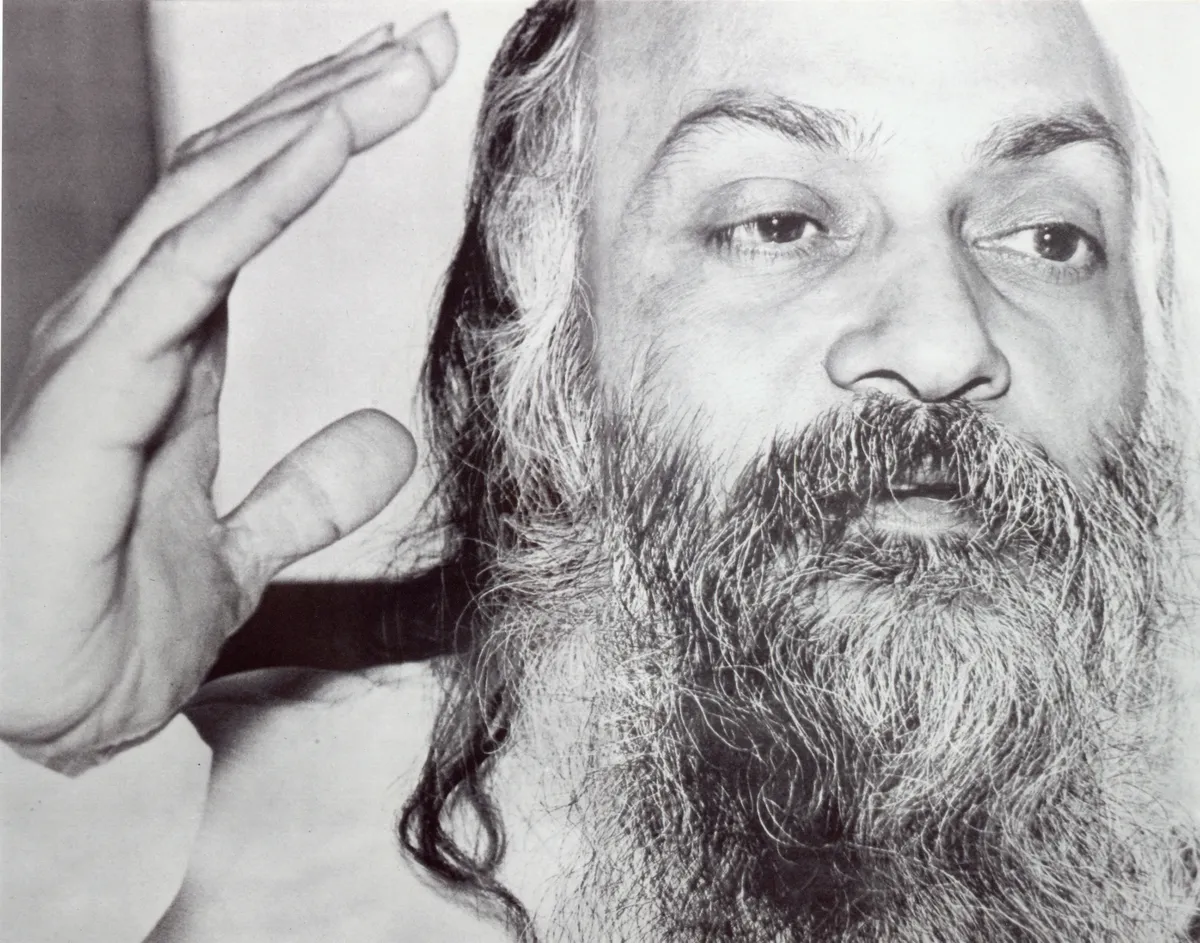
Osho's original Hindi beside Osho Live's English translation, matched passage by passage.
जीवन-सत्य की खोज में जो बड़ी से बड़ी कठिनाई हो सकती है, वह है जीवन के प्रति असम्मान का भाव। और हम सबके भीतर जीवन के प्रति असम्मान का भाव है। और यह बात उलटी लगेगी और समझने में थोड़ी मुश्किल पड़ेगी कि तथाकथित धर्मों ने ही हमें जीवन के प्रति असम्मान से भर दिया है, जब कि वास्तविक धर्म हमें जीवन के प्रति सम्मान से भरेगा।
In the search for the truth of life the greatest difficulty is this: a fundamental disrespect for life. And within all of us there is a disrespect toward life. It may sound upside down, and a little hard to grasp, that the so‑called religions have filled us with disrespect for life—whereas real religion will fill us with reverence for life.
क्योंकि परमात्मा जीवन में ही छिपा है। जीवन उसका ही वस्त्र है, उसका ही आच्छादन है। जीवन उसकी ही श्वास है। और अगर जीवन के प्रति असम्मान का भाव है, तो परमात्मा को खोजना असंभव है। क्योंकि उस सम्मान से ही तो उसमें प्रवेश का द्वार मिलेगा। असम्मान से तो हमारी पीठ उसकी तरफ हो जाती है।
Because Paramatma is hidden in life. Life is His garment, His covering. Life is His very breath. If there is disrespect toward life, to seek Paramatma becomes impossible. Only from reverence will the doorway open. Disrespect turns our back to Him.
पर ऐसी उलझन हो गई है कि धर्म कहते हैं कि परमात्मा को खोजो। और धर्म यह भी कहते हैं कि परमात्मा जीवन के कण-कण में छिपा है। लेकिन परमात्मा को खोजने की बात, जो रुग्ण चित्त लोग हैं, वे समझते हैं, जैसे जीवन का निषेध करके खोजना है! जैसे परमात्मा की खोज जीवन का विरोध है। जैसे परमात्मा को पाना है तो जीवन को छोड़ना होगा।
Such a tangle has arisen: religion says, “Seek Paramatma.” And religion also says, “Paramatma is hidden in every particle of life.” But the neurotic mind hears the call to seek Paramatma as if it meant seeking by denying life—as if the search for God were an opposition to life, as if to attain God one must abandon life.
अगर यह सच है कि परमात्मा को पाने के लिए जीवन को छोड़ना होगा, तो फिर जीवन का सम्मान नहीं हो सकता है; जीवन की निंदा होगी, अपमान होगा। और जीवन का अपमान होगा तो जीवन का जो परम-रहस्य है, उसका सम्मान कैसे हो सकता है?
If it were true that to attain Paramatma one must renounce life, then life could not be revered; life would be condemned, dishonored. And when life is dishonored, how could the supreme secret of life be revered?
कृष्ण तो जीवन के प्रति सम्मान से भरे हैं, जीसस तो जीवन के प्रति सम्मान से भरे हैं, बुद्ध तो जीवन के प्रति सम्मान से भरे हैं, लेकिन उनके अनुयायिओं का बड़ा वर्ग जीवन के प्रति अपमान से भरा है। इसका कारण बुद्ध, कृष्ण या क्राइस्ट की शिक्षाओं में नहीं है। इसका कारण अनुयायिओं की समझ में है।
Krishna is filled with reverence for life. Jesus is filled with reverence for life. Buddha is filled with reverence for life. Yet a large portion of their followers are filled with contempt for life. The fault is not in Buddha, Krishna, or Christ. The fault is in the understanding of the followers.
क्योंकि वे सभी कहते हैं कि परम-सत्य को खोजो। हम भी उसे खोजना चाहते हैं। लेकिन जब भी हम उसकी खोज का विचार करते हैं, तभी हमें लगता है कि हमारा जो आज का क्षण, अभी का जो जीवन है, उसे छोड़ना पड़े, तभी उसकी खोज हो सके। इससे हटना पड़े, इसे नष्ट करना प़ड़े, तभी उसकी खोज हो सके। इसलिए नहीं कि उसकी खोज के लिए इससे हटना जरूरी है, बल्कि सचाई यह है कि हम इससे इतने ऊब गए हैं, और परेशान हो गए हैं, और हम इसमें इतने दुखी और इतने दीन हो गए हैं, कि जब भी हमें कोई मौका मिले, इसे छोड़ने और तोड़ने का, तो हम तैयार हैं। कोई भी बहाना मिले तो हम जीवन को नष्ट करने को तैयार हैं। हम आत्मघाती हैं, हम रुग्ण हैं। और ये रुग्ण लोग इकट्ठे हो जाते हैं, और ये सारी जीवन की परिभाषा बदल देते हैं, सारा ढंग बदल देते हैं। और ये पूरी व्यवस्था को उलटा कर देते हैं।
They all say: seek the ultimate truth. We too want to seek it. But whenever we think of seeking, we at once feel that the present moment—the life that is here now—must be abandoned for the search to happen. We must turn away from this, destroy this, then the search will be possible. Not because it is necessary to turn away in order to search—but because we are so bored, so harassed, so miserable, so wretched with this life that whenever we get a chance to leave it or break it, we are ready. Any excuse will do, we are ready to destroy life. We are suicidal, we are sick. These sick ones gather, they change the definitions of life, they invert the whole approach. They turn the whole order upside down.
धर्म की तरफ पैथालाजिकल, रुग्ण चित्त लोग बहुत तीव्रता से उत्सुक होते हैं। उनकी उत्सुकता का कारण है। क्योंकि वे जीवन के तो विरोध में हैं। क्योंकि जीवन से तो उनको कोई सुख और शांति नहीं मिली। इसका कारण यह नहीं है कि जीवन में सुख और शांति नहीं है। इसका कारण यह है कि उनका जो ढंग था जीवन से सुख और शांति पाने का, वह गलत था। तो वे जीवन के प्रति विरोध से भर गए हैं। और जब भी उन्हें कोई शिक्षक मिल जाता है, जो किसी और बड़े जीवन की तरफ इशारा करता है, तभी वे तत्काल यह निर्णय बना लेते हैं कि इस जीवन में ही पाप है, इस जीवन में ही दुख है। इसको छोड़ेंगे तो वह परम-जीवन मिलेगा।
Pathological, sick minds are intensely eager for religion. They have a reason: they are anti‑life. Life has not given them joy and peace—not because life has no joy and peace, but because their way of seeking joy and peace in life was wrong. So they become filled with hostility toward life. And whenever a teacher points toward a larger life, they instantly conclude that sin resides in this life, sorrow resides in this life. “Only if we abandon this shall we attain the ultimate life.”
जीवन में दुख नहीं है, जीवन को देखने के ढंग में दुख है। और अगर यही ढंग ले कर तुम परम-जीवन में भी प्रवेश कर गए, तो वहां भी दुख पाओगे। वह ढंग तुम्हारे साथ है। तुम कहां हो यह सवाल नहीं है। तुम जहां भी रहोगे, वह ढंग तुम्हारे साथ रहेगा। तुम जहां भी जाओगे, तुम्हारी आंख तुम्हारे साथ रहेगी। तुम्हें परमात्मा भी मिल जाए, तो तुम उससे भी दुखी होने वाले हो! तुम सुखी हो नहीं सकते, तुम्हारा जो ढंग है उसको बिना बदले। लेकिन ढंग तुम बदलना नहीं चाहते, तुम परिस्थिति बदलने को उत्सुक हो जाते हो। तुम जीवन की निंदा करने में रस लेते हो। खुद गलत हो, यह तुम्हें सोचना मुश्किल हो जाता है।
There is no sorrow in life itself; sorrow is in the way you look at life. And if with the same way of looking you enter the ultimate life, you will find sorrow there too. That way travels with you. Where you are is not the question. Wherever you go, your eye goes with you. Even if you meet Paramatma, you will be miserable with Him! You cannot be happy without changing your way of seeing. But you do not want to change your way; you become eager to change circumstances. You relish condemning life. It is difficult to consider that you yourself are at fault.
यह जो निंदकों का एक समूह है, यह जीवन को नुकसान तो पहुंचा देता है, लेकिन परमात्मा की तरफ एक भी कदम बढ़ने में सहायता नहीं कर पाता।
This group of denouncers harms life, but cannot help you take even a single step toward Paramatma.
एक बात समझ लेनी जरूरी है कि अगर कोई परम-जीवन भी है, तो इस जीवन की ही गहराई का नाम है। अगर कोई पार का जीवन भी है, तो भी इसी जीवन की सीढ़ियों से होकर वह रास्ता जाता है। यह जीवन तुम्हारा दुश्मन नहीं है। यह जीवन तुम्हारा सहयोगी है, साथी है, संगी है। और अगर इस जीवन से तुम्हें कोई रास्ता दिखाई नहीं पड़ता, तो तुम अपने देखने के ढंग को बदलना। तुम अपने देखने की वृत्ति को बदलना। लेकिन कोई भी आदमी अपने को बदलने को तैयार नहीं!
Understand this: if there is an ultimate life, it is nothing but the depth of this very life. If there is a life beyond, the path to it still goes through the steps of this life. This life is not your enemy. This life is your ally, your companion, your friend. If from this life no path opens for you, change your way of looking. Transform your way of seeing. But no one is ready to change himself!
मैं तो इतना चकित होता हूं कि जो लोग कहते भी हैं कि हम स्वयं को बदलने को तैयार हैं, वे भी स्वयं को बदलने को तैयार नहीं होते, कहते ही हैं। उनकी उत्सुकता भी होती है कि सब बदल जाएं और वे न बदलें। क्योंकि खुद को बदलना--अहंकार को बड़ी चोट लगती है, बहुत पीड़ा होती है।
I am astonished: even those who say they are ready to change themselves are not ready—they only say so. Their eagerness is that everything else should change, and they should not. For to change oneself hurts the ego deeply, it is very painful.
मेरे पास लोग आते हैं। वे मुझे भी बदलने की योजनाएं ले कर आ जाते हैं! वे कहते हैं कि अगर आप ऐसा करें तो बहुत अच्छा होगा, अगर आप ऐसा कहें तो बहुत अच्छा हो, अगर आप ऐसे जीएं तो बहुत अच्छा हो! मैं उनसे पूछता हूं कि तुम यहां किसलिए आए थे? तुम अपने को बदलने आए हो या मुझे? मैं जैसा हूं, आनंदित हूं। मुझे इसमें रत्ती भर बदलने का कोई सवाल नहीं है। तुम अगर दुखी हो तो खुद को बदलने की फिक्र करो। अगर तुम भी आनंदित हो तो बात खतम हो गई।
People come to me. They even bring plans to change me! They say, “If you would do this, it would be so good; if you would say that, it would be so good; if you would live like this, it would be so good!” I ask them, “Why have you come here? To change yourself—or me? As I am, I am blissful. There is not a question of changing even an atom. If you are miserable, concern yourself with changing yourself. If you too are blissful, the matter ends.”
लेकिन दुखी आदमी भी आता है तो उसे इसका खयाल ही नहीं कि वह किसलिए आया हुआ है! वह किसलिए आया हुआ है? अपने को बदलने!
Even when a miserable person comes, he does not remember why he has come! Why has he come? To change himself!
यहां शिविर में लोग आते हैं, दिन भर मेरा सिर खाते हैं--फलां आदमी ऐसा कर रहा है, ढिकां आदमी ऐसा कर रहा है! तुम यहां किसलिए आए हो? तुम सारे लोगों की चिंता के लिए यहां आए हो? तुम्हें किसने ठेका दिया सबकी चिंता का? तुम्हारे पास बहुत समय मालूम पड़ता है, बहुत शक्ति मालूम पड़ती है। अपना जीवन तुम दूसरों के लिए चुका रहे हो कि कौन आदमी क्या कर रहा है। क्या प्रयोजन है? कौन आदमी किस स्त्री के साथ बात कर रहा है, कौन आदमी किस स्त्री के पास बैठा हुआ है, तुम्हें चिंता का क्या कारण है? तुम कौन हो?
People come to the camp, and eat my head all day—“This person is doing that. That fellow is doing this!” Why have you come here? To worry about everyone? Who gave you the contract to worry for all? You seem to have a lot of time, a lot of energy. Are you spending your life on others—to note who is doing what? For what purpose? Who is talking with which woman, who is sitting near which woman—why are you concerned? Who are you?
लेकिन तुम आए थे यहां अपने को बदलने को और यहां तुम फिक्र में पड़ जाते हो किसी दूसरे को बदलने की! असल में तुम अपने को बदलने आए ही नहीं हो, इसीलिए यह फिक्र पैदा होती है। तुम्हारा खयाल गलत था कि तुम अपने को बदलने आए हो। तुमने अपने को धोखा दिया। तुम चाहते तो सारी दुनिया को बदलना हो, तुम तो जैसे हो, उससे तुम रत्ती भर हटना नहीं चाहते! और फिर तुम चाहते हो कि तुम्हारा दुख समाप्त हो जाए, तुम्हारी पीड़ा समाप्त हो जाए! तुम जैसे हो, वैसे ही रह कर दुख समाप्त न होगा। फिर इससे क्या तुम्हें पीड़ा होती है कि कोई आदमी किसी स्त्री के साथ बात कर रहा है, प्रेमपूर्ण ढंग से बैठा हुआ है? इससे तुम्हें क्या पीड़ा होती है?
You came here to change yourself, and you get busy trying to change someone else! In truth, you never came to change yourself; hence this preoccupation arises. You were mistaken in thinking you came to change yourself. You deceived yourself. You wish to change the whole world, yet not move an inch from what you are! And then you want your misery to end, your pain to vanish! Remaining as you are, your misery will not end. Why does it hurt you if someone is sitting with a woman, speaking lovingly? How does it pain you?
मुझे खबर दी किसी ने कि फलां आदमी किसी स्त्री के साथ इस ढंग से बैठा है, जो शोभादायक नहीं है। शोभा का कौन निर्णायक है? और जो आदमी खबर दे रहा है, उसे इस बात का खयाल ही नहीं है कि उसको यह पीड़ा क्यों पकड़ रही है। इस आदमी को मैं भलीभांति जानता हूं। यह किसी भी स्त्री के पास बैठने में समर्थ नहीं है। कोई स्त्री इसके पास बैठने में समर्थ नहीं है। यह परेशान है। यह उस आदमी की जगह बैठना चाहता था, इसलिए यह परेशानी की खबर ले आया। लेकिन इसे यह खयाल नहीं है कि इसका खुद का रोग इसको खा रहा है। यह दूसरे को बदलने की फिक्र में है!
Someone informed me: “So‑and‑so is sitting with a woman in a manner not becoming.” Who decides what is becoming? And the man bringing the news does not even notice why this pains him. I know him well. He cannot manage to sit near any woman, and no woman can manage to sit near him. He is disturbed. He wanted to be in that man’s place, hence he brought the disturbing news. But he does not see that his own disease is eating him. He is anxious to change the other!
मैंने उस आदमी को कहा कि जो आदमी वहां बैठा है स्त्री के पास, तुमने उस आदमी के बाबत एक बात खयाल की, कि वह आदमी सदा प्रसन्न रहता है, सदा हंसता है, सदा खुश है। और तुम सदा उदास, दुखी और परेशान हो। तुम उस आदमी से कुछ सीखो, उसके पास में बैठी स्त्री की फिक्र छोड़ दो। और यह भी हो सकता है कि तुम भी उतने खुश हो जाओ कि कोई स्त्री तुम्हारे पास भी बैठना चाहे। लेकिन तुम्हारी शकल नारकीय है। तुम इतने दुख और परेशानी से भरे हो कि कौन तुम्हारे पास बैठना चाहेगा! और फिर अगर दो व्यक्ति प्रेमपूर्ण ढंग से बैठे हैं, तो इसमें अशोभन क्या है?
I told him: “That man who sits by the woman—have you noticed he is always cheerful, always laughing, always happy? And you are always gloomy, miserable, troubled. Learn something from him; drop worrying about the woman sitting by him. Perhaps you too will become so cheerful that some woman may want to sit near you as well. But your face is infernal. You are so full of misery and anxiety—who would want to sit near you! And then, if two persons sit together in love, what is unseemly in it?”
यह बहुत मजे की बात है कि जीवन के असम्मान के कारण प्रेम अशोभन मालूम पड़ता है। क्योंकि प्रेम जीवन का गहनतम फूल है। अगर दो आदमी सड़क पर लड़ रहे हों तो कोई नहीं कहता कि अश्लील है। लेकिन दो आदमी गले में हाथ डाल कर एक वृक्ष के नीचे बैठे हैं, तो लोग कहेंगे, अश्लील है! हिंसा अश्लील नहीं है, प्रेम अश्लील है! प्रेम क्यों अश्लील है? हिंसा क्यों अश्लील नहीं है? हिंसा मृत्यु है, प्रेम जीवन है। जीवन के प्रति असम्मान है और मृत्यु के प्रति सम्मान है!
It is very telling that because of disrespect toward life, love appears unseemly. For love is life’s deepest flower. If two men fight on the road, no one calls it obscene. But if two persons sit under a tree with arms around each other, people will say, “Obscene!” Violence is not obscene—love is obscene! Why is love obscene? Why is violence not obscene? Violence is death; love is life. There is reverence for death, and disrespect for life!
देखिए, कितनी हैरानी की बात है! युद्ध की फिल्में बनती हैं, कोई सरकार उन पर रोक नहीं लगाती। हत्या होती है, खून होता है फिल्म में, कोई दुनिया की सरकार नहीं कहती कि अश्लील है। लेकिन अगर प्रेम की घटना है तो सारी सरकारें चिंतित हो जाती हैं। सरकारें तय करती हैं कि चुंबन कितने दूर से लिया जाए! छः इंच का फासला हो, कि चार इंच का फासला हो! कि कितने इंच के फासले पर चुंबन श्लील होता है और कितने इंच के फासले पर अश्लील हो जाता है! लेकिन छुरा भोंका जाए फिल्म में, तो अश्लील नहीं होता! कोई नहीं कहता कि छह इंच दूर छुरा रहे।
Reflect how strange it is! War films are made, no government bans them. There is murder, bloodshed on the screen; no government says it is obscene. But if there is an event of love, all governments become anxious. Governments decide from how far a kiss may be filmed! Should there be six inches of distance—or four inches? At what number of inches does a kiss remain decent, and at what does it become indecent? But to stab someone in a film is not indecent! No one says, “Keep the knife six inches away.”
यह बहुत विचार की बात है कि क्या कठिनाई है। चुंबन में ऐसा क्या पाप है, जो छुरा भोंकने में नहीं है? लेकिन चुंबन जीवन का साथी है और छुरा मृत्यु का। छुरे पर किसी को एतराज नहीं है। हम सब आत्मघाती हैं। हम सब हत्यारे हैं। लेकिन प्रेम के हम सब दुश्मन हैं! यह दुश्मनी क्यों है? इसको अगर हम बहुत गहरे में खोजने जाएं तो हमारा जीवन के प्रति सम्मान का भाव नहीं है।
Consider well: what is the difficulty? What sin is there in a kiss that is not in a stabbing? But a kiss belongs to life; a knife to death. No one objects to the knife. We are all suicidal. We are all killers. But we are enemies of love. Why this enmity? If we search deeply, we will find we have no reverence for life.
फिर अगर दो व्यक्ति प्रेम से बैठे हैं, किसी को नुकसान नहीं पहुंचा रहे हैं, यह उनकी निजी बात है, यह उनका निजी आनंद है। अगर यह आपको कष्ट देता है तो आपको अपने भीतर खोज करनी चाहिए। आपके जीवन में प्रेम की कमी रह गई है। या आपकी कामवासना पूरी नहीं हो पाई है, अटकी रह गई है। आपकी कामवासना रोग बन गई है, घाव बन गई है। मगर ये आदमी जो मेरे पास आ कर खबर लाएंगे, वे यह नहीं कहते कि हम अपनी कामवासना से पीड़ित हैं! वे यह कहते हैं कि यह क्या हो रहा है!
If two persons are sitting in love, harming no one—this is their personal matter, their private joy. If this afflicts you, search within yourself. There is a lack of love in your life. Or your sexuality has remained unfulfilled, stuck. Your sex‑desire has become a disease, a wound. But those who bring me such reports never say, “We are tormented by our sexuality.” They say, “What is going on here?”
अपनी तरफ खयाल करो, अपने दृृष्टिकोणों को सोचो, दूसरे की चिंता मत करो। और एक बात सदा खयाल में रखो कि तुम किस बात का सम्मान करते हो? जीवन का?
Turn your attention to yourself. Look into your own attitudes. Do not worry about others. And always keep one thing in mind: what is it that you revere—life?
दो व्यक्तियों का प्रेमपूर्ण ढंग से खड़ा होना, इस पृथ्वी पर घटने वाली सुंदरतम घटनाओं में से एक है। और अगर प्रेम सुंदर नहीं है, तो फूल सुंदर नहीं हो सकते, पक्षियों के गीत सुंदर नहीं हो सकते, क्योंकि फूल भी प्रेम की घटना है। वह भी वृक्ष की कामवासना है। उससे वृक्ष अपने बीज पैदा कर रहा है, अपने वीर्य-कण पैदा कर रहा है। पक्षियों के सुबह के गीत सुंदर नहीं हो सकते, क्योंकि वह भी प्रेयसियों के लिए बुलाई गई पुकार है या प्रेमियों की खोज है--वह भी कामवासना है।
Two persons standing in a loving way is among the most beautiful happenings on this earth. If love is not beautiful, then flowers cannot be beautiful, birdsongs cannot be beautiful—for a flower too is a happening of love. It is the tree’s sexuality. Through it the tree is producing its seeds, its virile pollen. The birds’ morning songs cannot be beautiful, because they too are calls to the beloved, or the lover’s search—they too are sex‑desire.
अगर कोई व्यक्ति जीवन के प्रति असम्मान से भरा है तो इस जगत में फिर कुछ भी सुंदर नहीं है, सब अश्लील है। आपको फूल में दिखाई नहीं पड़ता, क्योंकि फूल की कामवासना का आपको पता नहीं है। जब वसंत आता है, तो पृथ्वी जवान होती है। वह जो आप खुशी देखते हैं चारों तरफ, वह भी कामवासना की ही खुशी है, वह जो उत्सव दिखाई पड़ता है।
If someone is filled with disrespect for life, then nothing in this world is beautiful—everything is obscene. You fail to see sex in the flower only because you do not know it is there. When spring comes, the earth becomes young. The joy you see all around is the joy of sex; the festival you see is that same celebration.
जीवन की निंदा में कामवासना भी एक कारण है। न मालूम किस-किस भांित से हमने कामवासना का विरोध किया है, उसको पाप कहा है। वह पाप हो सकती है, क्योंकि उसमें पुण्य होने की क्षमता है। एक बात खयाल रखना: वही चीज पाप हो सकती है, जिसमें पुण्य होने की क्षमता हो।
Condemnation of life has another cause: sexuality. In countless ways we have opposed it, called it sin. It can be sin—because it has the potential to become virtue. Remember: only that can become sin which has the capacity to become virtue.
एक छोटा बच्चा अगर कोई भूल करता है, तो हम उसे माफ कर देते हैं। हम पाप नहीं कहते, हम कहते हैं कि वह बच्चा है। अभी ठीक करने की क्षमता ही उसमें नहीं है, तो गलत करना माफ किया जाए। एक आदमी शराब पी कर कोई जुर्म कर लेता है, तो अदालत भी माफ कर देती है, क्योंकि उसने बेहोशी में किया है। होश में होता तो हम मानते हैं कि उसमें ठीक करने की क्षमता भी थी। जब क्षमता ही न थी तो फिर गलत का जुम्मा भी नहीं रह जाता। एक आदमी पागल सिद्ध हो जाए तो बड़े से बड़ा जुर्म भी माफ हो जाता है, क्योंकि पागल को क्या दोष देना? वह ठीक कर ही नहीं सकता था, तो गलत करने के लिए जिम्मेवार भी नहीं रह जाता।
If a small child makes a mistake, we forgive him. We do not call it sin—we say, “He is a child.” He does not yet have the capacity to do right, so his wrong is forgiven. If a man commits a crime drunk, the court too may pardon him, for he acted in unconsciousness. Had he been conscious, we would accept that he also had the capacity to act rightly. Where there is no capacity, there can be no responsibility for the wrong. If a man is proved insane, even a great crime is forgiven—for what fault is it of the madman? He could not do right; therefore he is not responsible for the wrong.
एक बात--कि जिस स्थिति में पाप हो सकता है, वह वही स्थिति है, जिसमें पुण्य भी हो सकता था। नहीं तो पाप नहीं हो सकता है। जो ऊर्जा पाप बन सकती है, वही ऊर्जा पुण्य भी बन सकती है। इसलिए कामवासना का जो विरोध किया है जानने वालों ने, उसका कारण दूसरा है। न जानने वालों ने विरोध को पकड़ लिया, उसका कारण दूसरा है। जानने वालों ने इसलिए कहा है कि तुम कामवासना में मत पड़ो, ताकि तुम्हारी काम-ऊर्जा परमात्मा की तरफ प्रवाहित हो सके। इसमें कामवासना की निंदा नहीं है, केवल उसका महत्तर उपयोग है। सच पूछें तो इसमें उसकी महत्ता है। क्योंकि कामवासना में पड़ कर तुम संसार में प्रवेश कर जाओगे, और गहन अंधकार में। अगर तुम कामवासना में न पड़ो, तो यही ऊर्जा ऊपर चढ़ने की सीढ़ी बन जाएगी।
Understand: sin is possible only in the very situation where virtue was also possible. The energy that can become sin can become virtue. Hence the knowers who cautioned against indulgence in sexuality had another reason. The unknowing grabbed only the opposition; the knowers’ reason was quite different. The knowers said: do not get entangled in sex so that the energy of kama may flow toward Paramatma. It is not a condemnation of sex, but a call to its higher use. Truly it is a tribute to it. For if you get lost in sex, you will enter the world and its deep darkness. If you do not get lost in sex, the same energy can become the ladder rising upward.
तो जो सीढ़ी तुम्हें ऊपर ले जा सकती हो, उसको तुम नीचे की यात्रा पर मत लगाओ। इसमें सम्मान है, अपमान नहीं है। इसका अर्थ यह हुआ कि काम-ऊर्जा परम-सत्य तक ले जा सकती है। और तुम उसे व्यर्थ मत खो देना। लेकिन रुग्ण लोगों ने उसका जो अर्थ लिया, उन्होंने अर्थ लिया कि कामवासना के शत्रु हो जाओ। वे सीढ़ी ऊपर की तरफ तो लगाते नहीं, सीढ़ी नीचे की तरफ भी नहीं लगाते! वे सीढ़ी कंधे पर ले कर घूमते रहते हैं, वे सीढ़ी लगाते ही नहीं!
So the ladder that can carry you above—do not place it for the journey below. In this there is reverence, not insult. It means: the energy of sex can carry you to the ultimate truth. Do not waste it. But the sick ones drew a different meaning: become enemies of sexuality. They do not place the ladder upward, nor even downward; they just carry the ladder on their shoulders—never placing it anywhere!
ऊपर की तरफ लगाओ, बहुत सुखद है, परम-आनंदपूर्ण है। ऊपर की तरफ न लगा सको, तो कंधे पर ले कर मत घूमो। क्योंकि उससे तुम सिर्फ रुग्ण हो रहे हो और बोझ ढो रहे हो। कामवासना के विरोध के कारण जीवन का भी अपमान हो गया हमारे मन में। क्योंकि जीवन उसी से तो उठता है, जीवन उसी से तो जगता है। जीवन कामवासना का ही तो फैलाव है।
Place it upward: it is sweet, it is blissful. If you cannot place it upward, at least do not roam carrying it on your shoulder—because that only makes you sick and burdens you. Due to opposition to sexuality, disrespect for life also took root in us. For life arises from that very energy; life awakens from it; life is the expansion of sex‑energy.
प्रेम छुप-छुप कर करना पड़ता है, कहीं भाव है कि पाप है। अगर प्रेम पाप है, तो प्रेम से पैदा होने वाले बच्चे पुण्य नहीं हो सकते। अगर प्रेम पाप है, तो पूरा जीवन पाप है।
Love has to be done in hiding—for there is a sense it is sin. If love is sin, then children born of love cannot be virtue. If love is sin, then the whole of life is sin.
ये सूत्र बहुत कीमती हैं, समझने जैसे हैं। पहला सूत्र है--
These sutras are very precious; they must be understood. The first sutra is—
सातवां सूत्र, ‘समग्र जीवन का सम्मान करो, जो तुम्हें चारों ओर से घेरे हुए है।’
The seventh sutra: “Reverence the whole of life that surrounds you on every side.”
समस्त जीवन का सम्मान करो--मृत्यु का नहीं, हिंसा का नहीं, विध्वंस का नहीं--जीवन का, सृजन का, प्रेम का। जहां से जीवन उठता है, जहां से जीवन जन्मता है, जहां से जीवन फैलता है--चाहे पौधों में, चाहे पक्षियों में, चाहे मनुष्यों में--जीवन का सम्मान करो, समग्र जीवन का।
Revere all of life—not death, not violence, not destruction—life, creation, love. Wherever life rises, wherever life is born, wherever life spreads—be it in plants, in birds, in human beings—revere life, the whole of life.
‘अपने आसपास के निरंतर बदलने वाले और चलायमान जीवन पर ध्यान दो, क्योंकि यह मानवों के हृदय का ही बना है। और ज्यों-ज्यों तुम उसकी बनावट और उसका आशय समझोगे, त्यों-त्यों क्रमशः तुम जीवन का विशालतर शब्द भी पढ़ और समझ सकोगे।’
“Attend to the ceaselessly changing, flowing life around you, for it is made of the hearts of human beings. And as you come to understand its structure and intention, so, gradually, you will be able to read and understand the vaster Word of life.”
जीवन के सम्मान में एक सृजनात्मक दृष्टिकोण है। चारों ओर देखो, हृदय से बना है सब कुछ। तुम्हारे पड़ोस में जो बैठा है, उसका हृदय भी धड़क रहा है। वह जो वृक्ष लगा है, उसकी भी जीवन-धारा प्रवाहित हो रही है। वह जो तुम्हारे नीचे पृथ्वी है, वह भी श्वास ले रही है। छोटा सा कीड़ा-मकोड़ा हो या आकाश के बड़े से बड़े तारा-मंडल हों, उन सबमें एक ही जीवन विभिन्न रूपों में प्रकट हो रहा है। इसका सम्मान अगर मन में न हो, तो तुम अस्तित्व में प्रवेश कैसे करोगे? तुम कैसे प्रवेश करोगे? कहां से द्वार खोजोगे? अगर तुम्हारी घृणा है, अगर तुम्हारा विरोध है, निंदा है, तो तुम पीठ करके खड़े हो जाओगे द्वार की तरफ। जहां भी जीवन दिखाई पड़े, उसकी पूजा करो। जहां भी जीवन की कली खिलती हो, उसका स्वागत करो। विध्वंस तुम्हारे मन में न आए, निंदा तुम्हारे मन में न आए, सम्मान तुम्हारी भावदशा बन जाए।
In reverence for life there is a creative vision. Look all around: everything is made of heart. The one sitting beside you—his heart too is beating. The tree standing there—its life‑stream is also flowing. The earth under you is breathing. From the smallest insect to the largest constellations—all are expressions of one life in differing forms. Without reverence for this, how will you enter existence? From where will you find the door? If hatred, opposition, condemnation fill you, you will stand with your back to the door. Wherever life appears, worship it. Wherever a bud opens, welcome it. Let destruction not arise in your mind, let condemnation not arise; let reverence become your mood.
श्वीत्जर ने किताब लिखी है, रिवरेन्स फार लाइफ, जीवन के प्रति सम्मान। और श्वीत्जर ने अपना पूरा जीवन, जीवन के प्रति सम्मान में समर्पित किया। और श्वीत्जर ने कहा है कि जीवन का सम्मान करते-करते ही मुझे प्रभु की प्रतीति होने लगी। और न मैंने कोई पूजा की है, और न मैंने कोई प्रार्थना की है, और न मैंने कोई ध्यान किया है। मुझे तो जहां भी जीवन दिखाई पड़ा, जो भी मुझसे बन सका जीवन के स्वागत, सेवा, समादर के लिए, वह मैंने किया है। और जहां भी मुझे खयाल आ गया कि मैं मृत्यु का पक्षपाती हो रहा हूं, वहीं से मैंने अपने को हटा लिया। जहां भी मुझे लगा कि मुझसे कोई विध्वंस हो रहा है, वहीं मैंने अपने हाथ रोक लिए। मैंने अपनी शक्ति को विध्वंस में नियोजित नहीं किया। कुछ मैंने तोड़ने में अपनी शक्ति नहीं लगाई। कुछ जोड़ सका, कुछ बना सका, कुछ निर्मित कर सका; जीवन के लिए कोई रास्ता, कोई सहारा--वही मैंने किया है। तो यही मेरी पूजा है। और मैं इसमें तृप्त हूं। क्योंकि मैंने पा लिया वह, जो मुझे पाने जैसा लगता है। कोई और खोज बाकी नहीं है।
Schweitzer wrote a book, Reverence for Life. And Schweitzer dedicated his whole life to reverence for life. He said, “It is by revering life that I began to sense the Lord. I have done no pooja, no prayer, no meditation. Wherever I saw life, whatever I could do for its welcome, its service, its respect—that I did. And wherever I felt I was siding with death, I withdrew myself. Wherever I felt destruction was happening through me, I stopped my hands. I did not invest my energy in destruction. I did not spend my strength in breaking. Whatever I could join, create, build; any path, any support for life—that I did. That is my worship. And I am fulfilled in it, for I have found that which was worth finding. No other search remains.”
लेकिन यह तभी हो सकेगा, जब तुम्हारा दृष्टिकोण बदले। अभी तो तुम विध्वंस की तलाश में रहते हो। कहीं तुम्हें कुछ तोड़ने-फोड़ने को मिल जाए, तो तुम्हारे आनंद का अंत नहीं होता। बनाने में किसी को कोई रस नहीं है, मिटाने की बड़ी उत्सुकता है।
But this will be possible only when your angle of vision changes. Right now you are on the lookout for destruction. If you find something to break, your joy knows no bounds. No one takes delight in building; there is great eagerness to demolish.
इस उत्सुकता को अपने भीतर खोजना। निंदा का बड़ा भाव है। अगर मैं किसी की निंदा करूं, तो आप बिना किसी विवाद के स्वीकार कर लेते हैं। अगर मैं किसी की प्रशंसा करूं, तो आपका मन एकदम चौंक जाता है, आप स्वीकार करने को राजी नहीं होते हैं। आप कहते हैं, सबूत क्या है? प्रमाण क्या है? आप वहम में पड़ गए हैं! लेकिन जब कोई निंदा करता है, तब आप ऐसा नहीं कहते।
Search for this eagerness within. There is a strong taste for condemnation. If I denounce someone, you accept without a murmur. If I praise someone, your mind is suddenly startled; you are unwilling to accept. You ask, “What is the proof? What evidence is there? You must be under some illusion!” But when someone maligns another, you do not ask such questions.
कभी आपने देखा कि कोई आ कर जब आपको किसी की निंदा करता है, तो आप कैसे मन से, कैसे भाव से स्वीकार करते हैं? आप यह नहीं पूछते कि यह बात सच है? आप यह नहीं पूछते कि इसका प्रमाण क्या है? आप यह भी नहीं पूछते कि जो आदमी इसकी खबर दे रहा है, वह प्रमाण योग्य है? आप यह भी नहीं पूछते कि इसको मानने का क्या कारण है? क्या प्रयोजन है?
Have you ever noticed how readily you accept it when someone comes to slander someone? You don’t ask, “Is it true?” You don’t ask, “What is the evidence?” You don’t ask whether the man bringing the news is credible. You don’t ask why this should be believed. For what purpose?
नहीं, कोई निंदा करता है तो आपका प्राण एकदम खुल जाता है, फूल खिल जाते हैं, सारी निंदा को आत्मसात करने के लिए मन राजी हो जाता है! और इतना ही नहीं, जब आप यही निंदा दूसरे को सुनाते हैं, क्योंकि ज्यादा देर आप रुक नहीं सकते। घड़ी, आधा घड़ी बहुत है। आप भागेंगे किसी को बताने को। क्योंकि निंदा का रस ही ऐसा है। वह हिंसा है। और अहिंसक दिखाई पड़ने वाली हिंसा है। किसी को छुरा मारो अदालत में, पकड़े जाओगे। लेकिन निंदा मारो, तो कोई पकड़ने वाला नहीं है। कोई कारण नहीं है, कोई झंझट नहीं है। हिंसा भी हो जाती है साध्य, रस भी आ जाता है तोड़ने का, और कोई नुकसान भी कहीं अपने लिए होता नहीं। भागोगे जल्दी। और खयाल करना, कि जितनी निंदा पहले आदमी ने की थी, उससे दुगुनी करके तुम दूसरे को सुना रहे हो। अगर उसने पचास कहा था, तो तुमने सौ संख्या कर ली है। तुम्हें खयाल भी नहीं आएगा कि तुमने कब यह सौ कर ली है। निंदा का रस इतना गहरा है कि आदमी उसे बढ़ाए चला जाता है।
No—if it is slander, your very life opens, your flowers bloom; your mind is ready to absorb it all! And not only that—when you pass the slander to someone else—you cannot hold it long, a few minutes at most—you run to tell someone. Such is the relish of slander. It is violence—violence that appears nonviolent. Stab someone and you will be caught in court. But stab through slander, and no one catches you. No cause, no hassle. Your violence is achieved, your taste for breaking is satisfied, and there is no apparent harm to you. You will run quickly. And note this: the slander you pass on will be double what you heard. If he said fifty, you will make it one hundred. You will not even notice when you made it a hundred. The relish of slander is so deep, one goes on magnifying it.
लेकिन कोई तुमसे प्रशंसा करे किसी की, तुमसे नहीं सहा जाता फिर, तुम्हारा हृदय बिलकुल बंद हो जाता है, द्वार-दरवाजे सख्ती से बंद हो जाते हैं। और तुम जानते हो कि यह बात गलत है, यह प्रशंसा हो नहीं सकती, यह आदमी इस योग्य हो नहीं सकता। तुम तर्क करोगे, तुम दलील करोगे, तुम सब तरह के उपाय करोगे, इसके पहले कि तुम मानो कि यह सच है। और तुम जरूर कुछ न कुछ खोज लोगे, जिससे यह सिद्ध हो जाए कि यह सच नहीं है। और तुम आश्वस्त हो जाओगे कि नहीं, यह बात सच नहीं थी। और यह कहने तुम किसी से भी न जाओगे, कि यह प्रशंसा की बात तुम किसी से कहो। यह तुम्हारा जीवन के प्रति असम्मान है और मृत्यु के प्रति तुम्हारा सम्मान है।
But if someone praises another before you, you cannot tolerate it; your heart closes, door and windows shut tight. You know “this cannot be right; such praise is impossible; this person cannot be that worthy.” You will argue, reason, use every device before you accept it as true. And you will certainly find something to prove it is not true; then you are reassured that it was not true. And you will not go about telling others of that praise. This is your disrespect for life, and your respect for death.
अखबार में अगर कुछ हिंसा न हुई हो, कहीं कोई आगजनी न हुई हो, कहीं कोई लूटपाट न हुई हो, कोई डाका न पड़ा हो, कोई युद्ध न हुआ हो, कहीं बम न गिरे हों, तो तुम अखबार ऐसा पटक कर कहते हो कि आज तो कोई खबर ही नहीं है! क्या तुम इसकी प्रतीक्षा कर रहे थे? क्या तुम सुबह-सुबह उठ कर यही अपेक्षा कर रहे थे कि कहीं यह हो? कोई समाचार ही नहीं है। तुम्हें लगता है कि अखबार में जो दो आने खर्च किए, वे व्यर्थ गए। तुम्हारे दो आने के पीछे तुम क्या चाह रहे थे, इसका तुमने कुछ सोच-विचार किया? तुम्हारे दो आने की सार्थकता का कितना मूल्य तुम लेना चाहते हो जगत से?
If the newspaper carries no violence today—no arson, no looting, no robbery, no war, no bombs—you throw it aside: “There is no news today!” Were you waiting for it? Did you get up this morning expecting such things to happen? “No news”—you feel the two annas you spent were wasted. Have you ever reflected what you were hoping to buy with those two annas? What value did you want from the world for your two annas?
अखबार भी तुम्हारे लिए ही छपते हैं। इसलिए अखबार वाले भी अच्छी खबर नहीं छापते। उसे कोई पढ़ने वाला नहीं है, उसमें कोई सेन्सेशन नहीं है, उसमें कोई उत्तेजना नहीं है। अखबार वाले भी वही छापते हैं, जो तुम चाहते हो। वहीं खोजते हैं, जो तुम चाहते हो। दुनिया में जो भी कचरा और गंदा और व्यर्थ कुछ हो, उस सबको इकट्ठा कर लाते हैं। तुम प्रफुल्लित होते हो सुबह से, तुम्हारा हृदय बड़ा आनंदित होता है। तुम अखबार से जो इकट्ठा कर लेते हो, दिन भर फिर उसका प्रचार करते हो। तुम्हारा ज्ञान अखबार से ज्यादा नहीं है, फिर तुम उसी को दोहराते हो
Newspapers are printed for you. So they do not print good news. No one reads it. There is no sensation, no excitement in it. They print what you want. They search for what you want. They gather all the garbage, the filth, the futile. You are elated from the morning; your heart is delighted. You gather from the newspaper and then spread it all day long. Your knowledge goes no farther than the newspaper; then you repeat it.
पर कभी यह खयाल किया कि तुम्हारा रस क्या है? लोग डिटेक्टिव कहानियां पढ़ते हैं। क्यों? क्यों जासूसी उपन्यास पढ़ते हैं? क्यों जा कर हत्या और युद्ध की फिल्में देखते हैं? अगर रास्ते पर दो आदमी लड़ रहे हों, तो तुम हजार काम रोक कर खड़े हो कर देखोगे। हो सकता है तुम्हारी मां मर रही हो और तुम दवा लेने जा रहे हो। लेकिन फिर तुम्हारे पैर आगे न बढ़ेंगे। तुम कहोगे कि मां तो थोड़ी देर रुक भी सकती है, ऐसी कोई जल्दी नहीं है। बाकी यह जो दो आदमी लड़ रहे हैं, पता नहीं, क्या से क्या हो जाए? और अगर दो आदमी लड़ते रहें और कुछ से कुछ न हो, तो थोड़ी देर में तुम वहां से निराश हटते हो कि कुछ भी न हुआ।
Have you ever looked at your taste? Why do people read detective stories? Why spy novels? Why go to films of murder and war? If two men fight on the road, you will stop all your business to watch. Perhaps your mother is dying and you are going to get medicine, but your feet will not move. “Mother can wait; there is no hurry. Who knows what will happen here?” And if those two men go on fighting and nothing dramatic happens, you leave disappointed: “Nothing came of it.”
इसलिए मैं कह रहा हूं, इसे तुम निरीक्षण करना। इससे तुम्हें पता चलेगा कि तुम्हारा कोण क्या है जीवन को देखने का? तुम चाहते क्या हो? तुम्हारी क्या है मनोदशा? इसको तुम पहचानना और तब इसे बदलना। तब देखना जहां-जहां तुम्हें लगे कि मृत्यु, हिंसा और विध्वंस के प्रति तुम्हारा रस है, उसे हटाना। और जीवन के प्रति बढ़ाना। अच्छा हो कि जब कली फूल बन रही हो, तब तुम रुक जाना। घड़ी भर वहां बैठ कर ध्यान कर लेना उस फूल बनती कली पर, क्योंकि वहां जीवन खिल रहा है। अच्छा हो कि कोई बच्चा जहां खेल रहा हो, हंस रहा हो, नाच रहा हो, वहां घड़ी भर तुम रुक जाना।
Observe this. Then you will know your angle of vision toward life. What do you want? What is your mental state? Recognize it, and then change it. Wherever you discover your taste is for death, violence, destruction—withdraw it. Increase your taste for life. Better to pause where a bud is becoming a flower. Sit for a while and meditate on that bud opening, because there life is blossoming. Better to stop where a child is playing, laughing, dancing—sit there for a while.
दो आदमी छुरा ले कर लड़ रहे हों, वहां रुकने से क्या प्रयोजन है? और तुम्हें शायद पता न हो और तुमने कभी सोचा भी न हो कि वे दो आदमी जो छुरा मार रहे हैं एक-दूसरे को, उसमें तुम्हारा हाथ हो सकता है। क्योंकि तुम ध्यान देते हो। अगर भीड़ इकट्ठी न हो तो लड़ने वालों का रस भी चला जाता है। अगर कोई देखने न आए, तो लड़ने वाले भी सोचते हैं कि बेकार है; फिर देखेंगे, फिर कभी। जब भी
ड़ इकट्ठी हो जाती है तो लड़ने वालों को भी रस आ जाता है। जितनी भीड़ ब़ढ़ती जाती है, उतना उनका जोश गरम हो जाता है, उतना अहंकार और प्रतिष्ठा का सवाल हो जाता है।
What use is it to stop where two men with knives are fighting? Perhaps you do not know, perhaps you have never thought: those two stabbing each other may have your hand in it. Because your attention feeds it. If no crowd gathers, even the fighters lose interest. If no one comes to watch, they too think, “Pointless; another time.” But when the crowd gathers, the fighters’ excitement rises. The bigger the crowd, the hotter their frenzy, the more their ego and prestige get involved.
इसलिए तुम यह मत सोचना कि तुम खड़े थे तो तुम भागीदार नहीं थे, तुम्हारी आंखों ने भी हिंसा में भाग लिया। और वह जो छुरा भोंका गया है, अगर दुनिया में कोई सच में अनूठी अदालत हो, तो उसमें छुरा मारने वाला ही नहीं, तुम भी पकड़े जाओगे, क्योंकि तुम भी वहां खड़े थे। तुम क्यों खड़े थे? तुम्हारे खड़े होने से सहारा मिल सकता है। तुम्हारे खड़े होने से उत्तेजना मिल सकती है। तुम्हारे खड़े होने से वह हो सकता है, जो न हुआ होता।
So do not think that because you were only standing you were not a participant. Your eyes too partook in the violence. If there were a truly unique court in this world, it would arrest not only the one who stabbed, but you as well, because you stood there. Why did you stand? Your standing can support it. Your standing can excite it. Your standing can make happen what might not have happened.
पर अपनी उत्सुकता को खोजो, और अपनी उत्सुकता को जीवन की तरफ ले जाओ। और जहां भी तुम्हें जीवन दिखाई पड़े, वहां तुम सम्मान से भर जाना। वहां तुम अहोभाव से भर जाना। और तुमसे जीवन के लिए जो कुछ बन सके, तुम करना।
Search out your curiosity—and turn it toward life. Wherever you see life, be filled with reverence. Be filled with a sense of wonder. Do whatever you can for life.
अगर ऐसा तुम्हारा भाव हो तो तुम अचानक पाओगे, तुम्हारी हजार चिंताएं खो गईं, क्योंकि वे तुम्हारी रुग्ण-वृत्ति से पैदा होती हैं। तुम्हारे हजार रोग खो गए, क्योंकि तुम्हारे रोग, तुम विध्वंस की भावना से भरते थे। तुम्हारे बहुत से घाव मिट गए, क्योंकि उन घावों को तुम दूसरे को दुख पहुंचा- पहुंचा कर खुद भी अपने को दुख पहुंचाते थे और हरा करते थे।
If such is your mood, you will suddenly find that a thousand anxieties have disappeared, for they arise from your diseased tendencies. A thousand ailments vanish, because your diseases fed on the urge to destroy. Many wounds will heal, because you used to hurt others, and by that you kept hurting and inflaming yourself.
इस जगत में केवल वही आदमी आनंद को उपलब्ध हो सकता है, जो अपनी तरफ से, जहां भी आनंद घटित होता हो, उस आनंद से आनंदित होता है।
Only that person can attain bliss in this world who, whenever he sees joy happening anywhere, rejoices in it.
लेकिन जब तुम किसी को सुखी देखते हो, तो तुम दुखी होते हो। तुम्हारी पूरी चिंता यह हो जाती है कि इस व्यक्ति को दुखी कैसे किया जाए। जान कर शायद तुम ऐसा न भी करते हो, लेकिन अनजाने यह चलता है कि तुम किसी को सुखी नहीं देख पाते। जब तुम किसी को दुखी देखते हो, तब तुम्हारे पैरों में थिरकन आ जाती है। तब तुम बड़ी सहानुभूति प्रकट करते हो। और शायद तुम सोचते हो कि तुम दुखियों के बड़े साथी हो, क्योंकि कितनी सहानुभूति प्रकट करते हो। लेकिन एक बात ध्यान रखना कि अगर तुम दूसरे के सुख में सुखी नहीं होते, तो तुम्हारा दूसरे के दुख में दुखी होना झूठा है। यह हो ही नहीं सकता। जब तुम दूसरे के सुख में सुखी नहीं होते, तो तुम दूसरे के दुख में दुखी नहीं हो सकते।
But when you see someone happy, you become unhappy. Your whole concern becomes: how to make this person unhappy. Consciously you may not do it, but unconsciously you cannot bear another’s happiness. When you see someone in sorrow, your feet begin to dance—you show great sympathy. And perhaps you think you are a great friend of the unhappy, because you express so much sympathy. But remember: if you do not rejoice in another’s joy, your sorrowing in another’s sorrow is false. It cannot be. If you are pained by another’s joy, you will surely be pleased by another’s sorrow. This is plain arithmetic. It does not go against the math.
जब तुम दूसरे के सुख में दुखी होते हो, तो खोज करना अपने भीतर, तुम दूसरे के दुख में जरूर सुखी होते होगे। क्योंकि यह तो सीधा गणित है। इस गणित से विपरीत नहीं होता। तुम्हारी सहानुभूति दूसरे के लिए नहीं है, तुम्हारी सहानुभूति में तुम मजा लेते हो। दूसरा नीचे पड़ गया है आज, उसका पैर छिलके से फिसल गया है और जमीन पर चारों खाने चित्त पड़ा है। तुम्हारा चित्त बड़ा प्रसन्न है कि तुम नहीं गिरे, कोई और गिर गया है। अब तुम बड़ी शिष्टता और सभ्यता दिखला रहे हो; बड़ी सहानुभूति--उठा कर झाड़ रहे हो, उस आदमी के वस्त्रों को। लेकिन तुम्हारा हृदय प्रसन्न हो रहा है कि तुम नहीं गिरे, और यह पड़ोसी गिर गया। कितनी दफा तुमने इसे गिराना चाहा था, आज केले के छिलके ने वह काम कर दिया है। तुम जब किसी के दुख में दुख प्रकट करने जाते हो, तब जरा अपने भीतर देखना कि तुम सुखी तो नहीं हो रहे हो?
Your sympathy is not for the other—you are enjoying it. Today the other has slipped on a banana peel and fallen flat—your heart is pleased that you did not fall; someone else did. Now you display great politeness and civility—great sympathy—dusting off his clothes. But your heart is delighted that you did not fall, the neighbor fell. How many times you wanted him to fall; today the banana peel did the job. When you go to share someone’s sorrow, just look within for a moment: are you by chance enjoying it?
मैं एक घर में रहता था। उस घर की गृहिणी बड़ी तलाश में रहती थी कि कब, कौन, कहां मर गया! न भी हो पहचान, तो भी वह गृहिणी संवेदना प्रकट करने जाती थी! और जब भी मैंने उस गृहिणी को संवेदना प्रकट करते जाते देखा, तो उसकी चाल का मजा ही और था! मैंने पूछा भी कि मामला क्या है? कोई मर जाता है, कुछ हो जाता है, तो तू इतनी क्यों प्रसन्न हो कर जाती है? उसने कहा कि दुख में तो साथ देना ही चाहिए। मैंने कहा कि तेरी आंखों से दुख का कोई पता नहीं चलता, तेरी चाल से कुछ पता नहीं चलता। मुझे तो ऐसा लगता है कि तू प्रतीक्षा में थी कि कब कोई मरे। तेरी जल्दी, तेरा रस, यह सब शक पैदा करते हैं।
I lived once in a house. The mistress of the house was always on the lookout: who has died, where has someone died! Even if there was no acquaintance, she would go to express condolence! And whenever I saw her going to condole, her gait had a special relish! I asked, “What is the matter? If someone dies, why do you go so happily?” She said, “One must stand with people in sorrow.” I said, “Your eyes do not show sorrow. Your gait shows nothing of it. It seems you have been waiting for someone to die. Your haste, your relish—these create suspicion.”
आप अपने पर ध्यान करना। जब आप किसी के दुख में दुख प्रकट कर रहे हों, एक क्षण आंख बंद करके भीतर देखना कि रस तो नहीं आ रहा है। आपको अच्छा तो नहीं लग रहा है, मजा तो नहीं ले रहे हैं सहानुभूति में। अगर मजा ले रहे हैं, तो इस मजे को आप समझना कि रोग है। और जब कोई सुखी दिखाई पड़े, तो क्या आपको ईर्ष्या पकड़ती है? क्या यह होता है कि दूसरा आदमी सुखी है, तो आपको कष्ट होता है? अगर कष्ट होता है, तो आपके मन में जीवन का सम्मान नहीं है।
Watch yourself. When you are expressing sorrow for someone, close your eyes for a moment and see within—are you taking a taste in it? Are you feeling good—enjoying sympathy? If you are, recognize this taste as a disease. And when you see someone happy, do you feel jealousy? Does another’s happiness hurt you? If it hurts, there is no reverence for life in your heart.
जीवन कहीं भी खिलता हो और खुश होता हो, आपको खुश होना चाहिए।
Wherever life blossoms and rejoices, you should rejoice.
और यह मैं इसलिए नहीं कह रहा हूं कि इससे दूसरों को लाभ होगा, यह मैं इसलिए कह रहा हूं कि इससे तुम रोग से मुक्त हो जाओगे। तुम्हारे घाव मिट जाएंगे। तुम अपने लिए दुख पैदा करना बंद कर दोगे। क्योंकि जो दूसरों के लिए दुख पैदा करता है, वह अपने ही लिए दुख पैदा कर रहा है; उसे इसका पता नहीं है। जो दूसरे के लिए सुख पैदा करता है, वह अपने लिए बड़े सुख का आयोजन कर रहा है।
I say this not for the sake of others’ benefit, but because by it you will be freed of disease. Your wounds will heal. You will stop creating sorrow for yourself. For whoever creates sorrow for another is creating sorrow for himself—he just doesn’t know it. Whoever creates joy for another is arranging great joy for himself.
अगर तुम दुखी हो तो तुम जिम्मेवार हो। और यह जिम्मेवारी तुम्हारी तभी तुम्हारे खयाल में आनी शुरू होगी। क्योंकि हर आदमी अपने को तो सुखी करना ही चाहता है। ऐसा आदमी खोजना कठिन है, जो अपने को सुखी नहीं करना चाहता। और बड़े मजे की बात है कि पृथ्वी पर चार अरब आदमी हैं, सभी आदमी अपने को सुखी करना चाहते हैं और सभी आदमी दुखी हैं! जरूर कहीं कुछ भूल हो रही है। और भूल कुछ बड़ी है और बुनियादी है। नहीं तो चार अरब आदमी एक ही भूल को कैसे दोहराते रहेंगे? और सभी सुखी होना चाहते हैं और कोई सुखी नहीं है!
If you are miserable, you are responsible. This responsibility will begin to dawn on you. For everyone wants to make himself happy. It is hard to find a person who does not want happiness. And the strange thing is: four billion humans on earth, all wanting happiness—and all are unhappy! Surely some mistake is being made—something great and fundamental. Otherwise how could four billion people repeat the same mistake? All want happiness, and none is happy!
भूल यह हो रही है कि आप खुद तो सुखी होना चाहते हैं, लेकिन दूसरे को दुखी करना चाहते हैं। और जो दूसरे को दुखी करना चाहता है, वह कभी सुखी नहीं हो सकता। भूल यह हो रही है कि आप खुद तो सुखी होना चाहते हैं, लेकिन किसी को सुखी नहीं देखना चाहते हैं। और जो किसी को सुखी नहीं देख सकता, वह दुखी रहेगा, वह कभी सुखी नहीं हो सकता।
The mistake is this: you want to be happy yourself, but you want to make others unhappy. Whoever wants to make others unhappy can never be happy. Or, you want to be happy, but you cannot bear anyone else to be happy. Whoever cannot bear others’ happiness will remain unhappy; he can never be happy.
जो हम दूसरों के लिए चाहते हैं, वह हमें उपलब्ध हो जाता है। जो हम दूसरों के लिए करते हैं, वह प्रतिध्वनित हो कर हम पर बरस जाता है। यह जगत एक गूंज है। यहां सब जो तुम लुटाते हो, तुम पर ही बरस जाता है। तुम गालियां फेंकते हो, गालियां तुम पर लौट आती हैं। तुम सुख लुटाते हो, सुख तुम पर लौट आता है। यह जगत तुम्हें वही दे देता है, तुम जो इसे देने को तत्पर हो।
What we wish for others comes to us. What we do to others echoes back upon us. This world is an echo. Whatever you fling, returns to you. You throw abuse—it comes back. You shower joy—it returns to you. This world gives you exactly what you are ready to give it.
अगर तुमने जीवन का सम्मान किया है, तो यह सारा जगत, यह सारा अस्तित्व, तुम्हारे प्रति सम्मान से भर जाएगा। अगर तुमने जीवन का अपमान किया है, तो यह सारा अस्तित्व तुम्हारे प्रति अपमान से भर जाएगा।
If you revere life, the whole world, the whole existence will be filled with reverence for you. If you insult life, the whole existence will insult you.
और तब एक बहुत कठिन समस्या पैदा हो जाती है। अगर तुम जगत का अपमान करते हो, जीवन का अपमान करते हो, तो जगत और जीवन तुम्हारा अपमान करता है। और जब तुम्हारा अपमान जगत और जीवन करता है, तो तुम सोचते हो कि ठीक ही था मेरा दृष्टिकोण, यह जगत अपमान के ही योग्य है। अब तुम एक चक्कर में पड़ गए, जिसके बाहर आना बहुत मुश्किल हो जाएगा। अब तो तुम्हें लगेगा कि तुम्हारा यह खयाल ठीक ही था, कि यह जगत एक दुख है। यह कोई उत्सव नहीं है, यह एक रुदन है। अब तो तुम्हें पक्का ही हो जाएगा। क्योंकि यह जगत तुम्हें दुख देगा। और तुम्हें यह खयाल भी न आएगा कि यह दुख तुम्हारा ही बोया हुआ है, जो तुम्हारी तरफ वापस लौट रहा है।
Then a very difficult problem arises. If you insult the world and life, the world and life will insult you. And when the world and life insult you, you think, “My view was right after all—this world deserves contempt.” Then you are caught in a vicious circle from which it is very hard to escape. You will feel confirmed: “This world is sorrow. It is no celebration, only lamentation.” The world will indeed give you sorrow—and you will not realize that this sorrow is your own sowing returning to you.
अगर कर्म के सिद्धांत का कोई मौलिक अर्थ है, तो यह है कि तुम जो करते हो, वह तुम पर ही लौट आता है। तुम जो भी करते हो, वही तुम्हें मिल जाता है। तुम्हारा किया हुआ ही तुम्हारी संपदा बन जाती है। वही संपदा फिर तुम्हें ढोनी पड़ती है। वह संपदा दुख की है, तो तुम समझना कि तुमने जो किया है, वह दुख लाने वाला था। वह सुख की है, तो तुम समझना कि तुमने जो किया है, वह सुख लाने वाला था।
If the doctrine of karma has any fundamental meaning, it is this: whatever you do returns to you. Whatever you do is what you receive. Your doing becomes your wealth—and you must carry that wealth. If it is the wealth of sorrow, know that what you did brings sorrow. If it is wealth of joy, know that what you did brings joy.
ये सूत्र महा-सुख के सूत्र हैं।
These are sutras of great bliss.
‘समग्र जीवन का सम्मान करो, जो तुम्हें चारों ओर से घेरे हुए है। अपने आसपास के निरंतर बदलने वाले और चलायमान जीवन पर ध्यान दो, क्योंकि यह मानवों के हृदय का ही बना है। और ज्यों-ज्यों तुम उसकी बनावट और उसका आशय समझोगे, त्यों-त्यों क्रमशः तुम जीवन का विशालतर शब्द भी पढ़ और समझ सकोगे।’
“Revere the whole of life that surrounds you on every side. Attend to the ceaselessly changing, flowing life around you, for it is made of the hearts of human beings. And as you come to understand its structure and intention, so, gradually, you will be able to read and understand the vaster Word of life.”
आठवां सूत्र, ‘समझपूर्वक मानव हृदय में झांकना सीखो।’
The eighth sutra: “Learn to look intelligently into the human heart.”
‘समझपूर्वक मानव हृदय में झांकना सीखो। मनुष्यों के हृदय का अध्ययन करो, ताकि तुम जान सको कि वह जगत कैसा है, जिसमें तुम रहते हो और जिसके तुम एक अंश बन जाना चाहते हो।’
“Learn to look intelligently into the human heart. Study the hearts of men so that you may know the world in which you live, and of which you wish to become a part.”
समझपूर्वक मानव हृदय में झांकना सीखो--हम झांकते ही नहीं, समझ की तो बात ही दूर है। नासमझी तक से नहीं झांकते। दूसरे के हृदय में झांकने की हम झंझट नहीं लेते। सच तो यह है कि हम बिना दूसरे को समझे, दूसरे के संबंध में धारणाएं बना लेते हैं। हम अपनी धारणाओं से ही चलते हैं। हम दूसरे के हृदय में नहीं झांकते, हम पहले से ही पक्का कर लेते हैं, कौन कैसा है! फिर हम जो पक्का कर लेते हैं, उसी के अनुकूल हम तथ्य भी खोज लेते हैं। हमने हजार तरकीबें बना ली हैं, जिससे हम मानव हृदय में झांकने से बच जाते हैं। वह कष्ट हमें नहीं उठाना पड़ता, वह श्रम नहीं उठाना पड़ता।
Learn to look intelligently into the human heart—we do not look at all; to speak of intelligence is far away. Not even with stupidity do we look. We do not take the trouble to look into another’s heart. In truth, without ever understanding the other, we form opinions about him. We proceed from our opinions. We do not peer into the other’s heart; we have already decided who is what. Then we collect facts to suit our decision. We have invented a thousand devices to avoid looking into the human heart—so we need not take that trouble, make that effort.
आप किसी के पड़ोस में बैठे हैं। आप उससे पूछते हैं कि कौन हैं आप? क्या है धर्म आपका? क्या है जाति? नाम-धाम? पता-ठिकाना? आप यह इसलिए पूछते हैं, ताकि उस आदमी में झांकने से बच सकें। अगर वह आदमी कह दे कि मैं ब्राह्मण हूं और आप भी ब्राह्मण हैं, तो आप आश्वस्त हुए, अब झांकने की जरूरत नहीं है। आप ब्राह्मण के संबंध में जानते ही हैं। लेकिन कोई ब्राह्मण दूसरे ब्राह्मण जैसा ब्राह्मण नहीं है। हर आदमी अलग है।
You sit by someone. You ask, “Who are you? What is your religion? What is your caste? Your name? Address?” You ask these things to avoid looking into the man himself. If he says, “I am Brahmin,” and you too are Brahmin, you are assured—no need to peer further. You know about Brahmins! But no Brahmin is the same as any other Brahmin. Each person is unique.
अगर वह आदमी कह दे कि मैं मुसलमान हूं, तो आप पक्के हो गए कि अब इससे आगे बातचीत बढ़ाना ठीक नहीं है। आदमी मुसलमान है। और मुसलमान बुरा है हिंदू के लिए। हिंदू है तो मुसलमान के लिए बुरा है। बात तय हो गई। अब इस निजी एक व्यक्ति में झांकने की कोई जरूरत नहीं है। हमने लेबल चिपका दिया है कि यह मुसलमान है। हमारे भीतर हृदय ने कह दिया है कि आदमी बुरा है। अब आगे संबंध बढ़ाना ठीक नहीं है। अगर उस आदमी ने कहा कि मैं कम्युनिस्ट हूं, तब हम सरक कर बैठ गए कि अब जरा दूर ही बैठना उचित है।
If he says, “I am a Muslim,” you are fixed: do not carry the conversation further. A Muslim—and Muslims are bad for Hindus; Hindus are bad for Muslims. The matter is settled. No need to look into this person. You stick the label “Muslim” on him; your heart whispers, “He is bad.” Do not proceed further. If he says, “I am a Communist,” you slide away to keep some distance.
हम व्यक्तियों में झांकने से बचते हैं, हम लेबल लगा देते हैं।
We avoid peering into persons; we put labels on them.
कोई दो मुसलमान एक से होते हैं? कि कोई दो हिंदू एक से होते हैं? कि कोई दो कम्युनिस्ट एक से होते हैं? एक आदमी तो अकेला अपने ही जैसा होता है, दूसरा उसके जैसा कोई होता ही नहीं। लेकिन सुविधा इसमें है। क्योंकि अगर हम एक-एक को अद्वितीय मान लें, तो एक-एक का अध्ययन करना पड़ेगा। इतनी झंझट में कौन पड़े? तो हम उसका धंधा पूछ लेते हैं, व्यवसाय पूछ लेते हैं, फिर हम निश्चिंत हो जाते हैं। उससे हम तय कर लेते हैं। ऊपर-ऊपर से दो मिनट में तय हो जाता है कि दूसरा आदमी कौन है।
Are any two Muslims alike? Are any two Hindus alike? Are any two Communists alike? A person is only like himself; there is no other like him. But labels are convenient. If we accept that each is unique, we would have to study each one. Who wants that trouble? So we ask his trade, his profession, and relax. We decide by these surface signs. In two minutes we conclude who the other is.
पूरी जिंदगी भी अध्ययन करके मुश्किल है दूसरे आदमी को जानना कि वह क्या है! हम दो मिनट में तय कर लेते हैं, उस हिसाब से चलने लगते हैं! फिर हम इमेज बना लेते हैं, प्रतिमाएं बना लेते हैं। वे भी तरकीबें हैं हमारी।
A whole lifetime of study may not suffice to know what another person is! We conclude in two minutes—and proceed accordingly! Then we create images—I call them idols.
आपके मन में आपकी पत्नी की एक प्रतिमा है। आपकी पत्नी के मन में आपके बाबत, अपने पति के बाबत एक प्रतिमा है। बस उसी प्रतिमा से काम चलता है! सीधे आदमी से कोई संबंध नहीं है! पत्नी जानती है कि पति को क्या करना चाहिए। अगर पति वही करता है तो ठीक है, अगर वही नहीं करता है तो गलत है। लेकिन पति क्या है, इसके समझने की उसे कोई चिंता नहीं है। सिद्धांत पहले से तय हैं। उन सिद्धांतों पर, आदमियों को हम ढांचे में बिठा देते हैं! ढांचे आदमियों के लिए नहीं हैं, आदमी ढांचों के लिए मालूम पड़ते हैं! तो वह यह नहीं देखती कि यह जो पति सामने खड़ा है, यह क्या है? पति की एक धारणा है, उस धारणा से वह जीवित है! अगर वह धारणा के अनुकूल है तो ठीक है, अगर प्रतिकूल है तो ठीक नहीं है!
In your mind there is an image of your wife. In your wife’s mind there is an image about you, her husband. You both live by those images! There is no direct relationship with the living person! The wife knows what a husband ought to do. If he does that, he is right; if not, he is wrong. But what the husband is—she has no interest in understanding. The principles are fixed beforehand. We fit people into our ready‑made molds! The molds are not for human beings; human beings seem to exist for the molds! She does not see: the man standing here as husband—what is he? She has an idea of “husband”; she lives by that. If he fits it, good; if not, not good.
लेकिन कोई भी आदमी किसी धारणा के अनुकूल, प्रतिकूल नहीं होता। प्रत्येक आदमी अपने ही जैसा होता है। सभी धारणाएं ओछी पड़ जाती हैं। सभी धारणाएं रेडीमेड कपड़ों की तरह होती हैं। वह आपके लिए नहीं बनाई गई होती हैं। सामान्य हिसाब से बनाई गई होती हैं, औसत होती हैं। और हर आदमी औसत से भिन्न होता है। कोई आदमी औसत में नहीं होता।
But no person is either in accord or in discord with your idea. Each person is only himself. All ideas fall short. All ideas are like ready‑made clothing—not tailored for you, made by general average. And every person differs from the average. No one is average.
जैसे, हो सकता है आप अपने गांव की ऊंचाई नपवा लें, सब आदमी की ऊंचाई नाप ली जाए-- छोटे बच्चे भी हैं, बूढ़े भी हैं, लंबे लोग भी हैं, ठिगने लोग भी हैं, पांच सौ आदमी हैं--पांच सौ की ऊंचाई नाप कर पांच सौ का भाग दे दिया जाए, तो जो आएगा, वह औसत ऊंचाई होगी। फिर आप उस औसत ऊंचाई के आदमी को खोजने जाएं, गांव में एक आदमी नहीं मिलेगा, जो उस औसत ऊंचाई का हो। क्योंकि कोई औसत होता ही नहीं। औसत तो एक झूठ है। हर आदमी अपनी ही ऊंचाई का होता है। औसत जैसी कोई चीज नहीं होती। एवरेज गणित का हिसाब है, जिंदगी का नहीं है।
For instance, you might measure the height of everyone in your village—children, old people, tall ones, short ones. Divide by the number, and you will get the average height. Then go searching for the man of average height—you will not find a single person exactly that height, because the “average” does not exist. It is a mathematical convenience, not a reality of life.
तो हम सिद्धांत, प्रतिमाएं निर्मित करके उनमें जीते रहते हैं। सीधा कोई देखता ही नहीं, हृदय में कोई झांकता नहीं! हृदय में क्या हो रहा होगा, इससे किसी को प्रयोजन भी नहीं! वह जरा खतरनाक मामला भी है। क्योंकि हृदय में झांको तो आप उलझन में पड़ सकते हो। इसलिए दूर बाहर खड़े रहना अच्छा है। ज्यादा गहराई में किसी के भी उतरना खतरनाक है। क्योंकि तब दूसरे की गहराई आपको भी बदलेगी। तब इतनी आसानी से आप निपटारा न कर सकेंगे।
We create theories and idols and live by them. No one looks directly; no one peers into the heart! What is happening in the heart—no one cares. It is dangerous too. If you look into the heart, you may get into trouble. Better to remain outside. Going deep into anyone is dangerous—because their depth will also change you. You will not be able to settle things so easily.
आपका नौकर है। आप उसके हृदय में कैसे झांक सकते हैं? झांकेंगे तो झंझट आएगी। झांकेंगे तो फिर उसके साथ नौकर जैसा व्यवहार करना मुश्किल हो जाएगा। क्योंकि तब वह एक मानव हृदय है। उसके साथ नौकर जैसा व्यवहार रखना है, तो फिर आपको हृदय में नहीं झांकना चाहिए।
There is your servant. How will you look into his heart? If you look, trouble begins. For then you cannot treat him as a servant—he will be a human heart. If you want to keep treating him as a servant, you must not look into his heart.
कभी आपने खयाल किया है कि आप कमरे में बैठे अखबार पढ़ रहे हैं, अगर कोई अजनबी कमरे में आ जाए तो आप उसकी तरफ उठ कर खड़े हो जाएंगे, बैठने को कहेंगे। कोई परिचित आ जाए, तो आप उस पर ध्यान देंगे। नौकर कमरे में आ कर बुहारी लगा जाएगा, आपको पता ही नहीं चलेगा कि कोई आया और गया! जैसे नौकर कोई मनुष्य नहीं है, एक यंत्र है। काम फंक्शनल है, उसका काम से संबंध है। उसके हृदय में झांकना खतरनाक है। क्योंकि उसकी मां बीमार है, उसके बच्चे को शिक्षा चाहिए। उसके हृदय में भी वही सब घटित होता है, जो किसी मनुष्य के हृदय में घटित होता है।
Have you noticed? You are reading the paper in your room. If a stranger enters, you rise, offer a seat. If an acquaintance comes, you pay attention. But your servant comes in and sweeps the room—you don’t even notice someone came and went—as if a machine entered. The function is all that matters. Looking into his heart is dangerous. His mother is sick, his child needs schooling. In his heart the same things happen that happen in any human heart.
अगर आप उसके हृदय में झांकते हैं, तो आप झंझट में पड़ेंगे। आपको कुछ करना पड़ेगा। तब आप भी सोच में पड़ जाएंगे कि पचास रुपए वेतन इस आदमी को हम देते हैं, क्या होता होगा? इसकी मां है बूढ़ी, इसका बच्चा है, इसकी पत्नी है, घर है, पचास रुपए में यह कैसे जीता होगा? अगर इसके हृदय में झांकेंगे तो आपको किसी न किसी दिन इस आदमी की जगह अपने को रख कर सोचना पड़ेगा कि अगर मुझे पचास रुपए मिलें, तो क्या होगा?
If you look into his heart, you will be in a dilemma. You will have to do something. You will start wondering, “We pay this man fifty rupees—how does he live? He has an old mother, a child, a wife, a home—how does he live on fifty?” If you look into his heart, one day you will have to put yourself in his place: “If I received fifty rupees, what would happen?”
इससे उचित है कि भीतर हृदय में न उतरा जाए, दूर रहा जाए। इतना ही समझा जाए कि यह आदमी काम करता है, पचास रुपए काम के दिए जाते हैं। इससे ज्यादा इस आदमी के संबंध में समझदारी खतरनाक है। इसलिए हमने दीवालें खड़ी कर ली हैं। हम किसी के हृदय में नहीं झांकते, हम दूर-दूर रहते हैं। हम सब एक-दूसरे से अछूत की तरह रहते हैं।
So it is safer not to go into the heart—keep your distance. Understand only this much: he works, we pay fifty for the work. Anything more is dangerous. So we erect walls. We do not look into anyone’s heart. We remain distant from one another. We all live like untouchables with each other.
यह सूत्र कहता है, ‘समझपूर्वक मानव हृदय में झांकना सीखो।’
This sutra says: “Learn to look intelligently into the human heart.”
क्योंकि जब तक तुम मानव के हृदय में झांकना न सीखोगे, तब तक तुम पिघलोगे भी नहीं, गलोगे भी नहीं, तब तक तुम मिटोगे भी नहीं, तब तक तुम्हारे अहंकार से छुटकारा बहुत मुश्किल है। तुम दूसरे के हृदय में बहो, तो धीरे-धीरे तुम्हारा अहंकार अपने आप गल जाएगा। क्योंकि तुम पाओगे कि तुम्हारा जैसा ही हृदय दूसरों में भी धड़कता है। तब तुम पाओगे कि ठीक तुम ही, दूसरे के भीतर भी बैठे हुए हो। तब तुम्हें अपना जो दंभ है, वह व्यर्थ दिखाई पड़ने लगेगा। तब तुम्हें यह भी दिखाई पड़ना साफ हो जाएगा, यह भी दिखाई पड़ने लगेगा कि व्यक्ति-व्यक्ति के जो फासले हैं, वह बहुत ऊपरी हैं। भीतर शायद एक ही महा-हृदय धड़क रहा है। अगर हृदय में झांकना तुम सीख लो तो हृदय की जो शुद्धतम गहराई है, वह तुम्हें दिखाई पड़नी शुरू हो जाएगी। तब तुम पाओगे कि एक ही हृदय धड़क रहा है बहुत हृदयों में। फेफड़े बहुत होंगे, हृदय शायद एक ही है। और यह प्रतीति तुम्हें परमात्मा की तरफ ले जाने में एक बहुत बड़ा कदम सिद्ध होगी।
Because unless you learn to look into the human heart, you will not melt, you will not dissolve; you will not be effaced. To be free of ego will be very difficult. When you flow into another’s heart, slowly your ego will melt on its own. You will find that the same heart that beats in you beats in others. You will find that, precisely as you are, you are seated within the other too. Your vanity will begin to look futile. You will see clearly that the distances between persons are superficial. Within, perhaps, one great Heart is beating. If you learn to look into hearts, the purest depth of the heart will start to be revealed. You will discover that one Heart beats in many hearts. The lungs may be many; the Heart is perhaps one. And this insight will be a great step toward Paramatma.
‘मनुष्यों के हृदय का अध्ययन करो, ताकि तुम जान सको कि यह जगत कैसा है, जिसमें तुम रहते हो और जिसके तुम एक अंश बन जाना चाहते हो। बुद्धि निष्पक्ष होती है। न कोई तुम्हारा शत्रु है और न कोई मित्र। सभी समान रूप से तुम्हारे शिक्षक हैं। तुम्हारा शत्रु एक रहस्य बन जाता है, जिसे तुम्हें हल करना है, चाहे इस हल करने में युगों का समय लग जाए। क्योंकि मानव को समझना तो है ही। तुम्हारा मित्र तुम्हारा ही एक अंग बन जाता है, तुम्हारा ही एक विस्तृत रूप हो जाता है, जिसे समझना कठिन होता है।’
“Study the hearts of men so that you may know the world in which you live and of which you wish to become a part. Intelligence is impartial. No one is your enemy and no one is your friend. All are equally your teachers. Your enemy becomes a mystery to be solved—even if solving it takes ages—for man must be understood. Your friend becomes a part of yourself, an extension of yourself—and he too is difficult to understand.”
मनुष्यों के हृदय का अध्ययन अगर करना है, तो निष्पक्ष होना जरूरी है, नहीं तो अध्ययन न हो सकेगा। अगर तुम्हारे पक्ष पूर्व से ही तय हैं, तो तुम जो भी खोज लोगे, वह तुम्हारी ही मान्यता का पुनः आविष्कार होगा, वह तुम्हारी ही धारणा की पुनरुक्ति होगी। तुम अपने को ही ठीक सिद्ध कर लोगे। हम इसी तरह जीते हैं। हमारा पक्ष तो पहले से तय होता है, फिर हम सत्य की खोज करने निकलते हैं। तो यह सत्य की खोज तो पहले से ही झूठ हो गई। अगर तुम्हारा पक्ष पहले से ही तय है, तो बात ही व्यर्थ हो गई।
If you are to study the human heart, you must be impartial; otherwise study is impossible. If your sides are fixed in advance, whatever you discover will merely be a rediscovery of your own belief, a repetition of your opinion. You will only prove yourself right. This is how we live. Our side is decided beforehand; then we go “in search of truth.” That search is false from the very start. If your position is fixed, the matter is already spoiled.
राजस्थान विश्वविद्यालय में एक अध्यापक हैं, वे मृत-आत्माओं और पुनर्जीवन की खोज करते हैं। तो कभी कोई उन्हें मुझसे मिलने लिवा लाया था। तो उन्होंने कहा कि मैं वैज्ञानिक रूप से सिद्ध करना चाहता हूं कि पुनर्जन्म होता है।
At Rajasthan University there is a professor who researches ghosts and rebirth. Someone brought him to meet me. He said, “I want to prove scientifically that rebirth exists.”
तो मैंने उनको कहा कि तुमने मुझे आते से ही मुश्किल में डाल दिया। क्योंकि तुम कहते हो कि वैज्ञानिक रूप से सिद्ध करना चाहता हूं कि पुनर्जन्म होता है! इसका एक मतलब तो यह हुआ कि तुम तो मान ही चुके हो कि पुनर्जन्म होता है, और अब तुम वैज्ञानिक रूप से सिद्ध करना चाहते हो कि पुनर्जन्म होता है। तो तुम्हारा पक्ष तो पहले से तय है। उचित हो, अगर तुम सच में ही वैज्ञानिक बुद्धि के हो, तो तुम यह कहो कि मैं जानना चाहता हूं वैज्ञानिक रूप से कि पुनर्जन्म होता है या नहीं होता है। तुम तो कहते हो कि मैं सिद्ध करना चाहता हूं! तो इसका अर्थ हुआ कि यह तो तय ही है तुम्हारे लिए कि पुनर्जन्म होता है! अब रह गई बात वैज्ञानिक रूप से सिद्ध करने की, तो वह तुम करके दिखा दोगे। क्योंकि तुम वही घटनाएं खोज लोगे, जो सिद्ध करती हैं; और वे घटनाएं छोड़ दोगे, जो सिद्ध नहीं करतीं। तुम मतलब की बातें छांट लोगे, और गैर-मतलब की छोड़ दोगे। तब तो आदमी कुछ भी सिद्ध कर सकता है।
I said, “You have put me in difficulty right at the outset. You say you want to prove scientifically that rebirth exists! It means you have already decided that rebirth exists, and now you will prove it scientifically. Your side is fixed. If you truly had a scientific mind you would say: ‘I want to know scientifically whether rebirth exists or not.’ But you say, ‘I want to prove it!’ So for you it is settled that rebirth exists. Now comes the matter of scientific proof—you will manage it. You will seek those events that confirm it, and ignore those that do not. You will sift out the meaningful points and discard the rest. In that way one can prove anything.”
एक आदमी ने किताब लिखी है, जिसमें सिद्ध किया है कि तेरह तारीख अपशकुन है। और वैज्ञानिक रूप से सिद्ध किया है कि तेरह तारीख अपशकुन है। उसने क्या किया है? उसने तेरह तारीख को दुनिया भर की अदालतों में जितने मुकदमे चलते थे, वे सब इकट्ठे कर लिए हैं। तेरह तारीख को कितने लोगों को फांसी लगती है, वह इकट्ठी कर ली है। तेरह तारीख को कितने एक्सीडेंट होते हैं, वे इकट्ठे कर लिए हैं। तेरह तारीख को कितने लोग मरते हैं, वह इकट्ठा कर लिया है। तेरह तारीख को जो लोग पैदा होते हैं, उनमें से कितने लोग बीमार रहते हैं, वह इकट्ठा कर लिया है। उसने सब इकट्ठा कर लिया है उपद्रव। उसने एक भारी किताब लिखी है। अगर आप भी किताब पढ़ेंगे, तो आप भी डर जाएंगे कि तेरह तारीख से बचना चाहिए।
A man has written a book proving that the number thirteen is unlucky—and “scientifically.” What did he do? He gathered all the court cases that came up on the thirteenth. How many people were hanged on the thirteenth—he collected that. How many accidents occurred on the thirteenth—he collected that. How many people died on the thirteenth—he gathered that. Of those born on the thirteenth, how many remained sickly—he collected that. He gathered every kind of mischief. He wrote a big book. If you read it, you too will be afraid of the thirteenth.
लेकिन यह चौदह तारीख के बाबत भी इतने ही तथ्य उपलब्ध हैं। और पंद्रह के बाबत भी इतने ही उपलब्ध हैं। लेकिन उसने उसकी कोई फिक्र नहीं की, बस तेरह के उपलब्ध कर लिए! और तेरह को दुर्घटनाएं ही नहीं होतीं, सुघटनाएं भी होती हैं, वह उसने छोड़ दीं! तेरह को असफलताएं ही नहीं होतीं, सफलताएं भी होती हैं। और तेरह को मृत्यु ही नहीं होती, जन्म भी होते हैं। तेरह को फांसी ही नहीं लगती, तेरह को मुकदमे खारिज भी होते हैं और फांसियां छूटती भी हैं। लेकिन वह उसने छोड़ ही दी हैं! और यही सब चौदह को भी होता है। लेकिन किताब पढ़ कर तो आप भी थोड़े घबड़ा जाएंगे, क्योंकि इतने तथ्य उसने इकट्ठे किए हैं कि तेरहवीं मंजिल से कितने लोग गिर कर मर जाते हैं। बारहवीं से भी मरते हैं। कोई मरने वाला तेरह और चौदह, बारह को खोजने जाता है?
But the same statistics are available for the fourteenth, and the fifteenth. He had no interest in them—only in the thirteenth! And on the thirteenth there are not only disasters—there are also blessings; he left them out. There are not only failures—there are successes too. Not only deaths—there are births. Not only hangings—there are acquittals, reprieves. But he left those out! And the same is true of the fourteenth. But after reading his book you will be shaken, because he has collected so many facts—how many people fall to death from the thirteenth floor! People also die from the twelfth. Does one who is going to die choose between twelve, thirteen, fourteen?
उसकी किताब का यह परिणाम हुआ कि अमरीका में होटलों में तेरह नंबर की मंजिल समाप्त कर दी। अमरीका की बड़ी होटलों में आपको बारह नंबर की मंजिल मिलेगी, फिर सीधी चौदह नंबर की! क्योंकि तेरह पर कोई रुकने को राजी नहीं होता कि कौन झंझट ले, जब तेरह में इतना उपद्रव हो रहा है! तेरह का आंकड़ा ही खराब है। मकान लोग बनाते हैं तो तेरहवें नंबर की मंजिल को छोड़ देते हैं। नंंबर नहीं रखते तेरह का। नहीं तो कोई उसको खरीदता ही नहीं, वह खाली रह जाता है हिस्सा!
The result of his book was that in America hotels eliminated the thirteenth floor. You will find floor twelve, then straight to fourteen—because no one would agree to stay on the thirteenth. Why invite trouble when so much misfortune occurs on thirteen? The number is bad. When building, they skip numbering the thirteenth floor—otherwise no one will buy it; it remains empty!
यह विक्षिप्तता पैदा हो सकती है, अगर पक्ष पहले से तय है।
Such madness is created when the side is fixed in advance.
यह सूत्र कहता है कि अगर सच में तुम मनुष्यों के हृदय का अध्ययन करना चाहते हो, तो तुम निष्पक्ष रहना।
This sutra says: if you truly wish to study human hearts, remain impartial.
और बुद्धि का लक्षण निष्पक्षता है। अगर तुम बुद्धिमान हो, तो निष्पक्ष होओगे। अगर तुम पक्षपातपूर्ण हो तो तुममें बुद्धि नहीं है। बुद्धि का अर्थ ही है कि जानने के पहले तय नहीं करेंगे। जब तक पूर्णता से कोई बात सिद्ध न हो जाए, तब तक हम कोई पक्ष न लेंगे, तब तक हम बीच में ही खड़े रहेंगे। हम इस पार या उस पार कोई निर्णय न करेंगे।
The sign of intelligence is impartiality. If you are intelligent, you will be impartial. If you are biased, intelligence is not there. Intelligence means: we will not decide before we know. Until a thing is fully established, we will take no side; we will stand in the middle, neither this shore nor that.
बुद्धिमान होना कठिन है, क्योंकि उसके लिए प्रतीक्षा चाहिए और धैर्य चाहिए। बुद्धिहीन होना बहुत आसान है, उसमें दिक्कत ही नहीं है। जल्दी से कहीं भी सम्मिलित हो जाता है कोई आदमी। अगर तुम निष्पक्ष हो तो तुम्हें खयाल करना प़ड़ेगा कि न कोई तुम्हारा शत्रु है और न कोई मित्र। सभी समान रूप से तुम्हारे शिक्षक हैं।
To be intelligent is difficult, for it demands patience, it demands waiting. To be unintelligent is easy—no problem. One quickly joins somewhere or other. If you are impartial, you will have to consider: no one is your enemy, no one your friend. All are equally your teachers.
यह सूत्र बड़ा गजब का है, ‘सभी समान रूप से तुम्हारे शिक्षक हैं।’
This is a marvelous sutra: “All are equally your teachers.”
तुम्हारा मित्र भी तुम्हें कुछ सिखा रहा है, तुम्हारा शत्रु भी तुम्हें कुछ सिखा रहा है। और कई बार मित्र से भी ज्यादा शत्रु सिखाता है। बहुत बार शत्रु से तुम इतना सीख सकते हो, जिसका हिसाब नहीं। लेकिन अगर तुम्हारे मन में यह खयाल हो कि शत्रु भी शिक्षक है और मित्र भी, तब तुम शत्रु के हृदय में भी उतर सकते हो। तब शत्रु का हृदय भी तुम्हारे लिए बंद नहीं होगा। तब तुम्हारे लिए जगत में कोई चीज बंद नहीं है, सभी चीजें खुली हैं, क्योंकि तुम खुले हो।
Your friend is teaching you something; your enemy is teaching you something. Often the enemy teaches more than the friend. Much can be learned from the enemy—immensely. But only if your mind holds that the enemy too is a teacher, and the friend too. Then you can enter the enemy’s heart. Then even the enemy’s heart will not be closed to you. Then nothing in the world is closed to you—everything is open, because you are open.
‘तुम्हारा शत्रु एक रहस्य बन जाता है, जिसे तुम्हें हल करना है।’
“Your enemy becomes a mystery to be solved.”
आखिर कोई तुम्हारा शत्रु क्यों है? हम तो आमतौर से तय कर लेते हैं, क्योंकि वह आदमी बुरा है, इसलिए शत्रु है। आप अच्छे आदमी हैं, वह आदमी बुरा है, इसलिए आपका शत्रु है। और यही वह भी मानता है कि वह अच्छा आदमी है और आप बुरे आदमी हैं, इसलिए उसके शत्रु हैं।
Why is someone your enemy? We usually decide: because he is bad, therefore he is my enemy. You are a good man; he is a bad man—so he is your enemy. And he holds that he is good and you are bad—so you are his enemy.
नहीं, अपने को अच्छा मान कर, दूसरे को बुरा मान कर आप हल नहीं कर रहे हैं कुछ भी। समझ भी नहीं बढ़ रही है आपकी। आप वहीं खड़े हैं, जहां आप सदा से खड़े थे। वह शत्रु है आपका, तो समझने की कोशिश करें कि क्यों शत्रु है? क्या बात है कि वह आपका शत्रु है?
No—by calling yourself good and the other bad, you are not solving anything. Your understanding is not growing. You remain where you always were. If he is your enemy, try to understand: why? What is happening that makes him your enemy?
उसकी शत्रुता में आपका होना भी सम्मिलित है। आप जिस ढंग के हैं, वह भी सम्मिलित है। वह जिस ढंग का है, वह भी सम्मिलित है। यह एक रहस्य है।
His enmity includes your being the way you are, and his being the way he is. It is a mystery.
यह सूत्र कहता है, तुम्हारा शत्रु एक रहस्य बन जाता है, एक मिस्ट्री, जिसे तुम्हें हल करना है।
This sutra says: your enemy becomes a mystery—a mís tery to be solved.
इसे तुम हल करो। और यह तभी हल हो सकेगा, जब तुम निष्पक्ष हो।
Solve it. It can be solved only if you are impartial.
जीसस ने मरते वक्त सूली पर कहा है, क्षमा कर देना इन सबको जो मुझे सूली पर चढ़ा रहे हैं, क्योंकि इन्हें पता ही नहीं कि ये क्या कर रहे हैं! हे प्रभु, इन्हें क्षमा कर देना!
At the moment of death, Jesus said on the cross: “Forgive them, for they know not what they do. Father, forgive them.”
यह है शत्रु के हृदय में झांकना। जीसस मर रहे हैं, सूली पर चढ़ाए जा रहे हैं, फांसी लगने के करीब है, और उनसे कहा जाता है कि कोई प्रार्थना आखिरी तुम्हें परमात्मा से करनी हो तो कर लो, क्योंकि आखिरी क्षण आ गया है। तो क्या प्रार्थना जीसस ने की? गजब की प्रार्थना, मनुष्य-जाति के इतिहास में कभी किसी ने इतनी महत्वपूर्ण प्रार्थना नहीं की। जीसस ने प्रार्थना की कि हे पिता, एक ही बात मुझे तुझसे कहनी है, कि इन सबको माफ कर देना जो मुझे सूली लगा रहे हैं, क्योंकि इन्हें पता ही नहीं कि ये क्या कर रहे हैं! ये अज्ञान-वश कर रहे हैं, ये क्षमा योग्य हैं। ये भूल में कर रहे हैं। ये सोचते हैं कि मैं इनका शत्रु हूं, इसलिए कर रहे हैं। ये सोचते हैं कि मैं बुरा आदमी हूं, इसलिए कर रहे हैं। ये सोचते हैं कि मैं नुकसान पहुंचा रहा हूं, इसलिए कर रहे हैं। बाकी ये नासमझ हैं, और इनको मेरी फांसी के लिए दंड मत देना।
This is looking into the enemy’s heart. Jesus is dying, nailed to the cross, his end near. He is told: if you have any last prayer to make to God, make it now, for the final moment has come. What prayer did Jesus make? Astonishing—never in human history has anyone prayed so significantly. Jesus prayed: “Father, I ask only this—forgive all these who are crucifying me, for they do not know what they are doing. They act out of ignorance; they are worthy of forgiveness. They are doing it in error. They think I am their enemy—so they do it. They think I am a bad man—so they do it. They think I am harmful—so they do it. They are unknowing; do not punish them for my crucifixion.”
यह शत्रु के हृदय में झांकना है। यह निष्पक्ष भाव है। नहीं तो जो आपको सूली लगा रहा है, उसके लिए आप ऐसी प्रार्थना कर सकते हैं? आप तो प्रार्थना करते कि इन सबको जड़-मूल से ही नष्ट कर देना, नरक में डाल देना।
This is peering into the enemy’s heart. This is impartiality. Otherwise, could you pray like this for those who crucify you? You would pray: “Destroy them root and branch; throw them into hell.”
और ऐसा नहीं कि आप ही ऐसा करते हैं, ऐसे ऋषि तक हो गए हैं, उनको हम ऋषि भी कहते है, जो अभिशाप दे देते हैं! अगर दुर्वासा होते जीसस की जगह, तो आप सोच सकते हैं कि क्या होता? थोड़ी कल्पना करिए--सारा जगत नरक में पड़ा होता!
And it is not only you who would do so. Even those we call rishis have done it—given curses! If Durvasa had been in Jesus’ place—imagine what would have happened. Just imagine a little—the whole world would have been in hell!
हम ऐसे व्यक्तियों को भी ऋषि कह देते हैं! उसका जिम्मा ऋषियों पर नहीं है, हम पर है। हमें समझ में नहीं आ रहा है कि हम क्या कर रहे हैं। हम कहते हैं कि दुर्वासा ऋषि ने अभिशाप दे दिया। ऋषि और अभिशाप दे सकता है! तो फिर आपमें और ऋषि में फर्क क्या है? और अगर ऋषि अभिशाप दे सकता है, तो आप क्यों कंजूसी कर रहे हैं? अभिशाप दें और ऋषि हो जाएं।
We even call such persons rishis! The fault is not with the rishis; it is with us. We do not know what we are doing. We say, “Rishi Durvasa gave a curse.” Can a rishi curse? Then what is the difference between you and the rishi? And if a rishi can curse, why are you so miserly? Curse—and become a rishi!
लेकिन जो दुर्वासा को ऋषि कह रहे हैं, ये अपने संबंध में खबर दे रहे हैं, दुर्वासा के संबंध में नहीं। यह अपने संबंध में खबर दे रहे हैं। इनको दुर्वासा तक में ऋषि दिख जाता है! उसका अर्थ है, इनको खयाल ही नहीं है कि विध्वंस, घृणा और हिंसा, इनसे ऋषित्व का क्या संबंध हो सकता है?
Those who call Durvasa a rishi reveal themselves, not Durvasa. They reveal themselves. They can see a rishi even in Durvasa! Which means they have no idea what relationship wisdom can have with destruction, hatred, violence.
निष्पक्ष जिसका मन हो, शत्रु भी उसे एक पहेली है। चाहे इसे हल करने में युगों का समय लग जाए, तो भी कोई हर्ज नहीं। जल्दी मत करना, निष्पक्ष रहना। जल्दी के कारण पक्ष मत बनाना, चाहे कितना ही समय लग जाए; मानव को समझना तो है ही।
To one whose mind is impartial, even the enemy is a puzzle. Even if it takes ages to solve it—do not hurry. Do not take sides in haste. However long it may take—man must be understood.
‘तुम्हारा मित्र तुम्हारा एक अंग बन जाता है, तुम्हारा ही एक विस्तृत रूप हो जाता है, जिसे समझना कठिन होता है।’
“Your friend becomes a part of yourself, an extension of yourself—and he too is difficult to understand.”
शत्रु को समझना कठिन है, क्योंकि वह एक पहेली है। मित्र को भी समझना कठिन है, क्योंकि वह भी एक पहेली है! शत्रु को समझना कठिन है, क्योंकि वह बहुत दूर खड़ा हो जाता है। मित्र को समझना कठिन है, क्योंकि वह बहुत पास आ जाता है।
The enemy is difficult to understand—he stands too far. The friend is difficult to understand—he comes too near.
आप अपने मित्रों को भी नहीं समझते। आप फिक्र ही नहीं करते कि किसी को समझना है; कि मानव हृदय एक किताब है, जिसे खोलना है और पढ़ना है; कि मानव हृदय एक सितार है, जिसे सीखना है और बजाना है; कि मानव हृदय एक बीज है, जिसे भूमि देनी है, प्रकाश और पानी देना है और अंकुरित करना है!
You do not understand your friends either. You do not care to understand anyone—that the human heart is a book to be opened and read; that the human heart is a sitar to be learned and played; that the human heart is a seed to be given soil, light, water—to be made to sprout.
नहीं, मानव हृदय के संबंध में हम कुछ सोचते ही नहीं।
No—we think nothing about the human heart.
ये दो सूत्र खयाल रखें, ‘समग्र जीवन का सम्मान करो, जो तुम्हें चारों ओर से घेरे हुए है। और समझपूर्वक मानव हृदय में झांकना सीखो।’
Keep these two sutras in mind: “Revere the whole of life that surrounds you on every side.” And “Learn to look intelligently into the human heart.”
ये तुम्हें परम हृदय, परमात्मा के हृदय तक ले चलने वाली सीढ़ियां बन सकते हैं।
They can become steps that lead you to the Supreme Heart—the heart of Paramatma.