
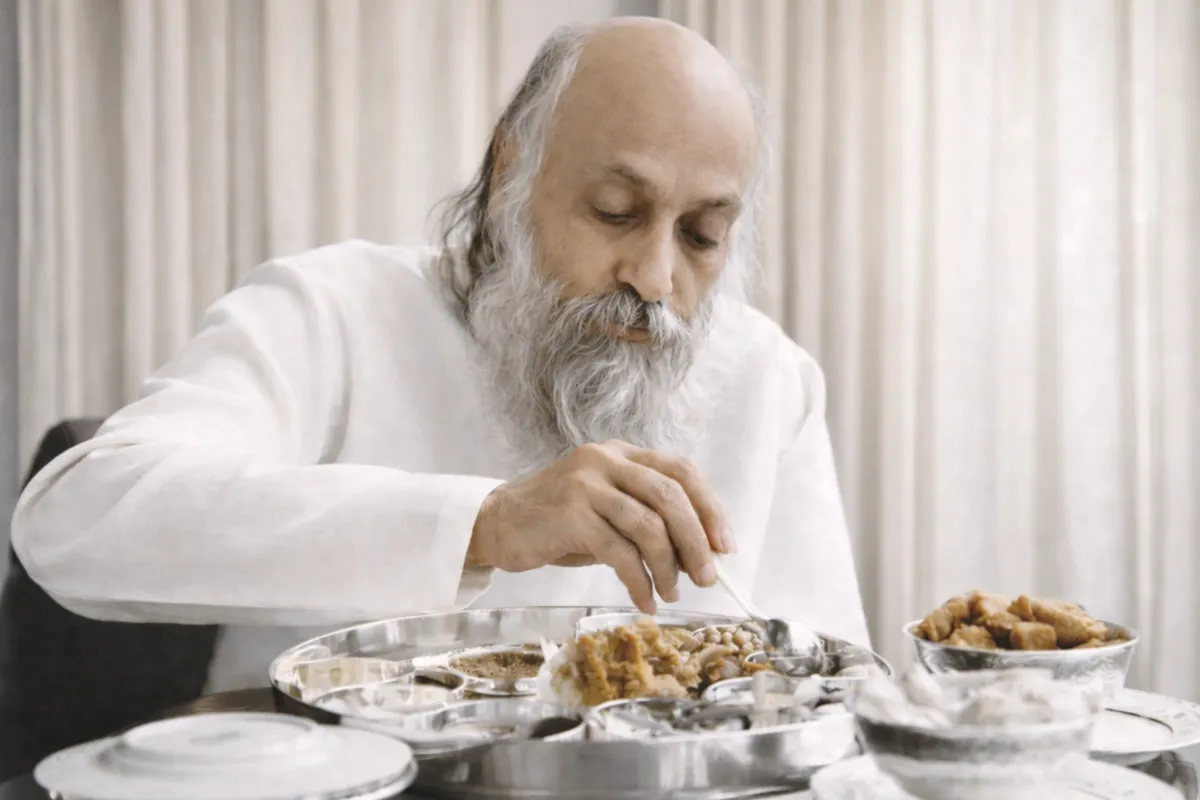
Osho's original Hindi beside Osho Live's English translation, matched passage by passage.
मैं ने तुम्हें बुलाया और तुम आ भी गए हो, लेकिन बाहर से आ जाना बहुत आसान है। और जब तक भीतर से भी मेरे पास न आ जाओ, तब तक आने और न आने का बहुत अर्थ नहीं है। लेकिन जो बाहर चल कर आ सकता है--जिसकी प्यास है और आकांक्षा है--वह भीतर भी चल कर आ सकता है। बाहर चल कर आना सबूत है कि खोज है, लेकिन उतना सबूत काफी नहीं है। उससे इशारा तो होता है और शुभ इशारा होता है। जरूरी है, लेकिन पर्याप्त नहीं। भीतर भी चलना होगा। और भीतर की यात्रा शुरू हो सके, उसके पहले कुछ बातें तुम्हारे संबंध में समझ लेनी जरूरी हैं। क्योंकि तुम्हीं यात्रा करोगे, कोई और तुम्हारे लिए यात्रा नहीं कर सकता है।
I called you, and you have come. But coming from the outside is easy. Until you come to me from within as well, coming or not coming makes little difference. Yet the one who can walk to me from the outside—the one whose thirst and longing are alive—can also walk within. Coming from the outside is evidence that the search is stirring, but that much evidence is not enough. It is an auspicious sign, necessary, yet not sufficient. You will have to walk within. And before the inner journey can begin, there are a few things you must understand about yourself. For it is you who will travel; no one else can walk in your place.
न तो इस जगत में दूसरे की आंखों से देखा जा सकता है और न दूसरे के चरणों से चला जा सकता है। यहां तो मरना भी स्वयं ही पड़ता है स्वयं के लिए और जीना भी। यहां दूसरा आपकी जगह नहीं ले सकता। इसलिए सबसे पहले कुछ बातें समझ लेनी जरूरी हैं तुम्हारे संबंध में। क्योंकि वहां अगर भ्रांति है, तो ठीक रास्ता भी गलत जगह पहुंचाएगा। अगर तुम्हें अपने संबंध में ही ठीक समझ नहीं है, तो तुम ठीक रास्ते को भी गलत मंजिल तक ले जाने वाला बना लोगे। और अगर तुम्हें समझ है अपने संबंध में, तो ऐसा कोई भी रास्ता नहीं है, जो तुम्हें ठीक जगह न पहुंचा दे। गलत रास्ते भी ठीक मंजिल पर पहुंच जाते हैं--ठीक आदमी चाहिए, चलने वाले पर सब कुछ निर्भर है।
In this world you can neither see with another’s eyes, nor walk with another’s feet. Here, you must die yourself and you must live yourself. No one can stand in for you. Therefore, first of all, a few things about you must be understood. If there is confusion there, even the right road will deliver you to the wrong place. If you do not rightly understand yourself, you will turn even a right path into a road to a false destination. And if you do understand yourself, then there is no path that will fail to bring you where you need to be. Even wrong roads reach the right destination—the right traveler is what is needed. It all depends on the one who walks, not on the road.
रास्ता नहीं पहुंचाता, चलने वाला ही पहुंचता है।
रास्ता बदल जाता है तुम्हारे साथ। तुम जैसे हो, वैसा ही रास्ता हो जाता है। इसलिए कोई बंधे-बंधाए रास्ते नहीं हैं, जिन पर तुम अंधे की तरह चल सको।
The path does not take you; the walker arrives. The path changes with you. As you are, so does the path become. Therefore there are no fixed roads on which you can walk blindly.
पहली बात, अपने संबंध में ठीक समझ लें। क्योंकि तुम्हारे से ही निकलेगा रास्ता और अंत में तुमसे ही पैदा होगी मंजिल।
तुम्हीं सब कुछ हो। बीज भी तुम्हीं हो, वृक्ष भी तुम्हीं बनोगे। और जब फूल खिलेंगे और सुगंध निकलेगी, तब उन फूलों में, उस सुगंध में भी तुम ही रहोगे। अपने संबंध में गलत समझ हो, तो सारा श्रम व्यर्थ हो जाता है।
First matter: understand yourself rightly. For from you the path will arise, and at the end the destination will arise out of you as well. You are everything. You are the seed, and you are the tree you will become. And when flowers open and fragrance is released, there too, in those flowers and that fragrance, it will be you. If there is a wrong understanding about yourself, all effort is wasted.
पहली बात--पहली बात तो यह ठीक से समझ लो कि तुम्हें कुछ भी पता नहीं। काश, तुम्हें पता ही होता तो फिर मेरे पास आने की कोई भी जरूरत न थी। सूरज की एक किरण भी तुम्हें मिल जाए, तो सूरज तक पहुंचने का मार्ग खुल गया। क्योंकि उसी किरण को पकड़ कर तुम सूरज के मूल स्रोत तक पहुंच जाओगे। और सागर की एक बूंद भी तुम चख लो, तो तुमने सारा सागर चख लिया।
First thing—first, grasp well that you know nothing. Had you known even a little, there would have been no need to come to me at all. If a single ray of the sun reaches you, the way to the sun is open—by holding that one ray, you can reach the very source. If you taste even one drop of the ocean, you have tasted the whole ocean.
अगर तुम्हें थोड़ा भी पता हो जीवन का, तो फिर किसी से पूछने की कोई भी जरूरत नहीं है। वह जो थोड़ा सा पता है, उसके सहारे चलो। तो जैसे कोई आदमी एक छोटा सा दीया ले कर अंधेरे में चले, तो दो ही कदम पर प्रकाश पड़ता है; लेकिन जब वह दो कदम चल लेता है, तो दो कदम और आगे प्रकाश पड़ता है। फिर वह और दो कदम चल लेता है, तो दो कदम और आगे प्रकाश पड़ता है। दो कदम प्रकाश पड़ता हो जिस दीए से, उससे भी हजारों मील की यात्रा तय की जा सकती है। कोई हजारों मील के रास्ते को प्रकाशित करने की जरूरत नहीं है। हाथ में दीया हो छोटा, तो भी बड़े से बड़े अंधकारपूर्ण रास्ते को पार किया जा सकता है। दो कदम ही काफी हैं।
If you know even a little of life, there is no need to ask anyone. Walk by the support of that little you know. If a man walks in the dark with a small lamp, only two steps ahead are lit; but when he takes those two steps, another two are lit. Two more steps, and yet two more are illumined. With a lamp that lights only two steps, you can still travel thousands of miles. There is no need to illumine the whole distance. Even a small lamp in the hand is enough to cross the darkest path. Two steps are enough.
अगर तुम्हें थोड़ा भी पता हो अपने संबंध में तो मेरे पास आने की कोई भी जरूरत नहीं है। किसी के भी पास जाने की कोई जरूरत नहीं।
तो पहली बात तो यह ठीक से समझ लेना कि तुम्हें अपने संबंध में कुछ भी पता नहीं है अभी। और तुम जो भी जानते हो, वे सब शब्द हैं। शब्दों में न तो कोई प्राण होते हैं, न कोई अर्थ होता है। शब्द से ज्यादा असत्य इस जगत में और कुछ भी नहीं है।
If you knew even a little about yourself, there would be no need to come to me, or to go to anyone. So first, see clearly that you know nothing yet about yourself. And what you do know are mere words. Words have neither life nor meaning in them. There is nothing more untrue in this world than words.
अनुभव--अनुभव में अर्थ है। मैं कितना ही कहूं, जो मैं जानता हूं, उसे मैं शब्दों में न डाल पाऊंगा। कभी भी कोई नहीं डाल पाया। और कभी कोई डाल भी नहीं पाएगा। क्योंकि जो मैं जानता हूं, वह मेरा अनुभव है। और जब मैं उसे शब्द बनाता हूं, तो तुम्हारे कानों में जो सुनाई पड़ता है, वह अनुभव नहीं है, वह कोरा शब्द है।
मैं कहता हूं--परमात्मा। तुम सुन लेते हो। और मैं कहता हूं--आत्मा। और वह भी सुन लिया जाता है। लेकिन न तो आत्मा से कुछ अर्थ प्रकट होता है और न परमात्मा से। शब्द सुनाई पड़ते हैं और बहुत बार सुन लेने पर ऐसा भ्रम भी पैदा हो जाता है कि हम समझ गए। शब्दों की समझदारी नासमझी का दूसरा नाम है।
Experience—experience has meaning. However much I may speak, what I know I cannot pour into words. No one ever has. No one ever will. What I know is my experience. When I turn it into words, what enters your ears is not the experience but the bare word. I say, “Paramatman.” You hear. I say, “Atman.” You hear that too. But neither Atman nor Paramatman disclose their meaning to you. Words are heard, and by hearing them often, an illusion arises that we have understood. Understanding words is another name for not-understanding.
तुम्हें कुछ भी पता नहीं, यह बात खयाल में ले लें। यह आधारभूत है। क्योंकि जो व्यक्ति यह समझ ले बिना कुछ जाने कि मैं जानता हूं, उसके जानने का द्वार बंद हो जाता है। बीमार समझ ले कि स्वस्थ है, तो चिकित्सा की तलाश बंद हो जाती है। अज्ञानी को खयाल हो जाए ज्ञान का, तो अज्ञान जितना नहीं भटकाता था, उतना ज्ञान भटका देगा।
Take it to heart: you do not know anything. This is fundamental. For the one who, without knowing, thinks “I know,” closes the door to knowing. If the sick imagine themselves healthy, the search for treatment ends. If the ignorant gain the notion of knowledge, that so-called knowledge bewilders more than ignorance ever did.
इस बात का खयाल आ जाए कि मुझे कुछ भी पता नहीं, तो यह ज्ञान की पहली किरण है। अब तुम ईमानदार हुए। अब तुमने कम से कम एक सच्ची बात स्वीकार की कि मुझे कुछ पता नहीं। तुमने अपने शास्त्र हटा कर रख दिए और तुमने अपने शब्दों को छोड़ दिया। और तुम ईमानदार हुए, प्रामाणिक हुए अपने प्रति कि न मुझे आत्मा का पता है, न मुझे मोक्ष का। मुझे पता ही नहीं कि जीवन क्या है?
यह अज्ञान की स्वीकृति--ज्ञान का पहला चरण है।
If the realization arises that “I know nothing,” that is the first ray of knowledge. Now you have become honest. Now at least you have accepted one true thing: “I do not know.” You have put aside your scriptures and dropped your words. You have become honest, authentic toward yourself: I know neither Atman nor Moksha; I do not know what life is. This acceptance of ignorance is the first step of knowledge.
यहां अगर कोई ज्ञानी आ गया हो--वापस लौट जाए। मैं उन्हीं के साथ काम कर सकूंगा, जिन्हें इस बात का बोध है कि वे अज्ञानी हैं। तुम्हारा ज्ञान बाधा बन जाएगा। फिर ज्ञान हो ही गया हो तो व्यर्थ श्रम उठाने की जरूरत नहीं है। इसलिए इसे ठीक से समझ लेना, कि तुम अगर बीमार हो तो मैं दवा दूंगा। तुम अगर अज्ञानी हो तो मैं ज्ञान की तरफ ले चलने की कोशिश करूंगा। तुम अगर अंधेरे में हो तो मैं तुम्हें प्रकाश का रास्ता बताऊंगा। लेकिन अगर तुम प्रकाश में ही खड़े हो, तो मेरा श्रम और अपना श्रम व्यर्थ मत करना। जो आदमी सोया हो उसे जगाना बहुत आसान है। जो आदमी जाग कर पड़ा हो और सोचता हो कि सोया है--उसे जगाना बहुत मुश्किल है।
If any “knower” has arrived here—let him go back. I can work only with those who sense their ignorance. Your knowledge will be a hindrance. And if you already know, do not waste your effort or mine. Understand well: if you are ill, I will offer medicine; if you are ignorant, I will try to lead you toward knowing; if you are in darkness, I will show a way toward light. But if you are already standing in light, do not squander labor—yours or mine. To awaken one who sleeps is easy; to awaken one who is awake yet believes he is asleep—that is difficult.
दूसरी बात, जीवन सबका एक ही बात को खोज रहा है--कैसे दुख मिटे? कैसे आनंद उपलब्ध हो? एक ही तलाश है और एक ही प्यास है। वह वृक्ष भी अगर उठ रहा है जमीन से आकाश की तरफ, तो इसी तलाश में है। अगर पक्षी उड़ रहे हैं और पशु चल रहे हैं और आदमी जी रहा है--तलाश वही है। एक पत्थर भी अगर अस्तित्व में है, तो उसकी भी भीतरी खोज आनंद की है। तो दूसरी बात खयाल में ले लेना कि खोज क्या रहे हो?
बहुत लोग परमात्मा को खोजने निकल पड़ते हैं, लेकिन परमात्मा की खोज मुश्किल है। मुश्किल इसलिए है कि परमात्मा के संबंध में कोई भी तो भीतर गहरी प्यास नहीं है। अपनी प्यास को पकड़ कर चलें--एक दिन शायद वही प्यास परमात्मा की प्यास बन जाए। लेकिन अभी नहीं है। अभी तो आप ठीक से समझ लें कि आपकी तलाश आनंद की तलाश है। शायद यह खोज आगे बढ़े, और यह छोटी सी गंगोत्री से निकली गंगा आनंद की तलाश में चले। और धीरे-धीरे जैसे-जैसे खोज गहरी हो, वैसे-वैसे पता चले कि आनंद तो परमात्मा का ही एक नाम है। और शायद पता चले कि आनंद तो परमात्मा का ही एक गुण है। और शायद पता चले कि हमारी खोज सिर्फ आनंद की नहीं है, कुछ और ज्यादा की है। लेकिन प्रारंभिक खोज आनंद की है, परमात्मा की नहीं है।
Second matter: every life is seeking one thing—how to end sorrow, how to attain bliss. The search is one, the thirst one. If a tree rises from earth toward sky, it is in the same search. If birds fly, animals move, man lives—the same search. If even a stone exists, its inner seeking is for bliss. So take note of what you are seeking. Many set out to search for God, but that search is difficult; difficult because there is no deep thirst for God within. Move with your own thirst—one day perhaps that thirst will become the thirst for God. But not yet. For now, understand clearly: your search is for bliss. As the search deepens, you may discover that bliss is but another name for Paramatman; that bliss is a quality of the Divine; that your search is not merely for bliss but for something even more. But the beginning is the search for bliss, not for God.
कुछ लोग पहले से ही परमात्मा की बात में पड़ जाते हैं, तो कठिनाई हो जाती है। बीज बिना हुए वृक्ष होने की कोशिश शुरू हो जाती है। फिर अड़चन होती है। फिर दौड़-धूप बहुत होती है, परिणाम कुछ भी नहीं आता। और जब परिणाम नहीं आता, तो निराशा पकड़ती है, विषाद घेर लेता है।
If people fall into talk of God too soon, trouble begins. They start trying to be a tree without first being a seed. Then obstacles multiply, there is running about, and no result. When result fails, despair clutches them; a great sadness descends.
तो एक बात--आनंद की तलाश के लिए यहां आए हैं। छोड़ें परमात्मा को, जल्दी नहीं है। आप आनंद की खोज पर यात्रा शुरू करें और अंत परमात्मा की उपलब्धि पर होगा। लेकिन शुरुआत परमात्मा से मत करें। पहली सीढ़ी से ही चढ़ना उचित है, और क ख ग से ही शुरुआत करनी ठीक है। आनंद सबकी समझ में आता है--फिर वह नास्तिक हो तो भी, फिर वह हिंदू हो, या मुसलमान हो, या ईसाई हो, या जैन हो तो भी। ईश्वर को मानता हो, न मानता हो; धर्म में आस्था रखता हो या न रखता हो--कोई भी हो, आनंद की खोज सार्वभौम है। उससे ही शुरू करें, जो सबकी खोज है।
So, begin with bliss. Leave God aside—there is no hurry. Begin your journey in search of bliss, and it will end in the realization of the Divine. But do not begin with God. Start at the first step, begin with the alphabet. Bliss is understood by all—atheist or Hindu or Muslim or Christian or Jain. Whether one believes in God or not, whether one has faith in religion or not—the search for bliss is universal. Begin there, with the search common to all.
यह दुनिया में इतने धर्मों का विवाद न हो, हिंदू और मुसलमान और ईसाई की लड़ाई न हो, जैन और हिंदू के बीच कलह न हो--अगर हम सार्वभौम खोज को स्वीकार करें। लेकिन हम ईश्वर की खोज से शुरुआत करते हैं। और ईश्वर का हमें न कोई पता है और न ईश्वर को खोजने की कोई प्रबल आकांक्षा है, न हमें प्रयोजन है। तो शब्दों पर लड़ते हैं। तो जिस ईश्वर का हमें कोई पता नहीं, उसकी हम अलग-अलग शाब्दिक व्याख्याएं करते हैं। फिर इन व्याख्याओं में विरोध होता है, फिर मंदिर और मस्जिद और गुरुद्वारे खड़े होते हैं और आदमी व्यर्थ ही परेशान होता है।
If we accepted the universal search, there would be fewer religious quarrels, less strife among Hindu, Muslim, Christian, Jain. But we begin with the search for God, of whom we have neither any taste nor a fierce longing nor any real need. Then we fight over words. Of the God we do not know, we offer different verbal interpretations. The interpretations clash; temples, mosques, gurudwaras rise; people suffer needlessly.
आनंद से शुरू करें, फिर आपकी नास्तिक से भी कोई दुविधा नहीं है, द्वंद्व नहीं है। फिर हिंदू हो या मुसलमान हो, कुछ लेना-देना नहीं है। क्योंकि जब हम आनंद की खोज कर रहे हैं, तो हम उस तत्व की खोज कर रहे हैं, जो प्रत्येक प्राणी खोज रहा है, किसी का इंकार नहीं है। और धीरे-धीरे जैसे-जैसे खोज गहरी होगी, वैसे-वैसे पता चलेगा कि आनंद की खोज अंत में परमात्मा की खोज बन जाती है।
Begin with bliss; then there is no dilemma—even for the atheist. Whether Hindu or Muslim, it does not matter. In seeking bliss, we seek what every creature seeks—none deny it. And slowly, as the search deepens, it becomes clear that the search for bliss becomes, at the end, the search for God.
तीसरी बात, याद रखें--आनंद खोजना चाहते हैं, लेकिन त्यागेंगे क्या? चुकाएंगे क्या? किस चीज से आनंद की खोज करना चाहते हैं? आपके पास क्या है, जो आप देंगे?
अगर आदमी एक कदम भी चलता है, तो उसे वह जमीन छोड़ देनी पड़ती है, जिस पर खड़ा था, तो ही आगे बढ़ पाता है। इस जगत में कोई गति नहीं है, अगर हम कुछ छोड़ने को राजी न हों। त्याग के बिना एक कदम भी नहीं उठता है। अगर हाथ में मिट्टी, कंकड़, पत्थर भरे हुए हैं--और हीरे-जवाहरात चाहिए--तो छोड़ देने पड़ेंगे। कम से कम हाथ खाली करना पड़ेगा, व्यर्थ को हटा देना पड़ेगा, ताकि सार्थक उतर सके। क्या है आपके पास?
Third matter: remember—you want bliss. But what will you renounce? What will you pay? With what will you seek bliss? What do you have to give? If a man takes even one step forward, he must leave the ground on which he stood. Without renunciation there is no movement. If your hands are filled with mud, pebbles, stones—and you desire diamonds—they must be dropped. At least empty the hands; remove the useless so that the essential may descend. What do you have?
आप डर मत जाना! न तो मैं कहूंगा कि आप धन छोड़ दें, क्योंकि वह आपके पास है नहीं, किसी के पास नहीं है। इस दुनिया में बड़े से बड़ा धनी भी दरिद्र ही होता है। वह है ही नहीं किसी के पास।
Do not be afraid. I will not tell you to abandon wealth—because you do not have it; no one truly does. Even the richest in this world are poor. Wealth does not belong to anyone.
दो तरह के दरिद्र होते हैं--एक गरीब दरिद्र होते हैं, एक अमीर दरिद्र होते हैं। बाकी दरिद्र ही होते हैं। अभी तक मैंने अमीर आदमी नहीं देखा। पैसे वाले बहुत दिखाई पड़ते हैं, पर अमीर नहीं। वे भी पकड़ने की दौड़ में उतने ही हैं, जितना गरीब से गरीब आदमी। जैसा भिखमंगा अपने हाथ में जो उसे मिल गया है, उसे पकड़े हुए है; वैसा बड़ी से बड़ी तिजोरी जिसके पास है, वह भी उतने ही जोर से पकड़े हुए है। वह पकड़ एक सी है, तो गरीबी एक सी है।
There are two kinds of poor—the poor poor and the rich poor. But poor they all remain. I have yet to see a rich man. I see people with money, not richness. They clutch no less than the poorest beggar. As the beggar clings to the coin in his palm, so the one with the largest vault clings to his treasure. The grip is the same; hence the poverty is the same.
तो आपके पास धन तो है नहीं--किसी के पास नहीं है--इसलिए मैं नहीं कहता कि आप धन छोड़ दें। जो नहीं है, उसे आप छोड़ेंगे भी कैसे? मैं आपसे नहीं कहता कि आप अपना जीवन दे दें--वह भी आपके पास नहीं है। जिसका आपको पता ही नहीं, वह आपके पास कैसे हो सकता है? और आप कंप रहे हैं प्रतिपल मृत्यु के भय से। अगर आप जीवन ही होते, तो आप मृत्यु से डरते क्यों?
जीवन की तो कोई मृत्यु नहीं होती। जीवन तो मृत्यु बन कैसे सकता है? लेकिन आप कंप रहे हैं मृत्यु से। प्रतिपल मौत आपको घेरे हुए है। सब तरह से आप अपने को बचाने की कोशिश कर रहे हैं कि मैं मिट न जाऊं, मर न जाऊं, समाप्त न हो जाऊं। जीवन भी आपके पास नहीं है। इसलिए मैं आपसे न कहूंगा कि जीवन दान कर दें। जो है ही नहीं, उसका आप दान भी कैसे करेंगे?
So do not fear—I will not ask you to renounce wealth. What is not yours, how will you drop it? Nor will I ask you to give your life—this too is not yet yours. If you were life, why would you fear death? Life does not die; how could life become death? Yet you tremble before death; every moment its shadow surrounds you. You guard yourself lest you vanish, lest you end. Life is not yours. How can you donate what you do not have?
मैं तो आपसे वह मांगूंगा जो आपके पास है। और वह मांगूंगा जो सभी के पास है। जैसा मैंने कहा कि सभी की खोज है आनंद, ऐसी एक संपदा सभी के पास है--और वह है दुख। वह आपके पास काफी है, वह आपके पास जरूरत से ज्यादा है। जन्मों-जन्मों से आपने उसके अतिरिक्त और कुछ इकट्ठा ही नहीं किया है। आपके पास राशियां लग गई हैं। गौरीशंकर छोटा पड़ जाए, आपने जो दुख के ढेर लगाए हैं, वे उससे बड़े हैं, वह भी शरमा जाए। और शायद हिलेरी और तेनसिंह आपके दुख के ढेर पर चढ़ने में सफल न होंगे, वे बड़े हैं। वह जन्मों-जन्मों की आपकी मेहनत है, आपने दुख के सिवाय कभी कुछ कमाया नहीं है। आप अभी भी कमा रहे हैं।
I will ask for what you do have—and what everyone has. As I said, everyone seeks bliss; there is one wealth everyone possesses—sorrow. That you have in abundance, more than enough. For lives upon lives you have gathered nothing else. Piles upon piles. The Himalaya would look small when placed beside the mountain of your accumulated misery. Hillary and Tenzing might fail to climb it. It is vast—your life’s work over many births. You have earned nothing but sorrow, and still you are earning it.
मैं आपसे चाहूंगा कि आप दुख छोड़ दें, आप दुख का त्याग कर दें। कोई आपसे दुख मांगता नहीं, मैं आपसे दुख मांगता हूं। और अगर आप दुख दे सकें, तो आनंद के लिए रास्ता निर्मित हो जाए। और अगर आप दुख छोड़ सकें, तो आपको पता लगे कि जो आप सोचते थे कि आप दुख में जी रहे हैं, वह आपकी भ्रांति थी। और दुख ने आपको नहीं पकड़ा था, आपने ही दुख को पकड़ा हुआ था। मगर एक बार छोड़ें तो ही पता चले कि कौन किसको पकड़े हुए है।
I ask you to drop sorrow, to renounce it. No one asks for your suffering—I ask for it. If you can give your sorrow, the way to bliss opens. If you can drop your suffering, you will discover that that idea—“I live in sorrow”—was your delusion. Sorrow had not caught you; you were clinging to sorrow. Only when you drop it will you see who holds whom.
आप सदा यही पूछते रहते हैं कि दुख से कैसे छुटकारा हो? आपकी बातों से ऐसा लगता है कि जैसे दुख ने आपको पकड़ा है, और छुटकारा चाहिए। अगर दुख आपको पकड़े हुए है, तो फिर आप छूट न पाएंगे। फिर पकड़ ही आपके हाथ में नहीं है, दुख के हाथ में है। फिर तो आप विवश हैं, असहाय हैं। और जन्मों-जन्मों से नहीं छूट पाए हैं, तो अब कैसे छूट जाइएगा?
You always ask: how to be free of suffering? Your question implies that suffering has seized you, and you want release. If suffering has seized you, you will not be free—because the grip is not in your hands but in suffering’s. Then you are helpless. If for lifetimes you have not been freed, how now?
मैं आपसे कहता हूं कि दुख ने आपको नहीं पकड़ा हुआ है, आप दुख को पकड़े हुए हैं। और अगर आप राजी हुए, तो आपको यह समझ में आ जाएगा। न केवल समझ में, बल्कि आप छोड़ कर भी अनुभव कर लेंगे कि यह छूटता है। और जब आप दुख को छोड़ने की कला में कुशल हो जाते हैं, तब आपको पता लगता है कि जो भी आप ढो रहे थे, उसके लिए आपके अतिरिक्त और कोई भी जिम्मेवार नहीं था। और आपने जो भी भोगा है, कोई और कसूरवार नहीं है। यह आपकी मर्जी थी, आप दुख चाहते थे। जो हम चाहते हैं, वही होता है। और जो भी आप हैं, आप अपनी चाहों का फल हैं। न तो कोई परमात्मा जिम्मेवार है, न कोई भाग्य जिम्मेवार है; किसी को प्रयोजन नहीं है आपको दुखी करने के लिए।
I tell you: suffering has not seized you—you have seized suffering. If you agree, you will understand it—not only understand, you will experience it by dropping it: it does drop. And when you become skilled in the art of dropping sorrow, you realize that all you were dragging—no one else was responsible. Whatever you have suffered—no one is to blame. It was your desire; you wanted sorrow. Whatever we desire, that happens. Whoever you are is the fruit of your desires. Neither God nor fate is responsible. Existence has no purpose in making you miserable.
सच तो यह है कि यह पूरा अस्तित्व आपको आनंदित करने के लिए तत्पर है। यह पूरा अस्तित्व चाहता है कि आपका जीवन एक उत्सव बन जाए। क्योंकि जब आप दुखी होते हैं, तो आप चारों तरफ दुख भी फेंकते हैं। जब आप दुखी होते हैं तो आपके घाव की दुर्गंध सारे अस्तित्व में पहुंचती है। और जब आप दुखी होते हैं तो यह अस्तित्व भी पीड़ा पाता है। यह सारा जगत आपके साथ पीड़ित होता है और आपके आनंद के साथ आनंदित होता है। कोई अस्तित्व की चाह नहीं है कि आप दुखी हों। क्योंकि यह तो अस्तित्व के लिए ही आत्मघात है। पर आप दुखी हैं और दुखी होने में आपने कुछ व्यवस्था बना रखी है। और उस व्यवस्था को जब तक आप न तोड़ दें, तब तक आप कभी भी आनंद की तरफ आंख न खोल पाएंगे।
In truth, all of existence is eager to bless you. Existence longs that your life become a celebration. Because when you are miserable you spread misery around you. The stench of your wounds reaches the whole. When you are miserable, existence also suffers. The whole world is pained with your pain and rejoices with your joy. Existence does not wish you to be unhappy; that would be suicide for the whole. Yet you are unhappy because you have created an arrangement for it. Until you break that arrangement, you will never open your eyes toward bliss.
आपकी व्यवस्था क्या है? मनुष्य की व्यवस्था क्या है दुख संगृहीत करने की? वह कैसे इकट्ठा करता है? यह समझ लें थोड़ा, तो शायद छोड़ने में आसानी हो। कल सुबह से हम प्रयोग में उतरना शुरू होंगे।
What is your arrangement? How does man accumulate sorrow? Understand a little—then dropping will be easy. Tomorrow morning we shall begin experiments.
आप रोना चाहते हैं अगर...। एक छोटा बच्चा रोना चाहता है--मनस्विद कहते हैं कि बच्चे की रोने की प्रक्रिया, रेचन की प्रक्रिया है। जब भी बच्चे में तनाव भर जाता है, तो वह रो कर अपने तनाव को बहा देता है। एक छोटा बच्चा है। आप छोटे बच्चे थे। उसे भूख लगी है, वक्त पर उसे दूध नहीं मिल रहा है तो वह रो रहा है, क्योंकि तनाव से भर गया है। और तनाव को बाहर निकालना जरूरी है। वह रो लेगा, तनाव बाहर निकल जाएगा, वह हल्का हो जाएगा। लेकिन हम उसे समझाते हैं कि रोओ मत। हम सब तरह के उपाय करते हैं कि वह रोए न, हम हाथ में खिलौना दे देते हैं, ताकि वह भूल जाए। हम मुंह में झूठी कोई चीज लगा देते हैं, उसका अंगूठा उसके मुंह में दे देते हैं, ताकि वह समझ ले कि मां का स्तन मिल गया, और भूल जाए। हम उसे हिलाने लगते हैं, डुलाने लगते हैं, ताकि उसका ध्यान विचलित हो जाए और वह रोए न। हम सब तरह के उपाय करते हैं, हम उसे रोने नहीं देते। वह जो तनाव निकल जाता रोने से, वह इकट्ठा हो जाएगा, वह निकलेगा नहीं। ऐसे हम इकट्ठे होने देते हैं। और हर व्यक्ति न मालूम कितना रुदन, न मालूम कितनी पीड़ा संगृहीत कर लेता है। उसके ढेर पर इकट्ठा बैठ जाता है।
When a child wants to cry… Psychologists say a child’s crying is a catharsis. Whenever tension accumulates, he cries and releases it. A little child is hungry and milk does not arrive on time—he cries. Tensions mount, they must be released. He cries, tension flows out, he becomes light. But we teach him: don’t cry. We invent all sorts of devices to stop him. We put a toy in his hand so that he forgets. We put a false nipple or his thumb in his mouth so that he imagines the breast has come—and forgets. We rock him so that his attention is diverted and he does not cry. In every way we prevent him; we do not let him cry. What would have been released through tears now accumulates. In this way, layers grow. Each person sits atop a mound of uncried tears, unexpressed pain.
आपने न मालूम कितने तनाव इकट्ठे कर लिए हैं। न तो आप कभी दिल भर कर रोए और न आप कभी दिल भर कर हंसे। न रोने से रुक गया है कुछ, न हंसने से रुक गया है कुछ। न आपने कभी दिल भर कर क्रोध किया है और न कभी दिल भर कर क्षमा ही की है। आप बिलकुल अधूरे-अधूरे रह गए हैं। सब तरफ आप की शाखाएं निकलना चाहती हैं, लेकिन निकल नहीं पाईं। सब तरफ पत्ते निकलना चाहते थे, लेकिन नहीं फूट पाए। आपका वृक्ष ठूंठ की तरह रह गया है। इस संगृहीत पीड़ा, अविसर्जित पीड़ा का नाम नर्क है। और यह नर्क आप ढो रहे हैं।
You have gathered countless tensions. You have never wept to your heart’s content, nor laughed to your heart’s content. Neither has anything been stopped by not weeping, nor by not laughing. You have never been utterly angry, nor utterly forgiving. You are incomplete. Branches on all sides wanted to sprout but could not; leaves wanted to unfold but did not. Your tree stands like a stump. This hoarded, un-discharged pain is hell—and you are carrying it.
यहां मैंने आपको बुलाया है, ताकि आपके नर्क को फेंका जा सके। और आप इसे फेंक सकते हैं। इस शिविर में आप छोटे बच्चे की भांति हो जाएं। आप भूल ही जाना कि आप बड़े सुसंस्कृत हैं, कि आप बड़े शिक्षित हैं, कि आप बड़े पद पर हैं, कि आपके पास धन है, कि गांव में इज्जत है--आप सब छोड़ देना। आप ऐसे हो जाना, जैसे कि आप पहले दिन के पैदा हुए बच्चे हैं--न कोई प्रतिष्ठा है, न कोई शिक्षा है, न कोई पद है, न कोई धन है, न कोई मान-मर्यादा है। अगर मान-मर्यादा, पद, इस सबको बचाना हो, तो कल सुबह के पहले आप यहां से जितनी जल्दी हो भाग जाना और लौट कर मत देखना--उनके लिए मैं नहीं हूं। आपकी पद-मर्यादा, आपकी इज्जत, आपकी समझदारी सुरक्षित रहे--आप भाग जाना, आप यहां मत रुकना।
I have called you here to throw your hell away. You can throw it. In this camp become like small children. Forget that you are cultured, educated, important, wealthy, respected in your village—drop it. Become as on the first day of birth: no prestige, no learning, no position, no wealth, no honor. If you want to protect prestige, position—then leave before tomorrow morning. Run away quickly and do not look back—such people are not for me. Let your status, your “understanding” be safe—run away; do not stay.
यहां तो मैं उनके लिए हूं, जो छोटे बच्चों की तरह सरल होने को तैयार हैं। तो ही मैं कुछ कर पाऊंगा, क्योंकि सिर्फ बच्चों को ही कुछ सिखाया जा सकता है। और सिर्फ बच्चों को बदला जा सकता है। और सिर्फ बच्चों के जीवन में क्रांति हो सकती है।
I am here for those willing to be simple as children. Only then can I do something, for only children can be taught, only children can be transformed; only in a child’s life can revolution happen.
ध्यान के इन प्रयोगों में, जो यहां चलेंगे, आपके हृदय में जो भी दुख हो, उसे उलीच डालना, उसे बाहर फेंक देना। क्रोध हो उसे आकाश में उलीच देना, हिंसा हो उसे आकाश में उलीच देना। किसी पर हिंसा करनी नहीं है, खुले आकाश में विसर्जित कर देनी है। दुख, पीड़ा, संताप, जो भी भीतर हो; उसे फेंक देना है। उसे इतनी तरह से उलीचना, जितनी तरह से आप में सामर्थ्य हो। आप सारी ताकत लगा देना, कि भीतर जो भी दुख है, वह प्रकट हो जाए। यह आप समझ लें कि दुख जब अचेतन में दब जाता है, तो जब तक उसे प्रकट न किया जाय पुनः, वह आप से बाहर नहीं जाता, भीतर दबा रहता है। उसे प्रकट करें, उसे चेतन में ले आएं। वह जो भीतर अंधेरे में दबा है, उसे खींच लें बाहर, रोशनी में ले आएं।
In the meditative experiments to run here, pour out whatever sorrow is in your heart. Throw it out. If anger arises, hurl it into the sky; if violence arises, hurl it into the sky. Do not direct it at anyone. Dissolve it into open space. Pain, hurt, anguish—whatever is inside—throw it out. Express it in as many ways as you have strength. Give it everything, so that whatever sorrow is within becomes manifest. Understand: when sorrow is pushed into the unconscious, it does not leave you until it is brought forth again. Bring it into consciousness. Pull what is buried in the dark out into the light.
कुछ चीजें रोशनी में मर जाती हैं। वृक्ष की जड़ों को आप अगर खींच कर रोशनी में ले आएं, वे मर जाएंगी। उनको अंधेरा चाहिए, अंधेरे में ही वे रहती हैं, अंधेरे में ही उनका जीवन है। दुख का जीवन भी अंधेरे में है, जड़ों की भांति। आप उसे खींच कर बाहर ले आएं, और आप पाएंगे कि मृत्यु हो गई उसकी। आप उसको भीतर दबाते जाएं, वह जन्मों-जन्मों तक आपका सगा-साथी रहेगा, संगी रहेगा। दुख को लाना है बाहर।
Some things die in the light. If you pull a tree’s roots out into the sun, they die; they need darkness. Sorrow too is like roots—its life is in the dark. Bring it out, and you will see it die. Bury it within, and it will remain your companion for lifetimes. Bring sorrow out.
एक बात और समझ लें। दुख को आप बाहर से ही भीतर ले गए हैं। उसे कृपा करके बाहर ही वापस लौटा दें। दुख भीतर नहीं है। दुख सब बाहर से ही भीतर ले जाया जाता है। आप जब पैदा होते हैं, आपका जो निज-स्वभाव है, वहां कोई दुख नहीं है। दुख बाहर से भीतर लाया जाता है। एक आदमी है, उसने आप को गाली दे दी, आप दुखी हो गए। आप बाहर से गाली को भीतर ले आए। अब इस दुख को आप भीतर सम्हालेंगे, संजोएंगे, दबाएंगे; तो यह बढ़ेगा, फैलेगा, आपकी रग-रग में, रोएं-रोएं में जहर बन जाएगा। आप एक दुखी व्यक्तित्व हो जाएंगे। दुख हम बाहर से भीतर लाते हैं, वह हमारा स्वभाव नहीं है।
Understand one more thing. You carried sorrow inward from the outside. Please return it outside. Sorrow is not in your nature—it is imported. When you are born, your intrinsic nature is free of sorrow. An insult comes from outside; you take it in and become miserable. You nurse it, save it, suppress it; it grows, spreads, becomes poison in every nerve and pore. You become a sorrowful personality. Sorrow is brought in from the outside; it is not your nature.
इसीलिए कहता हूं कि दुख से मुक्त हुआ जा सकता है। क्योंकि स्वभाव से मुक्त नहीं हुआ जा सकता, केवल पर-भाव से मुक्त हुआ जा सकता है। जो अपना नहीं है, उसी से हम मुक्त हो सकते हैं। जो अपना ही है, उससे मुक्त होने का कोई मार्ग नहीं है।
That is why I say: you can be free of sorrow. You cannot be free of your nature, only of what is alien to it. What is not yours—that alone can be dropped. What is truly yours—there is no way to be free of it.
दुख को बाहर उलीचना है। इन आने वाले दिनों में जितना उलीच सकें, उलीचना। और जैसे-जैसे उलीचेंगे, उतनी-उतनी समझ बढ़ेगी कि अजीब पागलपन था कि हम इसे सम्हाले थे। इसे तो सहज ही फेंका जा सकता था, यह तो हमारे हाथ में था, लेकिन हम नाहक ही हाथ को रोके हुए थे।
So hurl sorrow out. In the coming days, discharge as much as you can. As you unburden, understanding will dawn: what madness, that we safeguarded all this! It could have been thrown away so simply—it was in our hands, yet we kept our hands clenched for nothing.
और दूसरी बात--जैसे-जैसे दुख उलीचेंगे, बाहर से आया हुआ दुख जैसे ही बाहर वापस भेज दिया जाएगा, भीतर आपको आनंद की स्फुरणा शुरू हो जाएगी।
आनंद भीतर है। उसे कोई बाहर से नहीं लाता, वह बाहर से नहीं आता, वह आपका स्वभाव है। वह आप हैं। वह आपके भीतर छिपा है, वह आपकी आत्मा है।
And as sorrow is thrown out—what came from outside is returned outside—inside, the first shimmer of bliss will arise. Bliss is within. No one brings it from outside; it does not arrive from elsewhere. It is your nature. It is you. It is hidden within; it is your very Atman.
अगर यह बाहर से इकट्ठा कचरा बाहर फेंक दिया जाए, तो वह भीतर की आत्मा फैलने लगती है, विस्तीर्ण होने लगती है। उसकी रोशनी आपको दिखाई पड़ने लगती है। और आपको उसका नाद सुनाई पड़ने लगता है। और आप एक भीतर के संगीत में डूबने लगते हैं। लेकिन यह होगा तभी, जब आप बाहर का कचरा बाहर फेंक देंगे, ताकि भीतर आकाश निर्मित हो जाए, जगह बने। उस जगह में, भीतर जो छिपा है, वह फैल सके।
If this outer rubbish is thrown out, the inner soul begins to expand. Its light becomes visible. Its music can be heard. You begin to be immersed in an inner song. But this will happen only when you cast out the garbage, so that an inner sky is created, a space in which what is hidden within can spread.
दुख को बाहर फेंकना है, ताकि आनंद भीतर से फैलने लगे। और जब आनंद भीतर से फैलने लगे, तो दूसरी बात और भी समझ लेनी जरूरी है।
दुख को अगर दबाएं तो बढ़ता है। दुख को अगर दबाएं तो बढ़ता है, दुख को अगर प्रकट करें तो घटता है। आनंद बिलकुल उलटा है। आनंद को अगर दबाएं तो घटता है, आनंद को अगर प्रकट करें तो बढ़ता है।
Throw sorrow out, so that bliss may begin to bloom from within. And when bliss begins to expand, understand something more. Sorrow, if suppressed, grows. Sorrow suppressed increases; sorrow expressed decreases. Bliss is the opposite: bliss suppressed diminishes; bliss expressed increases.
तो पहले तो दुख को फेंकना है, क्योंकि वह फेंकने से घटता है। उसको दबाना मत, क्योंकि वह दबाने से बढ़ता है। और जब आनंद की झलक भीतर से आने लगे तो आनंद को बाहर फेंकना है। क्योंकि आनंद को जितना बाहर फेंकें, उतना भीतर बढ़ता है, उतनी ताजी पर्तें टूटने लगती हैं। जैसे कुएं से कोई पानी उलीचता जाए, तो झरने से नए स्रोत कुएं को भरते चले जाते हैं। आनंद का स्रोत भीतर है, इसलिए डरना मत कि आनंद उलीचने से कम हो जाएगा। दुख उलीचने से कम होता है, क्योंकि भीतर उसका स्रोत नहीं है। वह बाहर से ली गई चीज थी, अगर उलीचेंगे तो कम होगी।
First, then, expel sorrow—because by throwing it out it shrinks. Do not suppress it, or it will grow. And when the first glimpse of bliss arises from within, then throw that out as well—share it. The more you pour bliss outward, the more it multiplies within; fresher strata break open. As one draws water from a well, springs pour new water in. The source of bliss is within—do not fear that pouring it out will exhaust it. Sorrow decreases by pouring out because its source is not within. Bliss increases by pouring out because its source is within.
अगर दुख बचाना हो तो यह तरकीब ध्यान में रख लेना, कभी उलीचना मत। दुख अगर बढ़ाना हो, यही कश्त कर लिया हो--और लगता है कि बहुत लोग यही तय किए बैठे हैं--तो दुख को कभी उलीचना मत, प्रकट मत करना। आंसू आते हों तो पी जाना, क्रोध आता हो तो दबा लेना। कुछ भी भीतर से पैदा होता हो उपद्रव, तो उसे भीतर ही दबा देना, वह बढ़ जाएगा। आप एक महानर्क बन जाएंगे।
If you want to preserve sorrow, remember this trick: never express it. If you want to increase sorrow—and it seems many are committed to that—then never express it. If tears arise, swallow them; if anger arises, repress it. Whatever turmoil arises, push it down; it will grow. You will create a great hell.
दुख को घटाना हो तो उलीचना, आनंद को बढ़ाना हो तो उलीचना। क्योंकि आनंद भीतर है, और नई पर्तें टूटती जाएंगी। और जैसे-जैसे आनंद को आप उलीचेंगे ज्यादा शुद्धतर आनंद की झलक मिलनी शुरू होगी। आनंद बांटने से बढ़ता है।
If you want to reduce sorrow, express it. If you want to increase bliss, express it. Because bliss is within, newer and purer layers will open as you share. Bliss grows by sharing.
इसलिए तो भाग जाते हैं बुद्ध और महावीर जंगल में, जब दुख में हैं, क्योंकि दुख उलीचना है। अच्छा है एकांत में उलीचें, ताकि किसी को स्पर्श भी न करे। लेकिन जब आनंद से भरते हैं तो वापस लौट आते हैं जनसमूह में, क्योंकि अब बांटना है। और जब बांटना ही है तो अब जनसमूह में आ कर ही बांटना उचित है। शायद किसी को लग जाए, शायद कोई पकड़ ले धुन, शायद कोई नाच उठे, शायद किसी के हृदय की वीणा को छू जाए और वीणा बजने लगे।
That is why Buddhas and Mahaviras retreat to forests when they are in sorrow—because sorrow must be expressed. Better to empty it in solitude so that it touches no one. But when they are filled with bliss, they return to the crowd—to share. For when sharing, the marketplace is the right place. Perhaps someone may catch the contagion, perhaps another may find the tune, perhaps someone’s heart-veena may be touched and begin to sing.
तो ध्यान रखना, चाहे क्राइस्ट, चाहे मोहम्मद, चाहे महावीर, चाहे बुद्ध, जब दुख में हैं तब एकांत में चले जाते हैं। क्योंकि उलीचना है दुख, उचित है अकेले में उलीच दें, किसी को पता भी न हो। और जब भर जाते हैं आनंद से, तो लौट आते हैं समूह में, भीड़ में। क्योंकि अब उलीचना है आनंद और अब जितना बंट जाए उतना अच्छा है।
Remember this: Christ, Mohammed, Mahavira, Buddha—when they are in sorrow, they go into solitude; sorrow must be expressed where none are harmed, where none even know. When they are filled with bliss, they return to the many—because now bliss must be poured out, and the more it is distributed the better.
दुख उलीचना है। और जब आनंद की झलक आने लगे, तो आनंद भी उलीचना है। और हो जाना है बिलकुल छोटे बच्चे की भांति, जिसे न चिंता है अतीत की, न फिक्र है भविष्य की। जिसे कोई पता भी नहीं है कि दूसरे उसके संबंध में क्या सोचते हैं। तो ही जिस घटना के लिए मैंने आपको पुकारा है, वह घट पाएगी। और जिस यात्रा पर चाहता हूं आपको गतिमान कर दूं, वह यात्रा गतिमान हो पाएगी।
Sorrow must be poured out. And when the first glimmer of bliss appears, pour bliss too. Become utterly childlike—no worry of the past, no concern for the future; no thought of what others think of you. Only then can that which I have called you for, happen. Only then can the journey begin.
थोड़े से साहस की जरूरत है और आनंद के खजाने बहुत दूर नहीं हैं। थोड़े से साहस की जरूरत है और नर्क को आप ऐसे ही उतार कर रख सकते हैं, जैसे कि कोई आदमी धूल-धवांस से भर गया हो रास्ते की, राह की, और आ कर स्नान कर ले और धूल बह जाए। बस ऐसे ही ध्यान स्नान है। दुख धूल है। और जब धूल झड़ जाती है और स्नान की ताजगी आती है, तो भीतर से जो सुख, जो आनंद की झलक मिलने लगती है, वह आपका स्वभाव है।
A little courage is needed, and the treasure of bliss is not far. A little courage is needed, and you can slip out of hell as easily as a traveler covered in dust slips into a bath and the dust flows away. Meditation is just such a bath. Sorrow is dust. When the dust is shaken off and freshness descends, the taste of happiness and bliss that begins to arise from within is your nature.
अब हम सूत्र को लें।
मैबल कॉलिन्स की यह छोटी सी पुस्तिका, लाइट आन दि पाथ, पथ-प्रकाशिनी है। मनुष्य-जाति के इतिहास में बहुत मूल्यवान थोड़ी सी पुस्तिकाओं में से एक है। मैबल कॉलिन्स इस पुस्तिका की लेखिका नहीं है। यह पुस्तिका उन थोड़े से सार शब्दों में से है, जो बार-बार मनुष्य आविष्कृत करता है, और बार-बार खो देता है।
Now let us take the sutras. Mabel Collins’ little book, Light on the Path, is a lamp for the path. Among the rarest of precious booklets in human history. Mabel Collins is not its author. This book is among those essence-words humanity discovers again and again, and again and again loses.
सत्य कठिन है बचाना। सत्य जब उतरता है, तो परम-ऊंचाई के व्यक्तित्व हों, तभी! जो बहुत शिखर पर खड़े होते हैं जीवन चेतना की, वे ही सत्य की झलक उपलब्ध कर पाते हैं। वे कहते हैं, वे लिखते हैं, वे हजार तरह के उपाय करते हैं कि जो झलक उन्हें मिली है, वह सभी की संपदा बन जाए, सभी के लिए धरोहर हो जाए। लेकिन जो उन ऊंचाइयों पर नहीं हैं, वे उनके शब्दों को कभी भी ठीक से समझ नहीं पाते। और वे जो भी समझते हैं, वह गलत होता है। और वे जो भी व्याख्या करते हैं, वह भी गलत होती है। और फिर धीरे-धीरे, धीरे-धीरे वह जो सत्य की पहली किरण थी, खो जाती है और असार शब्द हाथ में रह जाते हैं। कभी-कभी तो वे शब्द भी खो जाते हैं और तब पुनः-पुनः उन सार शब्दों की खोज करनी पड़ती है।
Truth is hard to preserve. When truth descends, only those at the very summit of life-consciousness can catch a glimpse. They speak, they write, they devise a thousand ways so that what has been seen may become everyone’s treasure. But those not at those heights never rightly understand their words. What they understand is wrong; their interpretations are wrong. Slowly, the first ray of truth is lost; empty words remain. Sometimes even the words are lost, and then again and again those essential statements must be rediscovered.
मैबल कॉलिन्स का कथन है कि ये जो शब्द इस पुस्तिका में उसने संगृहीत किए हैं, ये उसने लिखे नहीं हैं, वरन ध्यान की किसी गहराई में उसने देखे हैं। उसका कहना है--और कहना ठीक है--कि किसी विलुप्त हो गई संस्कृत पुस्तिका में ये शब्द उल्लिखित थे। वह पुस्तिका विलुप्त हो गई है, खो गई है। आदमी से उसका संबंध छूट गया है। और उसने उस पुस्तिका को पुनः देखा है। उसने उसी पुस्तिका को वैसा का वैसा उतार कर रख दिया है।
Mabel Collins says: the words gathered in this booklet she did not write; she saw them in the depths of meditation. She says—and rightly—that these words were inscribed in a lost Sanskrit book. That book vanished; humanity lost touch with it. She re-saw it and transcribed it as it was.
इस जगत में जो भी मूल्यवान है, उसके खोने का डर है, लेकिन बिलकुल खो जाने का डर नहीं है। क्योंकि जब भी कोई उसी ऊंचाई पर पहुंचेगा--कोई भी व्यक्ति--तब उसे फिर खोजा जा सकता है। दुनिया के बहुत से शास्त्र इसी तरह बार-बार खोजे जाते रहे हैं।
कुरान इसी तरह अवतरित हुई। जब पहली दफा मोहम्मद को सुनाई पड़ा कि पढ़, तो मोहम्मद तो बेपढ़े थे, पढ़े-लिखे नहीं थे, तो उन्होंने कहा, मैं क्या पढूं? उनके सामने कुछ अक्षर तैर रहे हैं ध्यान में और आवाज भीतर से आती है, पढ़। तो मोहम्मद ने कहा, मैं क्या पढूं? क्योंकि मैं तो पढ़ा-लिखा नहीं हूं! तो भीतर से आवाज आती है कि इन शब्दों को पढ़ने के लिए बाहर की पढ़ाई की जरूरत भी नहीं है--तू पढ़। मोहम्मद खुद इतने घबड़ा गए कि यह जो हो रहा है कोई भ्रम है, कोई स्वप्न है या मैं विक्षिप्त हो गया हूं। घर आ कर कंबल ओढ़ कर सो रहे, बुखार आ गया, सारा शरीर कंपने लगा। उनकी पत्नी ने पूछा, आपको हुआ क्या है? तो तीन दिन तक तो पत्नी को भी नहीं बताया, क्योंकि खुद पर ही भरोसा नहीं आ रहा था कि जो देखा है, वह सच्चा हो सकता है। और यह भी पक्का नहीं था, कि जब अपने को ही भरोसा नहीं आ रहा है, तो पत्नी को क्या भरोसा आएगा! कहेगी कि पागल हो गए हो, सन्निपात हो गया है। डाक्टर को बुलाएं, चिकित्सक को बुलाएं, इलाज करवाएं। तीन दिन तक अपने को रोके रखा। लेकिन वह बार-बार होती रही घटना--कि पढ़। और वे ही अक्षर बार-बार दोहरते रहे। और धीरे-धीरे मोहम्मद उन अक्षरों को पहचानने लगे और कुरान की आयतें उतरनी शुरू हो गईं। कुरान इस तरह अवतरित हुई।
यह मैबल कॉलिन्स के ऊपर इसी तरह यह पुस्तिका, लाइट आन दि पाथ, अवतरित हुई है। इस पुस्तिका का एक-एक सूत्र मूल्यवान है। यह हजारों-हजारों साल की और हजारों-हजारों लोगों की साधना का सार-निचोड़ है। एक-एक शब्द को बहुत ध्यानपूर्वक सुनना।
Whatever is precious in this world is always at risk of being lost—but not totally lost. Whenever anyone reaches the same height, the same can be rediscovered. Many scriptures have descended this way. The Quran descended thus. When the first time Muhammad heard, “Read,” he was unlettered. He said, “What shall I read?” Letters floated before him in meditation, and the voice from within kept repeating, “Read.” Muhammad said, “But I cannot read.” The voice answered, “To read these words, outer learning is not needed—read.” Muhammad trembled: Is this hallucination, a dream, or have I gone mad? He went home, hid under a blanket; fever came, his body shook. His wife asked, “What has happened?” For three days he told her nothing—he himself was unsure whether what he had seen could be true; and if he himself could not trust it, how could she? She would call him mad and summon a physician. He restrained himself three days. Yet the event repeated: “Read.” The same letters reappeared. Slowly, Muhammad recognized them and the verses of the Quran began to descend. In just such a way Light on the Path descended upon Mabel Collins. Each sutra is precious—the distilled essence of the sadhana of countless seekers across countless years. Listen to each word with utmost care.
‘ये नियम शिष्यों के लिए हैं।’
सभी के लिए नहीं, सिर्फ शिष्यों के लिए हैं। क्या अर्थ है? ये नियम सिर्फ उनके लिए हैं, जो सीखने को तैयार हैं। ये नियम सबके लिए नहीं हैं। क्योंकि बहुत से लोग हैं, जो सीखने को तैयार ही नहीं हैं।
“These rules are for disciples.” Not for all—only for disciples. What does it mean? These rules are for those who are ready to learn. Not for everyone, because many are not ready to learn.
इसीलिए मैंने कहा कि अगर तुम अज्ञानी हो, इसका तुम्हें पता है, तो रुकना, अन्यथा भाग जाना। क्योंकि जो अज्ञानी है, वह शिष्य हो सकता है। जो अज्ञानी है और समझता है कि मैं अज्ञानी हूं, उसने शिष्य की योग्यता पा ली है, वह सीखने को तैयार होगा। ज्ञानी सीखने को तैयार नहीं होता। इसलिए ज्ञानी अज्ञानी रह जाते हैं, क्योंकि वे सीखने को तैयार नहीं होते। और अज्ञानी ज्ञानी हो जाते हैं, क्योंकि वे सीखने को तैयार होते हैं। और सीखने की कुशलता और कला का नाम शिष्यत्व है।
That is why I said: if you know you are ignorant, stay; otherwise, run away. The one who knows his ignorance can be a disciple. He has the qualification to learn. The knowledgeable are not ready to learn; therefore they remain ignorant—by believing they know. The ignorant become wise—because they are ready to learn. The art and knack of learning is called discipleship.
ये नियम उनके लिए हैं, जो शिष्य हैं। शिष्य का क्या अर्थ है? शिष्य का अर्थ है, जो झुकने को राजी है। जो ज्ञान को अपने अहंकार से ज्यादा मूल्यवान मानता है। और जो कहता है, मैं सिर झुकाऊंगा, मैं सिर धरती पर रख दूंगा, अगर मुझे प्रकाश की थोड़ी सी किरण भी मिलती हो। मैं सब खोने को तैयार हूं, मैं अपने को भी देने को तैयार हूं।
शिष्य का अर्थ है--एक गहन विनम्रता।
शिष्य का अर्थ है--अपने को झुका कर, हृदय को एक पात्र बना लेना।
These rules are for disciples. What is a disciple? One who is willing to bow. One who values knowing more than his ego. One who says, “I will lay my head on the earth if even a single ray of light can reach me. I am ready to lose everything—even myself.” Discipleship means deep humility—making the heart a bowl by bowing down.
नदी बहती है और प्यासे आप खड़े रहें और झुकने को राजी न हों, तो नदी छलांग लगा कर आपके हाथों में नहीं आएगी। नदी आप पर नाराज भी नहीं है। नदी आपकी प्यास को मिटाने को प्रतिपल तत्पर भी है। पर झुकना पड़े, झुक कर नदी में अंजुलि बनानी पड़े, तो नदी आपके हाथों में भी आ जाएगी। बस, ज्ञान भी झुके बिना उपलब्ध नहीं होता।
The river flows. If you, thirsty, stand stiff and refuse to bend, the river will not leap into your hands. The river is not angry. It is ever ready to quench your thirst. Yet you must bend; make a cup of your palms—then the river will fill them. Knowledge too is not available without bending.
तो ये नियम उनके लिए हैं, जो झुकने को राजी हैं। सिर्फ प्यासे हैं, इतना काफी नहीं है। जो अंजुलि बना कर झुकते भी हैं। और जो कहते हैं कि मैं मिट जाऊं तो भी हर्ज नहीं है, लेकिन जीवन का रहस्य मेरे बोध में आ जाए। मैं धूल की तरह चरणों में पड़ जाऊं तो भी कोई हर्ज नहीं है, लेकिन जान जाऊं कि जीवन का स्वाद क्या है, अर्थ क्या है, प्रयोजन क्या है? मैं क्यों हूं और किसलिए हूं?
These rules are for those willing to bow. Thirst alone is not enough. You must bend, cup your hands, and say: Even if I vanish, let the secret of life be revealed. Let me become dust at the feet—no matter—if only I may taste life’s flavor, its meaning, its purpose. Why am I? For what am I?
जो अपने को बचाने की कोशिश में लगे हैं, जिनकी झुकने की जरा सी भी वृत्ति नहीं है, उनके लिए ये नियम नहीं हैं। तो आप सोच लेना कि आपकी वृत्ति अगर शिष्य की है, तो ही ये नियम आपकी समझ में आएंगे। और समझ में आएं तो ही इनका प्रयोग आप कर सकेंगे।
Those intent on saving themselves, unwilling to bend—these rules are not for them. Consider for yourself: only if your tendency is that of a disciple will these rules make sense to you, and only then can you apply them.
रोज मैं देखता हूं--लोग आते हैं, वे जानना चाहते हैं, लेकिन सीखना नहीं चाहते। जानने का अर्थ होता है, मुफ्त में जान लेना। सीखने का अर्थ होता है, अपने को देना, चुकाना। सीखने का अर्थ होता है, झुकना। और जानने का अर्थ है कि ठीक!
एक मित्र मेरे पास आए। मैंने उनसे पूछा...बहुत बार लिखते थे कि आना चाहता हूं, आना चाहता हूं। तो मैंने पूछा, आप बहुत बार लिखते थे कि आना चाहता हूं, किसलिए? तो उन्होंने कहा कि विचारों का आदान-प्रदान करना है। तो मैंने कहा, अगर आपको पक्का भरोसा हो कि आपको कुछ मिल गया है, तो मैं शिष्य-भाव से उसे सीखने को तैयार हूं। अगर आपको पक्का भरोसा न हो--मुझे पक्का भरोसा है कि मुझे कुछ मिल गया है--तो आप शिष्य-भाव से सीखने को तैयार हो जाओ। आदान-प्रदान का उपाय नहीं है। या तो मुझे दे दें अगर आपके पास हो, या मैं आपको दे दूं अगर आपकी लेने की तैयारी हो। आदान-प्रदान का क्या मतलब है? अगर आपको भी मिल गया और मुझे भी मिल गया, तो बात ही खतम हो गई, लेना-देना क्या है? और अगर दोनों को नहीं मिला है, तो लेंगे-देंगे क्या? अगर दोनों में से एक को मिल गया हो तो लेन-देन हो सकता है। तो मैंने कहा, पहले हम पक्का कर लें।
वे बड़ी बेचैनी में पड़ गए। यह भी नहीं कह सकते कि उनको मिल गया है, मिला नहीं है; यह भी नहीं मान सकते कि लेने की दीनता बताएं, यह भी नहीं मान सकते। कहने लगे, मैं सोच कर आऊंगा। मैंने कहा, अगर मिल गया हो तो सोचना क्या है? और नहीं मिला हो तो क्या सोचना है--साफ ही होगा! और मैंने उनसे कहा कि सोच कर आप न आ पाएंगे। अभी तक तो नहीं आ पाए। वह आदान-प्रदान कर सकते थे। झूठे शब्द हैं, जैसे दो अंधे एक-दूसरे को रास्ता बताएं--तो आदान-प्रदान।
Daily I see people come—they want to know, but not to learn. To “know” means: free of charge. To learn means: to give yourself, to pay, to bow. One man came to me, often writing, “I want to come.” I asked, “Why?” He said, “To exchange ideas.” I said, “If you are certain you have found something, I am ready to learn it from you in a disciple’s spirit. If you are not certain—and I am certain I have found something—then be ready to learn from me as a disciple. Exchange has no meaning. If both have, there is nothing to give or take. If neither has, what will be exchanged? Exchange is meaningful only if one has and the other is ready to receive. Decide first.” He became restless. He could neither say he had found nor admit he had not; he could not accept the humility of receiving. He said, “I will think and come.” I told him, “If you have found, what is there to think? If you have not, what is there to think? Clarity is enough. If you go to think, you will never come—you haven’t yet.” Exchange between two blind men is like blind men giving directions.
बुद्ध और महावीर एक बार एक ही धर्मशाला में ठहरे थे, मिलना नहीं हुआ। तो चिंता की बात मालूम पड़ती है। दो भले आदमी मिलते तो अच्छा होता। और न मालूम कितने लोग सोचते रहे कि क्यों नहीं मिले। जिनकी धर्म में कोई आस्था नहीं, वे समझते होंगे कि दोनों अहंकारी रहे होंगे इसलिए नहीं मिले। जैनी समझते हैं कि महावीर क्यों मिलें, वे तो ज्ञानी हैं! बुद्ध को मिलना हो तो आ जाएं मिलने। बौद्ध सोचते हैं कि बुद्ध क्यों मिलें, वे तो ज्ञानी हैं! अगर महावीर को मिलना हो तो आ जाएं मिलने। लेकिन बुद्ध और महावीर के न मिलने का कारण दूसरा है--मिलने का कोई अर्थ ही नहीं है, कोई प्रयोजन ही नहीं है।
दो अज्ञानी मिलें, कोई सार नहीं है। दो ज्ञानी मिलें, तो भी कोई सार नहीं है। एक अज्ञानी और ज्ञानी मिले तो कुछ सार घटित होता है, नहीं तो क्या सार घटित होगा! दो ज्ञानी के मिलने से क्या फायदा है, क्या अर्थ है--कुछ भी नहीं। दो अज्ञानी के मिलने से क्या अर्थ है, क्या फायदा है--कुछ भी नहीं है। एक ज्ञानी और एक अज्ञानी के मिलने से कुछ क्रांति घटित हो सकती है।
Buddha and Mahavira once stayed in the same inn; they did not meet. People worry: they should have met. Those without faith imagine ego prevented it. Jains think: why should Mahavira go—he is the knower! Let Buddha come. Buddhists think the opposite. But the reason is different: there is no purpose. Two ignorant men meeting—no use. Two enlightened men meeting—no use. Only when a knower meets a not-knower can revolution happen.
‘ये सूत्र शिष्य के लिए हैं।’
इसका अर्थ यह है कि जब किसी गुरु के पास जाएं, और अगर सच में चाहते हों कोई क्रांति घटित हो, तो इस हालत में जाना--जो जानता है उसके पास इस भांति जाना--कि आप नहीं जानते। उनके लिए ये सूत्र हैं, तो क्रांति घटित होगी, जीवन बदलेगा।
“These sutras are for the disciple.” Which means: when you go to a guru, and truly want revolution, go to one who knows in the posture: I do not know. For such as these, the sutras work and life changes.
‘इन पर तुम ध्यान दो।’
‘इसके पहले कि तुम्हारे नेत्र देख सकें, उन्हें अश्रुपात की क्षमता से मुक्त हो जाना चाहिए।’
तुम्हारी आंखें इतने आंसुओं से भरी हैं कि तुम देख न सकोगे। तुम इतने दुख से भरे हो कि तुम देख कैसे सकोगे! तुम्हारा दुख सब विकृत कर देगा। आंखों से आंसुओं को बह जाने दो। आंसुओं को आंखों से निकल जाने दो। रो लेने दो आंखों को और उस जगह पर आ जाने दो, जहां रोने को भी कुछ न बचे।
“Attend to these.” “Before the eyes can see, they must be incapable of tears.” Your eyes are so full of tears that you cannot see. You are so full of sorrow that you cannot see—your sorrow will distort everything. Let the eyes weep their tears away. Let them cry until nothing remains to cry for.
तुम्हें पता ही नहीं कि अगर तुम्हारे सारे आंसू बह जाएं तो तुम्हारी आंखें ऐसी उज्ज्वल हो जाएंगी कि तुम्हें तीसरे नेत्र की कोई भी जरूरत न होगी। या समझें कि तीसरा नेत्र उपलब्ध हो जाएगा, यही आंखें इतनी स्वच्छ हो जाएंगी।
यह सिर्फ आंख के लिए ही सच नहीं है, तुम्हारा यही शरीर इतना पारदर्शी हो जाएगा, अगर दुख से मुक्त हो जाए। तुम्हारे यही हाथ अगर दुख से खाली हो जाएं, तो इनके स्पर्श में वही गरिमा आ जाएगी, जो कि परमात्मा के स्पर्श में होगी। लेकिन दुख से भरे, तुम सब तरफ से बंद हो। तुम्हारी आंखें लगता है कि देखती हैं, लेकिन अंधी हैं। उन पर इतना बोझ है कि उनसे देखा नहीं जा सकता। तुम्हारे हाथ छूते हैं, लेकिन वह छूना मुर्दा होता है। क्योंकि भीतर से जो जीवन की धारा बहती और उस स्पर्श को जीवंत करती, वह तो दुख और पीड़ा के अवरोध के कारण बाहर तक आ नहीं पाती।
You do not know: if all your tears are shed, your eyes will become so luminous that there will be no need for a third eye—or say, the third eye will be available, for these very eyes will be so clear. Not only the eyes—your whole body becomes transparent when free of sorrow. These very hands, if emptied of sorrow, will carry the same grace in their touch that is in the touch of the Divine. But filled with pain, you are closed on all sides. Your eyes appear to see, but they are blind—burdened. Your hands touch, but the touch is dead because the inner stream of life that would make it alive is blocked by pain and wounds.
इन आठ दिनों में तुम अपनी आंखों को आंसुओं से मुक्त कर लेना। आंसुओं से मुक्त करने का उपाय यह नहीं कि तुम आंसुओं को दबा लेना, क्योंकि दबाओगे तो वे और भी भर जाएंगी। आंसुओं से मुक्त करने का अर्थ है कि तुम आंसुओं को बह जाने देना। रोकना ही मत। आंसू अदभुत है। कीमिया है उसकी, उसका रहस्य है। छोटे बच्चों की आंखों में जो ताजगी मालूम पड़ती है, जो भोलापन, उसका कारण है। छोटे बच्चे रो पाते हैं हृदयपूर्वक, आंखों को खाली कर लेते हैं।
In these days, free your eyes of tears. This does not mean suppressing tears—that will fill them more. Freedom from tears means allowing them to flow, not stopping them. Tears are alchemical, they have a mystery. The freshness in a child’s eyes, their innocence, is for this reason: children can cry wholeheartedly and empty their eyes.
जीसस ने कहा है कि जब तक तुम छोटे बच्चों की भांति न हो जाओ, तब तक मेरे प्रभु के राज्य में तुम्हारा प्रवेश नहीं होगा।
रोना और देखना।
सूत्र कहता है, ‘इसके पहले कि तुम्हारे नेत्र देख सकें, उन्हें अश्रुपात की क्षमता से मुक्त हो जाना चाहिए।’
भीतर अश्रु न बचें। और जब भीतर अश्रु नहीं बचते, और रोने का कोई भाव नहीं बचता, दुख की कोई संगृहीत राशि नहीं बचती, तब तुम तैयार हो गए। अब तुम कुछ देख सकते हो।
यहीं, अभी और यहीं, अगर आंखें खाली हों आंसुओं से तो उसे देखा जा सकता है, जिसे हम जन्मों-जन्मों से खो रहे हैं। यह अस्तित्व ही--ये कंकड़-पत्थर, पौधे, आकाश के तारे, तुम, तुम्हारे आसपास बैठे हुए लोग--इन सबके भीतर वही परम आनंद की घटना घट रही है और वही परम-जीवन प्रवाहित हो रहा है। लेकिन अंधी आंखें नहीं देख पातीं। और आंखें अंधी हैं, क्योंकि दुख से भरी हैं। आंखों को खाली कर डालना। आंख तो प्रतीक है। दुख से स्वयं को खाली कर लेना है।
Jesus said: unless you become like little children, you shall not enter the kingdom of my Father. Crying and seeing. The sutra says: “Before the eyes can see, they must be incapable of tears.” When no tears remain within, when no mood of crying remains, no hoarded pain—then you are ready. Then you can see. Here and now—if the eyes are empty of tears, that which is missed for lifetimes can be seen. This very existence—stones, pebbles, plants, stars, the people sitting around you—within each the supreme joy is flowering, the supreme life is flowing. But blind eyes cannot see. Empty the eyes. “Eyes” are a symbol—empty the self of sorrow.
‘इसके पहले कि तुम्हारे कान सुन सकें, उन्हें बहरे हो जाना चाहिए।’
क्या मतलब है?
‘इसके पहले कि तुम्हारे कान सुन सकें, उन्हें बहरे हो जाना चाहिए।’
अभी तुम सुनते हो बहुत, लेकिन अभी तुम वही सुनते हो, जो तुम सुनना चाहते हो। अभी तुम वह नहीं सुनते हो, जो है। जो कहा जाता है, वह सुनाई नहीं पड़ता। जो सुनना चाहते हो, वही सुन लेते हो। अभी तुम्हारे कान चुनाव करते हैं। छांट लेते हैं मतलब की बात, गैर मतलब की बात छोड़ देते हैं। जिससे तुम्हारा प्रयोजन पूरा होता है, उसे पकड़ लेते हैं। जिससे तुम्हारा प्रयोजन पूरा नहीं होता, उसे छोड़ ही देते हैं, या सुनते ही नहीं, या सुन कर भी अनसुनी कर देते हैं।
“Before the ears can hear, they must have become deaf.” What does it mean? You hear much now, but you only hear that which you want to hear. You do not hear what is; you do not hear what is said. You hear your preferences. Your ears select; they sift the useful and discard the useless. What serves your purpose is caught; what does not is ignored or instantly forgotten.
‘इसके पहले कि तुम सुन सको...।’
क्या सुन सको? जिसके पास तुम सीखने गए हो, इसके पहले कि उसकी वाणी तुम्हारी समझ में आ सके, तुम्हारे कान बहरे हो जाने चाहिए।
‘तुम्हारे कान बहरे हो जाने चाहिए।’
तुम्हारा जो सुनने का ढांचा और आदत है, वह जो चुनाव है, वह जो तुम्हारा मतलब को प्रविष्ट कर देने की चेष्टा है, जो तुम्हारा अपने स्वार्थ के आधार पर सोचने की व्यवस्था है--वह सब टूट जानी चाहिए। तुम जिन कानों को अब तक जानते रहे हो तुम्हारे कान, वे बहरे हो जाने चाहिए। उनके बहरे होते ही तुम्हारे कान भी वैसे ही निर्मल हो जाएंगे, जैसी आंखें। और तब जो कहा जाएगा, वही सुना जाएगा।
“Before you can hear”—what? Before you can hear the one you have come to learn from, your ears must have become deaf—deaf to their habits. Your whole structure of selective hearing, meaning-making for your ends, the arrangements of self-interest—must collapse. The ears you have known must become deaf. Only then will your ears become pure, like the eyes, and you will hear exactly what is said.
ऐसा हुआ कि बुद्ध ने एक रात अपने भिक्षुओं को कहा कि अब तुम जाओ और रात्रि का अंतिम कार्य करो। उस दिन एक चोर भी सुनने आ गया था। बुद्ध ने भिक्षुओं से कहा कि जाओ और रात्रि का अंतिम कार्य करो। रात्रि का अंतिम कार्य था, रात्रि की अंतिम ध्यान की प्रक्रिया। इसके पहले कि निद्रा में प्रवेश करें, तुम समाधि में डूब जाओ और फिर नींद को आ जाने दो। तो भिक्षु उठ कर ध्यान करने चले गए। और चोर ने सोचा कि ठीक याद दिलाया! आधी रात होने के करीब है, अब मैं जाऊं और अपने काम में लगूं। पर चोर ने सोचा कि बुद्ध भी गजब के आदमी हैं, कहां से इनको पता चला कि मैं अपने काम में लगूं! जाओ और अपने आखिरी काम में लगो। और एक वेश्या भी आई थी। उसने भी सुना, शब्द वही थे, लेकिन उसने सोचा कि अब उठूं और मेरे बाजार और मेरी दुकान का वक्त हो गया। तो बुद्ध बाद में निरंतर कहते थे कि उस रात मैंने तो एक ही बात कही थी, लेकिन समझने वालों ने अलग-अलग समझी।
तुम वही समझ लेते हो, जो तुम समझना चाहते हो। चोर का कान कुछ और सुनता है, वेश्या का कान कुछ और सुनता है, संन्यासी का कान कुछ और सुनता है। लेकिन जो कान भी अपना अर्थ डाल देते हैं, वे कान उचित नहीं हैं, वे कान बहरे हो जाने चाहिए। तभी तुम गुरु का वचन सुन सकोगे। नहीं तो गुरु के वचन में भी तुम अपना ही अर्थ निकालोगे। और गुरु के वचन से तुम वही समझोगे, जो तुम समझना चाहते हो। यह बड़ी होशियारी की बात है। और तब जिम्मेवारी भी तुम गुरु पर डाल देते हो और मतलब भी अपना पूरा कर लेते हो। और जो कभी नहीं कहा गया था, जैसा कोई अभिप्राय भी नहीं था, उसके आधार पर तुम चलना शुरू कर देते हो। अगर तुम भटकोगे, तो तुम कहोगे कि गुरु ने भटकाया। तुम न कहोगे कि तुम्हारे कान सुनते समय गलत थे। अगर तुम गलत करोगे, तो तुम कहोगे कि गुरु ने कहा था, इसलिए हमने ऐसा किया। तुम यह न समझोगे कि तुम्हारे कान ही व्याख्या गलत करते हैं।
It happened: one night Buddha said to his monks, “Go now and do the last work of the night.” A thief sitting among listeners heard. Buddha meant the final meditation before sleep—sink into Samadhi, then let sleep come. The monks rose to meditate. The thief thought, “How apt! Midnight approaches—time for me to do my work.” He marveled: how did Buddha know? A courtesan was also there; she too heard the same words and thought, “Time to open my shop.” Later Buddha would say: I spoke one sentence; listeners understood differently. You only understand what you want to understand. A thief’s ear hears something else; a courtesan’s something else; a monk’s something else. As long as ears impose their own meaning, they are unfit. They must become deaf—only then can you hear the guru. Otherwise you will extract your own meaning and then even blame the guru for your going astray.
इसलिए सूत्र कहता है, ‘इसके पहले कि तुम्हारे कान सुन सकें, उन्हें बहरे हो जाना चाहिए।’
तुम अब तक अपने सुनने की जो आदतें यहां ले आए हो, वह अलग कर देना। तुम सीधे सुनना। व्याख्या मत करना, अर्थ मत निकालना। जैसा मैं कहूं उसमें से तुम अपना हिसाब मत निकालना। जैसे कि अगर मैं कह रहा हूं कि इससे पहले कि तुम्हारी आंखें आंसुओं से खाली हो जाएं, तुम देख न पाओगे। तुममें से अनेक ने अपने मन में सोचा होगा, लेकिन मेरे भीतर तो कोई आंसू ही नहीं हैं। इसलिए यह बात किसी और से कही जा रही है। मैंने कहा कि इसके पहले कि तुम कुछ जान सको, तुम्हें झुकना होगा। तुम्हारे मन ने कहा होगा, लेकिन मैं तो सदा ही झुका हुआ हूं! गुरु के चरण छूता हूं, गुरुओं के पास जाता हूं, साधुओं की सेवा करता हूं। मैं तो पहले से ही...। यह बात किसी और के लिए कही गई है। तब तुम बच गए। तब तुमने अपने को हटा लिया और जो कहा गया था, वह नहीं सुना। यहां जो भी बात कही जा रही है, वह तुमसे कही जा रही है, किसी और से नहीं। इसलिए दूसरे का तुम विचार ही मत करना। तुम सिर्फ अपना ही खयाल करना। और अपना भी जब खयाल करो तो ईमानदारी बरतना।
Therefore the sutra says: “Before the ears can hear, they must have become deaf.” Leave your old hearing-habits aside. Listen straight. Do not interpret; do not derive meanings; do not calculate. If I say, “Before your eyes can be empty of tears, you cannot see,” many of you will think, “But I have no tears inside—this is for someone else.” If I say, “Before you can know anything, you must bow,” your mind may say, “But I have always bowed! I touch the guru’s feet, I serve sadhus. This is for others.” You escape. You withdraw yourself from what is being said. Here, whatever is said is said to you, not to someone else. Do not think about others. Think only of yourself—and when you do, be honest.
‘और इसके पहले कि तुम सदगुरुओं की उपस्थिति में बोल सको, तुम्हारी वाणी को चोट पहुंचाने की वृत्ति से मुक्त हो जाना चाहिए।’
सदगुरु की उपस्थिति में बोल सको तो एक शर्त है--तब तक मत बोलना गुरु से कुछ, जब तक कि तुम्हारी वाणी चोट पहुंचा सकती है। तब तक तुम जो भी बोलोगे, व्यर्थ होगा। और तब तक तुम जो भी बोलोगे, वह तुम्हारे और तुम्हारे गुरु के बीच फासले को बढ़ाएगा, घटाएगा नहीं।
हम वाणी से बड़ी हिंसा करते हैं। हम चाहें तो मौन से भी कर लेते हैं। हम हिंसा करने में कुशल हैं। कभी-कभी तुम नहीं भी बोलते हो। और इसलिए नहीं बोलते हो कि तुम्हारा न बोलना चोट पहुंचाएगा। कभी तुम बोलते भी हो, तो तुम्हारे बोलने में धार होती है। तुम्हारे शब्द भला ऊपर से मीठे दिखाई पड़ते हों, भीतर उनमें जहर होता है। तुम्हारी हंसी में, तुम्हारे उठने-बैठने में, तुम्हारे इशारों में, तुम्हारी आंखों में, चोट पहुंचाने की, हिंसा करने की वृत्ति होती है।
“And before you may speak in the presence of the Masters, your tongue must have lost the power to wound.” In the presence of a Sadguru, do not speak until your words cannot wound. Until then, whatever you say will be futile; it will only widen the distance between you and your guru. We wound greatly with words. We can wound by silence too. We are skilled in violence. Sometimes you do not speak in order to wound. Sometimes you speak and your words carry a blade; sweet on the surface, poison within. In your laughter, gestures, glances—there is the tendency to hurt.
यह सूत्र कहता है कि यह तुम सब जगह कर रहे हो, वह ठीक है, लेकिन गुरु के सामने तब ही बोलना है, जब तुम्हारी यह वृत्ति जा चुकी हो। तो ही तुम गुरु के करीब बोलने से आओगे। अन्यथा बेहतर है कि तुम चुप रहना। तुम सुनना, बोलना मत। ठीक भी है, क्योंकि सुनने से ही तुम्हें कुछ मिलेगा, तुम्हारे बोलने से नहीं। और लोग बहुत अदभुत हैं।
एक सज्जन मेरे पास आते थे, वह मुझसे घंटे, दो घंटे बातें करते थे। वह जमाने-भर की बातें करते थे। मुझे सिर्फ ‘हां’, ‘हूं’ ही भरना पड़ता था। ‘हां’, ‘हूं’ भी इसलिए भरना पड़ता था कि उन्हें कहीं ऐसा न लगे कि उनकी बातें बेकार हैं। बातें बिलकुल बेकार थीं, उनमें कहीं कोई सार न था, उनसे कोई संबंध भी मेरा न था। लेकिन उन्हें कहीं ऐसा न लगे कि मैं समझ रहा हूं कि उनकी बातें बेकार हैं, इसलिए मैं ‘हां’, ‘हूं’ भरता था। घंटे, दो घंटे, न मालूम कहां-कहां का कचरा मुझ पर डाल कर, जब वे जाने लगते, तो मुझसे एक बात कहना कभी नहीं भूलते थे कि आज आपने जो बातें कहीं, उनसे बड़ा आनंद आया। मुझसे कह जाते थे जाते वक्त, कि आज आपने जो बातें कहीं, उनसे बड़ा आनंद आया! मैं कुछ बोला ही नहीं था, मुझे बोलने का अवसर ही नहीं था। बोलते वे ही, सुनता मैं। लेकिन जाते वक्त वे मुझसे हमेशा कह जाते थे कि जो बातें आपने कहीं, बड़ी मूल्यवान हैं।
और मैं ऐसा नहीं सोचता हूं कि वे कुछ झूठ बोलते थे, ऐसा उनको लगता होगा। ऐसा भी नहीं कि वे कोई धोखा देते थे। वे बड़े भाव से, बड़ी निष्ठा से कहते थे। धोखे का भी कोई कारण नहीं, ऐसी उनकी प्रतीति होती होगी। यह जो हमारी स्थिति है, इस स्थिति को लेकर अगर आप एक गुरु के पास जाते हैं और कुछ भी कहते रहते हैं, तो आप समय खो रहे हैं अपना, जो कि सुनने में सार्थक हो सकता था और आप फासले पर हट रहे हैं।
गुरु और शिष्य के बीच, गुरु की तरफ से आए हुए शब्द तो निकट लाते हैं, शिष्य की तरफ से आए हुए शब्द दूर ले जाते हैं। गुरु और शिष्य के बीच जो मिलन है, वह शिष्य के मौन और गुरु के शब्द में होता है। और एक घड़ी ऐसी आती है, जब गुरु भी शब्द को हटा देता है। जब शिष्य का मौन गहन हो जाता है, तब दोनों का मौन मिलन बनता है। लेकिन शिष्य को मौन की तरफ से शुरू करना चाहिए।
The sutra says: do it elsewhere if you must; but before the guru, speak only when this tendency has vanished. Only then will speech bring you closer. Otherwise better to remain silent. Listen; do not speak. And it is fitting, because only by listening will you receive—your speaking will not help. People are amazing. Once a gentleman used to come to me. For an hour or two he would talk—about everything. I only said “Yes, hmm” once in a while so that he would not feel his talk was meaningless. When he would leave, he never failed to say, “Today, what you said gave me great joy.” I had not said a thing. He spoke; I listened. Yet he sincerely felt he had heard wonderful words. He was not deceiving; that was his experience. Such is our condition. If you go to a guru in this state and keep speaking, you waste the time that could be spent listening—and you increase the distance.
Between guru and disciple, words from the guru draw nearer; words from the disciple push away. Union happens in the disciple’s silence and the guru’s word. Then comes a moment when even the guru’s words are dropped: when the disciple’s silence is deep, union happens in silence to silence. The disciple should begin with silence. So the condition stands: until your words are free of the instinct to wound, do not speak before the guru.
तो यह शर्त है कि जब तक तुम्हारे शब्द हिंसा की वृत्ति से मुक्त न हो जाएं...।
इसे पहचानना पड़ेगा, यह जटिल है, क्योंकि तुम्हें पता ही नहीं चलता कि तुम्हारे कौन से शब्द क्या हिंसा कर सकते हैं!
मैं एक घर में मेहमान था। पिता ने अपने बेटे को बुलाया और मुझसे कहा कि मिलिए इनसे, आप हैं मेरे सुपुत्र! सुपुत्र शब्द बहुत अच्छा है, लेकिन जिस ढंग से उन्होंने कहा, उसका मतलब था कुपुत्र! ये खड़े हैं मेरे सुपुत्र, उन्होंने मुझे बताया। फिर अपने सुपुत्र से बोले, क्या खड़े देख रहे हो? पैर छुओ।
कभी-कभी तो छुरी से भी ऐसे घाव नहीं किए जा सकते जैसे शब्द से किए जा सकते हैं। यह बेटा अपने बाप को कभी भी क्षमा नहीं कर पाएगा। बहुत कठिन है मां-बाप को क्षमा कर देना, बहुत मुश्किल है। क्योंकि मां-बाप को पता ही नहीं कि वे क्या बोल रहे हैं। और कोई डर भी नहीं है। बच्चे का डर क्या है? कुछ भी बोल रहे हैं। आपको पता नहीं है आप क्या बोल रहे हैं अपनी पत्नी से, क्या बोल रहे हैं अपने पति से, किस तरह बोल रहे हैं आप अपने नौकर से, किस भांति आप बोल रहे हैं अपने मित्र से, आप क्या कर रहे हैं अपने चारों तरफ!
थोड़ा पहचानने की जरूरत है।
इस शिविर के काल में अच्छा हो चुप रहना। और जब भी शब्द बोलें, तो सोच कर बोलना कि इस शब्द से किसी को भी चोट न पहुंचे। आप पाएंगे कि आपके शब्दों का गुण-धर्म बदल गया। और आप पाएंगे कि आपके भीतर की चेतना की स्थिति बदलने लगी। एक निर्णय कर लेना है कि कम से कम शब्द बालेंगे। अनिवार्य होगा तो बोलेंगे। बिलकुल अनिवार्य होगा। अगर एक वाक्य में काम चल जाएगा, तो एक ही वाक्य बोलेंगे। और अगर एक शब्द में काम चल जाएगा, तो एक ही शब्द में चला लेंगे। अगर हाथ के इशारे से चल जाएगा, तो फिर शब्द का उपयोग न करेंगे। और अगर मौन से ही चल जाएगा, तो श्रेष्ठतम है। फिर भी अगर किसी शब्द का उपयोग करना पड़े, तो उतने ही शब्दों का उपयोग करना, जिनसे किसी को चोट न पहुंच रही हो।
This is subtle and must be recognized, for you hardly notice which words wound. I was a guest in a home. The father brought his son and said to me, “Meet him—my supu-tra!” The word means “good son,” but the tone meant “bad son.” “Here stands my good son,” he said, then told the boy, “What are you staring at? Touch his feet.” Sometimes deeper wounds are made by words than by knives. This boy will never be able to forgive his father. It is very difficult to forgive parents—because they have no idea what they are saying. You do not know what you are saying to your wife, to your husband, to your servant, to your friend. Recognize it. In this camp it will be good to remain mostly silent. And when you must speak, speak thoughtfully so that no one is hurt. You will find the quality of your words changes and your inner consciousness begins to change. Decide to speak the least—only when absolutely necessary. If one sentence suffices, speak one; if one word suffices, one word. If a gesture will do, do not use a word. If silence will do, that is best. And if a word must be used, use only those that do not hurt.
कोई आदमी ध्यान में खड़ा है। आप सिर्फ हंसते हुए उसके पास से निकल जाते हैं। आपके मन का भाव होता है कि क्या पागलपन कर रहे हैं! आपने हिंसा की। और हो सकता है कि आपका यह भाव, वह भी आदमी नासमझ हो और पकड़ ले। और यह भी हो सकता है कि जो घटना उसके जीवन में घटने जा रही थी, वह न घट पाए। तो आप जिम्मेवार हो गए, आपने बड़ी हिंसा की।
लोग एक-दूसरे से कुछ भी कह देते हैं। वे कह देते हैं कि किस पागलपन में पड़े हो! ऐसे कहीं ध्यान हुआ है? जैसे कि उन्हें ध्यान हो गया हो और जैसे कि उन्हें पता हो कि कैसे ध्यान होता है। मगर कोई भी किसी से कुछ भी कह देता है। सोच-समझ कर बोलना। एक-एक शब्द को खयाल में ले कर बोलना। और तब तुम देखोगे कि तुम्हारा मन किस तरह की हिंसा में लीन है। और जब तक ऐसी स्थिति न आ जाए कि तुम्हारे शब्दों से हिंसा तिरोहित हो जाए, तब तक सूत्र कहता है, गुरु के सामने मत बोलना।
Someone is standing in meditation. You pass by with a smirk that says, “What foolishness!”—you have been violent. The other may be naive and catch your message; what was about to happen to him may not happen. You become responsible. People say anything to anyone: “What madness—has anyone ever attained meditation like that?” As if they have attained. Speak mindfully. Notice the violence of your mind. Until your words are free of violence, says the sutra, do not speak before the guru.
‘इसके पहले कि तुम्हारी आत्मा सदगुरुओं के समक्ष खड़ी हो सके, उसके पैरों को हृदय के रक्त से धो लेना उचित है।’
अपनी आत्मा को अपने ही रक्त से धो लेना उचित है, इसके पहले कि सदगुरुओं के समक्ष खड़े होने में समर्थ हो सको। प्रतीक है! अपने ही जीवन को सब भांति अग्नि से गुजार लेना जरूरी है। ताकि तुम निखर जाओ, ताकि तुम्हारा कचरा जल जाए, और सोना सोना ही बच रहे--तब, तब गुरु के समक्ष खड़े होने की...। अन्यथा गुरु के समक्ष ऐसे उपस्थित होना चाहिए, जैसे मैं उपस्थित नहीं हूं।
इसलिए तिब्बत में गुरु के चरणों में सैकड़ों दफे दिन में नमस्कार करता है शिष्य। जब देखता है तब नमस्कार करता है, तब लोट जाता है।
“Before the soul can stand in the presence of the Masters, its feet must be washed in the blood of the heart.” A symbol: before you stand before the Masters, your soul must be washed in your own heart’s blood—your life must pass through fire in every way, so that the dross is burned away and only pure gold remains. Otherwise, stand before the guru as if you are not. That is why in Tibet the disciple prostrates hundreds of times a day at the guru’s feet. Whenever he sees him, he bows down.
एक युवक मेरे पास आया और उसने कहा कि मैं एक तिब्बती लामा के पास ध्यान सीख रहा था और यह बात मुझे बिलकुल नहीं जंचती थी कि बार-बार चरणों में लेटने की क्या जरूरत है। मैंने उससे कहा, तू जरूरत की फिक्र छोड़, तू तीन महीने लोट कर आ। और फिर मेरे पास आना। उसने कहा, लेकिन इससे फायदा क्या होगा? मैंने कहा कि तीन महीने गंवाएगा और क्या होगा। ऐसे भी तूने तीस साल जिंदगी के गंवा दिए हैं, तीन महीने और समझ लेना। पर तू पहले लोट कर आ और लोटते वक्त सोचना मत। तू तो पूरे भाव से सिर को जमीन पर रख देना कि जैसे मिट्टी हो गया।
तीन महीने बाद वह युवक आया और उसने कहा कि यह आपने क्या कर दिया। मैं तो सोचता था कि यह सब व्यर्थ है, इसमें क्या सार है, यह तो कवायद है! यह बार-बार लोटने से क्या होगा! लेकिन तीन महीने निरंतर...तब मुझे खयाल आया कि वह जो अहंकार है, वह जो अकड़ है, वह तरकीबें खोजती है। वह कहती है, इससे क्या होगा? लेकिन तीन महीने चरणों में गिर-गिर कर वह मेरे भीतर से अहंकार भी झुका। और जो बातें मैं उस गुरु की कभी भी नहीं समझ सकता था, वे मेरी समझ में आनी शुरू हुईं। और जो मैंने कभी नहीं सुना था और सदा उसने कहा था, वह मुझे सुनाई पड़ा।अपने को गलाना, जलाना और मिटाना, ताकि खाली हो सकें और उस खालीपन में गुरु से संबंधित हो सकें। सूत्र कहता है कि ये बातें स्मरण में आ जाएं।
‘महत्वाकांक्षा को दूर करो।’
A young man came to me and said, “I was learning meditation with a Tibetan lama. I could not accept why there was a need to prostrate again and again.” I told him, “Forget the need—just do it for three months, then come back to me.” He asked, “What will I gain?” I said, “You will lose three months—that’s all. You have already lost thirty years—try three more months.” He went. After three months he returned and said, “What have you done! I used to think it was useless ritual, mere drill. But bowing again and again—my ego sought tricks, kept asking ‘what’s the point?’—yet by falling at his feet repeatedly, something in me bent. What I could never understand in that guru began to be clear; what he had always said but I had never heard—I heard.” Melt, burn, and efface yourself so that you become empty—and in that emptiness you can be related to the guru. Remember these things.
यह पहला सूत्र है, जो गुरु कहेगा। अगर इतने चरण पूरे हुए तो संसार के सारे गुरुओं ने जो कहा है, वह पहला सूत्र है, ‘महत्वाकांक्षा को दूर करो।’
क्या है महत्वाकांक्षा? कुछ होने की वासना। कुछ होने की वासना कि राष्ट्रपति हो जाऊं, कि प्रधानमंत्री हो जाऊं, कि राकफेलर हो जाऊं, कि आइंस्टीन हो जाऊं, या कि बुद्ध या महावीर हो जाऊं। कुछ होने की वासना, कुछ होने का पागलपन।
पहला सूत्र है, ‘महत्वाकांक्षा को दूर करो।’
क्यों? क्योंकि जब तक तुम कुछ होना चाहते हो, तब तक तुम वह न हो पाओगे, जो तुम होने को पैदा हुए हो। जब तक तुम कुछ होना चाहते हो, तब तक तुम अपने स्वरूप को न पा सकोगे। क्योंकि तुम्हारा जो स्वरूप है, वह तो तुम हो ही, वह तुम्हें होना नहीं है। और जो भी तुम होना चाहते हो--वह वंचना होगी, वह अपने से भागना होगा, वह अपने से बचना होगा। ऐसा समझो कि एक गुलाब का फूल, कमल का फूल होना चाहता है। वह हो नहीं सकता। लेकिन भ्रम में जी सकता है और नष्ट हो सकता है। और नष्ट होने में यह होगा कि वह गुलाब का फूल भी न हो पाएगा, कमल का फूल तो हो नहीं सकता।
“Kill out ambition.” This is the first sutra the guru will give—if the previous steps have been fulfilled, all sages of all time begin here: kill out ambition. What is ambition? The craving to become something—president, prime minister, Rockefeller, Einstein, or even Buddha or Mahavira. The insanity of becoming something else. Why? Because as long as you want to become, you will not be what you were born to be. Your swarupa—your intrinsic suchness—cannot be found while you are busy becoming. What you are, you already are; it is not to be achieved. Whatever you become will be a betrayal, an escape from yourself. Imagine the rose wanting to become a lotus. It cannot. But it can live in delusion and perish. It won’t be a rose then; a lotus it cannot be.
तुम जो हो, परमात्मा तुम्हें वैसा ही स्वीकार करता है, अन्यथा तुम होते ही नहीं। तुम जैसे हो, परमात्मा तुम्हें वैसा ही स्वीकार करता है, अन्यथा वह तुम्हें बनाता ही नहीं। वह दोहराता नहीं, पुनरुक्ति नहीं करता। बुद्ध कितने ही प्यारे हों, फिर भी दुबारा नहीं बनाता। दुबारा तो बनाते ही वे कारीगर हैं, जिनकी प्रतिभा इतनी कम है कि नए को नहीं खोज पाते। परमात्मा प्रत्येक को अनूठा और नया बनाता है। एक-एक को अद्वितीय बनाता है। राम कितने ही प्यारे हों, लेकिन दुबारा? और सोचो, अगर बहुत राम पैदा होने लगें तो बहुत बेमानी हो जायेंगे, उबाने वाले भी हो जाएंगे। और अभी राम के दर्शन की इच्छा होती है, फिर उनसे भागने की इच्छा होगी। बस राम एक काफी हैं। एक से ज्यादा में बात बासी हो जाती है। परमात्मा बासापन पसंद नहीं करता।
तो तुम्हें इसलिए पैदा नहीं किया है कि तुम राम बन जाओ, कि कृष्ण बन जाओ, कि बुद्ध बन जाओ। तुम्हें पैदा किया है, कुछ जो तुम्हीं बन सकते हो और कोई भी नहीं बन सकता है। न पहले कोई बन सकता था, न बाद में बन सकेगा। अगर तुम चूक जाते हो, तो अस्तित्व से वह घड़ी चूक जाएगी। वह तुम्हीं बन सकते थे, तुम्हारे अतिरिक्त कोई और उस नियति को नहीं पा सकता था।
As you are, Existence has already accepted you; otherwise you would not be. As you are, Existence approves; otherwise it would not have made you. It does not repeat. However lovely Buddha is, Existence does not make a second Buddha. Repetition is the work of poor craftsmen who lack creativity. Existence fashions each being unique. However dear Rama is—no second. Imagine many Ramas born—how stale it would become! One is enough. Beyond one, the taste goes stale. Existence does not like staleness. You were not created to become Rama, Krishna, Buddha. You were created to become that which only you can become—no one before or after can. If you miss, Existence misses that moment. Only you could have fulfilled that destiny; no one else.
महत्वाकांक्षा दूर करो, ताकि तुम अपने स्वरूप में प्रतिष्ठित हो सको। महत्वाकांक्षा दूसरे की नकल में दौड़ाती है--किसी जैसे बन जाओ--भागो, दौड़ो, कुछ करो। झूठा होगा सब करना। ऊपर-ऊपर होगा, आवरण होगा, नकली होगा। और तुम जो असली हो, वह भीतर छिपे रह जाओगे बीज की तरह, और बाहर कागज के फूल चिपका लोगे।
Kill out ambition, so that you may be established in your own swarupa. Ambition drives you to imitation—be like someone, run, do, achieve. It will be false, superficial, a mask. What is real in you will remain a seed within; outside you will paste paper flowers.
‘महत्वाकांक्षा को दूर करो।’
छोड़ ही दो खयाल कि तुम्हें कुछ और होना है। तुम्हें तो सिर्फ एक ही खयाल होना चाहिए कि तुम्हें परमात्मा ने क्या बनाया है, उसे तुम्हें जानना है। होना भी नहीं, वह तुम हो। एक ही खयाल रखो कि तुम जो हो उसको उघाड़ना है, तुम्हें कुछ होना नहीं है। कोई आदर्श नहीं चाहिए, कोई तुम्हारे लिए ब्लू-प्रिंट की जरूरत नहीं है कि इस भांति तुम हो जाओ।
अध्यात्म की खोज आदर्श की खोज नहीं, अध्यात्म की खोज तुम्हारे भीतर जो मौजूद ही है, उसका आविष्कार है, उसको उघाड़ लेना है।
जो भी चाहिए, वह है। और जो भी तुम हो सकते हो, वह तुम हो--अभी इसी क्षण, उसमें रत्ती भर भी जोड़ना नहीं है। सिर्फ कुछ घटाना है। जो कचरा इकट्ठा कर दिया है, वह भर हटाना है। जोड़ना कुछ भी नहीं है। हीरा मौजूद है कचरे के एक ढेर में। और तुम किसी और की नकल मत करना। और किसी और जैसे होने की कोशिश मत करना। यह किसी और जैसे होने की कोशिश है महत्वाकांक्षा, एंबीशन।
Kill out ambition. Drop the very idea that you must become something else. Only one concern is needed: to know what Existence has made you. Not to become, but to uncover. No ideal is needed, no blueprint—“I must become like this.” The spiritual search is not for an ideal—it is a discovery of what already is within. Whatever is needed is already here. Whatever you can be—you are already, in this very moment. Not a grain needs to be added—only the rubbish removed. A diamond lies buried in a heap of dirt. Do not imitate another. To want to be another is ambition.
‘महत्वाकांक्षा को दूर करो। महत्वाकांक्षा पहला अभिशाप है। जो कोई अपने सहयोगियों से आगे बढ़ रहा है, उसे यह मोहित करके अपने पथ से विचलित कर देती है। सत्कर्मों के फल की इच्छा का यह सबसे सरल रूप है। बुद्धिमान और शक्तिशाली लोग इसके द्वारा बराबर अपनी उच्च संभावनाओं से स्खलित होते रहते हैं। फिर भी यह बड़ी आवश्यक शिक्षा का साधन है। इसके फल चखते समय मुंह में राख और धूल बन जाते हैं। मृत्यु और वियोग के समान इससे भी अंत में यही शिक्षा मिलती है कि स्वार्थ के लिए, अहं विस्तार के लिए कार्य करने से परिणाम में निराशा ही प्राप्त होती है।’
महत्वाकांक्षा का एक रूप मैंने कहा। एक और रूप है, जो गौण है, लेकिन वह भी हमें काफी जोर से पकड़े रहता है, उसके अंधड़ में भी हम काफी प्रवाहित होते हैं। दूसरे से आगे होने की आकांक्षा।
“Kill out ambition. Ambition is the first curse. It beguiles and diverts from the path whoever tries to be ahead of his fellows. It is the simplest form of desire for the fruits of good deeds. The wise and the strong are again and again lured away from their highest possibilities by it. Yet it is a necessary means of education. When tasted, its fruits turn to ashes and dust in the mouth. Like death and separation, it teaches at last that working for self, for the expansion of ego, ends only in disappointment.”
दूसरे जैसे होने की आकांक्षा, एक।
दूसरे से आगे होने की आकांक्षा, दो।
महत्वाकांक्षा का दूसरा अर्थ है, सदा यह फिक्र लगी रहती है कि पड़ोसी से मेरा मकान बड़ा कैसे हो जाए? कि पड़ोसी से मेरी इज्जत ज्यादा कैसे हो जाए? कि पड़ोसी से मैं आगे कैसे निकल जाऊं? किसी न किसी की तुलना में आप अपने को सोचते रहते हैं। जब तक आप दूसरे की तुलना में अपने को सोच रहे हैं, आपने अपने को सम्मान ही नहीं दिया, आप अपना अपमान कर रहे हैं। क्योंकि न तो पड़ोसी आप जैसा है, और न आप पड़ोसी जैसे हैं। दोनों की कोई तुलना नहीं हो सकती। सब तुलना भ्रांत और गलत है। और आपको दूसरे से आगे होने के लिए नहीं भेजा गया है, आपको तो अपने ही जैसा होने के लिए भेजा गया है। और दूसरे से आगे हो कर भी क्या होगा? क्योंकि आप फिर पाएंगे कि कोई उसके भी आगे है। इस दुनिया में कोई कभी नहीं पाता ऐसी जगह, जहां उससे आगे कोई न हो।
There is a second face of ambition—not only becoming like another, but getting ahead of another. Always worrying: how to have a house bigger than the neighbor’s, more respect than the neighbor, how to outstrip him. Measuring yourself by someone else. As long as you think of yourself in comparison, you insult yourself. Your neighbor is not you; you are not your neighbor. There is no comparison. All comparison is false. You were not sent to get ahead of anyone but to be yourself. And even if you get ahead, you will find someone ahead of you. In this world no one ever reaches a place where no one is ahead.
जिंदगी बड़ी जटिल है। अगर आप राष्ट्रपति हो जाते हैं, तो यह भी हो सकता है कि सड़क पर चलते हुए एक भंगी, सड़क साफ करते भंगी को देख कर भी आपके मन में महत्वाकांक्षा जग जाए। क्योंकि उसके पास जैसा स्वस्थ शरीर है, वैसा आपके पास नहीं है। एक साधारण आदमी को देख कर आपके मन में ईर्ष्या जग जाए। क्योंकि उसके पास जैसा सुंदर चेहरा है, वैसा चेहरा आपके पास नहीं है, भला आप राष्ट्रपति हों। कोई न कोई आगे है, कहीं न कहीं आगे है। जिंदगी में हजार उपाय हैं आगे होने के। और कोई आदमी कभी नहीं पाता कि वह सबसे सब बातों में आगे पहुंच गया। पीड़ा बनी ही रहती है।
सिर्फ वही आदमी आनंद को उपलब्ध होता है, जो आगे होने की दौड़ ही छोड़ देता है। और जो कहता है, जहां मैं हूं, वहां मैं पूरी तरह हो जाऊं, आगे होने का सवाल नहीं है। जो मैं हूं, वह मैं पूरी तरह हो जाऊं, किसी से तुलना का सवाल नहीं है। जो भी मैं हूं, वह अधूरा न रह जाए। मेरा फूल पूरा खिल जाए, वह जैसा भी है। घास का फूल ही सही, मगर पूरा खिल जाए। परमात्मा ने जो मुझे बनाया है, वह मैं पूरा-पूरा हो जाऊं। इसमें किसी और से तुलना नहीं है।
एक गुलाब का फूल खिलता है, वह फिक्र नहीं कर रहा है कि बड़ा फूल पड़ोस में खिला है। वह छोटा सा फूल सही, लेकिन वह उतना ही आनंदित है। और परमात्मा उसे स्वीकार कर रहा है। पूरा अस्तित्व उसे स्वीकार कर रहा है। वह नाच रहा है हवाओं में उसी तरह जैसा बड़ा फूल नाच रहा है।
Life is complex. Suppose you become president; even then, seeing a street sweeper’s healthy body, you may feel envy. You may envy an ordinary man’s handsome face. There are a thousand ways to be ahead. No one ever finds that he is ahead in all respects. The pain remains. Only the one who drops the race is blessed—the one who says, “Where I am, let me be totally.” No question of being ahead. “Let what I am flower fully.” No comparison. Let my flower bloom completely—even if it is just a grass-flower. Existence accepts me. It is dancing in the winds as the big flower is.
एक झेन फकीर हुआ बोकोजू। उससे किसी ने पूछा कि मैं तुम जैसा कैसे हो जाऊं? तो उसने कहा कि तू रुक, जरा लोगों को चला जाने दे। वह दिन भर बैठा रहा आदमी--थक गया, परेशान हो गया, कोई न कोई मौजूद था। फिर सांझ जब सब चले गए तो उसने कहा कि अब देर न करो, दिन भर हो गया है बैठे-बैठे, मैं तुम जैसा कैसे हो जाऊं? तो बोकोजू ने कहा कि तू मेरे साथ बाहर आ।
बाहर वृक्ष लगे थे बहुत, कोई छोटा था, कोई बड़ा था। बोकोजू ने कहा, देख, यह छोटा वृक्ष छोटा है, यह बड़ा वृक्ष बड़ा है। इन दोनों को मैंने कभी नहीं सुना चर्चा करते। न तो छोटे ने बड़े से पूछा कि मैं तेरे जैसा कैसे हो जाऊं? न बड़े ने छोटे से पूछा कि मैं तेरे जैसा कैसे हो जाऊं? क्योंकि छोटे में जो फूल खिलते हैं, वह बड़े में नहीं खिलते, बड़े सुगंधित हैं। और बड़े की आसमान में ऊंचाई है, और छोटा आसमान में ऊंचा नहीं है। लेकिन ये एक-दूसरे से पूछते ही नहीं हैं, न तुलना करते हैं। ये मेरी खिड़की के पास वर्षों से हैं। मैंने इनमें कभी गुफ्तगू नहीं सुनी, न कोई प्रश्न उठा। और ये दोनों एक से आनंदित हैं, इनके आनंद में रत्ती भर फर्क नहीं है। क्योंकि प्रत्येक ने अपने को स्वीकार कर लिया है। वह जैसा है, है। तू भी मुझसे मत पूछ, अगर तू सच में शांति चाहता है। तू मुझसे भी मत पूछ। तू जैसा है, वैसा है। और मैं जब तुझसे नहीं पूछता कि तेरे जैसा कैसे हो जाऊं, तो तू क्यों मुझसे पूछ रहा है?
A Zen master, Bokushu, was asked, “How can I become like you?” He said, “Wait till people leave.” In the evening, when all had gone, he took the man out where trees stood—some small, some large. “Look,” he said, “this small tree is small, that large tree is large. For years I have not heard them discussing. The small never asks the big, ‘How can I become like you?’ The big never asks the small. The small blossoms with flowers not found on the big; the big has height not found on the small. They do not compare. They are both equally delighted. Each has accepted itself. Do not ask me, if you really want peace. I do not ask you how to become like you; why do you ask me?”
वह आदमी कहने लगा, लेकिन इसीलिए तो पूछ रहा हूं कि आप इतने शांत और आनंदित हैं और मैं इतना अशांत और दुखी हूं। इसीलिए तो पूछ रहा हूं कि तुम्हारे जैसा कैसे हो जाऊं! तो बोकोजू ने कहा, मैं तुझे तरकीब भी बता रहा हूं, लेकिन तू सुन ही नहीं रहा। मैं तुझे तरकीब तो बता रहा हूं कि मैं भी पहले तेरे जैसा ही दुखी और अशांत था, क्योंकि मैं भी किसी और जैसा होने की कोशिश कर रहा था। जब से मैं अपने ही जैसा होने को राजी हो गया, पीड़ा समाप्त हो गई।
तुलना में दुख है, तुलना में ईर्ष्या है, तुलना में हिंसा है।
छोड़ें तुलना! किसी से मत तौलें अपने को। कोई अर्थ भी नहीं है, कोई उपाय भी नहीं है। राजी हो जाएं, जैसे हैं। और एक ही बात की फिक्र लें कि जो मैं हूं, जैसा हूं, वह पूरा का पूरा मेरे सामने कैसे प्रकट हो जाए।
The man said, “Because you are so peaceful and joyous, and I am so restless and miserable—that is why I ask.” Bokushu said, “I am giving you the device, but you do not hear. I too was miserable when I tried to be someone else. Since I agreed to be myself, the pain ended.” In comparison there is sorrow, jealousy, violence. Drop comparison. Do not weigh yourself against anyone—there is no meaning, no way. Be content as you are, and care only for one thing: that what you are reveals itself fully.
यहां हम इसी बात की खोज करेंगे। न तो मैं आपको बनाना चाहता हूं बुद्ध, न राम, न कृष्ण। कोई जरूरत नहीं है, वे हो चुके। मैं आपको बनाना चाहता हूं वही, जो आप हो सकते हैं। जो बीज आपमें है, वही अंकुरित हो। दूसरे से भी आपको आगे-पीछे नहीं रखना चाहता। कोई किसी से आगे-पीछे नहीं है। हर एक आदमी अपनी जगह है। आप अपनी ही जगह पर खिल सकें, जो भी सुगंध छिपाई है आपने अपने हृदय में, वह बाहर आ सके। मैं आपको आप ही बनाना चाहता हूं।
This is what we shall seek here. I do not want to make you Buddha, Rama, Krishna. No need—they have been. I want to make you what you can be. Let the seed within you sprout. I do not want you ahead or behind anyone. Each stands in his own place. Let your own flower bloom. Let the fragrance hidden in your heart come out. I want to make you you.
कल सुबह हम ध्यान करेंगे। दस-दस मिनिट के चार चरण होंगे। पहले चरण में श्वास--जितनी तीव्र हो सके, लोहार की धौंकनी की भांति, श्वास ही श्वास रह जाए।
दूसरे दस मिनिट के चरण में भावों का रेचन। जो भी भीतर दबा पड़ा है--रुदन, आंसू, चीख, चिल्लाहट, क्रोध, हिंसा--सबको बाहर फेंक देना। और विचार ही नहीं करना, शरीर के द्वारा बाहर फेंक देना। शरीर जो करना चाहे, उस क्षण में उसे करने देना, ताकि सब भार गिर जाए।
तीसरे चरण में ‘हू’ मंत्र का प्रयोग--इतने जोर से कि आकाश गूंजने लगे। बाहर फेंकना है, ‘हू’ की चोट और हुंकार। इस हुंकार का परिणाम होता है कुंडलिनी पर हथौड़े की तरह। भीतर कुंडलिनी पर चोट पड़ती है, और कुंडलिनी की शक्ति ऊपर उठनी शुरू हो जाती है। यह अनुभव प्रकट होगा। जैसे ही चोट पड़नी शुरू होगी, आपको लगेगा कि भीतर शक्ति के तेज तूफान ऊपर की तरफ उठने शुरू हो गए। और उनके उठते ही आप दूसरे जगत में प्रवेश करने लगते हैं।
चौथे चरण में दस मिनिट का होगा मौन--पूर्ण मौन, जिसमें परम-सत्ता से मिलन होगा।
Tomorrow morning we will meditate. Four stages of ten minutes each. First stage: breathing—as intense as possible, like a blacksmith’s bellows; let there be only breath. Second stage: catharsis—whatever is suppressed within—weeping, tears, screams, shouts, anger, violence—throw it out. Do not think—let the body throw it out. Let the body do whatever it wants in that moment, so the load drops. Third stage: the mantra “Hoo”—with such force that the sky resounds. Throw it outward—the blow and the roar of Hoo. This roar strikes the Kundalini like a hammer; the inner energy rises upward. You will experience it: as the blows begin, you will feel fierce currents of energy rising upward—and as they rise, you enter another realm. Fourth stage: ten minutes of silence—total silence in which meeting with the Supreme happens.
अब हम सुबह मिलेंगे।
Now we will meet in the morning.