
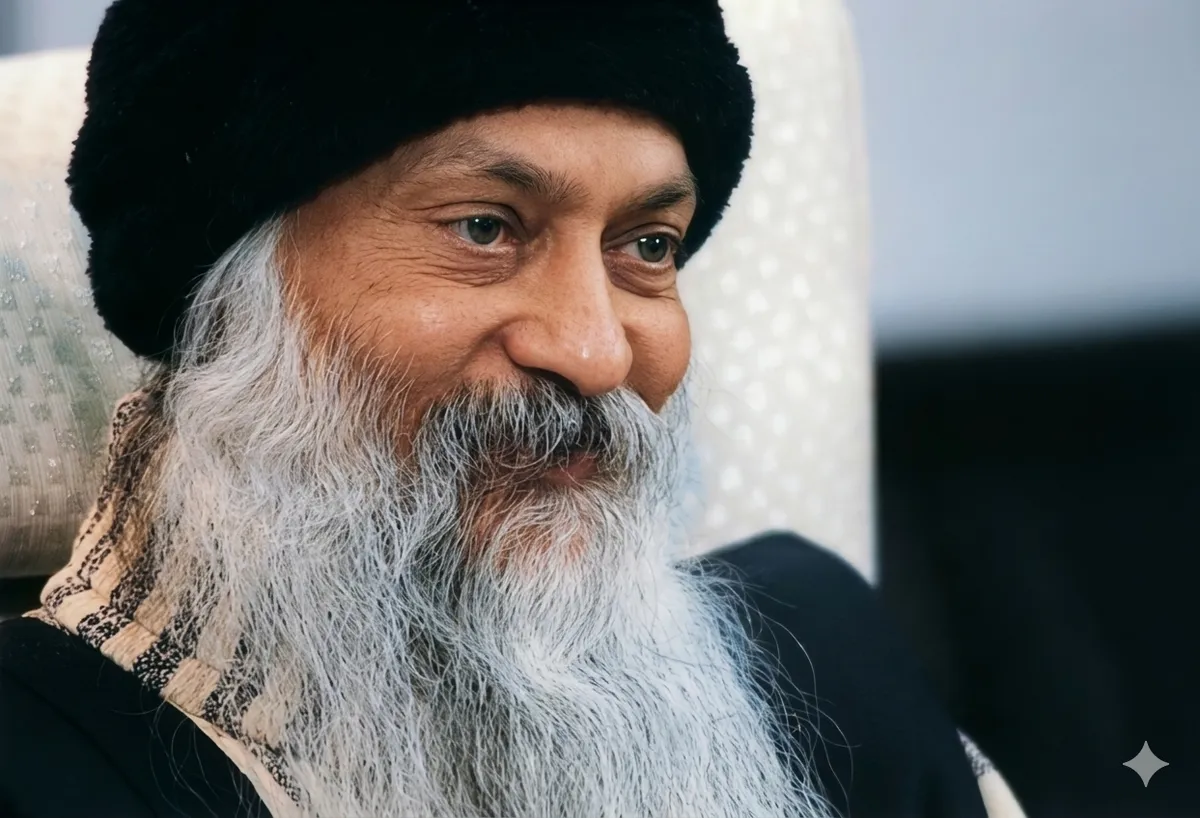
Osho's original Hindi beside Osho Live's English translation, matched passage by passage.
महेश! मैं अतीत-विरोधी नहीं हूं, न ही अतीत का पक्षपाती हूं। इस बात को ठीक से समझ लेना जरूरी है।
Mahesh! I am neither against the past nor partial to it. This needs to be understood correctly.
अतीत का अतिक्रमण होना चाहिए, यह मेरी देशना है। जो जा चुका, जा चुका। उसके विरोध में भी कुछ अर्थ नहीं है। उसका विरोध भी उससे बंधे होने का ही एक रूप है। जिसका हम विरोध करते हैं, उससे भी हमारा नाता हो जाता है। मित्र से ही नाता नहीं होता, शत्रु से भी नाता होता है। और कभी-कभी तो मित्र से भी ज्यादा गहरा नाता शत्रु से होता है। मित्र के बिना तो शायद तुम जी भी लो, शत्रु के बिना तुम जी भी न सकोगे। शत्रुओं में तुम्हारा बड़ा न्यस्त स्वार्थ होता है।
My teaching is that the past should be transcended. What has gone is gone. Even opposing it is meaningless—it only ties you to it in another way. We get bound to what we oppose. You don’t relate only to a friend; you relate to an enemy too—and sometimes the enemy binds you more deeply. You might live without a friend; without an enemy, you may not know how to live. Your vested interest often lies in your enemies.
जरा सोचो, तुम्हारे सब शत्रु मर जाएं, तुम्हें करने को कुछ न बचेगा--न अदालत, न मुकदमा, न झगड़ा, न झांसा। तुम्हारे सब शत्रु मर जाएं तो आत्मघात के अतिरिक्त और करने को क्या बचेगा?
Just imagine: if all your enemies died, what would be left to do—no courts, no lawsuits, no fights, no frauds. If all your enemies died, what would remain except suicide?
मैंने सुना है, मोहम्मद अली जिन्ना के जीवन में, उसके बहुत से मित्र संसार से विदा हुए, लेकिन सर्वाधिक दुखी हुआ वह महात्मा गांधी की मृत्यु से। और जब उसे खबर मिली कि महात्मा गांधी की मृत्यु हो गई, वह अपने बगीचे में बैठा था, एकदम उदास हो गया। उसकी आंखें गीली हो आईं। वह उठ कर भवन के भीतर चला गया। उसके सेक्रेटरी ने पूछा भी कि आपको इतना दुखी होने का क्या कारण है? आपकी तो शत्रुता थी। आप तो प्रसन्न होते तो ज्यादा तर्कसंगत होता।
I have heard that many friends of Mohammad Ali Jinnah died during his lifetime, but he was most distressed by the death of Mahatma Gandhi. When the news came, he was sitting in his garden; he became utterly dejected, his eyes moist, and went inside. His secretary asked, Why so much sorrow? You were enemies; your rejoicing would have been more logical.
लेकिन जीवन तर्क थोड़े ही है। जीवन गणित थोड़े ही है। जीवन बड़ी पहेली है। काश, जीवन तर्क और गणित ही होता तो सब समस्याएं कभी की हल हो गई होतीं! जीवन के उलझाव तर्क और गणित से बहुत गहरे जाते हैं। तर्क और गणित तो आदमी की ईजाद हैं, जीवन नहीं है। तर्क और गणित तो जीवन की ही सतह पर उठी हुई थोड़ी सी तरंगें हैं। जीवन की गहराइयों को कहां तर्क छूता! कहां गणित छूता!
But life isn’t logic, nor mathematics. Life is a great riddle. If only life were logic and mathematics, our problems would have been solved long ago! Life’s tangles go far deeper than logic and math. Logic and math are human inventions, not life. They are ripples on life’s surface. How can they touch life’s depths?
तर्कयुक्त तो यही है कि जिन्ना को नाच उठना था, आह्लादित हो जाना था, प्रसाद बांटना था। लेकिन वह दुखी हो गया। और उस दिन के बाद जिन्ना प्रसन्न नहीं रहा और ज्यादा दिन जीया भी नहीं। जैसे कुछ जड़ कट गई। महात्मा गांधी के साथ उसके संघर्ष में ही उसके प्राण थे; उस चुनौती में ही, उस तनाव में ही उसका बल था।
Logically, Jinnah should have danced in delight, distributed sweets. But he became sad. And after that day he was never happy and did not live long—as if a root had been cut. His very life-breath lay in the challenge, in the tension of that struggle.
जैसे ऋण और धन विद्युत साथ-साथ हों तो ही बिजली पैदा होती है, वैसे ही मित्र और शत्रु के बीच एक तनाव होता है, जो तनाव उन दोनों के लिए जरूरी है।
Like positive and negative charges generating electricity, there is a tension between friend and foe necessary to both.
मैं अतीत का दुश्मन नहीं हूं, अतीत-विरोधी नहीं हूं, अतीत-मुक्त हूं! अतीत का जो विरोधी होता है, वह अनिवार्यरूपेण भविष्य का पक्षपाती हो जाता है। यह दूसरा सत्य खयाल में लेना। कम्युनिस्ट अतीत-विरोधी हैं। वे कहते हैं: राम-राज्य पीछे नहीं हुआ, आगे होगा; स्वर्ण-युग पीछे नहीं हुआ, पीछे तो सब अंधेरे युग थे, पाशविक। स्वर्ण-युग आगे है। सतयुग पीछे नहीं था, सतयुग आगे है। वे अतीत-विरोधी हैं और भविष्य के प्रेमी हैं।
I am not the enemy of the past. I am not anti-past; I am free of the past. And note the other side: whoever is anti-past inevitably becomes partial to the future. Communists are anti-past. They say: Ram-rajya was not behind us; the Golden Age was not behind us—those were dark, bestial ages. The Golden Age lies ahead; satyuga is ahead. They oppose the past and fall in love with the future.
मैं न तो अतीत-विरोधी हूं और न भविष्य का प्रेमी हूं। मेरी शिक्षा तो बहुत छोटी सी है, सरल है, सीधी है। वर्तमान का ही अस्तित्व है केवल। अतीत वह, जो जा चुका। भविष्य वह, जो अभी हुआ नहीं। दोनों ही अनस्तित्व हैं। इसलिए अतीत का प्रेमी और भविष्य का प्रेमी, इनमें मैं भेद नहीं मानता; ये एक ही सिक्के के दो पहलू हैं। दोनों ही, जो नहीं है, उसके लगाव में पड़े हैं। और यही तो मन की जालसाजी है, मन का षड्यंत्र है। तुम्हें उससे उलझा रखता है, जो नहीं है। तुम उलझे रहते हो उससे जो नहीं है और वह बीत जाता है जो है।
I am neither anti-past nor a lover of the future. My teaching is very simple and direct: only the present exists. The past is what has gone; the future is what has not yet come—both are nonexistences. So I see no essential difference between the lover of the past and the lover of the future; they are the two faces of the same coin. Both are entangled in what is not. And that is the mind’s fraud, its conspiracy: it keeps you busy with what is not, while what is slips by.
मेरा कहना है: न तो अतीत से उलझो, न भविष्य से । जो जा चुका, जा चुका। जो नहीं आया, अभी आया नहीं। जो है, उसमें जीओ।
I say: neither get entangled with the past nor with the future. What has gone, has gone. What has not come, has not come. Live in what is.
परमात्मा का न तो कोई अतीत है और न कोई भविष्य। परमात्मा का तो केवल वर्तमान है। तुम परमात्मा के संबंध में अतीत और भविष्य का प्रयोग नहीं कर सकते। तुम यह नहीं कह सकते कि परमात्मा था; तुम यह भी नहीं कह सकते कि परमात्मा होगा। तुम यही कह सकते हो केवल कि परमात्मा है। असल में है का ही दूसरा नाम परमात्मा है। जो है, वही परमात्मा है। इस क्षण जो है, उसके अतिरिक्त और कोई परमात्मा नहीं है। यही तीर्थ है--यह क्षण। और इस क्षण में समग्र रूप से लीन हो जाना ध्यान है, समाधि है। इस क्षण को पूर्णरूपेण जी लेना प्रभु-साक्षात है, आत्मबोध है, बुद्धत्व है, निर्वाण है।
God has neither past nor future; God is only present. You cannot say, “God was,” nor “God will be.” You can only say, “God is.” In truth, “is” is another name for God. What is, here-now, is the only God. This very moment is the pilgrimage. To dissolve wholly in this moment is meditation, samadhi. To live this moment totally is God-realization, self-knowing, Buddhahood, nirvana.
इसलिए महेश, तुम्हारी यह धारणा कि मैं अतीत-विरोधी हूं, गलत है। न मैं अतीत-विरोधी हूं, न भविष्य का पक्षपाती हूं। न अतीत का पक्षपाती हूं, न भविष्य का विरोधी हूं। सिर्फ इतना ही कहना चाहता हूं तुमसे कि जो बीत गया, क्यों उसके साथ समय खराब कर रहे हो? कब तक रामायण देखते रहोगे? और कब तक?
So, Mahesh, your notion that I am anti-past is wrong. I am not anti-past, nor partial to the future; not partial to the past, nor anti-future. I only ask: why waste time on what is gone? How long will you go on rewatching the Ramayana? How long?
और खतरा यह है कि जिस दिन रामायण से मुक्त होओगे, उस दिन कार्ल मार्क्स की दास कैपिटल तुम्हारे हाथ में पकड़ में आ जाएगी।
And the danger is: the day you free yourself from the Ramayana, Marx’s Das Kapital will land in your hands.
चीन अतीतवादी था; लाओत्सु, कनफ्यूशियस, बुद्ध, इनमें उलझा था। और अब? अब मार्क्स, लेनिन, एंजिल्स, इनमें उलझा है। पहले सोचता था: बीत गए स्वर्णकाल। अब सोचता है: आने वाले हैं।
China was past-bound—entangled with Lao Tzu, Confucius, Buddha. And now? Now entangled with Marx, Lenin, Engels. Earlier it thought the golden times had gone; now it thinks they are about to come.
रूस भी अतीत-उन्मुख देश था। बहुत धार्मिक देश था, जैसे तुम हो। मगर वह धार्मिकता कहां गई? जरा में बदल गई। अब रूस की आंखें भविष्य पर टिकी हैं।
Russia too was a past-facing, very religious country—like you. Where is that religiosity now? In a moment it flipped. Now Russia’s eyes are fixed on the future.
एक अति से दूसरी अति पर मन बड़ी आसानी से चला जाता है; जैसे घड़ी का पेंडुलम दाएं से बाएं, बाएं से दाएं घूमता रहता है। मनुष्य के मन का स्वभाव है: अतियों में जीना। जो अति में जीएगा, वह मन में उलझा रहेगा। अति यानी मन। अति भोग से त्याग पर चली जाती है। तो या तो मन कहता है: खूब भोगो! और या मन कहता है: खूब त्यागो! मगर सम्यक कभी नहीं होने देता। मध्य में कभी नहीं होने देता। समतुलता नहीं आने देता। समता नहीं आने देता। सम्यकत्व पैदा नहीं होने देता। मन कहता है: या तो स्त्रियों के पीछे भागो या स्त्रियों से भागो, मगर भागो। ठहरना मत! मन कहता है: या तो धन पकड़ो; या कहता है: धन को गालियां दो। छूना मत। छूने में पाप हो जाएगा!
The mind easily swings from one extreme to another, like a clock’s pendulum. The mind’s nature is to live in extremes. Whoever lives in extremes remains entangled in mind. Extremity is mind. From the extreme of indulgence the mind runs to the extreme of renunciation. It says either: indulge to the hilt! Or: renounce completely! It never lets you be balanced, in the middle, in equanimity, in rightness. It says: either chase women or flee from women—but run! Don’t be still. It says: either cling to wealth, or hurl abuses at it; don’t touch it—touching is sin!
यह मन का तुम मजा देखते हो? धन में न तो कुछ ऐसा महत्वपूर्ण है कि उसी को छाती से लगाए बैठे रहो, न इतना कुछ महत्वपूर्ण है कि छूने से डरो। यह मेरी समझ के बाहर है। एक है दीवाना, जिसके हाथ में नोट आ जाए तो उसे ऐसा लगता है जैसे सब मिल गया। वह नोट को ऐसे छूता है जैसे क्या कोई प्रेमी अपनी प्रेयसी को छूता होगा! क्या कोई कवि किसी गुलाब के फूल को देख कर प्रफुल्लित होता होगा! क्या किसी सौंदर्य के पारखी ने पूर्णिमा के चांद में देखा होगा, जो उसे सौ के नोट में दिखाई पड़ता है! और फिर यही आदमी एक दिन नोटों का विरोधी हो जाता है--यही आदमी हो सकता है विरोधी। क्योंकि थकेगा; आज नहीं कल इसे दिखाई पड़ेगा--यह मैं क्या कर रहा हूं! यह क्या पागलपन है! तब दूसरा पागलपन करेगा। तब छूने से डरेगा। तब नोट छू जाएगा तो हाथ धोएगा। मल-मल कर हाथ धोएगा। घबड़ाएगा कि कहीं नोट पड़ा न मिल जाए! बचेगा नोटों से। दूर-दूर चलेगा। ऐसी जगह छिपेगा जहां नोटों का कोई आवागमन न हो। हिमालय की गुफाएं खोजेगा।
See the mind’s joke? Money is neither so important that you clutch it to your chest, nor so fearful that you dare not touch it. One fool feels a banknote is everything, touching it as a lover his beloved, as a poet a rose, as a connoisseur the full moon—he sees all that in a hundred-rupee note! And this very man will one day become an enemy of money—because he tires; he sees, sooner or later, What am I doing? Then he swings to the opposite madness: he fears to touch notes, scrubs his hands if he does, trembles at the sight of currency, keeps far away, hides in caves in the Himalayas.
नोट में इतना डरने जैसा भी नहीं है कुछ। नोट की एक उपयोगिता है। न तो इधर पागल होने की जरूरत है, न उधर पागल होने की। उपादेयता है। न तो नोट में कुछ ऐसा रस है कि उसे छाती से लगा कर बैठे रहो, और न कुछ इतने विरस होने की जरूरत है। जिसमें रस ही नहीं है, उससे विरस क्या होना? संसार में न तो उलझने की कोई बहुत आवश्यकता है, न भगोड़ेपन की कोई जरूरत है। मेरी शिक्षा सदा मध्य की है, क्योंकि मध्य में ही मन मरता है। अतियों में मन जीता है। तुम जहां भी मध्य में आ जाओगे, वहीं मन मर जाएगा।
कभी तुमने घड़ी के पेंडुलम को मध्य में रोक कर देखा? घड़ी बंद हो जाएगी। टिक-टिक समाप्त! ऐसे ही जैसे तुमने अति छोड़ी कि मन गया। और मन के साथ ही समय भी गया, भीतर की घड़ी भी बंद हो जाएगी। तुम कालातीत हो जाओगे।
There’s nothing in a banknote to be so afraid of. It has a utility. No need to be mad this way or that. There is a use—neither relish it as nectar nor shun it as poison. In this world there is little need to be entangled, and none to be an escapist. My teaching is always of the middle, because in the middle the mind dies; in extremes the mind lives. If you stop the pendulum in the middle, the clock stops—tick-tock ends. So too: as you drop extremes, the mind goes. And with the mind, time goes; the inner clock stops. You become timeless.
मेरी शिक्षा है कालातीत होने की। मैं चाहता हूं कि तुम समझो कि अतीत अब नहीं है। क्यों पिटी हुई लकीरों को और पीट रहे हो? क्यों समय गंवा रहे हो? सांप जा चुका, अब तो केवल रेत पर पड़ा हुआ चिह्न रह गया है; तुम उसी की पिटाई कर रहे हो! क्यों समय खराब कर रहे हो? या जो सांप अभी आए नहीं, उनसे बचने के उपाय कर रहे हो! वे कभी आएंगे भी, इसका भी कुछ पक्का नहीं है।
My teaching is to become timeless. Understand that the past is no more. Why keep flogging a dead track? The snake is gone; only the mark in the sand remains, and you are beating the mark! Why waste time? Or you are preparing defenses against snakes that have not yet come—who knows if they will come at all?
तुमने जितनी चीजें सोची थीं अपने जीवन में, वे हुईं? क्या हुआ? कितना हुआ? सौ बातें सोचो, एक भी तो नहीं होती। होता कुछ और है। जीवन विराट है। इतना विराट है कि तुम्हारी पकड़ में कुछ आता तो नहीं। मगर लोग भविष्य को पकड़ने की कोशिश में लगे रहते हैं; हाथ की रेखाएं दिखाते हैं कि भविष्य में क्या होने वाला है!
Did the hundred things you imagined in life happen? How much happened? You think a hundred; not even one happens. Something else happens. Life is vast—so vast that nothing is really in your grasp. Yet people try to seize the future; they show palms to astrologers to know what will be.
मेरे पास एक बड़े ज्योतिषी को लाया गया। उनकी फीस ही एक हजार रुपया थी। उन्होंने कहा कि मेरी फीस एक हजार रुपया है, इससे कम में मैं हाथ नहीं देखता।
मैंने कहा: एक हजार एक! इससे कम मैं देता नहीं।
उन्होंने जरा चौंक कर मुझे देखा। मेरे आस-पास जो लोग बैठे थे, उनको देख कर उन्हें भरोसा आ गया कि मिल जाएगा एक हजार एक, कोई चिंता की बात नहीं। मेरा हाथ देखा। और ज्योतिषियों के पास तो कुछ सुनिश्चित बातें हैं कहने की, जो सभी के लिए लागू होती हैं। वही तो कला है सारी ज्योतिष की। वही बातें उन्होंने कहीं। फिर वे राह देखने लगे उनकी फीस की। मैंने कहा: अब आप जाइए।
उन्होंने कहा: और मेरी फीस?
मैंने कहा: यह तो आपको घर से अपना हाथ देख कर चलना था कि आज फीस नहीं मिलेगी। और मेरा हाथ देख कर आपको समझ में नहीं आया कि यह आदमी फीस देने वाला नहीं है? तुम अपना हाथ तो देख लिया करो! अपनी जन्म-कुंडली तो ठीक से देख कर चला करो! तुम्हें जब अपने ही हाथ का कोई पक्का नहीं है, हाथ की अपनी ही रेखाओं को तुम नहीं पढ़ पाते, तुम मेरे हाथ की रेखाएं क्या खाक पढ़ोगे! मैं तो जब तुम मेरा हाथ देख रहे थे, तभी तुम्हारा हाथ देखा, तो मैंने कहा कि नहीं, इसको मिलने वाली नहीं है फीस। यह बात इतनी साफ हो गई कि मैं तुम्हारी हाथ की रेखाओं के खिलाफ जा नहीं सकता, तुम लाख सिर पटको, मैं तुम्हें फीस देने वाला नहीं हूं।
Once someone brought a famous astrologer to me. His fee was a thousand rupees. He said, I don’t look at a hand for less than a thousand. I said, A thousand and one—I don’t give less. He looked startled, then reassured by those around that he’d get it. He read my palm—astrologers have some stock lines that fit everyone; that’s their craft. He finished and waited for his fee. I said, Now you may go. He said, And my fee? I said, You should have read your own hand before leaving home: today you won’t be paid. And looking at my hand didn’t you see that I am not a payer? At least read your own palm! Consult your own horoscope! If you can’t read your own, what will you read in mine? When you were reading my hand, I looked at yours and saw clearly: No fee will be paid. This was so obvious that I cannot go against the lines of your hand—bang your head if you like, I won’t pay.
वे बहुत गिड़गिड़ाए। हजार से पांच सौ पर आ गए, दो सौ पर आ गए, सौ पर आ गए।
मैंने कहा: मैं एक रुपया देने वाला नहीं। इसीलिए तो इतनी मौज से मैंने कह दिया था तुम्हारा हाथ देख कर कि एक हजार एक दूंगा। देना ही होता तो पहले ही मोल-तोल होता। देना ही नहीं था तो मोल-तोल की जरूरत क्या थी! कोई मेरी तुमसे इतनी मैत्री भी नहीं है, परिचय भी नहीं है।
He pleaded and came down to five hundred, two hundred, a hundred. I said, I won’t give a single rupee. That’s why I so cheerfully said “a thousand and one”—because I had seen your hand. If I intended to pay, we would have bargained at the start. With no intent to pay, why bargain?
उन्होंने कहा: आपका मतलब?
मैंने कहा कि मुल्ला नसरुद्दीन एक दरजी के यहां कोट बनवाने गया था और उससे ठहराव कर रहा था। वह कह रहा था कि पचास रुपये लगेंगे। वह कह रहा था कि पच्चीस से ज्यादा नहीं दूंगा। बड़ी खींचतान हुई--तीस, पैंतीस...पैंतीस पर जाकर बात ठहरने के करीब हुई। चंदूलाल भी उसके साथ थे। उन्होंने नसरुद्दीन को कान में कहा कि नसरुद्दीन, मुझे मालूम है कि तुम जिसका लिए, कभी नहीं दिए। और तुम इस दरजी को भी एक पैसा देने वाले नहीं हो।
उसने कहा: वह तो मुझे भी मालूम है।
चंदूलाल ने कहा: फिर इतना मोल-तोल किसलिए?
तो उसने कहा कि यह अपना जाना-पहचाना परिचित है, इसको ज्यादा नुकसान नहीं पहुंचाना चाहता। पचास पर राजी होऊंगा तो बहुत दुखी होगा। पैंतीस ही गए, पंद्रह तो बचाए। अरे मित्र के साथ इतना तो करना ही चाहिए! अपना वाला है, परिचित है। जितना दुख कम कर सकूं, उतना कम मैं करने की कोशिश कर रहा हूं। और यह मूरख अपना दुख बढ़ाने की कोशिश में लगा हुआ है! मैं तो बीस से शुरू किया था।
He said, What do you mean? I told him a story: Mulla Nasruddin went to a tailor to have a coat made and haggled. The tailor said fifty; Nasruddin said twenty-five. They wrangled—thirty, thirty-five—almost settled at thirty-five. A friend whispered to Nasruddin: I know you—when do you ever pay? You won’t pay this tailor a penny. Nasruddin said, I know. Then why haggle? the friend asked. He said, He’s a friend; I don’t want to hurt him too much. If I agreed at fifty, he’d be very sad; at thirty-five he can feel he saved fifteen. One should do at least this much for a friend! And the fool is trying to increase his own pain; I started at twenty.
तो मैंने उनसे कहा कि मेरा कोई तुमसे परिचय भी नहीं है कि तुम्हें कम दुख दूं। तुमने हजार कहा, मैंने एक हजार एक कहा। तुम दो हजार कहते, मैं दो हजार एक कहता। तुम जितना कहते, मैं राजी होता, क्योंकि मैंने तुम्हारा हाथ जो देखा, मैंने समझ ही लिया कि इस आदमी को कुछ मिलने वाला है नहीं आज। आज तुम फोकट मेहनत कर रहे हो, घर जाकर सो रहो।
I told the astrologer: I have no acquaintance with you to lessen your pain. You said a thousand; I said a thousand and one. Had you said two thousand, I’d have said two thousand and one. Whatever you said, I would have agreed—because I saw your hand: today you get nothing. Go home and rest.
लेकिन लोग क्यों ज्योतिषियों के पास जा रहे हैं? क्या कारण है?
चाहते हैं कि भविष्य पर कुछ कब्जा हो जाए। भविष्य के संबंध में कुछ योजना बना लें। ये वे ही लोग हैं जिन्होंने अतीत गंवाया और अब वर्तमान गंवा रहे हैं। और क्या तुम्हें पता है, भविष्य कभी आता नहीं! जब आता है तब वर्तमान आता है। और वर्तमान के संबंध में कोई ज्योतिषी कुछ नहीं कह सकता। वर्तमान की कोई बात ही नहीं है ज्योतिष में। आज तो आता ही नहीं ज्योतिष में। ज्योतिषी या तो बीते कल की बात करते हैं या आने वाले कल की; दोनों ही नहीं हैं। आज की तो बात ही नहीं होती।
आज की बात ही धर्म है। इसलिए ज्योतिष धर्म नहीं है। ज्योतिष धर्म से बचने का उपाय है। ज्योतिष परमात्मा से बचने का उपाय है। यह तुम्हारे अहंकार की तलाश है। कल तो गया, एक तो चूक गए तुम; अब आने वाले कल में कुछ इंतजाम कर लो। वह भी चूकोगे।
Why are people going to astrologers? Because they want a hold on the future—some plan, some security. These are the people who wasted the past and are wasting the present. And do you know—future never comes. When it comes, it is present. Astrology never speaks of today. It speaks of yesterday or tomorrow—both nonexistences. Religion is concerned with today. Hence astrology is not religion; it is a device to avoid religion, to avoid God; it is a search to fortify the ego. You missed yesterday; now make arrangements for tomorrow—you’ll miss that too.
तुमने देखा नहीं, दुकानों पर तख्ती लगी रहती है: आज नगद, कल उधार! उस तख्ती का मतलब समझे? कल तो कभी आता नहीं। वह तख्ती बड़ी गूढ़ार्थ वाली है, वेद-वचन है वह। आज नगद, कल उधार! तुम यह सोच कर मत चले आना कि ठीक है, तो कल आएंगे। कल तो कभी आएगा नहीं; जब भी तुम आओगे तब यह तख्ती कहेगी: आज नगद, कल उधार। यह तख्ती बड़ी काम की है।
कल के सोचने में आज को मत गंवाओ।
Have you not seen the signboard in shops: Cash today, credit tomorrow. Understand? Tomorrow never comes. Whenever you arrive, the sign says the same. It’s a profound Vedic sentence! Cash today, credit tomorrow. Don’t waste today thinking of tomorrow.
मुल्ला नसरुद्दीन ने एक दिन चंदूलाल को बताया कि मैं पिछले पचास वर्षों से दुनिया का एटलस खरीदने का विचार कर रहा हूं।
चंदूलाल ने पूछा: फिर इतनी देर क्यों? पचास वर्ष! पूरी जिंदगी सोचते रहे एटलस खरीदना है दुनिया का! तो कब खरीदोगे? मर कर खरीदोगे? सत्तर साल तुम्हारी उम्र हो गई, अब खरीद ही क्यों नहीं लेते? कम से कम एक इच्छा तो पूरी हो जाए।
नसरुद्दीन ने कहा: बात यह है कि दरअसल मैं सोचता हूं कि दुनिया में थोड़ा-बहुत सुधार हो जाए, फिर खरीदूंगा। अरे संसार का कोई भरोसा है, बदल-बदल जाता है। पहले बर्मा भारत में था; अगर तब खरीद लिया होता तो खराब हो जाता एटलस। फिर पाकिस्तान भारत में था, तब खरीद लिया होता--मुफ्त गया! फिर अभी-अभी पांच साल पहले बंगलादेश पैदा हो गया। सब निपट जाए एक दफा, तो मैं एटलस खरीदूं।
Mulla Nasruddin told Chandulal, I’ve been thinking for fifty years of buying an atlas of the world. Chandulal asked, Then why the delay? Will you buy it after dying? You’re seventy—buy it now at least. Nasruddin said, The world keeps changing. Burma was in India—if I had bought then, it would be wrong. Then Pakistan was in India—if I had bought then, wasted. Bangladesh has just been born. Once everything settles, I’ll buy.
यह आदमी कभी एटलस खरीद नहीं पाएगा, यह खुद ही निपट जाएगा। यह बड़ा होशियार आदमी है। यह तुम जैसा आदमी है। तुम भी यही कर रहे हो।
This man will never buy an atlas—he will be finished instead. He is clever—just like you.
तुम मुझसे पूछ रहे हो: ‘आप अतीत-विरोधी हैं। क्या इससे युवकों में अराजकता पैदा होने का डर नहीं है?’
You ask: “You are anti-past. Won’t that create chaos among the youth?”
पहली तो बात: क्या तुम सोचते हो दुनिया में जो है आज, वह अराजकता नहीं है? और अराजकता कैसी होती है? इससे ज्यादा और अराजकता क्या होगी? इससे भी बदतर हालतों का इरादा रखते हो? सब तो टूटा-फूटा है। सब तो विकृत है, कुरूप है। सब तो गंदा है, दुर्गंधयुक्त है। सब तो सड़ रहा है। तुम्हारी राजनीति सड़ी हुई है, जिसके केंद्र पर सब घूमता है। तुम्हारी राजनीति में सिवाय बेईमानों के, लुटेरों के, किन्हीं और की कोई गति नहीं है। वे तुम्हारे मार्गदर्शक हैं। राहजन रहबर बने हुए हैं। जो तुम्हारी जेबें काटेंगे, गर्दनें काटेंगे, वही तुम्हारे रक्षक हैं। भक्षक रक्षक बने हुए हैं। तुम किस अराजकता की बात कर रहे हो? तुम्हारी राजधानियां पागलखानों में बदल गई हैं। तुम्हारी संसदों में क्या होता है? जूते फेंके जाते हैं, गालियां बकी जाती हैं, कुश्तमकुश्ती हो जाती है। संसद--जो तुम्हारी संस्कृति का आधार है; जो कि तुम्हारी सभ्यता का शिखर है। सभ्यता शब्द का अर्थ समझते हो? सभ्यता का अर्थ होता है: सभा में बैठने की योग्यता। सभ्य उसको कहते हैं जिसमें सभा में बैठने की योग्यता हो। तुम यहां बैठे हो, यह सभ्यता है। लेकिन संसद में जो घटता है, वह तो असभ्यता है, निपट असभ्यता है! संसद में तो बिलकुल ही, जो घट रहा है, असांसदिक है; उसमें बिलकुल ही संस्कृति नहीं है, न सभ्यता है। एकदम अराजकता है। हरेक हर दूसरे की टांग खींचने में लगा हुआ है, उठा-पटक मची हुई है। दंगल जारी रहता है--अखंड दंगल चलता रहता है! कौन ऊपर है, कौन नीचे है, कुछ पक्का पता भी नहीं चलता। किसकी टांग किसके हाथ में है, कुछ पता नहीं चलता। कौन किसके पक्ष में है, कुछ पता नहीं चलता। सुबह कुछ, सांझ कुछ। अराजकता और किसको कहते हो?
First: do you think what exists today is not chaos? What else is chaos? Everything is broken, distorted, ugly, stinking, rotten. Your politics is putrid, and everything revolves around it. Only the dishonest and the thieves prosper there. Your guides are highwaymen; the predators are your protectors. What chaos are you afraid of? Your capitals are madhouses. What happens in your parliaments? Shoes are hurled, abuses shouted, brawls break out. Parliament—the foundation of your culture, the summit of your civilization. Civilization means the capacity to sit together in a sabha. But what happens there is un-parliamentary, uncultured—pure chaos. Everyone is pulling everyone else’s leg; it’s a perpetual wrestling match. Who is up, who down—who knows? Who holds whose leg—who knows? Morning it is one thing, evening another. What else is chaos?
तुम्हारे विश्वविद्यालय, जहां तुम सोचते हो शिक्षा मिल रही है, वहां सिवाय उपद्रव के और क्या पल रहा है? वहां आगजनी, गुंडागर्दी, इसके सिवाय और किस चीज का जन्म हो रहा है? और तुम भयभीत हो कि मेरी बात से कहीं अराजकता पैदा न हो जाए! यह अराजकता इसलिए पैदा हुई है कि हमने आदमी को वर्तमान में जीना नहीं सिखाया। हम उसे अतीत-उन्मुख बनाए हुए हैं या भविष्य-उन्मुख। और वर्तमान में जीना उसे आता ही नहीं। और वही एकमात्र है समय जीने का; और तो कोई समय जीने का होता नहीं। तो जीने की कला ही आदमी को नहीं आती।
And your universities, where you think education is given—what grows there except disturbance? Arson and hooliganism. You fear my words will cause chaos! This chaos has arisen because we did not teach man to live in the present. We made him past-bound or future-bound. He does not know how to live in the only time there is. The art of living he has not learned.
शिक्षा महत्वाकांक्षा सिखाती है--भविष्य! यह बनो! वह बनो! शिक्षा सिखाती है दौड़ महत्वाकांक्षा की--ज्वरग्रस्त दौड़! फिर चाहे किसी भी कीमत पर हो, फिर शुभ-अशुभ का भी सवाल नहीं। जिंदगी छोटी है, शुभ-अशुभ का विचार करते रहे तो पिछड़ ही जाओगे। यहां तो धक्कमधुक्की करो। यहां तो शोरगुल मचाओ। जितनी गुंडागर्दी कर सकते हो, करो, उतने आगे निकल जाओगे। सभ्य तो रास्ते के किनारे खड़े हो जाते हैं, निकल जाने देते हैं उपद्रवियों को पहले। शोरगुल मचाने वाले, नारेबाजी लगाने वाले, घेराव-हड़ताल, मोर्चा निकालने वाले नेता हो जाते हैं। प्रधानमंत्री बनो! राष्ट्रपति बनो! शिक्षा महत्वाकांक्षा देती है: खूब धन अर्जित करो! शिक्षा अहंकार को पोषित करती है। और अहंकार जहां है वहां अराजकता होगी। अहंकार अराजकता का आधार है, उसकी आत्मा है। और मैं सिखा रहा हूं निर-अहंकारिता और तुम कहते हो कि मेरी बातों से अराजकता पैदा हो जाएगी!
Education teaches ambition—the future: Become this! Become that! Education breeds a feverish race—at any cost, with no concern for right or wrong. Life is short; if you keep weighing morality, you will lag. Shove, shout, agitate—lead processions, strikes, gheraos; become a leader, prime minister, president! Education feeds the ego. Where there is ego there will be chaos; ego is chaos’s very soul. And I am teaching egolessness—and you say my words will cause chaos!
अराजकता, जो बातें चल रही हैं, उनसे पैदा हो गई है। रोज बढ़ती जा रही है। तीन हजार साल में पांच हजार युद्ध लड़े गए हैं, और क्या अराजकता चाहते हो? युद्ध ही युद्ध! सारी दुनिया की सत्तर प्रतिशत ऊर्जा, शक्ति युद्ध की तैयारी में लगती है। आदमी जैसे पागल है! जैसे कुछ और करने को है नहीं, बस मारना है और मरना है। बातें हम करते हैं कि जीओ और जीने दो! और तैयारी करते हैं कि मारो और मरो! गरीब से गरीब देश भी आतुर है--अणुबम बना ले, हाइड्रोजन बम बना ले। भूखे मर रहे हैं, पेट भरे हुए नहीं हैं, कपड़े तन पर नहीं हैं, भयंकर भुखमरी काली छाया की तरह डोल रही है, आधे आदमी अधनंगे हैं, आधे से ज्यादा भूखे हैं! बच्चे पैदा होते से ही भिखमंगे हैं, अनाथ हैं। लेकिन अणुबम बनाना है! एटम बम बनाना है! हाइड्रोजन बम बनाना है! युद्ध की तैयारी करनी है, क्योंकि पाकिस्तान युद्ध की तैयारी कर रहा है। और पाकिस्तान को युद्ध की तैयारी करनी है, क्योंकि तुम युद्ध की तैयारी कर रहे हो। यह बड़े मजे का खेल है। चीन को युद्ध की तैयारी करनी है, क्योंकि भारत कर रहा है; और भारत को करनी है, क्योंकि चीन कर रहा है। यह बड़ी मुश्किल का मामला है।
The current talk has already produced chaos, and it grows daily. In three thousand years, five thousand wars have been fought. How much more chaos do you want? Seventy percent of the world’s energy goes to preparing for war. As if man had nothing else to do but kill and be killed. We say, Live and let live! But we prepare to kill and be killed. The poorest countries are eager to make atomic and hydrogen bombs. People are hungry, unclothed, famine stalks, children are beggars from birth—yet we must build bombs. India prepares because Pakistan prepares; Pakistan because India does; China because India does; India because China does. A comic chain.
तुम देख लेते हो कि पड़ोसी दंड-बैठक लगा रहा है, तुम लगाने लगे। और पड़ोसी इसलिए लगा रहा है कि उसने देखा कि तुम लंगोट खरीद कर बाजार से लाए हो। उसने पहले से ही तैयारी शुरू कर दी। और तुम लंगोट इसलिए खरीद लाए कि तुमने दुखा कि पड़ोसी तेल की मालिश करवा रहा था। कहां से बातें शुरू हो रही हैं, कुछ समझ में नहीं आ रहा! और पड़ोसी इसलिए तेल की मालिश करवा रहा था कि तुम बैठे-बैठे सुबह मूंछें मरोड़ रहे थे। बस एक-दूसरे की देखा-देखी बात बढ़ती जाती है, बात चलती जाती है कि तुमने मूंछ क्यों मरोड़ी! तुम मूंछ पर ताव दे रहे हो, कुछ मतलब है। तैयारी करो!
You see your neighbor doing pushups, so you start too. He started because he saw you buy a loincloth; you bought the loincloth because you saw him being oiled and massaged; he was being massaged because you were twirling your moustache in the morning. Where did it begin? No one knows. One imitates the other: You twisted your moustache—what does that mean? Prepare!
घर में खाने को न हो, चूहे दंड पेलते हों--तुम भी पेलो! मगर दंड-बैठक लगाओ! लड़ना तो पड़ेगा ही!
No food at home, the mice are doing pushups—so you do pushups too! But you must fight!
सदियों ने तुम्हें यही सिखाया है कि मरने में बड़ी कला है। कि मरो--देश के लिए; मरो--जाति के लिए; मरो--धर्म के लिए!
For centuries they have taught you that the art lies in dying: die for the country, for the caste, for the religion.
कल ही किसी ने मुझसे एक प्रश्न पूछा था कि आप देश-भक्ति के संबंध में क्यों कुछ नहीं कहते?
भैया, और कुछ कहने को बाकी है? इसी तरह की मूर्खतापूर्ण बातों ने तो तुम्हारी यह गति कर दी है। देश-भक्ति!
Yesterday someone asked why I say nothing about patriotism. Brother, what is left to say? It is precisely such foolish notions that have brought you to this pass. Patriotism!
जमीन कहीं बंटी है? किस चीज को देश कहते हो? उन्नीस सौ सैंतालीस के पहले अगर लाहौर पर बम गिरता तो तुम मरने को राजी होते--देश-भक्ति के लिए! और अब गिरे तो तुम फुलझड़ी-फटाके छोड़ोगे कि अच्छा हुआ। और देश! अब क्या हुआ देश? वही देश है। कुछ फर्क पड़ गया? लाहौर जहां था वहीं का वहीं है। जैसे लोग लाहौर में रह रहे थे, वैसे ही लोग लाहौर में रह रहे हैं। अब भी वहां बच्चे, अब भी वहां पत्नियां, अब भी वहां पति, अब भी वहां बूढ़े मां और बाप, अब भी सब वैसा का वैसा है। मगर एक रेखा खींच दी गई नक्शे पर; जमीन पर तो कोई रेखाएं खींची नहीं जा सकतीं। जमीन तो अविभाज्य है। नक्शे पर एक रेखा खींच दी गई। अब वह पाकिस्तान हो गया। अब मिट जाए दुनिया से, तो तुम राजी। अब तुम्हारे भीतर कोई देश-भक्ति पैदा नहीं होती लाहौर के लिए।
Where is the land divided? What is a “country”? Before 1947, if a bomb fell on Lahore you would have been ready to die—for the country! Now if it falls, you burst fireworks: Good! What of the “country”? Lahore is where it always was; the people there are as they were: children, wives, husbands, old mothers and fathers. A line was drawn on a map—lines cannot be drawn on the earth; earth is indivisible. On the map a line—now it is Pakistan. Now if it were wiped out, you’d agree. No patriotism for Lahore now.
पहले लाहौर और कराची और ढाका, ये सब पुण्यभूमि भारत हुआ करते थे। अब नहीं। पुण्यभूमि भी खूब बदलती है! पहले वहां भी देवता पैदा होने को तरसते थे। अब? अब लाहौर में देवता पैदा होने को नहीं तरसते? अब नहीं तरसते। देवताओं को भी पता चल गया कि यह पाकिस्तान है।
अरे पाकिस्तान है तो और भी तरसना चाहिए--पाकिस्तान यानी पवित्र भूमि! तुम अगर कहते हो कि भारत पुण्यभूमि है, तो वे कोई पीछे रहने वाले हैं! वे भी भारतीय ही हैं; उन्होंने नाम ही रख लिया: पाकिस्तान। तुमको तो कहना पड़ता है कि भारत पुण्यभूमि है; वह तो पाकिस्तान शब्द में ही डाल दिया उन्होंने--पुण्यभूमि। अलग से कहने की कोई जरूरत नहीं; जब भी पाकिस्तान नाम लो, तुम पुण्यभूमि ही दोहरा रहे हो। पवित्र भूमि!
Earlier Lahore, Karachi, Dhaka were holy Indian soil; now they are not. The “holy land” changes quickly! In those days even gods longed to be born there. Now? Do gods no longer long to be born in Lahore? They must have learned it is Pakistan. “Pakistan” means holy land—pak. If you call India a holy land, they won’t be left behind; they are Indians too—they put it in the very name: Pakistan. You have to separately say “holy land”; they included it. Whenever you say “Pakistan,” you repeat “holy land.”
और देवता भी कम पड़ गए होंगे। क्योंकि जब भारत की आबादी दो करोड़ थी, बुद्ध के जमाने में, तब तैंतीस करोड़ देवता थे, वे तरसते थे भारत में पैदा होने को। अब मैं जरा मुश्किल में पड़ा हुआ हूं कि अगर कोई किसी दिन भूल-चूक से मुझसे यह प्रश्न पूछ ले तो मैं मुश्किल में पड़ जाऊंगा, क्या जवाब दूंगा! तैंतीस करोड़ कुल देवता हैं, सत्तर करोड़ तो पैदा ही हो चुके! अब ये और देवता कहां से आ रहे हैं? एक तो तैंतीस में से सत्तर कैसे हो गए, यह भी एक चमत्कार है! कि देवता भी खंड-खंड में पैदा हो रहे हैं, क्या मामला है! कि कहीं देवता की टांग पैदा हो गई, कहीं हाथ पैदा हो गया, कहीं सिर पैदा हो गया। और चले ही आ रहे हैं! और अभी भी तरस ही रहे हैं! अब पाकिस्तान में पैदा होने को नहीं तरसते!
And even gods have become scarce. When India’s population was two crores in Buddha’s time, there were thirty-three crores of gods, all longing to be born here. Now the math is difficult: there are only thirty-three crores of gods, but seventy crores of people already born! Where are the gods coming from? Perhaps limbs: a leg of a god here, a hand there, a head there! Still they long! But no longer to be born in Pakistan?
ये देश-भक्ति की बातें सिखाई गई हैं तुम्हें, कि मर जाओ देश के लिए। तुम्हें धर्म की बातें सिखाई गई हैं, कि धर्म के लिए मर जाओ। इस्लाम खतरे में है, तो मुसलमान मरने को तैयार है। हिंदू धर्म खतरे में है, तो हिंदू मरने को तैयार है।
Patriotism has been drummed into you: die for the country. Then religion: die for the faith. If Islam is in danger, Muslims are ready to die; if Hinduism is in danger, Hindus are ready to die.
रहने दो! खतरे में है तो तुम्हारा क्या बिगड़ता है? हिंदू धर्म खतरे में है, इस्लाम धर्म खतरे में है--रहने दो। देखें, कैसे दिन और कितने दिन खतरे में गुजारता है! मगर नहीं; न इस्लाम खतरे में है, न हिंदू धर्म खतरे में है--तुम खतरे में पड़ जाते हो। ये नारे सब राजनीति के हैं। ये सब नारे उपद्रव के हैं। और तुम्हें हर चीज पर मरना सिखाया जाता है। कोई तुमसे यह तो कहता ही नहीं कि जीओ।
Let it be! If religions are in danger, what do you lose? Let’s see how long they manage. In truth, neither Islam nor Hinduism is in danger—you are put in danger. These are political slogans, tools of disorder. You are taught to die for anything and everything. No one teaches you to live.
मेरे पास लोग आ जाते हैं, वे कहते हैं कि हम तैयार हैं संन्यास के
लिए। अगर आप हम से मरने को भी कहें तो हम तैयार हैं।
मैं उनसे कहता हूं: मैं मरने को कहता ही नहीं। मैं कहता हूं कि जीओ!
यह सुन कर उनका मुंह उदास हो जाता है, क्योंकि जीना जरा कठिन मामला है। मरना तो सरल बात है। चले गए नदी पर, कूद गए, कुएं में कूद गए, रस्सी में गला लटका लिया, जहर खा लिया, ट्रेन के नीचे लेट गए--मरने के तो हजार उपाय हैं। और एक क्षण में बात हो जाती है, कोई ज्यादा देर लगती नहीं। जीना लंबा सिलसिला है। हजार चुनौतियों का सामना करना पड़ता है। मैं उनसे कहता हूं: संन्यास इसलिए लो कि तुम्हें एक नये ढंग का जीवन जीना है। मरने की क्या बात है? मौत तो आएगी, अपने आप आ जाएगी, तुम्हें इतनी क्या जल्दी पड़ी है?
People come to me: We are ready for sannyas. If you ask us to die, we are ready. I say: I never ask anyone to die. I say: live! And their faces fall—because living is arduous; dying is easy. Jump into a river or a well, hang yourself, swallow poison, lie under a train—thousand ways; in a moment it’s done. Living is a long pilgrimage, full of challenges. Take sannyas to live in a new way. Death will come by itself; why hurry?
लेकिन लोगों का जीवन इतना दुखपूर्ण है कि वे किसी भी बहाने मरने को राजी हैं। और अच्छा सा कोई बहाना मिल जाए तो फिर कहना ही क्या--देश-भक्ति! धर्म-भक्ति! अच्छा सा कोई बहाना मिल जाए। और फिर यह भी उसमें भीतर तृप्ति होती है कि शहीदों की चिताओं पर जुड़ेंगे हर बरस मेले! यह भी भीतर लगा रहता है कि अहा, एक दफे ही मरना है, फिर तो हजारों वर्ष तक मेले ही जुड़ते रहेंगे। अपनी कब्र में लेटे-लेटे मजा लेंगे मेलों का।
जिंदगी में तो कोई मेला जुड़ता नहीं और तुम सोचते हो मरने पर तुम्हारे मेला जुड़ जाएगा! कितने शहीदों की चिताओं पर मेले जुड़ रहे हैं? और ऐसे शहीदों की चिताओं पर मेले जुड़ने लगें तो जिंदगी में और काम करने को ही न बचे। इतने शहीद हो चुके हैं कि सुबह से शाम तक मेले ही मेले जोड़ने पड़ें।
People’s lives are so miserable that they are willing to die for any excuse—patriotism, religion—then inside there is the fantasy that “Fairs will gather at the pyres of martyrs every year!” From the grave they will enjoy the fairs. In life, no fair gathers; they imagine it will after death. How many martyrs’ pyres have fairs? If they did, there would be no time for anything else—so many have died that from morning to evening we would do nothing but attend fairs.
शहीदों वगैरह की चिताओं पर मेले नहीं जुड़ते। हां, चिताओं पर मेले जुड़ते हैं--उन लोगों की, जो चालबाज हैं, बेईमान हैं, धूर्त हैं, पाखंडी हैं; जो जिंदगी भर भी तुम्हें सताते हैं और मर कर भी पीछा नहीं छोड़ते--उनकी चिताओं पर मेले जुड़ते हैं। शहीदों वगैरह के नाम पर कहां चिताओं पर मेले! शहीदों के नाम पर तो एक चिता बना देते हैं--अज्ञात शहीद की स्मृति में। अज्ञात शहीद की स्मृति में! अलग-अलग कहां बनानी! और एक दिन मना लेते हैं: शहीद दिवस। सब शहीदों के लिए निपटा दिया एक दिन में। और जुड़ते भी रहे मेले समझ लो, तो भी क्या होगा? तुम्हारी कब्र पर लोग फूल भी चढ़ाते रहे तो क्या होगा? जिंदगी में तो कोई गंध न मिली, कोई संगीत न मिला।
Fairs gather on the pyres of tricksters, hypocrites, the cunning—those who harass you while alive and won’t leave you alone after death. For martyrs there is one shared flame: “In memory of the unknown soldier.” Why build separate ones? And a single “Martyrs’ Day”—everyone is done in one day. And suppose flowers gather on your grave—so what? In life you had no fragrance, no song.
नहीं, मैं इस तरह की आत्मघाती प्रवृत्तियों को कोई बल नहीं देना चाहता। तुम्हारा अतीत आत्मघाती प्रवृत्तियों से भरा हुआ रहा है। मुसलमानों को समझाया गया कि तुम अगर मर जाओगे धर्म के युद्ध में तो स्वर्ग निश्चित है। इसलिए जेहाद परम पुण्य है। फिर तुमने कितने ही पाप किए हों, सब क्षमा। पापी से पापी व्यक्ति अगर धर्मयुद्ध में मरेगा तो वह सीधा स्वर्ग जाता है। उसे नरक वगैरह नहीं जाना पड़ता। स्वभावतः, भोले-भाले लोग राजी हो गए।
लेकिन अब मजा यह है कि धर्मयुद्ध हिंदू और मुसलमान लड़ रहे हैं, इसमें कौन धार्मिक है और कौन अधार्मिक है? हिंदू कह रहे हैं कि जो धर्मयुद्ध में मरेगा वह स्वर्ग जाएगा; मुसलमान कह रहे हैं कि जो धर्मयुद्ध में मरेगा वह स्वर्ग जाएगा। कौन धार्मिक है? कैसे तय होगा? कौन निर्णय करेगा?
अक्सर तो निर्णय बड़े अजीब ढंग से होता है: जो जीत जाता है, वह निर्णायक हो जाता है। तुम कहते तो हो--सत्यमेव जयते! तुमने इस देश का महामंत्र बना लिया है--सत्यमेव जयते। कि सत्य की सदा विजय होती है। मगर मामला कुछ उलटा ही है। जिसकी विजय हो जाती है, लोग उसी को सत्य मानते हैं। जो हार जाता है, वह असत्य हो जाता है।
I do not want to feed such suicidal tendencies. Your past has been full of them. Muslims were told: if you die in holy war, heaven is assured; jihad is supreme merit. No matter your sins, if you die in jihad you go straight to heaven. Innocently, people agreed. But tell me: when Hindus and Muslims fight a “holy” war, who is religious and who irreligious? Both claim heaven for their martyrs. Who decides? Usually the winner decides. You say, Satyameva Jayate—truth alone triumphs. The reality is reversed: whosoever triumphs is called truth. The defeated becomes untruth.
अगर कौरव जीत गए होते, तो तुम सोचते हो कि इतिहास यही होता जैसा अब है? तब कौरवों के चापलूसों ने इतिहास लिखा होता। अभी पांडवों के चापलूसों ने इतिहास लिखा है। जो जीतेगा, उसके चमचे इतिहास लिखेंगे। जो हार ही गया, उसका तो इतिहास कौन लिखेगा! और अपनी पिटाई करवाएगा? मुर्दों का, हारों का कौन साथ देता है? कौरव हार गए तो वे अधार्मिक हो गए, दुष्ट हो गए। और पांडव जीत गए तो वे धार्मिक हो गए, वे पुण्यवान हो गए। वे धर्म के लिए लड़ रहे थे।
If the Kauravas had won, do you think history would be what it is? Then the Kauravas’ flatterers would have written it. Now the Pandavas’ flatterers have. The victors’ sycophants write history; who writes for the defeated?
मगर कौन निर्णय करे? कैसे निर्णय करे? किस तरह का धर्म है? युधिष्ठिर जुआ खेलते हैं--और धर्मराज हैं! और जुआ ही नहीं खेलते, अपनी पत्नी को दांव पर लगा देते हैं--और धर्मराज हैं! तुम तो जरा अपनी पत्नी को दांव पर लगा कर आओ, तब तुम्हें कोई धर्मराज कहे! फौरन पुलिस थाने में पहुंचाए जाओगे। कौन अपनी पत्नी को दांव पर लगा सकता है? पत्नी कोई वस्तु है? लेकिन उन दिनों धर्मराज भी यही सोचते थे कि स्त्री भी संपदा है। अभी भी हमारे पास ये शब्द, गंदे शब्द बचे हैं: स्त्री-संपदा। अब भी बाप अपनी बेटी का विवाह करता है तो कहता है: कन्यादान!
जीवंत व्यक्तियों का दान कर रहे हो? गऊ-दान करते-करते कन्यादान करने लगे? एक तो गऊ का भी नहीं करना चाहिए, क्योंकि गऊ को माता कहते हो, माता का दान कर रहे हो, कुछ शर्म नहीं आती? कुछ संकोच नहीं होता? दान चीजों का होता है।
Yudhishthira gambles—and is “Dharma-raj”! Not only gambles—stakes his own wife—and is “Dharma-raj”! Try staking your wife; will anyone call you righteous? You will be jailed. Is a wife an object? But in those days even Dharma-raj thought a woman was property. Even now we have filthy words: “stri-sampada”—woman as property. A father “donates” his daughter—kanya-dan! Do you donate living beings? From donating cows you came to donating girls. You call the cow “mother,” and donate her? No shame? Donation is for things.
पत्नी को दांव पर लगा दिया! और पत्नी को पांचों भाइयों ने बांट लिया था। मगर जो जीत गया, उसकी पताका है। तो द्रौपदी का नाम महासतियों में है; साधारण सती नहीं है द्रौपदी, महासती! प्रातः-स्मरणीय! और पांच पति थे। और पतियों ने बांट लिया था सिर्फ इसलिए कि द्रौपदी इतनी सुंदर थी कि पांचों में कलह होने का डर था। उस कलह को बचाने के लिए यही एक उपाय दिखा, यही एक समझौता दिखाई पड़ा कि दिन बांट लो। स्त्री तो वस्तु थी, बांटी जा सकती है; आज तुम उपयोग कर लो, कल तुम उपयोग कर लेना। जैसे कोई साइकिल हुई कि कार हुई, कि दिन बांट लिए! और ये धर्मराज हैं!
Draupadi was shared among five brothers—only to avert quarrel because she was so beautiful. The compromise was to divide the days. A woman was an object to be allotted—like a bicycle or a car. And they are called righteous!
लेकिन जीत गए तो उनके चापलूसों ने, उनके खुशामदियों ने इतिहास लिखा। जो जीत जाए उसका इतिहास लिखा जाता है।
But the victors’ flatterers wrote the history; that’s what is praised.
तुम जरा सोचो, दूसरे महायुद्ध में अगर हिटलर जीत गया होता तो चर्चिल, रूजवेल्ट, स्टैलिन, ये सब राक्षस-पुरुष सिद्ध किए जाते। मुकदमे चलते अंग्रेज जनरलों पर, अमरीकन जनरलों पर। और दुनिया में प्रतिष्ठा होती अडोल्फ हिटलर की, मुसोलिनी की, तोजो की। जापान, इटली और जर्मनी, इन तीन की उदघोषणा होती कि ये हैं धर्मराज्य! स्वभावतः, जो जीतेगा उसकी स्तुति करने वाले लोग मिल जाएंगे। कौन निर्णायक है?
Think: if Hitler had won, Churchill, Roosevelt, Stalin would be demons on trial; and Hitler, Mussolini, Tojo would be celebrated. Japan, Italy, Germany would be declared dharma-rajya. Sycophants are never lacking for the winner. Who decides?
पंडित-पुरोहित निर्णय कर रहे हैं और तुम उनके निर्णयों के अनुसार अब तक जीते रहे हो। तुम अपने निर्णायक कब बनोगे? मेरा इतना ही निवेदन है: अपने निर्णायक बनो। अपने जीवन पर पुनर्विचार करो। अतीत की बंधी हुई धारणाओं से मत जीओ। काफी जी लिए, पाया क्या? गंवाया बहुत। चुनौतियां तो आएंगी--अगर तुम लकीरों को अतीत की छोड़ोगे, रूढ़ियों को छोड़ोगे, बंधी-बंधाई लीकों को छोड़ोगे। चुनौतियां आएंगी, चुनौतियां शुभ हैं। क्योंकि चुनौतियों का सामना करने से ही विकास होता है, आत्मबल पैदा होता है, संकल्प का जागरण होता है। मैं इसको अराजकता नहीं कहता, इसे चुनौती कहता हूं।
Priests have decided, and you have lived by their decisions. When will you become your own deciders? My plea: be your own judge. Reconsider your life. Do not live by fixed notions of the past. You have done that enough—what have you gained? Much has been lost. Challenges will come when you leave the ruts and routines. Challenges are auspicious: facing them, growth happens; inner strength is born; resolve awakens. I don’t call that chaos; I call it challenge.
अस्त होते सूरज को
पश्चिम क्षितिज पर
रोक रखने का
करो मत यत्न-साहस,
रुक न पाएगा,
तुम्हारा जोर, हठ, संघर्ष सारा
Do not try to hold back the setting sun on the western horizon. It will not stop. Your force, your stubbornness, your struggle will all be in vain.
व्यर्थ जाएगा।
मोह, पूर्व प्रकाश का
मैं समझता हूं
भय, चली आती निशा के
अंधकार-प्रसार का,
जिसमें दिशाएं डूब जाएंगी
न देंगी काम आंखें,
I understand your attachment to the light that has been, your fear of the spreading dark in which the directions will drown, eyes will be of no use, and the hand stretched out will not find the depth of this ocean of night.
और फैले हाथ की फैली अंगुलियां
यह तिमिर का सिंधु
कितना थाह पाएंगी।
और सबसे बड़ी,
मैं हूं जानता, चिंता तुम्हारी
नई उम्रों के लिए
जिनको उजाला चाहिए
वे हंसें-खेलें,
बढ़ें, विकसें!
And most of all, I know your concern for the young, who need light, who should laugh and play, grow and blossom.
आंख ऊपर तो उठाओ
और कुछ समझो
सितारों के इशारे,
समय का यह चक्र चलता जा रहा है
जो गया, फिर आ रहा है।
पूर्व-मुख हो
Lift your eyes and understand a little the signals of the stars: the wheel of time is turning— what has gone is coming again. Face the east, listen carefully: you can hear the anklets of the new rays of dawn, you can hear the hoofbeats of the steeds that pull the new chariot of the new sun, ever approaching. Look there: the tents of night are being uprooted.
ध्यान से अंको
सुनाई पड़ रही हैं
पायलें नूतन उषा किरणावली की,
और अब टापें तुरंगों की
नया रथ नये रवि का खींचते जो
सतत बढ़ते आ रहे हैं
उधर देखो,
रात के खेमे उखड़ते जा रहे हैं।
ज्योति केवल चाहते?
यह ताप का गोला उठा सा।
Do you want only light? A sphere of fire is rising. I understand: the new carries within it the disappointments of the old suns’ old tales— but do not stay lost in what is gone. What is to be done with fire will not be done with smoke.
मैं समझता हूं
नये से जो पुरानों की निराशा
विगत सुरुजों की विगत गाथा संजोए
रहो मत खोए हुए से
आग से जो काम चलता है
नहीं होगा धुएं से।
नई उम्रों को न रोको
Do not stop the young. Let them, fearless, play with the new flame, wrestle with it. The riddles that the fire extinguished you, let them be solved by those very ones!
नई ज्वाला से
अभय हो
खेलने दो,
जूझने दो।
आग ने उनको बुझाई है पहेली जो
उन्हीं को बूझने दो!
इतना क्या घबड़ाना? इतनी क्या नपुंसकता कि कहीं युवकों के जीवन में अराजकता न फैल जाए? युवकों को जूझने दो, जीवन की समस्याओं को सुलझाने दो। तुम बंधे-बंधाए समाधान मत पकड़ाओ। तुम्हारे समाधानों का समय गया। कभी सही रहे होंगे। और कौन जाने कभी सही थे भी कि नहीं! मगर रहे भी हों कभी सही तो आज तो सही नहीं हैं। कल के गणित आज व्यर्थ हो गए हैं। और तुम उन्हीं को पीटे चले जा रहे हो। और तुम कहते हो: यह तो बाप-दादाओं की परंपरा है! यह तो हमारे बाप-दादों ने भी ऐसा किया था, वैसा ही हम करेंगे। हम उनकी लीक कैसे छोड़ दें? अराजकता न हो जाए! तो तुम मुर्दे ही ढोते रहोगे?
Why so much fear? Why such impotence—“what if chaos spreads among the youth?” Let the young wrestle; let them solve life’s problems. Don’t force hand-me-down solutions. Your solutions’ time is gone. Perhaps they were right once; who knows? Even if right then, they are not right now. Yesterday’s arithmetic becomes useless today. Yet you go on beating it in—and boast: this is our forefathers’ tradition! They did thus; we will do the same. How can we leave their track? Lest chaos ensue! Will you go on hauling corpses?
जब तुम्हारे पिता मर जाते हैं या तुम्हारी मां चल बसती है, माना कि तुमने उन्हें प्रेम किया था और तुम्हारी आंखें गीली हैं, फिर भी तो तुम उन्हें मरघट पहुंचा आते हो, फिर भी तो तुम उन्हें चिता पर जला देते हो। कोई लाश को घर में तो नहीं रख लेते। अगर लोग लाशों को घरों में रखने लगें तो जिंदा रहना मुश्किल हो जाएगा। एक-एक घर में कितने लोग मर चुके हैं! अगर इतनी लाशें घर में सड़ी हुई पड़ी हों, तो जिंदों का क्या होगा? बच्चों का क्या होगा? वे तो जी ही न सकेंगे। वे तो सड़ जाएंगे। वे तो दुर्गंध में दब जाएंगे और मर जाएंगे। लाशों में कीड़े पड़ जाएंगे। और लाशों को खाते-खाते कीड़े, जो जिंदा हैं, उनको खाने लगेंगे।
When your father or mother dies—even if you loved them and your eyes are wet—you still carry them to the cremation ground. No one keeps a corpse at home. If people began to, life would be impossible. In every house how many have died! With so many rotting corpses, what of the living? The children would rot from the stench, be overrun by maggots that first eat corpses then the living.
और यही हुआ है विचार के तल पर। मरी-मराई लाशों को तुम ढो रहे हो। पिटी-पिटाई धारणाओं को तुम ढो रहे हो। और तुम डरते हो कि कहीं इनको छोड़ा तो कहीं मार्गच्युत न हो जाएं!
उनको पकड़े हो इसलिए मार्गच्युत हो। उनको छोड़ो तो तुम्हारी आंखें धुएं से मुक्त हों। तुम साफ-साफ देखो। तुम्हें भी जीवन दिया है परमात्मा ने। तुम्हें भी चेतना दी है। तुम्हें भी बोध दिया, बुद्धि दी है। तुम समस्याओं से जूझो। अपनी बुद्धि की तलवार को समस्याओं की शिला पर धार दो। अपने चैतन्य को चमकाओ समस्याओं से जूझ कर। उलझो तूफानों से। क्योंकि उसी उलझने में, तूफानों से लड़ने में ही, तुम्हारे जीवन में जो छिपे हुए बीज पड़े हैं, वे फूटेंगे। तुम्हारी जो संभावना है, वह वास्तविक बनेगी।
That is what has happened in the realm of ideas. You are carrying dead notions and fear that without them you will be lost. It is because you clutch them that you are lost. Drop them, and your eyes will be freed of smoke; you will see clearly. God has given you life, consciousness, intelligence. Wrestle with problems. Sharpen the sword of your intelligence on the stone of life’s challenges. Polish your awareness by struggling with storms. Only thus will the hidden seeds within you sprout; only thus will your potential become real.
डरो मत। भयातुर मत जीओ। हम बड़े भयभीत लोग हैं। हम बहुत कायर हो गए हैं। हम तो बस जहां हैं, जैसे हैं, किसी तरह गुजार लें, सीमा के बाहर न जाएं। लक्ष्मण-रेखाएं खींची हुई हैं! चारों तरफ लक्ष्मण-रेखाएं, लक्ष्मण-रेखाएं हैं। इस रेखा के पार मत जाना, उस रेखा के पार मत जाना--उससे ही हम मारे गए, बुरी तरह मारे गए!
Do not be afraid. Do not live frightened. We are a frightened people, become cowardly. We want to somehow remain as we are, never step beyond the lines—Lakshman-rekhas all around: Don’t cross this line, don’t cross that one. That has ruined us.
सदियों तक इस देश को समझाया गया: समुद्रों को मत लांघना, समुद्रों को लांघने में पाप है। सो इस देश ने समुद्र न लांघे। हालांकि सबसे पहले नावें हमने बनाईं, लेकिन हम समुद्र न लांघे। क्योंकि कौन जाए परदेश! परदेश जो जाए वह भ्रष्ट हो जाए। म्लेच्छों से मिले कौन! म्लेच्छों के देश जाओगे, उनका भोजन करोगे, उनके साथ रहोगे, उनकी भाषा सीखोगे, म्लेच्छ हो जाओगे। तो यह पुण्यभूमि को छोड़ कर जाए कौन! तो हम कहीं न गए। हम यहीं सड़ते रहे। सारी दुनिया ने यात्राएं कीं। स्वभावतः वे जूझे संघर्षों से, तूफानों से। वे मालिक बने और हम गुलाम बने। जब कि सबसे पहले हमने नावें खोजीं; सबसे पहले जहाज हमने बनाए थे; सबसे पहले गणित हमने खोजा। हम इस जमीन की सबसे पुरानी जाति हैं और सबसे दीन-हीन! यह बड़ी हैरानी की बात है। यह किस तरह की दुकान हम कर रहे हैं, जहां घाटा ही घाटा लगता है, जब देखो तब दिवाला! दीवाली कभी होती ही नहीं। दीये कभी जलते नहीं। कुछ भी करो, दिवाला।
For centuries this country was told: do not cross the seas; it is sin. So we did not, though we first built boats. Who will go to foreign lands and be corrupted by mlecchas, eat their food, learn their language? Who will leave the holy land! So we rotted here. The rest of the world traveled, faced storms, became masters; we became slaves. We discovered boats, ships, arithmetic; we are the oldest people of this land—and the most wretched. What a shop we run—always losses, always bankruptcy, never Diwali.
कुछ मौलिक भूलें हो रही हैं। हम लकीर के फकीर हो गए हैं। जो लोग इस तरह लकीर के फकीर होकर जीएंगे, उनका संबंध अस्तित्व से टूट जाता है। अस्तित्व से संबंध बनाए रखना हो तो तुम्हें रोज-रोज अतीत के प्रति मरना ही होगा। अगर जिंदा रहना है तो अतीत के प्रति मरो, ताकि वर्तमान में जी सको। रोज-रोज अतीत को छोड़ते चलो। रोज-रोज अतीत की धूल को झाड़ते चलो। जैसे रोज स्नान कर लेते हो न, ताकि धूल न जम जाए, ऐसे ही रोज-रोज अपनी प्रतिभा को भी स्नान करा लेना चाहिए, ताकि उस पर भी धूल न जमे, ताकि तुम ताजे रहो दर्पण की तरह। और जो तुम्हारे सामने मौजूद है, उसका प्रतिफलन तुम्हारे भीतर बने। और तुम उसके साथ जो है, कुछ करने में समर्थ हो पाओ।
Some fundamental errors are being made. We have become line-followers. Those who live like that lose connection with existence. To remain connected with existence you must die to the past every day. If you want to be alive, die to the past so you can live in the present. Daily brush off the dust of yesterday. As you bathe to remove dirt from your body, bathe your intelligence so dust does not settle—stay fresh like a mirror, reflecting what is before you, ready to respond.
इस देश ने बहुत कुछ खोजा, लेकिन हमारी परंपरागत, रूढ़िगत चेतना के कारण हम गंवाते आए। हमने बुद्ध को खोजा, लेकिन बुद्ध को गंवा दिया। क्योंकि बुद्ध ने जो बातें कहीं, वे हमारी रूढ़ि के अनुकूल नहीं पड़ती थीं। सारा एशिया बुद्ध से आंदोलित हो उठा, सिर्फ भारत ने बुद्ध को गंवाया। यह जरा हैरानी की बात है! हमने बुद्ध को जन्माया। बुद्ध हमारी चेतना के शिखर थे, हमारे बीच खिले सबसे बड़े कमल थे। जिस सहस्रदल-कमल की हम बात करते हैं, समाधि की, उसको पाने वाला सबसे बड़ा व्यक्ति हमारे भीतर पैदा हुआ। सारे एशिया ने रस लूटा। और हम प्यासे के प्यासे बैठे रहे। क्योंकि बुद्ध ने एक बात कह दी, जो हमें अखर गई। बुद्ध ने कहा: वेदों से मुक्त हो जाओ। और वेद तो हमारा अतीत हैं, उनसे हम मुक्त नहीं हो सकते। हमने बुद्ध को छोड़ दिया, हम वेदों से मुक्त न हुए। बुद्ध ने कहा: परंपरा से मत जीओ। बुद्ध ने तो यह भी कहा कि मुझे भी परंपरा मत बना लेना। अप्प दीपो भव! अपने दीये खुद बनो। कुछ मैं कहूं, वैसा ही मत जीओ। खुद खोजो जीना। जीवन तुम्हारा है, जीना तुम्हें है, हारना तुम्हें है, जीतना तुम्हें है, गंवाना तुम्हें है, पाना तुम्हें है--कोई दूसरा तुम्हारा निर्णायक कैसे हो सकता है?
This country discovered much, but due to our traditional, rigid mind we kept losing. We gave birth to Buddha but lost him. Because what Buddha said didn’t suit our orthodoxy. All of Asia was stirred by Buddha—except India. We, who birthed him, remained thirsty. Buddha said: be free of the Vedas—our past. We could not. He said: do not live by tradition, and warned: don’t make me a tradition either. Appo deepo bhava—be a light unto yourself. Don’t live just because I say so. Search for yourself. Life is yours to live or lose; how can another be your judge?
लेकिन हम तोतों की तरह हो गए हैं। हम दोहरा रहे हैं। बुद्ध ने हम से कहा: तोता होना छोड़ो। हम नाराज हो गए। हमने बुद्ध की जड़ें उखाड़ कर फेंक दीं।
भारत से बुद्ध धर्म विलुप्त हो गया। सारे एशिया ने सुगंध पाई। सारे एशिया ने प्रकाश पाया। न मालूम कितने दीये जले! लेकिन हम अमावस की रात में ही घिरे रहे। जो हमने बुद्ध के साथ किया, वही हम औरों के साथ भी करते रहे हैं।
But we became parrots. Buddha said: stop being parrots. We got angry and uprooted him. Buddhism vanished from India. The fragrance spread across Asia; countless lamps were lit—while we stayed in darkness. We did to others what we did to Buddha.
मैं तुमसे यह नहीं कह रहा हूं कि तुम अतीत के दुश्मन हो जाओ। मैं सिर्फ इतना ही कह रहा हूं--एक तथ्य--कि जो जा चुका, जा चुका। बीती ताहि बिसार दे! उससे अटके मत रहो। आज जीना है, अभी जीना है। इसलिए धूल नहीं होनी चाहिए चित्त पर। फिर धूल चाहे स्वर्ण-धूल क्यों न हो, कितनी ही कीमती क्यों न हो, उसे हटाना ही होगा। और तभी तुम योग्य बन सकोगे इस पृथ्वी पर रहने के।
I am not telling you to become the past’s enemy. I am only stating a fact: what is gone is gone—forget it. Don’t be stuck. Live today, now. Therefore, there should be no dust on the mind—remove even golden dust, however precious. Only then will you be fit to live on this earth.
और जगत इतने जोर से बदल रहा है, क्रांति इतनी त्वरा से हो रही है, नई-नई जीवन-दृष्टियां इतनी तीव्रता से पैदा हो रही हैं कि अगर तुम उन सबका स्वीकार न कर सको, उन्हें अंगीकार न कर सको, तो तुम पिछड़ जाओगे। किसी और की हानि नहीं है, सिर्फ तुम पिछड़े रह जाओगे।
And the world is changing so rapidly—revolutions so swift, new visions arising so fast—that if you cannot accept them, you will simply fall behind. No one else loses—only you.
भारत में बहुत कम लोग हैं, जो समसामयिक हैं। और इसलिए हमें सड़ी-गली बातें बहुत जमती हैं। महात्मा गांधी रेलगाड़ी के विरोध में थे, टेलीग्राफ के विरोध में थे, बिजली के विरोध में थे, रेडियो के विरोध में थे। हमें खूब जमे! हमने कहा: महात्मा हैं! महात्मा ऐसा होना चाहिए! हमें बात जमी, क्योंकि पुराने से मेल खाई। पुराने से तालमेल पड़ा हमारा। ऋषि-मुनि भी कहीं रेलगाड़ी में चलते थे! महावीर स्वामी पैदल चलते थे। साइकिल तक पर नहीं चलते थे, रेलगाड़ी की तो बात दूसरी। ऋषि-मुनियों की संतान क्यों रेलगाड़ी में चले? अरे अपने बाप-दादों की कुछ प्रतिष्ठा रखो! तो हमें महात्मा गांधी की बात जमी।
Very few in India are contemporary; that’s why stale talk appeals to us. Mahatma Gandhi opposed railways, telegraph, electricity, radio. We loved it—“A true saint!” It matched our old way. Did rishis ride trains? Mahavira walked—even a bicycle he avoided; what to say of trains! Should the descendants of rishis ride trains? Keep your forefathers’ prestige! Gandhi’s words pleased us.
लेकिन यह बात अत्यंत घातक है। इससे तुम पिछड़ जाओगे। इससे तुम बिछुड़ जाओगे जगत के विकास से। इससे तुम घसिट जाओगे पीछे, घसिट ही रहे हो।
But this is fatal; you will be left behind, dragged backward—as you are.
नये का स्वागत करने की सामर्थ्य जुटाओ। नये ऊगते सूरज को नमस्कार करो, क्योंकि उसी से होगा जीवन का वर्षण; उसी से फूल खिलेंगे, पक्षी गीत गाएंगे; उसी से वृक्ष हरे होंगे, उसी से जीवन चलेगा। तुम अटके हो, तस्वीरें लिए बैठे हो--अतीत के सूरजों की तस्वीरें! उनकी पूजा कर रहे हो। और असली सूरज द्वार पर खड़ा है; उसकी पूजा नहीं, उसका स्वीकार नहीं; उसके प्रति आंख बंद किए हो। कैसा मजा है!
Gather the strength to welcome the new. Bow to the rising sun—from it life will rain; flowers will blossom, birds will sing, trees will be green. You are stuck worshipping pictures—images of past suns—while the real sun stands at your door, eyes closed to it. What a joke!
और तुम पूछते हो महेश कि मेरी बातों से कहीं अराजकता तो न फैल जाएगी?
And you ask, Mahesh, whether my words will spread chaos?
अगर फैलती हो अराजकता तो फैल ही जाए। एक बार यह भी अच्छा होगा। एक बार अराजकता ही हो जाए। एक बार सब टूट-फूट ही जाए। ये खंडहर गिर ही जाएं। ये इतने गिर जाएं, ताकि तुम इनमें बिलकुल न रह सको। क्योंकि जब तक ये बिलकुल भूमिसात न हो जाएंगे, तब तक तुम इन्हीं में किसी न किसी तरह के टेके लगाते रहोगे।
If chaos spreads, let it. It may be good once. Let everything break once. Let these ruins collapse so completely that you cannot live in them. Because until they are leveled, you will keep propping yourself against them.
आदमी बड़ी मुश्किल से पुराने को छोड़ता है। छाती फटती है।
People leave the old with great difficulty; the chest tears.
मैंने सुना, एक चर्च था एक गांव में--बहुत पुराना, बहुत जीर्ण-शीर्ण। इतना जीर्ण-शीर्ण, कि उसके भीतर कोई जाकर प्रार्थना करने से डरता था। कब गिर जाए, पता नहीं! हवा जोर से चलती थी, वह कंपता था। बादल गरजते थे तो गांव के लोग समझते थे, अब गिरा, तब गिरा। औरों की तो बात छोड़ दो, उस चर्च का जो पादरी था, वह भी बाहर से ही नमस्कार करके लौट जाता था। आखिर पादरी और चर्च के संस्थापक मंडल की बैठक हुई! वह बैठक भी बाहर ही हुई, कि अब कुछ करना होगा। इस चर्च में कोई आता नहीं। तो उन्होंने कहा कि करना तो जरूर होगा, लेकिन चर्च प्राचीन है, बहुत प्राचीन है, अति प्राचीन है। बाप-दादों की वसीयत है। इसे सम्हाल कर रखना चाहिए। कहा कि वह तो ठीक है, मगर अब कौन सम्हालेगा, कैसे सम्हालोगे! अब तो कोई आता भी नहीं। अब तो किसी से कहो तो वह कहता है, हमें मरना है क्या? तुम जाओ तुम्हें मरना हो तो। हां, कभी-कभी किसी को आत्महत्या करनी होती है तो वह आकर भीतर बैठ जाता है कि शायद गिर जाए मौके पर तो अच्छा, और तो कोई कभी नहीं आता।
मजबूरी में उन्हें निर्णय लेना पड़ा कि इसे गिराएंगे। तो उन्होंने प्रस्ताव पास किए। पहला प्रस्ताव, कि हम अत्यंत दुखी हृदय से, बोझिल हृदय से, छाती फटती है, मगर फिर भी यह निर्णय लेते हैं कि पुराने चर्च को गिराएंगे। दूसरा प्रस्ताव किया: लेकिन नया चर्च हम बिलकुल पुराने जैसा ही बनाएंगे; उसी जगह पर जहां पुराना चर्च है। इसी तरह की दीवालें, यही नक्शा, यही द्वार, यही दरवाजे। तीसरा प्रस्ताव किया कि नये चर्च में कोई भी नई चीज नहीं लगाई जाएगी, पुराने चर्च की ही चीजों का उपयोग करेंगे--यही ईंटें फिर से जोड़ेंगे, और यही खिड़कियां, यही दरवाजे, यही पत्थर, यही सीढ़ियां, यही छप्पर फिर से चढ़ाएंगे। एक दफा उतार कर साफ-सुथरा करके फिर से मजबूती देकर इसको खड़ा करेंगे। और चौथा अंतिम प्रस्ताव उन्होंने पास किया कि जब तक नया बन कर तैयार न हो जाए, तब तक पुराने को गिराएंगे नहीं।
I have heard of a village church—very old, dilapidated. So unsafe that no one dared pray inside; a strong wind made it tremble. Even the priest bowed from outside. Finally a meeting was called—outside. Something had to be done. They said: it is ancient, bequeathed by our forefathers; it should be preserved. But how? No one enters it. Reluctantly they made decisions:
1) With heavy hearts, though our chests split with sorrow, we decide to demolish the old church. 2) But the new church will be built exactly like the old, on the very same spot. 3) No new material will be used; only the old stones, doors, windows, stairs, roof—cleaned and reset. 4) And the old will not be demolished until the new is ready.
तो मैं कहता हूं, एक दफा अराजकता हो ही जाए। तुमसे तो गिरेगा नहीं पुराना, तुम तो गिरा न सकोगे, यह अपने से ही गिर जाए। मगर मैं कोई अराजकतावादी नहीं हूं। सच पूछो तो मैं जीवन को एक गहरा अनुशासन देना चाहता हूं। लेकिन वह अनुशासन ऊपर से आरोपित नहीं होना चाहिए; वह अनुशासन भीतर के बोध से आविर्भूत होना चाहिए। वह अतीत से संचालित नहीं होना चाहिए; वर्तमान से स्फूर्त होना चाहिए। वह कणाद, कपिल, पतंजलि, इनसे नियामित नहीं होना चाहिए। वह प्रत्येक व्यक्ति की अपनी चैतन्य की अभिव्यक्ति होनी चाहिए। जब अनुशासन तुम्हारे भीतर से, तुम्हारे बोध से पैदा होता है, तो उस अनुशासन में एक सौंदर्य होता है, एक सत्य होता है, एक प्रामाणिकता होती है। वह अनुशासन तुम्हें पाखंडी नहीं बनाता।
That’s how you are. So I say: let there be a spell of chaos. You won’t bring the old down; let it fall by itself. But I am not an anarchist. Truly, I want to give life a deep discipline—but not imposed from above. It should arise from inner awareness; not governed by Kanad, Kapila, Patanjali; it should be each person’s own expression of consciousness. When discipline arises from within, it has beauty, truth, authenticity. It does not make you a hypocrite.
अभी तो तुम्हारा जो अनुशासन है, वह पाखंड है। मंदिर में तुम कुछ और, मंदिर के बाहर तुम कुछ और। दुकान पर तुम कुछ और, घर में तुम कुछ और। तुम्हारे कितने चेहरे हैं! तुम्हारे इतने चेहरे हैं कि शायद तुम्हें भी ठीक-ठीक पता नहीं कि कौन सा असली है और कौन सा नकली है। तुम गिरगिट हो गए हो। तुम रंग बदल लेते हो। मंदिर गए तो एक रंग बदल लिया। मंदिर जाते हैं लोग तो कैसे बिलकुल भक्तिभाव से चले जाते हैं! टीका-तिलक लगा लिया, राम-राम जपने लगे, हाथ में माला ले ली। उनको देखो जरा, तो ऐसे लगते हैं कि अहा, कैसे पावन! कैसे पवित्र! मगर बस यह मंदिर जाते समय चेहरा होता है उनका। इन्हीं सज्जन को दुकान पर मिलो, तो तुम बिलकुल और ही आदमी पाओगे। शायद चंदन वगैरह अब भी लगा हो, मगर सूख चुका होगा। माला शायद अब भी हाथ में लिए हों, मगर वह औपचारिक होगी। चेहरे पर अब तुम कोई वह भाव न पाओगे।
Your current “discipline” is hypocrisy. You are one thing in the temple, another outside; one at the shop, another at home. How many faces you have—even you don’t know which is real. You have become chameleons. In the temple, people look so devout—tilak on the forehead, mala in the hand, Ram-Ram on the lips. See them and you feel: how pure! Meet the same man at his shop and you will not find the same person. The sandal may still be dry on his forehead, the mala in his hand merely formal—the face has another expression.
एक धार्मिक आदमी के पास मुल्ला नसरुद्दीन चंदा मांगने गया--सोच कर कि धार्मिक आदमी है और काम ऐसा शुभ है कि जरूर चंदा देगा। रोज-रोज देखता था इसे मंदिर जाते--सिर्फ अंगोछा लगाए, गंगा मैया में नहा कर, तिलक-चंदन लगाए, माला हाथ में लिए, राम-राम जपता हुआ। मुल्ला बहुत प्रभावित हुआ था। एक विधवा स्त्री मर रही थी, उसके लिए दवा-दारू की जरूरत थी। सोचा कि किसके पास जाएं? इसी धार्मिक आदमी की याद आई। पहुंचा उस आदमी के दफ्तर में। वहां तो रंग-ढंग और थे। आदमी तो वही था, मगर वही नहीं भी था। चेहरे में वह बात ही नहीं थी। वह भक्ति-भाव बिलकुल नहीं था। अचानक जैसे, सुबह जो फूल खिलते थे चेहरे पर, वे नहीं खिल रहे थे, बिलकुल मरुस्थल था, चेहरा बिलकुल सूखा हुआ था। नसरुद्दीन पहले तो डरा भी कि इससे कुछ कहना कि नहीं! फिर उसने पूछा कि आप वही हैं न जो रोज सुबह गंगा मैया में स्नान करके आते हैं?
उसने कहा: हां, मैं वही हूं। क्या चाहते हो?
उसने ऐसी कड़की से पूछा कि मुल्ला की हैसियत कुछ थोड़ी-बहुत बची थी, वह भी खो गई। मुल्ला ने कहा कि अब तो मेरी कहने तक की हिम्मत नहीं हो रही, लेकिन आ गया हूं सो कहे देता हूं। मगर क्षमा करें, मैं तो उसी सुबह के भबके में आ गया।
उस आदमी ने कहा: सुबह के भबके में कई आ जाते हैं। और मैं देख कर ही समझ गया कि तुम चंदा मांगने आए हो। चंदा मांगने वालों की शक्लों से मैं परिचित हूं। वह तो अच्छा हुआ कि बाहर ही तुम्हें धक्के देकर नहीं निकाल दिया, नहीं तो चंदा मांगने वालों को हम बाहर ही निकलवा देते हैं। तुम पहली दफा आए हो, इसलिए मेरे चपरासी को पता नहीं कि किसलिए आए हो। बोलो क्या है?
तो मुल्ला ने कहा कि एक विधवा स्त्री मर रही है, उसकी हालत बिलकुल खराब है, दवा-दारू की जरूरत है।
उस आदमी ने कहा कि खैर तुम आ गए, तो एक पहेली बुझाओ। अगर बुझा दोगे तो दवा-दारू का खर्चा मैं उठा लूंगा। मेरी दो आंखों में एक आंख नकली है। कौर सी नकली है और कौन सी असली है, यह बताओ।
Mulla Nasruddin once went to a “religious” man to ask for a donation for a dying widow’s medicine—impressed by seeing him every morning at the river, tilak and mala, chanting. At his office he found a different man: the flowers of devotion gone, the face a desert. Nasruddin trembled to speak, but said, Are you the same person I see each morning after your bath in the Ganga? Yes, he snapped. What do you want? Such harshness that whatever courage Nasruddin had vanished. He said, I came in the fragrance of your mornings; forgive me. The man said, Many come in that morning fragrance—and I saw you were here to beg. It’s good we didn’t throw you out; otherwise we have beggars thrown out. You came the first time; my peon didn’t know. Speak! Nasruddin said, A widow is dying; she needs medicine. The man said, All right, solve a riddle; if you do, I will pay. One of my eyes is glass; which is it? Nasruddin looked a moment and said, Your left eye is fake. Surprised, the man asked, How did you tell? Nasruddin said, It shows a trace of compassion; your real eye—just looking at it dries my life. I made a mistake coming; I won’t again. I have no desire to make my wife a widow. Forgive me!
मुल्ला ने एक क्षण गौर से देखा और कहा कि आपकी बाईं आंख नकली है।
वह आदमी तो बड़ा हैरान हुआ। उसने कहा: तुमने कैसे पहचाना?
मुल्ला ने कहा: बात साफ है। आपकी बाईं आंख नकली ही होनी चाहिए। उसमें थोड़ा दया-भाव मालूम पड़ता है। आपकी असली आंख देख कर तो मेरे प्राण सूखे जा रहे हैं। और भूल हो गई। अब कभी न आऊंगा। कोई मुझे अपनी पत्नी को थोड़े ही विधवा करवाना है। अब कभी नहीं। जो गलती हो गई, क्षमा करना।
दुकानों पर और चेहरे हैं लोगों के, बाजार में और चेहरे हैं, मंदिरों में और चेहरे हैं। चेहरे ही चेहरे हैं। और तुम कितने चेहरे दिन में बदलते हो, कहना मुश्किल है।
जार्ज गुरजिएफ, पश्चिम का एक बहुत अदभुत सदगुरु हुआ। वह अक्सर अपने शिष्यों को यह समझाने के लिए कि आदमी के पास कितने चेहरे हैं, एक प्रयोग किया करता था। दो शिष्य बैठे हों--एक बाएं, एक दाएं; वह एक की तरफ इस तरह देखेगा जैसे मार ही डालेगा और दूसरे की तरफ ऐसे देखेगा जैसे अमृत की वर्षा कर रहा है! दोनों में बाद में कलह हो जाएगी। एक कहेगा कि बहुत दुष्ट आदमी है, इसके पास अब तो मैं जाने से भी डरूंगा। दूसरा कहेगा कि तुम कह क्या रहे हो! इससे ज्यादा प्यारा आदमी मैंने नहीं देखा। उसकी आंखें देखते थे, कैसी अमृत बरसा रही थीं!
उनका विवाद हल न होता तो वे गुरजिएफ के पास आते। गुरजिएफ कहते: तुम दोनों ठीक कह रहे हो। मैं अलग-अलग चेहरे दिखा रहा था। एक चेहरा इसको दिखला रहा था, एक तुमको। मैं तुमसे यह कह रहा था कि यही हालत तुम्हारी है, लेकिन तुम होशपूर्वक नहीं कर रहे हो, मैं होशपूर्वक कर रहा हूं।
You have one face in the market, another in the temple; faces upon faces. George Gurdjieff often demonstrated this to his disciples. He would look at two disciples—glowering murderously at one, pouring nectar from his eyes at the other. Later they would quarrel: one saying, He is a terrible man; the other, He is the sweetest I’ve seen. They’d come to Gurdjieff, and he would say, You are both right. I was showing different faces, consciously. I am telling you: this is how you are—unconsciously.
पत्नी के पास तुम्हारा एक चेहरा होता है, प्रेयसी के पास तुम्हारा दूसरा चेहरा होता है। प्रेयसी के पास तुम कैसे गदगद दिखाई पड़ते हो! पत्नी के पास तुम कैसे उजड़े-उजड़े मालूम होते हो, उखड़े-उखड़े, भागे-भागे!
You have one face for your wife, another for your mistress. With the mistress you are all melted honey; with the wife you are dull, lifeless, fleeing.
दो आदमी बैठे देर तक शराबखाने में शराब पीते रहे। पहले ने दूसरे से पूछा कि भाईजान, आप इतनी देर-देर तक यहां क्यों बैठे रहते हैं?
उसने कहा कि जाऊं तो कहां जाऊं? घर में कोई है ही नहीं। अविवाहित हूं।
पहले को तो नशा चढ़ रहा था, एकदम उतर गया। उसने कहा: कहते क्या हो! अविवाहित होकर और आधी-आधी रात तक यहां बैठते हो! अरे मैं तो यहां इसलिए बैठा हूं कि जाऊं तो कहां जाऊं, घर में पत्नी है! जब बिलकुल नशे से भर जाता हूं, जब ऐसी हालत आ जाती है कि अगर सिंहनी की मांद में भी मुझे जाना पड़े तो भी जा सकता हूं, क्योंकि होश ही नहीं रहता--तब घर जाता हूं। फिर मुझे पता नहीं क्या गुजरती है।
Two men sat late in a bar drinking. The first asked, Why do you sit here so late? The other said, Where should I go? There’s no one at home—I’m unmarried. The first sobered instantly: What! Unmarried—and you sit here? I sit here because—where should I go? My wife is at home. Only when I am fully drunk, courageous enough to enter even a lioness’s den, do I go home!
पाखंड पैदा हुआ है तुम्हारे अनुशासन से, तुम्हारे धर्म से। इस पाखंड का मैं निश्चित विरोधी हूं। इसका यह अर्थ नहीं है कि मैं चाहता हूं कि लोग अराजक हो जाएं, स्वच्छंद हो जाएं। इसका सिर्फ इतना ही अर्थ है कि मैं चाहता हूं लोग स्वतंत्र हो जाएं।
Your “discipline” breeds hypocrisy. I am certainly opposed to that. It does not mean I want people to be anarchic or licentious. I want them to be free.
स्वच्छंद शब्द भी हमने खराब कर लिया है, नहीं तो बहुत प्यारा है। उसका अर्थ उच्छृंखल कर लिया, करना नहीं चाहिए। स्वच्छंद का अर्थ होता है: स्वयं के छंद में आबद्ध। एक भीतरी संगीत में लयबद्ध।
स्वच्छंद बड़ा प्यारा शब्द है। स्वतंत्र से भी प्यारा शब्द है। स्वतंत्र में भी थोड़ी सी तांत्रिकता रहती है, थोड़ी यांत्रिकता रहती है, थोड़ी औपचारिकता रहती है। स्वच्छंदता में तो सिर्फ एक गीतमयता है, एक लयबद्धता है--स्वयं के छंद में जो आबद्ध है।
We have even spoiled the beautiful word swachhand—taking it to mean unbridled. It really means: moving in one’s own rhythm—bound by one’s own inner meter. It is more beautiful than “independent,” which still has a mechanical ring. Swachhand is musical—lyrical.
बुद्ध स्वच्छंद हैं। और ऐसे ही व्यक्ति वस्तुतः अनुशासित भी; लेकिन अनुशासन भीतर से आता है। यह ऊपर से थोपा गया आचरण नहीं है।
मैं आचरण-विरोधी हूं, अंतस का पक्षपाती हूं। अंतस से आचरण आए तो शुभ। और जबरदस्ती तुम ऊपर से थोप लो--क्योंकि लोग कहते हैं, क्योंकि परिवार कहता है, क्योंकि परंपरा कहती है--तो तुम दो हिस्सों में बंट जाओगे। भीतर तुम कुछ और, बाहर तुम कुछ और। तुम्हारी जिंदगी में तब दो दरवाजे हो जाएंगे--एक तो बैठकखाना, जहां तुम मिलते हो एक ढंग से; और एक भीतर का दरवाजा, पीछे का दरवाजा, जहां तुम्हारी असली शक्लें देखी जाती हैं। बाहर तो तुम मुस्कुराते हुए मिलते हो। वह मुस्कुराहट कूटनीतिक है, राजनैतिक है।
Buddha is swachhand. Such a person is truly disciplined—but from within. I am against imposed conduct; I am for the inner. If action flowers from within, it is blessed. If you force it from outside—because people say so, family says so, tradition says so—you split in two. Inside you are one thing, outside another. Your life gets two doors: the front drawing room, where you meet in one manner; and the back door, where your real faces are seen. Outside you smile—a diplomatic, political smile.
राजनेता तो मुस्कुराते ही रहते हैं। कहीं कोई उनके हृदय में मुस्कुराहट नहीं होती। और जब चुनाव आता है, तब तो मुस्कुराहट का एकदम मौसम आता है! जो देखो वही मुस्कुरा रहा है। जैसे वसंत में फूल खिलते हैं न, ऐसे चुनाव में मुस्कुराहटें खिलती हैं। जिनकी शक्ल पर मुस्कुराहट जैसी चीज बिलकुल ही असंभव मालूम हो--जैसे मोरारजी देसाई, जिनकी शक्ल और मुस्कुराहट में कोई संबंध नहीं मालूम होता--वहां भी मुस्कुराहट आ जाती है! पद पर पहुंचते ही मुस्कुराहट खो जाती है। क्या जरूरत रही! वह तो खुशामद थी लोगों की।
तुम देखते हो, कार्टर जब चुनाव लड़ा, तब उसके बत्तीसों दांत गिन सकते थे। अब कितने गिन सकते हो? धीरे-धीरे कम होते गए दांत। अब तो दांत वगैरह दिखाई नहीं पड़ते। अब तो कार्टर वेदांती हो गए हैं। अब गई वह बत्तीसा-मुसकान। अब तो भूल-भाल गए, चौकड़ी भूल गई। मगर अभी चुनाव फिर आ रहा है, फिर मुस्कुराहट आ जाएगी। वसंत आ रहा है फिर, फिर मुस्कुराहटें लगेंगी।
Politicians smile endlessly. There is no smile in their hearts. When elections come, a whole season of smiles arrives. Even faces where a smile seems anatomically impossible—like Morarji Desai—suddenly bloom! Once in office, the smile disappears—no need; it was flattery. Look at Carter when he campaigned—you could count all thirty-two teeth. How many now? Fewer and fewer. Now he is Vedic; the grin forgotten. Let elections return and the spring of smiles will return.
लेकिन तुम भी छोटे-मोटे तल पर यही कर रहे हो। जब किसी से काम होता है तो तुम मुस्कुराहट से मिलते हो; और जब किसी से काम नहीं होता तो तुम यूं गुजर जाते हो जैसे पहचानते भी नहीं। अपने भी अजनबी हो जाते हैं जब काम नहीं। और जब काम होता है तब अजनबी भी अपने हो जाते हैं। इसको मैं आचरण नहीं कहता। इसको मैं कोई व्यवस्था नहीं कहता। यह तो थोथा पाखंड है।
You too do the same on a smaller scale. When you need something, you smile; when you don’t, you pass by as if you don’t recognize. Your own become strangers when you don’t need them; strangers become your own when you do. I don’t call this conduct or order; it is hollow hypocrisy.
महेश, इस पाखंड से मुक्त होना आवश्यक है, तभी कोई व्यक्ति जीवन में वस्तुतः धार्मिक हो पाता है। धार्मिक होना एक क्रांति है। और धार्मिक होने के लिए निश्चित एक तरह की अराजकता से गुजरना पड़ता है। क्योंकि सब पुराना कूड़ा-कर्कट निकाल कर बाहर करना होता है। पुराने खंडहर गिराने पड़ते हैं, तभी नये भवन खड़े हो सकते हैं।
Mahesh, liberation from this hypocrisy is essential. Only then can one be truly religious. To be religious is a revolution. And to be religious, one must certainly pass through a kind of chaos—because all the old junk has to be cleared out, the old ruins brought down. Only then can new structures rise.
चैतन्य कीर्ति! रहीम जैसे व्यक्ति बात तो सदा पते की कहते हैं, अनुभव की कहते हैं। रहीम कोई बुद्धपुरुष नहीं हैं, लेकिन बड़े अनुभवी व्यक्ति हैं। जीवन को जीया है, उसके मीठे-कड़वे अनुभव लिए हैं। सार की बात कह रहे हैं। ठीक कह रहे हैं: रहिमन बिआह व्याधि है! एक बीमारी है।
Chaitanya Kirti! People like Rahim always speak to the point, from experience. Rahim is not an enlightened man, but he is very experienced. He has lived life and tasted its sweet and bitter flavors. He’s stating the essence. He’s right: “Rahiman, marriage is a malady”—it’s a disease.
विवाह का क्या अर्थ? जब तक तुम्हें दूसरे की आवश्यकता है, तब तक तुम बीमार हो। जब तक तुम स्वयं होने में समर्थ नहीं हो, तब तक तुम बीमार हो। जब तक तुम अपने एकांत में आनंदित नहीं हो सकते, तब तक तुम बीमार हो। ये दो शब्द याद रखो--व्याधि और समाधि। व्याधि का अर्थ है: हम अपने भीतर रुग्ण हैं, सो दूसरे में अपने को भुलाते हैं, भटकाते हैं, भरमाते हैं। तरह-तरह के भरम खाते हैं। जानते हुए खाते हैं, न खाएं तो क्या करें! क्योंकि अपने भीतर झांकते हैं तो अंधकार ही अंधकार। अपने भीतर देखते हैं तो कुछ दिखाई पड़ता नहीं। अपने भीतर देखते हैं तो व्यर्थता ही व्यर्थता मालूम होती है, असार ही असार, रेगिस्तान दूर-दूर तक--जहां न कोई फूल खिलता दिखाई पड़ता, न कोई फल लगते दिखाई पड़ते; जहां कहीं दूर भी एक मरूद्यान के दर्शन नहीं होते। डर कर बाहर निकल आते हैं। मगर बाहर क्या करें? कोई उलझाव चाहिए, कोई भरमाव चाहिए, किसी चीज के साथ अटकाव चाहिए। और सबसे ज्यादा भरमाने वाली बात विवाह है।
What is the meaning of marriage? As long as you need the other, you are ill. As long as you are not capable of being yourself, you are ill. As long as you cannot be joyous in your aloneness, you are ill. Remember these two words—vyadhi and samadhi. Vyadhi means: we are sick within, so we forget ourselves in the other, get distracted, deluded. We swallow illusions—knowing they are illusions—because what else to do? Whenever we look within, we see only darkness. We see nothing that nourishes. We see futility upon futility, barrenness upon barrenness—a desert stretching far and wide, where no flowers bloom, no fruit appears, and not even a distant oasis comes into view. Frightened, we rush out. But what to do outside? One needs some entanglement, some delusion, something to latch onto. And the greatest delusion is marriage.
विवाह का अर्थ है: पुरुष के लिए स्त्री, स्त्री के लिए पुरुष। वह प्राकृतिक व्यवस्था है--भटकने की, भरमने की। आशाएं बंध जाती हैं, सपने सज जाते हैं। लगता है बस अब आ गई सुख की घड़ी। आती कभी नहीं; बस लगता ही है कि आ गई, आ गई, आ गई।
Marriage means: a woman for a man, and a man for a woman. It is nature’s arrangement—for wandering and being deluded. Hopes get tied, dreams get decked out. It seems the hour of happiness has arrived. It never actually arrives; it only seems to be arriving, arriving, arriving.
इस शब्द ‘आ गई’ को ठीक से समझना। तुम इसको इकट्ठा करके पढ़ते हो--आ गई। आ को और गई को तोड़ कर पढ़ना हमेशा--आ, गई! आई ही नहीं और गई। यह बड़ा प्यारा शब्द है। इस शब्द में बड़ा राज है। इसमें हाइफन लगा कर पढ़ना। कभी इसको इकट्ठा मत करना; इकट्ठा करने में--पांयन बेड़ी परत है। आता-करता कुछ नहीं, आता हुआ बस मालूम पड़ता है। आएगा भी कैसे? वह स्त्री जो तुम्हारे प्रेम में पड़ी है, वह भी अपने से भागी है; तुम उसके प्रेम में पड़े हो, तुम भी अपने से भागे हो। दो भिखारी एक-दूसरे से आशा रख रहे हैं, भिक्षापात्र फैलाए हुए हैं कि हे देवी, कि हे देवता! वह भी आशा में कह रही है कि तुम राज-राजेश्वर हो। और तुम भी आशा में कह रहे हो, आशाएं बांधे हो, कि नहीं तुझ जैसा कोई और! तू तो हृदय की रानी है! हृदय-साम्राज्ञी है! ये सब आशाएं हैं। वह भी सिर हिला रही है, तुम भी सिर हिला रहे हो; दोनों को अपनी असलियत पता है, मगर दोनों सोच रहे हैं कि शायद दूसरा भर दे मेरे भीतर की खाली जगह।
Understand this word “aa gayi” properly. You read it as one—“it has come.” Read it split, with a hyphen—“aa, gayi”: “came—gone!” It never really comes; it’s already gone. It’s a lovely word; it hides a secret. Always read it with a hyphen; if you read it as one, then “shackles on the feet.” Nothing really comes; it only seems to come. How will it come? The woman who has fallen in love with you has run away from herself; and you, who have fallen in love with her, have run away from yourself. Two beggars are hoping from each other, bowls stretched out: “O goddess! O god!” She too, in her hoping, says you are an emperor. And you, in your hoping and expectation, say, “No one like you! You are the queen of my heart! The empress of my heart!” These are all hopes. She nods; you nod; both know their reality, yet both think, “Perhaps the other will fill this emptiness inside me.”
मगर यह भ्रम कितनी देर रहेगा? जब तक चौपाटी पर मिलते रहोगे, जब तक चौपट नहीं हो जाओगे, तब तक रहेगा। चौपाटी भी लोगों ने नाम गजब का रखा है! यह चौपट होने के पहले मिलने का स्थान है। हालांकि जिन्होंने रखा है...किसी ऋषि-मुनि ने रखा होगा...कि भैया सावधान, चौपाटी है! मगर फिर भी नहीं लोग चौंकते। चले चौपाटी! कहां जा रहे? चौपाटी जा रहे हैं! जब तक होश आता है, तब तक बहुत देर हो जाती है। विवाह के बाद ही पता चलता है कि हम दोनों भ्रांति में थे। तब कलह शुरू होती है।
How long can this delusion last? As long as you keep meeting on Chowpatty—until you are chowpat, ruined. What a name they gave—Chowpatty! It’s the place you meet before you go chowpat—wrecked. Whoever named it must have been a sage, warning, “Brother, beware—this is Chowpatty!” Still, no one takes the hint: “We’re going to Chowpatty!” By the time awareness dawns, it’s too late. Only after marriage does it become clear we were both in illusion. Then quarrel starts.
इसलिए हर विवाह कलह में ले जाता है। कलह किस बात की? कलह इस बात की है कि प्रत्येक सोचता है कि मुझे धोखा दिया गया। हालांकि किसी ने किसी को धोखा नहीं दिया है। प्रत्येक ने धोखा खाया है जरूर, दिया किसी ने भी नहीं है। इसलिए पुरुष निंदा करते रहते हैं स्त्रियों की, कि स्त्री नरक का द्वार है! साधु-महात्मा चिल्लाते फिरते हैं--स्त्री नरक का द्वार है! एक बात समझ लेना, ये सब चौपाटी को याद कर रहे हैं। ये अभी भी दोष स्त्री को दे रहे हैं, जरा खयाल करना। इस भ्रांति पर खयाल करना। पहले सोचते थे कि स्त्री साम्राज्ञी है; आ जाएगी मेरे हृदय में तो जल जाएंगे बुझे दीये, खिल जाएंगे कुम्हलाए फूल, हो जाएगी बरखा अमृत की! पहले भी भरोसा था स्त्री पर; अब भी भरोसा है कि नरक भेजेगी। अभी भी भरोसा नहीं गया। मगर स्त्री बलशाली है! पहले स्वर्ग देती थी; अब नरक भेज रही है।
That’s why every marriage leads to quarrel. What is the quarrel about? Each thinks, “I’ve been cheated.” Though no one cheated anyone. Each has certainly been deceived—but by themselves; no one actually deceived the other. So men keep condemning women: “Woman is the gate to hell!” Saints and sages go on shouting, “Woman is the gate to hell!” Understand this: they are still remembering Chowpatty—and still blaming the woman. Earlier they believed woman was the empress; “Once she enters my heart, extinguished lamps will light, withered flowers will bloom, nectar will rain!” Earlier the trust was in woman; now the trust is that she’ll send you to hell. Even now the trust hasn’t gone; only the sign has flipped. “Woman is powerful! Earlier she gave heaven; now she dispatches to hell.”
तुम्हारे महात्माओं में मैं कोई क्रांति नहीं देखता--वही की वही भ्रांति है। पहले स्त्री को जिम्मेवार सोचते थे--स्वर्ग की सीढ़ी की तरह; अब सोचते हैं--नरक की सीढ़ी की तरह। सीढ़ियां तो सीढ़ियां हैं। सीढ़ियों का तुम दोनों तरह से उपयोग कर सकते हो; ऊपर चाहो ऊपर चले जाओ, नीचे चाहो नीचे चले जाओ। सीढ़ी तो निष्पक्ष होती है। सीढ़ी कोई यह थोड़े ही कहती है कि ऊपर ही जाओ, नीचे जाना मना है, कि नीचे जाना मना है, ऊपर ही जाओ। सीढ़ी पर कोई तख्ती नहीं लगी होती। सीढ़ी दोनों दिशाओं में जाती है। लेकिन पुरुष गालियां देते हैं फिर स्त्रियों को। जिंदगी भर! और अगर भोगी देते हों गालियां, तो भी ठीक है; जिनको तुम त्यागी कहते हो, वे और भी ज्यादा गालियां देते हैं।
I see no revolution in your saints—the illusion is unchanged. Earlier they held woman responsible—as a stairway to heaven; now as a stairway to hell. But stairs are stairs. You can use them either way: go up if you wish, go down if you wish. Stairs are neutral. No stair says “Up only; down forbidden.” There’s no notice board on a staircase. It goes both ways. Yet men abuse women their whole lives. And if it were sensualists abusing, that would be one thing; the so-called renunciates abuse even more.
स्त्रियां इतनी मुंहफट नहीं हैं, इसलिए स्त्रियों में महात्मा नहीं हो सके। महात्मा होने के लिए पहले मुंहफट होना जरूरी है। महात्मा होने के लिए पहले असंस्कृत, असभ्य होना जरूरी है। महात्मा होने के लिए पहले दूसरे को दोषी ठहराना जरूरी है। स्त्रियां इतना नहीं कर सकीं कभी। स्त्रियां जल्दी धोखे में भी नहीं आतीं, सच बात यह है। तुम लाख स्त्रियों से कहो, लेकिन वे काफी सोच-विचार करती हैं। कोई स्त्री कभी अपनी तरफ से नहीं कहती कि मुझे तुमसे प्रेम है; तुम्हीं से कहलवाती है हजार दफा। कोई स्त्री कभी तुम्हारे आसपास पूंछ नहीं हिलाती; तुम्हीं से हिलवाती है।
Women are not so foul-mouthed; that’s why there have been no “great saints” among women. To become a “great saint” you first need to be foul-mouthed; first uncultured and uncivil; first blame the other. Women don’t do that so easily. Truth is, women don’t get duped so quickly either. You can woo a woman endlessly, but she thinks a lot. No woman ever, on her own, says, “I love you.” She gets you to say it a thousand times. No woman ever wags her tail around you; she gets your tail to wag.
मुल्ला नसरुद्दीन और उसकी पत्नी एक दिन सुबह ही सुबह विवाद कर रहे थे, जो कि हर घर का रिवाज है। जिस घर में सुबह से विवाद न हो, उस घर में विवाह हुआ ही नहीं। इसलिए मैं तो कहता हूं फलां का विवाह हो रहा है, मतलब फलां का अब विवाद शुरू हो रहा है। विवाह अर्थात विवाद--पर्यायवाची हैं।
Mulla Nasruddin and his wife were quarrelling early one morning—as is the custom in every house. A house in which the quarrel doesn’t start in the morning—there, marriage never happened! That’s why I say: “So-and-so is getting married” means “so-and-so is now beginning a quarrel.” Marriage and quarrel are synonyms.
चाय की टेबल पर बकवास शुरू हो गई। मुल्ला की पत्नी ने कहा कि सुनो जी, कोई मैं तुम्हारे पीछे नहीं पड़ी थी, तुम्हीं पूंछ हिलाते फिरते थे। तुम्हीं चिट्ठियां लिखते थे कि मैं मर जाऊंगा, कि हाय मैं मरा, कि अगर तुम न मिलीं तो मैं मर जाऊंगा, कि तुम्हारे बिना मैं नहीं जी सकता। कोई मैं तुम्हारे पीछे नहीं पड़ी थी।
The nonsense started at the tea table. Mulla’s wife said, “Listen, I wasn’t running after you; you were wagging your tail. You were the one writing letters: ‘I’ll die, alas I’m dying! If you don’t come to me, I’ll die. I can’t live without you.’ I wasn’t behind you.”
मुल्ला ने कहा: यह बात सच है, इसे मैं स्वीकार करूंगा ही। यह मेरी गलत आदत है। यह मैं हर स्त्री को लिखता रहा। यह मेरी पुरानी आदत है। यह मेरी अभी भी नहीं छूटी। तू है, तेरा अनुभव है; मगर फिर भी, अभी भी मौका मिल जाता है तो मैं लिख देता हूं, कह देता हूं इस तरह की बातें। मूढ़ हूं, मतिमंद हूं! और यह बात सच है कि मैं ही तेरे पीछे फिरता रहा, कोई तू मेरे पीछे फिरी नहीं। और हो भी क्यों न! कोई चूहेदानी चूहे के पीछे नहीं फिरती, चूहा खुद ही मूरख चूहेदानी में चला जाता है!
Mulla said, “True. I’ll admit that. It’s a bad habit of mine. I’ve written that to every woman. It’s an old habit; I still haven’t kicked it. You are here—you know it—but still, if I get a chance, I write such things. I’m a fool! And it’s true I was behind you; you weren’t behind me. And why would you be? No mousetrap runs after a mouse. The foolish mouse walks into the trap by himself!”
इसलिए चूहेदानियां कभी महात्मा नहीं होतीं, चूहे महात्मा हो जाते हैं। और स्वभावतः, जब चूहे महात्मा होंगे तो चूहेदानी को गाली देंगे, और किसको गाली देंगे? कि यह नरक का द्वार है, सावधान!
That’s why mousetraps never become mahatmas; the mice become mahatmas. Naturally, when mice become mahatmas, whom will they curse but the mousetrap: “Beware—this is the gate to hell!”
मगर तुम लाख करो सावधान, लोग अपने अनुभव से ही नहीं सीखते तो दूसरे के अनुभव से क्या खाक सीखेंगे! अभी महात्मा को भी मौका मिल जाए फिर से, जरा चूहेदानी ढंग की मिल जाए, जरा रंग-ढंग और हो, न हो लोहे की, हो सोने-चांदी की, हीरे-जवाहरात जड़े हों--तो महात्मा भी सोचेंगे कि एक प्रयोग और कर लेना ठीक है। अरे कौन जाने, एक स्त्री गलत हुई, सभी स्त्रियां थोड़े ही गलत होंगी! एक स्त्री के कारण सारी स्त्रियों को गलत मान लेना ठीक भी तो नहीं मालूम होता, तर्कयुक्त भी मालूम नहीं होता।
But be as cautious as you like—people don’t learn from their own experience; what will they learn from another’s! Even a mahatma, if offered another chance—a mousetrap with a little style, not iron but gold or silver, studded with diamonds and jewels—will think, “One more experiment might be right. Who knows—one woman was wrong; not all women could be wrong! It doesn’t seem fair or rational to condemn all for one.”
रहीम तो पते की कह रहे हैं, मगर चैतन्य कीर्ति, तुम रहीम की मान कर मत रुक जाना। अपना अनुभव भैया! कोई न कोई चूहादानी का अनुभव चाहिए ही। फंसो! ऐसे रहीम वगैरह की मान कर रह गए तो बहुत पछताओगे।
Rahim speaks to the point, but Chaitanya Kirti, don’t stop at Rahim. Your own experience, brother! You need some experience of the mousetrap. Get caught! If you just obey Rahim and hold back, you’ll repent a lot.
और अक्सर ऐसा हो जाता है कि जवानी में तो आदमी अपने को रोक लेता है। जवानी में ताकत होती है रोकने की। जवानी में ताकत होती है, जो भी उपयोग करना हो। अगर जवान चूहा हो और जिद कर ले कि नहीं घुसेंगे चूहेदानी में, तो नहीं घुसे। लेकिन जैसे-जैसे जवानी जाएगी और बुढ़ापा करीब आएगा, वैसे-वैसे मन की ताकत कम होने लगेगी, संकल्प टूटने लगेगा और मन डांवाडोल होने लगेगा, चूहेदानी के तुम चक्कर लगाने लगोगे।
Often it happens: in youth, a person holds himself back. Youth has the strength to do so. If a young mouse insists, “I won’t enter the trap,” he won’t. But as youth slips away and old age approaches, the mind’s strength wanes, resolve breaks, the mind wobbles—and you’ll start circling the trap.
एक सज्जन मुझे मिले। चालीस वर्ष उनकी उम्र थी। बालब्रह्मचारी थे। उन्होंने मुझसे कहा कि चालीस वर्ष तो मैंने गुजार दिए, अब क्या डर है?
A gentleman met me. He was forty. A celibate. He said, “I’ve spent forty years. What’s there to fear now?”
मैंने कहा: तुम ठहरो, अभी असली डर आ रहा है।
I said, “Wait—the real danger is arriving.”
उन्होंने कहा: मतलब?
He said, “Meaning?”
मैंने कहा कि तुम पैंतालीस साल के बाद फिर मुझे मिलना।
I said, “Meet me again after forty-five.”
उन्होंने कहा: मैं समझा नहीं आपकी बात।
He said, “I don’t understand.”
मैंने कहा: ऐसे तुम समझोगे भी नहीं। समय समझा देगा। पैंतालीस साल के बाद मुझे मिलना।
I said, “You won’t—time will explain. See me after forty-five.”
मगर वे थोड़े डर गए, शाम को ही आ गए। कहने लगे कि नहीं, मैं दिन भर आज बेचैन रहा। आपका मतलब क्या है?
He got a little scared and came back that very evening. “No, I was restless all day. What did you mean?”
मैंने कहा: मतलब यह है कि जब आदमी जवान होता है तो कुछ भी करने की ऊर्जा होती है। जैसे-जैसे तुम पैंतालीस के करीब पहुंचोगे और जवानी खिसकनी शुरू होने लगेगी, वैसे-वैसे मन में संदेह उठने शुरू होंगे--कि कहीं दुनिया सच में ही मजा न लूट रही हो! आखिर महात्मा कितने हैं? इने-गिने, जो कहते हैं कि स्त्री नरक का द्वार है। और ये कहते रहे हैं कि स्त्री नरक का द्वार है, फिर भी कौन इनकी सुनता है? और इन्हें भी मौका मिल जाए तो ये अपनी ही कहां सुनते हैं? तो कुछ न कुछ राज तो होगा। और जब जिंदगी हाथ से जाने लगेगी, तब तुम घबड़ाओगे।
I said, “When you’re young, you have the energy to do anything. As you approach forty-five and youth begins to slip, doubts arise: ‘Perhaps the world is truly enjoying! After all, how many are saints? A handful who say woman is the gate to hell. And though they say it, who listens? And even if they get a chance, do they listen to themselves?’ So there must be some secret. And when life starts slipping away, you’ll panic.”
उन्होंने नहीं मानी मेरी बात। पैंतालीस साल बाद वे मुझे मिले और उनकी आंखों में आंसू थे, उन्होंने कहा: आप ठीक कहते थे। सच में मैं डगमगाने लगा। अब घबड़ाहट मेरी शुरू हुई है। अब जिंदगी हाथ से जा रही है। अब यह आखिरी समय है। अगर दो-चार-पांच साल और मैं गुजार देता हूं तो मैं गया काम से, फिर पता नहीं, पता नहीं स्त्री का अनुभव कैसा था! मैंने तो लिया नहीं। अब मेरे मन में बस एक ही धुन चलती है--न कोई राम, न कोई कृष्ण, कोई नहीं--बस एकदम गोपिएं ही गोपिएं दिखाई पड़ती हैं। मंदिर भी जाता हूं...राम के भक्त हैं...मगर सीता मैया दिखाई पड़ती हैं, रामचंद्रजी नहीं दिखाई पड़ते। आंखें अटकी रहती हैं सीता मैया पर।
He didn’t listen. At forty-five he met me with tears in his eyes: “You were right. I’ve started to wobble. Now the panic has begun. Life is going out of hand. This is the last window. If I spend two, four, five more years like this, I’m done for; who knows what the experience of woman was like! I didn’t taste it. Now only one refrain runs in my mind—no Ram, no Krishna—just gopis, gopis everywhere. Even in the temple of Ram, I see only Sita; Ramchandra doesn’t appear. My eyes stick to Sita.”
स्वाभाविक है।
It’s natural.
चैतन्य कीर्ति, रहीम तो ठीक कहते हैं कि विवाह व्याधि है। मगर रहीम अनुभव से कहते हैं। रहीम कोई महात्मा नहीं हैं। रहीम तो एक महाकवि हैं। जीवन को जीए हैं। और जीने से जो सार निकाला है, इस पद में रख दिया है। कहते हैं: ‘सकहु तो लेहु बचाय!’
Chaitanya Kirti, Rahim is right that marriage is a disease. But he speaks from experience. He isn’t a saint; he is a great poet. He lived life, and distilled the essence into this verse. He says: “If you can, save yourself.”
बचा सको तो बचा लो। मगर कैसे बचाओगे? अनुभव के बिना कोई नहीं बचा सकता। अनुभव के बिना कोई भी बचाएगा तो बहुत झंझट में पड़ेगा। इसलिए मैं यह नहीं कहूंगा कि सकहु तो लेहु बचाय। मैं तो कहूंगा: बचा भी सको तो भी बचाना मत! इस अनुभव से गुजर जाना जरूरी है--इससे मुक्त होने के लिए।
Save yourself if you can. But how will you? Without experience, no one can save themselves. If you try without experience, you’ll land in bigger trouble. That’s why I won’t say, “If you can, save yourself.” I’ll say: even if you can save yourself, don’t! Pass through this experience—only then can you be free of it.
‘पांयन बेड़ी परत है...’
यह तो सच है कि बेड़ी पड़ जाती है। और इसीलिए तो ढोल बजाते हैं।
‘...ढोल बजाय-बजाय।’
“Shackles fall upon the feet...” That’s true—the shackles go on. And that’s exactly why they beat the drums.
इसलिए तुम्हें घोड़े पर बिठालते हैं। दूल्हाराजा बनाते हैं। क्योंकि फिर जिंदगी भर के लिए बन रहे हो जोरू के गुलाम। अब एक दिन तो बना लें दूल्हाराजा, कि बेटा फिर तुम जानो तुम्हारा काम। तलवार वगैरह लटका देते हैं। देखते हो मजा! जिन्हें तलवार पकड़ना भी न आता हो; तलवार दूर, जिन्होंने कभी छुरी भी न पकड़ी हो; सब्जी काटने की छुरी से भी हाथ काट लें--उनको तलवार लटका दी। वह भी उधार! मांग लाए किसी की। हर गांव में ऐसी तलवारें होती हैं, जिनका कुल काम इतना है कि जब कोई दूल्हाराजा बनता है, तब वे तलवारें आ जाती हैं और लटका दी जाती हैं। और हर गांव में घोड़े होते हैं, घोड़ियां होती हैं, उनका काम ही यही है कि जब कोई दूल्हाराजा बने, उनको बिठा दिया। अनुभव में गधे पर भी नहीं बैठे हैं। अभी गधा भी इनको ऐसा पटके कि छठी का दूध याद आ जाए। गधा भी ऐसी दुलत्ती मारे! मगर बैठे हैं अकड़ कर घोड़े पर। और चारों तरफ बराती चल रहे हैं और बैंड-बाजे बज रहे हैं। यह भ्रम पैदा किया जा रहा है--कि कुछ गजब का काम हो रहा है! कुछ महान कार्य हो रहा है!
“...to the beating of drums.” They put you on a horse. They make you a groom-king. Because for the rest of life you’ll be a slave to the wife; at least for one day, be the groom-king. They hang a sword on you. Look at the joke! People who don’t even know how to hold a sword; sword is far—those who have never held even a kitchen knife; who cut their fingers chopping vegetables—they hang a sword on them. Borrowed, of course! Every village has such swords whose only job is to appear when someone becomes a groom and be hung on him. And every village has horses and mares whose job is to carry the groom. He has never even ridden a donkey; a donkey would toss him so hard he’d remember the milk of his sixth day! Yet there he sits, stiff, on a horse. The wedding party marches all around, the band blares. An illusion is being manufactured—that something tremendous is happening! Some great work is going on!
यह एक दिन का राजपाट है। यह एक दिन का स्वागत-सत्कार है। फिर जिंदगी भर फल भोगो।
It’s a one-day kingdom. A one-day welcome and honor. Then suffer the fruits for life.
कहते तो ठीक हैं: ‘पांयन बेड़ी परत है, ढोल बजाय-बजाय।’
Rahim is right: “Shackles fall upon the feet, even as drums are beaten.”
ढोल बजा-बजा कर लोग बेड़ी पहना देते हैं। क्योंकि तुम ढोल में उलझे रहते हो, सो तुम्हें खयाल ही नहीं रहता कि पैरों की क्या गति हो रही है। इधर ढोल में तुम उलझे हो, तुम सुन रहे हो शहनाई, उधर पैर में बेड़ियां डाली जा रही हैं। मंतर-तंतर पढ़े जा रहे हैं। पंडित-पुजारी चक्कर लगवा रहे हैं वेदी के, सात फेरे डाले जा रहे हैं।
Drums are beaten precisely so the shackles can be put on. Because you are absorbed in the drums, you don’t notice what’s happening to your feet. You’re lost in the shehnai; meanwhile, fetters are going on your ankles. Mantras are being recited. The priest has you circling the fire—seven rounds being tied.
एक राजनेता को एक विवाह में निमंत्रित किया गया। राजनेता थे। राजनेता और शराब न पीएं, यह जरा मुश्किल है। हां, जीवन-जल पीने लगें तो बात दूसरी। उससे शराब ही बेहतर है, कम से कम अंगूर का जल है। गए थे विवाह में, ज्यादा पीकर पहुंच गए। कुछ ठीक-ठाक समझ में आ नहीं रहा था कि हो क्या रहा है। वे तो अपनी पुरानी धुन में थे। दूल्हा-दुल्हन यज्ञ-कुंड का चक्कर लगा रहे थे, सात फेरे लगाए जा रहे थे। उन्होंने आव देखा न ताव, जल्दी से पहुंचे, कैंची खीसे से निकाली और काट दिया। वे समझे कि उदघाटन कर रहे हैं।
A politician was invited to a wedding. A politician—and not drink? Hard to imagine. Yes, if he drank the water of life, that would be different; compared to that, wine is better—at least it’s the water of grapes. He arrived a bit too drunk. He couldn’t quite make out what was happening. He was in his old groove. The bride and groom were circling the sacred fire. He saw no delay—rushed up, pulled a pair of scissors from his pocket, and snipped the knot. He thought he was inaugurating!
मगर दूसरों के काटे से बात कटती नहीं। अरे, लोगों ने कहा, यह क्या करते हो? जल्दी से फिर लोगों ने दूसरी गांठ बांध दी। एक गांठ की जगह दो गांठें हो गईं और। और नेता को पकड़ कर लोगों ने बिठाया कि भैया, तुम्हें यह क्या हो गया? वे समझे कि उदघाटन करने आए हैं, तो वह तो कैंची से कहीं भी फीता लटका हो तो काटना उनका कुल काम था। यह फीता लटका देखा उन्होंने स्त्री-पुरुष के बीच, कि मामला क्या है!
But what others cut doesn’t cut the bond. People cried, “What are you doing!” They quickly tied another knot. Now, in place of one knot, there were two! They sat the leader down: “Brother, what’s come over you?” He had come to inaugurate—wherever a ribbon was strung, his job was to cut it. He saw a ribbon strung between man and woman—“What’s this about!”
दूसरों के काटे नहीं कटेगी यह बेड़ी। यह तो काटेगा कोई दूसरा तो बंध जाएगी दोहरी।
This shackle won’t be cut by someone else’s scissors. If another cuts it, it will become double.
चचा, चचा, चचा,
चचा में अब कुछ नहीं बचा;
झुके हुए सलाम हैं,
चची के गुलाम हैं।
Uncle, uncle, uncle, there’s nothing left in uncle; only bowed salaams remain— he’s auntie’s slave.
इसलिए बेचारे कहते हैं रहीम: बचा सको तो कुछ बचा लो। चचा! मैं उनसे सहमत हूं। बात तो सच्ची कहते हैं, पते की कहते हैं। लेकिन उन्होंने भी अनुभव से सीखी और तुम भी अनुभव से ही सीखोगे। इसलिए मैं यह नहीं कहता कि तुम मान कर और रुक जाना, नहीं तो जीवन भर पछताओगे। अनुभव से गुजर जाओ। अनुभव से गुजरना ही अनुभव से मुक्त होने की एकमात्र व्यवस्था है।
So poor Rahim says: if you can, salvage what you can. Uncle! I agree—he speaks truly, to the point. But he learned from experience, and you will too. Therefore I don’t say accept him and stop—else you’ll regret it lifelong. Go through the experience. It’s the only way to be free of it.
कठिनाई तो है अनुभव से गुजरने में, मुश्किल तो है।
There is difficulty in going through, yes.
डाक्टर साहब, मेरी पत्नी के मुंह से आवाज ही नहीं निकलती। चंदूलाल ने अपने निजी डाक्टर से जाकर कहा। कोई दवा दे दीजिए।
“Doctor, my wife’s mouth won’t utter a sound,” Chandulal told his personal doctor. “Give some medicine!”
डाक्टर ने पूछा: आप घर कब पहुंचते हैं दफ्तर से?
चंदूलाल ने कहा: घर! ठीक पांच बजे।
The doctor asked, “When do you reach home from the office?”
“Exactly five.”
डाक्टर ने कहा: तो कल साढ़े दस बजे रात घर पहुंचना। पत्नी के मुंह से आवाज निकलेगी! दवा वगैरह की कोई जरूरत नहीं है। अरे मुर्दा पत्नी हो तो बोलेगी! कितना ही गला लगा हो, ऐसी आवाज निकलेगी कि तुम भी याद रखोगे। और फिर कभी दवा मांगने नहीं आओगे। फिर तो तुम यही प्रार्थना करोगे कि हे प्रभु, वही बीमारी हो जाए।
“Then tomorrow reach home at ten-thirty at night. Your wife’s mouth will open! No medicine needed. Even a dead wife would speak! However hoarse the throat, such a sound will come that you’ll remember it. You’ll never come asking for medicine again. Then you’ll pray, ‘O Lord, give me back that same illness!’”
एक दिन मुल्ला नसरुद्दीन बहुत उदास बैठा था। मैंने पूछा: क्या हुआ? बड़े मियां, बात क्या है? इतने उदास क्यों हो?
One day Mulla Nasruddin sat very sad. I asked, “What happened, big man? Why so gloomy?”
उन्होंने कहा: मेरी पत्नी ने तीस दिन बोलचाल बंद कर दिया है।
He said, “My wife hasn’t spoken for thirty days.”
तो मैंने कहा: यह तो खुश होने की बात है।
I said, “That’s something to celebrate.”
उन्होंने कहा: हां, खुश होने की बात है! आज तीस दिन खत्म हो रहे हैं, खाक खुश होने की बात है! आज फिर बोलचाल शुरू होगा। अब देखें क्या होता है! घर पहुंचें तो पता चले।
He said, “Celebrate? Today the thirty days are up—what’s there to celebrate! Today she’ll start again. Let’s see what happens when I reach home!”
अनुभव से गुजरो।
Go through the experience.
गुलजान एक दिन डाक्टर के पास पहुंची और बोली कि डाक्टर साहब, मेरे पति नसरुद्दीन को न जाने क्या हो गया है, रात भर बड़बड़ाते रहते हैं! अच्छा हो आप कुछ गोलियां वगैरह दें।
डाक्टर ने कुछ गोलियां उसे देते हुए कहा: यह लीजिए, इन गोलियों से उनका बड़बड़ाना बिलकुल बंद हो जाएगा।
One day Guljaan came to the doctor: “Doctor, I don’t know what’s happened to my husband Nasruddin—he mutters all night! Please give some pills.”
गुलजान गुस्से से बोली: लेकिन डाक्टर साहब, बड़बड़ाना बंद किसे करवाना है! अरे कुछ ऐसी गोलियां दीजिए, ताकि साफ-साफ सुनाई दे कि वे कह क्या रहे हैं। कमला, विमला इत्यादि नाम समझ में आते हैं, मगर साफ समझ में नहीं आते कि मामला क्या है। किससे लाग-लगाव चल रहा है। ये कौन हैं रांडें--कमला, विमला! रात-रात भर बैठ कर सुनती हूं। मगर अनर्गल बकवास में सब गड़बड़ हो जाता है।
यह तो तुम जरा अनुभव, चैतन्य कीर्ति, करो इन सबके। एक ही पत्नी काफी है। दो हैं तो फिर क्या कहना! और मोहम्मद ने इसीलिए तो कहा कि चार पत्नियां। चार जिसकी पत्नियां हों, उसका मोक्ष निश्चित है। अगर उसका मोक्ष न हो तो वह महामूढ़ है। फिर उसके लिए कोई उपाय नहीं। फिर उसका कोई उद्धार नहीं हो सकता। चार पत्नियां जिसका उद्धार न कर सकें, उसका मोक्ष असंभव है।
पड़ोसिन के यहां जाकर मुल्ला नसरुद्दीन की बीबी गुलजान बोली: बहन, तुम तो बड़ी परोपकारी स्त्री हो। क्या मेरा एक जरा सा काम करोगी?
The doctor handed her some tablets: “These will stop his muttering completely.”
पड़ोसिन बोली: हां-हां, क्यों नहीं! बोलो, क्या काम आ पड़ा? बहन, अपना ही घर है। मैं तुम्हारी हूं, बोलो।
गुलजान ने शर्माते हुए बताया: बात यह है कि मुझे तुम्हारे पतिदेव से एक घंटे लड़ लेने दो। मेरे पति आज चार दिन से बाहर गए हुए हैं।
एक कब्र पर लगे संगमरमर के पत्थर पर यह लिखा है--इस कब्र के अंदर एक ईमानदार, सत्यवादी, एकपतिव्रता और सदा पड़ोसियों की भलाई करने वाली समाज-सेविका श्रीमती गुलाबोरानी चिर-निद्रा में शयन कर रही हैं। वे आजीवन अपने पति श्रीमान ढब्बूजी को सुखी करने के कठोर प्रयत्न करती रहीं और अंततः स्वर्गवासी होकर सफल हुईं।
Guljaan snapped, “But, doctor, who wants to stop the muttering! Give me pills so I can hear clearly what he’s saying. Names like Kamla, Vimla, etc., I can catch—but not clearly what’s going on. With whom is the affair? Who are these ‘whores’—Kamla, Vimla! I sit all night listening, but it all gets garbled in the babble.”
तो या तो तुम स्वर्गवासी हो जाओगे, या पत्नी स्वर्गवासी हो जाएगी। हर हाल में लड्डू ही लड्डू हैं।
बच्चन की एक कविता है: चेकोस्लोवाकिया की भूलभुलैया--
प्राहा में है एक पहाड़ी
जिस पर लोहे का टॉवर है--
पेरिस के आइफल टॉवर का छोटा भाई--
उसके नीचे
भूलभुलैया बनी हुई है;
उसके सब दर-दीवारों पर
शीशे-शीशे जड़े हुए हैं;
उसके अंदर घुस जाने पर
बड़ी देर तक
लोग नहीं बाहर आ पाते,
शीशों से फिर-फिर टकराते।
So, Chaitanya Kirti, taste a little of all this. One wife is enough. If there are two—no words! And that’s why Mohammed said four wives. If a man has four wives, his liberation is certain. If he still isn’t liberated, he’s a great fool. Then there is no remedy. If four wives can’t deliver him, his moksha is impossible.
यूनोवा, मेरी दुभाषिया, मुझसे बोली,
‘अंदर जाएं
और निकल कर बाहर आएं
तो मैं जानूं।
मैं बाहर के दरवाजे पर
इंतजार में खड़ी मिलूंगी!’
At the neighbor’s, Mulla’s wife Guljaan said, “Sister, you are very charitable. Will you do me one small favor?”
अंदर पैठा,
मैंने नजरें नीचे रखीं;
राहों का हर मोड़
नोट करता
मैं केवल तीन मिनट में बाहर आया!
यूनोवा को हुआ अचंभा, बोली,
‘कैसे?’
आंखें नीची किए चला मैं, बोला,
‘ऐसे!’
यूनोवा ने कहा,
“Why not! Say—what’s needed? Think of my home as yours.”
“Let me quarrel with your husband for an hour. Mine has been away for four days.”
On a marble tombstone was engraved: “Within this grave, an honest, truthful, chaste, ever-neighborly social worker, Mrs. Gulabo Rani, sleeps in eternal rest. All her life she strove to make her husband, Shri Dhabbuji, happy, and finally, by becoming late, succeeded.”
So either you will die and go to heaven, or your wife will. In every case—sweetmeats all around.
Bachchan has a poem: The Labyrinth of Czechoslovakia—
In Prague there is a hill on which stands an iron tower— the little brother of Paris’s Eiffel Tower— beneath which a labyrinth has been made; on all its doors and walls mirrors and mirrors are set; once you go inside for a long time people can’t find their way out, they keep bumping into mirrors. Yunova, my interpreter, said to me, “Go in, and come back out, then I’ll believe. I’ll wait by the door outside!” I went in, kept my eyes lowered; noting every turn in the path, in only three minutes I came out! Yunova was amazed, “How?” Eyes downcast, I said, “Like this!” Yunova said, “I acknowledge your Indian wit, but you missed the fun of getting stuck and wandering!” I said, “That I’ve already had plenty of in life.”
Take a little taste of getting stuck and wandering! There is no bigger labyrinth than marriage. Get a little lost.
‘आपकी बुद्धि भारती मान गई मैं,
मगर आपने अटक-भटक का मजा गंवाया!’
मैं बोला,
‘वह तो जीवन में मैंने अब तक बहुत उठाया।’
अटक-भटक का थोड़ा मजा लो! विवाह से बड़ी कोई भूलभुलैया नहीं है। थोड़े अटको-भटको।
चैतन्य कीर्ति, जल्दी न करना। रहीम का दोहा लिख कर रख लो जेब में, कभी-कभी निकाल कर पढ़ लेना, राहत मिलेगी कि कह तो गए सत्य, फिर रख लेना जेब में--जब तक कि यह तुम्हारा ही अनुभव न बन जाए। और एक दिन निश्चित तुम्हारा अनुभव बन जाएगा।
Chaitanya Kirti, don’t hurry. Write Rahim’s couplet and keep it in your pocket; sometimes take it out and read it—you’ll feel relieved that truth has been spoken—then put it back, until it becomes your own experience. And one day, certainly, it will become your experience.
जीवन में केवल एक ही उपाय है सीखने का: स्वानुभव। और वही मुक्ति का द्वार है।
In life there is only one way to learn: self-experience. And that alone is the door to liberation.
आज इतना ही।
Enough for today.