
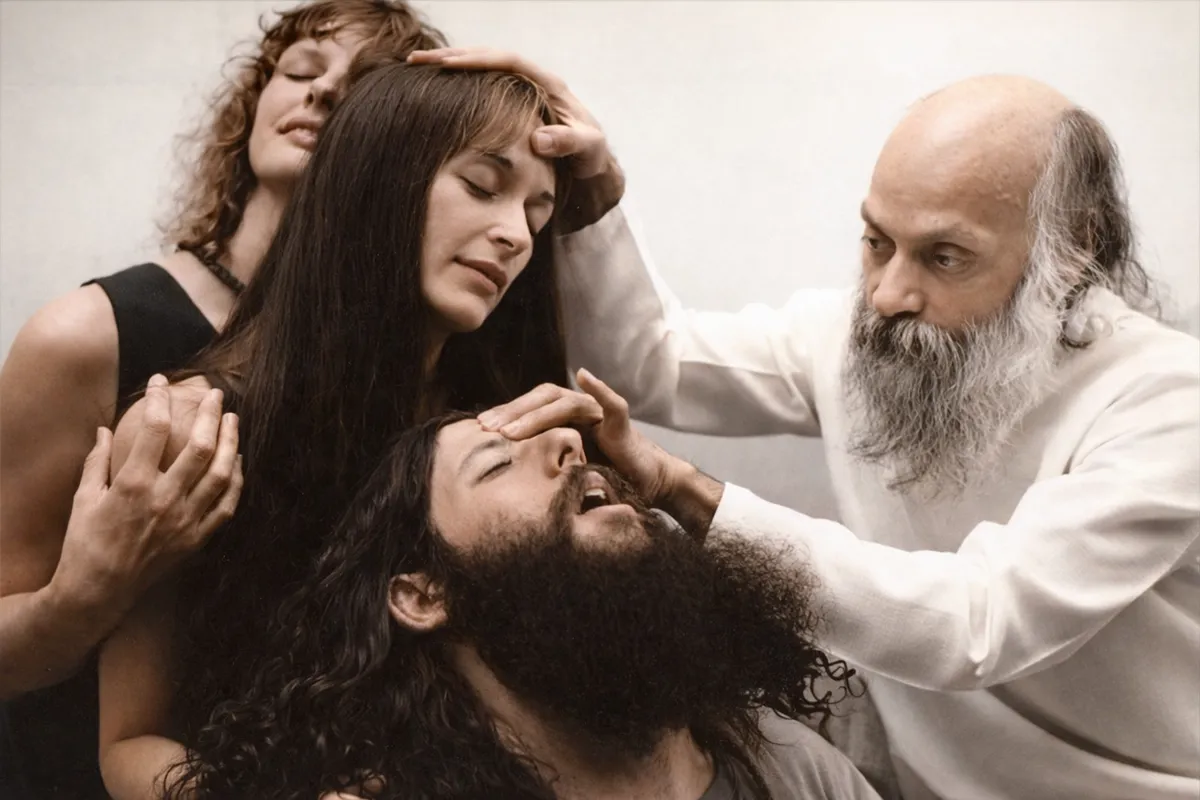
Osho's original Hindi beside Osho Live's English translation, matched passage by passage.
राधिका प्रसाद! माया में कोई डूब कैसे सकता है? झूठ में डूबने का कोई उपाय है? जो नहीं है, उसमें डूब सकोगे? चाहोगे तो भी नहीं डूब सकोगे। ऐसी नदी में डूबो, जो है ही नहीं; ऐसे जाल में फंसो, जो है ही नहीं--यह कैसे संभव हो सकता है?
Radhika Prasad! How can anyone drown in maya? How can one drown in what is false? Can you drown in what is not? Even if you want to, you cannot. How can you drown in a river that doesn’t exist, get caught in a net that isn’t there?
इस माया शब्द ने तुम्हें बहुत भरमाया है। माया ने नहीं, माया शब्द ने बहुत भरमाया है। यह तुम्हारी जबान पर बैठ गया है। तुम्हारा सारा धर्म इसी शब्द पर आधारित हो गया है--माया से बचना है। सोचते भी नहीं कि अगर संसार झूठ है तो क्या बचना! और अगर संसार झूठ है तो तुम कैसे सच हो सकते हो? और सब झूठ है, सिर्फ तुम सच हो? औरों के लिए तुम भी संसार हो। उनके लिए तुम भी झूठ हो। और यदि संसार झूठ है तो संसार को बनाने वाला कैसे सच हो सकता है? वह तो महा झूठ होगा। झूठ का जन्म झूठ से ही हो सकता है।
This word “maya” has deluded you greatly. Not maya, the word “maya” has deluded you. It has sat on your tongue. Your whole religion has come to rest on this one word—“one must escape maya.” You don’t even think: if the world is false, what is there to escape from? And if the world is false, how can you be true? If everything is false, only you are true? For others, you too are the world. For them you too are false. And if the world is false, how can the creator of the world be true? He would be the great falsehood. Falsehood can be born only of falsehood.
इसलिए मैं नहीं कहता कि संसार झूठ है। मैं तो कहता हूं: संसार बहुत सच है। संसार तो परमात्मा की काया है। माया नहीं। उसकी देह है। उसकी अभिव्यक्ति है। इस आकांक्षा में कि संसार से बचूं, तुम भगोड़े हो जाते हो। और भाग कर जाओगे कहां? जहां जाओगे वहीं संसार है। तुम ही संसार हो। तो कम से कम तुम तो होओगे ही जहां भी जाओगे। कुछ तो होगा ही। घर-द्वार न होगा, आश्रम होगा, कुटी होगी, गुफा होगी। परिवार न होगा तो साधु-साध्वी होंगे। मित्र-प्रियजन न होंगे तो शिष्य-शिष्याएं होंगे। भागोगे कहां?
Therefore I do not say the world is false. I say: the world is very true. The world is the body of the Divine—God’s embodiment. Not maya. His form, his expression. In the urge to escape the world you become a runaway. And where will you run to? Wherever you go, the world is. You yourself are the world. So at least you will be wherever you go. Something will be there. If there is no house, there will be an ashram, a hut, a cave. If there is no family, there will be monks and nuns. If there are no friends and loved ones, there will be disciples. Where will you run?
इसलिए कहता हूं: जागो!
Therefore I say: Wake up!
यह संसार सत्य है। अगर कुछ असत्य है तो वह है तुम्हारा मन। मन माया है, संसार नहीं। मन कल्पनाओं के जाल बुनता है। संसार का पर्दा तो सच है, मन उस पर बड़े चित्र उभारता है--काल्पनिक, झूठे; जैसे रस्सी में कोई सांप देख ले! सांप झूठ होगा, लेकिन रस्सी झूठ नहीं है। ये मायावादी सदियों से यह उदाहरण देते रहे हैं कि संसार ऐसा है जैसे रस्सी में कोई सांप देख ले। लेकिन उनसे कोई पूछे कि चलो सांप झूठ हुआ, मगर रस्सी का क्या? रस्सी तो है न! और सांप का क्या कसूर है? सांप तो है ही नहीं। तुम्हें दिखाई पड़ा है, तुम्हारी नजर की भूल है। दृष्टि की भूल को रस्सी पर थोप रहे हो? अपनी भ्रांति को संसार पर फैला रहे हो?
This world is true. If anything is untrue, it is your mind. Mind is maya, not the world. The mind weaves webs of imagination. The screen of the world is true; the mind paints large pictures upon it—imaginary, false; like seeing a snake in a rope. The snake is false, but the rope is not. For centuries the illusionists have given this example—that the world is like seeing a snake in a rope. But someone should ask them: granted the snake is false, but what about the rope? The rope is. And what fault is it of the snake? The snake isn’t even there. You saw it; it is the mistake of your vision. And you are blaming the rope? Spreading your delusion upon the world?
इसलिए मेरा जोर पलायन पर नहीं है, जागरण पर है। जागो! रस्सी से भागो मत। दीया जलाओ! अगर रोशनी की कमी है तो रोशनी जगाओ, ताकि रस्सी रस्सी है, ऐसा दिखाई पड़ सके। जिस दिन तुमने देख लिया--रस्सी रस्सी है--क्या तुम सोचते हो कि सांप मर गया? कि सांप कहीं चला गया? सांप तो था ही नहीं। क्या तुम सोचते हो, तुम्हें जब सांप दिखाई पड़ रहा था तो रस्सी खो गई थी, सांप हो गया था? क्या तुम सोचते हो, तुम्हारे दिखाई पड़ने से सांप तुम्हें काट लेता?
My emphasis, therefore, is not on escape but on awakening. Wake up! Do not run from the rope. Light a lamp. If there is a lack of light, bring light, so that the rope can be seen as rope. The day you see—“it is a rope”—do you think the snake died? That the snake went away somewhere? The snake was never there. Do you think when you were seeing the snake the rope had disappeared and become a snake? Do you think because you saw it the snake could have bitten you?
अब कोई कहे कि मुझे मालूम है कि रस्सी सांप है, मगर मुझे बचाओ इस सांप से! तो क्या मतलब होगा? मतलब यही होगा कि उसे तो सांप ही दिखाई पड़ रहा है; यह तो वह उधार तोतों की तरह दोहरा रहा है कि सांप असत्य है। नहीं तो फिर बचाने की बात ही नहीं उठती।
Now if someone says, “I know the rope is a snake, but save me from this snake!”—what would that mean? It simply means he still sees a snake; he is merely parroting that the snake is unreal. Otherwise the very talk of saving would not arise.
जो लोग मानते हैं कि संसार माया है, उनके लिए तो संन्यास की बात उठ ही नहीं सकती! त्याग किसका? जो नहीं है उसका? त्याग के लिए तो होना चाहिए। फिर तो भोग भी नहीं है और त्याग भी नहीं है। फिर तो तुम जहां हो, जैसे हो, ठीक हो। कुछ करने को बचता नहीं।
For those who believe the world is maya, the very question of sannyas cannot arise! What is there to renounce? That which is not? For renunciation, something must be. Then there is neither indulgence nor renunciation. Then wherever you are, as you are, it is fine. Nothing remains to be done.
इसलिए मैं अपने संन्यासी को नहीं कहता कि त्यागना। न कहता हूं भोगना, न कहता हूं त्यागना। कहता हूं: जाग कर जीना। संसार सत्य है। संसार परमात्मा की अनेक-अनेक रूपों में अभिव्यक्ति है। वृक्षों में वही हरा है। फूलों में वही लाल है। सूरज की किरणों में वही स्वर्ण की तरह बरस रहा है। तुम्हारे भीतर वही चैतन्य की तरह विराजमान है। तुम्हारी देह में भी वही ठोस हुआ है। तुम्हारा बहिरंग भी वही है, तुम्हारा अंतरंग भी वही है। तुम्हारा केंद्र भी वही है, तुम्हारी परिधि भी वही है।
Therefore I do not tell my sannyasin to renounce. I do not say indulge; I do not say renounce. I say: live awake. The world is true. The world is God manifesting in countless forms. In the trees, it is his green. In the flowers, his red. In the sunrays, he pours like gold. Within you he resides as consciousness. In your body he has become solidity. Your outer is he, your inner is he. Your center is he, your circumference is he.
लेकिन हां, केंद्र और परिधि के बीच तुम्हें क्षमता है कल्पनाओं को खड़ा कर लेने की। तुम रस्सी में सांप देखने में समर्थ हो। तुम इससे उलटा भी कर सकते हो: तुम सांप में रस्सी भी देख सकते हो। हालांकि वैसा उदाहरण कोई शास्त्र नहीं लेता। वैसा भी हो जाता है, सांप में भी रस्सी देख सकते हो। आखिर बाबा तुलसीदास ने देखी ही थी! चढ़ गए थे लटके हुए सांप को रस्सी समझ कर। पत्नी से मिलने गए। आंखें भरी होंगी पत्नी से मिलने की कामना से, वासना से। होश न रहा होगा, बेहोश रहे होंगे। कुछ का कुछ दिखाई पड़ गया होगा। चढ़ गए सांप को पकड़ कर। रस्सी मान ली।
But yes, between the center and the circumference you have the capacity to erect imaginations. You are capable of seeing a snake in a rope. You can also do the reverse: you can see a rope in a snake—though no scripture uses that example. It happens too: you can see a rope in a snake. After all, Tulsidas did! He climbed a dangling snake thinking it was a rope, to go meet his wife. His eyes were filled with the desire, the lust to meet her. He must have lost awareness, been unconscious. He saw one thing for another. He grabbed a snake and climbed, taking it to be a rope.
तुम्हारे मन की यह क्षमता है। इस मन को ही मिटा देना है, पोंछ देना है। पशु हैं, उनके पास मन नहीं है, वे मनुष्य से नीचे हैं। मनुष्य के पास मन है। मनुष्य शब्द ही मन से बनता है। मनुष्य की इतनी ही खूबी है कि उसके पास मन है। और जिस दिन मन मिट जाता है, उस दिन तुम परमात्मा हो। मन के नीचे पशुओं का जगत है; मन के ऊपर बुद्धों का; और इन दोनों के बीच में मनुष्य है--त्रिशंकु की भांति।
This is the capacity of your mind. It is this mind that has to be erased, wiped clean. Animals have no mind; they are below man. Man has mind—the very word “manushya” comes from “man” (mind). This is man’s only distinction, that he has a mind. And the day the mind disappears, that day you are divine. Below mind is the world of animals; above mind is the world of the Buddhas; and in between stands man—like Trishanku, suspended.
यह मत पूछो राधिका प्रसाद, कि मुझे इसमें डूबने से बचाएं! मैं तो देखता नहीं कि तुम कैसे डूब सकोगे। सदियां हो गईं, जन्म-जन्म बीत गए, कितने जन्म नहीं बीत गए, तुम्हें डुबा कहां पाया यह भवसागर जिसकी तुम बातें कर रहे हो! तुम अछूते के अछूते हो। कौन डूबा है? कोई भी डूबा नहीं है। डूबने की भ्रांति भला तुम्हें हो जाए। और भ्रांति के लिए तुम तर्क भी खोज ले सकते हो। जिसको भ्रांति ही पकड़नी है, वह कोई भी तर्क खोज ले सकता है।
So do not ask, Radhika Prasad, “Save me from drowning in it!” I do not even see how you could drown. Ages have passed, births upon births—how many have not passed?—and where has this ocean of becoming, of which you speak, ever drowned you? You remain untouched. Who has drowned? No one has. At most a delusion of drowning can happen to you. And for delusion one can always find arguments. Whoever wants to cling to a delusion can find any argument.
मुल्ला नसरुद्दीन को भ्रांति हो गई थी कि वह मर गया है। जहर खा लिया था। अब भारत में कोई शुद्ध जहर मिलता है! जहर भी खा लिया, मरा भी नहीं। इस जगत में माया हो या न हो, मगर भारत में तो बड़ी माया है! यहां तो माया ही माया है। दूध में पानी मिलाते थे लोग, अब कलियुग आ गया, अब पानी में दूध मिलाते हैं। जहर में पता नहीं क्या मिलाते हैं! जहर भी शुद्ध मिल सकता नहीं। जहर खाकर सो रहा। सुबह उठा तो अपनी पत्नी से बोला कि नाश्ता मेरे लिए मत बनाना, मैं तो मर चुका हूं।
पत्नी ने कहा: होश में हो? जाग गए कि सपना देख रहे हो?
अरे--उसने कहा--तू होश में है? अगर नहीं मरा तो पांच रुपये बेकार गए। पांच रुपये का जहर खा गया हूं, मर चुका हूं।
Mulla Nasruddin once fell into the delusion that he had died. He had swallowed poison. And in India where can you get pure poison! He took poison and still didn’t die. Whether or not there is maya in this world, in India there is certainly a lot of maya! Here it’s all maya. People used to mix water in milk; now in Kaliyug they mix a little milk into water. Who knows what they mix into poison! Even poison cannot be had pure. He took poison and slept. In the morning he got up and told his wife, “Don’t make breakfast for me, I’m dead.” His wife said, “Are you in your senses? Are you awake or dreaming?” “Hey,” he said, “are you in your senses? If I’m not dead, those five rupees are wasted. I’ve taken five rupees’ worth of poison—I’m dead.”
पहले तो समझा कि मजाक कर रहा है, लेकिन जब वह माना ही नहीं, भोजन न करे, नहाए नहीं--वह कहे कि नहाना क्या! जब मर ही गए तो कौन नहाना, किसका नहाना, कैसा नहाना! भोजन न किया, नहाया नहीं, बिस्तर पर ही पड़ा। उठे नहीं। घर के लोग घबड़ा गए; कहा कि कुछ गड़बड़ हो गई है, दिमाग में खराबी आ गई है। मनोवैज्ञानिक के पास ले गए। मनोवैज्ञानिक ने भी बहुत समझाया कि भई तुम जिंदा हो, भले-चंगे हो। उठो कुर्सी से, चलो।
उठ कर चला। तो कहा: देखते नहीं, चल रहे हो!
उसने कहा कि भूत-प्रेत भी चलते हैं। देखते नहीं, मेरे पैर बिलकुल उलटे हो गए हैं। जैसे भूत-प्रेतों के होते हैं।
At first she thought he was joking, but when he wouldn’t agree, wouldn’t eat, wouldn’t bathe—“Why bathe? If I’m dead, who is to bathe?”—he lay on the bed, wouldn’t get up. The family panicked: something has gone wrong in the head. They took him to a psychologist. The psychologist tried to explain, “You are alive, hale and hearty. Get up from the chair, walk.” He got up and walked. “See, you’re walking!” He said, “Ghosts walk too. Don’t you see my feet have turned completely backward, like ghosts?”
मनोवैज्ञानिक ने कहा, यह आदमी ऐसे मानने वाला नहीं है। दलील पर दलील करे। अब जिंदा आदमी हो और अगर मरने की उसे भ्रांति हो जाए, तो दलीलें तो देगा ही। उसने कहा: एक काम कर। यह तू मानता है कि मुर्दा आदमी में से खून नहीं निकल सकता?
उसने कहा: मानता हूं कि मुर्दे में से खून नहीं निकल सकता, कभी नहीं निकल सकता।
मनोवैज्ञानिक ने उठाया चक्कू और उसके हाथ में थोड़ा सा चीरा मारा, खून की धार फूट पड़ी। मनोवैज्ञानिक ने कहा: अब क्या कहते हो? बड़े मियां, अब क्या कहते हो?
मुल्ला नसरुद्दीन खिलखिला कर हंसा, उसने कहा कि इससे यही सिद्ध होता है कि मुर्दे से भी खून निकल सकता है। वह धारणा गलत थी। बदल दो वह सिद्धांत। वह जो लोग अब तक मानते रहे, बिना प्रयोग किए मानते रहे, किसी मूरख ने कभी चक्कू से काट कर देखा नहीं! मुर्दे से भी खून निकल सकता है, इससे यह सिद्ध हो गया।
The psychologist thought, “This man won’t accept like this. He’ll argue and argue. If a living man has the delusion he is dead, he will surely offer arguments.” He said, “Tell me one thing: do you accept that a dead man cannot bleed?” “I accept that,” said Nasruddin. “A corpse never bleeds.” The psychologist picked up a knife, gave him a small cut on the hand; a stream of blood spurted out. “Now what do you say, sir?” Nasruddin burst out laughing: “This just proves that even a dead man can bleed. That belief was wrong—revise the theory. Those people who believed it without experimentation—some fool never tried cutting with a knife!—even dead men can bleed: now it is proved.”
तुम जो चाहो मान लो। सारी बात मान्यता की है। और इसलिए बदलाहट मान्यता की करनी होती है। स्थान नहीं बदलना होता, मनःस्थिति बदलनी होती है। और लोग स्थान बदल रहे हैं। कोई चला हिमालय, कोई चला काशी, कोई चला काबा। स्थान बदल रहे हैं, परिस्थिति बदल रहे हैं। घर छोड़ दिया, बाजार छोड़ दिया। कहां जाओगे? जहां जाओगे, मन तुम्हारे साथ होगा--वही मन जो बाजार में था। इसलिए तुम जहां रहोगे, वहीं फिर बाजार बन जाएगा। तुम जहां बैठोगे, वहीं फिर वही सिलसिला शुरू हो जाएगा, वही उपद्रव। बच न सकोगे।
You can believe whatever you want. It is all a matter of belief. Therefore the change has to be in belief. You don’t have to change places; the change is of the inner state. But people keep changing places. Someone goes to the Himalayas, someone to Kashi, someone to Kaaba. They change locations, change circumstances. Leave the house, leave the marketplace—where will you go? Wherever you go, your mind will go with you: the same mind that was in the marketplace. So wherever you live, there the marketplace will recreate itself. Wherever you sit, the same sequence will begin again, the same turmoil. You will not be able to escape.
ये तुम्हारे ऋषि-मुनियों को सताने जो उर्वशियां और मेनकाएं उतरती हैं, ये किसी आकाश से नहीं उतरतीं। ये ऋषि-मुनि छोड़ आए अपनी घर की मेनका को। लेकिन मन तो नहीं छोड़ सकते। मन नहीं छूटा तो मेनका कैसे छूटेगी? अब ये बैठे हैं झाड़ के नीचे हिमालय में और मेनका इनके चारों तरफ नाचती है। मेनका को पड़ी है कुछ कि इनके चारों तरफ नाचे? कुछ उसे और भी काम होगा, कि इन धूनी रमाए हुए, राख लपेटे हुए, भयानक दिखाई पड़ने वाले, जटा-जूट बढ़ाए हुए इन ऋषि-मुनियों को सताए! और यह कोई सताना हुआ? यह कोई दंड हुआ कि पुरस्कार? मगर नहीं, मेनका सताती है, बड़े हाव-भाव करती है ऋषि-मुनियों के पास आकर। यह मेनका नहीं है, यह मन है।
Those Urvashis and Menakas that descend to entice your sages do not come from any sky. Those sages left their household Menakas behind. But they cannot leave the mind. If the mind is not left behind, how will Menaka be left? Now they sit under a tree in the Himalayas and Menaka dances all around them. Has Menaka nothing better to do than to dance around ascetics smeared in ash, frightening to look at with matted locks? And is this any torment? This is more like a reward! No, it is not Menaka—it is the mind.
मनोवैज्ञानिक कहते हैं कि तुम जिस चीज की भी आकांक्षा करते हो, अगर तीन सप्ताह के लिए उस चीज से तुम्हें दूर रखा जाए तो तुम उसकी कल्पना करने लगोगे--सिर्फ तीन सप्ताह के भीतर। और कल्पना इतनी प्रगाढ़ हो जाएगी धीरे-धीरे कि तुम्हें वह चीज दिखाई पड़ने लगेगी। होगी नहीं, दिखाई पड़ने लगेगी। भूखे आदमी को आकाश में चांद नहीं दिखता, चपाती तैरती हुई दिखाई पड़ती है। भूखे आदमी को चांद कहां! हां, प्रेमी को प्रेयसी का मुखड़ा दिखाई पड़ता है। मजनू से पूछो, वह कहेगा: लैला दिखाई पड़ती है। शीरीं से पूछो, वह कहेगी: फरिहाद दिखाई पड़ता है। किसी कंजूस से पूछो, वह कहेगा कि चांदी की तश्तरी दिखाई पड़ती है। लोगों को अलग-अलग चीजें दिखाई पड़ेंगी, चांद बेचारे का कोई कसूर नहीं। चांद का इसमें कुछ हाथ नहीं। तुम जो चाहो देखना, वही दिखाई पड़ेगा।
Psychologists say: whatever you crave, if you are kept from that thing for three weeks, you will begin to imagine it—within just three weeks. And gradually the imagination will become so intense that you will start seeing it. It won’t be there, but you will see it. A hungry man does not see the moon in the sky; he sees flatbreads floating. For a hungry man what moon? A lover sees the face of his beloved. Ask Majnun—he will say he sees Laila. Ask Shirin—she will say she sees Farhad. Ask a miser—he will say he sees a silver platter. People will see different things; the poor moon has no blame. The moon has nothing to do with it. Whatever you want to see is what you will see.
तुम्हें अपने मन के प्रतिबिंब दिखाई पड़ते हैं।
You see reflections of your own mind.
संसार नहीं छोड़ना है, राधिका प्रसाद। कुछ नहीं छोड़ना है। मन से जागना है। मन नींद है और ध्यान जागरण है।
नजर तुम्हारी जाली है,
You do not have to leave the world, Radhika Prasad. You have to leave nothing. You have to awaken from the mind. Mind is sleep; meditation is awakening.
सिक्का तो टकसाली है!
इस सिक्के को गढ़ा प्रकृति ने है धरती की माटी से।
इस सिक्के को गढ़ा पुरुष ने अपनी ही परिपाटी से।
इस सिक्के पर अंक पड़े हैं स्वयं नियति के हाथों से,
यह सिक्का तो चलता आया जन्म-मरण की घाटी से!
इसे बजाओ, यह गाता है
गीत खुशी के, मातम के
Your gaze is counterfeit, the coin is from the mint! This coin was forged by nature from the clay of earth. This coin was shaped by man in his own tradition. On this coin are stamped the marks by destiny’s own hands; this coin has been in circulation through the valley of birth and death! Strike it and it sings songs of joy and of mourning. To find fault in this coin is mere fancifulness! The coin is soundly minted!
इस सिक्के में दोष देखना
केवल खाम-खयाली है!
सिक्का तो टकसाली है!
माल तुम्हारा खोटा है,
यह गाहक तो बहुत खरा!
यह गाहक मीठे बोलों पर मिसरी सा घुल जाता है!
थोड़ी सी ममता पाने को निज सर्वस्व लुटाता है!
जो छल-कपट देखते हो तुम, वह तो सभी तुम्हारे हैं--
इस गाहक का सच्चाई से जन्म-जन्म का नाता है!
अपने अंदर की करुणा को
The goods you bring are adulterated; this customer is very true! At sweet words this customer melts like sugar candy. For a little affection he gives away his all. The deceit you see is all your own— this customer has a kinship with truth from birth to birth! Bring forth the compassion within you and test it upon him! This customer’s hand is open, this customer’s heart is full! This customer is very true!
ला करके तो परखो तुम!
इस गाहक का हाथ खुला है
इस गाहक का हृदय भरा!
यह गाहक तो बहुत खरा!
तुम आए हो नये-नये,
यह तो हाट पुरानी है!
सोना-चांदी, हीरा-मोती, कितने इसमें छले गए।
जीवन भर बटोरने वाले, खाली हाथों चले गए!
सुख-दुख की यह हाट अनोखी, इसमें बिकता यश-अपयश
पीने वाले सदा पुराने, देने वाले नित्य नये!
तुम तो अपने में ही उलझे,
You are newly arrived— but this bazaar is ancient! Gold and silver, diamonds and pearls—how many were cheated here. Those who hoarded all their lives went away empty-handed! This is a strange market of joy and sorrow—here fame and infamy are sold; the drinkers are always old, the givers forever new! You are tangled up in yourself— open your eyes and see! He who can give of himself the most is just that much wise! This bazaar is ancient!
आंख खोल के देखो तो!
जो निज को जितना दे सकता
वह उतना ही ज्ञानी है!
यह तो हाट पुरानी है!
तुम कितने चालाक बनो,
दुनिया भोली-भाली है!
पल में रोना, पल में हंसना, यह दुनिया तो सहज-सरल।
उत्सुकता अस्तित्व यहां पर, जीवन तो है कौतूहल!
सत्य स्वप्न है, स्वप्न सत्य है--इन दोनों में अंतर क्या?
इने-गिने विश्वासों पर ही इस दुनिया की चहल-पहल।
जो मिलता है लेना होगा
राजी से, नाराजी से!
However clever you try to be, the world is guileless and simple! Crying one moment, laughing the next—this world is natural and plain. Here existence is curiosity, life is a wonder! Truth is a dream, the dream is truth—what difference lies between the two? On a few counted beliefs rests the bustle of this world. Whatever comes you will have to take— willingly or unwillingly! This haggling is futile, and the abuse is futile! The world is guileless. Your gaze is counterfeit; the coin is soundly minted.
अरे व्यर्थ की तीन-पांच यह
और व्यर्थ की गाली है!
दुनिया भोली-भाली है।
नजर तुम्हारी जाली है,
सिक्का तो टकसाली है।
नजर की भूल है, दृष्टि का दोष है। दृष्टि का रूपांतरण चाहिए। और जैसे ही दृष्टि बदलती है, वैसे ही संसार बदल जाता है। संसार तो वैसा ही है, मगर तुम्हारी दृष्टि बदल जाती है, तो तुम्हें वैसा दिखाई पड़ने लगता है जैसा है। अभी वैसा दिखाई पड़ता है, जैसा तुम चाहते हो। अभी तुम्हारी कल्पना आच्छादित हो जाती है। और तुम बड़ी जल्दी भूल में पड़ जाते हो।
The fault is in your seeing, in your vision. What is needed is a transformation of vision. And as soon as vision changes, the world changes. The world remains as it is, but when your vision changes, it begins to appear as it is. Right now it appears as you want it to. Your imagination overlays it. And you fall into forgetting very easily.
लोग सिनेमागृह में बैठे तुम देखते हो? जानते हैं भलीभांति कि पर्दा खाली है। आए थे तो देखा था कि सफेद पर्दा है। कुछ भी नहीं है, कोरा है। फिर फिल्म चली, धूप-छाया का खेल हुआ। रंगीन तस्वीरें उतरीं। और देखो लोग कैसे मोहित हो जाते हैं! लोग रो लेते हैं, हंस लेते हैं, घबड़ा लेते हैं, परेशान हो जाते हैं, पीड़ित हो जाते हैं--और जानते हैं भलीभांति, मगर भूल गए, विस्मरण हो गया। एक दो-तीन घंटे के लिए सब भूल-भाल गए। फिर जैसे ही प्रकाश होगा, तब उन्हें याद आएगी कि अरे, कुछ भी नहीं है। मगर फिर-फिर जाकर बैठेंगे और फिर-फिर भूलेंगे। लोगों के रूमाल गीले हो जाते हैं। अगर कोई दुखांत कथा है, कथानक है, तो आंखें उनकी आंसू टपकाती हैं। अगर कोई सुखांत दृश्य आता है तो हंसी के फव्वारे छूट जाते हैं। चाहे रोते आए हों, चाहे घर में मातम मना रहे हों, लेकिन भूल गए सब।
Do you watch people in a cinema hall? They know very well the screen is empty. When they came they saw it was a blank white screen. There was nothing on it, plain. Then the film runs, a play of light and shadow. Colored images descend. And see how people are enchanted! They cry, they laugh, they panic, they are anxious, they suffer—and they know well, yet they forget. For two or three hours they forget everything. As soon as the lights come on, they remember: “Ah, there was nothing.” Yet again and again they go sit there and again and again forget. Handkerchiefs get wet. If it is a tragedy, tears roll from their eyes. If a happy scene comes, fountains of laughter burst forth. Whether they arrived crying, whether there was mourning at home—they forget it all.
आदमी अपने को भुलाने में बड़ा कुशल है।
Man is very skilled at forgetting himself.
राधिका प्रसाद, माया का कोई कसूर नहीं है। तुम कहते हो: ‘यह संसार सब झूठ है।’
यह संसार जरा भी झूठ नहीं। झूठ अगर कुछ है, तो तुमने इस संसार के ऊपर जो सपनों की, कल्पनाओं की छाप डाल रखी है। तुम इस संसार को ऐसा चाहते हो जो तुम्हारे अनुकूल हो। वैसा यह नहीं हो पाता। इससे तुम कष्ट पाते हो। या कभी-कभी संयोग से हो जाता है। संयोगवशात! तो तुम सुख पाते हो। तुम्हारा सुख क्या? तुम्हारा दुख क्या? तुम्हारा दुख यह है कि तुम जैसा चाहते हो, संसार वैसा नहीं हो पाता। संसार बड़ी चीज है, तुम छोटे, तुम्हारी औकात छोटी, तुम्हारे हाथ छोटे। संसार विराट है। तुम चाहते हो कि तुम्हारे रंग में रंग जाए। यह नहीं हो पाता। यह नहीं हो सकता।
Radhika Prasad, maya has no fault. You say, “This world is all false.” This world is not false at all. If anything is false, it is the stamp of dreams and fantasies you have imposed upon it. You want this world to be as it pleases you. It does not become so, and that pains you. Or sometimes, by coincidence, it does—by accident. Then you feel happiness. What is your happiness, what your sorrow? Your sorrow is that the world does not turn out the way you want. The world is vast; you are small; your reach is small; your hands are short. The world is immense. You want it dyed in your color. That cannot happen.
लेकिन कभी-कभी संयोगवशात बिल्ली के भाग्य से छींका टूट जाता है। संयोगवशात ही, कोई तुम्हारे लिए नहीं टूटता। कोई छींका यह देख कर नहीं टूटता कि बिल्ली गुजर रही है, टूट जाऊं। छींके को टूटना ही था, बिल्ली गुजरती कि न गुजरती। यह संयोग की बात थी कि बिल्ली गुजरती थी और छींका टूटा। बिल्ली सोचेगी कि मेरी प्रार्थनाएं सुन ली गईं, कि मेरी प्रार्थनाएं देखो पूरी हो गईं। बिल्ली कहेगी कि है भगवान, निश्चित है! मैंने जो पूजा की, जो सत्यनारायण की कथा पढ़ी, जो जपुजी का पाठ किया--देखो पूरा हो गया! छींका टूटा। अरे कोशिश करते रहो, पुकारते रहो, पुकारते रहो--पुकार सुनी जाएगी! देर है, अंधेर नहीं! आज देख लो, प्रमाण मिल गया!
But sometimes, by chance—the cat’s luck and the hanging pot breaks. By chance only; it doesn’t break for the cat’s sake. No pot says, “A cat is passing, let me break.” The pot had to break anyway, whether the cat passed or not. It just so happened the cat was passing when it broke. The cat will think, “My prayers have been heard, my prayers have been fulfilled. There is a God, for sure! I did the chanting, the Satyanarayan story, recited the Japji—see, it worked! The pot broke. Keep praying, keep calling—your call will be heard! There may be delay but no denial! Today see—the proof has come!”
कभी संयोग से जगत तुम्हारे अनुकूल पड़ जाता है, तब तुम्हें सुख मिलता है। और अधिकतर तो अनुकूल नहीं पड़ता। सौ में निन्यानबे मौकों पर तो अनुकूल नहीं पड़ता। छींके रोज नहीं टूटते। जब-जब बिल्ली गुजरे, तब-तब नहीं टूटते। कभी-कभार यह होता है। तो सुख कभी-कभार, क्षणभंगुर। और दुख बहुत। इसी दुख से पीड़ित होकर तुम कहते हो कि संसार से मुझे बचा लो, डूबने से मुझे बचा लो।
Sometimes by coincidence the world falls in line with you, and you feel happy. But mostly it does not. Ninety-nine out of a hundred times it does not. Pots do not break every day whenever a cat passes. It happens rarely. So pleasure is rare, fleeting; and suffering is much. Troubled by this suffering, you say, “Save me from the world, save me from drowning.”
लेकिन मैं कैसे बचाऊंगा? तुम्हें सम्हलना होगा। गिरो तुम और बचाऊं मैं? और गिर रहे हो तुम ऐसी चीजों में, जो तुम्हारी कल्पना के जाल हैं! सच्ची भी हों तो कोई बचा ले। तुम्हारी कल्पनाओं के जाल से तुम्हीं अपने को बचा सकते हो, और कोई भी नहीं बचा सकता। क्योंकि जाल ही कल्पना के हैं, तुम्हीं उनके निर्माता हो, तुम्हीं चाहो तो उनको वापस खींच लो। मकड़ी के जाल, जैसे मकड़ी अपने भीतर से बुनती है, ऐसे ही तुम भी अपनी कल्पना के जाल अपने भीतर से बुनते हो। बस तुम्हारे लिए ही हैं वे।
But how can I save you? You will have to be careful. You fall, and I save you? And you are falling into things that are your weavings of imagination! If they were real, someone might save you. From the meshes of your imagination only you can save yourself; no one else can—because the meshes are of imagination, of which you are the maker. If you wish, you can draw them back. Like a spider spins a web from within itself, so you spin the webs of imagination from within. And they exist only for you.
संसार कभी तुम्हारे अनुकूल पड़ जाए तो तुम गदगद हो जाते हो। और अनुकूल अधिकतर नहीं पड़ेगा। इस सत्य को समझो। और इतने लोग हैं इस जगत में, सब के अनुकूल पड़े भी तो कैसे पड़े? सबकी आकांक्षाएं अलग हैं। कोई प्रार्थना करता है: आज पानी गिरा दो भगवान, क्योंकि मैंने बीज बोए हैं। और कोई प्रार्थना करता है: आज पानी न गिराना, धूप चाहिए; मैंने कपड़े रंगे हैं और सुखा रहा हूं। अब परमात्मा क्या करे? फिफ्टी-फिफ्टी करे? कुछ पानी बरसा दे, कुछ पानी न बरसाए? दोनों नाराज हो जाएं।
When the world accidentally suits you, you are thrilled. Mostly it will not. Understand this truth. And there are so many people in this world: how can it suit everyone? Everyone’s desires differ. One prays, “God, let it rain today, I have sown seeds.” Another prays, “Don’t send rain today, I need sun; I’ve dyed clothes and am drying them.” Now what is God to do? Fifty-fifty? Rain on some and not on others, so both get upset?
अस्तित्व निरपेक्ष रहता है। अस्तित्व तुम्हारी बातें नहीं सुनता--सुन नहीं सकता।
Existence remains indifferent. Existence does not listen to your entreaties—it cannot.
एक बिल्ली एक वृक्ष की शाखा पर बैठी हुई बड़ी मग्न हो रही थी, बड़ी मस्त हो रही थी, डोल रही थी, बड़ी भक्ति-भाव में थी। एक कुत्ता नीचे से गुजर रहा था, उसने बिल्ली को देखा! लार तो उसकी टपक गई बिल्ली को देख कर, मगर बिल्ली ऊपर बैठी थी झाड़ की शाखा पर, वहां तक कुत्ता पहुंच सकता नहीं था। और ऐसी मग्न हो रही थी, जैसे बैकुंठ की यात्रा पर हो! आंखें बंद, आह्लाद के आंसू टपके जा रहे और डोल रही!
कुत्ता थोड़ी देर खड़ा रहा कि शायद ज्यादा डोले और गिर पड़े। मगर इतनी डोली भी नहीं कि गिर पड़े। कस कर पकड़े हुई थी शाखा को। आखिर कुत्ते ने कहा: बात क्या है? ऐसा क्या मजा आ रहा है?
बिल्ली ने आंख खोली। उसने कहा कि सब खराब कर दिया। अरे मैं एक सपना देख रही थी कि आकाश से चूहों की वर्षा हो रही है! मूसलाधार वर्षा हो रही है! चूहे ही चूहे गिर रहे हैं!
कुत्ते ने कहा: अरे मूरख, शास्त्र का ज्ञान है? शास्त्रों में साफ लिखा है कि कभी-कभी चमत्कार होते हैं, और जब चमत्कार होते हैं तो आकाश से हड्डियों की वर्षा होती है, चूहों की नहीं। चूहों का शास्त्रों में उल्लेख ही नहीं है। मूरख कहीं की! शास्त्रज्ञान है नहीं, कौड़ी भर संस्कृत जानती नहीं। चली है सपना देखने!
कुत्तों के शास्त्र में स्वभावतः चूहों की वर्षा नहीं हो सकती। बिल्लियों के शास्त्र में चूहों की ही वर्षा होगी। हड्डियों की वर्षा बिल्लियां क्या करेंगी! और आदमियों के शास्त्र में न चूहे बरसेंगे, न हड्डियां बरसेंगी। आदमियों के शास्त्र में तो हीरे-जवाहरात बरसेंगे, सोना-चांदी बरसेगा। इतनी कल्पनाएं हैं सारे जगत में। जितनी चेतनाएं हैं, उतने मन हैं, उतने माया के विस्तार हैं। जगत तो कोरा पर्दा है। यह पर्दा तुम्हें नहीं डुबा सकता। हां, तुम अपनी कल्पना में जितना चाहो डुबकी खाना, खाओ, मजे से खाओ। फिर भी डूबोगे करोगे नहीं, यह खयाल रखना। कोई कभी डूबा ही नहीं।
A cat was sitting on a tree branch, swaying, in a great devotional mood. A dog passing below saw the cat—his mouth watered—but she was up on the branch, beyond his reach. And she was swaying as if on a journey to heaven, eyes closed, tears of ecstasy flowing. The dog stood awhile hoping she might sway too much and fall. But she did not sway that much; she held the branch tight. Finally the dog said, “What’s the matter? What’s giving you such bliss?” The cat opened her eyes: “You spoiled it all! I was dreaming that from the sky it was raining mice—a torrential downpour! Mice upon mice were falling!” The dog said, “Fool, do you know scripture? It is clearly written that sometimes miracles happen, and when they do, bones rain from the sky, not mice. There is no mention of mice in the scriptures. Idiot! You don’t know a nickel’s worth of Sanskrit, and you go dreaming!” In the dogs’ scriptures, naturally, mice cannot rain. In the cats’ scriptures, only mice would rain. What will cats do with bones raining! And in human scriptures neither mice nor bones will rain; in human scriptures diamonds and jewels will rain, gold and silver. So many imaginations fill the world. As many consciousnesses, so many minds, so many expansions of maya. The world is a blank screen. This screen cannot drown you. Yes, dive as much as you like in your imagination—enjoy your dips. Yet you will not drown—remember that. No one has ever drowned.
मैं इस झंझट में भी नहीं पडूंगा। तुमको डूबता भी देखूं तो भी किनारे पर बैठा रहूंगा। तो भी दौड़ कर तुमको बचाने वाला नहीं। क्योंकि मैं जानता हूं कि नदी है ही नहीं, तुम सिर्फ खाम-खयाली में हो। सो तुम्हारी मौज है। तुम लाख चिल्लाओ कि बचाओ-बचाओ! कोई बुद्धू दौड़े, मैं दौड़ने वाला नहीं। बचाने की बात ही फिजूल है। बचाना किससे है?
I won’t get into this mess either. Even if I see you “drowning,” I will sit on the bank. I will not run to save you—because I know there is no river; you are only in fancy. So it is your fun. Shout “Save me! Save me!” as much as you like; some fool may run—I will not. The very talk of saving is futile. Save from what?
तुम्हें होश की जरूरत है। नदी वगैरह नहीं है जो तुम्हें डुबा रही है। लोग कहते हैं: भवसागर में डूबे जा रहे हैं। लोग अपने सब दोष बाहर थोप देते हैं। और सब दोष भीतर हैं। कहां का भवसागर? कहां की माया? मगर इससे राहत मिलती है कि हम क्या करें, यह माया का जाल ऐसा है! हम करें भी तो क्या करें? अवश हैं, परवश हैं। यह परमात्मा ने माया ऐसी बनाई--महाठगिनी!
You need awareness. There is no river drowning you. People say, “We are drowning in the ocean of becoming.” People thrust all their faults outward, while all the faults are within. Where is this ocean of becoming? Where is maya? But it gives relief to say, “What can we do? Such is the net of maya. We are helpless, overpowered. God made such a maya—the great deceiver!”
माया पर दोष दे रहे हैं! कहां माया है? कभी मिले हो माया से? कोई मिला है कभी माया से? लेकिन तुम्हारे महात्मा भी माया को गाली दे रहे हैं। सबको गाली देने के लिए कोई बहाना चाहिए। सबको गाली टांगने के लिए कोई खूंटी चाहिए। फिक्र इस बात की करो कि क्या है तुम्हारा उलझाव। तुम इस जगत से कुछ भी मांगोगे तो उलझे रहोगे। मांगो मत। इसलिए बुद्धपुरुषों ने कहा है: तृष्णा से मुक्त हो जाओ। माया से नहीं, तृष्णा से, आकांक्षा से, वासना से। संसार से मुक्त नहीं होना है। मुक्त होना है, संसार के सामने तुम जो भिखारी बन कर खड़े हो, भिक्षापात्र लिए खड़े हो--इस भिखमंगेपन से मुक्त होना है। जो है उससे राजी हो जाओ। और-और की मांग छोड़ो। और-और की दौड़ छोड़ो। फिर कौन तुम्हें डुबा सकता है? तुम तत्क्षण पाओगे कि जिससे तुम भयभीत हो रहे थे, वह भवसागर कहीं भी नहीं है; मृगमरीचिका थी। तुमने देखा जरूर था। जैसे कि रात के अंधेरे में लोग भूत-प्रेत देख लेते हैं; घबड़ाहट हो, भय हो, तो दिखाई पड़ जाते हैं। तुम्हारे भय पर ही सब निर्भर है।
You blame maya! Where is maya? Have you ever met maya? Has anyone? But your mahatmas too abuse maya. Everyone needs some pretext on which to hang their abuses. Worry instead about what your entanglement is. As long as you beg from the world you will be entangled. Do not beg. Hence the wise have said: be free of thirst—of craving, of desire. Not free of maya, free of craving. Not free of the world, free of standing before the world as a beggar, begging bowl in hand. Be free of this mendicancy. Be content with what is. Drop the demand for “more and more.” Drop the running for more. Then who can drown you? Instantly you will find that the ocean you feared is nowhere; it was a mirage. You certainly saw it—just as in the dark of night people see ghosts. If there is panic, fear, they will appear. Everything depends on your fear.
जापान की प्रसिद्ध कहानी है। एक आदमी की पत्नी मरी।
पत्नियां, पहली तो बात, आसानी से मरतीं नहीं; अक्सर तो पतियों को मार कर मरती हैं। स्त्रियां ज्यादा जीती हैं, यह खयाल रखना--पांच साल औसत ज्यादा जीती हैं। आदमी को यह भ्रम है कि हम मजबूत हैं। ऐसी कुछ खास मजबूती नहीं। स्त्रियां ज्यादा मजबूत हैं। उनकी सहने की क्षमता, सहनशीलता आदमी से बहुत ज्यादा है। स्त्रियां कम बीमार पड़ती हैं; आदमी ज्यादा बीमार पड़ता है। स्त्रियां हर बीमारी को पार करके गुजर जाती हैं; आदमी हर बीमारी में टूट जाता है, कोई भी बीमारी तोड़ देती है उसे। और सारी दुनिया में स्त्रियां पांच साल आदमियों से ज्यादा जीती हैं--औसत। और फिर आदमियों को और एक अहंकार है कि समान उम्र की स्त्री से विवाह नहीं करते; पच्चीस साल का जवान हो तो उसे बीस साल की लड़की चाहिए। तो पांच साल का और फर्क हो गया। सो ये भैया दस साल पहले मरेंगे। इसलिए दुनिया में तुम्हें विधवाएं बहुत दिखाई पड़ेंगी, विधुर इतने दिखाई नहीं पड़ेंगे।
मगर कभी-कभी चमत्कार भी होता ही है, वह स्त्री मर गई। मगर मरते-मरते अपने पति को कह गई कि सुन लो, लफंगेबाजी नहीं चलेगी। पति ने कहा: क्या मतलब? पति तो दिल ही दिल में खुश हो रहा था कि यह झंझट कटी। अभी दो दिन पहले ही डाक्टर ने उससे कहा था कि मैं बहुत दुखी हूं, लेकिन पत्नी दो दिन से ज्यादा नहीं बचेगी। तो उसने डाक्टर को कहा था कि नाहक दुखी न हों। अरे जब मैंने तीस साल कष्ट झेल लिया तो दो दिन और सही। इसमें दुखी होने की क्या बात है? तीस साल गुजर गए तो दो दिन और सही।
A famous Japanese story: A man’s wife died. Wives, to begin with, do not die easily; usually they kill their husbands and then die. Women live longer—keep that in mind—on average five years longer. Men are under the illusion that they are strong; nothing particularly strong. Women are stronger. Their capacity to endure is far greater than men’s. Women fall ill less; men more. Women pass through every illness; men are broken by any illness. All over the world women live five years longer than men—on average. And men have another ego: they don’t marry women of the same age. A youth of twenty-five wants a girl of twenty. That’s another five years difference. So these brothers will die ten years earlier. Hence you see many widows in the world, not so many widowers. But sometimes miracles happen—the woman died. As she was dying she said to her husband, “Listen, no philandering will be tolerated.” “What do you mean?” said the husband. In his heart he was happy that this trouble was ending. Two days earlier a doctor had told him, “I’m very sorry, but your wife won’t last more than two days.” He had said to the doctor, “Don’t be sorry. If I’ve borne thirty years, two more days are fine. What’s there to be sad about? Thirty years have passed, two more days will do.”
पत्नी कहने लगी कि अब मैं मरने के करीब हूं, तुम्हें बताए जा रही हूं कि मैं मर कर भूत-प्रेत होऊंगी और तुम्हारा पीछा करूंगी। और ध्यान रखना, भूल कर भी किसी और स्त्री के साथ संबंध मत बनाना, नहीं तो मैं तुम्हें सताऊंगी, मैं रोज आऊंगी रात।
पति डरा तो बहुत, कर भी कुछ नहीं सकता, अब करे भी क्या! पत्नी मर गई। पहली रात बहुत घबड़ाया हुआ घर आया। डरा हुआ था। जंतर-मंतर पढ़ रहा था। मगर ठीक वक्त पर कोई बारह बजे पत्नी ने दरवाजे पर दस्तक दी। दरवाजा खोला तो वह सामने खड़ी थी। पसीना-पसीना हो गया, पैर कंप गए, गिरते-गिरते बचा। पत्नी ने कहा कि यह तो तुमने हरकत शुरू कर दी। तुम शराब पीकर आए हो और मैंने लाख दफे समझाया कि शराब पीना बंद करो। और तब तो मैं घर में रहती थी, तो मुझे बैठ कर अंतर्दृष्टि से पता लगाना पड़ता था--तुम कहां गए, क्या कर रहे हो? अब नहीं चलेगा। अब तो तुम जहां जाओगे, वहां मैं देख सकती हूं, वहां मैं आ सकती हूं। तुम शराबघर से आ रहे हो। तुमने इतनी शराब पी। और तुम उस स्त्री को घूर-घूर कर देख रहे थे!
बात बिलकुल सच थी। इतनी उसने शराब पी थी। और शराब पीकर जब बाहर निकला था तो एक सुंदर स्त्री को घूर-घूर कर भी देखा था। और उसने कहा कि सावधान रहो, आज तो पहला दिन है, क्षमा कर देती हूं, कल से खयाल रखना।
The wife said, “I am near death; know this: I will become a ghost and I will haunt you. And remember—do not, even by mistake, get involved with any other woman, or I will torment you; I will come every night.” The husband was very frightened, but what could he do! The wife died. That first night he came home terrified, muttering charms. And right on the dot, at midnight, there was a knock at the door. He opened it—she was standing there. He broke into a sweat, his legs trembled, he almost fell. She said, “So you’ve already started your antics. You’ve come home drunk, and I told you a thousand times to stop drinking. When I was alive I had to sit and see with inner sight where you were, what you were doing; now that won’t do. Now wherever you go, I can see, I can come. You’re coming from the tavern. You drank this much. And you were staring at that woman!” Everything was exactly true: he had drunk that much, and on coming out had stared at a beautiful woman. “Be careful,” she said. “Today is the first day—I forgive you. From tomorrow, mind yourself.”
उस आदमी की तो जान मुश्किल में पड़ गई। जिंदा थी, वही बेहतर था। कुछ बहाने भी खोज लेता था। कह देता था कि दफ्तर में ज्यादा काम है।...दफ्तर में काम ज्यादा निकलता है, हरेक को ज्यादा निकलता है। दफ्तर में दिन भर लोग काम करते ही नहीं--और ज्यादा काम निकलता है! ओवरटाइम! दफ्तर से फोन करते हैं कि आज नहीं आसकेंगे, आज बहुत काम है। घर से बचते हैं जितना बच सकें। जमाने भर में भटकेंगे, घर भर नहीं आएंगे। घर तो आते ही तब हैं जब सब होटलें और सब शराबघर, सब रेस्तरां बंद हो जाते हैं, और जब कहीं इनको जगह नहीं मिलती तब घर आते हैं। क्योंकि घर तो हमेशा खुला हुआ है। पत्नी बैठी होगी तैयार।
अब तो इसकी बड़ी मुश्किल हो गई। कोई बहाना न चले। जो भी बहाना लेकर आए, वह कहे कि तुम मुझे बना रहे हो? मैं वहां मौजूद थी। तुम दफ्तर गए? झूठ बोल रहे हो। तुम आज दिन भर दफ्तर नहीं गए। तुम कहां थे, मुझे रत्ती-रत्ती पता है।
उस आदमी की तो हालत हड्डी-हड्डी हो गई। यह स्त्री क्या मरी, जिंदा थी वही अच्छा था। सोचता था कि मर जाएगी तो बड़ा सुख मिलेगा, यह तो महा कष्ट हो गया। किसी ने सुझाव दिया कि गांव में एक फकीर आया हुआ है, तू उसके पास जा, शायद वह कुछ कर सके। फकीर के पास गया। फकीर को सारी बात बताई। फकीर ने कहा: एक काम कर। मुट्ठी खोल। और फकीर ने मुट्ठी भरी, पास में ही चावल रखे थे, मुट्ठी भर कर उसके हाथ में दे दिए। और कहा कि मुट्ठी बंद कर ले, अब खोलना मत, घर जा। और जब वह आए तो उससे कहना कि अगर तू सच में है, तो मेरी मुट्ठी में कितने चावल हैं, इनकी गिनती करके बता दे!
उसने कहा कि वह बता देगी। वह एक-एक चीज गिन कर बता रही है--कहां जाता हूं, किससे बात करता हूं, क्या कहता हूं। वह यह भी बताएगी कि अच्छा तो तुम उस फकीर के पास गए थे! वह फकीर मेरा बाल बांका नहीं कर सकता, वह कहेगी।
उसने कहा: वह सब कहे, मगर ये चावल के दाने जब तक गिन कर न बताए। कल तू मुझे आकर खबर करना।
The man’s life became impossible. She had been better alive; he could find excuses: “There is extra work at the office.” Everyone has extra work at the office; people work all day? More work comes out—overtime! Phone from the office: “I can’t come today, much work.” They escape from home as much as possible. They wander the world, come home only when all the hotels, all bars, all restaurants have closed and there is nowhere left to go—then they come home, because home is always open, wife waiting. Now he was in great trouble. No excuse would work. Whatever excuse he brought, she would say, “Trying to fool me? I was there. You went to the office? You lie. You didn’t go to the office at all today. I know exactly where you were.” The man became skin and bones. Better when she was alive. He had thought he’d be happy if she died; it became a great misery. Someone suggested: “There is a fakir in the village—go to him; perhaps he can do something.” He went, told the whole story. The fakir said, “Do one thing. Open your palm.” The fakir took a handful of rice lying nearby, put it in his palm. “Close your fist now. Don’t open it. Go home. When she comes, say: If you are real, then tell me the exact number of rice grains in my fist.” He said, “She will tell me. She counts every little thing—where I go, whom I talk to, what I say. She will also say, ‘Ah, you went to that fakir! He cannot touch a hair of mine.’” The fakir said, “Let her say whatever she wants; but until she counts the rice grains, don’t yield. Come tell me tomorrow what happened.”
वह घर गया, वह पत्नी मौजूद थी। उसने कहा: तो गए थे उस फकीर के पास? वह क्या जानता है! उसकी हैसियत क्या है! इस-इस ढंग के कपड़े पहने हुए था? ऐसे-ऐसे मकान में बैठा हुआ था? पास में चावल रखे हुए थे? मुट्ठी भर कर उसने तेरी मुट्ठी में चावल दिए हैं और कहा है कि उससे कहना कि गिनती करके बता। बोल, इसमें कुछ झूठ है?
वह घबड़ा गया। उसने कहा कि फकीर का भी कुछ वश चलेगा नहीं इस पर, यह तो इसको सब पता है। पर उसने कहा, अब आखिरी कोशिश कर ही लो। उसने कहा कि हां, यह सब ठीक है। मगर चावल कितने हैं? उनकी गिनती करके बता!
जैसे ही उसने यह कहा, वह स्त्री एकदम नदारद हो गई। वह चावल की गिनती न कर सकी। चारों तरफ खोजा, घर भर में खोजा, चिल्लाता फिरा कि भई कहां गई तू? चावल की गिनती बता! मगर कोई उत्तर नहीं, कोई पता नहीं। दूसरे दिन सुबह आया, फकीर से बोला कि चमत्कार कर दिया! ये चावल क्या हैं, गजब हैं! इनको मैं क्या सदा हाथ में ही रखे रहूं? रात भर इनको हाथ में ही रखे रहा, कपड़ा बांध लिया, कि इनमें कोई चमत्कार है।
उसने कहा: कोई चमत्कार नहीं है। जो बातें तू जानता है, बस वही तेरी पत्नी कह सकती है। जो तू ही नहीं जानता, वह तेरी पत्नी नहीं कह सकती। वह पत्नी वगैरह कुछ नहीं है, कोई भूत-प्रेत नहीं, तेरा मन है। तू इतना जानता था कि फकीर के यहां गया, वह कैसा बैठा था, उसने चावल भर कर दिए। तेरे को भी पता नहीं कि संख्या कितनी है। अगर तुझे पता होती तो उसको भी पता होती। वह है नहीं। वह कोई भी नहीं है, तेरे मन का ही फैलाव है। चावल वगैरह का कोई जादू नहीं है। अब चावल में न बंध। ला चावल वापस कर। चावल छोड़ दे वापस अपनी जगह, जहां से उठाए थे। अगर तुझे चावलों की गिनती मालूम हो गई तो वह औरत तुझे फिर सताएगी। उसको भी मालूम हो जाएगी। वह स्त्री कुछ भी नहीं, तेरे मन का प्रतिफलन है, तेरे मन का ही साकार रूप है।
He went home; the wife-ghost was there. “So you went to that fakir?” she said. “What does he know! What’s his worth! He was wearing such-and-such clothes, sitting in such-and-such a house. There was rice next to him. He put a handful in your palm and told you to ask me to count. Tell me, is any of this untrue?” He panicked: “Even the fakir will have no power over her; she knows everything.” But he thought, “Let me try the last trick.” He said, “Yes, all that is correct. But how many grains of rice are there—count them!” As soon as he said this, the woman vanished. She could not count the rice. He searched everywhere, shouting, “Where are you? Tell me the count of the rice!” But there was no reply, no trace. Next morning he went to the fakir: “You have worked a miracle! What power in this rice! Should I keep it in my hand forever? I held it all night; I even tied it in a cloth—there is some magic in it.” The fakir said, “There is no magic. She can say only what you know. What you do not know, she cannot. There is no wife, no ghost—only your mind. You knew you had gone to the fakir, how he sat, that he gave you rice. You yourself do not know the number. If you had known it, she too would have known. She is not. She is only an extension of your mind. There is no charm in the rice. Now don’t get attached to the rice. Bring it back; put it where you took it from. If you come to know the count, that woman will again torment you—she too will know. That woman is nothing, only the embodiment of your own mind.”
ऐसे ही राधिका प्रसाद, तुम्हारे मन की ही सारी लीला है, कोई और लीला नहीं है। तुम्हारा ही सब खेल है, कोई और खेल नहीं है। माया से नहीं छूटना है, मन से छूटना है। और छूटने के लिए कहीं नहीं जाना--ध्यान में जागना है। मैं तुम्हें नहीं बचा सकता। और तुम यह आशा छोड़ दो कि कोई तुम्हें बचा सकेगा। इस आशा में ही तो तुम भटकते रहते हो कि कोई तुम्हें बचा लेगा, कोई उद्धारक मिल जाएगा। बस इसी आशा में तुम अपने को नहीं बचा पा रहे। यह आशा तुम्हारी टूट जानी चाहिए। कोई उद्धारक नहीं है; प्रत्येक व्यक्ति अपना उद्धारक है।
Just so, Radhika Prasad, it is all the play of your own mind, no other play. It is all your own game, no one else’s. It is not freedom from maya that is needed, but freedom from mind. And to be free you need go nowhere—you need to awaken in meditation. I cannot save you. And you should drop the hope that anyone can save you. It is in this very hope that you keep wandering, that someone will save you, some savior will come. It is because of this hope that you are not saving yourself. This hope must break. There is no savior; each person is his own savior.
बुद्ध ने कहा है: अप्प दीपो भव। अपने दीये खुद बनो! कोई दूसरा तुम्हारा दीया नहीं बन सकता। तुम्हारे पास आंखें होंगी तो तुम देख सकोगे; और तुम्हारे पास कान होंगे तो तुम सुन सकोगे। यह भीतर की बात भी तुम्हारे पास ध्यान होगा तो ही घटित होगी। न तुम्हें जीसस बचा सकते हैं, न तुम्हें कृष्ण, न तुम्हें बुद्ध, न महावीर। लेकिन हम इतने बेईमान हैं कि हम अपने को बचा लेते हैं इनके बहाने! यह कह कर कि बचाएंगे ये, लोग बैठे सोच रहे हैं कि कृष्ण का अवतार होगा और वे सब को बचाएंगे। जब धर्म की ग्लानि हो जाती है...! और अब धर्म की ग्लानि काफी हो गई है, अब और क्या ग्लानि होने में बची है? संभवामि युगे युगे! अब आते ही होंगे। बस अब देर नहीं है, आएंगे जल्दी और बचाएंगे।
Buddha said: Appo deepo bhava—be a light unto yourself. No other can be your lamp. If you have eyes you will see; if you have ears you will hear. So too within—only if you have meditation will it happen. Neither Jesus can save you, nor Krishna, nor Buddha, nor Mahavira. But we are so dishonest that we save ourselves by their names—“They will save us”—and people sit waiting: Krishna will incarnate and save everyone. “When righteousness declines…!” And now righteousness has declined enough—what is left to decline? “I come age after age!” He must be arriving; now there is no delay—he will come soon and save us.
उपद्रव तुम करो और कृष्ण उसका फल भोगें! बचाएं वे! और बचा सकते होते तो तभी न बचा लिया होता जब आए थे? तब क्या खाक बचा पाए! किसको बचा पाए? क्या बचा पाए?
जीसस किसको बचा पाए? महावीर किसको बचा पाए? बुद्ध किसको बचा पाए? लेकिन हम बेईमान हैं। हम यह बात भी दूसरों पर टाल देना चाहते हैं कि कोई बचाए। क्यों कोई बचाए? यह पर-निर्भरता क्यों?
You create the trouble and Krishna will bear the result! He will save you! And if he could have saved, would he not have saved the first time he came? What could he save then? Whom did he save? What did he save? Whom did Jesus save? Whom did Mahavira save? Whom did Buddha save? But we are dishonest: we want to shift even this onto others—that someone else should save us. Why should someone else save you? Why this dependence on others?
मैं तुम्हें मेरे ऊपर निर्भर नहीं होने देना चाहता। मैं तुम्हारी जिम्मेवारी नहीं लेना चाहता। मैं तुम्हें इशारे दे सकता हूं। कैसे तुम अपने को बचा सकते हो, इसके इंगित कर सकता हूं। लेकिन मैं तुम्हें बचा नहीं सकता। बचाना तो तुम्हें स्वयं को होगा। तुमने ही उलझाया है, तुम्हीं सुलझाओ। तुम्हीं गिरे हो गड्ढे में, तुम्हीं निकलो। लेकिन तुम गड्ढे से न निकलना चाहो तो यह तरकीब अच्छी है कि आएगा उद्धारक और बचाएगा। न आएगा उद्धारक, न कोई बचाएगा। गड्ढे में तुम पड़े रहना। पड़े ही हो सदियों से।
I do not want to let you depend on me. I do not want to take your responsibility. I can give you indications—how you can save yourself I can point out. But I cannot save you. Saving, you will have to do yourself. You entangled yourself; you must untangle yourself. You fell into the pit; you must climb out. If you do not wish to climb, there is a clever trick: “A savior will come and save me.” No savior will come, no one will save you. You will lie in the pit—as you have for ages.
अभी ईसाई रास्ता देख रहे हैं कि जीसस का आगमन होगा और वे सारी मनुष्य-जाति का उद्धार करेंगे।
पहले नहीं कर पाए, अब कैसे करेंगे? पहले ही कर लेते न! कर सकते होते तो पहले ही कर लेते। कितने लोगों का उद्धार कर पाए? हां, इशारे दिए। जो समझ गए, उन्होंने अपना उद्धार कर लिया। इंगित दिए। लेकिन जो मूढ़ थे, वे राह देखते रहे कि तुम्हीं दवा बनाओ, तुम्हीं घोंटो, घुटी तैयार करो, और तुम्हीं पीओ--और बचें हम! कोई चिकित्सक भी ऐसे तुम्हें नहीं बचा सकता कि खुद दवाई पीए और बचाए तुम्हें; इसमें तो खुद भी मरेगा। दवा तुम्हीं को पीनी पड़ेगी।
मैं तुम्हें मार्ग दे सकता हूं, लेकिन चलना तुम्हें है।
Christians are now looking down the road, waiting for Jesus to come and redeem all mankind. He could not do it before—how will he do it now? Had it been possible he would have done it then. How many did he redeem? Yes, he gave pointers; those who understood redeemed themselves. He gave indications. But the stupid waited: “You make the medicine, you pound it, prepare the syrup, and you drink it—and we will be cured!” No physician can save you by drinking the medicine himself; he will die himself that way. You yourself will have to drink the medicine. I can give you the path, but the walking is yours.
वीरचंद! अब तो बहुत देर हो चुकी। अब क्या करोगे? वीर आदमी हो, अब तो बढ़े चलो! चढ़े चलो! अब क्या रुकना! अरे जब मंजिल अब दो ही कदम रह गई, अब हताश होते हो? वीरों के नाम को बदनाम करोगे? वीर पुरुष पीछे लौट कर नहीं देखते। गिनती भी न करो।
Virchand! Now it’s far too late. What will you do now? You are a brave man—now march ahead! Keep ascending! Why stop now? When the destination is just two steps away, you’re losing heart? Will you bring disgrace to the name of the brave? Brave men do not look back. Don’t even count.
तुमने भी खूब किया। जगह-जगह लिखा हुआ है: दो या तीन बस! तब तुम न रुके। इश्तहार वगैरह पढ़ते हो कि नहीं? मगर दो या तीन बस का शायद तुम पर प्रभाव नहीं पड़ा, क्योंकि उसमें तुक नहीं है। तुमने सोचा: दस और बस! दो या तीन बस--अतुकांत कविता है। दस और बस--तुकांत कविता है। कवि मालूम होते हो। अब तुम्हें होश आया!
You have done quite a job. Everywhere it is written: “Two or three, enough!” But you didn’t stop. Do you read the posters and advertisements or not? Perhaps “two or three, enough” didn’t impact you because it doesn’t rhyme. You thought, “Ten—and then!” “Two or three, enough”—an unrhymed couplet. “Ten—and then”—that rhymes. You seem to be a poet. And now you’ve become alert!
लेकिन ऐसा मत करना। यही तो भारत का गौरव है। इस पुण्य-भूमि में देवता जन्मने को तरसते हैं। दस देवताओं को तुमने जन्म दे दिया और बाकी देवता अभी और तरस रहे होंगे, उनका क्या होगा? देवताओं का भी तो कुछ खयाल करो! उन पर भी तो कुछ दया रखो!
But don’t do that. This is, after all, India’s pride. In this sacred land even the gods long to be born. You have given birth to ten gods already, and other gods must still be yearning—what about them? Spare a thought for the gods! Have some compassion on them too!
एक धर्म-सम्मेलन में मैं बोलने गया था, वहां करपात्री महाराज भी बोल रहे थे। वे समझा रहे थे लोगों को संतति-नियमन के विपरीत, विरोध में, कि ऐसा कभी मत करना, क्योंकि पता नहीं कौन सी आत्मा पैदा होने को आतुर हो और तुम रुकावट डाल दो! कौन देवता तुममें पैदा होने को उत्सुक हो, क्या पता! रवींद्रनाथ--उदाहरण के लिए वे कह रहे थे--अपने बाप की पहली संतान नहीं थे, बहुत से बच्चों के बाद पैदा हुए। अगर उसके पहले उन्होंने ‘दो या तीन बस’ कर दिया होता तो दुनिया रवींद्रनाथ से वंचित रह जाती।
I once spoke at a religious conference where Karpatri Maharaj also spoke. He was urging people against family planning: never do it, he said, because who knows which soul is eager to be born—and you might block the way! Which god is keen to be born through you—who can say! Rabindranath—he gave this example—was not his father’s first child; he was born after many children. If his father had said “two or three, enough” earlier, the world would have been deprived of Rabindranath.
बात बड़ी पते की कह रहे थे! अब क्या पता ग्यारहवां बेटा तुम्हारा रवींद्रनाथ हो, शेक्सपियर हो, कालिदास हो, पता नहीं। यह तो अज्ञात का खेल है। और यह तो परमात्मा की लीला है! इसमें तुम कौन हो बीच में बाधा डालने वाले? जो उसकी मर्जी, होने दो! इसी को तो समर्पण कहते हैं! तुम कहां संकल्प का अड़ंगा लगा रहे हो! परमात्मा कभी क्षमा न करेगा, अगर तुमने इस तरह के अड़ंगे डाले। उसकी मर्जी है कि हों बच्चे। नहीं होगी मर्जी तो नहीं होंगे। अरे जिनको नहीं देना है, वे मर जाते हैं प्रार्थना कर-करके, पूजा कर-करके, मंदिरों में जा-जा कर, कब्रों पर बैठ-बैठ कर, चढ़ावा चढ़ा-चढ़ा कर, मनौतियां मना-मना कर... जिनको नहीं देना है, उनको नहीं देता। तुमको देना है, तुम पर खुश है। पिछले जन्मों का पुण्यकर्म है। आ रहे हैं देवी-देवता, आने दो!
He was making quite a telling point! Who knows—your eleventh son might be Rabindranath, Shakespeare, or Kalidasa. This is the play of the unknown. It is God’s leela! Who are you to interfere? Let His will be done! That is what surrender means. Why are you inserting your own will? God will never forgive you if you put such stumbling blocks in His way. If it is His will that there be children, there will be children; if not, there won’t be. There are those who aren’t to be given children—they die praying, worshipping, going to temples, sitting by tombs, offering oblations, making vows... Those who aren’t to be given, aren’t given. You are being given; He is pleased with you. It is the merit of past lives. The goddesses and gods are coming—let them come!
मैंने सुना है, जब पहली दफा चांद पर अमरीकी यात्री पहुंचे तो बड़े हैरान हुए। वे अपना झंडा गाड़ ही रहे थे कि पंद्रह-बीस बच्चे एकदम भागते हुए, और उनकी माताराम भी उनके पीछे, और उनके पिताराम भी उनके पीछे आकर खड़े हो गए भीड़ लगा कर। वे तो बड़े दंग रह गए। वे तो सोच रहे थे कि हम ही पहली दफा चांद पर आए हैं। इधर तो लोग पहले से ही मौजूद हैं! देखा तो हिंदुस्तानी थे। पूछा कि भई, आप कैसे आए?
I’ve heard that when the American astronauts first landed on the moon, they were astonished. Just as they were planting their flag, fifteen or twenty children came running up, their mother behind them, and their father behind her, forming a crowd. The astronauts were dumbfounded. They thought they were the first to come to the moon—yet people were already there! They saw they were Indians. They asked, “How did you come?”
उन्होंने कहा: हम तो पिकनिक मनाने ऋषि-मुनियों के जमाने से आते रहे! चंद्र-यात्रा कोई नई चीज है? शास्त्रों में उल्लेख है, वर्णन है।
They said, “We have been coming for picnics since the time of the rishis and sages! Moon travel is nothing new. Our scriptures mention it and describe it.”
उनको तो भरोसा ही नहीं आया। उन्होंने कहा: तुम आए कैसे? तुम्हारे पास साधन कहां हैं? राकेट कहां हैं? चंद्र की यात्रा करने के लिए तुम्हारे पास ऐसे विमान कहां हैं?
The astronauts couldn’t believe it. “How did you get here? Where are your means? Where are your rockets? What craft do you have to travel to the moon?”
अरे, उन्होंने कहा, कहां के विमान! फिजूल की बातों में पड़े हो! हम तो स्वदेशी चीजों में विश्वास करते हैं। हम तो एक-दूसरे के कंधे पर खड़े हो जाते हैं। अरे चांद क्या, हम तारों पर पहुंच जाएं! इधर तो हम अक्सर आते हैं।
“Oh,” they said, “what craft! Don’t get lost in useless talk. We believe in swadeshi (homegrown) methods. We just stand on each other’s shoulders. Not just the moon, we can reach the stars! We come here often.”
अब तुम क्या भारत की प्रतिष्ठा खराब करवाने पर उतारू हो? नहीं-नहीं, ऐसा मत करना। देखो धृतराष्ट्र अंधे थे, मगर सौ बेटे! इसको कहते हैं: अंधे को अंधेरे में दूर की सूझी! तुम तो आंख वाले हो वीरचंद! धृतराष्ट्र से मात खा जाओगे? ऐसे नहीं हारते। धृतराष्ट्र को तो मात देकर रहो। अंधों से आंख वाले हारने लगे तो जगत का क्या हाल हो जाएगा! और कहते हैं, धृतराष्ट्र की पत्नी ने भी पति को अंधा देख कर अपनी आंखों पर पट्टी बांध ली थी। क्योंकि जब पति अंधा हो तो पत्नी कैसे देखे? पत्नी तो पति की छाया है; उसका कोई अपना व्यक्तित्व तो नहीं, कोई आत्मा तो नहीं। सो उसने आंख पर पट्टी बांध ली थी। सती-साध्वी थी।
Now are you hell-bent on ruining India’s reputation? No, no—don’t do that. Look at Dhritarashtra: he was blind, yet had a hundred sons! That’s called a blind man seeing far in the dark! You, Virchand, have eyes—will you be outdone by Dhritarashtra? This is not how one loses. You must outdo Dhritarashtra. If the sighted start losing to the blind, what will become of the world! And they say Dhritarashtra’s wife also tied a band over her eyes on seeing her husband blind. For if the husband is blind, how can the wife see? The wife is the husband’s shadow; she has no separate personality, no soul. So she covered her eyes. She was a chaste, virtuous wife.
अब जरा देखो, एक अंधे थे पति, और पत्नी ने आंख पर पट्टी बांध ली थी। फिर भी एक-दूसरे को खोजते रहे, सौ बच्चे पैदा कर लिए! टटोलते फिरते होंगे कि कहां है। और सौ बच्चों की भीड़-भाड़ में खोजबीन करना बड़ा मुश्किल काम रहा होगा।
Now just see: the husband was blind, and the wife had her eyes bound—and still they found each other and managed to have a hundred children! They must have been groping around for where the other was. And in the jostling of a hundred children, searching must have been quite a task.
तुम तो आंख वाले हो, इतने जल्दी हार गए! नहीं, यह भारतीय परंपरा नहीं। क्या परंपरा को नष्ट करोगे? बाप-दादों ने ऐसा नहीं किया, तुम ऐसा करोगे? रघुकुल रीति सदा चलि आई! यह तो चलता ही रहा। जरा पुराणों में तो देखो, कितने-कितने बेटे पैदा किए लोगों ने! वे थे वीरपुरुष! और तुम्हारा नाम वीरचंद है और तुम दस पर ही बस हुए जा रहे हो!
You, with eyes, have given up so soon! This is not the Indian tradition. Will you destroy the tradition? Your forefathers didn’t do this; will you? “The Raghu lineage’s rule has always continued!” It just goes on. Look into the Puranas—how many sons people had! They were heroic men. And your name is Virchand, and you are stopping at just ten!
निराशा छोड़ो! हताशा त्यागो! फिर से झंडा ऊंचा करो। झंडा ऊंचा रहे हमारा! ऐसे कहीं झंडा नीचा करते हैं! और तुमने अगर बच्चे ज्यादा पैदा नहीं किए तो कितना अहित करोगे, इसका भी तो सोचो। अगर तुम बच्चे पैदा न करोगे, समाज-सेवकों का क्या होगा? अनाथालयों का क्या होगा? मदर टेरेसा को नोबल प्राइज कैसे मिलेगी? अरे वीरचंद, सब तुम्हारे जैसे महापुरुषों पर निर्भर है। असल में तुमको मिलनी चाहिए नोबल प्राइज, मिल रही है मदर टेरेसा को। एक बच्चा पैदा किया नहीं। दूसरों के बच्चों पर, उधार, अनाथालय चला रही हैं। नोबल प्राइज! भारत-रत्न! भारत-रत्न तुम्हें होना चाहिए। और सेवा का अवसर छीन लोगे क्या? ऐसे बच्चे पैदा करोगे तो देश गरीब रहेगा, दुखी रहेगा, तो इससे लोगों को सेवा का अवसर मिलता है। भूदान यज्ञ चलेगा, सर्वोदय होगा। नहीं तो विनोबा भावे संत कैसे होंगे? संतों का संतत्व छीन लोगे, नोबल प्राइज वालों को नोबल प्राइज न मिलेगी। तुम भी कैसे खतरनाक विचारों में उलझे हो!
Drop despair! Abandon dejection! Raise the flag high again. Keep our flag flying high! Is this any way to lower the flag! And if you don’t produce more children, think also of the harm you’ll do. If you don’t produce children, what will become of the social workers? What of the orphanages? How will Mother Teresa get a Nobel Prize? Oh, Virchand, everything depends on great men like you. The Nobel Prize should really go to you; it is going to Mother Teresa. She didn’t produce a single child. She runs an orphanage on other people’s children—borrowed children! Nobel Prize! Bharat Ratna! The Bharat Ratna should be yours. And will you snatch away the opportunity for service? If you keep producing children, the country will remain poor and miserable—and thus people get the opportunity to serve. There will be land-gift movements, Sarvodaya. Otherwise how would Vinoba Bhave be a saint? Will you snatch away the saintliness of saints? Will Nobel laureates not get their prizes? What dangerous ideas you have got into!
और अब मैं तुम्हें सलाह दूं तो फिर गालियां मुझको पड़ती हैं कि मैंने भारत का सारा गौरव नष्ट करवा दिया! भारत की प्रतिमा ही खंडित करवा दी! जब तक सेवा का अवसर न मिले तो लोग स्वर्ग जाकर मेवा कैसे पाएंगे? तुम तो सेवा का अवसर दो, पाने दो लोगों को स्वर्ग, मिलने दो उनको मेवा। इतने ईसाई मिशनरी बेचारे एकदम खाली हो जाएंगे, एकदम बेकार। ये क्या करेंगे? किसके लिए अस्पताल खोलेंगे? किसके लिए स्कूल खोलेंगे? किसके लिए अनाथालय? और तुम अगर बच्चे पैदा करना बंद कर दोगे तो फिर वृद्धाश्रम में कौन भरती होगा? फिर विधवा-आश्रम में कौन भरती होगा? तुम तो बच्चे पैदा करते जाओ, करते जाओ, सो तुम जल्दी मरोगे। सो पत्नी होगी विधवा, विधवा-आश्रम चलेगा। अगर तुम जी गए तो समय के पहले बूढ़े हो जाओगे, तो वृद्धाश्रम चलेगा। और बच्चे हैं, सो वे अनाथ-आश्रम चलवाएंगे। इस तरह समाज-सेवा चलती है, सर्वोदय होता है, अंत्योदय होता है, क्या-क्या नहीं होता! नहीं, इस तरह के खतरनाक विचार मत करो।
मैंने सुना है--
प्रदर्शनी में,
And if I advise you otherwise, I get abused for having destroyed India’s glory—shattered India’s image! Without the opportunity to serve, how will people go to heaven and enjoy the fruits there? You must provide the opportunity for service; let people attain heaven, let them enjoy their fruits. So many Christian missionaries would suddenly be idle, jobless. What will they do? For whom will they open hospitals? For whom will they open schools? For whom will they open orphanages? And if you stop producing children, then who will fill the old-age homes? Who will fill the widow homes? Keep producing children: you’ll die sooner; your wife will become a widow; the widow homes will run. If you live, you’ll grow old before your time; the old-age homes will run. And the children—well, they will keep the orphanages running. In this way social service proceeds; Sarvodaya happens, Antyodaya happens—what not! No, do not get entangled in such dangerous ideas.
एक तंबू के सामने
एक जोकर लगा था चिल्लाने में--
‘आइए, बीस फुट लंबा सांप देखिए
केवल एक आने में।’
तभी एक सज्जन पधारे
आधे पके थे, आधे कच्चे
साथ में थे बीस बच्चे
जोकर बोला--
‘बाहर क्यों खड़े हैं आप?
भीतर देखिए बीस फुट लंबा सांप!
गधैया गाती है अंग्रेजी गाना।
टिकट सिर्फ एक आना।’
सज्जन बोले--
‘मेरे साथ तो बीस बच्चे हैं।’
I have heard— At an exhibition, a clown stood outside a tent shouting— “Come, see a twenty-foot-long snake for only one anna.” Just then a gentleman arrived, half ripe, half raw, with twenty children in tow. The clown cried— “Why stand outside? Come in and see the twenty-foot snake! A she-donkey sings English songs. Tickets only one anna.” The gentleman said— “But I have twenty children with me.” The clown said— “Yes, very good. Are they all yours?” The gentleman roared— “If not mine, are they your father’s?” The clown laughed and said— “Alright, come in, come in, line up the children and take them inside.” As soon as the gentleman went in, the clown began to dance and sing, shouting at the top of his voice— “Come, come, for only two annas enjoy the show— see a twenty-foot-long snake, and along with it see the father of twenty children.”
जोकर बोला--
‘जी, बहुत अच्छे हैं।
ये सब क्या आपके हैं?’
सज्जन दहाड़े--
‘नहीं तो क्या आपके बाप के हैं?’
जोकर हंस कर बोला--
‘अच्छा आइए-आइए
लाइन में लगा कर बच्चों को अंदर ले आइए।’
सज्जन के भीतर जाते ही
जोकर नाचने-गाने लगा
जोरों से चिल्लाने लगा--
‘आइए-आइए
केवल दो आने में
तमाशे का मजा उठाइए
बीस फुट लंबा सांप देखिए
और साथ में
बीस बच्चों वाला बाप देखिए।’
कम से कम बीस का लक्ष्य तो वीरचंद रखो ही। अब इतनी भूल की, थोड़ी और सही। अब इतने गिरे, थोड़े और।
At least set a target of twenty, Virchand. Now that you’ve made such a big mistake, a little more won’t hurt. Having fallen so far, a little further.
हमें समझ ही नहीं है कि हम क्या कर रहे हैं, क्यों कर रहे हैं। यंत्रवत जीए चले जाते हैं, पशुवत जीए चले जाते हैं। जैसे पशु बच्चे पैदा करते हैं--एक प्राकृतिक परवशता है--वैसे ही आदमी बच्चे पैदा किए जाता है। और अब जब कि कोई प्राकृतिक परवशता नहीं है, अब तुम्हारे हाथ में है। लेकिन बहाने खोजता है नये-नये, कि फिर उन आत्माओं का क्या होगा? जैसे तुमने सारी दुनिया की आत्माओं का ठेका लिया है! एक तुम अपनी आत्मा की तो फिकर नहीं कर पा रहे और सारी दुनिया की आत्माओं की चिंता में लगे रहते हो, कि सारी आत्माओं का क्या होगा? कहीं हिंसा तो नहीं हो जाएगी, अगर बच्चे पैदा नहीं हुए?
We have no understanding of what we are doing or why. We live mechanically, like animals. Just as animals procreate—out of a natural compulsion—so man keeps producing children. And now that there is no such natural compulsion, now that it lies in your hands, you invent new excuses: What will happen to those souls? As if you’ve taken a contract for all the souls in the world! You can’t even take care of your own soul, and you worry about all the souls—what will happen to them? Will there be violence if children are not born?
मुझसे लोग प्रश्न पूछते हैं: इसमें हिंसा तो नहीं हो जाएगी?
People ask me: won’t it be violence?
हिंसा इसमें होगी कि तुम जितने बच्चे छोड़ जाओगे उतनी इस जमीन पर हिंसा होने वाली है। उतनी इस जमीन पर उपद्रव की स्थिति घनी होती चली जाएगी। महामारियां फैलेंगी, युद्ध होंगे, भूकंप आएंगे; क्योंकि सिवाय उसके प्रकृति को संतुलन बिठाने का कोई उपाय नहीं रह गया। दरिद्रता रहेगी। लोग जीएंगे, अधमरे जीएंगे। जीने का कोई अर्थ नहीं रह जाएगा। नहीं रह गया है।
Violence will occur in that the more children you leave behind, the more violence there will be on this earth. The situation of upheaval will intensify: pandemics will spread, wars will occur, earthquakes will come; for nature has no other means left to restore balance. Poverty will remain. People will live half-dead lives. Life will have no meaning left. It already hasn’t.
मगर इससे महात्मागण प्रसन्न होते हैं, वे कहते हैं कि हम तो पहले से ही कहते हैं कि जीवन दुख है। अरे यह सब माया है! देख लो तुम, अपने अनुभव से देख लो! भारतीयों को यह बात जंचती है। जंचने का कारण यह है कि सच में ही जीवन यहां इतना दुख है कि महात्मा ठीक ही कहते होंगे कि जीवन दुख है।
But the mahatmas are pleased; they say, “We’ve always said life is suffering.” Ah, it’s all maya! See for yourself by your own experience! This appeals to Indians. The reason it appeals is because life here truly is so full of suffering that the mahatmas must be right—life is suffering.
जीवन इतना दुख इस कारण नहीं है कि जीवन दुख है; जीवन दुख इसलिए हो गया है कि हम सजग नहीं हैं, सावधान नहीं हैं। नहीं तो जीवन काफी आनंदपूर्ण हो सकता है, उत्सवपूर्ण हो सकता है। होना चाहिए! थोड़ी सूझ-बूझ, थोड़े विचार की जरूरत है। घर क्या हैं, कबूतरखाने हो गए हैं! भरे हैं बच्चे-कच्चे। न चैन है, न शांति है। न तुम उनको भोजन जुटा सकते हो, न कपड़े जुटा सकते हो, न शिक्षा दे सकते हो। उनके मस्तिष्क अविकसित रह जाएंगे। उनके शरीर अविकसित रह जाएंगे।
Life is not suffering because life is suffering; life has become suffering because we are not alert, not aware. Otherwise life can be full of joy, a celebration. It should be! A little intelligence, a little thought is needed. What are homes now? Pigeonholes! Filled with little ones. No rest, no peace. You can’t provide them food, clothes, or education. Their minds remain underdeveloped; their bodies remain underdeveloped.
मगर तुम बहाने खोज रहे हो। और बाप-दादों ने नहीं किया ऐसा। बाप-दादे करते भी कैसे? उनको पता भी नहीं था। वे करना भी चाहते तो नहीं कर सकते थे। तुम्हें पता है और पता होते हुए तुम न करो तो पाप है।
But you keep searching for excuses. And our forefathers didn’t do this. How could they? They didn’t even know. Even if they wanted to, they could not. You know—and if knowing, you still do not act—that is sin.
रोको! अब भी तुम पूछते हो कि क्या करूं? जैसे अभी भी तुम्हें होश नहीं है! अभी भी पूछने को कुछ बचा है कि क्या करूं? बात सीधी-साफ है। तुम्हारे जीवन ने ही साफ कर दी है, कि अब यह पागलपन छोड़ो। जिंदगी में कुछ और करना है कि सिर्फ बच्चे ही पैदा करना है? और फिर बच्चे बच्चे पैदा करेंगे, क्योंकि उनके बाप यह कर गए सो वे भी करेंगे। इस सिलसिले का अंत कहां होगा?
Stop! And still you ask what you should do? As if you still have no awareness! Is there anything left to ask—what should you do? The matter is straightforward. Your own life has made it plain: drop this madness. Is life only for producing children, or is there something else to do? And then those children will produce children, because their father did this, so they’ll do it too. Where will this chain end?
बुद्ध के जमाने में इस देश की आबादी दो करोड़ थी, आज सत्तर करोड़ है। और अगर हम पाकिस्तान को भी जोड़ लें--जो कि जोड़ना चाहिए, क्योंकि इस दो करोड़ में वह भी जुड़ा था--तब तो नब्बे करोड़ से ऊपर पहुंच गई आबादी। एक अरब आबादी हुई जा रही है जल्दी। और फिर भी तुम चाहते हो कि जीवन की सुविधाएं मिलनी चाहिए, गरीबी मिटनी चाहिए, दारिद्य्र मिटना चाहिए। तुम्हारा काम है कि दरिद्रता पैदा करवाओ और किसी और का काम है कि दरिद्रता मिटाए! यह खूब मजे की रही!
In Buddha’s time this country’s population was twenty million; today it is seven hundred million. And if we add Pakistan—and we should, because that twenty million included it—then the population is over nine hundred million. We are quickly approaching one billion. And still you demand life’s amenities, the eradication of poverty and want. Your job is to create poverty, and someone else’s job is to remove it! How delightful!
फिर तुम्हारी हर सरकार असफल होगी। और असफलता का कारण तुम हो। मगर जिम्मा यह है कि सरकार असफल होती है। सरकार के बलबूते के बाहर है मामला। इस देश में लोकतंत्र असफल होने को आबद्ध है, क्योंकि तुम लंगोटी कस कर लोकतंत्र को हराने में लगे हुए हो। इस देश में लोकतंत्र जीत नहीं सकता, लोकतंत्र की मौत होकर रहेगी। कारण साफ है: क्योंकि अगर लोकतंत्र चलता है तो तुम्हारा यह उपद्रव जारी रहता है। इस देश को जरूरत है कि तुम्हें सख्ती से रोका जाए, तुम अपने आप नहीं रुकने वाले हो। इस देश को जरूरत है कि जैसे कोई युद्ध के पैमाने पर तैयारी करता है, उस पैमाने पर हमें बच्चों से सावधानी बरतनी होगी। इस देश की संख्या को जहां है वहां तो रोकना ही है, उससे नीचे वापस लाना है!
Every government of yours will fail—and the cause of failure is you. Yet the accusation is that the government fails. The matter is beyond the government’s power. In this country democracy is bound to fail, because you, with your loincloth tied tight, are determined to defeat it. Democracy cannot win here; its death is assured. The reason is clear: if democracy continues, your mischief continues. This country needs to stop you firmly; you won’t stop on your own. We need to act as one prepares for war—on that scale we must take caution with children. We must not only stop the numbers where they are; we must bring them down.
यह देश सुखी हो सकता है, अगर इसकी आबादी बीस-पच्चीस करोड़ के करीब हो। नहीं तो यह देश कभी सुखी नहीं हो सकता। अमरीका इतना प्रसन्न है, आबादी बीस करोड़ है। जमीन तुमसे कई गुनी ज्यादा, आबादी तुमसे कई गुनी कम। रूस खुश है, आबादी बीस करोड़ है और जमीन तुमसे बहुत ज्यादा। वैज्ञानिक सुविधाएं तुमसे बहुत ज्यादा। तुम्हारे पास जमीन कम, वैज्ञानिक सुविधाएं नहीं और आबादी बढ़ती चली जाती है। अब तुम्हारी हालत ऐसी हो गई है कि सिर ढांको तो पैर उघड़ जाते हैं, पैर ढांको तो सिर उघड़ जाता है। चादर छोटी होती जाती है, तुम बड़े होते चले जाते हो। और अगर चादर नहीं ढांक पाती तो तुम बड़े नाराज हो, तुम एकदम क्रोधित हो उठते हो। तुम पूर्ण क्रांति करने को तैयार हो जाते हो--बिना यह सोचे-समझे कि जो लोग पूर्ण क्रांति करने की बात कर रहे हैं, उनके पास क्या आयोजन है? क्या योजना है? कुछ भी नहीं!
This country can be happy if its population is around two to two hundred and fifty million. Otherwise it can never be happy. America is so content with two hundred million people—land many times more than yours, population many times less. Russia is happy at two hundred million, with much more land than you. Scientific facilities far more than yours. You have less land, no scientific facilities, and your population keeps growing. Now your condition is such that if you cover your head, your feet are exposed; cover your feet, your head is exposed. The blanket keeps shrinking while you keep growing. And if the blanket can’t cover you, you grow angry, furious. You’re ready to launch a “total revolution”—without thinking what plan those who shout “total revolution” have. Nothing at all!
जयप्रकाश नारायण ने तीन साल के लिए इस देश को और गड्ढे में डाल दिया, क्योंकि इस देश की बागडोर बिलकुल ही गलत हाथों के लोगों में सौंप दी, जिन्होंने तीन साल में कुछ भी नहीं किया, जो कुछ कर सकते नहीं थे--निपट नपुंसक साबित हुए! तीन साल यूं हाथ से बह गए। और तीन साल में तुम्हारी आबादी खूब बढ़ती चली गई। क्योंकि आबादी के मामले को ही लेकर इंदिरा को हारना पड़ा था। आबादी के मामले में ही इंदिरा ने सख्ती बरती थी। बरतनी चाहिए। ठीक किया था। सख्ती और भी बरतनी चाहिए।
Jayaprakash Narayan plunged this country into a deeper ditch for three years, handing over the reins to the wrong people—who did nothing in those three years, who could do nothing—proved utterly impotent! Three years slipped away. And in those three years your population swelled. Indira had to lose precisely over the population issue. On population she took strict steps. She should have. She should have taken stricter steps.
लेकिन लोग ऐसे हैं--ऐसे मूढ़, ऐसे मूर्च्छित--कि मुझे पता है, संतति-निग्रह से बचने के लिए कुछ लोग अपने गांव छोड़ कर भाग गए थे, वे अभी तक नहीं लौटे। भागे सो भागे!
But people are so—so dull, so unconscious—that I know people fled their villages to avoid birth control; some haven’t returned yet. Run they did!
यह तो जब तक इस देश को संतति-निग्रह का काम सेना के हाथ में न सौंप दिया जाए, तब तक कोई उपाय नहीं है।
Until the work of family planning is handed over to the army, there is no remedy.
इंदिरा से तुमने इस देश की सत्ता हाथ से छीन ली थी उसके--सिर्फ एक कारण से कि उसने तुम्हें बच्चे पैदा करने की जो तुम्हारी जन्मजात स्वतंत्रता है, स्वरूप-सिद्ध अधिकार है, उस पर बाधा डाल दी थी। तुम्हारी स्वतंत्रता मर गई। एक ही स्वतंत्रता तुम चाहते हो--बस बच्चे पैदा करने की स्वतंत्रता! एक ही आजादी से तुम्हें मतलब है--भीड़-भाड़ बढ़ाने की आजादी! कीड़े-मकोड़ों की तरह बच्चे पैदा करने की तुम्हारी आकांक्षा है। उसने उसमें बाधा डाली, तो तुमने उसे सत्ता से अलग कर दिया।
You wrested power from Indira for only one reason: she interfered with your inborn freedom, your essential right—your freedom to produce children. Your freedom died. You want only one freedom—the freedom to breed! The only liberty that matters to you is the liberty to multiply! You wish to procreate like insects. She obstructed that, so you removed her from power.
और जो लोग तुमने चुन कर भेजे, स्वभावतः वे इसी आश्वासन पर गए थे कि हम ज्यादती नहीं करेंगे। सो तीन साल में आबादी दस करोड़ बढ़ गई, क्योंकि उन्होंने फिर कोई बाधा ही नहीं डाली। ‘दो या तीन बस’ की बात ही खत्म हो गई। संतति-निग्रह का मामला ही हटा दिया गया।
And those you elected went with the natural assurance that they would not be heavy-handed. So in three years the population grew by ten million because they imposed no restraints. The slogan “two or three, enough” vanished. Family planning was pushed aside.
अब पुनः इंदिरा के हाथ में सत्ता है। अब उसके सामने सवाल है, स्वाभाविक--अगर सत्ता में रहना है तो तुम्हारी मूढ़ता को जारी रखना चाहिए। अगर तुम्हारी मूढ़ता में बाधा डाली जाए, सत्ता खो जाएगी। मैं तो सलाह दूंगा: सत्ता बचे कि जाए, लेकिन तुम्हारी मूढ़ता तोड़ी ही जानी चाहिए। इंदिरा को फिक्र होती है कि उसकी प्रतिमा सारी दुनिया में खंडित होती है कि वह लोकतांत्रिक नहीं है। मैं तो कहूंगा: सारी दुनिया में बदनामी भी उठानी पड़े, सारी दुनिया यह कहे कि अधिनायक हो गई है इंदिरा, कोई फिकर नहीं है। देश के लिए इतना त्याग तो कम से कम करो कि खंडित हो जाने दो अपनी प्रतिमा को, कहने दो सारी दुनिया को कि अधिनायकवाद है।
Now power is again in Indira’s hands. Now she faces the obvious question: if she wants to remain in power, she must continue your stupidity. If she obstructs your stupidity, she will lose power. I would advise: whether power remains or goes, your stupidity must be broken. Indira worries that her image in the world will be tarnished—that she is undemocratic. I would say: even if you must bear infamy worldwide, even if the whole world calls you authoritarian, have no worry. For the country, make at least this sacrifice: let your image be tarnished; let the world say it is authoritarianism.
यह देश अभी लोकतंत्र के लिए तैयार नहीं है। लोकतंत्र के लिए तैयार होने का अर्थ होता है--खुद की सूझ-बूझ इतनी होनी चाहिए कि प्रत्येक व्यक्ति अपने पर नियंत्रण खुद कर ले। फ्रांस में संख्या गिर रही है, ये लोकतांत्रिक देशों के लक्षण हैं। संख्या गिर रही है, बढ़ नहीं रही। क्योंकि फ्रांस का प्रत्येक व्यक्ति समझ रहा है कि संख्या जितनी कम होगी, देश उतना सुखी होगा; उतने हम सुखी होंगे; उतने हमारे बच्चे सुखी होंगे।
This country is not yet ready for democracy. To be ready for democracy means that each person must have enough understanding to control himself. In France the numbers are falling—that’s a sign of democratic maturity. The numbers are falling, not rising, because each person understands that the fewer the people, the happier the country, the happier we will be, the happier our children will be.
वीरचंद, बिलकुल रुक जाओ। पूर्ण विराम लगा दो! और धोखे की बातों में मत पड़ना कि ब्रह्मचर्य साधेंगे। साध लिया ब्रह्मचर्य तुमने काफी, तीन-चार हजार साल से साध रहा है यह देश ब्रह्मचर्य। और क्या ब्रह्मचर्य का परिणाम है? यह बकवास नहीं चलेगी।
Virchand, stop completely. Put a full stop! And don’t fall for the deception of “we will practice celibacy.” You’ve practiced celibacy enough—this country has been practicing it for three to four thousand years. And what has celibacy yielded? This nonsense won’t do.
महात्मा गांधी ब्रह्मचर्य सधवाने की बात करते थे। खुद पांच बच्चे पैदा कर लिए, फिर इसके बाद ब्रह्मचर्य! जैसे तुमने दस पैदा कर लिए, अब तुम भी सोचो कि ब्रह्मचर्य! ऐसे हरेक अगर दस-पांच पैदा करने के बाद सोचे कि ब्रह्मचर्य, तो कोई हल नहीं होगा। और कितने लोग ब्रह्मचर्य साध सकते हैं? व्यावहारिक होना आवश्यक है। और ब्रह्मचर्य जबरदस्ती साधोगे तो उसके घातक परिणाम होंगे।
Mahatma Gandhi talked of practicing celibacy. He had five children—and then celibacy! Just like you, after ten, you think of celibacy. If everyone thinks of celibacy after producing five or ten, nothing will be solved. And how many can truly practice celibacy? We must be practical. Forced celibacy has dangerous consequences.
महात्मा गांधी को मरते दम तक सपनों में कामवासना सताती रही। आखिरी-आखिरी दिनों में तो वे एक नग्न स्त्री को लेकर साथ बिस्तर पर सोने लगे। कहते तो थे कि तांत्रिक प्रयोग कर रहे हैं। इस बात को छिपाने की कोशिश की गई। उनके शिष्यों ने ही छिपाया। उनके शिष्य ही इस बात को प्रकट नहीं होने देना चाहते थे, कि कहीं यह बात प्रकट हो जाए, आम जनता में जाहिर हो जाए, तो महात्मा गांधी के महात्मा होने का क्या होगा! सो इसको छिपा कर रखो। इस बात को प्रकट मत होने दो। मगर यह बात इस बात का सबूत है कि जिंदगी भर जबरदस्ती थोपा गया ब्रह्मचर्य काम नहीं आया। महात्मा गांधी के काम नहीं आया, तो तुम्हारे क्या काम आएगा!
Mahatma Gandhi was hounded by sexual dreams until his dying day. In his very last days he even slept in the same bed with a naked woman. He said he was conducting Tantric experiments. This was covered up. His disciples themselves concealed it. They did not want it known, lest it become public and Gandhi’s “mahatmahood” be questioned. So keep it under wraps. But this proves that a lifelong, forced celibacy did not work. If it didn’t work for Gandhi, how will it work for you!
तो मैं यह नहीं कहता कि कोई ब्रह्मचर्य से इस देश का मसला हल होने वाला है। ब्रह्मचर्य अदभुत बात है, लेकिन ध्यान से सधती है। कोई बहुत गहरे ध्यान को उपलब्ध होता है तो ब्रह्मचर्य सधता है। ब्रह्मचर्य का अर्थ समझो। ब्रह्मचर्य का अर्थ होता है: ब्रह्म जैसी चर्या, ईश्वरीय चर्या। उसका कुछ कामवासना से छूट जाना ही, इतना ही अर्थ नहीं है, उसका बड़ा अर्थ है। राम जैसे हो जाना उसका अर्थ है। काम से मुक्त हो जाना ही उसका अर्थ नहीं है। काम से मुक्त होना तो उसका एक छोटा सा हिस्सा है। जब तुम ब्रह्म को जानोगे तो ब्रह्मचर्य पैदा होगा, उसके पहले नहीं।
So I’m not saying this country’s problem will be solved by celibacy. Celibacy is a wondrous thing—but it happens through meditation. When someone reaches a very deep meditation, celibacy happens. Understand the meaning of brahmacharya: it means living like Brahman—divine conduct. It is not merely being free of sexual desire; its meaning is vast. It means becoming like Rama. Freedom from sex is only a small part of it. It arises when you know Brahman—before that, no.
अभी तो विज्ञान ने साधन दे दिए हैं, उनका उपयोग करो। और व्यर्थ की पिटी-पिटाई बातों को मत दोहराए रखना। पंडित वही दोहराए रहते हैं। और यह देश इतना मूढ़ है कि उनकी बातें जंचती हैं। करपात्री लोगों को समझा रहे थे तो लोग सिर हिला रहे थे, ताली बजा रहे थे कि यह बात बिलकुल सच है कि देवी-देवताओं को पैदा होना है। और बच्चे...पता नहीं कौन सा बच्चा मेधावी पैदा हो, उसको रोकना उचित नहीं है।
For now, science has provided the means—use them. And don’t go on repeating worn-out platitudes. Priests keep repeating those. And this country is so obtuse that their words appeal. When Karpatri was lecturing, people were nodding, applauding: “Yes, it’s true—the gods want to take birth. Who knows which brilliant child might be born; it’s not right to prevent it.”
मैं बस्तर गया। जिस गांव में ठहरा हुआ था, उस गांव के लोगों ने कहा: आपका क्या खयाल है? बस्तर में एक बांध बना, बांध से बिजली पैदा हुई। बस्तर के लोग उस बांध को लेने को राजी नहीं हैं, क्योंकि महात्मागणों ने यह खबर उड़ा दी वहां, साधु-संन्यासियों ने, कि इस पानी में से तो ताकत निकल ही गई। इस पानी में से बिजली तो निकल गई, तो ताकत निकल गई। अब यह पानी बिलकुल बेकार है। फुफ्फस! इसमें कुछ है ही नहीं।
I went to Bastar. In the village where I stayed, the people asked my opinion. A dam was built there, generating power. The people of Bastar were unwilling to accept the dam, because the holy men had spread the rumor that the power had been extracted from this water; since electricity has been taken out, the energy has gone. Now the water is utterly useless. Pffft! There’s nothing left in it.
गांव के लोगों को यह बात जंची कि बात तो सच्ची है। अरे जब ताकत ही निकल गई...ताकत तो यानी बिजली...तो बिजली तो निकल चुकी। यह तो ऐसे ही समझो कि जैसे दूध में से घी निकाल लिया, अब पी रहे हैं छाछ और समझ रहे हैं कि इससे मुस्तंड हो जाएंगे। कुछ भी नहीं होगा। और पेचिश वगैरह की बीमारी हो जाए। वह खेतों में उन्होंने पानी देना बंद कर दिया कि यह पानी हम क्या करेंगे? और हमारे गेहूं खराब हो जाएं! यह पानी भी नपुंसक हो गया!
This appealed to the villagers: “Yes, it’s true. If the energy is gone—energy means electricity—then the power is gone. It’s like churning ghee out of milk and then drinking the buttermilk, thinking it will make us strong. Nothing will happen. Maybe we’ll get dysentery.” So they stopped irrigating the fields with that water: “What will we do with this water? Our wheat will be ruined! This water has become impotent!”
इतने मूढ़ देश में बड़ी कठिनाई है। लोकतंत्र अभी इस देश के योग्य नहीं था। जिन लोगों ने, पंडित जवाहरलाल नेहरू और उनके साथियों ने, इस देश को लोकतंत्र देने की कोशिश की, उन्होंने इसका जरा भी विचार नहीं किया कि इसकी पात्रता भी है या नहीं? अनुकरण कर लिया पश्चिम का, कि लोकतंत्र थोप दो ऊपर से। ऊपर से चीजें थोपी नहीं जातीं। पश्चिम में लोकतंत्र धीरे-धीरे विकसित हुआ है और हम पर ऊपर से थोप दिया गया है।
In such an obtuse country it is very difficult. Democracy was not yet suitable here. Those who tried to give this country democracy—Pandit Jawaharlal Nehru and his colleagues—did not consider whether the country was ready. They imitated the West: impose democracy from above. But things cannot be imposed from above. In the West democracy developed gradually; for us it was hung from above.
एक तो होता है गुलाब का फूल जो गुलाब में से आता है और एक होता है प्लास्टिक का फूल जो ऊपर से लटका दो। हमारा लोकतंत्र प्लास्टिक का फूल है। इस देश को तय करना होगा। लोकतंत्र चाहिए तो यह देश मरेगा, बरबाद होगा। अभी इस देश को कम से कम बीस वर्ष, यह आने वाली सदी का अंतिम हिस्सा, बीस वर्ष, एक उदार अधिनायकशाही चाहिए, एक करुणापूर्ण अधिनायकशाही चाहिए--जो सख्ती से इस देश की जड़ धारणाओं को तोड़ दे, बदल दे। फिर इसके बाद लोकतंत्र की संभावना पैदा हो सकती है, उसके पहले पैदा नहीं हो सकती।
One is the rose that grows from the rosebush; the other is the plastic flower you hang. Our democracy is a plastic flower. This country must decide. If you want democracy, the country will die, be ruined. For at least twenty years—this last portion of the coming century—we need a liberal, compassionate authoritarianism—one that firmly breaks and changes the country’s deep-rooted notions. Only then can the possibility of democracy arise—not before.
मैं तो इंदिरा को कहूंगा कि होती हो बदनामी दुनिया में, फिकर मत करो। एक बीस साल सब कुर्बानी कर दो। लोकतंत्र की भी कुर्बानी कर दो! यह थोथी स्वतंत्रता की भी कुर्बानी कर दो। इस देश को बीस साल अनुशासन चाहिए--ऐसा अनुशासन कि इस देश का प्रत्येक व्यक्ति इस योग्य हो जाए कि खुद सोच सके, विचार कर सके और निर्णय ले सके, और निर्णय के अनुसार जी सके। यह न हुआ तो यह देश बचेगा नहीं; इसका भविष्य बहुत अंधकारपूर्ण है।
I would tell Indira: let there be infamy in the world; don’t worry. Sacrifice everything for twenty years. Sacrifice even democracy! Sacrifice this hollow freedom as well. For twenty years this country needs discipline—such discipline that each person becomes capable of thinking for himself, considering, deciding, and living by his decision. If this doesn’t happen, the country will not survive; its future is very dark.
प्रकाश! पांचवां क कोई बहुत कठिन नहीं है; किसी भी पंजाबी से पूछते तो पता चल जाता। पांचवां क अर्थात कच्छा। कच्छा यानी बजरंगबली जिसको पहले से ही पहनते रहे। जांघिया। ये पांच चीजें आदमी को पंजाबी से सिक्ख बना देती हैं, सरदार बना देती हैं--ये पांच क। बड़ी गजब की चीजें हैं--कंघा, केश, कृपाण, कड़ा और कच्छा। इनमें सबसे गजब का कच्छा।
Light! The fifth K is not very difficult; had you asked any Punjabi, you would have known. The fifth K means the kachha. Kachha—what Bajrangbali had been wearing since ancient times. Loincloth, underpants. These five things turn a person from Punjabi into Sikh, make him a Sardar—the five Ks. They are remarkable things—kanga, kesh, kirpan, kara, and kachha. Of these, the most remarkable is the kachha.
मैंने सुना है, पंडित जवाहरलाल नेहरू के मंत्रिमंडल में सरदार बलदेव सिंह थे। उनके संबंध में तो बहुत कहानियां थीं, एक कहानी कच्छे की भी थी। एक सभा में सरदार बलदेव सिंह तो अध्यक्षता करने वाले थे और जवाहरलाल नेहरू उदघाटन करने वाले थे। तो उन्होंने कहा कि सरदार जी, एक कृपा करना! आप नहाने-धोने में तो विश्वास करते ही नहीं। आपके कच्छे से ऐसी बदबू आती है कि अब हम तो किसी तरह आदी हो गए हैं, गुजार लेते हैं, सह लेते हैं; मगर और नये-नये लोग वहां होंगे सभा में, उनको क्यों कष्ट देना! और उन सबका ध्यान आपके कच्छे पर ही जाएगा।
I have heard this about Sardar Baldev Singh, who was in Pandit Jawaharlal Nehru’s cabinet. Many stories circulated about him—one about his kachha as well. There was a function where Sardar Baldev Singh was to preside and Jawaharlal Nehru was to inaugurate. Nehru said to him, “Sardarji, do me a favor! You don’t believe in bathing. Your kachha smells so bad that we have somehow gotten used to it and manage to tolerate it; but there will be many new people at the function—why trouble them? Everyone’s attention will go to your kachha.”
नहाना-धोना वे मानते नहीं थे, क्योंकि नहाने-धोने से शरीर घिसता है। और शरीर घिस जाए तो इसी में तो आदमी दुबला-पतला हो जाता है। सो उन्होंने कहा: अच्छी बात, मैं अभी जाकर कच्छा बदल आता हूं।
He didn’t believe in bathing, because bathing rubs the body away. And once the body wears down, a man becomes thin and weak. So Baldev Singh said, “All right, I’ll go and change my kachha right now.”
सभा में पहुंचे। जवाहरलाल ने देखा कि बास और भी ज्यादा आ रही है। उन्होंने कहा कि बलदेव सिंह...कान में फुसफुसाए...कि मैंने तुमसे कहा था कि कच्छा बदल कर आओ, तुमने बदला नहीं मालूम होता है, क्योंकि बास और भी ज्यादा आ रही है।
He arrived at the gathering. Nehru noticed the smell was even stronger. He whispered in Baldev Singh’s ear, “I told you to change your kachha—it seems you didn’t, because the smell is even worse.”
बलदेव सिंह ने जल्दी से खीसे में से कच्छा निकाल कर बताया कि इसीलिए कि आप मानोगे नहीं, मैं पुराना कच्छा भी साथ में ले आया हूं, ये देखो!
अब बास और ज्यादा आएगी ही, खीसे में रखे हो। और निकाल कर बता दिया आम जनता में, सो गंध फैल गई होगी। और जवाहरलाल ने सिर ठोंक लिया होगा।
Baldev Singh quickly pulled a kachha out of his pocket and showed it: “Just so you would believe me, I brought the old kachha along—see!” Now of course the smell would be stronger—he had it in his pocket, and then he pulled it out and showed it publicly, so the odor must have spread everywhere. Nehru must have knocked his forehead in exasperation.
मगर पता नहीं, एक सरदार का मंत्रिमंडल में होना जरूरी है! बिलकुल जरूरी है। पुराने राजा-महाराजा भी ऐसा करते थे। सरदार तो उस समय नहीं थे, मगर सरदारों जैसे लोग तो थे ही सदा से। हर राजा-महाराजा अपने नवरत्नों के साथ-साथ एकाध पहुंचे हुए बुद्धू को भी मंत्रिमंडल में रख लेता था, दरबार में रखता था--संतुलन के लिए। क्योंकि सभी बुद्धिमान हों तो अति हो जाती है बुद्धिमानी की। तो दूसरे तराजू पर बिठा दिया एक बुद्धू को, नवरत्नों को रास्ते पर लगा देता, एक बुद्धू काफी। नवरत्न एक तरफ और एक बुद्धू एक तरफ। और कभी-कभी बुद्धू बड़े पते की बात कह देते हैं। क्योंकि नवरत्न तो होशियार हैं, ऐसी बात कहेंगे जो राजा को अच्छी लगे, फिर चाहे वह हित की हो कि अहित की हो। वे तो सब खुशामदी और चापलूस होंगे। बुद्धू सच्ची बात कह देगा, बिलकुल सच्ची बात कह देगा। उसको पता ही नहीं कि वह सच्ची बात कह रहा है; यह राजा के खिलाफ जा रही है या क्या हो रहा है। और अक्सर उन बुद्धुओं ने राजाओं को बड़े कष्टों से बचा लिया। तो यह रिवाज था--सारी दुनिया में; भारत में ही नहीं, सारी दुनिया में--एक महामूढ़ राजदरबार में रखा ही जाता था। क्योंकि बाकी जो समझदार हैं, वे तो झूठ बोलने में कुशल हो जाते हैं; वे तो चमचे हो जाते हैं।
But who knows—having a Sardar in the cabinet seems necessary! Absolutely necessary. Old kings and emperors did the same. There were no Sardars then, but there were people like Sardars. Along with their nine jewels, every king would keep one accomplished fool in the court—for balance. Because if all are clever, cleverness goes to excess. So on the other side of the scales they would seat a fool; that alone would keep the nine jewels on track—one fool is enough. Nine jewels on one side and one fool on the other. And sometimes the fool would say something truly to the point. The nine jewels are shrewd; they will say what the king likes to hear, whether it is beneficial or harmful. They tend to be flatterers and sycophants. The fool will tell the plain truth—absolutely plain truth. He doesn’t even know he is telling the truth; whether it goes against the king or what—he has no idea. And often such fools saved kings from great trouble. It was the custom—in the whole world, not only in India—to keep a grand fool in the royal court. Because the sensible ones become skilled at lying; they become toadies.
सरदार बलदेव सिंह को भी शायद पंडित जवाहरलाल नेहरू ने संतुलन के लिए ही रख छोड़ा था।
Perhaps Pandit Jawaharlal Nehru too kept Sardar Baldev Singh for balance.
लेकिन खयाल रखना, सरदार सब में छिपा बैठा हुआ है। अगर कमी है तो वही पांच क की है। वह कोई खास कमी है? जब तक तुम होशपूर्ण नहीं हो, तब तक तुम मूढ़ हो ही। पृथ्वी मूढ़ों से भरी है। कुछ सरदार प्रकट हैं, कुछ अप्रकट; कुछ जाहिर, कुछ गैरजाहिर; कुछ घोषणा कर दिए हैं, कुछ ने घोषणा नहीं की है। मगर सच पूछो तो सारी दुनिया उसी अवस्था में है, कुछ भेद नहीं है। इसलिए हंसना मत। यह मत सोचना कि मैं सरदारों के खिलाफ कुछ कह रहा हूं। सरदार तो मूढ़ों की बस एक जाति समझो। सारी मनुष्यता मूढ़ है। जब तक मूर्च्छा है, तब तक मूढ़ता है।
But remember, a Sardar sits hidden within everyone. If anything is lacking, it’s only the five Ks. Is that any special lack? Until you are alert, you are a fool. The earth is full of fools. Some Sardars are manifest, some unmanifest; some overt, some covert; some have made the announcement, others haven’t. But truly, the whole world is in the same state—there is no difference. So don’t laugh. Don’t think I’m saying something against Sardars. Think of Sardars as just one species among fools. All humanity is foolish. As long as there is stupor, there is stupidity.
चंदूलाल, ढब्बूजी व मुल्ला नसरुद्दीन सैर को निकले थे। चांदनी रात। मस्त थे। भांग चढ़ा रखी थी। उन्होंने देखा कि सामने से ही एक गधा चला आ रहा है। तीनों में शर्त लग गई कि देखें कौन गधे को मजबूर कर सकता है--न में सिर हिलाने को। गधा करीब आया, तीनों ने अपनी-अपनी तरकीब आजमाई। चंदूलाल और ढब्बूजी तो असफल रहे। मगर जैसे ही मुल्ला ने गधे के कान में कुछ कहा कि वह तो सिर हिलाने लगा, जोर-जोर से, एकदम सिर हिलाने लगा। कहने लगा: नहीं! नहीं! चंदूलाल, ढब्बूजी चकित रह गए। उन्होंने पूछा: मुल्ला, तुमने ऐसा क्या कहा कि एकदम गधा सिर हिलाने लगा? कहने लगा: नहीं-नहीं!
Chandulal, Dhabbuji, and Mulla Nasruddin went out for a stroll. Moonlit night. They were high—had taken bhang. They saw a donkey coming toward them. The three bet on who could make the donkey shake its head “no.” The donkey came near; each tried his own trick. Chandulal and Dhabbuji failed. But as soon as Mulla said something into the donkey’s ear, it started shaking its head vigorously—“No! No!” Chandulal and Dhabbuji were astonished. They asked, “Mulla, what did you say that made the donkey instantly start shaking its head and saying ‘no, no’?”
मुल्ला ने कहा कि पहले तुम लोग बताओ कि तुमने क्या कहा था?
Mulla said, “First you two tell me what you said.”
चंदूलाल ने कहा कि मैंने तो बड़ी पुरानी तरकीब आजमाई, लेकिन असफल हुआ। मैंने उससे पूछा कि भैया, शादी करवानी है? अब कौन गधा होगा जो सिर न हिला दे! अरे गधे से गधा भी होगा तो भी कह देगा कि नहीं। मगर वह नालायक मुस्कुराने लगा! वह तो एकदम खुश हो गया! जैसे वर बनने को ही निकला हो!
Chandulal said, “I tried a very old trick, but I failed. I asked him, ‘Brother, shall we get you married?’ Now what donkey wouldn’t shake his head no! Even a donkey among donkeys would say no. But that wretch started smiling! He was delighted—as if he were already on his way to become the groom!”
ढब्बूजी ने बताया कि मैं तो अपने बच्चों के अनुभव से कहता हूं कि सबसे बड़ी कठिन चीज यह है कि सुबह उनको स्कूल भेजना। कोई पाखाने में छिप जाता है, कोई बाथरूम से ही नहीं निकलता, कोई बिस्तर से ही नहीं उठता कि बुखार चढ़ा हुआ है, किसी के पेट में दर्द है, किसी के सिर में दर्द है। सो मैंने गधे से पूछा कि भैया, स्कूल में भरती होना है? मैंने सोचा था कि जरूर सिर हिला देगा कि नहीं-नहीं! कितना ही गधा हो, स्कूल में कौन भरती होना चाहेगा! गधे से गधे भी स्कूल में नहीं जाना चाहते। स्कूल का नाम सुन कर ही एकदम फुरफुरी छूट जाती है, एकदम रोमांच हो जाता है। मगर गधा बिलकुल शांत बना रहा, अविचल, बिलकुल स्थितप्रज्ञ। न हां, न न। जैसे सफलता-असफलता में समभाव रखो, सुख-दुख में समभाव रखो! अरे स्कूल जाना हो कि मधुशाला जाना हो, समभाव रखा उसने। अब तुम बोलो, तुमने क्या कहा?
Dhabbuji said, “I speak from experience with my kids—the hardest thing is to send them to school in the morning. One hides in the toilet, another won’t come out of the bathroom, one won’t get out of bed claiming a fever, someone’s stomach hurts, someone’s head hurts. So I asked the donkey, ‘Brother, want to get admitted to school?’ I thought he’d surely shake his head no—no matter how much of a donkey he is, who wants to go to school! Even donkeys among donkeys don’t want to go to school. At the mere mention of school, goosebumps break out. But the donkey remained utterly calm, unshaken, perfectly equanimous. Neither yes nor no—like holding evenness in success and failure, pleasure and pain! Whether it’s school or a tavern—he kept equanimity. Now you tell us, what did you say?”
तो मुल्ला नसरुद्दीन बोला कि मैंने पूछा: भैया, सरदार जी बनना है? बस एकदम सिर हिलाने लगा कि नहीं।
Mulla Nasruddin said, “I asked, ‘Brother, want to become a Sardarji?’ And he immediately started shaking his head—no!”
लेकिन मेरे देखे, जब तक तुम्हारे भीतर मूर्च्छा है, तब तक मूढ़ता है। ध्यान का दीया न जले तो तुम सभी सरदार हो। ध्यान का दीया जले तो ही तुम्हारे जीवन में थोड़ी बुद्धिमत्ता फैलनी शुरू होती है। थोड़ा प्रकाश चाहिए--चाहिए ही चाहिए! और तुम्हारे अतिरिक्त यह प्रकाश कोई पैदा नहीं कर सकता। दूसरों पर हंस कर मत रह जाना। सरदारों की कहानियां तुम सुन लेते हो, सुन कर हंस लेते हो--यह सोच कर कि औरों के बाबत बात हो रही है। मारवाड़ियों की कहानियां सुन लेते हो--सुन कर हंस लेते हो कि मारवाड़ियों के बाबत बात हो रही है। मारवाड़ी की बात हो, सरदार हंस लेता है; सरदार की बात हो, मारवाड़ी हंस लेता है।
But as I see it, as long as there is stupor within you, there is stupidity. Unless the lamp of meditation is lit, you are all Sardars. Only when the lamp of meditation is lit does a little intelligence begin to spread in your life. A little light is needed—absolutely needed! And no one but you can kindle this light. Don’t just sit laughing at others. You hear stories about Sardars and laugh—thinking they are about others. You hear stories about Marwaris and laugh—thinking they are about Marwaris. When it’s about a Marwari, the Sardar laughs; when it’s about a Sardar, the Marwari laughs.
लेकिन ध्यान रखना, मैं सिर्फ तुम्हारी ही बात कर रहा हूं, क्योंकि तुम्हारे भीतर सब तरह के सांप-बिच्छू छिपे हैं। मारवाड़ी तुम्हारे भीतर बैठा है, सरदार तुम्हारे भीतर बैठा है, सिंधी तुम्हारे भीतर बैठा है। अरे कौन है जो तुम्हारे भीतर नहीं बैठा है!
But remember, I am speaking only about you, because all kinds of snakes and scorpions are hiding within you. A Marwari sits within you, a Sardar sits within you, a Sindhi sits within you. Who is not sitting within you!
पश्चिम में एक कहावत है कि रूसी इटैलियन को धोखा दे सकते हैं, फ्रेंच को धोखा दे सकते हैं, अंग्रेज की जेब काट सकते हैं, स्पेनी को दगा दे सकते हैं, पुर्तगाली का गला घोंट सकते हैं; सिर्फ उनकी मुसीबत अगर कोई कर सकता है तो वह एक है--वे हैं जिप्सी। वे रूसियों के छक्के छुड़ा देते हैं। और जिप्सियों की भी अगर कोई पत्ती काट सकता है तो वे हैं यहूदी। वे उनको भी रास्ते पर लगा देते हैं। और यहूदियों की भी अगर कोई जेब काट सकता है तो वे हैं यूनानी। और कहावत कहती है कि यूनानियों को अगर कोई धोखा दे सकता है तो वह केवल शैतान। वह बात गलत है; उनको मारवाड़ियों का कोई पता नहीं। मारवाड़ी किसी को भी चकमा दे सकता है। चकमा उसकी कला है। उसने उस कला को खूब निखारा है, सदियों से संवारा है। वह खुद को ही धोखा देने तक में कुशल हो गया है, दूसरों की तो बात और।
In the West there is a saying that Russians can cheat Italians, hoodwink the French, pick the Englishman’s pocket, trick the Spaniard, strangle the Portuguese—but the only ones who can really give them trouble are the Gypsies. They make even the Russians lose their wits. And if anyone can outplay the Gypsies, it is the Jews—they bring them to their senses too. And if anyone can pick the pocket of the Jews, it is the Greeks. And the saying goes that if anyone can cheat the Greeks, it is only the Devil. That saying is wrong; they have no idea about the Marwaris. A Marwari can outwit anyone. Trickery is his art. He has refined that art for centuries. He has become skilled even at deceiving himself—the rest is easy.
मैं कलकत्ता में एक मारवाड़ी मित्र के घर मेहमान था। मैं बड़ा हैरान हुआ। उनके बाथरूम में नहाने गया। संगमरमर का तो बाथरूम, मगर संगमरमर पर न मालूम कितने आंकड़े लिखे हैं, जगह-जगह आंकड़े! दो-दो फोन तो बाथरूम में भी लगे। मैंने उनसे पूछा कि मामला क्या है? सुंदर बाथरूम बनाया है, दीवालें सब गंदी कर रखी हैं! क्या लिख रखा है?
I was a guest at a Marwari friend’s home in Calcutta. I was astonished. I went to bathe in his bathroom—marble bathroom—but there were numbers written all over the marble, calculations everywhere! Two telephones even in the bathroom. I asked him, “What is this? You built a beautiful bathroom but scribbled all over the walls! What have you written?”
उन्होंने कहा: अरे खाते-बही कौन रखे! मैं हूं सटोरिया, खाते-वही रखो तो न मालूम कितना टैक्स लग जाए। सो मैं तो बाथरूम की दीवालों पर ही लिख कर काम चला लेता हूं। तुमने देखा होगा, इसीलिए बाथरूम में मैंने टेलीफोन लगा रखे हैं। सब सट्टा वहीं से करता हूं। यह जो टेलीफोन लगा रखा है आफिस में, यह तो ऐसे ही कुशल-समाचार पूछने को, इससे सट्टा करता ही नहीं। सट्टे का सारा काम बाथरूम से।
He said, “Who keeps ledgers! I’m a speculator; if I keep books, who knows how much tax they’ll levy. So I just make do by writing on the bathroom walls. You must have noticed—that’s why I put telephones in the bathroom. I do all my trading from there. The telephone installed in the office is just for exchanging pleasantries; I don’t do any trading on it. All the trading is from the bathroom.”
तभी मैंने कहा कि तभी मैं सोचता था कि आप बाथरूम में जाते हैं तो तीन-तीन घंटे, चार-चार घंटे...! तो मैं भी सोचता था कि गजब कर दिया! मारवाड़ देश के वासी, चार-चार घंटे नहाते हो! मारवाड़ में लोटा भर पानी मिलना मुश्किल होता है। तुम्हें यह नहाना कहां से आ गया!
Then I said, “That’s why I used to wonder—you go into the bathroom for three or four hours at a stretch! I thought, amazing! A man from Marwar—you bathe for four hours! In Marwar you can hardly get a pot of water. How did you acquire such a habit of bathing?”
अरे! उन्होंने कहा: नहाने की फुर्सत किसको! महीने में एकाध-दो बार नहा लिया तो बहुत। क्योंकि टेलीफोन की घंटी बजती ही रहती है।
“Bathing! Who has the leisure to bathe! If I bathe once or twice a month, that’s plenty. The phone keeps ringing.”
वे काफी बड़े दानी थे। उन्होंने बहुत दान किया, मगर टैक्स कभी नहीं दिया। उन्होंने कांग्रेस को भी बहुत दान दिया। और जब पंडित जवाहरलाल नेहरू प्रधानमंत्री हुए तो उनसे उन्होंने कहा कि अब आप कुछ टैक्स वगैरह का भी इंतजाम करें।
He was quite a philanthropist. He donated a lot—but never paid tax. He gave much to the Congress. And when Pandit Jawaharlal Nehru became prime minister, he told him, “Now, please arrange something about taxes.”
उन्होंने कहा कि टैक्स वगैरह की बात ही न करना आप। दान जितना चाहिए वह मैं दे सकता हूं। जो मांगो वह दान दे सकता हूं। टैक्स-वैक्स का कोई हिसाब हमारे पास नहीं है। खाते-बही ही नहीं रखते, हम कोई धंधा ही नहीं करते।
He said, “Don’t even bring up taxes. I can give as much donation as you want. Ask whatever donation you wish—I can give that. As for tax and such, we have no accounts. We don’t do any business.”
उनका धंधा ही टेलीफोन था और दीवाल पर उनके खाते-बही थे।
His business was the telephone, and his ledgers were on the bathroom wall.
मारवाड़ी को तो शायद शैतान भी धोखा न दे पाए, शैतान की भी जेब काट ले! मगर ये सब तुम्हारे भीतर बैठे हैं। जिप्सी भी तुम्हारे भीतर बैठा है, और मारवाड़ी भी तुम्हारे भीतर बैठा है, और सरदार भी तुम्हारे भीतर बैठा है। मैं ये बातें किन्हीं बाहर के लोगों के संबंध में नहीं कर रहा हूं, इस भ्रांति में मत पड़ना। नहीं तो लोग नाराज हो जाते हैं, मुकदमे चल जाते हैं।
A Marwari perhaps even the devil can’t cheat—he’ll pick even the devil’s pocket! But all these figures are sitting inside you. The Gypsy is within you, the Marwari is within you, and the Sardar is within you. I am not speaking about anyone outside—don’t fall into that misunderstanding. Otherwise people get offended and file lawsuits.
मोरारजी देसाई मुझ पर कम से कम एक सौ दो मुकदमे चला गए हैं, थोड़े-बहुत नहीं। मैं तो उनकी गिनती नहीं रख पाता, मैं तो कभी जाता नहीं अदालत। मैं सोचता था तीस-पैंतीस। तो एक दिन मैंने प्रवचन में कहा कि तीस-पैंतीस मुकदमे चला गए हैं। लक्ष्मी ने बताया कि आपको उन मुकदमों की संख्या भी नहीं मालूम। पूरे एक सौ दो मुकदमे हैं--छोटे-बड़े, प्रत्यक्ष-परोक्ष। अब वे चला गए हैं तो वे चलेंगे कुछ देर, घसिटेंगे कुछ देर। जरा-जरा सी बात में। अगर मैंने कुछ कह दिया तो किसी हिंदू की धार्मिक भावना को चोट पहुंच गई, बस मुकदमा। ऐसी छुई-मुई धार्मिक भावना कोई धार्मिक भावना है! कि मुसलमान की धार्मिक भावना को चोट पहुंच गई, कि मैंने कह दिया काबा जाने से कुछ भी नहीं होगा, बस धार्मिक भावना को चोट पहुंच गई! तब तो बड़ी मुश्किल हो जाएगी। वह तो कबीर भी कह गए हैं। और नानक का क्या करोगे? नानक मिल जाएं तब तो उनको तुम जेलखाने में ही बंद करवा दो, क्योंकि वे तो काबे की तरफ पैर करके सो गए थे। और इतना ही नहीं, उनके पैर जब घुमाए गए तो जिस तरफ घुमाए गए पैर, उसी तरफ काबा घूम गया। यह काबा भी अपराधी है। इस पर भी धार्मिक भावना को चोट पहुंचाने की अदालत में घसीटन होनी चाहिए। क्योंकि काबा होकर कम से कम इतना तो खयाल रखना था मुसलमानों का, कि एक हिंदू के पैरों की तरफ घूम रहे हो, अरे शर्म नहीं आती! काबा होकर और यह काम करते हो!
Morarji Desai dragged me into at least one hundred and two cases—not a few. I don’t keep count; I never go to court. I thought there were thirty or thirty-five. One day I said in a talk, “He has filed thirty or thirty-five cases.” Laxmi told me, “You don’t even know the number. They are a full one hundred and two—big and small, direct and indirect.” Now that they have been filed, they’ll drag on for a while. Over the smallest things. If I say something, a Hindu’s religious sentiments are hurt—case filed. Are such touch-me-not sentiments even religious? Or a Muslim’s religious sentiments are hurt because I said, “Nothing will happen by going to the Kaaba”—and bam, religious sentiments are hurt! Then it becomes impossible. Kabir has said the same. And what will you do with Nanak? If Nanak were around, you’d have him jailed, because he lay down with his feet toward the Kaaba. Not only that—when his feet were turned the other way, the Kaaba turned along with them. The Kaaba too is an offender then. It should be hauled into court for hurting religious sentiments—being the Kaaba, it should at least have respected Muslim feelings; turning toward a Hindu’s feet—shame on you! Being the Kaaba and doing such things!
किसी के संबंध में कुछ कह दो और बस धार्मिक भावना को चोट पहुंच गई, मुकदमा शुरू! धार्मिक भावना का अर्थ भी समझते हो? और अगर ऐसी चोट पहुंचने लगी तो ये धार्मिक आदमी न हुए, ये तो बहुत छुई-मुई हो गए; ये तो बहुत कमजोर और दीन-हीन हो गए। जवाब दो! उत्तर दो! अगर तुम्हारी बात का खंडन हुआ है तो अपनी बात के समर्थन में कुछ कहो! कुछ नहीं बनता। बस धार्मिक बात को चोट पहुंच गई, अदालत में चले। अदालत क्या कर लेगी?
Say something about anyone and religious sentiments are hurt—case filed! Do you even understand the meaning of religious sentiment? And if you get hurt so easily, you are not religious people at all—you are touch-me-not, weak and feeble. Answer! Respond! If your view has been refuted, then speak in support of your view. If nothing comes, you run to court. What can a court do?
मैं फिर कहता हूं: काबा जाने से कुछ भी होने वाला नहीं है। क्योंकि अगर काबा जाने से कुछ होता होता तो इतने लोग तो हर वर्ष काबा जाते हैं, क्या हो जाता है? और काशी जाने से भी कुछ नहीं होता। अरे कितने गधे तो काशी में बसे हैं, क्या होता है? और गिरनार और शिखरजी जाने से भी कुछ नहीं होता। चले जा रहे हैं जैन तीर्थयात्री। लौट कर वैसे के वैसे घर आ जाते हैं। जान बची और लाखों पाए, लौट कर बुद्धू घर को आए! कुछ मिलता नहीं, कुछ पाते नहीं।
I repeat: nothing at all is going to happen by going to the Kaaba. If something were to happen by going to the Kaaba, then so many people go every year—what happens? And nothing happens by going to Kashi either. So many donkeys live in Kashi—what happens? And nothing happens by going to Girnar or Shikharji. Jain pilgrims keep going—and come home just the same. “Escaped with life and counted it a fortune, and came back home a fool.” You get nothing, you gain nothing.
भीतर जाने से कुछ मिलेगा। वहीं है काबा, वहीं काशी, वहीं गिरनार, वहीं शिखरजी, वहीं जेरुसलम--भीतर! और तुम्हारा चैतन्य ध्यान में जगे तो सरदार भी मिट जाएगा, मारवाड़ी भी मिट जाएगा, जिप्सी भी मिट जाएगा। शैतान ही मिट जाएगा! अंधकार ही मिट जाएगा!
Only by going within will you get something. There is the Kaaba within, there is Kashi within, there is Girnar within, there is Shikharji within, there is Jerusalem within. And when your consciousness awakens in meditation, then the Sardar will dissolve, the Marwari will dissolve, the Gypsy will dissolve. The devil himself will dissolve! Darkness itself will dissolve!
मैं जो भी बातें कर रहा हूं, वे प्रतीक हैं। इसलिए कोई बुरा न माने, कोई नाहक कष्ट न ले। समझने की फिक्र करो।
Whatever I am saying is symbolic. So no one should take offense, and no one should suffer needlessly. Make the effort to understand.
लेकिन समझ तो जैसे खो गई है! नासमझी का हमने ठेका ले लिया है। हम व्यंग्य भी नहीं समझ सकते, मजाक भी नहीं समझ सकते। हंसना ही भूल गए हैं। हंसते भी हैं तो औरों पर हंसते हैं। और जब तक हम अपने पर हंसना न सीखें, तब तक जानना--हंसना हमें आया नहीं।
But it seems understanding has been lost. We have taken a franchise on stupidity. We cannot understand satire or a joke. We have forgotten how to laugh. And even when we laugh, we laugh at others. Until we learn to laugh at ourselves, know this—we have not learned to laugh.
मैं जो भी तुमसे कह रहा हूं, तुम्हारे बाबत है--सिर्फ तुम्हारे बाबत। और जब तुम हंसो तो खयाल रखना, तुम अपने पर हंसो, किसी और पर नहीं। तुम अपने पर हंस सको तो समझो कि एक बड़ी घटना की शुरुआत हुई। तुम अपने पर हंस सको तो एक बड़े रूपांतरण का प्रारंभ है, एक बड़ी क्रांति की पहली किरण फूटनी शुरू हो गई। सुबह हुई, भोर हुई, रात गई! तुम अपने पर हंस सको तो समझो कि तुम अपने भी साक्षी होने लगे। तुम अपने पर हंस सको तो उसका अर्थ हुआ, अपने अहंकार से तुमने अपने को अलग करना शुरू कर दिया; तुम जानने लगे कि यह मैं नहीं हूं। इसलिए तो हंस सकते हो।
Whatever I am saying to you is about you—only about you. And when you laugh, remember to laugh at yourself, not at anyone else. If you can laugh at yourself, then know that the beginning of a great event has happened. If you can laugh at yourself, it is the beginning of a great transformation, the first ray of a great revolution has broken through. Morning has come, dawn has arrived, the night has departed! If you can laugh at yourself, it means you have begun to be a witness to yourself. If you can laugh at yourself, it means you have started to separate yourself from your ego—you have begun to know, “This is not me.” That is why you can laugh.
ये सारे व्यंग्य, जो मैं कभी उपयोग करता हूं, तुम्हारे संबंध में हैं। इतना सदा स्मरण रखना है। तो तुम्हें लाभ होगा। यहां जो भी मैं कह रहा हूं, वह किसी का मनोरंजन नहीं है; जो भी मैं कह रहा हूं, वह मनोभंजन है।
All these satires I sometimes use are about you. Keep this always in mind. Then you will benefit. Whatever I am saying here is not entertainment; it is a dismantling of the mind.
आज इतना ही।
That’s all for today.