
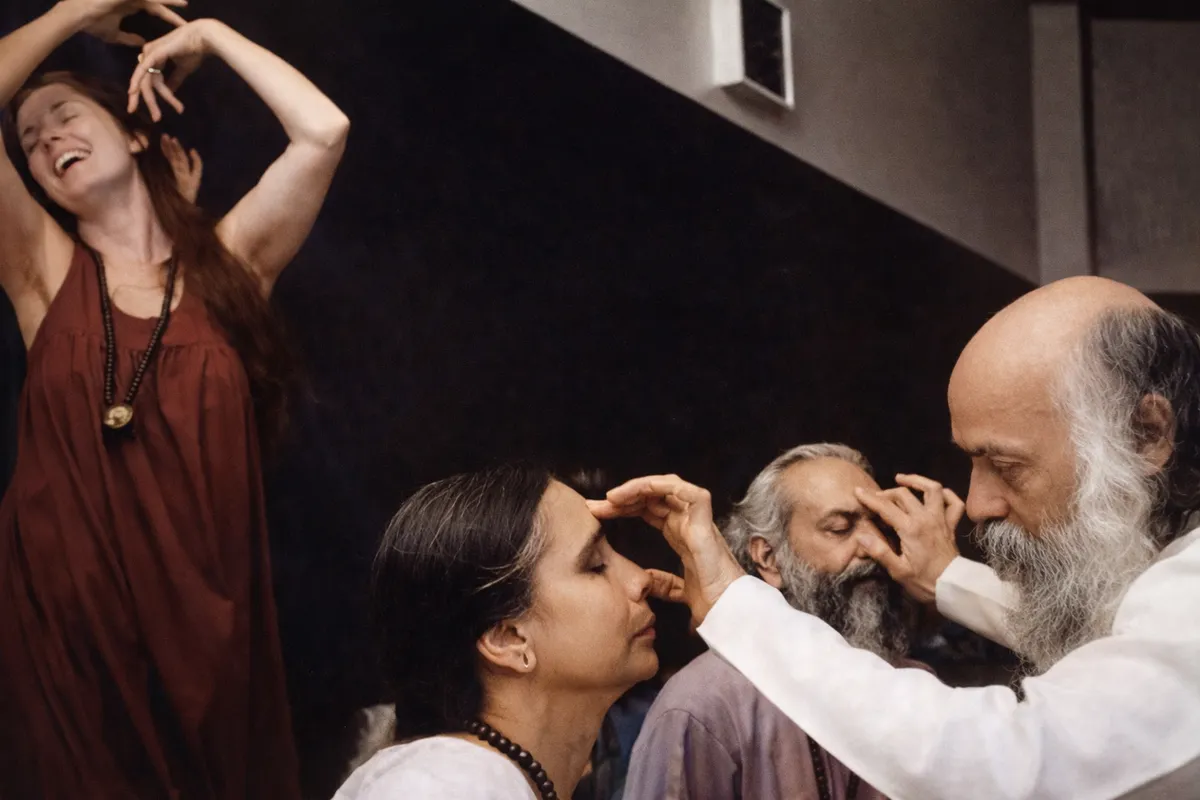
People today aren’t less spiritual; they’re just skipping showy customs and looking inside for real freedom and love.
From the Discourses
Passages where Osho speaks to this question — each links to the complete discourse.
Question: Second question: Osho, why has the man of this century become irreligious? Who told you that? Man’s ego has always thought this way: that earlier people—ancestors, forefathers—were very religious, and now everything has turned irreligious. Which ancestors are you talking about? Just open your scriptures and look—you will find the same kind of human being you find today. Don’t you see Yudhishthira gambling? Don’t you see Draupadi staked? Don’t you see Sita abducted? Don’t you see the war between Rama and Ravana? Don’t you see every kind of intrigue, every kind of ambush, every kind of violence? You think the modern man is irreligious and the ancients were religious? Then who are the characters of your epics? And if Buddha, Mahavira, Krishna, the Tirthankaras, the prophets, the avatars were all teaching, what do you think they were teaching and to whom?
किसने तुम्हें कहा? आदमी का अहंकार हमेशा इसी तरह सोचता रहा है कि पहले, पूर्वज, बापदादे बड़े धार्मिक थे; और अब सब अधर्म हो गया है। किन पूर्वजों की बात कर रहे हो! जरा शास्त्र तो उठा कर देखो, तुम ऐसा ही आदमी पाओगे, तुम हमेशा ऐसा ही आदमी पाओगे जैसा आदमी आज है। युधिष्ठिर को जुआ खेलते नहीं देखते? द्रोपदी को दांव पर लगाया हुआ नहीं देखते? सीता चोरी जाती है, यह नहीं देखते? राम-रावण का युद्ध होता है, यह नहीं देखते? सब तरह की चालबाजियां, सब तरह की घातें, सब तरह की हिंसाएं होती हैं, यह नहीं देखते? तुम सोचते हो आज का आदमी अधार्मिक है, पहले के आदमी धार्मिक थे? तो तुम्हारे पुराणों में कथाएं किसकी हैं? और फिर बुद्ध-महावीर-कृष्ण और सारे तीर्थंकर, सारे पैगंबर और सारे अवतार लोगों को समझा क्या रहे थे?
Osho, what is the definition of God?
Words are very small. If you say God is light, then what of darkness? The scriptures have said that God is light. Suppose we accept this as a definition—then what about darkness? Where will darkness go? Darkness is too; in fact it is far more than light. Light sometimes is and sometimes is not; darkness is always, eternal. Where will you place darkness? If you say God is light, darkness is left out. If you say God is darkness, then light is left out. If you say God is both darkness and light, a contradiction arises: they cannot be together. Try to have both darkness and light in the same room. If you bring in light, darkness disappears; if you preserve darkness, you cannot have light. Then how can both be together? That becomes an impossibility. So you cannot say “both” either. Then the fourth device is to say: it…
पहला प्रश्न: ओशो, परमात्मा की परिभाषा क्या है?
शब्द तो बड़े छोटे-छोटे हैं। अगर कहो परमात्मा प्रकाश है, तो फिर अंधेरे का क्या होगा? ऐसा कहा है शास्त्रों में कि परमात्मा प्रकाश है। चलो मान लें इसे परिभाषा, फिर अंधेरे का क्या होगा? फिर अंधेरा कहां जायेगा? अंधेरा भी है, प्रकाश से कहीं ज्यादा है। प्रकाश तो कभी होता है कभी नहीं भी होता; अंधेरा सदा है, शाश्वत है। अंधेरे को कहां रखोगे? अगर कहा परमात्मा प्रकाश है, तो अंधेरा बाहर पड़ गया। अगर कहा परमात्मा अंधेरा है, तो प्रकाश बाहर पड़ गया। अगर कहो परमात्मा अंधेरा प्रकाश दोनों है, तो विरोधाभास होता है। दोनों एक साथ हो नहीं सकता। एक ही कमरे में अंधेरा और प्रकाश करके दिखाओ। प्रकाश करोगे, अंधेरा खो जायेगा; अंधेरा बचाओगे, प्रकाश न कर सकोगे। तो दोनों साथ कैसे होंगे? तब एक असंभव बात हो गई। तो यह भी नहीं कह सकते कि दोनों है।
A friend has asked: I want to take sannyas, but these ochre robes will put me in great difficulty. My job will be endangered, my family will create a fuss, and the people of my village and society will put obstacles in my way.
“Never did I suffer such a wound that spring would arrive.” The sadness is that thousands sit in temples and mosques and in their hearts there is no wound. Otherwise spring would have come long ago. If there is thirst, water is found. It will be found, because search begins. If there is no thirst, even if water flows right before your eyes you will not see it. We see only that for which there is aspiration and longing. God stands all around—within these green trees, within these people, within the moon and stars of the sky—but we do not see. We have no longing. We see only what we want. Have you noticed, when you go to the market, on the day you go to buy a particular thing, only those shops catch your eye. One day you go to buy sweets and you are astonished—so many sweet shops…
एक मित्र ने पूछा है कि मैं संन्यास लेना चाहता हूं, लेकिन ये गैरिक वस्त्र बड़ी अड़चन में डाल देंगे मुझे। नौकरी मुश्किल में पड़ेगी, परिवार झंझट खड़ी करेगा, गांव-समाज के लोग अड़चन डालेंगे।
एक जख्म ऐसा न खाया कि बहार आ जाती दुख तो यही है कि हजारों लोग मंदिर-मस्जिदों में हैं और उनके दिल में कोई जख्म नहीं। नहीं तो बहार कभी की आ जाती। प्यास हो, तो पानी मिल जाता है। मिलेगा ही, क्योंकि खोज होती है। प्यास ही न हो, तो पानी बहता रहे सामने से तो भी दिखाई नहीं पड़ता। हमें वही दिखाई पड़ता है जिसकी आकांक्षा और अभीप्सा होती है। परमात्मा तो चारों तरफ खड़ा है--इन हरे वृक्षों में, इन लोगों में, इन आकाश के चांद-तारों में, लेकिन हमें दिखाई नहीं पड़ता। हमें आकांक्षा नहीं है। हमें वही दिखाई पड़ता है जो हम चाहते हैं। तुमने देखा, जब तुम बाजार जाते हो, तो जिस दिन तुम जो खरीदने जाते हो, उसी-उसी की दुकानें तुम्हें दिखाई पड़ती हैं। किसी दिन तुम मिठाई खरीदने गए हो, तो तुम हैरान होते हो कि इतनी मिठाई की दुकानें हैं इस बाजार में! पहले नहीं दिखाई पड़ी थीं! उस दिन तुम्हें चांदी-सोने की दुकानें दिखाई नहीं पड़तीं। उनसे तुम्हें लेना-देना नहीं है। …
Osho, please shed light on what walls stand between religion and man.
There aren’t many walls—just one: ego. Though there are many bricks in that wall, and they all get mortared in the same way: whatever is against nature becomes a brick for the ego. I teach a natural life. My message is straight and simple. Live simply. Don’t run away from anywhere; don’t avoid anything. Whatever God has given is auspicious—give thanks. And if he has given mud, he gave it in the hope that lotus flowers would bloom from it. And if he has given iron, he did so in the hope that you also have the philosopher’s stone within—find it. At its touch, iron becomes gold. And not merely gold—fragrance comes into gold. And don’t keep asking the pundit-priests. Avoid them. They neither know nor have experience. But in this world very few are simple-hearted enough to say, “I don’t know.” If someone asks you something, even if you…
दूसरा प्रश्न: ओशो, धर्म और आदमी के बीच कौन सी दीवारें हैं, इस पर प्रकाश डालने की कृपा करें।
दीवारें नहीं हैं, बस एक दीवार है--अहंकार की। हालांकि उस दीवार में बहुत सी ईंटें हैं और वे सब ईंटों को जमाने का एक ही ढंग है। प्रकृति के विपरीत जो भी है, वही अहंकार के लिए ईंट बन जाता है। मैं सिखाता हूं प्राकृतिक जीवन। मेरी देशना सीधी-सादी है। सरलता से जीओ। न भागना है कहीं, न बचना है किसी बात से। परमात्मा ने जो दिया है, सब शुभ है। उसे धन्यवाद दो। और अगर उसने कीचड़ भी दी है तो इसी आशा में दी है कि कीचड़ से कमल पैदा होते हैं। और उसने अगर लोहा दिया है तो इसी आशा में दिया है कि तुम्हारे भीतर पारस पत्थर भी है, उसे खोज लो, उसके छूते ही लोहा भी सोना हो जाएगा। सोना ही नहीं होता, सोने में सुगंध भी आ जाती है। और पंडित-पुरोहितों भर से मत पूछना। उनसे बचना। न उन्हें पता है, न उन्हें अनुभव है। लेकिन इस दुनिया में इतने सरलचित्त लोग बहुत कम हैं जो यह कह सकें कि हमें पता नहीं है। तुमसे भी कोई कुछ पूछता है, तुम्हें चाहे पता न भी हो तो भी तुम उत्तर देते हो। …
Religiousness means a man who is moving away from thinking to non-thinking, moving from mind to no-mind, moving from body to soul, moving from the outer to the inner. Ultimately religiousness makes you the center of a cyclone. All around you is a cyclone but you are a silent center, and out of that silent center has come all beautiful, still, small voices. The statements of the Upanishads are not the statements of people who belong to any religion. They are the statements of people who drown themselves in religiousness. Anything that is truthful, beautiful, good, has come out of the experience of religiousness. Satyam, shivam, sundram: truth, good, beauty. All the religions have beliefs, and every belief simply covers your ignorance. From the very beginning it is a belief -- you don't know. It is a blind man believing in light, it is a deaf man believing in music.