
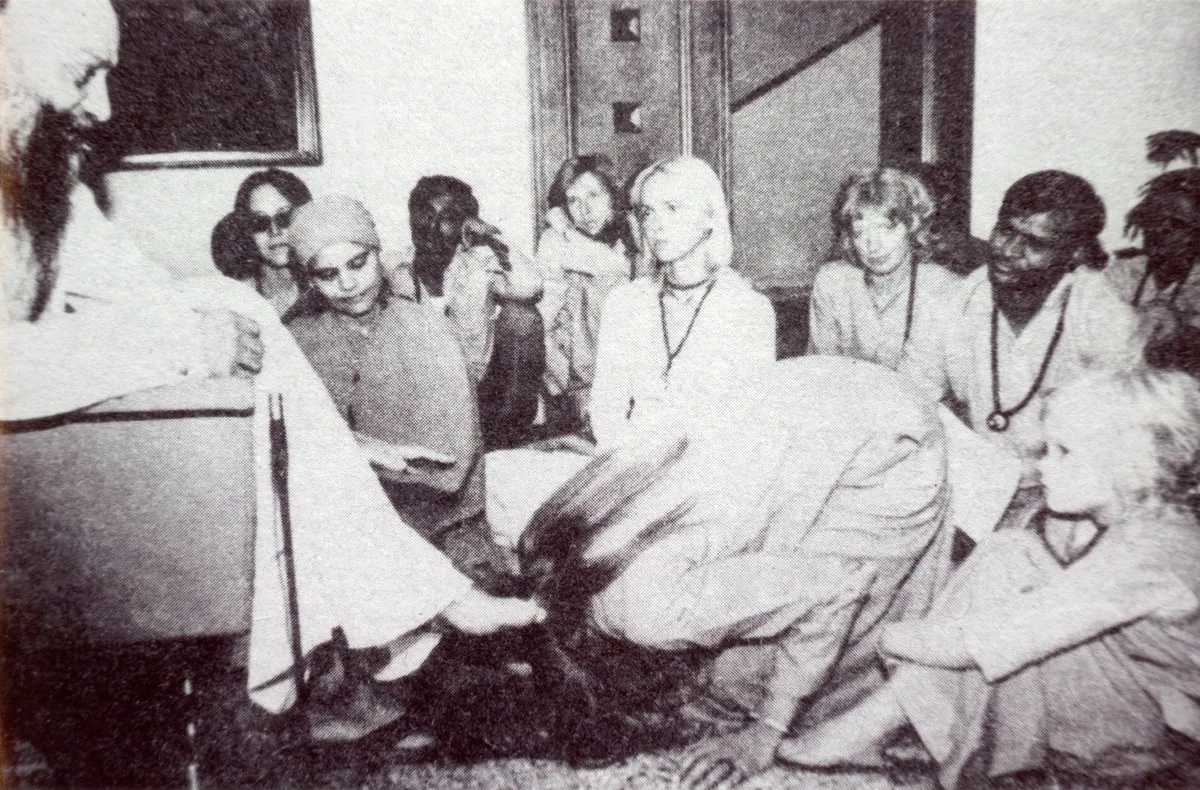
They object because this is living joy, not fixed religion—when God is felt directly, priests and rules lose power.
From the Discourses
Passages where Osho speaks to this question — each links to the complete discourse.
Osho, you are so opposed to temples and mosques—then why are you yourself building this vast temple?
We are not building a temple. We are awakening those consciousnesses whose very presence carries the fragrance of the temple by itself. Wherever they are, it will be. If they stand in the marketplace, there a temple will be. This is something altogether different; hence the trouble. That is why the people of temples, mosques, and gurdwaras are angry. They feel I am cutting their roots, pulling down their temples. And you ask, “You are building a grand temple here!” No temple is being built here. What is gathering here are the intoxicated. What is being shared here is ecstasy. A divine madness is rising—a madness that belongs to God. Had there been no tavern outside the cloister and the Kaaba, God knows where the rejected ones would have gone. Good that our own madness came in handy; else where would we have gone to convince the world? Those who…
पहला प्रश्न: ओशो, आप मंदिर-मस्जिदों के इतने खिलाफ हैं, फिर आप स्वयं ही क्यों यह विशाल मंदिर बना रहे हैं?
हम मंदिर नहीं बना रहे हैं। हम तो उन चेतनाओं को जगा रहे हैं जिनकी मौजूदगी में मंदिर की सुगंध अपने आप होती है। वे जहां होंगे, वहां होगी। बाजार में खड़े होंगे तो वहां मंदिर होगा। यह कुछ और ही बात है। यह बात इतनी भिन्न है, इसीलिए अड़चन है। इसलिए मंदिर और मस्जिद और गुरुद्वारे के लोग नाराज हैं। उनको तो लग रहा है, मैं उनकी जड़ें काट रहा हूं, उनके मंदिर गिरा रहा हूं। और तुम पूछते हो कि ‘आप यहां विशाल मंदिर बना रहे हैं!’ यहां कोई मंदिर नहीं बनाया जा रहा है। यहां मस्त जरूर इकट्ठे हो रहे हैं। यहां मस्ती जरूर बांटी जा रही है। यहां एक दीवानगी उठ रही है, एक पागलपन पैदा हो रहा है--एक पागलपन जो परमात्मा का है।
Another friend has asked: Osho, what is the relationship between the method of meditation and jati-smaran (recollection of past lives)?
But the one who becomes skilled in this—who can fully awaken any day’s memory up to the age of five—will find that the memories begin to awaken completely. And you should test it. As today passes, note down some events and lock them up. After two years, try to recall today. Most of it will have been forgotten. Then remember—and after remembering, break the lock and compare whether what you recalled matches what you had written. You will be amazed—astonished—that besides what you wrote, many more details have come back which you did not even note at the time. They will all be there in memory. Buddha called this alaya-vijnana. There is a corner of the human mind he called the storehouse of consciousness. Like a junk room in the house where we keep all the odds and ends, there is a storehouse that collects memories—where everything from birth after…
एक और मित्र ने पूछा है कि ओशो, ध्यान की विधि और जाति-स्मरण में क्या संबंध है?
लेकिन जो व्यक्ति इसमें समर्थ हो जाएगा, पांच वर्ष की उम्र तक की किसी भी दिन की स्मृति को पूरा जगाने लगेगा...और वह पूरी जगने लगती है। और फिर उसको इस तरह जांच कर लेनी चाहिए। जैसे आज का दिन गुजर रहा है, तो आज के दिन की कुछ बातें नोट करके ताले में बंद कर दें। दो साल बाद आज के दिन को याद करें। वह सब खो जाएगा आज का दिन। और तब स्मरण करें, और स्मरण करके फिर ताला तोड़ें, और फिर मेल करें कि वह बात मेल खा गई कि नहीं। और आप हैरान होंगे--आप हैरान होंगे कि जितनी आपने लिखी थीं, उससे बहुत ज्यादा बातें और भी याद आई हैं जो कि आप उस दिन भी नोट नहीं कर पाए थे। वे तो सब बातें याद आ ही जाएंगी। इसको बुद्ध ने नाम दिया है, आलय-विज्ञान। मनुष्य के मन का एक कोना है, जिसको उन्होंने आलय-विज्ञान कहा है। …
Question: Third question: Osho, why do you call your ashram a tavern? ... They fear truth—for truth is fiery. Come close and you will burn, be reduced to ashes. But from that very ash a new life is born. Under compulsion I had to forbid disrobing—not because in such a moment it is wrong to be naked; to stop someone then is inhuman, indecorous—but because spectators gather; they bring cameras; they will photograph someone—and that picture becomes “important. A German magazine, Stern, printed two or three nude photographs. Such is people’s curiosity! Those pictures then appeared in papers all over the world. There is hardly a language they didn’t reach—Dutch, Italian, French, Spanish—everywhere. A year has passed since that magazine printed them, and still they keep appearing in new languages. No one asks in what inner moment these people were nude, in what state this bareness happened.
साधना-शिविरों में बड़े बेमन से मुझे रोक लगानी पड़ी कि लोग वस्त्र न उतारें। ऐसी घड़ी आती है जब वस्त्र उतर जाते हैं। एक ऐसी घड़ी आती है आह्लाद की, निर्दोषता की, जब वस्त्र भी बोझ मालूम पड़ते हैं। और मन होता है, गहन मन होता है कि सब परदे गिरा दो! परमात्मा और अपने बीच कुछ भी न रखो। ये हवाएं इस शरीर के साथ खेलें और ये सूरज की किरणें इस शरीर पर नाचें! और इस आकाश और शरीर के बीच कोई भी आवरण न हो। ऐसी घड़ी आती है मस्ती की! लेकिन जो बाहर से आकर देख लेता है वह समझता है: ‘अरे! यहां नग्नता सिखाई जा रही है।’ ये वे ही लोग हैं जिन्होंने महावीर को पत्थर मारे थे, क्योंकि वे नग्न थे; हालांकि अब पूजा कर रहे हैं। और मैं तुमसे कहता हूं: ये ही लोग पूजा करेंगे। लेकिन सदियों बाद ये पूजा करते हैं। इनकी पूजा झूठी। इनकी पूजा मुर्दा। जब कोई मधुशाला मर जाती है, मधु-धाराएं सूख जाती हैं, सिर्फ याददाश्त रह जाती है, तब ये पूजा शुरू करते हैं। …
Osho, why is it that all enlightened ones teach the central transformation of awareness and awakening, yet the religions founded on them shrink into conduct codes and rituals? Aren’t all organized religions merely parts of society?
But the wife would not agree. She said, “I don’t get into talk of mistakes and corrections. Some ill omen might occur! What harm is it to us?” Lines remain: “It happened this way, it was done that way, it was said so.” Then our meanings, our blindness, are added to them. Religion becomes superstition; truth loses its peaks and becomes the falsehood of the valleys. And around that falsehood, crowds gather. Those who reached the Buddha in the beginning reached through their own awakening. Then they had children; those children had nothing to take from the Buddha, nothing to give. For them, religion is only a rite. Born in a Buddhist home—Buddhist; had they been born in a Hindu home—Hindu; in a Muslim home—Muslim. It is a matter of accident. Being born in a Hindu home is as accidental as a white cat sitting by a pot of curd.…
दूसरा प्रश्न: ओशो, ऐसा क्यों है कि सभी बुद्ध पुरुष बोध और जागरण के केंद्रीय संपरिवर्तन का उपदेश देते हैं और उनके स्थापित धर्म आचरण और कर्मकांड में सिकुड़कर रह जाते हैं? क्या सभी संगठित धर्म समाज के ही हिस्से नहीं हैं?
लेकिन पत्नी न मानी। उसने कहा, भूल और सुधार, इन बातों में मैं नहीं पड़ती। कोई अपशगुन हो जाए! अपना बिगड़ता क्या है? लकीरें बनी रह जाती हैं। ऐसा हुआ था, ऐसा किया गया था, ऐसा कहा था। फिर हमारे अर्थ, फिर हमारा अंधापन उनमें जुड़ता है। और धर्म अंधविश्वास हो जाता है, और सत्य अपने शिखर खो देता है और घाटियों का झूठ हो जाता है। फिर उसी झूठ के आसपास भीड़ें बढ़ती चली जाती हैं। बुद्ध के पास जो लोग पहली दफे पहुंचे थे, अपने बोध से पहुंचे थे। फिर उनके बच्चे पैदा होते हैं; इन बच्चों को न बुद्ध से कुछ लेना है, न कुछ देना है। धर्म इनके लिए केवल एक रीति-रिवाज होता है। …
Another friend has asked: if meditation leads to samadhi and samadhi leads to god, then what need is there to go to the temples? Shouldn't we do away with them?
Those who see God in temples and those who destroy temples -- both are wrong. One who only sees God in the temple is mistaken. His mistake is: who else does he see outside the temple? Obviously, his mistake is that he does not see God except in the temple. Your temple is very puny; God is very vast -- you cannot confine God to your puny little temples. The other person's error is: he wants to get into doing away with temples, into destroying them -- only then, he thinks, can he see God. Your temples are too small to serve as dwelling places of God or to prevent anyone from seeing God. Remember, your temples are so ridiculously small they cannot become God's residence, nor can they become his prison, which, when destroyed, would supposedly make him free. You need to understand exactly what I am saying. What…