
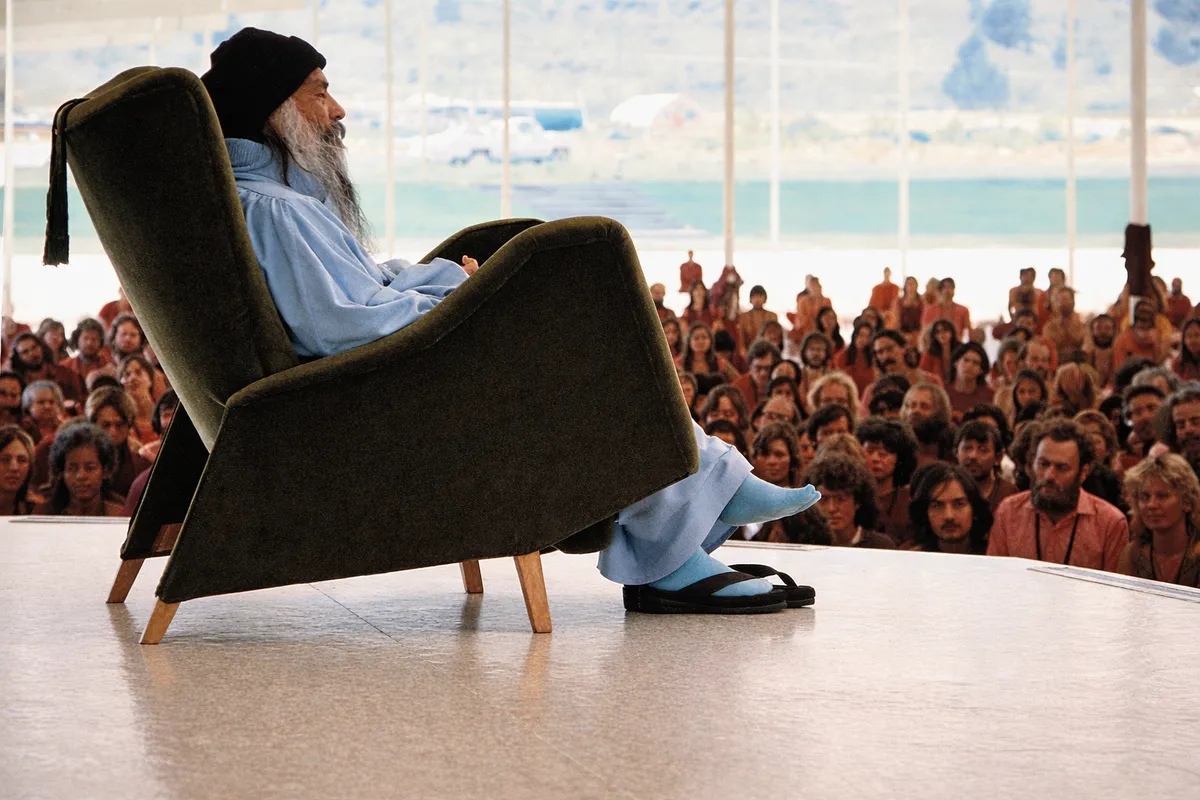
You’ll still feel hurt, but you won’t be hurt inside by it because you’re just watching it.
From the Discourses
Passages where Osho speaks to this question — each links to the complete discourse.
A friend has asked: Osho, if events happen in nature and feelings in man, then when one attains siddhi and experiences one’s separateness, do bodily pain and mental anguish stop?
This needs a little understanding. First, understand the difference between pain and suffering. If a thorn pricks your foot, two things happen. One is pain. Pain means you experience that there is hurt in the foot. I know there is hurt in the foot. You are the knower. The pain happens in the foot; you are the seer of it. You are the witness. This does not mean that if you are a witness and someone pricks your foot you will feel no pain. Do not fall into that illusion. There will be pain, because the prick of a thorn is an event. But there will be no suffering. Keep this distinction in mind. Suffering happens when I become one with the pain. When I say, “A thorn is pricking me,” then suffering happens. When I say, “A thorn is pricking the foot—and I am seeing it,” then there is…
एक मित्र ने पूछा है कि ओशो, यदि प्रकृति में घटनाएं होती हैं और पुरुष में भाव, तो क्या जब कोई सिद्धि को प्राप्त हो जाता है और अनुभव कर लेता है अपनी पृथकता को, तो उसके शरीर में दुख और मन में पीड़ा बंद हो जाती है?
पहली तो बात यह समझनी पड़े कि दुख और कष्ट का फर्क। अगर आपके पैर में कोई कांटा चुभाए, तो दो घटनाएं घटती हैं। एक घटना है, कष्ट। कष्ट का अर्थ है कि आप अनुभव करते हैं कि पैर में पीड़ा हो रही है। मैं जान रहा हूं कि पैर में पीड़ा हो रही है। आप जानने वाले होते हैं। पीड़ा पैर में घटित होती है, आप देखने वाले होते हैं। आप साक्षी होते हैं। इसका यह मतलब नहीं कि आप साक्षी होंगे, तो कोई आपके पैर में कांटा चुभाए तो आपको पीड़ा नहीं होगी। इस भ्रांति में आप मत पड़ना। पीड़ा होगी। कष्ट होगा। क्योंकि कांटे का चुभना एक घटना है। लेकिन दुख नहीं होगा। इस फर्क को खयाल में ले लें। …
Osho, you have earlier said, “Live moment to moment, live in the present.” Now you are saying, “Return to the past.” What should we do?
So it is with the mind—there are ruts. The past means endless grooves. However much you understand, your intellect agrees, you make decisions, you resolve—at the moment of resolve you feel something is going to change. But not even an hour passes before your decision breaks. Then only self-condemnation is produced, nothing else. Your saints, your fakirs, your priests and pundits—most of the time they only succeed in producing self-condemnation in you, nothing else. Their words are logically correct. You cannot even say they are wrong; you have to admit they are right. In that admission you take a decision. But against what are you deciding? Inside are grooves carved since who knows when, deep tracks. Walking in them has become a habit. It is easy to walk in them. They will pull you again and again. The meaning of returning into the past is: these grooves must be erased.…
दूसरा प्रश्न: ओशो, आपने पहले कहा है, क्षण-क्षण जीयो, वर्तमान में जीओ। अब आप कह रहे हैं, अतीत में लौटो। हम क्या करें?
ठीक मन पर लीकें हैं। अतीत का अर्थ है, अनंत लीकें। तो आप कितनी ही बातें समझ लेते हैं; बुद्धि सहमत हो जाती है; निर्णय ले लेते हैं; संकल्प कर लेते हैं। और जब संकल्प करते हैं, तब सोचते हैं कि कुछ होने-जाने वाला है। घड़ी भी नहीं बीत पाती कि जो आपने निर्णय लिया था, वह टूट जाता है। और तब सिर्फ आत्मग्लानि पैदा होती है, और कुछ भी नहीं। आपके संत, आपके फकीर, आपके पंडित-पुरोहित, आप में सिर्फ आत्मग्लानि पैदा करवा पाते हैं और कुछ भी नहीं। क्योंकि उनकी बातें तो तर्कयुक्त हैं। आप भी कह नहीं सकते कि वे गलत कह रहे हैं। स्वीकार करना पड़ता है कि ठीक कह रहे हैं। उस स्वीकृति में आप निर्णय लेते हैं। लेकिन निर्णय किसके खिलाफ ले रहे हैं! न मालूम कितनी लंबी लकीरें भीतर हैं, गहरे खांचे हैं। उनमें चलने की आदत हो गई है। उनमें चलना सुगम है। …
Regarding the bliss of the Self: suppose it has become clear to me that throughout the day I see body and soul as separate, and within that two things arise—joy and sorrow. When joy comes, the experience of it is inside. If some suffering comes in the body, does the soul experience that suffering the way the mind does? Suppose the body is gravely ill and in pain twenty-four hours—then one who has realized the soul should not be affected by the pain, right?
In truth, the soul is only the power of pure awareness. It gives awareness. To have awareness is one thing; to be afflicted by what one is aware of is quite another. If this foot is injured, to be aware that there is an injury is one thing; to be tormented by the pain of the injury is quite another. Awareness will not occur to one who is unconscious. Awareness will not occur to one who is unconscious! Full awareness happens to the one who is conscious. But being aware that there is pain in the foot and being aware that “I am unhappy” are two different things. Even if a thorn were to prick Mahavira while walking on the road, he would know that a thorn has pricked—only that much: a thorn has pricked. Just as it would be evident to you if a thorn pricked you. If you…
प्रश्न: जो आत्मानंद का संबंध है। अब समझो कि आपको ऐसा मालूम हो गया कि मैं तो सारा दिन शरीर और आत्मा दोनों जुदा देख रहा हूं, और उसमें आनंद और दुख दो बातें आती हैं। आनंद आता है तो आनंद का तो अनुभव अंदर में होता है। ऐसा एक शरीर में कोई दुख आता है तो आत्मा को दुख का अनुभव होता है, जैसा मन में अनुभव होता है? समझो कि बड़ा रोगी शरीर है और उसमें चौबीस घंटे दर्द हो रहा है, तो उसने जिसने आत्मा को पाया है उसको तो दर्द का असर होना नहीं चाहिए।
असल में, आत्मा केवल बोधमात्र की शक्ति है। बोध देती है। बोध का होना एक बात है, बोध से पीड़ित होना बिलकुल दूसरी बात है। इस पैर में चोट लगे, इसका बोध होना कि चोट है, एक बात है; चोट की पीड़ा से पीड़ित होना बिलकुल दूसरी बात है। बोध तो उसको नहीं होगा जो बेहोश है। बोध उसको नहीं होगा जो बेहोश है! उसे तो बोध परिपूर्ण रूप से होगा जो होश में है। लेकिन यह बोध होना कि पैर में दर्द है और यह बोध होना कि मैं दुखी हूं, अलग-अलग बातें हैं। महावीर को भी अगर राह चलते कांटा गड़े, तो पता पड़ेगा कि कांटा गड़ा। लेकिन इतना ही पता पड़ेगा कि कांटा गड़ा। …
Osho, granted that for the self-realized the personal experience of pleasure and pain comes to an end, but surely they must still be made happy or unhappy by the pleasure and pain of others, mustn’t they? Please shed light.
No. One whose experiences of pleasure and pain have ended is not affected by the pleasure and pain of others either. It may be difficult for you to think so, because you imagine he should be deeply affected by your joys and sorrows. No — he has seen that what you call pleasure is not pleasure at all. So, seeing your pleasure and your pain, compassion arises for you, but he does not become happy or unhappy. Only compassion arises — seeing that you are still caught in a dream! Imagine two people sleeping in the same room, both crushed under a dream of suffering, both seeing a hellish nightmare. One wakes up. Naturally, for the one who has awakened, the dream’s pleasures and pains have become meaningless. Do you think that, seeing the other muttering and shouting beside him — hearing him say, “Move away, a demon is sitting…
तीसरा प्रश्न: ओशो, माना कि आत्मज्ञानी के लिए निजी सुख-दुख के अनुभव समाप्त हो जाते हैं, लेकिन वे भी तो दूसरों के सुख-दुख से सुखी-दुखी होते ही होंगे न! कृपा कर प्रकाश डालें।
नहीं, जिसके सुख-दुख के अनुभव समाप्त हो गए, वह दूसरे के सुख-दुख से भी प्रभावित नहीं होता। तुम्हें कठिनाई होगी यह बात सोच कर, क्योंकि तुम सोचते हो कि उसे तो बहुत प्रभावित होना चाहिए तुम्हारे सुख-दुख से। नहीं, उसे तो दिखाई पड़ गया कि सुख-सुख होते ही नहीं हैं। तो तुम्हारा सुख-दुख देख कर तुम पर दया आती है, लेकिन सुखी-दुखी नहीं होता। सिर्फ दया आती है कि तुम अभी भी सपने में पड़े हो! ऐसा समझो कि दो आदमी सोते हैं, एक ही कमरे में, दोनों दुख-स्वप्न में दबे हैं, दोनों बड़ा नारकीय सपना देख रहे हैं। एक जग गया। निश्चित ही जो जग गया अब उसे सपने के सुख-दुख व्यर्थ हो गए। क्या तुम सोचते हो दूसरे को पास में बड़बड़ाता देख कर, चिल्लाता देख कर, उसकी बात सुन कर कि वह कह रहा है, ‘हटो, यह राक्षस मेरी छाती पर बैठा है,’ यह दुखी-सुखी होगा? यह हंसेगा और दया करेगा। यह कहेगा कि पागल! यह अभी भी सपना देख रहा है। यह इसके राक्षस को हटाने की कोशिश करेगा कि इसकी छाती पर राक्षस न हो? राक्षस तो है ही नहीं, हटाओगे कैसे? …
It is also asked: Osho, in the second stage the body feels completely separate, yet whenever something happens to the body I become aware of it immediately.
It is separate, yes—but that does not mean you will not know. Even when it is separate, you will know. Even when there is a sense of oneness, you still know. What changes is how the knowing appears; the knowing is there in any case. When the body is felt as separate and hunger arises, it will seem that the body is hungry. And when the body is felt as one with you, it will seem that I am hungry. That is the only difference; there will be no other difference. If there is pain in the body, then when the body is separate it will feel as though somewhere at a distance the body is in pain and I am aware of it. And if you take yourself to be one with the body, it will feel as if I am in pain. In the illusion of unity, in…
यह भी पूछा है कि ओशो, दूसरे चरण में शरीर बिलकुल अलग मालूम होता है, लेकिन शरीर को कुछ होने पर उसकी खबर तुरंत लग जाती है।
अलग जरूर है, लेकिन इसका यह मतलब थोड़े ही है कि खबर नहीं लगेगी। अलग है, तब भी खबर लगेगी। एक मालूम होता है, तब भी खबर लगती है। एक मालूम होने से खबर के लगने में फर्क होता है, खबर तो लगती ही है। जब शरीर अलग मालूम हो रहा है तब अगर भूख लगेगी, तो ऐसा लगेगा कि शरीर को भूख लगी है। और जब शरीर एक मालूम हो रहा है, तो ऐसा लगेगा कि मुझको भूख लगी है। इसमें फर्क है बस, और कोई फर्क नहीं होगा। शरीर में दर्द हो रहा है, तो अगर शरीर अलग है तो ऐसा लगेगा कि कहीं दूर शरीर में दर्द हो रहा है और मैं जान रहा हूं। और अगर आप शरीर के साथ अपने को एक समझ रहे हैं, तो ऐसा लगेगा कि मुझे दर्द हो रहा है। …