
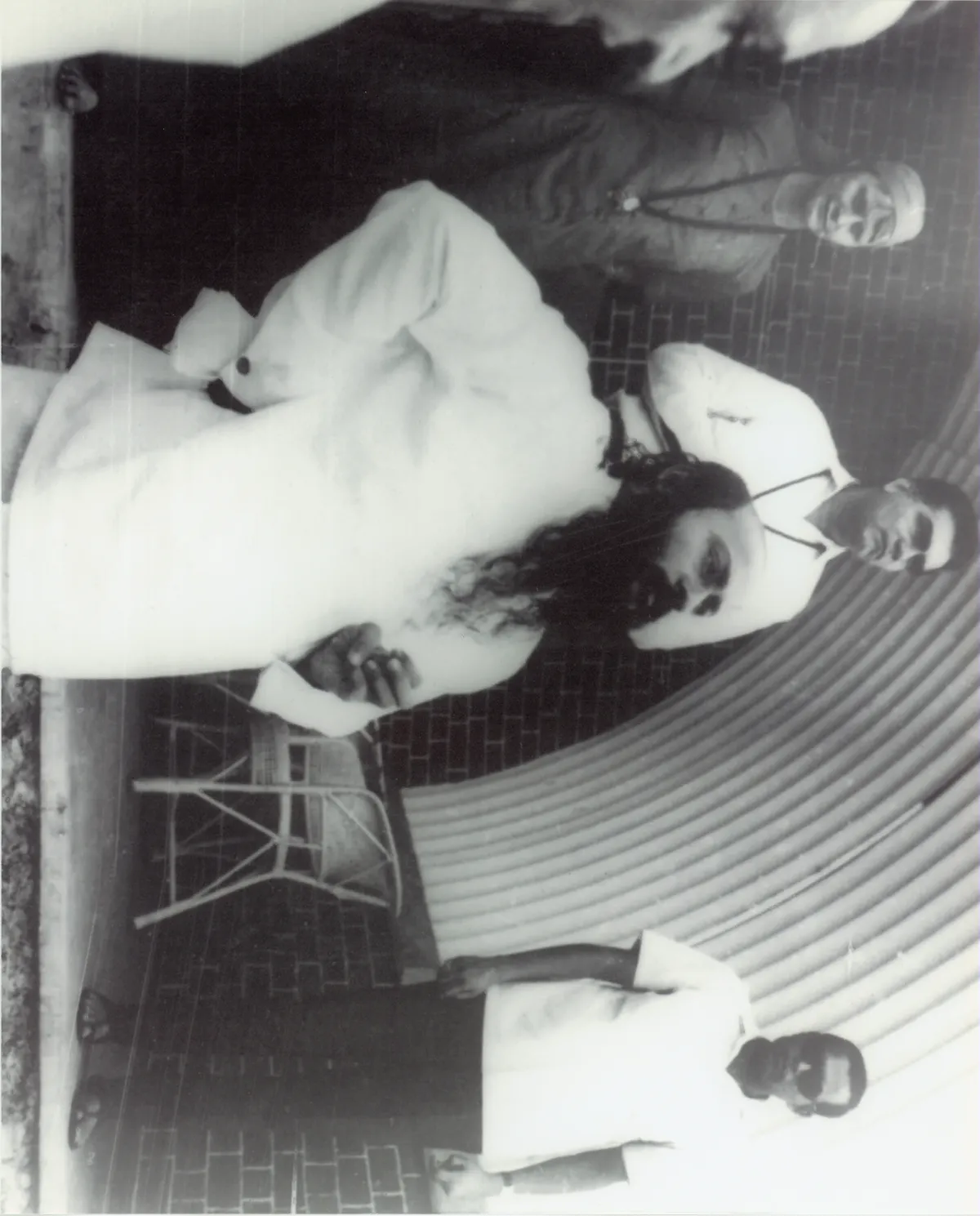
When you truly realize that chasing things will never finally satisfy you, expectations stop by themselves and you notice the sacredness already here.
From the Discourses
Passages where Osho speaks to this question — each links to the complete discourse.
Osho, when—at what moment—does the feeling of expectation drop utterly from within a sannyasin-disciple?
Expectation will remain until you have experienced that there is nothing to be gotten from life. Life only gives assurances; it never fulfills them. Life is a deception. From afar the great oases appear; on coming near they prove to be desert. From a distance there seems to be great beauty. The drums heard from afar sound so sweet! On coming close, all becomes ugly. The deeper your experience grows that all beauty belongs to distance, that the whole juice of life is in the future, never in the present—seems like “I’ve got it, got it, got it,” yet it is never gotten; you seem to be approaching but you never arrive—the more you see that this goal keeps receding. Like the horizon, where sky seems to touch earth—seems just a few miles away; you advance, it keeps advancing—the distance remains the same. The day it dawns on you from…
आखिरी प्रश्न: ओशो, कब, किस घड़ी में संन्यासी शिष्य के भीतर से अपेक्षा का भाव पूर्णतया गिर जाता है?
अपेक्षा तब तक रहेगी जब तक तुम्हें अनुभव नहीं हुआ कि जीवन में कुछ भी मिलने को नहीं है। जीवन केवल आश्वासन देता है, पूरा नहीं करता। जीवन एक धोखा है। दूर से लगते हैं बड़े मरूद्यान, पास आने पर मरुस्थल सिद्ध हो जाते हैं। दूर से लगता है बड़ा सौंदर्य। दूर के ढोले बड़े सुहावने! पास आने पर सब कुरूप हो जाता है। जितना तुम्हारा यह अनुभव गहरा होने लगेगा कि सब सौंदर्य दूरी का है, और जीवन का सारा रस भविष्य में है, वर्तमान में कभी भी नहीं है; लगता है मिला, मिला, मिला, मिलता कभी नहीं; पास आते मालूम पड़ते हो, पहुंचते कभी नहीं। यह मंजिल कुछ ऐसी है कि दूर हटती चली जाती है। जैसे क्षितिज है, आकाश छूता है पृथ्वी को, लगता है यह दस-पांच मील के फासले पर छू रहा है; बढ़ो, बढ़ता जाता है--दूरी सदा उतनी ही रहती है। जिस दिन तुम्हें यह प्रतीति होगी जीवन की सर्वांगीण दिशाओं से कि यहां सब सिर्फ निमंत्रण है, आशा है, पूरा कुछ भी नहीं होता, उसी दिन तुम्हारी अपेक्षा गिर जाएगी। अपेक्षा गिरते ही संसार तिरोहित हो जाता है। …
Is it difficult for people to drop god because he is their only hope and they focus all their expectations on him? It seems to be very hard to drop an expectation even when one can see it as such and can guess that most likely it will end up in disappointment.
<q>SEKITO SAID, "THEY ALL COME OUT OF HERE...."</q> Remember this word `here'. We were just talking about the same thing. <q>SEKITO SAID, "THEY ALL COME OUT OF HERE, AND THERE IS NOTHING WANTING."</q> Once you are here, there is nothing unfulfilled in you. Everything becomes so fulfilled, such a deep contentment, that you don't need anything anymore. You have actualized your potential. Your flowers have opened their petals, the spring has come. It all comes from here, it all comes from now. Neither can Buddha give it to you, nor anybody else. <q>ON SEIGEN'S DEATH, SEKITO WENT TO MOUNT NANGAKU. FINDING A LARGE, FLAT ROCK, HE BUILT A HUT, AND FROM THENCE FORWARD CAME TO BE KNOWN AS "STONEHEAD," AND LATER, WHEN HE WAS A MASTER, AS "STONEHEAD OSHO."</q> This Mount Nangaku is the place where he had gone to see Master Nangaku. In Japan it has been a tradition…
Osho, “The Beloved struck me with a flower and I was hurt to my very core; people threw stones, and I did not feel even a speck of pain.”
The miracle was this: one last desire had remained hidden; that too was seen. Had a hand descended from the heavens, it would not have been so great a miracle. Had the earth split or the sky, even that would not have been so great a miracle. Had the sun sunk at high noon—it would still not have been so great. Had Jesus ascended bodily to heaven—even that would not have equaled it. The true miracle, in my view, was that in his own unconscious the very last chain became manifest. The moment it revealed itself, the hour of awakening struck. Instantly Jesus said, “No, no—forgive me. What have I said? Who am I? Not my will—let thy will be done. Let what you wish come to pass. Let thy will be fulfilled. What will have I? I am content with thy will. Let thy kingdom come upon the earth,…
पहला प्रश्न: ओशो, सजनां ने फूल मारया सानूं पीड़ अंदरां तक होई लोकां दे पत्थरां दी सानूं पीड़ रता न होई ‘साजन ने फूल मारा और हमें भीतर तक चोट लगी और लोगों ने पत्थर मारे और हमें रत्तीभर पीड़ा नहीं हुई।’
वह चमत्कार यह था कि एक आखिरी वासना दबी रह गई थी, उसका भी दर्शन हो गया। आकाश से उतरा हुआ हाथ इतना बड़ा चमत्कार न होता। पृथ्वी फट जाती कि आकाश फट जाता, तो भी इतना बड़ा चमत्कार न होता। कि सूरज भर दुपहरी में डूब जाता, तो भी इतना बड़ा चमत्कार न होता। कि जीसस सदेह स्वर्ग चले जाते, तो भी इतना बड़ा चमत्कार न होता। चमत्कार मेरी दृष्टि में जो हुआ, वह यह है कि खुद के अचेतन में, आखिरी, बस आखिरी जंजीर थी, वह भी प्रगट हो गई। उसके प्रगट होते ही बोध की घड़ी आ गई। तत्क्षण जीसस ने कहा, नहीं नहीं, मुझे क्षमा कर। यह मैंने क्या कहा! मैं कौन हूं? मेरी अपेक्षा नहीं, तेरी आकांक्षा पूरी हो। तू जो चाहे वह पूरा हो। तेरी मर्जी पूरी हो। मेरी क्या मर्जी! मैं तेरी मर्जी से राजी हूं। तेरा राज्य उतरे पृथ्वी पर और तेरी मर्जी के फूल खिल जाएं।
At darshan, from the way you talked to me it seems clear my meditation is to live totally in the here and now. You made it clear I was not to live in hope. T.s. Eliot said, "I said to my soul, be still, and wait without hope, for hope would be hope for the wrong thing. Wait without love, for love would be love of the wrong thing. There is yet faith, but faith and the love and the hope are all in the waiting." anything more to say Osho?
THE question is from Pradeepa. She understood perfectly what I was trying to show her. Maturity happens when you start living without hope. Hope is childish. You become mature when you don't project hope into the future. In fact, you are mature when you don't have any future; you just live in the moment -- because that is the only reality there is. In the past, religion used to talk about the hereafter. Those were the childish, immature days of religion. Now religion talks about herenow; religion has come of age. In the Vedas, in the Koran, in the Bible, hereafter is the basic goal. But now man is no longer that childish. That sort of God and that sort of religion is dead. It was a religion of hope, it was a religion of future. Now another sort of religion is asserting itself all over the world, and this…
This word “free of hope” must be understood very carefully. In life we are bound more by hope than even by desire. Saints tell you to drop desire—they do not tell you to drop hope. For if you drop hope, even the saints’ own support goes—hope of heaven, hope of moksha; “if not here, then in the hereafter”—the hope. Mahavira’s statement is different: hope must be known and dropped. Without freedom from hope there is no liberation. Hope is the subtlest form of desire. Hope means: what did not happen today, will happen tomorrow. What could not be done today, tomorrow we will do. We missed today; tomorrow we shall not miss. Hope is the convenience of postponing life to tomorrow. We lose every day, yet we keep the hope of tomorrow alive.
यह आशारहित शब्द को बहुत खयाल से समझने की जरूरत है। जीवन में हम कामना से भी ज्यादा आशा से बंधे हैं। साधु-संत तुम्हें कहते हैं, वासना छोड़ो, यह नहीं कहते कि आशा छोड़ो। क्योंकि अगर आशा छोड़ो तो साधु-संत भी आशा ही के सहारे जी रहे हैं--स्वर्ग की आशा, मोक्ष की आशा, इस संसार में नहीं मिला तो परलोक में मिलेगा सुख, इसकी आशा।