
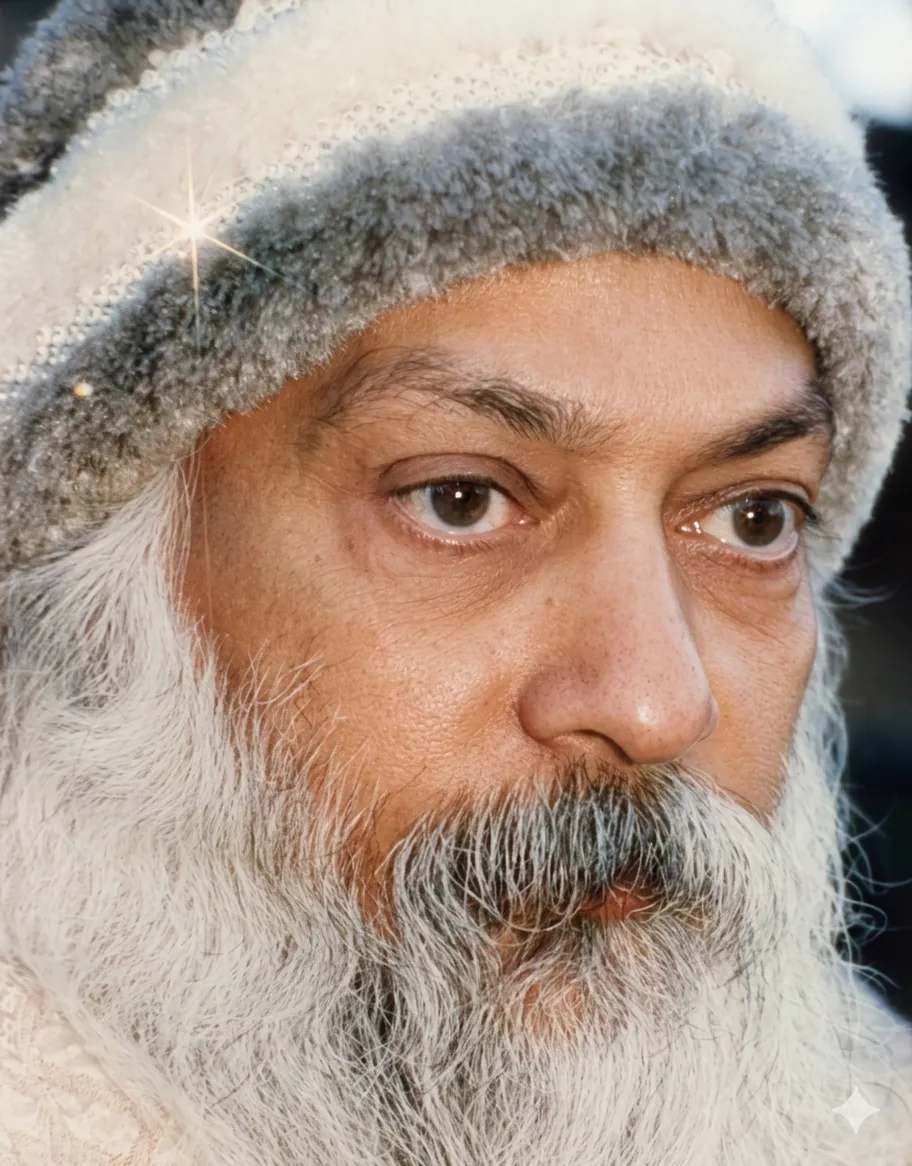
It takes the most strength to stop pushing and truly let go—that’s real ‘doing nothing.’
From the Discourses
Passages where Osho speaks to this question — each links to the complete discourse.
The second question is: Osho, if Lao Tzu says, “Do nothing,” then what becomes of effort?
Do you think that doing nothing is some petty effort? Doing nothing is the greatest effort in this world. The power of non-doing is the highest mastery there is. Doing—children can do that. There’s no great effort in doing; it’s something quite natural and ordinary. Animals are doing too. Non-doing is something very great. So don’t think that when Lao Tzu says “don’t do,” inaction, effort comes to an end. Surrender is the greatest resolve. Now this is very upside-down; it doesn’t occur to us, does it? We feel that surrender—placing one’s head at someone’s feet—means we are finished. But know that to place your head at someone’s feet is not within the capacity of an ordinary person! And to truly put your head at someone’s feet, to let go of yourself completely, is only possible for one who is utterly his own master. How will you let go? Simply…
दूसरा सवाल पूछा है कि ओशो, लाओत्से अगर कहता है, कुछ न करो, तो पुरुषार्थ का क्या होगा?
क्या तुम समझते हो, कुछ न करना कोई छोटा-मोटा पुरुषार्थ है? कुछ न करना इस जगत में सबसे बड़ा पुरुषार्थ है। न करने की ताकत इस जगत में सबसे बड़ी मालकियत है। करना तो बच्चे भी कर लेते हैं। करने में कोई बड़ा पुरुषार्थ नहीं है। करना तो बिलकुल सहज, साधारण सी घटना है। जानवर भी कर रहे हैं। न करना तो बहुत बड़ी बात है। तो यह मत सोचना कि लाओत्से जब कहता है कि न करो, इन-एक्टिविटी, तो इससे तो पुरुषार्थ खतम हो जाएगा। समर्पण जो है, वह सबसे बड़ा संकल्प है। अब यह बहुत उलटा, खयाल में आता नहीं है न हमें। हमें लगता है कि समर्पण, किसी के चरणों में सिर रख दिया, तो हम तो मिट गए। लेकिन पता है कि किसी के चरणों में सिर रखना साधारण आदमी की हैसियत की बात नहीं है! और किसी के चरणों में सचमुच सिर रख देना, पूरी तरह अपने को छोड़ देना, उसकी ही सामर्थ्य की बात है जो पूरी तरह अपना मालिक हो। छोड़ोगे कैसे? सिर पैर पर रख देने से थोड़े ही रख जाता है! इतनी मालकियत भीतर हो कि कह पाएं कि ठीक, छोड़ते हैं पूरा। लेकिन छोड़ेगा कौन? …
The second question asked is: if lao tzu says do nothing then what happens to effort and labour?
Do you think that not doing anything is a small insignificant effort? To do nothing is the greatest effort in this world. The power to do nothing, is the greatest possession in this world. Actions even children perform. There is no labour required for it. It is a natural, ordinary happening. Even animals are active. Not to do anything is a very great thing. So when you hear that Lao Tzu advises inactivity, all efforts are nullified. Surrender is the greatest resolve. Now this seems contrary somewhat. It does not come within our understanding. We feel that by placing our head on someone's feet, we have annihilated ourselves. But do you know? It is not the capability of an ordinary man to place his head on someone's feet. And thus to truly place one's head on someone's feet, to let go of one's self, is only possible of one who…
Osho, in Lao Tzu’s vision of life, what place is there for sadhana (spiritual practice)? And one who relies only on drifting, not on swimming—how can he reach his goal? Is effort not necessary to reach the goal? Lao Tzu’s “doing nothing,” being inactive, also seems like a kind of goal. To abandon oneself to unknowing, unknown currents—is that wisdom, a mark of the wise, or is it ignorance and the mark of the ignorant?
No: for those who do not understand and can only understand doing, something must be made for them to do. And they must be made to do so much that by doing and doing they become exhausted and drop it. But the event happens only when they drop. Remember this: the event will not happen before that point of letting go which Lao Tzu speaks of. They must be tired out by doing. They must be made to do so much that they come to such a pitch of tension that there remains no way to maintain it, and the tension falls away. Tension has its laws. Either you drop tension right now—through understanding. One way is to drop tension through understanding. My fist is clenched. One way is that you tell me: “Clenched is not the fist’s nature; therefore you will get tired. Clenched is not the fist’s nature;…
प्रश्न: ओशो, लाओत्से के ऐसे जीवन-दर्शन में साधना का क्या स्थान होगा? और जो केवल बहने पर निर्भर होता है, तैरने पर नहीं, वह अपने लक्ष्य तक कैसे पहुंच सकता है? क्या लक्ष्य तक पहुंचने के लिए भी यत्न की आवश्यकता नहीं है? लाओत्से का कुछ न करना, निष्क्रिय होना भी एक प्रकार का लक्ष्य जान पड़ता है। अबोध, अनजान धाराओं पर अपने आपको छोड़ देना ज्ञान है, ज्ञानी का लक्षण है? अथवा अज्ञान और अज्ञानी का?
नहीं, बाकी जो लोग नहीं समझ पाते हैं, करना ही समझ पाते हैं, उनसे कुछ करवाना पड़ता है। और उनसे इतना करवाना पड़ता है कि वे कर-करके थक जाएं और छोड़ दें। लेकिन घटना तभी घटती है, जब वे छोड़ते हैं। ध्यान रखें, घटना लाओत्से के पहले घटने वाली नहीं है। उनको कर-करके थकाना होता है। उनसे इतना करवाना होता है कि वे इतने तनाव में आ जाएं कि और तनाव का उपाय न रह जाए और तनाव छूट जाए। तनाव के नियम हैं। या तो आप तनाव को छोड़ दें इसी वक्त--समझपूर्वक। एक तो रास्ता है, समझपूर्वक तनाव का छोड़ देना। मेरी यह मुट्ठी बंधी है। एक रास्ता तो यह है कि आपने मुझसे कहा कि बंधा होना मुट्ठी का स्वभाव नहीं है, इसलिए तुम थक जाओगे। आपने मुझसे कहा, बंधा होना मुट्ठी का स्वभाव नहीं है, इसलिए तुम नाहक थक जाओगे। क्योंकि बांधने में तुम्हें शक्ति लगानी पड़ रही है और व्यर्थ तुम कष्ट पा रहे हो। तो मैं आपसे पूछूं कि मुट्ठी को कैसे खोलूं? क्या उपाय करूं? क्या साधना करूं कि मुट्ठी खोलूं? तो आप कहेंगे, फिर समझे नहीं। …
Where does educating the subconsciousness conflict or harmonise with tao, as it implies discipline with self-effort from an external expression?
Once upon a time, the Duke of Lu went forward to meet a sea bird that had made its appearance in the confines of that country, and escorted it to his ancestral hall. This is a Taoist parable. There, an ox, a sheep and a pig were slaughtered, and a feast was spread before the sea bird, while the band was playing the celebrated music composed under the supervision of the Emperor Shuen. The bird, however, merely looked on, sad and doleful, refusing to relish a morsel of meat or drink a single cup. Thus it died of hunger after three days. The duke fed the bird as he would feed himself, and he failed to see that it should have been treated as a bird and not as a king. The music is meaningless to the bird, and the ox and the sheep and the pig are not his…
Question: LAO TZU SAYS: ACCOMPLISH DO-NOTHING. ATTEND TO NO-AFFAIRS. TASTE THE FLAVOURLESS. WHETHER IT IS BIG OR SMALL, MANY OR FEW, REQUITE HATRED WITH VIRTUE. DEAL WITH THE DIFFICULT WHILE YET IT IS EASY; DEAL WITH THE BIG WHILE YET IT IS SMALL. THE DIFFICULT PROBLEMS OF THE WORLD MUST BE DEALT WITH WHILE THEY ARE YET EASY; THE GREAT PROBLEMS OF THE WORLD MUST BE DEALT WITH WHILE THEY ARE YET SMALL; THEREFORE THE SAGE BY NEVER DEALING WITH GREAT PROBLEMS ACCOMPLISHES GREATNESS. HE WHO LIGHTLY MAKES A PROMISE WILL FIND IT OFTEN HARD TO KEEP HIS FAITH. HE WHO MAKES LIGHT OF MANY THINGS WILL ENCOUNTER MANY DIFFICULTIES. HENCE EVEN THE SAGE REGARDS THINGS AS DIFFICULT, AND FOR THAT REASON NEVER MEETS WITH DIFFICULTIES. ... A very small enlightenment, but it is of the same quality.