
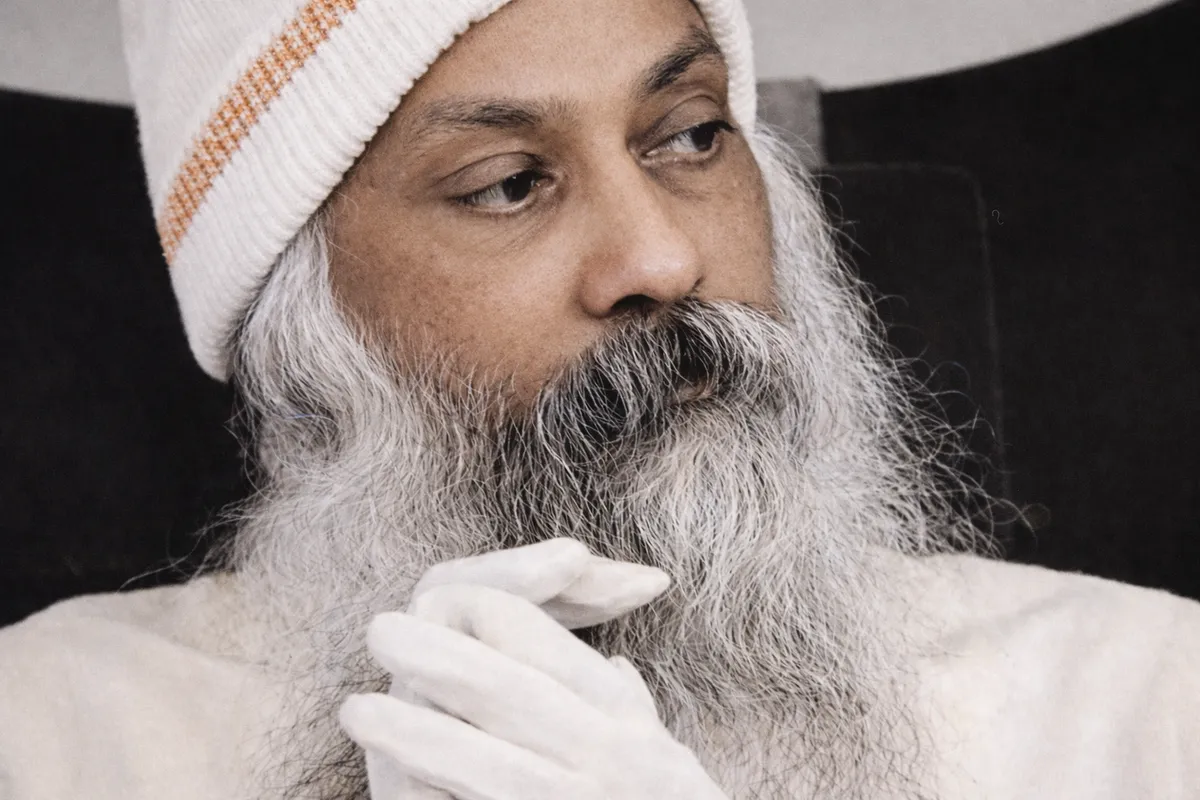
Society made these groups to keep poor people stuck below so the powerful had no competition—not because God wanted it.
From the Discourses
Passages where Osho speaks to this question — each links to the complete discourse.
A friend has asked: Osho, why should we think about death at all? We have life—let us live it. Be in what is present. Why allow the thought of death to come in between?
Just as there can be fear of sleep. Sleep is, in a way, a daily death. The day is life; the night is death. It is a piecemeal death. Every day we die a little, we sink within; in the morning we return fresh again. Then after seventy or eighty years the whole body gets tired—work, work, work—the body wears out. Then full death takes hold; the entire body changes. But we are very afraid of that. It is a deep sleep. Yet we are very afraid of it. Have you noticed that the body changes every morning too? It changes a little, which is why you don’t notice. It does not change completely; there is a partial transformation. When you go to sleep in the evening, your body is in one condition; when you wake in the morning, your body is in another. By morning the body has become…
एक मित्र ने पूछा है कि ओशो, मृत्यु के संबंध में हम सोचें ही क्यों? जीवन मिला है, उसे जीएं। वर्तमान में जो है, उसमें रहें। मृत्यु के विचार को ही हम क्यों बीच में आने दें?
… दिन भर जीवन है, रात मृत्यु है। वह टुकड़े-टुकड़े की मृत्यु है। रोज थोड़ा-सा मरते हैं, भीतर डूबते हैं, सुबह फिर ताजे होकर वापस लौट आते हैं। फिर सत्तर और अस्सी साल में पूरा शरीर थक जाता है; श्रम, श्रम, श्रम, शरीर थक जाता है। फिर पूरी मृत्यु पकड़ लेती है, फिर यह शरीर पूरा बदल जाता है। लेकिन उससे हम बहुत डरे हुए हैं। वह गहरी निद्रा ही है। लेकिन उससे हम बहुत डरे हुए हैं। क्या आपने खयाल किया कि शरीर सुबह भी रोज बदल जाता है! थोड़ा बदलता है, इसलिए आपको खयाल में नहीं आता। पूरा नहीं बदलता; पार्शियल ट्रांसफार्मेशन होता है। जब आप सांझ को थके-मांदे सोते हैं तो शरीर और हालत में होता है, जब सुबह आप उठते हैं तो शरीर और हालत में होता है। सुबह शरीर ताजा हो गया होता है, नया हो गया होता है। फिर शक्ति आ गई होती है, फिर काम की दुनिया शुरू हो जाती है। …
Osho, the second part of the question is: moved by Krishna’s stream of life, into what dimensions of living might human civilization and culture enter? Please outline it briefly and clearly.
For this one would have to speak at great length. In fact, that is what we have been doing all these days. Two–three words can be said. Through Krishna’s understanding, human civilization will become effortless and natural; it will become moment-to-moment; it will be devoted to joy; it will no longer be sorrow-centered, time-centered, negation-centered, renunciation-centered. Life will be recognized, graciously, as a benediction. And there will be no division between life and God: life itself is God. That dignity will, little by little, grow. There is no God sitting somewhere opposed to life—life itself is God. There isn’t some creator sitting apart from creation; the very process of creation, the energy of creation—creativity itself—is the Divine. If you keep in mind all that I have been saying in the meantime, the last point I have just made will become clear. In these days I said many things to you;…
ओशो, प्रश्र्न का दूसरा हिस्सा है कि कृष्ण की जीवनधारा से प्रभावित होकर मनुष्य-सभ्यता और संस्कृति किन जीवन-आयामों में प्रवेश कर पाएगी, इसकी संक्षिप्त रूपरेखा स्पष्ट करें।
इस पर तो बहुत लंबी बात करनी पड़े। वैसे उसकी ही बात कर रहे हैं इतने दिन से। दो-तीन शब्द कहे जा सकते हैं। मनुष्य की सभ्यता कृष्ण की समझ से सहज हो सकेगी; क्षणजीवी हो सकेगी, आनंद-समर्पित हो सकेगी; दुखवादी नहीं रहेगी, समयवादी नहीं रहेगी, निषेधवादी नहीं रहेगी, त्यागवादी नहीं रहेगी। अनुग्रहपूर्वक जीवन को वरदान समझा जा सकेगा। और जीवन और परमात्मा में भेद नहीं रहेगा। जीवन ही परमात्मा है, ऐसी प्रतिष्ठा धीरे-धीरे बढ़ती जाएगी। जीवन के विरोध में कोई परमात्मा कहीं बैठा है, ऐसा नहीं, जीवन ही परमात्मा है। सृष्टि के अतिरिक्त कोई स्रष्टा कहीं बैठा है, ऐसा नहीं, सृष्टि की प्रक्रिया, सृजन की शक्ति, क्रिएटिविटी इटसेल्फ परमात्मा है।
Osho, in your ashram people from many countries and many castes are dyed in the same color and engaged in all kinds of work. But isn’t this a new kind of varna system, a new kind of ashram system? The scientific system Maharshi Manu gave thousands of years ago may change in form, but its foundations can never be erased. Varna and ashram have always reappeared in new forms. In that sense your sannyasins are not new, nor is your ashram system new. Can you prove Maharshi Manu’s scientific system and the ashram system wrong?
Pandit Gyan Shankar Jha, try asking someone here whether he is brahmin, kshatriya, vaishya, or shudra—and then see how he treats you. A scuffle might break out. The question itself is inhuman. But in this country such inhuman questions are common. Asking someone’s caste, varna—bad manners. Yet people here even ask salaries: “What do you get paid?” They even ask, “And, anything under the table…?” And the fun is, the answerer responds without shame: “Yes, a little under the table too—God’s grace.” No shame in either. “Salary isn’t much, but there’s plenty on top, so we’re happy; the household runs fine.” No embarrassment to either party. But in this ashram be mindful what you ask. No indecency is tolerated. On what basis do you say, Pandit Gyan Shankar Jha, that the “scientific system” of Manu—its forms may change, but not its foundations? It has no foundation—baseless, forcibly imposed, artificial. Man…
दूसरा प्रश्न: ओशो, आपके आश्रम में कई देशों के, कई जातियों के लोग एक ही रंग में रंगे हैं और तरह-तरह के कामों में लगे हैं। लेकिन क्या यह एक नये प्रकार की वर्ण-व्यवस्था, एक नये प्रकार की आश्रम-व्यवस्था नहीं है? महर्षि मनु ने हजारों वर्ष पूर्व जो वैज्ञानिक व्यवस्था दी थी, उसके रूप तो बदल सकते हैं, लेकिन आधार कभी नहीं मिट सकते। वर्ण और आश्रम नये-नये रूपों में सदा प्रकट होते रहे हैं। इन अर्थों में आपके संन्यासी नये नहीं हैं और न ही आपकी आश्रम-व्यवस्था नयी है। क्या आप महर्षि मनु की वैज्ञानिक व्यवस्था और आश्रम-व्यवस्था को गलत सिद्ध कर सकते हैं?
पंडित ज्ञानशंकर झा, तुम यहां किसी से पूछना कि तुम ब्राह्मण हो, कि क्षत्रिय, कि वैश्य, कि शूद्र? और तब तुम्हें पता चलेगा। कुछ नहीं कहा जा सकता कि वह किस तरह का तुमसे व्यवहार करेगा। कुश्तमकुश्ती हो जाएगी। क्योंकि यह बात अमानवीय है। यह पूछना ही अमानवीय है। मगर इस देश में तो यह बिलकुल स्वाभाविक है। यहां तो एक से एक अमानवीय बातें पूछी जाती हैं। किसी से किसी की जाति पूछना, किसी से किसी का वर्ण पूछना अभद्रता है, अशिष्टाचार है। लेकिन यही नहीं, लोग तो यहां तनख्वाहें तक पूछते हैं कि आपको तनख्वाह क्या मिलती है? यही नहीं, यह भी पूछते हैं कि ऊपर भी कुछ...? और मजा यह है कि जवाब देने वाले भी जवाब देते हैं कि हां, थोड़ा-बहुत ऊपर भी मिल जाता है, सब भगवान की कृपा है। किसी को न लाज है, न संकोच है। लांच-घूस भी भगवान की कृपा है। लोग यह भी कहते हैं कि तनख्वाह तो ज्यादा नहीं, मगर ऊपर काफी मिल जाता है, इसलिए चित्त प्रसन्न है, सब ठीक-ठाक चल रहा है, घर-गृहस्थी की गाड़ी बड़े मजे में चल रही है। किसी को कोई संकोच नहीं। …
Osho, it seems that whereas the sages and enlightened ones of ancient India came from affluent and high lineages, the medieval saints were born mostly among the poor and the backward classes. Would you kindly shed some light on this historical fact?
It did happen. The reason was India’s varna system. India has suffered under the varna system; even now it is not free of it. That is why the earliest tradition of saints in India was Brahmin. The rishis and seers—of the Vedas and Upanishads—were Brahmins. There was a belief that only the highest class was worthy and eligible to enter the realm of religion. Because of this belief, thousands, millions, hundreds of millions were deprived of a living relationship with the Divine. Whoever is human is qualified to attain God. Being human itself confers that qualification. Beyond being human, no other qualification is needed. It is not necessary to be a Brahmin. But the prevailing notion in this country was that only a Brahmin is so pure that he can move toward God; hence he is called “Brahmin”—one who can go toward Brahman. The rest—Kshatriya, Vaishya, and Shudra—were cut off;…
दूसरा प्रश्न: ओशो, ऐसा लगता है कि जहां प्राचीन-युग के भारतीय संत और प्रज्ञापुरुष श्री संपन्न व श्रेष्ठ कुलों से आया किए हैं, वहां मध्य-युगीन संत प्रायः दरिद्र और पिछड़े वर्गों में ही पैदा हुए हैं। क्या इस ऐतिहासिक तथ्य पर कुछ प्रकाश डालने की अनुकंपा करेंगे?
ऐसा हुआ। होने का कारण भारत की वर्ण व्यवस्था थी। भारत वर्ण व्यवस्था से पीड़ित रहा है। अभी भी छुटकारा नहीं हुआ है। इसलिए भारत में जो पहले संतों की परंपरा हुई, वह ब्राह्मणों की थी। ऋषि-मुनि--वेद और उपनिषद के--ब्राह्मण हैं। श्रेष्ठतम वर्ग ही धर्म के जगत में प्रवेश करने के योग्य था और पात्र था--ऐसी मान्यता थी। इस मान्यता के कारण हजारों, लाखों, करोड़ों लोग परमात्मा से संबंधित होने से वंचित रह गए। जो भी मनुष्य है, वह परमात्मा को पाने के लिए योग्य है। मनुष्य होने में ही वह योग्यता मिल गई है। अब मनुष्य के अतिरिक्त और किसी योग्यता की जरूरत नहीं है। …
Beloved Osho, the longing for a better life, for a utopia, has been constantly in man's mind since he became aware of his consciousness. On the other hand he became more and more afraid of all his irrational powers. Can you please comment?
That's why marriage was created; otherwise it was easier for man not to have any marriage, because marriage was simply a responsibility -- of children, of a wife. When the woman is pregnant, then you have to feed her.... And there was no need to take all that responsibility. The woman was taking the whole responsibility. But the man wanted some immortality, and that his property should be possessed by his own blood. And the woman wanted some protection -- she was vulnerable. While she was pregnant, she could not work, she could not go hunting; she had to depend on somebody. So it was in the interest of both to have a contract that they would remain together, would not betray in any sense, because the whole thing was to keep the blood pure. So Marx's idea was that when communism comes, and property becomes collective, marriage becomes meaningless…