
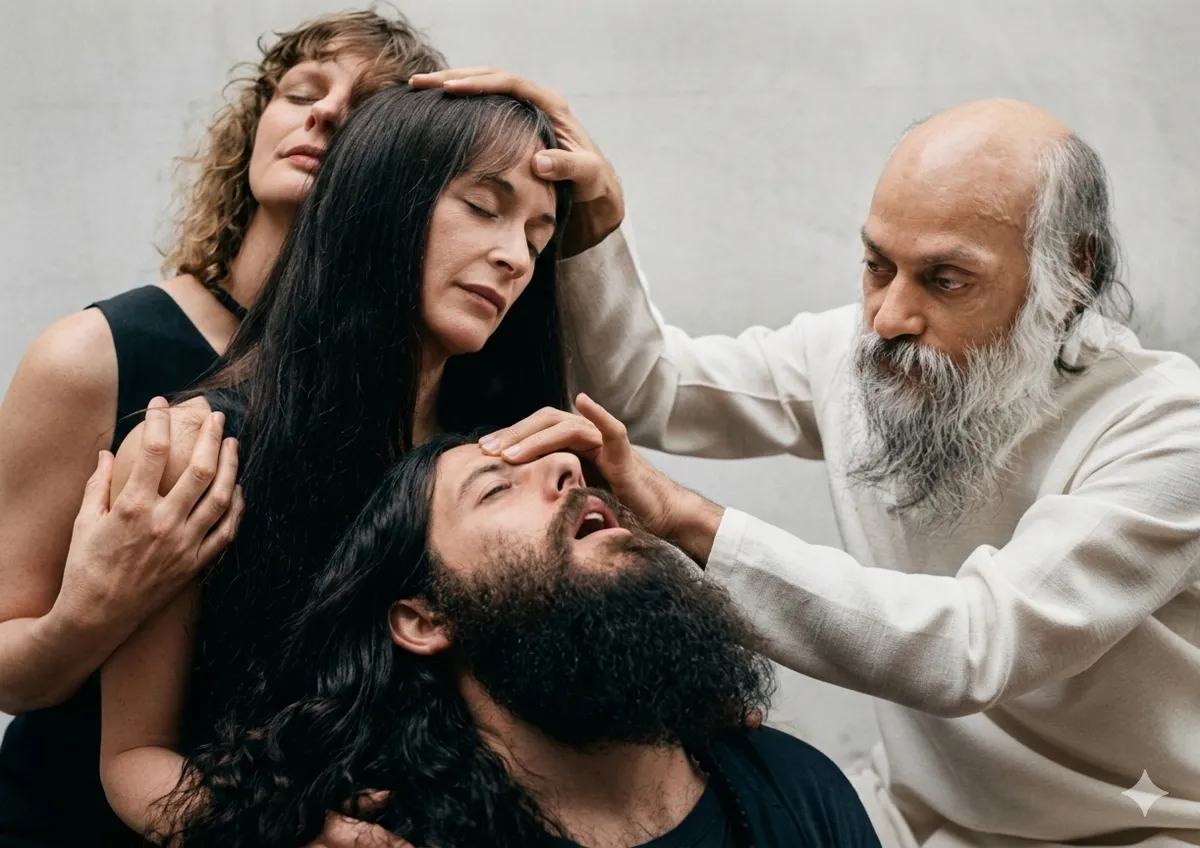
Tradition is like using someone else’s map—safe and easy, but to truly grow you must look and choose for yourself right now.
From the Discourses
Passages where Osho speaks to this question — each links to the complete discourse.
Another friend has asked: you say religion is not tradition; but isn’t tradition necessary? Has tradition only caused harm, or has there been some benefit too?
It is recorded of Albert Einstein that he went to a friend’s house. He was forgetful. They talked; dinner happened; they talked on. The friend kept looking at his watch, kept yawning. Einstein too looked at his watch, yawned—but didn’t get up. Finally the friend said, “It’s two o’clock—your wife must be waiting.” Einstein said, “What do you mean?” The friend said, “I mean your wife must be waiting. Otherwise no harm—do sit.” Einstein jumped up, shocked: “Extraordinary! I was wondering when you would leave so I could sleep. I thought I was in my own house!” Both were watching the clock and yawning. Time felt very long. When you cannot merge with an action—the same action, exactly the same... You dance—for someone else; you don’t want to dance—then time will be there. You dance for yourself, or for someone for whom you want to dance—time vanishes. Time is tension.…
एक और मित्र ने पूछा है कि आप कहते हैं, धर्म परंपरा नहीं है; लेकिन क्या परंपरा की जरूरत नहीं है? क्या परंपरा से हानि ही हानि हुई कि कुछ लाभ भी.?
अल्बर्ट आइंस्टीन के जीवन में उल्लेख है कि एक मित्र के घर गया था। भुलक्कड़ आदमी था। बात चलती रही, भोजन हो गया। फिर बात चलती रही। मित्र बार-बार घड़ी देखे, जम्हाई ले। आइंस्टीन भी बार-बार घड़ी देखे, जम्हाई ले; लेकिन उठे न। आखिर मित्र ने कहा, ‘दो बज रहे हैं, पत्नी राह देखती होगी.।’ आइंस्टीन ने कहा, ‘मतलब?’ मित्र ने कहा, ‘मेरा मतलब यह है कि पत्नी राह देखती होगी.। वैसे कोई हर्जा नहीं है, आप बैठें और।’ आइंस्टीन घबड़ाकर खड़ा हो गया। उसने कहा, ‘हद्द हो गई, मैं तो सोचता था कि कब आप जायें तो मैं सोऊं। मैं तो यही सोच रहा था कि मैं अपने घर में हूं।’
A friend has asked: While I was explaining the attitude of bliss, I said that tradition’s outlook up to now has been one of sorrow. Is the whole of tradition wrong? That is what he asked.
Who knows whether that stone has been removed even now, or whether it still lies there. As far as I can see, it must still be there; people do not have enough intelligence to reconsider traditions. And if it were only a single stone on a single road, we could forgive it; but on every road of man there are many such stones, difficult to cross. Since traditions have placed them there, no one even thinks of removing them. Traditions cannot become eyes for a human being. Your eyes must be open. And if stones have been placed on the path, however revered the traditions that placed them, if they obstruct the flow of life, there is no need to hesitate to remove them. And if human beings do not remove the stones human beings have placed, who else will? There should be the strength and the understanding to remove…
एक मित्र ने पूछा है कि मैंने आनंद-भाव के लिए समझाते समय यह कहा कि आज तक की परंपरा की दृष्टि दुख की रही है। क्या सारी परंपरा ही गलत है? उन्होंने ऐसा पूछा है।
… और अगर एक रास्ते पर ऐसा पत्थर होता, तो हम माफ भी कर सकते थे; आदमी के हर रास्ते पर ऐसे अनेक पत्थर हैं, जिनको पार करना मुश्किल है। लेकिन परंपराओं ने रखे हैं, इसलिए कोई हटाने का विचार नहीं कर सकता। परंपराएं आदमी के लिए आंखें नहीं बन सकती हैं। आंखें खुली हुई होनी चाहिए। और रास्ते पर पत्थर चाहे कितनी ही आदृत परंपराओं से रखे गए हों, अगर वे जीवन की धारा में बाधा बनते हों, तो उन्हें हटा देने की हिम्मत खोने की कोई भी जरूरत नहीं है। और आदमियों ने जिन पत्थरों को रखे हैं, अगर उन्हें आदमी नहीं हटाएंगे तो और कौन हटा सकता है? उन्हें हटाने का सामर्थ्य और समझ होनी चाहिए। …
Osho, the twenty-one-day ritual you have hinted at—was that practice or elemental realization in any way traditional? Because from your mode of expression it continually seems that you surely represent some teacher’s or Tirthankara’s method. Within this I also want to dare to ask: do you want to add a link to some established spiritual lineage, or, like Buddha, are you attempting to cut a new path through the mountains?
Nor is the issue one of tolerance. It is a matter of sky-like spaciousness, not tolerance. Not mere forbearance. Not that a Hindu “puts up with” a Muslim or a Christian “puts up with” a Jain. Forbearance already holds violence within it. I do not say the Quran and the Gita say the same thing. The Quran says something quite different; it has its own individual voice—that is its greatness. If it only repeated what the Gita says, it would be worth two pennies. The Bible says something else again, which neither the Gita nor the Quran says. Each has its own voice. Mahavira does not say what Buddha says; they say very different things. And yet from these differing statements one ultimately arrives at the same place. My emphasis is on the oneness of the destination, not on the oneness of the paths. My emphasis is that in the…
ओशो, जिस इक्कीस दिन के अनुष्ठान की ओर आपने संकेत किया है, क्या वह साधना या तत्वानुभूति किसी परंपरागत थी? क्योंकि आपके अभिव्यक्तिकरण से निरंतर ऐसा भास होता है कि आप भी निश्चित ही किसी टीचर एवं तीर्थंकर की पद्धति का प्रतिनिधित्व करते हैं। इसी के अंतर्गत यह जानने का साहस भी करना चाहता हूं कि आप किसी परंपरा की अध्यात्म-श्र्ृंखला की कड़ी को जोड़ना चाहते हैं, या बुद्ध की भांति किसी पहाड़ में नया मार्ग काटने का प्रयास कर रहे हैं?
इसलिए मैं कहता हूं इक्लेक्टिक! पूरी गीता को राजी हैं, फिर गीता के भी समानांतर कुछ मिलता हो कहीं कुरान में तो उसके लिए राजी हैं। इसमें राजी होने में कोई कठिनाई ही नहीं है। इसको तो कोई भी राजी हो जाएगा। मैं कहता हूं कि नहीं मैं आपसे बिलकुल राजी हूं, उतनी दूर तक, जहां तक कुरान गीता का अरबी रूपांतर है, बस। उससे इंच भर ज्यादा नहीं। वह तो कुरान वाला भी राजी हो जाता है। लेकिन यह बहुत मजेदार प्रयोग होगा कि कुरान वाले से आप गीता में चुनवाएं कि कौन-कौन सी बात का मेल है, तो आप बिलकुल हैरान हो जाएंगे। जो चीजें वह चुनेगा वे गांधी ने कभी नहीं चुनीं। वह बहुत भिन्न चीजें चुनेगा। इसको इक्लेक्टिसिज्म कहता हूं मैं। यह चुनना है। यह पूरे की स्वीकृति नहीं है। स्वीकृति तो हमारी ही है। उससे आप भी मेल खाते हो कहीं, तो आप भी ठीक हो। ठीक तो हम ही हैं अंततः। लेकिन आप भी उतने दूर तक ठीक हो, इतना कहने की हम सहिष्णुता दिखलाते हैं, जितनी दूर तक आप हमसे मेल खाते हैं। यह कोई बहुत सहिष्णुता नहीं है। …
Osho, you are always immersed in bliss—what is the secret of it? When will I be able to attain this ecstasy?
Yogananda, I have given you the name Yogananda; the whole secret is in it. A human being can live in two ways: either cut off from existence, or in oneness with it. Whoever lives separate will live in sorrow—anxiety and anguish. That is natural, for to live apart from existence is like a tree pulling its roots out of the earth and trying to live. It will wither; the leaves will droop, flowers will cease to bloom. Spring will come and keep coming, but that tree will never become a bride, never a bridegroom. For it there will be no spring. If the roots have been torn from the soil, what remedy can even the honeyed month of spring offer? Then where is bliss, where is ecstasy! Then there is no dawn—only a dark new-moon night, a night with no morning. Such a life is called ego. And the tree…
पहला प्रश्न: ओशो, आप सदा आनंदमग्न हैं, इसका राज क्या है? मैं कब इस मस्ती को पा सकूंगा?
मनुष्य दो ढंग से जी सकता है। या तो अस्तित्व से अलग-थलग, या अस्तित्व के साथ एकरस। अलग-थलग जो जीएगा, दुख में जीएगा--चिंता में, संताप में। यह स्वाभाविक है। क्योंकि अस्तित्व से भिन्न होकर जीने का अर्थ है: जैसे कोई वृक्ष पृथ्वी से अपनी जड़ों को अलग कर ले और जीने की चेष्टा करे। मुरझा जाएगा, पत्ते कुम्हला जाएंगे, फूल खिलने बंद हो जाएंगे। वसंत तो आएगा, आता रहेगा, मगर वह वृक्ष कभी दुल्हन न बनेगा, दूल्हा न बनेगा। उसके लिए वसंत नहीं आएगा। जिसकी जड़ें ही पृथ्वी से उखड़ गई हों, उसके लिए मधुमास का क्या उपाय रहा! फिर कहां आनंद, कहां मस्ती! फिर सुबह नहीं है, फिर तो अंधेरी रात है, अमावस की रात है--और ऐसी रात कि जिसकी कोई सुबह नहीं होती। इस तरह के जीवन का नाम ही अहंकार है।
Osho, in the classical tradition the sannyasin turns away from māyā and sensual enjoyment and orients himself toward God-realization; yoga and bhoga are known to be mutually opposed. But in your sannyas there is no emphasis on dispassion from enjoyment. Therefore, kindly clarify your conception of sannyas!
So first thing: religion is not tradition. Religion is ever ancient and ever new. It is a paradox. It has always been—and yet each time it must be discovered anew. When the sun of religion rises, it is private, personal, not collective. It does not become society’s property or legacy. If you do not trust Buddha, Buddha has no way to make you trust. Have you thought about this? If you say, “We doubt you: you claim God-experience, but how are we to believe it?” Buddha will shrug his shoulders: “What can be done? What happened is private, personal. There is no way to spread it out on the table before you. It happened within; there is no device to bring it out. It happened so deep that it cannot be exhibited for all to see.” That is why there have been so many perfectly awakened ones, yet atheism has…
दूसरा प्रश्न: ओशो, शास्त्रीय परंपरा से संन्यासी माया और काम-भोग से विमुख होकर प्रभु-प्राप्ति के लिए उन्मुख होता है; योग और भोग परस्पर विरोधी जाने जाते हैं। लेकिन आपके संन्यास में भोग से विरक्ति पर जोर नहीं है। अतः कृपा कर अपने संन्यास की धारणा को स्पष्ट करें!
इसलिए पहली बात: धर्म परंपरा नहीं है। धर्म चिर-पुरातन, नित-नूतन है। यह विरोधाभास है। सदा से है, लेकिन फिर भी हर बार नया-नया खोजना पड़ता है। जब धर्म का सूर्योदय होता है तो वह निजी है, वैयक्तिक है, वह सामूहिक नहीं है। वह समाज की संपत्ति और थाती नहीं बनता। अगर तुम भरोसा न करो बुद्ध पर तो बुद्ध के पास कोई उपाय नहीं है तुम्हें भरोसा दिलाने का। कभी तुमने इस पर सोचा? अगर तुम कहो कि हमें शक है कि तुम झूठ बोल रहे हो, कि तुम्हें हुआ है परमात्मा का अनुभव, हम कैसे मानें? तो बुद्ध भी कंधे बिचकाकर रह जायेंगे; वे कहेंगे, अब क्या उपाय है! जो हुआ है वह निजी और वैयक्तिक है। …