
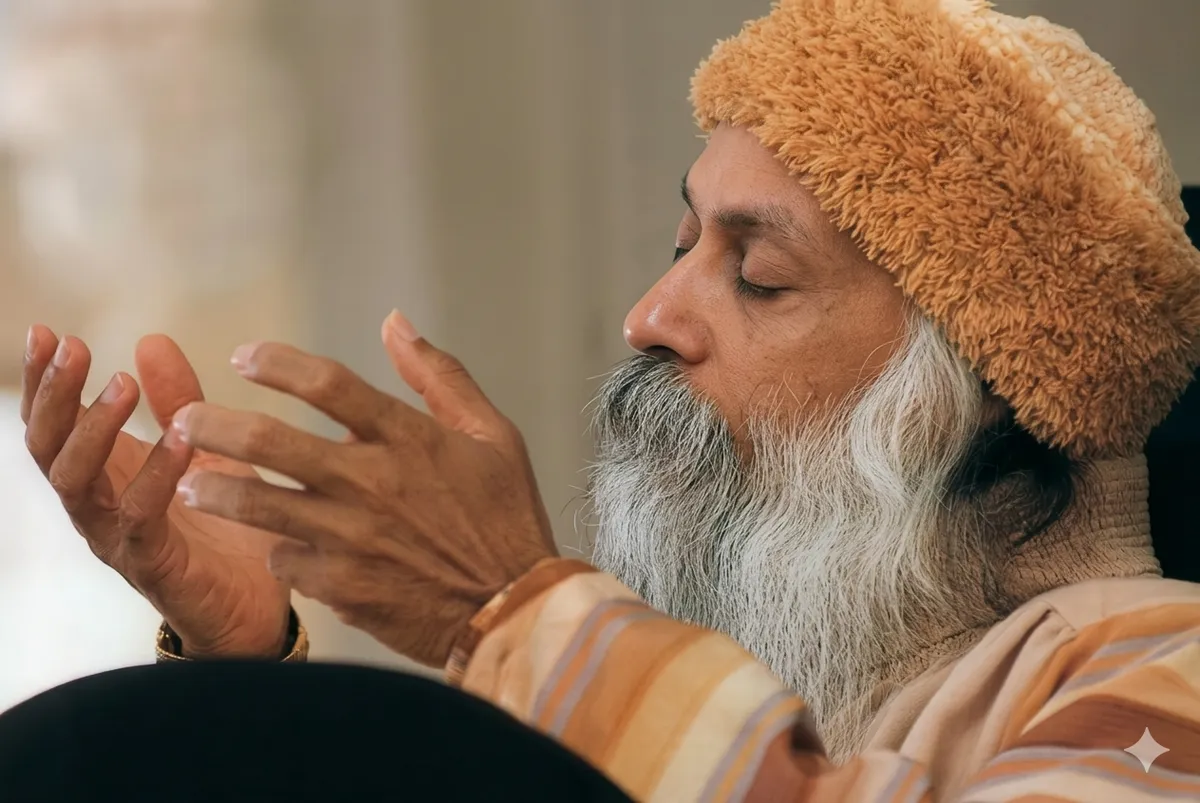
You don’t need many lifetimes; the moment you clearly notice your habit and decide to stop, you step into a new life.
From the Discourses
Passages where Osho speaks to this question — each links to the complete discourse.
Osho, I don’t want liberation. I want to be born again and again. What do you say?
Ramadhar! Even if you desire liberation, is it so easy to get? You don’t want it? Then you won’t get it—don’t panic. Don’t carry needless anxieties. No liberation is chasing you! Even if you chase liberation, will it happen? Not easily. You are surrounding yourself with pointless worries. Is anyone handing out liberation somewhere that you say, “I don’t want it”? You sound as if you’re afraid I’m ready to dump liberation on you! Liberation isn’t a garment I can change for you. It isn’t a dye I can color you with. It isn’t an object I can thrust on you against your will. Liberation is never by force. Do you understand what liberation means? Supreme freedom. If you don’t want it, it won’t happen. Be at ease—birth after birth, be at ease. For all eternity, be at ease. If you don’t want it, it won’t happen. Liberation happens only…
दूसरा प्रश्न: ओशो, मैं मोक्ष नहीं चाहता हूं। मैं तो चाहता हूं कि बार-बार जीवन मिले। आप क्या कहते हैं?
रामाधार! मोक्ष तो चाहो भी, तो भी मिलना आसान कहां? नहीं चाहते हो, नहीं मिलेगा, घबड़ाओ मत। नाहक की चिंताएं न लो। कोई मोक्ष ऐसे तुम्हारे पीछे नहीं पड़ा है! मोक्ष के पीछे भी तुम पड़ो तो भी मिलेगा कि नहीं, आसान नहीं। तुम व्यर्थ की दुश्ंिचताओं से घिर रहे हो। कोई मोक्ष तुम्हें दे रहा है? कहीं मोक्ष मिल रहा है, जो तुम कहते हो मैं मोक्ष नहीं चाहता हूं? तुम तो ऐसे डरे मालूम पड़ते हो कि जैसे मैं तुम्हारे ऊपर मोक्ष डालने को ही तैयार हूं! मोक्ष कोई वस्त्र तो नहीं कि मैं बदल दूंगा। और मोक्ष कोई रंग तो नहीं कि मैं तुम्हें रंग दूंगा। मोक्ष कोई वस्तु तो नहीं कि तुम न भी चाहो तो तुम्हें दे दूंगा। मोक्ष कोई जबरदस्ती तो नहीं। मोक्ष का अर्थ समझते हो? परम स्वातंत्र्य! तुम नहीं चाहते हो, तो नहीं घटेगा। निश्चिंत रहो, जन्मों-जन्मों तक निश्चिंत रहो। अनंतकाल तक निश्चिंत रहो। तुम नहीं चाहते तो नहीं घटेगा। मोक्ष तुम्हारी परम स्वतंत्रता में घटेगा। तुम जब परिपूर्णता से चाहोगे तो घटेगा। …
Osho, if the movement of life is circular—like day and night, like months and seasons—does it mean we, too, keep merely repeating ourselves again and again?
Strive! Buddha’s last words at the moment of farewell were: Ananda, be ceaselessly engaged in effort! Do not be negligent even for an instant! Do not let even a trace of sloth settle within! For a little sloth, and much is lost. Keep toiling until you awaken; until then, do not grant yourself any rest. Tireless effort! You will have to strike again and again; only then will this darkness break—because you have been maintaining this darkness for so long. Your state has become rock-like, inert. The crust has grown very strong. The soul is hidden within; the spring is within; but the doors are closed. By striking, the doors will break. By striking continuously, the doors will break. Even if the blows are gentle, they must be unbroken. Water falls—gentle blows—and rocks are split. Let the stream of your remembrance fall upon the mechanical rocks within you. If not…
दूसरा प्रश्न: ओशो, जीवन की गति वर्तुलाकार है, इस नियम से दिन और रात तथा माह और ऋतु की तरह क्या हम भी अपने को बार-बार मात्र दोहराते रहते हैं?
चेष्टा करो! बुद्ध के आखिरी क्षण, विदा होते समय के शब्द हैं कि आनंद, चेष्टा में सतत संलग्न रहना! एक क्षण को प्रमाद न करना! जरा भी सुस्ती को मत भीतर बैठने देना! क्योंकि जरा सी सुस्ती, और बहुत कुछ खो जाता है। तू श्रम करते ही रहना जब तक कि जाग ही न जाए, तब तक मानना अपने लिए कोई चैन नहीं है। अथक श्रम करना! बहुत चोट करनी पड़ेगी तभी यह अंधेरा टूटेगा; क्योंकि अंधेरा कितने दिनों से तुमने सम्हाल रखा है। पत्थर की तरह जड़ हो गई है तुम्हारी अवस्था। पर्त बहुत मजबूत हो गई है। आत्मा भीतर छिपी है, झरना भीतर है, लेकिन द्वार बंद हो गए हैं। चोट करने से द्वार टूटेंगे। सतत चोट करने से द्वार टूटेंगे। धीमी ही चोट क्यों न हो, सतत चाहिए। पानी गिरता है, धीमी-धीमी चोट करता है, चट्टानें टूट जाती हैं। तो तुम्हारी स्मृति की जलधार गिरती रहे तुम्हारे यंत्रवत चट्टानों पर, आज नहीं कल चट्टानें टूट जाएंगी। आज लगेगा कि जलधार इतनी कोमल है, इतनी सख्त चट्टानों को कैसे तोड़ेगी? …
Osho, when we are reborn, where is the accounting kept? What remains?
We are all bundles of habits. If you want to change these habits, resolve is needed. And the beginning of resolve is this: that it dawns on you that they can be changed. If you think they cannot be changed, your resolve will die completely. A German Jew, Frankl, during the last world war was imprisoned in a great camp. He has written—he has written very astonishing things—in his memoirs. Because he is a psychologist, he kept observing what was happening. December was approaching; the festival days were near. All the prisoners hoped that at least around Christmas there would be release; that around Christmas Hitler would show mercy and people would be freed. Frankl writes: until Christmas, however many tortures the prisoners were given, no one died. People remained ill, but there was a hope—Christmas is approaching. With that hope, there was strength in their life-breath. He writes: the…
पूछा है कि ओशो, जब हम पुनर्जन्म लेते हैं, तो हिसाब-किताब कहां रहता है? क्या रहता है?
हम सब आदतों के पुंज हैं। इन आदतों को बदलना हो तो संकल्प की जरूरत है। और संकल्प की शुरुआत इससे होती है कि आपको यह खयाल में आ जाए कि ये बदली जा सकती हैं। अगर आपको यह खयाल है कि ये बदली ही नहीं जा सकतीं तो आपका संकल्प बिलकुल मर जाएगा। एक जर्मन यहूदी फ्रैंकल पिछले महायुद्ध के वक्त जर्मनी के एक बड़े कारागृह में बंद था। उसने लिखा है--बड़ी हैरानी की बातें लिखी हैं--उसने अपने संस्मरणों में लिखा है। क्योंकि वह एक मनसविद है, वह निरीक्षण करता रहा, क्या हो रहा है। दिसंबर करीब आ रहा था। त्योहार के दिन करीब आ रहे थे। और सभी कैदियों को यह आशा थी कि कम से कम क्रिसमस के करीब छुटकारा हो जाएगा। क्रिसमस के करीब हिटलर दया करेगा और लोग छोड़ दिए जाएंगे। फ्रैंकल ने लिखा है कि क्रिसमस तक कितनी ही तकलीफें दी गईं कैदियों को, कोई नहीं मरा। लोग बीमार रहे, लेकिन एक आशा थी--क्रिसमस करीब आ रहा है। उस आशा के साथ प्राण में बल था। उसने लिखा, जिस दिन क्रिसमस निकल गया, उसके पंद्रह दिनों में अनेक लोग मरे--क्रिसमस के बाद। …
Osho, you will remember, at the Dwarka camp you said: “Life is not given again and again. I will give you moksha. Do as I say.” Lord! Far from liberation, till now I am still circling between Bombay and Poona. And today you spoke of heaven and hell—those too are unknown to me. But this ceaseless remembrance that goes on day and night is not in my control. The two of us are better off in Poona anyway. Where is life more than a joke and laughter!
There is an ancient dictum: Do as the guru says; do not do as the guru does. It sounds odd, because we are usually told to imitate the guru’s conduct. But the ancient dictum says: Do as he says, not as he does—because the guru’s action issues from his state of consciousness, while whatever he says, he says keeping your state in view. Do not imitate the doctor’s habits; follow his prescription. The doctor may be happily eating sweets while telling you to stop, because you have diabetes. If you say, “We shall do as you do,” there will be trouble. The guru lives out of his awareness, and he speaks with the disciple’s condition in mind. That is why there is always apparent contradiction in a guru’s words: he will tell one disciple one thing, another disciple something different. It must be so—the illnesses differ; the diagnosis differs; therefore…
दूसरा प्रश्न: ओशो, आपको याद होगा, आपने द्वारका शिविर में कहा था: ‘जीवन बार-बार नहीं मिलता। मैं तुझे मोक्ष दूंगा। मैं जैसा कहूं, वैसा करना।’ प्रभु! मोक्ष तो दूर, अब तक बंबई और पूना के चक्कर काट रही हूं। और आज आपने स्वर्ग और नरक की बात की, वह भी मेरे से अनजान है। पर यह जो अहर्निश सुमिरन हो रहा है, इस पर तो मेरा वश नहीं है। अपन दोनों पूना में ही भले हैं। जीवन मजाक और हंसी से ज्यादा कहां है!
एक बहुत पुराना सूत्र है--गुरु जैसा कहे वैसा करना, गुरु जैसा करे वैसा मत करना। यह सूत्र अटपटा मालूम होता है क्योंकि आमतौर से हमसे कहा जाता है: गुरु जैसा करे वैसा करो। गुरु का आचरण, गुरु का व्यवहार, उसका अनुसरण करो। लेकिन पुराना सूत्र कहता है कि गुरु जैसा कहे वैसा करो, जैसा करे वैसा नहीं; क्योंकि गुरु की चेतना की एक स्थिति है, उसका कृत्य उसकी स्थिति से निकलता है। और जब वह कुछ कहता है तो तुम्हारी स्थिति को देख कर कहता है। डाक्टर जैसा करे, वैसा मत करना; डाक्टर जैसा कहे, वैसा करना क्योंकि वह तुम्हारी बीमारी को देख कर कह रहा है। अब यह भी हो सकता है कि डाक्टर तो मजे से मिठाई खा रहा हो और तुमसे कह रहा हो कि मिठाई खाना बंद कर दो क्योंकि तुम डायबिटीज से परशेान हो। और तुम यह कहो कि हम तो आपका ही अनुसरण करेंगे। अब जब आपको डाक्टर मान लिया तो आपका आचरण ही हमारा आदर्श है। आप जैसा करेंगे, हम तो वैसा ही करेंगे, तो अड़चन हो जाएगी। …
Life has to be used as a jumping board for the beyond. It is an immense opportunity, but very few people have used it up to now. Once in a while a Jesus, a Buddha, a Lao Tzu, a Zarathustra, a Bahauddin -- only once in a while a few people have used this life for reaching to a higher plane, to another life. All that is needed is that you have to die to your past; only then you can be born anew. The child has to leave the womb, and he is going on an unknown journey, uncharted. He knows nothing about what is going to happen. He has no idea, no map, no guide.