
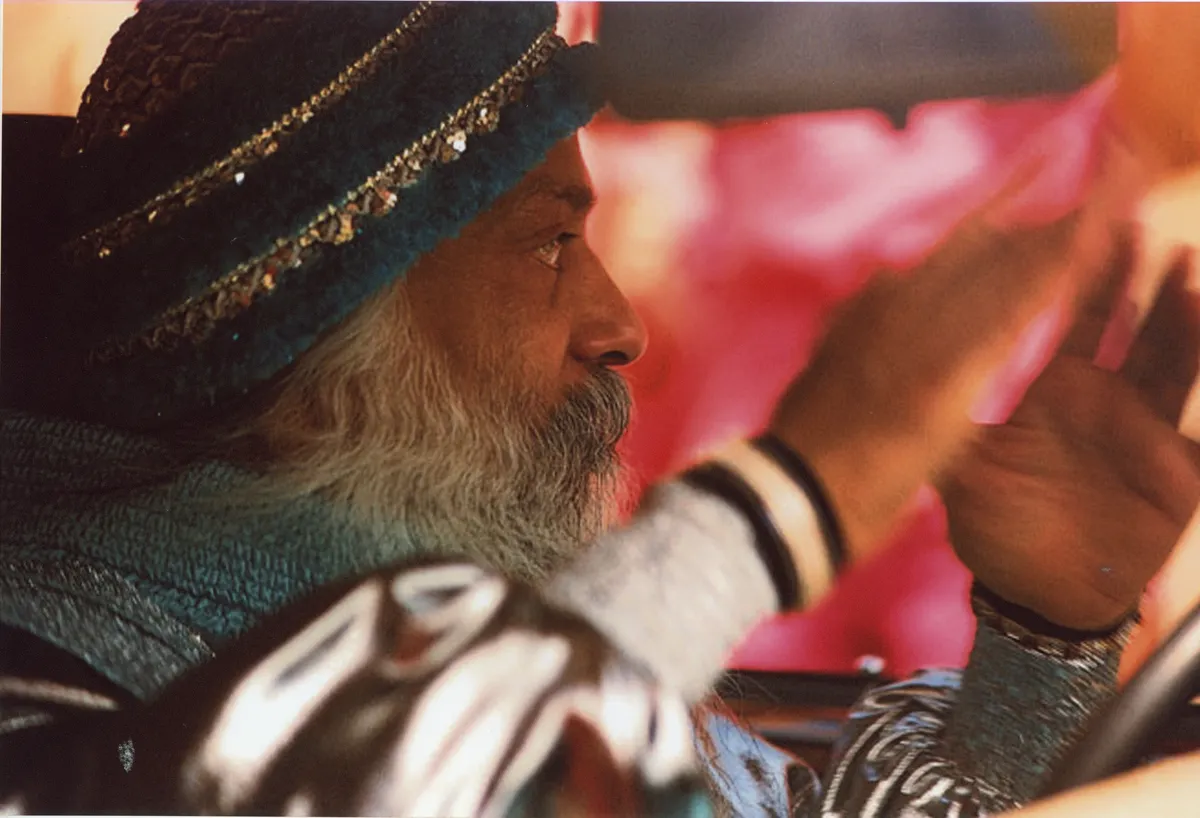
ओशो के अनुसार, ध्यान और प्रेम से जिस ‘मृत्यु’ तक पहुंचा जाता है, वह एक ही है: अहंकार का मिट जाना। फर्क केवल रास्तों का है। ध्यान क्रमशः चलने वाली शुद्धि है, साक्षीभाव के साथ सजग उतरना है, जिसका अंत अंतिम रूप से बुझ जाने में होता है। प्रेम या भक्ति भरोसे की एक ही छलांग है—पागलपन-भरा, पूर्ण समर्पण—जिसके बाद दिव्य आकर्षण खुद ही पतन को पूरा कर देता है। जो मार्ग तुम्हारे स्वभाव से मेल खाए, उसे चुनो; दोनों उसी एक विसर्जन तक पहुंचते हैं।
प्रवचनों से
जहां ओशो इस प्रश्न पर बोले — हर अंश पूरे प्रवचन से जुड़ा है।
ओशो, क्या ध्यान में होने वाली मृत्यु और प्रेम में होने वाली मृत्यु अलग-अलग हैं? क्या उनकी प्रक्रियाएँ भी अलग-अलग हैं?
मृत्यु एक ही है—चाहे ध्यान से हो या प्रेम से। लेकिन उस मृत्यु तक ले जाने वाली प्रक्रियाएं, मार्ग, विधियां अलग-अलग हैं। ध्यान से भी वही घटता है: तुम मिट जाते हो। प्रेम से भी वही घटता है: तुम मिट जाते हो। दोनों में विलय घटता है, लेकिन ढंग बहुत भिन्न हैं। ध्यान की पहली अवस्थाओं में तुम लुप्त नहीं होते। उस अवस्था में तुम्हारे भीतर जो झूठ है, वह जल जाता है, और जो सत्य है, वह बचा रहता है। अशुभ हट जाता है; शुभ बचा रहता है। अशुद्धि जल जाती है; शुद्धता सुरक्षित रहती है। इस तरह ज्ञान या ध्यान के मार्ग पर मनुष्य शुद्ध होने लगता है। वह मिटता नहीं; वह परिष्कृत होता है, फिर भी रहता है। अंतिम छलांग में परिष्कार उस बिंदु तक पहुंच जाता है जहां शुद्धता भी अशुद्ध दिखाई पड़ती है। जहां मात्र होना भी अशुद्ध दिखाई पड़ता है, वहां, अंतिम छलांग में, ध्यानी अपने को बुझा देता है। भक्त अपने को बुझा देता है…
ओशो, आपने कहा है कि दो विपरीत मार्ग हैं: ध्यान और प्रेम—बुद्धि या भावना। तो हमें बताइए, ध्यान की साधना और प्रेम की साधना में क्या अंतर है? क्या समाधि से पहले ध्यान करने वाला प्रेमपूर्ण नहीं होता?
ये मार्ग विपरीत हैं; जहां वे पहुंचाते हैं, वह एक है। तुम किसी भी ओर से पहुंच सकते हो। जोड़े में से एक को मिटा दो, और दूसरा अपने-आप विलीन हो जाएगा। तुम किसे मिटाना चुनते हो, यह तुम्हारी अपनी रुचि पर निर्भर है। यह जोड़े में से एक को मिटाने की कला है। दूसरा विलीन हो जाएगा, क्योंकि वह उसका अनिवार्य प्रतिपक्ष था। यदि अस्तित्व से हम प्रकाश को ही हटा दें, तो अंधकार भी चला जाएगा। यह कठिन केवल इसलिए लगता है कि तुम्हारे घर में, यदि तुम दीया बुझा दो, तो अंधकार मिटता नहीं—बढ़ जाता है। लेकिन तुमने प्रकाश को अस्तित्व से नहीं हटाया है। यदि प्रकाश अस्तित्व से मिटा दिया जाए, तो अंधकार विलीन हो जाएगा। यदि अंधकार मिटा दिया जाए, तो प्रकाश विलीन हो जाएगा। यदि हम संसार से मृत्यु को हटा दें, तो उसी दिन जीवन समाप्त हो जाएगा। हम उलटा सोचते हैं: कि मृत्यु जीवन को नष्ट करती है। तुम नहीं जानते; वे एक ही चीज के दो हिस्से हैं। मृत्यु के बिना जीवन हो ही नहीं सकता;…
ओशो, कृपया ध्यान, समाधि और प्रेम के आपसी संबंध को समझाइए। ये तीनों कब एक हो जाते हैं?
मैं तुमसे भी कहता हूं: जीवन एक वीणा है। लेकिन अपनी वीणा तुम्हें स्वयं ही सुर में लानी होगी। दूसरों की नकल मत करना। उन्हें अपनी वीणा सुर में लानी है। वीणाएं अनेक प्रकार की हैं। हर व्यक्ति की अपनी वीणा है और अपना छिपा हुआ संगीत है। स्वधर्मे निधनं श्रेयः। अगर अपनी वीणा बजाते-बजाते तुम मर भी जाओ, तो महाजीवन को उपलब्ध हो जाओगे। अगर तुम दूसरों की वीणाएं ढोते हुए मर गए—चाहे उनसे कितना ही सुंदर संगीत क्यों न निकलता हो—तो तुम खाली आओगे और खाली जाओगे। तुम्हारे हाथों में कोई खजाना नहीं होगा। तुमने अपना जीवन व्यर्थ गंवा दिया होगा। और इस संसार में सबसे बड़ा खतरा यही है कि तुम किसी और के प्रभाव में पड़ जाओ। तुम प्रभावित होने को बहुत तैयार बैठे हो, क्योंकि अपनी वीणा को सुर में लाना कठिन काम है। दूसरे की वीणा उधार ले लेना आसान है। अपने लिए खोजना, स्वाध्याय साधना, जोखिम से भरा है—भूलें हो सकती हैं। दूसरे से ज्ञान उधार लेना…
वह कहता है: यदि तुम तर्क की दृष्टि से अंधे हो, यदि तुम तर्क और बुद्धि की आंखों से अंधे हो, तभी देखने के लिए तुम्हारे पास हृदय की आंखें होंगी। लेकिन वह इसका उल्लेख नहीं करता—वह कहता है: बस अंधे हो जाओ। इसका अर्थ है, बस प्रेम में हो जाओ; और परमात्मा को जानने का प्रेम ही एकमात्र मार्ग है। [प्रेमरितो... प्रेम और ध्यान के बीच का अंतर बहुत सूक्ष्म है...] ऊपर-ऊपर से दिखाई नहीं देता, और जैसे-जैसे मार्ग परमात्मा के और करीब आते जाते हैं, अंतर कम से कम होता जाता है। अनुभव के परम शिखर पर, जब परमात्मा तुम्हारे भीतर विस्फोटित होता है, सारे अंतर मिट जाते हैं; लेकिन शुरुआत में वे सब सूक्ष्म अंतर हैं। ध्यान के मार्ग पर व्यक्ति को सीखना पड़ता है कि अकेला कैसे हुआ जाए, और प्रेम के मार्ग पर व्यक्ति को सीखना पड़ता है कि बांटना कैसे है और साथ-साथ कैसे होना है।
ओशो, कल दरिया साहिब के सूत्र जागरूकता के स्तुतिगान थे। सिर्फ एक शब्द बदल देने से—“प्रेमी” की जगह “ध्यानी” रख देने से—वे सूत्र बड़ी आसानी से जिनेश्वर महावीर के सूत्र कहे जा सकते थे। क्या भक्ति सचमुच इतनी संघर्षशील है? और क्या भक्ति और ध्यान के बीच बस यही एक अंतर है?
धर्म के मार्ग पर तुम कोई भी विधि चुनो, साहस अनिवार्य है। साहस के बिना कोई धर्म नहीं है। चाहे भक्ति हो या ध्यान, कमजोर और कायरों के लिए कोई मार्ग नहीं है। कायर ध्यान का साहस नहीं जुटा सकता, क्योंकि ध्यान का अर्थ है पूर्ण होने का प्रयास। ध्यान का अर्थ है स्वयं को जानने का प्रयत्न। ध्यान का अर्थ है एक अभूतपूर्व संकल्प। साहस चाहिए; संघर्ष चाहिए। प्रेम के मार्ग पर भी उतना ही साहस चाहिए। कोई यह न सोचे कि “प्रेम या भक्ति के मार्ग पर साहस की क्या जरूरत?” सच तो यह है कि शायद थोड़ा अधिक साहस चाहिए, क्योंकि भक्ति समर्पण है। भक्ति विसर्जन है। ध्यान कहता है: स्वयं बनो। भक्ति कहती है: स्वयं को मिटा दो। बिलकुल मिटा दो। मिट जाने के लिए और भी बड़े साहस की जरूरत है। ध्यानी के पास अभी थोड़ी आशा बची रहती है कि “मैं रहूंगा।” भक्त इतनी आशा भी नहीं रख सकता। ध्यानी भी…