
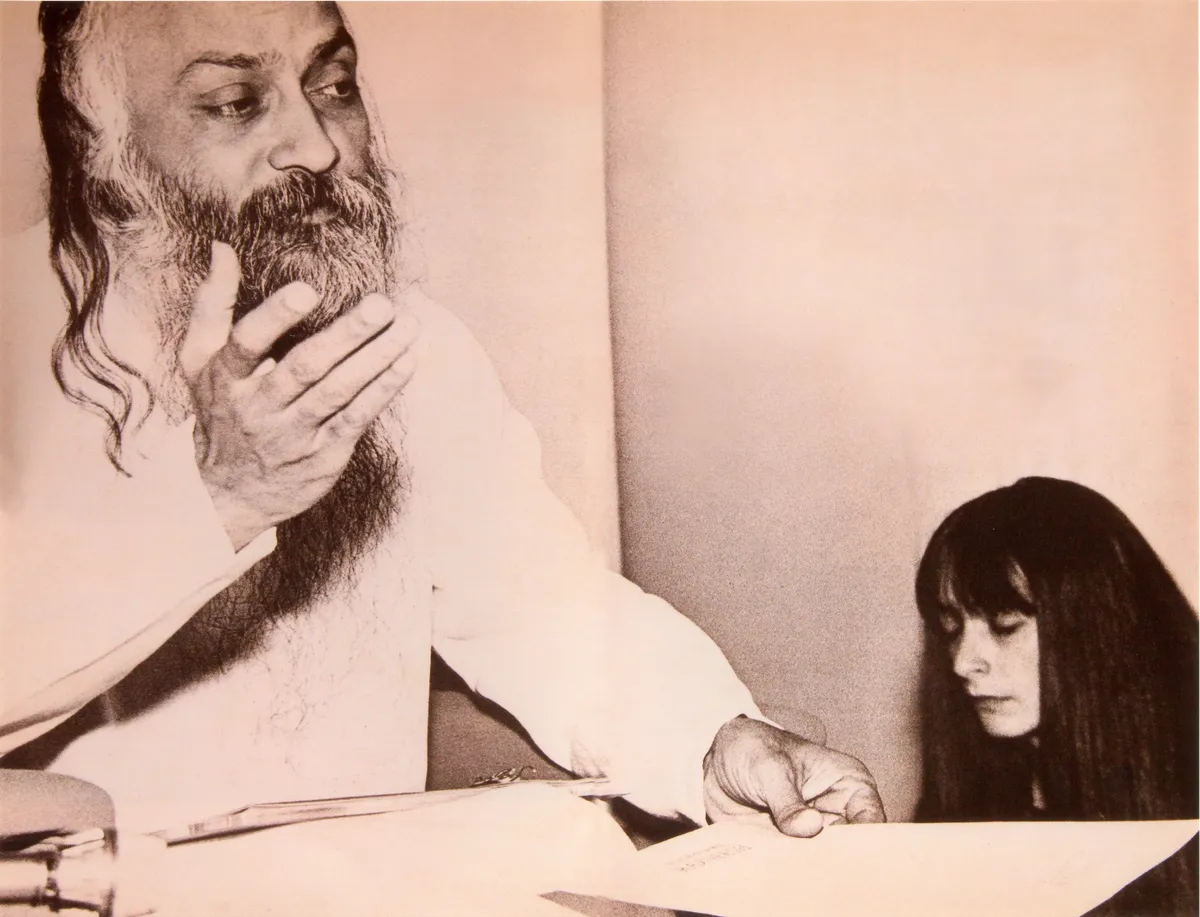
Osho's original Hindi beside Osho Live's English translation, matched passage by passage.
इस अस्तित्व में आकाश के अतिरिक्त और कुछ भी निर्लेप नहीं है। यहां सभी चीजें लिप्त हो जाती हैं, सिर्फ आकाश ही अलिप्त बना रहता है। इसे थोड़ा समझ लेना जरूरी है, तो फिर परमहंस, सिद्ध की जो चेतना की अवस्था है, वह कैसी निर्लेप होती है, वह खयाल में आ सके।
In this existence, apart from the sky nothing is unstained. Here, everything becomes involved; only the sky remains uninvolved. It is necessary to understand this a little, so that the state of consciousness of the Paramhansa, of the siddha, may come within our feeling as utterly untouched.
आकाश में सभी चीजें हैं, बनती हैं, खोती हैं, रहती हैं, मिट जाती हैं, आकाश को उनका पता भी नहीं चलता। आकाश में सारे रंग प्रगट होते हैं, लेकिन आकाश बिना रंग के अन-रंगा रह जाता है। अंधेरा आता है, सुबह होती है, प्रकाश आता है, लेकिन आकाश न अंधेरे से बंधता और न प्रकाश से। आकाश अस्पर्शित रह जाता है, जो भी घटित होता है उससे। उसकी कोई रेखा आकाश पर नहीं छूटती। इसलिए आकाश के अतिरिक्त और निर्लेपता का कोई उदाहरण नहीं है।
The sky contains all things. Things arise in it, dissolve in it, appear and disappear—and the sky remains unaware of them. All colors manifest in the sky, yet the sky itself stays colorless, uncolored. Night comes, morning arrives, light appears—but the sky is bound by neither darkness nor light. The sky remains untouched by whatever happens. No line ever lingers upon it. Hence, beyond the sky there is no other example of detachment.
आकाश का अर्थ है, स्पेस, खाली जगह। आप बैठे हैं, आपके चारों तरफ आकाश है। आपके भीतर भी आकाश है। एक बीज फूट रहा है, आकाश में जन्म ले रहा है। वृक्ष बनेगा आकाश में। कल मुर्झाएगा, वृद्ध होगा, जीर्ण-जर्जर होगा, आकाश में; गिरेगा, खो जाएगा, आकाश में। लेकिन आकाश पर कोई रूप-रेखा न छूट जाएगी। आकाश को पता भी नहीं चलेगा। पानी पर हम हाथ से रेखा खींचें तो बनती है, बनते ही मिट जाती है। पत्थर पर रेखा खींचें तो बनी रह जाती है। आकाश में रेखा खींचें तो खिंचती ही नहीं। आकाश पर कुछ भी अंकित नहीं होता।
Sky means space, empty openness. You are sitting—there is sky all around you. There is sky within you too. A seed breaks open, takes birth in the sky. It will become a tree in the sky. Tomorrow it will wither, grow old, decay in the sky; it will fall and disappear in the sky. Yet no outline is ever left upon the sky. Even a trace does not register. If we draw a line upon water, it forms and dissolves at once. Draw on stone, it remains. Draw in the sky—it will not draw at all. Nothing can be inscribed upon it.
इसलिए ऋषि कह रहा हैः वे जो परमहंस हैं, उनका सिद्धांत आकाश की भांति निर्लेप है।
Therefore the rishi says: the principle of the Paramhansas is detached like the sky.
सिद्धांत! अगर सिद्धांत आकाश की भांति निर्लेप है, तो सिद्धांत मत नहीं हो सकता, ओपीनियन नहीं हो सकता। क्योंकि जहां मत है, वहां तो रेखा खिंच जाती है। जैसे आकाश में बादल घिर जाएं, ऐसे ही जब चेतना पर विचार घिर जाते हैं और चेतना उन विचारों को पकड़ लेती है, तो मत का, ओपीनियन का जन्म होता है। आकाश से बादल हट जाएं, खाली कोरा आकाश छूट जाए, जिसमें कुछ भी नहीं है--रिक्त, शून्य, ऐसे ही जब भीतर चेतना छूट जाती है, जिसमें कोई विचार के बादल नहीं होते, कोई बदलियां नहीं तैरतीं, जिसमें कोई मत नहीं होता, तब जो शून्य चेतना है, वहां जो होता है, उसे ऋषि ने कहा है, वही परमहंस का सिद्धांत है।
Principle! If the principle is detached like the sky, then it cannot be a creed, not an opinion. Wherever there is a creed, a line gets drawn. When thoughts gather like clouds upon consciousness and consciousness clutches at them, a creed, an opinion, is born. When clouds clear away and a blank, empty sky is left—vacant, shunya—so too, when within there remains a naked consciousness with no clouds of thought, no drifting veils, no creed, then that empty consciousness—what happens there, the rishi calls the principle of the Paramhansa.
सिद्धांत का हम जैसा उपयोग करते हैं, वैसा उपयोग यह नहीं है। सिद्धांत से हमारा अर्थ होता है, प्रिंसिपल, मत, विचार। एक आदमी कहता है, मेरा सिद्धांत जैन है; एक आदमी कहता है, मेरा सिद्धांत बौद्ध है; एक आदमी कहता है, मेरा सिद्धांत हिंदू है। लेकिन सिद्धांत हिंदू, बौद्ध और जैन नहीं हो सकता। तब तो आकाश बंट गया, तब तो आकाश लिप्त हो गया, तब तो आकाश के विशेषण हो गए।
We do not use the word principle in this way. By principle we mean doctrine, opinion, idea. One says, my principle is Jain; another says, my principle is Buddhist; another says, my principle is Hindu. But a principle cannot be Hindu, Buddhist, or Jain—then the sky would be partitioned, tinged, qualified.
सिद्धांत का तो अर्थ यह होता है कि अंत में जो सिद्ध होता है, अंततः जो सिद्ध होता है। जीवन जब अपने परम शिखर पर पहुंचता है, वहां जाकर जो सिद्ध होता है, वहां जिसका दर्शन होता है, उस सिद्धांत को आकाश की तरह निर्लेप कहा है।
Principle means that which is established in the end, finally established. When life reaches its ultimate peak, what is seen there, what is realized there—such a principle is called detached like the sky.
इसलिए ऋषि किसी धर्म का नहीं होता। सभी धर्म ऋषियों से पैदा होते हैं, लेकिन ऋषि किसी धर्म का नहीं होता। न तो जीसस ईसाई हैं और न मोहम्मद मुसलमान हैं और न कृष्ण हिंदू हैं और न महावीर जैन हैं। मजे की बात लेकिन यह है कि महावीर से जैन विचार चलता है, मोहम्मद से इस्लाम का विचार चलता है। लेकिन मोहम्मद मुसलमान नहीं हैं, हो भी नहीं सकते।
Hence a rishi belongs to no religion. All religions are born from rishis, but the rishi belongs to none. Neither is Jesus a Christian, nor Muhammad a Muslim, nor Krishna a Hindu, nor Mahavira a Jain. The amusing thing is that from Mahavira a Jain doctrine begins, from Muhammad arises Islam—but Muhammad is not a Muslim, cannot be.
फिर यह दुर्घटना क्यों घटती है कि ऋषि तो निर्लिप्त होता है आकाश की तरह, आग्रह शून्य होता है, विचार और मतांधता उसमें नहीं होती, सिर्फ दर्शन होता है उसके पास। उसे दिखाई पड़ता है, जो है। लेकिन जब ऋषि भी कहने जाता है, तो जो दिखाई पड़ता है, शब्दों में बंधता है और संकीर्ण हो जाता है। और जब हम सुनते हैं, जिन्हें कुछ भी पता नहीं है सत्य का, तो जो हम समझते हैं वह कुछ और ही होता है। जो ऋषि जानता है वह कुछ और है, जब ऋषि उसे कहता है तब वह कुछ और है, और जब हम उसे सुनते हैं तब वह कुछ और हो जाता है। और फिर हजारों साल की यात्रा करके वह सत्य से इतने दूर हो जाता है जितना कि असत्य ही होता है दूर, और कुछ भी नहीं।
Then why does this accident occur—that the rishi, unattached like the sky, without insistence, without fanaticism, having only vision—why does it go wrong? Because when even the rishi goes to say what he sees, it binds into words and is narrowed. And when we hear—who know nothing of truth—what we understand is something else. What the rishi knows is one thing; when he says it, it becomes another; when we hear it, it becomes yet another. And after traveling for thousands of years it becomes as far from truth as falsehood is—no less.
महावीर से जैन-सिद्धांत उतने ही दूर हो जाता है, जितना सत्य से असत्य दूर हो जाता है, और मोहम्मद से इस्लाम उतने ही दूर हो जाता है, और जीसस से ईसाइयत उतनी ही दूर हो जाती है। हो ही जाएगी।
Jain doctrine becomes as far from Mahavira as falsehood is from truth; Islam from Muhammad likewise; Christianity from Jesus likewise—and it is bound to be so.
जो प्रक्रिया है, ऋषि तो देखता है। हो गया होता है सत्य के साथ एक। कोई बीच में पर्दा और दीवार नहीं रह जाती। लेकिन जब कहता है, तो शब्दों के पर्दे और दीवारें उठनी शुरू हो जाती हैं। इसलिए बहुत से ऋषि चुप रह गए और उन्होंने कुछ भी नहीं कहा। लेकिन उससे कुछ हल नहीं होता, क्योंकि नहीं कहने से भी तो कहा नहीं जाता है। कहने से भी कहा नहीं जाता है, नहीं कहने से भी नहीं कहा जाता है। कहने से भूल का डर है, नहीं कहने से भूल का कोई डर नहीं है। लेकिन कहने में एक आशा भी है कि शायद कोई सुनने वाला भूल न करे। न कहने में वह आशा भी नहीं है। हजार लोगों से कहा जाए सत्य, हो सकता है एक समझ ले। वह एक की आशा में ही कहा गया है सत्य। नौ सौ निन्यानबे न समझ पाएं, गलत समझ जाएं, लेकिन न कहा जाए, तब तो हजार ही नहीं समझ पाएंगे, वह एक भी वंचित रह जाता है।
The process is this: the rishi sees; the veil drops, the wall between is gone; he is one with truth. But the moment he speaks, the veils and walls of words begin to rise. Hence many rishis remained silent and said nothing. But even that solves nothing—by not saying, it still is not said. By saying, it cannot be said; by not saying, it cannot be said. Saying carries the danger of error; not saying removes that danger. But in saying there is still one hope: perhaps someone may hear and not err. In not saying, even that hope is lost. If truth is spoken to a thousand, perhaps one may understand. It is spoken for the sake of that one. Nine hundred ninety-nine may not understand, may misunderstand—but if it is not spoken, then not only the thousand, even that one will remain deprived.
बुद्ध को ज्ञान हुआ तो बुद्ध को लगा कि जो जाना है उसे कहूंगा कैसे! इसलिए बुद्ध चुप रह गए। सात दिन तक वे चुप थे। बहुत मीठी कथा है कि देवताओं ने बुद्ध के चरणों में सिर रखे और बुद्ध से कहा कि जो तुमने जाना है वह कहो, क्योंकि बुद्ध जैसा पुरुष हजारों वर्षों में एक बार पृथ्वी पर आता है। हजारों वर्षों में कभी यह अवसर मिलता है कि अंधे भी प्रकाश की बात सुन सकें और बहरे भी संगीत से भर जाएं, लंगड़े भी चल सकें उस तरफ, मुर्दे भी जीवन की आशा से हरे हो जाएं। तुम बोलो।
When Buddha became enlightened, he pondered: how to say what has been known? So Buddha was silent for seven days. There is a sweet story: the gods laid their heads at Buddha’s feet and implored him, say what you have known, for a man like Buddha comes upon the earth once in thousands of years. It is a rare moment when even the blind can hear of light, the deaf can be filled with music, the lame can move in that direction, and the dead can turn green with the hope of life. Please speak.
पर बुद्ध ने कहा: जो मैंने जाना है, वह बोला नहीं जा सकता। और फिर मैं सोचता हूं कि मैं बोलूं भी, तो जो मुझे समझ पाएंगे, वे मेरे बिना बोले भी समझ जाएंगे। जो इस योग्य होंगे कि मुझे समझ पाएं, वे मेरे बिना बोले भी समझ जाएंगे। और जो मुझे बोलकर नहीं समझ पा रहे हैं, वे वे ही होंगे, जो मेरे बिना बोले भी नहीं समझ पाते। इसलिए मेरे चुप रह जाने में हर्ज क्या है?
Buddha said: what I have known cannot be spoken. Moreover, I think that those who can understand me would understand even without my speaking. Those fit to understand me would understand me wordlessly; and those who cannot understand me when I speak are precisely those who would not understand me without my speaking either. So what harm if I remain silent?
देवता बहुत व्यथित हुए, बहुत चिंतित हुए। उन्होंने आपस में बहुत मंथन-मनन किया। फिर बुद्ध से निवेदन किया कि लेकिन कुछ लोग ऐसे भी हैं, जो बिलकुल किनारे पर खड़े हैं, जस्ट ऑन द बाउंड्री। अगर आप न बोलें तो वे इसी पार रह जाएं, अगर आप बोलें तो वे एक कदम उठा लें और उस पार हो जाएं। आप ठीक कहते हैं, देवताओं ने बुद्ध से कहा कि कुछ जो मुझे सुनकर समझ पाएंगे, वे मुझे बिना सुने भी समझ लेंगे। उनकी योग्यता इतनी है। कुछ जो मुझे बिना बोले नहीं समझ सकते, वे मुझे सुनकर भी गलत समझ लेंगे। उनकी अयोग्यता इतनी है।
लेकिन, देवताओं ने कहा, इन दोनों के बीच में भी कुछ लोग हैं, जो आप नहीं बोलेंगे तो शायद इसी पार रह जाएंगे और आप बोलेंगे तो शायद उस पार हो जाएंगे। बिलकुल किनारे पर हैं। जैसे पानी निन्यानबे डिग्री पर उबलता हो, आपके हाथ की गर्मी भी उसे सौ डिग्री कर देगी। वह भाप बन सकता है। माना कि जो बर्फ है, वह आपके हाथ को ही ठंडा करेगा। और यह भी माना कि जो सौ डिग्री पर पहुंच ही गया है, उसको आपके हाथ की गर्मी की भी कोई जरूरत नहीं, वह भाप बन ही जाएगा। लेकिन इन दोनों के बीच में भी कुछ हैं, उन पर कृपा करें।
The gods were distressed and anxious. They deliberated among themselves. Then they prayed again: there are some who stand exactly on the boundary. If you do not speak, they will remain on this shore; if you speak, they may take one step and cross. You are right: some will understand with or without your words; and some cannot understand even if you speak. But between these two kinds there are those who, if you do not speak, will stay here—and if you speak, may cross over. They are exactly at ninety-nine degrees—your touch may bring them to a hundred; vapor may arise. Granted that ice will chill your hand; and granted that that which has already reached a hundred degrees needs no hand at all. But for those between—be compassionate.
और बुद्ध को कुछ सूझा नहीं और बुद्ध को राजी होना पड़ा--उनके लिए बोलने को, जो शायद दोनों के बीच में हों। ऋषियों ने सदा उनके लिए ही बोला है, जो दोनों के बीच में हैं।
Buddha had no argument left; he agreed—to speak for those in between. Rishis have always spoken only for those in between.
पर ऋषियों ने सिद्धांत कहे हैं--मत नहीं, वाद नहीं, इज्म नहीं। केवल वही कहा है जो जीवन का परम रहस्य है। वह ऋषियों का विचार नहीं है, वह ऋषियों का अनुभव है। अनुभव और विचार में थोड़ा फर्क होता है, उसे समझ लें।
But what the rishis have spoken is principle—not dogma, not ism. Only the supreme secret of life. It is not their thinking; it is their experience. Understand the small difference between experience and thought.
विचार होता है उस चीज के संबंध में जिसका हमें कोई पता नहीं। अगर आपसे कोई पूछे कि ईश्वर के संबंध में आपका क्या विचार है? तो आप जरूर कोई विचार देंगे। आप कहेंगे, मैं मानता हूं ईश्वर को; या आप कहेंगे कि मैं नहीं मानता हूं ईश्वर को। लेकिन ये दोनों आपके विचार हैं। न तो जो मानता है, उसे पता है; और न उसे पता है, जो नहीं मानता है। वे एक ही गड्ढे में खड़े हैं। उन्होंने अपने गड्ढे का नाम अलग-अलग रख छोड़ा है। वे एक ही से अंधेरे में खड़े हैं। लेकिन जो जानता है, वह यह नहीं कहेगा कि मैं मानता हूं या नहीं मानता हूं। वह कहेगा, मैं जानता हूं।
Thought is about that of which we have no knowing. If someone asks you, what is your view about God, you will surely provide a view: I believe in God; or I do not believe in God. Both are thoughts. Neither the believer knows, nor the disbeliever knows. They stand in the same pit, only they have named their pits differently. Both stand in the same darkness. The knower does not say I believe or I do not believe. He says, I know.
एक बहुत बड़े वैज्ञानिक, लापलेस, ने पांच ग्रंथों में नेपोलियन के समय में विश्व की पूरी व्यवस्था के बाबत एक किताब लिखी। वह किताब अनूठी है--पूरे ब्रह्मांड के बाबत! बड़ी किताब है। नेपोलियन ने किताब को उलटा-पलटा, देखा। वह चकित हुआ कि पांच खंडों में हजारों पृष्ठों की किताब है विश्व के संबंध में, लेकिन ईश्वर का एक जगह भी नाम भी नहीं आया। लापलेस को उसने बुलाया राजमहल अपने दरबार में और कहा कि किताब अदभुत है और तुमने श्रम किया है, जीवनभर लगाया है, लेकिन मैं सोचता था कि विश्व के संबंध में जो इतनी गहन किताब है, उसमें कहीं तो ईश्वर का उल्लेख होगा। तो ईश्वर शब्द का भी उल्लेख नहीं है एक बार। खंडन के लिए भी नहीं। यह भी लापलेस ने नहीं कहा कि ईश्वर नहीं है।
लापलेस ने कहा कि ईश्वर की जो हाइपोथीसिस है, परिकल्पना है, ईश्वर का जो विचार है, उसकी मुझे जगत को समझाने के लिए कोई जरूरत नहीं। द हाइपोथीसिस ऑफ गॉड इज़ नाट रिक्वायर्ड टु एक्सप्लेन द यूनिवर्स।
A great scientist, Laplace, in Napoleon’s time wrote five volumes on the entire order of the universe. The work is unique—on the whole cosmos. Napoleon glanced through the thousands of pages. Astonished, he said: such a profound work on the universe, and not once is God even named—not even for refutation. He summoned Laplace to the court and said: your book is marvelous; you’ve labored a lifetime. But I thought, in a work so deep about the universe, there would be some mention of God. Not once. Not even to deny. Laplace replied: the hypothesis of God is not required to explain the universe.
नेपोलियन का प्रधानमंत्री पास में बैठा हुआ था। वह भी गणितज्ञ और विचारक था। उसने कहा कि भला ईश्वर की परिकल्पना, हाइपोथीसिस--हाइपोथीसिस पीछे मैं समझाऊंगा कि क्या अर्थ होता है--भला ईश्वर की परिकल्पना तुम्हारे लिए विश्व को समझाने के लिए जरूरी न हो, बट द हाइपोथीसिस इज़ ब्यूटीफुल, एंड एक्सप्लेन्स मेनी थिंग्स। खूबसूरत है, सुंदर है वह परिकल्पना, और बहुत सी चीजों को समझाने के लिए उपयोगी है। मैं तो ईश्वर में मानता हूं, उसने कहा। लापलेस ने कहा कि मैं तो ईश्वर में नहीं मानता हूं।
Napoleon’s prime minister sat nearby, a mathematician and thinker himself. He said: perhaps the hypothesis of God is unnecessary for you, but the hypothesis is beautiful—and it explains many things. I, for one, believe in God. Laplace said: I do not believe in God.
नेपोलियन ने पूछा कि तुम दोनों में मुझे कोई फर्क नहीं मालूम पड़ता! तुम दोनों ही कहते हो, द हाइपोथीसिस ऑफ गॉड। तुम दोनों ही कहते हो, ईश्वर की परिकल्पना। तुम दोनों ही कहते हो, ईश्वर का विचार। एक कहता है, मैं नहीं मानता हूं, कोई जरूरत नहीं है। दूसरा कहता है, मैं मानता हूं, जरूरत है। लेकिन तुम दोनों में से कोई भी यह नहीं कहता कि मैं जानता हूं, ईश्वर है।
Napoleon said: I see no difference between you two! Both say, the hypothesis of God. One says, not needed; the other says, needed. Yet neither of you says, I know God is.
जरूरत है। कुछ चीजें समझाने में आसानी पड़ती है। अगर कल हमें कोई दूसरी परिकल्पना मिल जाए, जो और अच्छे ढंग से समझा सके, तो हम ईश्वर को उठाकर बाहर कर दे सकते हैं। परिकल्पना का अर्थ होता है, सर्वाधिक अब तक उपलब्ध विचारों में उपयोगी। कल ज्यादा उपयोगी मिल जाए, तो उसे हम हटा देंगे। इसलिए विज्ञान अपनी परिकल्पना रोज बदल लेता है। कल तक एक काम करती थी परिकल्पना...।
A hypothesis is what works best among available ideas—today. If tomorrow a better one appears, we replace it. Hence science keeps changing its hypotheses. They work until they don’t.
फिर परिकल्पना का अर्थ है सिर्फ हाइपोथेटिकल, सिर्फ हमने कल्पना की है कि यह सत्य है, हमें पता नहीं है। लेकिन कल्पना करने से, इसको सत्य मान लेने से, कुछ उलझी बातों को सुलझाने में आसानी होती है। कल अच्छी कल्पना मिल जाएगी, तो हम इसे हटाकर रिप्लेस कर देंगे, उसे इसकी जगह रख देंगे।
A hypothesis is hypothetical—we imagine it to be true; we do not know. Imagining it to be true helps untangle certain knots; tomorrow we find a better one and replace it.
नेपोलियन ने ठीक कहा कि मेरे मित्रो, जहां तक मैं समझता हूं, तुममें कोई विवाद नहीं है--यू बोथ ऐग्री इन वन थिंग, दैट गॉड इज़ ए हाइपोथीसिस। तुम एक बात में दोनों राजी हो कि ईश्वर एक परिकल्पना है। एक कहता है, उपयोगी नहीं है; एक कहता है, उपयोगी है। लेकिन विवाद गहरा नहीं है। ईश्वर है, ऐसा तुम दोनों नहीं कहते हो।
Napoleon rightly said: you both agree in one thing—that God is a hypothesis. One says useful, one says not useful. But neither of you says God is.
ऋषि यह नहीं कहता कि ईश्वर की परिकल्पना उपयोगी है। ऋषि यह भी नहीं कहता कि ईश्वर है। ऋषि कहता हैः जो है, उसका नाम ईश्वर है। ऋषि ऐसा भी नहीं कहता कि ईश्वर है, क्योंकि जिसे भी हम कहें, है, वह नहीं है भी हो सकता है। हम कहते हैं, वृक्ष है, कल नहीं हो जाएगा। हम कहते हैं, नदी है, कल सूख जाएगी। हम कहते हैं, जवानी है, कल बुढ़ापा आ जाएगा। हम कहते हैं, सौंदर्य है, कल कुरूप हो जाएगा। जो भी है, वह नहीं होने की संभावनाओं को भीतर लिए है। इसलिए ऋषि यह भी नहीं कहते कि ईश्वर है। वे नहीं कहते कि गॉड एक्झिस्ट्स। वे कहते हैं, जो है, उसका नाम ईश्वर है। दैट व्हिच एक्झिस्ट्स इज़ गॉड। जो है, उसका नाम ईश्वर है।
A rishi does not say the hypothesis of God is useful. Nor does he merely say God is. The rishi says: that which is is what we call God. He will not even say God is—for whatever we say “is” may also not be. We say, the tree is—tomorrow it will not be. The river is—tomorrow it may dry. Youth is—tomorrow old age will come. Beauty is—tomorrow ugliness will be. Whatever “is” holds within it the possibility of not being. Therefore the rishi does not say, God is. He says: what is—that is God. That which exists is God.
यह बड़ी और बात है। इसका अर्थ हुआ कि ईश्वर अर्थात अस्तित्व। ईश्वर अर्थात होना। जो भी है, वह ईश्वर है। ईश्वर और सब चीजों की तरह एक चीज नहीं है, और सब वस्तुओं की तरह एक वस्तु नहीं है। ईश्वर होने का गुण है। इसलिए ऋषि तो कहेंगे, ईश्वर है, ऐसा कहना पुनरुक्ति है, रिपिटीशन है। क्योंकि ईश्वर का मतलब होता है है, इज़नेस, और है का भी मतलब होता है, ईश्वर।
This is far deeper. It means God equals existence, equals being. Whatever is, is God. God is not one thing among things; God is the quality of isness. So to say God is is repetition. God already means isness; isness already means God.
ऐसे परम सिद्धांत को कहना बड़ा कठिन है। ईश्वर, अस्तित्व, परम सत्य--उसे जानना तो उतना कठिन नहीं है, बहुत कठिन है, उतना कठिन नहीं जितना उसे कहना कठिन है। क्योंकि कहते ही उन शब्दों का सहारा लेना पड़ता है, जो पूर्ण को कहने के लिए नहीं बने हैं, जो अपूर्ण को कहने के लिए बने हैं।
To speak such a supreme principle is hard. God, existence, the ultimate truth—is not so difficult to know as it is to say. For in saying, one must lean on words built to speak the partial, not the total.
पर ऋषियों का जो सिद्धांत है, वह मत नहीं, विवाद नहीं, वाद नहीं, हाइपोथीसिस नहीं, वह उनकी अनुभूति है। यह अनुभूति आकाश जैसी निर्लेप है। इसमें विचार का कोई भी आवरण नहीं है। यह खुले मुक्त आकाश जैसा है।
The rishis’ principle is not a doctrine, not a dispute, not a hypothesis—it is their realization. This realization is detached like the sky. No veil of thought covers it. It is like the open, free sky.
आप जब आकाश की तरफ देखते हैं, तो आकाश नीला दिखाई पड़ता है। तो आप सोचते होंगे कि आकाश का रंग नीला है, तो आपने गलती कर दी। आकाश का कोई रंग नहीं है। नीला आपको दिखाई पड़ता है। दिखाई पड़ता है आपको नीला, आकाश का कोई रंग नहीं है। आपको नीला दिखाई पड़ने का कारण हवाएं हैं। बीच में हवाओं की पर्तें हैं दो सौ मील तक। सूर्य की किरणें इन दो सौ मील तक हवाओं में प्रवेश करके भ्रांति पैदा करती हैं नीलिमा की। इसलिए जैसे ही इन दो सौ मील के पार उठ जाता है अंतरिक्ष में यात्री, आकाश रंगहीन हो जाता है, कलरलेस हो जाता है।
When you look at the sky, it appears blue. You may think the sky is blue; you err. The sky has no color. Blue appears to you. The reason lies in the air—layers of atmosphere stretching two hundred miles. The sun’s rays passing through them create the illusion of blueness. When the traveler rises beyond those layers, into space, the sky becomes colorless.
आकाश में कोई रंग नहीं है, लेकिन हमारी आंख आकाश में रंग डाल देती है। उसे भी नीला कर देती है। अस्तित्व में भी कोई रंग नहीं है। लेकिन हमारे विचार और हमारी देखने की दृष्टि उसमें भी रंग डाल देती है। हम वही देख लेते हैं जो हम देख सकते हैं; वह नहीं, जो है।
The sky has no color—we supply it. Existence has no color either. Our thoughts and our manner of seeing pour colors into it. We see what we are able to see, not what is.
लेकिन ऋषि तो वही देखते हैं, जो है। अगर वही देखना है, जो है, तो अपनी आंखों से छुटकारा चाहिए। अगर वही सुनना है, जो है, तो कानों से छुटकारा चाहिए। यह बात बड़ी उलटी लगेगी कि बिना आंखों के देखेंगे कैसे, बिना कानों के सुनेंगे कैसे! और मैं कह रहा हूं कि वही देखना है, जो है, तो आंख बीच में नहीं चाहिए, नहीं तो आंख बीच में उपद्रव पैदा करती है।
But the rishi sees what is. If the real is to be seen, one must be freed from the eyes. If the real is to be heard, one must be freed from the ears. This sounds upside-down—how will you see without eyes, hear without ears? Yet I say: to see what is, the eyes must not stand in between; otherwise they create mischief.
कभी आप प्रयोग करें, तो समझ में आ जाएगा।
Experiment a little and you will understand.
जब पहली दफा गैलेलियो ने दूरबीन बनाई, खुर्दबीन बनाई, जिनसे दूर की चीजें देखी जा सकती हैं और पास की चीजें अनंत गुनी बड़ी हो जाती हैं, तो गैलेलियो की खबर उड़ गई; लोगों ने कहा कि यह आदमी कुछ चकमा दे रहा है। ऐसा कहीं हो सकता है! चीजें जितनी बड़ी हैं, उतनी बड़ी हैं। अगर एक पत्थर तीन इंच का है, तो तीन इंच का है; वह हजार इंच का कैसे दिखाई पड़ सकता है! और अगर दिखाई पड़ सकता है, तो कोई धोखा है। और खुली आंख से जो तारे हैं, वे दिखाई पड़ते हैं। अगर दूरबीन से ऐसे भी तारे दिखाई पड़ते हैं जो खुली आंख से दिखाई नहीं पड़ते, तो कहीं जरूर कोई धोखा है।
When Galileo first made the telescope and the microscope—through which distant things could be seen and near things magnified—rumors spread: this man is deceiving us. How can it be? Things are as big as they are: a stone three inches cannot appear a thousand inches—if it does, there must be trickery. If the telescope shows stars not visible to the naked eye, there must be deception.
बड़े-बड़े पंडित और यूनिवर्सिटी के प्रोफेसर गैलेलियो की दूरबीन से देखने को राजी नहीं हुए। उन्होंने कहा, तुम्हारी दूरबीन हमें धोखा दे सकती है। जो राजी हुए, वे देखकर हट गए। उन्होंने कहा, इसमें कुछ चालबाजी है। क्योंकि जिस चेहरे को हम कहते थे, सुंदर और प्रीतिकर है, वह तुम्हारी खुर्दबीन से ऐसा दिखाई पड़ता है, जैसे ऊबड़-खाबड़ जमीन है। अगर चेहरे को बड़ा कर दिया जाए, तो आपके चेहरे के छोटे-छोटे छेद बड़े गड्ढे हो जाते हैं। सुंदर से सुंदर स्त्री ऐसी मालूम पड़ती है, जैसे पहाड़ी स्थान पर यात्रा कर रहे हैं। बहुत घबड़ाने वाला मालूम होता है।
Great pundits and professors refused to look through it. Those who agreed, withdrew in alarm: there is some chicanery here. A face we called beautiful and charming, under the microscope looks like a rugged terrain. Magnified, the tiny pores become craters. The most beautiful woman seems like a mountain country—frightening.
लेकिन अब तो दूरबीन और खुर्दबीन स्वीकृत हो गईं। अब बड़ी मुश्किल है। आंख जो कहती है, वह सच है? या दूरबीन जो कहती है, खुर्दबीन जो कहती है, वह सच है? सच में आंख जिस चेहरे को कहती है सुंदर, वह सुंदर है? या खुर्दबीन तो और गहरा देखती है, आंख से ज्यादा देखती है, वह आंख के ही देखने की क्षमता को बड़ा कर देती है, तो वह जो चेहरा दिखाई पड़ता है, वह सही है?
Now the telescope and microscope are accepted. But a difficulty remains: is what the eye says true, or what the instruments reveal? The eye calls a face beautiful; the microscope, which sees deeper, shows another picture. Which is true?
फिर अब एल.एस.डी. का आविष्कार हुआ है। अगर एल.एस.डी. ले लें तो जो स्त्री बिलकुल ही बदशक्ल मालूम पड़ती है, वह भी खूबसूरत मालूम पड़ सकती है। हक्सले ने जब पहली दफे एल.एस.डी. लिया--एक रासायनिक द्रव्य जो आदमी को गहरी, गहरी सम्मोहन तंद्रा में ले जाता है--तो उसके सामने रखी हुई साधारण कुर्सी उसे इतनी खूबसूरत मालूम होने लगी जितनी मजनू को लैला कभी भी मालूम नहीं हुई होगी। वह बहुत घबड़ाया। क्योंकि कुर्सी से ऐसे रंग निकलते मालूम पड़ने लगे और कुर्सी ऐसी प्रीतिकर लगने लगी कि उसने कहा कि अगर कोई भी महानतम काव्य लिखा जा सकता है, अगर कालीदास और शेक्सपीयर को फिर से पैदा होना हो, तो इस कुर्सी के सामने बैठकर लिखना चाहिए। यह बड़ी प्रेरक है। एल.एस.डी. का नशा उतर गया, कुर्सी वही की वही हो गई। सही क्या था? वह जो एल.एस.डी. के प्रभाव में दिखाई पड़ा था वह? या जो खाली आंख से दिखाई पड़ा वह?
Now LSD has been discovered. Under LSD, even a plain or ugly woman can appear beautiful. When Huxley first took LSD—a chemical that carries one into deep hypnotic trance—the ordinary chair before him seemed more beautiful than Layla ever did to Majnun. He was shaken. Colors poured from the chair; it felt so delightful that he said: if the greatest poetry is to be written, if Kalidasa or Shakespeare are to be born again, they should sit before such a chair. Most inspiring! The drug wore off; the chair was the same. Which was true—what he saw under LSD, or with the bare eye?
नहीं, ऋषि कहते हैं, चाहे खुर्दबीन से देखो और चाहे आंख से देखो, जब तक किसी माध्यम से देखोगे, तब तक जो भी दिखाई पड़ेगा, वह माध्यम से ही निर्धारित होता है। मीडियमलेस! अगर उसे देखना है, जो है, तो फिर बीच में कोई माध्यम नहीं चाहिए।
The rishis say: whether through microscope or naked eye, as long as there is a medium, whatever appears is determined by the medium. Mediumless! If the real is to be seen, no medium must be in between.
याद आता है मुझे कि मुल्ला नसरुद्दीन अपने जीवन के अंतिम दिनों में एक सम्राट का प्रधानमंत्री हो गया था। महीने दो महीने में विश्राम के लिए वह पास के एक हिल स्टेशन पर, एक पहाड़ी जगह पर चला जाता था, जहां उसने एक बंगला बना रखा था। सम्राट थोड़े दिनों में चकित हुआ। क्योंकि नसरुद्दीन कभी कहकर जाता कि मैं बीस दिन में लौटूंगा, तो पांच दिन में लौट आता। कभी कहकर जाता कि पांच दिन में लौटूंगा, तो बीस दिन लगा देता। तो सम्राट ने पूछा कि बात क्या है? तुम कहकर जाते हो, उस समय से वापस नहीं लौटते! तुम्हारे लौटने का ढंग क्या है? किस हिसाब से लौटते हो?
I recall Mulla Nasruddin. In the last days of his life he became prime minister to an emperor. Every month or two he would go to a hill station to rest, where he had a bungalow. The emperor grew puzzled. Nasruddin would say he would return in twenty days and come back in five; say five—and return in twenty. The emperor asked: what is this? By what calculation do you return?
नसरुद्दीन ने कहा कि अगर आप पूछते ही हैं, तो किसी को बताना मत तो मैं अपना हिसाब बता दूं। सम्राट ने कहा, ऐसा कुछ गुप्त है? नसरुद्दीन ने कहा कि बहुत गुप्त है। मैंने एक नौकरानी रख छोड़ी है उस बंगले पर, पहाड़ पर। वह कोई सत्तर साल की बूढ़ी है। दांत उसके एक बचे नहीं। एक आंख पत्थर की है। एक टांग लकड़ी की है। शरीर ऐसा है, जो कभी का मर जाना चाहिए था। जब वह औरत मुझे सुंदर मालूम पड़ने लगती है, तब मैं भाग खड़ा होता हूं। पांच दिन लगें, सात दिन लगें, दस दिन लगें, जैसे ही मुझे वह औरत सुंदर मालूम पड़ने लगती हैं, मैं समझता हूं, अब यहां से भाग जाना चाहिए।
हो सकता है। हो सकता है नहीं, होता है। तो नसरुद्दीन ने कहा कि अब यह कोई पक्का तय करना पहले से मुश्किल है। कभी वह मुझे पांच दिन में सुंदर मालूम पड़ने लगती है, तो मैं अपना बोरिया-बिस्तर बांधकर वहां से भाग खड़ा होता हूं। कभी दस दिन भी लग जाते हैं, कभी बीस दिन भी लग जाते हैं। लेकिन मापदंड मेरा यही है। तब मैं समझता हूं कि अब होश अपने हाथ से गया। अब यहां से हट जाना चाहिए।
Nasruddin said: if you must know—keep it secret—I’ll tell you my yardstick. I have hired a maid at that bungalow, about seventy years old. No teeth left, one glass eye, one wooden leg, a body that should have died long ago. Whenever that woman begins to look beautiful to me, I run away. Five days, seven days, ten days—whenever she looks beautiful, I know my senses are no longer in my own hands; time to flee.
एल.एस.डी. भीतर से पैदा हो जाता है। बाहर से ही लेने की जरूरत नहीं है, भीतर भी पैदा होता है। सारा का सारा, जिसको हम सेक्सुअल अट्रैक्शन कहते हैं, कामुक आकर्षण कहते हैं, वह कुछ भी नहीं है, आपके ग्लैंड्स में बहने वाले रस हैं, केमिकल्स हैं, और कुछ भी नहीं है। अगर आपके शरीर से थोड़ी सी ग्रंथियां और रसों को पैदा करने वाले सूत्र अलग कर लिए जाएं, आपको स्त्री सुंदर दिखाई पड़नी बंद हो जाएगी। कोई भी स्त्री सुंदर दिखाई पड़नी बंद हो जाएगी। कोई भी पुरुष सुंदर दिखाई पड़ना बंद हो जाएगा। आपको नहीं दिखाई पड़ता। आपके और जो दिखाई पड़ता है उसके बीच में रस की एक धार आ जाती है। वह रस की धारा--वह चाहे एल.एस.डी. बाहर से लिया जाए, चाहे भीतर से पैदा हो जाए। भीतर भी, आदमी के भीतर भी हिप्नोटिक ड्रग्स पैदा होते हैं। जवानी में उसी तरह के पागलपन पैदा होते हैं। वही मूर्च्छा पकड़ लेती है।
It happens. LSD can arise from within; you need not take it from without. What we call sexual attraction is nothing but the play of chemicals in the glands. If certain ducts in your body are altered, women will cease to appear beautiful; men too. Between you and what you see, a stream of juice flows—the inner LSD—whether ingested or generated. In youth similar trances arise; the same intoxication seizes you.
ऋषि कहते हैः माध्यम से जब भी कुछ देखा जाएगा--किसी भी माध्यम से--तो माध्यम भी विकार पैदा करेगा। तो वह जो निर्लेप आकाश जैसा सिद्धांत है, उसे तो तभी देखा जा सकता है, जब देखने वाले ने अपने देखने के सब साधन छोड़ दिए--सब साधन छोड़ दिए, आल इन्सट्रूमेंट्स ऑफ विजन। न अपने कान का उपयोग करता है सुनने के लिए, न अपनी आंख का उपयोग करता है देखने के लिए, न अपने हाथ का उपयोग करता है छूने के लिए।
The rishis say: whenever there is a medium, there will be distortion. That principle, detached like the sky, can be seen only when the seer drops all instruments of seeing—drops all instruments. Neither using ears to hear, nor eyes to see, nor hands to touch.
ध्यान रहे, ध्यान की गहराई में वह दिन आ जाता है, जब बिना छुए स्पर्श होता है और बिना आंख के दिखाई पड़ता है और बिना कान के स्वर सुनाई पड़ने लगते हैं। जो बिना कान के सुनाई पड़ता है, उसे ऋषियों ने अनाहत कहा है। जो बिना आंख के दिखाई पड़ता है, उसे ऋषियों ने अगोचर कहा है। जो बिना हाथ के जिसका स्पर्श हो जाता है, उसे ऋषियों ने अमूर्त कहा है। लेकिन उस अनुभव के पहले स्वयं भी आकाश जैसा निर्मल और निर्लेप हो जाना जरूरी है। सारी इंद्रियां हट जाएं बीच से, तो भीतर वह जो चेतना का आकाश है, मुक्त हो जाता है और बाहर के आकाश से एक हो जाता है।
Remember, in the depth of meditation comes a moment when there is touch without touching, vision without eyes, sound without ears. That which is heard without ears the rishis called anahata. That which is seen without eyes they called agochar. That which is touched without hands they called amurta. Before that experience, one must oneself become as clear and detached as the sky. All the senses must move aside; then the inner sky of consciousness is freed and becomes one with the outer sky.
उनका सिद्धांत आकाश के समान निर्लेप है।
Their principle is as detached as the sky.
अमृत की तरंगों से युक्त...।
Endowed with waves of nectar…
जैसे अमृत की तरंगों से भरी हुई सरिता हो, ऐसी उनकी आत्मा है। कठिन होगा हमें समझना। हम तो यहां से समझना शुरू करें तो आसान होगा कि दुख की तरंगों से भरा हुआ सब कुछ, नरक की लपटों से भरा हुआ सब कुछ, ऐसी हमारी स्थिति है। वहां अमृत का तो कहीं कोई पता नहीं चलता, सिर्फ जहर ही जहर मिलता है। सुख की तो कोई अनुभूति नहीं होती, दुख ही दुख के कांटे सारे जीवन में चारों तरफ से चुभ जाते हैं। सुख का कोई फूल खिलता नहीं। तो जिस ऋषि की यह बात की जा रही है, जिन ऋषियों की यह बात की जा रही है कि अमृत की तरंगों से भरी हुई जैसे कोई सरिता हो, ऐसी उनकी चेतना है, यह हमारे खयाल में न आएगा। कुछ भी रास्ता हमें न सूझेगा कि हम कैसे समझें इसे।
Like a river filled with waves of amrita—such is their soul. Hard to understand for us. It may help to begin from our side: everything here is filled with waves of sorrow, with the flames of hell—this is our condition. There is no sign of nectar; only poison upon poison. No taste of bliss; thorns of suffering pierce us from all sides. No flower of joy blossoms. Then how shall we conceive the rishis whose consciousness is like a river brimming with amrita?
हम तो जानते हैं मृत्यु को, अमृत को तो नहीं जानते। हम जानते हैं दुख को, आनंद को तो हम नहीं जानते। हम जानते हैं विषाद को, पीड़ा को; आह्लाद को, अहोभाव को तो हम नहीं जानते। हमारा सारा अनुभव नरक का है।
We know death, not nectar. We know sorrow, not bliss. We know melancholy and pain, not elation and wonder. All our experience is hell.
ठीक इससे विपरीत हो सकता है। हमारे नरक में ही सूचना छिपी है इसके विपरीत होने की। दुख का हमें अनुभव ही इसीलिए होता है कि हमारी चेतना दुख के लिए निर्मित नहीं है। अगर हमारी चेतना दुख ही होती, तो हमें दुख का अनुभव न होता। अनुभव सदा विपरीत का होता है। इसे ठीक से खयाल में ले लें।
But precisely within our hell lies the clue to the opposite. We feel suffering because our consciousness is not made for suffering. If our consciousness were suffering itself, we would not experience it as suffering. Experience is always of the opposite—note this well.
अनुभव सदा विपरीत का होता है। अगर मुझे दुख का अनुभव होता है, तो उसका अर्थ ही यही है कि मेरे भीतर कोई है, जिसका स्वभाव दुख नहीं है। नहीं तो अनुभव न होता। अगर मेरे भीतर जो है, उसका स्वभाव भी दुख है, तो बाहर का दुख आता और मिल जाता और एक हो जाता। मैं और धनी हो जाता। मैं और संपत्तिशाली हो जाता। पीड़ा न होती, परेशानी न होती, चिंता न होती। अंधेरे में थोड़ा अंधेरा और आकर मिल जाता, तो कौन सी खलल पड़ती! जहर में थोड़ा जहर और आ जाता, तो क्या जहर की मात्रा बढ़ने से कुछ परेशानी होती!
If I experience pain, it means there is something within me whose nature is not pain. Otherwise it would simply merge and enrich me—no hurt, no trouble. A little more darkness added to darkness—what disturbance would that bring? A little more poison poured into poison—what difficulty would arise?
नहीं, परेशानी विपरीत के कारण होती है। वह जो भीतर हमारे छिपा है, वह परम आनंद स्वभावी है। जरा सा दुख छिद जाता है कांटे की तरह। वह जो हमारे भीतर छिपा है, वह अमृतघन है। इसलिए मौत, कितना ही भुलाओ, भूलती नहीं। वह चारों तरफ से घेरकर खड़ी हो जाती है और दिखाई पड़ती है। अगर सच में ही हमारे भीतर भी मौत होती, तो हमें मौत का कोई भय भी न होता, मौत की कोई चिंता भी न होती। अगर हम मौत ही होते, तो मौत और हमारे बीच तो एक संगति होती, एक तारतम्य होता, एक हारमनी होती। लेकिन हमारे भीतर जीवन है, और इसलिए मौत से एक संघर्ष है, एक सतत संघर्ष है।
Trouble arises because of the contrary. Within us is hidden that whose nature is supreme bliss; therefore a small pain pricks like a thorn. Within us is condensed nectar; hence death, however much we try to forget, will not be forgotten—it stands all around and becomes visible. If genuinely within we were also death, there would be no fear of death. If we were death, there would be harmony with it. But within us is life; hence there is a constant struggle with death.
और भी मजे की बात है कि आप रोज लोगों को मरते देखते हैं और साधु-संत आपको समझाते फिरते हैं कि देखो, इतने लोग मर रहे हैं, तुम भी मरोगे, अपनी मौत को स्मरण करो। फिर भी हमारे भीतर न मालूम क्या है कि कितना ही लोगों को मरते देखो, यह खयाल कभी नहीं आता कि मैं भी मरूंगा। सामने कोई मरा पड़ा है, तो भी हम कहते हैं, बेचारा मर गया। लेकिन ऐसा खयाल नहीं आता कि मैं भी मरूंगा। इसे हम बहुत समझाने की भी कोशिश करें अपने को, तो भी समझ में नहीं आता। कुछ बातें हैं, जो समझ में आ ही नहीं सकतीं।
More curious still: every day we see people die, saints urge us—remember death—and yet no matter how many die, the thought never truly takes root that I too will die. Even when a corpse lies before us, we say, poor fellow died—but it does not occur, I too will die. Try to convince yourself—you will not be convinced. Some things cannot be grasped that way.
मुल्ला नसरुद्दीन एक दिन काफी हाउस में बैठकर बात कर रहा था और अपने मित्रों को कह रहा था कि कुछ ऐसी बातें हैं, जो मानी ही नहीं जा सकतीं, जो असंभव हैं। उन मित्रों ने पूछा कि उदाहरण के लिए एकाध। तो मुल्ला ने कहा, जैसे, जैसे कल मैं रास्ते से निकल रहा था। अंधेरा था, एक दरवाजे के पास दो व्यक्ति खड़े होकर बात कर रहे थे कि सुना है हमने, मुल्ला नसरुद्दीन मर गया। मैंने भी सुना, लेकिन मुझे भरोसा न आ सका। कैसे भरोसा आ सकता है?
Mulla Nasruddin was in a coffeehouse telling friends: there are some things that simply cannot be believed. For example: last night it was dark; I passed by a doorway where two people were talking—have you heard, they said, Mulla Nasruddin is dead. I also heard, but I could not believe it. How could I?
जानकर आप हैरान होंगे कि जो लोग बिना किसी पीड़ा के चुपचाप मर जाते हैं, उन्हें मरने के बाद भी कई घंटे लग जाते हैं भरोसा करने में कि वे मर गए। इसलिए हमने इंतजाम किया है कि जैसे ही कोई मर जाता है, सारा घर छाती पीटकर रोता है, चिल्लाता है, अर्थी बांधी जाने लगती है। बैंड-ढोल बजने लगता है, ले जाने की तैयारी शुरू हो जाती है। ज्यादा देर नहीं करते, जल्दी मरघट पहुंचाते हैं उसे, जलाते हैं। इसके पीछे कारण है। इसके पीछे कारण है ताकि उस चेतना को पता हो जाए कि उसका शरीर से संबंध टूट गया, और जिसे उसने अब तक जाना था कि मैं था, वह मर चुका है।
You may be surprised to know: those who die quietly without pain often take hours afterward to believe they have died. Hence our arrangements: as soon as someone dies, the whole house beats their chests and wails, the bier is prepared, drums sound, the body is rushed to the cremation ground and burnt. The purpose is to make it clear to the departing consciousness that its link with the body is broken, that what it had always known as “I” is gone.
गड़ाने से यह फायदा नहीं होता। इसलिए जिन्होंने आत्मा और मृत्यु के संबंध में सर्वाधिक खोज की है--इस मुल्क के लोगों ने--उन्होंने गड़ाने पर जोर नहीं दिया। हां, सिर्फ संन्यासी को गड़ाते हैं, क्योंकि उसको तो पहले ही से पता है। उसे जलाने से कुछ नया पता नहीं चलेगा। वह जलने के पहले भी जानता है कि जो जलने वाला है, वह जलेगा। इसलिए सिर्फ संन्यासी को हम गड़ाते हैं, या छोटे बच्चों को गड़ाते हैं। बाकी को हम जलाते हैं। छोटे बच्चों को भी इसीलिए गड़ाते हैं कि वे भी अभी इतने भोले हैं कि शायद अभी जीवन ने उन्हें विकृत नहीं किया होगा। संन्यासी को भी इसीलिए गड़ाते हैं कि वह फिर इतना भोला हो गया है कि जीवन ने जो विकार दिए थे, वे पोंछ दिए गए। लेकिन बाकी को हमें जलाना पड़ता है।
Burial does not have this effect. Those who have done the deepest research into soul and death—people of this land—did not emphasize burial. Only the sannyasin is buried, for he already knows; burning will teach him nothing new. He knew before dying what would burn. Small children are also buried, for they are still so innocent that life has perhaps not yet distorted them. Others are cremated.
असल में हम इतने जोर से अपने शरीर के साथ बंधे हैं कि जब तक कोई हमारे शरीर को जलाकर राख न कर दे, तब तक हमें भरोसा न आएगा कि यह शरीर हमारा था और अब नहीं है, समाप्त हो गया।
We are so tightly bound to the body that unless someone burns it to ashes, we do not believe it was ours and is finished.
हिंदू अदभुत हैं इस अर्थ में इस पृथ्वी पर। उन्होंने कुछ गहनतम बातें खोजी हैं। बाप मर जाता है, तो उसके बड़े लड़के से उसका सिर तुड़वाते हैं। यह बड़ा कठोर और क्रूर मालूम पड़ता है। बिना सिर फोड़े भी जलना हो सकता है। सिर फोड़ने की क्या जरूरत है? और यह काम नौकर-चाकर से भी लिया जा सकता है। गांव में बाप के कोई दुश्मन भी होंगे, उनको आनंद भी आ सकता था, उनसे लिया जा सकता है। यह उसके बेटे से ही करवाने का? और हिंदुस्तान में बाप रोते थे इसलिए कि अगर बेटा न हुआ, तो अंतिम क्रिया कौन करेगा। इसलिए बेटे को पैदा करते थे कि वह अंतिम जो क्रिया है, कपाल-क्रिया, सिर तोड़ने की, वह बेटा करेगा। क्यों? इन्हें कुछ सूत्र पता थे।
Hindus are unique on earth in certain profound insights. When the father dies, the eldest son must crack his skull. It seems harsh and cruel. Without that, cremation could proceed—why this? A servant could do it, or even an enemy who would enjoy it. Why the son? Fathers feared having no son—who would perform the last rite? The son is born to do the kapala-kritya. Why? They knew some secrets.
शरीर तो जलेगा ही, इसके साथ एक और तरकीब और एक साधना का क्रम कि वह बेटा ही बाप के सिर को तोड़ देगा, जिसने जन्म दिया था इस बेटे को। वह उसकी मृत्यु में सहयोगी होगा। उसके मरने की पूरी घटना करवा देगा, ताकि वह जो बाप की छूटती हुई चेतना है, वह संबंधों के आग्रह से भी छूट जाए। अपना-पराया मानने का खयाल भी भूल जाए। कौन मित्र है, कौन शत्रु है, यह भी छूट जाए। कौन बेटा है, कौन बेटा नहीं है, यह भी छूट जाए। संबंध जो पकड़ लेते हैं, वह राग भी टूट जाए। इस मृत्यु में हमने उसका भी उपयोग किया था। और जब बाप ने इतनी कृपा की कि जन्म दिया, तो बेटा अब जन्म तो दे नहीं सकता बाप को, उऋण होगा कैसे? मृत्यु दे सकता है। सर्किल पूरा हो जाता है। बड़ा कठोर है यह, लेकिन पीछे कुछ गणित है।
Along with burning the body, there is this device too—that the son, who was given birth by the father, now assists the father’s dying, completes the event, so that the departing consciousness is cut free even from relational clinging. The sense of mine and thine dissolves. Who is friend, who enemy—falls away. Who is son, who is not—falls away. The attachments that bind, the raga, are broken. Death was used for this too. And when the father has bestowed such grace as birth, the son cannot return the favor with birth; he can with death—the circle completes. It is severe, but there is mathematics behind it.
यह जो हमें स्मरण नहीं आता कि हम मर जाएंगे, यह सिर्फ अज्ञान के कारण नहीं है। यह वस्तुतः इसलिए स्मरण नहीं आता कि भीतर हमारे वह है, जो नहीं मर सकता है। हमारे ऊपर कुछ है, जो मरेगा, और हमारे भीतर कुछ है, जो नहीं मरेगा। और जब हम दूसरे को मरते देखते हैं तो उसके ऊपर का ही मरते देखते हैं, भीतर का तो हमें कुछ पता नहीं चलता। वह हमारे भीतर जो अमृत है, वह कैसे माने। वह नहीं मान पाता। लाखों मौत घट जाएं, तो भी भीतर कोई कहे चला जाता है कि आप मर गए होंगे, लेकिन मैं अपवाद हूं, मैं नहीं मरूंगा। यह अज्ञान के कारण ही नहीं है सिर्फ। गहरे में तो कारण यही है कि भीतर कुछ है, जो मरना जिसका स्वभाव ही नहीं है।
That we cannot truly remember that we shall die is not only ignorance. Deep down the reason is that within us is something that cannot die. Something above us will die; something within us will not. When we watch another die, we see only the outer die; the inner is invisible. That which is immortal within refuses to accept death. However many deaths occur, a voice inside says: you may have died, but I am the exception; I will not. Not only ignorance—deeply the cause is that something within has no nature of dying.
कितना ही दुख मिल जाए, तो भी हम सुख की आशा बांधे चलते हैं। उसका भी कारण यही है कि कितना ही दुख मिल जाए, जो मेरा स्वभाव नहीं है, वह मेरी नियति नहीं बन सकती, वह मेरा अल्टीमेट, आखिरी रूप नहीं हो सकता। आज नहीं कल, कल नहीं परसों, इस जन्म में नहीं अगले जन्म में, कभी न कभी मैं उसे तो पा ही लूंगा, जो मेरा स्वभाव है। इसलिए आनंद की अनंत खोज चल रही है।
However much suffering we meet, we go on hoping for joy. Why? Because what is not my nature can never become my destiny, my ultimate. Today or tomorrow, in this life or another, someday I shall attain what is my nature. Therefore the endless search for bliss.
ऋषि कहता हैः वे जो परमहंस हैं, अमृत की तरंगों से युक्त जैसे कोई सरिता हो, ऐसी उनकी चेतना है।
The rishi says: those who are Paramhansas, their consciousness is like a river brimming with waves of amrita.
ध्यान रहे, लेकिन ऋषि कहता हैः अमृत की तरंगों से युक्त। यह जो जीवन की भीतर धारा है, डायनेमिक है, स्टैगनेंट नहीं है--गत्यात्मक है, सरिता की तरह है, सरोवर की तरह नहीं। भरे हुए तालाब की तरह नहीं है, जिसमें पानी भरा है। एक बहती हुई नदी की तरह है--उफनती, दौड़ती, भागती, जीवंत। ध्यान रहे, सरोवर अपने में बंद और कैद होता है, और सरिता सागर की खोज पर होती है। सागर की तरफ जो दौड़ है, वही तो सरिता का रूप है। उस सागर की तरफ जो खिंचाव है, कशिश है, वही तो सरिता का जीवन है।
Note: the rishi says, endowed with waves of amrita. This inner stream is dynamic, not stagnant—river-like, not like a pond. Not a filled tank, but a flowing river—surging, running, alive. A lake is closed and confined; a river is on pilgrimage to the ocean. That pull toward the ocean, that longing—that is the river’s life.
So the rishi says: whose consciousness is like a river filled with waves of amrita—ever dynamic, moving, racing in quest of the unfathomable, the infinite.
तो ऋषि कहता हैः अमृत की तरंगों से भरी हुई सरिता जैसी जिसकी चेतना है, जो निरंतर गत्यात्मक है, गतिमान है, अगम की खोज में, अनंत की खोज में भागा चला जा रहा है।
और ध्यान रहे, यह मत सोचना आप कि जब सरिता सागर में गिरती है, तो खोज समाप्त हो जाती है। सरिता सागर में गिरती है, हमारे लिए मिट जाती है, लेकिन सरिता तो सागर में और गहरे, और गहरे, और गहरे डूबती ही चली जाती है। तट छूट जाते हैं, सरिता की सीमा मिट जाती है, लेकिन सागर की गहराइयों का कोई अंत नहीं है। खोज चलती ही चली जाती है। छोटी लहरें बड़ी लहरें हो जाती हैं। अमृत के तूफान आने लगते हैं, अमृत का सागर हो जाता है; लेकिन खोज चलती ही चली जाती है।
And do not think that when the river meets the ocean, the search ends. The river dissolves for us; but in the ocean it goes deeper and deeper still. Shores vanish, the river’s limits disappear, but the ocean’s depths have no end. The search continues. Small ripples become great waves; storms of nectar arise; the ocean of amrita is—yet the search goes on.
यह खोज अनंत है, क्योंकि ईश्वर को कभी चुकता नहीं किया जा सकता। ऐसा कोई क्षण नहीं आ सकता कि कोई आदमी कह दे कि नाउ आई पजेस, अब मेरी मुट्ठी में है ईश्वर। हां, ऐसा एक क्षण जरूर आता है, जब खोजी कहता है कि अरे, ईश्वर ही बचा, मैं कहां गया! मैं कहां हूं अब! वह जो खोजने निकला था, खो गया है; और जिसे खोजने निकला था, वह हो गया है। बड़ी दुर्घटना की बात है कि व्यक्ति का और परमात्मा का कभी मिलन नहीं होता। क्योंकि जब तक व्यक्ति होता है, तब तक परमात्मा प्रकट नहीं हो पाता; और जब परमात्मा प्रकट होता है, तो व्यक्ति खोजे से मिलता नहीं। उसके साथ एक हो गया होता है। इसलिए अनंत खोज की प्रतीक चेतना की धारा ऋषि ने कही है।
This search is infinite, for God can never be exhausted. No moment can come when someone says, now I possess God. Yes, a moment does come when the seeker says: ah, only God remains—where have I gone? The one who set out to seek is lost; that which was sought is. A strange event: the person and the supreme never meet. So long as the person is, the divine cannot be revealed; when the divine reveals, the seeker is no more—he has become one with it. Hence the rishi symbolizes an unending stream of searching consciousness.
अक्षय और निर्लेप उसका स्वरूप है।
Akshaya and detached is its nature.
अक्षय और निर्लेप उसका स्वरूप है। उस चेतना का, उस अंतरात्मा का स्वरूप है अक्षय। कितनी ही गति हो, क्षय नहीं होता। कितनी ही यात्रा हो, ऊर्जा समाप्त नहीं होती। कितना ही चलो--अथक, थकता नहीं। वह जो भीतर है, जरा भी क्षीण नहीं होता। अनंत है स्रोत उसका। कितना ही उलीचो, चुकता नहीं है। अक्षय है, क्षय नहीं होता। उस चेतना का कोई क्षय नहीं है। और जिसका कोई क्षय नहीं है, वह निर्लेप ही हो सकती है, क्योंकि क्षय तो लेप का होता है।
Akshaya—imperishable—and detached is its nature. However much the movement, there is no loss. However long the journey, the energy does not exhaust. Walk on—untiring, without fatigue. That which is within never thins. Its source is infinite. However much you pour, it never runs out. Akshaya—without decay. The inner consciousness does not decay. And that which does not decay must be detached, for decay belongs to what adheres.
इसे थोड़ा समझ लें।
Understand this a little.
हमारे ऊपर जिन-जिन चीजों की पर्तें हैं, उनका क्षय होता है। शरीर की पर्त है, वह क्षय होगी। आज जवान है, कल बूढ़ा होगा। आज युवा है, कल वृद्ध होगा। आज शक्तिशाली है, कल जर्जर होगा। आज चलता है, कल नहीं चल सकेगा। आज उठता है, कल गिरेगा--मिट्टी से एक हो जाएगा। डस्ट अनटू डस्ट, धूल में धूल मिल जाएगी।
All the layers upon us decay. The body-layer decays. Today young, tomorrow old; strong today, frail tomorrow; walking today, unable tomorrow; rising today, falling tomorrow—dust unto dust.
मन भी एक पर्त है, उसका भी क्षय होता है। वह भी क्षीण होता चला जाता है। पर्तें सदा क्षीण हो जाती हैं, क्योंकि वे ऊपर से चढ़ाई गई हैं, वे अलग हो जाती हैं; जोड़ी गई हैं, टूट जाती हैं; संयुक्त की गई हैं, वियुक्त हो जाती हैं। लेकिन भीतर जो है, जो पर्त नहीं स्वभाव है, स्वरूप है, जो मैं हूं, जो सदा से हूं मैं, जिससे अन्यथा मैं कभी भी नहीं था और जिससे अन्यथा मैं कभी भी नहीं होऊंगा, उसका कोई क्षय नहीं होता।
Mind too is a layer; it decays. Layers decay because they are overlaid—from outside—joined, they break; conjoined, they separate. But that which is within, not a layer but nature, the very form—what I am, what I have always been and can never not be—that does not decay.
बुद्ध से कोई पूछता है कि मैं मरूंगा तो नहीं! तो बुद्ध कहते हैं: जो तुम्हारे भीतर मरा ही हुआ है, वह मरेगा। और जो तुम्हारे भीतर कभी जन्मा ही नहीं है, उसके मरने का सवाल क्या है!
Someone asks Buddha: will I die? Buddha says: that which is already dead within you—that will die; and that which has never been born—how can it die?
एक है हमारे भीतर जो जन्मा है; जो जन्मा है, वह मरेगा। जब एक छोर हो गया, तो दूसरा छोर भी अनिवार्य है। आप एक ऐसा डंडा नहीं खोज सकते जिसमें एक ही छोर हो। और अगर किसी दिन खोज लें, तो समझना कि जो जन्मा है, अब नहीं मरेगा।
There is something within that was born; what is born will die. You cannot find a stick with only one end. If birth is one end, death is the other. If ever you find a one-ended stick, know that what is born will not die.
नहीं, दूसरा छोर होगा ही! जब एक छोर है, तो दूसरा छोर होगा ही। असल में एक छोर हो ही नहीं सकता, दूसरे छोर के साथ ही होता है। जो जन्मा है वह मरेगा, जो मरा है वह जन्मता रहेगा। क्या कुछ ऐसा भी है भीतर, जो जन्मा नहीं है? अगर उसका पता चल जाए, तो उसका भी पता चल जाता है जो मरता नहीं।
But no—there will be the other end. What is born dies; what has died will be born again. Is there something within that is unborn? If that is found, that which does not die is found.
निश्चित ही, ऐसा भीतर कुछ है। लेकिन गहरे उतरना पड़े, पर्तों के पार उतरना पड़े। और हम तो पर्तों के इतने रखवाले हैं, जिसका कोई हिसाब नहीं।
Surely, there is. But one must go deep, beyond layers. And we are such keepers of layers!
अब कोई ध्यान करता है। जरा उसका कपड़ा सरक जाता है, तो वह जल्दी से पहले कपड़ा सम्हालता है। ध्यान नहीं सम्हालता। कपड़ा सम्हालने में ध्यान चूक जाता है, उसकी फिक्र नहीं है। वह सस्ती चीज है, वह खोई जा सकती है। कपड़ा जल्दी से सम्हाल लेता है, वह बड़ी कीमती चीज है। इसको बचाना जरूरी है।
बहुत दीन है आदमी। अपने हाथ से दीन है। छुद्र को बचाता रहता है। जो मिटेगा, उसे बचाता रहता है। जिसका कोई भी मूल्य नहीं है, उसको तिजोरियों में ताले लगाकर रखता रहता है। और जो अमूल्य है। वह बाहर पड़ा रहता है सड़क पर। उसको कोई पूछता भी नहीं!
Someone meditates; his cloth slips a little—he quickly adjusts the cloth, and loses the meditation. The cloth he saves quickly— that is valuable; meditation can be lost, it is cheap. How poor man is by his own hand! He guards the trivial. He locks what must perish in safes, and leaves the priceless lying in the street.
कभी-कभी मैं देखता हूं कि कितनी छोटी चीजें बाधा बन जाती हैं। कपड़ा बचाता है आदमी, शरीर बचाता है आदमी। किसी का धक्का लग जाता है, तो वह बचकर निकल जाता है; ध्यान के बाहर दूर जाकर बैठ जाता है। धक्का लग गया, इस शरीर को कितने दिन बचाइएगा? और धक्के से बचाने से क्या सोचते हैं, आखिरी धक्का नहीं लगेगा? अच्छा है, छोटे-मोटे धक्के का अभ्यास रखें, तो आखिरी लगेगा तो बहुत घबड़ाहट नहीं होगी। बिलकुल बचा-बचाकर रखा, तो बहुत मुश्किल पड़ेगी। और धक्का तो लगेगा ही। इसे बचाया नहीं जा सकता। क्षुद्र...!
धूप तेज हो गई, तो ध्यान छोड़ देता है आदमी कि धूप तेज है। क्या फर्क पड़ेगा? थोड़ा पसीना बह जाएगा। थोड़ी चमड़ी काली पड़ जाएगी। आज नहीं कल, कोयला बनने वाली है वह चमड़ी। और आप इतना बचाते हैं धूप से और कल उसे आपके ही सगे-संबंधी आग में जला देंगे।
I see how small things become obstacles. One saves the cloth, the body. Someone’s elbow touches—you escape, go sit far away; you protect the body. How long will you protect it? Avoid small knocks now—will the final blow not come? Better to get used to small jolts; then when the last comes, panic will be less. But we go on protecting the petty. Heat grows—one abandons meditation because of the sun. What does it matter? A bit of sweat, a little darkening of the skin. Today or tomorrow, that skin is to become coal, and you protect it—while your own relatives will burn it tomorrow.
पर हम पर्तों को बचाने में लगे हैं, जो नहीं बचाई जा सकतीं। और जो सदा बचा हुआ है, उसकी हमें खबर ही नहीं मिलती। हम इसी में उलझे-उलझे नष्ट हो जाते हैं। कितने जन्म हम गंवाते हैं!
We protect layers that cannot be protected; and the ever-protected within we never discover. Thus we waste births.
ऋषि कहता हैः अक्षय है वह।
The rishi says: it is akshaya.
उसकी ही खोज करो, जो अक्षय है। जो अक्षय को पा लेता है, वही धनी है; बाकी सब निर्धन हैं। क्योंकि उसने उसे पा लिया, जिसे अब चोर चुरा नहीं सकते, आग जला नहीं सकती, शस्त्र छेद नहीं सकते, मारा नहीं जा सकता, मिटाया नहीं जा सकता। अब, अब कोई भय न रहा। और जब भी कोई अक्षय की धारा में उतर जाता है, तो वह पाता है वहां सब निर्लेप है। वहां कोई विकार नहीं है।
Seek only that which is akshaya. Whoever attains the imperishable alone is rich; all others are poor. For he has attained that which thieves cannot steal, fire cannot burn, weapons cannot pierce, which cannot be killed or erased. Then fear ends. And whoever descends into that akshaya stream finds everything unstained—no impurity there.
सब विकार पर्तों के हैं और पर्तें बिना विकार के नहीं हो सकतीं, इसे समझ लें। अगर मुझे अपने शरीर पर धूल चिपकानी हो, तो पहले मुझे तेल लगाना पड़े, नहीं तो धूल का चिपकना मुश्किल है। क्योंकि धूल और शरीर के बीच में कुछ स्निग्ध होना चाहिए, कुछ राग होना चाहिए, कुछ चिपकने वाला होना चाहिए, जो जोड़ दे। अगर आपको शरीर के साथ अपने को जोड़े रखना है, तो वासना चाहिए, कामना चाहिए, तृष्णा चाहिए, इच्छा चाहिए। ये बीच की स्निग्धताएं हैं, जिनसे जोड़ बनेगा। अगर ये बिलकुल सूख जाएं...।
All impurity belongs to the layers. Without impurities, layers cannot adhere—learn this. If I want dust to stick to my skin, I must first apply oil; otherwise it won’t stick. Between dust and skin, some smoothness, some raga, some adhesive is needed. If you are to remain glued to the body, desire is needed—longing, thirst, craving. These are the viscosities that bond. If they dry up…
इसलिए तो बुद्ध और महावीर परेशान हैं--छोड़ दो तृष्णा, छोड़ दो वासना, छोड़ दो इच्छा। क्यों? क्योंकि ये बीच से छूट जाए, तो वह जो धूल की पर्त है चारों तरफ, उससे जोड़ टूट जाए।
Hence Buddha and Mahavira insist—drop thirst, drop desire, drop craving. Why? Because if the glue ceases, the dust-layer drops.
लेकिन हम पर्तों को सम्हाले रखते हैं। पर्तों को सम्हालने के लिए उस सारे इंतजाम को भी सम्हालना पड़ता है जिससे पर्तें हमसे जुड़ी रहती हैं। इसलिए हमें निर्लेप का कोई पता नहीं चलता। पर्तों के साथ तो विकारों का ही पता चलता है, क्योंकि विकार ही पर्तों को जोड़ते हैं। अगर विकार सब छूट जाएं, तो पर्तें सब छूट जाएं, उनके साथ ही अलग हो जाएं। जोड़ने वाला बीच का तत्व न रह जाए, तो जो अलग है वह अलग गिर जाए, जो मैं हूं वही बच रहूं।
But we keep the layers; to keep them, we must keep the entire arrangement by which they stick to us. Therefore we have no glimpse of detachment. With layers we know only impurities—for it is impurities that hold layers together. If all impurities are dropped, the layers fall away; the bonding element disappears, the other falls apart and only what I am remains.
इसलिए ऋषि कहता हैः वह अक्षय है, निर्लेप है।
Thus the rishi says: it is akshaya, it is detached.
जो संशय से शून्य है, वही ऋषि है।
He alone is rishi who is empty of doubt.
और संशय से शून्य है जो, वही ऋषि है। संशय से शून्य होना ऋषि का सार अंश है। लेकिन संशय तब तक नहीं मिटता, जब तक इस अक्षय का अनुभव न हो। अनुभव के बिना संशय नहीं मिटता। ध्यान रखें, श्रद्धा से नहीं मिटता, आस्था से नहीं मिटता, विश्वास से नहीं मिटता। संशय मिटता ही नहीं किसी उपाय से सिवाय अनुभव के। कितना ही मैं कहूं कि आग में जलाए जाएंगे आप, आप नहीं जलेंगे। आप कहेंगे, क्या कह रहे हैं! भला मान लें मेरी बात, फिर भी आग में कूदने को तैयार नहीं होंगे। और अगर तैयार होंगे, तो कारण मेरी बात नहीं होगी, कारण कुछ और होगा।
And empty of doubt—that is the essence of a rishi. But doubt does not end until the imperishable is experienced. It does not end by faith, belief, or trust—only by experience. You may tell me, you will not burn in fire—I won’t jump. Even if I did, the cause would not be your word, but something else.
सुना है मैंने कि हिटलर से मिलने एक अंग्रेज राजनीतिज्ञ गया था युद्ध के पहले। देखने कि हिटलर ने तैयारी क्या की है। तो एडोल्फ हिटलर उसे अपने कमरे में ले गया। उसके कमरे के बाहर--कमरा था उसका सातवीं मंजिल पर--कोई दस सिपाही पहरा देते थे। एडोल्फ हिटलर ने कहा कि तुम ब्रिटिशर्स झंझट में मत पड़ो, क्योंकि मेरे पास ऐसे आदमी हैं, जो मेरी आवाज पर जान दे सकते हैं। और उसने नंबर एक के सिपाही से कहा, कूद जा। वह सात मंजिल से कूद गया। वह ब्रिटिश राजनीतिज्ञ तो घबरा गया। उसने दूसरे सिपाही से कहा, कूद जा। वह दूसरा सिपाही सात मंजिल से कूद गया। ब्रिटिश राजनीतिज्ञ तो कंप गया। अगर ये सैनिक हैं इसके पास, तो ब्रिटेन न टिक सकेगा। हिटलर ने तीसरे सैनिक से कहा....।
उस राजनीतिज्ञ ने कहा, रुको, यह कर क्या रहे हो? रुको, मैं मान गया, मान गया, काफी है इतना, पर्याप्त है। और पास जाकर उसने तीसरे सैनिक से पूछा, इतनी उतावली क्या है? इतनी जल्दी मरने की तैयारी क्या है? तो उस सैनिक ने कहा, अगर हम जी रहे होते, तो कौन मानता इस आज्ञा को। लेकिन इस आदमी के साथ जीने से सात मंजिल से कूदकर मर जाना बेहतर है।
It is said that before the war a British statesman went to meet Hitler, to see his preparation. Hitler took him to his room on the seventh floor. Ten soldiers stood guard. Hitler said: do not tangle with us Britishers; I have men who will die at my word. He told the first soldier: jump. He leapt from the seventh floor. The British statesman was aghast. Hitler told the second—he jumped. The statesman trembled: if these are his soldiers, Britain is finished. Hitler turned to the third… The statesman cried, stop! I am convinced. He asked the third soldier, why such haste to die? The soldier said: if we were to go on living with this man, better to jump from the seventh floor.
कारण दूसरा ही है। तो अगर आप मेरी मानकर आग में कूद जाएं, तो मैं नहीं मानूंगा कि मेरी मानकर कूद गए। कारण कुछ और ही होगा। क्योंकि श्रद्धा, आस्था, भरोसा, विश्वास, सब ऊपरी है। जब तक स्वयं ही पता न चले उसका, जो अमृत है, तब तक आग में कूदते वक्त संशय बना ही रहेगा। पता नहीं इस आदमी ने जो कहा, ठीक है या नहीं? पता नहीं उपनिषद के ऋषि जो कहते हैं, ठीक है या नहीं?
The cause is different. If you jump into fire because I say so, I will not believe it is due to me. Faith and belief are superficial. Until one knows the amrita for oneself, at the edge of fire doubt will remain: who knows whether the Upanishadic rishis are right?
दूसरे का कहा हुआ सदा ही संशय रहेगा। रहेगा ही। कोई उपाय नहीं है। स्वयं का जाना हुआ ही निस्संशय में ले जाता है। ऋषि वही है, जो स्वयं जान लेता है।
इसलिए कहा है, निस्संशय हो जाना, संशय रिक्त, शून्य हो जाना ऋषि का लक्षण है।
What another says will always leave doubt. One’s own knowing alone brings doubtlessness. A rishi is one who knows for himself.
ठीक लक्षण है। यही पहचान है। अगर कभी किसी ऋषि के पास होने का मौका मिले, तो पहली बात एक ही खोजना, और वह यह कि उसे कोई संशय तो नहीं है! वह कभी सवाल तो नहीं पूछता! वह कभी प्रश्न तो नहीं उठाता! वह अभी भी कहीं जाता तो नहीं पता लगाने कि सत्य क्या है?
Therefore it is said: to be doubtless—empty of doubt—is the mark of a rishi.
It is the right mark. If you ever meet a rishi, look first for this: does he have any doubt? Does he ask questions? Is he still going anywhere to find out what truth is?
ऋषि निस्संशय है; जो उसने जाना है, उससे उसके संशय गिर गए हैं। अब कोई प्रश्न नहीं उठता, निष्प्रश्न है। अब भीतर कोई सवाल नहीं है। कोई जवाब की खोज भी नहीं है।
A rishi is doubtless; what he has known has dropped all his doubts. No more questions arise—he is without question. No inner query remains. No search for any answer.
निर्वाण ही उसका इष्ट है।
Nirvana is his chosen end.
निस्संशय उसका चित्त है, निर्वाण उसका इष्ट है। एक ही लक्ष्य है उसका कि मिट जाए, कैसे मिट जाए। हम सबका लक्ष्य है कि हम कैसे बच जाएं--किस तरकीब से। अगर हम धर्म की तरफ भी जाते हैं, तो बचने के लिए। अगर हम शास्त्र भी पढ़ते हैं, तो इसी आशा में कि शायद कोई रास्ता मिल जाए बचने का। अगर हम यह भी श्रद्धा कर लेते हैं कि आत्मा अमर है, तो इसीलिए ताकि मरना न पड़े। ठीक ही कहते होंगे ये लोग। अगर ये ठीक नहीं कहते, तो मरना पड़ेगा।
Doubtless is his mind; Nirvana is his aim. The one goal—how to be extinguished. We all aim to survive—by any device. Even religion we seek for survival. We read scriptures hoping for a way to save ourselves. We even believe the Atman is immortal so that we need not die—hoping the saints are right; if they are not, we must die.
इसलिए जितनी कमजोर कौमें हैं, आत्मा की अमरता में जल्दी विश्वास कर लेती हैं। और आत्मा की अमरता में विश्वास करने वाली कौमें जमीन पर कमजोर सिद्ध हुई हैं। उनमें संगति है। हम ही हैं। हमसे ज्यादा भयभीत और डरे हुए लोग जमीन पर खोजने मुश्किल हैं। और हमसे ज्यादा आत्मवादी भी खोजने मुश्किल हैं। इन दोनों में कोई तालमेल नहीं है। इन दोनों में कोई भी तालमेल नहीं है, क्योंकि आत्मवादी का तो अर्थ ही यही होगा कि अब मृत्यु नहीं रही, तो भय किसका? लेकिन हमारे मुल्क को हजार साल तक गुलाम रखा जा सकता है। हाथ में हथकड़ियां और हम अपना शास्त्र पढ़ते रह सकते हैं कि आत्मा अमर है।
Thus the weaker nations are quick to believe in the immortality of the soul; and those who believe so have proved weak on earth. We are such—none more fearful. And none more soul-believing. There is no harmony between the two. For to be a believer in the soul means death is no more—what fear then? Yet our country could be enslaved for a thousand years, shackles on our hands while we read scriptures on the immortality of the Atman.
आत्मा अमर है, ऐसा मानने से कुछ भी नहीं होता, जानने चलना पड़ता है। निश्चित ही जानना दूभर है, कठिन है। एक अर्थ में असंभव जैसा है--जैसे हम हैं, उसको देखते हुए। हम एक छलांग लेने की हिम्मत नहीं जुटा पाते, एक कदम उठाने में डरते हैं। जिस सीढ़ी को पकड़ लिया, उसे ऐसा पकड़ते हैं कि फिर उसे कभी छोड़ना नहीं चाहते। जहां खड़े हैं, वह जमीन से हटना नहीं चाहते।
Believing that the Atman is immortal does nothing. One must know. To know is arduous, difficult—almost impossible as we are. We lack courage even for one leap; we fear one step. Once we cling to a rung, we don’t want to let go. We resist moving from the ground beneath our feet.
और ऋषि कहता है कि ऋषियों का लक्ष्य, इष्ट ही निर्वाण है। बुझ जाना निर्वाण है। लक्ष्य ही यही है कि कब मिट जाऊं।
But the rishi says: the aim, the ishta, is Nirvana—extinction. The one aim—when shall I disappear?
क्यों, मिटने के लिए ऐसी आतुरता क्यों है? क्योंकि ऋषि जानता है कि वही मिट सकता है, जो मिटने वाला है। वह तो मिटेगा नहीं, जो मिट नहीं सकता। इसलिए मिटकर देख लूं कि क्या मेरा है और क्या मेरा नहीं है। वह साफ हो जाए। वह निर्णय हो जाए। मैं मरकर देख लूं, ताकि निर्णय हो जाए कि क्या था जो मेरा था, और क्या था जो मेरा नहीं था। मृत्यु ही निर्णायक होगी।
Why such eagerness to disappear? Because the rishi knows that only the perishable can perish; that which cannot perish will not. Let me die, so that what is mine and what is not mine becomes clear. Let the decision be made. Let me die while alive, to know what was mine and what was not. Death alone is decisive.
इसलिए ध्यान मृत्यु का प्रयोग है। समाधि मृत्यु का अनुभव है। इसलिए हम संन्यासी की कब्र को समाधि कहते हैं। उसकी कब्र को हम समाधि इसीलिए कहते हैं, क्योंकि उस आदमी ने मरने के पहले ही जान लिया था कि क्या मरने वाला है और क्या नहीं मरने वाला है। उसे नहीं मरने वाले का पता था।
Hence meditation is experimentation with death. Samadhi is the experience of death. That is why we call a sannyasin’s tomb a samadhi—because he knew before dying what would die and what would not; he knew the deathless.
इष्ट क्या है साधक का? आप आए लंबी यात्रा करके यहां, किसलिए? अगर मुझसे पूछें तो मैं कहूंगा, इसीलिए, ताकि लौटते वक्त आप न बचें। आए भला हों, जाते वक्त जाने वाला न बचे। जाएं जरूर, भीतर सब खाली हो जाए। वह जिसे लेकर आए थे, उसे यहीं दफना जाएं, तो ध्यान पूरा हुआ, तो ध्यान में गति हुई। अगर आप ही लौट गए वापस, तो ध्यान में कोई प्रवेश न हुआ।
What is the seeker’s aim? You have come here after a long journey—why? If you ask me, I say: so that, while returning, you do not return. Come as you are; go empty. Let what you brought be buried here—then meditation is complete. If you yourself return, no entry has happened.
इष्ट यही है कि मैं मिट जाऊं, ताकि परमात्मा ही शेष रह जाए। और मजा यह है कि जब तक मैं बचा हूं, तभी तक मैं उससे जुड़ा हूं, जो मिटेगा। और जिस दिन मैं मिट जाता हूं, मैं उससे जुड़ जाता हूं, जिसका कोई मिटना नहीं है।
The aim is that I disappear—so that only Paramatman remains. And the wonder is: as long as I remain, I am joined only to that which will perish; when I disappear, I am joined to that which never dies.
वे सर्व उपाधियों से मुक्त हैं।
They are free of all upadhis.
अब जो मिट ही गए, वहां उपाधियां क्या होंगी? क्योंकि सब उपाधियां ‘मैं’ के आसपास इकट्ठी होती हैं, वह ‘मैं’ का दरबार है। अहंकार के आसपास सब बीमारियां इकट्ठी होती हैं। अहंकार ही चला गया, तो दरबारी अपने आप चले जाते हैं। उनकी कोई जगह नहीं रह जाती। अपदस्थ हो जाते हैं।
उपाधि एक है। वह मेरे होने का मुझे जो खयाल है, वही मेरी उपाधि है, वही मेरी बीमारी है। फिर उस बीमारी में लोभ इकट्ठा होता है, क्योंकि मुझे बचाना है अपने को, तो लोभ करना पड़ता है। फिर उस बीमारी में भय आता है, हिंसा आती है। फिर उस बीमारी में काम आता है, वासना आती है, तृष्णा आती है। फिर हजार उपाधियां चारों तरफ खड़ी हो जाती हैं। उस ‘मैं’ को बचाने के लिए यह सारा सुरक्षा का इंतजाम है। लेकिन जब मैं ही मिटने को राजी हो गया, तो इस इंतजाम की कोई जरूरत नहीं रह जाती। यह पूरा इंतजाम गिर जाता है।
Once one is gone, what upadhis—conditioning, afflictions—remain? All upadhis gather around the “I”; they are its court. Around ego gather all diseases: greed, because I must preserve myself; fear, violence; lust, thirst, craving. A thousand upadhis stand around. It is the entire security apparatus to protect the “I”. When I am ready to disappear, this entire arrangement becomes unnecessary and falls.
वे उपाधियों से मुक्त हैं।
They are free of upadhis.
वहां ज्ञान मात्र ही शेष रह जाता है--निष्केवलज्ञानम्।
There only pure knowing remains—nishkevalajnana.
बस केवल ज्ञान ही शेष रह जाता है। यह महावीर को बहुत प्यारा शब्द था--केवल ज्ञान। बस मात्र ज्ञान ही शेष रह जाता है। वहां न ज्ञाता बचता है--जानने वाला, नोअर; न वहां वह बचता है जो जाना जाता है--नोन; वहां तो केवल नोइंग बच जाती है, जानना ही बच जाता है। मैं भी मिट जाता हूं, तू भी मिट जाता है। फिर सिर्फ बीच में जो चेतना की जीवंत धारा है, ज्योति है, वही बच जाती है। कहें कि अभी जब भी हम जानते हैं, तो वहां तीन होते हैं--मैं होता हूं जानने वाला, आप होते हैं, जो जाना जाता है और दोनों के बीच का संबंध होता है, जिसे हम ज्ञान कहते हैं।
Only knowing remains. This was Mahavira’s beloved term—kevala jnana. Only knowing. No knower remains, no known remains—only knowing. I am gone; you are gone; only the living stream of consciousness, the flame, remains. Ordinarily, whenever we know, there are three: the knower, the known, and the relationship between, which we call knowledge.
ऋषि जब मिट जाते हैं, इष्ट को उपलब्ध हो जाते हैं, निर्वाण को पा जाते हैं, उपाधियां गिर जाती हैं, तो वहां न जानने वाला बचता है, न जाना जाने वाला बचता है--न ज्ञाता और न ज्ञेय--बस ज्ञान ही शेष रह जाता है। वही ज्ञान इस अस्तित्व का परम स्वरूप है। ज्ञान मात्र, जस्ट नोइंग।
When the rishi disappears, attains his aim, finds Nirvana, upadhis drop—then neither knower nor known remains—no jnata, no jney—only jnana remains. That knowing is the supreme nature of existence. Knowledge-as-such, just knowing.
ध्यान उसी की तरफ एक-एक कदम चढ़ने का उपाय है। ध्यान है सीढ़ी ज्ञान की। ध्यान है दोहरा प्रयोग। इस तरफ गिराना है मैं को, उपाधियों को, तैयारी करनी है मिटने की, खो जाने की; और उस तरफ जैसे-जैसे मैं खोऊंगा, मिटूंगा, ज्ञान का आविर्भाव होगा। ज्ञाता तो नहीं बचेगा, तब ज्ञान बचता है।
Meditation is the ladder to that knowing, step by step. A double experiment: on this side, to let the “I” and its upadhis fall, preparing to disappear; on that side, as I vanish, knowing appears. The knower won’t remain—then knowing remains.
और ऊर्ध्वगमन ही उनका पथ है।
And upward movement alone is their path.
और निरंतर ऊपर उठते जाना ही उनका मार्ग है। देखा है दीया, भागती रहती है ज्योति ऊपर की तरफ। देखी आग, भागती रहती है ऊपर की तरफ। कैसा ही करो, उलटा-सीधा, भागती है ऊपर की तरफ। पानी भागता है नीचे की तरफ। चढ़ाना हो ऊपर, तो बहुत इंतजाम करना पड़ता है, तब ऊपर चढ़ता है। इंतजाम छोड़ दें, फिर नीचे उतर जाता है। आग को नीचे की तरफ बहाना हो, तो बहुत इंतजाम करना पड़े। ऊपर स्वभाव से जाती है।
Their way is ever to rise. Have you seen the lamp? Its flame always rushes upward. Fire, in any case, moves up. Water moves down. To lift it upwards needs effort; drop the effort and it sinks. To drive fire downward needs great device; upward it goes by nature.
शरीर का स्वभाव नीचे की तरफ है, पदार्थ का स्वभाव नीचे की तरफ है। चेतना का स्वभाव ऊपर की तरफ है। ऐसा समझ लें कि आदमी एक दीया है, मिट्टी का दीया। उसमें मिट्टी भी है, उसमें एक ज्योति भी है जलती हुई, उसमें तेल भी भरा है। वह मिट्टी का दीया जमीन की कशिश से चिपका रहता है। वह दीया टूट जाए, तो तेल नीचे की तरफ बह जाता है। लेकिन वह ज्योति सदा ऊपर की तरफ भागती रहती है।
Body’s nature is downward; matter’s nature is downward. Consciousness’s nature is upward. Think of man as an earthen lamp—clay, oil, and a living flame. The clay sticks to the earth’s pull; if the vessel breaks, the oil flows down; but the flame always runs upward.
ऋषि उसे कहते हैः जिसने अपने मिट्टी के दीये के साथ तादात्म्य तोड़ लिया, जिसने तेल के साथ संगम छोड़ दिया, जिसने केवल ऊपर भागती हुई ज्योति को ही अपना स्वरूप जाना।
A rishi is one who has broken identification with the earthen bowl, left the fellowship with the oil, and known his very form to be the flame ever rising.
ऊर्ध्वगमन ही उनका पथ है।
Upward movement is their path.
ऊपर, और ऊपर, और ऊपर वे चलते चले जाते हैं।
Higher, and higher, and higher they go on.
आज इतना ही।
Enough for today.
अब हम रात के ध्यान में जाएंगे तो दो मिनट सूचनाएं सुन लें, समझ लें। बैठें, अभी उठें न। पहले दो मिनट सूचनाएं समझ लें, फिर उठें।
Now we shall go into the night meditation—first, listen for two minutes to the instructions. Sit; do not get up yet. First two minutes for instructions, then rise.
रात के ध्यान के पहले, दोपहर के ध्यान के संबंध में दो बातें आपसे कह दूं। आज दोपहर का प्रयोग, बहुत ठीक जैसा हो सकता था, नहीं हो पाया। दो कारणों से। मजबूरी है, मैं समझता हूं, भीतर इतना भाव भर जाता है कि वह प्रगट होना चाहता है, इसलिए मौन नहीं हो सका पीछे। तो कल दूसरा इंतजाम करना पड़ेगा।
Before the night meditation, two things about the afternoon. Today’s afternoon experiment did not unfold as it could. Two reasons. One compulsion—I understand—so much feeling gathers within that it longs to express; therefore there was no silence afterward. Tomorrow we shall arrange differently.
पंद्रह मिनट कीर्तन चलेगा। और इसीलिए मैंने कहा कि कीर्तन में खड़े मत रहें, पूरी शक्ति लगाकर उलीच डालें। नहीं तो जो बच रहेगा वह पीछे मौन न होने देगा। और कीर्तन के बाद मौन का इसीलिए प्रयोग रख रहे हैं ताकि पहले आप खाली हो जाएं, उलीच दें और फिर शांत हो जाएं।
There will be fifteen minutes of kirtan. I said do not stand during kirtan—pour your total energy out. Otherwise what remains behind will not allow silence afterward. We keep silence after the kirtan so that first you empty out, then settle into quiet.
तो पंद्रह मिनट कल कीर्तन चलेगा। उसके बाद पंद्रह मिनट आपको स्वतंत्रता रहेगी और उलीचने की। जो भी मन में आता हो--नाचना, कूदना, चिल्लाना, गाना, रोना, हंसना--वह आप कर लें। फिर पीछे तीस मिनट पूर्ण मौन रहेगा। उसमें फिर जरा सी भी आवाज नहीं चाहिए, जरा सी भी। और ध्यान रखें, आप उसमें आवाज करें तो आप अपना नुकसान करते हैं, दूसरे का भी नुकसान करते हैं। बिलकुल आवाज नहीं। फिर तीस मिनट मुर्दे की तरह पड़े रहें।
So fifteen minutes of kirtan; then fifteen minutes of freedom for catharsis. Whatever arises—dancing, jumping, shouting, singing, crying, laughing—do it. Then thirty minutes of total silence. No sound at all, not even a small one. Remember, if you make a sound you harm yourself and you harm others. No sound. Lie like a corpse for thirty minutes.
दूसरी बात, दोपहर के प्रयोग में कुछ लोग दर्शक की तरह भीतर बैठ गए, वे नहीं बैठने चाहिए। जिनको करना हो वही...। जिनको नहीं करना, वे दूर पहाड़ी पर बैठ जाएं, वहां न बैठें। उससे उन्हें भी नुकसान है और दूसरों को भी नुकसान है।
Second, in the afternoon some sat inside like spectators—do not. Those who will do, sit inside; those who will not, go sit far away on the hill. Otherwise harm comes to both.
नुकसान गहरे हैं। जहां इतने लोगों के भीतर के भाव, विकार, बीमारियां, मानसिक रोग फिंक रहे हों बाहर, वहां कोई खाली बैठा रहे तो वह रिसेप्टिव हो जाता है, वह पकड़ लेगा। वह पच्चीस बीमारियां ग्रहण कर लेगा। वह हालांकि सोच रहा है कि हम बहुत बुद्धिमान हैं। हम बुद्धिमान की तरह बैठे हैं, बगल का आदमी देखो पागलपन कर रहा है। लेकिन उसे पता नहीं है कि वह गड्ढा बन गया, वह पागलपन उसमें घुसेगा। वहां भीतर नहीं बैठना है किसी को भी। वे दूर, काफी दूर बैठें। साधक से सावधान रहें। साधक खतरनाक, उससे जरा दूर रहें। या तो साधक हो जाएं तो उसके भीतर आएं, नहीं तो दूर रहें। पहाड़ पर बैठ जाएं, वहां से बैठकर देखें।
The harm is deep. Where so many people are throwing out inner feelings, impurities, sicknesses, if someone sits empty, he becomes receptive; he will catch it—he will acquire twenty-five diseases. He may think himself very wise, sitting as an observer while others act mad; but he does not know he has become a pit and the madness will pour into him. No one should sit inside as a spectator. Sit far, very far, and watch. Beware of the seeker; the seeker is dangerous—keep a little distance. Either become a seeker and come in—or stay far away, sit on the hill and watch from there.
समझदारी ज्यादा मत दिखाएं। ज्यादा समझदारी कभी-कभी बड़ी नासमझी होती है। करना हो तो ठीक, न करना हो दूर चले जाएं। कल मैं एक भी व्यक्ति को आंख खुले हुए वहां बैठना नहीं चाहूंगा कि कोई बैठे। और कोई बैठा दिखाई पड़ेगा तो फिर वालेंटियर उसे उठाकर ले जाएंगे, इसलिए वहां नहीं बैठेंगे।
Do not be over-clever. Excess cleverness is sometimes great foolishness. If you will do, good; if not, go away. Tomorrow I do not want to see a single person sitting inside with eyes open as a spectator—if anyone does, the volunteers will escort him out. So do not sit there.
दोपहर के मौन में एक भी दर्शक नहीं चाहिए। दर्शक पहाड़ पर बैठ जाए दूर जाकर, देखे मजे से। लेकिन जब दर्शन ही करना हो पूरा मजे से तो खुद ही करके करना चाहिए। भीतर से देखें। दूसरे भी कर रहे हैं, आप भी करें। और भीतर से देखते रहें कि क्या हो रहा है, तो बहुत फायदा होगा। बाहर से देखने से कोई फायदा नहीं होगा। यही लगेगा कि अरे, ये पागल! लेकिन जिस दिन आपको लगेगा कि अरे, मैं पागल! उस दिन कुछ फायदा हो सकता है। इसलिए दूसरे को मत देखें।
In the afternoon silence, not a single spectator. Spectators should go far away to the hill and watch at leisure. But if you wish real darshan, then do it yourself; see from within. Others are doing; you do too. Watch from within what is happening—and great benefit will come. Watching from outside brings none. You will only think, these mad people! The day you feel, oh, I am the mad one—that day something may happen. Therefore, do not look at others.
तीस मिनट के मौन में आंख बिलकुल बंद रहनी चाहिए। पट्टियां सारे लोग ले लें और आंख पर पट्टियां बांध लें। क्योंकि आप पर भरोसा नहीं किया जा सकता। बीच में आंख खुल जाए, खुल ही जाए तो पट्टी तो रोकेगी कम से कम। इसलिए पट्टियां बांध लें--दोपहर के लिए।
During the thirty minutes of silence the eyes must remain completely closed. Everyone should take blindfolds and tie them over the eyes. Because you cannot be trusted—if the eyes open in between, the blindfold will at least restrain them. So use blindfolds—for the afternoon.
रात्रि के ध्यान में जो प्रयोग है, वह आपसे कह दूं। रात्रि का ध्यान है त्राटक का। तीस मिनट तक आपको एकटक मेरी तरफ देखना है, खड़े होकर। आंख का पलक नहीं झपना है। तो जिन लोगों ने दिनभर पट्टी बांधी है, उन्हें जो मजा आएगा, वह उनको नहीं आ सकेगा जो पट्टी नहीं बांधे हैं। दिनभर आंख बंद रही हो तो चालीस मिनट पूरी खुली रहेगी, पलक भी नहीं झपेगा। शक्ति इतनी इकट्ठी हो जाएगी। वह आप जानें। कल से फिकर करें।
Now the instructions for the night meditation. The night meditation is trataka. For thirty minutes you will gaze fixedly at me, standing. No blinking. Those who have kept the blindfold on all day will enjoy a special benefit; those who have not will not receive it. If the eyes have been closed all day, they will remain fully open for forty minutes without blinking; such power will have gathered. You judge. From tomorrow, take care.
अभी तीस मिनट पहले तो मेरी तरफ आप देखेंगे। मुझे देखते रहें, देखते रहें, देखते रहें पूरी आंख--पानी झरने लगे, पलक थक जाए, कोई फिकर नहीं, आप देखते चले जाएं। थोड़ी ही देर में थकान मिट जाएगी, पानी सूख जाएगा, आंख निर्मल और ताजी और तेजस्वी हो जाएगी, और आप मुझे देखते रहेंगे।
For now, for thirty minutes look at me—look, look with total eyes. Tears may stream, lids may tire—no matter—just keep looking. In a little while the fatigue will vanish, the water will dry, the eyes will become clear and fresh and luminous—and you will go on looking at me.
अगर आपने ठीक से, अपलक मुझे देखा, तो कई बार ऐसा होगा कि मैं आपको यहां खो गया मालूम पडूंगा। कि नहीं, आंख पूरी खुली होगी, मैं यहां नहीं होऊंगा। जब भी ऐसा मालूम पड़े तो परेशान न हों, घबराएं न, वह ठीक क्षण है। उसका अर्थ हुआ कि आपकी आंख सध गई। जब मैं न दिखाई पडूं, समझना कि आंख सध गई। ठीक जगह पर है, वहां से ध्यान में गति हो जाएगी। किसी को मैं बहुत बड़ा हो गया मालूम पड़ सकता हूं, किसी को बहुत छोटा हो गया मालूम पड़ सकता हूं, उससे भय न लेना। किसी को मेरी जगह सिर्फ प्रकाश ही दिखाई पड़ सकता है, उससे भी परेशान न हों। जो भी हो। अगर यहां कुछ भी न बचे, खाली स्थान रह जाए, तो उस खाली स्थान पर आंखें गड़ाए रखना। तीस मिनट आंखें गड़ाए रखना है।
If you have looked rightly, unblinking, many times it will seem I have disappeared from here—your eyes fully open, yet I am not here. Do not be alarmed—that is the right moment. It means your eyes have become steady. From there, movement into meditation begins. To some I may appear huge; to some, very small—do not fear. To some, only light may be seen in my place—do not be troubled. Whatever happens—if nothing remains here and only empty space is left—fix your eyes upon that emptiness. Keep your gaze fixed for thirty minutes.
खड़े होकर यह प्रयोग होगा। आप कूदते रहेंगे, चिल्लाते रहेंगे, हू की आवाज करते रहेंगे और बीच-बीच में मैं--मैं तो चुप रहूंगा, हाथ से आपको इशारा करूंगा--जब मैं हाथ नीचे से ऊपर की तरफ ले जाऊं, तब आप अपने भीतर अनुभव करना कि पूरे प्राणों की शक्ति, आपकी कुंडलिनी उठ रही, ऊपर की तरफ दौड़ रही, ऊर्ध्व यात्रा पर जा रही। आप एक ज्योति बन गए, लपट, और ऊपर की तरफ जा रहे। जोर से चीख आएंगी, चिल्लाएं, नाचें और ऊपर की तरफ जो भीतर की शक्ति जग रही है उसको साथ दें।
This will be done standing. You will go on jumping, shouting, making the sound hu, and in between I— I will remain silent—but with my hand I will indicate. When I sweep my hand from below upward, feel within that the total life-force, your kundalini, is rising—racing upward—on an ascent. You have become a flame, a blaze, going up. Shout with full force, dance, and support the arising of the inner energy.
पहले मैं ऊपर हाथ ले जाऊंगा। बार-बार ऊपर हाथ ले जाऊंगा। जब मुझे लगेगा कि आप उस स्थिति में आ गए बहुत से मित्र कि आपके भीतर की ऊर्जा नाच रही है, तब मैं हाथ ऊपर से नीचे की तरफ लाऊंगा, वह परमात्मा के लिए निमंत्रण है कि इतने लोग इतने प्यास से भरकर नाच रहे हैं तो परमात्मा नीचे उतरे। और जब परमात्मा की शक्ति नीचे मैं, हाथ नीचे की तरफ लाऊंगा, तब भी आप जितनी शक्ति लगाकर कूद सकें, चिल्ला सकें, चिल्लाएं--तो आपको उस शक्ति का स्पर्श आपके रोएं-रोएं में, आपके हृदय की धड़कन-धड़कन तक पहुंच जाएगा।
First I will sweep my hand upward—again and again. When I feel many of you have entered that state where your inner energy is dancing, then I will move my hand from above downward—that is an invitation to the divine: so many are dancing with such thirst—let the divine descend. And when I bring the hand down, even then jump and cry with all your power—then the touch of that power will enter every pore, to the beating of your heart.
पहले सारे लोग खड़े हो जाएंगे। दूर-दूर खड़े होंगे। थोड़ा फासला कर लेंगे। चारों तरफ, मेरे पीछे भी आ जाएं, ताकि मैं आपको दिखाई पड़ता रहूं। पीछे मैं खड़ा हो जाऊंगा तो आपको दिखाई पड़ता रहूंगा।
Everyone will first stand, far from one another. Leave space. All around, even behind me, so that you can see me. I shall stand on the platform so you can see me.