
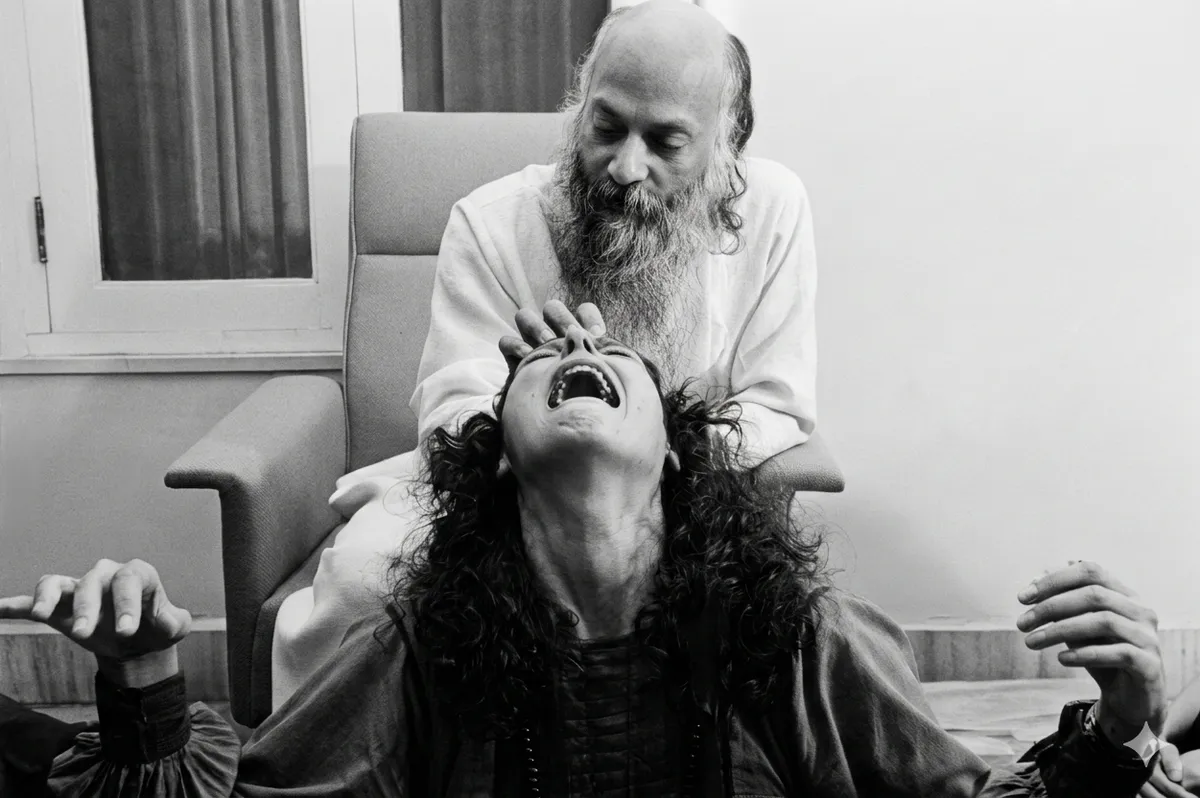
Osho's original Hindi beside Osho Live's English translation, matched passage by passage.
पूछना अर्थपूर्ण है। और अनेक बार यह प्रश्न पूछा गया है अतीत में भी; आज ही नहीं, सदियों-सदियों में। जीसस भी चरवाहे थे--गड़रिए। और जैसे शब्द जीसस ने बोले वैसे शब्द पृथ्वी पर किसी और ने बोले नहीं थे। जैसा उनका बोलने का ढंग था, वह बस उनका ही था। उसकी कोई तुलना नहीं है। उनकी तुलना बस उनसे ही दी जा सकती है। बहुत महाकाव्य लिखे गए हैं, लेकिन जीसस के छोटे-छोटे वचनों में जैसा काव्य है वैसा काव्य शेक्सपियर और कालिदास और भवभूति में भी नहीं है।
It is a meaningful question. And it has been asked many times before, not just today—down the centuries. Jesus too was a shepherd. And no one on earth has spoken as Jesus did. His way of speaking was uniquely his; it has no comparison—he can only be compared with himself. Many great epics have been written, yet the poetry condensed in Jesus’ brief sayings outshines Shakespeare, Kalidasa, and Bhavabhuti.
कबीर जुलाहे थे, लेकिन ऐसी वाणी फूटी, ऐसी गंगा बही कि बड़े-बड़े मात हो गए। पंडित फीके पड़ गए। शास्त्रों के जानने वाले अंधकारपूर्ण मालूम होने लगे तुलना में कबीर की, जुलाहे की तुलना में। और कबीर ने कहा है: ‘मसि कागद छुओ नहीं।’ कभी स्याही छुई नहीं, कभी कागज छुआ नहीं। लेकिन कुछ और जान लिया: ‘ढाई आखर प्रेम का, पढ़े सो पंडित होय।’ वह जो ढाई अक्षर है प्रेम का, पढ़ लिया, उससे सब हो गया। सारे वेद आ गए उसमें। सारे उपनिषद आ गए उसमें। कुरान, बाइबल, सब समाविष्ट हो गया।
Kabir was a weaver, yet such speech burst forth from him, such a Ganga flowed, that even the great were humbled. Scholars faded beside him; those who knew the scriptures looked dark next to this weaver. Kabir himself said: “I have not touched ink or paper.” He never touched ink, never touched paper—but he came to know something else: “He who reads the two-and-a-half letters of prem (love) is the true pandit.” In those two-and-a-half letters of love, everything was fulfilled—the Vedas, the Upanishads, the Quran, the Bible, all were encompassed.
यह प्रश्न जगजीवन के संबंध में ही सच नहीं है, यह प्रश्न अनंत संतों के संबंध में सच है। यह कैसे होता होगा? यह चमत्कार कैसे घटता है? इसके पीछे एक महत्वपूर्ण सूत्र है। समझ में आ जाए तो समस्या सुलझ जाएगी। जब कहने को कुछ होता है, जब प्राण कहने से भरे होते हैं, जब प्राण बहने को आतुर होते हैं, जब रस की गागर पूरी भर जाती है तो शब्द अपने आप खोज लिए जाते हैं।
This question is not only true with reference to Jagjivan; it is true of countless saints. How does it happen? How does such a miracle occur? There is a vital key behind it: when there is truly something to say, when the life-breath is filled with saying, eager to flow, when the goblet of rasa overflows, the words are found by themselves.
तुमने देखा, जब तुम क्रोध में होते हो तब तुम किस तेजी से बोलने लगते हो! अक्सर ऐसा हो जाता है कि जो लोग हकलाते हैं वे भी क्रोध में नहीं हकलाते। भूल ही जाते हैं हकलाना। क्रोध का एक ताप होता है। विस्मरण ही हो जाता है, हकलाने की फुरसत कहां? सुविधा कहां? और गालियां ऐसे बहने लगती हैं जैसे सदा-सदा उनको सोच कर सम्हाला हो। मैं क्रोध से उदाहरण दे रहा हूं, क्योंकि क्रोध से तुम्हारी पहचान है। क्रोध में मूक भी वाचाल हो जाते हैं।
Notice: when you are angry, how rapidly you begin to speak! Often even people who stutter do not stutter in anger—they forget to. Anger has a heat; there’s no time to remember the stutter—no leisure for it. And abuses flow as if you had rehearsed them forever. I cite anger because you are familiar with it. In anger the mute become eloquent.
मैं तुम्हें प्रेम का उदाहरण नहीं दे रहा हूं क्योंकि उससे तुम्हारी पहचान नहीं है। क्रोध से जैसे अंधेरे शब्द निकलने लगते हैं--गंदे और दुर्गंधयुक्त, सरलता से गालियां प्रवाहित होने लगती हैं, ऐसे ही प्रेम की घड़ी में गीत भी प्रवाहित होते हैं। शब्द अपने आप जुड़ने लगते हैं। जब फूल खिलता है तो हवाएं मिल ही जाती हैं जिन पर चढ़ कर अपनी सुगंध भेज दे दिगदिगंत तक। जब गीत इतना घना हो जाता है कि सम्हालना मुश्किल हो जाता है तो द्वार मिल ही जाते हैं।
I do not cite love because you are not familiar with it. Just as dark, foul words begin to pour in anger, so in the moment of love, songs begin to flow. Words join themselves. When a flower blooms, the breezes arrive for it to ride upon and send its fragrance to the ten directions. When the song grows so dense that it is hard to contain, doors appear.
दुनिया में दो तरह के लोग हैं बोलने वाले। एक: जिनके पास बोलने को कुछ नहीं है। वे कितने ही सुंदर शब्द जानते हों, उनके शब्द निष्प्राण होते हैं; उनके शब्दों में श्वास नहीं होती। उनके पास शब्द सुंदर होते हैं, जैसे कि लाश पड़ी हो किसी सुंदर स्त्री की। जैसे क्लियोपैत्रा मर गई है और उसकी लाश पड़ी है। उनके शब्द ऐसे ही होते हैं। असली बात तो उड़ गई। पिंजड़ा पड़ा रह गया है। पक्षी तो जा चुका; या पक्षी कभी था ही नहीं।
There are two kinds of speakers in the world. First: those who have nothing to say. They may know beautiful words, but their words are lifeless—no breath in them. Their words are beautiful, like the corpse of a beautiful woman—like Cleopatra, dead. The essence has flown; only the cage remains. The bird is gone—or perhaps there never was a bird.
पंडित सुंदर-सुंदर शब्द बोलता है। उसके शब्दों में श्रृंगार होता है, कुशलता होती है, भाषा होती है, व्याकरण होती है। सब होता है, प्राण नहीं होते। बस एक ढांचा होता है, आत्मा नहीं होती।
The scholar speaks beautiful words. His words have ornament, skill, language, grammar—everything but life. Only a skeleton, no soul.
संत भी बोलते हैं, शायद शब्द ठीक-ठाक होते भी नहीं, व्याकरण का शायद पता भी नहीं होता। व्याकरण छूट जाती है, भाषा बिखर जाती है, लेकिन जो मधु बहता है, जो मदिरा बहती है वह किसी को भी डुबा दे; सदा को डुबा दे। शब्द तो बोतलों जैसे हैं। बोतल सुंदर भी हो और भीतर शराब न हो तो क्या करोगे? और बोतल कुरूप भी हुई और भीतर शराब हुई तो डुबा देगी, तो मस्त कर देगी। तो तुम्हारे भीतर भी गीत पैदा होगा और नाच पैदा होगा। आत्मापूर्ण हों शब्द तो तुम्हारे भीतर भी आत्मा को झंकृत करते हैं।
Saints also speak; perhaps their words are not precisely right, perhaps they do not know grammar. Grammar is dropped, language is scattered—but the honey that flows, the wine that pours, can drown anyone, forever. Words are like bottles. If the bottle is beautiful but empty of wine, what will you do? And if the bottle is ugly but holds wine, it will intoxicate you; it will make you dance. Words filled with soul strike your soul into resonance.
जगजीवन जैसे बेपढ़े-लिखे संतों की वाणी में जो बल है, वह बल शब्दों का नहीं है, वह उनके शून्य का बल है। शब्दों की संपदा उनके पास बड़ी नहीं है, कामचलाऊ है; बोलचाल की भाषा है। लेकिन बोलचाल की भाषा में भी अमृत ढाला है। पंडितों के शब्द मूल्यवान होते हैं, लेकिन शब्दों को उघाड़ोगे तो भीतर कुछ भी नहीं, चली हुई कारतूस जैसे। ऋषियों के शब्द मूल्यवान हों, न हों, शब्दों को उघाड़ोगे तो भीतर परम संपदा को पाओगे; एक प्रगाढ़ता पाओगे; एक घनीभूत प्रार्थना पाओगे; एक रसविमुग्ध चैतन्य पाओगे।
The power in the speech of unlettered saints like Jagjivan is not the power of words, but the power of their emptiness. The wealth of words is not great; it’s everyday speech. Yet into that ordinary speech they pour amrit. A scholar’s words are costly, but crack them open and there is nothing inside—spent cartridges. A seer’s words, costly or not, once you open them, reveal the supreme treasure: a depth, a concentrated prayer, a consciousness enraptured with rasa.
सीधे-सादे शब्द हैं, जगजीवन जो बोल रहे हैं। कुछ जटिल नहीं हैं। लोकभाषा है--जैसा सभी लोग बोल रहे होंगे। इनमें एक भी शब्द ऐसा नहीं है जो पारिभाषिक हो; कि जिसे देखने के लिए तुम्हें शब्दकोष उलटना पड़े। अगर तुम्हें कुछ कठिन मालूम पड़ते हों तो उसका कारण यह नहीं है कि वे शब्द कठिन हैं, उसका कुल कारण इतना है कि वे लोक-व्यवहार के बाहर हो गए हैं। उस दिन की लोकभाषा के हैं। आज उनका उपयोग नहीं होता। अन्यथा बिलकुल कामचलाऊ हैं। गाड़ीवान बोलता था, दुकानदार बोलता था, चरवाहा बोलता था, लकड़हारा बोलता था, जुलाहा बोलता था, कुम्हार बोलता था। उन्हीं के शब्द हैं, लेकिन शब्द ज्योतिर्मय हैं।
Jagjivan speaks in simple, straightforward words. Nothing complex. The language of the people—like everyone spoke then. Not one technical term that would send you to a lexicon. If any seem difficult, it’s only because they have fallen out of current usage; they belong to the folk speech of that time. Otherwise they are perfectly ordinary—the carter, the shopkeeper, the shepherd, the woodcutter, the weaver, the potter—these are their words. But luminous.
पंडित के शब्द ऐसे होते हैं--कोरे पंडित के शब्द--जैसे दीया तेल-भरा, बाती-लगा, मगर ज्योति नहीं। संतों के शब्द ऐसे होते हैं--दीया मिट्टी का, टेढ़ा-मेढ़ा, किसी ने गढ़ दिया होगा; तेल भी गरीब का; शायद शुद्ध भी न हो; बाती भी बस ऐसी-तैसी बनी लेकिन ज्योतिर्मय। और मूल्य तो ज्योति का है, दीये का तो नहीं। दीया सोने का हो, हीरे-जवाहरात जड़ा हो, क्या करोगे? दीया मिट्टी का हो, ज्योतिर्मय हो, काम आ जाएगा।
A scholar’s words—mere scholarship—are like a lamp with oil and wick but no flame. A saint’s words are like a clay lamp, crooked, roughly molded; the oil perhaps is poor, the wick so-so—yet it is aflame. The value lies in the light, not the lamp. You could have a lamp of gold studded with jewels—what use is it? A clay lamp that burns is enough.
इसलिए यह चमत्कार जैसा मालूम पड़ता है मगर चमत्कार है नहीं, जीवन का एक सामान्य नियम है। प्रेम में तुम कभी अगर किसी के पड़े हो तो तुम्हारे भीतर से भी काव्य प्रवाहित होने लगता है। तुम खुद भी चौंकोगे। ऐसे रसभरे शब्द तुमने कभी बोले न थे। वही शब्द हैं जो तुम रोज बोलते थे, पर उन्हीं शब्दों में आज कुछ नया भरा है। आज उन्हीं शब्दों पर सवार होकर कुछ नया चला है।
So, though it seems a miracle, it is not; it is one of life’s basic laws. If you have ever fallen in love, poetry begins to flow from within you. You yourself will be surprised—such juicy words you never spoke before. The very words you use daily—yet today something new rides upon them.
पैर तो वही हैं जिनसे कि दफ्तर से लेकर घर तक आए-गए, लेकिन जब नाचते हैं वही पैर तो वही पैर नहीं हैं। दफ्तर से आना घर, घर से जाना दफ्तर एक बात है; और जब धुन मस्ती की छा जाती है, जब प्रेमी से मिलन होता है, वे ही पैर जब नाचने लगते हैं तो क्या तुम कहोगे ये वे ही पैर हैं, जो दफ्तर जाते थे? सब बदल गया। इन पैरों की रौनक और, रंग और। इन पैरों में बहता हुआ रक्त और। इन पैरों में बहती हुई ऊर्जा और। इन पैरों के पास आज एक आभा-मंडल है। आज ये मस्ती में नाचे हैं। कहां दफ्तर जाना! घसीटते थे। नाच कहां था? चलना तक नहीं था। जाते थे क्योंकि जाना पड़ता था। मजबूरी थी, विवशता थी। और आज जब मृदंग बजी है प्रेम की और पैरों में आनंद के घुंघरू बांधे हैं और नाच उठे हो... नहीं, ये पैर वही मालूम होते हैं मगर वही नहीं हैं। आज इन्हीं पैरों पर कोई और चढ़ आया है। आज आत्मा और है। वस्त्र वही होंगे, प्राण और हैं। भीतर का सब बदल गया है।
The feet are the same with which you go from office to home and back, but when those same feet dance, they are not the same. Commuting is one thing; when the rhythm of ecstasy descends, when there is reunion with the beloved, those same feet dance—are they indeed the same feet that trudged to the office? Everything is transformed: the sheen of the feet, the color, the blood that flows through them, the energy—today they carry an aura. Today they danced in ecstasy. Going to the office—what dance was there? Even walking was a drag—compulsion, helplessness. But when the mridang of love beats and you tie the anklets of joy and dance—yes, they appear the same feet, yet they are not. Today something else has descended upon them. The garment is the same; the life within is new. The inner has changed.
ये शब्द जगजीवन के साधारण ही हैं, लेकिन इन शब्दों में असाधारण समाया है। उस असाधारण के कारण साधारण शब्द भी बहुमूल्य मालूम होते हैं। जैसे बुद्ध के हाथ में कोई साधारण सा गुलाब का फूल। क्या तुम सोचते हो किसी और हाथ में यही फूल इसी मूल्य का होगा? नहीं होगा। संदर्भ बदल गया। बुद्ध के हाथ में बात और है। हाथ-हाथ की बात और है। बुद्ध के हाथ में यही साधारण सा फूल असाधारण हो गया है। इसकी गरिमा और है। इसकी महिमा और है। जैसे सारे अस्तित्व का सौंदर्य इससे प्रकट हो उठा है।
Jagjivan’s words are ordinary, but the extraordinary is housed within them. Because of that, the ordinary words appear precious—like a simple rose in Buddha’s hand. Do you think the same flower in another’s hand would have the same worth? It wouldn’t. The context has changed. In Buddha’s hand, everything is different. Hand to hand, everything changes. In Buddha’s hand, a simple flower becomes extraordinary—its dignity and radiance reveal the beauty of existence itself.
बुद्ध जिस वृक्ष के नीचे बैठे हों वह सूखा भी हो तो कहानियां कहती हैं, हरा हो जाता है। वे कहानियां सार्थक हैं, ऐतिहासिक नहीं हैं। इस बात को खयाल रखना। बौद्ध कथाएं कहती हैं कि बुद्ध जिस वृक्ष के नीचे बैठ जाते हैं वह अगर सूखा भी हो, तत्क्षण हरा हो जाता है। घनी उसके नीचे छाया हो जाती है। करनी ही पड़ेगी छाया बुद्ध आकर बैठे हों तो। फूल खिल आते हैं।
Stories say that the tree under which Buddha sits will turn green even if dry. These stories are meaningful, not historical—remember this. Buddhist tales say that if Buddha sits beneath a tree, even a dry one becomes green at once; thick shade gathers; flowers blossom. It must be so—if Buddha sits, shade must come.
इस्लाम में कथाएं हैं कि मोहम्मद जहां भी चलते हैं... रेगिस्तान, मरुस्थल की दुनिया! आकाश की बदलियां उनके ऊपर छाता बन जाती हैं। इतिहास नहीं है यह। इतिहास समझा तो चूक हो जाएगी। इतिहास से बहुत ज्यादा मूल्यवान हैं ये बातें। इतिहास तो सिर्फ तथ्यों का जोड़ होता है। अखबारों की कटिंग से बनता है इतिहास। यह इतिहास से बहुत ज्यादा है। तथ्य ही नहीं है, सत्य है इसमें।
In Islam they say that wherever Mohammed walks—in the desert—the clouds gather above him like a canopy. Not history—something more valuable than history. History is only an aggregate of facts—made from newspaper clippings. This is not mere fact; it is truth.
इतिहास तो क्षणभंगुर होता है। अभी है, अभी अतीत हो जाता है। और जैसे ही इतिहास अतीत हो जाता है, फिर उसे सत्य सिद्ध करने का कोई उपाय नहीं बचता। फिर तुम लाख सिर मारो, ज्यादा से ज्यादा इतना ही तय हो सकता है कि संभवतः ऐसा हुआ हो। बस, संभावना तय हो सकती है। फिर दृढ़तापूर्वक कुछ भी नहीं कहा जा सकता कि ऐसा हुआ हो।
राम हुए थे? दृढ़तापूर्वक इतिहास के पास कोई प्रमाण नहीं है। कृष्ण हुए थे? दृढ़तापूर्वक इतिहास के पास कोई निश्चयता नहीं है। बुद्ध चले थे? महावीर घटे थे? संभावना मात्र है। ऐसा हुआ भी हो, न भी हुआ हो। जीसस के संबंध में भी वही बात है।
History is momentary—now present, now past. And once it is past, certainty is impossible. At best we say, “Possibly it happened.” Ram existed? History has no conclusive proof. Krishna? No certainty. Buddha walked? Mahavira occurred? It’s a possibility. Even regarding Jesus—same.
ये तो दूर की बातें हो गईं, इंग्लैंड का एक बहुत बड़ा इतिहासज्ञ एडमंड बर्क विश्व-इतिहास लिख रहा था। उसने उस पर कोई तीस साल मेहनत की थी। सारा जीवन उस पर लगाया था। और एक दिन ऐसा हुआ कि उसने पूरी की पूरी जीवनभर की मेहनत आग में डाल दी एक छोटी सी घटना के कारण। उसके घर के पीछे, घर के ठीक पीछे हत्या हो गई। वह तो अपना इतिहास लिखने में लगा था। शोरगुल सुना, भीड़-भाड़ इकट्ठी हुई तो वह भी बाहर निकल कर पहुंचा। भीड़ लग गई थी, लाश पड़ी थी। जिस आदमी ने हत्या की थी, रंगे हाथों पकड़ा गया था। उसको भी लोग पकड़े हुए थे। उसके हाथ में छुरा था, उसके कपड़ों पर खून की धार थी।
अभी-अभी घटना घटी थी, ताजी थी। खून अभी गरम था। और कोई दो सौ आदमियों की भीड़ लग गई थी। सारा मोहल्ला इकट्ठा हो गया था। और बर्क ने अलग-अलग लोगों से पूछा कि हुआ क्या? एक ने कुछ कहा, दूसरे ने कुछ कहा, तीसरे ने कुछ कहा। अभी खून भी गरम था। अभी लाश भी गरम थी। अभी हत्यारा रंगे हाथ पकड़ा सामने खड़ा था, लेकिन लोगों के वक्तव्य अलग-अलग थे, विपरीत थे, विरोधी थे; एक-दूसरे का खंडन करने वाले थे। और वे सब चश्मदीद गवाह थे।
बर्क गया अंदर, उसने अपनी तीस साल की मेहनत आग में डाल दी। उसने कहा, अगर मेरे घर के पीछे एक घटना घटती है, आंखों देखे लोग मौजूद हैं, अभी-अभी घटी है, खून भी सूखा नहीं है, ठंडा भी नहीं हुआ है, लाश अभी गरम है, आदमी पकड़ा गया है और उनसे भी मैं यह निष्कर्ष नहीं निकाल पाता कि वस्तुतः हुआ क्या है! और मैं दुनिया का इतिहास लिखने बैठा हूं कि पांच हजार साल पहले वेद किसने लिखा था! उसे बात ही फिजूल मालूम पड़ी। उसने कहा: मेरे तीस साल व्यर्थ गए।
These are distant matters. Edmund Burke, a great English historian, spent thirty years writing a world history. One day he threw all his life’s work into the fire because of a small incident. A murder took place just behind his house. He was writing; hearing the commotion, he went out. A crowd had gathered; the murderer had been caught red-handed. Blood was still warm. Burke asked different eyewitnesses what had happened—each gave a different, even contradictory account. He went inside and burned his thirty years of labor. “If behind my house a fresh event occurs with eyewitnesses, and I cannot ascertain what really happened—how will I write the history of five thousand years ago!” He saw the futility.
इतिहास तो क्षुद्र घटनाओं से बनता है। उन घटनाओं के लिए कोई प्रामाणिकता नहीं है। और जैसे-जैसे अतीत होता जाता है वैसे-वैसे मुश्किल होता जाता है तय करना कि ऐसा हुआ था कि नहीं हुआ था?
History is made of petty events, with scant authenticity—and the further back, the harder to decide whether it happened or not.
ये घटनाएं ऐतिहासिक नहीं हैं, ये घटनाएं पौराणिक हैं। पुराण बड़ी और बात है। इतिहास क्षणभंगुर तथ्यों पर निर्भर होता है, पुराण शाश्वत सार है। बुद्ध के बैठने से वृक्ष हरा हुआ या नहीं, यह सवाल नहीं है, वृक्ष को हरा होना चाहिए। इससे अन्यथा हो तो यह जगत अर्थहीन है। बुद्ध भी हुए या नहीं, यह भी सवाल नहीं है। यह प्रश्न संगत ही नहीं है पुराण में। पुराण की संगति तो और है। पुराण की संगति तो यह है कि बुद्ध जैसे व्यक्ति के ओंठों पर सूखे शब्द भी हरे हो जाएंगे। बुद्ध जैसे व्यक्ति के हाथों में मरा हुआ पक्षी भी पंख फड़फड़ाने लगेगा। और तुम्हारे हाथों में जिंदा पक्षी मर जाते हैं।
These tales are not historical; they are puranic—mythic. Purana is a larger thing. History depends on fleeting facts; Purana expresses eternal essence. Whether the tree turned green is not the point; it should turn green. If not, existence is meaningless. Whether Buddha existed is not the question in Purana. The puranic sense is that words on the lips of one like Buddha, even if dry, will turn green; a dead bird in his hands will flap its wings, while in your hands even living birds die.
और तुम जानते हो। और रोज तुमने देखा है। रोज तुम अनुभव करते हो, तुम्हारे हाथों में जीवित से जीवित शब्द जाकर दो कौड़ी के हो जाते हैं। सुंदर से सुंदर शब्द! ‘परमात्मा’ जैसा प्यारा शब्द भी तुम्हारे ओंठों पर क्या अर्थ रखता है? कोई भी तो अर्थ नहीं। कोरा, खाली, व्यर्थ! तुम्हारे ही परमात्मा के लिए तो नीत्शे ने कहा है कि मर गया। मुझे नीत्शे कहीं मिल जाए तो उससे मैं कहूं कि मर गया कहना ठीक नहीं, जिंदा ही कभी न था। मरते तो वे हैं जो जिंदा रहे हों। जिन लोगों के परमात्मा की तुम बात कर रहे हो वह मर भी नहीं सकता; वह सदा से मरा हुआ है, प्लास्टिक का है। और जिनका परमात्मा जिंदा है उनके परमात्मा के मरने का कोई उपाय नहीं है, क्योंकि वह सारे जीवन का प्रतीक है।
You know this. Daily you see it: in your hands, the most living words become worthless. Even a beautiful word like “God” on your lips—what meaning has it? Empty. For the God of such people Nietzsche said, “God is dead.” If I met Nietzsche, I’d tell him: “Not dead—he was never alive. Only those die who have lived.” The God about whom most speak cannot die—he has always been dead, plastic. And where God is alive, there is no way he can die—he is the symbol of all life.
बुद्ध अगर बैठें, वृक्ष को हरा होना ही चाहिए। और मोहम्मद अगर चलें तो बदली को छाया करनी ही चाहिए। और महावीर अगर चलें तो कांटा सीधा पड़ा हो तो उसे उलटा हो ही जाना चाहिए। यह पुराण है, इतिहास नहीं है। ये संकेत हैं कि अस्तित्व उसका सम्मान करता है जिसने अस्तित्व का सम्मान किया है; कि अस्तित्व प्रत्युत्तर देता है; कि प्रेम के उत्तर में प्रेम बरसता है; कि गीत के उत्तर में गीत प्रतिध्वनित होता है; कि एक फूल खिले तुम्हारे जीवन में तो हजारों फूल उसके साथ-साथ, समवेत खिल जाते हैं।
If Buddha sits, the tree must turn green. If Mohammed walks, the cloud must shade him. If Mahavira walks, a thorn lying upright must turn aside. This is Purana, not history—signs that existence responds to those who honor existence; love evokes love; song answers song; one flower blooming in you calls forth a thousand to bloom in chorus.
ये शब्द तो साधारण हैं। चरवाहे के शब्द हैं, पर असाधारण हो गए; क्योंकि चरवाहा बुद्ध हो गया। फिर बुद्ध राजा का बेटा हो जाए तो, और चरवाहे का बेटा हो जाए तो। बुद्धत्व की महिमा है। बुद्धत्व का मूल्य है। फिर एक -एक शब्द में रस बहने लगता है।
The words are ordinary—shepherd’s words—but they become extraordinary because the shepherd has become a Buddha. Whether Buddha is born a prince or a shepherd is immaterial; the glory is of Buddhahood. Then each word flows with nectar.
बौरे, जामा पहिरि न जाना
जगजीवन कहते हैं: रे पागल, एक बात खयाल कर ले, मैं शरीर हूं ऐसा ही मानते-मानते मत मर जाना। शरीर तो जामा है, वस्त्रमात्र है, परिधान है। शरीर ही मैं हूं ऐसा ही सोचते-सोचते मर गया तो फिर शरीर में आ जाना पड़ेगा। क्योंकि हम जो सोचते हैं वही हमारा भविष्य बन जाता है।
“O fool, do not depart wearing the garment.” Jagjivan says: O madman, take care of one thing—don’t die believing “I am the body.” The body is only a garment, a robe. If you die clinging to “I am the body,” you will have to return into a body—because what you think becomes your future.
विचार के बीज भविष्य के वृक्ष हैं। मरते क्षण अगर तुम यही सोचते मरे कि मैं शरीर हूं तो मर भी न पाओगे और नये गर्भ में प्रवेश कर जाओगे। क्योंकि तुम्हारा विचार ही तुम्हें दिशा देता है।
Thoughts are the seeds of future trees. If at the moment of death you think “I am the body,” you will not be able to die—you will slip into a new womb. Thought gives direction.
बौरे, जामा पहिरि न जाना।
जाते समय तक इतनी तैयारी कर लेना कि तू यह जानता हुआ जा सके कि मैं देह नहीं हूं, देह तो वस्त्रमात्र है। कि मैं घर नहीं हूं, मैं घर का मालिक हूं। जब देह टूटने लगे तो ऐसा मत समझना कि तू टूट रहा है। जब देह मरने लगे तो ऐसा मत सोचना कि मैं मर रहा हूं। तेरी कोई मृत्यु नहीं, तू अमृत है। अमृतस्य पुत्रः। मृत्यु तो बस आवरण की है। यही देह जन्मती है, यही देह मरती है। न तो तू कभी जन्मता है, न कभी तू मरता है।
O fool, do not depart wearing the garment. By the time you go, be prepared enough to know: I am not the body; the body is simply a garment. I am not the house; I am the owner of the house. When the body starts breaking, don’t think you are breaking. When the body starts dying, do not think “I am dying.” You have no death; you are amrit—amritasya putrah. Only the covering dies. This very body is born, this very body dies. You are never born, you never die.
जो ऐसा जान कर विदा होता है, फिर दुबारा नहीं आता। फिर इस दुबारा पीड़ा और नरक में उसे नहीं उतरना पड़ता। वह मुक्त हो जाता है। उसकी सारी सीमाएं गिर जाती हैं। देह सीमा है। वह असीम हो जाता है। उसकी बूंद सागर हो जाती है। वह इस अनंत आकाश का अंग हो जाता है।
One who departs knowing this does not return. He need not descend again into this pain and hell. He is free. All limits fall. The body is a limit; he becomes limitless. The drop becomes the ocean—the boundless sky is his.
बौरे, जामा पहिरि न जाना।
को तैं आसि कहां ते आइसि,...
तू आया कहां से है? तू है कौन?
...समुझि न देखसि ज्ञाना।
न तो तूने देखा, न समझा, न जागा और फिर भी तू सोचता है कि तुझे ज्ञान है? तेरा ज्ञान दो कौड़ी का है। कर लिया होगा कंठस्थ वेद; इससे कुछ सार नहीं। मृत्यु के क्षण में कंठस्थ किए हुए वचन चाहे वे वेद के हों और चाहे कुरान के, काम नहीं आएंगे। कंठ ही साथ नहीं जाएगा तो कंठस्थ कैसे साथ जाएगा? सिर यहीं पड़ा रह जाएगा तो सिर में जो भरा है वह भी यहीं पड़ा रह जाएगा। सिर के भरे में बहुत भरोसा मत करना। सिर में तो जो भी भरा है, भूसा है।
O fool, do not depart wearing the garment. Where did you come from? Who are you? …You have neither seen nor understood nor awakened; still you think you are knowledgeable? Your knowledge is worth two pennies. You may have memorized the Vedas—of no real use. At death, quotes whether from Veda or Quran won’t help. The throat itself won’t go—how will the learnt-by-heart go? The head will be left behind; what is filled in the head will be left behind. Don’t trust the head’s contents—straw.
तुम्हारे जीवन में कुछ ऐसा अनुभव होना चाहिए जो बुद्धि से अतीत अनुभव है। जो बाहर से नहीं आया है। बुद्धि में तो जो भी आया है बाहर से आया है। किताब पढ़ी, किसी को सुना, किसी से बात की, स्कूल-विश्वविद्यालय सीखा, वही सब तुम्हारी बुद्धि में भरा है। बुद्धि तो एक कंप्यूटर है जिसमें बाहर से सूचनाएं डाली जाती हैं। बुद्धि तो एक टेप-रिकॉर्ड है, एक ग्रामोफोन रिकॉर्ड है, जिसमें बाहर से सूचनाएं भर दी जाती हैं फिर बुद्धि उसे दोहराती रहती है।
You need an experience beyond intellect—something not borrowed. Whatever is in the intellect came from outside—books read, people heard, conversations, school and university. The intellect is a computer into which external data is fed; a tape recorder, a gramophone disc repeating what was put in.
और बड़ा मजा है। हम इसी को बड़ा मूल्य देते हैं। जो जितना अच्छा ग्रामोफोन रिकॉर्ड है उसको हम कहते हैं उतना ही बुद्धिमान। विश्वविद्यालय उसे स्वर्णपदक देते हैं। और उसने प्रमाण क्या दिया है बुद्धि का? एक ही प्रमाण दिया है कि जो भी साल भर शिक्षकों ने उसकी खोपड़ी में भरा था, उसने परीक्षा की कॉपी पर उसका वमन कर दिया, उल्टी कर दी। परीक्षा की कॉपी पर ठीक उसने वैसा ही का वैसा, बिना पचा। पच जाता तो वमन कैसे करता? सम्हाले रहा, सम्हाले रहा, सम्हाले रहा, फिर सारी परीक्षा की कॉपी गंदी कर दी। स्वर्णपदक मिल गया उसको। उसका बड़ा सम्मान है।
And we foolishly value just this. The better the gramophone, the more “intelligent” we call it; the university hands it a gold medal. And what has it proved? Only that what teachers stuffed in for a year, it vomited onto the exam paper—without digesting. Had it digested, how could it vomit? It hoarded, hoarded, then soiled the paper—was given a gold medal and great respect.
उसने कौन सी कुशलता दिखाई? यह कोई बुद्धि की कुशलता है? हां, इतना कहा जा सकता है, उसके पास अच्छी स्मृति है। मगर स्मृति और बुद्धि बड़ी भिन्न बातें हैं। मनोवैज्ञानिक जिसको बुद्धि का माप कहते हैं, इंटेलिजेंस कोशिएंट कहते हैं, वह वस्तुतः बुद्धि का माप नहीं है, केवल स्मृति का माप है। और याददाश्त का अच्छा होना और बुद्धि का अच्छा होना पर्यायवाची नहीं हैं। अक्सर ऐसा होता है कि जिनकी याददाश्त बहुत अच्छी होती है उनके पास बुद्धि जैसी चीज नहीं होती। और जिनके पास बुद्धि जैसी चीज होती है उनकी याददाश्त बहुत अच्छी नहीं होती।
What skill is this? At best, good memory. But memory and intelligence are very different. What psychologists measure as IQ is not intelligence, it is memory. Good memory and good intelligence are not synonymous. Often those with extraordinary memory lack the thing called intelligence—and those with intelligence seldom have remarkable memory.
तुमने बहुत कहानियां सुनी होंगी कि बड़े-बड़े बुद्धिमान और याददाश्त उनकी बड़ी कमजोर। इमैनुअल कांट की याददाश्त इतनी कमजोर कि एक सांझ अपने घर आया, द्वार पर दस्तक दिया। सांझ है, सूरज ढल गया है, घूम कर लौटा है अपने ही घर। नौकर ने छज्जे से झांका, समझा कि कोई आया होगा मालिक को मिलने। तो उसने कहा, मालिक घूमने गए हैं, थोड़ी देर बाद आना तो वह वापस लौट गया। कोई मील भर चलने के बाद उसे याद आया कि हद हो गई! मालिक तो मैं ही हूं।
You’ve heard stories: great intellects with poor memories. Immanuel Kant’s memory was so weak that one evening he came home, knocked at the door, the servant peeped out and said, “The master has gone for a walk; come later.” Kant turned back. After a mile he remembered: “This is too much! I am the master.”
और भी मैंने एक कहानी सुनी है जो इससे भी ज्यादा अदभुत है। एक रात लौटा घूमने के बाद, बूढ़ा हो गया था कांट। जो छड़ी लेकर घूमने गया था उसको तो बिस्तर पर सुला दिया और खुद, जहां छड़ी को खड़ा करता था कोने में, वहां जाकर खड़ा रहा। जब नौकर ने देखा कि प्रकाश बुझा नहीं मालिक का, जो कि नियम से दस बजे बुझ जाता है, साढ़े दस बज गए, ग्यारह बज गए, तो नौकर ने आकर झांका, देख कर हैरान हुआ। छड़ी सो रही है कंबल ओढ़े और कांट खड़ा है कोने में आंख बंद किए। चूक हो गई। भूल हो गई--कौन कौन है! और इमैनुअल कांट उन थोड़े से बुद्धिमान लोगों में से एक है, जिनके पास प्रतिभा थी।
Another tale: one night, old Kant returned from a walk. The cane he had taken was put to bed, and Kant stood in the corner where he would normally stand the cane, eyes closed. When the servant saw the light still on beyond the usual hour, he peeked in and found the cane tucked under a blanket and Kant standing. A mix-up—who is who! Yet Kant is among the few with true brilliance.
स्मृति से कुछ सिद्ध नहीं होता। लॉर्ड कर्जन ने अपने संस्मरणों में राजस्थान में एक आदमी के संबंध में उल्लेख किया है, जिसके पास अदभुत स्मृति थी मगर वह महामूढ़ था। उसकी स्मृति ऐसी थी कि शायद पहले भी किसी के पास नहीं हुई। उसके बाद भी बहुत लोगों के पास स्मृतियां हुईं लेकिन वैसी नहीं हुई। उसकी स्मृति अदभुत थी, जैसे पत्थर पर कोई लकीर खींचे। एक बार जो सुन ले वह भूलता ही नहीं था।
अब तुम सोच ही सकते हो कि वह आदमी बुद्धिमान कैसे हो पाएगा? जो बात एक बार तुम सुन लो, भूल ही न सको तो इतना कचरा इकट्ठा हो जाएगा। विस्मरण वरदान है। जरा सोचो तो, सुबह से लेकर सांझ तक कितना बकवास सुनते हो, कितना उपद्रव सुनते हो, ट्रैफिक की आवाजें, और कोई हॉर्न बजा रहा है और इंजन की भकभक हो रही है और सब सुन रहे हो तुम। और यह सब याद ही रहे तो तुम सोचोगे क्या खाक, विचार क्या करोगे? तुम्हारे पास अवकाश कहां रह जाएगा?
Memory proves nothing. Lord Curzon mentions a man in Rajasthan with astonishing memory, yet a first-class fool. His memory was like a line carved on stone—once he heard, he never forgot. Imagine the trash that piles up if you cannot forget! Forgetting is a blessing. Think of the noise you hear daily—traffic, horns, engines. If all that sticks, how will you think? Where is the inner space?
वह आदमी इतना अदभुत था स्मृति की दृष्टि से, पर महामूढ़ था। उसे कर्जन के दरबार में बुलाया था वाइसराय ने देखने के लिए। उसकी स्मृति की खबरें पहुंची थीं। और फिर एक प्रयोग किया गया। कर्जन के दरबार में जितनी भाषाओं को जानने वाले अलग-अलग लोग थे, तीस लोग खोजे गए और उन तीस लोगों को बिठाया गया। और उन तीसों ने अपने-अपने मन में अपनी-अपनी भाषा का एक-एक वचन खयाल में रखा। और यह आदमी, यह राजस्थानी आदमी पहले नंबर एक के पास जाएगा, वह अपनी भाषा के, जो वचन को उसने अपने भीतर सोच रखा है, उसके पहले शब्द को कहेगा। तब एक जोर का घंटा बजाया जाएगा। फिर यह आदमी दूसरे के पास जाएगा, वह अपनी भाषा का पहला शब्द कहेगा। ऐसा यह तीस आदमियों के पास चक्कर लगाएगा और हर बार घंटा बजेगा। फिर यह नंबर एक के पास आएगा, अब वह अपने वचन का दूसरा शब्द इससे कहेगा। ऐसा यह घूमता रहेगा।
और उसने सबके वाक्य अलग-अलग बता दिए कि किसने उससे क्या कहा है! और उनमें से एक भी भाषा उसकी भाषा नहीं। एक भी भाषा वह जानता नहीं। मारवाड़ी के सिवाय वह दूसरी कोई भाषा जानता नहीं था। बस, जो उसके सिर में आ जाता, आ जाता, बैठ ही जाता; फिर उसे भूलता ही नहीं था। मगर था बिलकुल बुद्धू आदमी। जिंदगी में उसके कोई प्रतिभा नहीं थी। उसकी आंखों में कोई चमक भी न थी। उसके चेहरे पर कोई ओज भी न था।
Curzon summoned that man to the Viceroy’s court. A test was arranged: thirty people, each fluent in a different language, sat in a circle. Each would speak one word of a sentence in his language when the man reached him; a bell would ring; then the man moved to the next. After cycles of first words, second words, etc., the man reproduced each sentence perfectly. He knew none of those languages—only Marwari—yet whatever entered his head stayed. But he was a dull man, with no spark.
अगर स्मृति ही बुद्धि हो तो यह आदमी बुद्ध हो जाता। और क्या चाहिए? मगर स्मृति बुद्धि नहीं है। और मैं जो तुमसे कह रहा हूं, अभी कुछ चार-छह दिन पहले, जिन व्यक्तियों ने पश्चिम में बुद्धि-अंक, इंटेलिजेंस कोशिएंट की खोज की थी उनमें से एक अभी जिंदा है, उसने चार या पांच दिन पहले ही यह घोषणा की है कि वह हमारी धारणा गलत थी। वह जो हमने अब तक खोजा था बुद्धि के संबंध में, वह बुद्धि के संबंध में नहीं है, केवल स्मृति के संबंध में है।
If memory were intelligence, he would be a Buddha. But it isn’t. Recently one of the originators of IQ testing publicly admitted: our paradigm was mistaken; we measured memory, not intelligence.
कहां से आए हो? कौन हो? न इसे देखा, न इसे पहचाना और सोचते हो कि ज्ञानी हो, क्योंकि वेद याद हैं, कुरान याद है, गीता रोज पढ़ते हो। यह ज्ञान दो कौड़ी का है। ग्रामोफोन रिकॉर्ड बनने से तुम मुक्त न हो जाओगे। तुम्हें उस ज्ञान की तलाश करनी होगी जिसका झरना तुम्हारे भीतर से ही बहे, बाहर से नहीं। तुम्हें स्वस्फूर्त ज्ञान को खोजना होगा। और जब तक तुम स्वस्फूर्त चैतन्य को न खोज लोगे, तब तक तुम्हें शरीर की तरह जीना पड़ेगा और शरीर की तरह मरना पड़ेगा।
Where did you come from? Who are you? You neither saw nor recognized—and you think you are a knower because you recite Veda, Quran, Gita. This is trivial knowledge. Becoming a gramophone won’t liberate you. You must seek that knowledge whose spring bubbles from within—spontaneous awareness. Until you find spontaneous consciousness, you will live and die as a body.
चुन लिए औरों ने गुलहा-ए-मुराद
रह गए दामन ही फैलाने में हम
ऐसा न हो कि मरते वक्त तुम्हें लगे कि दूसरे तो फूल चुन लिए और हम दामन ही फैलाते रहे। अधिक लोग ऐसे ही मरते हैं दामन फैलाते-फैलाते ही। फूल तो मुश्किल से थोड़े से लोग चुन पाते हैं। जब कि सच्चाई यह है कि सभी का हक था, सभी चुन लेते फूल।
“Others gathered the blossoms of desire; we remained with our hem outstretched.” Let it not happen that at death you feel: “Others plucked the flowers, we kept holding out our skirts.” Most die like that—hem outstretched. Few gather flowers, though truth is: everyone had the right; everyone could.
तुम बुद्ध होने को पैदा हुए हो। उससे कम पर राजी मत होना। तुम्हारे दामन में भी फूल भर सकते हैं, मगर जरा होश से चलना होगा, जरा सम्हल कर चलना होगा। जरा जिंदगी से व्यर्थ की दौड़-धाप को कम करना होगा। जिंदगी की ऊर्जा को निरर्थक आपा-धापी से थोड़ा मुक्त करना होगा। थोड़ी घड़ियां अंतर-खोज के लिए देनी होंगी।
You are born to be a Buddha. Settle for nothing less. Your garment too can be filled with flowers, but walk with awareness; reduce futile bustle; free some energy from aimless running; give a few moments to inner search.
बौरे, जामा पहिरि न जाना।
क्या ही शरमिंदा चले हैं इस दिल-ए-मजबूर से हम
आए थे उनकी जियारत को बहुत दूर से हम
बड़े दूर से तुम आए हो। और जो खरीदने आए हो, बिना खरीदे लौट जाओगे? बड़े दूर से तुम आए हो। जिसकी तलाश में आए हो उसको बिना तलाशे लौट जाओगे? और सम्हलो! यहां कोई दूसरा तुम्हें नहीं सम्हालेगा।
O fool, do not depart wearing the garment. How ashamed we return from this helpless heart; We had come for his darshan from so far. You have come from afar. Will you return without buying what you came to buy? Take care—no one else will take care of you here.
मैकदा है यह समझ बूझ के पीना ऐ रिंद
कोई गिरते हुए पकड़ेगा न बाजू तेरा
यहां तो सब पीए बैठे हैं--कोई मद, कोई पद, कोई धन। यहां तो लोगों की आंखों में नशा चढ़ा हुआ है। और वह नशा नहीं, जिसकी मैं बात करता हूं या जगजीवन बात करते हैं। धन का और पद का नशा चढ़ा हुआ है।
तुमने देखा, जब कोई आदमी पद पर पहुंच जाता है तो उसकी अकड़, उसका अहंकार। तुमने देखा, जब किसी आदमी के पास धन इकट्ठा हो जाता है तो उसके पैर जमीन पर नहीं पड़ते। ये सब नशे हैं। और शराब से कहीं ज्यादा बदतर नशे हैं। क्योंकि शराब तो तुम्हारी देह को ही नुकसान पहुंचाती है, ये तुम्हारी आत्मा को भी सड़ा देते हैं।
This is a tavern; drink with understanding, O reveler— no one will catch your arm if you fall. Here everyone is drunk—on power, on wealth—not the intoxication I speak of or Jagjivan speaks of. When someone attains office, look at the swagger, the ego. When wealth accumulates, his feet don’t touch the ground. These are intoxications—worse than wine. Wine harms the body; these rot the soul.
इसलिए तुम्हारा शराबी तुम्हारे राजनीतिज्ञ से लाख गुना बेहतर होता है। क्योंकि शराबी हो सकता है एकाध साल जल्दी मर जाएगा, और क्या होगा? शरीर थोड़ा कमजोर होगा, और क्या होगा? लेकिन राजनीतिज्ञ खोखला हो जाता है, अपनी आत्मा को बेच देता है। बेचनी ही पड़ती है उसे; नहीं तो पद की सीढ़ियां नहीं चढ़ सकता। उसे सारी चालबाजियां, बेईमानियां, सारे पाखंड करने ही पड़ते हैं। झूठे आश्वासन देने ही पड़ते हैं। उसे धोखे देने ही पड़ते हैं। जो जितना धोखा देने में कुशल है उतना ही सफल हो पाएगा। और जिसको नशा लग जाता है पद का, जिंदगी भर नहीं उतरता; लगा ही रहता है। वह जो भी करता है, बस उसी नशे के लिए करता है। एक धुन सवार हो जाती है।
Thus, a drunkard is a thousand times better than a politician. The drunkard may die a year sooner; the body weakens—so what? The politician becomes hollow; sells his soul. To climb the ladder of power he must—trickery, dishonesty, hypocrisy, false promises, deception. The more skilled in deception, the more success. The intoxication of position never leaves; it possesses him.
मैकदा है यह समझ-बूझ के पीना ऐ रिंद
कोई गिरते हुए पकड़ेगा न बाजू तेरा
तुम अपने को सम्हालो तो सम्हाल सकते हो, कोई और तुम्हें सम्हालने वाला नहीं है। इसलिए कहते हैं, ऐ पागल, ऐ बौरे, जामा पहिरि न जाना!
This is a tavern; drink with understanding, O reveler— no one will catch your arm if you fall. Only you can steady yourself—no one else will. Hence: O fool, do not depart wearing the garment!
घर वह कौन जहां रह बासा, तहां ते किहेउ पयाना।
कहां से तू आ रहा है? किन-किन घरों में रहा है? यह घर, जिसमें तुम अभी हो--यह देह तुम्हारा पहला घर नहीं है। तुम न मालूम कितनी देहों में रहे हो, न मालूम कितनी योनियों में भटके हो। यात्रा लंबी है तुम्हारी। तुम्हारी आत्मा पर बड़ी धूल है, लंबी यात्रा की धूल है। और स्नान की तो तुम भूल ही गए हो। शरीर को तो धो भी लेते हो, आत्मा को तो कभी निखारते नहीं, धोते नहीं।
Which is that home where you stayed? And from there, why did you set out? From where do you come? In how many homes have you lived? This body is not your first house. Who knows how many bodies you have lived in, how many wombs you have wandered. Your soul carries the dust of a long journey—and you have forgotten how to bathe. You wash the body; you never cleanse the soul.
आत्मा को निखारने की कला का नाम ही ध्यान है। आत्मा को सुवासित करने की कला का नाम ही प्रेम है। आत्मा के दर्पण से धूल को बिलकुल पोंछ देने का नाम ही भक्तिभाव है, प्रभु-स्मरण है।
The art of polishing the soul is called dhyana—meditation. To fragrance the soul is called love. To wipe the dust from the mirror of the soul—this is devotion, remembrance of the divine.
इहां तो रहिहौ दुई-चार दिन,...
इस घर में भी दो-चार दिन रहोगे। ऐसे ही और बहुत घरों में भी रहे हो।
...अंत कहां कहं जाना।
और फिर जाना पड़ेगा। और-और घरों में भटकते ही रहोगे, भटकते ही रहोगे। कब अपने को पहचानोगे? कब झांक कर देखोगे इस मालिक को? और जिस दिन तुम देख लोगे मालिक को उस दिन तुम चकित हो जाओगे। इस सारे जगत का स्वामी तुम्हारे भीतर बैठा है। कुछ कमी नहीं है तुम्हारे भीतर। सब भरा-पूरा है। सब परिपूर्ण है। घट भरा है और तुम भिखारी बने घूम रहे हो। तुमने अपनी बड़ी दुर्दशा कर रखी है सिर्फ इसी खयाल से कि तुम भिखारी हो। और यह भिखारीपन जारी रहेगा जब तक तुम देह से अपना तादात्म्य नहीं तोड़ लेते हो।
सुनी हिकायते-हस्ती तो दर्मियां से सुनी
Here too you will stay only two or four days… In this house too, just a few days—as in many others before. …and then you must go. You will wander from house to house. When will you recognize yourself? When will you peek at the owner? And the day you see the owner, you will be amazed—the Lord of the whole universe sits within you. You lack nothing. You are full, complete. The pot is brimming, yet you roam as a beggar. Your wretchedness is only because you think you are a beggar. That will continue until you break identification with the body.
न इब्तिदा की खबर है न इन्तिहा मालूम
न तो पता प्रारंभ का और न अंत का। जिंदगी की कहानी तो बस बीच से शुरू हो गई है। जैसे कोई उपन्यास बीच से खोल दे और शुरू कर दे; या पहुंच जाओ फिल्म में और इंटरवल से देखने लगो। न तो कुछ प्रारंभ का पता है, न अंत का कुछ पता है। बस, बीच में आंख खुलती है और जिंदगी शुरू हो जाती है।
इसीलिए तो जिंदगी में अर्थ नहीं मालूम होता। बिना प्रारंभ जाने अर्थ मालूम कैसे हो? बिना अंत जाने अर्थ कैसे मालूम हो? प्रथम और अंत का पता चल जाए तो मध्य का भी रहस्य खुल जाए। और इन मध्य की बातों में तुम इतने उलझ गए हो! इनको तुमने जरूरत से ज्यादा तूल दे दिया है। छोटी-छोटी चीजों को बड़ा बना लिया है। राई के पर्वत खड़े कर लिए हैं।
We heard the tale of existence only from the middle; we know neither the beginning nor the end. You know neither the beginning nor the end. Your life’s story starts in the middle—as if you open a novel halfway, or enter a film at the interval. Without knowing the first and the last, how will you find meaning? If the beginning and end are known, the middle is revealed. But you are entangled in the middle and have inflated the trivial—making mountains of molehills.
तुझे ऐ बज्मे-हस्ती कौन काफिर याद रक्खेगा?
मुसाफिर राह की बातों को अक्सर भूल जाते हैं
और अंत में सब भूल जाएगा। कुछ काम न आएगा। मौत आएगी और तुम्हारा सब बसाया हुआ उजाड़ जाएगी। तब तुम अचानक देखोगे कि रेत में घर बनाते रहे। कागज की नावें चलाते रहे। कैसे पागल थे! और कितने लड़े-झगड़े कि मेरी नाव आगे; कि तुम्हारी नाव पीछे; कि यह रेत का जो मकान मैं बना रहा हूं, मेरा तुमसे ऊंचा बन कर रहेगा। और रेत के मकान हैं। और हवा का झोंका आएगा और गिर जाएंगे। ताश के पत्तों के महल खड़े कर रहे हो और दूसरे से ऊंचा कर लेना है, दूसरे को पीछे छोड़ देना है। इसकी तुम्हें फिकर ही नहीं है, हवा का झोंका आता होगा; सब गिरा जाएगा--छोटे महल, बड़े महल।
Who in this great assembly will remember you, O unbeliever? Travelers forget the talk of the road. In the end, all will be forgotten. Death will come and devastate your carefully built structures. You will see you built houses in sand, floated paper boats—fought to keep your boat ahead, your sand house higher than others. A gust of wind and the card-houses collapse—small and big alike.
पाप-पुन्न की यह बजार है, सौदा करु मन माना।
और यहां दोनों चीजें बिक रही हैं--पाप भी बिक रहा है, पुण्य भी बिक रहा है। इस बाजार में सब कुछ मिल रहा है। सोच-समझ कर सौदा कर लो। दूसरे को दोष मत देना। तुम्हें पूरी स्वतंत्रता है, मनमाना सौदा कर लो। यहां से कुछ लोग परमात्मा को खरीद कर लौट गए हैं और यहां से कुछ लोग अपने को भी गंवा कर लौट गए हैं। यही दुनिया, यही बाजार। कुछ लोग हीरे खरीद लेते हैं, कुछ कंकड़-पत्थर बीनते रहते हैं। कुछ फूलों से भर लेते हैं झोली और कुछ तय ही नहीं कर पाते, बिगूचन में ही पड़े रहते हैं क्या करें, क्या न करें! ऐसे ही समय बीत जाता है।
This bazaar sells sin and merit; bargain as your heart decides. Both sin and virtue are on sale. Everything is available—choose with understanding. Blame no one. You have full freedom. From here some purchase God and return; others lose even themselves and return. The same world, the same market: some buy diamonds, others gather pebbles; some fill their bag with flowers, others dither until time runs out.
एक मित्र यहां मेरे पास आते हैं। आज भी मौजूद हैं। आज तीन साल से निरंतर सोच रहे हैं संन्यास लूं कि न लूं। बार-बार मुझे पत्र लिखते हैं कि आप कहें कि लूं या न लूं। यह भी खूब रही! मुझसे पूछते हो, आप कहें। लेना तुम्हें है। जिंदगी का तुम्हारा है सवाल। और मेरे कहने से तुम लेते होते तो तीन साल से मुझे सुनते हो, मैं और कह क्या रहा हूं? निरंतर यही तो कह रहा हूं कि लगा लो डुबकी। रंग जाओ। हो लो रंगीन जीवन के रंग में, चैतन्य के रंग में। अब तुमसे अलग से कहूं कि ले लो? उससे भी क्या फर्क पड़ेगा? फिर तुम सोचोगे कि इनकी मानना कि नहीं मानना!
फिर किसी और से पूछोगे, भई इनकी मानना कि नहीं मानना? क्या करना?
A friend has been coming to me—he is here today. For three years he has been thinking, “Should I take sannyas or not?” He writes, “You say whether I should.” This is strange—asking me. And if you were to follow what I say, you’ve been listening for three years—what else have I been saying but, “Take the plunge, be dyed in the color of consciousness”? If I tell you directly, again you will ask another whether to listen to me! What will you do?
पाप-पुन्न की यह बजार है, सौदा करु मन माना।
होइहि कूच ऊंच नहिं जानसि, भूलसि नाहिं हैवाना।।
यहां से तो जाना पड़ेगा। जाना सुनिश्चित है। यहां रुकना होने वाला नहीं है। एक ही बात तय है जीवन में कि यहां से जाना पड़ेगा। और तब न कोई ऊंचा होगा, न कोई नीचा होगा। न कोई आगे होगा, न कोई पीछे होगा।
This bazaar sells sin and merit; bargain as your heart decides. You will have to move on; you won’t know high or low when you go; do not err, O simpleton. From here you must go. That is certain—the only certainty in life. And then there will be no high or low, no ahead or behind.
दिखावे के हैं सब ये दुनिया के मेले
भरी बज्म में हम रहे हैं अकेले
कितना ही तुम सोचो कि संगी हैं, साथी हैं...
भरी बज्म में हम रहे हैं अकेले
दिखावे के हैं सब ये दुनिया के मेले
यह भीड़-भाड़ सब दिखावे की है। हो तो तुम अकेले। भीड़ में भी बिलकुल अकेले। अकेले ही आए हो, अकेले ही जाना पड़ेगा।
All these fairs of the world are for show; in a crowded assembly I have remained alone. No matter how many companions you imagine you have, you are alone—even in a crowd. Alone you came, alone you will go.
भरी महफिल में दम घुटता है उफ रे दर्द-ए-तनहाई
सब अपने हैं मगर सच है किसी का कौन होता है!
बस, कहने की बातें; सपने की बातें।
जो जो आवा रहेउ न कोई, सबका भयो चलाना।
In a full gathering the breath chokes—oh, the pain of loneliness; all are my own, yet truly, whose is anyone? Words for saying—stuff of dreams.
जो आया है, गया है। जो जन्मा है, मरेगा। तुम अपवाद नहीं हो, स्मरण रखना। एक भ्रांति रहती है प्रत्येक व्यक्ति के मन में कि दूसरे मरते हैं, मैं थोड़े ही मरता हूं। और इस भ्रांति के लिए कारण भी मालूम होते हैं। जब भी तुम देखते हो किसी की अरथी, दूसरे ही की अरथी देखते हो, अपनी अरथी तो देखते नहीं। अपनी अरथी तो दूसरे देखेंगे, तुम कैसे देखोगे? तुम्हें तो सदा दूसरा ही मरता मालूम पड़ता है। आज अ मरा, कल ब मरा, परसों स मरा। और तुम निश्चिंत होते जाते हो।
Whoever has come has gone; everyone must move on. Know this: each one who was born has died. You are no exception. A peculiar illusion haunts each mind—that only others die. The reason seems obvious: every funeral you see is another’s; you never see your own. Others will see yours. Today A died, tomorrow B, the next day C—and you grow complacent.
मुल्ला नसरुद्दीन बीमा दफ्तर में गया। सौ साल का हो गया है! दफ्तर के लोगों ने कहा, बड़े मियां, अब बीमा नहीं करेंगे। सौ साल... अब कौन बीमा तुम्हारा करेगा! कौन बीमा कंपनी इतनी हिम्मत करेगी? नसरुद्दीन ने कहा कि आप नासमझ हैं। आंकड़े उठा कर देखो, सौ साल के बाद कभी कोई मरता है? जिनको मरना होता है पहले ही मर जाते हैं। सौ साल के बाद तो मुश्किल से कोई मरता है। तुम फिकर न करो। और मैं तुमसे यह कहता हूं, मेरे सौ साल का अनुभव है कि सदा दूसरे लोग मरते हैं, मैं कभी नहीं मरता। सौ साल में न मालूम कितनों को मरघट पहुंचा आया हूं। और हर बार यही सोचते लौटा हूं, गजब! सब मरते हैं, एक मैं ही नहीं मरता।
Mulla Nasruddin, a hundred years old, went to an insurance office. They said, “At a hundred, who will insure you?” Nasruddin replied, “You are naive. Check the figures: who dies after a hundred? Those who have to die die before. I have a hundred years’ experience—always others die; I never do. I have escorted countless people to the cremation ground, each time thinking: amazing—everyone dies, except me!”
प्रत्येक के मन में कहीं यह भ्रांति है कि मृत्यु सदा दूसरे की होती है, मेरी नहीं होती। जागो! दूसरे की मृत्यु तुम्हारी मृत्यु का इशारा है, इंगित है। हर मृत्यु तुम्हारी ही मृत्यु है क्योंकि हर मृत्यु तुम्हारी मृत्यु को करीब ला रही है। क्यू छोटा होता जाता है। एक आदमी मरा, क्यू आगे सरका। तुम और मृत्यु के दरवाजे के करीब पहुंचे।
Deep down this illusion persists—that death is always for others. Wake up! Another’s death is a sign of your own. Each death brings your queue closer; each one moves the line forward.
जो जो आवा रहेउ न कोई, सबका भयो चलाना।
कोऊ फूटि टूटि गारत मा, कोउ पहुंचा अस्थाना।।
लेकिन मरने में भी कला है, जैसे जीने की कला है। कुछ लोग जीने की कला जानते हैं और उनका जीवन महोत्सव हो जाता है, स्वर्ग हो जाता है। स्वर्ग कहीं और नहीं है, जो लोग जीने की कला जानते हैं उनके लिए यहीं है। और नरक भी कहीं और नहीं है, जो लोग जीने की कला नहीं जानते उनके लिए यहीं है। नरक है जीवन को बिना समझे-बूझे जीने का परिणाम। स्वर्ग है जीवन को समझ-बूझ कर जीने का परिणाम।
Whoever has come has gone; some shattered and were ruined in clay, some reached the place supreme. Even in dying there is an art—just as there is an art of living. Those who know the art of living create a festival; this is heaven—here and now. Hell too is here for those who do not know how to live. Hell is the result of living un-understandingly; heaven is the fruit of living with awareness.
तुम्हारे हाथ में कोई वीणा दे दे और तुम्हें बजाना न आता हो तो वीणा का कोई कसूर नहीं है। और तुम तार छेड़ोगे तो मोहल्ले के लोग पुलिस में फोन कर देंगे कि यह आदमी हमको पागल किए दे रहा है। और तुम्हारे तार छेड़ने से सिर्फ शोरगुल पैदा होगा, संगीत पैदा नहीं होगा। बस, ऐसा ही जीवन में तुम कर रहे हो। वीणा तो मिली है मगर बजाना नहीं आता। नरक पैदा हो रहा है। इसी वीणा पर कुशल हाथ पड़ जाएं, अपूर्व संगीत पैदा हो। वही संगीत निर्वाण है, समाधि है, ईश्वर है।
If someone hands you a veena, and you don’t know how to play, the fault is not of the veena—your strumming will create noise, not music. That is what you are doing in life: you have the veena but not the art. Hell is born. In skilled hands, the same veena sings—nirvana, samadhi, God.
और फिर जैसे जीने की कला होती है वैसे मरने की कला होती है। और जिसने ठीक से जीआ है वही मरने की कला सीख पाता है। क्योंकि मरना जीवन की पूर्णाहुति है। वह जीवन का अंतिम शिखर है, गौरीशंकर है।
So too, there is an art of dying—and only those who have lived rightly learn it. Dying is the culmination, the Everest.
किन व्यक्तियों को जगजीवन कहते हैं मरने की कला जानने वाले लोग?
कोउ फूटि टूटि गारत मा,...
कुछ लोग तो बस टूट-फूट कर मिट्टी हो जाते हैं।
...कोउ पहुंचा अस्थाना।
लेकिन कुछ लोग उस परम स्थान पर पहुंच जाते हैं। कुछ तो यहीं मिट्टी थे, मिट्टी में ही गिर जाते हैं, फिर मिट्टी में ही बंध जाते हैं; फिर मिट्टी में ही सन जाते हैं। इधर एक देह छूटी, उधर दूसरी देह मिली। इधर एक शरीर हटा, उधर दूसरे गर्भ में प्रवेश हुआ। इधर एक मिट्टी से छुटकारा हुआ, दूसरी मिट्टी मिली। पुराना घड़ा टूटा, नया घड़ा बना। बस, यहीं मिट्टी में ही भटक जाते हैं।
Whom does Jagjivan call the ones who know the art of dying? Some merely break and are reduced to dust, others reach the Supreme Abode. Some simply fall back into earth, get bound to earth—one body dropped, another assumed; one earthen pot broken, another fashioned. They wander in the mud.
लेकिन कुछ लोग हैं जिनका घड़ा तो टूटता है लेकिन फिर वे किसी और घड़े में अपने को आबद्ध नहीं करते, आकाश के साथ एक हो जाते हैं। घड़े के भीतर भी आकाश है। घड़े के टूटते ही दीवाल हट जाती है। घटाकाश, घड़े के भीतर का आकाश घड़े के बाहर के आकाश से एक हो जाता है। उस परम मिलन की वेला को ही मोक्ष कहा है।
But there are a few whose pot breaks, and they do not confine themselves again—they become one with the sky. Within the pot is sky; when the pot breaks, the wall vanishes—space within and space without are one. That supreme union is moksha.
अब कि संवारि संभारि बिचारि ले, चूका सो पछिताना।
जगजीवन दृढ़ डोरि लाइ रहु, गहि मन चरन अडाना।।
जगजीवन कहते हैं: अब सम्हाल लो। बहुत दिन हो गए बिना सम्हाले।
अब कि संवारि संभारि बिचारि ले,...
अब तो सम्हलो! अब तो जागो! अब तो होश से भरो! चूके तो बहुत पछताओगे।
Now, put yourself in order, gather yourself, consider—if you miss, you will regret. Jagjivan says: Now, hold fast to a strong cord; fix your mind at the Guru’s feet. Enough of disorder—wake up now! If you miss, you will regret greatly.
लोग सुन भी लेते हैं मगर समझ नहीं पाते। जिंदा तो गलत रहते ही हैं, मर कर भी गलत। लोग जिंदगी में भी तो दूसरों से आगे रहने की कोशिश में रहते हैं, मरने के बाद भी इंतजाम कर देते हैं कि मेरी कब्र ऐसी बनाना, संगमरमर की हो, कि स्वर्णाक्षरों में नाम लिख देना। अपने मरने के बाद कब्र पर जो पत्थर लगेगा वह भी लोग तैयार करवा कर रख जाते हैं। तुम ही मिट गए, कब्र बचेगी? कितने दिन बचेगी? तुम न बच सके, कब्र बचेगी?
अजीजो सादा ही रहने दो लौह-ए-तुरबत को
People hear but do not understand; they err in living, err even in dying. They strive to be ahead in life; after death they arrange for grand tombs—marble, golden letters. They commission the gravestone in advance. You are gone—how long will the grave remain?
हमीं नहीं तो यह नक्श-ओ-निगार क्या होगा
सजाने से क्या प्रयोजन है?
हमीं नहीं तो यह नक्श-ओ-निगार क्या होगा
फिर फूल-बूटी चढ़ाओ, फूल-पत्तियां चढ़ाओ, संगमरमर पर सुंदर-सुंदर नाम खोदो, मूर्तियां खड़ी करो। मगर असली चला गया, अब प्रतिकृतियों से क्या होगा? मगर आदमी का मोह! आदमी गलत जिंदा रहता है, गलत मरता है।
Beloveds, leave the tombstone plain: if we are not, what use these carvings and flowers? Ornaments—what for? If we are not, what use?
हुए मरके हम जो रुसबा, हुए क्यूं न गर्क-ए-दरिया
न कहीं जनाजा उठता, न कहीं मजार होता
समझदार तो कहते हैं, अगर नदी में डूब मरे होते, जहाज डूब गया होता सागर में तो अच्छा होता।
न कहीं जनाजा उठता, न कहीं मजार होता
चिह्न भी मिट जाते। क्योंकि सब चिह्न हमारे जीवन के हमारे अज्ञान के ही चिह्न हैं। हमारे सब पगचिह्न हमारी भ्रांतियों के ही प्रमाण हैं।
We were disgraced even in death—why didn’t we drown at sea? No funeral to carry, no mausoleum to build. Better to have drowned—no trace left—because our traces are only proofs of our ignorance; our footprints, of our delusions.
जगजीवन दृढ़ डोरि लाइ रहु,...
अब तो ऐसे प्रेम का धागा बांधो ईश्वर से, ऐसी डोरी बांधो...
...गहि मन चरन अडाना।
कि उस ठिकाने पर पहुंचना सुनिश्चित ही हो जाए। अब तो डोर परमात्मा से जोड़ो। कौन सी डोर? ध्यान की डोर, होश की डोर, जागरण की डोर, प्रीति की डोर। इसे मजबूत करो।
Jagjivan says: tie a firm thread now—cling to the divine with a cord of love; fix your mind at his feet—so that reaching that shore becomes assured. Join your cord to God—the cord of meditation, of awareness, of love. Make it strong.
कोई आदमी कुएं में गिर जाए, तुम डोर फेंकते हो बाहर निकाल लेने को। अगर दार्शनिक किस्म का आदमी हो तो पूछेगा, डोर किसने बनाई? हिंदू ने कि मुसलमान ने, ब्राह्मण ने कि शूद्र ने? हर किसी की डोर नहीं पकडूंगा। डोर क्यों बनाई? बनाने का कारण क्या है? डोर क्यों कुएं में डाली? मुझे बचाने का हेतु क्या है? इतनी सारी बातों का उत्तर जब पा जाए, तब अगर कोई डोर पकड़ने को राजी हो तो शायद मरेगा ही; डोर पकड़ ही नहीं पाएगा। इन सारी बातों का क्या उत्तर है?
If someone falls into a well, you throw a rope. If he is philosophical, he asks: who made this rope—Hindu or Muslim, Brahmin or Shudra? Why was it made? Why thrown? While he seeks answers, he will drown. The drowning man does not ask—he grabs.
लेकिन कुएं में डूबता आदमी ये बातें पूछता ही नहीं, डोर पकड़ लेता है। मरते को तो तिनके का सहारा बहुत हो जाता है, डोर आ गई है। तो तुम भी यह मत पूछो कि डोर किसकी है? जहां से डोर पकड़ में आ जाए! मस्जिद से तो मस्जिद, मंदिर से तो मंदिर, गुरुद्वारे से तो गुरुद्वारा। जहां से डोर पकड़ में आ जाए--बुद्ध, महावीर, कृष्ण, कबीर, नानक, जहां से डोर पकड़ में आ जाए। बस डोर पकड़ लो। इस व्यर्थ ऊहापोह में मत पड़े रहो।
So do not ask whose rope—if it comes from a mosque, a temple, a gurdwara—Buddha, Mahavira, Krishna, Kabir, Nanak—wherever the rope appears, grab it. Do not remain stuck in futile doubt.
मैं अमृतसर जाता था तो एक ज्ञानी सिक्ख सदा मुझे मिलने आते थे। उनका काम एक ही था कि मैं जो कहूं, वे तत्क्षण गुरुग्रंथ साहिब से उसके प्रमाण में कोई वक्तव्य दे दें कि हां, ऐसा ही गुरुग्रंथ साहिब में भी कहा है। मैंने उनसे कहा कि गुरुग्रंथ साहिब में कहा है या नहीं कहा है यह सवाल नहीं है। मैं जो कह रहा हूं वह तुम्हारी समझ में आया कि नहीं? गुरुग्रंथ साहिब में भी कहा है और कुरान में भी कहा है और वेद में भी कहा है--क्या होगा? नहीं, उन्होंने कहा कि आप जो कहते हैं, जब मुझे गुरुग्रंथ साहिब में उसका सहारा मिल जाता है तो मुझे मानना आसान हो जाता है।
लोगों को इसकी फिकर है कि किसने डोर बनाई। अगर नानक के हाथ की सील लगी हो डोर पर तो मान लेंगे। डूबने में इतनी फिकर नहीं लग रही है उन्हें। डूब रहे हैं इसका शायद पता भी नहीं है। और अगर नानक की सील न लगी हो तो? तो वे इनकार कर देंगे। और नानक ने क्या कहा है इसे क्या खाक समझोगे तुम! इसे तो वे ही समझ सकते हैं जो जागे और बचे। जो उबरे वे ही समझ सकते हैं।
In Amritsar a learned Sikh would come to me. His work was to produce a corroborating line from the Guru Granth Sahib for whatever I said. I told him: whether it is in the Granth is not the point. Do you understand? It may be in the Granth, in the Quran, in the Vedas—what then? He said, “When I find support in the Granth, it becomes easier to accept.” People care who made the rope—if Nanak’s seal is on it, they will grab. They may not even know they are drowning. And what Nanak said—how will they understand? Only those who have awakened and crossed can understand.
लोग तालमेल बिठाते रहते हैं। मैं यहां बोलता हूं, वे तालमेल बिठाते रहते हैं अपनी किताब से कि हां, ठीक है। अगर किताब से मेल खाया तो ठीक है। अगर किताब से मेल नहीं खाया तो ठीक नहीं है। तुम्हें बचना है कि तुम्हें किताबों के मेल बिठालने हैं? मैं तुम्हारी तरफ डोर फेंक रहा हूं। तुम फिकर छोड़ो, डोर का कोई मूल्य नहीं है। एक दफा कुएं के बाहर निकल आओ फिर भूल जाना डोर को। कोई डोर को लेकर सिर पर थोड़े ही घूमता है। नाव से नदी पार हो गए, फिर नाव को सिर पर लेकर थोड़े ही बाजार में घूमना पड़ता है। फिर नाव किसने बनाई थी, इसकी फिकर छोड़ो। नाव है इतनी भर बात समझ में आ जाए।
People keep matching with their books—if it matches, it’s right; if not, wrong. Do you want to be saved, or to match texts? I am throwing you a rope. Forget the rope—just come out. No one carries the rope on the head after crossing. You don’t carry the boat after crossing the river—nor bother who built it. Know only: there is a boat.
पैयां पकरि मैं लेहुं मनाय।।
बस, उसके चरण तुम्हें जहां भी दिखाई पड़ने लगें, जहां भी उसका इशारा मालूम होने लगे, जिनकी आंखों में भी तुम्हें थोड़ी सी उसकी आभा दिखाई पड़ने लगे, जिनके हाथों में थोड़ी तुम्हें उसके हाथों की पहचान मालूम होने लगे, जिसकी वाणी पर तुम्हें भरोसा आ जाए। और बात भरोसे की है, बात श्रद्धा की है। क्योंकि तुम्हें पता नहीं है उस लोक का। इतना ही हो सकता है कि जो उस लोक से आया हो, जो उस लोक में जी रहा हो, जो उस लोक से जुड़ा हो, जरूर उसकी आंखों में उस लोक की कुछ छाया होगी।
“I will grasp his feet and cajole him.” Wherever you glimpse his feet, his indication—wherever you sense a little of his aura, feel a trust in that voice—cling there. The matter is trust, shraddha. You don’t know that realm; at most, someone who lives in it, who is joined to it, will carry its fragrance in his eyes.
बगीचे से कोई गुजरता है तो फूलों की गंध कपड़ों में बस जाती है। जरूर उसमें कुछ सुवास होगी। बस उसी से परोक्ष तुम्हें प्रमाण मिल सकता है। उतना जहां प्रमाण मिल जाए वहां पैर पकड़ लेना। जगजीवन को बुल्लेशाह में ऐसा प्रमाण मिल गया। ये वचन बुल्लेशाह के लिए कहे हैं, अपने गुरु के लिए कहे हैं।
One who walks through a garden carries the scent in his clothes. So too, some fragrance will be in him. From that indirect sign, you may be convinced. Where that much is given, grasp the feet. Jagjivan found such proof in Bulleshah; these utterances are for his guru.
पैयां पकरि मैं लेहुं मनाय।।
बस मुझे झलक मिल गई, अब मैं छोडूंगा नहीं। अब तो मैं मना कर ही रहूंगा। अब तो जब तक मुझे न पहुंचा दो तब तक छाया की तरह पीछा करूंगा।
“I will grasp his feet and cajole him.” I have had a glimpse; now I will not let go. I will coax you until you take me across; I will follow like a shadow.
पैयां पकरि मैं लेहुं मनाय।।
ऐसे भी बहुत देर हो गई है। यह जीवन भी खो न जाए। यह जीवन भी चूक न जाए।
“I will grasp his feet and cajole him.” Much time has been wasted. Let this life not be lost too.
अब के भी तुम दूर रहे
अब के भी बरसात चली!
यह सावन भी खो न जाए। मिलन होना चाहिए। एक-एक पल मूल्यवान है।
This season—let it not pass again without meeting. Every moment is precious.
इसका रोना नहीं क्यों तुमने किया दिल बरबाद
इसका गम है कि बहुत देर में बरबाद किया
कहौं कि तुम्हहीं कहं मैं जानौं, अब हौं तुम्हरी सरनहिं आय।
--कि अब तो मैं तुमसे कहता हूं, गुरु को कह रहे हैं कि तुम्हारे अतिरिक्त मैं किसी को नहीं जानता। कहीं मुझे जाना नहीं है।
...अब हौं तुम्हरी सरनहिं आय।
अब मैं तुम्हारी शरण आ गया हूं। अब तुम मुझे ठुकराओ, तुम मुझे भगाओ, भगा न सकोगे।
Do not lament why you ruined your heart; grieve that you ruined it so late. “I tell you—whom else do I know? I have come to your refuge now.” Now I tell you, Master: besides you I know no one; I have come to your refuge. You may reject me, drive me away—but you will not be able to.
दिल की मजबूरी क्या शै है कि दर से अपने
उसने सौ बार उठाया तो मैं सौ बार आया
गुरु भगाए भी, हटाए भी, भागना मत। गुरु भगाएगा, हटाएगा भी। क्योंकि इन्हीं कसौटियों से गुजर कर डोर मजबूत होती है। इन्हीं चुनौतियों को पार करने वाला समर्थ होता है, पात्र बनता है।
What is the compulsion of the heart? From your door, you raised me a hundred times; I came back a hundred. The guru will push you away too—these are the tests that strengthen the cord. Passing through them, you become worthy.
कहौं कि तुम्हहीं कहं मैं जानौं, अब हौं तुम्हरी सरनहिं आय।
जोरी प्रीत न तोरी कबहूं, यह छबि सुरति बिसरि नहिं जाय।।
मैंने तो जो प्रीति जोड़ ली, अब तोडूंगा नहीं और यह छबि को बिसरने नहीं दूंगा। अब तो यही मेरी संपदा है। तुम चाहे कितनी ही नजरें चुराओ और तुम चाहे कितनी ही नजरें बचाओ, मैं यह भिक्षापात्र लिए तुम्हारे सामने बैठा हूं। ये मेरे आंसू गिरते रहेंगे तुम्हारे चरणों पर। मैं तुम्हें पुकारूंगा।
“I tell you—whom else do I know? I have come to your refuge now. The love I have joined I will never break; this image I will never forget.” I have joined this love—I will not break it; I will not let your image fade. I sit before you with my begging bowl; my tears fall on your feet; I call you.
बस एक लतीफ तबस्सुम, बस एक हसीन नजर
मरीज-ए-गम की यह हालत सम्हल तो सकती है
जरा एक बार देखो तो यह मरीज भी ठीक हो सकता है। यह दुख, यह पीड़ा जा सकती है। यहां भी फूल खिल सकते हैं।
जोरी प्रीत न तोरी कबहूं, यह छबि सुरति बिसरि नहिं जाय।
Just one gentle smile, one gracious glance— and this patient of sorrow can recover. Just look once—this patient can be healed; flowers can bloom here too.
“The love I have joined I will never break; this image I will never forget.” From behind the veil he gave a fleeting glimpse— and the eager-for-vision became even more tempted. When the first glimpses come, the droplets begin to fall, light drizzle—then a fiercer thirst, a burning flame arises.
परदे से इक झलक जो वो दिखलाके रह गए
मुश्ताक-ऐ-दीद और भी ललचाके रह गए
और फिर जब थोड़ी-थोड़ी झलक मिलने लगती है, थोड़ा-थोड़ा रस मिलने लगता है, बूंद-बूंद उतरने लगती है, बूंदा-बांदी होने लगती है तो फिर और भी प्रगाढ़ प्यास जगती है, ज्वलंत अग्नि जगती है।
निरखत रहौं निहारत निसु-दिन,...
फिर तो चौबीस घंटे देखता ही रहूं।
निरखत रहौं निहारत निसु-दिन, नैन दरस-रस पियौं अघाय।
फिर तो जितना बन सके, पूरी तरह तृप्त होकर वह जो तुम्हारी आंखों से दरस-रस, दर्शन का रस झलक रहा है उसे पी लूं।
“I will keep gazing day and night, let my eyes drink their fill of the nectar of your sight.” Then day and night I will gaze, let my eyes drink fully the rasa of your darshan.
गुरु ने देखा है परमात्मा को, उसकी आंखों में उसके दर्शन का रस है। उसकी आंखों में मस्ती है। शिष्य ने नहीं देखा है लेकिन गुरु की आंखों में तो शिष्य देख सकता है। गुरु की आंखों में तो शिष्य झलक पा सकता है। जैसे चांद को तुम झील में देख सकते हो ऐसे ही परमात्मा को गुरु की आंख में देख सकते हो।
The guru has seen the Divine—his eyes are drunk with that vision. The disciple has not seen, but in the guru’s eyes he can see—like seeing the moon in a lake, so can you see God in the guru’s eyes.
जगजीवन के समरथ तुमहीं, तजि सतसंग अनत नहिं जाय।
अब यह सत्संग नहीं छोडूंगा। जान ली है तुम्हारी सामर्थ्य। जान लिया है कि तुम उससे जुड़ गए हो। इतनी बात पहचान ली है, अब कहीं और जाने का कोई कारण नहीं रह गया है। गुरु से आंख मिलती है तो एक अपूर्व घटना घटती है; एक ऐसा प्रेम जो फिर कभी टूटता नहीं। टूट जाए तो समझना कि था ही नहीं।
हमने पाला मुद्दतों पहलू में और हम कुछ भी नहीं
तुमने देखा एक नजर और दिल तुम्हारा हो गया
“You are the capable one, Jagjivan; leaving this satsang, there is nowhere else to go.” I will not leave this satsang now. I know your power—you are joined to him. Having recognized this, there is nowhere else to go. When eyes meet the guru’s, an extraordinary love is born—one that never breaks. If it breaks, know it never was.
तुम्हारा गम, तुम्हारी याद जब तक साथ देती है
कठिन हो कितनी ही मंजिल, कदम बोझिल नहीं होते
और गुरु की याद के सहारे यात्रा शुरू हो जाती है। दूर है मजिंल। अपनी आंखों से देखना उस परम को पता नहीं कब होगा, पर उन आंखों से तो हम जुड़ ही सकते हैं जिनको घटना घटी हो। हमारा दीया जब जलेगा, जलेगा, लेकिन किसी जले दीये के पास तो हम सरक सकते हैं--और पास, और पास। और पास, और पास आ जाने का नाम सत्संग है।
We nurtured it for ages by our side—and we were nothing. You saw once—and our heart became yours. As long as your remembrance and sorrow remain, no matter how hard the path, steps do not feel heavy. With the guru’s remembrance, the journey begins. The goal is far; seeing with your own eyes may take time—but you can draw near a lit lamp. Satsang means: moving closer and closer to the lit one.
“O pain, how long these pinpricks? Rise—and pass through the heart.” Closer! Let the ache deepen, the thirst intensify, the prayer thicken.
ऐ दर्द ये चुटकियां कहां तक?
उठ और जिगर के पार हो जा
और पास! पीड़ा बढ़ती जाए, प्यास जगती जाए, प्रार्थना सघन होती जाए।
झमकि चढ़ि जाऊं अटरिया री।
कैसा अदभुत वचन है! जगजीवन कहते हैं कि और जब बिलकुल पास आना हो जाता है तो क्या होता है मालूम है?
झमकि चढ़ि जाऊं अटरिया री।
“In a flash I will leap onto the rooftop terrace.” What a marvelous line! Jagjivan says: when closeness ripens, what happens? In a single leap, I am on the terrace—no stairs—just one jump.
जैसे बस एक ही छलांग में चढ़ जाऊं अटरिया। सारी सीढ़ियां एक ही छलांग में चढ़ जाऊं।
झमकि चढ़ि जाऊं अटरिया री।
ए सखी पूछों सांई केहिं अनुहरिया री।।
बस यही पूछता हूं कि यह कैसे घट सके कि एक ही छलांग में बात हो जाए, ऐसी कोई सूरत बताओ, ऐसा कोई मार्ग बताओ।
“In a flash I will leap onto the rooftop terrace. O friend, ask the Beloved: by what device?” Tell me the way by which it happens in one leap. Show me such a method, such a path.
ए सखी पूछों सांई केहिं अनुहरिया री।
कैसे, किस सूरत से, किस ढंग से, किस विधि से--‘झमकि चढ़ि जाऊं अटरिया री।’ तुम जिस शिखर पर बैठे हो वहां कैसे आ जाऊं? तुम्हें देख लिया है गौरीशंकर पर बैठे। वहां मैं कैसे आ जाऊं? मैं इस अंधेरी झील में पड़ा हूं। मैं इस अंधेरी घाटी में भटका हूं।
सो मैं चहौं रहौं तेहिं संगहिं निरखि जाऊं बलिहरिया री।
कुछ ऐसा मार्ग बता दो कि--‘सो मैं चहौं रहौं तेहिं संगहिं।’ चाहे कुछ भी हो जाए, तेरा साथ बना रहे ऐसा कुछ मार्ग बता दो। कुछ भी हो जाए, वहां पहुंच जाऊं जहां तू है।
“How shall I remain always with him? I will sacrifice myself.” Show me a way by which I remain with you no matter what—by which I reach where you are.
झमकि चढ़ि जाऊं अटरिया री।
देखते हो? सीधे-सादे सरल गांव के ग्रामीण आदमी के वचन, पर बुद्ध को भी ईर्ष्या न हो जाए?
“In a flash I will leap onto the rooftop terrace.” Do you see? Simple, rustic, rural words—yet enough to make even Buddha envious.
झमकि चढ़ि जाऊं अटरिया री।
कोई कठिन शब्द तो नहीं हैं। कोई व्याख्या की जरूरत नहीं है। कुछ समझाने की बात नहीं है, सीधी-सीधी है, साफ-साफ है।
“In a flash I will leap onto the rooftop terrace.” No difficult words, no commentary needed—clear and direct.
मैं समझता हूं तिरि इशवागरी को साकी
काम करती है नजर, नाम है पैमाने का
गुरु के पास जो मदिरा पी जाती है वह मदिरा तो आंख से बहती मदिरा है। गुरु से जुड़ने का ढंग उसकी आंख से जुड़ने का ढंग है, उसकी दृष्टि से जुड़ने का ढंग है, उसके दर्शन से जुड़ने का ढंग है।
I think the cup-bearer’s glance is the real wine; eyes do the work—the cup’s only a name. The wine at the guru’s place flows from the eye. To be joined to the guru is to be joined to his seeing, his vision.
कभी जो दिल को उठाया कदम उठा न सका
गरज-मैं कूच-ए-जानां से उठके जा न सका
और एक बार सत्संग हो जाए, एक बार... सुनते हो इस कोयल को? ऐसी एक बार किसी के हृदय से उठती हुई आवाज सुनाई पड़ जाए, फिर कहां जाना है? फिर कैसा जाना है?
निरखत रहौं पलक नहिं लाओं, सूतों सत्त-सेजरिया री।
Once the heart lifted, the foot could not be raised— I could not tear myself away from the lane of the Beloved. Once satsang happens—listen to this cuckoo!—if ever you hear a voice rising from someone’s heart, where else would you go?
“I will keep gazing without blinking; I will make truth my bridal bed.” I will gaze; I won’t even blink. I will make truth my couch; I will drown in you, become one.
फिर तो देखता रहूं, पलक भी न झपे। सत्य की सेज बनाऊं। तुममें डूब जाऊं, एक हो जाऊं।
रहौं तेहि संग रंग-रसमाती, डारौं सकल बिसरिया री।
तेरे रस में डूबूं, तेरे संग में डूबूं। सब और भूल जाए, बस तू एक याद रहे।
“I will live with him, drenched in color and rasa; I will drop all else.” I will sink in your rasa, your company; forget all else—only you remain.
जगजीवन सखि पायन परिके, मांगि लेऊं तिन सनिया री।
और तो मैं कुछ जानता नहीं, तेरे पैर पकड़ता हूं। तेरे पैर पकड़ कर मांगता हूं कि तू ही राह बता दे, तू ही मार्ग बता दे।
“Jagjivan, friend, clutching his feet, I will beg my years from him.” I know nothing else; I hold your feet and beg—show me the way.
और जिसने गुरु के भीतर झांक लिया पूरा-पूरा, उसने परमात्मा के भीतर झांकना शुरू कर दिया। गुरु तो खिड़की है। उस खिड़की से जिसने झांका उसे आकाश दिखाई पड़ा। खिड़की के पास आओ तो आकाश दिखाई पड़े, यही सत्संग का अर्थ है।
वो मैगुसार थी साकी निगाह-ए-मस्त तिरी
One who has looked fully into the guru has begun to look into God. The guru is a window; from that window you see the sky. To come near the window and see the sky—that is satsang.
तमाम बज्म में जाम-ए-शराब होके फिरी
और जब किसी गुरु का सत्संग जम जाता है, जब पीने वाले उसके पास इकट्ठे हो जाते हैं तो कुछ ऐसा थोड़े ही है कि एक के पीने से गुरु चुक जाता है! चुकता ही नहीं क्योंकि गुरु तो है नहीं, अब तो अनंत स्रोत उससे बह रहा है।
वो मैगुसार थी साकी निगाह-ए-मस्त तिरी
Your intoxicated glance was the tavern’s benediction, cup-bearer; the whole assembly turned into goblets of wine. When a guru’s satsang ripens and drinkers gather, it is not that he runs dry—because he is no longer there; the infinite pours through him.
Your intoxicated glance was the tavern’s benediction, cup-bearer; the whole assembly turned into goblets of wine. Let the whole world drink from one guru—drinkers are needed.
तमाम बज्म में जाम-ए-शराब होके फिरी
सारी महफिल पीए। सारा संसार एक गुरु से पी सकता है, पीने वाले चाहिए।
मैकशो, मय की कमी बेशी पे नाहक जोश है
यह तो साकी जानता है किसको कितना होश है
और फिर जिसको जितनी जरूरत है उतनी उसे मिल जाती है। यह तो साकी जानता है किसको कितना होश है।
साधो नाम तें रहु लौ लाय, प्रगट न काहू कहहु सुनाय।
O drinkers, don’t get worked up about more or less wine; the cup-bearer alone knows how much awareness each has. Each receives as per his capacity. The cup-bearer knows.
यह जो प्रभु-स्मरण है, इसे चुपचाप करना। यह जो संबंध बने, अनंत से तुम्हारी जो भांवर पड़े, इसे चुपचाप डाल लेना।
साधो नाम तें रहु लौ लाय,...
गुरु से पूछा कि मार्ग बता दो। तुम्हारे पैर पड़ता हूं, तुम्हारे पैर गिरता हूं, मुझे मार्ग बता दो। और मार्ग तो एक ही है कि प्रभु का स्मरण करो। तो गुरु ने कहा, नाम का स्मरण करो।
“O seekers, keep your flame tied to the Name; do not proclaim it to anyone.” This remembrance of the divine—do it quietly. When your wedding with the Infinite happens, perform the circling silently.
जगजीवन कहते हैं कि नाम से लौ को लगा दो। लेकिन खयाल रखना: ‘प्रकट न काहू कहहु सुनाय।’ लोगों को बताते मत फिरना, उछालते मत फिरना कि देखो मैं कितना भजन कर रहा हूं, कितना कीर्तन कर रहा हूं, कितना ध्यान कर रहा हूं। चुप-चुप हो यह बात। गुप-चुप हो यह बात। जितनी गुप-चुप हो उतनी गहरी होगी। छुपा कर रखना। हीरा जितना बहुमूल्य हो, हम उतना ही गहरा गड़ा देते हैं।
“Keep your flame to the Name; do not proclaim it to anyone.” Do not broadcast your remembrance, your kirtan, your meditation. Keep it secret. The more secret, the deeper. We hide the most precious diamond deepest.
झूठै परगट कहत पुकारिं,...
वे जो झूठे हैं, जिन्हें न प्रार्थना आती है, न कीर्तन, न भजन, वे विज्ञापन करते फिरते हैं।
झूठै परगट कहत पुकारिं, तातें सुमिरन जात बिगारि।
थोड़ा-बहुत सुमिरन बनता भी हो तो मिट जाता है। कहना मत, इसे सम्हाल कर रखना।
“The false shout their practice aloud; thus their remembrance is spoiled.” Those who have neither prayer nor kirtan nor bhajan—advertise themselves. Even if a little remembrance begins, it gets spoiled—do not say it; guard it.
एक बात तुम जानते हो? इस दुनिया में कुछ कठिन बातों में एक बात यह है कि अगर कोई चीज तुम से कही जाए कि गुप्त रखना, तो रखना बहुत मुश्किल हो जाता है। तुमसे किसी ने कहा: इस बात को गुप्त रखना, किसी को कहना मत। बस, बड़ी मुश्किल हुई। अब सम्हलती नहीं, बार-बार जबान पर आती है। कह देने का मन हो-हो जाता है। और आखिर में तुम कहोगे ही।
Do you know one of the hardest things? If someone tells you, “Keep this secret,” it becomes hardest to keep. The tongue longs to tell; in the end you will tell.
मुल्ला नसरुद्दीन ने अपनी पत्नी को कुछ कहा और कहा: किसी से कहना मत। देख, याद रख। सम्हाल कर रखना। यह गुप्त ही रहनी चाहिए बात। लेकिन दूसरे दिन गांव भर में फैल गई। मुल्ला बहुत नाराज आया और पत्नी से बोला कि तूने जरूर किसी को कहा होगा। बात गांव भर में फैल गई। उनसे कहा: मैंने कहा था लेकिन साथ में कहा था, किसी से कहना मत। और फिर जब तुम खुद ही न रख सके अपने भीतर और मुझसे कह दिए तो तुम क्या आशा रखते हो कि मैं रख सकूंगी अपने भीतर?
Mulla Nasruddin told his wife something: “Don’t tell anyone.” Next day the whole town knew. He said, “You must have told someone.” She replied, “I told, but I also told them not to tell anyone. If you couldn’t keep it and told me, how do you expect me to keep it?”
किसी भी चीज को भीतर रखना कठिन होता है। लेकिन अगर भीतर रख लो तो अपने आप गहराई में उतरने लगती है। जितना भीतर रखो उतनी गहराई में उतरती है। इसलिए जो लोग किसी बात को गुप्त रख सकते हैं उनमें एक गहराई होती है, जो उन लोगों में नहीं होती जो किसी बात को गुप्त नहीं रख सकते।
Keeping anything inside is hard. But if you can, it sinks deep. The more you keep within, the deeper it goes. Those who can keep secrets have a depth others lack.
इसलिए सदियों से यह प्रक्रिया रही है कि गुरु जब मंत्र देता है तो वह कहता है, गुप्त रखना। मंत्र में कुछ खास नहीं होता। हो सकता है उसने तुमसे यही कहा हो, राम-राम जपो। अब मंत्र क्या सारी दुनिया को पता है राम-राम जपो। लेकिन गुरु कान में कहता है और कहता है, गुप्त रखना। अब तुम बहुत हैरान होओगे, तुम बड़े चौंकोगे कि यह मामला क्या है?
कल ही मैं एक लेख पढ़ रहा था। कोई अमरीकन हिमालय आया और किसी गुरु से दीक्षा लेकर गया और उसने मंत्र दिया और कहा कि देखो, इसे गुप्त रखना। और वह अमरीकन हैरान है कि इसको गुप्त क्या रखना? ‘हरे कृष्ण, हरे राम’--सारी दुनिया जानती है। सड़क-सड़क पर लोग गा रहे हैं, इसको गुप्त क्या रखना? तो उसने लेख लिखा है कि यह बात फिजूल बकवास है। इसमें गुप्त रखने योग्य कुछ है ही नहीं। हरे कृष्ण हरे राम कौन नहीं जानता?
चूक गया। उसे पता नहीं कि बात क्या है? सवाल यह नहीं है कि मंत्र में कुछ गुप्त रखने को है, सवाल गुप्त रखने में कुछ महत्त्व की बात है। जब तुम किसी चीज को गुप्त रखते हो, आती है जबान पर और नहीं आने देते, लौटा-लौटा देते हो तो बाहर जाने की बजाय भीतर जाने लगती है। जाएगी तो कहीं। अगर बाहर जाने दी तो बाहर चली जाएगी। अगर बाहर न जाने दी तो भीतर जाएगी। अगर सब तरफ से द्वार-दरवाजे बंद कर दिए तो तुम्हारे प्राणों से, प्राणों में गहरे से गहरे उतरने लगेगी। गति तो होने ही वाली है। दो ही द्वार हैं--या तो बाहर या भीतर। या तो ऊपर की तरफ उठे या गहराई में जाए।
That is why for centuries, when a guru gives a mantra, he says, “Keep it secret.” The mantra itself may be simple—“Rama, Rama”—the whole world knows. But he whispers in your ear: “Keep it secret.” An American wrote recently that a Himalayan guru told him “Hare Krishna, Hare Rama”—what is there to hide when people chant it in the streets? He concluded it was foolish. He missed the point. The secret is not in the syllables; it is in the art of secrecy. When you prevent a thing from going out through the tongue, it turns inward. If all doors are shut to the outside, it must go somewhere—either out or in, either upward or downward. Close the outer, it will go to your depth.
तो ध्यान रखना, मंत्र का मतलब यह नहीं होता कि उसमें कुछ छिपाने जैसा है। मंत्र में क्या छिपाने जैसा है? बंधे-बंधाए मंत्र हैं। कोई कहता है ओम, कोई कहता है नमोकार, कोई कुछ और। बस सब बंधे-बंधाए मंत्र हैं, सब किताबों में लिखे हैं। गुप्त कुछ भी नहीं है। लेकिन गुप्त रखने की कला में कुछ बात है। रसायन वहां है।
So remember: “mantra” has nothing inherently hidden; the hiding is the alchemy.
वह बेचारा अमरीकन, जब मैं कल उसका लेख पढ़ रहा था, चूक ही गया बात से। वह समझ रहा है कि उसको बुद्धू बनाया गया। और अक्सर ऊपर से दिखाई पड़ेगा कि हां, बात तो यही है। जब ऐसा साधारण सा मंत्र है, इसको छिपाना क्या? धर्म के जगत में जल्दबाजी मत करना निर्णय लेने की; नहीं तो चूकोगे।
साधो नाम तें रहु लौ लाय, प्रगट न काहू कहहु सुनाय।
झूठै परगट कहत पुकारिं, तातें सुमिरन जात बिगारि।।
भजन बेलि जात कुम्हलाय, कौन जुक्ति कै भक्ति दृढ़ाय।
सिखि पढ़ि जोरि कहै बहु ज्ञान, सो तौ नाहिं अहै परमान।।
सम्हाल कर रखना। भीतर गड़ाते जाना। गहरे में खोदते जाना, खोदते जाना। एक दिन मंत्र वहां पहुंच जाएगा जहां तुम्हारे प्राणों का स्रोत है। और जिस दिन प्राणों के स्रोत पर पहुंच जाती है चिंगारी मंत्र की, आग भभक कर उठती है। सब व्यर्थ राख हो जाता है और सार्थक प्रकट होता है।
“O seekers, keep your flame to the Name; do not proclaim it to anyone. The false proclaim and shout; thus their remembrance is spoiled. The vine of bhajan wilts—by what device will devotion be made firm? Learning, reading, piling up knowledge—this is no proof at all.” Guard it; bury it deep; keep digging inward. One day the spark of mantra reaches your very source of prana—then a blaze erupts; the futile becomes ash; the essential appears.
सिखि पढ़ि जोरि कहै बहु ज्ञान,...
कुछ लोग हैं जो सीख लेते हैं, पढ़ लेते हैं, ज्ञान को जोड़ते रहते हैं और सोचते हैं, ज्ञानी हो गए। ऐसे कोई ज्ञानी नहीं होता। जब तक चिनगारी बोध की तुम्हारे भीतर जाकर तुम्हारी ज्योति को न जगा दे तब तक कोई ज्ञानी नहीं होता।
...सो तौ नाहिं अहै परमान।
खयाल रखना, यह पढ़ा-लिखा, सुना हुआ, गुना हुआ, दूसरों से सीखा हुआ उधार ज्ञान परमात्मा का प्रमाण न है, न हो सकता है। उसका तो सिर्फ एक ही प्रमाण है और वह है स्वयं का साक्षात्कार।
“Learning, reading, piling up knowledge—this is no proof.” No one becomes a knower by collecting knowledge. Until the spark of awareness ignites your inner flame, there is no knowing.
प्रीति-रीति रसना रहै गाय, सो तौ राम कों बहुत हिताय।
सुनते हो? कैसा रसभरा वचन है!
सिखि पढ़ि जोरि कहै बहु ज्ञान, सो तौ नाहिं अहै परमान।
प्रीति-रीति रसना रहै गाय,...
लेकिन प्रेम से, भीतर-भीतर रस उमगे, रस में डूबे। ऐसा डूबे कि भीतर का रस एक दिन बाहर गीत बन कर प्रकट होने लगे।
प्रीति-रीति रसना रहै गाय, सो तौ राम कों बहुत हिताय।
ऐसा व्यक्ति परमात्मा को बहुत प्यारा हो जाता है। तुम्हारे पढ़े-लिखे ज्ञान से तुम परमात्मा के प्यारे नहीं होते। पांडित्य तुम्हें दूर रखता है, निकट नहीं लाता। प्रेम पास लाता है। ढाई आखर प्रेम का पढ़े सो पंडित होय।
सो तौ मोर कहावत दास,...
“And let love’s mode keep singing on the tongue— such a one is very dear to Rama.” Do you hear how juicy this is? Collecting and arguing is no proof. But when love’s mode arises within, when you are so drenched that the inner rasa becomes an outer song, such a one is dear to the Divine.
जिसने प्रीति की रीति सीख ली, वह तो उसका दास हो जाता है।
सो तौ मोर कहावत दास, सदा बसत हौं तिनके पास।
परमात्मा उनके पास बसने लगता है। फिर भक्त को परमात्मा को खोजने नहीं जाना पड़ता, परमात्मा ही भक्त को खोजता आने लगता है।
“This is the way of my devotee; I dwell always near such as these.” The Divine lives near them. Then the devotee need not seek God; God seeks the devotee.
‘मैं मरि मन तें रहे हैं हारि’--जो मर गया अपने मैं-भाव में, जिसने अपनी मन की हार मान ली, स्वीकार कर ली, ‘दिप्त जोति तिनकै उजियारि’--उसके भीतर ही ज्योति जलती है और उजियारा होता है।
“He who has died to the ‘I’ and has been defeated by the mind, his inner light blazes—its radiance illumines him.” He who dies to his ego, surrenders the mind—within him the lamp is lit.
जगजीवनदास भक्त भै सोइ, तिनका आवागमन न होइ।
ऐसा व्यक्ति ही भक्त है। और ऐसे भक्त का फिर आवागमन नहीं होता। उसकी ज्योति महाज्योति में लीन हो जाती है। उसे मरने की कला भी आ गई। उसने जीआ भी उत्सव से, वह मरा भी उत्सव से। जीवन भी जब उत्सव हो और मृत्यु भी जब उत्सव हो जाए, जब जीवन भी प्रभु का गुणगान हो और मृत्यु भी प्रभु का गुणगान बने, तभी जानना, तुम व्यर्थ नहीं गए; तुम सार्थक हुए।
बौरे, जामा पहिरि न जाना।
बहुत बार इन्हीं कपड़ों में डूबे-डूबे चले गए हो, इस बार जग कर चैतन्य को पहचान कर जाना।
“Jagjivan-Dasa: the one who becomes a true devotee, for him there is no more coming and going.” Only such a one is a bhakta; his coming and going ceases. His flame merges into the Great Flame. He lived as a festival; he died as a festival. When life becomes God’s praise and death too becomes God’s praise—know then your life was not wasted; it was fulfilled.
O fool, do not depart wearing the garment. So many times you have gone drowned in these clothes; this time go awake, recognizing consciousness.
चुन लिए औरों ने गुलहा-ए-मुराद
रह गए दामन ही फैलाने में हम
देर न करो। और कल की प्रतीक्षा मत करो। कल का कोई भरोसा नहीं। कल कभी आता नहीं।
Others gathered the blossoms of desire; we remained with our hem outstretched. Do not delay. Do not wait for tomorrow—tomorrow never comes.
सूत्र सीधे-साफ हैं। ज्ञान से नहीं मिलता है परमात्मा, प्रेम से मिलता है। ज्ञान तो अकड़ा देता है, अहंकार से भर देता है। प्रेम उसके चरणों में झुका देता है।
The sutra is simple and clear: God is not found through knowledge, but through love. Knowledge stiffens with ego; love bows at his feet.
पैयां पकरि मैं लेहुं मनाय।
प्रेम ही मना सकता है पैयां पकड़ कर। ज्ञान तो दावेदार होता है। कहता है: मैं इतना जानता हूं इसका मुझे पुरस्कार चाहिए। प्रेम दावेदार नहीं होता, प्रेम विनम्र होता है। प्रेम कहता है: मेरी क्या योग्यता? मैं अपात्र हूं। तेरी करुणा का भरोसा है, अपनी पात्रता का भरोसा नहीं है।
“I will grasp his feet and cajole him.” Only love can coax by clutching at the feet. Knowledge makes claims: “I know; I deserve a reward.” Love makes no claim; it is humble: “What merit have I? I am unworthy. I rely on your compassion, not on my worthiness.”
और एक बार तुम उसके चरणों में अपने को छोड़ो, तुम हैरान हो जाओगे। उसका हाथ तुम्हारे सिर पर आ जाता है। उसका हाथ तुम्हारे हाथ में आ जाता है।
सबा के हाथ में नमी है उनके हाथों की
Once you surrender at his feet, you will be amazed—his hand comes to your head; his hand slips into your hand.
ठहर-ठहर कर यह होता है आज दिल को गुमां
वह हाथ ढूंढ रहे हैं बिसाते-महफिल में
कि दिल के दाग कहां हैं, नशिस्ते-दर्द कहां है
तेरा जमाल निगाहों में ले-ले के उट्ठा हूं
निखर गई है फिजा तेरे पैरहन की-सी
नसीम तेरे शबिस्तां से होके आई है
मेरे सहर में महक है तेरे बदन की-सी
फिर तो सब तरफ उसी का अनुभव होने लगता है।
सबा के हाथ में नमी है उनके हाथों की
हवा आती है, हलके से एक झोंका दे जाती है और लगता है, उसके हाथों का स्पर्श हुआ। लगता ही नहीं, होता है। हवा उसके ही हाथ हैं। नहीं पहचाना तो हवा है, पहचाना तो उसके हाथ हैं।
सबा के हाथ में नमी है उनके हाथों की
ठहर-ठहर कर यह होता है आज दिल को गुमां
अब तो धीरे-धीरे विश्वास होने लगा। ठहर-ठहर कर विश्वास आ रहा है, श्रद्धा आ रही है।
वह हाथ ढूंढ रहे हैं बिसाते-महफिल में
इतनी बड़ी महफिल में, लेकिन वे हाथ भक्त को ढूंढने लगते हैं, अपने प्यारे को ढूंढने लगते हैं कि दिल के दाग कहां हैं, नशिस्ते-दर्द कहां है, कि कहां-कहां दाग हैं, कहां-कहां घाव हैं ताकि मलहम-पट्टी हो सके।
...नशिस्ते-दर्द कहां है
कहां-कहां दर्द के स्थान हैं, ताकि वे हाथ आएं और घावों को भर दें। कहां-कहां रोग है, ताकि उपचार हो सके।
There is moisture in the breeze from his hands— and slowly, slowly, the heart becomes convinced. Those hands seek in the assembly— “Where are the stains of the heart, where is the seat of pain?” They search for wounds to heal, for sores to soothe.
वह हाथ ढूंढ रहे है बिसाते-महफिल में
कि दिल के दाग कहां हैं, नशिस्ते-दर्द कहां है
तेरा जमाल निगाहों में ले-लेके उट्ठा हूं
फिर तो उसी का रूप दिखाई पड़ता है। वृक्षों की हरियाली में उसकी हरियाली और फूलों के रंग में उसका रंग। इंद्रधनुषों में वही तना है। सूरज की किरणों में वही फैला है। सागर की लहरों में वही गूंजा है। उसी की गुंजार! पहाड़ों में वही सिर उठाए खड़ा है। सब तरफ उसका रूप।
तेरा जमाल निगाहों में ले-लेके उट्ठा हूं
निखर गई है फिजा तेरे पैरहन की-सी
सब-कुछ नहा गया है। तुझे नहाया हुआ देखता हूं चारों तरफ। क्योंकि सारे रंग तेरे, सारे रूप तेरे।
नसीम तेरे शबिस्तां से होके आई है
और मुझे अब पक्का भरोसा है कि यह हवा, जो सुवास लेकर आ रही है, यह तेरे निवास स्थान से आ रही है, यह तेरे मंदिर से आ रही है।
नसीम तेरे शबिस्तां से होके आई है
मेरे सहर में महक है तेरे बदन की-सी
और मेरी सुबह में जो महक मुझे मिल रही है, वह तेरे देह की महक है; वह तेरी महक है। फिर तो वर्षा होती है और जमीन से सोंधी गंध उठती है, उसी की गंध है। फिर तो सब उसका है। एक बार पहचान। और पहचान की रीति--प्रीति, ज्ञान नहीं। जो ज्ञान में भटके, अज्ञानी रह गए। और जिन्होंने अपने अज्ञान को पहचाना, उसके चरणों में झुके और कहा:
पैयां पकरि मैं लेहुं मनाय।।
Your beauty fills my gaze as I rise— the whole atmosphere shines like your raiment. The dawn breeze has passed through your bedchamber— my morning is fragrant with your very body. Then everywhere is his feel. The breeze becomes his touch; the sun, his spread; the rainbow, his bow; the waves, his resonance; the mountains, his uplifted head. Recognize once—and the path to recognition is love, not knowledge. Those lost in knowledge remained ignorant. Those who acknowledged their ignorance bowed at his feet and said:
कहौं कि तुम्हहीं कहं मैं जानौं, अब हौं तुम्हरी सरनहिं आय।
जोरी प्रीत न तोरी कबहूं, यह छबि सुरति बिसरि नहिं जाय।।
पैयां पकरि मैं लेहुं मनाय।।
जो ऐसा कह सकता है, ऊपर-ऊपर नहीं, प्राणों से; अपनी समग्रता से, उसे देर नहीं लगती। चढ़ जाता है अटरिया उसकी।
झमकि चढ़ि जाऊं अटरिया री।
रास्ता साफ है। तुम जरा सरल होओ। तुम जरा सम्हलो। रास्ता साफ है, तुम जरा होश से भरो। तुम भी चढ़ सकोगे उसकी अटरिया। और उसकी अटरिया जो चढ़ गया, अमृत को पा गया। सच्चिदानंद उसकी अटरिया का दूसरा नाम है।
“I will grasp his feet and cajole him. I tell you: whom else do I know? I have come to your refuge. The love I have joined I will never break; this image I will not forget. I will grasp his feet and cajole him.” One who can say this—not on the surface but from the whole being—does not take long. He leaps onto the terrace.
“In a flash I will leap onto the rooftop terrace.” The path is clear. Become simple. Gather yourself. Walk with awareness. You too can climb his terrace—and one who climbs it attains amrit. Sat-Chit-Ananda is another name for that terrace.
“In a flash I will leap onto the rooftop terrace.” Let this feeling rise deep within. Let it soak every pore. Don’t go about telling it—keep it secret.
झमकि चढ़ि जाऊं अटरिया री।
उठने दो इस भाव को गहरे तुम्हारे भीतर। रोएं-रोएं में समाने दो। कहते मत फिरना, गुप्त रखना।
साधो नाम तें रहु लौ लाय, प्रगट न काहू कहहु सुनाय।
झूठै परगट कहत पुकारिं, तातें सुमिरन जात बिगारि।।
भजन बेली जात कुम्हलाय,...
कहना मत। भजन की बेल कुम्हला जाएगी। जैसे कोई जमीन से बेल को उखाड़ ले देखने जड़ों को और लोगों को दिखाने को कि देखो, मेरी बेल की जड़ें कितनी मजबूत हैं। उसकी बेल कुम्हला जाएगी। जड़ें तो अंधेरे में छिपी रहनी चाहिए। ऐसे ही तुम्हारे अंतस्तल में, तुम्हारे गहरे प्राणों में तुम्हारे भजन की जड़ें समाई रहनी चाहिए।
“O seekers, keep your flame to the Name; do not proclaim it to anyone. The false proclaim and shout; thus their remembrance is spoiled. The vine of bhajan wilts…” Do not uproot your vine to show its roots; it will wither. Roots must remain hidden in the dark. So too, let the roots of your bhajan remain sunk in your innermost.
सिखि पढ़ि जोरि कहै बहु ज्ञान, सो तौ नाहिं अहै परमान।
उसका प्रमाण उससे मिलता है जिसने उसे प्रेम किया। उससे नहीं, जिसने शास्त्रों से उसके संबंध में जानकारी इकट्ठी की। रामकृष्ण से किसी ने पूछा: ईश्वर का प्रमाण क्या है? रामकृष्ण ने कहा: मैं प्रमाण हूं। मेरी तरफ देखो। मेरी आंखों में झांको। मेरे हाथ को अपने हाथ में लो। मैं प्रमाण हूं।
“Learning, reading, piling up knowledge—this is no proof.” Proof comes from one who has loved—not from one who has collected information. Someone asked Ramakrishna, “What is the proof of God?” Ramakrishna said, “I am the proof. Look at me. Look into my eyes. Hold my hand—I am the proof.”
उस दिन को दिन कहना जिस दिन तुम भी कह सको, मैं प्रमाण हूं। जब तक वैसा दिन न आ जाए तब तक समझना, सब रात है। और रात भी रात सी रात--अमावस की रात है।
Call that day a day when you too can say, “I am the proof.” Until then, all is night—night like the night of the new moon.
आज इतना ही।
Enough for today.