
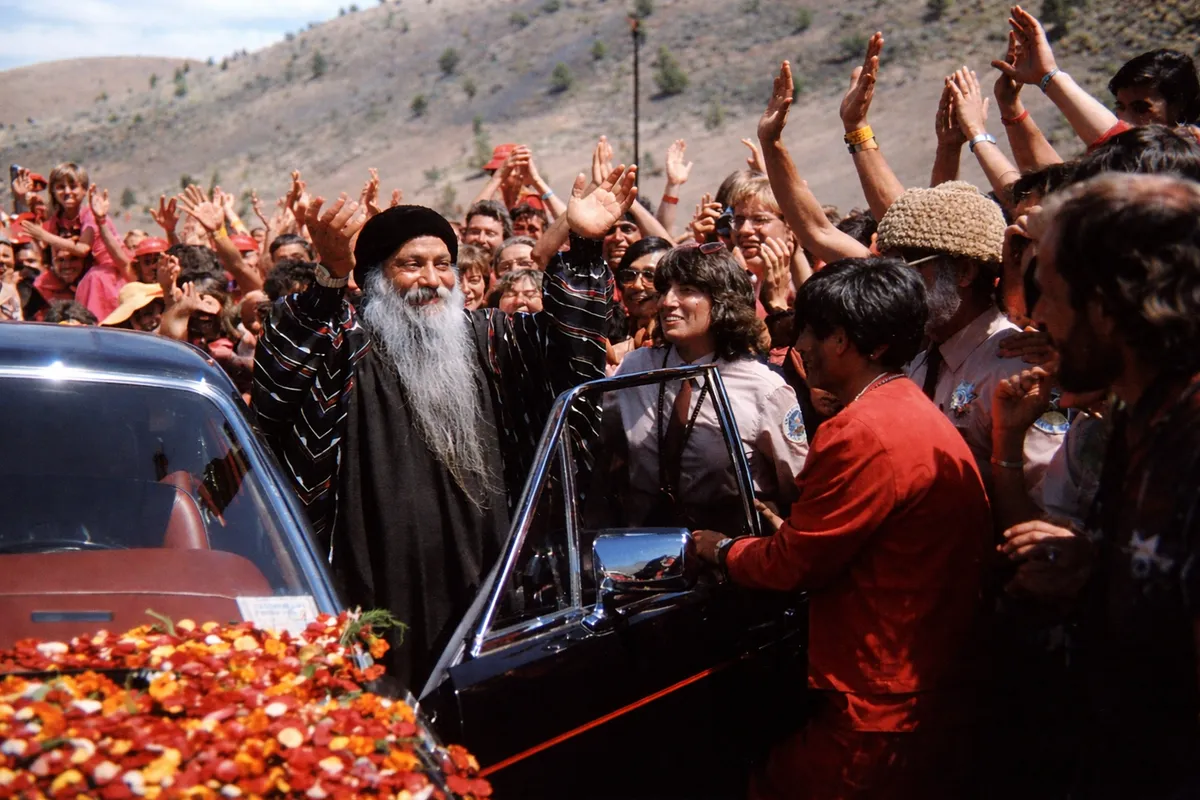
Osho's original Hindi beside Osho Live's English translation, matched passage by passage.
आनंद मैत्रेय! धर्म जब भी होता है मौलिक ही होता है। मूल का न हो, तो धर्म ही नहीं। नितनूतन न हो, तो धर्म ही नहीं। स्वयं का अनुभव न हो, तो धर्म ही नहीं। फिर चाहे वह अनुभव जीसस का हो, चाहे जरथुस्त्र का; चाहे महावीर का, चाहे मोहम्मद का--धर्म की ज्योति तो स्वयं के अंतस्तल में जलती है। वह उधार नहीं होता। वह उधार हो ही नहीं सकता। और जब भी उधार होता है तो नाम ही धर्म का रह जाता है, भीतर अधर्म होता है; और वहीं से अड़चन शुरू होती है।
Anand Maitreya! Whenever religion happens it is original. If it is not from the source, it is not religion. If it is not ever-new, it is not religion. If it is not one’s own experience, it is not religion. Whether the experience is of Jesus or Zarathustra, of Mahavira or Mohammed—the flame of religion burns only in one’s own innermost being. It cannot be borrowed. In the moment it is borrowed, only the name remains “religion”; inside, irreligion takes its place—and from there trouble begins.
हिंदू हैं, मुसलमान हैं, ईसाई हैं, जैन हैं, बौद्ध हैं--ये सब उधार हैं। महावीर उधार नहीं हैं, लेकिन जैन उधार हैं। आद्य शंकराचार्य उधार नहीं थे, लेकिन उनकी परंपरा में, उनकी गद्दियों पर बैठे हुए लोग सब उधार हैं। कोई बुद्ध किसी दूसरे की गद्दी पर कभी बैठता नहीं। जो अपना सिंहासन खुद निर्मित कर सकता हो, वह उधार और बासी गद्दियों पर बैठेगा? बुद्धू ही बैठते हैं उधार गद्दियों पर, बुद्ध नहीं। पंडित-पुरोहित बैठते हैं; ज्ञानी नहीं, ध्यानी नहीं।
Hindus, Muslims, Christians, Jains, Buddhists—these are all borrowed. Mahavira is not borrowed, but the Jains are. Adi Shankaracharya was not borrowed, but those who sit on his seats today are. No Buddha ever sits on another’s throne. One who can craft his own seat will not sit on second-hand, stale thrones. Only the foolish sit on borrowed thrones, not Buddhas. Pandit-priests sit there; the truly wise, the meditators, do not.
और तब दो धाराएं धर्म की प्रचलित हो जाती हैं: एक तो जीता-जागता धर्म, नगद; और एक उधार, मुर्दा धर्म। मुर्दा धर्म सदियों तक चलता है। जीवित धर्म तो बिजली की एक कड़क है; यह चमका, वह गया! बहुत सजग जो हैं, वे ही उसे देख पाते हैं। जो सोए-सोए हैं, वे तो चूक जाते हैं।
Two streams of “religion” then prevail: one is living, cash-in-hand; the other is borrowed and dead. The dead religion can drag on for centuries. The living religion is a bolt of lightning—now it flashes, and it is gone! Only the very alert see it; the drowsy miss it.
जीवित धर्म तो गुलाब का फूल है; अभी खिला, सांझ पंखुड़ियां झर जाएंगी, सुवास आकाश में उड़ जाएगी। मुर्दा धर्म प्लास्टिक का फूल है; सदियों तक टिकेगा; न पानी देने की जरूरत है, न खाद की, न सूरज की, न हवाओं की। प्लास्टिक के फूल की कोई जरूरत ही नहीं। धूल जम जाए, झाड़ देना, फिर ताजा मालूम होने लगेगा। लेकिन ताजा कभी था ही नहीं; मालूम ही होता है, प्रतीत ही होता है।
Living religion is like a rose: it blossoms now; by dusk the petals fall and the fragrance sails into the sky. Dead religion is a plastic flower: it will last for ages; it needs no water, no manure, no sun, no wind. It is never really fresh—only looks fresh.
जब किसी के हृदय में परमात्मा की ज्योति उतरती है, जब कोई बुद्ध पृथ्वी पर चलता है, तो आकाश पृथ्वी पर चलता है। उसके पास तो केवल हिम्मतवर लोग इकट्ठे होते हैं--हिम्मतवर, ऐसे हिम्मतवर जैसे परवाने--जो ज्योति में डूब कर, जल कर तिरोहित हो जाने को तैयार हैं!
When the flame of the divine descends into someone’s heart, when a Buddha walks the earth, the sky walks upon the earth. Only the brave gather around him—brave like moths, ready to drown and disappear in the lamp’s fire.
सच्चा धार्मिक व्यक्ति तो दीवाना होता है, परवाना होता है; क्योंकि इससे बड़ी और दीवानगी क्या होगी--अपने को मिटाना, अपने अहंकार को गलाना! परवाना तो पागल होगा ही, तभी तो ज्योति पर निछावर हो सकेगा।
The truly religious person is a mad lover, a moth; for what greater madness can there be than to melt oneself, to dissolve one’s ego! A moth must be mad; only then can it be offered into the flame.
जब कोई बुद्ध होता है पृथ्वी पर, फिर वह किस रूप में है इससे फर्क नहीं पड़ता--नानक है, कि कबीर है, कि पलटू है, कि रैदास है, कि फरीद है--ये केवल देह के भेद हैं। दीये बहुत ढंग के बन सकते हैं। दीये तो मिट्टी से बनते हैं, जैसे चाहो वैसे बनाओ; बड़े बनाओ, छोटे बनाओ; काले बनाओ, गोरे बनाओ; नई-नई आकृतियां दो। लेकिन जब ज्योति जलती है तो ज्योति एक ही है। दीये का आकार, रंग-ढंग कितना ही भिन्न हो; ज्योति का तो एक ही स्वभाव है--अंधेरे को दूर करना।
When a Buddha is on the earth, his form matters not—be it Nanak, Kabir, Paltu, Raidas, or Farid. These are but differences of body. Lamps can be made in many shapes out of clay—big or small, dark or fair, new forms each time—but when the flame is lit, the flame is one. The lamp’s size and color may differ; the flame has one nature: to dispel darkness.
तमसो मा ज्योतिर्गमय! उपनिषद के ऋषि प्रार्थना करते हैं: हे प्रभु, इस तमस को ज्योति से दूर करो! इस तमस से मुझे ज्योति की तरफ उठाओ!
“Tamaso ma jyotirgamaya.” The rishis of the Upanishads prayed: Lord, lead me from darkness to light! Lift me from this darkness into the light!
बुद्धों के पास तो वही आ सकता है जिसके प्राणों में ऐसी प्रार्थना उठी हो और जो तैयार हो कीमत चुकाने को! कीमत बड़ी चुकानी पड़ती है। तुम्हारे पास जो भी है, तुम जो भी हो, वह सभी निछावर कर देना होता है।
Only one in whose very life-breath such a prayer has arisen—and who is ready to pay the price—can come to a Buddha. The price is great. All that you have, all that you are, must be offered.
असली धर्म सस्ता नहीं होता; हो नहीं सकता सस्ता। असली धर्म तो आग से गुजरना है। लेकिन आग ही निखारती है। गंदा सोना कंचन होकर बाहर आता है। कचरा जलता है, सोना नहीं जलता।
True religion is not cheap; it cannot be. True religion is to pass through fire. But only fire refines. Dross burns; gold does not.
तुम में जो-जो कचरा है वह सदगुरु के पास जलेगा और तुम में जो-जो शाश्वत है, निखरेगा, उसमें और धार आएगी। तुम्हारी प्रतिभा तो प्रज्वलित होगी, लेकिन तुम्हारी मूढ़ता जल जाएगी। पर तुमने तो मूढ़ता को अपना स्वभाव समझ रखा है। तुमने तो गलत के साथ तादात्म्य कर लिया है। इसलिए तुम बुद्धों से डरोगे, भागोगे।
All the rubbish in you will burn in the presence of a true Master; all that is eternal in you will be tempered and sharpened. Your intelligence will be set ablaze; your stupidity will be burned away. But you have mistaken your stupidity for your nature; you have identified with the false. Hence you fear Buddhas; you run away.
फिर भी तुम्हारे भीतर भी धर्म की आकांक्षा तो है।
Yet even within you there is a longing for religion.
धर्म की आकांक्षा मनुष्य की स्वाभाविक आकांक्षा है। लाख उपाय करो, इस आकांक्षा को नष्ट नहीं किया जा सकता। छिपा सकते हो, गलत ढंग दे सकते हो, गलत दिशाओं में लगा सकते हो; मिटा नहीं सकते। धर्म कुछ मनुष्य के अंतःकरण का अनिवार्य अंग है। स्मरण रखना--अनिवार्य! उससे निवारण नहीं हो सकता।
The longing for religion is intrinsic to man. Do what you will, it cannot be destroyed. You can hide it, distort it, divert it into wrong directions—but you cannot erase it. Religion is an essential organ of the human interior. Remember—essential! There is no getting rid of it.
इसलिए नास्तिक भी अपना धर्म बना लेता है; नास्तिकता उसकी धर्म बन जाती है। कम्युनिस्ट हैं, उन्होंने भी अपना धर्म बना लिया। काबा नहीं जाते, क्रेमलिन जाते हैं। मक्का नहीं जाते, मास्को जाते हैं। निश्चित ही गौतम बुद्ध, महावीर, कृष्ण, क्राइस्ट, मोहम्मद, इनके चरणों में नहीं झुकते; लेकिन कार्ल मार्क्स, एंजिल्स, लेनिन, इनके चरणों में झुकते हैं। मंदिर नहीं जाते, मस्जिद नहीं जाते; लेकिन मास्को के रेड स्क्वॉयर में लेनिन की लाश को अब भी बचा कर रखा है, उस पर फूल चढ़ाते हैं, वहां सिर झुकाते हैं। दूसरों पर हंसते हैं कि क्या पत्थर की मूर्तियों को पूज रहे हो! और लेनिन की सड़ी-गली लाश, उसको पूज रहे हो--और खयाल भी नहीं आता कि तुम जो कर रहे हो वह भी वही है!
That is why even the atheist makes a religion of atheism. Communists too have made their religion. They do not go to the Kaaba; they go to the Kremlin. Not to Mecca but to Moscow. They bow not at the feet of Gautam Buddha, Mahavira, Krishna, Christ, Mohammed, but at the feet of Karl Marx, Engels, Lenin. They don’t go to temple or mosque, but Lenin’s corpse is still preserved on Red Square in Moscow—they lay flowers there, bow their heads there. They laugh at others: “You worship stone images!” Yet they worship Lenin’s rotting corpse—and never notice they are doing the same!
फिर जो महावीर को पूजता हो, बुद्ध को पूजता हो, कृष्ण को पूजता हो--माना कि अतीत को पूज रहा है, लेकिन फिर भी किसी जाग्रत व्यक्ति का स्मरण शायद तुम्हारे भीतर भी जागरण की लहर ले आए। लेकिन लेनिन को पूजो, कि मार्क्स को, कि एंजिल्स को, वे उतने ही अंधे थे जितने अंधे तुम हो। अंधा अंधा ठेलिया, दोई कूप पड़ंत! अंधे अंधों का नेतृत्व कर रहे हैं!
If one worships Mahavira, Buddha, or Krishna—granted, one worships the past—but the remembrance of an awakened one might still stir a wave of awakening within you. But worship Marx or Lenin or Engels, and they were as blind as you are. The blind leading the blind—both fall into the well.
ईसाई ट्रिनिटी को पूजते हैं: ईश्वर--पिता; और फिर जीसस--पुत्र; और पवित्र आत्मा। ये तीन। और हिंदू त्रिमूर्ति को पूजते हैं: ब्रह्मा, विष्णु, महेश। और कम्युनिस्ट, वे भी त्रिमूर्ति और ट्रिनिटी के बाहर नहीं जाते--मार्क्स, एंजिल्स, लेनिन। स्टैलिन ने घुसने की कोशिश की कि त्रिमूर्ति में घुस जाए, चतुर्मूर्ति कर दे इसको; नहीं घुसने दिया। माओ ने भी बहुत कोशिश की, मगर त्रिमूर्ति को खंडित नहीं होने देते।
Christians worship the Trinity: God the Father, Jesus the Son, and the Holy Spirit—three. Hindus worship the Trimurti: Brahma, Vishnu, Mahesh. Communists too do not stray beyond trinity: Marx, Engels, Lenin. Stalin tried to enter, to make it a foursome; they did not let him. Mao tried hard too; they don’t let the trinity be broken.
नास्तिक भी अपना धर्म बना लेता है। नास्तिक भी अपनी नास्तिकता के लिए मरने-मारने को तत्पर होता है। नास्तिक के भी पूजागृह हैं, धर्मशास्त्र हैं। दास कैपिटल, कम्युनिस्ट मैनिफेस्टो--ये उसके गीता हैं, कुरान हैं, बाइबिल हैं। इतना पर्याप्त है किसी कम्युनिस्ट को बता देना कि यह दास कैपिटल में लिखा है, बस काफी है; जैसे दास कैपिटल में लिखे होने से कोई बात अनिवार्य रूप से सत्य हो जाती है! वैसे ही जैसे हिंदू के लिए बता देना काफी है कि गीता में लिखा है; बस प्रमाण हो गया, बात खतम हो गई। अब न कोई विवाद की जरूरत है, न कोई तर्क की जरूरत है, न सोच की, न खोज की। मुसलमान को कुरान की आयत दोहरा दो, बस पर्याप्त है। अगर कुरान में है तो ठीक ही होगा। कुरान में कहीं कुछ गलत होता है? वही स्थिति कम्युनिस्ट की है। कम्युनिस्ट, जो अपने को नास्तिक मानते हैं, वे भी धर्म से नहीं बच पाते।
The atheist also fashions his religion. He too is ready to kill or be killed for it. The atheist has shrines and scriptures. Das Kapital and the Communist Manifesto are his Gita, his Quran, his Bible. Tell a communist, “It is written in Das Kapital,” and it suffices—just as if the mere fact of being in Das Kapital made it truth! As for the Hindu, say, “It is in the Gita,” and that is proof; no more debate, no more argument, no thinking, no searching. To a Muslim, recite a verse from the Quran, and it is enough. Can there be anything wrong in the Quran? The communist is in the same condition. They consider themselves atheists, yet they cannot escape religion.
मनुष्य के भीतर धर्म अनिवार्य है। जैसे प्यास प्रत्येक आदमी को लगती है, फिर तुम पानी पीओ, कि कोकाकोला पीओ, कि फेंटा पीओ--इससे कुछ बहुत फर्क नहीं पड़ता। जर्मन हो तो बियर पीओ, जैन हो तो पानी छान कर पीओ--मगर प्यास! प्यास सभी को लगती है; न जैन बच सकता है, न हिंदू बच सकता है, न मुसलमान बच सकता है। जैसे प्यास शरीर का अनिवार्य धर्म है! क्योंकि शरीर को पानी की जरूरत है।
Religion is inevitable within man. As thirst comes to everyone—whether you drink water or Coca-Cola or Fanta—it does not much matter. If you are German you may drink beer; if Jain, you filter water—but thirst! Thirst comes to all—Hindu, Muslim, Jain cannot escape it. Thirst is the body’s inborn dharma, because the body needs water.
जानते हो, शरीर में अस्सी प्रतिशत पानी है। तुम अस्सी प्रतिशत जल हो; इसमें जरा भी कमी होती है, फौरन प्यास लगती है। अस्सी प्रतिशत बड़ी बात है। इसीलिए तो चांद की जब रात होती है--पूरे चांद की रात होती है--तो तुम्हें बहुत प्रभावित करती है। वैज्ञानिक कहते हैं, वह प्रभाव वैसा ही है जैसा सागर प्रभावित होता है। क्योंकि सागर जल है। तुम भी अस्सी प्रतिशत जल हो। जैसे सागर में तरंगें उठती हैं, ऐसे ही पूर्णिमा की रात्रि तुम्हारे भीतर भी तरंगें उठने लगती हैं। और जैसा जल सागर में है और जिस अनुपात में सागर के जल में नमक और क्षार हैं, ठीक उसी अनुपात में तुम्हारे भीतर नमक और क्षार हैं--वही अनुपात। इसीलिए तो नमक की जरूरत है। गरीब से गरीब आदमी हो, और कुछ न हो, तो कम से कम नमक और रोटी तो चाहिए ही चाहिए। नमक के बिना कोई भी नहीं जी सकता। नमक के बिना जीओगे, निस्तेज हो जाओगे, सुस्त पड़ जाओगे। तुम्हारे भीतर नमक का एक अनुपात है, जो वही है जो सागर में है--उतना ही अनुपात है।
Know this: about eighty percent of your body is water. You are eighty percent water; let it fall even a little and you feel thirsty. Eighty percent is no small thing. That is why a full-moon night affects you deeply. Scientists say the effect is like that on the ocean—because the ocean is water, and you are eighty percent water. As the sea rises with tides, so waves arise within you on full-moon nights. And the salt and minerals in your body are in the same proportion as in the sea. Hence salt is needed. However poor a person, at least bread and salt he must have. Without salt no one can live; you grow dull and listless. The proportion of salt within you is exactly that of the ocean.
मां के पेट में जब बच्चा होता है तो वह पानी में तैरता है। वह जो मां के पेट में पानी होता है, उसमें बच्चा तैरता है। वह पानी भी ठीक सागर का पानी होता है। इसलिए जब मां गर्भवती होती है तो ज्यादा नमक खाने लगती है। उसे नमकीन चीजें रुचने लगती हैं, क्योंकि अधिक नमक तो बच्चे के लिए जा रहा है। बच्चा मछली की तरह तैरता है। और उसे नमक की जरूरत है, बहुत नमक की जरूरत है। अभी हड्डी-मांस-मज्जा उसका निर्मित होना है। शरीर में तो अस्सी प्रतिशत पानी की जरूरत है। इसलिए कोई भी प्यास से नहीं बच सकता।
When the child is in the mother’s womb, he floats in water—the amniotic fluid. That water is just like sea water. That’s why a pregnant woman craves salt; more salt is needed since much goes to the child. The child floats like a fish. He needs much salt; bones, flesh, marrow are being formed. The body needs eighty percent water. Hence no one can escape thirst.
सिकंदर भारत आया। एक फकीर से मिला। फकीर नग्न था। सिकंदर ने कहा, तुम्हारे पास कुछ भी नहीं!
Alexander came to India. He met a fakir who was naked. Alexander said, “You have nothing!”
फकीर ने कहा, यह सारा जगत मेरा है! मैंने इसे बिना जीते जीत लिया है।
The fakir said, “This whole world is mine! I have conquered it without conquering.”
सिकंदर ने पूछा, बिना जीते कोई कैसे जगत को जीत सकता है?
Alexander asked, “How can one conquer the world without conquering?”
उस फकीर ने कहा, मैंने इस जगत के मालिक को जीत लिया है। और जब मालिक अपने हाथ में है तो कौन फिक्र करे छोटी-मोटी चीजों को जीतने की! जब मालिक अपना है तो उसकी मालकियत अपनी है। और जीतने का ढंग यहां और है, तलवार उठाना नहीं--सिर झुकाना। हम झुक गए मालिक के चरणों में, झुक कर हम मालिक के अंग हो गए। यह सारी मालकियत अपनी है।
The fakir said, “I have conquered the Master of this world. When the Master is with me, why bother conquering small things? By bowing my head at the Master’s feet, I became part of Him; all His ownership is mine.”
सिकंदर खुश हुआ था, ये बातें प्यारी थीं! सिकंदर ने कहा, लेकिन मैंने भी जगत जीता है, अपने ढंग से जीता है।
Alexander was pleased—sweet words! He said, “But I too have conquered the world—my way.”
फकीर ने कहा कि ऐसा समझो कि रेगिस्तान में तुम खो जाओ और गहन प्यास लगे और मैं एक लोटे में जल लेकर उपस्थित हो जाऊं, तो एक लोटा जल के लिए तुम अपना कितना राज्य मुझे देने को राजी नहीं हो जाओगे, अगर तुम मर रहे हो, तड़फ रहे हो?
The fakir said, “Imagine you are lost in a desert, dying of thirst, and I come with a pot of water. How much of your kingdom would you give for one pot of water if you are writhing for life?”
सिकंदर ने कहा, अगर ऐसी स्थिति हो तो मैं आधा राज्य दे दूंगा; मगर लोटा जल ले लूंगा। क्योंकि प्राण थोड़े ही गंवाऊंगा!
Alexander said, “In that situation I would give half my kingdom; but I’d take the pot of water—for how could I lose my life?”
फकीर ने कहा, लेकिन मैं बेचूं तब न! आधे राज्य में मैं बेचूंगा? कीमत और बढ़ाओ। ज्यादा से ज्यादा कितना दे सकते हो?
The fakir said, “But only if I sell! Will I sell for half? Raise the price. What is the most you can give?”
सिकंदर ने कहा, अगर ऐसी ही जिद तुम्हारी हो और मुझे प्यास लगी हो और मैं मर रहा होऊं, तड़फ रहा होऊं, तो पूरा राज्य दे दूंगा।
Alexander said, “If you insist and I am dying, I will give the entire kingdom.”
तो फकीर ने कहा, कितना तुम्हारे राज्य का मूल्य है--एक लोटा भर पानी! इसमें तुमने जीवन गंवाया!
“Then,” the fakir said, “your kingdom’s value is a pot of water—and for that you have lost your life!”
प्यास इतनी अनिवार्य है कि पूरा राज्य भी कोई दे सकता है। जैसे प्यास शरीर के लिए अनिवार्य है...शरीर में तो कम से कम बीस प्रतिशत और कुछ भी है, लेकिन आत्मा में तो सौ प्रतिशत धर्म है। धर्म का अर्थ स्वभाव है।
Thirst is so inevitable that even a whole kingdom may be bartered for a pot of water. Just as thirst is indispensable for the body—there, at least twenty percent is something else—so for the soul it is one hundred percent religion. Religion means intrinsic nature.
धर्म का अर्थ ही क्या है? महावीर ने कहा है: बत्थु सहाव...। वस्तु का जो स्वभाव है वही धर्म है। जैसे आग जलाती है, यह उसका धर्म है। जैसे पानी नीचे की तरफ बहता है, यह उसका धर्म है। जैसे आग की लपटें ऊपर की तरफ उठती हैं, यह उसका धर्म है। ऐसे ही मनुष्य की आत्मा का जो स्वभाव है, उसका नाम ही धर्म है। सौ प्रतिशत आत्मा धर्म से निर्मित है।
What does dharma mean? Mahavira said: vatthu sahava—whatsoever is the intrinsic nature of a thing is its dharma. Fire burns—that is its dharma. Water flows downward—that is its dharma. Flames rise upward—that is their dharma. Likewise, the intrinsic nature of the human soul is what we call religion. The soul is made one hundred percent of religion.
धर्म से कोई बच तो नहीं सकता। लेकिन बुद्धों के पास जाने की हिम्मत नहीं होती। तो फिर आदमी होशियार है, चालाक है, चालबाज है। उसने फिर झूठे धर्म निर्मित कर लिए, उधार धर्म निर्मित कर लिए। उसने मंदिर बना लिए, मस्जिद बना ली, गुरुद्वारे बना लिए। नानक के पास जाने की तो हिम्मत नहीं है, लेकिन गुरुद्वारे में जाने में क्या डर है?
No one can escape religion. But people lack the courage to go to Buddhas; so man, being clever, cunning, invented false religions, borrowed religions. He built temples, mosques, gurudwaras. He has no courage to go to Nanak, but where is the fear in going to a gurudwara?
ऐसा ही समझो कि कोई पतंगा प्राइमरी स्कूल, कालेज, यूनिवर्सिटी में पढ़ कर शिक्षित हो जाए; कोई पतंगा पीएच.डी. होकर लौटे विश्वविद्यालय से, होशियार हो जाए बहुत। दीये को देख कर तो उसके भीतर भी आकांक्षा जगेगी। पीएच.डी. क्या करेगी? दीये को देखेगा तो आकांक्षा जगेगी कि लपट पडूं। दीये में एक अदम्य आकर्षण है उसके लिए, उसके प्राणों का कुछ जुड़ा है! दीये में एक चुंबक है जो उसे खींचता है। मगर पीएच.डी. पतंगा है, कोई साधारण पतंगा नहीं! और दीये की ज्योति खींचती है तो पीएच.डी. पतंगा क्या करे? वह दीये की एक तस्वीर अपने कमरे में टांग लेगा। जब दिल होगा, तस्वीर पर जाकर तड़फड़ा लेगा। जलेगा भी नहीं और एक तरह की राहत भी मिल जाएगी।
Imagine a moth educated through primary school, college, university—returns with a PhD, very clever. Seeing the lamp, a longing will still arise in him. What will the PhD do? He will hang a picture of a lamp in his room. Then when the urge comes, he will flutter at the picture. He will not be burned and will feel some sort of relief.
जैसे छोटे बच्चों को मां स्तन नहीं देना चाहती, तो चुसनी पकड़ा देती है। रबर की चुसनी स्तन जैसी मालूम पड़ती है बच्चे को, उसको चूसता रहता है, सो जाता है। सोचता है कि तृप्ति हो रही है।
Like when a mother will not offer her breast to the child, she gives him a rubber pacifier. The child thinks he is being satisfied and falls asleep.
कुत्तों के संबंध में तो कहा जाता है कि वे सूखी हड्डी चूसते हैं। अब सूखी हड्डी में चूसने को कुछ भी नहीं है। लेकिन जब कुत्ता सूखी हड्डी को चूसने लगता है तो उसके मसूढ़ों में सूखी हड्डी की चोट लगती है और खुद का खून बहने लगता है। वह खुद के खून को ही पीता है और सोचता है कि हड्डी में से रस आ रहा है।
It is said of dogs that they gnaw dry bones. There is nothing to suck in a dry bone. But as the dog gnaws, the bone cuts his gums; his own blood oozes out. He sucks his own blood and thinks juice is coming from the bone.
ऐसा ही आदमी होशियार हो गया है। आदमी ने अपनी होशियारी में सूखी हड्डियां चूसी हैं, जिनमें से कोई रस नहीं निकलता। गुरुद्वारे, मंदिर-मस्जिद सूखी हड्डियां हैं।
So too man, in his cleverness, has sucked dry bones that yield no juice. Temples, mosques, gurudwaras are dry bones.
जिन शंकराचार्यों की, आनंद मैत्रेय, तुमने चर्चा की, ये शंकराचार्य भी सूखी हड्डियों के पंडित-पुरोहित हैं; ये सूखी हड्डियों को सजा कर बैठे हैं। इनके पास अपना कोई अनुभव नहीं है, कोई स्वानुभव नहीं है। ये तो, शंकराचार्य ने जो कहा है, उसको तोतों की तरह दोहराते रहते हैं। लेकिन करोड़-करोड़ लोग भी इनकी बात सुनते हैं, क्योंकि उनको भी इनकी बात में राहत है, सुविधा है, सांत्वना है। ये तस्वीरें हैं दीये की; इनसे टकराओ, मौत नहीं होती। कुछ खोया नहीं जाता। मन भी भर जाता है कि ज्योति पर टूट भी पड़े--देखी दीवानगी! देखा हमारा परवानापन! ज्योति पर कैसे लपके! और ज्योति थी केवल तस्वीर।
The Shankaracharyas you mention, Anand Maitreya—these Shankaracharyas are pandit-priests of dry bones; they sit displaying decorated bones. They have no experience of their own, no self-knowing. They merely parrot what Shankaracharya once said. Yet millions listen to them, because their words provide relief, convenience, consolation. They are pictures of the lamp; collide with them and you will not die. Nothing is lost. The mind feels satisfied: “Look how we leapt upon the flame—what mad devotion!” But the flame was only a picture.
ऐसे ही तुम शास्त्रों में खोज रहे हो परमात्मा को, तो तस्वीर में खोज रहे हो ज्योति को। पंडित-पुजारियों से सुन रहे हो परमात्मा की खबर, तो उनसे सुन रहे हो जिन्हें खुद भी खबर नहीं!
If you seek God in scriptures, you seek the flame in a picture. If you hear of God from pandit-priests, you hear from those who themselves have no news.
लेकिन भीड़ कायरों की है। भीड़ साहसहीनों की है। भीड़ चालाकों की है। कायर सब चालाक होते हैं, क्योंकि अपनी कायरता को छिपाने के लिए उन्हें चालाकी ईजाद करनी पड़ती है। इनसे ही तथाकथित परंपराएं बनती हैं--हिंदू, मुसलमान, जैन, बौद्ध, ईसाई, सिक्ख।
The crowd is cowardly—cunning, too. Cowards must invent cunning to hide their cowardice. From them the so-called traditions arise: Hindu, Muslim, Jain, Buddhist, Christian, Sikh.
निश्चित ही जब पुनः कोई बुद्धपुरुष होगा, जब पुनः कोई ज्योति जलेगी, तो जिन्होंने तस्वीरों के ऊपर धंधा बना रखा है वे नाराज होंगे। उनका धंधा टूटता है। वे विरोध भी करेंगे।
Naturally, when again a Buddha appears, when again a lamp is lit, those whose trade runs on pictures will be angry. Their business is threatened; they will oppose.
मुझ जैसे व्यक्ति का विरोध अधार्मिक लोग नहीं करते। अधार्मिकों को क्या पड़ी है! धार्मिक ही करते हैं, क्योंकि धार्मिक को ही अड़चन है। असली सिक्के का विरोध, नकली सिक्के जिनके पास हैं वे ही करेंगे। जिनके पास सिक्के ही नहीं हैं उनको क्या लेना-देना! असली हों तुम्हारे पास कि नकली हों, उन्हें प्रयोजन ही नहीं है। लेकिन जिनके पास नकली सिक्के हैं, अगर असली सिक्के बाजार में आ जाएं, तो नकली सिक्कों का क्या होगा?
People like me are not opposed by the irreligious. Why would the irreligious care? It is the “religious” who oppose, for only they are threatened. Those who hold counterfeit coins oppose real coinage. The coinless do not care whether your coins are real or fake. But those with counterfeits—if real coins reach the market, what of their wares?
Who crucified Jesus? Do you think they were irreligious?
जीसस को जिन्होंने सूली दी थी, क्या तुम सोचते हो वे अधार्मिक लोग थे?
नहीं-नहीं, भूल कर भी ऐसा मत सोचना। पंडित-पुरोहित, यहूदियों के शंकराचार्य, रबाई, यहूदियों के मंदिर का सबसे बड़ा पुरोहित--इन लोगों ने मिल कर जीसस को सूली दी। जीसस को सूली कोई चोरों ने, बदमाशों ने, हत्यारों ने नहीं दी, कोई गुंडों ने नहीं दी। जीसस को सूली दी--सम्मानित, सुशिक्षित, शास्त्रज्ञ, परंपरा की धरोहर जिनके पास है, परंपरा के जो वसीयतदार हैं--उन्होंने दी। समाज के श्रेष्ठतम वर्ग ने दी, क्योंकि उसको ही खतरा पैदा हुआ। जीसस की मौजूदगी खतरनाक थी पुरोहित के लिए, क्योंकि लोग जीसस की तरफ जाने लगे। और जिन लोगों ने जीसस को देखा, उनके लिए पंडित का झूठापन साफ हो गया।
No—never think so. Pandit-priests, the Jewish Shankaracharyas, the rabbis, the high priest of the Jewish temple—these together crucified Jesus. He was not crucified by thieves, scoundrels, murderers, or hoodlums. He was crucified by the respected, the well-educated, the scripturally learned—the custodians of tradition. The elite of society crucified him, for they alone felt threatened. Jesus’ presence was dangerous to the priest; people were turning to Jesus. Those who saw him saw, plainly, the falsity of the pundits.
जिसने असली दीये को देख लिया, क्या तुम सोचते हो अब वह तस्वीर से धोखा खा सकेगा? जिसने सूरज को ऊगते देख लिया, अब क्या तुम सोचते हो कि सूर्योदय की तस्वीर को रखे बैठा रहेगा, उसकी पूजा करता रहेगा? जिसने असली को देखा वह नकली से मुक्त हुआ--असली को देखने में ही मुक्त हो जाता है। इसलिए खतरा नकली को पैदा होता है। सारे नकली इकट्ठे हो जाएंगे।
One who has seen the real lamp—do you think he can be fooled by a picture? One who has seen the sun rise—will he keep worshipping a picture of sunrise? One who has seen the real is freed from the false—in seeing the real one is freed. Hence the counterfeit rally together.
एक मजे की बात देखो! हिंदू, ईसाई, मुसलमान, जैन और किसी बात पर राजी नहीं हैं, लेकिन मेरे विरोध में राजी हैं। जैन मुनि मेरा विरोध करते हैं, हिंदू शंकराचार्य मेरा विरोध करते हैं, ईसाई पादरी मेरा विरोध करते हैं। और तो और कम्युनिस्ट पार्टी ने एक प्रस्ताव किया है कि मुझे इस देश से बाहर निकाल देना चाहिए। धार्मिक ही नहीं, तथाकथित अधार्मिक धर्मगुरु भी, नास्तिकों के धर्मगुरु भी विरोध में हैं। तो कुछ सोचना होगा: क्यों ये सारे लोग एक बात पर राजी हैं?
Notice something deliciously ironic: Hindus, Christians, Muslims, Jains—agree on nothing, yet they agree in opposing me. Jain monks oppose me, Hindu Shankaracharyas oppose me, Christian priests oppose me. Even the Communist Party has passed a resolution that I should be expelled from the country. Not only the religious but the so-called irreligious gurus—the gurus of atheists—also oppose. Think about it: why are all these people agreed on this one thing?
इन सबकी दुकानों को नुकसान पहुंच सकता है, पहुंच रहा है, पहुंचेगा। इनके विरोध से रुकने वाला भी नहीं है।
Because their shops are being harmed—are being harmed, will be harmed. And their opposition will not make it stop.
तुमने पूछा, आनंद मैत्रेय: ‘क्या कारण है कि आपका सबसे ज्यादा विरोध धर्म-समाज ही कर रहा है?’
You ask, Anand Maitreya: “Why is your strongest opposition coming from the religious community?”
उसको ही खतरा है। नाममात्र को धर्म-समाज है। हिंदू हिंदू है? क्या है उसमें हिंदू जैसा? कृष्ण जैसा क्या है उसमें? न वह बांसुरी है, न वे स्वर हैं। क्या गरिमा है उसकी? क्या महिमा है उसकी? वेदों और उपनिषदों जैसा उसमें क्या है? कहां है वह सुगंध जो उपनिषदों की है?
They alone are threatened. It is “religious society” in name only. Is a Hindu truly Hindu? What is there of Hindu in him? What of Krishna is in him? No flute, no melody. Where is his dignity? Where is his glory? What of the fragrance of the Vedas and Upanishads is in him?
जैन जैन है? कहां है महावीर की मस्ती? कहां है महावीर की नग्न निर्दोषता? चालबाज है, बेईमान है, दुकानदार है, हिसाब-किताब में होशियार है। अगर महावीर को भी अकेले में पा जाए, तो यद्यपि उनकी कोई जेब नहीं, क्योंकि नंग-धड़ंग, तो भी जेब काट ले।
Is a Jain truly Jain? Where is Mahavira’s ecstasy? Where is his naked innocence? He is cunning, dishonest, a shopkeeper, clever with accounts. If he found Mahavira alone—though Mahavira has no pockets, being naked—he would still pick his pocket.
अभी चार-छह दिन पहले ही एक शंकराचार्य की ही सोने की चोरी हो गई। सब चोर-चोर मौसेरे भाई-बहन। चोर ने भी सोचा होगा कि तुमने भी खूब चुराया, थोड़ा हम भी हाथ मारें। कौन सी चीज चोरी चली गई शंकराचार्य की? सोने की मूर्ति, सोने के पूजा के उपकरण। यह मूर्ति अपनी भी रक्षा नहीं कर सकती, चोर से भी रक्षा नहीं कर सकती, यह शंकराचार्य की क्या खाक रक्षा करेगी! यह संसार की क्या खाक रक्षा करेगी! इसी मूर्ति के सामने बैठ कर वे प्रार्थना करते रहे कि जब जल न गिरे तो जल गिराओ और जब बाढ़ आ जाए तो बाढ़ न आए। और एक चोर ले गया चुरा कर मूर्ति को और पुलिस की सहायता लेनी पड़ी चोर को खोजने के लिए।
Only a few days ago, a Shankaracharya’s gold was stolen. All thieves are cousins under the skin. The thief must have thought, “You too have stolen plenty; let me also take some.” What was stolen from the Shankaracharya? A gold idol, golden puja implements. That idol cannot even protect itself from a thief—what protection will it give the Shankaracharya, what protection will it give the world! Before that very idol they prayed that rain should fall when there is drought, and not fall when there is flood. And a thief stole the idol, and they had to seek the police to find the thief.
मूर्तियां झूठी, पूजाएं झूठी; पूजक झूठे, पुजारी झूठे। स्वभावतः वे नाराज होंगे। मेरी बातें उन्हें बहुत कठिनाई में डाल रही हैं।
The images are false, the worship is false; worshippers false, priests false. Naturally they will be annoyed. My words put them in great difficulty.
पहली तो बात यह कि मैं जो कहता हूं उसे वे समझ नहीं सकते। उनके मस्तिष्क जड़ विचारों से भरे हैं, पक्षपातों से भरे हैं। उनके मस्तिष्क बहुत सी पूर्व-धारणाओं से भरे हैं। समझने के लिए पक्षपात-रहित चित्त चाहिए। हिंदू नहीं समझ सकता, मुसलमान नहीं समझ सकता, ईसाई नहीं समझ सकता। समझने के लिए सारे पक्षपात एक तरफ रख देने जरूरी हैं। अगर तुमने पहले से ही तय कर लिया है कि क्या सत्य है तो फिर तुम समझोगे कैसे?
First, they cannot understand what I am saying. Their minds are stuffed with rigid ideas, with prejudices, with preconceptions. To understand requires a mind free of prejudice. A Hindu cannot understand, a Muslim cannot understand, a Christian cannot understand—unless they set aside all biases. If you have already decided what truth is, how will you understand?
मुल्ला नसरुद्दीन बूढ़ा हो गया तो उसे गांव का काजी बना दिया गया, न्यायाधीश हो गया वह। बुजुर्ग था, अनुभवी था। पहला ही मुकदमा आया। उसने एक पक्ष की बात सुनी और फैसला देने को तत्पर हो गया। जो कोर्ट का क्लर्क था, उसने उसका हाथ खींचा और कहा कि रुको, आपको पता नहीं कि पहले दूसरे पक्ष की तो सुनो!
Mulla Nasruddin grew old, and the village made him the qazi—the judge. The first case came. He heard one side and was ready to pronounce judgment. The court clerk pulled his sleeve: “Wait; first listen to the other side!”
मुल्ला ने कहा कि मैं दो-दो पक्ष की सुन कर अपने मस्तिष्क को खराब नहीं करना चाहता। अगर मैं दूसरे पक्ष की भी सुनूंगा तो मतिभ्रम पैदा होगा। फिर तय करना मुश्किल होगा कि सच क्या है। अगर निर्णय चाहते हो तो अभी मुझे दे देने दो, अभी मुझे बिलकुल सब साफ है। इसने जो-जो कहा है, सब मुझे याद है।
Mulla said, “I don’t want to muddle my mind hearing two sides. If I hear both, confusion will arise. Then it will be hard to decide what is true. If you want a verdict, let me give it now; right now everything is clear. I remember exactly what this man has said.”
एक तरफ की सुन कर निर्णय देना आसान है।
Hearing one side makes it easy to judge.
और मुल्ला ने कहा, अगर तुम सच पूछो तो निर्णय तो मैं घर से लेकर ही चला हूं। सुनना इत्यादि तो केवल औपचारिक है। अब समय क्यों खराब करना?
Mulla added, “To tell the truth, I brought the verdict from home. The hearing is only a formality. Why waste time?”
मुझे जो सुनने आते हैं, अगर वे निर्णय घर से लेकर ही चले हैं, नहीं समझ पाएंगे, या कुछ का कुछ समझेंगे। मैं कहूंगा कुछ, वे समझेंगे कुछ।
Those who come to hear me, if they have brought their verdicts from home, they will not understand—or they will misunderstand. I will say one thing; they will hear another.
दूसरा मुकदमा मुल्ला की अदालत में आया। एक आदमी चिल्लाता हुआ आया कि बचाओ-बचाओ, मैं लुट गया! इसी गांव की सीमा पर मुझे लूटा गया है, इसी गांव के लोग थे जिन्होंने मुझे लूटा है।
Another case came to Mulla’s court. A man came shouting, “Help, help! I’ve been robbed! Right at the edge of this village, by men of this very village!”
वह आदमी केवल चड्डी पहने हुए था। मुल्ला ने पूछा, क्या लूटा तेरा?
He wore only his underpants. Mulla asked, “What did they rob?”
उसने कहा, सब लूट लिया। बड़े दुष्ट लोग थे। मेरी कमीज...मेरा पायजामा तक निकाल लिया, सिर्फ चड्डी छोड़ी। सब पैसे ले गए, बसनी ले गए, मेरा घोड़ा ले गए। इसी गांव के लोग थे, इसी गांव के बाहर मैं लूटा गया हूं।
“Everything! Wicked men! They took my shirt, even my pajama—left only this underwear. Took all my money, my purse, my horse. They were from this village; right outside this village I was robbed.”
मुल्ला ने कहा, चुप! वे लोग इस गांव के लोग नहीं हो सकते। इस गांव के लोगों को मैं जानता हूं। वे चड्डी भी नहीं छोड़ते। वे किसी और गांव के रहे होंगे। तू किसी और गांव की अदालत में जाकर शोरगुल मचा। यहां बेकार सिर मत फोड़। इस गांव के लोगों से मैं बचपन से परिचित हूं। वे जब भी करते हैं कोई काम, पूरा-पूरा करते हैं। चड्डी छोड़ी है, यह प्रमाण है इस बात का कि यह घटना इस गांव के लोगों के द्वारा नहीं की गई है।
Mulla said, “Silence! They cannot be people of this village. I know the people here. They don’t even leave the underwear. They must be from some other village. Go and shout in some other court; don’t bang your head here. I know these people since childhood; whatever they do, they do thoroughly. That they left the underwear is proof this was not done by people of our village.”
लोग निर्णय लिए बैठे हैं। तय ही कर लिया है कि इस गांव के कैसे लोग हैं। और एक के बाबत नहीं, सबके बाबत निर्णय कर लिया है। तुम जरा अपने मन में तलाशना। तुम भी पाओगे कि तुम पूर्व-निर्णयों पर जीते हो। एक मुसलमान ने तुम्हें धोखा दे दिया, सारे मुसलमान बुरे हो गए! एक हिंदू बेईमानी कर गया, सारे हिंदू बुरे हो गए! इतनी जल्दी निर्णय लेते हो? ऐसे निर्णय लिए जाते हैं?
People have already decided: what kind of people “this village” are. They have decided about everyone—without knowing. Look within; you will find you live by prior judgments. One Muslim cheats you, and all Muslims are bad. One Hindu cheats, and all Hindus are bad. Decisions so quickly? Are such decisions made like this?
अगर व्यक्ति सम्यक बोध से भरा हो तो निर्णय लेगा ही नहीं, जब तक कि सारे तथ्य ज्ञात न हो जाएं। तुम कैसे हिंदू हो गए? तुमने कुरान पढ़ी है? तुमने बाइबिल पढ़ी है? कुरान-बाइबिल छोड़ो, तुमने गीता-उपनिषद भी नहीं देखे, तुमने वेद भी नहीं पढ़ा। या पढ़ा भी होगा तो तोतों की तरह पढ़ लिया होगा। दोहरा गए होओगे--यंत्रवत, बिना समझे। लेकिन जब तक तुम नहीं जानते कि मुसलमान की क्या धारणा है, जैन की क्या धारणा है, बौद्ध की क्या धारणा है, तब तक तुमने कैसे निर्णय लिया कि तुम हिंदू हो? इस दुनिया में इतने विचार हैं, इनमें से तुमने कैसे चुन लिया कि तुम हिंदू हो?
An intelligent person does not decide till all facts are known. How did you become a Hindu? Have you read the Quran? The Bible? Forget those—have you even seen the Gita, the Upanishads? The Vedas? And if you have, you read like a parrot—recited mechanically, without understanding. Until you know what a Muslim holds, what a Jain holds, what a Buddhist holds, how did you decide you are a Hindu? There are so many views in this world—how did you choose that this one is yours?
इस दुनिया में इतने विचार हैं, इनमें से तुमने कैसे चुन लिया कि यह विचार तुम्हारा है? तुमने चुना ही नहीं, तुम्हारे मां-बाप ने पकड़ा दिया, तुम्हारे पंडित-पुजारियों ने पकड़ा दिया। तुम पैदा हुए नहीं कि पंडित-पुजारी तुम पर कब्जा करना शुरू कर देते हैं। पैदा हुआ बच्चा यहूदी घर में कि खतना उसका उसी वक्त किया जाता है, देर नहीं लगाई जाती। उसको यहूदी बना लिया गया। उससे कोई पूछता ही नहीं कि तेरे क्या इरादे हैं? हिंदू बच्चे का सिर घोंट कर यज्ञोपवीत कर दिया, जनेऊ पहना दिया। उससे कोई पूछता नहीं कि तेरे इरादे क्या हैं?
You did not choose; your parents shoved it down; your priests imposed it. No sooner are you born than the priestly class begins to claim you. A child born in a Jewish home is circumcised immediately; no delay—made a Jew. No one asks his intent. A Hindu child’s head is shaved, sacred thread bestowed—no one asks what he intends.
अच्छी दुनिया होगी थोड़ी, थोड़ी और समझपूर्ण दुनिया होगी, तो हम बच्चों को मौका देंगे कि सारे धर्मों से परिचित होओ। हम उनके लिए मुहैया करेंगे सारे धर्म। हम उन्हें मस्जिद भी भेजेंगे, मंदिर भी, गुरुद्वारा भी, गिरजा भी। हम कहेंगे, सुनो, समझो। इक्कीस साल के पहले हम उन्हें वोट देने का अधिकार भी नहीं देते और धार्मिक होने का अधिकार दे देते हैं कि तुम हिंदू हो गए, तुम मुसलमान हो गए, तुम ईसाई हो गए। तो क्या तुम समझते हो, धर्म राजनीति से भी गई-बीती चीज है? किसी बुद्धू राजनीतिज्ञ को भी वोट देने के लिए इक्कीस वर्ष की उम्र चाहिए, परमात्मा को वोट देने के लिए किसी उम्र की कोई भी जरूरत नहीं?
A better world, a little more intelligent world, would give children a chance to get acquainted with all religions. We would make all religions available. We would send them to mosque, to temple, to gurudwara, to church. We would say: listen, understand. We do not give them the right to vote before twenty-one, yet we give them the right to be “religious”—Hindu, Muslim, Christian—from birth. Do you think religion is even cheaper than politics? Even to vote for a foolish politician you need to be twenty-one; to vote for God you need no age at all?
छोड़ो, व्यक्तियों पर छोड़ो। मेरा तो अपना खयाल यह है कि बयालीस साल की उम्र के पहले कोई निर्णय नहीं लेना चाहिए कि मैं किस धर्म को मान कर चलूं। जैसे चौदह साल की उम्र में व्यक्ति कामवासना की दृष्टि से परिपक्व होता है, वैसे ही मनोवैज्ञानिक खोज कर रहे हैं और पा रहे हैं कि बयालीस साल के करीब व्यक्ति चेतना के रूप से परिपक्व होता है। जैसे चौदह साल के बाद विवाह की जरूरत होती है, वैसे बयालीस साल के बाद धर्म की आत्यंतिक जरूरत होती है।
Leave it to individuals. My view is that before forty-two one should not decide which path to follow. As the body matures sexually around fourteen, psychologists are finding that around forty-two one matures in consciousness. Just as after fourteen marriage becomes relevant, after forty-two religion becomes an ultimate necessity.
तुमने देखा, लोगों को हृदय के दौरे, पागलपन, आत्महत्या इत्यादि चीजें बयालीस साल की उम्र के बाद सूझती हैं। बयालीस साल के बाद! क्यों? पश्चिम के बहुत बड़े मनोवैज्ञानिक कार्ल गुस्ताव जुंग ने लिखा है कि मेरे जीवन भर का अनुभव यह है कि बयालीस साल के बाद ही लोग मानसिक रूप से रुग्ण होते हैं। और कारण मेरी दृष्टि में यह है कि बयालीस साल के बाद इन्हें धर्म की जरूरत है और धर्म नहीं मिलता, इसलिए ये विक्षिप्त हो जाते हैं। बयालीस साल के बाद इनके जीवन में प्रार्थना की आवश्यकता है और प्रार्थना नहीं मिलती, इसलिए इनको हृदय का दौरा पड़ता है, तनाव बढ़ जाता है, चिंता बढ़ जाती है। प्रार्थना मिल जाती, तनाव कट जाता, चिंता कट जाती। लेकिन प्रार्थना का फूल नहीं खिलता। और समय आ गया है कि प्रार्थना का फूल खिलना चाहिए।
You have seen: heart attacks, madness, suicide—these surge after forty-two. Why? Carl Gustav Jung wrote that in his lifetime he found people become mentally ill largely after forty-two. In my view the reason is this: after forty-two they need religion, and it is not available; thus they become deranged. After forty-two they need prayer, and prayer does not flower; hence heart attacks, tension, anxiety. If prayer were to bloom, tension would drop, anxiety would evaporate. The time has come, but the flower does not blossom.
बयालीस साल की उम्र के करीब पहुंचते-पहुंचते किसी व्यक्ति को इतनी समझ हो सकती है कि वह निर्णय करे: कौन सा मेरा मार्ग है? जो बहुत प्रतिभावान हैं, थोड़े जल्दी कर लेंगे। जो थोड़े कम प्रतिभावान हैं, थोड़ी देर से करेंगे। मैं औसत की बात कर रहा हूं; बयालीस का मतलब ठीक बयालीस मत समझ लेना। प्रतिभाशाली व्यक्ति हो, आद्य शंकराचार्य जैसा, तो नौ वर्ष की उम्र में भी निर्णय कर लेता है।
Around forty-two, one may have enough understanding to decide one’s path. The very talented will decide earlier; the less talented, later. I speak of the average; do not take forty-two literally. A genius—like Adi Shankaracharya—decided at nine.
अपनी मां से शंकराचार्य ने कहा था कि अब मुझे संन्यस्त हो जाने दो। नौ साल की उम्र! नौ साल के बेटे को कौन मां जाने देगी? और पिता भी मर गए! यह बेटा ही सहारा है। इसी पर सारी आशाएं टिकी हैं। सारे सपने बस इसी बेटे के साथ जुड़े हैं। सारी महत्वाकांक्षा इसी बेटे के कंधों पर है। संन्यास? नौ साल का बेटा! मां ने कहा, तू पागल हुआ है? और तेरे पिता मर गए।
He told his mother he wanted to take sannyas at nine. What mother lets a nine-year-old go? The father had died—the boy was her only support, all hopes and dreams pinned on him. “Sannyas? At nine?” The mother said, “Are you mad? And your father has died.”
बेटे ने कहा, इसीलिए तो कि मेरे पिता मर गए। इसके पहले कि मैं मरूं, मैं जान लेना चाहता हूं कि सत्य क्या है। पिता की मौत ही तो मुझे याद दिला गई है।
The boy replied, “Precisely because my father has died. Before I die, I want to know what truth is. His death has reminded me.”
एक तो ये लोग हैं। एक दूसरी तरफ ऐसे लोग हैं: मुल्ला नसरुद्दीन ने अस्सी साल की उम्र में फिर शादी का विचार किया, क्योंकि पत्नी मर गई। बेटे, पोते, नाती, सब परेशान हुए। नाती-पोतों ने भी आकर समझाया। कैसे समझाएं लेकिन इस बूढ़े को? जो सबसे ज्यादा कुशल बेटा था, उसने कहा कि सुनो, कल का भरोसा नहीं है। उम्र का क्या भरोसा! और अब विवाह करने चले हो!
One kind are such people. On the other side are people like Mulla Nasruddin, who, at eighty, decided to marry again because his wife had died. Sons, grandsons, great-grandchildren, all were disturbed—even the great-grandchildren tried to advise him. How to explain to this old man? The most capable son said, “Look, there is no guarantee of tomorrow. At your age, what is the certainty? And now you want to marry!”
नसरुद्दीन ने कहा, तू फिक्र मत कर, उसका मैंने पहले ही विचार कर लिया है। अगर यह लड़की मर गई कल विवाह करने के बाद, तो इसकी छोटी बहन भी है, जो इससे भी ज्यादा सुंदर है। तू कल की फिक्र ही मत कर।
Nasruddin said, “Don’t worry—I have already considered that. If this girl dies tomorrow after the marriage, she has a younger sister who is even more beautiful. Don’t worry about tomorrow.”
ऐसे लोग भी हैं, जिनको अपने मरने की तो याद ही नहीं आती! जवान लड़की, चौदह साल की लड़की, उसके मरने की सोच रहे हैं--कि कल अगर मर जाए तो कोई फिक्र नहीं, ग्यारह साल की उसकी छोटी बहन है, तब तक वह चौदह की हो जाएगी।
Such people too exist—who never remember their own death! They plan for a fourteen-year-old girl to die, but not themselves—“If she dies, her eleven-year-old sister will be fourteen by then.”
शंकराचार्य को पिता की मृत्यु ने ऐसा झकझोरा...। लेकिन मां तो वैसे ही दुखी थी, शंकराचार्य संन्यास लें तो और दुखी हो जाए, बिलकुल अकेली छूट जाए। उसने कहा, मैं आज्ञा नहीं दूंगी। तो कहानी कहती है: शंकराचार्य नदी पर नहाने गए हैं और एक मगर ने उनका पैर पकड़ लिया। भीड़ इकट्ठी हो गई है घाट पर। मां भी भागी आई। और शंकराचार्य ने कहा कि यह मगर मुझसे कहता है कि अगर तेरी मां तुझे संन्यास ले लेने दे तो मैं तेरा पैर छोड़ दूं। ऐसी हालत में मां भी क्या करे! आंख से आंसू टपकते हुए उसने कहा कि ठीक है, तो तू ले लेना संन्यास, किसी तरह बच तो जा, कम से कम बचेगा तो, संन्यासी ही रहेगा तो कभी देख तो लूंगी।
और कहानी कहती है कि मगर ने पैर छोड़ दिया। यह तो कहानी ही है। मगर इतने समझदार न पहले होते थे न अब हैं। आदमी नहीं है इतना समझदार, तो मगर की क्या कहना!
The death of his father shook Shankaracharya utterly. But the mother, already in grief, would be left alone if Shankara took sannyas. She refused. The story says: Shankara went to bathe in the river, and a crocodile caught his leg. A crowd gathered on the ghat; the mother came running. Shankara said, “The crocodile says it will let go if you allow me to take sannyas.” What could the mother do? With tears she said, “All right, then become a sannyasin—at least live. If you live, even as a sannyasin, I will see you some day.” And the story says the crocodile let go. That is just a story; crocodiles were not that wise then, nor now! If man is not so wise, what of crocodiles!
मुल्ला नसरुद्दीन की मैंने बात की न, उसने आखिर शादी कर ली। चौदह साल की लड़की, अस्सी साल का बूढ़ा। दूसरे दिन मित्रों ने पूछा कि कहो सुहागरात कैसी गुजरी?
I spoke of Mulla—he did marry. Fourteen-year-old girl, eighty-year-old groom. The next day friends asked, “How was the wedding night?”
मुल्ला ने कहा कि कुछ मत पूछो, बड़ा आनंद रहा, सिर्फ झंझट एक आई। बिस्तर पर चढ़ तो मैं गया, लेकिन उतारते वक्त मेरे चारों बेटों को ताकत लगानी पड़ी तब नीचे उतरा।
“Don’t ask—great joy! Only one trouble. I climbed onto the bed, but to get down my four sons had to use force.”
लोगों ने पूछा, क्यों? जब तुम चढ़ गए तो उतरे क्यों नहीं?
“Why,” they asked, “if you climbed, why didn’t you get down?”
तो कहा, उतरने का मन ही नहीं होता था। वह तो चारों बेटों ने जबरदस्ती की, मार-पीट हो गई! लेकिन बेटे मजबूत हैं, जवान हैं। उन्होंने चारों तरफ से पकड़ कर मुझे आखिर बिस्तर से उतार लिया।
“I did not want to get down! The boys are strong; they grabbed me from four sides and pulled me off the bed.”
एक तरफ ये लोग भी हैं!
One kind are these too!
नहीं, मगरमच्छ की कहानी तो कहानी है, लेकिन प्रतीक सुंदर है। कहानी यह कह रही है कि शंकराचार्य ने अपनी मां को साफ-साफ दिखा दिया होगा कि मौत देख मेरा पैर पकड़े बैठी है। कल का भरोसा नहीं है। अगर तू मुझे संन्यासी न होने देगी तो मैं तड़फ-तड़फ कर मर जाऊंगा। संन्यास के बिना मेरे लिए कोई जीवन शेष नहीं रहा है। तो या तो संन्यासी होकर जी सकता हूं या मौत सुनिश्चित है। ऐसा समझाया होगा मां को। मां को भी यह बात दिखाई पड़ गई होगी कि शंकराचार्य जो कह रहे हैं वैसा ही करेंगे। मर जाएंगे, अगर नहीं संन्यस्त होने दिया।
तो नौ वर्ष की उम्र में भी कोई संन्यस्त हो सकता है; उसके लिए महाप्रतिभा चाहिए। लेकिन साधारण, औसत मैं बात कर रहा हूं, तो बयालीस साल की उम्र कम से कम चाहिए व्यक्ति को निर्णय करने में, अपना मार्ग चुनने में। और हम बच्चों को मार्ग पकड़ा देते हैं, जबरदस्ती पकड़ा देते हैं।
No doubt the crocodile story is a parable; but the symbol is beautiful. It says Shankara made his mother see clearly: death has caught my leg. There is no guarantee of tomorrow. If you do not allow sannyas, I will die writhing. Without sannyas there is no life left for me. Either I can live as a sannyasin, or death is certain. He must have conveyed this. The mother must have seen he would do as he said—he would die if not allowed. So even at nine one can be a sannyasin—if one has great genius. For the average I say: at least around forty-two. And we force a path on children.
सारे धर्मगुरु बड़े उत्सुक रहते हैं कि बच्चों को एकदम से धार्मिक शिक्षा दी जानी चाहिए। धार्मिक शिक्षा से उनका कोई मतलब नहीं है। धार्मिक शिक्षा से मतलब है उनके धर्म की शिक्षा। धर्म प्रत्येक के लिए उनका धर्म है, बाकी तो सब अधर्म हैं।
All “religious teachers” are eager to give “religious education” to children. They do not mean religious education; they mean education in their religion. For each, their religion alone is religion; the rest are all irreligion.
और उनकी समझ क्या है पंडित-पुरोहितों की? उनकी आंखों में तुम्हें दीये जलते दिखाई पड़ते हैं? उनके प्राणों में तुम्हें सुगंध मालूम पड़ती है? उनके पास बैठ कर सत्संग का प्रसाद बरसता है? उनमें और तुममें तुम्हें कुछ भेद दिखाई पड़ता है? रंचमात्र भी? तुम जैसे ही लोग; तुम सांसारिक धंधों में लगे हो, वे गैर-सांसारिक धंधों में लगे हैं।
And what is their understanding, these pandit-priests? Do you see living lamps in their eyes? Do you sense fragrance in their breath? In their presence does the grace of satsang pour? Do you see any difference at all between them and you? They are like you: you run worldly shops; they run otherworldly shops.
मेरी पत्नी गर्भवती है, चंदूलाल ने खुशी में बताया।
अच्छा! तो तुम्हें किस पर शक है? ढब्बूजी ने संदेह-भाव से पूछा।
“My wife is pregnant,” said Chandulal with joy. “Really? Then whom do you suspect?” asked Dhabbhuji, with a skeptical air.
लोगों की अपनी समझ है। उस समझ के वे पार नहीं हो पाते। मैं जो कह रहा हूं, उसे केवल वे ही समझ सकते हैं जो सारी धारणाओं को एक तरफ हटा कर बैठे हैं।
People have their own understandings—and cannot go beyond them. Only those who set all assumptions aside can understand what I am saying.
नहीं, तुम्हारे तथाकथित शंकराचार्य मेरे वक्तव्यों को नहीं समझ सकेंगे, मेरे काम को भी नहीं समझ सकेंगे। यह जो महत रासायनिक प्रक्रिया चल रही है जीवन-रूपांतरण की, इसे नहीं समझ सकेंगे। उनकी रूढ़ धारणाएं हैं। उनके लिए धर्म एक उदासी है; धर्म का अर्थ है उदासीनता। और मेरे लिए धर्म का अर्थ है उत्सव। उनके लिए धर्म का अर्थ है उदासी। यद्यपि वे कृष्ण की पूजा किए जाते हैं, और देखते नहीं मोर-मुकुट बांधे हुए कृष्ण को! और देखते नहीं इसके ओंठों पर रखी बंसी को! और देखते नहीं इसके पैरों में बंधे हुए घूंघर को! और देखते नहीं इसके पास नाचती हुई गोपियों को! कृष्ण उत्सव हैं, और कृष्ण की पूजा करने वाला उदासीनता की बातें कर रहा है।
No, your so-called Shankaracharyas will not understand my words, nor my work. This great alchemical process of life-transformation—they cannot comprehend it. Their notions are rigid. For them, religion means gloom and indifference, while for me it means celebration. They worship Krishna, yet do not see the peacock plume on his crown, the flute at his lips, the bells on his feet, the gopis dancing around him! Krishna is celebration, yet his worshippers speak the language of gloom.
तुम्हारे तथाकथित शंकराचार्य, पोप, पुरोहित, सब जीवन-विरोधी हैं। मैं जीवन को परमात्मा कहता हूं। मेरे लिए जीवन के अतिरिक्त और कोई परमात्मा नहीं है। जीवन का ही दूसरा नाम है परमात्मा। जी भर कर जीना, समग्रता से जीना, परिपूर्णता से जीना--मेरे लिए धर्म का इससे भिन्न कुछ अर्थ नहीं है। उनके लिए संन्यास का अर्थ है--सब छोड़-छाड़ कर भाग जाना। और मेरे लिए संन्यास का अर्थ है--बीच बाजार में असंपृक्त खड़े हो जाना, भीड़-भाड़ में अकेले खड़े हो जाना। शोरगुल में शांत होना। उनके लिए अर्थ है--हिमालय की गुफा। और मेरे लिए है--बाजार; लेकिन बाजार में शांति होनी चाहिए।
Your so-called Shankaracharyas, popes, priests are anti-life. I call life God. For me there is no God other than life. Life is another name for God. To live totally, to live wholeheartedly, to live to completion—that is religion for me. For them, sannyas means: abandon everything and flee. For me, sannyas means: stand untouched in the marketplace; be alone in the crowd; be silent amid the noise. For them, it means: a Himalayan cave. For me, it means: the bazaar—but in the bazaar, silence.
हिमालय की गुफा में कौन शांत नहीं हो जाएगा! कोई भी शांत हो जाएगा। अशांति का कोई उपाय नहीं है। लेकिन वह शांति तुम्हारी नहीं है, हिमालय की शांति है। तुम्हारे भीतर तो वही रोग पलते रहेंगे; दबे पड़े रहेंगे, अवसर की तलाश करेंगे। जैसे बीज पत्थर पर पड़ा हो, अंकुरित नहीं हो सकता; लेकिन इससे क्या तुम सोचते हो बीज रूपांतरित हो गया? वर्षों पड़ा रहे पत्थर पर, लेकिन जिस दिन इसको भूमि मिल जाएगी उसी दिन अंकुर निकल आएगा।
In a Himalayan cave, who will not be silent? Anyone can be. But that silence is not yours; it is the Himalaya’s silence. Inside you, the same diseases remain—suppressed, biding their time. A seed on a rock cannot sprout; but do you think the seed has been transformed? It may lie for years; the day it finds soil, it will sprout.
ये तुम्हारे तथाकथित साधु-संन्यासी बीज हैं पत्थरों पर रखे हुए। धोखा मत खाना, इनके भीतर वासना का अंकुर मर नहीं गया है, सिर्फ प्रतीक्षारत है--अनुकूल समय की; मेघ घिरें, वर्षा हो, वसंत आए, भूमि मिले--आतुर है, भीतर तड़फा जा रहा है। भाग जाओगे संसार से तो निश्चित ही एक तरह की शांति मिलेगी--लेकिन झूठी, नकली। असली शांति तो वही है जो अशांति के बीच में निर्मित होती है। उसे फिर कोई दुनिया की शक्ति नहीं तोड़ सकती। उसे फिर दुनिया का कोई उपद्रव नष्ट नहीं कर सकता। फिर तूफान आएं तो आएं, आंधियां उठें तो उठें; तुम्हारे भीतर जो शून्य हो गया है, शांत हो गया है, वह अविच्छिन्न रहेगा, अविरत रहेगा, अछूता रहेगा, क्वांरा रहेगा।
Your so-called saints and sannyasins are seeds placed upon rocks. Do not be deceived: the sprout of desire within them has not died; it only waits—for favorable time, for clouds to gather, for spring to come, for soil to meet it. If you flee the world, you will certainly find a kind of peace—but false, counterfeit. True peace is that which is forged amidst disturbance. Then no power in the world can break it. Then no tumult can destroy it. Storms may come, winds may howl; the inner void, the inner calm remains unbroken, unceasing, untouched—virgin.
शंकराचार्यों की दृष्टि में संन्यास है--भगोड़ापन, पलायनवाद, वैराग्य। मेरी दृष्टि में संन्यास है--जीने और मरने की कला। मेरे लिए संन्यास का अर्थ है--समाधिस्थ होने का विज्ञान, और भगोड़ापन नहीं। मैं भगोड़ेपन के विरोध में हूं, क्योंकि भगोड़ापन भय से पैदा होता है। और जो बात भय से पैदा होती है, वह तुम्हें कभी भी भगवान के पास नहीं ले जा सकती।
In the Shankaracharyas’ view, sannyas is escape, defeatism, renunciation. In my view, sannyas is the art of living and dying; the science of samadhi, not flight. I am against escapism, for escapism is born of fear; and what is born of fear can never take you to God.
लेकिन तुम्हारा भगवान भय का भगवान है। तुम्हारे सब भगवान तुम्हारे भय से निर्मित हैं। मैं तुम्हें उस भगवान की याद दिलाना चाहता हूं जो प्रेम में प्रकट होता है, भय में नहीं। जो प्रेम और प्रार्थना में प्रकट होता है! तुम्हारी तो प्रार्थना भी भय है। तुम्हारे पैर कंप रहे हैं। इसलिए तुम प्रार्थना तब करते हो जब दुख में होते हो। तुम्हें दुख में भगवान की याद आती है। और मैं चाहता हूं कि तुम्हें सुख में उसकी याद आए। दुख में तो किसी को भी आ जाती है, दो कौड़ी उसकी कीमत है; सुख में जिसे याद आए।
But your God is a God of fear. Your gods are born of your fear. I want to remind you of the God who is revealed in love, not fear—in love and in prayer. Even your prayer is fear. Your legs tremble; you pray only when you are in suffering. You remember God in sorrow. I want you to remember Him in joy. In sorrow everyone remembers—what is the value of that? The remembrance in joy is precious.
मैं तुम्हें तपश्चर्या नहीं सिखाना चाहता। क्योंकि शरीर को गलाना और सताना मानसिक रुग्णता है; नैसर्गिक नहीं है यह बात। मैं चाहता हूं: तुम सुख से जीओ, सुविधा से जीओ। मैं चाहता हूं: शरीर को तुम मंदिर समझो, क्योंकि उसमें परमात्मा का वास है। मंदिर को साफ रखो, स्वच्छ रखो। मंदिर को स्वस्थ रखो, पोषण दो। मंदिर का धन्यवाद मानो। देह मंदिर है, पावन है; पाप नहीं है देह। तुम्हारे शंकराचार्य समझाते हैं पाप है; मैं समझाता हूं देह का गरिमामय, महिमामय रूप। देह सुंदर है। देह का कोई पाप नहीं है। भूल-चूक है तो मन की है, देह की नहीं। मन को रूपांतरित करो।
I do not want to teach you ascetic torture. Tormenting and thinning the body is a mental illness, not natural. I want you to live joyfully, comfortably. Regard the body as a temple, for God dwells in it. Keep the temple clean, pure. Keep it healthy; nourish it. Be grateful to the temple. The body is a holy temple; it is not sin. Your Shankaracharyas teach that it is sin; I teach the body’s glory and dignity. The body is beautiful. There is no sin in the body; if there is mistake, it is of the mind. Transform the mind.
देह तो सदा मन के पीछे जाती है। वेश्यागृह जाना है, तो देह वेश्यागृह चली जाती है। और प्रभु के मंदिर जाना है, तो देह प्रभु के मंदिर ले जाती है। चोरी करो तो साथ है, दान दो तो साथ है। देह तो तुम्हारी सेवा में रत है। मन को बदलो। और मन को बदलने की प्रक्रिया ध्यान है, त्याग नहीं। शरीर को सताना नहीं, गलाना नहीं; वरन सोई हुई चेतना को जगाना, साक्षी को जगाना।
The body always follows the mind. If you go to a brothel, the body goes along. If you go to God’s temple, the body goes along. Steal—and it is with you; give—and it is with you. The body serves you. Change the mind. And the process of changing the mind is meditation, not renunciation. Do not torment the body; awaken the sleeping awareness, the witness.
मेरे लिए संन्यास का मौलिक अर्थ है साक्षीभाव। और साक्षीभाव के लिए संसार सबसे सुविधापूर्ण अवसर है। इसीलिए तो परमात्मा ने तुम्हें संसार दिया। परमात्मा तुम्हें संसार देता है और तुम्हारे तथाकथित महात्मा कहते हैं संसार छोड़ो। मैं तुम्हारे महात्माओं के विरोध में हूं, क्योंकि मैं परमात्मा के पक्ष में हूं। मैं कहता हूं: संसार छोड़ो मत, संसार में जागो! संसार एक अपूर्व अवसर है जागने का--चुनौती है!
For me, the essential meaning of sannyas is witnessing. And for witnessing, the world is the most favorable opportunity. That is why God has given you the world. God gives you the world—and your so-called saints say, “Leave it.” I am against your saints because I am on God’s side. I say: do not leave the world, wake up in it! The world is a rare opportunity to awaken—a challenge!
स्वभावतः तुम्हारे शंकराचार्यों को कठिनाई होगी, अड़चन होगी। उनकी समझ भी बहुत ज्यादा नहीं। उनकी समझ बहुत ज्यादा हो भी नहीं सकती। अन्यथा कोई किसी और की गद्दी पर बैठता है! अपने बैठने योग्य जगह खुद न बना सको तो दूसरों की गद्दियों पर बैठना पड़ता है, तो बासी कुर्सियों पर बैठना पड़ता है।
Naturally your Shankaracharyas will be troubled; they will be obstructed. Their understanding cannot be much; if it were, why sit on another’s seat? If you cannot create even the place to sit, then you sit on others’ thrones—stale chairs.
अब तुम देखते हो, कोई आदमी प्रधानमंत्री हो जाता है, वह सोचता ही नहीं कि कितनी बासी कुर्सी पर बैठा है! कितने लोग उस पर बैठ चुके, जा चुके। यह तो होटल के--भारतीय होटल के--कप में चाय पीना है। दिन भर कितने लोग पी रहे हैं! फिर चाहे तुम चाय पीओ, चाहे जीवन-जल पीओ--इससे कुछ फर्क नहीं पड़ता, कप बहुत गंदा है।
You see, someone becomes prime minister and never thinks how stale the chair is—how many have sat and gone. It is like drinking tea from a cup in an Indian hotel—how many have used it all day! Whether you drink tea or the water of life, the cup is dirty.
जिनमें थोड़ी भी सामर्थ्य और प्रतिभा होती है, वे अपने बैठने की, कम से कम अपने बैठने की जगह तो खुद बना लेंगे। इतनी भी जिनमें प्रतिभा नहीं है, ये दूसरों की गद्दियों पर बैठते हैं। ये उधार होते हैं, ये बासे हैं। आदमी दूसरे के जूते भी पहनना पसंद नहीं करता, दूसरे के उधार कपड़े भी पहनना पसंद नहीं करता, दूसरे का जूठा खाना भी पसंद नहीं करता--और तुम्हारे शंकराचार्य दूसरों की गद्दियों पर बैठे हैं, दूसरों के कपड़े पहने हैं, दूसरों के झंडे हाथ में लिए हैं, दूसरों की वाणी दोहरा रहे हैं! इन उधार लोगों की बुद्धि कितनी हो सकती है?
Those with a little capacity and talent make at least their own place to sit. Those without even that talent sit on others’ thrones. They are borrowed, stale. A man won’t like to wear another’s shoes, another’s clothes, or eat another’s leftovers—yet your Shankaracharyas sit on others’ thrones, wear others’ clothes, carry others’ flags, repeat others’ words. How much intelligence can such borrowed people have?
सरदारजी जब अमेरिका से वापस लौटे तो साथ में एक छोटी सी मानव खोपड़ी भी लेकर आए। अमृतसर में उन्होंने एक सभा की और सब को सगर्व बताया कि मैं न्यूयार्क की एक प्रसिद्ध दुकान से गुरु गोविंद सिंह की खोपड़ी खरीद कर लाया हूं--नगद दस लाख रुपयों में! यह खोपड़ी पिछले पांच सौ वर्षों से अमरीकन्स सुरक्षित रखे हुए थे।
When a Sardarji returned from America, he brought a small human skull. In Amritsar he held a meeting and proudly announced, “I purchased Guru Gobind Singh’s skull in a famous New York shop—for a cash ten lakhs! Americans had preserved it for five hundred years.”
यह सुनते ही पहले तो सभा में तालियां बजीं, जय-जयकार हो गई! लेकिन फिर धीरे-धीरे कुछ नवयुवकों ने संदेह उठाया कि गुरु गोविंद सिंह तो भारत में जन्मे और भारत में मरे, उनकी खोपड़ी अमेरिका कहां से पहुंच गई? खैर यह भी मान लिया जाए कि कोई अमरीकन पर्यटक यहां से ले गया हो, तो अमेरिका की सभ्यता की उम्र भी तीन सौ साल से ज्यादा नहीं, पांच सौ साल पहले कौन अमरीकन ले गया? खैर यह भी मान लिया जाए कि कुछ तारीख में भूल-चूक हो गई होगी, तो सबसे बड़ा सवाल यह उठता है कि खोपड़ी इतनी छोटी क्यों है? गुरु गोविंद सिंह का सिर तो काफी बड़ा था।
At first there was applause and cheers! Then some youths raised doubts: “Guru Gobind Singh was born and died in India—how did his skull reach America? Even if an American tourist took it, America’s civilization is not older than three hundred years—who took it five hundred years ago? Even if we allow some historical error, the biggest question is: why is the skull so small? Guru Gobind Singh had a rather large head.”
सरदारजी को महसूस हुआ कि उन्हें किस तरह से बेवकूफ बनाया गया है। आव देखा न ताव, फौरन अमेरिका वापस गए और जाकर उस दुकानदार की गर्दन पकड़ ली। कहा, क्यों रे, मुझे समझता क्या है? तूने मुझे उल्लू बनाने की कोशिश की?
The Sardarji realized he had been fooled. He rushed back to America, grabbed the shopkeeper by the neck: “What do you take me for? Tried to make a fool of me?”
नहीं सरदारजी, मैं भला क्यों आपको उल्लू बनाने की कोशिश करूंगा! अमरीकन ने ऊपर से कहा। मन में तो सोचा होगा: उल्लू तो आप हैं ही, बनाने की जरूरत क्या है? बनाना तो उन्हें पड़ता है जो उल्लू नहीं होते। लेकिन प्रकट में कहा कि नहीं-नहीं, मैं आपको उल्लू बनाने की कोशिश क्यों करूंगा? वह काम तो खुद ईश्वर पहले ही कर चुका है। मगर, खैर बताइए इतनी नाराजगी आखिर किस कारण से है?
“Why would I try to make a fool of you, sir?” said the American. In his heart he thought, “You are already a fool—no need to make you one. One must make those who are not fools.” Aloud he said, “No, I wouldn’t fool you. That job God has already done. But tell me, why so angry?”
सरदारजी बोले, तूने मुझे झूठी खोपड़ी दे दी! बता, भला गुरु गोविंद सिंह की खोपड़ी इतनी छोटी साइज की कैसे हो सकती है?
“You gave me a false skull! How could Guru Gobind Singh’s skull be so small?”
गजब कर दिया आपने भी--उस दुकानदार ने कहा--जरा सी बात आपकी समझ में न आई! अरे सरदारजी, यह गुरु गोविंद सिंह की बचपन की खोपड़ी है।
“You missed a small point,” said the shopkeeper. “Sir, this is Guru Gobind Singh’s childhood skull.”
और सरदारजी संतुष्ट वापस लौट आए कि ठीक बात है, बचपन की खोपड़ी तो छोटी ही होगी।...जैसे आदमी हर साल खोपड़ी बदलता है!
The Sardarji returned satisfied: “Right—childhood skulls are small!” As if people change skulls every year!
मैं तुम्हारे शंकराचार्यों में कोई बुद्धिमत्ता नहीं देखता हूं; जड़ता देखता हूं, मूढ़ता देखता हूं। धर्म को तो ये क्या समझेंगे? धर्म को समझने के लिए महाप्रज्ञा चाहिए, बड़ा उदार हृदय चाहिए और बड़ी गहन शांति, मौन, शून्य चाहिए। ये बातें सिर्फ विचार से समझ लेने की नहीं हैं; अनुभव में डूबने-उतरने की हैं।
I see no intelligence in your Shankaracharyas—only rigidity and dullness. How will they understand religion? To understand religion requires great wisdom, a vast and generous heart, deep silence, emptiness. It is not a matter to be grasped by thought alone; one must dive and drown in experience.
इसलिए मैं कोई चिंता नहीं लेता कि कौन मेरे संबंध में क्या कह रहा है। उतना समय भी क्यों गंवाना? उतना समय भी मैं उन पर ही लगाना चाहूंगा, जो परवाने हैं, जो दीवाने हैं, जो मेरी इस मधुशाला में सम्मिलित हो गए हैं। उनको ही थोड़ी और शराब पिलाऊं। उनके लिए ही थोड़ी और शराब ढालूं। उनके लिए ही और थोड़े अनुभव के रास्ते पर सरकाऊं, धक्का दूं।
Therefore I do not worry about who says what about me. Why waste time? I would rather spend that time on those who are moths, lovers, who have joined this tavern of mine—pouring them a little more wine, ushering them a little further on the path of experience, giving them a gentle push.
मुझे चिंता नहीं कि मेरे संबंध में कौन क्या कहता है। जरा भी, तुम भी चिंता न लेना। इतना समय गंवाना उचित नहीं है।
I do not worry about what is said about me. Not at all—and you should not either. It is not worth the time.
लेकिन, आनंद मैत्रेय, यह सच है कि विरोध धार्मिक लोगों द्वारा ही मेरा होगा। वही सबूत होगा कि मैं जो कह रहा हूं वह सच्चा धर्म है। अन्यथा मेरे विरोध की जरूरत भी क्या है!
But, Anand Maitreya, it is true that the opposition will come from the “religious.” That itself will be the proof that what I say is true religion. Otherwise, why oppose?
और यहीं नहीं, सारी दुनिया में विरोध हो रहा है। शंकराचार्य विरोध करें, ठीक है। लेकिन पोप ने अभी एक पांच पृष्ठों का वक्तव्य निकाला है। रोम से किसी संन्यासी ने मुझे भेजा है। मेरे नाम का उल्लेख नहीं है, लेकिन पूरा वक्तव्य मेरे खिलाफ है। किसी दूसरे आदमी के खिलाफ हो ही नहीं सकता; क्योंकि जो-जो कहा है वह मैं ही कह रहा हूं, कोई दूसरा व्यक्ति कह नहीं रहा है। और वक्तव्य के अंत में यह धमकी दी है--यह धमकी है--कि जो भी इस तरह के लोगों की बातें मान कर चलेगा वह शाश्वत काल के लिए नरक की अग्नि में सड़ेगा।
And not only here; there is opposition worldwide. If Shankaracharyas oppose me, fine. But the Pope has just issued a five-page statement. A sannyasin from Rome sent it to me. My name is not mentioned, but the whole statement is against me. It could not be against anyone else, for what it criticizes is exactly what only I am saying. And at the end there is a threat—an explicit threat—that whoever follows such people will rot in the eternal fires of hell.
स्वभावतः इस तरह की बातों से लोग डर जाते हैं।
Naturally such talk frightens people.
अभी मृदुला यूरोप का भ्रमण करके लौटी। जर्मनी में उसे घुसने नहीं दिया गया--गैरिक वस्त्रों के कारण। मेरी माला बाधा बन गई। उसे बहुत परेशान किया, दो-ढाई घंटे एक कमरे में बंद रखा। उसके पासपोर्ट पर सील-मुहर लगा दी कि वह जर्मनी में प्रवेश नहीं कर सकती। और वापसी ट्रेन में बिठा कर उसको एकदम वापस रवाना कर दिया।
Recently Mridula returned from a tour of Europe. Germany did not let her in—because of her orange clothes. My mala became the obstacle. They harassed her, shut her in a room for two or three hours, stamped her passport “No entry to Germany,” and put her on the return train immediately.
पर मृदुला भी ऐसे कुछ हार जाने वाली तो है नहीं। उसने दूसरे एक कोने से देश के, घुसने की कोशिश की।
But Mridula is not one to give up easily. She tried to enter from another corner of the country.
मगर जर्मन तो जर्मन, मृदुला को भी हरा दिया। उन्होंने फिर पकड़ लिया, फिर वापसी गाड़ी में बिठा दिया। उसे नहीं घुसने दिया सो नहीं घुसने दिया।
But Germans are Germans—they defeated even Mridula. They caught her again and sent her back again. They simply would not let her in.
जर्मनी में बड़ी घबड़ाहट है, क्योंकि एक बहुत बड़े युवकों का समूह संन्यासी हुआ है। पूना के बाद अगर सबसे ज्यादा संन्यासी कहीं होंगे तो म्यूनिख, जर्मनी में, बर्लिन में। हवा जोर से फैल रही है, लपट जोर से फैल रही है। घबड़ाहट स्वाभाविक है। दूसरे देशों में भी व्याप्त हुई जा रही है घबड़ाहट। और घबड़ाहट दो तरह के लोगों में है--पंडित-पुरोहितों में और राजनीतिज्ञों में। धर्म सदा ही दोनों के विरोध में रहा है; क्योंकि धर्म चाहता है कि तुम राजनीति से मुक्त हो जाओ और धर्म चाहता है कि तुम धर्म के नाम पर चलने वाले पाखंडों से मुक्त हो जाओ।
There is great panic in Germany, because a very large group of young people has taken sannyas. Next to Poona, the most sannyasins are in Munich and Berlin. The breeze is spreading strongly, the flame is leaping. Panic is natural. It is spreading in other countries too. And the panic is among two kinds of people: pandit-priests and politicians. Religion has always been opposed by both, because religion wants you free of politics, and free of hypocrisy done in the name of religion.
लेकिन ये विरोध एक अर्थ में चुनौतियां हैं, उपयोगी हैं। इनसे मेरे काम को सहायता मिलती है; बाधा नहीं पड़ती। इनसे मेरे काम में धार आती है, निखार आता है; बाधा नहीं पड़ती।
Yet such opposition is, in a sense, a challenge—useful. It helps my work; it does not hinder it. It gives my work an edge and a polish; it does not obstruct it.
आनंद ऋचा! जब तक चाह है--कोई भी चाह, कैसी भी चाह; यह भी चाह कि मैं बुद्ध होकर मरना नहीं चाहती, बुद्ध होकर जीना चाहती हूं--तब तक तू बुद्ध हो ही न सकेगी, फिक्र न कर। चाह के जो पार जाता है--समस्त चाह के जो पार जाता है--वही बुद्धत्व को उपलब्ध होता है। चाह ही तो बांधे है। चाह ही तो बंधन है। तुम्हारे हाथों पर जंजीरें कौन सी हैं? तुम्हारे पैरों में बेड़ियां कौन सी हैं? तुम किस कारागृह में बंद हो? तुम्हें किन पाशों ने जकड़ा है? चाहें, वासनाएं, तृष्णाएं--यह हो जाऊं, वह हो जाऊं; यह पा लूं, वह पा लूं!
Anand Richa! As long as there is desire—any desire, of any kind; even this desire that “I don’t want to die as a Buddha, I want to live as a Buddha”—until then you cannot become a Buddha, don’t worry. The one who goes beyond desire—beyond all desire—only that one attains Buddhahood. Desire is what binds. Desire itself is the bondage. What chains are on your hands? What shackles are on your feet? In what prison are you confined? By what nooses are you ensnared? Desires, passions, cravings—“Let me become this, let me become that; let me get this, let me get that!”
सिकंदर भारत आता था तो यूनान के एक बड़े फकीर डायोजनीज से मिलने गया था। डायोजनीज नग्न, नदी के तट पर सुबह की धूप ले रहा था। सिकंदर ने जाकर कहा, डायोजनीज, तुम धन्यभागी समझो अपने को! महान सिकंदर तुमसे मिलने आया है!
When Alexander was on his way to India, he went to meet a great Greek fakir, Diogenes. Diogenes was naked, taking the morning sun on the riverbank. Alexander came and said, “Diogenes, consider yourself blessed! The great Alexander has come to meet you!”
डायोजनीज हंसने लगा और उसने कहा, जो स्वयं को महान कहता हो, वह पागल है। और मैंने तुझ जैसा दीन-दरिद्र आदमी पहले नहीं देखा। यह महान होने का दावा आंतरिक हीनता को छिपाने के लिए ही किया जाता है। ये आभूषण, ये वस्त्र, यह नंगी तलवार, यह काफिला, यह फौज-फाटा, यह सब दिखावा है। भीतर तू बिलकुल खाली है। लाख उपाय कर, ऐसे तू भरेगा नहीं।
Diogenes began to laugh and said, “Whoever calls himself great is mad. And I have never seen a man as poor as you. This claim to greatness is only made to hide an inner inferiority. These ornaments, these clothes, that naked sword, this caravan, this army—this is all show. Inside you are utterly empty. Try a thousand devices—you will not be filled that way.”
बात तो सिकंदर को समझ में पड़ी। इतनी चोट से कही गई थी, इतने बलपूर्वक कही गई थी--और जिस आदमी ने कही थी, उसकी मस्ती साफ थी, उसकी मालकियत साफ थी! सिकंदर शर्म से झुक गया और उसने कहा कि मानता हूं डायोजनीज, तुम अकेले आदमी हो जिसके सामने मुझे अपनी दीनता अनुभव होती है। तुम्हारे पास कुछ भी नहीं, फिर तुम्हारे पास क्या है जिसके कारण मैं अचानक दीन मालूम हो रहा हूं? मेरे पास सब कुछ है!
Alexander understood. It was said with such sharpness, such force—and the man who said it was so clearly in his own ecstasy, so evidently master of himself! Alexander bowed in shame and said, “I admit it, Diogenes: you are the only man before whom I feel my poverty. You have nothing—then what is it you have, because of which I suddenly feel impoverished? I have everything!”
डायोजनीज ने कहा, सब कुछ है तेरे पास, लेकिन और की चाह है, इसलिए तू भिखारी है। मेरे पास कुछ भी नहीं है, लेकिन और की चाह नहीं है, इसलिए मैं सम्राट हूं। और देख, जिंदगी हाथ से बीती जाती है, और मत गंवा!
Diogenes said, “You have everything, but you still want more; therefore you are a beggar. I have nothing, but I have no desire for more; therefore I am an emperor. And look: life is slipping out of your hands—don’t waste it further!”
सिकंदर ने कहा, मिल कर खुशी हुई। और अगर दोबारा ईश्वर ने मुझे जन्म दिया तो कहूंगा उससे--इस बार सिकंदर न बना, इस बार डायोजनीज बना।
Alexander said, “I am happy to have met you; if God gives me birth again I will ask him—this time don’t make me an Alexander, make me a Diogenes.”
डायोजनीज खिलखिला कर हंसने लगा और उसने कहा, पागल हो तुम! अरे अभी डायोजनीज क्यों नहीं हो जाते? अगले जन्म में क्या भरोसा, याद रख सको कि भूल जाओ! फिर परमात्मा राजी हो, न राजी हो। अगला जन्म हो या न हो। कल का भरोसा नहीं, तुम अगले जन्म पर टाल रहे हो! अगर बात जंचती है तो आओ लेट जाओ तुम भी नग्न इस नदी के तट पर। यह तट बड़ा है, हम दोनों के लिए बहुत बड़ा है। कोई झगड़ा नहीं, तुम भी विश्राम करो। खूब दौड़े-धूपे, खूब आपा-धापी की! आओ हम विश्राम करें! अगर मैं तुम्हारे मन भा गया हूं तो अभी हो जाओ डायोजनीज, कौन रोकता है? सिकंदर होना हो तो मुश्किल मामला है; लेकिन डायोजनीज होना हो तो बिलकुल सरल, क्योंकि स्वाभाविक। फेंक दो ये वस्त्र! कह दो फौजों से: नमस्कार! वापस लौट जाओ! मेरी विजय-यात्रा समाप्त हो गई। मुझे जहां आना था वहां आ गया।
Diogenes burst out laughing and said, “You are mad! Why not become a Diogenes right now? What trust is there in a next birth—whether you will remember, or you will forget? Whether God agrees or not? Whether there is a next birth or not? There is no certainty about tomorrow, and you are postponing to the next life! If what I say touches your heart, come—lie down naked on this riverbank too. The bank is vast, more than enough for both of us. There will be no quarrel—rest as well. You have run and rushed enough! Come, let us rest! If I have won your heart, then become a Diogenes now—who stops you? To be an Alexander is a difficult matter; but to be a Diogenes is utterly simple, because it is natural. Throw away these clothes! Say to the armies: Salutations! Go back! My victory-march is over. I have arrived where I needed to come.”
सिकंदर ने कहा, यह मुश्किल है, आज मुश्किल है, अभी मुश्किल है।
Alexander said, “That is difficult—today it is difficult, right now it is difficult.”
डायोजनीज ने कहा, अगर आज मुश्किल है, अभी मुश्किल है, तो सदा मुश्किल रहेगा। जो आज हो सकता है, उसे कल पर मत टालो। और जो कल पर टालता है, वह सदा के लिए टाल देता है। फिर तुम्हारी मर्जी।
Diogenes said, “If it is difficult today, difficult now, it will always be difficult. What can be done today, don’t postpone till tomorrow. Whoever postpones till tomorrow postpones forever. As you wish.”
सिकंदर ने कहा, मैं बहुत खुश हुआ हूं मिल कर, बहुत प्रभावित हुआ हूं। मैं आपकी कुछ सेवा कर सकता हूं?
Alexander said, “I am very happy to have met you, greatly impressed. Can I be of some service to you?”
और तुम्हें पता है, ऋचा, डायोजनीज ने क्या कहा?
And do you know, Richa, what Diogenes said?
डायोजनीज ने कहा, क्या मांगूं, मेरी कोई मांग नहीं! क्या चाहूं, मेरी कोई चाह नहीं! लेकिन अगर तुम कुछ करना ही चाहते हो तो तुम्हें मैं निराश भी नहीं भेजूंगा। तुम जरा हट कर खड़े हो जाओ, क्योंकि तुमने धूप रोक रखी है।...धन्यवाद कि तुमने मेरी सुनी और हट कर खड़े हो गए। और स्मरण रखना, जिंदगी में किसी की धूप रोक कर खड़े मत होना।
Diogenes said, “What should I ask? I have no demand. What should I desire? I have no desire. But if you must do something, I won’t send you away disappointed. Please step a little aside, because you are blocking the sun.” … “Thank you for listening to me and stepping aside. And remember, in life, never stand blocking someone’s sunlight.”
चोट खाकर लौटा सिकंदर, भयंकर चोट खाकर लौटा! चलते वक्त कह कर आया था डायोजनीज से कि जब लौट कर आ जाऊंगा, यात्रा पूरी करके, तो इसी जीवन में तुम्हारे जैसा ही जीऊंगा। डायोजनीज ने कहा, ऐसी यात्राओं से कोई कभी लौटता नहीं। ये यात्राएं वासना की इतनी लंबी हैं, इनका कोई अंत नहीं। वासना कभी पूरी होती है? वासना दुष्पूर है। तृष्णा कभी भरती नहीं। एक तृष्णा मिटती नहीं कि दस पैदा हो जाती हैं। तुम लौट न सकोगे। कोई कभी नहीं लौटा। यह यात्रा कभी पूरी ही नहीं होती। समझदार बीच में ही रुक जाते हैं, पूरी करने की चिंता नहीं करते। नासमझ कहते हैं: पूरी करेंगे यात्रा, फिर रुकेंगे। यात्रा ऐसी है कि पूरी होती ही नहीं। मौत पहले आ जाती है, यात्रा का अंत नहीं आता।
Alexander returned, struck to the core—struck terribly! As he left he had said to Diogenes, “When I return after completing my campaign, then in this very life I will live like you.” Diogenes said, “No one ever returns from such journeys. The journey of desire is so long it has no end. Is desire ever fulfilled? Desire is insatiable. Does craving ever fill up? One craving doesn’t end before ten more are born. You will not be able to return. No one has ever returned. This journey never completes. The wise stop in the middle; they don’t worry about completing it. The foolish say, ‘We will complete the journey, then we will stop.’ But the journey is such that it never completes. Death comes first; the end of the journey never comes.”
और यही हुआ, सिकंदर लौटते वक्त बीच में ही मर गया, घर वापस नहीं पहुंच पाया।
And that is what happened: on his way back Alexander died—he could not reach home.
संयोग की बात, सिकंदर और डायोजनीज एक ही दिन मरे। सिकंदर जरा जल्दी, कोई घड़ी भर पहले; और डायोजनीज, कोई घड़ी भर बाद। कहानी प्रचलित है, प्यारी कहानी है, झूठी ही होगी। मगर झूठे होने से उसका प्यारापन कम नहीं होता। और झूठे होने से उसके भीतर छिपी हुई सचाई भी कम नहीं होती। कभी-कभी सच को झूठ के आवरण लेने पड़ते हैं, क्योंकि सच सीधा प्रकट नहीं हो सकता। कभी-कभी सच को झूठ की भाषा उपयोग करनी पड़ती है, क्योंकि सच की कोई भाषा नहीं है। सच शून्य है, निःशब्द है।
By coincidence, Alexander and Diogenes died on the same day. Alexander a little earlier—an hour or so; Diogenes a little later—an hour or so. The story is well known, a lovely story—surely it is apocryphal. But its loveliness is not less for being untrue. Nor is the truth hidden within it diminished by its being a fiction. Sometimes truth has to take the cover of falsehood, because truth cannot be revealed directly. Sometimes truth has to use the language of the unreal, because truth has no language. Truth is a void, wordless.
तो यह प्यारी कहानी है। सिकंदर वैतरणी पार कर रहा है, स्वर्ग जा रहा है। उसने पीछे किसी के आने की खड़बड़-खड़बड़ की आवाज सुनी। लौट कर देखा--डायोजनीज! एक क्षण को तो खुश हुआ और एक क्षण को उदास भी, क्योंकि वह डायोजनीज फिर हंसेगा खिलखिला कर और वह कहेगा: कहा था न मैंने कि इस यात्रा को तुम पूरा न कर पाओगे? मर गए न आखिर मध्य में!
So it is a sweet story. Alexander is crossing the Vaitarani, going to heaven. He hears a clatter behind him. He looks back—Diogenes! For a moment he is happy and for a moment sad as well, because Diogenes will laugh again and say, “Didn’t I tell you that you would not be able to complete this journey? In the end you died in the middle!”
और इसलिए भी मन में उसके बड़ी शर्म आ गई कि डायोजनीज तो नंगा था; जिंदगी में भी नंगा था, अब भी नंगा था; सिकंदर जिंदगी भर सुंदर-सुंदर वस्त्रों में ढंका रहा, आज नंगा था। अब छिपाए अपने नंगेपन को सो कैसे छिपाए? बड़ी लाज लगी, बड़ी संकोच की दशा पैदा हो गई। छिपाने को लाज को, दबाने को संकोच को--इसके पहले कि डायोजनीज हंसे, सिकंदर हंसा। हंसी झूठी थी, खोखली थी। और हंस कर उसने डायोजनीज को कहा, कैसा अपूर्व संयोग है, एक सम्राट और एक फकीर का फिर से मिलना हो रहा है!
And he also felt great shame, because Diogenes was naked—he had been naked in life, and even now he was naked. Alexander had been covered in fine garments all his life—today he was naked. How to hide his nakedness now? Great embarrassment, great awkwardness arose. To cover his shame, to smother his embarrassment—before Diogenes could laugh, Alexander laughed. The laughter was false, hollow. And laughing he said to Diogenes, “What an extraordinary coincidence—an emperor and a fakir meeting again!”
डायोजनीज ने कहा, बात तुम ठीक कहते हो, लेकिन जरा समझने में भूल करते हो कि सम्राट कौन है और फकीर कौन है। सम्राट पीछे है, फकीर आगे है। फकीर तुम हो। तुम सब गंवा कर लौट रहे हो, मैं सब कमा कर लौट रहा हूं। क्योंकि तुम्हारी जिंदगी चाह की जिंदगी थी और मेरी जिंदगी आनंद की जिंदगी थी, चाह की नहीं; संतोष की, तृप्ति की।
Diogenes said, “What you say is right, but you are a little mistaken about who is the emperor and who the fakir. The emperor is behind; the fakir is ahead. The fakir is you. You are returning having lost everything; I am returning having gained everything. Because your life was a life of desire, and my life was a life of joy—not of desire, but of contentment, of fulfillment.”
ऋचा! यह आकांक्षा भी बाधा बन जाएगी। बुद्धत्व की उपलब्धि के बाद न जीवन कुछ है, न मृत्यु कुछ है; दोनों खो जाते हैं। जो बच रहता है, वह है एक शाश्वत अस्तित्व--जिसका न कोई प्रारंभ है, न कोई अंत है।
Richa! This very aspiration will become a hindrance. Once Buddhahood is attained, neither life is anything nor death is anything—both drop away. What remains is an eternal existence—without beginning and without end.
तू कहती है: ‘मैं बुद्ध होकर मरना नहीं चाहती।’
मृत्यु का भय बना है तो बुद्धत्व उपलब्ध नहीं होगा।
You say: “I don’t want to die as a Buddha.” If the fear of death persists, Buddhahood will not be attained.
तू कहती है: ‘मैं बुद्ध होकर जीना चाहती हूं।’
जीने का लोभ बना है, जीवेषणा बनी है, तो बुद्धत्व उपलब्ध नहीं होगा। बुद्धत्व तो उन्हें उपलब्ध होता है जो जानते हैं: न हमारा कोई जन्म है, न हमारी कोई मृत्यु है। जो साक्षी होकर देख लेते हैं कि जन्म भी देह का है, मृत्यु भी देह की है; हम तो दोनों के पार हैं, हम तो दोनों से अतीत हैं। जो इस अतिक्रमण को उपलब्ध हो जाते हैं, वे ही केवल बुद्धत्व को उपलब्ध हो पाते हैं।
जीवन की घाटी में,
You say: “I want to live as a Buddha.” If the greed for life remains, if the will-to-live persists, Buddhahood will not be attained. Buddhahood comes only to those who know: we have neither birth nor death. Those who, as witnesses, see that birth too is of the body, and death too is of the body; we are beyond both, we are transcendent to both. Those who attain this transcendence alone attain Buddhahood.
अंतस की माटी में, उग आए टीस भरे घाव।
तेल सभी चुक गया
अंतर के दीप का।
लुट गया हर मोती
आंखों की सीप का।
शोकमय अकेले में,
सुधियों के मेले में, मिला हमें केवल भटकाव।
In the valley of life, in the soil of the within, wounds full of ache have sprouted. All the oil of the inner lamp is spent. Every pearl from the eyes’ shell is looted. In mournful solitude, in the fair of memories, we found only wandering.
पीड़ा लुहारिन-सी
पीट रही प्राण को।
कलियों ने ठग लिया
भोले पाषाण को।
हम इतने ऊबे हैं,
तड़पन में डूबे हैं, टूट रही सपनों की नाव।
Pain, like a smith-woman, is hammering the life-breath. Buds have swindled the guileless stone. So weary are we, drowned in torment, the boat of dreams is breaking.
सांसों के राम को
विरह-बनवास हुआ।
आंसू की गोद में
मन का विकास हुआ।
हांफते खिलाड़ी हम,
बहुत ही अनाड़ी हम, हार गए जीवन का दांव।
The Ram of our breaths is banished to the forest of separation. In the lap of tears the mind has grown. Panting players we, so very unskilled, we lost life’s wager.
ऋचा! जिंदगी ने दिया क्या? जिंदगी में मिला क्या?
Richa! What has life given? What have we found in life?
जीवन की घाटी में,
अंतस की माटी में, उग आए टीस भरे घाव।
सिवाय घावों के, सिवाय पीड़ाओं के, सिवाय संताप के और जीवन में मिला क्या? जीवेषणा क्यों? जीने की इतनी आतुरता क्यों? मरने का भय क्या? मृत्यु क्या छीन लेगी? जब जीवन ने कुछ दिया ही नहीं तो मृत्यु क्या छीन लेगी?
In the valley of life, in the soil of the within, wounds full of ache have sprouted. Except wounds, except pains, except anguish—what else has come our way in life? Why the will-to-live? Why such impatience to go on living? What fear of dying? What will death take away? When life has given nothing, what can death snatch?
तेल सभी चुक गया
अंतर के दीप का।
लुट गया हर मोती
आंखों की सीप का।
All the oil of the inner lamp is spent. Every pearl from the eyes’ shell is looted.
सब लुट गया जीवन में, फिर भी हम पकड़े बैठे हैं! रस्सी जल गई, ऐंठ नहीं जाती।
All has been plundered in life—and still we cling! The rope has burned, yet its kinks remain.
तेल सभी चुक गया
अंतर के दीप का।
लुट गया हर मोती
आंखों की सीप का।
All the oil of the inner lamp is spent. Every pearl from the eyes’ shell is looted.
जीवन की घाटी में,
अंतस की माटी में, उग आए टीस भरे घाव।
In the valley of life, in the soil of the within, wounds full of ache have sprouted.
जरा खोल कर तो देखो अपने अंतस को--घाव ही घाव! फूल तो एक भी न खिला--कांटे ही कांटे! कमल तो एक भी न उगा--कीचड़ ही कीचड़! फिर भी अभीप्सा, फिर भी जीवन को पकड़े रहने की आकांक्षा!
Just open your within and see—wounds upon wounds! Not a single flower has bloomed—only thorns upon thorns! Not a single lotus has arisen—only mire and more mire! Yet the hankering persists, the urge to cling to life persists!
शोकमय अकेले में,
सुधियों के मेले में, मिला हमें केवल भटकाव।
In mournful solitude, in the fair of memories, we found only wandering.
पाया क्या इस भीड़ में? मिला क्या इस भीड़ में? केवल भटकाव।
What have you gained in this crowd? What have you received in this crowd? Only wandering.
पीड़ा लुहारिन-सी
पीट रही प्राण को।
कलियों ने ठग लिया
भोले पाषाण को।
हम इतने ऊबे हैं,
तड़पन में डूबे हैं, टूट रही सपनों की नाव।
Pain, like a smith-woman, is hammering the life-breath. Buds have swindled the guileless stone. So weary are we, drowned in torment, the boat of dreams is breaking.
सब टूट रहा, नाव डूब रही; मगर फिर भी हम थेगड़े लगा रहे हैं, नाव के छिद्र भर रहे हैं--बच जाएं, किसी तरह बच जाएं!
Everything is breaking, the boat is sinking; yet still we keep patching, plugging the holes—“Let it be saved, somehow let it be saved!”
बच-बच कर भी क्या होता है? कितने जन्मों में जीए हो, कितनी लंबी यात्रा--सब गंवाया ही गंवाया!
And even if it is saved, what comes of it? Through how many births have you lived, how long a journey—and all you have done is lose and lose!
सांसों के राम को
विरह-बनवास हुआ।
आंसू की गोद में
मन का विकास हुआ।
हांफते खिलाड़ी हम,
बहुत ही अनाड़ी हम, हार गए जीवन का दांव।
The Ram of our breaths is banished to the forest of separation. In the lap of tears the mind has grown. Panting players we, so very unskilled, we lost life’s wager.
यहां सब हार जाते हैं, यह जुआ ऐसा है! जीतते केवल वही हैं जो चाह से मुक्त हो जाते हैं--जो चाह की व्यर्थता को देख लेते हैं; जो तृष्णा की दौड़ से जाग जाते हैं; जो वासना से हट जाते हैं और प्रार्थना में लीन हो जाते हैं।
Here everyone loses—such is this gamble! Only those win who become free of desire—who see the futility of wanting; who awaken from the race of craving; who turn away from lust and become absorbed in prayer.
जागो! जागने का नाम ही बुद्धत्व है। जागो जीवन से। जागो मृत्यु से। बस जागो! जो जाग गया उसने जीवन का परम धन पा लिया है।
Awake! Awakening is what Buddhahood is. Awake from life. Awake from death. Just awake! Whoever awakens attains the supreme treasure of life.
ज्ञानरंजन! मुझे सुनते हो, मेरे रस में डूब जाते हो--जैसे कोई बगीचे में आए, और बगीचे की गंध में, बगीचे की सुगंध में और बगीचे के रंगों में लवलीन हो जाए, और क्षण भर को भूल जाए संसार की सारी चिंताएं, ऊहापोह! लेकिन फिर बगीचे के बाहर लौटेगा, फिर वही नाली की दुर्गंध, फिर वही भीड़-भाड़। रंग खो जाएंगे, गंध खो जाएगी। फिर वही चिंताओं का उभार, फिर वही...।
Gyanaranjan! You listen to me, you get soaked in my flavor—like someone who enters a garden and, absorbed in its fragrance and colors, forgets all the world’s worries and confusions for a moment. But then he steps back out of the garden: again the same stench of the drain, again the same crowding. The colors are gone, the fragrance is gone. Again the same surge of anxieties, again the same...
मुझे सुनते हो, अभी समझे नहीं हो। सुनते-सुनते लगता है, भ्रांति होती है कि समझ में आ गया। समझ में जिस दिन आ जाएगा उस दिन फिर छूटेगा नहीं; वही कसौटी है समझ की। इसी कसौटी पर कसना। जैसे सुनार कसौटी रखता है सोने को कसने की, कस-कस कर देख लेता है--क्या सोना है और क्या पीतल है? तुम्हें मैं यह कसौटी देता हूं: जो बात तुम्हारी समझ में आ जाएगी वह तुम्हारा जीवन बन जाएगी; उससे अन्यथा तुम न कर पाओगे, न जी पाओगे। जो बात केवल बौद्धिक रूप से समझ में आ जाएगी और जीवन नहीं बनेगी, समझना कि तुम समझे ही नहीं। बुद्धि को लगेगा कि बात समझ में आ गई, क्योंकि शब्द समझ में आ गए। मगर शब्दों को समझना बात को समझना नहीं है। बात को समझना कुछ और है; वह मस्तिष्क का काम नहीं है, वह हृदय का काम है।
You listen to me—but you have not yet understood. While listening, it seems, there is the illusion that you have understood. The day you truly understand, it will never be lost; that is the touchstone of understanding. Test it on that touchstone. As a goldsmith uses a touchstone to assay gold, rubbing and checking—what is gold and what is brass? I give you this touchstone: whatever truly enters your understanding becomes your life; you will not be able to act or live contrary to it. If something is only understood intellectually and does not become life, know that you have not really understood. The intellect will feel it has understood because the words are understood. But understanding words is not understanding the thing. Understanding the thing is something else; it is not the work of the head, it is the work of the heart.
मैं जो बोल रहा हूं, सीधे-सादे शब्द हैं। मेरे पास कोई पंडित की भाषा नहीं है। मैं पंडित हूं नहीं। मैं जो बोल रहा हूं, बोलचाल की भाषा है। यह कोई प्रवचन भी नहीं। बातचीत कर रहा हूं तुमसे--बतकही है, वार्ता नहीं। यह कोई धार्मिक, शास्त्रीय उद्बोधन नहीं है। मित्रों के बीच होती हुई गुफ्तगू है। तो सब समझ में आ जाता है जो मैं कहता हूं।
What I speak are simple, plain words. I have no scholar’s language. I am no pundit. I speak the language of daily life. This is not even a sermon. I am talking with you—chit-chat, not a formal address. This is no religious, scriptural oration. It is a friendly conversation among friends. So whatever I say, it all seems easy to understand.
अगर संस्कृत के दुरूह शब्दों में बोलता, लैटिन और ग्रीक का उद्धरण देता, तो तुम्हारी समझ में न आता। और अक्सर ऐसा हो जाता है: जो तुम्हारी समझ में नहीं आता, तुम सोचते हो बहुत गुरु-गंभीर है। इसीलिए तो पंडित मुर्दा भाषाओं से चिपके रहते हैं। न उनकी समझ में आता है, न जिनको समझाते हैं उनकी समझ में आता है। मगर दोनों मानते हैं कि बात होगी बहुत गुरु-गंभीर!
If I spoke in abstruse Sanskrit, if I quoted Latin and Greek, you would not understand. And often this happens: what you do not understand, you think must be very profound. That is why pundits cling to dead languages. They don’t understand, nor do those they speak to; yet both agree the matter must be very profound!
सभी धर्म अपने धर्मग्रंथों का अनुवाद बोलचाल की भाषाओं में करने के बड़े विरोधी थे, बड़ी मुश्किल से अनुवाद होने दिया। मैं उनकी बात समझता हूं। वह विरोध बिलकुल ठीक है। वह विरोध वैसा ही है जैसा डाक्टर जब दवाई का नुस्खा लिखता है तो इस ढंग से लिखता है कि सिर्फ केमिस्ट ही पढ़ सकेगा, वह भी मुश्किल से। क्योंकि अगर बीमार खुद पढ़ ले नुस्खा, तो केमिस्ट उतने दाम न ले सकेगा और न डाक्टर उतनी फीस ले सकेगा।
All religions resisted translating their scriptures into spoken languages; only with great difficulty were translations allowed. I understand their point. Their resistance is quite apt. It is like a doctor writing a prescription in such a way that only the chemist can read it—barely. Because if the patient himself could read it, the chemist could not charge as much, and the doctor could not collect such a fee.
फिर डाक्टर लिखता है लैटिन-ग्रीक नामों में। न तुम समझो, न कोई और समझे। अगर लिख दे सीधी-सादी भाषा में, कामचलाऊ भाषा में, तो तुम जाकर केमिस्ट को दस रुपये नहीं दे सकोगे और न डाक्टर को पचास रुपये फीस चुका सकोगे। समझो कि लिख दे कि अजवाइन का सत्त। अब केमिस्ट तुमसे दस रुपये मांगे तो जूता निकाल लोगे। अजवाइन का सत्त और दस रुपया! दो पैसे की अजवाइन, घर ही निकाल लेंगे सत्त! और डाक्टर जब मांगेगा पचास रुपया तो तुम डाक्टर का सत्त निकाल दोगे! लेकिन लैटिन-ग्रीक में लिखता है, कुछ समझ में नहीं आता।
Then the doctor writes in Latin and Greek names. Neither you understand nor anyone else. If he wrote in straightforward, everyday language, you could not hand the chemist ten rupees, nor the doctor fifty. Imagine he writes: ajwain extract. If the chemist asks you for ten rupees, you’ll pull out your shoe! Ajwain extract and ten rupees? Two-paisa ajwain—you’d make the extract at home! And when the doctor asks for fifty rupees, you’ll extract the essence of the doctor! But written in Latin-Greek, nothing is understood.
मुल्ला नसरुद्दीन तो मुझसे कह रहा था कि एक डाक्टर ने क्या नुस्खा लिखा, आज दो महीने हो गए, सिनेमा में जाता हूं तो पास के काम आता है। ट्रेन में सफर करता हूं बंबई-पूना, तो पास के काम आता है। क्योंकि जो भी उसे देखता है, पढ़ सकता नहीं; पढ़ नहीं सकता, मान भी नहीं सकता कि पढ़ नहीं सकता हूं; जल्दी से वापस दे देता है कि ठीक है। आखिर अपने-अपने को अपना अज्ञान तो छिपाना है।
Mulla Nasruddin told me a doctor wrote such a prescription that for two months now it has worked as a pass at the cinema. When he travels by train from Bombay to Poona, it works as a pass there too. Whoever sees it cannot read it; and because he can’t read it, he can’t admit that he can’t—so he quickly hands it back: “All right, go.” After all, everyone must hide his own ignorance.
पंडित-पुरोहित भी यही कला उपयोग लाते रहे हैं। अगर तुम वेद को हिंदी में पढ़ो तो तुम बहुत हैरान हो जाओगे कि जिस वेद की इतनी चर्चा की थी, क्या यह वही वेद है! जिस वेद पर रोज सिर रखते थे, क्या यह वही वेद है! जिस पर फूल चढ़ाते थे, क्या ये वही ऋचाएं हैं!
Priests and pundits have used the same art. If you read the Vedas in Hindi, you will be shocked: the Vedas you praised so much—is this that same Veda? The one on which you bowed your head daily—is this that same Veda? The one you offered flowers to—are these the same hymns?
हां, वेद में जरूर ऋचाएं हैं एक प्रतिशत, जो अदभुत हैं। मगर एक प्रतिशत! निन्यानबे प्रतिशत तो कचरा है। अगर तुम्हें शुद्ध-शुद्ध हिंदी में वेद प्रकट कर दिया जाए तो तुम फिर सिर नहीं रख सकोगे वेद पर, क्योंकि वह एक प्रतिशत तो ठीक है, अदभुत है, महर्षियों के वचन हैं, प्रबुद्ध पुरुषों के वचन हैं; लेकिन कूड़ा-करकट भी इकट्ठा है। क्योंकि उन दिनों जो भी उपलब्ध था सब वेद में इकट्ठा कर लिया गया है। वह उस समय की सारी सार-संपत्ति है। उन दिनों अखबार नहीं होते थे, कहानी-किस्से नहीं होते थे, रेडियो नहीं था, टेलीविजन नहीं था, फिल्म नहीं थी, इतिहास नहीं था, साहित्य नहीं था; वेद ही सब कुछ था। तो जो भी उस समय की सार-संपदा थी, सभी इकट्ठी कर ली गई है। उसमें कूड़ा-करकट भी है, जैसा अखबारों में होता है।
Yes, there are certainly hymns—perhaps one percent—that are marvelous. But one percent! Ninety-nine percent is rubbish. If the Vedas were presented to you in pure, plain Hindi, you would no longer be able to bow your head to them, because that one percent is fine, wondrous—the words of seers, of the enlightened; but the junk is there too. In those days whatever was available was gathered into the Vedas. They were the total treasury of that time: there were no newspapers, no stories and tales, no radio, no television, no films, no history, no literature; the Veda was everything. So whatever was the treasure of that era was all collected there. There is junk as well, as there is in newspapers.
जैसे कि एक आदमी प्रार्थना कर रहा है इंद्र देवता से कि हे इंद्र देवता, मैं तेरी पूजा करूंगा, यज्ञ करूंगा, हवन करूंगा; मगर कुछ ऐसा कर कि मेरी गउओं के थन में दूध बढ़ जाए!
For example, a man prays to Indra, “O Lord Indra, I will worship you, perform yajnas and havans; but do something so that the milk in my cows’ udders increases!”
अब इसको तुम कहोगे कि सिर रखने योग्य वचन है? फूल चढ़ाने योग्य वचन है?
Will you say this is a saying to bow your head to? A verse to offer flowers to?
मगर इसमें भी कुछ ऐसा बुरा नहीं; गउओं का दूध बढ़ जाए, ठीक ही है। गऊ माता का दूध बढ़ जाएगा, हर्ज क्या है! रख लिया सिर, चलेगा। मगर एक दूसरा आदमी प्रार्थना कर रहा है कि हे इंद्र देवता, हवन करूंगा, यज्ञ करूंगा; कुछ ऐसा कर कि मेरे खेत में तो ज्यादा वर्षा हो और पड़ोसी के खेत में कम!
Even this isn’t so bad; if the cows’ milk increases, fine—what harm? You can bow your head and carry on. But another man prays, “O Lord Indra, I will perform havans and yajnas; do something so that there is more rain in my field and less in my neighbor’s!”
अब इसमें सिर रखोगे? थोड़ा संकोच होगा कि यह बात तो कुछ धार्मिक नहीं मालूम पड़ती। और इंद्र देवता भी इस तरह की रिश्वतें लेकर इस तरह के काम करते रहे कि पड़ोसी के खेत में कम...। इतना ही नहीं कि अपनी गऊ के थन में दूध बढ़वा लिया, पड़ोसी के गऊ के थन का दूध कम भी करवा दिया! और इंद्र देवता ने हवन के लोभ में यह भी कर दिया। तो तुम्हारी इंद्र देवता पर भी श्रद्धा कम हो जाएगी।
Now, will you bow your head to this? You will feel some hesitation—this hardly sounds religious. And that Indra would take such bribes and do such things—that there be less in the neighbor’s field... Not only that you increase the milk in your own cow’s teats, but also decrease the neighbor’s! And Indra, tempted by the offering, does that too. Your reverence for Indra would wane.
मगर प्राचीन संस्कृत में लिखा हुआ वेद, तुम्हारी कुछ समझ में आता नहीं, तो मजे से पूजा करते जाओ, कोई अड़चन नहीं आती। हिब्रू में लिखी हुई पुरानी बाइबिल की पूजा की जा सकती है, लेकिन जब ठीक-ठीक समझ में आने वाली भाषा में लिखी जाएगी, किसी जीवित भाषा में, तुम जरा मुश्किल में पड़ोगे। क्योंकि पुरानी बाइबिल का ईश्वर कहता है कि मैं बहुत ईर्ष्यालु ईश्वर हूं। जो मेरी आज्ञा नहीं मानेंगे उनको नरकों में सड़ाऊंगा और जो मेरी आज्ञा मानेंगे वे स्वर्ग के सुख भोगेंगे।
But with the Vedas written in ancient Sanskrit, you don’t really understand, so you can go on worshipping happily—no obstacle arises. The old Bible written in Hebrew can be worshipped; but if it is written in a language you clearly understand, a living language, you will be in some difficulty. For in the old Bible, God says, “I am a very jealous God. Those who do not obey me I will roast in hells, and those who do obey me will enjoy the pleasures of heaven.”
ईर्ष्यालु ईश्वर? ईर्ष्या से तो मुक्त होना चाहिए मनुष्य को भी--और यह ईश्वर खुद ही कह रहा है कि आई एम ए वेरी जैलस गॉड, कि मैं बहुत ईर्ष्यालु ईश्वर हूं! सावधान! अगर मेरी आज्ञा नहीं मानी तो नरकों में सड़ाऊंगा। यह तो कोई तानाशाह हुआ। यह एडोल्फ हिटलर बोल रहा हो, ऐसा मालूम पड़ता है; कि मुसोलिनी बोल रहा हो, ऐसा मालूम पड़ता है। ईश्वर की यह भाषा है!
A jealous God? Even a human being ought to be free of jealousy—and this God himself says, “I am a very jealous God! Beware! If you do not obey my command, I will roast you in hell.” This is a tyrant speaking. It sounds like Adolf Hitler speaking; like Mussolini. Is this the language of God?
और एक गांव में कुछ लोगों ने गलत काम किया और ईश्वर इतना नाराज हुआ कि उसने पूरे गांव को भस्मीभूत कर दिया।
And in one village some people did wrong, and God became so angry that he incinerated the entire village.
कुछ लोगों ने बुरा काम किया, चलो उन कुछ लोगों को भस्मीभूत कर देते, क्षम्य था। यद्यपि ईश्वर को यह भी शोभा नहीं देता। ईश्वर तो महाकरुणा है। लेकिन पूरे गांव को भस्मीभूत कर दिया, जिन्होंने पाप नहीं किया था उनको भी--बूढ़े, स्त्रियां, बच्चे, अबोध बच्चे! मां के पेट में जो बच्चे थे वे भी--जिन्हें पाप करने का अभी अवसर ही नहीं मिला था, पुण्य करने का भी अवसर नहीं मिला था--उन सबको ही भस्मीभूत कर दिया! यह तो ऐसे ही हुआ जैसे कोई हिरोशिमा पर एटम बम गिरा दे--निरीह, अबोध लोगों पर। एक छोटी बच्ची अपना होमवर्क करके अपना बस्ता लिए सीढ़ियों से उतर रही थी, सोने जा रही थी, और एटम गिरा हिरोशिमा पर। अपने होमवर्क, अपनी किताबें, कापियां, स्लेट, अपने बस्ते के साथ भस्मीभूत होकर दीवाल से चिपट कर रह गई। उसका चित्र बाद में छपा--राख! लेकिन खबर देती है कि कभी यह राख बच्ची रही होगी। अभी भी जल गया बस्ता, उसकी बगल में राख होकर दीवाल से लगा हुआ है। सिर्फ एक छाया रह गई है दीवाल पर। इस बच्ची ने क्या कसूर किया था? यह तो कोई दूसरे महायुद्ध के लिए जिम्मेवार न थी।
Some people did wrong—well, burn those few, it might be forgivable. Although even that does not befit God. God is great compassion. But to burn the whole village—even those who did not sin—the old, the women, the children, the innocent! Even those in their mothers’ wombs—who had no chance yet to sin, nor to do virtue—burned them all! This is like dropping an atom bomb on Hiroshima—on harmless, innocent people. A little girl had finished her homework, schoolbag in hand, coming down the steps to go to sleep, and the atom bomb fell on Hiroshima. She, with her homework, her books, notebooks, slate, her bag—was incinerated and left stuck to a wall. Her image was later printed—ash! But it testifies that once this ash must have been a girl. Still there, the burnt schoolbag, turned to ash, clings by her side to the wall. Only a shadow remains on the wall. What was this child’s crime? She was not responsible for the Second World War.
हम हिरोशिमा और नागासाकी के हत्यारों को माफ नहीं कर पाए तो हम उस ईश्वर को कैसे माफ करेंगे, जिसने नगरों को बरबाद कर दिया क्योंकि कुछ लोगों ने पाप किया!
If we cannot forgive the killers of Hiroshima and Nagasaki, how will we forgive that God who destroyed cities because some people sinned!
नहीं लेकिन, हिब्रू में जब यह बात पढ़ोगे, कुछ समझ में न आएगी।
But in Hebrew, when you read this, you do not really grasp it.
मैं तो सीधी-सादी भाषा बोल रहा हूं ज्ञानरंजन, इसलिए समझ में तो सब बात आ जाती है। और तब तुम्हें अड़चन होती है। समझ में तो आ जाती है, फिर जीवन में क्यों नहीं उतरती?
I speak in plain language, Gyanaranjan, so everything I say is understood. And then you are troubled. You understand—and yet why does it not descend into life?
तुम्हें यह कहा गया है बार-बार कि पहले समझो, फिर जीवन में उतारो। मैं तुमसे कहना चाहता हूं: यह बात गलत है। समझ में कोई बात आ जाए तो जीवन में उतरती ही है; तुम न भी चाहो, तो भी उतरती है। कोई उपाय नहीं बचने का। इसलिए मैं यह नहीं कहता कि पहले समझो, फिर जीवन में उतारो। मैं तो इतना ही कहता हूं: समझो! जीवन अपनी फिक्र ले लेगा। समझ के विपरीत कोई आदमी कभी नहीं गया है। अगर तुम समझ के विपरीत जाते हो तो उसका मतलब यह हुआ कि जिसको तुम समझ कह रहे हो, वह तुम्हारी असली समझ नहीं है; उसके नीचे दबी हुई असली समझ और है, उसके अनुसार तुम चल रहे हो।
You have been told again and again: first understand, then bring it into life. I want to say to you: that is wrong. If a thing is truly understood, it descends into life; even if you don’t want it, it will. There is no way to avoid it. So I do not say: first understand, then live it. I say only this: understand! Life will take care of itself. No one has ever gone against true understanding. If you go against what you call your understanding, it means that what you are calling “understanding” is not your real understanding; beneath it your real understanding, still buried, is different—and you are living according to that.
मैंने कहा कि जीवन और मृत्यु के साक्षी हो जाओ। तुमने सुना, बात समझ में आई, क्योंकि शब्द सीधे-सादे हैं। मगर जीवन और मृत्यु का साक्षी हो जाना सीधा-सादा मामला नहीं है। अगर जीवन भर के प्रयास से भी हो जाओ तो समझना कि जल्दी हो गए, तो समझना कि देर नहीं हुई।
I said: become a witness to life and death. You heard it; it sounded understandable, because the words are simple. But becoming a witness to life and death is not a simple matter. Even if it happens after a lifetime of effort, consider it quick; know that it was not late.
लेकिन तुम्हारा जीवन क्या है? वहां साक्षी का मौका ही कहां है? तुम्हारा जीवन तो कोल्हू के बैल जैसा है, चक्कर खा रहे हो। वही-वही रोज करते हो, साक्षी नहीं होते। कल भी क्रोध किया था, परसों भी क्रोध किया था, आज भी क्रोध किया है। और डर है कि कल भी करोगे, परसों भी करोगे। वही क्रोध, वही कारण।
But what is your life? Where is there any opportunity for witnessing? Your life is like an ox at the oil-press, going round and round. You do the same things every day; you are not a witness. Yesterday you were angry, the day before you were angry, today you were angry. And you fear that tomorrow you will be, the day after you will be—the same anger, the same causes.
साक्षी होने के लिए परमात्मा कितने मौके देता है! रोज-रोज देता है! मगर तुम हो कि चूके जाते हो। तुम्हारी आदतें जड़ हो गई हैं। हां, मेरी बात सुन लेते हो। मेरी इस बगिया में गंध से पूरित हो जाते हो। ज्योतिर्मय लगते हो भीतर! आश्रम के द्वार से बाहर हुए कि फिर वही कोल्हू के बैल बन जाते हो, फिर आंखों पर पट्टियां चढ़ा लेते हो।
मैं जो कह रहा हूं इसे हृदय में डूब जाने दो। इसे सिर्फ समझो मत तार्किक रूप से। तर्क कोई समझने की ठीक-ठीक व्यवस्था नहीं है। इसे प्रेम से समझो। इसे श्रद्धा से लो। इसे हृदय का आंचल फैला कर भर लो। और फिर चौबीस घंटे के जीवन में जब भी मौका मिल जाए तब जरा इसकी फिर-फिर सुध लेना, ताकि कोल्हू के बैल में जब तुम जुत जाओ तो कभी-कभी साक्षी हो सको! धीरे-धीरे साक्षी का रस बढ़ेगा।
जरा अपनी जिंदगी को तो देखो!
सुबह से रात तक
वही वह! वही वह!
For witnessing, God gives you so many chances! Every day! But you go on missing. Your habits have become rigid. Yes, you hear me. In this garden of mine you are filled with fragrance. Within, it seems luminous! But once you step outside the ashram gate, again you become the ox at the oil-press, again you blindfold yourself.
Let what I am saying sink into the heart. Do not merely understand it logically. Logic is not a proper arrangement for understanding. Understand it with love. Receive it with trust. Spread the lap of the heart and fill it. And then, in the twenty-four hours of your day, whenever you get a chance, remember it again and again—so that when you are harnessed to the oil-press, you can, at least sometimes, be a witness! Slowly, the savor of witnessing will grow.
बंदरछाप दंतमंजन,
वही चाय, वही रंजन,
वे ही गाने, वे ही तराने,
वे ही मूर्ख, वे ही सयाने,
सुबह से रात तक
वही वह! वही वह!
Just look at your life! From morning till night the same, the same! Monkey-brand toothpaste, the same tea, the same tinting, the same songs, the same tunes, the same fools, the same sages, from morning till night the same, the same!
भोजनालय भी बदल देखे
(जीभ बदलना संभव न था)
‘महाराजिन’ से ‘ताजमहल’
सभी जगह एक हाल।
नरम मसाला, गरम मसाला,
वही वही भाजीपाला,
We even changed restaurants (the tongue could not be changed) from “Maharajin” to “Taj Mahal”— everywhere the same state. Mild masala, hot masala, the same old vegetables, the same stale chutney, the same sour sambar, little joy, sorrow galore!
वही वही बासी चटनी
वही वही खट्टा सांबर,
सुख थोड़े, दुख अपार!
संसार के वट पर
सपनों के चमगादड़!
इन सपनों के शिल्पकार
कवि एक, कपि अनेक
परदे पर की भूतचेष्टा
बासी शाक, नपुंसक विनोद;
भ्रष्ट कथा, नष्ट बोध,
On the banyan of the world, bats made of dreams! The makers of these dreams: one poet, apes aplenty. Ghoul-antics upon the screen, stale greens, impotent fun; corrupt plots, destroyed sense, nine threads, one color, all the ways of adultery!
नौ धागे, एक रंग,
व्यभिचार के सारे ढंग!
फिर-फिर से वही भोग,
आसक्ति का वही रोग।
वही मंदिर, वही मूर्ति
वही फूल, वही स्फूर्ति
Again and again the same indulgence, the same disease of attachment. The same temple, the same idol, the same flowers, the same fervor, the same lips, the same glances, the same gait, the same swaying, the same bed, the same woman— no sitar, just a single string!
वही होंठ, वही चितवन,
वही चाल, वही मटकन,
वही पलंग, वही नारी
सितार नहीं, एक तारी!
लगा करूं आत्महत्या,
रोमियो की आत्महत्या,
दधीचि की आत्महत्या!
आत्महत्या भी वही वह!
आत्मा भी वही वह
I feel like committing suicide, Romeo’s suicide, Dadhichi’s suicide! Even suicide is the same old same! The soul the same old same, the killing the same old same, the cause—life—the same old same, and death also the same old same!
हत्या भी वही वह
कारण जीवन भी वही वह
और मरण भी वही वह!
जरा देखो, जिंदगी को गौर से देखो! जरा दूर खड़े होकर अपनी जिंदगी को देखो, एक फासला बनाओ। और तुम पाओगे: एक चक्कर है, जिसमें तुम घूम रहे हो! इस चक्कर में जागना है।
Look—look closely at life! Stand a little apart and look at your life; create a little distance. And you will find: it’s a wheel in which you are revolving! In that wheel, wake up.
चलो--जाग कर चलो, ज्ञानरंजन! बैठो--जागते हुए बैठो, ज्ञानरंजन! सोओ बिस्तर पर तो भी जागते हुए लेटो, ज्ञानरंजन! और एक दिन वह घड़ी भी आ जाएगी कि रात शरीर सोएगा और तुम जागोगे। और एक दिन वह घड़ी भी आ जाएगी कि जीवन के सब काम भी तुम करोगे और फिर भी भीतर जागते रहोगे, साक्षी बने रहोगे। उस दिन ही जानना कि मेरी बात समझे। उसके पहले शब्द ही समझे, बात नहीं। बात में बात छिपी है। शब्दों के भीतर निःशब्द छिपा है।
Walk—walk awake, Gyanaranjan! Sit—sit awake, Gyanaranjan! Even when you lie down to sleep, lie down awake, Gyanaranjan! And a day will come when the body sleeps and you remain awake. And a day will come when you do all the works of life and yet within you remain awake, a witness. Only then know that you have understood what I say. Before that, you have understood only the words, not the thing. Within the thing, the thing is hidden. Within the words, the wordless is hidden.
मैं तुम्हें कोई उपदेश नहीं दे रहा हूं। मैं तुम्हें सिर्फ मैंने जो जाना है उसमें साझीदार बना रहा हूं। मेरी ज्योति में भागीदार बनो। मेरी सुगंध को अपनी सुगंध मत बनाओ। मेरी सुगंध को देख कर अपनी सुगंध को जगाओ। मेरे शब्दों को मत दोहराने लगना, अन्यथा पंडित हो जाओगे। अपने अनुभव को जगाओ।
I am not giving you any commandments. I am simply sharing what I have known. Become a sharer in my light. Do not make my fragrance your fragrance. Seeing my fragrance, awaken your own. Do not start repeating my words, otherwise you will become a pundit. Awaken your own experience.
मुझे हो सका है, तुम्हें भी हो सकता है। बस इतनी ही मेरी उदघोषणा है कि मुझ जैसे साधारण व्यक्ति को हो सकता है तो तुमको भी हो सकता है। ठीक वैसी ही हड्डी-मांस-मज्जा से मैं बना हूं जैसे तुम। वैसे ही अंधेरे रास्तों से मैं गुजरा हूं जिनसे तुम गुजर रहे हो। इतना ही अंधा मैं था जितने तुम हो। लेकिन मेरी आंख खुल सकी, अंधेरा टूट सका; तुम्हारा भी टूट सकता है। मुझे देख कर यह आस्था जगे तो तुम मुझे समझे। मुझे देख कर तुम्हें अपने पर यह श्रद्धा आ जाए तो तुम मुझे समझे।
If it could happen to me, it can happen to you. This alone is my proclamation: if it can happen to an ordinary person like me, it can happen to you. I am made of the same bones, flesh and marrow as you. I have traveled the same dark roads you are traveling. I was as blind as you are. But my eyes could open, the darkness could break; yours can break too. If, seeing me, this trust arises, then you have understood me. If, seeing me, you come to have this faith in yourself, then you have understood me.
मैं नहीं कहता किसी और पर श्रद्धा करो। मैं कहता हूं: आत्म-श्रद्धावान बनो। क्योंकि आत्म-श्रद्धा ही परमात्मा से जोड़ने वाला सेतु है।
I do not say: have faith in someone else. I say: become self-trusting. For self-trust is the bridge that joins you to the divine.
आज इतना ही।
That’s all for today.