
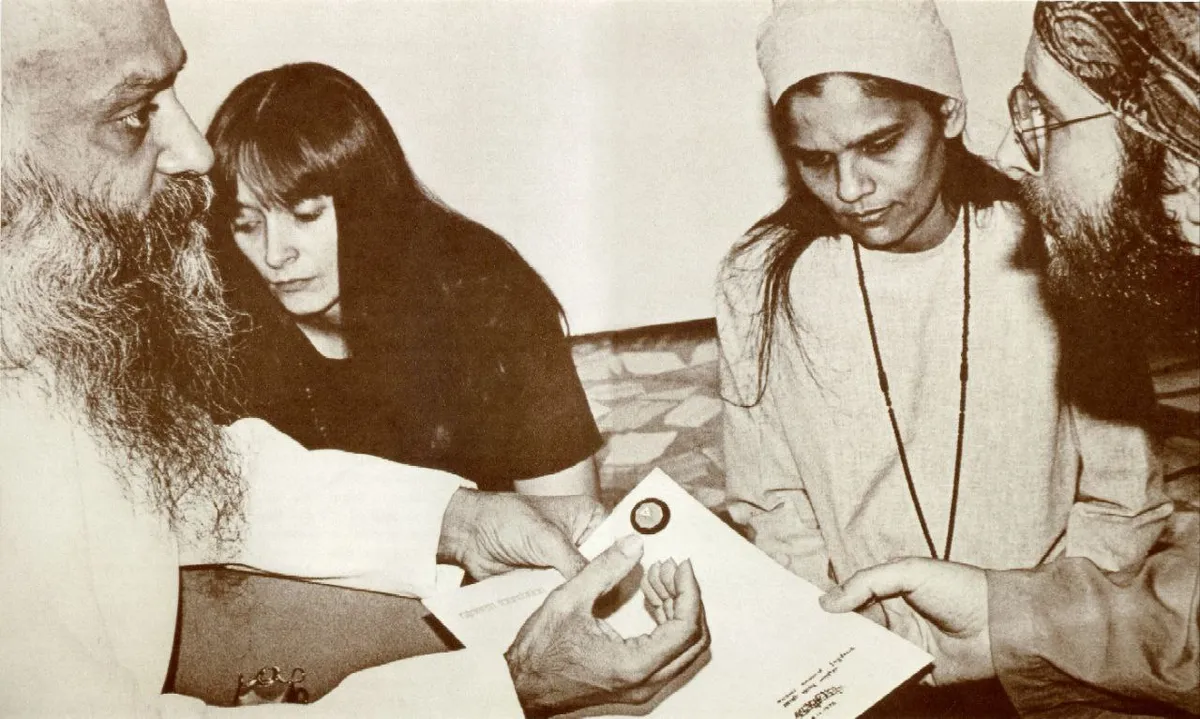
Osho's original Hindi beside Osho Live's English translation, matched passage by passage.
न जाने कौन है गुमराह, कौन आगाहे-मंजिल है
हजारों कारवां हैं जिंदगी की शाहराहों में
रहे-मंजिल में सब गुम हैं, मगर अफसोस तो यह है
अमीरे-कारवां भी है उन्हीं गुमकरदा राहों में
Who knows who is astray, and who is aware of the destination? On life's great highways there move thousands of caravans. All are lost upon the very road to the goal; but the sorrow is this: Even the caravan-lords themselves wander upon those selfsame lost tracks.
जीवन एक यात्रा है। यात्रा है--मृत्यु से अमृत की ओर; अंधकार से प्रकाश की ओर; व्यर्थ से सार्थक की ओर। एक शब्द में: पदार्थ से परमात्मा की ओर। इस यात्रा में वे सारे लोग जो बाहर तलाश रहे हैं, भटके हुए हैं। लाख तलाशें, कुछ पाएंगे नहीं--न काशी में, न काबा में; न कुरान में, न गीता में। यहां तो केवल वे ही पाने में समर्थ हो पाते हैं जो स्वयं के भीतर छिपे हुए सत्य को पहचानते हैं।
Life is a journey. A journey—from death to the deathless; from darkness toward light; from the futile to the meaningful. In a single word: from matter to Paramatma. In this journey, all those who go on searching outside are the misguided. Search by the millions, yet nothing will be found—neither in Kashi nor in Kaaba; neither in the Quran nor in the Gita. Here, only those arrive who recognize the truth hidden within themselves.
यह यात्रा अनूठी है। यह यात्रा कहीं जाने की नहीं, कहीं से लौट आने की है। जा तो हम बहुत दूर चुके हैं--अपने से दूर। वापस लौटना है अपने पर। जा तो हम बहुत दूर चुके हैं--अपने सपनों में, वासनाओं में, विचारों में। छोड़ देना है सारे स्वप्न, छोड़ देने हैं सारे विचार, सारी वासनाएं, ताकि अपने पर आना हो जाए। संसार नहीं छोड़ना है, स्वप्न छोड़ने हैं; क्योंकि स्वप्न ही संसार है।
This journey is unique. It is not a going somewhere, it is a returning from somewhere. We have gone very far away—away from ourselves. We are to return to our own home. We have gone far, far away—into our dreams, into our desires, into our thoughts. Drop all dreams, drop all thoughts, all passions, so that you can arrive at your own being. It is not the world that is to be renounced, it is dreams; for dream is the world.
तुमने बार-बार सुना होगा पंडितों को, पुरोहितों को कहते हुए, कि संसार स्वप्न है। मैं तुमसे कहना चाहता हूं: स्वप्न संसार है। तुम्हारे भीतर जो स्वप्नों का जाल है वही संसार है। उसे छोड़ देना है। ये बाहर बोलते हुए पक्षी तो फिर भी बोलेंगे--ऐसे ही बोलेंगे, और भी मधुरतर बोलेंगे। इनके कंठों में और भी संगीत आ जाएगा, क्योंकि तुम्हारे पास सुनने वाले कान होंगे। और जिसके पास सुनने वाले कान हैं उससे पत्थर भी बोलने लगते हैं। ये वृक्ष तो ऐसे ही हरे होंगे, और हरे हो जाएंगे। क्योंकि जिसके पास देखने वाली आंख है उसके लिए रंगों में रंग, गहराइयों में गहराइयां, रूप में अरूप दिखाई पड़ने लगता है। यह संसार जो तुम्हारे बाहर फैला हुआ है, यह तो और मधुर, और प्रीतिकर होकर प्रकट होगा। काश, तुम जाग जाओ! तुम सोए हो तो भी यह मधुर है और प्रीतिकर है। तुम जाग जाओ तब तो अकूत खजाना है यह। साम्राज्य है परमात्मा का!
You must have heard the pundits and priests say again and again that the world is a dream. I want to tell you: dream is the world. The web of dreams inside you—that alone is the world. It is to be dropped. These birds speaking outside will go on speaking—just so, and yet more sweetly. Into their throats a deeper music will descend, for you will have ears to hear. And to one who has ears to hear, even stones begin to speak. These trees will be just as green, and greener still. For the one who has eyes to see, colors deepen into colors, depths unfold into deeper depths, the formless peeks through the form. This world spread out beyond you will reveal itself more sweet, more lovable. Ah, if only you would awaken! Even while you sleep it is sweet and lovable; awaken, and it becomes an inexhaustible treasure. It is the empire of Paramatma.
इस संसार को छोड़ने को मैं नहीं कहता हूं। लेकिन स्वप्न का संसार जरूर छोड़ना है। वे जो तुम्हारे भीतर स्वप्न चलते रहते हैं--यह पा लूं, वह पा लूं; यह हो जाऊं, वह हो जाऊं; ऐसा होता तो क्या होता, ऐसा होता तो क्या होता! वह जो अतीत तुम्हें जकड़े हुए है, भविष्य तुम्हें पकड़े हुए है; उन दोनों चक्की के पाटों से तुम बाहर आ जाओ। यही संन्यास है। स्वप्न का त्याग संन्यास है। जागरण संन्यास है। क्योंकि स्वप्न बिना जागे नहीं त्यागे जा सकते। संसार तो बिना जागे छोड़ा जा सकता है।
I do not tell you to renounce this world. But the world of dreams must surely be renounced. Those dreams that keep churning within—Let me have this, let me have that; let me become this, let me become that; If this had happened, if that had happened! That past which keeps you fettered, that future which keeps you seized—step out from between those two grinding millstones. This alone is sannyas. The renunciation of dream is sannyas. Awakening is sannyas. For dreams cannot be dropped without awakening. The world can be left without awakening.
कोई पचास लाख भारत में साधु-संत हैं। इनमें से कितने बुद्धत्व को उपलब्ध हुए हैं? यह भीड़ है भिखारियों की, चालबाजों की, बेईमानों की, पाखंडियों की, धोखेबाजों की। यह भीड़ है, जो तुम्हें चूस रही है। इस भीड़ में किसके भीतर का दीया जला है? इस भीड़ में किसको परमात्मा के दर्शन हुए हैं? यह भीड़ उधार तोतों की तरह शास्त्रों को दोहराए चली जाती है।
Some five million sadhus and saints are said to be in India. How many among them have attained Buddhahood? It is a crowd—of beggars, tricksters, dishonest ones, hypocrites, deceivers. A crowd that is sucking your blood. In this crowd whose inner lamp is lit? Who among them has had darshan of Paramatma? This crowd goes on repeating the scriptures like borrowed parrots.
लेकिन इन अंधों की बातें तुम्हें जंचती हैं, क्योंकि तुम भी अंधे हो। ये अंधे तुम्हारी ही भाषा में बोलते हैं; इसलिए बातें जंचती हैं, समझ में आती हैं।
But the talk of these blind ones pleases you—because you too are blind. They speak in your very language, so their words appeal to you, seem understandable.
बुद्धों के वचन तुम्हारी पकड़ के बाहर हो जाते हैं, क्योंकि बुद्धों के वचन समझने के पहले तुम्हें किसी क्रांति से गुजरना जरूरी है। बुद्धों के वचन समझने के पहले तुम्हारी प्रतिभा पर धार आनी चाहिए, तुम्हारे भीतर ध्यान का दीया जलना चाहिए। तुम्हारे भीतर भी कुछ बुद्धत्व की लहर उठे तो तुम्हारा बुद्धों से नाता बने। नहीं तो तुम बुद्धुओं के चक्कर में रहोगे।
The words of Buddhas slip out of your grasp, because before you can understand a Buddha’s words you must pass through a revolution. Before you can understand a Buddha’s words your intelligence must be honed; the lamp of meditation must be lit within you. Some wave of Buddhahood must arise in you too, only then will a kinship with the Buddhas be born. Otherwise you will keep revolving in the circle of the foolish.
इन बुद्धुओं ने तुमसे कहा है--संसार छोड़ दो।
These foolish ones have told you—leave the world.
संसार छोड़ना बहुत आसान है। सच तो यह है कि जो भी संसार में जी रहा है वह छोड़ना चाहता है। कौन नहीं ऊब गया है? कौन नहीं परेशान हो गया है पत्नियों से, पतियों से, बच्चों से, मां-बाप से? कौन परेशान नहीं है दुकान से, बाजार से, नौकरी से, धंधे से? ऐसा आदमी खोजना मुश्किल है जो नहीं ऊब गया है।
Leaving the world is very easy. In truth, whoever lives in the world wants to leave it. Who is not bored? Who is not fed up with wives, husbands, children, parents? Who is not harassed—by the shop, the market, the job, the business? It is hard to find a person who has not become weary.
यह दूसरी बात है कि नहीं छोड़ता है। नहीं छोड़ने का कारण: जाए तो कहां जाए? छोड़ कर जाने को कोई जगह भी तो हो! रोटी-रोजी तो कहीं भी कमानी ही होगी। भूखे तो नहीं रहा जा सकता। अगर कमाएगा नहीं तो भीख मांगनी होगी। और उतना, भीख मांगने के तल तक गिरने के लिए बहुत कम लोग राजी हैं। या फिर साहस नहीं है। क्योंकि कितनी ही ऊब हो, कितनी ही परेशानी हो, संसार में सुविधाएं भी हैं। या फिर डरता है, लोक-लाज! क्या कहेंगे लोग--भाग गया, भगोड़ा था, नामर्द था, कायर था, युद्ध में पीठ दिखा दी! खुद की ही आंखों में गिर जाएंगे। या कि हिसाब-किताब बिठा रहे हैं--कि छोड़ तो हम दें, लेकिन मिलेगा क्या? हाथ का भी चला जाए और जो मिला नहीं है वह मिले भी नहीं, तो कहीं ऐसी झंझट में हम न पड़ जाएं। और फिर देखते हैं कि जिन्होंने छोड़ दिया उन्होंने क्या पा लिया है? जिन्होंने छोड़ दिया है वे उनकी भीख पर जी रहे हैं जिन्होंने नहीं छोड़ा है।
It is another matter that he does not leave. Why does he not? Where would he go? There must be a place to go after leaving! Bread must be earned somewhere. One cannot remain hungry. And if he will not earn, he must beg. But few are ready to fall to the level of begging. Or perhaps he lacks courage. For no matter how much weariness and trouble there is, there are conveniences too in the world. Or again he fears the opinion of people! What will they say—he ran away, he is a deserter, unmanly, a coward, he showed his back in the battle! He will fall in his own eyes. Or he is doing the mathematics—We could leave, but what would we get? If what is in hand is lost, and what is not yet gotten remains ungotten, we might fall into a worse mess. And then he looks at those who have left—what have they attained? Those who left live on the alms of those who did not leave.
लोग संसार छोड़ते नहीं, इसलिए नहीं कि संसार में बहुत उन्हें आनंद मिल रहा है, वरन सिर्फ इसलिए कि इस संसार के अतिरिक्त और कोई संसार है भी तो नहीं जहां छोड़ दें और चले जाएं। कोई विकल्प भी तो हो! नहीं है कोई विकल्प, तो जीते हैं, ढोते हैं बोझ। धीरे-धीरे समझौते कर लेते हैं। समझा लेते हैं अपने मन को, सांत्वना दे लेते हैं कि ऐसी ही है यह जिंदगी। और चार दिन की है, गुजर ही गई, गुजर ही जाएगी। कोई लंबी भी तो नहीं है।
People do not leave the world because they get great joy from it, but only because there is no other world to leave for. Is there even an alternative? There is none, so they live on, they carry the load. Slowly they compromise. They persuade their minds, console themselves—Such is life. And it is but for a few days, it has passed, it will pass. It is not even long.
मगर जो आदमी भी थोड़ा सोचता-विचारता है, उसके मन में खयाल तो हजार बार आता है कि किस झंझट में पड़ा हूं, भाग जाऊं!
Yet anyone who thinks even a little, in his mind a thousand times arises the thought: What entanglement is this—I should run away!
मुल्ला नसरुद्दीन की पत्नी ने मायके से उसे पत्र लिखा कि अब और देर न करो। पंद्रह दिन में ही मैं सूख पर आधी हो गई हूं। तुम्हारे बिना नहीं जी सकती हूं। जल्दी चिट्ठी लिखो, कब आ रहे हो!
Mulla Nasruddin’s wife wrote him a letter from her parents’ home: Do not delay any longer. In just fifteen days I have dried to half. I cannot live without you. Write quickly, when are you coming?
मुल्ला नसरुद्दीन ने कहा कि पंद्रह दिन बाद। आधी तो हो ही चुकी है, पंद्रह दिन में फैसला ही हो जाए।
Mulla Nasruddin said: In fifteen days. Half she already is, in fifteen more the decision will be final.
लेकिन पत्नी चली आई, खुद ही चली आई। सो वह आशा भी मिटी। एक डाक्टर से सलाह ली उसने कि क्या करूं? कैसे छुटकारा हो? संसार छोड़ कर भागने की हिम्मत भी नहीं है। और इस पत्नी से कैसे छुटकारा हो, कोई उपाय नहीं दिखता। या तो मैं मरूं या यह मरे।
But the wife herself came back. That hope ended. He took counsel of a doctor—What should I do? How to be free? I do not have the guts to run away and leave the world. And how to be free of this wife—I see no way. Either I die or she dies.
डाक्टर ने कहा, इतने परेशान न होओ। मैं तुम्हें ऐसी तरकीब बताता हूं, ऐसा मीठा जहर देता हूं कि काम भी हो जाए और कानों-कान खबर भी न पड़े। पत्नी को जितना प्रेम कर सकते हो करो, प्रेम कर-कर के मार डालो।
The doctor said, Do not be so worried. I will tell you a trick, give you such a sweet poison that the work will be done and not a whisper of it anywhere. Love your wife as much as you can—love her to death.
मुल्ला ने कहा, यह भी खूब रही! यह मुझे सूझा ही नहीं कि पत्नी को प्रेम कर-कर के मार डालो!
Mulla said, That’s splendid! It never occurred to me—to love the wife to death!
डाक्टर तो मजाक कर रहा था, लेकिन मुल्ला ने बात पकड़ ली। कोई तीस दिन बाद...डाक्टर से उसने पूछा था कि कितने दिन लगेंगे? इकतीस दिन का महीना था, तो डाक्टर ने कहा कि एक महीना लगेगा।...तीस दिन बाद रास्ते पर डाक्टर गुजर रहा था। देखा मुल्ला बैठा है झूले पर अपने मकान के सामने, बिलकुल सूख कर हड्डी-हड्डी हो गया है। एकदम पहचान में भी नहीं आता, अस्थिपंजर मात्र रह गया है। डाक्टर ने पूछा, यह तुम्हारी हालत कैसे हुई?
The doctor was joking, but Mulla caught the point. Some thirty days later… Mulla had asked, How many days will it take? It was a month of thirty-one days, so the doctor said, One month… Thirty days later the doctor was passing in the street. He saw Mulla sitting on a swing before his house, utterly withered to skin and bone. Hard to recognize—only a skeleton. The doctor asked, How did you end up like this?
उसने कहा, घबड़ाओ मत। वह जो तुमने तरकीब बताई थी कि प्रेम कर-कर के मार डालो!
He said, Don’t worry. That trick you taught—love her to death!
इतने में ही पत्नी किसी काम से बाहर आई और भीतर गई। पत्नी तो मस्त-तड़ंग हो गई है।
Just then the wife came out for some chore and went in again—she is blooming, glowing.
डाक्टर ने कहा कि तो अब कब तक यह चलेगा?
The doctor said, So how long will this go on?
नसरुद्दीन ने कहा, अब ज्यादा देर नहीं है, इकतीस का महीना है, तीस दिन तो हो ही गए, एक ही दिन की और बात है, एक दिन बाद छुटकारा हो जाएगा।
Nasruddin said, Not long now, the month has thirty-one days, thirty are gone, one more day and I shall be free.
पत्नी तो नहीं मरेगी--नसरुद्दीन ने कहा--यह तो मुझे समझ में आ गया, मगर मैं मर जाऊंगा। चलो यही सही। दवा उस पर तो काम नहीं आई, लेकिन मुझ पर काम आ गई।
The wife will not die—said Nasruddin—that much I have understood; but I will die. Well, so be it. The medicine did not work on her, but it worked on me.
लोग मरने को भी राजी हैं! जीवन कुछ देता भी नहीं, छीनता मालूम होता है। इसलिए साधु-संतों की बात लोगों को जंची बहुत कि छोड़ दो संसार। उनके भीतर का तर्क भी उनसे यही कह रहा है। तालमेल हो गया। और न मालूम कितने लोगों ने संसार छोड़ा, और कुछ भी नहीं छोड़ा है। संसार वैसा का वैसा है, वे भी वैसे के वैसे हैं।
People are ready even to die! Life seems not to give, but to snatch. Hence the words of so-called saints pleased people very much—Leave the world. Their inner logic was already saying the same. The tuning matched. And who knows how many left the world—and left nothing. The world remains as it was, they too remain as they were.
मैं तुमसे कहता हूं: स्वप्न छोड़ो।
I tell you: drop the dream.
स्वप्न छोड़ना कठिन है। स्वप्न छोड़ना मुश्किल है। स्वप्न छोड़ने का सूक्ष्म विज्ञान है। उस विज्ञान का नाम ही ध्यान है। साक्षी बनो। जैसे-जैसे तुम्हारे भीतर साक्षी सघन होगा, वैसे-वैसे स्वप्न क्षीण हो जाते हैं। जिस दिन साक्षी अपनी परिपूर्णता में विराजमान होता है, स्वप्न बचते ही नहीं। जैसे आकाश बिलकुल बादलों से खाली हो जाए और सूरज अपनी पूरी जगमग में प्रकट हो, ऐसे जब तुम्हारे भीतर स्वप्न नहीं बचते तो तुम्हारे भीतर छिपा हुआ चैतन्य अपनी समग्रता में प्रकट होता है। वही परमात्म-मिलन है। इसे पाने कहीं और नहीं जाना है। इसे पाने अपने घर वापस आना है।
Dropping dreams is hard. Dropping dreams is difficult. There is a subtle science of dropping dreams; that science is meditation. Become a witness. As witnessing grows dense within you, dreams begin to thin out. The day witnessing sits enthroned in its fullness, no dreams remain. As when the sky becomes utterly free of clouds and the sun appears in all its radiance—so when dreams disappear within you, the consciousness hidden within you manifests in its totality. That is union with Paramatma. To attain this, one need go nowhere else. To attain this, one must come home.
लेकिन यह दुनिया अजीब है! यहां तय करना बहुत मुश्किल है!
But this world is strange! Here, it is very difficult to decide!
Who knows who is astray, and who is aware of the destination? On life’s highways there are thousands of caravans.
न जाने कौन है गुमराह, कौन आगाहे-मंजिल है
कौन यहां भटका हुआ है और किसको मंजिल का पता है, यह तय करना बहुत कठिन है।
Who here is lost, and who knows the destination—this is so hard to decide.
हजारों कारवां हैं जिंदगी की शाहराहों में
एकाध कारवां नहीं, हजारों कारवां हैं--हिंदुओं का, मुसलमानों का, ईसाइयों का, जैनों का, बौद्धों का, सिक्खों का। कारवां ही कारवां हैं! यात्रीदल चल पड़े हैं। अपने-अपने झंडे। अपनी-अपनी किताब। अपना-अपना ईश्वर का अर्थ। अपनी-अपनी धारणाएं। अपने-अपने पक्षपात।
On life’s great highways move thousands of caravans— Not one or two, but thousands—Hindu, Muslim, Christian, Jain, Buddhist, Sikh. Caravan upon caravan! Processions have begun—their own flags, their own books, their own meanings of God, their own beliefs, their own prejudices.
न जाने कौन है गुमराह, कौन आगाहे-मंजिल है
हजारों कारवां हैं जिंदगी की शाहराहों में
रहे-मंजिल में सब गुम हैं, मगर अफसोस तो यह है
अमीरे-कारवां भी है उन्हीं गुमकरदा राहों में
Who knows who is astray, and who is aware of the destination? On life’s highways there are thousands of caravans. All are lost upon the path to the goal; but the sorrow is this— Even the caravan-lords themselves are wandering on those very lost tracks.
रहे-मंजिल में सब गुम हैं! और सब रास्तों में खो गए हैं। रास्ते इतने लंबे हो गए हैं, रास्ते इतने जटिल हो गए हैं कि मंजिल की तो बात ही भूल गई है। सभी रास्तों में खो गए हैं। मगर बड़े अफसोस की बात तो यह है कि लोग खो जाते तो खो जाते, जिनको तुम लोगों के नेता कहते हो, अमीरे-कारवां, जो उनके गुरु हैं, नेता हैं, जो उनके जीवन-मूल्य देने वाले हैं, जो उनके नीति-निर्धारक हैं, जो उपदेशक हैं, वे भी उन्हीं रास्तों पर भटके हुए हैं। और रास्ते ऐसे गोल-गोल हैं कि बस लोग घूमते रहते हैं, घूमते रहते हैं, चक्कर काटते रहते हैं गोल-गोल रास्तों पर। न कहीं कोई पहुंचता हुआ मालूम होता है, न कहीं मंजिल की कोई झलक दिखाई पड़ती है। कब तक यह करते रहोगे?
All are lost upon the roads! The roads have become so long, so intricate, that the destination has been altogether forgotten. All are lost on the roads. But the sadder fact is that not only do people get lost—those whom you call leaders, the caravan-lords, their gurus, their guides, the givers of values, the makers of policies, the preachers—these too are wandering on the same roads. And the roads are circular—people just go on circling and circling. No one seems to be arriving; no glimpse of the goal anywhere. How long will you go on like this?
उस परमात्मा को खोजने के लिए किसी अमीरे-कारवां की जरूरत नहीं है, किसी नेता की जरूरत नहीं है। उस परमात्मा को खोजने के लिए अपने ही भीतर डुबकी मारनी है, किससे पूछना है! पूछे कि भटके। खोजा कि भटके। खोजो मत, खो जाओ। ऐसे डूबो कि फिर निकलो ही नहीं। और इंच भर अपने से बाहर मत जाना। क्योंकि वह है तो तुम्हारे भीतर है। तुम मंदिर हो!
To seek Paramatma no caravan-lord is needed, no leader is needed. To seek Paramatma you must dive within yourself—whom will you ask? Ask, and you go astray. Seek, and you go astray. Do not seek—lose yourself. Dive so deep that you never come up again. And do not go even an inch outside yourself. For if He is, He is within you. You are the temple!
कहा पलटू ने: यह सुंदर देह मंदिर है। इसी मंदिर में वह विराजमान है।
Says Paltu: This beautiful body is a temple. Within this very temple He abides.
लेकिन तुमने झूठे मंदिर बना लिए हैं, मस्जिदें बना ली हैं, गुरुद्वारे बना लिए हैं। अपने ही बनाए हुए मकानों में, अपनी ही बनाई हुई प्रार्थनाओं से, अपने ही बनाए हुए देवताओं की तुम पूजा कर रहे हो। होश में हो कि पागल हो?
But you have built false temples, mosques, gurudwaras. In the houses you yourselves built, with prayers you yourselves invented, with gods you yourselves fabricated—you are worshiping. Are you in your senses, or mad?
वृच्छा फरैं न आपको, नदी न अंचवै नीर।
वृक्ष अपने लिए नहीं फलते हैं और नदी अपनी ही प्यास बुझाने को नहीं बहती है।
Vrikhsha phirein na aapako, nadi na anchavai neer. Trees do not bear fruit for themselves, nor does the river flow to quench its own thirst.
परस्वारथ के कारने, संतन धरै सरीर।
संत तो वे हैं--जिनको तुमने मान लिया वे नहीं--संत तो वे हैं, जो केवल परमात्मा के लिए माध्यम बन गए हैं, उसकी बांसुरी बन गए हैं! अगर वे शरीर में भी हैं तो इसलिए कि प्रभु उनसे कुछ काम लेना चाहता है।
Par-svarath ke kaarane, santan dharai sareer. The saints—those whom you have taken as saints are not—they are those who have become merely a medium for Paramatma; His flute! If they remain in a body at all, it is because the Lord wishes to work through them.
तुम्हारी संत की परिभाषा क्या होती है? क्या खाता, क्या पीता; कैसा उठता, कैसा बैठता; कितने कपड़े रखता, कहां ठहरता--ये तुम्हारे संत को बाहर से जांचने के उपाय हैं। और यह सारा अभ्यास कोई भी कर सकता है। यह अभ्यास कुछ कठिन नहीं है। दो बार न सही एक बार भोजन करो, कुछ दिन में अभ्यास हो जाता है। रात पानी न पीओ, भोजन न करो, कुछ दिन में अभ्यास हो जाता है। नौ बजे सो जाओ, तीन बजे रात उठ आओ, कुछ दिन में अभ्यास हो जाता है। शरीर बड़ा लोचपूर्ण है; उससे तुम किसी भी तरह का अभ्यास करा ले सकते हो। घंटों सिर के बल खड़े रहो, आसन करो, प्राणायाम करो--शरीर हर चीज के लिए झुक जाता है, राजी हो जाता है। शरीर तुम्हारा सेवक है और अदभुत यंत्र है! जड़ नहीं है, लोचपूर्ण है।
What is your definition of a saint? What does he eat, what does he drink; how does he stand, how does he sit; how many clothes does he keep, where does he stay—these are your measures for judging saints from the outside. And this whole drill anyone can do. It is not very difficult. Eat once a day instead of twice—within days, you get used to it. Take no water or food at night—within days, a habit is formed. Sleep at nine, rise at three—within days, the body adjusts. The body is very flexible; you can train it to anything. Stand on your head for hours, do asanas, pranayama—the body will bend to everything, agree to everything. The body is your servant, a marvelous instrument! Not inert, it is supple.
और तुम्हारे संतों को नापने के यही उपाय हैं, बस बाहर से ही तुम नापते हो। और बाहर से नापते हो इससे धोखा खा जाते हो।
And these are the only ways by which you measure your saints—just from the outside. And because you measure from the outside, you are deceived.
संतों को नापने का बाहर से कोई उपाय नहीं है। संतों की तो एक ही परिभाषा है।
There is no way to measure saints from the outside. Saints have but one definition.
परस्वारथ के कारने, संतन धरै सरीर।
पलटू ठीक परिभाषा कह रहे हैं। वे यह कह रहे हैं कि संत अपने लिए नहीं जीता। अपना तो उसका काम पूरा हो चुका। जहां तक उसका संबंध है, उसके सपने तो मिट चुके, उसके विचार तो जा चुके। उसकी तो मन से मुक्ति हो गई। जहां तक उसका निजी संबंध है, उसने मंजिल पा ली। लेकिन जिसने मंजिल पा ली है, परमात्मा उससे कुछ काम लेना शुरू करता है। उससे पुकार देना शुरू करता है--उनके लिए जो अभी रास्तों पर भटक रहे हैं, जो अभी अंधेरे में भटक रहे हैं। परमात्मा उस व्यक्ति से काम लेना शुरू करता है--उनके लिए, जिनकी आंखें अभी नहीं खुली हैं।
Par-svarath ke kaarane, santan dharai sareer. Paltu is giving the right definition. He says: A saint does not live for himself. As far as he is concerned, his work is done. His dreams have vanished, his thoughts have gone. He is free of mind. As far as his private affair goes, he has arrived. But one who has arrived—Paramatma begins to take work from him. A calling begins within him—for those who are still wandering on roads, still groping in darkness. Paramatma begins to work through that person—for those whose eyes have not yet opened.
जैसे वृक्षों में फल लगते हैं--अपने लिए नहीं; दूसरों के लिए। और नदी खुद अपना जल नहीं पीती, औरों को पिलाती है।
Just as fruits appear on trees—not for themselves, but for others. And the river does not drink itself; it gives to others.
संत की परिभाषा है: जो लुटाए, जो परमात्मा को लुटाए! जो परमात्मा बांटे!
This is the definition of a saint: one who spends lavishly—who spends Paramatma! One who distributes the divine!
और तो बांटने योग्य सब कूड़ा-कचरा है। तुम अपना सारा धन बांट डालो तो भी तुम संत नहीं हो सकते, क्योंकि धन कूड़ा-कचरा है। सम्हालो तो कूड़ा-कचरा है, बांटो तो कूड़ा-कचरा है। तुम अपना ज्ञान लोगों को बांटते फिरो, वह भी कूड़ा-कचरा है। तुमने उधार इकट्ठा कर लिया है, अब तुम बांट रहे हो। पहले तुम कचरे को अपने भीतर भर लेते हो, फिर वह बोझिल होने लगता है तो तुम दूसरों की झोलियों में डालने लगते हो।
Everything else you can distribute is trash. Even if you distribute all your wealth, you cannot become a saint, for wealth is refuse. Whether you hoard it or hand it out—it is trash. If you go about distributing your knowledge—that too is refuse. You borrowed it and hoarded it, now you are passing it on. First you filled yourself with rubbish, then when it grew burdensome you began emptying it into others’ bags.
बांटने योग्य बात तो एक ही है, लुटाने योग्य धन तो एक ही है--वह है परमात्मा। लेकिन उसका तुम्हें अनुभव हो, उस स्रोत से तुम जुड़ जाओ, उस गंगोत्री को तुम पा लो जहां से जीवन की गंगाएं निकलती हैं।
There is but one thing worthy of giving, one treasure worthy of being squandered—that is Paramatma. But you must experience Him; be connected to that source; find that Gangotri from which the Ganges of life flow.
संत तो वह है, जिसके भीतर से परमात्मा बोलता है; जिसके भीतर से परमात्मा शब्द बनता है, रूप धरता है, साकार होता है। कभी ऐसा कोई व्यक्ति तुम्हें मिल जाए जिसके शब्दों में निःशब्द का संगीत हो; जिसके उठने-बैठने में बोध साकार होता हो; जिसकी आंखों में ऐसी झील जैसी शांति हो कि आकाश के सारे तारे प्रतिबिंबित हो उठें; जिसके मौन में तुम्हारे भीतर भी मौन की तरंगें डोल जाती हों; जिसके पास बैठ कर तुम भी अकारण किसी अपूर्व आनंद से आंदोलित हो उठते हो; जिसकी मौजूदगी प्रमाण बनती हो कि परमात्मा है; तर्क नहीं, विवाद नहीं, जिसकी मौजूदगी, जिसकी आंखों में आंखें डाल कर देख लेना, या जिसके हाथ में हाथ दे लेना, या जिसके पास भर बैठ जाना, जिसकी सुवास परमात्मा के होने का सबूत बनती हो--उसे जानना संत! तब तुम्हारी ओछी धारणाएं खतम हो जाएंगी। तब संत न हिंदू होता है, न मुसलमान, न ईसाई। ये तो अलग-अलग आचरणों के नाम हैं।
A saint is one through whom Paramatma speaks; through whom the formless takes form, becomes word, becomes embodied. If ever you meet such a one in whose words the music of the wordless hums; in whose movements awareness is embodied; in whose eyes there is a lake-like peace in which all the stars of the sky seem reflected; in whose silence waves of silence rise in you too; in whose presence you are stirred, for no reason, by some strange joy; whose very presence becomes proof that God is—no argument, no debate—just to look into his eyes, to place your hand in his hand, to sit near him; whose fragrance becomes evidence that Paramatma is—know him as the saint! Then your petty notions will end. A saint is neither Hindu nor Muslim nor Christian—those are names of differing conducts.
इसीलिए तो, यह बड़े मजे की बात है, जैन मुनि बौद्धों को नहीं लगता कि संत है। जैनों को बौद्ध फकीर नहीं लगता कि संत है। बौद्धों को सूफी फकीर नहीं लगता कि संत है। सूफियों को हिंदुओं के संन्यासी नहीं जंचते कि संत हैं। क्या कारण है?
Hence this strange thing: Jain monks do not accept Buddhists as saints. Buddhists do not accept Sufi fakirs as saints. Sufis do not find Hindu sannyasins acceptable as saints. Why?
आचरणों को हमने संत समझा हुआ है। और आचरण तो कितने हैं दुनिया में! हजारों तरह के हो सकते हैं। किसी ने तय कर लिया है कि मांसाहार करना संतत्व के विपरीत है। लेकिन जीसस तो मांसाहार करते थे। और जीसस को तो जाने दो, मोहम्मद को जाने दो--दूर के हैं। रामकृष्ण परमहंस तो बहुत करीब थे, वे भी मछलियां खाते थे! अब जिसने यह धारणा बना ली है कि मांसाहार तो संत कर ही नहीं सकता, वह रामकृष्ण के पास जाकर भी चूक जाएगा; वह यही देखता रहेगा कि अरे मछलियां, यह किस तरह का संत है! संत तो मधुर वचन बोलते हैं। संत तो प्यारी बातें कहते हैं। संतों के वचनों से तो फूल झरते हैं।
Because we have taken conduct to be sainthood. And conduct—how many forms it can take in this world! Thousands upon thousands. Someone has decided that eating meat is contrary to saintliness. But Jesus ate meat. And let Jesus and Muhammad be—they are distant—Ramakrishna Paramhansa was so near in time, he too ate fish! Now the person who has made the notion that no saint can be non-vegetarian will miss at Ramakrishna’s feet; he will go on thinking—Fish? What sort of saint is this! Saints speak sweetly; saints say lovely things; flowers fall from saints’ words.
लेकिन शिरडी के साईं बाबा डंडा उठा कर मां-बहन की गाली भी देते थे, भक्तों के पीछे दौड़ पड़ते थे, पत्थर भी मारते थे। तो तुम कैसे तय करोगे कि ये संत हैं? देख कर ही तय हो जाएगा कि ये संत नहीं हैं। यह डंडा उठाना, पत्थर मारना, गाली बकना! रामकृष्ण परमहंस भी गालियां देते थे। तो बड़ी अड़चन हो जाएगी। तुम कैसे तय करोगे कौन संत है?
But Shirdi’s Sai Baba used to lift a staff and hurl mother-sister abuses, would run after devotees, would throw stones. How will you decide these are saints? To your eyes it will be decided at once they are not. Lifting a staff, throwing stones, abusing! Ramakrishna too would swear. Great trouble for you—how to decide who is a saint?
और जिसने शिरडी के साईं बाबा की गाली खाई है और पी ली है गाली और फिर भी झुका रहा, जिसका सिर झुका सो झुका ही रहा--गाली दी, चाहे पत्थर मारे, चाहे डंडा मारा--वह जानता है, वही पहचानता है। लेकिन वह तुम्हें पागल मालूम पड़ेगा, उन्मत्त मालूम पड़ेगा। क्योंकि साईं बाबा के डंडे में उसने तो फूल ही झरते पाए। उन पत्थरों में अमृत बरसता हुआ पाया। वे गालियां तो उनके प्रेम का प्रतीक थीं। तुम ऐसे हो कि बिना गाली के तुम जागोगे ही नहीं। तो उतने तक के लिए वे राजी हैं कि गाली से जागोगे तो गाली दूंगा। तुम्हें गालियां ही शायद थोड़ी झकझोरें तो झकझोरें। नहीं तो तुम तो वैसे ही गहरी नींद में सो रहे हो। अच्छी-अच्छी बातें तो लोरियां बन जाती हैं। और लोरियां तो तुम सुनते रहे हो बहुत दिन से। लोरियां सुन रहे हो, अंगूठे चूस रहे हो, अपने-अपने झूले में पड़े झूला झूल रहे हो।
And one who has received Sai Baba’s abuse—and swallowed it—and still remained bowed, whose head remained bowed—be it abuse, or stones thrown, or the staff—he knows, he recognizes. But to you he will seem mad, unhinged. For in Sai Baba’s staff, flowers fell upon him; in those stones, ambrosia showered; the abuses were symbols of his love. You are such that without abuse you will not awaken. So for your sake he is willing—even if abuse can shake you, he will abuse. Otherwise you are in such deep sleep. Nice, nice words become lullabies. And you have heard lullabies for too long—sucking your thumbs, rocking yourselves in your little cradles.
कैसे तय करोगे? जीसस तो शराब पीते थे। शराब पीते ही नहीं थे, उनके चमत्कारों में एक चमत्कार यह भी है कि जब वे समुद्र के पास आए, हजारों लोग उनके साथ आए थे, तो उन्होंने पूरे समुद्र को चमत्कार से शराब में बदल दिया। अब अगर भारत में होते तो पुलिस पकड़ ले जाती कि यह क्या कर रहे हो! सागर को और शराब बना दिया, कि अब पीएं पीने वाले जितना पीना हो! अब कभी पीने की कमी नहीं होगी।
How will you decide? Jesus drank wine. Not only drank—one of his miracles is that, when he came to the sea, thousands were with him; he, by a miracle, turned the whole sea into wine. If he had been in India, the police would have arrested him—What are you doing! Turning the ocean into liquor, drink as much as you like—now there will never be any shortage!
तुम कैसे जीसस को मान सकोगे कि ये संत हैं? तुम्हें अड़चन होगी।
How will you accept Jesus as a saint? You will be obstructed.
आचरण तो बहुत तरह के हैं। दुनिया में कोई तीन हजार धर्म हैं--छोटे-मोटे, सब मिला-जुला कर। इन तीन हजार धर्मों की अपनी-अपनी धारणाएं हैं। संत की परिभाषा कैसे करें? पलटू ठीक परिभाषा करते हैं। वे कहते हैं: मेरी तो एक परिभाषा है।
Conduct varies vastly. In the world there are nearly three thousand religions—small and large. Each has its own notions. How to define a saint? Paltu gives the right definition. He says: I have but one definition—
परस्वारथ के कारने, संतन धरै सरीर।
फिर वह क्या खाता, क्या पीता, कैसे उठता, कैसे बैठता--वह जाने। हमारी तरफ से तो जांचने की बात एक है, परखने की बात एक है, कि उसका जीवन परमात्मा को समर्पित है, उसकी वाणी परमात्मा को समर्पित है, वह समग्ररूपेण परमात्मा का हो गया है और अब परमात्मा को बांट रहा है। बांटने के ढंग अलग होंगे, रंग अलग होंगे, लेकिन बांटने की बात एक है। फिर जीसस हों कि महावीर कि बुद्ध कि कबीर कि नानक कि पलटू, कोई फर्क नहीं पड़ता। और जहां कोई परमात्मा को बांटता है वही परार्थ कर रहा है। और किसी चीज के बांटने से परार्थ नहीं होता। तुम धन बांट दो। धन से तुम्हारा ही क्या हल हुआ था? तुम दूसरों को बांट कर दे चले। यह तो ऐसे ही हुआ कि किसी बीमारी में तुम फंसे थे, तुम दूसरों को दे चले कि भइया, सम्हाल कर रखना, कि अब तुम सम्हालो, अब हम जाते हैं।
Par-svarath ke kaarane, santan dharai sareer. Then what he eats, drinks, how he sits or stands—that is his affair. For us there is one thing to test, one thing to discern: whether his life is surrendered to Paramatma, whether his speech is surrendered to Paramatma, whether he has become wholly Paramatma’s and is now distributing Paramatma. The ways of giving may differ, the colors may differ, but the giving is one. Then whether it is Jesus, or Mahavira, or Buddha, or Kabir, or Nanak, or Paltu—it makes no difference. And wherever anyone is distributing Paramatma, there true service of others happens. By distributing anything else, service of others does not happen. You distribute money—what did money do even for you? You pass on to others what made you sick—like handing your disease to someone—Brother, keep it carefully while I go.
ऐसी उपनिषद में प्यारी कथा है। याज्ञवल्क्य छोड़ कर जा रहा है। जीवन के अंतिम दिन आ गए हैं और अब वह चाहता है कि दूर खो जाए किन्हीं पर्वतों की गुफाओं में। उसकी दो पत्नियां थीं और बहुत धन था उसके पास। वह उस समय का प्रकांड पंडित था। उसका कोई मुकाबला नहीं था पंडितों में। तर्क में उसकी प्रतिष्ठा थी। ऐसी उसकी प्रतिष्ठा थी कि कहानी है कि जनक ने एक बार एक बहुत बड़ा सम्मेलन किया और एक हजार गौएं, उनके सींग सोने से मढ़वा कर और उनके ऊपर बहुमूल्य वस्त्र डाल कर महल के द्वार पर खड़ी कर दीं और कहा: जो पंडित विवाद जीतेगा, वह इन हजार गौओं को अपने साथ ले जाने का हकदार होगा। यह पुरस्कार है।
There is such a lovely story in the Upanishads. Yajnavalkya was leaving. The last days of life had come; he wished to disappear into the caves of some mountains. He had two wives, and immense wealth. He was then the greatest pundit of his time—none could match him in debate. His repute was such that King Janaka once convened a great assembly and placed a thousand cows at the palace gate, their horns plated with gold, draped with precious cloths, and declared: Whoever wins the debate shall take these thousand cows. A great prize.
बड़े पंडित इकट्ठे हुए। दोपहर हो गई। बड़ा विवाद चला। कुछ तय भी नहीं हो पा रहा था कि कौन जीता, कौन हारा। और तब दोपहर को याज्ञवल्क्य आया अपने शिष्यों के साथ। दरवाजे पर उसने देखा--गौएं खड़ी-खड़ी सुबह से थक गई हैं, धूप में उनका पसीना बह रहा है। उसने अपने शिष्यों को कहा, ऐसा करो, तुम गौओं को खदेड़ कर घर ले जाओ, मैं विवाद निपटा कर आता हूं।
Many pundits gathered. It was noon. A long debate ensued. No decision—who had won, who had lost. At noon Yajnavalkya arrived with his disciples. At the door he saw—the cows were standing in the sun, exhausted, sweating. He said to his disciples, Do this—drive the cows home; I’ll finish the debate and come.
जनक की भी हिम्मत नहीं पड़ी यह कहने की कि यह क्या हिसाब हुआ, पहले विवाद तो जीतो! किसी एकाध पंडित ने कहा कि यह तो नियम के विपरीत है--पुरस्कार पहले ही!
Even Janaka did not dare say—What is this, first win the debate! A few pundits murmured—This is against the rules, the prize first!
लेकिन याज्ञवल्क्य ने कहा, मुझे भरोसा है। तुम फिक्र न करो। विवाद तो मैं जीत ही लूंगा, विवादों में क्या रखा है! लेकिन गौएं थक गई हैं, इन पर भी कुछ ध्यान करना जरूरी है।
Yajnavalkya said, I have confidence. Do not worry. I will win the debate—what is in debates! But the cows are tired—some attention to them is needed too.
शिष्यों से कहा, तुम फिक्र ही मत करो, बाकी मैं निपटा लूंगा।
To his disciples he said, Do not worry; the rest I will handle.
शिष्य गौएं खदेड़ कर घर ले गए। याज्ञवल्क्य ने विवाद बाद में जीता। पुरस्कार पहले ले लिया। बड़ी प्रतिष्ठा का व्यक्ति था। बहुत धन उसके पास था। बड़े सम्राट उसके शिष्य थे। और जब वह जाने लगा, उसकी दो पत्नियां थीं, उसने उन दोनों पत्नियों को बुला कर कहा कि आधा-आधा धन तुम्हें बांट देता हूं। बहुत है, सात पीढ़ियों तक भी चुकेगा नहीं। इसलिए तुम निश्चिंत रहो, तुम्हें कोई अड़चन न आएगी। और मैं अब जंगल जा रहा हूं। अब मेरे अंतिम दिन आ गए। अब ये अंतिम दिन मैं परमात्मा के साथ समग्रता से लीन हो जाना चाहता हूं। अब मैं कोई और दूसरा प्रपंच नहीं चाहता। एक क्षण भी मैं किसी और बात में नहीं लगाना चाहता।
The disciples drove the cows away. Yajnavalkya later won the debate. The prize he took first. A person of great repute. Much wealth. Great emperors were his disciples. When he was to leave, he called his two wives and said, I will divide my wealth—half to each of you. It is so much, it will last for seven generations. So be at ease, you will have no difficulties. I am going to the forest. Now my last days have come. I wish to be wholly absorbed in Paramatma. No other artifice now. Not a single moment will I spend on anything else.
एक पत्नी तो बड़ी प्रसन्न हुई, क्योंकि इतना धन था याज्ञवल्क्य के पास, उसमें से आधा मुझे मिल रहा है, अब तो मजे ही मजे करूंगी। लेकिन दूसरी पत्नी ने कहा कि इसके पहले कि आप जाएं, एक प्रश्न का उत्तर दे दें। इस धन से आपको शांति मिली? इस धन से आपको आनंद मिला? इस धन से आपको परमात्मा मिला? अगर मिल गया तो फिर कहां जाते हो? और अगर नहीं मिला तो यह कचरा मुझे क्यों पकड़ाते हो? फिर मैं भी तुम्हारे साथ चलती हूं।
One wife was delighted—so much wealth! Half to me! I will live in great joy. But the other said: Before you go, answer one question. Did this wealth give you peace? Did it give you bliss? Did it give you Paramatma? If it did—then why are you going? And if it did not—why hand this trash to me? Then I too will go with you.
और याज्ञवल्क्य जीवन में पहली बार निरुत्तर खड़ा रहा। अब इस स्त्री को क्या कहे! कहे कि नहीं मिला, तो फिर बांटने की इतनी अकड़ क्या! बड़े गौरव से बांट रहा था कि देखो इतने हीरे-जवाहरात, इतना सोना, इतने रुपये, इतनी जमीन, इतना विस्तार! बड़े गौरव से बांट रहा था। उसमें थोड़ा अहंकार तो रहा ही होगा उस क्षण में कि देखो कितना दे जा रहा हूं! किस पति ने कभी अपनी पत्नियों को इतना दिया है! लेकिन दूसरी पत्नी ने उसके सारे अहंकार पर पानी फेर दिया। उसने कहा, अगर तुम्हें इससे कुछ भी नहीं मिला तो यह कचरा हमें क्यों पकड़ाते हो? यह उलझन हमारे ऊपर क्यों डाले जाते हो? अगर तुम इससे परेशान होकर जंगल जा रहे हो तो आज नहीं कल हमें भी जाना पड़ेगा। तो कल क्यों, आज ही क्यों नहीं? मैं चलती हूं तुम्हारे साथ।
And for the first time in life Yajnavalkya stood without answer. What could he tell this woman! If he said it did not, then what was the pride in distributing it? He was giving with great flourish—See, so many jewels, so much gold, so much money, so much land, so much expanse! There must have been some pride in that moment—See how much I give! Which husband has ever given so much! The second wife poured water on all that vanity. If you got nothing from it, why load me with this entanglement? If you are escaping because of this, then today or tomorrow we too will have to escape—so why not today? I will come with you.
तो जो धन बांट रहा है वह क्या खाक बांट रहा है! उसके पास कुछ और मूल्यवान नहीं है। और जो ज्ञान बांट रहा है, पाठशालाएं खोल रहा है, धर्मशास्त्र समझा रहा है, अगर उसने स्वयं ध्यान और समाधि में डुबकी नहीं मारी है, तो कचरा बांट रहा है। उसका कोई मूल्य नहीं है। बांटने योग्य तो बात एक ही है: परमात्मा। मगर उसे तुम तभी बांट सकते हो जब पाओ, जब जानो, जब जीओ।
So what is the one distributing wealth really distributing! He has nothing of value. And one who distributes knowledge, opens schools, explains scriptures—if he himself has not dived into meditation and Samadhi—he is distributing garbage. It has no value. Only one thing is worthy of being given: Paramatma. But you can give only when you have known, when you have lived, when you have realized.
और जिस दिन तुम उसे जानोगे, जीओगे, अनुभव करोगे, उस दिन चकित होओगे: तुमसे पहले बहुत लोग उसे जान चुके हैं! तुम नये नहीं हो। वह अनुभव नया नहीं है। इस अर्थ में नया है कि तुमने उसे पहली दफा जाना। इस अर्थ में तो प्राचीन है, सनातन है, क्योंकि बुद्ध सदा होते रहे, सदियों-सदियों में होते रहे।
And the day you know, live, experience, you will be amazed: many before you have known! You are not new. The experience is not new. New only in the sense that for the first time you have known. In another sense it is ancient, eternal—for Buddhas have always been happening, through the ages.
कुछ मिटे से नक्शे-पा भी हैं जुनूं की राह में
हमसे पहले कोई गुजरा है यहां होते हुए
जब तुम परमात्मा को जानोगे तब तुम पाओगे कि अरे यहां तो कुछ चरण-चिह्न बने हुए हैं! हमसे पहले भी लोग यहां गुजरे हैं! एस धम्मो सनंतनो! यह धर्म तो सनातन है! यह कुछ मेरा नहीं, तेरा नहीं, यह किसी का नहीं। इस घाट से कितने ही तरे हैं, कितने ही तरते रहेंगे। अनंत-अनंत लोग आए हैं और इस नाव से पार गए हैं, यह नाव किसी की भी नहीं है।
Kuchh mite se naqsh-e-paa bhi hain junoon ki raah mein, Humse pehle koi guzra hai yahaan hote hue. There are faint footprints too upon the path of ecstasy; before us someone has passed here.
इसलिए धर्म न हिंदू का है, न मुसलमान का, न ईसाई का, न जैन का। धर्म तो उनका है जिनका ध्यान है। धर्म तो उन दावेदारों का है जिन्होंने अपने ऊपर मालकियत पा ली है।
Es dhammo sanantano! This dharma is eternal! It is not mine or yours, it belongs to none. From this ghat how many have crossed, and will keep crossing. Infinite beings have come and crossed in this boat; the boat belongs to no one.
Therefore religion is not Hindu, nor Muslim, nor Christian, nor Jain. Religion belongs to those who have meditation. Religion belongs to those claimants who have attained mastery over themselves.
बड़े बड़ाई में भुले, छोटे हैं सिरदार।
यह सूत्र अदभुत है। इस देश में तो पारखी खो गए हैं। हीरे तो हैं, मगर पारखी नहीं हैं। इससे बड़ी अड़चन हो गई है। यह सूत्र जीसस के एक वचन की याद दिलाता है, जिस वचन का इतना सम्मान किया गया है। मगर बेचारे पलटू के इस वचन को किसी ने फिक्र नहीं किया।
Bade badaai mein bhule, chhote hain sirdaar. This aphorism is marvelous. In this country the connoisseurs have been lost. Diamonds are here, but no appraisers. A great difficulty has arisen from this. This sutra recalls a saying of Jesus, a saying so revered around the world. But poor Paltu’s saying—no one cared.
बड़े बड़ाई में भुले...
पलटू कहते हैं: बड़े तो अपने बड़प्पन में भूले हुए हैं, अपने अहंकार में डूबे हुए हैं।
Bade badaai mein bhule… Paltu says: The great are lost in their greatness, drowned in their ego.
…छोटे हैं सिरदार।
और सच पूछो तो जिनको अपने बड़प्पन का कोई बोध ही नहीं है, जो अपने को ना-कुछ समझते हैं, जो इतने छोटे हैं, शून्यवत हैं--वे ही सिरदार हैं।
…chhote hain sirdaar. And in truth, those who have no sense of their own greatness, who know themselves as nothing, who are small, like emptiness—they are the chiefs.
जीसस का वचन है: मेरे प्रभु के राज्य में वे प्रथम होंगे जो यहां अंतिम हैं। इस वचन का सारी दुनिया में गुंजार हुआ है। यह वचन महत्वपूर्ण है। मगर पलटू के वचन का भी यही अर्थ है। जीसस का दूसरा वचन है: धन्य हैं वे जो विनम्र हैं, क्योंकि स्वर्ग का राज्य उनका है।
Jesus said: In my Father’s kingdom those will be first who are last here. The whole world has resounded with this saying. It is important. Paltu’s saying has the same meaning. Jesus said again: Blessed are the meek, for theirs is the kingdom of heaven.
बड़े बड़ाई में भुले, छोटे हैं सिरदार।
पलटू कहते हैं: मुझसे पूछो, आंख वालों से पूछो, तो बड़े तो अपने अहंकार में ही डूबे हुए हैं। वे तो अपने को फुलाए जा रहे हैं--धन से, पद से, ज्ञान से, त्याग से। लेकिन असली इस दुनिया में जो, जिनको कहना चाहिए सरदार, जो वस्तुतः प्रथम हैं, वे वे लोग हैं जो विनम्र हैं।
Bade badaai mein bhule, chhote hain sirdaar. Ask me, ask those with eyes—The great are submerged in their ego. They keep puffing themselves up—with wealth, with position, with knowledge, with renunciation. But truly, those who should be called chiefs, who are first in this world, are those who are humble.
पलटू मीठो कूप-जल...
छोटा सा कुआं, उसका जल मीठा।
Paltu meetho koop-jal… A small well—its water is sweet.
…समुंद पड़ा है खार।
और इतना बड़ा समुद्र, मगर बिलकुल खारा। बस देखने भर के काम का है। प्यास लगे तो प्यास नहीं बुझा सकता।
…samund pada hai khar. And the ocean is vast, but altogether salty—good only to look at. If you are thirsty, it cannot quench your thirst.
अहंकारियों से किसी की प्यास नहीं बुझ सकती। अहंकार खारा है, बहुत खारा है। अगर समुद्र का जल पीओगे तो मरोगे, मृत्यु हो जाएगी, जीवन नहीं मिलेगा उससे। जीवन के लिए तो कोई छोटा सा कुआं खोजना पड़ता है, जिसमें मीठा जल हो। बड़े-बड़े लोग हुए--चंगीजखां, नादिरशाह, तैमूरलंग, सिकंदर, नेपोलियन, हिटलर, स्टैलिन, माओत्से तुंग--बड़े-बड़े लोग! मगर बिलकुल खारे! उनको पीया कि मरे! बचना उनसे! इतिहास उनकी यश-गाथाओं से भरा है। इतिहास की किताबों में बेचारे पलटू जैसे आदमी का नाम ही न पाओगे। पाद-टिप्पणी में भी नहीं, फुट-नोट में भी नहीं पाओगे। जब मैंने पहली दफे पलटू को चुना तो एक मित्र ने कहा कि आप भी कहां-कहां से खोज लेते हैं! यह तो नाम ही नहीं सुना। आप ईजाद तो नहीं कर लेते?
No one’s thirst can be quenched by the ego. Ego is salty, very salty. If you drink ocean water, you will die—it brings death, not life. For life one must find some little well, with sweet water. Great, great men have been—Genghis Khan, Nadir Shah, Taimur, Alexander, Napoleon, Hitler, Stalin, Mao—great men! But completely salty! Drink them and die! Beware of them! History’s books are filled with their glories. In the footnotes you will not find the name of a poor man like Paltu. When I first chose Paltu, a friend said—Where do you find such people! I’ve never even heard the name. Do you invent them?
हीरे हैं इस देश में, बहुत हीरे हैं! पर पारखी...पारखी खो गए हैं। यही पलटू के सूत्र अगर दुनिया की दूसरी भाषाओं में अनुवादित हों, सम्मानित होंगे, लोग सिर-आंखों पर लेंगे।
This country has diamonds, many diamonds! But the appraisers… the appraisers have been lost. If Paltu’s aphorisms were translated into other languages of the world, they would be honored, people would carry them on their heads.
रवींद्रनाथ ने गीतांजलि लिखी, इस देश में किसी ने फिक्र नहीं की। एक-एक सूत्र प्यारा है; उपनिषदों की याद दिलाता है। लेकिन इस देश में किसी ने चिंता ही नहीं ली। जब नोबल प्राइज मिली--जब रवींद्रनाथ ने उसे अंग्रेजी में अनुवादित किया तब नोबल प्राइज मिली--नोबल प्राइज मिली तो सारे देश में स्वागत-समारंभ जगह-जगह। कलकत्ते में जहां रवींद्रनाथ रहते थे, जहां उनका कभी कोई स्वागत-समारंभ नहीं हुआ था--हां, गालियां पड़ी थीं, आलोचनाएं हुई थीं--वे ही आलोचक, वे ही गाली देने वाले स्वागत-समारंभ...।
Rabindranath wrote Gitanjali—no one cared in this country. Each aphorism is sweet, reminiscent of the Upanishads. But no one bothered. When the Nobel Prize came—when Rabindranath translated it into English—then the Nobel Prize came—then everywhere in the country, welcome ceremonies. In Calcutta, where Rabindranath lived—where never had a welcome ceremony been held—yes, he was abused, criticized—those very critics, those very abusers, arranged welcome ceremonies…
रवींद्रनाथ ने जाने से इनकार कर दिया। उन्होंने कहा कि यह स्वागत-समारंभ मैं स्वीकार नहीं करूंगा। यह मेरा स्वागत नहीं है, नोबल प्राइज का स्वागत है। तो यह नोबल प्राइज का जो सर्टिफिकेट है, ले जाओ, इसकी पूजा कर लेना। मैं नहीं आऊंगा। मैं तो यहां वर्षों से हूं और गीतांजलि लिखे मुझे बीस साल हो गए। बीस साल से बंगाली में गीतांजलि मौजूद है, लेकिन कोई देखने वाला नहीं, कोई पूछने वाला नहीं। आज बाहर परदेस में प्रतिष्ठा हुई है तो तुम्हारे मन में सम्मान उठा है! यह सम्मान नहीं है। रवींद्रनाथ ने कहा, लज्जा से मेरा मन झुकता है।
Rabindranath refused to go. He said, I will not accept this ceremony. This is not a welcome for me, it is a welcome for the Nobel Prize. Take the certificate of the Nobel Prize, worship it—do not invite me. I have been here for years, and it is twenty years since I wrote Gitanjali. For twenty years it has existed in Bengali, but no one looked, no one asked. Now, because abroad there is prestige, honor arises in you! This is not honor. Rabindranath said, My heart bows with shame.
पलटू मीठो कूप-जल, समुंद पड़ा है खार।
बड़ा है समुद्र बहुत, मगर बिलकुल खारा, जीवन के किसी काम का नहीं। छोटे से कुएं से भी प्यास बुझ जाती है। बड़े-बड़े ज्ञानी तुम्हारे काम नहीं आएंगे। बड़े-बड़े त्यागी तुम्हारे काम नहीं आएंगे। किसी ऐसे व्यक्ति को खोज लो, जो छोटा सा कुआं हो भला, अज्ञात नाम हो, न हो उसकी प्रसिद्धि कोई, लेकिन जिसमें मीठे जल के स्रोत हों, जिसमें मिठास हो।
Paltu meetho koop-jal, samund pada hai khar. The sea is enormous—but salty, useless for life. A small well can quench thirst. Great scholars will not help you; great renouncers will not help you. Find such a person who is like a little well—some unknown name, no fame—but within whom there are springs of sweetness.
परमात्मा के संदर्भ में एक ही मिठास होती है--जिसके पास बैठ कर तुम्हारे भीतर प्रेम उमगने लगे; जिसकी मौजूदगी में तुम्हारे भीतर कुछ कलियां चटकने लगें, फूल बनने लगें; जिसके पास बैठो तो लगे कि वसंत आया, मधुमास आया।
In the context of Paramatma there is but one sweetness—by whose side love begins to well up within you; in whose presence buds begin to open in you and become flowers; by sitting near whom it seems that spring has come, the month of honey has come.
सालिके-राहे-खुदी इस भेद से वाकिफ नहीं
बेखुदी की राह में भी इक मुकामे-होश है
सालिके-राहे-खुदी, अहंकार के मार्ग का पथिक, इस भेद से वाकिफ नहीं, उसे इस रहस्य का, इस राज का कुछ पता नहीं है।
बेखुदी की राह में भी इक मुकामे-होश है
Saalik-e-raah-e-khudi is bhed se waqif nahin, Bekhudi ki raah mein bhi ek maqam-e-hosh hai. The traveler on the path of ego knows nothing of this secret. Even on the path of egolessness there is a station of wakefulness.
एक ऐसा होश का मुकाम भी है जो उन्हीं को मिलता है जो बेखुद हो जाते हैं; जो अपनी खुदी खो देते हैं; जो अपना अहंकार खो देते हैं। निर-अहंकारिता के मार्ग पर एक ऐसा मुकाम भी आता है, जहां होश ही होश रह जाता है। जितनी खुदी है उतनी बेहोशी है। जितनी बेखुदी है उतना होश है।
A station of awareness exists which only those attain who become egoless; who lose their ‘I’. On the path of nir-ahamkara a station comes where only awareness remains. As much ego, that much unconsciousness. As much egolessness, that much awareness.
हिरदे में तो कुटिल है, बोलै वचन रसाल।
पलटू वह केहि काम का, ज्यों नारुन-फल लाल।।
नारुन का फल होता है, देखने में तो सुंदर, सुर्ख, लाल। लेकिन बस देखने में ही सुंदर; खाने में तिक्त और कड़वा। दूर से देखो तो प्यारा; चखो तो जहर।
Hirday mein to kutil hai, bolai vachan rasaal. Paltu vah kehi kaam ka, jyon naarun-phal laal. The heart is crooked, yet the words are sweet. Paltu—what use is such a one? Like the jujube fruit—red and lovely to look at, but bitter to taste.
ऐसा ही अहंकार है। दूर से देखो--स्वर्णमंडित, हीरे-जवाहरातों से जड़ा, मोती की मालाओं से श्रृंगारित; पास आओ--जहर है, शुद्ध जहर है।
Such is ego. From afar it gleams—gold-plated, studded in jewels, garlanded with pearls; come near—it is poison, pure poison.
हिरदे में तो कुटिल है, बोलै वचन रसाल।
और अहंकारी हमेशा हृदय में तो कुटिल होता है, जाली होता है, पाखंडी होता है और अगर मीठे वचन भी बोलता है तो वैसे ही बोलता है जैसे कि कोई मछली को पकड़ने के लिए कांटे में आटा लगाता है। कोई मछली को आटा खिलाने के लिए नहीं; मछली को पकड़ने के लिए। दिल तो कांटे पर है; आटा तो सिर्फ कांटे को छुपाने के लिए है।
Hirday mein to kutil hai, bolai vachan rasaal. And the egoistic one’s heart is always crooked, forged, hypocritical; and if he speaks sweet words, he speaks them as one baits a hook with dough—for the fish. Not to feed the fish—to catch it. The heart is a hook; the dough only hides the hook.
अहंकार भी बड़े मीठे वचन बोल सकता है। बोलना ही पड़ते हैं उसे, क्योंकि उसी मिठास में जहर छिपाया जा सकता है। एलोपैथी की दवाई देखते हो न! होती तो जहर है, कड़वी होती है, मगर ऊपर छोटी सी शक्कर की पर्त होती है। वह छोटी सी शक्कर की पर्त में तुम उसे गटक जाते हो, नहीं तो उसे भीतर ले जाना मुश्किल हो जाए। अहंकार भी मिठास की भाषा बोल सकता है। पंडित-पुरोहित भी बड़े मीठे वचन बोल सकते हैं। लेकिन भीतर सब कुटिलता है।
Ego, too, can speak very sweet words—has to—because in that sweetness poison can be concealed. See allopathy’s pills—they are poison, bitter, but there is a little sugar coating on top. That little sugar lets you swallow it; otherwise it would be hard to take in. Ego too can speak the language of sweetness. Pundits and priests can speak very sweetly; but within there is nothing but crookedness.
मुल्ला नसरुद्दीन को ढब्बूजी ने दावत पर आमंत्रित किया था। ढब्बूजी का स्वास्थ्य उन दिनों खराब चल रहा था, इसलिए भोजन में अन्य व्यंजनों के साथ-साथ खिचड़ी भी थी। ढब्बूजी तो खिचड़ी खा रहे थे, परंतु मुल्ला खिचड़ी को छोड़ कर बाकी सारे मिष्ठान्न, फल-मेवे खा रहा था। यह देख कर आखिर ढब्बूजी से न रहा गया। गुस्से में बोले, क्यों मुल्ला, यह खिचड़ी क्या गधे खाएंगे?
मुल्ला नसरुद्दीन ने धीरे से जवाब दिया, यार ढब्बू, खिचड़ी तो गधे खा ही रहे हैं।
Mulla Nasruddin was invited to dinner by Dhabbhuji. Those days Dhabbhuji’s health was poor, so along with the other dishes, there was khichri. Dhabbhuji ate the khichri, but Mulla left the khichri and ate all the sweets, fruits, and nuts. Dhabbhuji could not restrain himself. In anger he said, Why Mulla, is khichri for donkeys to eat?
बातें मीठी चल रही हैं, मित्रता की चल रही हैं; नहीं तो निमंत्रण ही क्यों दिया जाए! मित्र हैं तो निमंत्रण दिया है। मगर नजर अटकी है कि यह नसरुद्दीन का बच्चा खिचड़ी नहीं खा रहा है। सम्हाला होगा बहुत, सम्हालते-सम्हालते भी बात निकल ही गई--क्या खिचड़ी गधे खाएंगे? नसरुद्दीन भी कुछ पीछे तो नहीं रह जाएगा। उसने कहा, खिचड़ी तो गधे खा ही रहे हैं।
Mulla quietly replied, Friend Dhabbhu, the donkeys are indeed eating the khichri.
The talk is sweet, the friendship polite—else why invite! A friend invites. But the eye is fixed—this fellow Nasruddin is not touching the khichri. He must have held himself back as long as he could; still the words slipped—Will donkeys eat the khichri? Mulla would not lag behind—Khichri the donkeys are already eating.
अहंकार ऊपर-ऊपर से मीठी-मीठी बातें करता है, लेकिन जल्दी ही पर्तें उघड़ जाती हैं। ऊपर से प्रेम जताता है, भीतर घृणा होती है। ऊपर से मित्रता बनाता है, भीतर शत्रुता पलती है। दो अहंकारियों में मैत्री हो ही नहीं सकती, असंभव है। लाख मित्रता की वे बातें करें, मगर भीतर स्पर्धा होगी, प्रतियोगिता होगी--कौन बड़ा? यह संघर्ष जारी रहेगा।
Ego speaks sweetly on the surface; but the coating is soon stripped. Love on the surface, hatred within. Friendship on the surface, enmity within. Between two egos friendship is impossible—competition simmers within—Who is greater? The struggle goes on.
इसलिए राजनीति में कोई दोस्त नहीं होता, क्योंकि वह अहंकार की दौड़ है। वहां कोई दोस्त नहीं है। वहां जो कल दुश्मन था, आज दोस्त हो जाता है; जो आज दोस्त था, कल दुश्मन हो जाता है। साधारणजन तो बहुत चौंकते हैं कि यह खेल किस तरह का है! कल जिसको गालियां दे रहे थे, एकदम उसका सम्मान शुरू हो जाता है।
Hence in politics there are no friends—it is the race of ego. He who was an enemy yesterday becomes a friend today; he who was a friend today becomes an enemy tomorrow. Ordinary folk are astonished—What kind of game is this! Yesterday he abused this one; today he honors him.
चरणसिंह ने इंदिरा के ऊपर ऐसा मुकदमा चलाना चाहा था, जैसा मुकदमा दूसरे महायुद्ध के बाद हिटलर के सेनापतियों पर चला। उससे खतरनाक कोई मुकदमा नहीं था। न्यूरेमबर्ग में जो मुकदमा चला वह मनुष्य-जाति के इतिहास का सबसे खतरनाक मुकदमा था, क्योंकि मनुष्य-जाति के सबसे बड़े अपराधियों पर मुकदमा था। चरणसिंह चाहते थे कि इंदिरा पर और संजय पर न्यूरेमबर्ग के ढंग का मुकदमा चलना चाहिए। और वही चरणसिंह, जब मोरारजी को गिराने का समय आया, तो इंदिरा से कहा कि आप तो मेरी छोटी बहन हैं। और संजय! संजय तो मेरे बेटे जैसा है।
Charan Singh wanted to conduct upon Indira a trial like the one conducted after the Second World War upon Hitler’s generals—the most dangerous trial in history. He wanted such a trial against Indira and Sanjay. And the same Charan Singh, when the time came to bring down Morarji, said to Indira, You are my younger sister. And Sanjay—Sanjay is like my son.
तो बेटे पर और बहन पर न्यूरेमबर्ग का मुकदमा चलाने वाले थे! बहुत मजे का खेल है। वहां कोई अपना नहीं है। जिनको तुम अपना समझ रहे हो, वे भी अपने नहीं हैं; वे भी किस घड़ी दूसरे घोड़े पर सवार हो जाएंगे, कहना मुश्किल है। राजनीति में कोई मित्र नहीं होता।
Upon a sister and son he had wished to conduct the Nuremberg trial! A very amusing game. There no one is one’s own. Those whom you take as your own are not your own. You never know upon which horse they will mount in the next moment. In politics there are no friends.
मैक्यावेली ने राजनीति की गीता लिखी है। मैक्यावेली ने अपनी किताब प्रिंस में राजनीति के सारे मूल आधार, मूल सूत्र लिख दिए हैं। मैक्यावेली सोचता था कि मेरी इस किताब के छपने के बाद जरूर मुझे किसी बड़े साम्राज्य का वजीर होने का मौका मिलेगा। कौन सम्राट इतने बुद्धिमान आदमी को नहीं चाहेगा! लेकिन बड़ी नौकरी मिलना तो दूर, मैक्यावेली को किसी देश में टिकने नहीं दिया गया। क्योंकि लोगों ने देखा: जो इतना समझदार है, वह खतरनाक है। और उसने बातें तो लिखी हैं सारी जो नहीं लिखनी चाहिए, सब साफ-साफ लिख दीं। जैसे उसने लिखा कि राजनीति में न कोई मित्र होता है, न कोई शत्रु। इसलिए मित्र को भी ऐसी बात मत कहना जो तुम शत्रु से छिपाना चाहते हो, क्योंकि कल यह मित्र शत्रु हो सकता है। और शत्रु के खिलाफ ऐसे शब्द मत बोलना जो तुम मित्र के खिलाफ नहीं बोलना चाहोगे, क्योंकि कल यह शत्रु मित्र हो सकता है।
Machiavelli wrote the Gita of politics. In The Prince he wrote all the root principles. Machiavelli thought that after his book was published he would certainly be made a minister in some great kingdom. What emperor would not want so wise a man! But far from any great job, he was not allowed to stay in any country. People saw—One so clever is dangerous. And he wrote openly what should not be written, everything clearly. For instance, he wrote—In politics there is neither friend nor enemy. Therefore do not say to a friend what you would hide from an enemy, for this friend may become an enemy tomorrow. And do not speak against the enemy what you would not speak against a friend, for this enemy may become a friend tomorrow.
मैक्यावेली निश्चित ही राजनीति का सबसे कुशल पंडित था, वैसे ही जैसे भारत में कौटिल्य हुआ। अब कौटिल्य तो कुटिलता का अवतार समझो।
Machiavelli is surely the most skillful pundit of politics, as in India Kautilya was—Kautilya, an incarnation of crookedness.
धन की दौड़ हो, पद की दौड़ हो, यश की दौड़ हो, जहां भी अहंकार है वहां यह दोहरा खेल चलेगा।
Whether it is the race for wealth, for position, for fame—wherever ego is, this double game will go on.
हिरदे में तो कुटिल है, बोलै वचन रसाल।
पलटू वह केहि काम का, ज्यों नारुन-फल लाल।।
Hirday mein to kutil hai, bolai vachan rasaal. Paltu vah kehi kaam ka, jyon naarun-phal laal.
सावधान रहना, मीठे-मीठे वचनों में मत आ जाना। अच्छी-अच्छी बातों में मत उलझ जाना। बातें बहुत लच्छेदार हो सकती हैं, मगर तुम्हारे लिए फांसी का फंदा बन सकती हैं। बहुत सावधानी से फूंक-फूंक कर कदम रखना। इतने जल चुके हो तुम कि मैं तुमसे कहता हूं: छाछ भी फूंक-फूंक कर पीना। कहावत है न: दूध का जला छाछ भी फूंक-फूंक कर पीता है! तुम इतने लूटे गए हो, इतने सताए गए हो, इतने परेशान किए गए हो, सदियों-सदियों में तुम्हारा इतनी तरह से शोषण किया गया है कि मैं तुमसे कहता हूं: छाछ भी फूंक-फूंक कर पीना। कुछ हर्जा नहीं है। थोड़ी देर लगेगी फूंकने में, और क्या होगा! मगर छाछ भी फूंक-फूंक कर पीना। नहीं तो फिर डर है कि फिर जलोगे।
Be alert. Do not be taken in by sweet words. Do not get entangled in pretty talk. Words can be flowery, yet become the noose for your hanging. Move with great care, weigh each step. You have been burned so much that I tell you: even drink buttermilk by blowing upon it. The saying goes: One burned by milk blows even upon buttermilk! You have been so plundered, so tormented, exploited in so many ways through centuries that I tell you: blow even upon buttermilk. There is no harm. It only takes a little extra time to blow—what else! But blow upon buttermilk. Otherwise you may be burned again.
सब तीरथ में खोजिया, गहरी बुड़की मार।
पलटू जल के बीच में, किन पाया करतार।।
पलटू कहते हैं कि मैं खूब जगह-जगह तीर्थों में गया, खूब डुबकी मारी, गहरी डुबकी मारी, कि शायद और गहराई में मिले परमात्मा, और गहराई में मिले परमात्मा।
सब तीरथ में खोजिया, गहरी बुड़की मार।
कोई कमी नहीं की बुड़की मारने में।
पलटू जल के बीच में, किन पाया करतार।
Sab teerath mein khojiya, gehari budki maar. Paltu jal ke beech mein, kin paaya Kartar. Paltu says: I went to all the places of pilgrimage, took deep plunges—perhaps in a deeper depth I might find Paramatma.
I spared no effort in diving deep.
लेकिन न मुझे मिला, न किसी को कभी पहले मिला था, न किसी को कभी आगे मिलेगा।
But neither did I find, nor had anyone ever found before, nor will anyone find in the future.
जल में डुबकी लगाने से परमात्मा के मिलने का क्या संबंध है? अपने जीवन में डुबकी लगाओ! तुम हो प्रयागराज! तुम हो संगम!
What has plunging into water to do with finding Paramatma? Dive into your own life! You are Prayagraj—the confluence is in you.
संगम के प्रतीक को समझना। कहा जाता है, संगम पर तीन नदियां मिलती हैं--गंगा, यमुना, सरस्वती। गंगा-यमुना तो दिखाई पड़ती हैं; मिल जाती हैं तो भी अलग-अलग दिखाई पड़ती हैं, उनके जल का रंग अलग-अलग है। सरस्वती दिखाई नहीं पड़ती; अदृश्य है। ऐसी ही मनुष्य की दशा है। असल में, यह मनुष्य की दशा का ही प्रतीक है। तुम्हारे भीतर शरीर और मन तो दिखाई पड़ते हैं; यद्यपि मिले-जुले हैं, फिर भी उनकी धारा अलग-अलग दिखाई पड़ती है, रंग अलग-अलग है। चेतना दिखाई नहीं पड़ती। चेतना ही सरस्वती है। सरस्वती देवी है ज्ञान की, चैतन्य की, ध्यान की। तुम्हारी चेतना नहीं दिखाई पड़ती, वह सरस्वती है।
Understand the symbol of the confluence. It is said three rivers meet at Prayag—Ganga, Yamuna, Saraswati. Ganga and Yamuna are visible; even when they meet, their waters remain distinctly colored. Saraswati is invisible. Such is man’s condition. It is the symbol of man’s state. Within you body and mind are visible—though mingled, their currents are seen as different, their colors distinct. Consciousness is unseen—Saraswati. Saraswati is the goddess of knowledge, of awareness, of meditation. Your consciousness is not visible—Saraswati.
तो मन, शरीर और आत्मा, इन तीन का मिलन तुम्हारे भीतर हो रहा है; यही है प्रयागराज, तीर्थों का तीर्थ! कहीं और जाने की जरूरत नहीं है। कुंभ मेलों में मत भटको! कुंभ मेला तुम्हारे भीतर रोज ही लगा हुआ है। तुम्हीं हो कुंभ! इसमें ही डुबकी मारो!
So the meeting of body, mind and Atman goes on within you—that is Prayagraj, the pilgrimage of pilgrimages. There is no need to go anywhere else. Do not wander at Kumbh melas! The Kumbh mela is within you every day. You are the kumbh—the pot! Dive into this.
सब तीरथ में खोजिया, गहरी बुड़की मार।
पलटू जल के बीच में, किन पाया करतार।।
बहरे-हस्ती का अजल से हूं शनावर लेकिन
आज तक वाकिफे-राजे-तहे-दरिया न हुआ
Sab teerath mein khojiya, gehari budki maar. Paltu jal ke beech mein, kin paaya Kartar.
Bahre-hasti ka azal se hoon shanavar lekin, Aaj tak waqif-e-raaz-e-tahe-darya na hua. I am a swimmer on the ocean of being from the beginning of time; yet till today I have not become acquainted with the secret at the bottom of the sea.
तैराक हूं, पुराना तैराक हूं!
Tairak hoon, a seasoned swimmer!
बहरे-हस्ती का अजल से हूं शनावर लेकिन
अस्तित्व की खोज में तैरने की कला सीख ली है, डुबकी मारने की कला सीख ली है।
Bahre-hasti ka azal se hoon shanavar lekin— In the search of existence I learned to swim, to dive…
आज तक वाकिफे-राजे-तहे-दरिया न हुआ
यद्यपि खूब तैरा, खूब डुबकी मारी, लेकिन अब तक मुझे जीवन की सार-संपदा हाथ नहीं लगी।
Aaj tak waqif-e-raaz-e-tahe-darya na hua— I have swum much, dived deep; yet the inner treasure of life is not in my hand.
आज तक वाकिफे-राजे-तहे-दरिया न हुआ
वह जो इस जीवन का अंतस्तल है, वह मेरे हाथ में नहीं आया है। सब तैरना व्यर्थ गया, सब डुबकी लगाना व्यर्थ गया।
जो डूबना हो तो काफी है एक आंसू भी
तेरा कुसूर कि तू गर्के-आब हो न सका
Jo doobna ho to kaafi hai ek aansoo bhi, Tera qusoor ki tu gharq-e-aab ho na saka. If drowning is to happen, even a single tear is enough. It is your fault you could not be drowned in that water.
एक आंसू भी काफी है, अगर प्रीति का हो, भक्ति का हो, श्रद्धा का हो, ध्यान का हो, समर्पण का हो--तो एक आंसू भी डुबा लेगा। और एक आंसू में ही करतार मिल जाएगा! और नहीं तो तुम जाओ तीर्थों में, डूबते रहो, व्यर्थ ही तुम्हारी यात्राएं होंगी।
A single tear is sufficient—if it is of love, of devotion, of trust, of meditation, of surrender—then even a single tear will drown you; in a single tear the Lord will be found. Otherwise go to pilgrimages and keep diving—your journeys will be in vain.
तेरी नजरें दे रही हैं तुझको धोखा पै-ब-पै
है गुबारे-दश्त, दीवाने, यहां महमिल कहां
हर जर्रा दे रहा है ‘अलम’ दावते-जमाल
लेकिन जहां में चश्मे-हकीकत-निगर कहां
कहां खोजते फिर रहे हो?
Teri nazrein de rahi hain tujhko dhokha pai-ba-pai, Hai gubare-dasht, diwaane, yahaan mahmil kahan. Every step your eyes are deceiving you; this is but the dust-haze of the desert, O madman—where is the caravan there!
Har zarra de raha hai ‘alam’ daawat-e-jamaal, Lekin jahaan mein chashm-e-haqiqat-nigar kahan. Each particle is giving the invitation of the Beloved’s beauty; but in the world where is the eye that sees reality?
Where are you going about searching?
तेरी नजरें दे रही हैं तुझको धोखा पै-ब-पै
और तुम्हारी आंखें तुम्हें कितना धोखा दे रही हैं!
Teri nazrein de rahi hain tujhko dhokha pai-ba-pai— Your eyes deceive you at every step.
है गुबारे-दश्त, दीवाने, यहां महमिल कहां
कहां खोज रहे हो? ये तुम्हारी सारी भटकनें सिर्फ तुम्हें गुबार से भर देंगी, धूल-धवांस से भर देंगी। इन यात्राओं से तुम और गंदे होकर लौटोगे। तीर्थों से तुम और अपवित्र होकर लौटोगे, पवित्र होकर नहीं।
Hai gubare-dasht, diwaane, yahaan mahmil kahan— Where do you seek? All these wanderings will fill you with dust and grime. From these journeys you will return more soiled. From pilgrimages you will return more impure, not purified.
हर जर्रा दे रहा है ‘अलम’ दावते-जमाल
लेकिन अगर आंख हो देखने वाली तो कण-कण परमात्मा का निमंत्रण दे रहा है, बुलावा दे रहा है।
Har zarra de raha hai ‘alam’ daawat-e-jamaal— But if there are eyes to see, each particle extends the invitation of Paramatma.
हर जर्रा दे रहा है ‘अलम’ दावते-जमाल
लेकिन जहां में चश्मे-हकीकत-निगर कहां
लेकिन मुश्किल यह है कि दुनिया में आंख वाले कहां हैं! आंख वाले यानी--जिनको पलटू कहते हैं अंधे। क्योंकि तुम अगर आंख वाले हो तो आंख वालों को अंधा कहना ही पड़ेगा। या तो तुम अंधे हो तो फिर आंख वालों को आंख वाला कहा जा सकता है। बुद्ध अगर आंख वाले हैं तो तुम अंधे हो। और अगर बुद्ध को अंधा कहना हो तो फिर तुमको आंख वाला माना जा सकता है, फिर कोई अड़चन नहीं है। दो में से कुछ एक तय करना पड़ेगा।
Har zarra de raha hai ‘alam’ daawat-e-jamaal, Lekin jahaan mein chashm-e-haqiqat-nigar kahan— But the trouble is—where are the eyes that see truth! Eyes that Paltu calls “blind.” For if you have eyes, then you must call the eyeful blind. Either you are blind and then the seeing ones are seeing; or if you call the Buddha blind, then you can be called seeing. Choose one of the two.
पलटू कहते हैं: भइया, तुम्हीं आंख वाले सही। क्योंकि तुम्हें बाहर की सब चीजें दिखाई पड़ रही हैं तो तुम आंख वाले हो। वे कहते हैं: मेरी बात वह समझेगा जो अंधा है। अंधा वह जिसने बाहर देखना बंद कर दिया और भीतर देखना शुरू किया।
Paltu says: Brother, let it be you are the seeing ones. For you can see the things outside, so you are the seeing. He says: My word will be understood by the blind. Blind—one who has stopped looking out and begun to look within.
लेकिन जहां में चश्मे-हकीकत-निगर कहां
सत्य को देखने वाली दृष्टि नहीं है, नहीं तो जर्रा-जर्रा, कण-कण परमात्मा का निमंत्रण दे रहा है। और तुम जा रहे हो तीर्थ? तीर्थ वहां है जहां तुम हो! जहां उठते हो वहीं काबा! जहां बैठते हो वहीं काशी! बैठने का सलीका आए, उठने का तरीका आए।
Lekin jahaan mein chashm-e-haqiqat-nigar kahan— There are no eyes that see the truth—otherwise each atom is inviting the divine. And you go to pilgrimages? The pilgrimage is where you are! Wherever you stand, there is Kaaba; wherever you sit, there is Kashi. Learn the art of sitting, the way of standing.
पलटू जहवां दो अमल, रैयत होय उजाड़।
इक घर में दस देवता, क्योंकर बसै बजार।।
पलटू कहते हैं: जहां दो राजा हों वहां जनता की मुसीबत हो जाती है--किसका माने, किसका न माने! एक कुछ कहता है, दूसरा कुछ कहता है। और तुम्हारे भीतर दो राजा हैं। दो ही नहीं, सच पूछो तो बहुत राजा हैं; एक नहीं, अनेक।
Paltu jahaan do amal, raiyat hoy ujaad. Ik ghar mein das devta, kyonkar basai bazaar. Paltu says: Where there are two rulers, the people are in trouble—whom to obey! In you there are two rulers—indeed not two, but many. Not one, but many!
इक घर में दस देवता, क्योंकर बसै बजार।
तुम्हारी बस्ती बस नहीं पाती, उजड़-उजड़ जाती है। दस इंद्रियां हैं तुम्हारे भीतर और हर इंद्रिय तुम्हें अपनी तरफ खींच रही है। और तुम्हारा इंद्र सोया हुआ है। इंद्र आकाश में नहीं है, याद रखना। इंद्र तो तुम्हारे भीतर उस तत्व का नाम है जो तुम्हारी सारी इंद्रियों के ऊपर मालकियत कर सकता है। इंद्र वह जो इंद्रियों का मालिक है। इंद्र वह जिसके चारों तरफ इंद्रियां नाचें, जो सिंहासन पर विराजमान हो सके। इंद्र का अर्थ है स्वामित्व। और स्वामित्व किसका हो सकता है? सोए हुए का नहीं। सोया हुआ तो अनेक होगा; जागा हुआ एक हो सकता है। सोने में तो अनेक सपने होंगे; जागने में सब सपने खो जाएंगे, सिर्फ जागरण बचेगा।
Ik ghar mein das devta, kyonkar basai bazaar— Your town cannot be settled; it keeps being laid waste. Ten senses are within you, and each drags you in its own direction. And your Indra is asleep. Indra is not in the sky—remember. Indra is the name of that principle within you that can hold mastery over your senses. Indra—the lord of the senses. Indra—the one around whom the senses dance, who can sit upon the throne. Indra means sovereignty. Who can be sovereign? Not one asleep. The sleeper will be many; the awakened can be one. In sleep there will be many dreams; in awakening all dreams fall, only awakening remains.
पलटू जहवां दो अमल, रैयत होय उजाड़।
एक तुम्हारी आत्मा है, जो कहती है चलो परमात्मा की तरफ। और एक तुम्हारी देह है, जो कहती है चलो पदार्थ की तरफ। देह खिंचती है जमीन की तरफ और आत्मा खिंचती है आकाश की तरफ। और तुम उजड़े जा रहे हो।
Paltu jahaan do amal, raiyat hoy ujaad. One is your soul that says—Come towards Paramatma. One is your body that says—Come towards matter. The body pulls to the earth; the soul pulls to the sky. And you are being torn.
तुम्हारा तनाव क्या है? मनुष्य के जीवन में इतनी चिंता क्या है? एक ही चिंता, एक ही तनाव--कि विपरीत की तरफ खिंचाव है। इसमें तय करना जरूरी है कि कौन मालिक है और कौन गुलाम है। अधिक लोगों ने तय कर रखा है शरीर मालिक है। आत्मा का तो पता ही नहीं है; इसलिए शरीर ही मालिक होना चाहिए।
What is your tension? Why so much anxiety in human life? Just this—opposites pulling. It must be decided who is the master and who the slave. Most have decided the body is the master. As for the soul, they have no sense—so the body must be master.
शरीर में दस इंद्रियां हैं। फिर दसों इंद्रियां अपनी-अपनी तरफ खींचती हैं। आंख कहती है सौंदर्य की तरफ चलो। जबान कहती है कि भोजन की तरफ चलो। कान कहते हैं कि आज संगीत की महफिल जमी है, आज तो उपवास भी हो जाए तो कोई फिक्र नहीं, मगर आज संगीत की महफिल से नहीं उठ सकते। आंख कहती है: कहां की संगीत की महफिल! आज सुंदर फिल्म लगी है। यहां चलो, वहां चलो! यह करो, वह करो! दस इंद्रियां हैं, दसों तरफ खींच रही हैं। पांच कामेंद्रियां हैं, पांच ज्ञानेंद्रियां हैं। सबका खिंचाव अलग-अलग चल रहा है।
In the body are ten senses. Then all ten pull their own way. The eye says—Come towards beauty. The tongue says—Come towards food. The ear says—There is a music gathering tonight; even if we fast, no matter, we cannot leave this gathering. The eye says—What gathering! A beautiful film is on—come here, go there! Do this, do that! Ten senses pull in ten directions. Five organs of action, five of perception—each with its own drag.
तुम रोज तो पाते हो यह--क्या करें? रेडियो सुनें, अखबार पढ़ें, सिनेमा देख आएं, क्लबघर हो आएं, किसी मित्र से मिल आएं, बाल-बच्चों के पास बैठें, ताश फैलाएं कि शतरंज बिछा दें--क्या करें, क्या न करें? चौबीस घंटे छोटी-छोटी चीजों के संबंध में भी उलझन चल रही है। स्त्रियां घंटों लगा देती हैं, यही तय नहीं हो पाता कि कौन सी साड़ी पहनें।
Daily you find yourself—What to do? Listen to the radio, read the newspaper, see a movie, go to the club, meet a friend, sit with the children, lay out the cards or the chessboard—what to do, what not to do? For even small things there is confusion all day long. Women spend hours—cannot decide which sari to wear.
मुल्ला नसरुद्दीन अपनी गाड़ी में बैठा हार्न पर हार्न बजा रहा था। देर हुई जा रही है, समय निकला जा रहा है, ट्रेन पकड़नी है--और पत्नी है कि उतर नहीं रही है ऊपर से! जब उसका हार्न पर हार्न बजना सुना तो उसकी पत्नी खिड़की से झांकी और कहा कि सुनो जी, एक घंटे से कह रही हूं कि एक मिनट में आती हूं! लेकिन बस लगे हो हार्न पर हार्न बजाने में।
Mulla Nasruddin sat in his car and kept honking. Time was passing, the train had to be caught—and the wife would not come down! Hearing the honking, she peeped from the window and said, Listen! For an hour I have been saying I’ll be there in a minute! But you keep honking and honking.
एक घंटे से कह रही हूं कि एक मिनट में आती हूं! तय ही नहीं हो पाता। तय करना ही मुश्किल होता है, छोटी-छोटी चीजों में तय करना मुश्किल होता है।
For an hour I’ve been saying I’ll be there in a minute! One cannot decide. Deciding itself is difficult—even in little things.
मेरे गांव में मेरे घर के सामने एक सुनार रहते हैं। वे जरा डांवाडोल चित्त के आदमी हैं। उनकी डांवाडोल हालत देख कर एक दिन मैंने उनसे रास्ते पर कहा...चले जा रहे थे...मैंने कहा, सोनीजी, कहां जा रहे हैं? कहा, बाजार जा रहा हूं। मैंने कहा, आपने ठीक से देख लिया कि ताला ठीक लगा है कि नहीं? उन्होंने कहा, मैं ताला लगा कर आया हूं।
In my village a goldsmith lived across from my house. He was a wavering mind. Seeing his wavering state, one day as he was going by I said, Soni-ji, where are you going? He said, To the market. I said, Did you check the lock properly? He said, I locked it.
मगर शक पैदा हो गया। इधर मैं आया, मैंने देखा पीछे-पीछे वे भी चले आ रहे हैं। मैंने कहा, सोनीजी, कहां वापस लौट आए जल्दी? उन्होंने कहा कि तुमने शक पैदा कर दिया। जाकर ताला हिला कर देखा और कहा कि बिलकुल ठीक है।
But the doubt was planted. I came this way; I saw he too was coming back. I said, Soni-ji, why have you returned so soon? He said, You created doubt in me. He went and shook the lock and said—It’s fine.
उस दिन से गांव में खबर हो गई। वे कहीं भी दिखाई पड़ जाएं, लोग कहें--सोनीजी, ठीक से ताला लगा आए? और धीरे-धीरे उनको शक ऐसा बढ़ने लगा कि एक दिन मुझे रास्ते में पकड़ कर बोले कि तुम मेरी जान लेकर रहोगे! जो देखो वही मुझसे कहता है: ताला ठीक से लगा आए? हालांकि मैं जानता हूं कि ठीक से लगा कर आया, लेकिन लौट कर मुझे जाना ही पड़ता है, देखना पड़ता है। और अब तो लोग मेरे पीछे जाते हैं देखने कि सोनीजी गए कि नहीं। अब तो मैं लगा कर भी चार-छह दफे हिला कर देख लेता हूं, पक्का भरोसा है कि कोई भी कहे, मानूंगा नहीं। मगर जब कोई कहता है तो फिर संदेह उठ आता है कि हो न हो, अरे क्या पता! यह भी क्या पक्का कि मैंने छह दफे हिला कर देखा है!
After that the news spread in the village. Wherever he was seen, people would say—Soni-ji, did you lock the door properly? Slowly his doubt grew so much that one day he caught me on the road and said, You will be the death of me! Whoever I meet says—Did you lock the door properly? Though I know I locked it, still I have to go back, to check. Now people follow me to see whether I go back or not. Now even after I lock it I shake it four or six times; and even if I am sure—I will not believe anyone. But when someone says something, the doubt rises—Who knows! And what guarantee that I shook it six times!
एक दिन मैंने उन्हें देखा कि वे तांगे में बैठे हुए स्टेशन की तरफ चले जा रहे हैं। गांव से स्टेशन कोई दो मील दूर है। मैं घूम कर लौट रहा था। मैंने कहा, सोनीजी, कहां जा रहे हैं आप? पत्नी रो रही है आपकी।
One day I saw him in a tonga on the way to the station. The station was two miles from the village. I was returning from a walk. I said, Soni-ji, where are you going? Your wife is crying.
उन्होंने कहा, क्यों रोएगी पत्नी, अभी तो मैं छोड़ कर आ रहा हूं!
He said, Why would she cry—I have just left her!
मैंने कहा, वह रो रही है, वह समझ रही है कि आप भाग गए घर से। आप बिलकुल छोड़ कर जा रहे हैं।
I said, She is crying. She thinks you have run away from home. She thinks you have left for good.
अरे, उन्होंने कहा कि नहीं, तीन दिन के लिए जा रहा हूं, लौट आऊंगा।
He said, No, I am going only for three days; I will return.
मैंने कहा कि आप पहले घर चल कर पत्नी को समझा दो। मर-मरा गई, आग-वाग लगा ली, कुछ से कुछ हो जाए!
I said, First go home and explain to your wife. She might burn herself, something might happen!
उन्होंने कहा कि नहीं-नहीं।...मगर शक पैदा हो गया।...उन्होंने कहा, यह एक झंझट खड़ी कर दी। इधर मेरी ट्रेन चूक जाएगी, अगर मैं लौट कर गया।
He said, No, no… But doubt arose… You have created a mess—my train will be missed if I go back.
मैंने कहा, आपकी मर्जी।
I said, As you wish.
थोड़ी दूर तो वे गए। गांव के तांगे हैं, वे चलते भी बड़े धीरे-धीरे हैं। तब तक मैं उनके घर पहुंच गया, मैंने उनकी पत्नी को कहा कि सम्हल कर रहना, सोनीजी बहुत नाराज होकर गए हैं! और अगर लौट आए तो पिटाई करेंगे।
He went a little further—the village tongas move very slow. By then I had reached his house. I told his wife, Be careful—Soni-ji has gone very angry! If he returns he will beat you.
उनमें झगड़ा अक्सर होता है। वह तो यह सुन कर ही रोने लगी। तब तक सोनीजी आ गए तांगे में बैठे हुए। पत्नी को रोते देखा, एकदम टूट पड़े--कि मूरख! अरे मैं कहीं भाग गया कि मर गया, तू क्यों रो रही है? आज की गाड़ी तो चुकवा दी तूने!
They often quarreled. Hearing this she began crying. By then Soni-ji came in the tonga. Seeing his wife crying, he burst out—Fool! Have I run away or died, why are you crying? You have made me miss today’s train!
तुम अपने मन को देखना, कोई भी संदेह पैदा कर दे सकता है। कोई भी संदेह पैदा कर दे सकता है! कमोबेश फर्क हैं लोगों में, लेकिन तुम्हारे मन में संदेह पैदा करना बिलकुल आसान है। मन संदेह से भरा ही है। और एक मन नहीं है तुम्हारे पास, अनेक मन हैं, एक भीड़ है। और इस भीड़ में तुम खिंचे हो, तने हो, परेशान हो रहे हो। इस परेशानी में तुम कभी भी जीवन की थिरता को उपलब्ध नहीं हो सकते। और जो थिर नहीं है, कैसे परिचित होगा स्वयं से?
Look into your mind—anyone can create doubt in you. Anyone! There are differences among people in degree—but to plant doubt in your mind is easy. The mind is full of doubt. And you do not have one mind, but many—a crowd. And in this crowd you are pulled and stretched, troubled. In such turmoil you can never attain the stillness of life. And one who is not still—how will he come to know himself?
थी न आजादे-फना किश्ती-ए-दिल, ऐ नाखुदा
मौजे-तूफां से बची तो नजरे-साहिल हो गई
कोई एजाजे-सफर था या फरेबे-चश्मे-शौक
सामने आकर निहां आंखों से मंजिल हो गई
थी न आजादे-फना किश्ती-ए-दिल, ऐ नाखुदा
मौजे-तूफां से बची तो नजरे-साहिल हो गई
किसी तरह अगर तूफान से किश्ती को बचा कर आ भी गए, तो किनारे से टकरा जाती है।
Thi na azad-e-fana kishti-e-dil, ai naakhuda, Mauje-toofaan se bachi to nazr-e-saahil ho gayi. The boat of the heart was not free of perishing, O helmsman—if it escaped the storm, it crashed upon the shore.
कोई एजाजे-सफर था या फरेबे-चश्मे-शौक
सामने आकर निहां आंखों से मंजिल हो गई
कितनी ही बार मंजिल बिलकुल करीब आ गई है--यह रही, यह रही--और फिर आंखों से ओझल हो गई है। क्योंकि तुम मुड़ गए। क्योंकि तुमने मोड़ ले लिया। और मोड़ पर मोड़ हैं, हर कदम पर मोड़ हैं।
Koi aijaaz-e-safar tha ya fareb-e-chashm-e-shauq, Saamne aakar nihaan aankhon se manzil ho gayi. Was it the miracle of the journey or the deception of the eager eye—so often the goal came right in front, and then vanished from the eyes.
If somehow the boat is saved from the waves, it strikes the shore.
So many times the goal came so near—Here it is, here it is—and then vanished from the eyes. Because you turned; you took a turn. And there are turns upon turns—at every step.
हिंदू पूजै देवखरा, मुसलमान महजीद।
पलटू पूजै बोलता, जो खाय दीद बरदीद।।
प्यारा सूत्र है! सम्हाल कर रखना।
हिंदू पूजै देवखरा...
Hindu pujai dev-khara, Musalman mahjid. Paltu pujai bolta, jo khaye deed bardid. A dear sutra—keep it safe.
हिंदू पूजता है मंदिर को, देवालय को। मुसलमान पूजता है मस्जिद को।
The Hindu worships the temple, the shrine; the Muslim worships the mosque.
पलटू पूजै बोलता...
पलटू तो कहता है: हम तो उस सदगुरु को पूजते हैं, जो बोलता है, उठता है, चलता है।
Paltu worships the living one—the speaking one, the one who walks and moves.
पलटू पूजै बोलता, जो खाय दीद बरदीद।
हम प्रसाद किसी पत्थर की मूर्ति को नहीं चढ़ाते। हम तो उसको प्रसाद चढ़ाते हैं, जो आंखों के सामने खाता है--खाय दीद बरदीद।
Paltu pujai bolta, jo khaye deed bardid— We do not offer prasad to a stone idol; we offer to the one who eats before our very eyes.
पलटू कह रहे हैं: सच्चा धार्मिक व्यक्ति वही है जो सदगुरु को खोज ले। मंदिर-मस्जिद तो सब मजार हैं, कब्रें हैं। हां, कभी वहां रहे होंगे जीवित पुरुष। पर दीये कभी के बुझ गए! ज्योति कभी की उड़ गई! हंस तो जा चुके मानसरोवर, पिंजड़े पड़े रह गए। तुम पिंजड़ों को पूज रहे हो। और फिर पिंजड़े बड़े होते चले जाते हैं, सजते चले जाते हैं।
Paltu says: The truly religious is he who finds a Sadguru. Temples and mosques are all mazars—tombs. Yes, once living men may have resided there. But the lamps have long since gone out; the flame has flown away. The swans have flown to Mansarovar—the cages remain. You are worshiping the cages. And the cages keep getting bigger, more ornate.
एक आदमी मरा। उसके बच्चे छोटे-छोटे थे जब वह मरा। जब बच्चे पिता के जाने के बाद सोचने बैठे कि अब हम क्या करें, पिताजी क्या-क्या करते थे, उनकी परंपरा को बचा कर रखना है। तो उन्होंने देखा कि एक बात पिताजी रोज करते थे: खाने के बाद चौके के बाहर ही एक आले में उन्होंने एक सींक रख छोड़ी थी, उससे दांत साफ करते थे। इसमें जरूर कोई रहस्य होगा। ऐसा हमने कभी नहीं देखा...। और कोई काम छोड़ दें वे, मगर इस सींक से दांत साफ जरूर करते थे। इस सींक में कुछ राज है।
A man died. His children were small. After his death, sitting and thinking what to do, how to preserve father’s tradition, they saw that each day after eating, just outside the kitchen, in a niche, he kept a little twig with which he cleaned his teeth. There must be some mystery in this! We never saw such… He might have left other works undone, but he surely cleaned his teeth with this twig. There is some secret in this twig.
अब बच्चे थे, उनको दांत साफ करने की जरूरत भी नहीं थी; बूढ़ा बाप था, उसके दांतों में संधें भी हो गई थीं, सींक की जरूरत भी पड़ती थी। बच्चे तो दांत क्या साफ करें, साफ ही थे, कुछ सींक की जरूरत न थी। उन्होंने दो फूल चढ़ाने शुरू कर दिए सींक पर। और क्या कर सकते हैं!
They were children; they did not even need to clean their teeth—an old father, gaps in his teeth, a twig was needed. Children’s teeth were clean—no twig needed. They began to offer two flowers to the twig—what else could they do!
फिर बड़े हुए। तो उन्होंने कहा कि सींक रखे हुए हैं, यह भी क्या बात है, बाप की याद! तो उन्होंने चंदन की एक बड़ी लकड़ी तैयार करवा ली, खुदवा ली, सुंदर बनवा ली, रख दी।
Then they grew up. They said, The twig still lies there—is this a way to remember father! They had a large sandalwood stick carved, beautifully shaped, and placed it there.
फिर और बड़े हुए, फिर काफी कमाई की, फिर नया मकान बनाया। नया मकान बनाया तो उन्होंने कहा, आला शोभा नहीं देता, एक छोटा मंदिर ही बना दो। एक छोटा उन्होंने संगमरमर का मंदिर बना दिया, उसमें बीच में एक सोने की, बड़ी लकड़ी की प्रतीक, लेकिन अब कान या दांत खुजाने की लकड़ी से इसका कोई संबंध न रहा, यह प्रतिमा हो गई, इस पर रोज फूल चढ़ाना! और उन्होंने कहा कि अब हम कब तक फूल चढ़ाते रहेंगे, हजार काम हैं, एक पुजारी रख दो। तो सौ रुपये महीने का एक पुजारी रख दिया, जो आरती उतारे और गायत्री पढ़े।
Then they grew richer, built a new house. They said, This niche does not befit the house—build a small temple. They had a marble temple made, and in its center a golden stick as a symbol; but now it had no relation to scratching gums or cleaning teeth—now it was an image. Daily they placed flowers upon it. And they said, How long can we ourselves go on placing flowers—there are a thousand chores—hire a priest. For a hundred rupees a month they hired a priest to wave the lamp and recite the Gayatri.
जब कोई फकीर उस घर में ठहरा तो उसने पूछा कि मैंने बहुत मंदिर देखे, ऐसा मंदिर नहीं देखा कि सोने का एक डंडा! यह तुमने कोई शंकरजी की पिंडी का नया आधुनिक ढंग निकाला है? यह तुमने क्या बनाया है? तो उसने खोजबीन की तो बात चली, पीछे गया, पूछा-ताछा, समझा; आखिर में बात यह निकली कि बाप एक सींक रखता था और उससे दांत साफ करता था।
A fakir, staying in that house, asked—In many temples I have been, but never one like this—a golden stick! Is this a new modern form of the Shiva-linga? What have you made here? He inquired; tracing it back he discovered that the father kept a twig and cleaned his teeth with it.
तुम्हारे मंदिरों के पीछे इस तरह की कहानियां निकलेंगी।
Behind your temples, such stories will be found.
मैंने सुना है, एक फकीर एक गांव में ठहरा। एक आदमी ने उसकी बड़ी सेवा की। जब फकीर जाने लगा तो अपना गधा उस आदमी को दे गया। उस पर बड़ा खुश था, उसकी सेवा पर खुश था। और फकीर के पास कुछ था भी नहीं।
I have heard: A fakir rested in a village. A man served him greatly. When the fakir left, he gave him his donkey—pleased by his service. The fakir had nothing else.
फकीर तो चला गया, लेकिन फकीर का गधा था तो शिष्य उसकी पूजा करता। जिस पर उसका गुरु बैठा हो, उस गधे की पूजा की ही जानी चाहिए। वह फूल चढ़ाता, चंदन लगाता। गधा क्या, बिलकुल पंडित-पुजारी मालूम होता। माला पहनाता। और जब वह इतनी सेवा करता उसकी, तो गांव के लोगों ने भी देखा कि कुछ राज होना चाहिए। लोग भी मालाएं पहनाने लगे गधे को, चंदन के टीके लगा जाते, फूल चढ़ा जाते।
The fakir went, but since it was the fakir’s donkey, the disciple worshiped it. Upon whose back the master has sat—that donkey is to be worshiped. He offered flowers, applied sandal paste. The donkey looked like a pundit-priest. He garlanded it. Seeing such service, the people too thought—There must be some secret. They also began to garland the donkey, put sandal marks, offer flowers.
फिर कुछ और मनौती करने लगे। किन्हीं की मनौतियां भी पूरी हो गईं। किसी को बच्चा नहीं होता था, बच्चा हो गया। हालांकि गधे का इसमें कोई हाथ नहीं था। लेकिन लोग रुपया चढ़ाने लगे। फिर तो उस शिष्य ने देखा कि यह तो बड़ा धंधा अच्छा भी है! वह गधे को बांधे बैठा रहता। दिन में दस-पच्चीस रुपये भी आ जाते, चढ़ौतरी भी होती।
Then people made vows before it. Some vows were fulfilled. Someone who did not have a child got one—though the donkey had no hand in it. People began offering money. Then the disciple saw—This is quite a business! He tied the donkey and sat there; ten, twenty-five rupees would come in a day, offerings too.
फिर वह गधा मर गया। शिष्य बड़ा दुखी हुआ। उसने उसकी सुंदर मजार बनवाई। अब मजार पर चमत्कार होने लगे। पहले से भी ज्यादा! क्योंकि पहले तो गधा था तो लोगों को थोड़ा संकोच भी लगता था। अब तो मजार थी, अब तो गधे का कोई सवाल ही नहीं था। मजार किसकी, यह भी कोई नहीं पूछता था। अरे होगी किसी पहुंचे हुए फकीर की! होगी किसी वली की! धीरे-धीरे पैसा इतना इकट्ठा हुआ कि उसने एक बड़ा मंदिर बना दिया। खूब धन आया।
Then the donkey died. The disciple was very sad. He built a beautiful tomb. Now miracles began at the tomb—more than before! Earlier, as long as the donkey stood there, people felt a little shy. Now there was a tomb—no question of donkey. Whose tomb—it was not asked. Ah, some great saint! Some wali! Slowly so much money collected he made a large temple. Much wealth came.
फिर वह फकीर गुजरा एक बार गांव से। उसने पूछताछ की कि मेरा एक शिष्य मैं छोड़ गया था, वह दिखाई नहीं पड़ता।
उन्होंने कहा, वह है। मगर अब आप उसको पहचान नहीं सकेंगे। यह मंदिर...इस मंदिर का पुजारी वही है।
The fakir passed again through the village. He inquired after his disciple. They said, He is. But you will not recognize him now. This temple—the priest is your disciple.
फकीर ने देखा तो वहां तो ठाठ ही कुछ और थे। शिष्य एकदम उठा, पैरों पर गिर पड़ा। शिष्य ने कहा कि मेरे मालिक, क्या भेंट दे गए थे आप भी! मैं तो पहले सोचा कि यह भी कोई भेंट है! मगर संतों के रहस्य संत ही जानें। दे तो गए थे गधा, लेकिन भाग्य खुल गए। क्या गधा था, पहुंचा हुआ गधा था। बड़ा सिद्ध था। लोगों की मनौतियां पूरी हुईं। शादी नहीं होती थीं, उनकी शादी हो गईं। बच्चे नहीं होते थे, उनके बच्चे हो गए। मुकदमे लोग जीत गए। क्या-क्या इस गधे ने चमत्कार न दिखाए! और मर कर भी दिखा रहा है! और मेरे तो भाग्य खुल गए। न काम, न धाम, मस्त पड़ा रहता हूं। दस-पच्चीस तो मेरे शिष्य हैं, सेवा करते रहते हैं।
The fakir saw great pomp. The disciple jumped up, fell at his feet—Master, what a gift you gave! I thought—What kind of gift is this! But the mysteries of saints saints know. You gave me a donkey—but my fortune blossomed. What a donkey—accomplished, miraculous! People’s vows fulfilled—marriages occurred, children born, lawsuits won. What miracles this donkey showed! Even after dying, it shows them. And my fortune has opened. No work, no worry—ten, twenty-five disciples serve me.
वह फकीर हंसा। उसने कहा कि यह तू ठीक कहता है। यह गधा कोई साधारण गधा नहीं था। अरे मैं जिस मंदिर में रहता हूं, वह इसकी मां का मंदिर है! यह पुश्तैनी गधा था। इसकी मां भी बड़ी चमत्कारी थी! मेरे गुरु इसकी मां मुझे दे गए थे। यह पीढ़ी दर पीढ़ी से सिद्धों की परंपरा है। ये कोई साधारण गधे नहीं हैं।
The fakir laughed—You are right. That donkey was no ordinary donkey. The temple in which I live—that is his mother’s temple! A hereditary line of donkeys—his mother too was miraculous! My master gave me his mother. A lineage of siddhas through generations—no ordinary donkeys.
मंदिर और मस्जिद, पूजा और पाठ ऐसे ही जाल हैं जो खड़े हो जाते हैं। और फिर एक के पीछे दूसरे लोग चलते रहते हैं। लोग बिलकुल अंधे हैं, अनुकरण करते हैं।
Temples and mosques, rituals and readings—such nets are woven; and then one follows another. People are blind, mere imitators.
हिंदू पूजै देवखरा, मुसलमान महजीद।
पलटू पूजै बोलता, जो खाय दीद बरदीद।।
पलटू कहते हैं: मैं तो सिर्फ उसको पूजता हूं जो जिंदा है। उसके चरणों में बैठता हूं जहां अभी परमात्मा प्रवाहित है। उसकी सुनता हूं जिससे परमात्मा बोल रहा है।
Hindu pujai dev-khara, Musalman mahjid. Paltu pujai bolta, jo khaye deed bardid. Paltu says: I worship only the living. I sit at the feet where Paramatma is still flowing. I listen to the one through whom Paramatma speaks.
चारि बरन को मेटिकै, भक्ति चलाया मूल।
जो जाग्रत पुरुष हैं, उन्होंने सारे भेद मेट दिए हैं--चार वर्णों के, चार आश्रमों के, हिंदू मुसलमान ईसाई के। उन्होंने भेद मेट दिए, उन्होंने अभेद को चलाया। अभेद का सूत्र है: भक्ति।
Chari varan ko metike, bhakti chalaya mool. Those who are awakened have erased all divisions—the four varnas, the four ashramas, Hindu-Muslim-Christian. They have erased separation and set flowing the essence—bhakti, devotion.
चारि बरन को मेटिकै, भक्ति चलाया मूल।
गुरु गोविंद के बाग में, पलटू फूला फूल।।
और पलटू कहते हैं: मेरे गुरु के बगीचे के कारण ही, मेरे गुरु के सत्संग के कारण ही, मेरे गुरु के आस-पास जो संघ निर्मित हुआ उसके कारण ही!
Chari varan ko metike, bhakti chalaya mool. Guru Govind ke baag mein, Paltu phoola phool. And Paltu says: It is due to my Guru’s garden, due to his satsang, due to the sangha around my Guru—
गुरु गोविंद के बाग में, पलटू फूला फूल।
मैं कभी खिलता नहीं अपने आप। मैंने गुरु को खिले देखा तो मुझे भरोसा आया कि मैं भी खिल सकता हूं। मैंने गुरु के पास औरों को खिलते देखा तो मुझे भरोसा आया कि मैं भी खिल सकता हूं। गुरु के बगीचे में इतने फूल थे कि बिना खिले कोई बच नहीं सकता था।
Guru Govind ke baag mein, Paltu phoola phool. I could never bloom by myself. Seeing the Guru in bloom, I gained trust—I too can bloom. Sitting by the Guru I saw others bloom—I gained trust—I too can bloom. In the Guru’s garden there were so many flowers that no bud could remain unblossomed.
और यही मैं अपने संन्यासियों से कहता हूं कि अगर टिके रहे, अगर याद रखी पलटू की, और समझाते रहे अपने को कि काहे होत अधीर, तो आज नहीं कल तुम्हारा फूल खिल जाएगा। आश्वासन है कि यहां बहुत फूल खिलने को हैं। तुम्हारी कलियां चटकेंगी, फूल बनेंगी।
And this is what I tell my sannyasins—If you remain, remembering Paltu, and keep reminding yourself—Why be impatient?—then if not today, tomorrow your flower will open. The assurance is that here many flowers are ready to bloom. Your buds will burst and become flowers.
नाखुदा डूब चुका, नाव है गर्के-तूफां
हाय किस वक्त मुझे यादे-खुदा आती है
Naakhuda doob chuka, naav hai gharq-e-toofaan, Haay kis waqt mujhe yaad-e-Khuda aati hai. The helmsman has drowned, the boat is in the storm—alas, at such a time I remember God!
वो समझते हैं गुलिस्तां में चटकती है कली
टूटने की जो किसी दिल की सदा आती है
Woh samajhte hain gulistan mein chhatakti hai kali, Tootne ki jo kisi dil ki sada aati hai. They think the sound that comes from someone’s broken heart is the sound of a bud opening in the garden.
तुम तो याद परमात्मा की करते हो केवल दुख में और मैं तुम्हें सिखा रहा हूं कि सुख में उसकी याद करो। दुख में याद करोगे, कुछ काम की नहीं होगी।
You remember Paramatma only in sorrow; I am teaching you to remember Him in joy. In sorrow your remembrance is of no use.
नाखुदा डूब चुका, नाव है गर्के-तूफां
माझी डूब चुका, नाव डूबने के करीब है।
Naakhuda doob chuka, naav hai gharq-e-toofaan— The helmsman has drowned; the boat is about to sink.
हाय किस वक्त मुझे यादे-खुदा आती है
पछताओगे बहुत, जब सब डूबने लगेगा। माझी गया, नाव जा रही है, तूफान ने घेर लिया, बचने का कोई उपाय नहीं--उस वक्त ईश्वर को याद करोगे, किसी काम नहीं आएगा। उत्सव में, आनंद में उसे स्मरण करो।
Haay kis waqt mujhe yaad-e-Khuda aati hai— You will repent much; when everything is drowning, then you remember God. The helmsman is gone, the boat is going, the storm has seized—then if you remember God, it will be of no use. Remember Him in celebration, in bliss.
वो समझते हैं गुलिस्तां में चटकती है कली
टूटने की जो किसी दिल की सदा आती है
Woh samajhte hain gulistan mein chhatakti hai kali— They think when the heart breaks, that is the bud opening.
जब टूटने को हो जाओ, दिल टूटे, वह कोई चटकना नहीं है, वह कोई फूल का खिलना नहीं है। दिल टूटे तो भी आवाज आती है। साज टूटे तो भी आवाज आती है। लेकिन साज का टूटना कोई संगीत नहीं है।
Tootne ki jo kisi dil ki sada aati hai— When an instrument breaks, there too a sound comes; but the breaking of the instrument is not music.
सदगुरु के पास भी कली के चटकने की आवाज आती है, लेकिन वह चटकने की आवाज है, फूल बनने की आवाज है, साज पर संगीत उठने की आवाज है।
At the feet of a Sadguru there is also the sound of a bud opening—but that is the sound of blossoming, of music rising upon the instrument.
लेकिन लोग भटके हैं, मुर्दा धर्मों में। और लोग अपने को धोखा देने में बड़े कुशल हैं। धोखा देना सस्ता भी है, कीमत भी नहीं चुकानी पड़ती। मुर्दों को पूजना आसान भी है, क्योंकि मुर्दे तुम्हें बदल नहीं सकते। और तुम्हारे दिल में जो हो अपने संबंध में मान लेना, तुम मान सकते हो, क्योंकि मुर्दे तुम्हें रोक नहीं सकते। जो चाहो अर्थ करो शास्त्रों का, कौन तुम्हें अटका सकता है! शास्त्र नहीं कह सकते कि यह गलत है। सदगुरु मौजूद होगा तो एक तो तुम हिम्मत न कर सकोगे गलत अर्थ करने की। और हिम्मत भी की तो उसका डंडा तुम्हारे सिर पर होगा। उसकी तलवार सदा चोट करने को तत्पर होगी। वह हथौड़ी और छैनी लेकर बैठा है। वह तुम्हारे अनगढ़ पत्थर को काटेगा। वह तुम्हें मूर्ति बनाएगा। लेकिन लोग सस्ता कुछ भी मान लें, मानने में ही लोग जीते हैं।
But people are lost—in dead religions. And people are very skillful at deceiving themselves. Deception is cheap—no price to be paid. Worshiping the dead is easy—they cannot change you. As for what you think about yourself—you can go on believing it, the dead cannot stop you. Interpret the scriptures as you wish—who can hinder you! Scriptures will not say—This is wrong. If the Sadguru is present, first you will not dare to misinterpret; and even if you dare, his staff will be upon your head. His sword is ever ready to strike. He sits with hammer and chisel in hand. He will carve your uncut stone. He will make a statue of you. But people choose what is cheap; they live by beliefs.
ट्रेन में तीन महिलाएं बैठी हुई थीं। आपस में गपशप चल रही थी। उनमें से एक स्त्री, जो कि देखने-दिखाने में साठ साल से कम नहीं लगती थी, बड़े ही मोहक स्वर में बोली, अरे, मेरी उम्र कोई कह नहीं सकता कि मैं चालीस साल की हूं। अभी भी मेरा शरीर-विन्यास अच्छे-अच्छे युवकों को दिल थामने पर मजबूर कर देता है।
In a train three women were gossiping. One of them, who looked no less than sixty, said in a charming voice, No one can say I am forty. Even now my figure makes handsome young men clutch their hearts.
उसकी बात सुन कर दूसरी महिला, जो कि चालीस साल की रही होगी, आंखें मटकाती हुई बोली, अरे, यह तो कुछ भी नहीं। मैं खुद तीस साल की हूं, लेकिन लोग मुझे बाईस का समझते हैं। और मुझे देख कर युवक तो युवक किशोर तक दीवाने हो जाते हैं।
Hearing her, the second woman, who was about forty, batting her eyes, said, That is nothing. I myself am thirty, yet people take me to be twenty-two. Not just young men, even adolescents go mad seeing me.
यह सब सुन कर तीसरी कैसे चुप रह सकती थी! वह बोली, अरे, यह सब तो कुछ भी नहीं। लोग तो मुझे अभी सोलह साल की ही समझते हैं, जब कि मेरी वास्तविक उम्र बीस साल है। और युवक और किशोरों की तो छोड़ो, छोटे-छोटे बच्चे भी मुझे देख अपना कलेजा थाम लेते हैं।
How could the third remain silent! She said, That too is nothing. People take me to be only sixteen, whereas my real age is twenty. Forget youths and adolescents—even little children clutch their hearts when they see me.
और उस युवती की उम्र रही होगी कोई तीस साल। मगर स्त्रियां तो स्त्रियां!
And that young lady must have been about thirty. But women are women!
मुल्ला नसरुद्दीन ऊपर की बर्थ पर लेटा हुआ था। उनकी बातें सुन कर वह धड़ाम से नीचे आ गिरा। महिलाएं तो एकदम घबड़ा गईं। एकदम बोलीं, अरे आप कहां से आ टपके?
Mulla Nasruddin was on the upper berth. Hearing them, he fell down with a thump. The ladies were frightened—Where have you dropped from?
मुल्ला बोला, मैं सीधा परमात्मा के यहां से चला आ रहा हूं, अभी-अभी पैदा हुआ हूं।
Mulla said, I am coming straight from God—I have just been born.
जो मानना हो मानो, कोई रोकने वाला नहीं है। लोग ऐसे ही मान कर बैठे हैं। उनका धर्म भी उनकी मान्यता है, उनका ज्ञान भी उनकी मान्यता है। उनकी नीति, उनका आचरण भी बस मान्यता है। चाहिए कोई सदगुरु कि तुम्हें झकझोर दे, तुम्हारी सारी मान्यताएं ऐसे झड़ जाएं जैसे पतझड़ में पत्ते झड़ जाते हैं। तब नये अंकुर होते हैं पैदा। तब नये पल्लव निकलते हैं।
Believe whatever you like—no one to stop you. People sit with such beliefs; their religion is their belief, their knowledge their belief. Their ethics, their conduct—mere beliefs. A Sadguru is needed who will shake you so that your beliefs fall like the leaves of autumn. Then new shoots are born, new leaves sprout.
कमर बांधि खोजन चले, पलटू फिरै उदेस।
षट दरसन सब पचि मुए, कोउ न कहा संदेस।।
पलटू कहते हैं: कमर बांध कर मैं खोजने निकला था। एक ही लक्ष्य था, एक विशेष लक्ष्य था, परमात्मा को पाना। सारे दर्शन, छहों दर्शन छान डाले, सब मुर्दा हैं, उनसे मुझे कोई संदेश न मिला।
Kamar baandhi khojan chale, Paltu phirai udes. Shat darshan sab pachi mue, kou na kaha sandes. Paltu says: I girded my loins and set out to search. One single aim, one special goal—to attain God. I sifted through all six darshans—dead bodies! No message did I receive.
षट दरसन सब पचि मुए, कोउ न कहा संदेस।
वहां लाशें पड़ी हैं सत्यों की, लेकिन सत्य तो वहां से कभी का उड़ चुका है।
Shat darshan sab pachi mue, kou na kaha sandes— There lie the corpses of truths, but truth itself has long since flown.
कुछ अपनी करामात दिखा, ऐ साकी
जो खोल दे आंख, वो पिला, ऐ साकी
हुश्यार को दीवाना बनाया भी तो क्या
दीवाने को हुश्यार बना, ऐ साकी
कोई साकी चाहिए! कोई सदगुरु चाहिए, जो पिला दे! दीवाने को होशियार बना दे, सोए को जगा दे!
Kuch apni karaamat dikha, ai saaqi, Jo khol de aankh, woh pila, ai saaqi. Hoshyaar ko diwaana banaya bhi to kya, Diwaane ko hoshyaar bana, ai saaqi. Show some of your magic, O Cup-bearer! Give to the one who opens the eye. What’s the use making the wise mad—make the madman wise, O Cup-bearer!
A saaqi is needed! A Sadguru is needed who can make you drink! Who can make the madman sane, wake the sleeper!
सिष्य सिष्य सब ही कहैं, सिष्य भया न कोय।
पलटू गुरु की वस्तु को, सीखै सिष तब होय।।
सभी अपने को शिष्य कहते हैं। कोई हिंदू है, तो वह समझता है कि शिष्य है हिंदू शास्त्रों का। कोई जैन है, तो समझता है वह शिष्य है जैन शास्त्रों का। शास्त्रों से कोई शिष्यता नहीं होती। शिष्यता तो जीवंत गुरु के साथ ही होती है। हां, महावीर के पास जो थे वे शिष्य थे। मोहम्मद के पास जो थे वे शिष्य थे। मुसलमान शिष्य नहीं हैं, जैन शिष्य नहीं हैं।
Sishya sishya sab hi kahain, sishya bhaya na koy. Paltu Guru ki vastu ko, seekhai sish tab hoy. All call themselves disciples. A Hindu thinks he is disciple to the Hindu scriptures; a Jain to the Jain scriptures. From scriptures no disciplehood is born. Discipleship happens only with a living Guru. Yes, those who were with Mahavira were disciples. Those with Muhammad were disciples. Muslims are not disciples; Jains are not disciples.
शिष्य तुम हो कैसे सकते हो जब तक गुरु मौजूद न हो? गुरु की मौजूदगी हो तो ही तुम्हारे भीतर शिष्यत्व की संभावना है। गुरु का खिला फूल देख कर ही तुम्हारे भीतर आश्वासन जगेगा, श्रद्धा जगेगी--मैं भी खिल सकता हूं! गुरु का खिला फूल देख कर तुम्हें पहचान आएगी कि मैं अभी कली हूं और फूल होने की मेरी पूरी-पूरी संभावना है।
How can you be a disciple until the Guru is present? Only in the presence of a Guru is there a possibility of discipleship. Seeing the Guru in bloom, trust arises, shraddha arises—I too can bloom! Seeing the Guru’s flower, a recognition dawns—I am still a bud, and I have the full possibility to become a flower.
पलटू गुरु की वस्तु को, सीखै सिष तब होय।
जब तुम गुरु के पास बैठ कर गुरु के होने का ढंग सीखोगे, गुरु जैसा जीना सीखोगे, तब शिष्य होओगे। शिष्य कोई पैदाइश से नहीं होता। शिष्यत्व की तलाश करनी होती है।
Paltu Guru ki vastu ko, seekhai sish tab hoy— Sitting by the Guru, learning the way of the Guru’s being, learning to live as the Guru—then you are a disciple. No one is born a disciple. Discipleship must be sought.
खोजत गठरी लाल की, नहीं गांठि में दाम।
लोकलाज तोड़ै नहीं, पलटू चाहै राम।।
कहते हैं पलटू: गठरी लाल की खोजने निकले हो, हीरे खरीदने हैं, और नहीं गांठि में दाम! पात्रता नहीं है। पात्रता जन्माओ। शिष्यत्व पैदा करो। झुकने की कला सीखो। मिटने की कला सीखो। खाली हो जाओ। अपने द्वार-दरवाजे खोल दो। किसी एक को तो निमंत्रण करो अपने भीतर कि तुम्हारे अंतस्तल तक प्रवेश कर जाए। बाधा मत दो।
Khojat gathri laal ki, nahin ganthi mein daam. Loka-laaj torda nahin, Paltu chahae Ram. Paltu says: You go searching for the bundle of rubies, to buy diamonds—yet there is no coin in your knot! There is no worthiness. Create worthiness. Grow discipleship. Learn the art of bowing. Learn the art of dissolving. Become empty. Open the doors of your house. Invite at least one into your innermost being—let him enter, do not obstruct.
यही शिष्य की कला है कि गुरु जब तुममें प्रवेश करे तो तुम सब द्वार-दरवाजे खोल दो, सब परदे हटा दो। तुम अपनी समग्र नग्नता में उसे उपलब्ध हो जाओ, ताकि वह तुम्हारे अंतरतम को छू ले और बजा दे तुम्हारे हृदय की वीणा को।
This is the art of the disciple—that when the Guru enters you, you open every door and window, remove every curtain. In your total nakedness make yourself available to him, that he may touch your innermost and strike the veena of your heart.
खोजत गठरी लाल की, नहीं गांठि में दाम।
लोकलाज तोड़ै नहीं, पलटू चाहै राम।।
और तुम राम चाहने चलते हो और लोकलाज छोड़ी नहीं जाती! जो राम का दीवाना है उसे लोकलाज छोड़नी ही पड़ेगी। उसे तो समाज से बहुत तरह के कष्ट मिलेंगे। उसे तो परंपरा सताएगी। उसे तो सड़ी-गली धारणाओं वाले लोग हर तरह से हैरान करेंगे। यह बिलकुल स्वाभाविक है। यह कीमत है जो चुकानी पड़ती है। यही तो दाम है जो गांठ में होने चाहिए।
Khojat gathri laal ki, nahin ganthi mein daam. Loka-laaj torda nahin, Paltu chahae Ram. And you set out desiring Ram, yet you will not drop social reputation! One who is mad for Ram must drop public shame. He will receive all kinds of sufferings from society. Tradition will torture him. Those with rotten beliefs will harry him in every way. This is natural—the price to be paid. This is the coin that should be in your knot.
मरने वाला मरि गया, रोवै जो मरि जाय।
समझावै सो भी मरै, पलटू को पछिताय।।
और जल्दी करो!
Marne wala mari gaya, rovai jo mari jay. Samjhavai so bhi mare, Paltu ko pachhtay. And be quick!
मरने वाला मरि गया...
देखते हो कोई रोज मर रहा! जल्दी करो! वह भी कल पर टालता रहा, टालता रहा और समाप्त हो गया। और वह शुभ घड़ी ही न आई जब शिष्यत्व को ग्रहण करता।
Marne wala mari gaya— You see someone dying every day. Be quick! He too had been postponing, postponing—and was finished. And the auspicious moment never came when he took discipleship.
मरने वाला मरि गया, रोवै जो मरि जाय।
और अब तुम उसके पास बैठ कर रो रहे हो। वह तो मर गया, तुम भी रो-रो कर मरोगे। अरे, हंस-हंस कर मरने की कला सीखो! हंसते हुए मरो! मगर हंसते हुए वही मर सकता है जो हंसते हुए जीए। और हंसते हुए कौन जी सकता है? जिसका राम से थोड़ा नाता हो जाए। और राम से नाता किसका हो सकता है? उसका ही, जो किसी सदगुरु के माध्यम से राम के पास प्रेम की पातियां भेजने लगे। सदगुरु तो डाकिया है, समझो; तुम्हारा पत्र वहां पहुंचा देता है, वहां का पत्र तुम्हें पहुंचा देता है।
Marne wala mari gaya, rovai jo mari jay— Now you sit by him and weep. He has died; you too will die, weeping. Learn the art of dying laughing! Die laughing! But only one who lives laughing can die laughing. And who can live laughing? He who has some kinship with Ram. And who can have kinship with Ram? The one who through a Sadguru begins to send letters of love to Ram. The Sadguru is the postman, understand—he delivers your letter there, and brings letters from there to you.
मरने वाला मरि गया, रोवै जो मरि जाय।
समझावै सो भी मरै...
और कुछ नासमझ समझा रहे हैं। कह रहे हैं--मत रोओ, ऐसा तो संसार में होता ही है। यह तो संसार की गति है। कोई मर गया, गंवा गया जीवन। कोई रो रहा है, वह भी गंवा रहा है समय। और कोई समझा रहा है, वह भी गंवा रहा है समय।
Marne wala mari gaya, rovai jo mari jay. Samjhavai so bhi mare… And some fools are counseling—Do not cry; this is how it happens in the world. This is the law of the world. Someone has died, squandered his life. Someone is weeping—squandering time. Someone is consoling—squandering time.
…पलटू को पछिताय।
पलटू कहते हैं: शायद ही कोई इनमें एकाध है जो पछताए। और जो पछताए वह पहुंच जाए।
…Paltu ko pachhtay. Paltu says: Rarely is there even one among them who repents. And the one who repents—he arrives.
एक पीले पत्ते को वृक्ष से गिरते देख कर लाओत्सु को संबोधि उपलब्ध हुई थी। पीले पत्ते को वृक्ष से गिरते देख कर लाओत्सु को समझ में आ गया--यहां सब मिट जाएगा। मिटने वाली इस दुनिया में क्या बसाना! तो शाश्वत को खोजूं, सनातन को खोजूं।
A single yellow leaf falling from a tree gave Lao Tzu enlightenment. Seeing the leaf fall, he understood—Here everything will pass. In a world of perishing, what is there to build! I shall seek the eternal, the timeless.
बुद्ध को एक बीमार, एक बूढ़े, एक मुर्दा और एक संन्यासी को देख कर क्रांति घटित हो गई थी। जहां बीमारी है, जहां बुढ़ापा है, जहां मौत है--वहां क्या है श्रम करने जैसा? सब छिन जाएगा! और संन्यासी को देख कर बुद्ध को लगा: यहां कुछ लोग हैं, जो मृत्यु के पार खोज भी कर रहे हैं।
A sick man, an old man, a corpse, and a sannyasin—seeing these, a revolution happened to Buddha. Where there is sickness, old age, death—what is there to toil for? Everything will be snatched away. And seeing a sannyasin, Buddha felt—There are some who seek beyond death.
मुझसे लोग पूछते हैं कि आप कितने संन्यासी चाहते हैं? मैं कहता हूं कि यह कोई गिनती का सवाल नहीं। मैं तो सारी पृथ्वी पर संन्यासी ही संन्यासी चाहता हूं कि ऐसा हो ही न सके कि गैरिक व्यक्ति दिखाई न पड़ें। उनका दिखाई पड़ना भी तुम्हें याद दिलाएगा। बुद्ध पर उस अनजान संन्यासी की कितनी कृपा है, इसका तुमने हिसाब लगाया? उसका तो कुछ नाम भी पता नहीं कौन संन्यासी था! जिसको देख कर बुद्ध को यह याद आई कि यहां कुछ खोजने वाले भी हैं; खोने वाले ही नहीं हैं, गंवाने वाले ही नहीं है, कुछ कमाने वाले भी हैं। उस संन्यासी को देख कर ही तो बुद्ध संन्यस्त हुए।
People ask me—How many sannyasins do you want? I say—This is not a question of numbers. I want the whole earth to be sannyasins—so that it cannot be that you do not see ochre-robed people. Even seeing them will remind you. Have you counted how much compassion that unknown sannyasin had upon Buddha? We do not even know his name. Seeing him, Buddha remembered—There are seekers here too; not only losers, not only squanderers—some are earning too. Seeing that sannyasin, Buddha became a sannyasin.
मैं तो सारी पृथ्वी को गैरिक कर देना चाहता हूं। गली-कूचे, गली-कूचे, जहां से तुम गुजरो वहां संन्यासी दिख जाए। पता नहीं किस शुभ घड़ी, किस मुहूर्त में तुम्हें यह बोध आए कि ये लोग क्या कर रहे हैं? इनको क्या हो गया है? शायद किसी शुभ मुहूर्त में तुम्हारे भीतर भी चिंगारी पैदा हो जाए। और एक चिंगारी जंगल को जला देती है--बस एक चिंगारी काफी है। उस चिंगारी का पैदा करना ही शिष्यत्व है। और उस चिंगारी में जल कर भस्मीभूत हो जाना--और तुम गुरु हो गए!
I want the whole earth to be ochre. Every lane and alley—wherever you go—let a sannyasin be seen. Who knows in what auspicious moment remembrance will arise in you—What are these people doing? What has happened to them? Perhaps in a blessed moment a spark may arise in you. And a spark can burn the whole forest—just one spark is enough. Creating that spark is discipleship. And to be consumed in that spark until you are ashes—and you have become a Guru!
शिष्य और गुरु में बहुत फासला नहीं है, बस चिंगारी और जंगल में लग गई आग का, मात्रा का। शिष्य अगर सच्चा है तो शीघ्र ही गुरुता को उपलब्ध हो जाएगा।
Between disciple and Guru there is not much distance—only the difference between a spark and a forest fire—of quantity. If the disciple is true, he will quickly attain Gurudom.
लेकिन अगर तुम्हारा शिष्यत्व ही झूठा है तो तुम कभी गुरु न हो पाओगे। बहुत से बहुत पंडित, पुजारी--थोथे, तोतारटंत। मुर्दा बातें तुम दोहराते रहोगे। न उन्होंने तुम्हारे जीवन में कोई रोशनी दी, न किसी और के जीवन में उनसे कोई रोशनी हो सकती है।
But if your discipleship itself is false, you will never be a Guru. At most, a pundit, a priest—hollow, parrotlike. You will go on repeating dead words. They gave no light to your life, nor will they bring light to anyone else’s.
खोजो गुरु, जीवित गुरु खोजो--पलटू कह रहे हैं।
Seek the Guru—seek the living Guru, says Paltu.
नजर-नजर में तमाशे दिखा दिए ऐसे
मुझे भी एक तमाशा बना गया कोई
दिखा के शोखनिगाही का जलवए-बेताब
मेरी नजर को तड़फना सिखा गया कोई
नमूदे-हुस्न को खिल्वत में था करार कहां
तअय्युनात की दुनिया में आ गया कोई
Nazar-nazar mein tamaashe dikha diye aise, Mujhe bhi ek tamaasha bana gaya koi. Someone has shown such spectacles to every gaze that I too have been made into a spectacle.
Dikha ke shokh-nigaahi ka jalwa-e-betab, Meri nazar ko tadapna sikha gaya koi. Showing the restless splendor of playful eyes, someone has taught my eyes how to ache.
Namood-e-husn ko khilvat mein tha qaraar kahaan, Taayyunaat ki duniya mein aa gaya koi. The manifestation of beauty never could rest in seclusion; it entered the world of forms and names—someone came.
दिया वो दर्द कि थी जिसमें एक लज्जते-खास
सितम में शाने-करम भी दिखा गया कोई
Diya woh dard ki thi jis mein ek lazzat-e-khaas, Sitam mein shaan-e-karam bhi dikha gaya koi. He gave such a pain in which was a special delight; in cruelty too someone showed the majesty of grace.
यह मोजिजा है कि जिंदा हैं अब मेरे अरमां
मरे हुओं को भी जीना सिखा गया कोई
नकाब रुख से उठा दी मगर कमाल यह है
मेरी नजर का भी पर्दा उठा गया कोई
Yeh mo’jiza hai ki zinda hain ab mere armaan, Mare huon ko bhi jeena sikha gaya koi. It is a miracle that my longings still live; someone has taught even the dead how to live.
Naqaab rukh se utha di magar kamaal yeh hai, Meri nazar ka bhi parda utha gaya koi. He lifted the veil from his face, but the marvel is this—someone lifted also the veil from my eyes.
आज इतना ही।
Enough for today.