
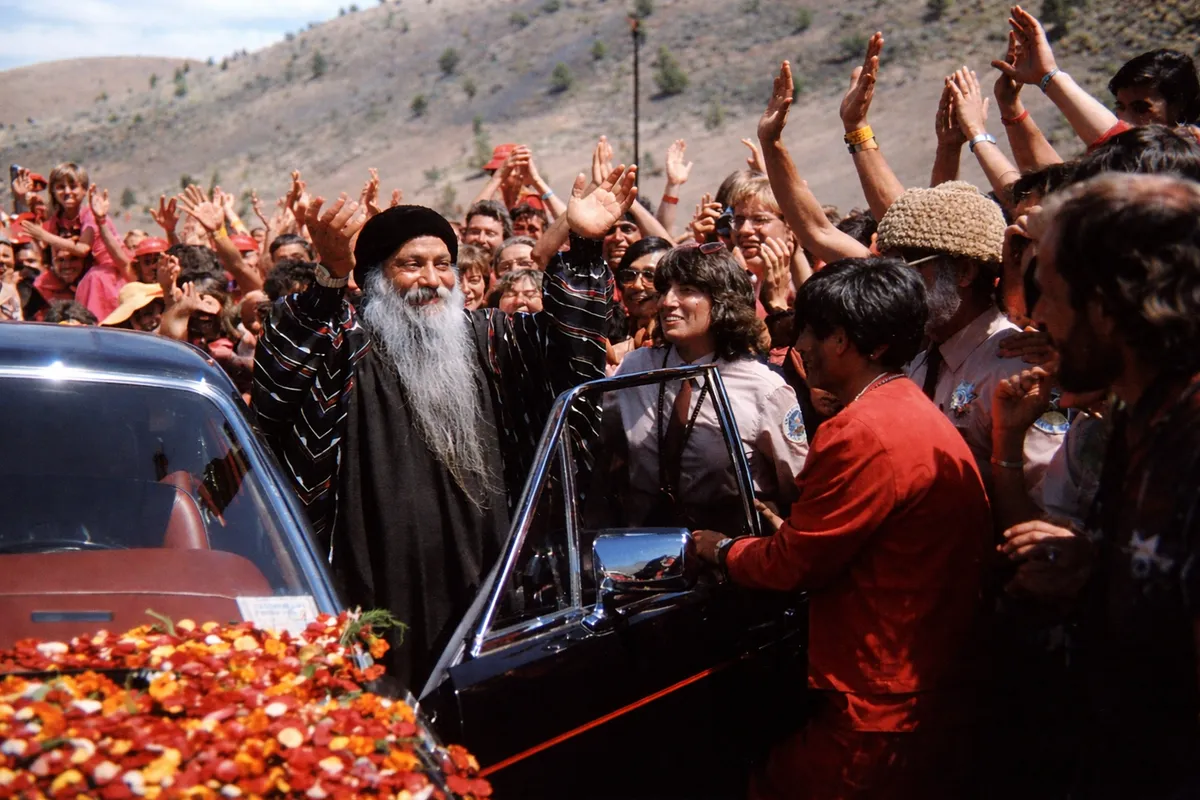
Osho's original Hindi beside Osho Live's English translation, matched passage by passage.
आनंद मैत्रेय! निश्चय ही ऐसा ही है। मूढ़ का अर्थ है: सोया हुआ, जिसे होश नहीं। जी रहा है, लेकिन पता नहीं क्यों! चलता भी है, उठता भी है, बैठता भी है--यंत्रवत! जिंदगी कैसे गुजर जाती है, जन्म कब मौत में बदल जाता है, दिन कब रात में ढल जाता है--कुछ पता ही नहीं चलता। जो इतना बेहोश है, उसे दुख का बोध नहीं हो सकता। बेहोशी में दुख का बोध कहां! झेलता है दुख, पर बोध नहीं है, इसलिए मानता है कि सुखी हूं।
Anand Maitreya! Certainly, it is so. “Fool” means asleep, without awareness—living, but not knowing why. He walks, gets up, sits down—mechanically. How a life passes by, when birth turns into death, when day fades into night—nothing is really noticed. One so unconscious cannot be aware of suffering. Where can the sense of suffering exist in unconsciousness? He endures suffering, but has no awareness of it; therefore he believes, “I am happy.”
करीब-करीब प्रत्येक व्यक्ति इसी भ्रांति में है कि सब ठीक है। जिससे पूछो, कैसे हो, वही कहता है, ‘ठीक हूं।’ और ठीक कुछ भी नहीं है। सब गैर-ठीक है। जिससे पूछो, वही कहता है, ‘मजा है! आनंद है! परमात्मा की बड़ी कृपा है!’ शायद उसे यह भी बोध नहीं कि वह क्या कह रहा है।
न सुनने वाले को पड़ी है, न बोलने वाले को पड़ी है सोचने की। कहने वाला कह रहा है, सुनने वाला सुन रहा है। न कहने वाले को प्रयोजन है--क्यों कह रहा है। न सुनने वाले को चिंता है कि क्या कहा जा रहा है! ऐसी बेहोशी में सुख की भ्रांति होती है। पशु ऐसी ही बेहोशी में जीते हैं--और निन्यानबे प्रतिशत मनुष्य भी।
Almost everyone lives under this illusion that all is well. Ask anyone, “How are you?” and he will say, “I’m fine.” And nothing is fine. Everything is out of joint. Ask and he says, “All is great! Bliss! God’s immense grace!” Perhaps he has no sense of what he is saying. Neither the one who speaks is inclined to think, nor the one who listens is inclined to hear. The speaker speaks; the listener listens. The speaker has no real purpose in speaking; the listener has no concern for what is being said. In such unconsciousness there is the illusion of happiness. Animals live in such unconsciousness—and ninety-nine percent of humans, too.
‘पशु’ शब्द बड़ा प्यारा है। पशु का अर्थ है: जो पाश में बंधा हो। पशु का अर्थ सिर्फ ‘जानवर’ नहीं; पशु का बड़ा वैज्ञानिक अर्थ है--बंधा हुआ; मोह के पाश में बंधा हुआ; मूर्च्छा के बंधनों में जकड़ा हुआ; आसक्तियों में; खोया हुआ सपनों में।
“Pashu” is a very sweet word. It means one bound by paash—fetters. It does not merely mean “animal”; it has a very scientific sense: bound, tied by the fetters of attachment, gripped by the bonds of stupor, caught in clinging, lost in dreams.
पशुओं को तुमने दुखी न देखा होगा, रोते न देखा होगा, पीड़ित न देखा होगा। इसलिए तो पशुओं में कोई बुद्ध नहीं होता। जब पीड़ा का ही पता न चलेगा, तो पीड़ा से मुक्त होने की बात ही कहां उठती है! प्रश्न ही नहीं उठता।
You will not have seen animals sorrowing, weeping, tormented. That is why there are no Buddhas among animals. If there is no sense of pain, where does the question of freedom from pain arise? The question simply doesn’t arise.
मनुष्यों में कभी कोई एकाध व्यक्ति बुद्धत्व को उपलब्ध होता है; कभी। अंगुलियों पर गिने जा सकते हैं ऐसे लोग; करोड़ों में कोई एक। कौन बुद्धत्व को उपलब्ध होता है? वही जिसे जीवन की पीड़ा ठीक-ठीक दिखाई पड़ती है, जिसे इतना होश आ जाता है कि जीवन दुख ही दुख है। आशा है सुख की, मगर मिलता कहां? दौड़ते हैं पाने के लिए, मगर पहुंचता कौन है? हाथ खाली के खाली रह जाते हैं।
Among humans, once in a while someone attains Buddhahood—rarely. You can count such people on your fingers: among millions, someone. Who attains Buddhahood? The one to whom life’s pain appears plainly, to whom so much awareness dawns that life is nothing but suffering. There is hope for happiness—but where is it found? We run to attain it—but who arrives? The hands remain empty.
धन भी इकट्ठा हो जाता है, पद पर भी बैठ जाते हैं, मगर भीतर की रिक्तता नहीं भरती, सो नहीं भरती। भीतर का दीया नहीं जलता, सो नहीं जलता। धन से जलेगा भी कैसे? पद से भीतर रोशनी भी कैसे होगी? कोई संबंध नहीं दोनों का। धन बाहर है, भीतर निर्धनता है। बाहर के धन से भीतर की निर्धनता कैसे मिटे? महल में रहो कि झोपड़े में, रहोगे तो तुम ही! तुम अगर झोपड़े में दुखी हो, तो महल में भी दुखी रहोगे! तुम अगर झोपड़े में सोए हो, तो महल में सोओगे। लेकिन झोपड़े में जो है, वह भी सोच रहा है, ‘सुखी हूं।’ राह के किनारे जो भिखमंगा बैठा है--लंगड़ा, लूला, अंधा, बहरा, कुष्ठ से गला जा रहा है, हाथ-पैर गिर रहे हैं टूट-टूट कर--वह भी जीए जा रहा है! पता नहीं किस आशा में! किस भ्रांति में।
Wealth accumulates, high office is attained—but the inner emptiness does not fill, it simply does not fill. The inner lamp does not light, it simply does not light. How will it be lit by wealth? How will a post bring inner light? There is no connection. Wealth is outside; within is poverty. How will inner poverty be dispelled by outer wealth? Whether you live in a palace or a hut, you will still be you. If you are miserable in a hut, you will be miserable in a palace. If you sleep in a hut, you will sleep in a palace. Yet the one in the hut thinks, “I am happy.” The beggar on the roadside—lame, maimed, blind, deaf, rotting with leprosy, hands and feet falling off piece by piece—he too goes on living! In what hope? In what illusion?
‘कल सब ठीक हो जाएगा।’ कल कभी आता है? जो नहीं आता, उसी का नाम कल है। तुम किसी भिखमंगे से भी कहोगे--किसलिए जी रहे हो? तो नाराज हो जाएगा। तुम्हें नहीं दिखाई पड़ेगा कोई कारण जीने का। लेकिन जीवेषणा ऐसी है कि हर हाल आदमी जीए जाता है!
“Tomorrow all will be well.” Does tomorrow ever come? What never comes is what we call tomorrow. Ask even a beggar, “Why are you living?” and he will be offended. You will see no reason to live, but the urge to live is such that man just goes on living under all conditions.
गहन अकाल के दिनों में माताएं अपने बच्चों को काट कर खा गईं! बापों ने अपनी बेटियां बेच दीं। टूट गए सब नाते; छूट गए सब रिश्ते। अपने जीवन की आकांक्षा इतनी है कि आदमी कुछ भी कर सकता है! जिसके लिए जीते थे, उसी को मार भी सकता है। ऐसी अवस्था में पता नहीं चलता। कांटों में बिंधे पड़े रहते हैं, और फूलों के सपने देखते रहते हैं!
In times of severe famine, mothers cut up and ate their children! Fathers sold their daughters. All bonds broke; all relationships dissolved. The craving to keep one’s own life is so intense that a man can do anything! For which he was living, that very one he can kill. In such a state nothing is clear. Pierced by thorns, he lies there—dreaming of flowers!
यह श्लोक ठीक कहता है कि ‘जो संसार में अत्यंत मूढ़ हैं, वे सुखी हैं।’ सुखी इसलिए कि उनकी मूढ़ता इतनी सघन है कि उन्हें मूढ़ता का भी पता नहीं। मूढ़ता का पता जिसे चल गया, वह तो मूढ़ न रहा।
This verse is right: “Those who are extremely foolish in the world are happy.” Happy because their foolishness is so dense they do not even know they are foolish. The one who comes to know his foolishness is no longer a fool.
कल ही मैंने देखा श्री मोरारजी देसाई का एक वक्तव्य। एक पत्रकार परिषद में उनसे पूछा गया कि ‘आप--आचार्य रजनीश का गुजरात में आगमन हो रहा है, कच्छ में--उसका विरोध करेंगे या नहीं? आप विरोध की अगवानी क्यों नहीं करते? कच्छ में प्रवेश न हो, इस विरोध में आप नेतृत्व क्यों हाथ में नहीं लेते?’
Just yesterday I saw a statement by Shri Morarji Desai. In a press conference he was asked, “Acharya Rajneesh is coming to Kutch—will you oppose it or not? Why don’t you lead the protest so that he is not allowed to enter Kutch?”
तो उन्होंने कहा कि कच्छ की जनता ही विरोध करेगी। और आचार्य रजनीश का वे ही लोग समर्थन करते हैं, जो मूर्ख हैं, मूढ़ हैं!
He said, “The people of Kutch will oppose him. Only fools, the foolish, support Acharya Rajneesh.”
मैंने वक्तव्य पढ़ा, तो सोचा या तो मोरारजी देसाई को अपना वक्तव्य वापस लेना चाहिए या फिर मेरा समर्थन करना चाहिए। दो में से कुछ एक करना चाहिए। अगर वक्तव्य सही है, तो मेरा समर्थन करना चाहिए, क्योंकि वे तो मूढ़ता में सर्वोच्च हैं! अरे, प्रधानमंत्री का पद तो आया-गया! अब तो भूतपूर्व हो गए; भूत हो गए! लेकिन मूढ़ता तो निज की संपदा है; उसमें कभी भूतपूर्व होने की संभावना नहीं दिखती। मगर परम मूढ़ता यह है कि दूसरों को मूढ़ समझते हैं। खुद की मूढ़ता का खयाल नहीं होता।
When I read it, I thought: either Morarji Desai should retract his statement, or he should support me. He should do one of the two. If his statement is correct, then he should support me, because he himself is supreme in foolishness! The post of prime minister comes and goes—now it’s former; now he’s a “former.” But foolishness is one’s own property; there seems no possibility of ever becoming “former” in that. Yet the supreme foolishness is to think others are fools and to have no inkling of one’s own.
एक से एक मूर्खतापूर्ण बातें वे रोज कहते हैं! और खयाल में भी नहीं कि क्या कह रहे हैं!
He says one foolish thing after another every day—and has no idea what he is saying!
कच्छ की जनता को मुझसे कोई विरोध नहीं है। अगर विरोध है, तो मोरारजी देसाई को और उनके साथ हार गए राजनीतिज्ञों को--इने-गिने थोड़े से लोग। कच्छ की जनता तो स्वागत के लिए तैयार है। रोज कच्छ से लोग यहां आ रहे हैं।
The people of Kutch have no quarrel with me. If there is opposition, it is from Morarji Desai and the politicians who lost with him—a few, a handful. The people of Kutch are ready to welcome me. Every day, people come here from Kutch.
अभी परसों ही मांडवी का एक प्रतिनिधि मंडल आठ व्यक्तियों का यह निवेदन करने आया था कि आप जो कच्छ के, मोरारजी देसाई के संगी-साथी हैं, वे जो शोरगुल मचा रहे हैं, उस भ्रांति में आप जरा भी न पड़ना। हम आपके स्वागत के लिए आंखें बिछाए बैठे हैं।
Just the day before yesterday, a delegation of eight from Mandvi came with this request: “Those few companions of Morarji Desai in Kutch who are making noise—do not be misled by that illusion even a little. We are waiting with eyes spread out for your welcome.”
कच्छ के लोगों को कोई विरोध नहीं है। विरोध है तो ये कुछ कछुओं को--जिनकी चमड़ी इतनी मोटी है कि जिसमें कुछ घुसता ही नहीं!
The people of Kutch have no opposition. If there is opposition, it is from a few “turtles”—whose skins are so thick that nothing penetrates!
मूढ़ सुखी अनुभव करता है अपने को, इसलिए कि उसे दुख का बोध नहीं होता। इसलिए तो जब किसी का आपरेशन करते हैं, तो पहले उसे बेहोश कर देते हैं। बेहोश हो गया, तो फिर दुख का पता नहीं चलता। फिर उसके हाथ काटो, पैर काटो, अपेंडिक्स निकाल लो। जो करना हो करो, उसे कुछ पता नहीं। होश में किसी की अपेंडिक्स निकालोगे, तो आसान नहीं मामला। डॉक्टर की गर्दन दबा देगा--लड़ने को, मरने को, मारने को राजी हो जाएगा--कि यह क्या कर रहे--मेरा पेट काट रहे! मेरे प्राण निकल रहे हैं! भागने लगेगा। पहले उसे बेहोश कर देते हैं।
The fool feels himself happy because he has no awareness of pain. That is why, before operating on someone, we first make him unconscious. Once unconscious, he has no sense of pain. Then you can cut off his hand, his leg, remove his appendix—do what you will, he will not know. Try removing someone’s appendix while he is conscious—it will not be easy. He will grab the doctor by the throat—ready to fight, ready to die or kill—“What are you doing—cutting my belly! My life is going!” He will try to run away. So first we render him unconscious.
और यही प्रक्रिया मृत्यु की है। मरने के पहले अधिकतम लोग बेहोश हो जाते हैं--क्षण भर पहले, क्योंकि मृत्यु तो बड़े से बड़ा ऑपरेशन है। आत्मा शरीर से अलग की जाएगी। अपेंडिक्स क्या है! आत्मा का शरीर से अलग होना इससे बड़ी और पीड़ा की कोई बात क्या होगी! सत्तर-अस्सी-नब्बे साल दोनों का संग-साथ रहा। जुड़ गए, एक-दूसरे में मिल गए, तादात्म्य हो गया। उस सारे तादात्म्य को छिन्न-भिन्न करना है। तो प्रकृति बेहोश कर देती है; सिर्फ कुछ बुद्धों को छोड़ कर। क्योंकि उनको बेहोश नहीं किया जा सकता। वे जागे ही जीते हैं, जागे ही सोते हैं, जागे ही मरते हैं। इसलिए मरते ही नहीं। क्योंकि जाग कर वे देखते रहते हैं--शरीर मर रहा है, मैं नहीं मर रहा हूं। मुस्कुराते रहते हैं। देखते रहते हैं कि शरीर छूट रहा है। लेकिन मैं शरीर नहीं हूं। मन विदा हो रहा है, लेकिन मैं मन नहीं हूं। वस्तुतः तो वे बहुत पहले ही शरीर और मन से मुक्त हो चुके। मौत आई उसके पहले मर चुके। उसके पहले उन्होंने शाश्वत जीवन को जान लिया।
This is the very process of death. Before dying, the majority of people become unconscious—moments before—because death is the greatest operation of all. The soul will be separated from the body. What is an appendix! What can be more painful than the soul separating from the body? For seventy, eighty, ninety years the two have been together, joined, merged, identified. That identification has to be torn asunder. So nature renders one unconscious—except for a few Buddhas. They cannot be made unconscious. They live awake, they sleep awake, they die awake. Therefore they do not die. Awake, they watch: the body is dying, I am not dying. They keep smiling. They watch the body being left behind. “But I am not the body. The mind departs, but I am not the mind.” In truth, they became free of body and mind long before. Before death arrived, they had already died to the false. Before that, they had known the eternal life.
बुद्ध की जब मृत्यु हुई, तो उनके शिष्य रोने लगे। बुद्ध ने कहा: ‘चुप हो जाओ नासमझो! मुझे मरे तो लंबा अरसा हो गया। मैं तो बयालीस साल पहले उस रात मर गया, जिस दिन बुद्ध हुआ। अब क्या रो रहे हो! बयालीस साल बाद! आज कुछ नया नहीं हो रहा है। यह तो घटना घट चुकी। बयालीस साल पहले उस रात पूर्णिमा की--मैंने देख लिया कि मैं शरीर नहीं, मन नहीं। बात खत्म हो गई। मौत तो उसी दिन हो गई। रोओ मत। रोने का कुछ भी नहीं है। क्योंकि जो है, वह रहेगा। और जो नहीं है, वह नहीं ही है। वह जाता है, तो जाने दो। सपने ही टूटते हैं--सत्य नहीं टूटते हैं।’
When Buddha died, his disciples began to weep. Buddha said, “Be silent, you simpletons! I died long ago. I died that night forty-two years ago, the night when Buddhahood happened. Why weep now—after forty-two years? Nothing new is happening today. This event already happened—the full-moon night forty-two years back—when I saw I am not the body, not the mind. The matter ended then. Death happened that very day. Do not weep. There is nothing to weep about. That which is, will remain. That which is not, is not. If it goes, let it go. Dreams break—truths do not break.”
तो जो परम ज्ञान को उपलब्ध है, वह भी सुखी। ‘महासुख’ बुद्ध ने उसे कहा है--भेद करने को।
So the one who has attained supreme knowledge is also happy. Buddha called it “mahasukha”—great bliss, to make the distinction clear.
अज्ञानी सुखी होता है। धन मिल जाता है, लाटरी मिल जाती है--सुखी हो जाता है। पद मिल जाता है--सुखी हो जाता है। खिलौनों में--माटी के खिलौनों में भरम जाता है! एक भ्रम टूटता नहीं कि दूसरे भ्रमों में उलझ जाता है। नये-नये भ्रम खड़े करता रहता है। झमेले में लगा रहता है। यह कर लूं--वह कर लूं--आपा-धापी! इसमें इतना उलझाव होता है, इतना व्यस्त कि पता ही नहीं चलता कि कब जिंदगी आई, कब जिंदगी गुजर गई! कब सुबह हुई, कब सांझ हो गई! कब सूरज उगा, कब डूब गया!
The ignorant person is “happy.” Money comes, a lottery is won—he is happy. He gains position—he is happy. He gets enchanted with toys—mud toys! One illusion has not yet broken before he is entangled in another. He goes on constructing new illusions. He is busy in his tangles—this to do, that to do—a mad scramble! In such entanglement and busyness he never notices when life came and when it went, when it was morning and when evening, when the sun rose and when it set.
बचपन खिलौनों में निकल जाता है, जवानी भी खिलौनों में निकल जाती है। बदल जाते हैं खिलौने। बच्चों के खिलौने छोटे हैं, स्वभावतः, जवानों के खिलौने जरा बड़े हैं! मगर आश्चर्य तो यह है कि बुढ़ापा भी खिलौनों में ही निकलता है। कम से कम बुढ़ापे में आते-आते तो जाग जाना चाहिए। मरने के पहले तो जाग जाना चाहिए। मरने के पहले तो सारे व्यर्थ के जाल-जंजाल से छुटकारा कर लेना चाहिए। मरने के पहले जीवन क्या है--इसकी पहचान हो जानी चाहिए। जिसको हो जाती है--उसे महासुख।
Childhood passes with toys; youth too passes with toys. The toys change. Children’s toys are small by nature; the young have slightly bigger toys. The wonder is that old age also passes with toys! At least by old age one should awaken. Before dying, one should wake up. Before dying, one should be free of all the useless nets and entanglements. Before dying, one should recognize what life is. Whoever does—he attains the great bliss.
यह श्लोक कीमती है। यह कहता है:
यश्च मूढ़तमो लोके यश्च बुद्धेः परं गतः।
वे जो मूढ़ हैं, वे भी सुखी हैं नकारात्मक अर्थों में। क्योंकि उनको दुख का पता नहीं। और वे जो बुद्धपुरुष हैं, बुद्धजन हैं, जो परम गति को उपलब्ध हुए, वे भी सुखी हैं--विधायक अर्थों में। उन्हें पता है कि सुख क्या है। वे महासुखी हैं। भेद को समझ लेना। दोनों का सुख अलग-अलग है।
This verse is precious. It says: yas ca mūḍhatamo loke yas ca buddheḥ paraṁ gataḥ. Those who are foolish are also “happy,” in a negative sense—because they do not know suffering. And those who are Buddhas, who have attained the ultimate, they too are happy—in a creative, positive sense. They know what happiness is. They are supremely happy. Understand the distinction. Their “happiness” is altogether different.
मूढ़ का सुख वैसा ही, जैसा बेहोश आदमी का ऑपरेशन हो रहा है, और उसे पता नहीं।
The fool’s “happiness” is like that of an unconscious man being operated on—he does not know.
काशी के नरेश का ऑपरेशन हुआ उन्नीस सौ आठ में। अपेंडिक्स का ऑपरेशन था। लेकिन काशी के नरेश ने क्लोरोफार्म लेने से इनकार कर दिया। और कहा कि इसकी कोई जरूरत नहीं है। मैं जानता हूं कि मैं शरीर नहीं हूं। आपरेशन करो।
In 1908 the Maharaja of Kashi underwent an operation—an appendectomy. But the Maharaja refused chloroform. He said there was no need for it. “I know I am not the body. Do the operation.”
अंग्रेज डॉक्टर बड़ी मुश्किल में पड़े। ऑपरेशन करना तत्क्षण जरूरी है, नहीं तो मौत हो सकती है। अपेंडिक्स फूट सकती है। संघातक स्थिति है। ठहरा नहीं जा सकता। और काशी के नरेश को जबरदस्ती भी नहीं की जा सकती। वे कहते हैं कि बेहोश करने की कोई जरूरत नहीं है। मैं ध्यान करता रहूंगा, तुम ऑपरेशन कर देना!
The English doctors were in great difficulty. The operation had to be done immediately, else death could result; the appendix might burst—an acute situation. There was no time to wait. They could not force the Maharaja either. He insisted there was no need to be anesthetized. “I will remain in meditation; you go ahead.”
कभी यह घटना घटी न थी इसके पहले। डॉक्टरों ने बहुत झिझकते हुए समझाने की कोशिश की। लेकिन समझाने के लिए समय भी न था। तब मजबूरी में उन्होंने कहा कि ठीक है। थोड़ी सी चीर-फाड़ करके देखी कि क्या परिणाम होता है। लेकिन काशी नरेश तो आंख बंद किए मस्त ही रहे। आंखों से आनंद के आंसू झरते रहे। फिर उन्होंने अपेंडिक्स भी निकाल ली। वे आनंद के आंसू झरते ही रहे। चेहरे पर एक आभा--जैसे पता ही न चला! जैसे उन्होंने कुछ इस बात का हिसाब ही न लिया।
This had never happened before. The doctors, with great reluctance, tried to persuade him. There wasn’t time. Finally they said, “All right.” They made a small incision to see what would happen. The Maharaja sat with eyes closed, blissful. Tears of joy flowed from his eyes. They removed the appendix as well—still the tears of bliss kept flowing. A radiance on his face—as if he had not even taken note of anything.
अपेंडिक्स पहली दफा मनुष्य-जाति के इतिहास में बिना बेहोश किए निकाली गई। चिकित्सक चकित थे। भरोसा न आता था अपनी आंखों पर--कि इतना बड़ा ऑपरेशन हो और कोई व्यक्ति हिले-डुले भी नहीं! पूछा उन्होंने काशी नरेश को कि ‘इसका राज क्या है?’
For the first time in human history an appendix was removed without anesthesia. The surgeons were astonished; they could not believe their eyes—such a major operation, and the person did not even move! They asked the Maharaja, “What is the secret?”
उन्होंने कहा: राज कुछ भी नहीं। राज इतना ही है कि मैं जानता हूं--मैं शरीर नहीं हूं। मैं साक्षी हूं। मैं अपने साक्षीभाव में रहा। मैं देखता रहा कि अपेंडिक्स निकाली जा रही है। पेट फाड़ा जा रहा है। औजार चलाए जा रहे हैं। मैं द्रष्टा हूं। शरीर अलग है। मैं यूं देखता रहा, जैसे कोई किसी और के शरीर की शल्य-क्रिया देखता हो। मैं शरीर नहीं हूं; और ही है शरीर।
He said, “There is no secret—only this: I know I am not the body. I am the witness. I remained in witnessing. I watched the appendix being removed, the abdomen being opened, the instruments at work. I was the seer. The body is separate. I watched as one would watch surgery being performed on someone else’s body. I am not the body; the body is other.”
ज्ञान को उपलब्ध व्यक्ति के लिए कोई दुख नहीं है, क्योंकि दुख शरीर और मन के ही होते हैं; आत्मा का कोई दुख नहीं होता। आत्मा का स्वभाव आनंद है।
For the one who has attained knowledge, there is no suffering, because suffering belongs only to body and mind; the soul never suffers. The nature of the soul is bliss.
हमने शरीर के साथ अपने को एक मान रखा है, तो हम दुखी हैं। मन के साथ अपने को जोड़ रखा है, तो हम दुखी हैं। मन यानी माया। मन यानी मोह। मन यानी सारा संसार; यह सारा विस्तार। मन और शरीर से अलग जिसने अपने को जान लिया, वह परम बुद्धत्व को उपलब्ध हो जाता है। फिर वहां कोई दुख नहीं है। फिर वहां महासुख है, परम शांति है। आनंद ही आनंद। अमृत ही अमृत!
We have identified ourselves with the body—therefore we suffer. We have tied ourselves to the mind—therefore we suffer. Mind means maya, illusion; mind means attachment; mind means the whole world, this entire expanse. One who knows himself as separate from mind and body attains supreme Buddhahood. There, there is no suffering—there is great bliss, ultimate peace, only joy—only nectar!
और यह बात भी सच है कि इन दोनों के बीच में जो है, वह दुखी है। मूढ़--उसे पता नहीं, बेहोश है। प्रबुद्ध--उसे पता है, परिपूर्ण होश है। इन दोनों के मध्य में जो है, वह दुखी है। वह बड़े झमेले में है। न यहां का, न वहां का। न घर का न घाट का--धोबी का गधा है! इधर शरीर खींचता है, उधर आत्मा पुकारती है। इधर बाहर की दुनिया आकर्षित करती है, उधर भीतर का लोक निमंत्रण देता है। यहां धन खींचता है, वहां ध्यान पुकारता है। खेंचातानी! कोई टांग खींच रहा है! कोई हाथ खींच रहा है!
And it is also true that the one who is in between these two is miserable. The fool—he doesn’t know; he is unconscious. The enlightened one—he knows; he is perfectly aware. The one in the middle suffers. He is in a great tangle: neither here nor there, neither of home nor of the ghat—the washerman’s donkey! This way the body pulls; that way the soul calls. The outer world attracts; the inner realm invites. Here wealth pulls; there meditation calls. A tug-of-war—someone pulls the leg, someone the hand!
जरा-जरा सा होश भी है, मगर धुंधला-धुंधला; इतना नहीं कि महासुख दिखाई पड़ जाए। मगर इतना होश है कि दुख दिखाई पड़ता है। इतनी रोशनी नहीं कि अंधेरा मिट जाए। मगर इतनी रोशनी है कि अंधेरा दिखाई पड़ता है। जैसे सुबह-सुबह, भोर में, अभी सूरज नहीं निकला; अभी रात के आखिरी तारे नहीं डूबे। कुछ-कुछ हलकी सी रोशनी है। और गहन अंधकार भी--साथ-साथ! मध्य में जो है, वह संध्या काल में है। उसकी बड़ी विडंबना है। न यहां का, न वहां का! वह त्रिशंकु की भांति लटक जाता है। न इस लोक का, न परलोक का।
There is a little awareness, but dim— not enough to see great bliss; yet enough to see suffering. Not enough light to dispel the dark; but enough to see the darkness. Like early dawn, when the sun has not yet risen, the last stars have not yet set—some faint light, and deep darkness—together. The one in the middle is in twilight. It is a great irony: neither here nor there. He hangs like Trishanku—neither of this world nor the other.
कुछ लोगों की यह गति है। खास कर उन लोगों की, जिनके जीवन में थोड़ी सी धार्मिकता है। जिनके जीवन में थोड़ा सा प्रार्थना का स्वर सुनाई पड़ा है। जिनके जीवन में क्रांति की थोड़ी सी चिनगारी पड़ी है। वे बड़े दुखी हो जाते हैं। और वे तब तक दुखी रहेंगे, जब तक वे परम सत्य को न पा लें।
Some people come to this state—especially those in whose lives a little religiosity has dawned, a note of prayer has been heard, a spark of revolution has fallen. They become very miserable—and will remain so until they attain the Supreme Truth.
बुद्ध बहुत दुखी हो गए थे, तभी तो राजमहल छोड़ा। और जिन घटनाओं को देख कर दुखी हुए थे, उन्हीं घटनाओं को तुम रोज देखते हो, तुम्हें कुछ भी नहीं होता! चार घटनाओं का उल्लेख है।
Buddha became deeply miserable—only then did he leave the palace. And the very events that made him miserable are those you see daily—yet nothing happens to you! Four events are mentioned.
बुद्ध जब पैदा हुए, तो ज्योतिषियों ने कहा कि सम्राट, हम बड़े संकोच से भरे हैं। आपके बेटे का भविष्य बड़ा अनिश्चित है। या तो यह चक्रवर्ती सम्राट होगा। अगर रुक रहा संसार में, तो यह सारे जगत का विजेता होगा। लेकिन पक्का नहीं कह सकते। एक संभावना यह भी है कि सब त्याग कर संन्यासी होगा। तब यह बुद्धत्व को उपलब्ध होगा। या तो चक्रवर्ती सम्राट या बुद्ध।
When Buddha was born, astrologers said to the king, “We speak with great hesitation: your son’s future is very uncertain. Either he will be a chakravarti, a universal emperor, if he remains in the world; he will be a conqueror of the whole world. But we cannot say for sure. There is another possibility: he may renounce everything and become a sannyasin; then he will attain Buddhahood. Either a universal emperor, or a Buddha.”
सिर्फ एक युवक ज्योतिषी भी मौजूद था। कोदन्ना उसका नाम था। वह भर चुप रहा। सम्राट ने पूछा कि तुम कुछ नहीं कहते? उसने एक अंगुली उठाई। सम्राट ने कहा: इशारे मत करो। साफ-साफ कहो। क्या कहना चाहते हो एक अंगुली उठा कर?
There was also a young astrologer present—Kondanna. He kept silent. The king asked, “You say nothing?” He raised one finger. The king said, “Do not make gestures. Speak clearly—what do you mean by raising one finger?”
कोदन्ना ने कहा कि मैं सुनिश्चित रूप से कहता हूं कि यह व्यक्ति बुद्धत्व को उपलब्ध होगा।
Kondanna said, “I say with certainty—this person will attain Buddhahood.”
सम्राट को बहुत धक्का लगा कि एक ही बेटा था। वह भी बुढ़ापे में पैदा हुआ था! यह संन्यस्त हो जाएगा। फिर मेरे साम्राज्य का क्या होगा! इसे कैसे रोका जाए कि यह संन्यस्त न हो।
The king was shaken. He had only one son, born in old age. “He will renounce? Then what will happen to my kingdom? How can he be prevented from becoming a renunciate?”
हर मां-बाप बच्चों को रोकते हैं, कहीं संन्यस्त न हो जाएं! बड़ी हैरानी की दुनिया है। और मजा यह कि अगर किसी और का बेटा संन्यासी हो जाए, तो यही मां-बाप उसके चरण छूने जाते हैं! इनका खुद का बेटा संन्यासी होने लगे, तो इनको अड़चन आती है। अड़चन इसलिए आती है कि इनके न्यस्त स्वार्थ को धक्का लगता है। अड़चन इसलिए आती है कि बेटा हमसे आगे जा रहा है! इससे अहंकार को भी पीड़ा होती है। हम जो न कर पाए, वह बेटा कर रहा है, कि बेटी कर रही है!
All parents try to prevent their children from renouncing! Strange world. And the irony is, if someone else’s son becomes a sannyasin, the same parents go to touch his feet. But if their own son starts to renounce, they are troubled—because their vested interests are hurt; because the son is going beyond them, which pains the ego. What they could not do, the son or daughter is doing!
और फिर बुद्ध के पिता ने जो बड़ा विस्तार कर रखा था धन का, साम्राज्य का, उसका क्या होगा! जीवन उसी में गंवाया था। बड़ी आशा थी इस बेटे की कि बेटा मिल जाएगा, तो सम्हालने वाला कोई होगा। हम तो न रहेंगे, लेकिन अपना कोई खून का हिस्सा सम्हालेगा!
Buddha’s father had spent his life expanding wealth and empire. What would become of all that? He had great hope: a son would come to take charge. “We will not be here, but our own blood will hold it.”
क्या-क्या मोह हैं दुनिया में! हम न होंगे तो कम से कम हमारा बेटा सम्हालेगा। खुद के बेटे नहीं होते, लोग दूसरों के बेटे गोद ले लेते हैं और भ्रांतियां बना लेते हैं कि अपना है।
What illusions exist in the world! “If we are not, at least our son will preserve it.” People who have no children adopt others’ children and build illusions: “He is ours.”
कोई अपना सम्हालेगा, तो भी भरोसा है कि चलो, हमारा श्रम व्यर्थ नहीं गया। श्रम तो व्यर्थ ही गया। जब तुम ही चले गए, तो तुम्हारे श्रम का क्या मूल्य है!
“If someone of our own holds it, at least there is comfort that our labor didn’t go to waste.” But the labor did go to waste. When you are gone, what value is your labor?
बुद्ध के पिता बड़े चिंतित हुए। पूछने लगे कि कोई रास्ता बताओ--कैसे इसको रोकें?
तो उन ज्योतिषियों ने कहा: अगर इसे रोकना हो, तो चार चीजों का पता मत चलने देना। बीमारी होती है--यह पता मत चलने देना। क्योंकि बीमारी में इसे दुख होगा। दुख होगा, तो फिर बचना मुश्किल होगा। बुढ़ापा आता है, यह पता मत चलने देना, क्योंकि बुढ़ापे का अगर इसको खयाल आ जाएगा, तो मौत ज्यादा दूर नहीं है फिर। और मौत होती है--यह इसे पता मत चलने देना। और चौथी बात कि संन्यास की भी संभावना है--यह इसे पता मत चलने देना। बस, ये चार बातों से बचाए रखना। और इसे पिलाओ शराब और रंगरेलियां मनाने दो। सम्राट हो तुम, सुंदरतम स्त्रियां इकट्ठी कर दो, उन्हीं में भूला रहे, भटका रहे। संगीत चले। नाच चले। शराब चले। दौर पर दौर चलें। इसको बेहोश रखो। अगर इसे बेहोश रखने में समर्थ हो गए, तो यह चक्रवर्ती सम्राट हो जाएगा। सम्राट ने कहा: फिर ठीक है।
The king asked, “Tell me a way—how to stop him?”
The astrologers said, “If you want to stop him, never let him know four things. Do not let him know that sickness exists—for then he will suffer, and once suffering arises, it will be hard to save him. Do not let him know that old age comes—if he gets a hint of old age, death cannot be far. Do not let him know that death occurs. And the fourth—do not let him know there is such a thing as renunciation. Protect him from these four. And drown him in wine, revelry. You are the emperor; gather the most beautiful women. Let him remain lost among them—music, dance, liquor—let it flow in rounds. Keep him unconscious. If you can keep him unconscious, he will become a universal emperor.” The king said, “Very well.”
उसने बुद्ध के लिए अलग-अलग ऋतुओं के लिए अलग-अलग महल बनवाए। गर्मी के लिए अलग महल। ऐसे स्थान में, ऐसे मौसम में, ऐसे वातावरण में, जहां सब ठंडा था, शीतल था। उसे गर्मी का पता न चले। सर्दी में और जगह--जहां सब गर्म था, उसे सर्दी का पता न चले। वर्षा में ऐसी जगह जहां थोड़ी बूंदाबांदी हो। वर्षा का मजा भी हो, लेकिन वर्षा की पीड़ा न हो।
He built separate palaces for different seasons—one for summer in a place and climate where all was cool, so he would not know heat; one for winter where all was warm, so he would not know cold; for the rains a place where there was a light drizzle—enough to enjoy, but not to suffer.
सम्राट ने सारी सुंदर स्त्रियां, जितनी सुंदर युवतियां राज्य में मिल सकती थीं, सबको उठा लिया। वह उसके हाथ की बात थी। बुद्ध को सिर्फ लड़कियों से घेर दिया। खिलौने ही खिलौने दे दिए। और सारी सुविधाएं जुटा दीं।
He gathered all the most beautiful maidens of the realm and surrounded Buddha with them—only toys were given to him, and all comforts arranged.
श्रेष्ठतम चिकित्सक बुद्ध के पीछे लगा दिए कि बीमारी आने के पहले ही इलाज करें। बीमारी आए--फिर इलाज नहीं। बीमारी आने के पहले इलाज। बुद्ध को पता ही न चले कि बीमारी आने वाली थी।
The best physicians were assigned to him to treat disease before it arose. Not after disease comes—before it comes; so he would never know it might have come.
और किसी बूढ़े को बुद्ध के महलों में जाने की आज्ञा न थी। यहां तक कि कोई सूखा हुआ पत्ता बुद्ध के बगीचे में नहीं टिकने दिया जाता था। सूखे पत्ते को देख कर शायद उन्हें याद आ जाए कि कभी हमें भी तो नहीं सूख जाना पड़ेगा। आज हरे हैं, कल कहीं सूख कर वृक्ष से गिर तो न जाएंगे! कुम्हलाए हुए फूल रात में अलग कर देते थे। बुद्ध के बगीचे में माली रात भर काम करते थे। कुम्हलाए फूल, सूखे पत्ते, पीले पड़ गए पत्ते--सब अलग कर दिए जाते थे।
No old person was allowed near the palaces. Not even a dry leaf was allowed to remain in his gardens. Seeing a dry leaf he might recall that he too could dry up. “Today we are green; tomorrow we may dry and fall.” Withered flowers were removed at night. Gardeners worked through the night to remove withered blossoms, yellowing leaves—everything.
बुद्ध को ऐसे धोखे में रखा गया। लेकिन कब तक धोखे में रखोगे! जिंदगी से कैसे किसी को छिपाया जा सकता है!
Buddha was kept in such deception. But for how long can you keep someone deceived? How can you hide anyone from life?
एक महोत्सव में, युवक महोत्सव में बुद्ध भाग लेने जा रहे थे, उसका उदघाटन करने। राजकुमार ही उसका उदघाटन करता था। रास्ते पर डुंडियां पीट दी गई थीं कि कोई बूढ़ा न निकले, कोई बीमार न निकले, कोई मुर्दे की लाश न गुजरे, कोई संन्यासी न निकले। मगर दुनिया बड़ी है। किसी बहरे ने सुना ही नहीं कि डुंडी पिटी। किसी बीमार को पता ही न चला कि डुंडी पिटी। बड़ी राजधानी थी।
For a youth festival, the prince was to preside over the opening. Drums were beaten along the route: no old person should be out, no sick person, no funeral procession, no monk. But the world is vast. A deaf man did not hear the drum. A sick man did not know. It was a great capital.
और जब बुद्ध का रथ जा रहा था राजधानी में से, तो उन्होंने देखा एक आदमी को: कमर झुक गई। रुग्ण! खांस रहा, खखार रहा! पूछा कि क्या हो गया इसको?
As the chariot rolled through the city, Buddha saw a man—stooped, diseased, coughing, hacking. He asked, “What has happened to him?”
सारथी ने कहा कि मुझे आज्ञा नहीं है कि मैं आपको इस तरह की बातों के संबंध में कहूं!
The charioteer said, “I have no permission to speak of such things to you.”
बुद्ध ने कहा: मैं तुम्हें आज्ञा देता हूं कि बोलो। क्या हो गया इसे?
Buddha said, “I command you to speak. What has happened?”
बुद्ध को इनकार भी नहीं किया जा सकता। राजकुमार है। तो उसने कहा: मजबूरी है। लेकिन आपके पिता की आज्ञा नहीं है।
He could not refuse the prince. He said, “Forgive me. But I do not have the king’s permission.”
बुद्ध ने कहा: जब मैं तुमसे कहता हूं, जवाब दो अन्यथा नौकरी से तुम अलग किए जाते हो!
Buddha said, “When I ask, answer—or lose your position.”
उस सारथी ने कहा: मालिक नाराज न हों। यह आदमी बीमार है। इसको क्षय रोग हो गया है। यह तपेदिक से बीमार है। यह खांस रहा है, खंखार रहा है।
The charioteer said, “Do not be angry, my lord. He is ill—he has tuberculosis—he is coughing, spitting blood.”
बुद्ध ने कहा: क्या मैं भी कभी बीमार हो सकता हूं?
Buddha asked, “Can I also fall ill?”
इसको कहते हैं प्रतिभा। इसको कहते हैं बुद्धिमत्ता। इसको कहते हैं प्रखर तेजस्विता--मेधा! उस आदमी का प्रश्न तत्क्षण अपने पर लागू हो गया। क्या मैं कभी बीमार हो सकता हूं?
This is called intelligence—medha—brilliant penetration. The question immediately applied to himself: “Can I also fall ill?”
उस सारथी ने कहा कि मैं क्या कहूं आपसे! लेकिन देह है, तो बीमारी है। देह तो बीमारियों का घर है। इसमें सब बीमारियां छिपी हैं। आज नहीं कल... अभी आप जवान हैं। अभी सब स्वस्थ है। सब सुंदर है। मगर कब टूट जाएगा स्वास्थ्य, कहा नहीं जा सकता। टूट ही जाता है। मगर खयाल रखें, अपने पिता को मत कहना कि मैंने ये बातें आपसे कहीं। नहीं तो मेरा अस्तित्व खतरे में है।
The charioteer said, “What can I say? But where there is body, there is illness. The body is a house of diseases—everything is hidden in it. If not today, then tomorrow. Today you are young—healthy, beautiful. But who knows when health will break? It does break. Do not tell your father I told you this—or my life is in danger.”
बुद्ध ने कहा: तुम चिंता मत करो।
Buddha said, “Do not worry.”
और तभी एक बूढ़ा आदमी गुजरा; बहुत जरा-जीर्ण। और बुद्ध ने पूछा: इसे क्या हो गया? इसे कौन सी बीमारी है?
Just then, an old man passed by—withered, frail. Buddha asked, “What happened to him? What disease is this?”
सारथी ने कहा: इसे कोई बीमारी नहीं है। यह बुढ़ापा है। यह सबको होता है। यह बीमारी नहीं है, यह सहज जीवन का अंतिम चरण है।
The charioteer said, “No disease—this is old age. This happens to all. It is the natural final stage.”
बुद्ध ने कहा: क्या ऐसी ही झुर्रियां मेरे चेहरे पर पड़ जाएंगी! ऐसी ही शिकन! ऐसा ही कमजोर मैं हो जाऊंगा! आंखें मेरी ऐसी ही धुंधली हो जाएंगी? ऐसे ही बहरा मैं हो जाऊंगा?
Buddha said, “Will such wrinkles come upon my face? Such lines? Will I become so weak? Will my eyes become so dim? Will I become so deaf?”
सारथी ने कहा: मजबूरी है। मगर प्रत्येक को एक दिनइसी तरह हो जाना पड़ता है। सब चीजें आखिर थक जाती हैं। इंद्रियां थक जाती हैं, टूटने लगती हैं, बिखरने लगती हैं। बुढ़ापे से कौन बच सका है!
The charioteer said, “It is so for everyone. All things finally tire; the senses grow weary, begin to break, to scatter. Who has escaped old age?”
और तभी एक मुर्दे की लाश निकली और बुद्ध ने पूछा: अब इसे क्या हो गया है? ये किस आदमी को बांध कर लिए जा रहे हैं?
Then a corpse passed by. Buddha asked, “What has happened now? Whom are they carrying tied up?”
सारथी ने कहा: यह बुढ़ापे के बाद की घटना है। यह आदमी मर गया।
The charioteer said, “This is what comes after old age: the man has died.”
और तब उसी लाश के पीछे एक संन्यासी--गैरिक वस्त्रों में! बुद्ध ने कहा: यह आदमी गैरिक वस्त्र क्यों पहने हुए है? इसके हाथ में भिक्षा का पात्र क्यों है? इस आदमी की यह शैली क्या है?
And behind that corpse a monk in ochre robes. Buddha asked, “Why is this man wearing ochre? Why a begging bowl? What is his way of life?”
तो पता चला कि यह संन्यासी है। उसने सारे संसार को छोड़ दिया है। क्यों छोड़ दिया है? इसलिए कि जीवन में दुख है, बीमारी है, बुढ़ापा है, मृत्यु है। यह आदमी अमृत की तलाश में चला है।
He learned this man is a sannyasin. “He has left the world. Why? Because there is suffering, disease, old age, death. He has gone in search of immortality.”
बुद्ध ने कहा: लौटा लो; रथ को वापस लौटा लो। मैं बीमार हो गया। मैं बूढ़ा हो गया। मैं मर गया--यूं समझो। मुझे भी सत्य की तलाश करनी होगी।
Buddha said, “Turn the chariot back. I am ill. I am old. I am dead—understand it so. I too must seek the truth.”
वे महोत्सव में भाग लेने नहीं गए। लौट आए। और उसी रात उन्होंने गृह-त्याग कर दिया।
He did not attend the festival. He returned—and that very night he renounced home.
ये चार सत्य तुम्हें रोज दिखाई पड़ते हैं--बीमार भी दिखाई पड़ता है, तुम भी बीमार पड़ते हो। बूढ़ा भी दिखाई पड़ता है, तुम भी बूढ़े हो रहे हो। रोज हो रहे हो। प्रतिपल हो रहे हो।
These four truths you see daily: you see the sick; you yourself fall ill. You see the old; you are growing old—every day, every moment.
जिसको तुम जन्म-दिन कहते हो, वह जन्म-दिन थोड़े ही है; मौत और करीब आ गई! उसको जन्म-दिन कह रहे हो!
What you call a birthday—is it a birthday? Death has come that much nearer! And you call it a birthday!
लोग जन्म-दिन मनाते हैं! लेकिन मौत करीब आ रही है। एक साल और बीत गया। एक बरस और बीत गया। जिंदगी और छोटी हो गई। तुम सोचते हो, जिंदगी बड़ी हो रही है। जिंदगी छोटी हो रही है।
People celebrate birthdays—but death approaches. Another year is gone. Life is shorter by a year. You think life grows greater; life is growing smaller.
जन्मने के बाद आदमी मरता ही जाता है। पहले ही क्षण से मरना शुरू हो जाता है। यह मरने की प्रक्रिया सत्तर-अस्सी साल लेगी, यह और बात। धीरे-धीरे क्रमशः आदमी मरता जाता है।
After being born, a man only goes on dying. From the very first moment the process of dying begins. It may take seventy or eighty years—that is another matter. Slowly, gradually, one goes on dying.
लेकिन तुम देख कर भी कहां देखते हो। तुम बेहोश हो। इसलिए तुम सुखी हो। बुद्ध बहुत दुखी हो गए। मध्य में आ गए। मूढ़ न रहे। अभी परम ज्ञान नहीं हुआ है। मगर बीच की हालत आ गई। बहुत दुखी हो गए। तलाश में निकल गए।
But though you see, you do not really see. You are unconscious—and therefore you are “happy.” Buddha became very miserable. He came to the middle. He was no longer a fool, but he had not yet attained supreme knowledge. He entered the in-between state and became very miserable—and set out in search.
जब आदमी बहुत दुखी होता है, तभी तलाश में निकलता है। मगर दुख को अनुभव करने के लिए भी बुद्धिमत्ता चाहिए। धन्यभागी हैं वे, जो दुख को अनुभव कर सकते हैं, क्योंकि जिन्होंने दुख को अनुभव किया, उन्होंने फिर दुख से मुक्त होने की चेष्टा भी की। करनी ही पड़ेगी।
Only when one is deeply miserable does one set out to seek. But to experience suffering also requires intelligence. Blessed are those who can experience suffering—for those who experience suffering will strive to be free of it. They must.
बुद्ध छह वर्ष अथक तपश्चर्या किए, ध्यान किए। और एक दिन परम बुद्धत्व को उपलब्ध हुए, तब महासुख के झरने फूटे। तब अमृत-रस बरसा। तब जीवन का राज खुला, रहस्य खुला। तब भीतर का सूरज उगा। ध्यान मिला, तो भीतर का धन मिला। समाधि मिली, तो सब समस्याओं का समाधान मिला। फिर कोई दुख न रहा। फिर कोई संताप न रहा।
For six years Buddha undertook relentless austerities and meditation. One day he attained supreme Buddhahood. Then the springs of great bliss burst forth; the nectar rained down; the secret of life opened; the mystery was revealed; the inner sun rose. With meditation the inner wealth was gained; with samadhi all problems were resolved. Then there was no suffering, no sorrow.
यह सूत्र बिलकुल ठीक है:
यश्च मूढ़तमो लोके यश्च बुद्धेः परं गतः।
बड़ा विरोधाभासी सूत्र है कि मूढ़ों की गति और परम बुद्धों की गति एक अर्थ में समान है। मूढ़ भी सुखी, बुद्ध भी सुखी। मगर उनका सुख बड़ा अलग-अलग। मूढ़ बेहोशी के कारण सुखी; बुद्ध होश के कारण सुखी। जमीन-आसमान का भेद है।
This aphorism is exactly right: yas ca mūḍhatamo loke yas ca buddheḥ paraṁ gataḥ. It is a paradox: in one sense, the lot of the fool and the supreme Buddha are alike. The fool is “happy,” and the Buddha is happy. But their happiness is utterly different. The fool is “happy” because of unconsciousness; the Buddha is happy because of awareness—the difference is that of earth and sky.
तावुभौ सुखमेघेते क्लिश्यत्यन्तरितो जनः।
लेकिन जो बीच में हैं, मध्य में हैं, उनको बड़ा क्लेश है। लेकिन मध्य में आना ही होगा। पशुता छोड़नी होगी; मनुष्य होना होगा। मनुष्य दुखी होगा; मनुष्य मध्य में होगा। लेकिन उस दुख से गुजरे बिना कोई बुद्धत्व तक नहीं जा सकता। वह कीमत चुकानी पड़ती है। जो उस कीमत को चुकाने से बचेगा, वह पशुता के जगत में ही, मूढ़ता के जगत में ही उलझा रह जाता है।
tāv ubhau sukhamevaite kliśyaty antarito janaḥ. But those in the middle suffer greatly. Yet one must come to the middle. Animality must be left; one must become human. The human being will suffer; the human is in the middle. Without passing through that suffering, no one reaches Buddhahood. The price has to be paid. Whoever evades that price remains entangled in the world of animality, in the world of folly.
और तुम यही कर रहे हो। अधिकतम लोग यही कर रहे हैं। किसी तरह अपने को भुलाए रखो; उलझाए रखो। जाल बुनते रहो उलझाव के। और कल पर टालते रहो--मनुष्य होने की संभावना को। कल मौत आएगी।
And that is what you are doing—most people are doing it. Somehow keep yourself distracted, entangled. Spin webs of entanglement. Postpone the possibility of becoming human—to tomorrow. Tomorrow death will come.
तुम बहुत बार जन्मे हो और बहुत बार ऐसे ही मर गए! अवसर तुमने कितना गंवाया है--हिसाब लगाना मुश्किल है! अब और न गंवाओ। यह कीमत चुका दो। यह दुख से थोड़ा गुजरना पड़ेगा। और जितने जल्दी चुका दो, उतना बेहतर है। यह दुख ही तपश्चर्या है। यह दुख ही साधना है। इस दुख की सीढ़ी से चढ़ कर ही कोई परम सुख को उपलब्ध हुआ है। और कोई उपाय नहीं है। बच कर नहीं जा सकते।
You have been born many times and died many times in just this way! You have wasted so many opportunities—it is hard to compute! Waste no more. Pay the price now. You will have to pass through a little suffering. The sooner you pay it, the better. This very suffering is tapas, austerity; this very suffering is sadhana, the path. Only by climbing the steps of this suffering has anyone ever attained the supreme bliss. There is no other way. You cannot escape it.
इसलिए शास्त्र कहते हैं कि देवता भी देवलोक से निर्वाण को नहीं पा सकते। पहले उन्हें मनुष्य होना पड़ेगा। मनुष्य हुए बिना कोई बुद्धत्व को उपलब्ध नहीं हो सकता है, क्योंकि मनुष्य चौरस्ता है।
That is why the scriptures say even gods cannot attain nirvana from heaven. First they must become human. Without being human, no one can attain Buddhahood—because man is the crossroads.
देवता सुखी हैं। शराब पी रहे हैं। अप्सराओं को नचा रहे हैं। और उसी तरह के उपद्रव में लगे हैं, जिसमें तुम लगे हो। कुछ फर्क नहीं है! थोड़ा बड़े पैमाने पर हैं उनका जरा। उनकी उम्र लंबी होगी। उनकी देह सुंदर होगी। मगर सब यही जाल है, जो तुम्हारा है। यही ईर्ष्या। यही वैमनस्य।
The gods are “happy.” They drink wine, make apsaras dance, busy with the same mischiefs as you—no difference! Only on a bigger scale. Their lifespan is longer; their bodies more beautiful. But it is the same net as yours: the same jealousy, the same hostility.
तुमने कहानियां तो पढ़ी हैं कि इंद्र का सिंहासन बड़े जल्दी डोल जाता है। कोई तपश्चर्या करता है, इंद्र का सिंहासन डोला! घबड़ाहट चढ़ती है कि यह आदमी कहीं इंद्र न हो जाए! वही राजनीति, वही दांव-पेंच! और इंद्र करते क्या हैं? भेज देते हैं अप्सराओं को--मेनका को, उर्वशी को कि ‘भ्रष्ट करो इस तपस्वी को। यह भ्रष्ट हो जाए, तो मैं निश्चिंत सोऊं।’ मगर क्या खाक निश्चिंत सो पाओगे! इतनी बड़ी पृथ्वी है, कोई न कोई तपश्चर्या करेगा, कोई न कोई ध्यान करेगा। नींद कहां?
You have read the stories: Indra’s throne trembles easily. Someone begins austerity—Indra’s throne shakes! He grows anxious: “This man may become an Indra!” The same politics, the same tricks. What does Indra do? He sends apsaras—Menaka, Urvashi—to corrupt the ascetic. “If he is corrupted, I can sleep in peace.” But how will you sleep in peace? The earth is vast; someone somewhere will practice austerity, someone will meditate. Where then is sleep?
देवता भी दुखी हैं, उतने ही जितने तुम। लेकिन न तुम्हें पता है, न उन्हें पता है। वे भी बेहोश हैं। इसलिए शास्त्र ठीक कहते हैं कि मनुष्य हुए बिना...। मनुष्य के चौराहे से तो गुजरना ही होगा। यह चौराहा है। यहां से पशु की तरफ रास्ता जाता है; यहां से मनुष्य की तरफ रास्ता जाता है; यहां से देवत्व की तरफ रास्ता जाता है; और यहां से बुद्धत्व की तरफ भी रास्ता जाता है।
The gods too are as miserable as you—only they don’t know it, and neither do you. They too are unconscious. Hence the scriptures are right: without becoming human... One must pass through the human crossroads. It is the crossroads. From here the road leads back to animality; from here a road leads to humanity; from here to godhood; and from here also to Buddhahood.
मनुष्य चौराहा है। चारों रास्ते यहां मिलते हैं। अगर तुम समझो, तो जीवन एक परम सौभाग्य है। अगर तुम जागो, तो मनुष्य होने से बुद्धत्व होने की तरफ मार्ग जा रहा है; तुम उसे चुन सकते हो।
Man is the crossroads; all four paths meet here. If you understand, life is a supreme good fortune. If you awaken, from being human there is a path to Buddhahood; you can choose it.
लेकिन लोग शराब पीएंगे! अगर दुखी होंगे, तो शराब पीएंगे। क्यों आदमी शराब पीता है दुखी होता है तो? भुलाने के लिए। पशु हो जाएगा शराब पीकर।
But people drink alcohol! When they are miserable, they drink. Why does a man drink when miserable? To forget. By drinking, he becomes animal-like.
जो समझदार है, वह ध्यान करता है। वह ध्यान की शराब पीता है। वह समाधि की तरफ बढ़ता है। वह कहता है, ऐसे भुलाने से क्या होगा! भुलाने से दुख मिटता तो नहीं। फिर कल सुबह होश आएगा। फिर दुख वहीं के वहीं पाओगे। और बड़ा हो जाएगा।
One who is intelligent meditates. He drinks the wine of meditation. He moves toward samadhi. He says, “What will forgetting do? Forgetting does not remove suffering. Tomorrow, when I regain consciousness, I will find the same suffering—bigger in fact.”
रात भर में दुख भी बड़ा हो रहा है। जब तुम सो रहे हो, तब दुख भी बड़ा हो रहा है। सुबह चिंताओं के जाल और खड़े हो जाएंगे। कल जब तुमने शराब पी थी, जितनी चिंताएं थीं, सुबह पाओगे--और ज्यादा हो गईं, क्योंकि शराब पीकर भी तुम कुछ उपद्रव करोगे न! किसी को गाली दोगे, किसी को मारोगे, किसी के घर में घुस जाओगे। किसी की स्त्री को पकड़ लोगे। कुछ न कुछ उपद्रव करोगे! सुबह तुम पाओगे--और झंझटें हो गईं!
Overnight, suffering grows too. While you are sleeping, suffering also grows. In the morning, the web of anxieties becomes larger. Yesterday, when you drank, there were certain worries; in the morning you will find more—because in intoxication you will have created mischief: you will have cursed someone, hit someone, barged into someone’s house, grabbed someone’s wife—who knows what you will do in your stupor! In the morning you will find more troubles.
हो सकता है सुबह हवालात में पाओ अपने को; कि किसी नाली में पड़ा हुआ पाओ। कुत्ता मुंह चाट रहा हो! कि जीवन-जल छिड़क रहा हो। और झंझटें हो गईं! सुबह घर पहुंचोगे, तो पत्नी खड़ी है--मूसल लिए हुए! इससे निपटो! दफ्तर जाओगे, वहां झंझटें खड़ी होंगी। हजार भूल-चूकें होंगी। क्योंकि नशा सरकते-सरकते उतरता है। थोड़ी सी छाया बनी ही रहती है। कुछ का कुछ हो जाएगा। कुछ का कुछ बोल जाओगे। कुछ का कुछ कर गुजरोगे। और चिंताएं बढ़ जाएंगी और दुख बढ़ जाएंगे। कल मुश्किल थी...। और उस नशे में हो सकता है कि जेब ही कट जाए! बीमारियां थीं और बीमार हो जाओगे!
You may wake up in a lockup; or in a gutter with a dog licking your face, sprinkling you with its “holy water.” More troubles! At home your wife will be waiting—with a pestle! Deal with that. At the office, more tangles will arise. A thousand mistakes will happen—because the hangover takes time to clear; a shadow remains. You will say one thing and do another. Anxieties will increase, sorrows will deepen. Yesterday was hard enough. In that stupor your pocket may have been picked. You were already ill; now you will be sicker.
जिंदगी वैसे ही उलझी हुई थी, शराब से सुलझ नहीं जाएगी। गालियां दे दोगे। झगड़े कर लोगे। कुट जाओगे, पिट जाओगे। किसी को पीट दोगे, छुरा मार दोगे--पता नहीं बेहोशी में क्या कर गुजरोगे! इतना तय है कि चिंताएं कम नहीं होंगी; बढ़ जाएंगी। संताप गहन हो जाएगा। फिर और शराब पीना--इसको भुलाने के लिए! अब तुम पड़े दुष्ट-चक्र में।
Life was already tangled; liquor will not untangle it. You will abuse, fight, get beaten, beat someone, stab someone—who knows what you will do in your unconsciousness! Only one thing is certain: worries will not reduce; they will multiply. Torment will deepen. Then more liquor—to forget that! And now you are trapped in a vicious circle.
एक ही उपाय है--जागो, होश से भरो।
There is only one way—wake up, fill yourself with awareness.
अगर दुख हैं, तो उनका भी उपयोग करो। दुख का एक ही उपयोग किया जा सकता है--और वह यह है कि साक्षी बनो। और जितना साक्षीभाव बढ़ेगा, उतना दुख क्षीण होता जाएगा। इधर भीतर साक्षी जगा कि रोशनी हुई, दुख कटा, अंधेरा कटा।
If there is suffering, use it. There is only one true use of suffering: become a witness. As witnessing grows, suffering thins. The moment the inner witness awakens, light happens—suffering is cut, darkness is cut.
जिस दिन तुम परम साक्षी हो जाओगे, द्रष्टा मात्र, उस दिन जीवन में कोई दुख नहीं। उस दिन जीवन परमात्मा है।
The day you become the supreme witness, the mere seer, that day there is no suffering in life. That day life is God.
संत महाराज! इस तरह का मोह ही तो सारे संसार में छाया हुआ है। मां सोचती होगी कि पिंकी को प्रेम करती है बहुत। वह तो सोचती होगी कि अच्छी भावना से ही वह पिंकी को रोक रही है। लेकिन अज्ञान में अच्छी भावनाएं संभव नहीं हैं। अंग्रेजी में कहावत है कि नरक का रास्ता शुभाकांक्षाओं से पटा पड़ा है!
Sant Maharaj! It is exactly this kind of attachment that veils the whole world. The mother must be thinking she loves Pinky very much. She must believe she is stopping Pinky out of a good feeling. But in ignorance, good intentions are not really possible. There’s an English saying: the road to hell is paved with good intentions!
हम अपनी बेहोशी में अच्छा भी करने जाते हैं, तो बुरा ही होता है--अच्छा नहीं होता। और हम सब बेहोश हैं। तुम्हारी मां बेहोश है। उसने अच्छे के लिए किया होगा कि यह तूने क्या उपद्रव कर दिया! और सबके सामने प्रश्न पूछ कर बदनामी करवा दी! अब लड़का खोजना मुश्किल हो जाएगा, क्योंकि लड़का कहेगा, इस लड़की को तो शादी करनी नहीं है, तो क्यों झंझट में पडूं! अब तो पता चल जाएगा।
In our unconsciousness, even when we try to do good, harm is what happens—not good. And we are all unconscious. Your mother is unconscious. She must have thought she was doing it for the best: “What nuisance have you created! By asking a question in front of everyone you’ve brought disgrace! Now it will be difficult to find a bridegroom, because a boy will say, ‘This girl doesn’t even want to marry—why should I get into a mess!’ Now it will get known.”
यह बात तुम्हारी मां के अमृतसर पहुंचने के पहले अमृतसर पहुंच जाएगी, क्योंकि अमृतसर में तो मेरा प्रवचन रोज सुनने के लिए लोग इकट्ठे होते हैं। आज यहां बोलता हूं, कल वहां सुनने वाले तैयार हैं। यह रिकॉर्ड तो वहां पहुंचेगा, इसलिए मां डरी होगी कि यह बात रिकॉर्ड हो गई। यह पूरे देश में सुनी जाएगी। लड़का कहीं तो खोजने जाओगे, वहीं यह बात सुनी जाएगी। तो उसको बेचारी को पीड़ा हुई होगी कि यह मुश्किल खड़ी कर दी इसने। पूछा क्यों नहीं मुझसे पहले!
This will reach Amritsar before your mother reaches Amritsar—because in Amritsar people gather daily to listen to my talks. I speak here today; there they are ready to listen tomorrow. The recording will get there, so the mother must have been afraid that it’s been recorded—this will be heard across the whole country. Wherever you go to look for a boy, this will be heard. Naturally the poor woman must have felt hurt: “You’ve created such a difficulty. Why didn’t you ask me first!”
अब पिंकी भी ठीक कहती है कि ‘अगर मैं आपसे पूछती, तो आप मुझे प्रश्न पूछने ही न देतीं।’ उसकी भी मजबूरी है। इतनी स्वतंत्रता ही कहां देते हैं हम बच्चों को कि वे हमसे ईमानदार व्यवहार कर सकें। हम बड़े अजीब लोग हैं! हम चाहते हैं--बच्चे सब-कुछ हमसे पूछ कर करें। बुरी चाह नहीं है। लेकिन जब पूछते हैं, तब हम उन्हें करने नहीं देते। तो हम विरोधाभास खड़ा कर रहे हैं।
And Pinky is right too: “If I had asked you, you would not have allowed me to ask the question at all.” She has her compulsion too. We give our children so little freedom that they cannot be honest with us. We grown-ups are strange! We want children to do everything only after asking us. That wish itself isn’t bad. But when they do ask, we don’t let them do it. We create a contradiction.
बच्चे छोटी-छोटी बातें पूछते हैं, तो भी नहीं करने देते! छोटा सा बच्चा मां से कहता है, मैं बाहर जरा खेल आऊं? ‘नहीं।’ ‘नहीं’ तो हमारी जबान पर रखा है। ‘नहीं’ का मजा है एक। ‘नहीं’ में ताकत मालूम पड़ती है, कि देखो, किसका बल है।
Children ask even about little things, and still we don’t allow it. A small child says to his mother, “May I go out and play a little?” “No.” “No” sits on our tongue. “No” has a certain pleasure. In saying “no” one feels power: “See whose will prevails here!”
‘नहीं’ हमसे एकदम निकलता है। ‘हां’ बड़ी मुश्किल से निकलता है--उन बातों में भी जिनमें ‘हां’ निकलना ही चाहिए! अब बच्चे को बाहर खेलना है--सूरज की रोशनी में, हवा में, वृक्षों के तले। ‘नहीं’ कहने की क्या जरूरत है! लेकिन मां अपने ‘नहीं’ के लिए भी तर्क खोजती है--कि कहीं गिर पड़े! झाड़ पर चढ़ जाए! कुछ चोट खा जाए! ये सब बहाने खोज रही है वह।
“No” jumps out of us instantly. “Yes” is very hard to say—even where “yes” ought to be natural. The child wants to play outside—in sunlight, fresh air, under trees. What is the need to say “no”? But the mother even finds arguments for her “no”: “What if he falls! Climbs a bush! Gets a scrape!” She is just finding excuses.
‘नहीं’ का मजा और है। मजा यह है कि कौन ताकतवर है! मेरी चलती है यहां। लेकिन बच्चे भी इतनी आसानी से तो नहीं छोड़ देंगे। वह बच्चा शोरगुल मचाएगा। पैर पटकेगा। चीजें तोड़ेगा। किताब फाड़ देगा। आखिर में घबड़ा कर मां कहेगी कि ‘जा बाहर खेल!’ यही बात बेचारा वह पहले से पूछ रहा था। मगर सीधे अंगुली घी निकलता नहीं!
“No” has another kind of pleasure—the pleasure of power: “Who is stronger here? Things go my way.” But children won’t give up so easily. The child will make a commotion, stamp his feet, break things, tear a book. In the end the mother, flustered, will say, “All right, go out and play!” That’s exactly what the poor child was asking in the first place. But straight fingers don’t scoop ghee!
तो हम छोटे-छोटे बच्चों को राजनीति सिखा देते हैं। बच्चा पूछेगा कि मित्र के घर चला जाऊं? नहीं! तो फिर वह उपद्रव खड़े करेगा। फिर वह मौके की तलाश में रहेगा। घर में मेहमान आएंगे, तब वह भारी उपद्रव मचा देगा। और मेहमान आने के पहले मां समझाएगी कि घर में मेहमान आ रहे हैं, देख, उपद्रव मत मचाना। मगर वही अवसर है उसके लिए निकल भागने का--कि घर में जब मेहमान आएं, तो वह इतना उपद्रव मचा दे कि मां को कहना ही पड़े कि जा, पड़ोस में किसी के घर खेल। हाथ जोड़ती हूं--अभी तू यहां से जा! यह बेचारा वह पहले ही से कह रहा था। मगर पहले जाने न दिया। पहले ‘नहीं’ का मजा लिया! तो बच्चा भी मजा चखाएगा!
Thus we teach little children politics. The child asks, “May I go to my friend’s house?” “No!” Then he will create a scene. He’ll watch for his chance. Guests are coming—perfect opportunity! Before the guests arrive, the mother will warn, “Guests are coming—don’t make trouble.” But that’s his exit point. When the guests come, he raises such a ruckus that the mother is forced to say, “Go, play at the neighbor’s. I beg you—just go now!” That’s what he was asking from the start. But earlier you wouldn’t let him go; you first tasted the pleasure of “no”! So the child will make you taste his pleasure too.
बच्चे भी समझ जाते हैं धीरे-धीरे कि तुम्हारी सहने की सामर्थ्य कितनी है। हर बच्चे को पता है कि मां कितनी दूर तक बरदाश्त कर सकती है। पिता कितनी दूर तक बरदाश्त कर सकता है। वह वहीं तक खींचेगा। खींचता जाएगा। एक बरदाश्त की सीमा आ जाती है। तुम्हें खुद ही कहना पड़ेगा कि बाबा, हाथ जोड़े। जा, जो करना हो कर!
Children gradually gauge how much you can bear. Every child knows how far the mother can tolerate; how far the father can tolerate. He will pull exactly to that limit—until you yourself have to say, “All right, hands folded—go, do what you want!”
मैं बचपन में बड़े बाल रखता था। मुझे बहुत शौक था बड़े बाल का। इतने बड़े बाल कि मेरे पिता को अड़चन होती थी। स्वभावतः होती थी। मैं उनकी अड़चन भी समझता था। मगर मुझे बड़े बाल पसंद थे। अब उनकी अड़चन देखूं कि अपनी पसंद देखूं!
As a child I kept long hair. I loved long hair. So long that it created trouble for my father—naturally it did. I understood his difficulty too. But I liked long hair. So should I honor his difficulty or my preference?
उनकी अड़चन यह थी कि घर में और तो कोई खास जगह थी न, तो उनकी दुकान पर ही मैं बैठा रहता था। उनके ग्राहक आते, वे पूछते, ‘यह लड़की किसकी है?’ इससे उनको बड़ी अड़चन होती थी, कि लड़का है--और जो देखो, वही कहता है कि लड़की किसकी!
His difficulty was that there wasn’t any special place for me at home, so I sat in his shop. Customers would come and ask, “Whose girl is this?” That made it hard for him: “He’s a boy—and everyone thinks he’s a girl!”
तो वे मुझसे कहते कि तू बाल कटवा ले। एक दिन बहुत गुस्से में आ गए। जिंदगी में एक ही दफा उन्होंने मुझे चांटा मारा। और चांटा मार दिया कि दिन भर की झंझट! किस-किस को समझाऊं कि लड़का है--लड़की नहीं! और जो देखो, वही तुझे लड़की समझता है। ये बालों की वजह से तेरी झंझट नहीं, हमारी झंझट हुई जा रही है!
He would tell me, “Cut your hair.” One day he got very angry. Only once in his life did he slap me. He said, “All day long the hassle! How many people should I explain to that he’s a boy—not a girl! Everyone takes you for a girl. Because of your hair the nuisance isn’t yours—it’s mine!”
तो मैंने कहा कि तुम्हें क्या दिक्कत है! लड़की ही सही। मुझे कोई दिक्कत नहीं है। मुझे बड़े बाल पसंद हैं। और लड़की कहते हैं, तो लड़की ही सही। कोई लड़की मैं हुआ नहीं जा रहा हूं उनके कहने से। तुम्हें इतनी क्या परेशानी है! मगर उन्हें परेशानी थी इसकी। लड़के की बात ही और होती है। लड़की की कोई गिनती? अरे, लड़का होता है, तो लोग बैंड-बाजे बजाते हैं। लड़की होती है--मातम छा जाता है! एकदम उदासी छा जाती है--कि लड़की हो गई! भाग्य फूट गए।
I said, “What difficulty is it to you? Let them think I’m a girl. I don’t mind. I like long hair. If they call me a girl, so be it. Their saying it won’t make me a girl. Why are you so troubled?” But he was troubled. A boy is one thing; a girl counts for nothing? When a boy is born, there are bands and drums. A girl is born—mourning descends! A gloom falls: “A girl! Our luck is ruined.”
उन्होंने मुझे चांटा मार दिया कि बाल कटाने ही पड़ेंगे। मैंने कहा: ठीक है।
He slapped me and said, “You will have to cut your hair.” I said, “All right.”
मैं जाकर सिर घुटा आया। करना क्या!
I went and had my head shaved. What else to do!
अब एक दूसरी मुसीबत शुरू हो गई। क्योंकि मेरे उस इलाके में बच्चों के सिर तभी घोंटे जाते हैं, जब बाप की मृत्यु हो जाए। सो लोग पूछने लगे, इस बच्चे का बाप मर गया! क्या हुआ? अब वे उन्हीं से पूछें!
Now another problem began. In that region children’s heads are shaved only when the father has died. So people started asking, “Has this child’s father passed away? What happened?” Now they were asking him!
उन्होंने कहा: तूने और मेरी मुसीबत कर दी। बाबा तू अपने बाल ही बढ़ा ले! लड़की कम से कम था, ठीक था। इसमें हम तो कम से कम जिंदा थे। अब जो देखो वही पूछता है कि इस लड़के का बाप मर गया बेचारे का--क्या हो गया! अनाथ हो गया अभी से। भोला-भाला छोटा सा लड़का! इसके बाप का क्या हुआ!
He said, “You’ve made my trouble even worse. Son, grow your hair back! Being taken for a girl was at least okay—at least I was alive. Now everyone asks, ‘Oh, the poor boy’s father has died—what happened? Orphaned so young! What became of his father?’”
तो उनको समझाना पड़े कि मैं जिंदा हूं! तो वे कहें, इसके बाल कैसे कट गए?
Then he had to explain, “I’m alive!” They would ask, “Then why is his head shaved?”
तो अब यह और एक लंबी कथा हो गई। बताना पड़े पूरी कथा कि मामला यह है। पहले तो इतना ही था कि बता देते थे कि लड़का है भई; बाल बड़े हैं। अब यह सारी पूरी कथा बतानी पड़े कि मैंने इसको चांटा मार दिया; इसने बाल पूरे कटवा आया।
Now it became an even longer story. He had to tell the whole tale: “I slapped him; he went and got a complete shave.”
नाई भी कोई काटने को राजी नहीं था, क्योंकि नाइयों की दुकान--छोटा गांव--मेरी दुकान के सामने ही सारे नाइयों की दुकान! इस नाई के पास गया, उस नाई के पास गया! कोई नाई काटने को राजी नहीं। मगर एक अफीमची नाई था--नत्थू नाई। वह किसी के भी काट दे। तुम दाढ़ी कटवाने जाओ, वह बाल काट दे। तुम बाल कटवाने जाओ, वह दाढ़ी काट दे!
No barber wanted to do it, because in a small town all the barbers’ shops were right opposite ours. I went to this barber and that—no one agreed. But there was an opium-addicted barber—Natthu the barber. He would cut anyone’s anything. You go for a beard—he’ll cut your hair. You go for a haircut—he’ll shave your beard!
जब मैं उसके पास गया, उसने कुछ पूछा ही नहीं। उसने जल्दी से कपड़ा बांधा और सिर घोंट दिया! बाद में पूछा कि क्या तेरे पिता चल बसे? मैंने कहा: नहीं, कोई चल बसा नहीं। तो उसने कहा: तूने मुझे झंझट में डाला। पहले क्यों नहीं बताया! मैंने कहा: तुम पहले पूछते।
When I went to him, he didn’t ask a thing. He quickly tied the cloth and shaved my head! Afterwards he asked, “Has your father passed away?” I said, “No, no one has passed away.” He said, “You’ve landed me in trouble. Why didn’t you tell me first!” I said, “Why didn’t you ask first?”
उसने कहा कि दुनिया जानती है कि मैं अफीमची हूं। मैं अपनी पीनक में रहता हूं। यह तो जब मैंने तेरा सिर घोंट दिया, तब मुझे खयाल आया कि यह है कौन! बात क्या है? अब तू अपने पिता को मेरा नाम मत बताना। इतना हाथ जोड़ता हूं। पैसे वगैरह मुझे चाहिए नहीं। बस, नाम भर मेरा मत बताना। नहीं तो मुझसे झंझट होगी--कि तुमने क्यों इसके बाल काटे?
He said, “The world knows I’m an opium-eater. I’m in my stupor. Only after I’d shaved your head did it occur to me—who is this and what’s the matter! Now don’t tell your father my name. I beg you. I don’t want the money—just don’t mention my name. Otherwise there’ll be trouble for me—‘Why did you shave his head?’”
वे जरूर पीनक में रहते थे। उनके पास कटवाने ही लोग जाते थे, जिनको पैसे वगैरह नहीं देने हों, वे ही उनके पास बाल कटवाने जाते थे।
कभी किसी के आधे बाल काट दें वे--और चले गए! दो घंटे नदारद! वह बैठा ही है आदमी। वे दो घंटे बाद लौटे कि भूल ही गए!
He really did stay in a stupor. People went to him only when they didn’t want to pay. Sometimes he’d cut half of someone’s hair—and wander off! Gone for two hours! The man sat there. He’d return two hours later: “I forgot!”
मैंने उनसे कहा कि अगर आप इस तरह मेरे साथ व्यवहार करेंगे, तो फिर मैं भी इसी तरह व्यवहार करूंगा। मैंने कहा: यह झंझट ही मिटाओ। न रहेगा बांस, न बजेगी बांसुरी! अरे, जब बाल बड़े होने से लड़की होने की झंझट है, तो बाल खत्म ही कर दो।
I told him, “If you deal with me like this, then I’ll deal with you the same way. Let’s end the hassle: no bamboo, no flute! If long hair creates the nuisance of being taken for a girl, then remove the hair altogether.”
बस, उन्होंने फिर कभी मुझे चाटा नहीं मारा। मारा ही नहीं फिर। फिर मुझसे उन्होंने कभी कोई झंझट नहीं की। जो मैं कहूं, हां भर देते थे कि जा, जो तुझे ठीक लगे--कर।
After that my father never slapped me again. Never. He never created any hassle with me again. Whatever I said, he would nod, “Go, do as you see fit.”
लेकिन अड़चन यह है कि ‘नहीं’ कहने में एक मजा होता है। अहंकार का मजा!
But the hitch is that saying “no” has a certain pleasure—the pleasure of ego.
अब पिंकी की मां कहती है कि ‘मुझसे क्यों नहीं पूछा?’
Now Pinky’s mother says, “Why didn’t you ask me?”
पूछे क्या बेचारी! जानती है जिंदगी भर से कि पूछने से तो ‘हां’ होने वाला नहीं था। और अगर ‘हां’ कहना ही था उसके पूछने पर, तो फिर उसके पूछने में एतराज क्या है!
What could the poor girl ask! She has known all her life that asking you would not bring a “yes.” And if you were going to say “yes” upon being asked, then what objection could you have to her asking!
और इतनी स्वतंत्रता भी नहीं है कि कोई प्रश्न पूछ सके! यह कैसा प्रेम? यह प्रेम नहीं है, यह मोह है। यह झूठा प्रेम है।
And there isn’t even enough freedom to ask a question! What kind of love is this? This is not love; it is attachment—a false love.
उसने कुछ गलत बात तो न पूछी थी। हृदय का भाव पूछा था। उसने पूछा था: ‘आपके संन्यासियों में कैसे खो जाऊं? यह रंग मुझ पर भी कैसे छा जाए?’
She hadn’t asked anything wrong. She asked from her heart. She asked, “How can I dissolve among your sannyasins? How can this color come over me too?”
क्या बुरा था! कुछ बुरी बात तो न पूछी थी। कुछ चोर न होना चाहा था। कोई डाका न डालना चाहा था। लेकिन बड़ी अड़चन है।
What was bad in that? She hadn’t wanted to steal, to rob, to do anything evil. But there is great obstruction.
संन्यास से लोग ज्यादा डरते हैं। लड़का शराबी हो जाए--चलेगा। जुआरी हो जाए--चलेगा। वेश्यागामी हो जाए--चलेगा। संन्यासी भर न हो! संसार में सब चलेगा; संन्यासी भर न हो!
People fear sannyas the most. A boy may become a drunkard—fine. A gambler—fine. A frequenter of prostitutes—fine. Only don’t become a sannyasin! In the world everything is acceptable—except becoming a sannyasin!
संन्यास से हम ऐसे घबड़ा गए हैं! क्योंकि संन्यास का अर्थ होता है कि यह हम से आगे जाने लगा! हम से ऊपर जाने लगा! जो हम न कर पाए, वह यह करने लगा! इससे अहंकार को बड़ी चोट पड़ती है।
We are so frightened of sannyas—because sannyas means someone is beginning to go beyond us, to rise above us; what we could not do, she is starting to do. The ego is deeply hurt by that.
पति शराबी हो, जुआरी हो--पत्नी बरदाश्त कर लेगी। सच तो यह है कि पत्नियों को मजा आएगा--पति अगर शराबी हो, जुआरी हो। क्यों? क्योंकि पत्नी ऊपर हो जाएगी। पति जब भी आएगा घर में दुम दबा कर आएगा। और पत्नी जब देखो, उसकी छाती पर चढ़ी रहेगी कि देखो, तुम शराब पीना बंद करो। कि देखो, तुम जुआ खेलना बंद करो। कि यह बात गलत है, जो तुम कर रहे हो! इसमें पत्नी धार्मिक हो जाती है, नैतिक हो जाती है। और पति बेचारा एकदम पशु की गति में हो जाता है! स्वभावतः मजा आता है अहंकार को।
If the husband becomes a drunkard or a gambler, the wife will tolerate it. In truth, wives enjoy it when the husband is a drunkard or a gambler. Why? Because the wife becomes “higher.” Whenever the husband comes home he comes with his tail tucked in, and the wife can sit on his chest: “Stop drinking! Stop gambling! What you are doing is wrong!” She becomes moral and religious; the poor husband becomes like an animal. Naturally the ego enjoys it.
पति अगर संन्यस्त हो जाए, तो पत्नी के अहंकार को चोट लगती है--भारी चोट लगती है। उसका मतलब यह है कि ‘तुम मुझसे आगे जाने की हिम्मत कर रहे हो!’ पत्नी संन्यस्त हो जाए, तो पति को चोट लगती है कि ‘यह मुझसे ऊपर उठी जा रही है!’
If the husband takes sannyas, the wife’s ego is hurt—deeply hurt: “You dare to go beyond me!” If the wife takes sannyas, the husband is hurt: “She is rising above me!”
हम बुरे आदमी को बरदाश्त कर लेते हैं; अच्छे आदमी को बरदाश्त करना और क्षमा करना बहुत कठिन है।
We tolerate a bad person; to tolerate and forgive a good person is very difficult.
अब पिंकी ने कुछ गलत बात तो नहीं पूछी थी। कुछ पाप तो नहीं किया था। और अगर उसने अपने हृदय का सच्चा-सच्चा भाव कहा, तो उचित है कि कह ही देना चाहिए। अगर उसे विवाह नहीं करना है, तो तुम जबरदस्ती उस पर विवाह थोप दोगे, तो जिंदगी भर तुम्हें कोसेगी। जिंदगी भर पीड़ित रहेगी। हालांकि तुम उसके भले के लिए ही कर रहे हो। मगर भला होगा नहीं। तुम्हारी भली आकांक्षा अनिवार्य नहीं है कि भलापन लाए। तुम अगर जबरदस्ती उस पर विवाह थोप दो, तो वह जिंदगी भर दुखी रहेगी, और तुम्हें कभी क्षमा न कर पाएगी। मौका दो--प्रत्येक व्यक्ति को हक दो जीने का।
Now Pinky did not ask anything wrong; she committed no sin. And if she expressed her heart honestly, then it is right that she should say it. If she does not want to marry and you force marriage upon her, she will curse you all her life. She will remain hurt all her life. Though you will do it for her “good,” good will not come of it. Your good intentions are not guaranteed to bring goodness. If you force marriage on her, she will be miserable for life and never be able to forgive you. Give her a chance—give every person the right to live.
और कोई छोटी नहीं है वह। कोई बच्ची नहीं है। सोच सकती है। विचार सकती है। मेरा तो खयाल था सत्रह-अट्ठारह साल की होगी। लेकिन चौबीस साल की है, सत्रह-अट्ठारह साल की नहीं। सरल है, इसलिए मुझे लगा कि उम्र कम होगी। चौबीस साल की है। अब चौबीस साल! करीब-करीब जिंदगी का एक तिहाई हिस्सा जी चुकी। अगर पचहत्तर साल की उम्र हो, तो पच्चीस साल एक तिहाई हिस्सा हो गया।
And she is not a little child. She can think. She can consider. I had thought she must be seventeen or eighteen. But she is twenty-four, not seventeen or eighteen. She is simple, so I felt she must be younger. She is twenty-four. Now twenty-four! Almost a third of life has been lived. If life is seventy-five years, then twenty-five is a third.
कब तुम उसे मौका दोगे कि कम से कम अपना प्रश्न पूछ सके, अपना भाव प्रकट कर सके! समझने की चेष्टा कर सके! इतनी भी आजादी अगर प्रेम न दे, तो यह कैसा प्रेम है!
When will you give her the chance at least to ask her own question, to express her own feeling, to try to understand? If love does not grant even this much freedom, what kind of love is it?
क्यों पूछे तुमसे? आत्मा उसके भीतर भी है। हृदय उसका भी अपना है। तुमने उसके शरीर को जन्म दिया, इसका यह अर्थ नहीं कि तुम उसकी आत्मा के मालिक हो गए! बच्चों को जन्म दो, लेकिन बच्चे तुम्हारे नहीं हैं; परमात्मा के हैं। इसे कभी भूल मत जाना। बच्चों को प्रेम दो, लेकिन प्रेम बंधन नहीं है; प्रेम स्वतंत्रता देता है।
Why should she ask you? The soul is within her too. Her heart is her own. That you gave birth to her body does not mean you became the owner of her soul! Give birth to children, but they are not yours; they belong to the Divine. Never forget this. Give children love—but love is not a chain; love gives freedom.
बच्चों को सम्मान भी दो, अगर चाहते हो कि वे तुम्हें सम्मान दें। लेकिन इस देश में तो बड़ी उलटी धारा है। इस देश में कोई सोचता ही नहीं कि बच्चों का भी कोई सम्मान है। फिर ये बच्चे बड़े होकर बूढ़े मां-बाप को अगर सताते हैं, तो क्या गलत करते हैं! ये उत्तर दे रहे हैं। जो तुमने इनके साथ किया, वही ये तुम्हारे साथ कर रहे हैं। जब ये कमजोर थे, छोटे थे, बच्चे थे, तुमने इन्हें सताया। अब ये बड़े हो गए, अब तुम बूढ़े हो गए, तुम कमजोर हो गए, अब ये तुम्हें सताएंगे। वही गणित है। जो कमजोर है, वह सताया जाएगा। ताकतवर उसे सताएगा।
Give children respect too, if you want them to respect you. But in this country the stream flows backwards. No one even thinks that children also have dignity. Then when these children grow up and torment their old parents, what wrong are they doing? They are replying in kind. What you did to them, they are doing to you. When they were weak, small, helpless, dependent on you—you oppressed them. Now they have grown, now you are old, now you are weak—now they will oppress you. The same arithmetic: the weak will be oppressed by the strong.
फिर मां-बाप रोते हैं कि बेटे सता रहे हैं। बेटियां सता रही हैं। बहुएं सता रही हैं। हमारी सुनते नहीं हैं! हमें बिलकुल यूं कर दिया है एक किनारे, जैसे हम हैं ही नहीं! लेकिन तुमने इनके साथ क्या किया था, जब ये छोटे-छोटे बच्चे थे, जब इनकी कोई ताकत न थी, जब ये असहाय थे, जब ये तुम्हारे ऊपर निर्भर थे, तब तुमने इन्हें प्रश्न भी न पूछने दिया। तब इन्हें तुमने इतनी भी स्वतंत्रता न दी कि अपने मन की बात कह सकें! तो फिर स्वभावतः ये तुम्हें भी इसका बदला चुकाएंगे। और फिर कष्ट होता है।
Then parents weep: sons torment us, daughters torment us, daughters-in-law torment us. They don’t listen! They have pushed us aside as if we don’t exist! But what did you do when they were little—when they had no strength, when they were helpless, when they depended on you? You didn’t even let them ask a question; you didn’t give them the freedom to speak their hearts. Naturally they will pay you back. And then it hurts.
बच्चों को सम्मान दो, अगर चाहते हो कि बच्चे भी तुम्हें सम्मान दें। सम्मान के उत्तर में ही सम्मान मिल सकता है। लेकिन हर मां-बाप बुढ़ापे में दुखी होते हैं कि बच्चे फिकर नहीं करते! तुमने जिस ढंग से इनकी फिकर की थी, उसने सब जहर कर दिया; उसने बात ही खराब कर दी।
If you want respect from children, give them respect. Respect is received only in response to respect. Yet almost every parent is unhappy in old age that children don’t care. The way you “cared” poisoned everything; it spoiled the whole matter.
लेकिन मनुष्य-जाति अब तक ऐसे ही जीती आई है। इसी गलत रवैये से। यह हमारे खून-हड्डी-मांस-मज्जा का हिस्सा हो गया है--यह गलत रवैया।
Humanity has lived like this so far—by this wrong attitude. It has become part of our blood, bone, flesh, marrow—this wrong attitude.
और यह कह कर पिंकी की मां ने पिंकी के दोनों हाथ अपनी गर्दन पर रख दिए और कहा, मेरी गर्दन दबा दे; मार डाल!
यह भी कोई बात हुई! और कौन इतनी जल्दी मरता है!
And saying this, Pinky’s mother put both of Pinky’s hands around her own neck and said, “Press my neck; kill me!” Is that any way to speak! And who dies so easily!
संत संन्यासी हो गए, तब मां नहीं मरी। कोई मरता है ऐसे! मेरे डेढ़ लाख संन्यासी हैं। एक मां नहीं मरी! एक बाप नहीं मरा! और हालांकि सब यही कहते हैं कि मर जाएंगे! ये धमकियां झूठी हैं। इनका कोई मूल्य नहीं है। मगर धमकियों से तुम दबा लोगे, तो यह गलत व्यवहार है, अमानवीय व्यवहार है। कौन मरता है! संन्यास की तो बात छोड़ो, अगर बेटी मर भी जाए, तो कोई मां मरती है?
Sant took sannyas, and the mother did not die. Does anyone die like that? I have a hundred and fifty thousand sannyasins—no mother has died! No father has died! Although all of them say they will die! These threats are false; they have no worth. But if you browbeat with threats, that is wrong and inhuman. Who dies! Leave sannyas—if a daughter actually dies, does a mother die?
तुमने सुना कभी कि बेटी मर गई और मां ने आत्महत्या कर ली हो बेटी के मरने से? सच तो यह है, मां कहेगी कि चलो, झंझट छूटी! कहां खोजते लड़का? कहां से दहेज लाते? क्या करते? चलो, झंझट मिटी। कहे न ऊपर से, मगर भीतर जानेगी कि चलो, एक झंझट मिटी।
Have you ever heard that a daughter died and the mother committed suicide because of it? The truth is, the mother would say, “Well, one hassle less! Where would we have found a groom? Where would we have raised the dowry? What would we have done? At least the hassle is over.” She may not say it aloud, but inwardly she will know a burden has lifted.
लड़का मर जाए, तो कौन मरता है! मरने से भी कोई नहीं मरता। और इसने प्रश्न ही पूछ लिया, इसमें गर्दन दबाने की बात आ गई! मगर ये धमकियां हैं।
If a son dies, who dies! Not even death makes anyone die. And here she only asked a question, and we have come to “press my neck”! These are threats.
हम छोटे बच्चों को बहुत धमकाते हैं। यह व्यवहार उचित नहीं। यह व्यवहार बिलकुल ही गलत है। यह हिंसा है। और स्वभावतः इस हिंसा का उत्तर क्या होगा! लड़की के हृदय में क्या भाव उठेगा तुम्हारे प्रति? सम्मान उठेगा? मां के प्रति आदर का भाव पैदा होगा--कि दुश्मनी पैदा होगी?
We threaten little children so much. This is not proper; it is utterly wrong. It is violence. And naturally, what will be the answer to this violence? What feeling will arise in the girl’s heart toward you—respect? Will reverence for the mother arise, or enmity?
सोचो जरा। देखो जरा। इसका परिणाम क्या होगा? पिंकी समझेगी कि तुम उसे प्रेम करती हो? समझेगी कि तुम्हारा जरा भी प्रेम नहीं है। धमकी में कहीं प्रेम हो सकता है? भय पैदा हो जाता है। मगर हमारे ये तर्क रहे अब तक।
Think a little. Look. What will be the result? Will Pinky feel that you love her? She will feel you have not a trace of love. Can love ever come through a threat? A threat produces fear. But these have been our logics till now.
बाबा तुलसीदास कह गए हैं: ‘भय बिनु होय न प्रीति।’ भय के बिना प्रीति नहीं होती! यह एक वचन काफी है सिद्ध करने को कि तुलसीदास को कोई जीवन का अनुभव नहीं है। महाकवि थे, लेकिन कोई बुद्धपुरुष नहीं।
Tulsidas said: “Bhay binu hoy na preeti”—without fear there is no love. That one sentence is enough to prove that Tulsidas had no experience of life. A great poet, but not an enlightened man.
भय से कहीं प्रीति पैदा होती है? असंभव। यह तो जहर से अमृत पैदा करने की बात हो गई! भय से तो अप्रीति पैदा होती है, घृणा पैदा होती है। जिसको भी तुम भयभीत करोगे, वह तुम्हारे प्रति घृणा से भर जाएगा। कहे, न कहे; आज न कहे, तो कल कहेगा। ऐसे नहीं कहेगा, तो वैसे कहेगा। कोई न कोई तरकीब निकालेगा। और नहीं भी तरकीब निकली, तो भी उसके भीतर तो तुम्हारे प्रति घृणा भर जाएगी।
Where does love arise out of fear? Impossible. It is like producing nectar from poison! Fear breeds dislike, hatred. Whomsoever you frighten will fill with hatred for you. Whether he says it or not; if not today, then tomorrow. If not this way, then that way. Some method he will find. And even if nothing can be done, still inside he will be full of hatred toward you.
पिंकी से क्षमा मांगना। यह बात तो गलत है। मगर यही फैलती जाती है। हमारी जिंदगी का तर्क हो गया है। ये बेहोशी में ही करते हैं हम। यह मां ने कुछ जान-बूझ कर नहीं किया। यह हमारा हिसाब बैठ गया है कि इस तरह से काम होता है। दबा दो! मगर अपने बच्चों को दबाना, तो फिर किसको तुम प्रेम करोगी? किसको सम्मान दोगी?
Ask Pinky’s forgiveness. This behavior is wrong. But this is how it keeps spreading; it has become the logic of our lives. We do it in unconsciousness. That mother did not do it knowingly; it has become our calculation that this is how work gets done—press them down! But if you crush your own children, whom then will you love? Whom will you respect?
अब मैं संत के पिता को देखता हूं, उनकी आंखों को देखता हूं। उनकी गीली आंखों को देखता हूं। और मैं जानता हूं कि वे संन्यास में डूब सकते हैं। लेकिन यह पिंकी की मां! जब पिंकी को स्वतंत्रता नहीं दे रही--और पिंकी से कह रही है--‘मेरी गर्दन दबा दो’--तो यह पति को स्वतंत्रता देगी! असंभव। यह तो बहुत तूफान मचा देगी। बड़ा उपद्रव हो जाएगा। अभी पिंकी तो नई-नई है जगत में, इसलिए पूछ गई। पिता तो बेचारे पूछेंगे भी नहीं, कि कौन झंझट मोल ले! अब इतनी गुजार दी है--और गुजार देंगे! अब बहुत तो गई, थोड़ी बची है।
Now I look at Sant’s father—I look into his eyes, moist eyes. I know he can drown in sannyas. But Pinky’s mother? When she will not allow Pinky freedom—and says to Pinky, “Press my neck”—will she give her husband freedom? Impossible. She will whip up a storm; there will be great upheaval. Pinky is new to the world, so she dared to ask. The poor father will not even ask—who wants to invite trouble! So much has been dragged through already—he will drag through a little more. Most of life has passed; only a little remains.
मगर ये भय के नाते, नाते नहीं हैं--जंजाल हैं। प्रेम भय नहीं देता, अभय देता है। प्रेम कहता है--‘पूछो। जानो। खोजो। जीओ अपने ढंग से। तुम्हें जो सुंदर और सुखद लगे, हमारा उसमें साथ है। हम पर भरोसा रखो कि हम तुम्हारे पीछे हैं। हम तुम्हें साथ देंगे। तुम्हें अपनी जिंदगी अपने ढंग से बनाने का हक है। हमने अपने ढंग से बनाई जिंदगी; तुम्हें अपने ढंग से बनाने का हक है।’
But relationships founded on fear are not relationships—they are entanglements. Love does not give fear; it gives fearlessness. Love says: “Ask. Know. Explore. Live in your own way. Whatever seems beautiful and blissful to you, we are with you in it. Trust that we stand behind you. We will support you. You have the right to shape your life in your own way. We shaped ours our way; you have the right to shape yours your way.”
किसी बच्चे पर आरोपण न करो। यह दुनिया बड़ी सुंदर हो सकती है; इसमें बहुत फूल खिल सकते हैं; इसमें हर बच्चा बुद्धत्व को उपलब्ध हो सकता है। हर बच्चा इतनी क्षमता लेकर पैदा होता है। लेकिन हम उसकी क्षमता को काटते जाते हैं। और कैसे-कैसे ढंग से काटते हैं!
Do not impose yourself on any child. This world can be very beautiful; many flowers can bloom; every child can attain to Buddhahood. Every child is born with immense potential. But we keep cutting that potential—and by what methods we cut it!
अब पिंकी को हमने अपराध-भाव पैदा करवा दिया। अब मां ने उसे इतना डरा दिया कि वह सोचेगी कि यह बात ही पूछ कर उसने पाप किया! नहीं पूछना था। क्यों मां को दुखी कर दिया--और इतना दुखी कि मां आत्महत्या करने को उतारू हो रही है--कि मेरी गर्दन दबा दो! हालांकि यह सब बकवास है। कोई न गर्दन दबाता है। न कोई मरता है।
Now we have created a sense of guilt in Pinky. The mother has frightened her so much that she will think she sinned just by asking a question—that she should not have asked; why did she make her mother unhappy—so unhappy that she is ready to commit suicide: “Press my neck!” Though it is all nonsense. No one presses anyone’s neck, and no one dies.
लेकिन बच्चे इतने से डर जाएंगे, घबड़ा जाएंगे। स्वभावतः अपनी मां को कौन मारना चाहता है! और मां को कौन दुखी करना चाहता है! तो इस भय में पिंकी राजी हो जाएगी। तुम जैसा कहोगे, वैसा ही करेगी। लेकिन तुम इसकी जिंदगी भर को विकृत कर दोगी।
But children will be scared, panic-stricken with so little. Naturally, who wants to kill his own mother! Who wants to sadden his mother! In this fear Pinky will give in; she will do whatever you say. But you will distort her whole life.
मैंने सुना है कि एक बहुत बड़ा डॉक्टर जिसकी सर्जरी सारे जगत में विख्यात थी, जब पचहत्तर वर्ष का हुआ और रिटायर होने लगा, क्योंकि अब उसके हाथ थोड़े-थोड़े कंपने लगे थे। और सर्जन के हाथ नहीं कंपने चाहिए। तो उसके सारे शिष्यों ने--उसके बहुत से विद्यार्थी थे, जो खुद भी बहुत प्रख्यात डॉक्टर हो गए थे--उन सबने एक समारोह किया।
I have heard of a very great doctor, a surgeon famed the world over. When he turned seventy-five, he began to retire because his hands had begun to tremble a little—and a surgeon’s hands must not tremble. His many students—many had themselves become renowned doctors—organized a ceremony.
करीब-करीब अंतर्राष्ट्रीय समारोह था। क्योंकि सारी दुनिया में उसके शिष्य थे। सब इकट्ठे हुए। उन्होंने उत्सव मनाया--नाच-गान हुआ। शराब बही। भोजन! लेकिन देख कर सब हैरान हुए कि वह वृद्ध डॉक्टर बड़ा उदास है! उसके एक विद्यार्थी ने पूछा: जो अब खुद बड़ा डॉक्टर हो गया था, कि ‘आप इतने उदास क्यों हैं? हम तो समारोह मना रहे हैं आपके सम्मान में। आपका विदा समारोह! और आप उदास?’
It was almost an international celebration, because his disciples were all over the world. They gathered; they celebrated—there was dance and song, the wine flowed, a feast. But everyone was amazed to see the old doctor very sad. One of his students, by then himself a great doctor, asked, “Why are you so sad? We are celebrating to honor you—your farewell—and you are sad?”
उसने कहा: मैं उदास इसलिए हूं कि मैं कभी डॉक्टर होना ही नहीं चाहता था। मैं तो चाहता था नर्तक होना। लेकिन मेरे मां-बाप ने मुझे जबरदस्ती मेडिकल कालेज में भर्ती करवा दिया--मेरी इच्छा के खिलाफ। मेरी जिंदगी बेकार गई।
He said, “I am sad because I never wanted to be a doctor. I wanted to be a dancer. But my parents forced me into medical college—against my wish. My life has gone to waste.”
चकित हुए उसके विद्यार्थी। उन्होंने कहा: आप क्या कहते हैं! इतने ख्याति प्राप्त आप हैं! आपकी जिंदगी बेकार गई!
His students were astonished. They said, “What are you saying! You are so celebrated; your life has gone to waste!”
उसने कहा: ख्याति का क्या करूं? नाम का क्या करूं? जो मैं होना ही नहीं चाहता था, वह होकर मैं क्या करूं? मैं जगत विख्यात चिकित्सक होने की बजाय बिलकुल अज्ञात-नाम नर्तक होना पसंद करता। वह मेरे हृदय का भाव होता। वह मेरी आत्मा की अभिव्यक्ति होती। न कोई मेरा नृत्य देखता--कोई चिंता नहीं। मगर मेरे फूल तो खिलते। मैं खिला ही नहीं। मैं एक उधार जिंदगी जीता रहा। मां-बाप तो कब के मर चुके, मगर मुझे फंसा गए। फिर बात इतनी देर हो गई थी कि अब नर्तक तो हो नहीं सकता हूं। यह जिंदगी तो गई! अगर कोई अगली जिंदगी होगी, तो अब नहीं सुनूंगा।
He said, “What shall I do with fame? With a name? What I never wanted to be—having become that, what am I to do with it? I would rather have been an utterly unknown dancer than a world-famous physician. That would have expressed my heart, my soul. Even if no one ever saw my dance—no matter. But then my flowers would have bloomed. I never bloomed. I lived a borrowed life. My parents died long ago, but they trapped me. And then it was too late—the dancer I could no longer become. This life is gone. If there is another life, I will not listen then.”
तुम थोड़ा सोचो, अगर बुद्ध के मां-बाप ने बुद्ध को रोक लिया होता! पता नहीं चला उनको, नहीं तो रोकते ही। बुद्ध भी रात चुपचाप भाग गए थे। जानते थे कि अगर चुपचाप न गए, तो मुश्किल हो जाएगी।
Think a little: if Buddha’s parents had stopped him! They would have, had they known. Buddha fled at night in silence. He knew that if he did not go silently, it would become difficult.
यशोधरा को, अपनी पत्नी को भी कुछ नहीं कहा। गए थे उसके कमरे तक, द्वार तक। द्वार से झांक कर देखा था। क्योंकि नया-नया बेटा पैदा हुआ था। जाने के पहले एक दफा बेटे को देख लेना चाहते थे।
He did not say even to Yashodhara, his wife. He went up to her room, to the door. From the doorway he peeped in. A newborn son had been born; before leaving he wanted to see the child once.
अपने बेटे को बुद्ध ने नाम दिया था, ‘राहुल।’ ‘राहुल’ बनता है ‘राहु’ से! बुद्ध ने नाम ‘राहुल’ इसीलिए दिया था कि वे संन्यास की तैयारी कर रहे थे और बेटा पैदा हुआ! तो उन्होंने सोचा कि यह तो ऐसे है, जैसे कि चांद पर राहु लग जाए। अब यह बेटे का मोह मुझे कहीं रोक न ले! इससे अपने को सचेत रखने के लिए उसको राहुल नाम दिया था--कि यह कहीं बेटे का मोह मेरे ऊपर राहु बन कर न छा जाए! कहीं मुझे ग्रहण न लग जाए!
Buddha named his son Rahul—from Rahu. He named him Rahul because he was preparing for renunciation and a son was born. He thought, “This is as if an eclipse has come upon the moon. The attachment to a son might stop me.” To keep himself alert he named him Rahul—that the son’s attachment should not become a Rahu over me, should not cast an eclipse upon me.
जाते-जाते एक दफा देख लेना चाहते थे कि बेटे का चेहरा तो देख लूं--फिर दुबारा मौका मिले न मिले! मगर बेटा मां की छाती से लगा सोया था। उसका चेहरा नहीं देख पाए। और भीतर जाने की हिम्मत नहीं की कि अगर बेटे का चेहरा देखने की कोशिश की और अगर यशोधरा जाग गई, तो अड़चन हो जाएगी--कि आधी रात तुम कहां जा रहे हो? कहां की तैयारी है? रथ किसलिए तैयार है? तुमने ये वस्त्र घर से बाहर जाने के क्यों पहन रखे हैं? और आधी रात बेटे को देखने क्यों आए हो? सुबह क्यों नहीं आ सकते थे? कहीं कोई झंझट खड़ी न हो जाए! घर जाग न जाए! चुपचाप, बिना बेटे को देखे चले गए।
As he left, he wanted to see the child’s face once—who knows if there would ever be another chance. But the child slept at his mother’s breast. He could not see the face. He did not dare go in—if in trying to see the child Yashodhara awoke, there would be obstacles: “Where are you going at midnight? What preparations are these? Why is the chariot ready? Why have you put on clothes for going out? Why have you come to see the child at midnight—could you not wait till morning?” A commotion could arise, the house could wake. Silently, without seeing the child, he left.
और बारह साल बाद जब बुद्धत्व को पाकर लौटे, तब भी बाप नाराज थे! पत्नी नाराज थी! बारह साल बाद यह बेटा एक जीता-जागता सूरज होकर लौटा था, लेकिन बाप को नहीं दिखाई पड़ रहा था। बाप तो एकदम गुस्से में थे। एकदम चिल्लाने लगे। नाराज होने लगे। मोह ऐसा है!
Twelve years later, when he returned endowed with Buddhahood, even then the father was angry; the wife was angry. After twelve years the son had returned a living sun, yet the father could not see it. He was full of rage, shouting, resentful—such is attachment!
बुद्ध खड़े सुनते रहे। घड़ी भर सब सुना। और फिर अपने पिता को कहा कि एक बार मुझे गौर से तो देखें। मैं वही नहीं हूं, जो गया था। कोई और हूं। कुछ और होकर आया हूं। नया होकर आया हूं। कुछ संदेश लेकर आया हूं। कुछ सत्य लेकर आया हूं। कुछ पाया है, वह आपको भी देना चाहता हूं। इसीलिए आया हूं कि कहीं आपकी जिंदगी बेकार न चली जाए। मैंने तो उपलब्ध कर लिया। मैं तो भरा पूरा हो गया। आप अभी भी खाली हैं। इसलिए आया हूं। कहें तो लौट जाऊं। मगर एक बार मुझे आंख खोल कर तो देख लो। आंखों से आंसू हटाओ, क्रोध हटाओ, ताकि मुझे देख सको।
Buddha stood listening. He listened for a while, then said to his father, “Please look at me once with attention. I am not the one who left; I am someone else. I have come new. I have come bearing a message, bearing truth. I have found something, and I want to give it to you—that is why I have come, lest your life go to waste. I have attained; I am fulfilled. You are still empty. So I have come. If you say, I will go away. But first, look at me with open eyes. Remove the tears, remove the anger, so that you can see me.”
बुद्ध के बाप तो गुस्से में थे। और गुस्से में आ गए कि तू समझता क्या है! हमने ही तुझे पैदा किया; मेरा ही खून है तू, और मुझ
से कहता है कि हमें गौर से देखो! क्या मैं तुझे पहचानता नहीं?
The father grew even angrier: “What do you think of yourself! I gave birth to you; you are my blood, and you tell me to look carefully—as if I don’t recognize you!”
बुद्ध ने कहा: आप जरूर पहचानते हैं। लेकिन जिसे आप पहचानते थे, वह अब मैं रहा नहीं। मैं एक क्रांति से गुजर गया।
Buddha said, “Of course you recognize me. But the one you recognize—that I am no longer. I have passed through a revolution.”
बाप ने कहा: जा-जा। ये बातें किसी और को बताना! ये किन्हीं और को समझाना। तू वही है। मैं तेरे चेहरे को देख रहा हूं। बुद्ध ने कहा: चेहरा वही है, मैं वही नहीं हूं। और आपको मैं इतनी याद दिला दूं कि आप यह भ्रांति छोड़ दें कि मैं आपसे पैदा हुआ। आपसे गुजरा जरूर। आपसे आया जरूर। आप माध्यम थे। लेकिन आप मेरे मालिक नहीं हैं। आप मेरे स्रष्टा नहीं हैं। स्रष्टा तो कोई और! कोई परम अज्ञात शक्ति!
The father said, “Go, go! Tell these stories to someone else. Convince someone else. You are the same—I see your face.” Buddha said, “The face is the same, I am not. And let me remind you to drop this delusion that I was born from you. I did pass through you. I did come via you. You were a medium. But you are not my owner, not my creator. The creator is someone else—some ultimate unknown power.”
यह बात सुन कर बाप थोड़े चौंके। गौर से देखा! बात सच थी। चेहरा तो वही है, मगर आभा बदल गई है। संन्यस्त हुए।
शायद वह पहली घटना थी--बाप ने बेटे से संन्यास लिया। फिर बुद्ध यशोधरा के पास गए।
Hearing this, the father was startled. He looked attentively. It was true—the face was the same, but the aura had changed. He took sannyas. Perhaps it was the first such event—a father took sannyas from his son. Then Buddha went to Yashodhara.
आनंद, उनका भिक्षु, उनका शिष्य सदा उनके साथ रहता था छाया की तरह। बुद्ध ने उससे कहा: आनंद, तू थोड़ा पीछे छूट जा, क्योंकि अगर तू मौजूद रहेगा, तो यशोधरा बड़े कुलीन घर की लड़की है, तेरी मौजूदगी में वह कुछ भी न कहेगी। और बारह वर्षों से उसने कितना क्रोध कर रखा है इकट्ठा, वह मैं जानता हूं। उसका मोह बड़ा था। उतना ही क्रोध भी बड़ा होगा। वह आग में जल रही है बारह वर्षों से। किसी से कहा नहीं है। उसे कह लेने दे। निकल जाने दे। रेचन हो जाने दे। तू जरा पीछे छूट जा। अगर तू साथ ही खड़ा रहा, तो वह कुछ भी नहीं कहेगी। झुक कर मेरे पैर छुएगी--और गटक जाएगी सारे क्रोध को। भद्र है। कुलीन है। राजघराने की है। यूं तेरे सामने बात कहेगी नहीं। मुंह नहीं उठाएगी, घूंघट नहीं उठाएगी; बात कहने की तो बात और है। तू पीछे छूट जा। आनंद पीछे रह गया।
Ananda, his bhikshu, his disciple, always stayed with him like a shadow. Buddha said to him, “Ananda, fall a little behind. If you are present, Yashodhara, a girl of a very noble house, will not say anything in your presence. And for twelve years she has been accumulating so much anger—I know it. Her attachment was great, so her anger will be equally great. She has been burning for twelve years, and has told no one. Let her say it; let it pour out; let there be catharsis. Fall back a little. If you stand here, she will say nothing—she will bow and touch my feet and swallow all her anger. She is genteel, noble, of a royal house. She will not speak with you there; she will not raise her veil, let alone speak. Fall back.” Ananda fell back.
और सच आनंद चकित हुआ यह जान कर कि वह एकदम पागल की तरह टूट पड़ी बुद्ध पर। चीखी! चिल्लाई! रोई! नाराज हुई! और जो पिंकी की मां ने कहा पिंकी को कि ‘तूने मुझसे पूछ कर क्यों नहीं पूछा!’ वही यशोधरा ने बुद्ध से कहा कि तुम मुझसे पूछ कर क्यों नहीं गए? मैं तुम्हारी पत्नी थी, मुझसे पूछने में क्या एतराज था? बुद्ध ने कहा: तू यह देख कि अगर मैं तुझसे पूछता, तू जाने देती? बारह वर्षों बाद भी इतनी क्रुद्ध हो रही है तू, उसी रात इतनी क्रुद्ध होती। इतना शोरगुल मचा देती--यही चीख-पुकार--कि सारा घर जाग जाता। पिता आ जाते। परिवार आ जाता। जाना मेरा मुश्किल हो जाता। क्षमा मांगता हूं कि तुझसे बिना पूछे गया। लेकिन अब शांत हो और मैं तेरे लिए कुछ भेंट लाया हूं, वह स्वीकार कर। अगर घर में ही रह जाता, तो यह भेंट मैं कभी ला नहीं सकता था। यह सत्य लाया हूं तुझे देने। यह आनंद लाया हूं तुझे देने। झोली फैला और मैं जो देने आया हूं, वह ले। खाली हाथ नहीं आया हूं। और अब मैं जो लाया हूं, अगर तू ले सकी, तो तू समझेगी कि मेरा जाना योग्य था।
And indeed, Ananda was amazed to see how she broke down like a madwoman—screamed, cried, scolded—and said exactly what Pinky’s mother said to Pinky: “Why did you not ask me before you went? I was your wife—what objection was there to asking me?” Buddha said, “See: if I had asked you, would you have let me go? Even after twelve years you are so enraged—on that night you would have been even more enraged. You would have made such a clamor—this very screaming—that the whole house would have woken, father would have come, the family would have gathered; my going would have become difficult. I ask forgiveness that I left without asking you. But now be quiet, and accept the gift I have brought for you. Had I stayed at home, I could never have brought this gift. I have brought you truth; I have brought you bliss. Hold out your apron, and take what I have come to give. I have not come empty-handed. And if you can receive what I have brought, you will understand that my going was right.”
और यशोधरा ने बाद में क्षमा मांगी। जब समझी--संन्यस्त हो गई। और उसने क्षमा मांगी कि ‘मुझे माफ कर दो। मैंने अपने मोह में, अपने अज्ञान में जो बातें कहीं--एक बुद्धपुरुष से ऐसी बातें कहीं--मुझे क्षमा कर दो! भूल जाओ। विस्मरण कर दो।’
Later Yashodhara asked forgiveness. When she understood—she took sannyas—and she said, “Forgive me. In my attachment, in my ignorance, I spoke such words—to an enlightened one. Forgive me! Forget them.”
बुद्ध ने कहा: मैंने उनको लिया ही नहीं। मैं तो तुझे अवसर दिया था, ताकि तेरा उभार निकल जाए, उफान निकल जाए, तो तू शांत हो सके। आया ही इसलिए, नहीं तो आता ही नहीं--कि जिनको मैंने चाहा है, उनको जब आनंद मुझे मिला है, तो बांटूं। पहले उनको बांटूं, फिर किसी और को बांटूं। तेरी सुध भूला नहीं हूं। तेरा अधिकार पहला है। लेकिन अगर तू कहती है कि पूछ कर जाना था, तो मैं कभी जा ही नहीं सकता था।
Buddha said, “I never took them in. I only gave you an opportunity so that your surge could pour out, the flood could subside, and you could become calm. I came for that—otherwise I would not have come. Those I have loved—when bliss has happened to me, I must share it first with them, then with others. I did not forget you; your right is first. But if you say I should have asked you to go—then I could never have gone.”
यह शाश्वत कथा है। यह सदा की बात है।
This is an eternal story. It is always so.
पिंकी की मां ने जो किया, वह कोई भी मां करती। हालांकि किसी भी मां को करना नहीं चाहिए। मूर्च्छा में, बेहोशी में!
What Pinky’s mother did, any mother would do—though no mother should. In swoon, in unconsciousness.
लेकिन संत, चिंता न लो। जो भी होता है, अच्छा होता है। इससे पिंकी को भी समझ आएगी। पिंकी की मां को भी समझ में आएगी। तुम्हारे पिता को भी कुछ बात समझ में आएगी। कुछ इसमें चिंता लेने की बात नहीं है। यूं ही तो समझ आती है। कंटकाकीर्ण मार्ग है, इसी से चल कर तो मंजिल करीब आती है। हंगामा तो मचेगा...!
But Sant, do not worry. Whatever happens, happens for good. Through this, Pinky will understand. Pinky’s mother will understand. Your father will also understand something. There is nothing here to worry about. This is how understanding dawns. The path is thorn-strewn; by walking it the goal draws near. There will be an uproar...
हंगामा है क्यों बरपा, थोड़ी सी जो पी ली है।
डाका तो नहीं डाला, चोरी तो नहीं की है।।
“Why all this uproar—just because one has had a little to drink. No robbery was committed, no theft was done.
ना-तजुर्बा-कारी से, वाइज की ये बातें हैं।
इस रंग को क्या जाने, पूछो तो कभी पी है?
From sheer inexperience come these sermons of the preacher. What would he know of this color—ask him if he has ever drunk.”
पिंकी की मां भी क्या करे! उसने कभी यह रंग पीया नहीं। उसने कभी यह ढंग जाना नहीं। जो जाना है, जो भाषा उसने सीखी है--गृह की, परिवार की, गृहस्थी की--वही तो अपने बच्चों को सिखाएगी। और तो उपाय भी नहीं हैं!
Pinky’s mother—what can she do! She has never drunk this wine. She has never known this way. What she has known—the language of house, family, household—that is what she will teach her children. What other means does she have!
हंगामा है क्यों बरपा, थोड़ी सी जो पी ली है।
डाका तो नहीं डाला, चोरी तो नहीं की है।।
“Why all this uproar—just because one has had a little to drink. No robbery was committed, no theft was done.
From sheer inexperience come these sermons of the preacher. What would he know of this color—ask him if he has ever drunk?
ना-तजुर्बा-कारी से, वाइज की ये बातें हैं।
इस रंग को क्या जाने, पूछो तो कभी पी है?
उस मय से नहीं मतलब, दिल जिससे है बैगाना।
It is not that wine whose cup makes the heart a stranger; the aim is that wine that draws the heart inward.
मकसद है उस मय से, दिल ही में जो खिंचती है।।
वां दिल में, कि सदमे दो, यां जी में, कि सब सह लो।
उनका भी अजब दिल है, मेरा भी अजब जी है।।
There in the heart, let the shocks land; or here in life, endure it all. His heart is strange, and my life is strange.
हर जर्रा चमकता है, अनवारे-इलाही से।
हर सांस ये कहती है, हम हैं तो खुदा भी है।।
Every speck shines with the divine radiance. Every breath says: if we are, God is too.
सूरज में लगे धब्बा, फितरत के करिश्मे हैं।
बुत हमको कहें काफिर, अल्लाह की मर्जी है।।
A blemish on the sun—such are nature’s marvels. Let the idol-callers name us infidel—such is Allah’s will.
हंगामा है क्यों बरपा, थोड़ी सी जो पी ली है।
डाका तो नहीं डाला, चोरी तो नहीं की है।।
Why all this uproar—just because one has had a little to drink. No robbery was committed, no theft was done.”
पिंकी ने कुछ बुरा तो नहीं किया। कोई डाका नहीं डाला। कोई चोरी नहीं की। थोड़ा सा अपना पात्र बढ़ाया, कि मैं भी पीऊं; कि मैं कैसे डूब जाऊं। उसके प्रश्न में उसने अपने पात्र को ही बढ़ाया था कि थोड़ा सा मैं भी पी लूं। लेकिन मां का भी कोई कसूर नहीं।
Pinky has done nothing wrong. She committed no robbery, no theft. She only raised her cup a little—“Let me drink too; how do I drown?” In her question she simply widened her bowl to sip a little. But the mother too is not really at fault.
ना-तजुर्बा-कारी से, वाइज की ये बातें हैं।
इस रंग को क्या जाने, पूछो तो कभी पी है?
“From sheer inexperience come these sermons of the preacher. What would he know of this color—ask him if he has ever drunk?”
हम तो वही कह सकते हैं, जो हमने जाना है, जो हमने पहचाना है। संभव है इस बहाने, पिंकी के बहाने, उसको भी समझ आए। समझ तो सबको आ सकती है। समझ सबका जन्मसिद्ध अधिकार है। मगर कोई जिद ही बांध कर बैठ जाए, तो बात अलग। अगर कोई अंधे होने की कसम ही खा ले, तो बात अलग। कोई अगर आंख बंद करने के लिए तय ही कर लिया हो, तो बात अलग। अन्यथा यहां तो बातें सीधी-साफ हैं।
We can only speak of what we have known, what we have recognized. It is possible that, by Pinky’s pretext, she too may understand. Understanding can dawn on anyone; it is everyone’s birthright. But if someone sits in sheer stubbornness, that is another matter. If someone swears to remain blind, that is different. Otherwise things here are straight and simple.
किसी से मेरी मंजिल का पता पाया नहीं जाता।
जहां मैं हूं, फरिश्तों से वहां आया नहीं जाता।
“No one can show another the address of my destination. From where I am, even angels cannot come.
मेरे टूटे हुए पाए-तलब का, मुझपे एहसां है।
तुम्हारे दर से उठ के अब कहीं जाया नहीं जाता।।
I owe a debt to the failure of my seeking feet: since leaving your door, nowhere else can I go.
चमन तुमसे इबारत हैं, बहारें तुमसे जिंदा हैं।
तुम्हारे सामने फूलों से मुर्झाया नहीं जाता।।
The garden is inscribed with you; the spring lives through you. Before you, even flowers cannot wither.
हर इक दागे-तमन्ना को कलेजे से लगाता हूं।
कि घर आई हुई दौलत को ठुकराया नहीं जाता।।
Every thread of longing I press to my heart— for wealth that comes home is not to be spurned.
मोहब्बत के लिए कुछ खास दिल मखसूस होते हैं।
ये वो नग्मा है जो हर साज पर गाया नहीं जाता।।
For love, a few special hearts are set apart: this is a melody that cannot be sung on every instrument.”
यह तो प्रेम का एक अलग ही जगत है। संन्यास जीवन को जीने की एक अलग ही शैली है।
This is a different world of love. Sannyas is a different style of living.
मोहब्बत के लिए कुछ खास दिल मखसूस होते हैं।
ये वो नग्मा है जो हर साज पर गाया नहीं जाता।।
“For love, a few special hearts are set apart: this is a melody that cannot be sung on every instrument.”
तैयारी चाहिए इस साज की। साज को पहले बिठालना पड़ता है। तार कसने होते हैं। और जिंदगी सबके साजों को बिगाड़ जाती है। जिंदगी सबके साजों को गलत पाठ पढ़ा जाती है। या तो किसी के तार बहुत कस जाती है कि छुओ, तो टूट जाएं। या किसी के तार बहुत ढीले कर कर जाती है--कि लाख खींचते रहो, संगीत उठे न। लेकिन अगर यहां आ गए हैं तुम्हारे माता-पिता, तुम्हारी बहिन किसी बहाने से, तो यूं ही नहीं लौट जाएंगे। चाहे लौट जाएं--मगर यूं ही नहीं लौट जाएंगे।
Preparation is needed for this instrument. First the instrument must be set; the strings must be tuned. And life throws everyone’s instrument out of tune. Life teaches everyone’s instrument the wrong lesson: either some strings are pulled so tight that at a touch they snap, or they are left so loose that however much you pull, no music arises. But if your parents, your sister, have come here by some pretext, they will not go back just the same. Even if they do go back, they will not go back the same.
मेरे टूटे हुए पाए-तलब का, मुझपे एहसां है।
तुम्हारे दर से उठ कर अब जाया नहीं जाता।।
“I owe a debt to the failure of my seeking feet: since leaving your door, nowhere else can I go.”
बड़ी मुश्किल से जाना होगा। और जाएंगे, तो भी मैं पीछा करूंगा। मैं याद आता रहूंगा। पिंकी ने अच्छा किया कि पूछा। कुछ हर्जा नहीं कि मां खिन्न हुई, नाराज हुई। यह स्वाभाविक है। यह साधारण है। इसमें कुछ चिंता की बात नहीं। वह भी पछताएगी।
It will be very hard for them to go. And even if they go, I will follow; I will keep returning to their memory. Pinky did well to ask. No harm that the mother felt hurt, became angry. It is natural. It is ordinary. There is nothing to worry about. She too will repent.
शायद ईर्ष्या भी जगी हो। शायद सोचा हो कि ‘पिंकी ने पूछा और मैंने नहीं पूछा! मैं ही पूछ लेती। इसने पात्र बढ़ा दिया और मैं अटकी ही रह गई!’ शायद उसी ईर्ष्या में यह बात निकल आई हो। आदमी का मन बड़े उलझनों से भरा हुआ है, बड़े जालों से। उसे खुद भी पता नहीं होता कि किसलिए क्या बात हो जाती है। इतनी बेहोशी! इतनी गहन बेहोशी है!
Perhaps jealousy was stirred—perhaps she thought, “Pinky asked, and I did not. I should have asked. She expanded her bowl and I remained stuck.” Perhaps in that jealousy the words burst out. The human mind is full of tangles, full of webs. Even one does not know oneself why one says what one says. Such unconsciousness! Such deep stupor!
नरेंद्रनाथ! राजनेता किसी और काम के हैं भी तो नहीं। करो भी तो क्या करो! मैंने कम से कम उनके लिए काम निकाल लिया! एक बहाना निकाल लिया! उनके होने के लिए भी एक सार्थकता खोज ली! नहीं तो यूं तो बिलकुल निकम्मे हैं। किसी मतलब के नहीं। किसी मकसद के नहीं। एकदम थोथे। चलो, मैंने कम से कम कुछ तो अर्थ दिया--उनके निरर्थक जीवन को। इसलिए मजाक उड़ाता हूं।
Narendranath! Politicians aren’t really good for anything else. What else can one do with them! At least I’ve found some work for them—a pretext! I’ve discovered a little meaning for their being! Otherwise, they are utterly useless—of no meaning, no purpose—completely hollow. Well, I’ve at least given some meaning to their meaningless lives. That’s why I make fun of them.
और इसलिए मजाक उड़ाता हूं कि तुम कहीं राजनीति में न पड़ जाना। राजनीति प्रवंचना है।
And I make fun of them so that you don’t get entangled in politics. Politics is deception.
राजनीति का अर्थ क्या होता है?
राजनीति का अर्थ होता है: दूसरों पर कब्जा पाना। पति पत्नी पर कब्जा कर ले। पत्नी पति पर कब्जा कर ले। मां-बाप बच्चों पर कब्जा कर लें। यह सब राजनीति है।
What does politics mean? Politics means: getting a hold over others. The husband gets a hold over the wife; the wife gets a hold over the husband; parents get a hold over their children. All of this is politics.
राजनीति से तुम इतना ही मत समझना कि वे जो दिल्ली की तरफ जाते हैं, वे ही राजनेता हैं। जो भी दूसरे पर कब्जा करता है, वह राजनीति कर रहा है। छोटे पैमाने पर, बड़े पैमाने पर--यह बात और है। जिसकी जितनी हैसियत! मगर दूसरे पर कब्जा करने की कोशिश में राजनीति है। और अपने पर कब्जा करने की कोशिश में धर्म है।
Don’t think only those who go off to Delhi are the politicians. Whoever tries to possess another is doing politics—on a small scale or a large scale, depending on one’s capacity. In the attempt to seize others, there is politics. In the attempt to master oneself, there is religion.
अपनी मालकियत धर्म है और दूसरे का मालिक होना अधर्म है। राजनीति अधर्म है। और अधर्म का मजाक न उड़ाओ, तो क्या करो!
Being the owner of yourself is religion; being the owner of another is irreligion. Politics is irreligion. And if you don’t make fun of irreligion, what else will you do!
मजाक उड़ाता हूं, क्योंकि ये अधर्म के जो गुब्बारे हैं, इनको अगर जरा सुई चुभा दो, उतने में ही फूट जाते हैं। मजाक ही काफी है। और बड़ी चोट करने की कोई जरूरत नहीं है।
I mock them because these balloons of irreligion—prick them with the slightest needle and they burst. A joke is enough. No need to deliver a heavy blow.
एक नेता भाषण दे रहे थे: आप पिछली सारी बातों को भूल जाइए और नये सिरे से आगे बढ़िए। हमें अब देश को सुनहरे...।
उसी समय पीछे से आवाज आई, भैयाजी, पहले मेरे उधार के सारे रुपये वापस दे दीजिए, तब सब-कुछ पुराने भुलाने की बात कीजिए। अभी नहीं। पुराना कैसे भूल जाऊं? पहले पैसे तो लौटा दो!
A leader was giving a speech: “Forget everything in the past and move forward afresh. Now we must make the nation golden...” Just then a voice came from the back, “Brother, first return all the money you owe me, then talk about forgetting the past. Not yet. How can I forget the old? First pay me back!”
एक सभा में एक सज्जन अपनी पार्टी के नेता की प्रशंसा करते हुए कह रहे थे: वे सूरज हैं; हम उनकी किरणें हैं। वे समुद्र हैं; हम उनकी लहरें हैं। वे फूल हैं; हम उनकी खुशबू हैं। बीच में खड़े होकर मुल्ला नसरुद्दीन ने कहा: वे कड़ाही हैं और तुम उनके चमचे हो! बाकी सब बकवास है!
At a rally a gentleman was praising his party leader: “He is the sun, we are his rays. He is the ocean, we are his waves. He is the flower, we are his fragrance.” Standing in the middle, Mulla Nasruddin said, “He is the cauldron and you are his ladles! The rest is all nonsense!”
एक नेताजी ने एक बार अपनी पत्नी को अपने दोस्त मुल्ला नसरुद्दीन के साथ पलंग पर लेटे हुए रंगे-हाथों पकड़ लिया। दूसरी बार की बात है, नेताजी के छोटे बच्चे ने उन्हें खबर दी कि आपके मित्र नसरुद्दीन के साथ दोपहर को मम्मी बैठक रूम में सोफे पर सोई हुई थीं।
नेताजी को इस बात से काफी क्रोध आया। एक बार गलती माफ की जा सकती है, किंतु दुबारा नहीं। फिर भी वे किसी तरह संयम साध कर चुप रह गए।
Once a leader caught his wife red-handed in bed with his friend, Mulla Nasruddin. Another time, the leader’s young son informed him, “This afternoon, Mommy was asleep on the sofa in the sitting room with your friend Nasruddin.” The leader grew very angry. One mistake can be forgiven once, but not twice. Even so, he somehow maintained restraint and kept quiet.
फिर तीसरी बार ऐसा हुआ कि नेताजी के आफिस में हड़ताल हो जाने के कारण वे शाम को जल्दी घर लौट आए। घर में जो देखा, तो उनका गुस्सा आसमान पर चढ़ गया। किचन में डाइनिंग टेबल पर नसरुद्दीन और उनकी पत्नी बिलकुल दिगंबर पड़े हुए थे।
Then a third time it happened: because of a strike in his office, the leader returned home early one evening. What he saw sent his rage to the skies. In the kitchen, on the dining table, Nasruddin and his wife were lying stark naked.
नेताजी ने गरज कर कहा: बेशर्मी की भी हद्द होती है। आखिर में कहां तक बरदाश्त करूं! आज कुछ निर्णय लेना ही पड़ेगा। पहले पलंग पर रासलीला होती थी। फिर सोफे पर। अब डाइनिंग टेबल पर हो रही है! कुल-मर्यादा और संस्कृति नाम की तो कोई चीज ही नहीं बची। तुम दोनों कान खोल कर अच्छी तरह से सुन लो। यह मेरा आखिरी फैसला है। चौबीस घंटे के अंदर ही मैं सारे उपद्रव की जड़ को ही समाप्त कर के दम लूंगा। ऐसा चिल्ला कर नेताजी गुस्से में भनभनाते हुए घर से निकल कर चले गए।
The leader roared, “There is a limit to shamelessness! How long can I tolerate this? Today I must take a decision. First it was the bed, then the sofa, now the dining table! There’s no such thing left as family honor and culture. Listen carefully, both of you, with your ears wide open: this is my final decision. Within twenty-four hours I will eliminate the very root of all this mischief.” Shouting thus, he stormed out of the house.
दूसरे दिन सुबह वापस आए। पता है उन्होंने क्या किया? घर के सभी पलंग, सोफे, टेबलें, कुर्सियां तथा अन्य फर्नीचर एक कबाड़ी को सस्ते दामों में बेच दिया। और तब चैन की श्वास ली। ऐसे उन्होंने जड़ ही काट डाली। न पलंग, न सोफा, न टेबल। अब करो रासलीला! नेताओं के अपने गणित हैं!
He returned the next morning. Do you know what he did? He sold all the beds, sofas, tables, chairs, and other furniture in the house to a junk dealer for a cheap price. And then he breathed a sigh of relief. That way he cut the root itself: no bed, no sofa, no table—now let’s see you carry on! Leaders have their own arithmetic!
तुम्हीं हो भाषण, तुम्हीं हो ताली, दया करो, हे दयालु नेता
तुम्हीं हो बैंगन, तुम्हीं हो थाली, दया करो, हे दयालु नेता
You are the speech, you are the clapping—have mercy, O merciful leader. You are the eggplant, you are the plate—have mercy, O merciful leader.
तुम्हीं हो इंजन, तुम्हीं हो गाड़ी, रहे अनाड़ी के हम अनाड़ी
दिला दो टी.टी. से बर्थ खाली, दया करो, हे दयालु नेता
You are the engine, you are the train—we the bunglers remain bunglers. Get the TT to find us an empty berth—have mercy, O merciful leader.
तुम्हीं पुलिस हो, तुम्हीं हो डाकू, तुम्हीं हो खंजर, तुम्हीं हो चाकू
तुम्हीं हो गोली, तुम्हीं दुनाली, दया करो, हे दयालु नेता
You are the police, you are the bandit, you are the dagger, you are the knife. You are the bullet, you are the double-barrel—have mercy, O merciful leader.
तुम्हीं हो चम्मच, तुम्हीं हो चीनी, तुम्हीं ने ओंठों से चाय छीनी
पिला दो काफी की एक प्याली, दया करो, हे दयालु नेता
You are the spoon, you are the sugar—you snatched the tea from our lips. At least give us a cup of coffee—have mercy, O merciful leader.
तुम्हीं दल-बदलुओं के हो बप्पा, कभी भजन हो, कभी हो टप्पा
सकल भजन मंडली बुला ली, दया करो, हे दयालु नेता
You are the father of all party-hoppers—now a hymn, now a ditty. You’ve summoned the entire bhajan troupe—have mercy, O merciful leader.
तुम्हीं बाढ़ हो, तुम्हीं हो सूखा, मरे न क्यों फिर किसान भूखा
तुम्हीं हो ट्रैक्टर, तुम्हीं हो ट्राली, दया करो, हे दयालु नेता
You are the flood, you are the drought—then why shouldn’t the farmer starve? You are the tractor, you are the trolley—have mercy, O merciful leader.
पिटे तो तुम हो, उदास हम हैं, तुम्हारी दाढ़ी के दास हम हैं
कभी रखा ली, कभी मुंडा ली, दया करो, हे दयालु नेता
If you’re beaten, we’re sad; we are slaves to your beard— Sometimes you keep it, sometimes you shave it—have mercy, O merciful leader.
और इन नेताओं का करो भी क्या! उपयोग भी क्या है!
And what can you do with these leaders anyway! What use are they!
नेताजी के पास है
एक बड़ा कमाल
आश्वासन देने और उसे
पूरा न कर पाने के अफसोस के बीच
डालते हैं जेबों में नोट
निकालते हैं खाली रूमाल!
Netaji has a great talent: between giving assurances and the regret of not keeping them, they put banknotes in their pockets and pull out an empty handkerchief!
तुमने जादूगर बहुत देखे होंगे; वे खाली रूमाल डालते हैं और नोट निकाल देते हैं। नेता भी जादूगर है। नोट डालता है--खाली रूमाल निकाल देता है!
You’ve seen magicians: they put in an empty handkerchief and pull out banknotes. Leaders are magicians too: they put in banknotes—and pull out an empty handkerchief!
इन नेताओं से इतना पीड़ित है देश और यही देश नहीं--सारी दुनिया। मगर लोग इतने मूर्च्छित हैं कि उन्हें पता ही नहीं कि किस तरह उनकी जिंदगी को बरबाद किया जा रहा है! कौन लूट रहा है? कौन उनके जीवन को नष्ट कर रहा है?
The country is so tormented by these leaders—and not only this country, the whole world. But people are so stupefied they don’t even know how their lives are being ruined! Who is looting them? Who is destroying their lives?
और मजा ऐसा है कि ये नेता सब सेवक हैं। ये नेता तुम्हारे ही हित के लिए चौबीस घंटे संलग्न हैं। और हित किसी का होता नहीं है! अहित ही अहित होता है। इतने हितेच्छू हैं। इतने हितैषी हैं। जगह-जगह, जहां देखो वहीं, गांधी टोपी लगाए हुए, शुद्ध खद्दर पहने हुए, नेतागण चले जा रहे हैं। और हित कहीं होता दिखाई पड़ता नहीं।
And the joke is, these leaders are all “public servants.” They are dedicated twenty-four hours a day to your welfare—and no one’s welfare ever happens! Only ill fare happens. Such well-wishers! Everywhere you look, you see them in Gandhi caps and pure khadi, leaders marching along. And nowhere is any welfare to be seen.
अगर दुनिया में थोड़ी समझदारी हो, तो राजनीति अपने आप कम हो जाए। अगर दुनिया में थोड़ा सा ध्यान का विस्तार हो, तो तुम्हें नेताओं की जरूरत न रह जाए। तुम अंधे हो, इसलिए कोई नेता चाहिए। और नेता खुद ही अंधे हैं।
If there were a little intelligence in the world, politics would diminish on its own. If there were a little expansion of meditation, you would not need leaders. You are blind; hence you want a leader. And the leaders themselves are blind.
कबीर ने कहा है: ‘अंधा अंधा ठेलिया, दोनों कूप पड़ंत।’ अंधे अंधों को मार्ग-दर्शन दे रहे हैं! खुद अंधे हैं और ठेल रहे हैं अंधों को--कि चले आओ। बढ़े चलो। आगे बढ़े चलो। और कुओं में गिराएंगे, खड्डों में गिराएंगे। खड्डों में गिरा ही दिया है जगह-जगह!
Kabir has said: “The blind lead the blind, and both fall into the well.” The blind are guiding the blind! Blind themselves, and pushing the blind: “Come along! Keep going! Move ahead!” And they will push you into wells, into ditches. In place after place, they have already pushed you into ditches!
इनका मजाक न उड़ाओ, तो क्या करो! इनकी प्रशंसा करूं? इनके सम्मान में दो फूल चढ़ाऊं? इनकी कब्र पर चढ़ा दूंगा दो फूल। इनकी तुरबत को न तरसने दूंगा फूलों से। मगर इन पर तो जितनी चोटें की जा सकें, करनी जरूरी हैं। और मजाक इन पर चोट करने का एक सभ्य ढंग है। शिष्टाचार भी रह जाता है--चोट भी हो जाती है!
If you don’t make fun of them, what else should you do? Should I praise them? Should I offer flowers in their honor? I will offer flowers on their graves—I won’t let their tombs be deprived of flowers. But as for them now, as many blows as can be dealt, must be dealt. And humor is a civilized way of striking. Courtesy remains—and the blow still lands!
आज इतना ही।
That’s all for today.