
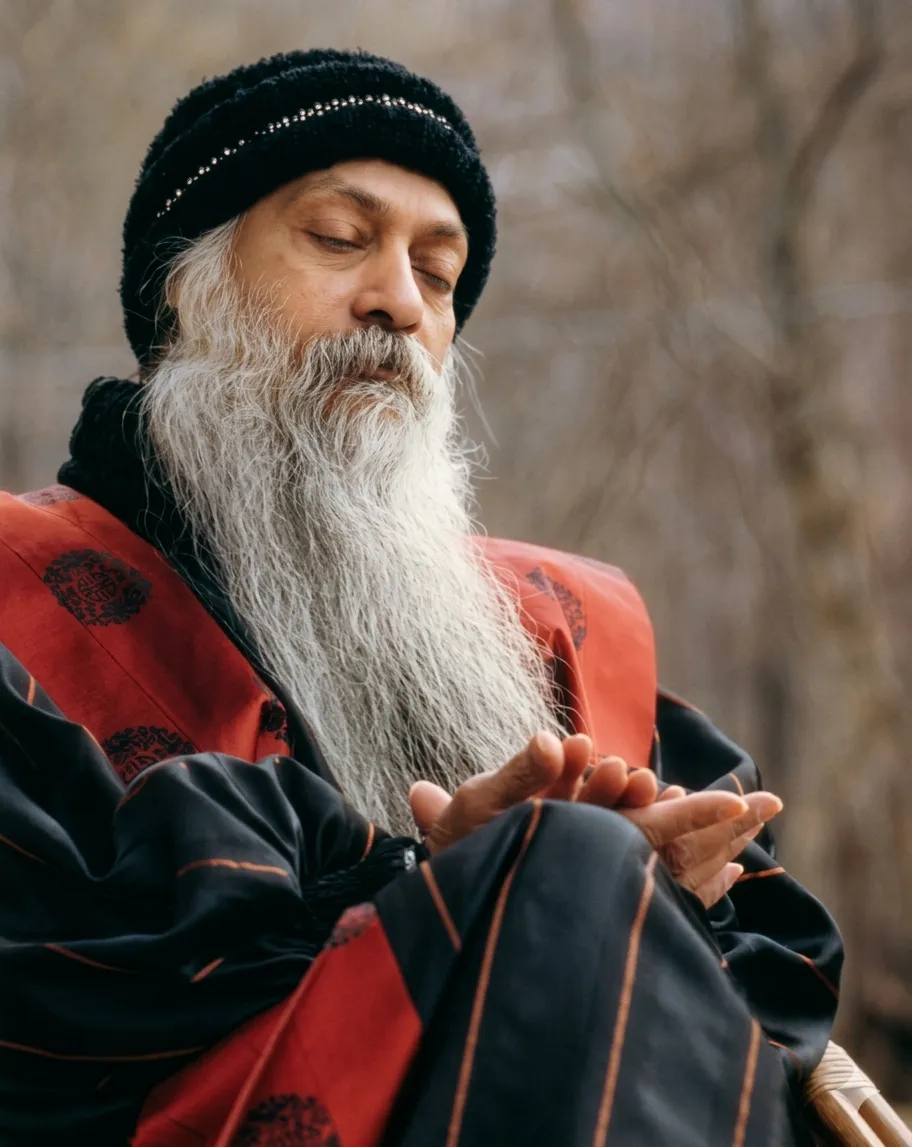
Osho's original Hindi beside Osho Live's English translation, matched passage by passage.
मेरे प्रिय आत्मन्!
थोड़े से प्रश्न साधकों ने पूछे हैं, उस संबंध में हम बात करेंगे।
My beloved Atman! A few questions have been asked by the seekers; we shall speak about them.
इस संबंध में दो बातें समझ लेनी जरूरी हैं। एक, कि यदि किसी वृत्ति को दबाने के लिए संकल्प किया है, तब बात दूसरी है। जैसे किसी आदमी को ज्यादा भोजन की आदत है। इस आदत से छुटकारे के लिए अगर उसने उपवास का संकल्प किया है, तब दमन होगा। लेकिन ज्यादा भोजन की न कोई आदत है, न ज्यादा भोजन से लड़ने का कोई खयाल है। तब यदि उपवास का संकल्प किया है तो वह सिर्फ संकल्प है, उसमें दमन नहीं है।
Two things need to be understood here. First: if a resolve is taken in order to suppress a tendency, that is a different matter. For example, a person has a habit of overeating. If, to get rid of this habit, he takes a vow of fasting, then there will be repression. But if there is no habit of overeating, nor any idea of fighting overeating, and he takes a vow to fast, then it is simply a resolve; there is no repression in it.
इस साधना शिविर में मैंने जिस संकल्प की बात की है, वह किसी वृत्ति को दबाने के लिए नहीं, संकल्प को ही फैलाने के लिए है। वृत्ति को दबाने के लिए भी संकल्प का प्रयोग हो सकता है, होता है, होता रहा है। लेकिन वह संकल्प का निषेधात्मक, निगेटिव रूप है।
In this meditation camp the resolve I have spoken of is not to suppress any tendency, but to expand resolve itself. Resolve can be used to suppress a tendency—it can be, it is, it has been. But that is the negative form of resolve.
मैं इस कमरे के बाहर जाता हूं, इसमें दो बातें हो सकती हैं। बाहर जाना मुझे आनंदपूर्ण मालूम हो रहा है इसलिए बाहर जाता हूं या इस कमरे में मुझे दुख मालूम पड़ रहा है इसलिए बाहर जाता हूं। दोनों हालत में मैं आपको बाहर जाता हुआ दिखाई पडूंगा, लेकिन दोनों में चित्त-स्थिति भिन्न होगी। एक में मैं सिर्फ कमरे से भाग रहा हूं, दूसरे में मैं बाहर जा रहा हूं। एक निगेटिव है, एक पाजिटिव है।
I go out of this room: two possibilities are there. I go out because being outside feels joyous, or I go out because this room feels miserable. In both cases you will see me going out, but the inner state is different. In one, I am merely running away from the room; in the other, I am going out. One is negative, the other is positive.
संकल्प का उपयोग किसी वृत्ति को दबाने के लिए करिएगा तो सप्रेशन और दमन होगा, जो घातक है। संकल्प को फैलाने के लिए ही प्रयोग करिएगा तो बहुत सहयोगी है, बहुत अर्थपूर्ण है और बहुत महत्वपूर्ण है। साधना शिविर में हम किसी चीज को दबाने में जरा भी उत्सुक नहीं हैं। यह तो सारी प्रक्रिया ही चीजों को निकालने की है, दबाने की नहीं है। यह सारा ध्यान का प्रयोग, मन में जो भी दबा है, उसे भी बाहर फेंक देने के लिए है।
If you use resolve to suppress a tendency there will be suppression and repression, which are harmful. If you use it to expand resolve itself, it is very supportive, very meaningful, very significant. In this camp we are not at all eager to suppress anything. The whole process is to bring things out, not to push them down. This entire meditation experiment is to throw out whatever is repressed in the mind.
तो संकल्प का जो हम प्रयोग कर रहे हैं, जैसे एक आदमी ज्यादा बात करता है, इससे छुटकारा पाने के लिए अगर मौन का व्रत ले, तो यह दमन हुआ। लेकिन मौन का सिर्फ इसलिए व्रत ले कि तीन दिन उसे देखना है कि वह मौन रहने के संकल्प को पूरा कर सकता है या नहीं। बोलने न बोलने का कोई प्रश्न ही नहीं है। तब सिर्फ संकल्प की ही साधना हुई।
So the way we are using resolve is this: say a person talks too much—if he takes a vow of silence to get rid of that, it is repression. But if he takes a vow of silence simply to see, for three days, whether he can fulfill the resolve to remain silent or not—there is no question of being for or against speaking—then it is purely the practice of resolve.
नहीं। असल में जब तक संकल्प नहीं है तभी तक हम अपने से लड़ते हैं। संकल्प की कमी हमें दो हिस्सों में बांट देती है। दस हिस्सों में भी बांट सकती है। संकल्पहीन आदमी का क्या मतलब होता है? संकल्पहीन आदमी का वस्तुतः यह मतलब नहीं होता कि वह संकल्पहीन है। संकल्पहीन आदमी का मतलब होता है: उसके भीतर एक ही साथ बहुत से स्व-विरोधी संकल्प हैं। संकल्पहीन आदमी का अर्थ है: एक ही साथ बहुत से सेल्फ-कंट्राडिक्ट्री संकल्प उसके भीतर हैं। संकल्पहीन आदमी संकल्पहीन नहीं होता, बहु-संकल्पी होता है, स्व-विरोधी संकल्पी होता है। संकल्पवान आदमी का अर्थ है कि उसके भीतर एक क्षण में एक ही संकल्प है और उस संकल्प पर उसका सारा चित्त एकजुट, समग्र है, इकट्ठा है।
No. In fact, it is only so long as there is no resolve that we fight with ourselves. The lack of resolve splits us in two. It can even split us into ten. What does a resolve-less person really mean? Not that he has no resolve, but that within him many self-contradictory resolves coexist. Resolve-less means: at the same time many self-contradictory resolves are inside him. He is not without resolve; he is multi-willed—filled with mutually opposing resolves. A person of resolve means that within him, at a given moment, there is only one resolve, and upon that resolve his whole consciousness is united, total, gathered.
किसी भी छोटी बात पर अगर चित्त पूरा इकट्ठा हो जाए, टोटल हो जाए, तो हम अपने से लड़ ही नहीं सकते, क्योंकि हमारे पास दूसरा कोई बचता ही नहीं जिससे हम लड़ें। मैं अपने इन दोनों हाथों को लड़ा सकता हूं। ये मेरे ही दोनों हाथ हैं। मेरा आधा शरीर एक हाथ की तरफ हो सकता है, आधा दूसरे हाथ की तरफ हो सकता है। लेकिन मैं इन दोनों को सहयोगी बना सकता हूं। ये मेरे ही दोनों हाथ हैं। और तब इनमें कोई लड़ाई नहीं रह जाती, ये इकट्ठे हो जाते हैं।
Even regarding a small matter, if the mind gathers completely—becomes total—then we cannot fight with ourselves, because no other remains within us to fight against. I can make these two hands of mine fight; they are both my hands. Half my body can side with one hand, half with the other. But I can also make them cooperate. They are both my hands—and then there is no quarrel between them; they come together.
संकल्प का अर्थ है: हमारे भीतर जो मल्टी-विल्स हैं, जो बहुत संकल्प हैं, बहु-संकल्प हैं, विरोधी संकल्प हैं, वे सब हमें आत्म-खंडित किए हुए हैं, डिसइंटीग्रेट किए हुए हैं। एक संकल्प पूरा करते ही हमारे भीतर क्रिस्टलाइजेशन, एकीकरण होना शुरू हो जाता है।
Resolve means this: inside us the “multi-wills,” the many, opposing resolves, have fragmented us, disintegrated us. The very moment a single resolve is fulfilled, crystallization—an integration—begins within.
जब भी कोई व्यक्ति एक छोटे से संकल्प को भी पूरा करता है, तब वह व्यक्ति बन जाता है। कम से कम उतनी देर को तो व्यक्ति बन ही जाता है। अंग्रेजी का शब्द व्यक्ति के लिए इंडिविजुअल बहुत अच्छा है। इंडिविजुअल का मतलब होता है: इंडिविजिबल, जिसे हम बांट न सकें, अ-बंटा। अगर इंडिविजुअल को हम हिंदी में प्रकट करें, तो कहना होगा: अ-विभक्त, अनबंटा, इकट्ठा।
Whenever a person fulfills even a small resolve, he becomes a person—at least for that while, he truly becomes a person. The English word “individual” is very apt; it means “indivisible”—that which cannot be divided, un-split, gathered.
संकल्प संघर्ष नहीं है स्वयं से।
संकल्प स्वयं से संघर्ष का विसर्जन है, स्वयं का एक होना है।
Resolve is not a struggle with oneself. Resolve is the dissolution of self-conflict—the becoming one of oneself.
दमन की तो साधना में कोई भी जगह नहीं है। रेचन की ही जगह है। सच बात यह है कि हमें परमात्मा को पाना नहीं है। हमने परमात्मा को खोया है। हमें उसे वापस पाना है। वह कोई नई उपलब्धि नहीं है। एक अर्थों में, जो हमारे भीतर निरंतर मौजूद है उसी को उघाड़ना है। तो हमने अपने ऊपर जितनी वृत्तियों को दमन करके इकट्ठा कर लिया है उनका कूड़ा-कर्कट सभी अलग कर देना पड़ेगा। यदि हमारे मन पर कोई भी वृत्ति का आवरण न रह जाए, तो जो शेष बचेगा, वही परमात्मा है।
In sadhana there is no place at all for repression. There is place only for catharsis. The truth is, we do not have to attain the divine—we have lost it. We have to regain it. It is not a new achievement. In one sense, what is continuously present within us simply has to be uncovered. So all the junk of tendencies we have piled up by repressing them will have to be separated and thrown out. If no layer of any tendency remains as a covering on the mind, what remains is the divine.
लेकिन दमन में तो आवरण बढ़ता है, कम नहीं होता। जो भी हम दबाते हैं वह हमारे भीतर बैठ जाता है। अगर हम क्रोध को दबाते हैं तो क्रोध की एक पर्त हमारे भीतर बैठ जाती है। काम को दबाते हैं तो काम की पर्त भीतर बैठ जाती है। लोभ को दबाते हैं तो लोभ की पर्त भीतर बैठ जाती है। अगर कोई रो न पाए.
But with repression the covering increases; it does not lessen. Whatever we push down settles inside us. If we repress anger, a layer of anger settles within. Repress sex, a layer of sex settles within. Repress greed, a layer of greed settles within. If someone cannot even cry…
अभी मैं दो-तीन दिन पहले ही दिल्ली में था। एक मित्र आए, उन्होंने कहा, मेरी पत्नी चल बसी। साल भर हो गया, लेकिन मेरी उदासी का कोई अंत नहीं, मेरा सारा जीवन उदास हो गया है। मैं क्या करूं? तो मैंने उनसे कहा कि संभावना यही है कि पत्नी मरी होगी, तो आप रोए नहीं, दुखी नहीं हुए। आप दुख को दबा गए और पी गए। दुख को पी गए हैं, तो अब वह दुख उनकी नस-नस और खून के कण-कण में फैल गया। वह निकल नहीं पाया, वह दब गया भीतर, वह सब तरफ फैल गया।
Just two or three days ago I was in Delhi. A friend came and said, “My wife passed away. It’s been a year, but my sadness has no end—my whole life has become gloomy. What should I do?” I told him the likelihood is this: when your wife died, you did not cry, you did not grieve. You suppressed the sorrow and swallowed it. Having swallowed it, that sorrow has now spread into every nerve and every drop of your blood. It could not be released; it was pushed down inside, and then it spread everywhere.
जैसे कहीं से मवाद निकल रही हो, तो कोई भी नहीं कहेगा चिकित्सक कि इसको दबाना है कि रेचन करना है। फोड़ा हो गया है, मवाद है, तो उसे बाहर निकाल अलग करो, सफाई करो। लेकिन हो सकता है कि कोई कहे कि इसे दबा कर भीतर कर लो! अपने शरीर का इतना हिस्सा खराब बाहर चला जाए तो बड़ा नुकसान हो जाएगा। वजन तो जरूर थोड़ा कम होगा ही। तो इसे दबा लें भीतर, ऊपर से मलहम-पट्टियां कर लें और मवाद को अंदर कर दें।
If pus is forming somewhere, no physician would say, “Suppress it; don’t drain it.” If there is a boil, if there is pus, it should be let out and the place cleaned. But someone might say, “Press it back inside! If so much of the body’s substance goes out, that will be a great loss. Your weight will surely decrease a little. So let’s push it inside, apply ointment and bandages on top, and drive the pus inward.”
तो फिर ध्यान रहे कि वह मवाद बाकी खून को भी मवाद बना देगी। और यह भी ध्यान रहे कि वह पूरे शरीर को सड़ा देगी। और यह भी ध्यान रहे कि उससे आप स्वस्थ नहीं होंगे, और-और बीमार होते चले जाएंगे।
Then remember: that pus will turn the rest of the blood into pus. Remember also: it will rot the whole body. And remember this too: you will not become healthy; you will grow more and more ill.
ठीक ऐसे ही चित्त की वृत्तियां हैं। जिन्हें बाहर फेंकना चाहिए, उन्हें हम भीतर दबा रहे हैं। क्रोध को हम भीतर दबा रहे हैं। काम को हम भीतर दबा रहे हैं। लोभ को, भय को हम भीतर दबा रहे हैं।
Exactly so are the mind’s tendencies. What should be thrown out, we are pushing in. We push anger inside. We push sex inside. We push greed, fear, inside.
लेकिन आप कहेंगे कि क्या हम किसी पर भी क्रोधित हो उठें? मवाद की बात तो बहुत दूसरी है, क्योंकि उसका दूसरे से कोई संबंध नहीं, मुझसे ही संबंध है। मेरे पैर में फोड़ा है, मैंने मवाद बाहर निकाल दी। लेकिन क्रोध का मामला तो बहुत दूसरा है। क्रोध तो मैं किसी पर निकालूंगा।
But you will say, then should we flare up at anyone? The matter of pus is different, you say, because it concerns only me, not someone else—my foot has a boil, I drain the pus. But anger—I will take it out on someone.
लेकिन इसे थोड़ा समझना जरूरी है। यह भी आवश्यक नहीं है कि आप क्रोध दूसरे पर निकालें। कोई ऐसा समाज भी हो सकता है कि जब भी कोई मवाद निकाले, दूसरे पर फेंके। तो उस समाज में बड़ी दिक्कत खड़ी हो जाएगी। क्रोध को भी दूसरे पर निकालने की जरूरत नहीं है। क्रोध को भी ध्यान में निकाला जा सकता है। दुख को भी दूसरे पर निकालने की जरूरत नहीं है। दुख को भी ध्यान में निकाला जा सकता है। अकेले ही निकाला जा सकता है। क्रोध मेरा है तो दूसरे की जरूरत क्या है? अकेला ही निकल सकता है।
This needs a little understanding. It is not necessary to take anger out on another. There could be a society where, whenever anyone drains pus, they throw it on someone else—then that society would be in great trouble. Anger, too, need not be thrown at another. Anger can be released in meditation. Sorrow, too, need not be thrown at another. Sorrow can be released in meditation—released alone. If anger is mine, what need is there of another? It can be released alone.
मैं आपसे यह कहना चाहता हूं: काम भी, क्रोध भी, मोह भी, सब, जो भी हमारे भीतर है, हम उसे अगर दूसरे पर न निकालें और ध्यान में निकालें तो एक रूपांतरण होगा। दूसरे पर निकालने पर तो उपद्रव होने ही वाला है। किसी दूसरे पर क्रोध निकालेंगे तो उपद्रव होगा। गाली देंगे तो गाली लौटेगी। फिर दूसरा भी तो क्रोध निकालेगा। फिर इसका अंत कहां होगा?
What I want to tell you is this: sex, anger, attachment—whatever is within us—if we do not throw it at others but release it in meditation, a transformation happens. If you throw it at others, trouble is bound to follow. Express anger at someone and there will be turmoil. You abuse, and abuse will come back. Then the other will also vent anger. Where will it end?
इसलिए जिन लोगों ने समाज का ध्यान रखा उन्होंने सबको समझा दिया कि क्रोध मत निकालो, क्रोध अपने भीतर पी जाओ। तो उन्होंने समाज को तो बचा लिया, दूसरे को तो बचा लिया, लेकिन आप फंस गए। मैं आप पर क्रोध न करूं तो आप तो बच गए, लेकिन मेरा क्या होगा? मैं तो क्रोध से भरा हूं भीतर। यह क्रोध कहां निकलेगा? यह मेरे ही व्यक्तित्व को रुग्ण और बीमार और परेशान करेगा। और अगर इस तरह के बहुत से रोग इकट्ठे हो जाएं तो मैं पागल हो जाऊंगा।
So those who looked after society taught everyone: do not express anger; swallow your anger. They saved society, they saved the other—but you got trapped. If I do not get angry at you, you are saved; but what about me? I am full of anger inside. Where will it go? It will make my personality sick, ill, and disturbed. And if many such illnesses accumulate, I will go mad.
इसलिए जितनी सभ्यता बढ़ती है उतना पागलपन बढ़ता है, क्योंकि जितनी सभ्यता बढ़ती है उतने हम उन सब चीजों को रोकते चले जाते हैं जो असभ्य आदमी सहज ही कर लेता है। फिर वे इकट्ठी हो जाती हैं, फिर उनका फूटना शुरू होता है।
That is why, the more civilization grows, the more madness grows—because the more civilization grows, the more we keep stopping all those things which an uncivilized person would do naturally. Then they accumulate, and then they begin to burst forth.
नहीं, मैं एक दूसरी ही बात कह रहा हूं। मैं कह रहा हूं: न तो दूसरे पर निकालें, न अपने में भरें, निकल जाने दें। यह बिलकुल और बात है। यह जो ध्यान का हमारा प्रयोग है, इसमें निकल जाने का दूसरा चरण है। उस दूसरे चरण में जो भी निकलना है उसे निकल जाने दें। रोना है, हंसना है, चिल्लाना है, जो भी आग आपके भीतर है उसे बाहर गिर जाने दें। किसी पर नहीं फेंक रहे हैं उसे हम, कूड़ाघर में कर्कट में फेंक रहे हैं। किसी से कोई संबंध नहीं है, हमारे भीतर भरा है, हम उसे बाहर निकाल रहे हैं।
No—I am saying something altogether different: neither throw it at others, nor bottle it up within; let it be released. This is something entirely other. In this meditation experiment of ours, the second phase is release. In that second phase, let whatever has to come out, come out. If there is crying, laughing, shouting—whatever fire is within you—let it fall out. We are not throwing it at anyone; we are throwing it into the trash heap, into the refuse. It is inside us; we are bringing it out.
अगर कोई व्यक्ति रोज इस प्रयोग को चालीस मिनट करता रहे, तो तीन महीने के भीतर ही क्रोध करने में असमर्थ हो जाएगा। असमर्थ हो जाएगा, दबाना नहीं पड़ेगा। हंसी आने लगेगी कि वह क्या पागलपन कर रहा है। और भीतर से वृत्ति उठनी बंद हो जाएगी, क्योंकि वृत्ति के उठने के लिए पुराना दमन जरूरी है।
If a person does this experiment for forty minutes daily, within three months he will become incapable of anger. Incapable—there will be no need to suppress it. Laughter will begin to arise at what madness that was. And from within, the tendencies will stop arising—because for tendencies to arise, old repression is necessary.
मजे की बात यह है कि अगर कोई पागल हो और इस ध्यान को कर सके तो पागल नहीं रह जाएगा। यह जरूर मुश्किल है--पागल को समझाना। हम में भी कई पागल होते हैं उनको भी समझाना मुश्किल होता है कि कैसे करो। पागलों को समझाना बहुत मुश्किल है कि ध्यान वे कैसे करें। लेकिन अगर पागल को भी समझाया जा सके तो पागल भी पागलपन से मुक्त हो जाएगा। क्योंकि जिन चीजों को उसने दबाया है वे गिर जाएं तो उसका मन हलका हो जाए।
The amusing thing is: if someone is mad and can do this meditation, he will not remain mad. The difficulty, of course, is explaining—to a mad person. Among us too there are many who are a bit mad; even explaining to them how to do it is difficult. It is very hard to explain to the mad how to meditate. But if even a mad person can be shown how, he too will be freed from madness—because when what he has suppressed drops, his mind becomes light.
इस ध्यान के प्रयोग से कोई पागल नहीं हो सकता, क्योंकि यह ध्यान का प्रयोग पागलपन को बाहर फेंकना है। पागल होने का रास्ता है: भीतर दबाना। बाहर फेंकना पागल होने का रास्ता नहीं है। हम तो कचरे को घर के बाहर फेंक रहे हैं, हम उसे भीतर नहीं रख रहे।
Through this meditation experiment no one can go mad, because this meditation is a throwing out of madness. The way to become mad is to push things inside. Throwing them out is not the way to madness. We are taking the garbage out of the house; we are not storing it within.
तो इस प्रयोग से कोई पागल नहीं हो सकता। हां, हम चूंकि इस प्रयोग को नहीं किए हैं इसलिए हमारे भीतर बहुत सा पागलपन इकट्ठा है, वह इसमें निकलेगा, वह दिखाई पड़ेगा। इसलिए आपको शक हो सकता है कि यह अच्छा-भला आदमी, जिसको हमने कभी इस तरह चिल्लाते-नाचते नहीं देखा, यह चिल्ला-नाच क्यों रहा है? पागल तो नहीं हो गया?
So through this method no one can go mad. Yes, because we have not done such an experiment, a great deal of madness has accumulated inside us; it will come out here, it will be visible. Then you may suspect: this decent fellow, whom we have never seen screaming and dancing like this—why is he screaming and dancing? Has he gone mad?
यह पागल था! आपके समाज और आपकी कृपा से इसने इतना पागलपन इकट्ठा कर लिया है जो निकल रहा है। यह आदमी पागल है! और आप यह मत समझना कि यही है, आप भी हैं। आप अपने को रोक कर खड़े होंगे पागलपन को, यह निकलने दे रहा है। तो ध्यान रखना, आखिर में महंगा आपको पड़ेगा। इसका निकल जाएगा, आपका बच जाएगा।
He was mad! By the kindness of your society he has collected so much madness, and now it is coming out. This man is mad—and don’t think he alone is; you are too. You are standing there holding your madness in; he is letting it out. Beware: in the end, you will pay the higher price. His will be discharged; yours will remain.
पागलपन हमारे भीतर है! उसका निकल जाना जरूरी है, तो हम हलके हो जाएं। और कोई पागल रहते हुए परमात्मा तक नहीं पहुंच सकता। हलका होना पड़ेगा। पागलपन बोझ है। पागलपन भारी पत्थर की तरह हमारी छाती पर है। तो पंख लेकर हम उड़ नहीं सकते। ये सब पत्थर अलग करने पड़ेंगे।
Madness is within us! Its release is necessary so we become light. No one can reach the divine while remaining mad. One has to be light. Madness is a burden, like heavy stones on our chest. With stones tied on, how can we fly, even if we have wings? All these stones have to be removed.
अब जो अलग कर रहा है उसको हम कहते हैं--तुम यह क्या कर रहे हो? क्योंकि कल तक वह छिपाए था आभूषणों में पत्थरों को, मखमली कपड़ों में दबाए था, तो हम समझते थे इसके शरीर के हिस्से हैं। आज इसने निकाल कर पत्थर फेंके तो हम कहते हैं--तुम पागल तो नहीं हो गए हो?
And now, when someone begins to remove them, we say, “What are you doing?” Because till yesterday he was hiding his stones in ornaments, wrapping them in velvet, so we mistook them for parts of his body. Today he takes them out and throws them away, and we say, “Have you gone mad?”
और मजा यह है कि हम भी उन्हीं पत्थरों को दबाए खड़े हैं। जब आप किसी आदमी को नाचते देखते हैं तो आप सोचते हैं कि यह पागल तो नहीं हो गया! आपने अपने मन के भीतर कभी पूछा है कि आप भी नाचना चाहते हैं? कभी बाथरूम में अकेले में अपने को नाचते हुए अनुभव किया है? कभी बाथरूम के आईने में मुंह बिचकाते हुए देखा है अपने को खुद?
And the irony is, we too are clutching the same stones. When you see a man dancing, you think, “Has he gone mad?” Have you ever asked your own mind whether you too want to dance? Have you ever, alone in the bathroom, found yourself dancing? Ever seen yourself making faces in the bathroom mirror?
आईना न हो बाथरूम में तो बात दूसरी है। लेकिन बाथरूम में हम सब थोड़ा-बहुत निकालते हैं। दूसरों के सामने सम्हल कर खड़े हो जाते हैं। वह सम्हलना खतरनाक है। उसमें भीतर कुछ इकट्ठा हो रहा है। इकट्ठा होते-होते एक सीमा है हर चीज की, उसके बाद फूटना शुरू हो जाता है। जिनको हम पागल कहते हैं वे हमसे भिन्न लोग नहीं हैं, हमारे ही जैसे लोग हैं। सिर्फ जो फर्क है वह थोड़ा सा क्वांटिटी का है। उनकी मात्रा जरा ज्यादा, हमारी जरा कम है। वे जरा आगे निकल गए हैं, हम जरा पीछे हैं। लेकिन रास्ता वही है। कितनी देर आगे रहेंगे? हम भी पहुंच जाएंगे। हम नार्मल किस्म के पागल हैं, सामान्य किस्म के पागल हैं, और भी पागल हमारे जैसे बहुत हैं इसलिए हम चलते हैं। वे जरा बेचारे अकेले किस्म के पागल हो जाते हैं तो उनको दिक्कत हो जाती है।
If there’s no mirror in the bathroom, that’s another matter. But in the bathroom we all let out a little. In front of others we hold ourselves in. That holding is dangerous. Something keeps accumulating inside. Everything has a limit; beyond it, things begin to burst. Those whom we call mad are not different from us—they are just like us. The only difference is a little in quantity. Their amount is a bit more, ours a bit less. They have gone a little ahead; we are a little behind. But the road is the same. How long will they remain ahead? We will arrive too. We are the normal sort of mad, the common kind; there are many like us, so we manage. They become the poor solitary kind of mad, so they get into trouble.
नहीं, इस ध्यान के प्रयोग से तो कोई पागल नहीं हो सकता। लेकिन इस ध्यान के प्रयोग में पागलपन निकलता है। निकलना पागल होना नहीं है। पागल होने का मतलब है: जब आप न निकालना चाहें और निकलने लगे तो समझना कि पागल हो गए। जब आपके बस में न रहे और निकल जाए।
No, through this meditation experiment no one can go mad. But in this experiment, madness does come out. Its coming out is not madness. To become mad means: when you don’t want it to come out and it begins to, then know you have gone mad—when it is no longer in your control and it erupts.
एक आदमी सड़क पर जा रहा है और न रोक सके और हंसने लगे खड़े होकर, तो समझना कि पागल हो गया। अब वह लाख कोशिश करे, उसके बस के बाहर है। उसने इतना रोक लिया है कि अब बस से ज्यादा ताकत इकट्ठी हो गई है, बस को तोड़ कर निकल रही है। लेकिन यहां हम जो प्रयोग कर रहे हैं वह स्वेच्छा से, वालेंटियरली, हम निकाल रहे हैं इसलिए निकल रहा है। और हम जिस क्षण चाहते हैं उसी क्षण रुक जाएगा। जिस क्षण हमने चाहा, रुका। पागलपन का मतलब ही यह है कि अपने पर नियंत्रण न रह जाए। इस ध्यान में तो अपने पर पूरा नियंत्रण है।
A man is walking along the road and cannot stop himself and starts laughing there—then understand, he has gone mad. Now even if he tries hard, it is beyond him. He has suppressed so much that a force greater than his control has gathered; it breaks the control and bursts out. But here, the experiment we are doing is voluntary—we are releasing it, that’s why it comes out. And the very moment we choose, it will stop. The moment we wish, it stops. Madness simply means losing control over oneself. In this meditation there is full control.
दूसरी बात, जो लोग पागल होते हैं उन्हें समझाना बहुत मुश्किल होता है, क्योंकि समझने की बुद्धि भी खो जाती है। हम में से भी कुछ लोग खड़े रह जाते हैं। दस-पांच ऐसे लोग हैं, वे खड़े रह जाते हैं, वे दूसरों को देखते रहते हैं। अब उन्हें पागल मानना चाहिए। क्योंकि दूसरे को देखने से कोई भी प्रयोजन नहीं है। दूसरे को देखने को बड़ी दुनिया पड़ी है, यहां आने की कोई भी जरूरत नहीं। इतनी दूर की यात्रा दूसरे को देखने के लिए की हो तो बेकार गई। और दूसरे को देख कर करिएगा क्या? क्या फायदा है? अपने को देखने की कोशिश करिए। लेकिन कुछ लोग अपने से बचने के लिए दूसरे को देखते रहते हैं। यह तरकीब है, एस्केप है, पलायन है। दूसरे को देख कर वे अपने को बचा रहे हैं कि अपने को न देखना पड़े।
Second, it is very difficult to explain things to people who are mad, because the very intelligence to understand is lost. Among us too a few people just stand there—ten or five of them—just standing and watching others. Now, they should be considered the mad ones. For there is no purpose in watching others. There is a vast world to watch others; there was no need to come here for that. If you have traveled so far just to watch others, the trip is wasted. And what will you do by watching others? What is the benefit? Try to watch yourself. But some people keep looking at others to escape themselves. It is a trick, an escape, a flight. By looking at others they are saving themselves from having to look at their own.
अब आज दोपहर मौन में मैंने देखा: दो-चार लोग दूसरों को देखने में लगे हैं। ये पागल हैं। अच्छी दुनिया होगी तो इनका इलाज होगा। अभी इनका इलाज नहीं होता। बल्कि हो सकता है ये अपने मन में सोच रहे हों कि ये सारे पागल लोग इकट्ठे हो गए हैं, हम एक बुद्धिमान यहां बैठे हैं। हम जरा देख रहे हैं कि कौन-कौन पागल हैं।
Today at noon, in the silence, I saw two or four people busy watching others. These are the mad ones. In a good world they would be treated; as yet, they are not. In fact, it may be that in their minds they are thinking, “All these mad people have gathered here; we, an intelligent one, are sitting here. We are just observing who all are mad.”
ध्यान रहे, पागलों को छोड़ कर.पागलों को कभी पता नहीं होता कि वे पागल हैं, बस.पागलों को छोड़ कर सभी को थोड़ा-बहुत शक होता है कि हम पागल हैं। सिर्फ पागलों को शक नहीं होता कभी। अगर आप पागलखाने में जाएं तो एक पागल नहीं कहेगा कि मैं पागल हूं! देख लें आप पागलखाने में जाकर। असल में पागल होने का पहला प्रमाण यह है कि उसको शक कभी नहीं होता कि मैं पागल हूं। पागलों को सदा यही शक होता है कि दूसरे पागल हो गए हैं।
Remember this: except for the mad—only the mad never know they are mad. Except for them, everyone has at least a little suspicion that “I may be mad.” Only the mad never suspect it. If you go to a mental asylum, not one madman will say, “I am mad.” You can check it. In fact, the first proof of madness is that the person never doubts, “I am mad.” The mad are always suspicious that others have gone mad.
खलील जिब्रान ने एक छोटी से घटना लिखी है कि उसका एक मित्र पागल हो गया। मित्र पागल हो गया तो वह दया दिखाने पागलखाने में गया। बड़ी ऊंची दीवाल के भीतर पागलखाने के बगीचे में उसका मित्र बैठा था। वह जाकर उसके पास बैठ गया। फिर उसने सोचा कहां से बात शुरू करूं। फिर उसने यही कहा कि यहां सब ठीक तो है? उसने कहा कि बिलकुल ठीक है। बाहर के पागलखाने से जब से बच गए हैं, बड़ा आनंद है। उस पागल ने कहा कि बाहर के पागलखाने से जब से बच गए हैं तब से बड़ा आनंद है।
Kahlil Gibran has written a little incident. A friend of his went mad. So, out of compassion, he went to the asylum. Inside the high walls, in the garden of the asylum, his friend was sitting. He went and sat beside him. He wondered how to begin the conversation, and then he asked, “Everything all right here?” The friend said, “Perfectly all right. Since we escaped the madhouse outside, there has been great joy.” He said, “Since we escaped the madhouse outside, there has been great joy.”
वह तो बड़ा हैरान हुआ। वह आया था सहानुभूति दिखाने। उसने उस पागल को गौर से देखा! वह पागल उसकी तरफ बड़ी सहानुभूति से देख रहा था। उस पागल ने कहा कि तुम भी आ गए क्या भीतर? अच्छा किया! भगवान करे जिनमें भी बुद्धि है भीतर आ जाएं। बाहर तो सब पागल हो गए हैं।
He was astonished; he had come to show sympathy. He looked closely at the madman—and the madman was looking at him with great sympathy. The madman said, “So you too have come inside? Good that you did! May God grant that whoever has any intelligence comes inside. Outside, everyone has gone mad.”
पागलों को भर शक कभी नहीं आता कि वे पागल हैं। उन्हें सदा दूसरों पर शक आता रहता है कि वे पागल हैं। बुद्धिमान आदमी पहला शक अपने पर उठाता है कि मेरी स्थिति क्या है?
The mad never for a moment suspect that they are mad. Their suspicion is always about others. The intelligent person first raises the doubt about himself: What is my state?
इतना जरूर मैं कहता हूं कि यह प्रयोग रेचन का है, कैथार्सिस का है। इसलिए इसके द्वारा पागल होने की कोई संभावना नहीं है। हां, इसको न करिए, तो पागलपन को बचा लेने की संभावना है।
This much I say: this experiment is one of purgation, of catharsis. Therefore there is no possibility of going mad through it. Yes, if you don’t do it, there is every possibility you will preserve your madness.
असल में बहुत गहरे में ध्यान समग्र नग्नता है, टोटल नेकेडनेस है। वस्त्रों की ही नहीं, चित्त के वस्त्रों की भी। शरीर पर ढंके हुए वस्त्रों की ही नहीं, मन पर ढंके हुए वस्त्रों की भी। ध्यान पूर्ण दिगंबरत्व है। लेकिन पहली बार जब ध्यान में भीतर प्रवेश होता है, तो शरीर के वस्त्र भी कई कारणों से बाधा बन जाते हैं। वे सदा बाधा नहीं रहेंगे, लेकिन प्रारंभ में बाधा बन जाते हैं। और एक घड़ी ऐसी आती है कि वे रुकावट मालूम पड़ते हैं। दो-तीन कारणों से।
In truth, in its deepest sense, meditation is total nakedness. Not only the nakedness of the body’s garments, but of the mind’s garments as well. Meditation is complete sky-cladness. Yet, when for the first time one begins to enter within through meditation, even the clothes on the body, for several reasons, become an obstruction. They will not remain an obstruction forever, but in the beginning they do. A moment comes when they are felt as a hindrance. For two or three reasons:
एक तो हमने वस्त्र जो पहन रखे हैं, वे वस्त्र हमने केवल शरीर को ढांकने के लिए नहीं पहन रखे हैं। अगर किसी ने केवल शरीर को ढांकने के लिए वस्त्र पहन रखे हैं, तो उसे शायद ध्यान में बाधा न पड़े वस्त्रों से। लेकिन वस्त्र हमने शरीर को ढांकने के लिए ही नहीं पहने हैं, वस्त्र हमने बहुत सी और बातों के कारण भी पहने हैं। वस्त्र के पहनने में हमारे बहुत तरह के इन्हीबीशंस हैं, बहुत तरह की दमित वृत्तियां, बहुत तरह के टैबूज हैं।
छोटे बच्चों को हम नग्न घूमने देते हैं। जैसे ही उनकी बुद्धि थोड़ी विकसित हुई, हम उन्हें वस्त्रों में ढांकने लगते हैं। असल में नग्न शरीर के साथ हमें कुछ न कुछ दुर्भाव है। नग्न शरीर के साथ हमारे मन में कुछ न कुछ अनुचित खयाल है। नग्न शरीर के साथ कहीं न कहीं हमारे चित्त में कामवासना जुड़ी है। हम अपनी कामवासना को छिपाए फिर रहे हैं अपने वस्त्रों में। तो जब चित्त शांत होगा और कामवासना गिरना चाहेगी, तब उस वक्त वस्त्र भी फेंकने का मन हो जाएगा। और यह बड़े मजे की बात है, जिस दिन ध्यान में कोई वस्त्र फेंक देता है, उस दिन अचानक पाता है कि जैसे कामवासना से छुटकारा हो गया। एकदम मन हलका हो गया। वस्त्र जो हैं वह कामवासना के प्रतीक की तरह हमारे ऊपर हैं।
1) The clothes we wear are not only to cover the body. If someone wore clothes merely to cover the body, perhaps they would not become an obstacle in meditation. But we wear clothes for many other reasons too. Clothing carries our various inhibitions, our many repressed impulses, our taboos. We let small children run about naked; as soon as their intelligence develops a little, we begin to wrap them in clothing. In fact, we harbor a certain ill-feeling toward the naked body; with the naked body our mind entertains some sense of impropriety; somewhere in our consciousness nakedness is linked with lust. We go about hiding our lust in our clothes. So when the mind becomes quiet and lust begins to fall away, in that very moment there arises a desire to throw off the clothes as well. And it is a curious thing: the day someone drops their clothes in meditation, they suddenly find as if they have been freed from lust—at once the mind feels light. Clothes sit upon us like symbols of lust.
इसीलिए तो दूसरे को भी नंगा देख कर हमको घबड़ाहट होती है। अब दूसरा आदमी नंगा है, उसको अगर सर्दी लग रही होगी तो उसको लग रही होगी और धूप लग रही होगी तो उसको लग रही होगी, आप क्यों परेशान हुए जा रहे हैं? आपको परेशानी इसलिए हो रही है कि उसकी नग्नता सिर्फ नग्नता नहीं है, उसकी नग्नता कहीं हमारे गहरे मन में कामवासना की प्रतीक है। वह हमारे मन की कामवासना मुश्किल में डाल रही है।
2) This is why we also get uneasy on seeing someone else naked. If the other person is naked, if they feel cold it is they who will feel it, and if the sun is hot it is they who will feel it—why are you getting disturbed? You are disturbed because their nakedness is not merely nakedness; in the deeper mind it becomes a symbol of lust. It throws our own lust into turmoil. So when your mind grows lighter, the symbolic garments of lust will want to fall away. Do not resist at that time—let them fall. As they fall, the mind enters a new movement.
तो जब आपका मन हलका होगा तो वासना के जो प्रतीक-वस्त्र हैं वे गिरना चाहेंगे। उस वक्त रोकना ही मत, उनको गिर जाने देना। उनके गिरते ही मन एक नई गति में प्रवेश कर जाएगा। या तो हम कामवासना को छिपाने के लिए वस्त्र पहने हुए हैं और या फिर हम कामवासना को दिखाने के लिए वस्त्र पहने हुए हैं। इसमें पुरुष और स्त्री के बीच फासला है थोड़ा। आमतौर से पुरुष कामवासना को छिपाने के लिए वस्त्र पहने हुए हैं और आमतौर से स्त्रियां कामवासना को प्रकट करने के लिए वस्त्र पहने हुए हैं। इसलिए पुरुषों का वस्त्र छोड़ना सदा आसान है, स्त्रियों का छोड़ना और मुश्किल है। स्त्रियों के सारे वस्त्र उनके शरीर को छिपाने का काम कम, प्रकट करने का काम ज्यादा करते हैं। असल में कोई स्त्री वस्त्रों के बिना इतनी सुंदर नहीं होती जितनी वस्त्रों में दिखाई पड़ती है। वस्त्रों का सारा उपयोग शरीर को उभारने के लिए किया जा रहा है। स्त्री के वस्त्र बहुत ही आक्रामक हैं, एग्रेसिव हैं। इसलिए स्त्री को तो और मुश्किल हो जाती है उन्हें छोड़ना। लेकिन स्त्री के चित्त में भी क्षण आता है, क्षण आता है जब मन उसका निर्भार होता है। और जब वह अपने शरीर, जब अपने शरीर को दिखाने की वृत्ति से मुक्त होने का क्षण आता है, तब उसके वस्त्र गिर सकते हैं।
3) Either we wear clothes to hide lust, or we wear clothes to display lust. Here there is some difference between men and women. Generally, men wear clothes to conceal lust, and generally, women wear clothes to reveal it. Therefore it is always easier for men to give up clothing; for women it is more difficult. A woman’s garments often serve less to conceal and more to highlight the body. In fact, no woman is as beautiful without clothes as she appears with them—the whole use of clothing is to accentuate the body. Women’s clothing is very aggressive. Hence it becomes even more difficult for a woman to abandon it. But a moment also comes in a woman’s consciousness when the urge to display the body drops; when that moment comes, her clothes can fall too.
नग्नता का अर्थ वस्त्रों के अर्थ से जुड़ा है। वस्त्र का आपका जो अर्थ है, उससे विपरीत आपकी नग्नता का अर्थ होगा। अगर वस्त्र आपके लिए सिर्फ शरीर ढांकने का साधन हैं, तब कोई सवाल नहीं है, तब ध्यान में आपको वस्त्र गिराने का सवाल नहीं उठेगा। लेकिन इतनी ही बात नहीं है, वस्त्रों के साथ हमारे गहरे भाव जुड़े हैं। हमने नग्न शरीर को स्वीकार नहीं किया है। जब कि नग्न शरीर ही हमारा है, चाहे हम कितने ही वस्त्र पहनें, शरीर नग्न ही है। लेकिन नग्न शरीर से हम भयभीत हो गए हैं।
The meaning of nudity is tied to the meaning you give to clothes. If for you clothes are merely a means of covering the body, then there is no issue; you will not feel the question of dropping them in meditation. But it is not so simple—deep feelings are bound up with our clothing. We have not accepted the naked body, though the naked body is our very own. However many garments we wear, the body remains naked. Yet we have become frightened of the naked body.
मैं नहीं कहता हूं कि आप अपनी तरफ से वस्त्रों को छोड़ दें।
I am not saying that you, of your own accord, should give up clothing.
आज दोपहर जो लोग मौन में उपस्थित थे, उनमें से चार-छह इस स्थिति में आ गए थे कि उन पर शक्तिपात हो जाए। लेकिन छोटी-छोटी बाधाएं बाधा बन जाती हैं।
This afternoon, among those who were present in silence, four or six had come to the point where Shaktipat could have happened to them. But small, trivial things become obstacles.
शक्तिपात का केवल इतना ही अर्थ है कि हमारे चारों तरफ विराट ऊर्जा फैली हुई है। परमात्मा की अनंत शक्ति फैली हुई है। किसी क्षण में आप इस भाव-दशा में होते हैं कि वह शक्ति आपके भीतर प्रवेश कर जाए। कभी वह सीधी भी प्रवेश कर सकती है। लेकिन सीधी प्रवेश करने में शायद आप बहुत मुश्किल में पड़ जाएं। उसके आघात को शायद समझ पाएं, न समझ पाएं। शायद उसके आघात में उन्मत्त हो जाएं। शायद उसके आघात में आप इतने घबड़ा जाएं कि दुबारा उस द्वार पर न जाएं। क्योंकि विराट है शक्ति, और उसका पहला अनुभव बहुत संघातक चोट पहुंचा सकता है। पहले अनुभव की वजह से। बिजली को छूकर कभी देखा होगा, अनजाने छू गई होगी--पर वह तो कोई बड़ी शक्ति नहीं है, बहुत साधारण वोल्टेज का मामला है। परमात्मा का वोल्टेज तो अनंत है। उसकी शक्ति जब पहली दफे किसी पात्र में उतरती है तो कुछ भी हो सकता है--उसके भीतर आंधी, तूफान, भूकंप; उसके भीतर ज्वालामुखी, सब कुछ हो सकता है।
Shaktipat simply means that an immense energy is spread all around us—the infinite power of the divine is spread. In a certain moment you are in such a state that that power can enter within you. Sometimes it can even enter directly. But if it enters directly, you may find yourself in great difficulty. You may or may not be able to understand its impact. You might become delirious under its impact. You might be so frightened by its blow that you do not go to that door again. Because the power is vast, and the first encounter can deliver a very severe shock—precisely because it is the first time. You may have touched electricity sometime—accidentally perhaps—but that is not a great power; it is very ordinary voltage. The divine’s voltage is infinite. When that power descends for the first time into a vessel, anything can happen—inside there can be a gale, a storm, an earthquake; a volcano—everything can happen.
वह शक्ति सीधी भी उतर सकती है, लेकिन खतरे उसमें बहुत हैं। इसलिए सदा आसान पड़ता है यह कि किसी व्यक्ति के माध्यम से वह उतर जाए। तब बहुत सरलता हो जाती है। वह व्यक्ति जैसे रेग्युलेटर का काम कर पाता है। जैसे आपके घर में एक रेग्युलेटर लगा हुआ है, उससे कितनी बिजली का वोल्टेज घर के भीतर लाना, उतना आप ला पाते हैं।
That power can descend directly, but there are many dangers in that. Therefore it is always easier if it descends through a person as a medium. Then it becomes very simple. That person can function like a regulator. Just as in your house a regulator is fitted, by which you can bring into the house exactly as much electrical voltage as you wish.
तो कभी कोई ऐसा व्यक्ति जो उस शक्ति को उपलब्ध हुआ हो, आपके लिए माध्यम बन सकता है। आप अगर तैयार हों तो वह माध्यम से विराट की शक्ति आप में उतर सकती है। वह उस व्यक्ति की शक्ति नहीं होती, शक्ति तो विराट की ही होती है, व्यक्ति तो सिर्फ एक माध्यम की तरह, बीच में एक बांसुरी की तरह काम में आ जाता है। बांसुरी होता है वह, सुनने वाले आप होते हैं, गाने वाला कोई और होता है। ओंठ किसी और के, गीत किसी और के, बांसुरी किसी और की, कान किसी और के।
So sometimes a person who has become available to that power can become a medium for you. If you are ready, through that medium the power of the vast can descend into you. It is not that person’s power; the power is of the vast. The person only comes into use as a medium, like a flute in between. He is the flute; you are the listener; the singer is someone else. Lips of someone else, song of someone else, flute of someone else, ears of someone else.
शक्तिपात संभव है। और इस संबंध में कल मौन के समय में दो-तीन बातें आपको कह दूं तो खयाल रखें, तो बजाय समझने के कि क्या है, करके ही देख लें कि वह क्या है।
जब कल मेरे पास आएं, तो आपके भीतर जो भी होता हो उसे पूरी शक्ति से होने दें। चीख निकलती हो, नाचना होता हो, चिल्लाना होता हो, कूदना होता हो, जो भी मेरे पास आकर हो उसे पूरी शक्ति से होने दें। और जब मैं हाथ आपके सिर पर रखूं, तब आपके भीतर जो भी हो रहा हो उसे दबाएं न, जरा भी दबाएं न, उसे पूरा खुल कर प्रकट हो जाने दें। तो आप फौरन अनुभव करेंगे कि आपके भीतर कोई और शक्ति उतर गई। ऊपर से कुछ आपके भीतर उतर गया है। कुछ आपके भीतर जगा है, कुछ ऊपर से उतरा है, और दोनों का मिलन हो गया है। शक्तिपात बड़ी सरल और संभव बात है।
Shaktipat is possible. And in this regard, let me tell you two or three things for tomorrow’s silence; if you keep them in mind, then instead of trying to understand what it is, just do it and see what it is. When you come to me tomorrow, whatever arises within you, allow it to happen with your full energy. If a scream wants to come, if dancing happens, if shouting happens, if jumping happens—whatever happens as you come near me—let it happen with your full energy. And when I place my hand on your head, do not suppress whatever is happening within you—not even a little. Let it express itself fully and openly. Then you will immediately experience that some other energy has descended within you. Something from above has entered you. Something within has awakened, something has descended from above, and the two have met. Shaktipat is a very simple and possible thing.
लेकिन जैसा मैंने कहा, कभी छोटी सी बातें बाधा बन जाती हैं।
अब आज एक संन्यासी स्वामी क्रियानंद दोपहर को मौन में मेरे पास आए। अगर उनके शरीर पर वस्त्र न होते तो शक्तिपात संभव होता। वह अटक गया। उतनी छोटी सी बात से! पूरी तैयारी थी भीतर। थोड़ा सा अटकाव रह गया। एक जापानी साधिका आई हुई है, अगर उसके वस्त्र न होते शरीर पर, शक्तिपात संभव हो जाता। वह पूरी तैयार थी। बस जरा सी अड़चन, और सारी बात रुक गई।
But as I said, sometimes very small things become obstacles. Today a sannyasin, Swami Kriyanand, came to me in the afternoon in silence. If there had been no clothes on his body, Shaktipat would have been possible. It got stuck—over such a small thing! The inner readiness was complete; a slight snag remained. A Japanese woman seeker has come; if there had been no clothes on her body, Shaktipat would have been possible. She was fully ready. Just a tiny hitch, and the whole thing stopped.
शक्तिपात का अर्थ केवल इतना ही है कि विराट की शक्ति हमारे चारों तरफ मौजूद है, हम उससे संबंध जुड़ा लें। अब वह संबंध कई तरह से हो सकता है। मकान के ऊपर आपने देखा होगा कि बड़े मकान बनाते हैं, मंदिर बनाते हैं, गिरजे बनाते हैं, तो लोहे की सलाख लगा देते हैं। आकाश से बिजली कभी कौंधे और गिरे तो पूरे मकान को नष्ट न कर दे, वह लोहे की सलाख से गुजर कर जमीन में नीचे चली जाए। पूरी बिजली गिरे तो मकान टूट सकता है। वह लोहे की डंडी, छोटी सी डंडी, बड़ी कीमत नहीं मालूम पड़ती, वह मकान को बचा लेती है। बिजली उसके रास्ते को पकड़ कर जमीन में चली जाती है।
Shaktipat means only this: the power of the vast is present all around us; we connect ourselves with it. That connection can happen in many ways. You may have seen that when large buildings are made—temples and churches—they install an iron rod on the top. If lightning flashes and strikes from the sky, it should not destroy the whole building; it passes through the iron rod and goes down into the earth. If the full force of the lightning were to fall, the building could collapse. That iron rod—just a little rod, which doesn’t seem to have much value—saves the building. Lightning takes its path through it and goes into the ground.
विराट से शक्ति सीधी भी उतर सकती है किसी व्यक्ति के ऊपर। लेकिन तब कुछ भी नहीं कहा जा सकता क्या हो जाए। लेकिन किसी व्यक्ति के माध्यम से अगर उतरे तो बहुत कुछ सुनिश्चित यात्रा हो जाती है। उस व्यक्ति की उतनी ही कीमत है जितनी कि वह लोहे की डंडी की कीमत है जो मकान के ऊपर लगा देते हैं। इससे ज्यादा कोई कीमत नहीं है। उसे धन्यवाद देने की भी जरूरत नहीं है पीछे जाकर। लेकिन उतनी कीमत है।
Power from the vast can also descend directly upon a person. But then nothing can be said about what might happen. If it descends through a person as a medium, however, much of the journey becomes assured. The person has only as much value as that iron rod on the roof has for the building—no more than that. There is not even any need to go and thank him afterward. But there is that much value.
एक और प्रश्न, फिर रात्रि को हम एक नया प्रयोग शुरू करने वाले हैं, वह हम शुरू करेंगे। वह तीन दिन रात्रि में चलेगा। तो एक सवाल और, फिर मैं उस नये प्रयोग के संबंध में दो-चार बात आपको कह दूं, फिर हम प्रयोग के लिए बैठेंगे।
One more question, and then at night we are going to begin a new experiment. It will continue for three nights. So one more question, then I will tell you a few things regarding that new experiment, and then we will sit for the experiment.
नहीं, थक नहीं जाते, थकने का खयाल पैदा हो जाता है। थकने का खयाल बड़ी बात है। जब आपको लग रहा हो कि बिलकुल थक गए हैं, उसी वक्त कोई एक बंदूक लेकर आपके पीछे लग जाए कि मार डालेंगे, तब आपको पता चलेगा बिलकुल नहीं थके। मीलों दौड़ते चले जाएंगे, थकान का पता ही नहीं रहेगा। क्या हो गया? थक गए थे आप! एक आदमी बंदूक लेकर पीछे लग गया, अब आप दौड़ कैसे रहे हैं?
No, you don’t actually get tired; the thought of being tired arises. The thought of tiredness is a big thing. When you feel, “I’m utterly exhausted,” if at that very moment someone were to come after you with a gun, threatening to kill you, you would discover you’re not tired at all. You’d run for miles, and the fatigue would vanish. What happened? You were tired, weren’t you? Someone is chasing you with a gun—how are you running now?
असल में हमारे भीतर कितनी शक्ति है इसका हमें पता ही नहीं होता। छोटी सी शक्ति जो ऊपर होती है उसी का हम उपयोग करके जिंदा रहते हैं। बस वह जरा सी थक गई, बस हमने सोचा--अब तो थक गए, अब बात खतम हो गई।
In truth, we have no idea how much power lies within us. We live using only the small amount of energy that floats on the surface. When that little portion gets a bit weary, we conclude, “Now I’m tired; that’s the end of it.”
जिस वक्त आपको लगे कि थकान आ गई, उस वक्त और ताकत से शुरू करें। आप दो मिनट के भीतर पाएंगे कि थकान चली गई और बड़ी शक्ति भीतर से आ गई है। थकान का क्षण बहुत कीमती है, वह यह बता रहा है कि आप कितनी शक्ति के उपयोग करने के आदी हैं। बस इतना ही बता रहा है, और कुछ नहीं बता रहा। यह आपकी सीमा है। आप यहां तक उपयोग करते हैं। अब तक आपने दो मिनट में जितनी सांस ली, इतनी ही सांस लेने का काम किया होगा। बस वह आदत की सीमा है। वहां थक गए, मन कहता है, बस अब आ गई अपनी सीमा, अब थक गए।
The moment you feel fatigue, begin again with even more intensity. Within two minutes you will find the tiredness has disappeared and a great energy has surged from within. The moment of fatigue is very precious—it tells you how much energy you are accustomed to using. That’s all it’s saying, nothing more. It marks your limit. You use energy only up to that point. Up to now you’ve been breathing only as much as you’re used to breathing in two minutes—just a habit-bound limit. There you get tired; the mind says, “That’s it—my limit. Now I’m tired.”
अगर दो मिनट सांस लेने में थक जाएंगे तो जिंदा कैसे रहेंगे? नहीं, वह आदत की सीमा है। घबड़ाएं मत, उस वक्त और जोर से ताकत लगा दें सांस लेने की। आप मिनट भर में पाएंगे कि वह सीमा पार हो गई और नये तल से शक्ति आनी शुरू हो गई। थकान का क्षण ही सीमा का क्षण होता है। और अगर कोई आदमी अपने थकान के क्षण को पार कर ले तो बहुत हैरान होगा।
If you’re going to get tired from breathing in two minutes, how will you stay alive? No—this is only the limit of habit. Don’t panic; at that very point apply more vigor to your breathing. Within a minute you’ll find that boundary has been crossed and energy has begun to flow from a new level. The moment of fatigue is the moment of the boundary. And if someone crosses his moment of fatigue, he will be amazed.
जैसे आपने कभी खयाल किया होगा, रात आप रोज दस बजे सो जाते हैं, तो दस बजे नींद आने लगती है। लेकिन ग्यारह बजे तक जग जाइए, फिर ग्यारह बजे नींद नहीं आती। बात क्या हो गई? दस बजे आती थी तो ग्यारह बजे तो और भी आनी चाहिए। असल में सीमा पार हो गई। आप एक घंटे और जग गए हैं। तो जिस शक्ति से आप दस बजे तक जगते थे वह तो खतम हो गई है, लेकिन जिस शक्ति से आप और जग सकते हैं वह काम में आनी शुरू हो गई है। हमारे पास रिजर्वायर है शक्ति का। उससे हम कितनी ही शक्ति ले सकते हैं। और वह जो शक्ति का स्रोत है हमारे पास वह कभी नहीं चुकता, क्योंकि अंततः वह परमात्मा से जुड़ा हुआ है। अनंत जन्मों से सांस ले रहे हैं आप, नहीं थके, दो मिनट में सांस लेने से थक जाएंगे? नहीं थकेंगे। जब थकें तब जोर से और कोशिश करें। असल में अपनी थकान को स्वीकार न करें। अपनी थकान को तोड़ दें। ,
You may have noticed: if you usually go to sleep at ten, you start feeling sleepy at ten. But if you stay awake till eleven, then at eleven you don’t feel sleepy. What happened? If sleep came at ten, shouldn’t it come even more at eleven? In fact, the limit has been crossed. You stayed up an extra hour. The energy that kept you awake till ten is finished, but the energy by which you can stay awake further has begun to come into use.
We have a reservoir of energy. We can draw as much as we wish from it. And that source of energy never runs dry, because ultimately it is connected to the Divine. For infinite lifetimes you have been breathing—you didn’t get tired then; will you get tired from breathing for two minutes now? You will not. When you feel tired, exert yourself even more. In fact, do not accept your fatigue. Break your fatigue.
होगा ही। जब दो मिनट में थक जाएंगे तो दर्द नहीं होगा तो क्या होगा!
नहीं, थकें मत दो मिनट में। पूरी ताकत लगाएं। तीस मिनट जो पूरी ताकत लगाएगा वह सबसे कम थकेगा। यह मेरे रोज के सैकड़ों अनुभव से कह रहा हूं आपसे। जो आदमी तीस मिनट पूरी ताकत लगा देगा वह कम से कम थकेगा। और अगर सच में पूरी ताकत लगा दी तो तीस मिनट के बाद एकदम हलका और ताजा हो जाएगा, थकेगा नहीं।
It will happen. If you get tired in two minutes, what else but pain will happen! No—don’t get tired in two minutes. Put in your total energy. The one who puts in total energy for thirty minutes will be the least tired. I say this to you from my daily hundreds of experiences. The person who gives his total energy for thirty minutes will be the least tired. And if you truly give your total energy, after thirty minutes you will suddenly feel light and fresh, not tired.
हम थकते हैं, हम पूरी ताकत नहीं लगाते--एक। ताकत भी लगाते हैं और पूरे वक्त भीतर सोचते रहते हैं कि कहीं थक न जाएं--दो। ताकत भी लगाते हैं और रोकते भी रहते हैं कि कहीं ज्यादा न लग जाए। बस इसमें सारा उपद्रव हो जाता है।
We get tired because we don’t put our total energy—one. We do put energy, and all the while keep thinking inside, “I might get tired”—two. We do put energy and at the same time we hold ourselves back so that we don’t overdo it—three. That’s where the whole disturbance happens.
अब जैसे आप कहते हैं कि पीठ में दर्द होता है, किसी के हाथ में दर्द होता है। उसका मतलब यह है कि हाथ नाचना चाहता था, आपने नाचने नहीं दिया। पीठ झुकना चाहती थी, आपने झुकने नहीं दी, दर्द होगा। पैर कूदना चाहते थे, आपने कूदने नहीं दिया, दर्द होगा।
Now, as you say there is pain in the back, or for someone the arm hurts. It means the hands wanted to dance—you didn’t let them; there will be pain. The back wanted to bend—you didn’t let it; there will be pain. The feet wanted to jump—you didn’t let them; there will be pain.
अब एक मित्र अभी मेरे पास आए और उन्होंने कहा कि दिन भर रोना ही रोना सा मन बना रहता है।
तो मैंने कहा, ध्यान में रोए थे?
उन्होंने कहा, नहीं, ध्यान में तो रोना आता नहीं।
अब वे ध्यान में रोना रोके हुए हैं। अब दिन भर रोना-रोना मन रहेगा।
Just now a friend came to me and said that all day long a mood of crying remains. So I asked, “Did you cry in the meditation?” He said, “No, in meditation crying doesn’t come.” Now he is holding back crying in meditation; so all day the mood to cry will remain.
नहीं, रो लें ध्यान में, फिर दिन में देखें कैसे रोना संभव हो पाए! हम रोक रहे हैं कहीं, इसलिए अड़चन है। और, अगर इस सबको आप जो मैं कह रहा हूं ऐसा ही कर रहे हैं और फिर भी आपको थकान मालूम पड़े, तो समझना कि आपके शरीर को किसी तरह के व्यायाम की, एक्सरसाइज की आदत नहीं है। तीन-चार दिन, पांच दिन में वह आदत पड़ जाएगी। कोई भी नया व्यायाम शुरू हो तो तीन-चार-पांच दिन शरीर थोड़ा दुखेगा। वह तीन-चार-पांच दिन में ठीक हो जाता है, उसकी कोई बहुत चिंता लेने की जरूरत नहीं है। लेकिन रुकें मत, उसे दुखने दें और आप करें।
No, cry in meditation—then see how it becomes impossible to cry during the day! We are repressing somewhere; therefore the obstruction. And if you are doing exactly as I am saying and still you feel fatigue, then understand that your body is not used to exercise. In three–four–five days it will get used to it. Whenever any new exercise is begun, for three–four–five days the body aches a little. In three–four–five days it settles; there is no need to worry much about it. But don’t stop; let it ache and you continue.
अलग जरूर है, लेकिन इसका यह मतलब थोड़े ही है कि खबर नहीं लगेगी। अलग है, तब भी खबर लगेगी। एक मालूम होता है, तब भी खबर लगती है। एक मालूम होने से खबर के लगने में फर्क होता है, खबर तो लगती ही है। जब शरीर अलग मालूम हो रहा है तब अगर भूख लगेगी, तो ऐसा लगेगा कि शरीर को भूख लगी है। और जब शरीर एक मालूम हो रहा है, तो ऐसा लगेगा कि मुझको भूख लगी है। इसमें फर्क है बस, और कोई फर्क नहीं होगा। शरीर में दर्द हो रहा है, तो अगर शरीर अलग है तो ऐसा लगेगा कि कहीं दूर शरीर में दर्द हो रहा है और मैं जान रहा हूं। और अगर आप शरीर के साथ अपने को एक समझ रहे हैं, तो ऐसा लगेगा कि मुझे दर्द हो रहा है। एकता की भ्रांति में, तादात्म्य में, आइडेंटिटी में जब आप शरीर के साथ अपने को एक समझते हैं, तब आप भोक्ता बन जाएंगे। और जब आप शरीर के साथ अपने को भिन्न देखते हैं ध्यान में, तब आप द्रष्टा बन जाएंगे। बस इतना ही फर्क होगा।
It is separate, yes—but that does not mean you will not know. Even when it is separate, you will know. Even when there is a sense of oneness, you still know. What changes is how the knowing appears; the knowing is there in any case.
When the body is felt as separate and hunger arises, it will seem that the body is hungry. And when the body is felt as one with you, it will seem that I am hungry. That is the only difference; there will be no other difference. If there is pain in the body, then when the body is separate it will feel as though somewhere at a distance the body is in pain and I am aware of it. And if you take yourself to be one with the body, it will feel as if I am in pain.
In the illusion of unity, in identification, when you take yourself to be one with the body, you become the experiencer. And when in meditation you see yourself as distinct from the body, you become the witness. That is the only difference.
इससे भयभीत न हों कि शरीर से तो अलग मालूम पड़ रहे हैं, फिर शरीर का दर्द क्यों मालूम पड़ रहा है?
दर्द तो मालूम पड़ना चाहिए। आप बेहोश नहीं हैं, आप पूरे होश में हैं। और मैं चाहता नहीं कि आप बेहोश हों। अगर आप बेहोश हो गए तो ध्यान खो गया। फिर आप ध्यान में नहीं हैं। फिर वह सम्मोहन हो गया, हिप्नोटिज्म हो गया अगर आप बेहोश हो गए।
Do not be frightened: “I feel separate from the body—then why does the body’s pain still register?” Pain should be known. You are not unconscious; you are fully aware. And I do not want you to be unconscious. If you become unconscious, meditation is lost. Then you are no longer in meditation; it has turned into hypnosis if you become unconscious.
बहुत से लोगों का ऐसा खयाल है।
Many people have this notion.
बस यही फर्क है। प्रक्रिया बिलकुल एक! यही प्रक्रिया सम्मोहन की है, यही प्रक्रिया ध्यान की है। दोनों की प्रक्रिया एक है। फर्क बहुत गहरा है। प्रक्रिया का नहीं है, फर्क अंतरात्मा का है। वह फर्क यह है कि सम्मोहन में निद्रा आ जाएगी, सुषुप्ति आ जाएगी, बेहोशी आ जाएगी; और ध्यान में होश और जागरूकता पूरी बनी रहेगी, अवेयरनेस पूरी बनी रहेगी। अगर आप बेहोश हो जाते हों, तो समझना कि आप सम्मोहन में चले गए। अगर भीतर होश बना रहता हो और प्रत्येक चीज का होश बना रहता हो, तो आप समझना कि आप ध्यान में हैं।
That is exactly the difference. The process is exactly the same! This is the process of hypnosis, and this is the process of meditation—the procedure of both is one. The difference is very deep. It is not in the process; the difference is in the inner being. The difference is this: in hypnosis, sleep will come, sushupti—unconsciousness—will come; and in meditation, alertness and awareness remain complete, awareness remains total. If you become unconscious, understand that you have slipped into hypnosis. If awareness within remains—and remains of everything—then understand that you are in meditation.
जो लोग नहीं जानते, वे बेचारे इसको सम्मोहन कह देंगे देख कर। वे कह देंगे, यह सम्मोहन हो गया।
Those who do not know will, poor fellows, call it hypnosis when they see it. They will say, this is hypnosis.
सम्मोहन की और ध्यान की प्रक्रिया बिलकुल एक है। सम्मोहन सुषुप्ति में जाने की विधि है, ध्यान समाधि में जाने की विधि है। ऐसे ही जैसे एक घर में सीढ़ियां लगी हों। उन सीढ़ियों से हम चाहें तो नीचे तलघरे में चले जाएं, वे ही सीढ़ियां हैं। और उन्हीं सीढ़ियों से हम चाहें तो घर की छत पर, छप्पर पर चले जाएं, वे ही सीढ़ियां हैं। सीढ़ियों को देख कर कोई कह देगा कि कहां तलघरे में जा रहे हो? जिसने तलघरा ही जाना है, वह ऊपर चढ़ते हुए आदमी को भी देख कर कहेगा कि सीढ़ियों पर जा रहे हो? तलघरे में जा रहे हो? वह आदमी कहेगा कि सीढ़ियां तो वही हैं, लेकिन रुख अलग है, पीठ अलग है। जब तलघरे में जाते हैं तब तलघरे की तरफ मुंह होता है और जब छत की तरफ जाते हैं तब तलघरे की तरफ पीठ होती है, बस इतना ही फर्क है, सीढ़ियां तो वही हैं।
The process of hypnosis and of meditation is exactly the same. Hypnosis is a method of going into sushupti, deep sleep; meditation is a method of going into samadhi. It is like stairs in a house. With those stairs, if we wish, we can go down into the basement—the same stairs. And with those same stairs, if we wish, we can go up to the terrace—the same stairs. Seeing the stairs, someone might say, “Where are you going—to the basement?” One who knows only the basement will even see a man climbing up and say, “You’re on the stairs—going to the basement?” That man will say, “The stairs are the same, but the direction is different, the back is turned differently. When we go to the basement our face is toward the basement; when we go to the roof our back is toward the basement. That is all the difference; the stairs are the same.”
सम्मोहन की और ध्यान की सीढ़ियां एक ही हैं। सम्मोहन नीचे उतारता है--अनकांशस में, अचेतन में, सुषुप्ति में, मूर्च्छा में। और ध्यान? ध्यान ऊपर ले जाता है--सुपरकांशस में, अतिचेतन में, जागृति में, होश में। अगर कोई व्यक्ति पूरे रूप से सम्मोहित हो जाए तो प्रकृति का हिस्सा हो जाता है। और पूरे रूप से ध्यानस्थ हो जाए तो परमात्मा का हिस्सा हो जाता है। लेकिन प्रक्रिया और सीढ़ियां बिलकुल एक हैं।
The stairs of hypnosis and meditation are the same. Hypnosis takes you down—into the unconscious, into sushupti, into faintness. And meditation? Meditation takes you up—into the superconscious, the supraconscious, into awakening, into awareness. If a person becomes totally hypnotized, he becomes part of nature. And if he becomes totally meditative, he becomes part of the divine. But the process and the stairs are exactly the same.
और जो सवाल रह गए हैं, वह मैं कल बात करूंगा। अब हम रात्रि के प्रयोग को थोड़ा सा समझ लें और फिर हम इस प्रयोग को करें।
As for the questions that remain, I will speak tomorrow. Now let us understand the night’s experiment a little, and then we will do this experiment.
दो-तीन बातें समझ लेनी जरूरी हैं। पहली बात तो यह समझ लेनी जरूरी है कि यह प्रयोग साक्षी का है। इसके दो-तीन छोटे से चरण हैं। बाकी तो ध्यान की स्थिति बनेगी, लेकिन दो-तीन बातें हैं।
A few things must be understood. First, know that this experiment is of the witness. It has two or three small steps; the rest will be the meditative state, but there are two or three points.
एक तो चालीस मिनट तक ध्यान में हम आंख बंद रखने का प्रयोग करते हैं, इसमें हम आंख खुली रखने का प्रयोग करेंगे, चालीस मिनट तक। आप अपनी तरफ से आंख बंद करना ही नहीं। आंख जलने लगे, आंसू बहने लगें, पलक भारी पत्थर की तरह हो जाएं, तब तक आप रोकना, रोकना, रोकना। आप आंख बंद करना ही मत। हां, आंख बंद ही हो जाए और आप रोक ही न सकें, आप रोकते ही रहें, आंख बंद हो जाए, तब बात दूसरी। लेकिन आप बंद मत करना, आप खोले ही रखना, खोले ही रखना, खोले ही रखना। और मेरी तरफ देखना, आप आपस में किसी को देखना ही मत, मेरी तरफ देखते रहना, और पूरी आंख खोल कर।
First: usually for forty minutes in meditation we keep the eyes closed; in this we will keep the eyes open, for forty minutes. Do not close the eyes on your own. Even if the eyes begin to burn, tears start to flow, the lids become heavy like stone—keep stopping, stopping, stopping. Do not close the eyes. Yes, if the eyes close by themselves and you cannot prevent it—while you keep trying to prevent it—then that is another matter. But you yourself do not close them; keep them open, open, open. And look toward me. Do not look at anyone else; keep looking at me, with the eyes fully open.
इस बीच आपके शरीर को जो कुछ भी हो, होने देना। अगर चिल्लाने लगे, चिल्लाने देना; रोने लगे, रोने देना; हंसने लगे, हंसने देना; खड़ा हो जाए, नाचने लगे, नाचने देना; जो कुछ शरीर को हो, होने देना। आप एक ही ध्यान रखना कि मेरी तरफ आंख हो। और चालीस मिनट तक आंख बंद नहीं करनी है। दूसरे को आपको नहीं देखना है, आपको भूल जाना है कि हॉल में कोई और है, बस मैं हूं और आप हैं।
Meanwhile, whatever happens to your body, let it happen. If it starts shouting, let it shout; if it begins to cry, let it cry; if it begins to laugh, let it laugh; if it stands up and starts dancing, let it dance. Whatever happens to the body, let it happen. You keep only one attention: keep the eyes toward me. And for forty minutes you are not to close the eyes. You are not to look at anyone else; you have to forget that there is anyone else in the hall—there is only me and you.
मैं कोई सूचना नहीं दूंगा। बस मैं यहां बैठा हूं, आप मुझे देखते रहेंगे। और जो कुछ आपको होगा उसे होने देना है। बहुत कुछ होगा, उसे होने देना है। अगर आंख अपने से बंद हो जाए तो हो जाएगी, फिर भी जो कुछ होगा उसे होने देना है।
I will give no instructions. I will simply sit here; you will keep looking at me. And whatever happens to you, allow it. Much will happen; allow it. If the eyes close by themselves, they will close; even then, whatever happens, let it happen.
कोई लोग सिर्फ सुनने चले आए हों, तो वे कृपा करके बाहर चले जाएं, यहां कोई भी आदमी बिना प्रयोग के नहीं बैठ सकेगा। जिस आदमी ने भी यहां-वहां देखना हो वह अभी बाहर हो जाए। जिसको प्रयोग न करना हो वह बाहर हो जाए। उसकी मौजूदगी बहुत नुकसानदायक सिद्ध होती है। उसके लिए तो होती है, दूसरों के लिए होती है। यहां का सारा वातावरण खराब हो जाता है।
Those who have come only to listen, please go outside; here no one can sit without doing the experiment. Anyone who wishes to look around here and there should go out now. Whoever does not want to do the experiment should go out. His presence proves very harmful—for him and for others. The whole atmosphere here gets spoiled.
तो अभी कुछ नहीं बिगड़ा है। प्रकाश जला दिया जाए। जिन मित्रों को बाहर जाना है वे बिलकुल चुपचाप, उसमें कोई संकोच न करें कि कोई क्या कहेगा, आप चुपचाप बाहर चले जाएं। आज सुबह ध्यान में तीन सज्जन बीच में ही खड़े होकर बात कर रहे थे। बड़ी तकलीफ की बात हो जाती है। मैं बीच में उनको कहूं, यह भी कष्टपूर्ण मालूम पड़ता है। आप चुपचाप बाहर चले जाएं। जो सुनने आए थे वे चले जाएं।
So nothing has gone wrong yet. Let the lights be turned on. Friends who wish to go out, please do so absolutely quietly; do not feel any hesitation about what someone might say—just slip out silently. This morning, during meditation, three gentlemen stood up in the middle and started talking; it becomes very troublesome. For me to tell them in between also feels painful. Please go out quietly. Those who came only to listen should leave.