
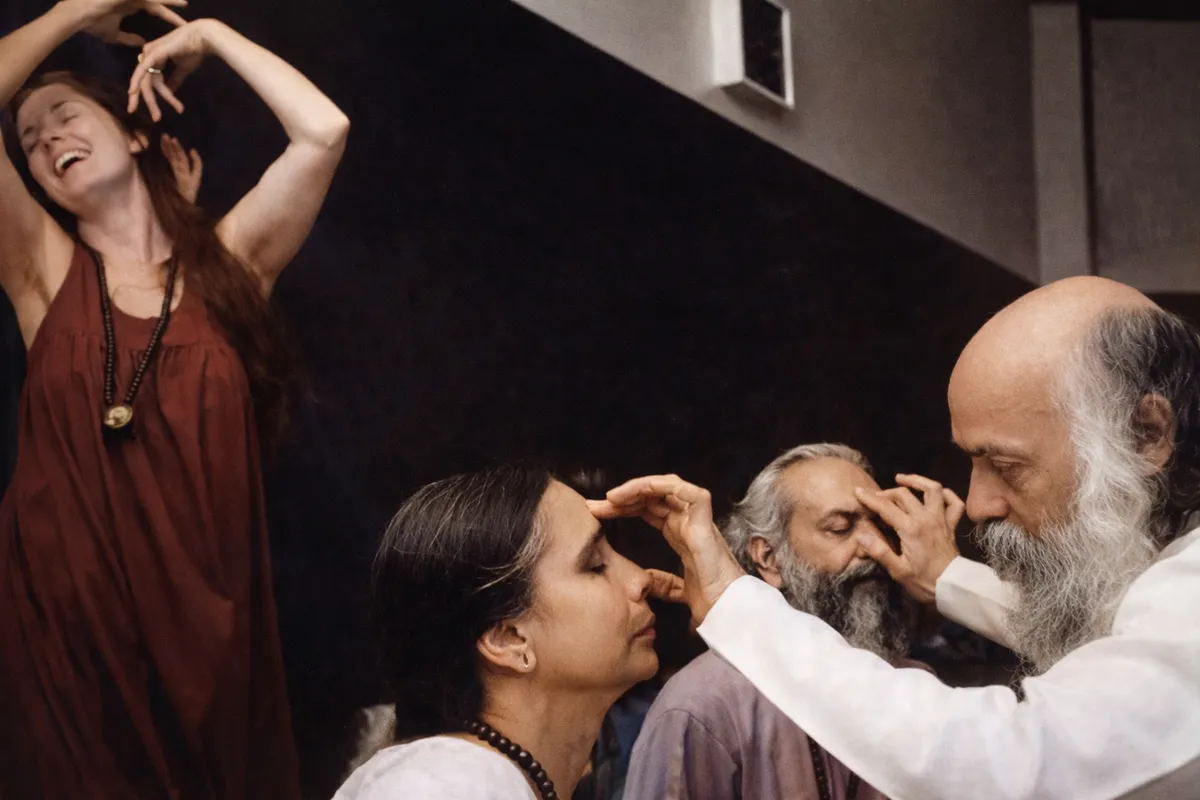
Osho's original Hindi beside Osho Live's English translation, matched passage by passage.
मेरे प्रिय आत्मन्!
My beloved ones!
थोड़े से सवाल ले लें, फिर हम ध्यान के प्रयोग के लिए बैठें।
Let's take a few questions, then we'll sit for the meditation experiment.
ऐसा कुछ नहीं है। दोनों प्रयोगों में से जो आपको ज्यादा गहराई में ले जाता हो, उसे आप कभी भी कर सकते हैं। अगर आपको दोनों प्रयोग एक-दूसरे के लिए परिपूरक बनते हों, तो आप दोनों प्रयोगों को सुबह और सांझ, जब जैसी सुविधा हो वैसा कर सकते हैं। अगर दो में से कोई एक प्रयोग आपके लिए अर्थ न रखता हो, तो उसे छोड़ दे सकते हैं। एक प्रयोग से भी वही परिणाम हो जाएगा। दोनों प्रयोगों से भी इकट्ठा होकर परिणाम वही होगा। एक-एक व्यक्ति के ऊपर निर्भर है कि उसे जैसी सुविधा हो वैसा चुनाव कर ले।
It is not so. Whichever of the two practices takes you deeper, you can do it at any time. If you find the two practices to be complementary to each other, you can do both in the morning and in the evening, whenever it is convenient. If one of the two practices does not have meaning for you, you can drop it. A single practice will bring the same result; doing both together will also bring you to the same result. It depends on each individual to choose whatever suits their convenience.
मेरी ओर दृष्टि स्थिर रखनी है। आंख तो हिलेंगे-डुलेंगे तो स्थिर नहीं रहेगी, लेकिन दृष्टि स्थिर रहेगी। डोलते रहें, नाचते रहें, लेकिन देखते मुझे ही रहें। देखने का काम मेरी तरफ ही उनका बना रहे। और जिस तरह सुबह के प्रयोग में आखिरी दस मिनट प्रतीक्षा के लिए हैं, वैसे ही रात्रि के प्रयोग में भी बाद में प्रतीक्षा जरूरी है। चालीस मिनट प्रयोग कर लें, तीस मिनट प्रयोग कर लें, जितना आपको सुविधाजनक हो, और दस-पंद्रह मिनट, बीस मिनट, जितनी सुविधा हो, वह प्रतीक्षा के लिए भी छोड़ दें। ऐसा भी कर सकते हैं कि रात्रि सोने के पहले प्रयोग करें और फिर प्रतीक्षा करते-करते ही सो जाएं। उसका परिणाम बहुत गहरा होगा, पूरी रात्रि प्रतीक्षा बन जाएगी। और गहरे मन में सरकती रहेगी प्रतीक्षा रात्रि भर, तो सुबह बहुत ही भिन्न स्थिति में उठना होगा, सब बदला हुआ मालूम पड़ेगा।
Keep your gaze steady toward me. The eyes will move and sway; they won’t remain still, but the gaze can remain steady. Keep swaying, keep dancing, but keep looking only at me. Let the act of seeing stay directed toward me.
And just as in the morning practice the last ten minutes are for waiting, so in the night practice too, waiting afterward is essential. Do the practice for forty minutes, or thirty—whatever is convenient—and then leave ten or fifteen minutes, even twenty, as convenient, for waiting.
You can also do this: do the practice before going to sleep at night, and then, while waiting, fall asleep. The result will be very deep; the whole night will become waiting. If that waiting keeps sinking into the deeper mind through the night, then in the morning you will have to wake up in a very different state; everything will seem changed.
आपके ऊपर है। रात्रि के प्रयोग में, जिन्होंने सुबह का प्रयोग किया है, उन्हें लगे कि तीव्र श्वास से सहयोग मिलेगा, वे तीव्र श्वास ले सकते हैं। जिन्हें लगे कि बिना उसके भी ध्यान गहरा हो रहा है, वे छोड़ सकते हैं। वह आपके ऊपर निर्भर है।
It’s up to you. In the night practice, those who have done the morning practice and feel that vigorous breathing will help may use vigorous breathing. Those who feel that their meditation is deepening even without it may drop it. It depends on you.
उन मित्र का कार्ड है, लेकिन नाम उन्होंने पीछे काट दिया है। मुझे पता है कि किसको मैंने कहा है, उन्हीं का कार्ड है। और उनको कहने का कारण भी आपको बता दूं, कार्ड को काटने का कारण भी साफ हो जाएगा।
That friend’s card is here, but he cut his name off the back. I know whom I told it to; it’s his card. And I will also tell you why I said it to him—then the reason for cutting the name will be clear too.
वे मित्र मेरे पास आए थे। उन्होंने मुझे कहा कि किसी ज्योतिषी ने उन्हें बहुत वर्षों पहले बहुत सी बातें बताई थीं। वे सभी बातें अब तक ठीक-ठीक वैसी ही हो गई हैं जैसी उस ज्योतिषी ने बताई थीं। अब उनका चौंतीसवां वर्ष है। और उस ज्योतिषी ने कहा था कि चौंतीसवें वर्ष में आप किसी की हत्या करेंगे। अब वह चौंतीसवां वर्ष आ गया है और अब तक की सारी बातें ठीक हो गई हैं। तो अब वे परेशान हैं।
That friend had come to me. He told me that many years ago an astrologer had told him a lot of things, and all of them have come true exactly as the astrologer had said. Now he is in his thirty-fourth year, and the astrologer had said that in the thirty-fourth year he would kill someone. That thirty-fourth year has arrived, and because everything else has come true so far, he is now disturbed.
तो मैंने उनसे कहा कि अगर आपको लगता है कि सारी बातें ठीक हो गई हैं, तो ज्योतिष सही हो या गलत, उसके संबंध में मैं अभी कोई बात नहीं कर रहा हूं, लेकिन अगर सारी बातें सही हो गई हैं तो बहुत डर है कि सारी बातों के सही हो जाने की वजह से हत्या भी हो सकती है। तो आप अपनी आइडेंटिटी बदल लें। उनसे मैंने कहा, आप एक वर्ष का पीरियाडिकल रिनंसिएशन ले लें। एक वर्ष के लिए संन्यासी हो जाएं। नाम भी बदल लें, व्यक्तित्व भी बदल लें, एक वर्ष साधना में व्यतीत करें। यह एक वर्ष अगर उनके अपने व्यक्तित्व से छिन्न-भिन्न हो जाए, वे दूसरे व्यक्ति हो जाएं, तो बहुत संभावना है कि उनकी जो कंटिन्युटी है माइंड की, जो सातत्य है, वह टूट जाए। और अभी तक उनके जीवन में ज्योतिषी की बताई गई जो बातें सही हुई हैं, उन बातों के सही होने के कारण ही डर है कि वे हत्या कर सकते हैं। यह उन सज्जन को मैंने सलाह दी थी।
So I told him: If you feel everything has come true, then—without my taking any position right now on whether astrology is right or wrong—if everything has indeed come true, there is great danger that precisely because so much has matched, the killing may also happen. So change your identity. I said to him, take a one-year period of renunciation. Become a sannyasin for one year: change your name, change your persona, spend a year in practice. If this one year breaks him off, shatters him off from his old personality, if he becomes a different person, there is every likelihood the mind’s continuity, its inner thread of sameness, will snap. And because the things the astrologer said have come true so far, it is precisely that “rightness” which creates the fear that he may kill. That is the advice I gave that gentleman.
अब वे यहां मुझसे पूछ रहे हैं कि आप हर किसी को सलाह देते हैं।
यह सलाह हर किसी को नहीं दी गई है।
Now here he asks me, “You advise everyone.” That advice was not given to everyone.
और यह पूछ रहे हैं कि मन शांत नहीं है और आप संन्यास लेने को कहते हैं।
मन शांत हो सके इसीलिए कहता हूं। जब आपका मन पूरा शांत हो जाएगा तब संन्यास लेने की इच्छा है? तब संन्यास की कोई जरूरत न होगी। तब तो संन्यास हो गया।
And he asks, “When the mind is not peaceful, you tell us to take sannyas.” It is precisely so the mind can become peaceful that I say it. When your mind is completely at peace, will you still feel like taking sannyas? There will be no need for sannyas then—sannyas will already have happened.
वे यह कह रहे हैं कि ऐसे तो हम वैसे ही बीमार हैं और आप दवाई लेने की सलाह दे रहे हैं। बीमार आदमी को दवाई लेने की सलाह देते हैं, ऐसा वे पूछ रहे हैं। तो जब आप स्वस्थ हो जाएंगे तब दवाई की जरूरत रह जाएगी?
He is saying, “We are ill as it is, and you’re advising us to take medicine.” He is asking whether one advises medicine to the sick. When you are healthy, will you still need medicine?
लेकिन कुछ नासमझ ऐसे हैं कि जब बीमार रहेंगे तब दवाई न पीएंगे और जब स्वस्थ हो जाएंगे तब दवाई पी लेंगे। बीमार आदमी दवाई पीए तो स्वस्थ हो सकता है, स्वस्थ आदमी दवाई पीए तो बीमार हो सकता है। यह जो...
But there are some foolish ones who won’t drink medicine while they are ill, and will start drinking it once they are healthy. If a sick person takes medicine he can become healthy; if a healthy person takes medicine he can become sick. This…
लेकिन बड़े मजे की बात है! मैंने उन्हें बहुत जान कर यह बात कही थी। हत्यारे होने में उन्हें बहुत ज्यादा कठिनाई नहीं मालूम पड़ रही, संन्यास लेने में ज्यादा कठिनाई मालूम पड़ रही है। मैं उनके घर नहीं गया था, वे ही समय मांग कर आए थे कि मैं बड़ी मुश्किल में पड़ गया हूं, कि अब यह हत्या का वक्त आ गया, और सब बातें सही हुई हैं, इसलिए डर है मुझे कि कहीं यह हो न जाए। लेकिन हत्या करनी आसान, संन्यास लेना कठिन मालूम पड़ता है!
But here’s the really amusing thing! I told him this very mindfully. Killing someone doesn’t seem all that difficult to him; taking sannyas seems more difficult. I didn’t go to his house; he himself asked for time and came, saying, “I’m in a great difficulty now. The time of the predicted killing has arrived, and since everything has come true, I’m afraid it may happen.” But killing seems easy, sannyas seems hard!
संन्यास से मतलब कुल इतना ही है कि हमारा जो व्यक्तित्व था कल तक, उससे हम अपना संबंध विच्छेद करते हैं। कल तक हमारी जो आइडेंटिटी थी, हमारा जो तादात्म्य था, हम जिस तरह जाने जाते थे, अब हम वह नहीं हैं, ऐसी घोषणा करते हैं--जगत के प्रति भी और अपने प्रति भी।
Sannyas simply means this much: the personality we had until yesterday—we sever our connection with it. The identity we had until yesterday, the self-image we were known by—we declare that we are no longer that; we say it to the world and to ourselves.
संन्यासी का पुनर्जन्म होता है। इसलिए नाम बदल देते हैं। नाम बदल देने का कुल इतना ही मतलब है कि पुराना आदमी, दि ओल्ड मैन हैज डाइड; वह जो पुराना आदमी है, मर गया। संन्यास की जो प्रक्रिया थी दीक्षा की बहुत प्राचीन, वह यही थी कि जब कोई आदमी संन्यास लेता तो पहले उसे नग्न करके, स्नान करा कर, जैसा मुर्दे को दफनाने के पहले स्नान करवाते हैं; उसका सिर घोट देते, जैसे कि मुर्दे का सिर साफ कर देते हैं; फिर उसे चिता पर लिटा देते, फिर चिता में आग लगा देते। और फिर चारों ओर उसके प्रियजन और मित्रगण और दीक्षा देने वाला गुरु और सारे लोग कहते कि वह आदमी जल रहा है, वह आदमी मर रहा है, जो तुम थे। और जब चिता की लपट बिलकुल उसे पकड़ने के करीब हो जाती तब उसे बाहर निकाल लेते और कहते कि अब तुम दूसरे आदमी हो, वह आदमी चिता में गया जो तुम कल तक थे, अब तुम दूसरे आदमी हो। अब तुम किसी के बेटा नहीं, अब तुम किसी के पति नहीं, अब किसी की पत्नी नहीं। अब तुम्हारा नया जीवन शुरू हुआ। पुरानी सारी आइडेंटिटी, पुराना सारा तादात्म्य टूट गया है।
A sannyasin is reborn. Hence the change of name. The change of name means only this: the old man has died. In the ancient initiation into sannyas the process was this: when someone took sannyas, first he was stripped naked and bathed, as a corpse is bathed before burial; his head was shaved, as a corpse’s head is cleaned; then he was laid upon a funeral pyre, and the pyre was lit. And then all around—his loved ones, his friends, the initiating master—everyone would say, “That man is burning, that man is dying—the one you were.” And when the flames were just about to catch him, he would be pulled out, and they would say, “Now you are a different man. The one you were until yesterday has gone to the pyre; now you are a different man. You are no longer anyone’s son, no longer anyone’s husband, no longer anyone’s wife. Your new life has begun. All your old identity, all your old identifications, have been broken.”
संन्यास का कुल मतलब इतना है कि जीवन की जो हमारी एक सातत्य धारा है, उसको कहीं से, कहीं से भी तोड़ दिया जाए। अन्यथा आदमी आदत के वश वैसा ही जीया चला जाता है जैसा वह कल तक जीया था। कहीं न कहीं ब्रेक, कहीं न कहीं खंड, कहीं न कहीं तोड़ने की जरूरत पड़ती है। अन्यथा हम चले जाते हैं पुरानी लकीर में बंधे हुए। और वही लकीर हमें मृत्यु तक पकड़े रखती है।
Sannyas means only this much: that the uninterrupted stream of our life should be broken somewhere—somewhere a break, a gap, a fracture. Otherwise, out of habit, a person goes on living as he lived until yesterday. Somewhere a break is needed. Otherwise we go on bound to the old groove, and that same groove holds us until death.
संन्यास का और कोई मतलब नहीं है; संन्यास का मनोवैज्ञानिक मतलब इतना ही है कि हम व्यक्ति का अब तक उसके चित्त में जो स्वयं का इमेज था, उसकी जो प्रतिमा थी स्वयं के प्रति, उसको हम बदल रहे हैं। फर्क पड़ता है। हैरानी से फर्क पड़ता है। आश्चर्यजनक रूप से फर्क पड़ता है।
There is no other meaning to sannyas; psychologically it means only this: we are changing the image of the self that has existed in a person’s mind up to now. It makes a difference. Astonishingly, it makes a difference.
एक मित्र हैं, संन्यास लिया उन्होंने। मुझसे कहते थे, कपड़े बदलने से क्या होगा?
मैंने कहा, बदलो और देखो! और न हो तो फिर बदल लेना।
There is a friend who took sannyas. He used to say to me, “What will changing clothes do?” I said, “Change them and see. And if it doesn’t do anything, change back.”
पंद्रह दिन बाद आकर मुझे कहे कि यह तो बड़ी हैरानी की बात है! शराब की दुकान के सामने जाकर एक क्षण को पैर रुकते हैं, फिर स्मरण आता है--मैं संन्यासी हूं, पैर एकदम आगे बढ़ जाते हैं। सिगरेट को हाथ में लेकर मुंह तक ले जाने की पुरानी आदत, यांत्रिक ढंग से सिगरेट निकल आती है, मुंह तक पहुंचती है, और तत्काल याद आता है--मैं संन्यासी हूं, और हाथ ढीले पड़ जाते हैं।
Fifteen days later he came and said, “This is amazing! My feet stop for a moment in front of the liquor shop; then I remember—I am a sannyasin—and my feet move on at once. The old mechanical habit of taking a cigarette out and bringing it to my lips—my hand does it, it reaches my mouth, and instantly I remember—I am a sannyasin—and my hand goes limp.”
एक डिसकंटिन्युटी पैदा हो गई। अब अगर कोई गाली देगा, तो उसी ढंग से गाली नहीं दी जा सकती जिस ढंग से कल दी थी। एक क्षण को स्मरण आ ही जाएगा कि मैं संन्यासी हूं। इतना सा स्मरण परिणामकारी होता है। स्मरण छोटा नहीं है वह। हमने एक शब्द सुन रखा है: सुरति। अभी किसी ने एक प्रश्न भी पूछा है। लेकिन सुरति का मतलब आपको पता है? सुरति का मतलब--स्मृति का बिगड़ा हुआ रूप है--रिमेंबरिंग, याद बनी रहे।
A discontinuity has arisen. Now if someone abuses him, he cannot abuse back in quite the same way he did yesterday. For a moment the remembrance will come: I am a sannyasin. Even that much remembrance is effective. That remembrance is not small. We have heard a word: surati. Someone has also asked a question about it. Do you know what surati means? Surati means—a colloquial form of smriti—remembering, a continuity of recall.
एक आदमी बाजार जाता है। कोई सामान खरीदना है, कपड़े में गांठ लगा लेता है, कुरते में गांठ लगा लेता है, धोती में गांठ लगा लेता है। अब गांठ से कोई सामान लाने का संबंध है? कोई भी संबंध नहीं है। लेकिन गांठ जहां भी दिखाई पड़ती है, याद आता है--कोई चीज घर ले जानी है। वह गांठ सुरति बन जाती है, स्मृति बन जाती है, रिमेंबरिंग बन जाती है। दिन में पच्चीस दफा जब भी गांठ दिखाई पड़ती है कुरते में लगी, उसे याद आता है--चीज घर ले जानी है। बहुत संभावना है कि वह चीज घर ले आएगा। भूलने का उपाय कम है। चूंकि सुरति का भी एक उपाय उसने साथ में रखा हुआ है।
A man goes to the market. He has to buy an item; he ties a knot in his shirt or his dhoti. What relation does the knot have to the item to be brought? None at all. But wherever the knot is seen, it reminds him—there is something to bring home. That knot becomes surati, becomes smriti, becomes remembering. Twenty-five times a day, whenever his eye falls on the knot tied in the shirt, he remembers—there is something to take home. There is a very good chance he will bring it. There is less scope for forgetting, because he has kept with him a device for remembrance.
संन्यासी के कपड़े सुरति के लिए सहयोगी गांठ है एक। उसका गेरुआ वस्त्र उसे भी याद दिलाता है वह संन्यासी है, दूसरे लोगों को भी दिलाता है वह संन्यासी है। बड़े लंबे अरसे में, हजारों-लाखों साल में मनुष्य की चेतना में सुरति की गांठें पैदा की गई हैं। एक आदमी संन्यासी की तरह दिखाई पड़ जाता है...
A sannyasin’s clothes are one such helping knot for surati. His ochre garment reminds him that he is a sannyasin, and it reminds others too that he is a sannyasin. Over very long periods—thousands of years—knots of remembrance have been created in human consciousness. If a person appears as a sannyasin…
एक बहन ने मुझे आकर कहा कि मेरी मां बिलकुल पागल है। वह कोई फैशन में ही गेरुआ कपड़े पहने हो तो उसी को नमस्कार करने लगती है।
तो मैंने कहा, वह पागल नहीं है। भला वह आदमी फैशन में ही कपड़े पहने हो, लेकिन कोई उसको नमस्कार करने लगे, तो भी उस आदमी में फर्क पड़ता है। अगर एक बुरे से बुरे आदमी को गेरुए वस्त्र पहना दिए जाएं और सारा समाज उसको नमस्कार करने लगे और आदर देने लगे, तो उस आदमी को बुरा होना मुश्किल हो जाएगा।
A sister came and told me, “My mother is absolutely crazy. If someone is wearing ochre clothes just as a fashion, she still bows down to them.” So I said, “She is not crazy. Even if that person is wearing those clothes just for fashion, if someone bows to him, it will make a difference in him too. If you put ochre robes on the worst of men and the whole society begins to bow to him and give him respect, it will become difficult for that man to be bad.”
चित्त के काम करने के नियम हैं। अगर बुरे से बुरे आदमी को भी आदर मिल जाए तो वह भी आदृत होना चाहता है और आदर के विपरीत करना उसे मुश्किल हो जाता है। उसे भी लाभ होता है। और जो आदर दे रहा है किसी को उसके भी अहंकार को पिघलने का मौका मिलता है। अकारण दे रहा है आदर।
The mind has its laws of functioning. If even the worst of men begins to receive respect, he too wants to be worthy of respect, and doing what contradicts respect becomes difficult. He is benefited as well. And the one who gives respect gets a chance for his ego to melt—because he gives respect without a reason.
कोई मिनिस्टर निकलता है सड़क से, आप नमस्कार करते हैं। वह कंडीशनल होता है, वह अकारण नहीं होता, उसके पीछे कारण है। कल वही आदमी मिनिस्टर नहीं होगा, तो कोई उसको नमस्कार करने वाला नहीं है। ताकत है, पद है, प्रतिष्ठा है, धन है किसी के पास, किसी के पास ज्ञान है।
If a minister passes on the road, you salute him. That is conditional; it is not without reason; there is a cause behind it. Tomorrow that man will no longer be a minister and no one will salute him. Someone has power, position, prestige, wealth; someone has knowledge.
संन्यासी के पास कुछ भी नहीं है। संन्यासी का मतलब ही यह है कि जिसने कहा कि कुछ भी अर्थ का नहीं है। भिखारी है। इसलिए बौद्धों ने तो अपने संन्यासी के नाम के सामने भिक्षु जोड़ा। भिखारी है। अब एक भिखारी को नमस्कार करना! अकारण है, कोई कारण नहीं है। न करें तो भिखारी कुछ कर नहीं सकता। मिनिस्टर को न करें तो कुछ कर सकता है, करेगा! नहीं तो मिनिस्टर, बेकार हो गई उसकी मेहनत, दौड़-धूप, होने की। धनपति को आदर न दें तो कुछ करेगा, क्योंकि धन के लिए उसने इतनी मेहनत की और अगर आदर भी न मिले तो सारी मेहनत बेकार हो गई।
A sannyasin has nothing. A sannyasin means one who has said that none of it has any meaning. He is a beggar. That is why the Buddhists added “bhikshu” (beggar) before a monk’s name. Now to bow to a beggar! It is without cause; there is no reason. If you don’t, the beggar can do nothing. If you don’t salute the minister, he can do something—and he will! Otherwise what was the use of his labor, his running around, to become a minister? If you don’t give respect to a rich man, he will do something, because he worked so hard for wealth—and if no respect comes, all that effort seems wasted.
संन्यासी को आदर न दें तो कुछ भी नहीं करेगा। करने का कोई सवाल ही नहीं है, वह भिखारी है। वह कहता है: इस जगत में कुछ है ही नहीं मेरे पास, मैं बिलकुल खाली हूं, खाली भिक्षापात्र हूं। पर उसको भी आदर देने की बात आपके अहंकार को विनम्र कर जाती है और उसे स्मरण दिला जाती है कि वह कौन है! और यह स्मृति अगर चौबीस घंटे बनी रहे...
If you don’t respect a sannyasin, he will do nothing. There is no question of it—he is a beggar. He says, “There is nothing in this world that I have; I am completely empty, an empty begging bowl.” But giving respect to him melts your ego and reminds him of who he is. And if that remembrance remains for twenty-four hours…
और आप हैरान होंगे, जिस दिन संन्यासी होने का संकल्प करेंगे, नींद में भी स्मरण रहेगा कि संन्यासी हैं। नींद तक में पेनिट्रेट कर जाती है स्मृति और काम करने लगती है। और हम वही हो जाते हैं जिसका हमें स्मरण हो जाता है। हम वही हो जाते हैं जिसका हमें स्मरण हो जाता है।
And you will be amazed: the day you resolve to be a sannyasin, even in sleep the remembrance will remain that you are a sannyasin. The memory penetrates even into sleep and begins to work. And we become what we remember. We become what we remember.
अभी मनोवैज्ञानिक कहते हैं कि जो शिक्षक बच्चों को कहते हैं--गधे हो, बुद्धू हो, मूर्ख हो, वे उन बच्चों को गधा, मूर्ख बनाने का कारण बन जाते हैं। अगर एक कालेज, एक स्कूल के सारे शिक्षक तय कर लें, तो प्रतिभाशाली से प्रतिभाशाली बच्चे को अगर पहले ही दिन से मूर्ख कहना शुरू कर दिया जाए तो यूनिवर्सिटी से वह महामूर्ख होकर निकलेगा। नहीं कि उसके पास प्रतिभा नहीं थी। लेकिन इतने लोगों का सजेशन, इतने लोगों का सुझाव काम शुरू कर देता है।
Psychologists now say that when teachers tell children, “You are donkeys, you are idiots, you are fools,” they become the cause of making those children donkeys and fools. If an entire school’s teachers decide to do it, even the most gifted child—if from the first day they start calling him a fool—will come out of the university a great fool. Not that he had no talent; but the suggestions of so many people begin to work.
जब आप एक आदमी को आदर देना शुरू करते हैं अनेक लोग, तो आप उसे सुझाव दे रहे हैं कि तुम आदर योग्य हो। आप उसे यह सुझाव दे रहे हैं कि तुम्हें आदर योग्य होना चाहिए। आप उसे सुझाव दे रहे हैं कि तुम साधारण नहीं हो। आप उसे सुझाव दे रहे हैं कि तुमने कोई निर्णय लिया है, कोई संकल्प किया है। सारे तरफ से गांठें बंध गईं उस आदमी के ऊपर।
When many people begin to give respect to someone, you are suggesting to him that he is worthy of respect. You are suggesting that he ought to be worthy of respect. You are suggesting that he is not ordinary. You are suggesting that he has made a decision, taken a resolve. Knots of remembrance get tied all around that person.
तो उन मित्र को मैंने सलाह दी थी और फिर सलाह देता हूं। कमजोर आदमी मालूम पड़ते हैं। निजी सलाह दी थी, यहां नहीं पूछना था मुझसे उन्हें। और यहां भी पूछा था तो कम से कम कार्ड पर नाम नहीं काटना था। और इस तरह पूछा है जैसे कोई जनरल सवाल पूछ रहे हों। जनरल सवाल ही पूछना था तो पूरी बात लिखनी थी कि चौंतीसवें साल में मैं हत्या करने वाला हूं! क्या इरादे हैं! वह तो उन्होंने व्यक्तिगत पूछा। संन्यास की सलाह दी, वह यहां सबके सामने पूछते हैं। इतनी कमजोरी हो तो जिंदगी में कुछ भी नहीं हो सकता है। साहस चाहिए। साहस की जरूरत है।
So I gave that friend this advice, and I give it again. He seems a weak man. It was a private suggestion; he should not have asked me here. And even here, if he asked, at least he should not have cut his name off the card. And he has asked in such a way as if he were asking a general question. If a general question was what he wanted to ask, he should have written the whole thing: “In my thirty-fourth year I am going to kill someone!” What intentions! That he asked privately. The advice about sannyas—he asks that publicly. With such weakness nothing can happen in life. Courage is needed. Courage is essential.
एक और सवाल। फिर कुछ और सवाल हैं, वे सुबह आपसे बात करूंगा।
One more question. There are some more questions; I will speak to you about them in the morning.
कल भी रास्ते में चलते वक्त उन्होंने मुझसे पूछा था, और मैंने उनको कहा था कि एकांत में आ जाएं तो अच्छा। क्योंकि तीसरे नेत्र और उस तरह की जितनी इसोटेरिक बातें हैं, वह अच्छा है कि जिनको उत्सुकता हो वे एकांत में ही जान लें। क्योंकि कई बार जिनके लिए वह जानना जरूरी नहीं है, उनके लिए नुकसान हो सकता है। बहुत सी बातें हैं जो समय के पहले जानने से नुकसान होता है। समय आ जाए तभी उन्हें जानना उचित है।
Yesterday too, while walking on the road, he asked me, and I told him it would be better to come in solitude. Because the third eye and matters of that esoteric kind are best shared one-on-one with those who have a genuine urge. Many times, for those who do not need to know, it can be harmful. There are many things which, if learned before their time, do harm. They should be known only when the time is ripe.
और थोड़ी बातें नहीं हैं, बहुत बातें हैं जिंदगी में जो इसोटेरिक हैं, जो गुह्य हैं, जिन्हें जानने से कई बार बहुत खतरे हो जाते हैं। खतरे क्या हो जाते हैं, हमारा मन जो है वह बच्चों जैसा कुतूहल से भरा हुआ है। इंक्वायरी कम है, क्युरिआसिटी ज्यादा है। जिज्ञासा कम है, कुतूहल ज्यादा है--तीसरा नेत्र क्या है?
And it is not just a few matters; there are many things in life that are esoteric, secret, and knowing them can often be dangerous. What happens is this: our mind is like a child, full of curiosity. There is little inquiry, much curiosity. Inquiry is scarce; curiosity abounds—“What is the third eye?”
ऐसा नहीं है कि तीसरे नेत्र से कोई बहुत मतलब है। मतलब होता, तो मैंने बुलाया था कि आ जाएं, तो शायद उसमें घंटा भर लगता आने-जाने में, उतना खर्च करने का विचार नहीं है। तो इस संबंध में नहीं उत्तर दूंगा।
It is not as if the third eye matters so much for you. If it did, I had invited him to come; perhaps it would have taken an hour to come and go—he does not wish to spend even that much. So on this matter I will not answer.
कुतूहल काफी नहीं है। और कुतूहल कभी-कभी खतरनाक है। कभी-कभी ऐसे ही हो जाता है कि जैसे कुतूहल में कोई जहर पीकर देख ले और कुतूहल में कोई आग में हाथ डाल कर देख ले, वैसे ही हो जाता है। तो तीसरे नेत्र के संबंध में मैं तो तभी बात कर सकता हूं जब आपके दोनों नेत्रों को ठीक से देख लूं कि तीसरे पर कुछ काम हो सकता है कि नहीं हो सकता। अन्यथा बात नहीं की जा सकती है।
Curiosity is not enough. And curiosity can sometimes be dangerous. Sometimes, out of curiosity, someone might drink poison just to see, or put a hand into the fire just to see—just like that. So on the subject of the third eye, I can speak only after I have looked properly into your two eyes to see whether any work on the third is possible or not. Otherwise, it cannot be spoken of.
और इसी तरह के और भी दो-चार सवाल हैं जिनको कि सामूहिक बात करना उचित नहीं है। क्योंकि और लोग सुन लेंगे। वे भी जाकर कुतूहल में कुछ करना शुरू करें। कुछ होना शुरू हो सकता है। होने में कठिनाई नहीं है। शक्तियां हमारे भीतर छिपी पड़ी हैं। और उनके संबंध में ऐसी ही जानकारी चाहिए जैसे बटन दबाने से बिजली जल जाती है। ठीक ऐसी ही। ठीक जगह पर अगर थोड़ी सी भी चोट की जाए तो तीसरी आंख काम शुरू कर देती है। लेकिन वह व्यक्ति इस योग्य है कि तीसरी आंख काम शुरू करे या नहीं, यह जान लेना सबसे पहली जरूरत है।
And there are a few other such questions for which it is not appropriate to speak publicly. Because other people will hear; they too will go and, out of curiosity, begin to do something. Things can start to happen. There is no difficulty in things happening—powers lie hidden within us. And what is needed about them is knowledge of just the kind by which, when you press a button, the light comes on—exactly like that. If a slight touch is made at exactly the right place, the third eye begins to function. But whether the person is fit for the third eye to begin to function—that is the first thing to ascertain.
प्लेटो ने एक छोटी सी कहानी लिखी है। उसने लिखा है कि मैंने बड़े से बड़े नैतिक आदमी से, मॉरेलिस्ट से पूछा है कि अगर तुम्हें हम एक ऐसी शक्ति दे दें, एक ऐसा ताबीज दे दें कि तुम अदृश्य हो सको, इनविजिबल हो सको, तो तुम्हारी नीति टिकेगी फिर कि नहीं टिकेगी?
तो प्लेटो ने लिखा है कि जिससे भी मैंने कहा, उसने फौरन पूछा कि ऐसा कोई ताबीज है?
और जब उससे यह पूछा कि क्या तुम नैतिक रह सकोगे ऐसा ताबीज मिलने पर?
तो उस आदमी ने कहा, बहुत कठिन मालूम पड़ता है। पुलिसवाला देख न सके, तो रास्ते पर ठीक चलने की जरूरत नहीं रह जाती। मकान मालिक देख न सके, तो उसकी चीज चुराने में कितनी कठिनाई है!
Plato wrote a little story. He wrote that he asked the greatest moral men, the moralists: “If we were to give you a power, a talisman by which you could become invisible, would your morality still hold?” Plato wrote that whomever he asked immediately asked, “Is there such a talisman?” And when he asked, “Would you remain moral if you had such a talisman?” the man said, “It seems very difficult. If the policeman cannot see, then there is no need to walk properly on the road. If the landlord cannot see, what difficulty is there in stealing his things?”
अगर आपको भी पता चले कि ऐसा कोई ताबीज है--कल्पना में ही, अभी ताबीज मिल नहीं गया--ऐसा कल्पना में ही पता चले कि ऐसा कोई ताबीज है, तो फौरन आप योजनाएं बनाने लगेंगे कि पड़ोसी की स्त्री को लेकर भागना है कि तिजोड़ी लेकर भागना है कि क्या करना है, क्या नहीं करना है! तत्काल मन योजनाएं बनाना शुरू कर देगा।
If you too were to learn that such a talisman exists—even only in imagination, the talisman has not yet been received—if even in imagination you were to know such a talisman exists, immediately you would start making plans: whether to run away with the neighbor’s wife, or with his safe—what to do and what not to do! The mind will immediately begin to make plans.
तीसरा नेत्र बड़ी शक्तिशाली बात है। उसके दुरुपयोग हो सकते हैं। और कठिनाई यही है कि ध्यान के पहले सदा ही दुरुपयोग हो सकते हैं। इसलिए ध्यान की फिक्र करें। एक बार ध्यान चित्त में रम जाए तो फिर कितनी ही बड़ी शक्ति आपको मिल जाए उसका दुरुपयोग नहीं हो सकता। क्योंकि दुरुपयोग करने वाला मन ही मर चुका है। लेकिन उसके पहले कोई भी शक्ति मिल जाए तो खतरा है, क्योंकि मन मौजूद है।
The third eye is a very powerful thing. It can be misused. And the difficulty is that before meditation there is always the possibility of misuse. Therefore, take care of meditation. Once meditation settles in your consciousness, then no matter how great a power you receive, it cannot be misused—because the mind that misuses is already dead. But before that, if any power is obtained, there is danger, because the mind is present.
अगर तीसरा नेत्र मिल जाए तो आप दूसरे के विचार जरूर पढ़ना चाहेंगे। आप दूसरे के लिफाफे में बंद चिट्ठी को जरूर देखना चाहेंगे। और भी बहुत कुछ करना चाहेंगे, जो आपके ऊपर सोचने को छोड़ देता हूं, आप सोचना कि तीसरा नेत्र मिल जाए तो आप क्या-क्या करना चाहेंगे?
इसलिए जिन्होंने पूछा है उनको कहूंगा कि वह निजी बात है, वे आकर पूछ लें। उनकी पात्रता हो तो उस संबंध में कुछ काम किया जा सकता है। और इधर जरूर आप में से उन सब मित्रों को मैं निमंत्रण देता हूं, जिनको ऑकल्ट और इसोटेरिक, गुप्त विज्ञानों के संबंध में कुछ भी जानना हो, वे जरूर मेरे पास आ जाएं, उनसे मैं बात करना चाहूंगा। लेकिन उनके कुतूहल, उनकी क्युरिआसिटी के लिए नहीं। अगर वे उस दिशा में कुछ काम करने की पात्रता रखते हों, तो जरूर बहुत दिशाएं हैं, आदमी अनंत शक्ति का स्रोत है, उसके भीतर बहुत छिपा है, जो प्रकट किया जा सकता है।
लेकिन ध्यान के पहले कुछ भी खतरनाक है। जैसे विज्ञान के खतरे पैदा हो गए हैं। आदमी तो है जानवर जैसा और हाथ में ताकत आ गई है देवताओं जैसी--हाइड्रोजन बम, एटम बम। तो खतरा होने वाला है। क्योंकि आदमी के पास बुद्धि उतनी है, जितनी उसके हाथ में पत्थर होता है तो जरा सा गुस्सा आ जाता है तो फेंक कर मार देता है। बुद्धि उतनी है, हाथ में एटम बम है। जरा गुस्सा आ जाए तो फेंक कर मारने वाला है। पर एटम बम और पत्थर में बहुत फर्क है और आदमी वही का वही है।
If the third eye is attained you will surely want to read another’s thoughts. You will surely want to look into a letter sealed in another’s envelope. And much else you will want to do—I leave that to your own thinking; you consider for yourself what all you would like to do if the third eye were to be gained. Therefore, to those who have asked, I would say this is a private matter; let them come and ask me. If they have the requisite fitness, some work can be done in that regard. And here I certainly extend an invitation to all friends among you who wish to know anything about the occult and esoteric, the secret sciences—do come to me; I would like to talk with you. But not for their curiosity. If they have the capacity to work in that direction, then indeed there are many pathways. Man is a source of infinite power; much is hidden within him that can be brought to light. But before meditation, anything is dangerous. Just as science has created dangers: man is still like an animal, yet in his hands is a power like that of the gods—hydrogen bombs, atom bombs. So danger is bound to be. Because man’s intelligence is such that when there is a stone in his hand and a little anger arises, he throws it to kill. The intelligence is of that level—yet in his hand is an atom bomb. Let a little anger arise and he will be the one to throw and kill. But there is a great difference between an atom bomb and a stone, and the man is the same as before.
ठीक योग भी एक विज्ञान है। और योग के द्वारा भी बहुत पहले इस तरह का नुकसान पहुंच चुका है, जैसा आज विज्ञान के द्वारा पहुंच रहा है। जो लोग ध्यान के पहले योग के गुह्य मार्गों में प्रवेश कर जाते हैं, उनके पास जो कुछ भी आता है वह सब ब्लैक आर्ट हो जाता है। वह सब अंधेरी कला हो जाती है। और उस अंधेरी, अंधी कला का दुरुपयोग ही होता है, सदुपयोग नहीं होता है। इसलिए ध्यान की फिक्र करें यहां तो। और अगर किसी को निजी आकांक्षा है तो वह अलग से मुझसे बात करे। उस दिशा में बहुत काम जरूर ही किया जा सकता है।
Similarly, yoga too is a science. And through yoga, long ago, damage of this kind has already been done—the kind that science is causing today. Those who enter the secret paths of yoga before meditation—whatever comes to them becomes black art. It all turns into a dark art. And that dark, blind art is only misused, not rightly used. Therefore, here, concern yourselves with meditation. And if someone has a personal aspiration, let him speak to me separately. In that direction, much work can certainly be done.
अब हम ध्यान के लिए बैठें। चालीस मिनट तक आंख खोल कर, आज चौथा दिन है, बहुत तीव्र प्रयोग करना है। इसलिए अधिक लोग जिनको भी तीव्रता में जाना है वे खड़े हो जाएं, बाहर निकल जाएं। और जो लोग बैठे रह जाते हैं वे भी ध्यान रखें कि उन्हें बैठे नहीं रह जाना है। शरीर में जो भी हो रहा है उसे तीव्रता से होने दें, बैठे हुए भी। और पीछे जो मित्र बैठे हैं वे शायद सोचते हों कि पीछे बैठे हैं, इसलिए बैठने को बैठे हैं, तो गलत। उन्हें भी प्रक्रिया में जोर से भाग लेना है।
Now let us sit for meditation. For forty minutes, with eyes open—today is the fourth day—we have to do a very intense experiment. Therefore, those of you who want to go into intensity, please stand up and move out. And those who remain seated should also remember that they are not to simply sit. Whatever is happening in the body, let it happen intensely—even while seated. And the friends sitting at the back may think that because they are at the back they are just sitting; that is wrong. They too must take part vigorously in the process.
जो लोग देखना चाहते हों वे मेरे सामने वाली जगह में चले जाएं। देखने वाला कोई भी और कहीं खड़ा न हो, ठीक मेरे सामने साधकों के पीछे खड़ा हो जाए। और देखने वाले बात न करेंगे, इतनी कृपा रखें।
Those who wish to watch, move to the place in front of me. No viewer should stand anywhere else; stand directly in front of me, behind the practitioners. And those who are watching will not talk—be so kind.
बातचीत न करें। बातचीत की कोई जरूरत नहीं है। आपको जाने में बातचीत की क्या जरूरत है? जिन मित्रों को खड़े होकर करना है वे दोनों ओर और मेरे पीछे फैल जाएं। जिन मित्रों को सिर्फ देखना है वे जरा दूर हट कर साधकों से पीछे खड़े हो जाएं, वहां से देखें। यहां बीच में कोई भी देखने वाला नहीं बैठा रहेगा, चुपचाप हट जाएं और पीछे चले जाएं। और देखने वाले मित्र यहां आस-पास कहीं भी खड़े न हों, सिर्फ सामने आ जाएं ताकि वे अलग खड़े हो सकें। देखने वाले मित्र बात न करेंगे चालीस मिनट, इतनी कृपा रखेंगे, चुपचाप देखते रहें। और आप लोग भी थोड़ी-थोड़ी जगह बना कर बैठें, ताकि घूम सकें, हिल सकें, कांप सकें, डोल सकें, चिल्ला सकें, थोड़ी जगह बना कर बैठें।
Do not talk. There is no need to talk. What need is there of conversation for you to go? Friends who are to do it standing should spread out to both sides and behind me. Friends who only wish to watch should move a little back and stand behind the practitioners—watch from there. No viewer will remain seated in the middle; quietly move away and go to the back. And viewers should not stand anywhere around here; come only to the front so that you can stand apart. Viewers will not talk for forty minutes—be so kind—and just watch silently. And you too, make a little space as you sit, so that you can move, sway, tremble, rock, shout—sit after making a little space.
ठीक है! मैं मान लूं कि देखने वाले पीछे हट गए हैं। बातचीत नहीं करेंगे। चुपचाप चालीस मिनट देखते रहें। देखने से भी लाभ होगा। इस बार देखें, अगली बार करने का भी खयाल आपको आ सकता है। लेकिन यहां कोई देखने वाला न खड़ा रहे। कल कुछ लोग यहां खड़े थे, कुछ लोग यहां खड़े थे, वे हमारे साधकों को बाधा देते हैं, आप पीछे चले जाएं। बीच में कोई बैठा न रहे।
All right! I will assume the viewers have moved back. You will not talk. For forty minutes, watch silently. There will be benefit even from watching. Watch this time; next time the thought to do it may arise in you as well. But let no viewer stand here. Yesterday some people were standing here, some there—they hinder our practitioners; please go to the back. No one should be seated in the middle.
अब सबसे पहले आंख बंद कर लें दो मिनट के लिए। हाथ जोड़ कर प्रभु के सामने संकल्प कर लें। आज चौथा दिन है, पूरी शक्ति लगानी है। मैं प्रभु को साक्षी रख कर संकल्प करता हूं कि ध्यान में अपनी पूरी शक्ति लगाऊंगा! सौ प्रतिशत, पूरी! मैं प्रभु को साक्षी रख कर संकल्प करता हूं कि ध्यान में अपनी पूरी शक्ति लगाऊंगा! सौ प्रतिशत, पूरी! मैं प्रभु को साक्षी रख कर संकल्प करता हूं कि ध्यान में अपनी पूरी शक्ति लगाऊंगा! सौ प्रतिशत, पूरी! अपने को जरा भी बचाना नहीं, पूरा ही डुबा देना है।
Now first close your eyes for two minutes. With folded hands, make a resolve before the Lord. Today is the fourth day; we have to put our full energy into it. With the Lord as witness, I resolve that I will put my whole energy into meditation—one hundred percent, total! With the Lord as witness, I resolve that I will put my whole energy into meditation—one hundred percent, total! With the Lord as witness, I resolve that I will put my whole energy into meditation—one hundred percent, total! Do not save even a bit of yourself; you must be totally immersed.
अब आंख खोल लें। चालीस मिनट आंख को बिना झपे मेरी ओर देखना है। भीतर शक्ति जगेगी, उसे जगने देना है। मैं आपको बोलूंगा तो नहीं, हाथ से इशारा करूंगा, तो आपकी शक्ति उठे तो उसे ऊपर उठा ले जाना है। और जब आपकी शक्ति इतनी ऊपर उठ जाएगी कि मुझे लगे कि परमात्मा की शक्ति को भी निमंत्रित किया जा सकता है, तो मैं ऊपर से नीचे की ओर इशारा करूंगा, उस वक्त बड़ी चीख-पुकार, बड़ी हलन-चलन पैदा होगी, उसे होने देना है।
(इसके बाद चालीस मिनट तक ध्यान-प्रयोग चलता रहा। ओशो हाथ के इशारों से साधकों को अपनी पूरी शक्ति लगाने के लिए प्रोत्साहित करते रहे। चालीस मिनट के ध्यान-प्रयोग के बाद ओशो साधकों को शांत होकर बैठ जाने के लिए कहते हैं और अंतिम सुझाव देते हैं।)
कोई अस्सी प्रतिशत मित्र, अपने संकल्प के अनुसार पूरा प्रयोग कर रहे हैं। उतने ही परिणाम भी हो रहे हैं। जो बीस प्रतिशत मित्र पीछे रह गए हैं, उनसे निवेदन है, कल आखिरी दिन है, वे भी सम्मिलित हो जाएं।
कुछ बहुत निकट है जानने को, उससे हम पास से ही चूक जाते हैं। नदी के किनारे आकर भी प्यासे रह जाते हैं। कबीर ने कहा है, देख कर बहुत हंसी आती है कि सागर में मछली प्यासी रह जाती है! करीब बहुत होते हैं, फिर भी चूक जाते हैं। चूकें न, कल आखिरी दिन है, कल सुबह के प्रयोग में और शक्ति बढ़ाएं। कल सांझ के प्रयोग में और शक्ति बढ़ाएं। अस्सी प्रतिशत मित्र बहुत निकट आ गए हैं। आशा रखनी चाहिए कि हम सभी इस पांच दिन के प्रयोग से कुछ सीख कर लौटेंगे, जो कि जीवन की संपत्ति बन सकता है।
हमारी रात की बैठक पूरी हुई।
Now open your eyes. For forty minutes, without blinking, look toward me. Energy will awaken within; let it awaken. I will not speak to you; I will signal with my hand. When your energy rises, you have to take it upward. And when your energy rises so high that I feel the energy of the Divine can also be invited, I will signal from above to below. At that time there will be great outcry, much movement—let it happen. (After this, the meditation experiment continued for forty minutes. Osho kept encouraging the seekers with hand gestures to put their full energy into it. After forty minutes of the meditation experiment, Osho asked the seekers to sit quietly and offered final suggestions.) About eighty percent of friends are carrying out the experiment fully, in accordance with their resolve. The results are manifesting to that extent as well. To the twenty percent who have fallen behind, my request is: tomorrow is the last day—please join in too. There is something very near to be known, yet we miss it from close by. We come to the riverbank and still remain thirsty. Kabir has said, it is laughable to see that a fish in the ocean remains thirsty! We come so close, and still we miss. Do not miss. Tomorrow is the last day—add more energy to the morning experiment. Add more energy to the evening experiment. The eighty percent friends have come very near. We should keep the hope that all of us will return from this five-day experiment having learned something that can become a wealth of life. Our night’s session is complete.