
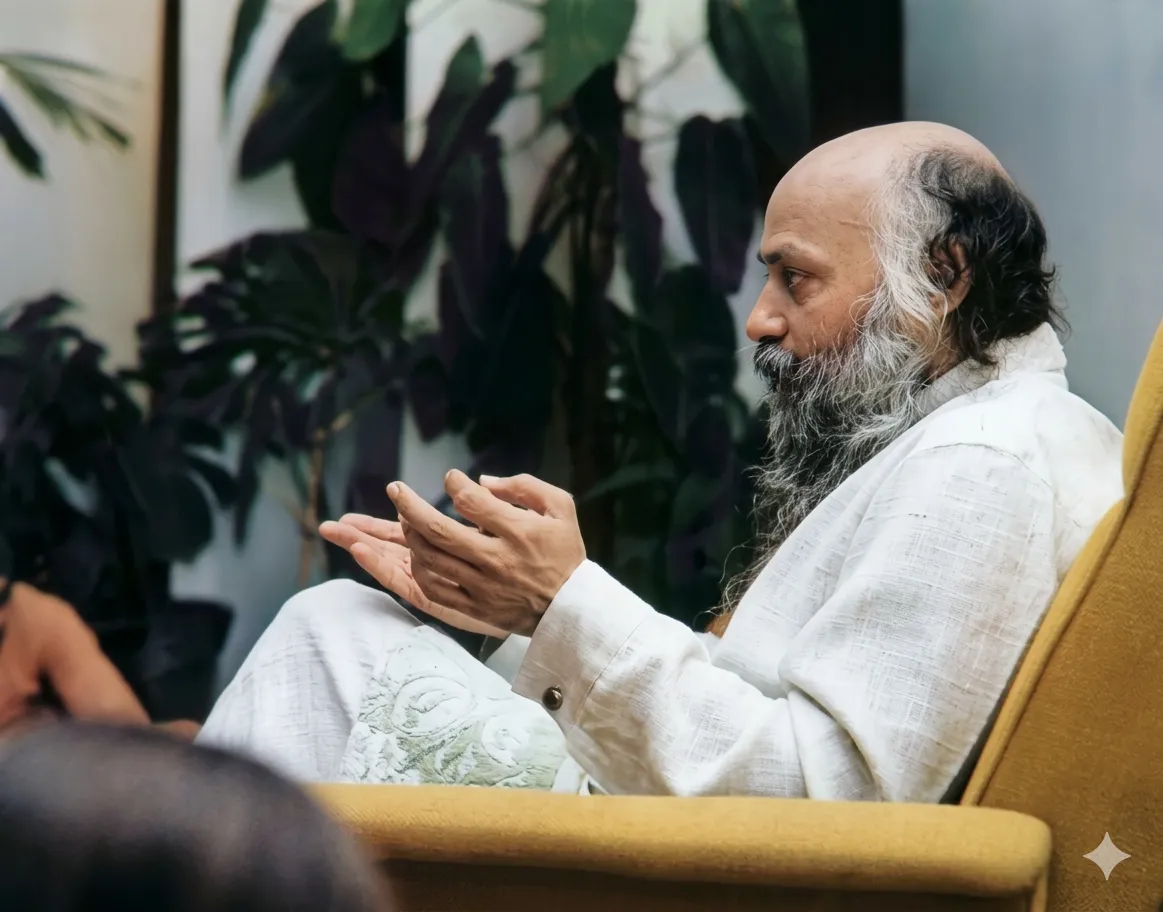
Osho's original Hindi beside Osho Live's English translation, matched passage by passage.
मेरे प्रिय आत्मन्!
My beloved soul!
थोड़े से सवाल हैं। उन सवालों को छोड़ दूंगा, जो मात्र सैद्धांतिक हैं, थ्योरेटिकल हैं। यह बैठक सुबह और सांझ की मात्र साधकों के लिए है, सिद्धांतवादियों के लिए नहीं। सिद्धांतवादियों के लिए उनतीस तारीख से जो बैठक होगी, उसमें उन्हें जो पूछना हो पूछें। यहां तो उनसे ही बात कर रहा हूं जो करना चाहते हैं। और अक्सर ऐसा होता है, जो सोचना चाहते हैं वे करने का निर्णय कभी भी नहीं ले पाते। वे सोचते ही सोचते समाप्त हो जाते हैं। बहुत बार, सौ में निन्यानबे मौके पर, सोचना सिर्फ करने से बचने की तरकीब होती है। क्योंकि सोचने में कल तक के लिए टाला जा सकता है। जब तक निर्णय न हो, जब तक सिद्ध न हो, जब तक सिद्धांत स्पष्ट न हो, तब तक हम कुछ करेंगे नहीं।
There are a few questions. I will drop those that are merely theoretical. These morning-and-evening sittings are only for seekers, not for theoreticians. For the theoreticians, from the twenty-ninth there will be a meeting; there they can ask whatever they like. Here I am speaking only to those who want to do. And it often happens that those who want to think never arrive at the decision to do. They finish by only thinking and thinking. Very often—ninety-nine times out of a hundred—thinking is just a trick to avoid doing. Because by thinking you can postpone it till tomorrow. Until the decision is made, until it is proved, until the theory is clear, we will do nothing.
लेकिन एक बड़े मजे की बात है कि न करना भी एक निर्णय है।
But here is the funny thing: not doing is also a decision.
एक आदमी कहता है कि जब तक ध्यान मैं समझ न लूं, तब तक मैं करूंगा नहीं। लेकिन ध्यान नहीं करना है, यह समझ लिया है। ध्यान न करना भी एक डिसीजन है, एक निर्णय है। अगर ध्यान व्यर्थ है, ऐसा समझ लिया हो और फिर न कर रहे हों, तब तो ठीक है। लेकिन ध्यान न करने के लिए समझने की कोई जरूरत नहीं, सिर्फ ध्यान करने के लिए समझने की जरूरत आ पड़ती है। और जब तक समझ न लें तब तक करेंगे नहीं।
A man says, “Until I understand meditation, I won’t do it.” But he has already understood that he will not meditate. Not meditating is also a decision. If you have understood that meditation is useless and then you don’t do it, that’s fine. But to not meditate needs no understanding; only to meditate does one start demanding understanding. And until they understand, they won’t do.
और मैं आपसे कहता हूं कि जीवन में कुछ है, जब तक करेंगे नहीं, तब तक समझेंगे नहीं। वैसे ही जैसे एक आदमी कहे कि मैं तैरना सीखना चाहता हूं, लेकिन जब तक सीख न लूं तब तक पानी में उतरूंगा नहीं। तो पहले मुझे तैरना सिखा दें, फिर मैं पानी में उतरूंगा। वह ठीक कहता है। जहां तक उसकी समझ है, बिलकुल ठीक कहता है। खतरनाक है पानी में उतरना, बिना तैरना सीखे।
And I tell you, in certain matters of life, unless you do, you will not understand. Like a man who says, “I want to learn to swim, but until I learn I won’t go into the water. First teach me to swim, then I’ll enter the water.” He seems right; as far as his logic goes, he’s perfectly right. It is dangerous to go into the water without knowing how to swim.
लेकिन जो उसे सिखाने वाला है उसकी भी मजबूरी है। वह कहता है, जब तक पानी में न उतरोगे, तब तक मैं तुम्हें सिखाऊंगा कैसे? तैरना सीखना हो तो भी पानी में उतरना पड़ेगा। उसकी भी अपनी मजबूरी है। वह भी ठीक कह रहा है।
But the one who has to teach him has his own difficulty. He says, “Until you get into the water, how am I going to teach you?” Even to learn to swim you will have to get into the water. He too is right.
ध्यान में उतरे बिना ध्यान को समझ न सकेंगे। और ध्यान के संबंध में जो कुछ भी समझेंगे ध्यान में उतरे बिना, वह दो कौड़ी का है, उसका कोई भी मूल्य नहीं है। क्योंकि अगर समझने से ही ध्यान आ गया होता तो आ चुका होता, आपको यहां आने की कोई भी जरूरत न थी।
Without entering meditation you will not be able to understand meditation. And whatever you understand about meditation without entering it is worth two pennies—of no value at all. For if understanding alone could bring meditation, it would have happened already; you would have had no need to come here.
अब इसमें कुछ सिद्धांतवादी रोज प्रश्न लिख कर भेज देते हैं। अगर उन्हें आ ही गया है और उन्हें मालूम ही हो गया है, तो यहां वे परेशान न हों। यहां तो मैं उनके लिए मेहनत कर रहा हूं जिन्हें अभी नहीं आया है, जिन्हें अभी पता नहीं है। जिन्हें पता है वे प्रसन्न हों अपने ज्ञान में। लेकिन वे भी आते हैं, सो जाहिर है कि पता उन्हें भी नहीं है। लेकिन सिद्धांत पता हो गया है। और एकाध सिद्धांत पता हो गया हो, ऐसा भी नहीं है; बहुत सिद्धांत पता हो गए हैं। और उन सबके कनफ्यूजन में, उन सबकी उलझन में वे परेशान हैं। लेकिन उसके बाहर एक कदम उठाने का साहस नहीं जुटाते। उन्हीं सिद्धांतों में उलझते रहने की कोशिश करते हैं।
Now, among these, some theoreticians send in written questions every day. If they already have it and already know, they need not trouble themselves here. Here I am working for those to whom it has not yet happened, who do not yet know. Those who know should be delighted in their knowledge. But they too come, so it is obvious that they also do not know. The doctrine they know. And not just one or two doctrines—many. And in the confusion and entanglement of all those, they are miserable. But they cannot gather the courage to take one step beyond it. They go on trying to remain tangled in their theories.
साधक की यात्रा बहुत अलग है। वह सिद्धांत की यात्रा नहीं है, वह ज्ञान की यात्रा है। ऐसा नहीं है कि साधक सिद्धांत पर नहीं पहुंचता, सच तो यह है कि साधक ही सिद्धांत पर पहुंचता है। यह शब्द कभी आपने सोचा, सिद्धांत का क्या मतलब होता है? यह अंग्रेजी के प्रिंसिपल से बहुत अलग शब्द है। और यह साधकों का खोजा हुआ शब्द है। इसका अर्थ है कि सिद्धि के अंत पर जो उपलब्ध होता है वह सिद्धांत है। साधना जब पूरी होती है तो सिद्धि बनती है और सिद्धि बनने पर जो उपलब्ध होता है वह सिद्धांत है। दि एंड ऑफ रियलाइजेशन, सिद्धांत का मतलब है।
The seeker’s journey is very different. It is not a journey of theory; it is a journey of knowing. It is not that a seeker does not arrive at principle—the truth is, only the seeker arrives at principle. Have you ever pondered the word siddhant—what it means? It is very different from the English “principle.” It is a word discovered by seekers. Its meaning is: that which becomes available at the end of siddhi—fulfillment—is siddhant. When sadhana is complete it becomes siddhi; and when siddhi happens, what becomes available is siddhant. The end of realization—that is what siddhant means.
तो अगर सिद्धांत ही पता है, तो व्यर्थ आप परेशान न हों। नहीं पता है, तो पहले सिद्धि को खोजें, फिर सिद्धांत उससे प्रकट होगा। उसके पहले उस संबंध में चर्चा करने का कोई अर्थ नहीं है। इसलिए ये सैद्धांतिक बातें छोड़ देता हूं।
So if you already know the principle, don’t bother yourself in vain. If you don’t, then first seek realization; from that the principle will be revealed. Before that, discussing it has no meaning. Therefore I drop these theoretical questions.
तो बराबर बैठ कर कर सकते हैं। आपकी सुविधा ही महत्वपूर्ण है। लेकिन सुविधापूर्ण का मतलब क्या है? कनवीनिएंट का मतलब क्या है?
Then certainly you can do it sitting. Your convenience is what is important. But what does “convenient” mean? What does convenience really mean?
अगर सुविधापूर्ण का मतलब यह हो कि चालीस मिनट आराम से बैठे रहते हैं खड़े होने की बजाय, तो सलाह नहीं दूंगा। सुविधापूर्ण का मतलब अगर यह हो कि खड़े होने की बजाय बैठने में आप ज्यादा गहरे ध्यान में जाते हैं, तो जरूर कहूंगा कि बैठ कर जाएं। सुविधा का क्या मतलब है? सुविधा का मतलब: अगर साधना में गहराई बढ़ती हो तो बैठें, लेटें। लेकिन सुविधा का मतलब अगर विश्राम करना हो, कि खड़े होने में तो थोड़ा श्रम हो जाता है, तो ऐसी सुविधा से कम से कम पांच दिन बचें। वैसी सुविधा चौबीस घंटे है। यहां से घर जाकर आराम से सो जाएं। यहां थोड़ा श्रम कर लें। लेकिन अगर ध्यान की गहराई बढ़ती हो बैठ कर, तो मजे से बैठें। क्योंकि असली सवाल बैठना और खड़ा होना नहीं है, असली सवाल ध्यान की गहराई बढ़नी है। किसी को बैठ कर बढ़ सकती है, तो बराबर बैठे।
If by “convenient” you mean that instead of standing you can sit comfortably for forty minutes, then I would not advise it. But if “convenient” means that, sitting rather than standing, you go deeper into meditation, then I will surely say: sit.
What does convenience mean? Convenience should mean: if the depth of the practice increases, then sit, even lie down. But if by convenience you mean relaxation—standing takes a little effort—then avoid that kind of convenience for at least five days. That kind of convenience is available twenty‑four hours a day. Go home from here and sleep comfortably; here, make a little effort. But if sitting deepens your meditation, then by all means sit.
Because the real issue is not sitting or standing; the real issue is the deepening of meditation. For some, it may deepen by sitting—then sit.
लेकिन अपने साथ बेईमानी न करें। क्योंकि आदमी बड़ा बेईमान है। वह अपने को ही धोखा दे लेता है। दूसरों को देता है वहां तक भी ठीक है, वह अपने को भी दे लेता है। वह कहता है, बैठ कर ज्यादा आराम रहेगा। आराम रहेगा, ध्यान ज्यादा रहेगा कि नहीं? ध्यान ज्यादा रहे तो मैं राजी हूं। वह आप सोच लें। वह आपकी ही आंतरिक बात है।
But do not be dishonest with yourself. A person is very prone to dishonesty; he deceives himself. Deceiving others is one thing—he even deceives himself. He says, “Sitting will be more comfortable.” It will be comfortable—but will there be more meditation, or not? If there will be more meditation, I am all for it. You think it over; that is your own inner matter.
मैंने आपसे कहा नहीं कि मेरी आंखों पर ध्यान रखें। मैंने कहा, मुझ पर ध्यान रखें। मेरी आंखों पर ध्यान नहीं रखना है, मुझ पर ध्यान रखना है। मेरी आंख की फिक्र छोड़ें। आपकी आंखों के फोकस में पूरा मैं रहना चाहिए। आंख की चिंता आप न करें।
I did not tell you to keep your attention on my eyes. I said: keep your attention on me. Do not keep your attention on my eyes; keep it on me. Forget about my eyes. In the focus of your gaze, the whole of me should be there. Do not worry about the eyes.
सिर को घूमने दें। आंख झपे न और जितने दूर तक बन सके मुझ पर रखें। लेकिन सिर को घूमने से मत रोकें। शरीर में जो भी क्रिया हो रही है उसे नहीं रोकना है, उसे होने देना है।
Let the head spin. Do not blink, and keep your eyes on me as far as possible. But do not try to stop the head from spinning. Whatever activity is happening in the body is not to be stopped; it is to be allowed.
(प्रवचन के शेष भाग का ध्वनि-मुद्रण उपलब्ध नहीं है।)
(The audio recording of the remaining part of the discourse is not available.)