
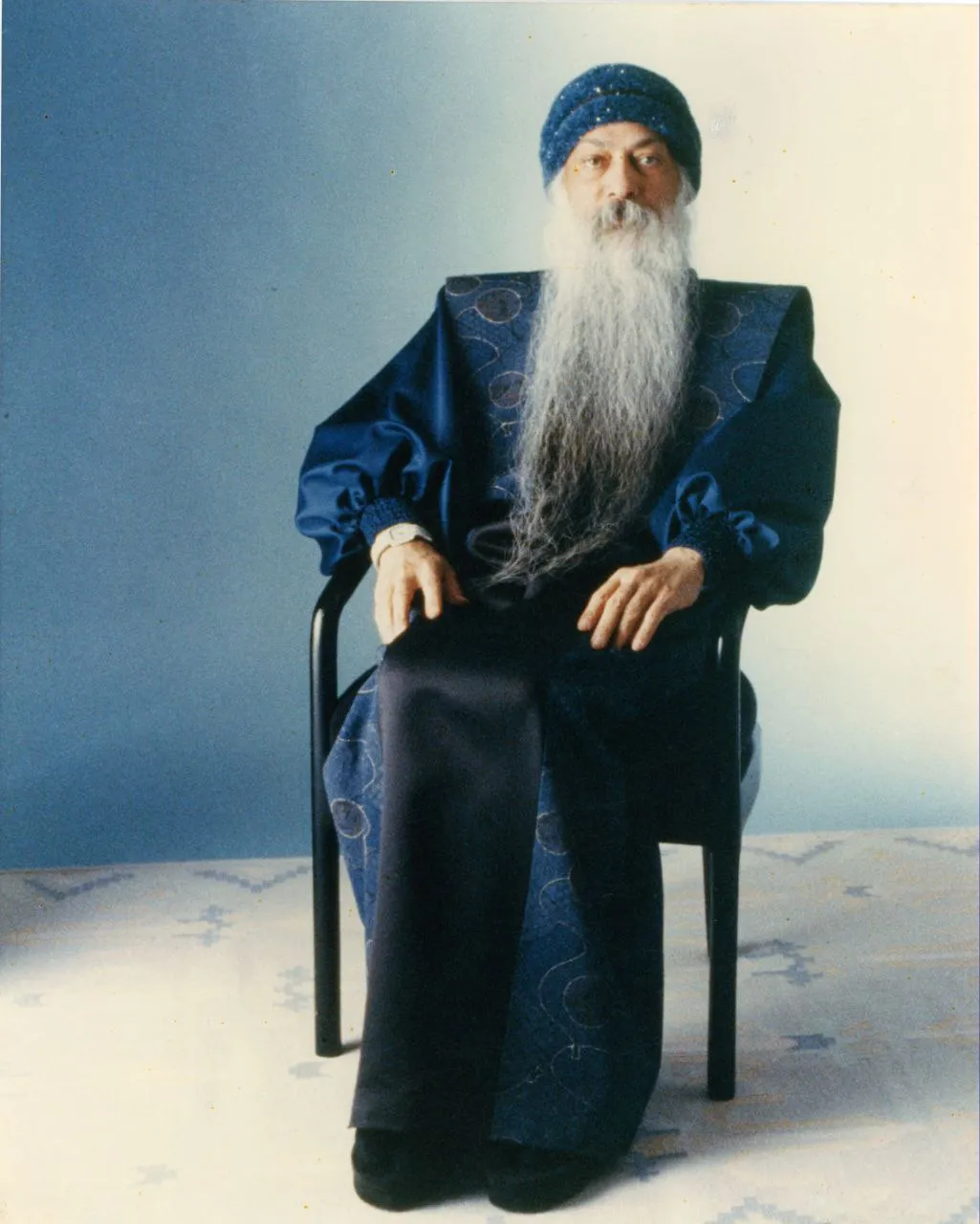
Osho's original Hindi beside Osho Live's English translation, matched passage by passage.
ये मैकशी है तो फिर शाने-मैकशी क्या है
बहक न जाए जो पीकर, वो रिंद ही क्या है
बस एक सम्त उड़ा जा रहा हूं वहशत में
खबर नहीं कि खुदी क्या है, बेखुदी क्या है
मैं जहरेमर्ग गवारा करूं कि तल्खी-ए-जीस्त
मेरी खुशी तो है सब कुछ, तेरी खुशी क्या है
ये दर्स मैंने लिया मक्तबे-मोहब्बत से
If this is intoxication, then what is the splendor of intoxication? If the one who drinks doesn’t stagger, what kind of reveler is he? I’m flying in a single direction, in wild abandon— No knowing what ‘self’ is, what ‘selflessness’ is. Shall I accept death’s poison, or the bitterness of life? My joy is everything; what is your joy? This lesson I learned in the school of love: A life that merely drags along somehow—what kind of life is that?
किसी तरह जो कट जाए जिंदगी क्या है
और जिंदगी अधिक लोगों की बस किसी तरह ही कट जाती है। जन्म तो होता है, जीवन नहीं मिल पाता। जीवन मिल सकता है। लेकिन जीवन जन्म का पर्यायवाची नहीं है। जन्म अवसर है, जीवन खोजोगे तो मिल जाएगा। जन्म बीज है, बसंत की तलाश करोगे, भूमि खोजोगे, बीज को भूमि में डालने का सामर्य्थ जुटाओगे, मरने की तैयारी रखोगे--मिटने की कूबत--और जोखम उठाओगे, तो फूल खिलेंगे--जीवन के फूल। नहीं तो जन्म और मृत्यु के बीच में लोग यूं ही जी लेते हैं, झूठा ही जी लेते हैं। जीने का नाम ही रहता है, जीवन का कोई स्वाद नहीं मिल पाता। जिसे जीवन का स्वाद मिल जाता है, उसकी फिर मृत्यु नहीं है। क्योंकि जीवन की कैसी मृत्यु? जीवन शाश्वत है। जीवन अमृत है।
And most people’s lives do somehow just drag along. Birth happens, life doesn’t. Life can be found. But life is not a synonym for birth. Birth is an opportunity; if you seek life, you will find it. Birth is a seed. If you look for spring, find soil, gather the courage to plant the seed in the earth, if you can prepare to die—to vanish—and dare the risk, then flowers will bloom—the flowers of life. Otherwise, between birth and death people merely get by, falsely living. The name of living remains, but no taste of life is found. One who has tasted life—death is no more for him. How can life die? Life is eternal. Life is nectar.
जब तक तुम्हें मृत्यु का भय हो, जाने रखना, अभी जीवन का पता नहीं चला है। जब तक मृत्यु सार्थक मालूम पड़ती हो, जब तक मृत्यु यथार्थ मालूम पड़ती हो, तब तक भूल मत जाना, अभी जीवन की तलाश करनी है।
As long as you fear death, know well—you have not yet discovered life. So long as death seems meaningful, so long as death feels real, do not forget—you still have to seek life.
जीवन के मिलते ही मृत्यु एक झूठ है। मृत्यु से बड़ा फिर कोई झूठ नहीं है। अभी तो मृत्यु से बड़ा कोई सच नहीं है। अभी तो इस तथाकथित जीवन में जन्म के बाद अगर कोई चीज निश्चित है तो सिर्फ मृत्यु निश्चित है। बाकी कुछ भी निश्चित नहीं है। और कुछ होगा या न होगा, लेकिन मृत्यु जरूर होगी। जो जन्मा है, वह मरेगा। जैसे जन्म एक पहलू है उसी सिक्के का जिसका दूसरा पहलू मृत्यु है।
Once life is found, death is a lie. Then nothing is a bigger lie than death. Right now, nothing feels truer than death. In this so-called life, after birth the only certain thing is death. Nothing else is certain. Perhaps other things will be or not be, but death surely will. Whoever is born will die—birth is one face of the coin, death the other.
जन्म और मृत्यु के बीच में जीवन नहीं है। जीवन जन्म के पूर्व भी है और मृत्यु के पार भी है। जन्म और मृत्यु के बीच जीवन नहीं घटता, जीवन में जन्म और मृत्यु की घटनाएं घटती हैं। और ऐसी बहुत घटनाएं घट चुकी हैं। बहुत बार जन्मे हो, बहुत बार मरे हो, मगर जीवन से अभी पहचान नहीं हुई। बार-बार चूक गए हो।
Between birth and death there is no life. Life is before birth and beyond death. Life does not happen between birth and death; birth and death happen within life. And such happenings have occurred many times. You have been born many times, died many times, but you still have not recognized life. Again and again you missed.
ये दर्स मैंने लिया मक्तबे-मोहब्बत से
प्रेम की पाठशाला में मैंने यह पाठ सीखा।
ये दर्स मैंने लिया मक्तबे-मोहब्बत से
किसी तरह जो कट जाए जिंदगी क्या है
This lesson I learned in the school of love— In the school of love I learned this lesson: This lesson I learned in the school of love— A life that merely drags along somehow—what kind of life is that?
ऐसे बोझ की तरह जो कटे, घसिटते-घसिटते जो कटे, उसे जिंदगी मत समझना। जीवन तो एक नृत्य है, एक गीत है, एक महोत्सव है; जीवन तो खूब सतरंगा है; बोझ कहां? जीवन तो निर्भार है। जीवन के पास तो ऐसे पंख हैं कि सारा आकाश तुम्हारा हो जाए। जीवन यह कारागृह नहीं है जिसको तुमने जीवन समझा है। यह क्षुद्र, छोटी-छोटी घटनाओं में टूटने वाला, बिखरने वाला जीवन, इसे जीवन समझ लिया जिसने, वह चूक गया। उस व्यक्ति को ही मैं अधार्मिक कहता हूं, जो इस क्षुद्र जीवन को जीवन समझ लेता है। और इस क्षुद्र से इतना भर जाता है कि विराट को देखने की न तो अभीप्सा पैदा होती, न अवकाश मिलता। जो इस कूड़े-कचरे से, धन-पद-प्रतिष्ठा-अहंकार, इससे ही इतना भर जाता है कि जिसके भीतर जगह ही नहीं होती कि परमात्मा अगर अतिथि होना चाहे तो हो सके। और ऐसा नहीं है कि परमात्मा तुम्हारे द्वार पर दस्तक न देता हो। मगर दीवाने ही सुन पाते हैं दस्तक को। प्रेमी ही समझ पाते हैं उस संकेत को।
Do not call life a burden you pull along, scraping through somehow. Life is a dance, a song, a festival; life is richly seven-hued; where is the burden? Life is weightless. Life has such wings that the whole sky can be yours. Life is not this prison you have called life. This petty, fragmented existence that keeps breaking into small incidents—whoever takes this to be Life has missed. That person I call irreligious—the one who mistakes the trivial for the vast. And he gets so filled with the trivial that he neither longs for nor finds leisure to look toward the immense. He’s so stuffed with the trash—money, position, status, ego—that there is no space left within for the Divine to be a guest. And it’s not that the Divine doesn’t knock at your door; only the mad hear that knock. Only lovers can understand the hint.
धर्म मस्त होने की कला है। अलमस्त होने की कला है। धर्म का उदासी से कोई भी संबंध नहीं है। इसलिए तुम्हारे मंदिरों-मस्जिदों में, तुम्हारे आश्रमों में अगर उदास लोग बैठे हों तो समझ लेना कि वहां अभी धर्म की कोई किरण नहीं उतरी। ये तुम्हारे उदास आश्रम मरघट हैं। यहां जीवन का कोई नृत्य नहीं हो रहा है। परमात्मा को पहचानना हो तो फूलों में खोजो, वहां नृत्य है; चांद-तारों में खोजो, वहां उत्सव है। बसंत में तलाशना; आकाश में मेघ घिर जाएं, वहां खोजना। पशु-पक्षियों की आवाज में, गीत में शायद मिल जाए; लेकिन तुम्हारे संत-महात्माओं के उदास चेहरों में नहीं मिलेगा। वे तो मौत से घबड़ा कर बैठ गए हैं वहां। उन्हें जिंदगी की कुछ भी खबर नहीं है।
Religion is the art of being tipsy, of being utterly drunk with the Divine. Religion has nothing to do with sadness. So if your temples and mosques, your ashrams, are filled with sorrowful people, know that no ray of religion has yet entered there. Your forlorn ashrams are cremation grounds. No dance of life moves there. If you would recognize the Divine, seek among flowers—there is dance; among moon and stars—there is celebration. Look in springtime; search where clouds gather in the sky. In the voices and songs of animals and birds you may catch a glimpse; but you will not find him in the gloomy faces of your saints and holy men. They sit there, frightened by death. They know nothing of life.
इस भेद को खयाल में ले लो।
Keep this distinction in mind.
मौत से घबड़ा कर जो धार्मिक होता है, वह धार्मिक नहीं है, धर्म का धोखा है। वैसा ही जैसे हम खेत में नकली आदमी खड़ा कर देते हैं। घास-फूस का। फिर चाहे तुम उसे चूड़ीदार पाजामा पहना दो, अचकन पहना दो, जवाहर बंडी लगा दो, गांधी टोपी लगा दो, इससे क्या होता है! चूड़ीदार पाजामे के भीतर सिर्फ घास-फूस है। और सिर कहां है वहां? हंडी लगा देते हैं। हंडी पर गांधी टोपी रख दी। लेकिन पशु-पक्षियों को डराने के काम आ जाता है। यह खेत का झूठा आदमी भी कुछ काम आ जाता है। बस ऐसे ही तुम भी कुछ काम आ रहे हो। और मौत से घबड़ा जाओगे। और मौत से घबड़ाना ही होगा, क्योंकि मौत आ रही है। झूठा धार्मिक आदमी घास-फूस का होता है--वह मौत से घबड़ा कर हो जाता है--उसके धर्म का आधार भय होता है, भीरुता।
Whoever becomes religious out of fear of death is not religious—he is a counterfeit of religion. Like the scarecrow we plant in a field—straw stuffed—put him in a tight pajama, a long coat, a waistcoat, a Gandhi cap—what difference does it make! Inside the pajama is only straw. And where is the head? A pot is set there; on the pot sits the cap. It serves to scare birds. Even that false man in the field is of some use. Just so, you too become of small use. And you will panic at death. You must panic—because death is coming. A false religious man is stuffed with straw—fear is the basis of his religion, cowardice.
दुनिया की सभी भाषाओं में ऐसे शब्द हैं। धार्मिक आदमी को कहते हैं: धर्मभीरु या ईश्वर-भीरु, गॉड फियरिंग। धार्मिक व्यक्ति और ईश्वर-भीरु! ईश्वर से डरेगा धार्मिक आदमी! तो फिर ईश्वर के गले कौन लगेगा? धार्मिक आदमी और ईश्वर से डरेगा? तो फिर ईश्वर से प्रेम कौन करेगा? और जहां प्रेम है, वहां भय कैसा? और जहां भय है, वहां प्रेम कैसे हो सकेगा?
In every language there are such words: ‘religion-fearing,’ ‘God-fearing.’ A religious person—and God-fearing! Will a religious man be afraid of God? Then who will embrace God? A religious man—afraid of God? Then who will love God? And where there is love, how can there be fear? Where there is fear, how can love be?
इसलिए मैं तुमसे कहता हूं: धार्मिक आदमी ईश्वर से भयभीत नहीं होता। सिर्फ धार्मिक आदमी ही ईश्वर से भयभीत नहीं होता। अधार्मिक होते होंगे भयभीत। अधार्मिक को भयभीत होने का कारण है। क्योंकि अधार्मिक का ईश्वर भय से ही निर्मित है। तुम्हारे मंदिरों और मस्जिदों में जिसकी पूजा हो रही है, वह तुम्हारे भय का ही सूत्र है। तुम्हारे भय से ही जन्मा है। तुम जो घुटने टेक कर प्रार्थना कर रहे हो, थरथरा रहे हो, कंप रहे हो, उसमें भय है। उसमें नरक का भय है। मौत का भय है--मौत आ रही है। और न मालूम कितने पाप हो रहे हैं। पता नहीं क्या होगा मृत्यु के बाद, समझा लो परमात्मा को, फुसला लो परमात्मा को, खुशामद कर लो उसकी। तुम्हारी प्रार्थनाएं, तुम्हारी स्तुतियां तुम्हारी रिश्वत से ज्यादा नहीं हैं। इसलिए जितने दुनिया में तथाकथित धार्मिक देश हैं, वहां खूब रिश्वत चलती है। उनके प्राणों में रिश्वत बसी है!
So I say to you: a religious man is not afraid of God. Only a truly religious man is free of fear before God. The irreligious may be afraid; they have reason to. Because the irreligious have made their God out of fear. What is worshiped in your temples and mosques is born of your fear. You kneel and pray, trembling and shaking—that trembling is fear. Fear of hell. Fear of death—death is approaching. Who knows how many sins are being committed? Who knows what will happen after death? So you try to persuade God, flatter him, bribe him. Your prayers and hymns are nothing more than your bribes. Hence in the world’s so-called religious countries, bribery thrives. Bribery inhabits their very breath!
भारत से लोग रिश्वत हटाना चाहते हैं, हटेगी नहीं--जब तक भारत की धार्मिक मनोदशा नहीं बदलती। यह देश हजारों साल से परमात्मा को रिश्वत देता रहा है। एक नारियल चढ़ा आया--सड़ा नारियल! क्योंकि परमात्मा को कोई ठीक-ठीक नारियल नहीं चढ़ाता। परमात्मा को चढ़ाने के लिए अलग ही नारियल बाजार में बिकते हैं। बिलकुल सड़े हुए। अक्सर तो परमात्मा के मंदिर के सामने ही नारियल की दुकान होती है। वे ही नारियल बार-बार चढ़ते रहे हैं--हजारों बार चढ़ चुके हैं। तुम चढ़ा आते हो, पुजारी फिर रात बेच देता है, सुबह फिर चढ़ने शुरू हो जाते हैं। तुम नारियल चढ़ा कर परमात्मा को कुछ मांगने जाते हो। तुम कहते हो: बेटे की नौकरी लगवा देना। कि पत्नी बीमार है, यह रहा नारियल।
People want to eradicate bribery from India; it will not go—until India’s religious mindset changes. For thousands of years this country has been bribing God. A coconut is offered—rotten! No one offers a sound coconut to God. There is a separate market for coconuts meant for offering—entirely rotten. Often the coconut shop stands right in front of the temple. The same coconuts are offered again and again—offered thousands of times. You offer them; the priest sells them at night; in the morning they’re back on the altar. You offer a coconut and go to ask God for something: “Get my son a job,” or “My wife is ill, here is the coconut.”
यह देश रिश्वत देता रहा है परमात्मा को, रिश्वत इसके प्राणों में भर गई है। रिश्वत बड़ी धार्मिक प्रक्रिया है! बड़ी प्राचीन परंपरा है। इसलिए इस देश को रिश्वत से छुड़ाना बहुत मुश्किल है। जब परमात्मा तक नारियल से मान जाता है, तो आदमी की क्या बिसात! फिर लेकर पुलिसवाले से और प्रधानमंत्री तक, सब नारियल से मान जाते हैं। छोटे नारियल, बड़े नारियल, तरह-तरह के नारियल। लेकिन जब परमात्मा तक मान जाता है तो फिर और किसकी क्या बिसात है!
This country has kept bribing God; bribery has seeped into its life-breath. Bribery is a very religious process! An ancient tradition! So it will be very difficult to rid this land of bribery. If even God can be placated with a coconut, what chance does a man have? From the policeman to the prime minister, all can be appeased with coconuts. Small coconuts, big coconuts, all kinds of coconuts. If even God gives in, then who else can resist!
फिर डालियां सजा कर भेजो! और अगर सीधा कोई उपाय न हो, तो पीछे का कोई दरवाजा खोजो। अगर नेता सीधा रिश्वत न लेता हो, तो पत्नी के चरण दबाओ, बेटों की स्तुति करो--कोई उपाय खोजो! उपाय मिल जाएंगे। यहां लेने वाले के मन में भी रिश्वत की प्रतिष्ठा है और देने वाले के मन में भी रिश्वत की प्रतिष्ठा है। रिश्वत बड़ी धार्मिक प्रक्रिया है!
So you decorate baskets and send them! And if there is no direct way, find a back door. If the leader won’t accept a bribe directly, massage his wife’s feet, praise his sons—find a way! Ways will be found. In the heart of the taker as much as the giver, bribery is held in esteem. Bribery is a very religious process!
तुम क्या करते हो? तुम कहते हो कि प्रभु का नाम ले लेते हैं रोज सुबह। यह क्या है? प्रभु के नाम लेने से क्या होगा? क्यों ले रहे हो नाम? ईश्वर को जानते हो? पहचानते हो? उससे कुछ मुलाकात हुई? अभी तो अपने से भी मुलाकात नहीं हुई, उससे क्या मुलाकात होगी! अभी तो तुम्हें यह भी पता नहीं है कि मैं कौन हूं। अभी तो मिलने वाले का भी पता नहीं है, तो तुम तलाश पर क्या निकलोगे--अभी तो खोजी भी अंधेरे में डूबा है, अभी खोज कैसे होगी? लेकिन इस अंधेरे में भयभीत कंप रहे हो, डर रहे हो। इसी डर से प्रार्थना भी करते हो, पूजा भी करते हो, मंदिर के पुजारी को भी रिश्वत देते हो। प्रार्थना, यज्ञ-हवन, अर्चना, आराधना, इन सबके भीतर तुम्हारा भय छिपा है।
And what do you do? You say, “We take the Lord’s name every morning.” What is this? What will happen by taking the name? Why are you chanting? Do you know God? Have you recognized him? Met him? You haven’t even met yourself—how will you meet him! You don’t yet know who you are. You don’t even know the seeker—how will the search begin? The seeker himself is lost in darkness—how will there be any search? But in this darkness you tremble, afraid. From fear you pray, perform worship, and bribe the temple priest as well. Prayer, yajna, oblation, adoration—within all these your fear is hiding.
खयाल रखना, भय से की गई प्रार्थना परमात्मा तक नहीं पहुंचती। और जो भय से प्रार्थना कर रहा है, वह प्रार्थना कर ही नहीं रहा है। जो आदमी कह रहा है कि मेरी पत्नी बीमार है, उसे ठीक कर दो, इसको परमात्मा से क्या लेना-देना है? इसकी पत्नी ठीक होनी चाहिए। इसका प्रयोजन साफ है। यह परमात्मा का भक्त है, तुम समझते हो? यह परमात्मा का भी शोषण करने गया है। यह परमात्मा से सेवा लेना चाहता है। यह परमात्मा का सेवक नहीं है, यह कहता है: जरा मेरी सेवा करो! मेरी पत्नी बीमार है, उसको ठीक करो! और ध्यान रखना, अगर मेरी पत्नी ठीक न हुई तो सब श्रद्धा उखड़ जाएगी। फिर मैं भरोसा न कर सकूंगा। एक मौका और देता हूं।
Remember: a prayer born of fear never reaches the Divine. And the one praying out of fear is not truly praying. The man who says, “My wife is sick, make her well”—what has that to do with God? He just wants his wife healed. His purpose is clear. Is he a devotee, do you think? He has gone to exploit God. He wants service from God. He is not God’s servant; he is saying, “Do me a favor! My wife is ill, cure her!” And beware—if my wife is not cured, all my devotion will fall away. Then I won’t be able to trust. I give you one more chance.
मेरे पास लोग आकर कहते हैं कि अगर हम जो मांगे वह प्रार्थना में मिल जाए, तो प्रमाण मिल जाए कि ईश्वर है। और अगर हमारी प्रार्थना पूरी न हो, तो उसके होने का प्रमाण क्या है? न तुम्हें पता है अपना, न उसका! हां, एक बात तुम्हें मालूम है कि यह जिंदगी जो तुमने बनाई है--रेत पर बनाया घर है; यह खिसक रही है। इसकी नींवें कंप रही हैं। मौत का झंझावात रोज करीब आ रहा है। ये बाल सफेद होने लगे, ये पैर कंपने लगे, ये हाथ डोलने लगे, ये बुढ़ापा करीब आने लगा--मौत करीब आ रही है! कुछ इंतजाम कर लें! कुछ और सहारा दिखाई नहीं पड़ता--धन साथ जाएगा नहीं, पद साथ जाएगा नहीं, संगी-साथी साथ जाएंगे नहीं, शास्त्र कहते हैं कि नाम-स्मरण साथ जाएगा, तो चलो राम-राम जप लें! तो बैठे हो तुम माला फेर रहे हो। मगर भय से भरा हुआ हृदय आयोजन कर रहा है मृत्यु से बचने का।
People come to me and say, “If what we ask in prayer is granted, it proves God exists. And if our prayer isn’t fulfilled, what proof is there that he exists?” You don’t know yourself, and you don’t know him either! One thing you do know: this life you have built—this house on sand—is sliding. Its foundations tremble. Death’s storm draws nearer each day—hair whitening, legs shaking, hands quivering, old age approaching—death is coming! Let’s make some arrangement! No other support is visible—wealth won’t go with us, position won’t go with us, companions won’t go with us. The scriptures say that remembrance of the Name will go with us—so let’s chant Ram-Ram! So you sit fingering your rosary. But a fear-filled heart is plotting to escape death.
परमात्मा की तलाश, परमात्मा की खोज ऐसे नहीं होती। प्रेम से होती है परमात्मा की खोज। प्रेम ही उसका द्वार है। प्रेम की मस्ती चाहिए, तो उसके घूंघट खुल जाएं।
The search for God does not happen this way. God is found through love. Love is the door. You need the intoxication of love—then his veils lift.
ये मैकशी है तो फिर शाने-मैकशी क्या है
अगर यह धर्मभीरुता, अगर यह ईश्वर से भय धर्म है, तो फिर अधर्म क्या होगा? और ये उदास, मुर्दों की तरह बैठे हुए लोग, जिनको तुम साधु-संत कहते हो, अगर ये धार्मिक हैं, तो फिर अधार्मिक कौन है?
ये मैकशी है तो फिर शाने-मैकशी क्या है
अगर यह मस्ती है, अगर यह धर्म का रस है, ये धर्म पीने वालों के ढंग हैं, तो फिर उसके रस पीने का न तो कोई गौरव रहा, न कोई गरिमा रही।
If this is intoxication, then what is the splendor of intoxication? If this fear of God—this God-fearing attitude—is religion, then what is irreligion? And these sad, corpse-like people you call sadhus and saints—if they are religious, then who is irreligious?
If this is intoxication, then what is the splendor of intoxication? If this is ecstasy, if this is religion’s savor, if these are the ways of those who drink that wine—then what glory remains in drinking it?
If this is intoxication, then what is the splendor of intoxication? If the one who drinks doesn’t stagger, what kind of reveler is he?
ये मैकशी है तो फिर शाने-मैकशी क्या है
बहक न जाए जो पीकर वो रिंद ही क्या है
और जो उसके प्रेम में बहक न जाए, नाच न उठे, भूल न जाए लोक-लाज, मान-मर्यादा, बेखुद न हो जाए, वह न तो पियक्कड़ है और न प्रार्थना करने वाला है।
And the one who doesn’t reel in that love, doesn’t break into dance, forgets not the world’s shame, social honor, and norms, doesn’t become beside himself—then he is neither a true drinker nor one who knows prayer.
प्रार्थना शराब है।
Prayer is wine.
मेरे देखे, जिसने जीवन में प्रार्थना नहीं जानी, उसने जीवन की असली शराब नहीं जानी। वह ऐसा ही प्यासा आया और प्यासा गया। और जिसने प्रार्थना की शराब नहीं पी, वही और तरह की शराबें पीता है। परिपूरक। सोचता है, शायद इस तरह अपने को भुला लूं। हां, अंगूर से भी शराब बनती है, मगर घड़ी दो घड़ी को भुला पाती है। एक आत्मा की भी शराब है, जो डूबा सो डूबा, फिर लौटता नहीं। और यह भी घड़ी दो घड़ी के लिए डूबने का क्या प्रयोजन है। क्योंकि घड़ी दो घड़ी के बाद फिर चिंताएं वहीं की वहीं खड़ी हैं--और बदतर होकर खड़ी हैं। यह घड़ी दो घड़ी की मूर्च्छा कुछ साथ देने वाली नहीं है।
In my view, one who has never known prayer has never known life’s true wine. He comes thirsty and leaves thirsty. And one who doesn’t drink the wine of prayer goes to other wines. Substitutes. He thinks, perhaps in this way I can forget myself. Yes, wine can be made from grapes too—but it can only make you forget for an hour or two. There is a wine of the soul—those who drown in it drown forever and do not return. And what purpose is there in drowning for an hour or two? For when you return, your worries stand exactly where they were—worse than before. That brief stupor gives no real help.
लेकिन एक बात तो साफ है, मनोवैज्ञानिक इस संबंध में राजी हैं, कि आदमी ने शराब खोजी ध्यान की ही खोज में। ध्यान नहीं खोज पाए जो, वे शराबों में उलझ गए। शराब में उलझ जाने के पीछे आकांक्षा तो एक ही है कि किसी तरह बेखुद हो जाऊं।
Still, one thing is clear—psychologists agree on this: man discovered wine in his search for meditation. Those who couldn’t find meditation got entangled in wines. Behind the entanglement is the same longing: somehow to become beside oneself.
उस आकांक्षा को समझना--
शराबी में भी आकांक्षा तो परमात्मा की ही खोज की चल रही है। और कभी-कभी तो ऐसा होता है कि धनलोलुप में नहीं होती उतनी परमात्मा की खोज जितनी शराबी में होती है। पदलोलुप में नहीं होती, पद-पिपासु में नहीं होती उतनी परमात्मा की खोज जितनी शराबी में होती है। शराबी क्या खोज रहा है? शराबी अपने से परेशान है। अपने को भूलना चाहता है; कोई उपाय चाहता है जहां अपने को भुला दे। कुछ उपाय चाहता है जहां थोड़ी देर के लिए यह अहंकार विस्मृत हो जाए, यह अहंकार भारी है, छिद रहा है भाले की तरह, घाव बन गया है, इसके साथ जीना मुश्किल होता जा रहा है। इसी मुश्किल को हल करने के लिए आदमी ने शराबें खोजीं।
Understand that longing— Even in the drunkard the longing is for the Divine. Sometimes there is more spiritual longing in a drunkard than in a money-monger, more than in the power-hungry. What is the drunkard seeking? He is troubled by himself. He wants to forget himself; to find a way to forget who he is for a while. He wants a method by which this ego is forgotten. The ego is heavy, like a spear it pierces, it has become a wound; to live with it is becoming impossible. To ease this difficulty, man invented wines.
अब तो और नये-नये वैज्ञानिक उपाय खोजे हैं--एल एस डी है, मारीजुआना है, और नई-नई तरकीबें खोजी जा रही हैं। मगर ये सारी तरकीबें किसी काम की नहीं हैं। ये झूठी हैं। ये थोथी हैं। ये रासायनिक हैं। इनसे थोड़ी देर के लिए भ्रांति पैदा हो जाती है--बस भ्रांति, फिर लौट आना पड़ता है असलियत के जगत में। वही चिंता, वही बेचैनी, वही उपद्रव, वही बाजार, वही शोरगुल। यह तो नींद जैसी बात है; थोड़ी देर के लिए नींद लग गई, राहत मिल गई, फिर वापस।
Now there are newer scientific ways—LSD, marijuana—new tricks are being discovered. But these tricks are worthless. They are false. They are hollow—chemical. They create a brief hallucination, that’s all—and then you must return to the world of reality: the same anxiety, same restlessness, same turmoil, same marketplace, same noise. It is like sleep: you nod off for a bit, get some relief, then you’re back.
और, राहत महंगी है। क्योंकि शरीर को नुकसान पहुंचा। मन को नुकसान पहुंचा। आत्मा को नुकसान पहुंचा। एक गलत आदत निर्मित होनी शुरू हुई, जिससे छूटना मुश्किल हो जाएगा। रोज-रोज मुश्किल हो जाएगा। यह तो जहर पीकर अमृत का धोखा देना है। लेकिन आकांक्षा तो ठीक है। आकांक्षा तो यही है कि मैं बेखुद कैसे हो जाऊं?
And the relief is expensive. The body is harmed. The mind is harmed. The soul is harmed. A wrong habit begins that becomes hard to break—harder by the day. It is drinking poison while pretending it’s nectar. But the longing itself is right. The longing is: how can I be without self?
आदमी का एक ही कष्ट है: उसकी खुदी। उसका मैं-भाव। तुम भी जरा निरीक्षण करना। जितना मैं-भाव होता है, उतना जीवन में दुख होता है--उसी मात्रा में दुख होता है। जितना मैं-भाव कम होता है, उतना ही जीवन में कम दुख होता है। और जहां मैं-भाव बिलकुल नहीं होता, वहां आनंद के फूल खिल जाते हैं। आ गया बसंत! गीत गूंजने लगते हैं। जीवन एक नई पुलक और उमंग से भर जाता है। एक नया उत्साह। पैरों में घूंघर बंध जाते हैं। ओंठ पर बांसुरी आ जाती है।
Man’s one suffering is his selfhood—his ‘I’-sense. Observe yourself: the more the ‘I’, the more the suffering—in the same measure. The less the ‘I’, the less the suffering. And where the ‘I’ is not at all, there the flowers of bliss bloom. Spring has come! Songs begin to echo. Life fills with a new thrill and exuberance. A new fervor. Anklets on the feet. A flute at the lips.
धार्मिक व्यक्ति का लक्षण यही है कि वह उत्सवपूर्ण हो।
The mark of a religious person is that he is celebrative.
If this is intoxication, then what is the splendor of intoxication? If the one who drinks doesn’t stagger, what kind of reveler is he? I’m flying in a single direction, in wild abandon— No knowing what ‘self’ is, what ‘selflessness’ is.
ये मैकशी है तो फिर शाने-मैकशी क्या है
बहक न जाए जो पीकर वो रिंद ही क्या है
बस इक सम्त उड़ा जा रहा हूं वहशत में
खबर नहीं कि खुदी क्या है, बेखुदी क्या है
ऐसी घड़ी आ जाए, न पता चले ‘मैं’, न पता चले ‘तू’, जहां ‘मैं’ भी गया, ‘तू’ भी गया; जहां खुदी तो गई ही गई, यह भी खयाल पैदा नहीं होता कि बेखुदी आ गई; अहंकार तो गया ही गया, निर-अहंकारिता का अहंकार भी जहां नहीं है, जहां कुछ भी शेष नहीं रहा, जहां मस्ती परिपूर्ण हो गई है, जहां नाच ही नाच है--नर्तक डूब गया नृत्य में, गायक खो गया गीत में--वैसी घड़ी में जीवन का अनुभव होता है। जीवन से पहली बार संबंध जुड़ता है।
May such a moment come where neither ‘I’ is known nor ‘Thou’—where ‘I’ is gone, ‘Thou’ is gone; where not only has selfhood vanished, even the thought does not arise that selflessness has come; where the ego has gone and even the ego of egolessness isn’t there; where nothing remains; where ecstasy is complete; where there is only dance—the dancer is lost in the dance, the singer lost in the song. In such a moment life is experienced. For the first time you are connected to Life.
मैं जहरेमर्ग गवारा करूं कि तल्खी-ए-जीस्त
और फिर आदमी राजी हो जाता है, फिर चाहे मृत्यु का विष पीना पड़े, या जीवन की तिक्त कटुता पीनी पड़े।
Shall I accept death’s poison, or the bitterness of life? And then a person is willing—whether he must drink the poison of death or the acrid bitterness of life.
मैं जहरेमर्ग गवारा करूं कि तल्खी-ए-जीस्त
मेरी खुशी तो है सब कुछ, तेरी खुशी क्या है
फिर आदमी कहता है: मेरी खुशी की क्या फिकर, तेरी खुशी क्या है? फिर उसकी मर्जी होनी शुरू होती है।
Shall I accept death’s poison, or the bitterness of life? My joy is everything; what is your joy? Then he says: Why worry about my joy? What is Your joy? Then his will begins to happen.
जिस दिन व्यक्ति के भीतर से परमात्मा जीता है, उस दिन जीवन मिला। जिस दिन क्षुद्र के भीतर से विराट बहता है, उस दिन जीवन मिला। जिस दिन बूंद से सागर झांकने लगता है, उस दिन जीवन मिला। फिर कोई मृत्यु नहीं है।
The day the Divine lives through a person from within, that day life is attained. The day the vast flows through the small, life is attained. The day the ocean peers out from the drop, life is attained. Then there is no death.
This lesson I learned in the school of love: A life that merely passes, somehow soothed—what kind of life is that?
ये दर्स मैंने लिया मक्तबे-मोहब्बत से
किसी तरह जो बहल जाए जिंदगी क्या है
सावधान होओ! ऐसे ही जिंदगी को मत गंवा देना। जरा पर्दा उठाओ, पर्दे के पीछे मालिक छिपा है। जरा आंखें खोलो, आंख खुलते ही अपूर्व संपदा के दर्शन होते हैं। जरा जागो! जरा मस्त होओ! जरा बहको! जरा नाचो! जरा गाओ! जरा रोओ! जरा भावाविष्ट होओ! भावाविष्ट हो जाना ही भक्ति है। ये सब भाव की तरंगें हैं।
Be alert! Don’t squander life like this. Lift the veil a little; behind it the Master hides. Open your eyes—a treasure beyond compare is seen the instant they open. Wake up! Be a little drunk! Stagger a little! Dance a little! Sing a little! Cry a little! Be overwhelmed! To be overwhelmed in feeling—that is devotion. These are all waves of feeling.
जगजीवन के आज के सूत्र बड़े प्यारे हैं। समझना--
Today Jagjivan’s sutras are very lovely. Understand—
अरी, मैं तो नाम के रंग छकी।।
जिन्होंने जाना है, उन्होंने ऐसा कहा है। जिन्होंने नहीं जाना, वे तो धर्म के नाम पर बड़े उदास हो जाते हैं। जीते-जी मुर्दा हो जाते हैं। इन्हीं मुर्दों से इस देश के आश्रम भरे पड़े हैं। इन्हीं मुर्दों के कारण यह पूरा देश भी मुर्दा हो गया है। इन मुर्दों ने इस देश को जीना नहीं सिखाया, आत्महत्या सिखाई है।
“Ah, I am drunk on the color of the Name.” Those who have known have said so. Those who haven’t become very gloomy in the name of religion. They become corpses while still alive. India’s ashrams are filled with these corpses. Because of them the whole country has become corpse-like. They did not teach this land how to live; they taught it how to commit spiritual suicide.
इस देश के पास सब है, सिर्फ इस देश की आत्मा खो गई है। कभी इस देश ने बड़ी ऊंचाइयां देखीं, बड़े शिखर देखे, कृष्ण की बांसुरी सुनी...अब तुम सोचते हो कृष्ण कुछ उदास ढंग के आदमी रहे होंगे? उदासी और बांसुरी का कुछ मेल बैठेगा? कृष्ण का नृत्य देखा है इस देश ने। कृष्ण का रास देखा। उदास आदमी नाचते हैं? मोरमुकुट बांधते हैं? वे स्वस्थ दिन थे। धर्म अपनी गहनता में, अपनी गहराई में प्रकट हुआ था।
This country has everything—only its soul is lost. Once this land beheld great heights, lofty peaks; it heard Krishna’s flute. Do you think Krishna was a gloomy sort? Can gloom go with the flute? This land has seen Krishna’s dance—his rasa. Do sad men dance? Do they wear peacock plumes? Those were healthy days. Religion revealed itself in depth and fullness.
फिर बड़े रुग्ण दिन आए। रुग्ण-चित्त लोग हावी हो गए। उन्होंने सारे देश के मन को उदासी से भर दिया; विस्तार चला गया, लोग सिकुड़ने लगे। हर चीज से भयभीत हो गए। ऐसा न करें, वैसा न करें। धर्म न करने की ही एक प्रक्रिया हो गई: क्या-क्या न करें। धर्म का करने से कोई संबंध न रहा। फैलाव का विज्ञान न रहा धर्म, सिकुड़ाव बन गया। सिकुड़े-सिकुड़े आदमी जीने लगे। और तभी न केवल देश की आत्मा मरी, देश का शरीर भी दीन-हीन हो गया।
Then came sickly days. Sick minds gained dominance. They filled the country’s psyche with gloom; expansiveness vanished, people shrank. They became afraid of everything: Don’t do this, don’t do that. Religion became a list of prohibitions: what not to do. It ceased to be about doing. Religion ceased to be a science of expansion; it became contraction. People lived shriveled. And then not only the soul of the country died—the body too became poor and wretched.
हजारों साल से यह देश गरीब है और इस गरीबी के पीछे तुम्हारे तथाकथित झूठे धर्म की ही शिलाएं हैं। जो भीतर से समृद्ध होता है, उसे बाहर से दरिद्र होने का कोई भी कारण नहीं है। क्योंकि जो भीतर से समृद्ध होता है, उसकी समृद्धि बाहर भी फैलने लगती है। फैलनी ही चाहिए। वही सबूत है। जब भीतर गीत उठा हो, तो बांसुरी बजेगी, और स्वर बाहर फैल जाएंगे।
For thousands of years this land has been impoverished, and behind this poverty stand the stones of your so-called false religion. One who is rich within has no reason to be poor without. Inner richness spills outward—it must. That is the proof. When a song arises within, the flute will play and its notes will spread.
इस देश को कभी सोने की चिड़िया होने का सौभाग्य था। वे दिन थे, जब इस देश ने धर्म जाना था। तब वेद सहज जन्मे थे। तब उपनिषद ऐसे पैदा हुए थे जैसे गीत कोई गाता है, या पक्षी सुबह गुनगुनाते हैं। इतनी सरलता से सब हुआ था। लेकिन वे सिकुड़ाव के दिन नहीं थे; बड़े फैलाव के दिन थे। आश्रम उदास, मुर्दा लोगों के स्थान नहीं थे, वहां जीवन की धारा बहती थी। वहां हम भेजते थे अपने बच्चों को जीवन की कला सीखने को। अब तो आश्रमों में केवल बूढ़े, वृद्ध इत्यादि जाते हैं। अब तो मरने के करीब जो होते हैं वे आश्रमों में जाते हैं। अब तुम अपने बच्चों को आश्रम में भेजते हो? कब से तुमने बच्चे आश्रम भेजने बंद कर दिए? पूछो तो क्यों बंद कर दिए?
This country once had the good fortune to be a golden bird. Those were the days when this land knew religion. Then the Vedas were born naturally. Then the Upanishads arose like songs, as birds hum at dawn. All happened with such simplicity. Those were not days of contraction; they were days of great expansion. Ashrams were not places for sad, dead people; the current of life flowed there. We used to send our children there to learn the art of living. Now only the old go to ashrams. Those nearing death go. Do you send your children to ashrams? When did you stop? Ask why you stopped.
मेरे पास लोग आकर पूछते हैं कि आपके आश्रम में जवान लोग दिखाई पड़ते हैं! उनको हैरानी होती है। हैरानी स्वाभाविक है, क्योंकि वे भूल ही गए हैं कि जहां जिंदगी होगी, वहां जवानी भी होगी। वहां बच्चे भी होंगे। मुझसे लोग आकर पूछते हैं कि आप छोटे से बच्चे को भी संन्यास दे देते हैं! उनका खयाल है कि सिर्फ बूढ़ों को ही संन्यास दिया जाना चाहिए। उनका सच में तो खयाल यह है कि जब एक पैर कब्र में उतर जाए और एक बाहर रह जाए, तब जल्दी से संन्यास लेकर कब्र में गिर गए! संन्यास लेने का उनका मतलब ही यह है कि जब मर ही गए! अब ले लो संन्यास! जब तक जीते हो, तब तक जीवन से संबंध मत जोड़ो! तब तक क्षुद्र को इकट्ठा करो और बटोरो।
People come and say, “In your ashram we see young people!” They are surprised—understandably—because they have forgotten that where there is life there will be youth. There will be children. People ask me why I give sannyas even to small children. They think only old people should take sannyas. What they really think is: when one foot is in the grave and one outside, then quickly take sannyas and fall in! For them sannyas means: when you’ve already died—then take it. While you live, do not connect with life. Till then, gather the trivial, hoard it.
तुम्हें याद है न, इस देश में हम अपने बच्चों को गुरुकुल भेजते थे? वे गुरुकुल आश्रम थे। और जहां छोटे-छोटे बच्चे इकट्ठे होते होंगे, वहां किलकारियां न होती होंगी! वहां नाच न होता होगा! वहां गीत न गाए जाते होंगे! निश्चित यह सब होता होगा। वे हिम्मत के दिन थे। धर्म एक उभार पर था।
Remember, once we sent our children to the gurukuls—those were ashrams. Where little children gather, would there not be laughter? No dancing there? No songs? Of course there were. Those were days of courage. Religion was on the rise.
फिर एक सिकुड़ाव आता है। हर चीज में आ जाता है। क्योंकि हर चीज में एक लयबद्धता होती है। लहर उठती है, फिर गिरती है। हजारों साल से लहर गिरती रही है। अब उसने अपना आखिरी तल छू लिया है। मैं लहर को फिर उठाने की कोशिश कर रहा हूं। कि फिर बच्चे धार्मिक हों। कि फिर जवान धार्मिक हों। और निश्चित ही जवान जब धार्मिक होंगे तो धर्म का रंग-ढंग अलग होगा। होगा ही। क्योंकि सारी जवानी संयुक्त होगी। जवानी अपना रंग लेकर आएगी। और जब मंदिरों में जवान नाचेंगे तो रौनक होगी, तो उत्सव होगा, तो प्रेम जन्मेगा, तो मस्ती होगी।
Then contraction came—as it comes to everything. There is a rhythm to all things. A wave rises, then falls. For thousands of years the wave has been falling. It has touched its last trough. I am trying to lift the wave again. That children be religious again. That the young be religious again. Then certainly, when the young are religious, religion will have a different color and style—how can it not? For youth will bring its own hues. When the young dance in the temples there will be sparkle, celebration, love, and ecstasy.
धर्म को मैं यह जो नया रूप देने की चेष्टा कर रहा हूं, उससे पंडित, पुरोहित, पुजारी, राजनेता बड़े परेशान हैं। उनकी परेशानी यह है कि वे धर्म के एक मुर्दा रूप के आदी हो गए हैं। वे यह भूल ही गए हैं कि धर्म में भी श्वास होनी चाहिए, हृदय धड़कना चाहिए। उनका धर्म का जो अर्थ हो गया है, वह लाश, मरघट, कब्र।
The new form I’m giving to religion has the pundits, priests, and politicians disturbed. They have grown accustomed to a dead religion. They have forgotten that religion should breathe, that its heart should beat. Their meaning of religion is a corpse, a cremation ground, a grave.
कल ही मैं तुमसे कह रहा था कि सरकार यह मानने को राजी नहीं है कि यह आश्रम धार्मिक है। इसलिए मानने को राजी नहीं है--कारण उन्होंने दिया है--क्योंकि यह न तो हिंदू है, न मुसलमान है, न ईसाई है, न जैन है, न यहूदी है; यह कैसे धार्मिक हो सकती है जगह? मैं पूछना चाहता हूं कि जब बुद्ध ने धर्म को जन्म दिया, जब बुद्ध जिंदा थे, और बुद्ध चलते थे, उठते थे और बोलते थे, और जीवंत बुद्ध इस पृथ्वी पर था, तब तुम बुद्ध को धार्मिक मानते या नहीं? क्योंकि तब तक बुद्ध-धर्म पैदा नहीं हुआ था। बुद्ध हिंदू तो नहीं थे। हिंदू धर्म को तो छोड़ चुके थे, उस मुर्दा घेरे से तो बाहर निकल गए थे। और अभी बुद्ध-धर्म का जन्म नहीं हुआ था। वह तो अच्छा हुआ कि मोरारजी भाई न हुए! नहीं तो बुद्ध को धार्मिक नहीं मान सकते थे, क्योंकि वह पूछते कि तुम कौन हो? हिंदू हो? जैन हो? ये दो धर्म थे उस वक्त। तुम दोनों नहीं हो। तो फिर तुम धार्मिक कैसे? लेकिन फिर बुद्ध के मरने के बाद बुद्ध-धर्म बना। और अब हम बुद्ध-धर्म को बुद्ध-धर्म मानते हैं। अब वह मुझसे पूछते हैं कि आप बौद्ध हैं?
Only yesterday I told you the government is not ready to recognize this ashram as religious. Their reason? Because it is neither Hindu, nor Muslim, nor Christian, nor Jain, nor Jewish. “Then how can it be religious?” I ask: when Buddha birthed religion, when he walked and spoke and a living Buddha was on the earth, would you have considered him religious? Because Buddhism had not yet been born. Buddha was not a Hindu—he had left that dead circle. And Buddhism was yet in the womb of the future. Thank God there was no Morarji then! Otherwise they would not have recognized Buddha as religious: “Who are you? Hindu? Jain?” There were two religions then. “You are neither. Then how are you religious?” But after Buddha died, Buddhism was formed. Now they ask me, “Are you a Buddhist?”
जब जीसस थे, तो जीसस थे लेकिन ईसाइयत कहां थी? यहूदी तो वे नहीं थे। नहीं तो यहूदी उनको सूली न देते। उस मुर्दापन को तो उन्होंने छोड़ दिया था। और अभी ईसाइयत तो भविष्य के गर्भ में छिपी थी। तो ईसा को तुम धार्मिक मानोगे या नहीं? यह तो बड़े मजे की बात हो जाएगी कि ईसा तो धार्मिक नहीं हैं, ईसाइयत धार्मिक है; बुद्ध धार्मिक नहीं हैं, बुद्ध-धर्म धार्मिक है। यह तो बड़े मजे की बात हो जाएगी। कि कृष्ण तो धार्मिक नहीं हैं, कृष्णमार्गी धार्मिक हैं; मोहम्मद तो धार्मिक नहीं हैं, मुसलमान धार्मिक हैं। यह तो बड़े मजे की बात हो जाएगी कि गंगोत्री पर गंगा गंगा नहीं है और जब सब नगरों और गांवों की गंदगी और कूड़ा-करकट और सब मल-मूत्र उसमें मिल जाएगा, तो प्रयाग में आकर गंगा हो जाएगी। गंगोत्री पर गंगा नहीं है। यह तर्क।
When Jesus lived, he was there—but where was Christianity? He was not a Jew—else the Jews would not have crucified him. He had left that deadness. Christianity was hidden in the womb of the future. Will you call Jesus religious or not? How amusing that Jesus is not religious, but Christianity is; Buddha is not religious, but Buddhism is. Krishna is not religious, but the Krishnaites are; Mohammed is not religious, but Muslims are. As if at Gangotri the Ganges is not the Ganges; after all the towns and villages dump their filth and sewage into it, in Prayag it becomes the Ganges! At Gangotri it is not the Ganges—such logic.
यहां जो हो रहा है, न हिंदू है, न मुसलमान है, न ईसाई है, न जैन है, न बौद्ध है, न सिक्ख है। लेकिन जो भी नानक का प्राणों का स्वर था, जो बुद्ध के हृदय की आवाज थी, जो कृष्ण का गहनतम अनुभव था और जो जीसस की आकांक्षा थी और जो मोहम्मद की अभीप्सा थी, उस सबका प्रतिफलन है। वह सारी सुवास संयुक्त है। मुझे वे धार्मिक मानने को राजी नहीं हैं। जब तक कि सौ-दो सौ साल बाद कोई संप्रदाय खड़ा न हो जाए।
What happens here is not Hindu, not Muslim, not Christian, not Jain, not Buddhist, not Sikh. But the very tone that was Nanak’s life-breath, the voice of Buddha’s heart, Krishna’s deepest experience, Jesus’ longing, Mohammed’s yearning—its reflection is here. All that fragrance is gathered here. They won’t accept me as religious—until, a hundred or two hundred years from now, a sect is formed.
और मजा यह है कि जब संप्रदाय खड़ा होता है तो धर्म मर जाता है। धर्म मरता है तभी संप्रदाय बनता है। बुद्ध जब तक हैं तभी तक धर्म है। लेकिन तब तक सरकारें मानने को राजी नहीं होतीं। मूढ़ताएं तो बहुत होती हैं, लेकिन सरकारी मूढ़ता का कोई मुकाबला नहीं। सरकारी मूढ़ता तो ऐसी है जैसे करेला नीम चढ़ा। ऐसे ही करेला, फिर नीम पे चढ़ गया।
And the irony is: when a sect forms, religion dies. Religion dies—and only then a sect is born. While Buddha lives, there is religion. But then governments won’t accept it. There is much stupidity—but none can compete with governmental stupidity. Governmental stupidity is like a bitter gourd climbing a neem tree—bitter upon bitter.
मैं तुम्हें मस्ती का एक स्वर दे रहा हूं। मैं चाहता हूं, तुम डोलो। मैं तुम्हें रंगना चाहता हूं इसी रंग में जिसकी जगजीवन बात कर रहे हैं: अरी, मैं तो नाम के रंग छकी! और छक सकते हो तभी। इस जिंदगी में कोई और चीज तुम्हें छका न सकेगी। तुम्हारा पात्र खाली का खाली रहेगा। कितना ही धन डालो इसमें, खो जाएगा। कितना ही पद डालो इसमें, खो जाएगा। पात्र खाली का खाली रहेगा। तुम भरोगे नहीं। भरता तो आदमी केवल परमात्मा से है। क्योंकि अनंत है हमारा पात्र और अनंत है परमात्मा--अनंत को अनंत ही भर सकेगा। हमारे भीतर शून्य का पात्र है। इस शून्य के पात्र को परमात्मा की पूर्णता के अतिरिक्त और कोई चीज नहीं भर सकती।
I give you the tone of ecstasy. I want you to sway. I want to color you in the same color Jagjivan speaks of: “Ah, I am drunk on the color of the Name!” Only then can you be drunk. Nothing else in life will fill your cup. Pile in as much money as you want—it will vanish. Pile in rank and position—they will vanish. The cup remains empty. Man is fulfilled only by the Divine. The vessel within is infinite, and the Divine is infinite—only the infinite can fill the infinite. Within us is the bowl of emptiness. Nothing but the Divine’s fullness can fill it.
मैं तुम्हें सूफी कहानी याद दिलाऊं, मुझे प्रीतिकर है, बहुत बार मैंने कही है:--
Let me remind you of a Sufi tale—I love it; I’ve told it many times:—
एक फकीर ने एक सम्राट के द्वार पर दस्तक दी। सुबह का वक्त था और सम्राट बगीचे में घूमने निकला था। संयोग की बात, सामने ही सम्राट मिल गया। फकीर ने अपना पात्र उसके सामने कर दिया। सम्राट ने कहा: क्या चाहते हो? फकीर ने कहा: कुछ भी दे दें, शर्त एक है, मेरा पात्र पूरा भर जाए। कुछ भी दे दें। लेकिन शर्त एक है, मेरा पात्र पूरा भर जाए। मैं थक गया हूं, यह पात्र भरता नहीं। सम्राट हंसने लगा और उसने कहा: तुम पागल मालूम होते हो। पागल न होते तो फकीर ही क्यों होते! यह छोटा सा पात्र, यह भरता नहीं? अपने वजीर को कहा कि लाओ, स्वर्ण अशर्फियों से भर दो! इस फकीर का मुंह बंद कर दो सदा के लिए! फकीर ने कहा: मैं फिर याद दिला दूं कि भरने की कोशिश अगर आप करते हैं तो यह शर्त है कि अगर जब तक भरेगा नहीं पात्र, हटूंगा नहीं। सम्राट ने कहा: तू घबड़ा मत पागल, भर देंगे। सोने से भर देंगे, हीरे-जवाहरात से कहे तो हीरे-जवाहरात से भर देंगे।
A fakir knocked at an emperor’s door. It was morning; the emperor came out to stroll in the garden. By chance they met. The fakir held out his begging bowl. The emperor asked, “What do you want?” The fakir said, “Give whatever you like—on one condition: my bowl must be filled. Anything you give—but it must be filled. I’m tired—this bowl never fills.” The emperor laughed: “You seem crazy. If not crazy, why be a fakir! This little bowl—doesn’t fill? Fill it with gold coins,” he told his minister. “Shut this fakir’s mouth forever!” The fakir said, “Let me remind you—so long as it doesn’t fill, I won’t move.” The emperor said, “Don’t worry, madman—we’ll fill it. With gold, with diamonds if you wish.”
लेकिन जल्दी ही सम्राट को अपनी भूल समझ में आ गई। सोने की अशर्फियां डाली गईं और खो गईं। हीरे डाले गए और खो गए। लेकिन सम्राट भी जिद्दी था। और फिर फकीर से हार माने, यह भी तो जंचता न था। सारी राजधानी में खबर पहुंच गई। हजारों लोग इकट्ठे हो गए। और सम्राट अपना खजाना उलीचता गया। और उसने कहा: आज दांव पर लग जाना है। सब डुबा दूंगा मगर इसका पात्र भरूंगा। सांझ सूरज ढलने लगा, सम्राट के कभी खाली न होने वाले खजाने खाली हो गए। पात्र नहीं भरा सो नहीं भरा।
Soon the emperor realized his mistake. Gold coins were poured in—and disappeared. Diamonds—vanished. But the emperor was stubborn. And to concede defeat to a fakir would not do. The entire capital gathered to watch. The emperor emptied his treasury. “Today I stake it all,” he said. “I’ll lose everything if I must, but I’ll fill his bowl.” At dusk the sun was setting, the bottomless treasury was empty. The bowl did not fill.
सोचते हो उस सम्राट की दयनीय दशा! मरते वक्त सभी सम्राटों की वही हो जाती है। गिर पड़ा फकीर के चरणों में और कहा: मुझे माफ कर दो! मेरी अकड़ मिटा दी, अच्छा किया। मैं तो सोचता था अकूत खजाना है। यह तेरे छोटे से पात्र को भी न भर पाया! बस अब एक ही प्रार्थना है--मैं तो हार गया, मुझे क्षमा कर दो, मैंने व्यर्थ ही तुझे आश्वासन दिया था भरने का--मगर जाने से पहले एक छोटी सी बात मुझे बता जाओ, दिन भर यही प्रश्न मेरे मन में उठता रहा है, यह पात्र क्या है? किस जादू से बना है? फकीर हंसने लगा, उसने कहा: किसी जादू से नहीं, इसे आदमी के हृदय से बनाया है। न आदमी का हृदय भरता है, न यह पात्र भरता है।
Imagine the emperor’s plight! At death all emperors suffer the same. He fell at the fakir’s feet: “Forgive me! You have crushed my pride—good. I thought my treasury inexhaustible—it could not fill your small bowl. Now one prayer—tell me, before I go: what is this bowl? By what magic is it made?” The fakir laughed: “No magic—the bowl is made from the human heart. The human heart never fills, nor does this bowl.”
कहानी तो यहां खत्म हो जाती है। मगर यह कहानी आधी है। मैं तुमसे कहता हूं: यह पात्र भरता है। फकीर कहीं तुम्हें मिल जाए तो मेरे पास ले आना; यह पात्र भरता है। मगर धन से नहीं भरता, सम्राटों से नहीं भरता, बुद्धों से भर सकता है। यह पात्र परमात्मा से भरता है। अरी, मैं तो नाम के रंग छकी! न केवल भर जाता है, ऊपर से बहने लगता है। इतना भर जाता है कि बाढ़ आ जाती है। बांध तोड़ कर बहने लगता है। वही तो करुणा है, जो हमने बुद्धों में देखी। इतना भर जाता है भीतर आनंद कि बहने लगता है बाहर, दूसरों तक पहुंचने लगता है। यही तो सत्संग है। जहां किसी का पात्र भर गया हो और बह रहा हो, उसके पात्र के पास बैठ जाना सत्संग है। क्योंकि कुछ बूंदें तुम पर भी पड़ जाएं। एक बूंद भी पड़ जाए तो तुम रंग जाओ। एक बूंद का भी स्वाद आ जाए तो तुम कुछ के कुछ हो जाओ। और के और हो जाओ।
The story ends there. But it is half a story. I tell you: this bowl can be filled. If you find this fakir, bring him to me—the bowl can be filled. Not with wealth, not by emperors—by Buddhas. It is filled by the Divine. “Ah, I am drunk on the color of the Name!” Not only filled—it overflows. It floods the banks. That overflow is compassion—we saw it in Buddhas. Bliss fills so much within it begins to flow outward, reaching others. That is satsang: to sit near one whose bowl is full and overflowing—so that a few drops might fall on you too. A single drop and you are colored. If you taste a single drop, you are transformed—utterly other.
दिल में तुम हो, नज्अ का हंगाम है
कुछ सहर का वक्त है कुछ शाम है
इश्क ही खुद इश्क का इन्आम है
वाह क्या आगाज, क्या अंजाम है
पीने वाले एक ही दो हों तो हों
मुफ्त सारा मैकदा बदनाम है
दर्दो-गम दिल की तबीअत बन चुके
You are in my heart while death draws near— It is half dawn, half dusk. Love is both the lover and love’s reward— Ah, what a beginning, what an end! If there be one or two true drinkers—so be it; But the whole tavern is maligned for free. Pain and sorrow have become the very nature of this heart— Now here there is only rest, only rest.
The bowl does fill—but it fills only for drinkers.
अब यहां आराम ही आराम है
भरता है पात्र, लेकिन पीने वालों का भरता है।
पीने वाले एक ही दो हों तो हों
If there be one or two true drinkers—so be it; But the whole tavern is maligned for free.
मुफ्त सारा मैकदा बदनाम है
ये जो तुम्हें हजारों साधु-संत दिखाई पड़ते हैं, इनका नहीं भरा है।
These thousands of sadhus and saints you see—their bowls are not filled.
पीने वाले एक ही दो हों तो हों
मुफ्त सारा मैकदा बदनाम है
If there be one or two true drinkers—so be it; But the whole tavern is maligned for free.
ये मधुशालाओं में, मंदिरों में, मस्जिदों में जितने लोग तुम्हें बैठे दिखाई पड़ रहे हैं, ये सब पियक्कड़ नहीं हैं। एक ही दो हों तो हों, बाकी तो व्यर्थ ढोंग कर रहे हैं। ढोंग से बचो, तो एक दिन तुम्हारे जीवन में भी यह सौभाग्य की घड़ी आए--
These sitting in taverns, temples, mosques—their number is not of true drinkers. One or two—perhaps. The rest are empty show. Avoid show—then one day that blessed hour will come to your life—
अरी, मैं तो नाम के रंग छकी।।
“Ah, I am drunk on the color of the Name.”
जब तें चाख्या बिमल प्रेमरस, तब तें कछु न सोहाई।
और एक बूंद पड़ जाए उसके प्रेम के रस की, फिर कुछ और नहीं सुहाता--कैसे सुहा सकता है? जिस हंस ने मानसरोवर का जल पीया, वह तुम्हारे गांव की गंदी नालियों और डबरों का जल पीने को राजी हो सकेगा? जिसने आकाश की मुक्ति जानी, वह तुम्हारे कारागृहों में, तुम्हारी जंजीरों में आबद्ध होने को राजी होगा? जिसने परमात्मा का जरा सा स्वाद लिया, इस जगत के सारे स्वाद व्यर्थ हो जाते हैं।
“When you taste the pure wine of love, then nothing else appeals.”
Once a single drop of that love is tasted, nothing else can charm—how could it? A swan that has drunk the waters of Manasarovar—will it consent to drink from your village drains and puddles? One who has known the sky’s freedom—will he consent to your prisons and chains? One who has tasted a little of the Divine—the tastes of this world go flat.
मैं तुमसे यही कहता हूं: त्यागना नहीं है संसार, परमात्मा का रस ले लो, सब छूट जाता है, छोड़ना नहीं पड़ता है। जिसे छोड़ना पड़ता है, वह व्यर्थ ही छोड़ रहा है, उसे अभी रस नहीं मिला। जो कहता हो कि मैंने त्याग किया, समझना कि उसे अभी कुछ मिला नहीं। जिसे मिल गया है, वह त्याग करता नहीं, त्याग हो जाता है। जैसे हाथ में कंकड़-पत्थर भरे हों और अचानक हीरों की खदान मिल जाए, तो क्या तुम कंकड़-पत्थरों का त्याग करोगे? याद ही न आएगा कब हाथ से गिर गए कंकड़-पत्थर! कौन हिसाब रखेगा? क्या तुम गिनती करोगे कि कितने पत्थर मैंने छोड़े? भर लोगे मुट्ठी हीरे-जवाहरातों से!
I say to you: do not renounce the world—taste the Divine, and everything drops away by itself. Whatever is dropped by effort is dropped in vain—you haven’t tasted yet. Whoever says, “I have renounced,” know that he has not received anything yet. Whoever has received does not renounce—renunciation happens. If your hands are full of pebbles and you suddenly find a mine of diamonds—will you renounce the pebbles? You won’t even notice when they fell from your hands. Who keeps count? Will you tally how many stones you left? You’ll fill your fists with jewels.
इसलिए मैं तुमसे कहता हूं: त्याग की प्रक्रिया नकारात्मक है। और उसी के कारण धर्म मुर्दा हो गया है। मैं तुम्हें परमात्मा का भोग सिखाता हूं, संसार का त्याग नहीं। और परमात्मा का भोग आ जाए तो संसार का त्याग अपने से घटता है। जिसको श्रेष्ठ मिलने लगे, निकृष्ट अपने आप छूट जाता है: निकृष्ट को छोड़ने से श्रेष्ठ नहीं मिलता--याद रखना; बार-बार दोहराता हूं, याद रखना--निकृष्ट को छोड़ने से श्रेष्ठ नहीं मिलता। तुम अपने हाथ के कंकड़-पत्थर छोड़ दोगे, इससे हीरे नहीं मिल जाएंगे। ऐसी कोई अनिवार्यता नहीं है। लेकिन श्रेष्ठ के मिलने से निश्चित ही निकृष्ट छूटता है। दीया जल जाए तो अंधेरा अपने आप समाप्त हो जाता है। ऐसे ही परमात्मा का भोग है। मैं तुम्हें भोग सिखाता हूं। मैं तुमसे कहता हूं: कि अभी तुमने जिसे भोग समझा है, वह भोग नहीं है, भ्रांति है।
So I say: the path of renunciation is negative. Because of it, religion died. I teach you the enjoyment of the Divine, not the renunciation of the world. When the Divine is enjoyed, the world is renounced by itself. When the higher is found, the lower falls away on its own: leaving the lower does not bring the higher—remember this; I repeat it again and again—leaving the lower does not fetch the higher. You may drop your pebbles—diamonds won’t appear just because of that. There is no such inevitability. But upon receiving the higher, the lower surely falls away. When the lamp is lit, darkness vanishes on its own. So it is with enjoying the Divine. I teach you enjoyment. I say: what you have called enjoyment is not enjoyment—it is delusion.
जब तें चाख्या बिमल प्रेमरस, तब तें कछु न सोहाई।
रैनि दिना धुनि लागि रहीं, कोउ केतौ कहै समुझाई।।
“When you taste the pure wine of love, then nothing else appeals. Day and night the single tune keeps ringing—no one could explain it to me.”
फिर कोई कितना ही समझाए, फिर कोई लाख प्रलोभन दे, फिर कुछ रस इस संसार में पड़ नहीं सकता। फिर धन के अंबार लगे रहें, फिर पद के लिए कितने ही प्रलोभन आते रहें, फिर संसार कितने ही पुरस्कार दे, कुछ अंतर नहीं पड़ता। उसके रस की एक छोटी सी बूंद ऐसा भर जाती है कि फिर जगह ही नहीं बचती, और भरने का कोई सवाल ही नहीं होता।
Then whatever anyone may say, however many lures the world may bring—money piled high, positions offered, prizes bestowed—it makes no difference. A single drop of his savor fills so completely that no space remains—no question of adding anything more.
पहले शराब जीस्त थी अब जीस्त है शराब
कोई पिला रहा है पीए जा रहा हूं मैं
At first wine was life; now life itself is wine: Someone keeps pouring; I keep on drinking.
पहले तो शराब ही जिंदगी थी। अलग-अलग ढंग की शराबें हैं। इसीलिए तो हमने पद को भी शराब कहा है: पद-मद। राजनीति एक शराब है। भयंकर शराब है। धन को भी कहा है: धन-मद। धन भी एक शराब है। जिसको पकड़ लेती है, छोड़ती नहीं। दौड़ता ही रहता है आदमी जिंदगी भर: और, और, अंत नहीं आता है। तरह-तरह की शराबें हैं।
At first wine itself was your life. There are many kinds of wines—that’s why we call position pad-mad, the intoxication of rank. Politics is a wine—terrible wine. Wealth too is a wine—dhan-mad. Whoever it seizes, it doesn’t let go. He runs all his life: more, more—no end. There are many wines.
पहले शराब जीस्त थी अब जीस्त है शराब
एक बार उसकी बूंद उतर जाए तो रूपांतरण होता है। पहले शराब ही जिंदगी थी, अब जिंदगी ही शराब हो जाती है।
At first wine was life; now life itself is wine. Once a drop of his descends within, a transformation happens. First wine was life—now life itself becomes wine.
कोई पिला रहा है पीए जा रहा हूं मैं
और उसके अज्ञात हाथ ढाले चले जाते हैं। इसलिए तो सूफी फकीर उसको साकी कहते हैं। अस्तित्व को मधुशाला कहते हैं। उसके रस को शराब कहते हैं। उमर खय्याम का वही अर्थ नहीं है जो तुम उमर खय्याम की किताब पढ़ कर समझ लेते हो। उमर खय्याम एक सूफी बुद्ध है। उमर खय्याम कोई साधारण कवि नहीं है। अपमानजनक है यह बात कि शराबखानों के नाम लोगों ने रख लिए हैं: ‘उमर खय्याम,’ या ‘रुबाइयात।’ शराब प्रतीक है। उमर खय्याम एक पहुंचा हुआ फकीर है। उसके प्रतीक गलत समझ लिए गए हैं।
Someone keeps pouring; I keep on drinking. And those unknown hands keep filling. That’s why Sufi fakirs call existence the Saki. They call existence the tavern, and its nectar the wine. Omar Khayyam does not mean what you gather from his book. Omar Khayyam is a Sufi Buddha—not a trivial poet. It is insulting that liquor shops are named “Omar Khayyam” or “Rubaiyat.” Wine is a symbol. Omar is a realized fakir. His symbols are misunderstood.
रैनि दिना धुनि लागि रहीं,...
फिर सोते, उठते, जागते, बैठते एक ही धुन लगी रहती है: उसकी ही याद, उसकी ही याद बनी रहती है। उसकी याद का दीया भीतर जगमगाता रहता है।
...कोई केतौ कहै समुझाई।
नाम पियाला घोंटि कै, कछु और न मोहिं चही।
“Day and night the tune keeps humming…” Waking, sleeping, standing, sitting—only one refrain remains: his remembrance, his remembrance. The lamp of his remembrance gleams within.
अब कुछ और चाहना नहीं है। उसे पी लिया जिसने, श्रेष्ठतम को जिसने चख लिया, फिर और सब चाह चली जाती है।
“…No one could explain it to me. The cup of the Name I quaff—now I desire nothing else.”
Now nothing else is wanted. Whoever has drunk him—who has tasted the supreme—desires nothing else.
जैसा वो चाहते हैं, जो कुछ वो चाहते हैं
आती हैं, मेरे दिल से लब तक वही दुआएं
अब तो वह जो चाहते हैं, जैसा चाहते हैं, वैसा हो रहा है। भक्त स्वयं नहीं जीता, परमात्मा को स्वयं के भीतर से जीने देता है।
“Whatever he wants, however he wants— Only those prayers rise from my heart to my lips.”
इसलिए कृष्ण ने अर्जुन से कहा है: छोड़-छाड़ और सब; आ मेरी शरण! सर्वधर्मान् परित्यज्य। छोड़-छाड़ सब धर्म, आ मेरी शरण! मामेकं शरणं व्रज। मुझ एक की शरण आ जा! किस एक की बात कर रहे हैं कृष्ण? उस एक की बात कर रहे हैं जिसको उपनिषदों ने कहा है: वह तो एक है लेकिन ज्ञानी अनेक नामों से उसे पुकारते हैं। कृष्ण यह नहीं कह रहे हैं कि ‘मुझ कृष्ण’ की शरण आ। कृष्ण यह कह रहे हैं: ‘मुझ एक’ की शरण आ। वह ‘एक’ तो एक ही है। मेरे भीतर भी वही है, तेरे भीतर भी वही है। उस ‘एक’ की शरण आ। और छोड़-छाड़ सब धर्म! बड़ी अधार्मिक बात समझा रहे हैं, सर्वधर्मान् परित्यज्य। छोड़ सब धर्म इत्यादि। डुबकी मार ले, झुक जा, झुक जा यानी अहंकार छोड़ दे, फिर सब हो जाएगा। फिर सब चाहत मिट जाती है।
Now to say “I pray” is not right. He makes the prayer happen; it rises from me to my lips.
“So abandon all other duties—come to my refuge! Abandon all dharmas, and take refuge in me alone!”
Thus Krishna tells Arjuna: abandon all—come into my shelter. Which ‘me’ is he speaking of? The One, whom the Upanishads praise: the One the wise call by many names. Krishna is not saying: “Come to me, Krishna.” He is saying: “Come to the One in me.” That One is one and the same—in me, in you. Come to that One’s refuge. And abandon all dharmas. A very ‘irreligious’ instruction, seemingly: abandon all religions. Bow—bow, meaning drop the ego—and all will be done. All wanting will vanish.
जैसा वो चाहते हैं, जो कुछ वो चाहते हैं
आती हैं मेरे दिल से लब तक वही दुआएं
“Whatever he wants, however he wants— Only those prayers rise from my heart to my lips.”
अब तो मैं प्रार्थना करता हूं, यह भी कहना ठीक नहीं। वही जो प्रार्थना करवा लेते हैं, मुझसे आती है, मेरे ओंठों तक आती है।
इक जामे-आखिरी तो पीना है और साकी
अब दस्ते-शौक कांपे या पांव लड़खड़ाएं
One last goblet to drink, O Saki— Now whether the hand of longing trembles or the feet stagger— Drink I must!
अब जो भी हो, अब तो पीना है! अब दस्ते-शौक कांपे या पांव लड़खड़ाएं! फिर भक्त चिंता नहीं करता कि क्या परिणाम हो रहा है? लोग हंसते हैं कि लोग पागल समझते हैं? मीरा को लोगों ने पागल समझा। चैतन्य को लोगों ने पागल समझा। मेरे पास तुम आए हो, तुम्हें लोग पागल समझेंगे।
Whatever happens, drink I must. Whether people laugh, call me mad—Mira was called mad, Chaitanya was called mad. If you come to me, people will call you mad.
इक जामे-आखिरी तो पीना है और साकी
अब दस्ते-शौक कांपे या पांव लड़खड़ाएं
जब डोरी लागी नाम की, तब केहिकै कानि रही।।
One last goblet to drink, O Saki— Now whether the hand of longing trembles or the feet stagger— When the Name’s cord took hold, whose reputation remained!
और जिसकी भी डोर उससे जुड़ गई, उसकी लोकलाज कब रही? उसकी मर्यादा कहां रही? उसे तो पागल सदा ही समझा गया है। उसे तो बावला समझा गया है। तब केहिकै कानि रही! फिर कोई प्रतिष्ठा नहीं रह जाती इस तथाकथित दुनिया में।
Whoever’s thread is tied to him—where remains concern for public opinion? For propriety? He has always been taken for a madman. ‘When the Name’s cord took hold—whose reputation remained!’
ध्यान रखना, इस दुनिया ने सदा वास्तविक धार्मिक आदमी की निंदा की है। सूली दी है उसे, पत्थर मारे हैं उसे, अपमान किया है उसका। और इस दुनिया ने झूठे धार्मिक आदमी की बड़ी पूजा की है। यह बड़ी उल्टी बात है। लेकिन उल्टी, अगर समझो न। अन्यथा बिलकुल ठीक है, गणित साफ है। यह दुनिया धर्म से बचना चाहती है। हां, धर्म के धोखे से इसे कोई डर नहीं है। पंडित-पुरोहित चलेगा; यज्ञ-हवन करवाने वाले चलेंगे, साधु-संत जो इसी को सहारा दे रहे हों, वे भी चलेंगे, जो इसी दुनिया के व्यवस्था के अंग हैं, इसी दुनिया के न्यस्त स्वार्थों को सहयोग दे रहे हैं, वे भी चलेंगे। लेकिन जैसे ही कोई धार्मिक व्यक्ति पैदा होगा, कोई जिसके भीतर से परमात्मा बोले, वैसे ही अड़चन शुरू हो जाएगी। क्योंकि वह न्यस्त स्वार्थों का साथ नहीं देगा। समाज की मान्यताओं के अनुकूल नहीं होगा। वह तो सत्य कहेगा। और सत्य तुम्हारे झूठों को कंपा देते हैं। वह तो सत्य जीएगा और सत्य तुम्हारे पाखंडों को तोड़ देते हैं। और तब अड़चन शुरू हो जाती हैं।
Remember: this world has always condemned the truly religious man. It has crucified him, stoned him, humiliated him. And it has worshiped the false religious man. Upside down—if you don’t understand. Otherwise, perfectly logical. The world wants to be rid of true religion. It has no fear of the counterfeit. Pundits and priests are fine; those who conduct rites are fine; the ‘holy men’ who support this world’s vested interests are fine. But the moment a religious person appears—someone through whom the Divine speaks—obstruction begins. He won’t support vested interests. He won’t conform to society’s beliefs. He will speak truth—and truth shakes your lies. He will live truth—and truth breaks your hypocrisies. Then trouble begins.
जीसस को तुमने सूली दी। सूली देकर तुमने जाहिर किया कि जीसस ने कुछ बात कही थी जिससे तुम्हारा भवन थरथरा गया था। तुमने सुकरात को जहर पिलाया, जाहिर किया कि सुकरात जरूर कुछ खबर ले आया था दूर की, गहरी, नहीं तो तुम जहर पिलाने की झंझट न करते। तुमने मंसूर को मारा, तुमने खबर दी कि मंसूर के ओंठों से परमात्मा बोल गया था, तुम बर्दाश्त न कर सके।
You crucified Jesus; by crucifying him you announced that he spoke a word that shook your edifice. You poisoned Socrates; you announced that he brought news from afar and deep—else you would not have bothered with poison. You killed Mansoor; you announced that through his lips God had spoken—you could not tolerate it.
तुमने परमात्मा को कभी बर्दाश्त नहीं किया। क्यों? क्योंकि तुम्हारी जिंदगी ऐसी है कि अगर परमात्मा को तुम सुनो और समझो और बर्दाश्त करो, तो तुम्हें अपनी जिंदगी बदलनी पड़े। और जिंदगी तुम बदलना नहीं चाहते। तुम साधु-संतों के पास सांत्वना के लिए जाते हो, संक्रांति के लिए नहीं। तुम जाते हो मलहम-पट्टी के लिए, क्रांति के लिए नहीं। तुम जाते हो कि तुम्हारे घावों पर वे गुलाब का फूल रख दें कि घाव दिखना बंद हो जाए।
You have never tolerated the Divine. Why? Because your lives are such that if you listen, understand, and tolerate the Divine, you will have to change your lives. And you do not want to change. You go to saints for solace, not for transformation. You want balm for your wounds, not revolution. You want them to place a rose upon your wound so it is no longer visible.
मेरे एक मित्र थे। बड़े राजनेता थे। उनके बेटे की मृत्यु हो गई, वह बड़े परेशान थे, मेरे पास आए। रोने लगे। मैंने उनसे कहा: व्यर्थ रो रहे हैं, बेटा मर गया, तुम भी मरोगे। वह तो एकदम नाराज हो गए! पचहत्तर साल के बूढ़े आदमी थे। कहा: आप इस तरह की बात बोलते हैं? मैं आचार्य तुलसी के पास गया, तो आचार्य तुलसी ने कहा: आप चिंता न करें, आपका बेटा मर कर देवलोक में देवता हुआ है। और आचार्य तुलसी ने आंखें बंद कीं और देवलोक गए और खबर दी कि बेटा देवलोक में देवता हो गया है।
उनका बेटा मंत्री था। मैंने कहा: हद्द हो गई, मंत्री और देवलोक! कुछ गलती हो गई, आचार्य तुलसी किसी दूसरी जगह पहुंच गए। मैं एक फकीर को जानता हूं, आप उसके पास जाएं, उसकी बड़ी गति है स्वर्ग-नरक वगैरह में जाने की।
A friend of mine—a great politician—lost his son. He came to me in distress, weeping. I said, “It’s useless to weep. Your son is gone; you too will go.” He was angry: “You speak like this? I went to Acharya Tulsi; he told me, ‘Don’t worry, your son has become a god in heaven.’ And he closed his eyes, went to heaven, and brought the news.” His son had been a minister. I said, “A minister—in heaven! He must have reached the wrong place.” I knew a fakir; I said, “Go to him—he travels easily to heaven and hell.”
वह फकीर वहीं मेरे पास ही रहते थे। कभी-कभी मेरे पास आते थे। उनको मैंने बता दिया कि ये सज्जन आएं तो तुम बता देना, इस-इस तरह बता देना।
वे गए। उस फकीर ने भी आंखें बंद कीं, बड़ा दूर निकल गया, और उसने कहा कि आपका एक बगीचा है फलां-फलां गांव में। उन्होंने कहा: हां, है! उसमें एक पीपल का झाड़ है? ‘हां, है!’ उसी पीपल के झाड़ पर आपका बेटा भूत होकर बैठा है। उन्हें तो भरोसा ही नहीं आया कि यह फकीर को पता कैसे चला!! क्योंकि इसको तो कुछ मालूम ही नहीं है, मेरे गांव का, मेरे झाड़ का। और झाड़ है झंझटी। उसके बाबत कहानियां भी थीं। मैं तो उनके बगीचे को जानता था, आता-जाता था, तो मैंने फकीर को सब समझा दिया था कि झाड़ का वर्णन भी कर देना, स्थान भी बता देना कि ऐसा-ऐसा है, ऐसे स्थान पर है।
That fakir lived near me. I had briefed him. When my friend went, the fakir closed his eyes, went ‘far away,’ and said, “You have a garden in such-and-such village?” “Yes.” “There is a peepal tree?” “Yes.” “Your son sits there as a ghost.” He was stunned: “How did he know? He knows nothing of my village, my tree!” I had told the fakir all this.
वे मेरे पास भागे आए, उन्होंने कहा कि यह भी किसके पास भेज दिया! आचार्य तुलसी ही ठीक कहते हैं। यह आदमी गलत है। मगर फिर भी उनको चिंता तो थी, फिर भी कहने लगे: एक बात जरूर है कि इसको पता कैसे चला कि मेरा बगीचा, उसमें पीपल का झाड़, इस-इस दिशा में उस झाड़ के पास कुआं, उस झाड़ की इस तरह की शाखाएं--इसको यह कैसे पता चला? मैंने कहा: इसकी भी बड़ी गति है। यह आंख बंद करके कहीं भी चला जाता है। मगर उन्होंने कहा: बात मुझे तुलसी जी की ही जमती है।
He rushed back to me: “Why did you send me to that man! Acharya Tulsi is right.” Yet anxiety remained: “But how did he know about my garden, the peepal tree, the well?” I said, “He too travels fast with his eyes closed.” Still he said, “Tulsi-ji’s words suit me.”
बात हमें वही जमती है जो हम चाहते हैं कि होनी चाहिए। मेरी बात उन्हें अच्छी नहीं लगी; मैंने कहा: तुम भी मरोगे; इसलिए बेटा मर गया इसमें अब व्यर्थ रोने-धोने में समय मत गंवाओ, याद करो कि तुम्हारी मौत भी आती होगी। जब बेटा भी गया तो बाप कैसे रुकेगा? पर उन्होंने कहा कि मैं ऐसी आशा नहीं करता था। मैं सांत्वना के लिए आया था। मैंने कहा कि मैं तुम्हें सत्य दे रहा हूं। मैं तुमसे यह कह रहा हूं कि जब बेटा मरा है तो इस मौके को चूको मत। इस याद को गहरा बैठ जाने दो, तीर की तरह चुभ जाने दो। अब तुम भी जल्दी तैयारी करो; अब पार्लियामेंट जाने की और चिंता न करो दुबारा। चालीस साल से मेंबर थे वे पार्लियामेंट के। अंग्रेजों के जमाने से वे पार्लियामेंट के मेंबर होते रहे थे। अंग्रेज चले गए, तब भी वे मेंबर होते रहे। वे पार्लियामेंट के सबसे पुराने मेंबर थे। उनको पार्लियामेंट का पिता कहा जाता था। और वे फिर भी तैयारी कर रहे थे। और वे नहीं माने! बेटा मर गया मगर उन्होंने चुनाव फिर लड़ा। वे पार्लियामेंट के मेंबर रहते ही रहते मरे। मेरी बात उन्हें जंची नहीं, उस दिन के बाद मेरे पास नहीं आए, क्योंकि उन्हें चोट लग गई बहुत। कि वे तो आए थे कि मैं कहूंगा कि बेटा स्वर्ग गया, देवता हो गया, इत्यादि-इत्यादि; और मैंने कह दिया: तुम भी मरोगे!
What suits us is what we want. My words didn’t suit him: “You too will die—so don’t waste time in useless lamentation. Let this awareness pierce you like an arrow. Prepare yourself now. Forget Parliament.” He had been a member for forty years—from the British times on. He was called the father of Parliament. He kept preparing for the next election. He did not accept my words; he was hurt. He came for consolation; I gave him truth. He never came again.
तुम खयाल रखना, तुम उन साधु-संतों की पूजा करते हो जो तुम्हारे चित्त को सुलाते रहते हैं--लोरी गा-गा कर सुनाते रहते हैं, जो तुम्हें सुलाते रहते हैं। जो तुम्हें जगाएगा, उसे तुम फांसी दोगे। जिसने तुम्हें जगाया, उसके साथ तुमने दुर्व्यवहार किया। तुम जागना नहीं चाहते हो। तुम अपने सपनों में खूब मस्त हो। तुम अपने सपनों में बड़ा रस ले रहे हो। हालांकि सपने सब झूठे हैं। इसलिए जो जानता है, वह तुम्हें जगाएगा ही। वह कहेगा: कितना ही सुंदर सपना तुम देख रहे हो, मगर सपना सपना है। उठो!
Note this: you worship those saints who sing lullabies and put your mind to sleep. The one who wakes you—you will hang him. Whoever has awakened you—you have mistreated. You do not want to wake. You relish your dreams—though they are all false. One who knows will wake you: “However beautiful, a dream is a dream. Rise!”
जब डोरी लागी नाम की, तब केहि कै कानि रही।।
और जिसकी भी डोरी लग गई परमात्मा से, उसकी ही झंझट होने लगती है संसार में। फिर उसकी मर्यादा नहीं रह जाती। लोग तो सम्मान झूठ का करते हैं। लोग पूजा भी झूठ की करते हैं। लोग पूजा भी प्रपंच और पाखंड की करते हैं। नग्न सत्य तिलमिलाता है। लेकिन इससे क्या फर्क पड़ता है भक्त को!
“When the Name’s cord took hold, whose reputation remained!” Whoever’s thread is joined to the Divine—his troubles begin in the world. No propriety remains. People honor falsehood; they worship pretense and hypocrisy. Naked truth enrages them. What does it matter to the devotee!
वाह रे शौके-शहादत कूए-कातिल की तरफ
गुनगुनाता, रक्स करता, झूमता जाता हूं मैं
Ah, the passion for martyrdom! Toward the alley of the Executioner I go humming, dancing, swaying.
वाह रे शौके-शहादत! भक्त तो मिटना चाहता है परमात्मा में, भक्त ने थोड़ा सा अनुभव किया है, जरा क्षण भर को मिट कर जाना है, अब वह पूरा मिटना चाहता है...
Ah, the passion to be sacrificed! The devotee yearns to dissolve into the Divine. He has tasted a little—now he wants to vanish entirely…
वाह रे शौके-शहादत कूए-कातिल की तरफ
गुनगुनाता, रक्स करता, झूमता जाता हूं मैं
जो यहि रंग में मस्त रहत है, तेहि कैं सुधि हरना।
उनको तो सुध ही नहीं रह जाती संसार की। न अपनी सुधि रह जाती। उनकी तो सब सुधि हर जाती है। जो उसके रंग में मस्त हो जाते हैं, उनको तो बस उसकी ही सुधि रहती है और कुछ सुधि नहीं रह जाती। फिर कौन अपमान करता, कौन सम्मान करता, भेद नहीं पड़ता।
Ah, the passion for martyrdom! Toward the alley of the Executioner I go humming, dancing, swaying. “Those who are drunk with this color—lose all sense of the world.” They lose all sense—even their own. Only one remembrance remains—his. Then it makes no difference who insults or honors.
मंसूर को जब मारा गया, उसके हाथ-पैर काटे गए, तब भी वह आकाश की तरफ देख कर खिलखिला कर हंसा। भीड़ में से किसी ने पूछा कि मंसूर, हंसने का कारण? तो उसने कहा कि परमात्मा को देख रहा हूं, यह थोड़ी सी बाधा थी शरीर की, यह भी तुम छीने ले रहे हो। यह थोड़ा सा पर्दा था, यह भी गिरा, इसलिए हंस रहा हूं, खिलखिला कर हंस रहा हूं। तुम सोच रहे हो कि तुम मेरी दुश्मनी कर रहे हो, तुम मुझे नुकसान पहुंचा रहे हो? तुम नासमझ हो। तुम आखिरी पर्दा छीने ले रहे हो। तुम्हारी बड़ी कृपा, तुम्हारा धन्यवाद!
When Mansoor was killed—his hands and feet severed—he looked at the sky and laughed. Someone in the crowd asked, “Why do you laugh?” He said, “I see the Beloved. This slight hindrance—the body—you are taking it away. This little veil—you are removing it. That’s why I laugh. You think you are my enemies, harming me? You fools! You are taking away the last veil. Great compassion—thank you!”
गगन-मदिल दृढ़ डोरि लगावहु, जाहि रहौ सरना।
और जिसको यह जरा सा स्वाद मिलना शुरू होता है, वह फिर अपने शून्य के अंदर विराजमान हो जाता है। मिट जाता है, शून्य हो जाता है। शून्य होना भक्त की साधना है। सारी साधनाओं का सार है: शून्य। मिट जाना, न हो जाना। मैं नहीं हूं, मैं नहीं हूं, मैं नहीं हूं--इस भाव से परिपूर्ण रूप से भर जाना। बस उसी क्षण--जिस क्षण यह बात वास्तविक हो जाएगी, सिर्फ वचन नहीं होगा, शब्द नहीं होंगे, वाणी ही नहीं होगी; जिस दिन तुम्हारे हृदय में यह गूंज बैठ जाएगी कि मैं नहीं हूं--अनुभवगत, अस्तित्वगत--उसी क्षण परमात्मा उतर आता है। उसी क्षण पूर्ण उतर आता है। शून्य हो जाओ और पूर्ण को पा लो। पूर्ण को पाने की बस एक ही शर्त है: शून्य हो जाना।
Tie your sturdy rope high in the sky—then sit in his refuge. When one tastes a little, he comes to abide in his inner emptiness. He dissolves, becomes zero. Emptiness is the devotee’s practice. The essence of all practices: shunya—nothingness. To vanish, to be not. “I am not, I am not, I am not”—when this becomes existential, not just words—when your heart resonates with it—then the Divine descends. In that very instant he descends fully. Become empty, and attain the Full. The one condition to attain the Full is to become empty.
निर्भय ह्वैकै बैठि रहौं अब,...
और तुम शून्य हो गए और पूर्ण का विराजमान होना हो गया, फिर निर्भय होकर बैठ रहो, फिर कोई भय नहीं। न कोई मौत है, न कोई भय है, न कुछ छीना जा सकता है, न कुछ चुराया जा सकता है। तुम्हारी शाश्वत संपदा है फिर। तुम सम्राट हो। तुम अमृत हो।
Now I sit fearless… Once you are empty and the Full abides—sit fearless. Then there is no death, no fear; nothing can be taken or stolen. Your treasure is eternal. You are an emperor. You are immortal.
निर्भय ह्वैकै बैठि रहौं अब, मांगौ यह बर सोई।।
जगजीवन विनती यह मोरी, फिरि आवन नहिं होई।।
Now I sit fearless—grant me only this boon: Jagjivan begs this: let there be no return.
फिर बैठ जाओ निर्भय होकर। एक ही विनती उठती रहती है कि अब दुबारा इस झंझट में पड़ना न हो। इस भ्रांति में, इस स्वप्न में दुबारा उतरना न हो।
मेरा जो हाल हो सो हो बर्के-नजर गिराए जा
Then sit fearless. One prayer remains: never again let me fall into this tangle, this illusion, this dream.
मैं यूंही नालाकश रहूं तू यूंही मुस्कराए जा
लहजा-ब-लहजा, दम-ब-दम, जल्वा-ब-जल्वा आए जा
तिश्ना-ए-हुस्ने जात हूं तिश्नालबी बढ़ाए जा
जितनी भी आज पी सकूं उज्र न कर पिलाए जा
मस्त नजर का वास्ता, मस्ते-नजर बनाए जा
लुत्फ से हो कि कहर से होगा कभी तो रूबरू
Let whatever become of me—just keep casting those glances of lightning. Let me go on drawing the hookah; you go on smiling. Accent by accent, breath by breath, radiance by radiance—come. I thirst for the beauty of the One—intensify my thirst. Let me drink as much today as I can—do not refuse me. By the sanctity of your intoxicated gaze—make me intoxicated. By delight or by wrath—I will meet you face to face one day. Wherever you are sensed—there raise a clamor!
उसका जहां पता चले शोर वहीं मचाए जा
पुकारो। जहां पता चले। गुलाब के फूल में पता चले, पुकारो वहीं। मंदिर-वंदिर जाने की जरूरत नहीं है। चांद-तारों में दिखाई पड़े, पुकारो उसे। किन्हीं की आंखों में दिखाई पड़े, पुकारो उसे। झुक जाओ वहीं, जहां उसके सौंदर्य की झलक मिले। झुक जाओ वहीं, जहां जीवन की धारा हो। एक वृक्ष के पास झुक जाओ, वहां परमात्मा हरा है। एक नदी के तट पर झुक जाओ, वहां परमात्मा गतिमान है। सूरज, उगते सूरज के सामने झुक जाओ, वहां परमात्मा फिर एक नई सुबह बन कर प्रकट हो रहा है।
Call him—wherever you find a hint. If you glimpse him in a rose, call him there. No need to go to temple or shrine. If you see him in the moon and stars—call him there. If his beauty flashes in someone’s eyes—bow there. Bow wherever you sense the current of life. Bow by a tree—there God is green. Bow on a riverbank—there God is flowing. Bow before the rising sun—there God appears as a new dawn.
लुत्फ से हो कि कहर से होगा कभी तो रूबरू
और फिकर मत करो, खुश होकर होगा सामने, या तुम शोर मचाते रहे तो नाखुश होकर सामने हो जाएगा--कोई फिकर नहीं--उसका जहां पता चले शोर वहीं मचाए जा।
By delight or by wrath—I will meet you face to face one day. No need to worry—happily or annoyed, he will appear—raise a clamor wherever you sense him.
जितनी भी आज पी सकूं उज्र न कर पिलाए जा
मस्त नजर का वास्ता, मस्ते-नजर बनाए जा
लहजा-ब-लहजा, दम-ब-दम, जल्वा-ब-जल्वा आए जा
तिश्ना-ए-हुस्ने-जात हूं तिश्नालबी बढ़ाए जा
Let me drink as much today as I can—do not refuse me. By the sanctity of your intoxicated gaze—make me intoxicated. Accent by accent, breath by breath, radiance by radiance—come. I thirst for the beauty of the One—intensify my thirst.
भक्त तो कहता है, बस मेरी प्यास को गहन करते जाओ। भक्त और कुछ नहीं मांगता। भक्त मांगता है: मेरी प्यास को गहरा करो। भक्त कहता है: मेरी प्यास को ऐसा परिपूर्ण कर दो कि मैं प्यास ही प्यास रह जाऊं, पुकार ही पुकार रह जाऊं, प्रार्थना ही प्रार्थना रह जाऊं। यह जरूरी नहीं है कि शब्दों में ही कही जाए बात। कभी भक्त शब्दों में कहता है, कभी चुप भी कहता है। जैसा जब घट जाता है।
A devotee asks only this: deepen my thirst. He asks to be made so utterly thirsty that he remains nothing but thirst, nothing but call, nothing but prayer. It need not be spoken in words. Sometimes the devotee speaks; sometimes he is silent. As it happens.
अर्जे-नियजे-गम को, लब-आशना न करना
ये भी इक इल्तिजा है, कुछ इल्तिजा न करना
Do not let the sorrows of longing reach the lips— This too is a plea: make no plea.
कुछ न कहना भी कहने का एक ढंग है। शायद कहने का सबसे गहन ढंग है: चुप रहना। तो भक्त कभी बोलता, परमात्मा से निवेदन करता, कभी चुप रह जाता, बिलकुल चुप रह जाता है। सन्नाटे में बैठ जाता है।
Saying nothing is also a way of saying—perhaps the deepest. So sometimes the devotee pleads; sometimes he falls utterly silent. He sits in the hush.
उसे सैयाद ने कुछ, गुल ने कुछ, बुलबुल ने कुछ समझा
चमन में कितनी मानीखिज थी इक खामोशी मेरी
The hunter thought me one thing, the rose another, the nightingale another— How full of meanings my silence was in the garden!
वह चुप हो जाता है, फिर कोई कुछ समझे!
He goes silent—let others think what they will.
उसे सैयाद ने कुछ, गुल ने कुछ, बुलबुल ने कुछ समझा
चमन में कितनी मानीखिज थी इक खामोशी मेरी
The hunter thought me one thing, the rose another, the nightingale another— How full of meanings my silence was in the garden!
मौन में जितना अर्थ है, उतना किसी शब्द में नहीं है। तो कभी भक्त गाता, कभी खामोश। कभी नाचता, कभी बैठ रहता। लेकिन जीता है स्वस्फूर्ति से। स्वस्फूर्ति शब्द को याद रखना। उपचार से नहीं, व्यवस्था से नहीं, अनुशासन से नहीं, स्वस्फूर्ति से। ऐसा करना चाहिए, इसलिए नहीं करता है कुछ; जैसा जब सहज होता है, वैसा करता है। साधो, सहज समाधि भली।
There is more meaning in silence than in any word. So sometimes the devotee sings, sometimes he is still. Sometimes he dances, sometimes he just sits. But he lives from spontaneity. Remember the word ‘spontaneity.’ Not from contrivance, not from discipline—but from the spontaneous. Not because “one ought to,” but because it arises naturally. “Sadhos, natural samadhi is best.”
मैं तोहिं चीन्हा, अब तौ सीस चरन धर दीन्हा।।
मैं तुझे पहचान गया। अब यह सिर तेरे चरन रख देता हूं। अब इसके बोझ को न ढोऊंगा।
“I have recognized you—now I place my head at your feet.” I have recognized you. Now I lay this head at your feet. I will no longer carry its burden.
तनिक झलक छबि दरस देखाय।
जरा सी तूने झलक क्या दिखाई, रूपांतर हो गया, क्रांति हो गई।
“Just a glimpse you granted…” Just a hint of your beauty—and transformation, revolution.
तब तें तन-मन कछु न सोहाए।
अब यह मेरा तन भी ले ले, यह मेरा मन भी ले ले। अब मेरे भीतर तू ही तू हो, मैं कहीं भी न बचूं।
कहा कहौं कछु कहि नहिं जाए। अब मोहि कां सुधि समुझि न आए।।
“From then on, neither body nor mind appeals.” Take this body too; take this mind. Let there be only you within—let me be nowhere.
अब मुझे कुछ समझ नहीं पड़ता। सुकरात ने कहा है: ज्ञानी वही है, जो जानता है कि मैं कुछ भी नहीं जानता। भक्त कुछ जानता नहीं। भक्त तो जो जानता था, वह भी बह गया। वह भी आई बाढ़ उसके प्रेम की और बहा ले गई सब कूड़ा-करकट। भक्त तो बिलकुल निर्दोष हो जाता है।
“What can I say—words cannot convey. I have lost all sense of myself.”
Socrates said: the truly wise man knows that he knows nothing. The devotee knows nothing. What he knew is also washed away—his love’s flood swept away all the rubbish. He becomes utterly innocent.
कहा कहौं कछु कहि नहिं जाए। अब मोहि कां सुधि समुझि न आए।।
होइ जोगिन अंग भस्म चढ़ाय। भंवर-गुफा तुम रहेउ छिपाय।।
“What can I say—words cannot convey. I have lost all sense of myself. I became a yogini, smeared my limbs with ash; I hid you in the whirlpool-cave.”
अब तो मैं दीवानी हो गई हूं, अब तो मैं पागल हो गई हूं, अब तो तुम्हारी धुन बजती रहती है, मेरे हृदय के इकतारे पर बस तुम्हारी धुन बजती रहती है। तुम्हारी जो हल्की सी झलक मिली है, वह सब कह गई। जो होना था, हो गया है। अब पूरा-पूरा मुझे ले लो। अब जरा भी मुझे छोड़ो मत। अब रंचमात्र भी मेरा जीवन ऐसा न हो जो तुमसे रिक्त हो। और मैं जानता हूं कि तुम कहां छिपे हो। अब मैं पहचान गया हूं। मैं तोहिं चीन्हा! अब तो पहचान हो गई। भंवर-गुफा तुम रहेउ छिपाय! मेरे ही हृदय की गुफा में छिपे बैठे थे और मैं तुम्हें कहां-कहां खोजता फिरा। मैंने कहां-कहां नहीं तुम्हारे लिए तलाश की! काबा में और काशी में और कैलाश में और गिरनार में, मैंने कहां-कहां नहीं तुम्हें खोजा, और तुम मेरे भीतर छिपे बैठे थे! मेरी खोज इसीलिए व्यर्थ होती रही; क्योंकि तुम खोजने वाले में ही छिपे थे। तुम मेरे स्वरूप हो। मैं तोहिं चीन्हा! भंवर-गुफा तुम रहेउ छिपाय!
खुद अपने ही सोजे-बातिनी से निकाल कर इक शम्ए-गैरफानी
चिरागे-दैरो-हरम तो ऐ दिल, जला करेंगे बुझा करेंगे
Now I am mad, possessed; your tune plays on the one-string of my heart. Your slightest glimpse said everything that needed to be said. Take me now fully. Don’t leave even a fragment of me empty of you. And I know where you hide—I have recognized you. “I have recognized you! In the cave of the heart you had hidden yourself—while I searched everywhere.” I looked in Kaba and Kashi and Kailash and Girnar—and you sat within me! My search failed because you were hidden in the seeker. You are my very nature. “I have recognized you! In the cave of the heart you had hidden yourself!”
ये मंदिरों-मस्जिदों में जो चिराग जल रहे हैं, ये तो जलते हैं, बुझते हैं; एक ऐसा भी चिराग है जो अपने भीतर छिपा है, जो न जलता, न बुझता; जो सदा है, शाश्वत है। अगर कुछ करना ही हो ज्योति पैदा, तो अपने हृदय में ही करो।
खुद अपने ही सोजे-बातिनी से निकाल कर इक शम्ए-गैरफानी
एक न मिटने वाली लपट तुम्हारे भीतर है। पुकारो! जगाओ!
चिरागे-दैरो-हरम तो ऐ दिल, जला करेंगे बुझा करेंगे
From the inner burning, bring forth an immortal flame from within yourself— The lamps of temple and mosque, O heart—today they burn, tomorrow they go out.
मंदिर-मस्जिदों के चिराग तो जलते हैं और बुझ जाते हैं, एक ऐसा भी चिराग है जो तुम हो--बिन बाती बिन तेल--वहां न तेल की जरूरत है, न बाती की जरूरत है, वहां रोशनी जलती है अकारण। और जो अकारण है, वही शाश्वत है। कारण होगा तो कभी न कभी चुक जाएगा कारण। तेल चुकेगा तो फिर बाती भी चुक जाएगी, फिर दीया बुझेगा। मंदिर-मस्जिदों में आदमी के बनाए हुए दीये जल रहे हैं, उनमें मत भटक जाना। तुम्हारे हृदय की गुफा में ही परमात्मा का जलाया हुआ दीया जल रहा है।
These lamps in temples and mosques—today they burn, tomorrow they go out. There is another lamp within—neither lit nor extinguished—ever-present, eternal. If you must light a flame—light it in your own heart.
From the inner burning, bring forth an immortal flame from within yourself— The lamps of temple and mosque, O heart—today they burn, tomorrow they go out.
In those lamps oil and wick are needed; this one shines without oil, without wick—uncaused. And whatever is uncaused is eternal. Where there is cause, one day it will exhaust. Man-made lamps burn in temples and mosques—do not get lost in them. In the cave of your heart burns the lamp lit by the Divine.
जगजीवन छवि बरनि न जाए।
और जब तुम उस ज्योति में विराजमान हो जाओगे, अपने ही हृदय में बैठोगे। जगजीवन छवि बरनि न जाए! तब जिस सौंदर्य का तुम पर आविर्भाव होगा, जो सौंदर्य बरस जाएगा तुम पर, उसकी भाषा में कोई अभिव्यक्ति न हुई है, न हो सकती है। जगजीवन छवि बरनि न जाए! उसका वर्णन नहीं होता। अनिर्वचनीय है वह।
“The splendor of the living universe defies description.” And when you sit in that light, seated in your heart—“The beauty of the living universe cannot be described.” There is no language for it, nor can there be. It is ineffable.
नैनन मूरति रही समाय।
दिखाई पड़ते हो, पहचान आते हो, कहे नहीं जाते। गूंगे का गुड़।
“His image settled in my eyes.” He is seen, recognized—but cannot be spoken. Like honey to a mute.
भक्त कुछ और मांगता भी नहीं। बस, नैनन मूरति रही समाय!
The devotee asks nothing more: “Let his image settle in my eyes.”
वहां भी आहें भरा करेंगे, वहां भी नाले किया करेंगे
जिन्हें है तुझसे ही सिर्फ निस्बत, वो तेरी जन्नत को क्या करेंगे
“Even there we would sigh, even there we would lament— Those who are bound only to you, what need have they for your heaven?”
उन्हें स्वर्ग से कोई प्रयोजन भी नहीं है। वे किसी और सुख की आकांक्षा भी नहीं करते। उनकी तो आकांक्षा एक ही है कि जो है, वह आंखों में समा जाए; जो है, उससे पहचान हो जाए।
They have no use for heaven. They desire no other pleasure. Their only yearning: that which is—be seen; that which is—be recognized.
रहिउं मैं निरमल दृष्टि निहारी।
और उसको देखते ही बस अवाक, ठिठक कर रह जाता है भक्त। रहिउं मैं निरमल दृष्टि निहारी! और उसको देखते ही सब मल कट जाते हैं, दृष्टि निर्मल हो जाती है, निर्दोष हो जाती है, पारदर्शी हो जाती है।
ए सखि मोहिं ते कहिय न आवै, कस-कस करहुं पुकारी।
“I kept looking with a pure gaze…” And at a mere glimpse—astonished, the devotee falls silent. “I kept looking with a pure gaze.” In that seeing, all filth falls away; the gaze becomes pure, innocent, transparent.
कहना चाहती हूं, कह नहीं पाती। पुकार-पुकार कर कहना है।
ए सखि मोहिं ते कहिय न आवै, कस-कस करहुं पुकारी।
“O friend, I cannot say it, though I shout from the rooftops.”
तुम्हें पता नहीं है, जिन्होंने जाना है, उन्हें एक बड़ी दुविधा का सामना करना पड़ता है। जान लेते हैं, मगर जना नहीं पाते। स्वाद तो मिल गया, लेकिन कैसे कहें औरों से? और कहने की एक अनिवार्यता मालूम पड़ती है।
Those who have known face a great dilemma: they know, but cannot make others know. They have tasted—but how to tell? Yet there arises an inevitability to speak.
बुद्ध ने कहा है: ध्यान की अनिवार्य परिणति है प्रज्ञा, और प्रज्ञा की अनिवार्य परिणति है करुणा। जिसने ध्यान किया, उसने जाना। और जिसने जाना, उसके भीतर एक अभीप्सा पैदा होती है कि औरों को भी जना दूं, क्योंकि कितने हैं अनंत-अनंत लोग जो अंधेरे रास्तों पर भटक रहे हैं। पुकारूं, उनको भी कह दूं कि मत भटको, तुम्हारे हृदय में बैठा है, कहां जा रहे हो? काबा? काशी? और वह तुम्हारे भीतर बैठा है। मैं भी खूब भटका हूं, मत भटको, मैंने उसे अपने भीतर पा लिया है, तुम भी पा लो--जरा नजर भीतर मोड़ो।
Buddha said: meditation inevitably flowers into wisdom, and wisdom inevitably flowers into compassion. One who has meditated has known; one who has known longs to make others know—so many wander in dark lanes; he cries, “Do not wander. He sits in your heart. Where are you going—to Kaba? Kashi? And he is within you. I too wandered; do not wander. I have found him within—turn your gaze inward.”
तो पुकार-पुकार कर, चिल्ला-चिल्ला कर भक्त कहता है। हालांकि जानता है हर बार कि जो कहा, वह वही नहीं है जो जाना। शब्द बड़े छोटे हैं, अनुभव बड़ा विराट है।
So he calls out, shouts—though he knows what he says is not what he has seen. Words are small, the experience vast.
जीसस ने कहा है अपने शिष्यों को कि जाओ, चढ़ जाओ मकानों की मुंडेरों पर और चिल्ला-चिल्ला कर कहो। शायद कोई सुन ले। फिर भी खयाल रखना, कहा है, शायद कोई सुन ले! जिनके पास आंखें हैं, वे देख लेंगे और जिनके पास कान हैं, वे सुन लेंगे। लेकिन मुश्किल से किसी के पास आंख है, मुश्किल से किसी के पास कान है। आंखें दिखाई पड़ती हैं, मगर हैं कहां? बाहर देखने वाली आंख कोई आंख तो नहीं। जो भीतर ही नहीं देख सकती, वह भी कोई आंख है! बाहर की आवाज सुन लेने वाले कान कोई कान तो नहीं। जो अपने ही भीतर की आवाज नहीं सुन पाए, वे भी कोई कान हैं। लोग आंख के होते हुए अंधे हैं, कान के होते हुए बहरे हैं।
Jesus said to his disciples: “Go—climb onto rooftops and shout. Perhaps someone will hear.” Still he added, “Perhaps someone will hear.” “Those who have eyes will see; those who have ears will hear.” But few have eyes, few have ears. Eyes are visible—but where are they? Eyes that cannot see within—are they eyes? Ears that cannot hear the inner sound—are they ears? People are blind with eyes, deaf with ears.
लेकिन भक्त को एक अनुभव होता है, गूंज उठती है कि पुकार दूं, सबको जगा दूं, सबको कह दूं...कहता भी है, इसी पीड़ा से तो ये गीत जन्मे हैं: अरी, मैं तो नाम के रंग छकी!
Yet a resonance rises in the devotee: I must call, awaken all, tell all… He tells—out of that pain these songs are born: “Ah, I am drunk on the color of the Name!”
“I kept looking with a pure gaze… O friend, I cannot say it, though I shout from the rooftops.”
रहिउं मैं निरमल दृष्टि निहारी।
ए सखि मोहिं ते कहिए न आवै, कस-कस करहुं पुकारी।।
रूप अनूप कहां लगि बरनौं, डारौं सब कुछु वारी।
सब निछावर करने को तैयार हूं, अगर कह पाऊं। मगर वह रूप अनूप है। कैसे उसका वर्णन हो? कहां से लाऊं शब्द, कहां से जुटाऊं रंग, कैसे बनाऊं उसकी मूरति? किस भांति कह दूं कि जिन्हें पता नहीं, उन्हें पता चल जाए? ताकि वे व्यर्थ ही जन्मों-जन्मों तक भटकते न रहें।
“How far can I tell the matchless beauty? I would lay down everything.” I’m ready to lay everything at stake—if only I could speak. But that beauty is unmatched—how to describe it? Where find words, where gather colors, how to craft his image? How to tell those who do not know—so they might know? So they may not wander needlessly for lives upon lives.
बुद्ध को ज्ञान हुआ, सात दिन तक वे चुप रहे। कहानी बड़ी प्रीतिकर है। आकाश के देवता बहुत घबड़ा गए। बुद्ध और चुप रह जाएंगे! तो न मालूम कितनों का उद्धार अवरुद्ध हो जाएगा। देवता आए और उनके चरणों में झुके।
When Buddha awakened, he was silent for seven days. A lovely story. The gods of the heavens grew worried: “If Buddha remains silent, who knows how many will be deprived of liberation.” They came and bowed.
समझ लेना, कहानी प्रतीक है। कोई ऐतिहासिक बात नहीं कह रहा हूं, सांकेतिक है, काव्य है, इतिहास नहीं। मगर बड़ा अदभुत है अर्थ। चरणों में झुके और बुद्ध को कहा: आप बोलें; आप बोलें, आप चुप क्यों हैं, सात दिन हो गए! और बुद्ध ने कहा: क्या होगा बोलने से? कौन समझेगा? पहली तो अड़चन यह, कौन समझेगा? दूसरी अड़चन यह है कि कैसे कहूंगा? कहने के लिए शब्द नहीं हैं। बुद्ध जैसे व्यक्ति के पास शब्द नहीं हैं, तो बिचारे जगजीवन की तो क्या बिसात! कबीर की तो क्या बिसात! कबीर तो गरीब जुलाहा। शब्दों की संपदा भी बड़ी सीमित है कबीर की। जुलाहे जितने शब्द जानते हैं, वही शब्द कबीर के हैं। इसीलिए तो--‘झीनी झीनी बीनी रे चदरिया’, ऐसे शब्दों का उपयोग किया है। मगर बुद्ध तो राजपुत्र थे। और इस देश के चरम शिखर पर जब संस्कृति थी तब पैदा हुए थे, इस देश में जो श्रेष्ठतम ज्ञान था, उन्हें उपलब्ध था। उन्होंने भी कहा कि कहूंगा कैसे? रूप अनूप कहां लगि बरनौं। नहीं कहा जा सकेगा। इसलिए झंझट में क्या पड़ना! और फिर मैं कहने की कोशिश करूं, इतनी परेशानी उठाऊं, समझेगा कौन? इसलिए व्यर्थ की झंझट में मैं पड़ना नहीं चाहता। जो समझ सकते हैं, वे मेरे बिना भी समझ लेंगे। और जो नहीं समझ सकते, वे मेरे कहे-कहे भी न समझेंगे।
Understand—this is a parable, not history; a poetic symbol with wondrous meaning. They said, “Speak. Why are you silent? Seven days have passed.” Buddha said, “What will speech do? Who will understand? First obstacle: who will understand? Second: how shall I say it? There are no words.” If one like Buddha lacks words—what of poor Jagjivan? Kabir was a weaver—his vocabulary was limited to his craft: hence “finely, finely I have woven the cloth.” But Buddha was a prince, heir to the country’s highest culture at its peak—yet he said, “How can I say? ‘Matchless beauty—how can I describe?’ Better not to bother. And even if I try—who will understand? Those who can will understand without me; those who cannot—will not, even if I speak.”
देवता इकट्ठे हुए, उन्होंने कहा: अब क्या करें? तर्क तो ठीक ही है? लेकिन कोई तरकीब निकालें। और तरकीब तो सब जगह निकल आती है। तर्क सभी जगह रास्ते खोज लेता है। देवताओं ने खूब विचार-विमर्श किया, फिर बुद्ध के पास आए और कहा कि सुनें, आप ठीक कहते हैं कि कहना मुश्किल है, पूरा नहीं कहा जा सकता, लेकिन कुछ-कुछ झलक तो कही जा सकती है! कुछ कुछ झलक तो कही जा सकती है। हो सकता है अंधे को हम प्रकाश के संबंध में कुछ न कह सकें, लेकिन अंधे को भी धूप में खड़ा तो किया जा सकता है। धूप का उत्ताप, शरीर पर पड़ती हुई ऊष्मा, इसका तो उसे अनुभव हो सकता है। नहीं रोशनी के संबंध में हम कुछ कह पाएंगे, लेकिन रोशनी का उत्ताप! यह तो खयाल में लाया जा सकता है। कुछ तो इशारे हो सकते हैं। पूरा नहीं होगा प्रकट, कुछ-कुछ ही सही--ना-कुछ से तो कुछ भी अच्छा, बेहतर। ना-कुछ से तो कुछ भी हुआ तो ठीक। न सागर समाएगा, बूंद ही आएगी, मगर जो प्यासे हैं, उनके लिए बूंद भी सागर है। फिर बूंद के अनुभव से सागर की तलाश शुरू होगी। आप कहें।
The gods consulted: the logic is right—yet we must find a way. Logic always finds a way. They returned: “You are right—it cannot be said, not fully. But at least a glimpse can be indicated. Perhaps to a blind man we cannot describe light, but we can stand him in the sun—the warmth he can feel. Not light—but its heat he can sense. Some hints are possible. Not the ocean—but a drop—better something than nothing. For the thirsty, even a drop is the ocean. From the drop the search for the ocean will begin. Please speak.”
और आप कहते हैं कि जो समझ सकते हैं, वे मेरे बिना भी समझ लेंगे। यह सच है। और आप कहते हैं: जो नहीं समझेंगे, वे मेरे बिना भी, मेरे कहे-कहे भी नहीं समझेंगे। यह भी सच है। लेकिन दोनों के मध्य में भी कुछ लोग हैं। आप कह देंगे तो समझ लेंगे, आप न कहेंगे तो पता नहीं कितनी देर में समझ पाएंगे! उन लोगों का भी ध्यान करें जो किनारे पर खड़े हैं, जरा सा धक्का लग जाएगा और छलांग हो जाएगी।
“And you say those who can understand will do so without you—that is true. And those who cannot will not with you—that too is true. But between them are some—if you speak, they will understand; if you don’t, who knows when they will. Think of those on the edge; a little push and they will leap.”
बुद्ध इसका उत्तर न दे सके। यह बात तो समझ में बुद्ध को भी आई। स्वीकार किया। बयालीस वर्ष तक बोलते रहे सतत, सुबह-सांझ-दोपहर, समझाते रहे। और देवताओं ने ठीक ही कहा था, और बुद्ध ने भी गलत नहीं कहा था। हजारों को कहा, एकाध-दो समझे। बुद्ध ने भी ठीक ही कहा था: कौन समझेगा? देवताओं ने भी ठीक ही कहा था कि हजारों को कहेंगे, एकाध भी समझा तो भी कोई तो समझा!
फिर दीये से दीया जलता रहेगा। और बुद्ध की धारा जीवित रही है। अब भी दीये से दीये जलते रहे हैं। कोई न कोई समझता रहा है।
Buddha could not refute that. He agreed. For forty-two years he spoke—morning, noon, evening—explaining. The gods were right; Buddha was not wrong either. He spoke to thousands; one or two understood. Buddha had said, “Who will understand?” The gods had said, “Even if one or two understand, that is enough.” Then from lamp to lamp the flame is passed. The stream of Buddha remains alive—lamps continue to be lit.
रूप अनूप कहां लगि बरनौं, डारौं सब कुछु वारी।
जगजीवन कहते हैं: सब निछावर करने को तैयार हूं, काश, कह पाता! काश उस अवर्णनीय का थोड़ा सा वर्णन कर पाता! जिन्होंने जाना है, वे गूंगे हो गए हैं। और जिन्होंने नहीं जाना है, वे बड़े मुखर हैं। पंडित-पुरोहित, मुल्ला-मौलवी बहुत मुखर हैं।
“How far can I tell the matchless beauty? I would lay down everything.” Jagjivan says, “I would give all if only I could speak a little.” Those who have known become speechless; those who have not, become very vocal. Pundits and priests, mullahs and maulvis—noisy.
इस बात को खयाल में रखना। पंडित बोले चले जाते हैं। शास्त्रों पर शास्त्र, टीकाओं पर टीकाएं लिखे चले जाते हैं। बिना झिझक के। कोई अड़चन ही नहीं है। विवाद किए जाते हैं। न केवल खुद को सही, दूसरे को गलत भी कहे जाते हैं। और पता कुछ भी नहीं है। और जिनको पता है, वे ऐसी बिगूचन में पड़ गए हैं, ऐसी अड़चन में पड़ गए हैं।
Keep this in mind. Pundits prattle on—scripture upon scripture, commentary upon commentary—without hesitation, no snag. They argue, declaring themselves right and others wrong—knowing nothing. And those who know are caught in a dilemma.
Now the pundit and the preacher quarrel, But neither the temple is anyone’s nor the mosque belongs to anyone.
आपस में उलझते हैं अब शैखो-विरहमन
काबा न किसी का है न बुतखाना किसी का
पंडित और मौलवी हैं कि लड़ रहे हैं। मंदिर न किसी का है और न मस्जिद किसी की है, मगर लड़ाई-झगड़े चल रहे हैं। मंदिर-मस्जिद को लड़ाया जा रहा है। और जो लड़ाने वाले हैं, इनको कुछ भी पता नहीं है। जिसको पता हो गया, वह तो बड़ा झिझकता है।
Pundits and mullahs quarrel. The temple is no one’s, nor the mosque—but the fights go on. Those who inflame the fights know nothing. Whoever knows becomes hesitant.
महावीर का स्मरण दिलाना उचित होगा। महावीर तो कोई भी वचन बोलते थे तो उसमें स्यात लगा कर बोलते थे। सिर्फ इसीलिए, क्योंकि उसे कहा नहीं जा सकता। कुछ-कुछ कहा जा सकता है। थोड़ा-थोड़ा कहा जा सकता है। पूछो महावीर से: ईश्वर है? महावीर कहते: स्यात। है भी, नहीं भी है। जो कहते हैं: है, वह भी ठीक कहते हैं। वे भी उसका आधा वर्णन करते हैं। और जो कहते हैं: नहीं है, वे भी ठीक कहते हैं। वे भी उसका आधा वर्णन करते हैं। परमात्मा की उपस्थिति कुछ ऐसी है जैसे शून्य की। तो उसे कोई कहना चाहे: नहीं है--वह भी ठीक ही कहता है।
Remember Mahavira. In any assertion he would add “syat”—perhaps. Because it cannot be fully said. A little can be said. Ask Mahavira: “Is there a God?” He says, “Syat—perhaps. He is, and he is not.” Those who say “He is”—they too are right; they state half the truth. Those who say “He is not”—they too are right; they state the other half. The Divine’s presence is like emptiness. One who says “He is not”—is also right.
यह महावीर की अदभुत बात सुनी?
Have you heard such a wondrous thing from Mahavira?
नास्तिक भी आधी बात कहता है, आस्तिक भी आधी बात कहता है। क्योंकि परमात्मा एक अर्थ में है, उसके अतिरिक्त कुछ भी नहीं। और एक अर्थ में नहीं है; क्योंकि तुम उसे कहीं भी पकड़ न पाओगे। तुम कहीं भी इशारा न कर पाओगे कि यह रहा परमात्मा। उसका न कोई पता है, न ठिकाना है। नहीं जैसा है। बेबूझ है। इसलिए ‘स्यात।’
The atheist speaks half, the theist speaks half. In one sense, God is—there is nothing but him. In another sense, he is not—for you cannot grasp him anywhere, cannot point and say, “Here is God.” He has no address, no location. He is like a nothingness. Hence “perhaps.”
“Not even sun and moon can compare to that radiance… However much the wise ponder and speak, they cannot say it.”
रवि ससि गन तेहिं छवि सम नाहीं,...
सूर्य भी फीका है--जिसने उसका प्रकाश देखा, उसके समक्ष। चांद में भी वह शीतलता कहां? वह सौंदर्य कहां?--जिसने उसका सौंदर्य देखा, उसके समक्ष।
...जिन केहु कहा विचारी।
जिन्होंने भी विचार कर कहा है, बहुत विचार कर कहा है, वे भी नहीं कह पाए।
Even the sun is pale beside that light. The moon’s coolness and beauty—where are they beside his? And those who have thought deeply—cannot say.
जगजीवन गहि सतगुरु चरना, दीजै सबै बिसारी।
बस एक ही रास्ता बता सकता हूं, जगजीवन कहते हैं: कहीं कोई सतगुरु मिल जाए तो उसके चरण पकड़ लेना और चरण पर सब छोड़ देना--बस इतना ही कह सकता हूं। फिर मिलना हो जाएगा। सतगुरु यानी कोई ऐसा व्यक्ति जो मिट गया है। जो अब नहीं है। जो एक झरोखा है। जिस झरोखे में से दूर का आकाश दिखाई पड़ता है। तुम उस झरोखे पर समर्पित हो जाना। जगजीवन कहते हैं: और तुमसे कुछ नहीं कह सकता, इतना ही कह सकता हूं--सतगुरु मिले तो चूकना मत!
“Jagjivan says: grasp the feet of the true Master—let everything else go.” One thing I can point to, says Jagjivan: if you meet a true master, seize his feet—and surrender everything there. Then you will meet. A Satguru is one who has vanished. He is a window through which the distant sky is seen. Surrender at that window. Jagjivan says: I can say no more; only this—if a Satguru is found, do not miss.
दिल है कदमों पर किसी के सर झुका हो या न हो
बंदगी तो अपनी फितरत है खुदा हो या न हो
ये जुनूं भी क्या जुनूं, ये हाल भी क्या हाल है
हम कहे जाते हैं, कोई सुन रहा हो या न हो
The heart is at someone’s feet—whether the head bows or not; Worship is our nature—whether there is a God or not. What a frenzy this is, what a state— We keep speaking—whether anyone hears or not.
ज्ञानियों को अक्सर लगा है: हम कहे जाते हैं, कोई सुन रहा हो या न हो। मगर कभी-कभी कोई सुन लेता है। लाख में एक सुन ले, तो भी काम पूरा हो गया। हजारों को पुकारो और एक आ जाए तो भी पुकार सार्थक हो गई।
The wise often feel: “We keep speaking—whether anyone hears or not.” But sometimes someone hears. Even if one in a hundred thousand hears—the work is done. Call thousands; if one comes, the call is fulfilled.
जगजीवन का सार-सूत्र यही है:
जगजीवन गहि सतगुरु चरना,...
Jagjivan’s essence is this: “Jagjivan says: grasp the feet of the true Master—let everything else go.”
इतना ही कह सकता हूं जगजीवन कहते हैं कि सतगुरु के चरण पकड़ लेना। शास्त्रों की शरण जाने से कुछ भी न होगा, क्योंकि शास्त्र तो निर्जीव हैं। उनमें से तुम वही अर्थ कर लोगे जो तुम करना चाहते हो। फिर शास्त्र तुम्हारी बुद्धि में ही समा कर रह जाएंगे, तुम्हारे हृदय को न मथ पाएंगे। शास्त्र से तुम ज्ञानी हो जाओगे और अज्ञान तुम्हारा मिटेगा नहीं। शास्त्र से अंधा आदमी प्रकाश की बातें करना सीख जाएगा लेकिन आंखें न खुलेंगी। यह चमत्कार तो सत्संग में ही घटता है। और सत्संग यानी जहां सत्य जीवंत हुआ हो किसी व्यक्ति में।
Going to scriptures will not help—scriptures are dead. You will read into them only what you want. They will be swallowed by your intellect, not churn your heart. Scriptures will make you learned; your ignorance will not disappear. A blind man will learn to talk of light—but his eyes will not open. This miracle happens only in satsang—in the company of a living truth.
कैसे पहचानोगे कि कोई सतगुरु है? क्या कसौटी है सतगुरु की? कोई बाहरी कसौटी काम नहीं आती। हिम्मतवर आदमी चाहिए। और बुद्धि को एक तरफ रख कर, हृदय को सामने करके बैठ जाने का साहस चाहिए, बस। हृदय गवाही दे देता है कि आ गया मुकाम। हृदय एकदम बोल देता है कि आ गया मुकाम!
How will you recognize a Satguru? What is the touchstone? No outer test works. You need courage—to set the intellect aside and bring the heart forward. Then the heart gives testimony: the destination has arrived. The heart speaks at once: we have arrived.
अल्लाह-अल्लाह ये तेरी तर्को-तलब की वुसअतें
रफ्ता-रफ्ता सामने हुस्ने-तमाम आ ही गया
अव्वल-अव्वल हर कदम पर थीं हजारों मंजिलें
आखिर-आखिर इक मुकामे-बेमुकाम आ ही गया
सुहबते-रिंदां से वाइज कुछ न हासिल कर सका
बहका-बहका सा मगर तर्जे-कलाम आ ही गया
O God—what vastness you have given to giving up the search and seeking— Little by little the entire Beauty came into view. At first, at each step, a thousand destinations; At last, a station beyond all stations. By the company of true drinkers the preacher gained nothing— But the idiom of intoxication came, if a bit unsteady.
अगर पीने वाले के पास बैठोगे, ज्यादा कुछ न भी सीख पाए तो थोड़ी-थोड़ी बहकी-बहकी बातें आ ही जाएंगी।
If you sit near a drinker, even if you learn nothing—you will pick up a little of the tipsy way of speech.
सुहबते-रिंदां से वाइज कुछ न हासिल कर सका
पियक्कड़ों के पास बैठ कर कुछ न मिला, तो भी कुछ बहकी-बहकी बातें आ जाएंगी।
बहका-बहका सा मगर तर्जे-कलाम आ ही गया
अल्लाह-अल्लाह ये तिरी तर्को-तलब की वुसअतें
रफ्ता-रफ्ता सामने हुस्ने तमाम आ ही गया
By the company of true drinkers the preacher gained nothing— Yet a little of the intoxicated accent came. O God—what vastness in giving up the anxious seeking— Little by little the entire Beauty came into view.
मगर बुद्धि से नहीं होगा यह काम। यह हुस्ने-तमाम, यह पूर्ण सौंदर्य, यह परमात्मा की अभिव्यक्ति, यह प्यारे का मिलन बुद्धि से नहीं होगा। बुद्धि के तर्कजाल को रख दो अलग; जहां जूते उतार आते हो, वहीं उसे छोड़ आना चाहिए। इतनी जोखिम जो उठा सकता है, उसी को पता चलता है कौन सतगुरु है, कौन नहीं।
Not by intellect will this happen. This total Beauty, this manifestation of the Divine, this meeting with the Beloved—cannot happen through intellect. Leave the nets of logic aside—where you leave your shoes. Only the one who risks this much can know who is a Satguru and who is not.
हृदय झूठ बोलता ही नहीं। जैसे हम सोने को कसते हैं न कसौटी के पत्थर पर, ऐसे ही सत्य को कसने की जो कसौटी है, जो पत्थर है, वह हृदय है, बुद्धि नहीं। बुद्धि से कसोगे, उलझन में पड़ोगे।
The heart never lies. As we test gold on a touchstone, so truth is tested on the heart—not on the intellect. With intellect you will be entangled.
समझो।
अगर तुम जैन-घर में पैदा हुए हो तो तुम्हारे पास बचपन से बुद्धि में दी गई धारणाएं हैं कि सदगुरु कैसा होना चाहिए। तुम्हें सिर्फ जैन-मुनि ही सदगुरु मालूम पड़ेगा। अगर तुम्हारा कृष्ण से मिलना हो जाए, तुम रास्ता बचा कर निकल जाओगे कि यह कहां का आदमी आ रहा है! यह कैसा आदमी आ रहा है! अगर तुम्हारा जीसस से मिलना हो जाए, तुम्हें पता ही न चलेगा, तुम पास से निकल जाओगे और तुम्हें जीसस के होने का पता न चलेगा। अगर बुद्ध तुम्हारे पास आ जाएं तो भी तुम्हें पता नहीं चलेगा। तुम्हारी बुद्धि में एक धारणा बैठी है कि कैसा होना चाहिए मुनि। नग्न होना चाहिए। और बुद्ध तो नग्न नहीं हैं। और मुनि तो सर्वत्यागी होना चाहिए। और कृष्ण तो मोरमुकुट बांधे हैं। तुम चूक जाओगे। तुमने जो भी धारणाएं बुद्धि से बना रखी हैं, उनकी कसौटी से तुम अक्सर सिर्फ परंपरागत गुरुओं को पकड़ पाओगे। और परंपरागत गुरु सतगुरु नहीं होते। सतगुरु किसी परंपरा का हिस्सा नहीं होता।
Consider: If you were born in a Jain home, you were given ideas of what a true master should be—you will recognize only a Jain monk as Satguru. If you meet Krishna, you’ll avoid him—“What sort of man is this!” If you meet Jesus, you will pass him by unknowing. If Buddha comes, you will not recognize him. Your intellect carries a notion—‘a monk must be naked’—Buddha is not. ‘A monk must renounce everything’—Krishna wears a peacock plume. You will miss. The touchstone of intellect will let you grasp only traditional gurus—and traditional gurus are not true masters. A Satguru belongs to no tradition.
इसे तुम याद रखो, सतगुरु सदा ही परंपरा के बाहर होता है। अक्सर तो परंपरा के विपरीत होता है। क्योंकि सतगुरु जीवंत क्रांति है, अंगारा है। कोई परंपरा उसे नहीं सम्हाल सकती। परंपरा तो राख से बनती है। जब अंगारे बुझ जाते हैं और राख पड़ी रह जाती है, तब पूजा शुरू हो जाती है। उसी पूजा से परंपरा बनती है। सतगुरु तो आग है। जो आग पीने को तैयार है, वही सतगुरु के पास बैठ सकता है।
Remember: a Satguru is always outside tradition—often opposed to it. Because a Satguru is living revolution, live fire. No tradition can contain him. Tradition is made of ash—when embers die, ash remains, and the worship begins—from that, tradition forms. A Satguru is fire. Only one ready to drink fire can sit near a Satguru.
बुद्धि कसौटी नहीं है। बुद्धि को एक तरफ रख देना। जैन की बुद्धि, बौद्ध की बुद्धि, मुसलमान की, हिंदू की, एक तरफ रख देना। तुम्हारे पास एक हृदय है जो परमात्मा का दिया है। बुद्धि तो समाज की दी हुई है। वह तो संयोग की बात है। तुम जैन-घर में बड़े हुए, तो जैन-बुद्धि मिल गई। अगर बचपन में ही तुम्हें उठा कर मुसलमान के घर में रख दिया होता, तो तुम्हें कभी पता भी न चलता कि तुम जैन हो। कोई खून-हड्डी-मांस-मज्जा जैन थोड़े ही होते हैं। तुम अपने को मुसलमान मानते। और मुसलमान फकीर ही तुम्हें ज्ञानी मालूम पड़ता। और कुरान तुम्हें एकमात्र किताब मालूम पड़ती। और मस्जिद में ही तुम्हें परमात्मा दिखता, और कहीं न दिखता। यह तो संस्कार है, बुद्धि तो केवल संस्कार है--आदमी के द्वारा निर्मित; समाज के द्वारा आयोजित। हृदय परमात्मा का दिया हुआ है। जन्म के पहले से तुम उसे लेकर आए हो। वह तुम्हारी जो भाव की शुद्ध दशा है, वही पहचान सकती है। वही कसौटी है।
Intellect is not the touchstone. Put aside the intellect of Jain, Buddhist, Muslim, Hindu. You have a heart—God-given. The intellect is society-given, accidental. If you had been switched at birth to a Muslim home, you would have thought yourself Muslim; a Muslim fakir would be your only wise man; the Quran the only book; only in a mosque would you see God. These are imprints, conditioning. The heart is God-given—you bring it even before birth. Only that pure state of feeling can recognize. That is the touchstone.
अल्लाह-अल्लाह ये तेरी तर्को-तलब की वुसअतें
रफ्ता-रफ्ता सामने हुस्ने-तमाम आ ही गया
अव्वल-अव्वल हर कदम पर थीं हजारों मंजिलें
आखिर-आखिर इक मुकामे-बेमुकाम आ ही गया
सुहबते-रिंदां से वाइज कुछ न हासिल कर सका
बहका-बहका सा मगर तर्जे-कलाम आ ही गया
O God—what vastness in giving up the anxious seeking— Little by little the entire Beauty came into view. At first, at each step, a thousand destinations; At last, a station beyond all stations. By the company of true drinkers the preacher gained nothing— Yet a little of the intoxicated accent came.
थोड़ा हृदय तुम्हारा बहकने लगे, थोड़ा हृदय तुम्हारा नाचने लगे, थोड़ा हृदय तुम्हारा आंदोलित होने लगे, वहीं से पहचान है। उसी पहचान के धागे से धीरे-धीरे--हुस्ने-तमाम, परिपूर्ण सौंदर्य का अनुभव हो जाएगा।
When your heart begins to sway, to dance, to be stirred—that is recognition. From that thread of recognition, slowly—Beauty entire will be known.
“Jagjivan says: grasp the feet of the true Master—let everything else go.”
जगजीवन गहि सतगुरु चरना, दीजै सबै बिसारी।।
और अगर सतगुरु मिल जाए, तो फिर कुछ बचाना मत, सब उसके चरणों में निछावर कर देना।
And if a Satguru is found, keep nothing back—pour it all at his feet.
जो इस तरह सब छोड़ देता है सतगुरु के चरणों में, वही शिष्य है। इस प्रक्रिया को ही मैं संन्यास कहता हूं।
Whoever lays everything this way at the Master’s feet—that one is the disciple. This I call sannyas.
आज इतना ही।
Enough for today.