
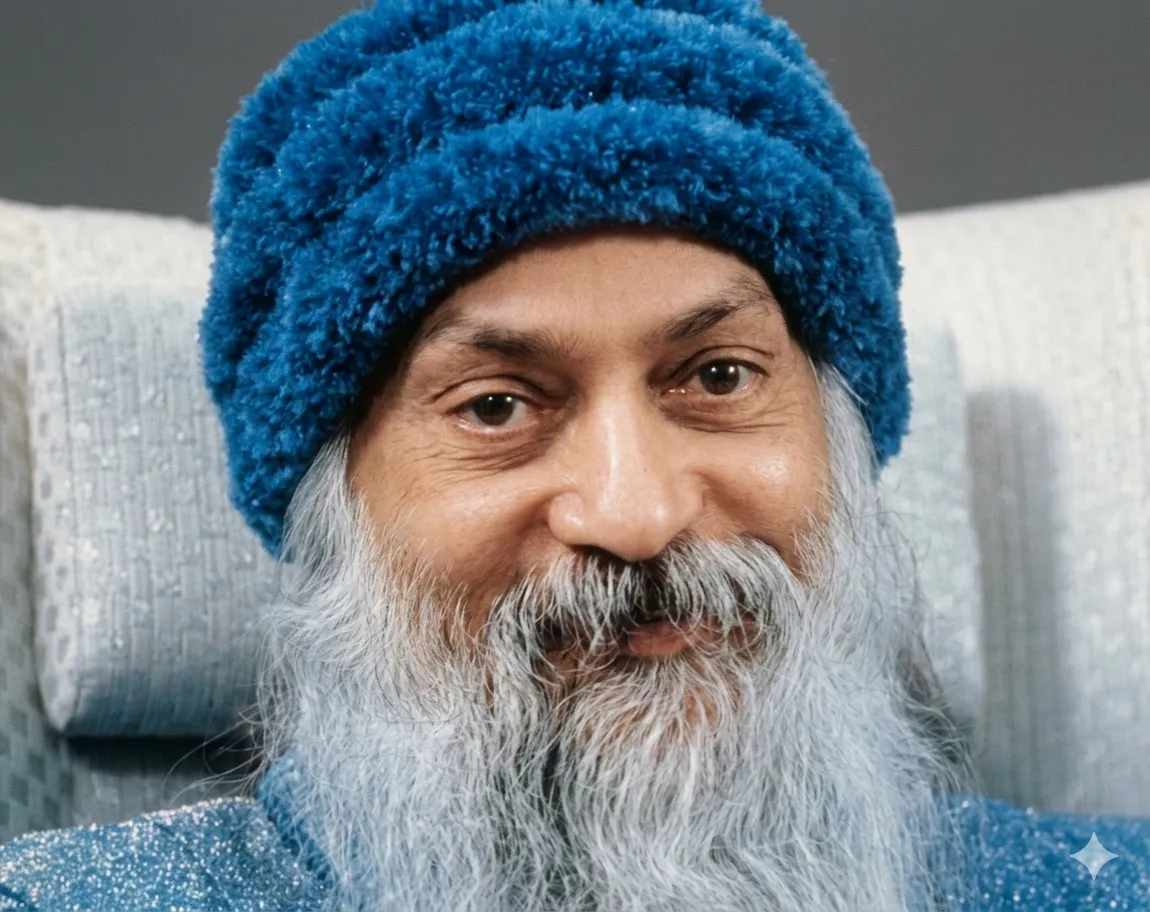
Osho's perspective on Theory
When Osho Spoke About Theory
Passages from the discourses where this theme comes alive.
Osho, is sadhana only necessary so long as there is lust and desire?
Have you seen a tightrope walker? The whole time he sways left to right and right to left. When he leans left, a moment comes when a little more and he will fall; instantly he leans right, to correct the excess. Then on the right the same brink appears; again he leans left. In this way, by swaying, he manages to stay on the rope. But once he climbs down, will he keep swaying? He sits. Why would he lean then? He stands firmly; ground has been found. He is no longer on a rope. Moving in the world is like walking a tightrope. Every moment you must lean: now love, now hate; now sympathy, now anger—left and right. Lovers come to me and ask, “How can it happen that we never get angry with the one we love?” I say, it cannot be so—unless you climb down from the…
पहला प्रश्न: ओशो, जब तक वासना है, कामना है, क्या तभी तक साधना है?
तुमने कभी किसी नट को देखा रस्सी पर चलते? पूरे समय बाएं से दाएं, दाएं से बाएं होता रहता है। जब बाएं झुकता है तो एक घड़ी आ जाती है कि अगर और थोड़ा झुका तो गिरेगा; तत्क्षण दाएं झुक जाता है, ताकि बाएं की अति से जो भूल हुई जा रही थी, वह दाएं झुकने से पूरी हो जाए। लेकिन तब फिर दाएं में ऐसी घड़ी आ जाती है कि अब जरा और झुका कि गिरा; फिर तत्क्षण बाएं झुक जाता है, ताकि जो अति हो रही थी, उसका संतुलन हो जाए। ऐसे झुकता है दाएं से बाएं, बाएं से दाएं, और इसी भांति किसी तरह अपने को रस्सी पर बनाए रखता है। लेकिन जब नीचे उतर आया, फिर थोड़े ही दाएं-बाएं झुकता रहेगा! फिर तो बैठ जाएगा; फिर तो झुकेगा ही क्यों? फिर तो खड़ा हो जाएगा, भूमि मिल गई। अब कोई रस्सी पर थोड़े ही चल रहा है। संसार में चलना तनी हुई रस्सी पर चलने जैसा है। प्रतिक्षण तुम्हें झुकना ही पड़ेगा। अभी प्रेम, अभी घृणा; अभी सहानुभूति, अभी क्रोध; यह दाएं-बाएं है। …
Question: 5. TAMING THE BULL THE WHIP AND ROPE ARE NECESSARY, ELSE HE MIGHT STRAY OFF DOWN SOME DUSTY ROAD. BEING WELL TRAINED, HE BECOMES NATURALLY GENTLE. THEN, UNFETTERED, HE OBEYS HIS MASTER. COMMENT: WHEN ONE THOUGHT ARISES, ANOTHER THOUGHT FOLLOWS. WHEN THE FIRST THOUGHT SPRINGS FROM ENLIGHTENMENT, ALL SUBSEQUENT THOUGHTS ARE TRUE. THROUGH DELUSION, ONE MAKES EVERYTHING UNTRUE. DELUSION IS NOT CAUSED BY OBJECTIVITY; IT IS THE RESULT OF SUBJECTIVITY. HOLD THE NOSE RING TIGHT AND DO NOT ALLOW EVEN A DOUBT. 6. RIDING THE BULL HOME MOUNTING THE BULL, SLOWLY I RETURN HOMEWARD. THE VOICE OF MY FLUTE INTONES THROUGH THE EVENING. MEASURING WITH HAND-BEATS THE PULSATING HARMONY, I DIRECT THE ENDLESS RHYTHM. WHOEVER HEARS THIS MELODY WILL JOIN ME. COMMENT: THIS STRUGGLE IS OVER; GAIN AND LOSS ARE ASSIMILATED. I SING THE SONG OF THE VILLAGE WOODSMAN, AND PLAY THE TUNES OF THE CHILDREN.
Osho, while listening to your talks, at times I am so overwhelmed with love that my eyes begin to shed tears. But then, unconsciously, the ego seems to take delight, too, thinking, “I am weeping tears of adoration.” Doesn’t this make the dry path of Advaita better—the path where the one who sheds tears does not remain at all?
It’s a fine, delicate question; it needs a little understanding. Reflect a little: if even in devotion the ego survives, then in nonduality it certainly won’t be destroyed. If even tears cannot carry it away, on a dry path it will only stiffen and stand more rigidly. If tears cannot melt it, and it even feeds on tears, then where there are no tears at all there will be no means left to dissolve it. Understand this. Ego is opposed to tears. That is why we tell men, “Don’t cry. Why are you behaving like a woman?” We make men egoistic. Even when a small boy starts to cry, we say, “Quiet! Are you a boy or a girl?” It’s a man’s world; men have been in control, so they kept ego for themselves. To be a man has come to mean: “Don’t cry.” That is the stiffness. “Women cry.…
तीसरा प्रश्न: ओशो, आपके प्रवचन सुनते हुए कभी-कभी प्रेम-विभोर होकर मेरी आंखें आंसू बहाने लगती हैं। लेकिन तभी अचेतन में अहंकार को रस भी आता लगता है कि मैं अहोभाव के आंसू बहा रहा हूं। क्या इससे अद्वैत का रूखा-सूखा मार्ग अच्छा नहीं है, जहां अश्रु बहाने वाला बचता ही नहीं?
अहंकार का आंसुओं से विरोध है। इसलिए तो हम पुरुष से कहते हैं, रोओ मत। क्या स्त्री जैसा व्यवहार कर रहे हो! पुरुष को हम अहंकारी बनाते हैं। छोटा बच्चा भी रोने लगता है तो कहते हैं, चुप! लड़का है या लड़की? पुरुषों की दुनिया है। अब तक पुरुष काबू रहे हैं दुनिया पर, तो उन्होंने अपने लिए अहंकार बचा लिया है। पुरुष होने का अर्थ है: ‘रोना मत।’ यह अकड़ है। ‘स्त्रियां रोती हैं। कमजोर रोते हैं, शक्तिशाली कहीं रोते हैं!’
A friend has asked: Osho, people often think that only those who are mentally disordered, overly emotional, or tormented by life's difficulties turn toward yoga or spirituality. Madness or frenzy is often assumed to be the starting point of spiritual practice!
Those who think so are right—up to a point. Their mistake is not in seeing that people troubled and tormented by the mind are drawn toward meditation, yoga, and spirituality; that much is true. But those who believe themselves to be mentally untroubled are just as afflicted—and they, too, should bow toward it. To be human is to be afflicted. The very way man is constituted carries pain. Human existence is sorrowful. So the truly foolish one is the person who imagines they will attain bliss without turning toward the spiritual. There is no other way to bliss. And the sooner one bows, the better. It is true that those who incline toward spirituality are mentally troubled. But note the other side: the very moment they bow, their mental pain begins to dissolve. With that bowing, the frenzy begins to disappear. Passing through the process of spirituality, they become healthy,…
एक मित्र ने पूछा है कि ओशो, प्रायः लोग ऐसा सोचते हैं कि योग या अध्यात्म की ओर वे ही झुकते हैं, जो मस्तिष्क के विकार से ग्रस्त हैं, भावुक हैं या जीवन की कठिनाइयों से संत्रस्त हैं। प्रायः पागलपन या उन्माद को साधना का प्रस्थान बिंदु मान लिया जाता है!
जो ऐसा सोचते हैं, वे थोड़ी दूर तक ठीक ही सोचते हैं। भूल उनकी यह नहीं है कि जो लोग मन से पीड़ित और परेशान हैं, वे ही लोग ध्यान, योग और अध्यात्म की ओर झुकते हैं; यह तो ठीक है। लेकिन जो अपने को सोचते हैं कि मानसिक रूप से पीड़ित नहीं हैं, वे भी उतने ही पीड़ित हैं और उन्हें भी झुक जाना चाहिए। मनुष्य का होना ही संत्रस्त है। मनुष्य जिस ढंग का है, उसमें ही पीड़ा है। मनुष्य का अस्तित्व ही दुखपूर्ण है। इसलिए असली तो नासमझ वह है, जो सोचता है कि बिना अध्यात्म की ओर झुके हुए आनंद को उपलब्ध हो जाएगा। आनंद पाने का कोई उपाय और है ही नहीं। और जो जितनी जल्दी झुक जाए, उतना हितकर है। यह बात सच है कि जो लोग अध्यात्म की ओर झुकते हैं, वे मानसिक रूप से पीड़ित और परेशान हैं। लेकिन दूसरी बात भी खयाल में ले लेना, झुकते ही उनकी मानसिक पीड़ा समाप्त होनी शुरू हो जाती है। झुकते ही मानसिक उन्माद समाप्त हो जाता है। और अध्यात्म की प्रक्रिया से गुजरकर वे स्वस्थ, शांत और आनंदित हो जाते हैं।
Profound Quotes on Theory
Explore our structured collection of meaning-mapped quotes regarding Theory.