
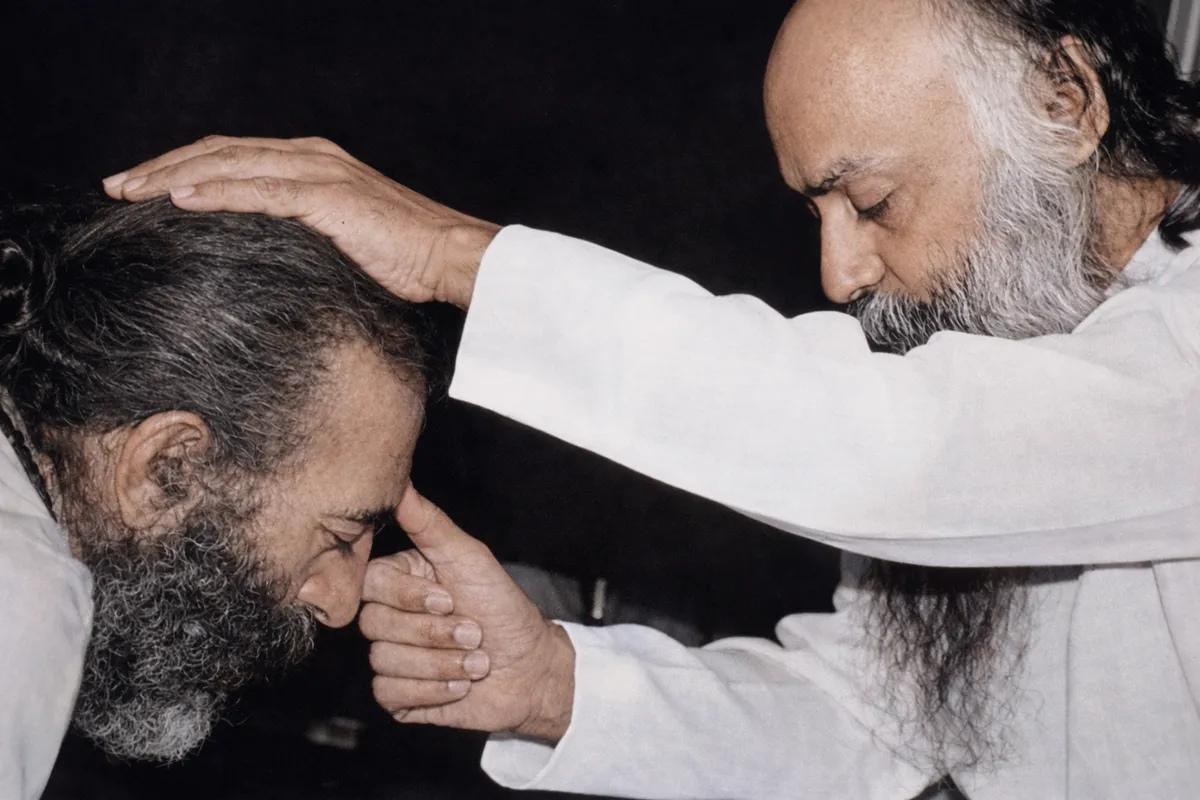
Osho's perspective on Self-Sufficiency
When Osho Spoke About Self-Sufficiency
Passages from the discourses where this theme comes alive.
Beloved Osho, were you always self-sufficient even as a child? Did you never need cuddling or hugging? Was your body free of this desire?
Unfortunately, yes. I don't remember that I ever needed any cuddling and hugging. I say, unfortunately, yes. Perhaps I have missed something beautiful. Cuddling and hugging are needed by children because they feel so small, so fragile, so afraid of the big world around. I have never felt any fear, and I have had my sources of warmth within myself -- as far back as I can remember. I never liked to sleep with my mother, with my father. Particularly my grandfather was very much in love with me. It is something to be understood. Grandfathers are always immensely in love. They may not have loved their own son, but they love their son's son. There must be some psychological reason behind it. Their own son, because of all the religious teachings in the air, has always reminded them that they have committed something ugly, sinful. This son is the…
Osho, seeing and hearing you speak, one thing continues to strike me: from your earliest childhood, up until the latest split second, you have always had so much self-respect and so much self-delight. Are we all capable of so much?
Each fragment may not give you the idea because it is out of context, but if you put it in the whole context.... I was being expelled from one college, another college, but I was enjoying it -- and that's what was shocking to them. When I was expelled from one college, my first college, it was this same principal who had to expel me. He felt very sorry, because it was not right to expel me; and by and by he had come to have a certain liking for me, for my absolute determination to be myself whatsoever the cost. He had grown, by and by, a certain respect: "This man can sacrifice anything even for buttons, just for the cap." He tried to persuade me, "If you wear the cap I guarantee you that you will get the first class first in the intermediate examination, because it is…
Beloved Osho, how did you manage to stay with your own clarity as a child and not let yourself become intimidated by the grown-ups around you? Where did you get that courage from?
The gatekeeper said, "If you still want them to see, first go engrave your name; then come back and take them with you if you want. I have no objection even now if you want to take them, but just in case you decide not to, then there will be no place, no chance ... they will be with you. You go alone." This was perfectly sane advice. The emperor said, "That's good. I will go alone, engrave my name, come back, and call you all." The gatekeeper said, "I am perfectly agreeable to that." The emperor went and he saw the Sumeru shining under thousands of suns -- because in heaven you cannot be so poor as to have just one sun -- thousands of suns, and a golden mountain far bigger than the Himalayas -- and the Himalayas are almost two thousands miles long! He could not open…
Osho, you were more awake as an infant than I am now. How did this courage and awareness happen?
In India, in Punjab, if you are traveling in Punjab -- you can ask Neelam -- never ask anybody, "What is the time?" because if it happens to be twelve you will be beaten. And if you can escape alive it will be just a miracle. It is just for a very philosophical reason -- but when philosophy comes into the hands of fools, this is what happens. Nanak, the founder of Sikhism, has said that the moment of samadhi is just like two hands of the clock meeting on twelve, where they are no longer two. He was just taking an example -- that in the moment of samadhi the two-ness of your being dissolves and you arrive at oneness. The same happens in death too. He explained later on that the same happens in death. Again the two hands which have been separately moving come together and stop,…
Profound Quotes on Self-Sufficiency
Explore our structured collection of meaning-mapped quotes regarding Self-Sufficiency.